
The Ningbo City Exhibition Center is situated in Jiangdong District, Ningbo City. The building features one underground floor and four above-ground levels, covering a total construction area of 23,622 square meters with a height of 24 meters. From an aerial perspective, the structure resembles a giant windmill, composed of a central atrium and four expansive wings.
The exterior façade consists of a double-layered curtain wall system, encompassing a total curtain wall area of 18,500 square meters. The inner layer features an irregular, multi-faceted glass curtain wall framed with aluminum panels, while the outer layer is a glazed dry-hanging ceramic panel curtain wall with an irregular cross-section, wrapping around the glass façade. The ceramic panels are arranged in a three-dimensional, irregular pattern that varies in density and layering, rising around the glass façade and encircling the rooftop skylight.
The atrium skylight utilizes a steel truss structure supporting sandwich hollow glass panels, with a PTFE sunshade film suspended beneath. Figure 1 below illustrates the overall rendering of the curtain wall façade.
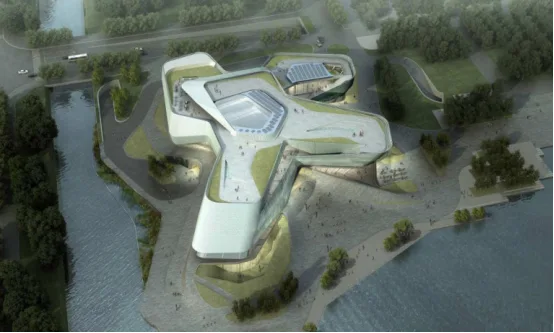
Figure 1: Rendering of Ningbo City Exhibition Center
Key Challenges in Curtain Wall Engineering
The curtain wall is divided into five zones based on the wing panel locations: Zone A, Zone B, Zone C, Zone D, and Roof Zone E. The project involves 16 types of glass totaling 1,679 unique pieces, alongside 7,459 specifications and 27,883 irregular ceramic panels. This double-layer curtain wall has a varying distance between the outer ceramic panel and the inner glass curtain wall, ranging from 1.1 to 3.3 meters.
The curtain wall’s cross-section is an irregularly curved surface. Consequently, most column frames are constructed from two or three rectangular steel pipes that are twisted and spliced vertically, requiring precise spatial positioning during installation. There are 475 unique glass curtain wall column frames and 269 ceramic panel curtain wall column frames, presenting significant challenges for fabrication and construction.
Besides connecting to the main steel ring beam, some ceramic panel curtain wall supports are linked to the glass curtain wall columns via complex “cow leg” connectors, which require intricate spatial positioning. Figure 2 shows the zoning map of the curtain wall, while Figures 3 and 4 depict the three-dimensional line models of the ceramic panel and glass curtain wall column frameworks respectively (note: various line colors indicate different structural specifications). Figure 5 presents the main sectional view of the double-layer curtain wall.
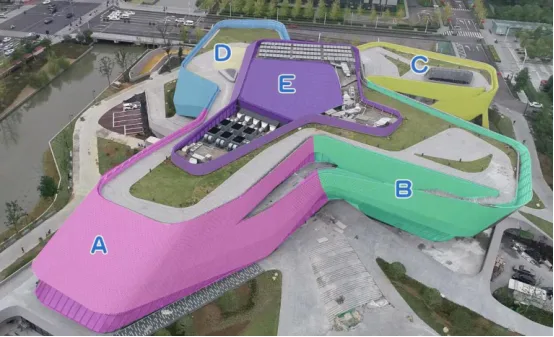
Figure 2: Zoning Map of Ningbo City Exhibition Center
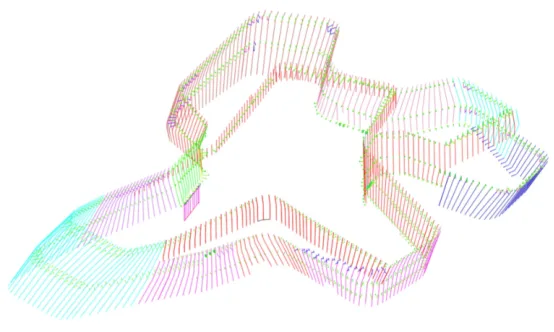
Figure 3: 3D Line Model of Inner Glass Curtain Wall Column Framework
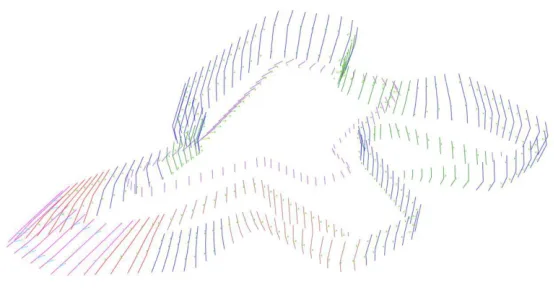
Figure 4: 3D Line Model of Outer Ceramic Panel Curtain Wall Column Framework
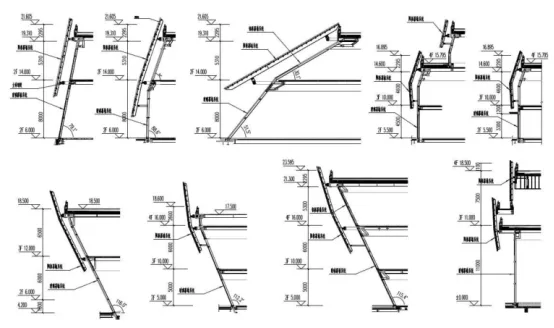
Figure 5: Main Sectional View of Double-Layer Curtain Wall
Application of BIM Technology During the Design Phase
1. Conceptual Design Stage
Using the initial BIM 3D model provided by the architect, a specialized model of the irregular curtain wall was developed. Collaboration with the architect ensured proper division and segmentation of the exterior skin panels, maintaining consistency in design and building effects. After several rounds of communication and coordination, the glass curtain wall zoning and ceramic panel layout principles were finalized. Figures 6 and 7 display the finalized skin models.
The primary focus of BIM technology at this stage was creating the initial irregular curtain wall model, serving as the foundational framework for the project’s implementation and marking the first step in BIM application.
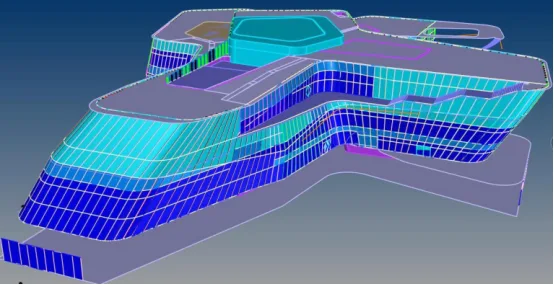
Figure 6: Glass Segmentation Confirmation Model
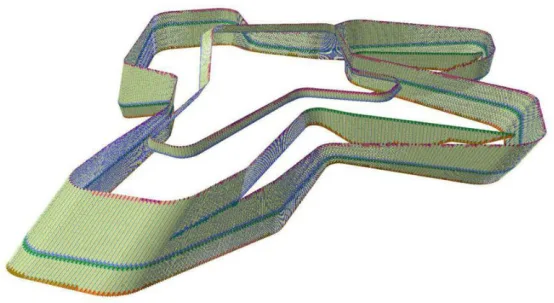
Figure 7: Confirmation Model for Ceramic Panel Layout
2. Curtain Wall Construction Drawing Design Stage
During this phase, the curtain wall surface was further optimized by analyzing curvature values. Panels with arch heights and curvature values below 9mm were optimized by replacing single-curved glass with flat glass and double-curved glass with single-curved glass wherever possible. This approach balanced the architect’s design intent with the practical needs of fabrication and installation, thereby reducing construction complexity and cutting costs.
Panel thickness and structure were determined through detailed analysis of panel areas, as shown in Figures 8 and 9. The BIM model’s accuracy was enhanced in this stage to support detailed curtain wall design and close collaboration with the curtain wall design team.
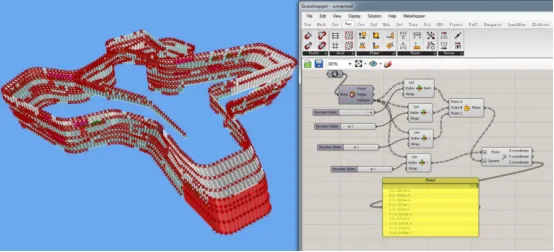
Figure 8: Analysis of Glass Panel Warpage Values
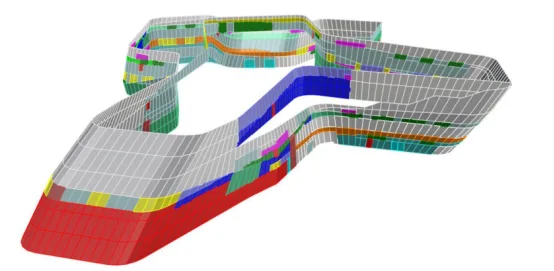
Figure 9: Fitting Single Curved Surface to Flat Glass and Double Curved Surface to Single Curved Glass
BIM models also facilitated direct measurements of panel angles, inclinations relative to the horizontal plane, and panel areas. This data enabled designers to optimize the glass curtain wall structure and select appropriate panel types.
The ceramic panel curtain wall layout was parameterized through BIM software, allowing panels to be staggered and overlapped with variable spacing vertically and horizontally. Panels could also be rotated to any angle within the three-dimensional coordinate system.
Since the ceramic panel curtain wall serves as a decorative, visible interior surface, it required a thoughtfully designed three-dimensional structure to ensure both aesthetic appeal and ease of installation. Post-design, the BIM model was used for 3D verification and simulation to confirm installation feasibility for all angles and irregular components, including large-angle changes, hyperbolic surfaces, and corner bends.
This verification helped identify practical issues and underlying causes promptly, enabling informed, feasible solutions to be proposed. Systematic verification of the curtain wall connection structure was essential to ensure smooth construction progress.
Figures 10 and 11 illustrate the verification models for the glass and ceramic curtain wall systems, respectively. This early system validation demonstrates BIM’s advantage in preventing design errors and unfeasible scenarios, thereby enhancing overall design quality.
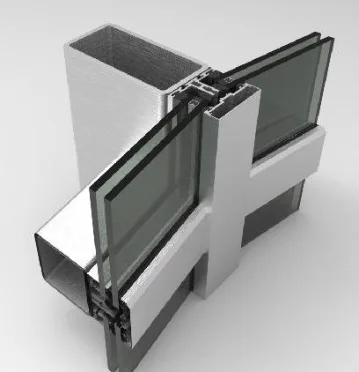
Figure 10: Verification of Glass Curtain Wall System Model
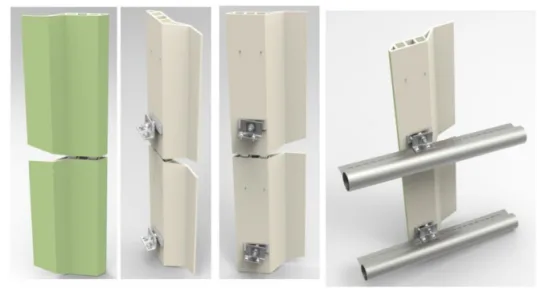
Figure 11: Verification of Ceramic Curtain Wall System Model
Once the system design was finalized, the building curtain wall model was refined, incorporating detailed components such as the curtain wall skeleton, connectors, and embedded parts. After completing the model, it was integrated with BIM models from other disciplines—including civil steel structure, landscaping, and HVAC systems—to analyze spatial relationships.
During this integration, conflicts and collisions were checked to ensure that installation gaps and construction clearances met design requirements. Any unreasonable structural placements or construction plans were promptly adjusted to avoid rework, reduce material waste, and prevent delays. Figure 12 shows examples of detected clashes between the curtain wall and other systems.
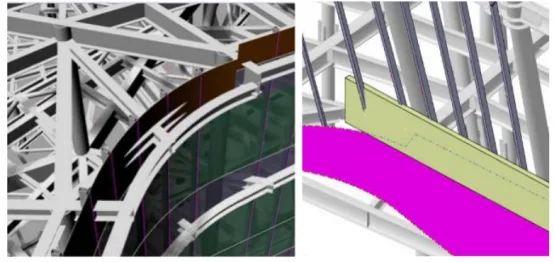
Figure 12: Model Validation Showing Collisions Between Curtain Wall and Other Systems
One of the most important benefits of BIM optimization in the design phase is the ability to directly export 3D curtain wall construction drawings. Designing construction drawings for irregular buildings is especially complex, and traditional 2D drawings often fail to convey the full design intent, leading to complications and safety risks during construction.
BIM’s 3D drawing capabilities simplify the creation of curtain wall design and construction documents. For instance, steel structure 3D drawings and unfolded ceramic panel curtain wall drawings can be extracted directly from the BIM model. This ensures accuracy, clarity, and intuitiveness—helping construction teams quickly understand design intent and construction details, thereby facilitating smoother project execution and improving build quality.
Figures 13 below showcase some of the exported 3D curtain wall construction drawings.
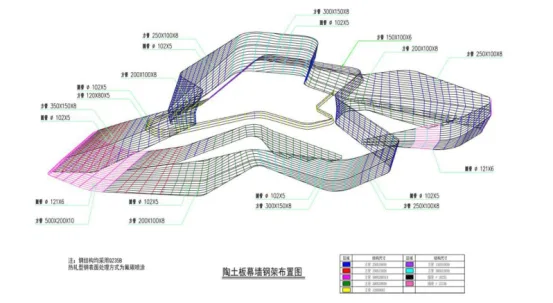
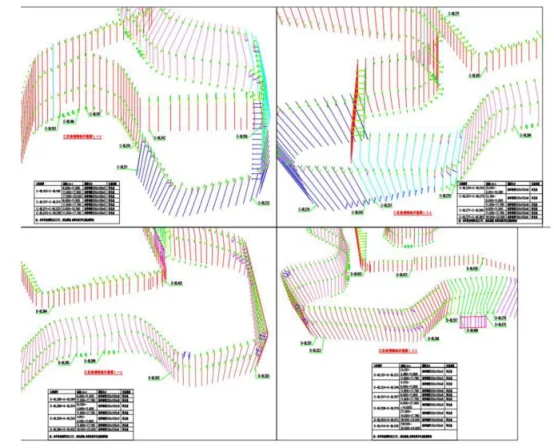
Figure 13: Exported 3D Curtain Wall Construction Drawings
To be continued
Text by: Yi Yingying
For educational and communication purposes only. If there is any infringement, please contact us for removal.
















Must log in before commenting!
Sign Up