
BIM stands for Building Information Modeling, a term widely adopted in China as well. It represents a multidimensional model information integration technology, developed based on CAD and other building information technologies. BIM is a natural evolution in the construction industry’s technological advancement. The concept was first introduced in 1975 by Professor Chuck Eastman at the Georgia Institute of Technology. BIM integrates all geometric data, functional requirements, and component performance into a single building model that encompasses all information throughout a building project’s lifecycle. This includes process data such as construction progress, procedures, and maintenance management.
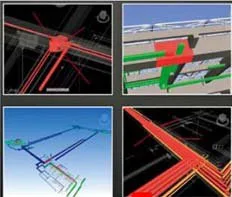
Figure 1: BIM Design Pipeline Spatial Relationships and Component Collision Inspection
BIM relies on 3D digital technology and utilizes the Industry Foundation Classes (IFC) standard developed by the International Alliance for Interoperability. It quantifies and integrates all relevant construction project information by combining engineering data models and storing them in one or more databases. This information model consolidates design and construction data—including graphics, numbers, and text—into a comprehensive digital database.
The system captures the entire project lifecycle, addressing information communication and transfer challenges across all stages—from planning and design to construction, operation, maintenance, and demolition. BIM enables project participants to intuitively and efficiently access relevant data, positively impacting planning, design, construction, and operation processes. This approach facilitates full lifecycle management, enhances technical capabilities, boosts industry productivity, and promotes sustainable, energy-efficient building practices.
Spatial analysis simplifies design modifications. Any change made to the project is automatically coordinated across the entire model. Plan, elevation, and section views update seamlessly, ensuring consistency. BIM’s automatic coordination functions help eliminate errors and significantly improve overall project quality.
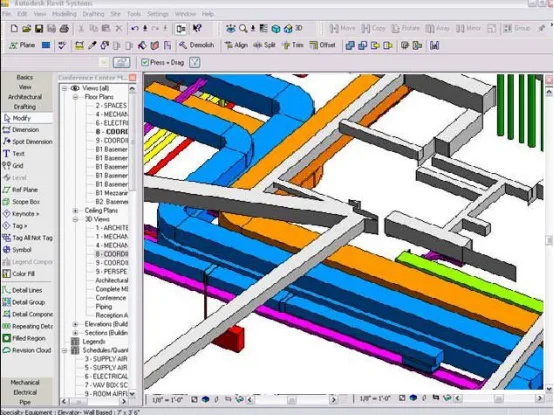
Figure 2: Comparison of 3D Visualization Pipeline Design Before and After Modifications
















Must log in before commenting!
Sign Up