
Ideally, enterprises leverage BIM technology to manage multiple projects simultaneously, coordinate resources across these projects, and oversee daily operational management, as illustrated in Figure 1. Since enterprise management information can be analyzed using object-oriented methods—breaking it down into related components such as personnel, departments, subsidiaries, cost records, enterprise plans, and technical documents—all this data can be represented through the object-oriented nature of BIM technology. This enables a seamless integration of enterprise-level and project-level information.
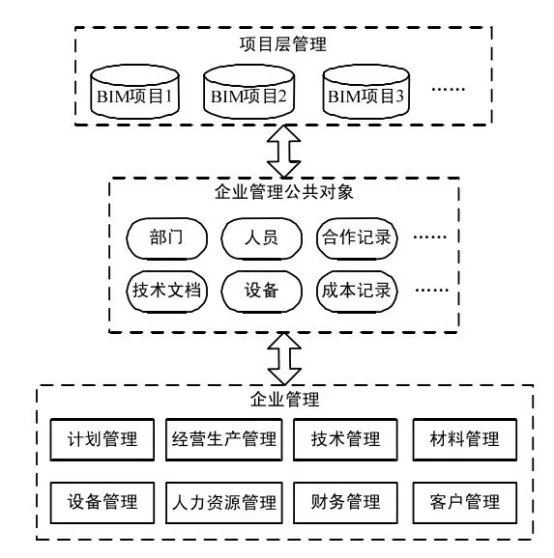
Figure 1: BIM Technology and Enterprise Management
When a project involves a substantial investment, carries significant responsibility, and demands high standards, it often comes with extended timelines, rigorous quality requirements, and complex technical challenges. Large-scale projects typically involve numerous participants, which complicates management. As an integrated information management model for engineering projects, BIM proves invaluable by providing comprehensive and systematic information control throughout the entire lifecycle of engineering and construction activities.
















Must log in before commenting!
Sign Up