
BIM technology is highly valued in the construction industry for its transformative impact on project design and management. It is commonly used for 3D modeling and promotional presentations, while also enabling collision detection and other methods that minimize errors, enhance design efficiency, and improve overall quality. These advantages help reduce unnecessary waste and resource loss. The key features of BIM technology applications include:
1. Three-Dimensional Visualization. BIM technology converts traditional 2D drawings into detailed 3D visual models. It integrates seamlessly with various software to digitize building information, making construction processes more transparent. This enhanced visualization improves the understanding of the project among construction teams and helps prevent losses caused by misinterpretations.
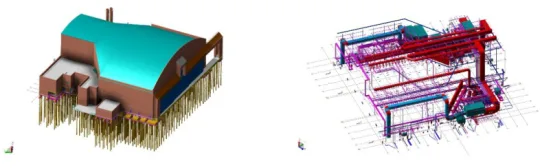
2. Information Integration and Sharing. BIM enables real-time, comprehensive sharing of data through computer networks and the internet, replacing outdated communication methods. This digital approach minimizes delays and information loss, while significantly reducing costs associated with traditional paperwork. Moreover, BIM stores valuable knowledge and skills gained during construction digitally, helping teams accumulate experience and avoid repeating errors. This feature is crucial for identifying risk factors and improving risk management in future projects.
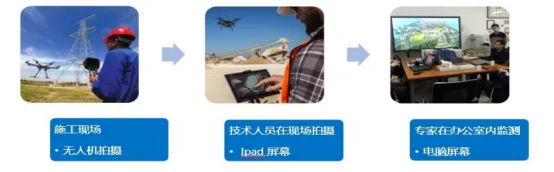
3. Collaborative Platform. BIM establishes dynamic links between information from different stakeholders. When one party updates data, those changes synchronize across all related parties, reducing redundancy and ensuring data accuracy. Large construction projects often face unpredictability, but BIM integrates with technologies like drones through cloud platforms to provide precise geographic data quickly. Real-time images can be accessed on mobile devices and computers by all involved, enabling collaborative project monitoring and saving significant manpower and resources.
4. Simulation. During design optimization, BIM allows for scene rendering by incorporating real natural environments into building models. These can be transformed into videos, images, or real-time animations, providing realistic visual simulations of construction sites under actual environmental conditions. This enhances schedule planning and reduces errors and rework by integrating construction methods, virtual modeling, and on-site supervision. Additionally, BIM accelerates information flow after decisions are made, promoting efficient, accurate decision-making and reducing human errors, which directly supports effective risk management.
















Must log in before commenting!
Sign Up