
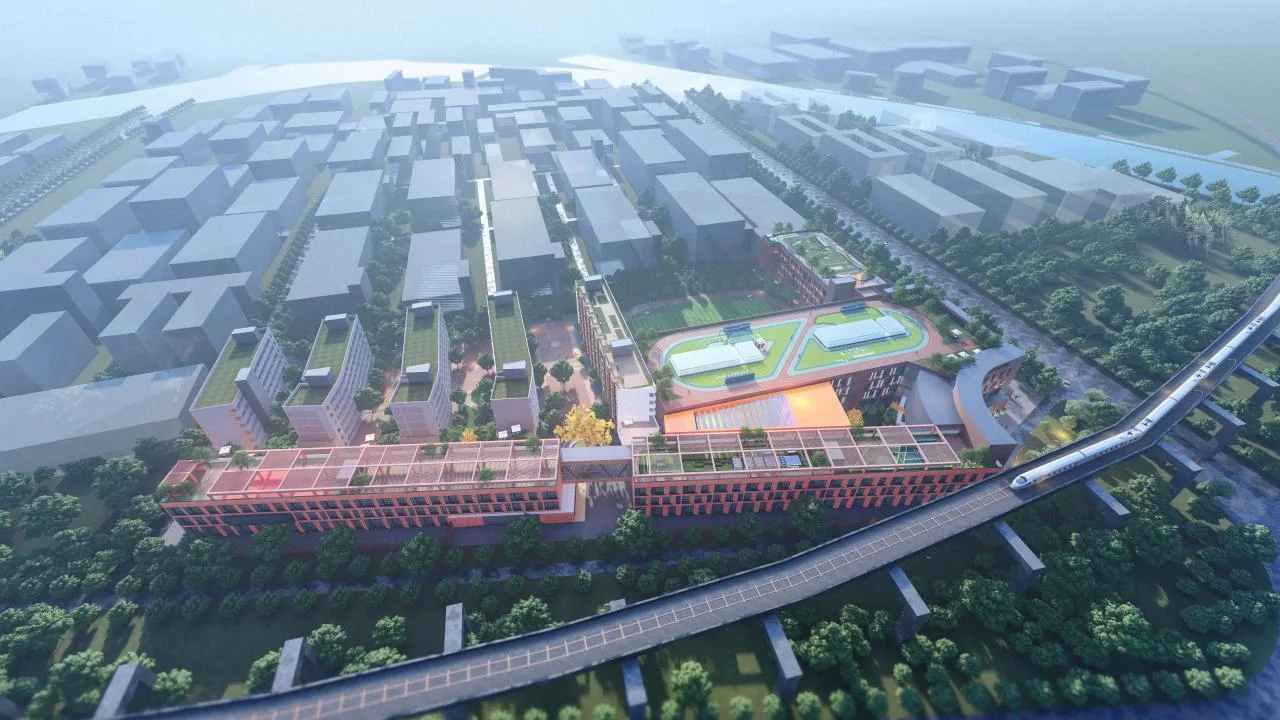
In an era marked by the scarcity of available land, our goal is to breathe new life into old industrial plants by assigning them a renewed historical purpose. Amid challenging site conditions, integrating more natural elements allows the building to breathe organically, creating diverse spaces for learning, sports, and leisure that cater to students from multiple perspectives.
Project Background
The original campus of Shenzhen Mingzhu School is situated at No. 2011 Aiguo Road, Luohu District, Shenzhen. Established 25 years ago and overseen by the Luohu District Education Bureau, it stands as one of the first state-owned and private schools to undergo education system reform in the city. Facing issues such as aging facilities and insufficient capacity at the old campus, Mingzhu School decided to construct a new campus to offer enhanced teaching environments for both teachers and students.
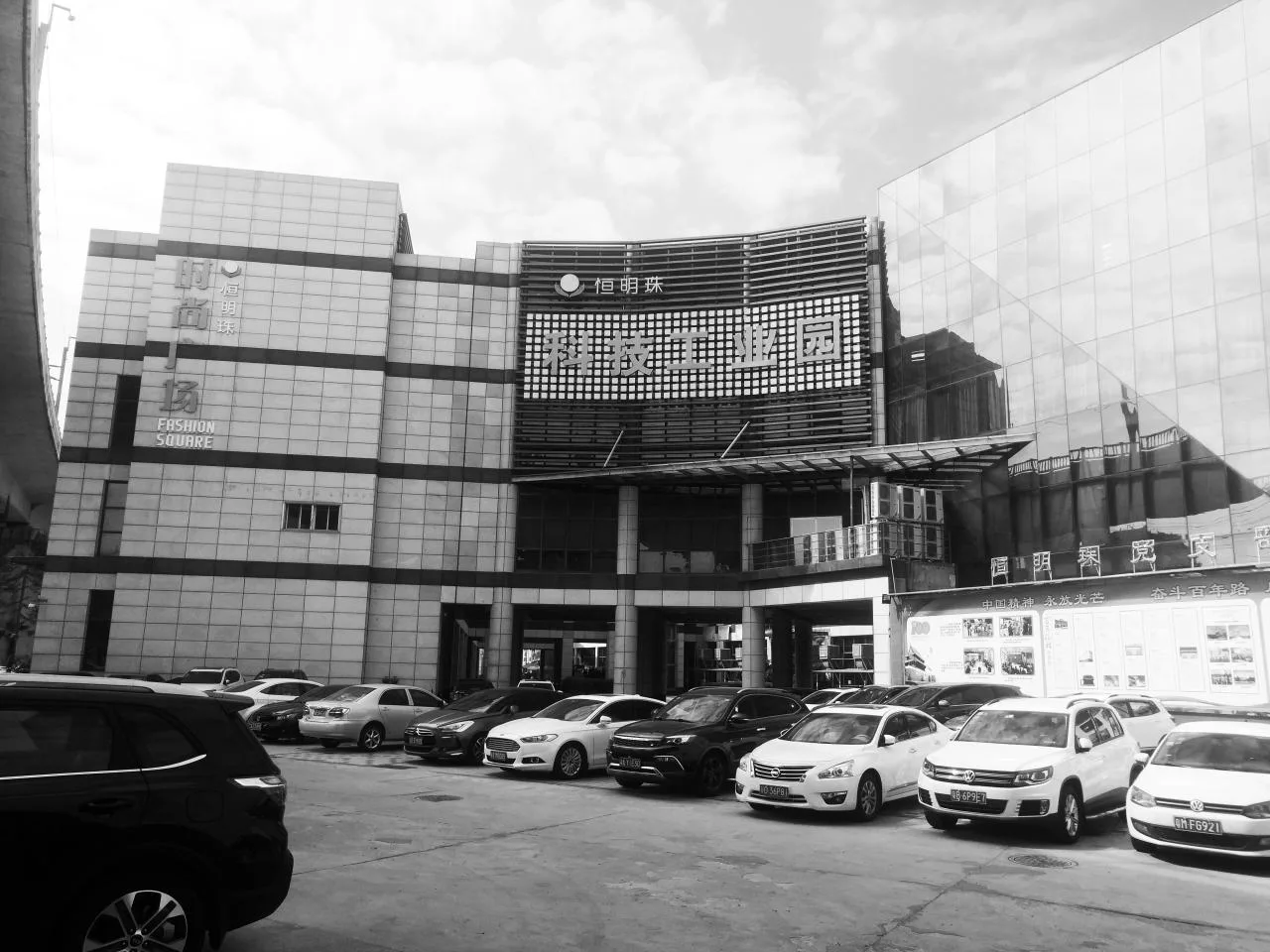
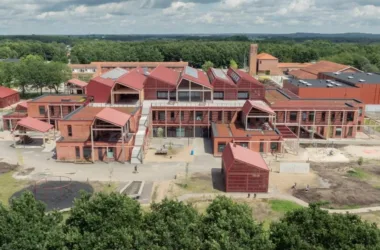
The new campus is located on Xiangxing Road, Shajing Street, Bao’an District, Shenzhen, adjacent to the east side of Hengmingzhu (Shajing) Science and Technology Industrial Park. It covers an area of 34,200 square meters with a total building area of 63,635 square meters. The school has been transformed from five staff dormitories, three commercial buildings, and one warehouse within the industrial park. Scheduled to open in September 2022, the campus will provide 2,160 high school places to serve local residents.
Project Reflection
As cities rapidly develop, available land becomes increasingly limited. The organic renewal of urban areas and the regeneration of old industrial zones through stock planning are critical components of modern urbanization. Our challenge was to seamlessly connect the buildings while preserving most of the original factory structures, and to reduce noise within the campus, especially as the site is flanked by streets on both sides.
We faced numerous design challenges: breaking the original factory layout, addressing wide column spans that limited movement space, and adapting the industrial layout to suit educational purposes. Every aspect demanded careful and innovative design solutions.
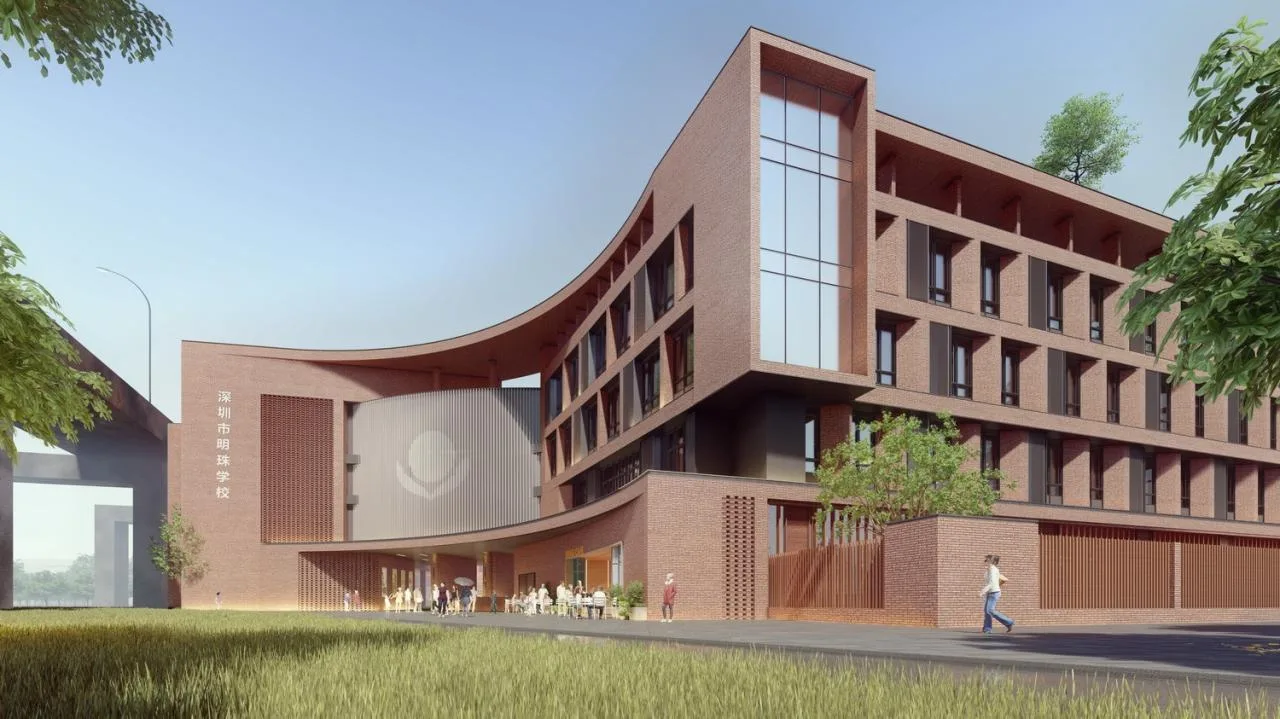
Multidimensional Campus
The design approach focuses not on creating an iconic new building but on reconstructing and restoring a piece of the city. To achieve this, the architects carefully observed the existing environment, identified its unique qualities, and preserved a distinctive architectural atmosphere and character.
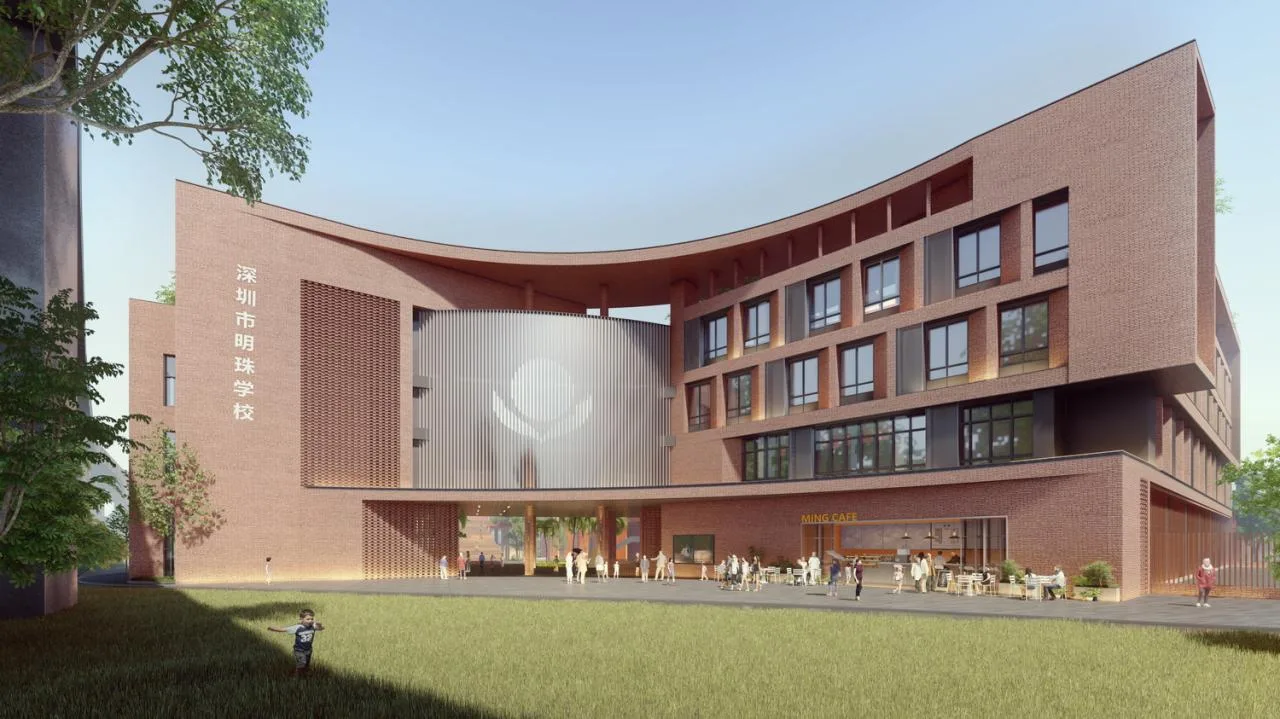
Most of the original factory structure was retained. To unify and integrate the exterior facade, two curved cover plates were added to the main entrance facade, softening the boundary between the two buildings. These forms resemble open arms, warmly welcoming students as they arrive.
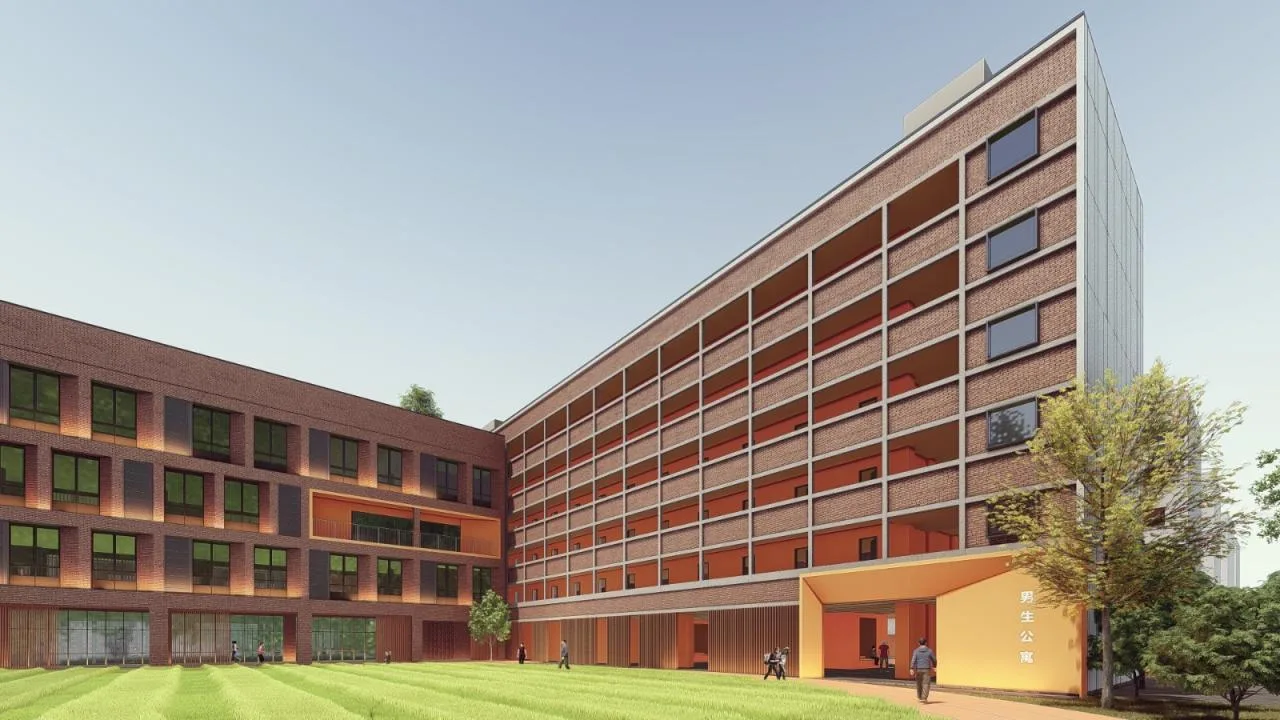
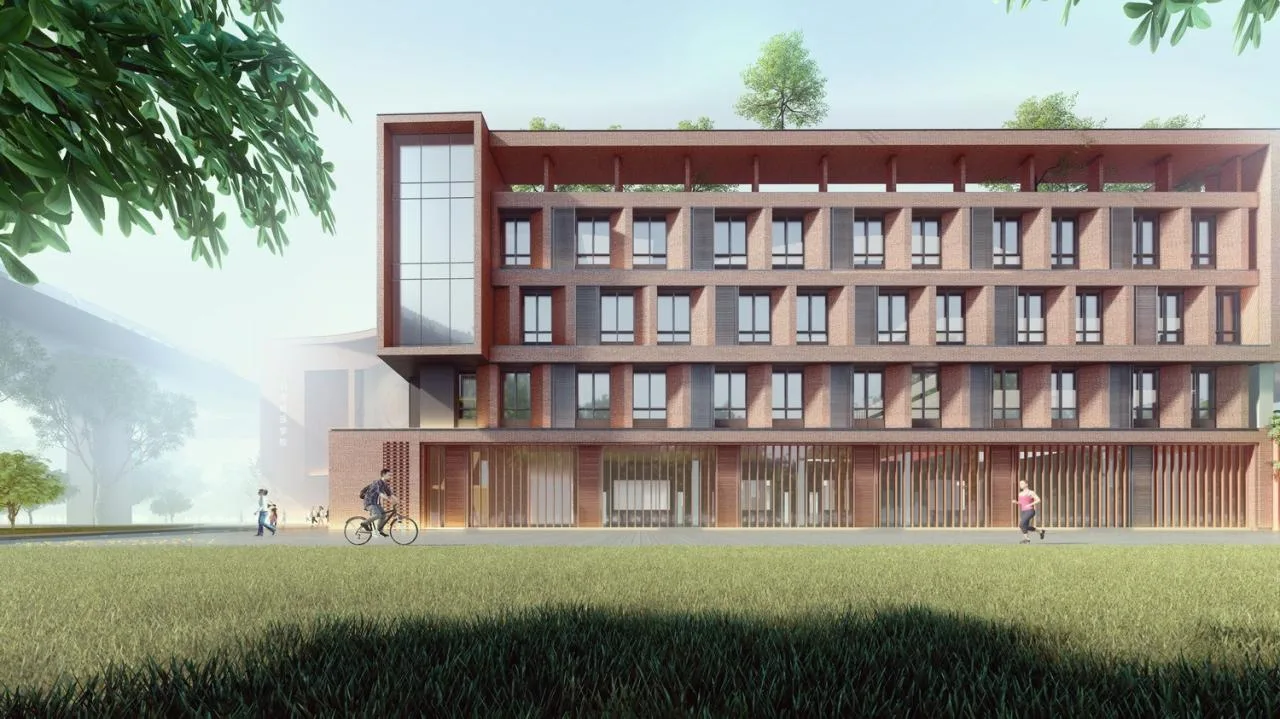
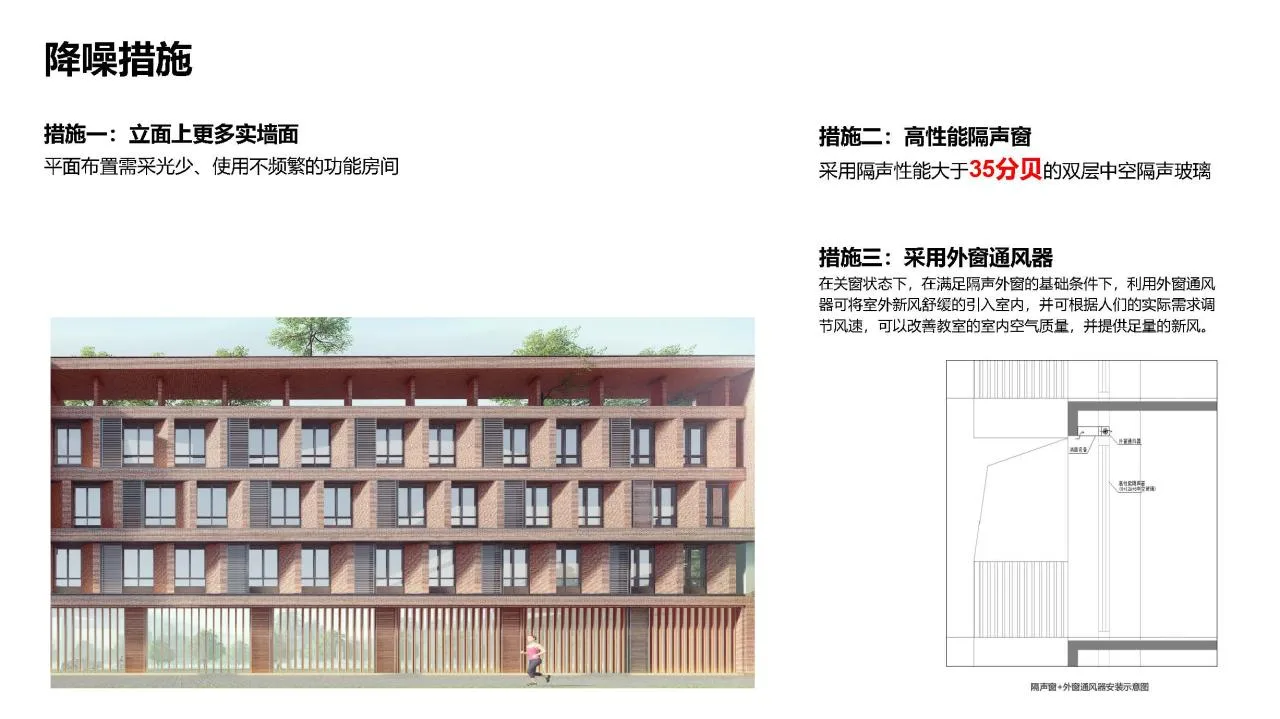
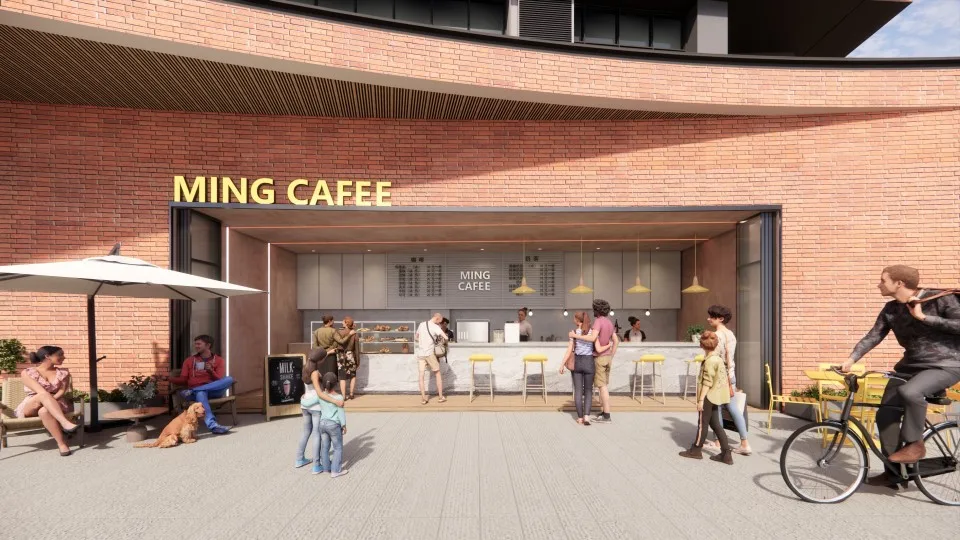
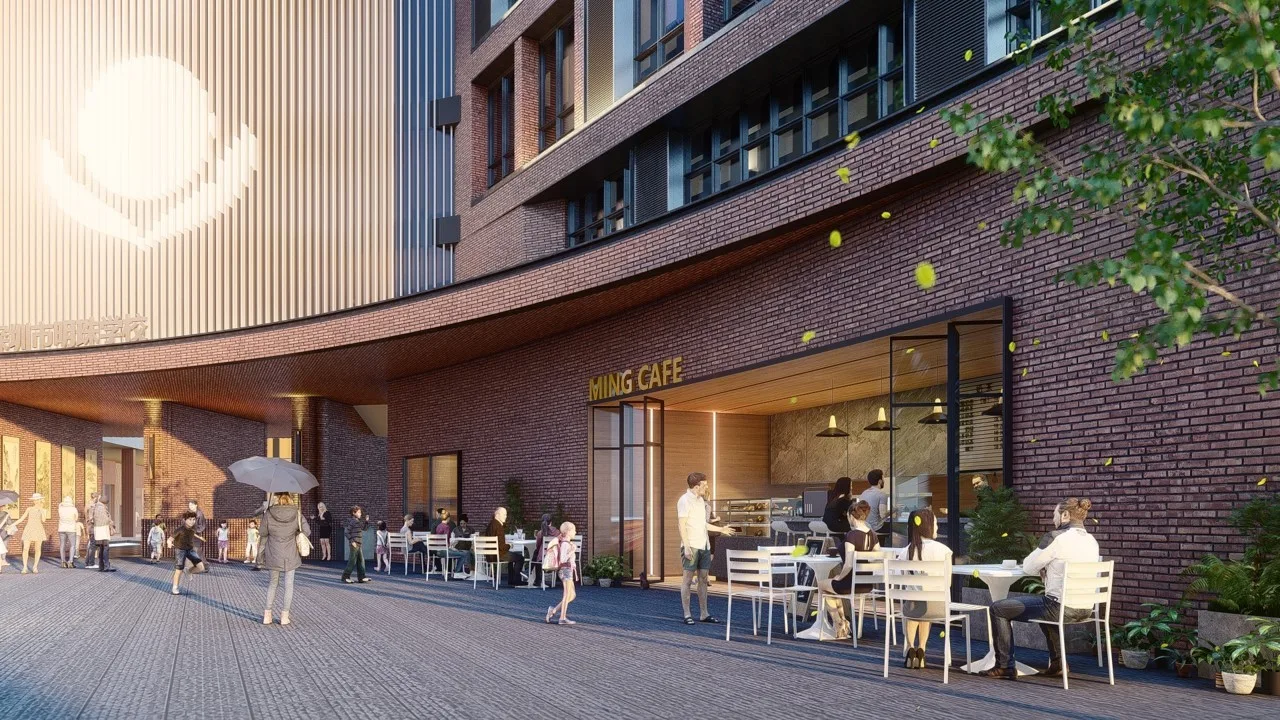
The main facade features abundant red brick elements, reflecting an industrial aesthetic and evoking a sense of history. To mitigate street noise, the facade incorporates more solid walls alongside double-layer hollow soundproof glass that offers over 35 decibels of insulation, complemented by external window ventilators.
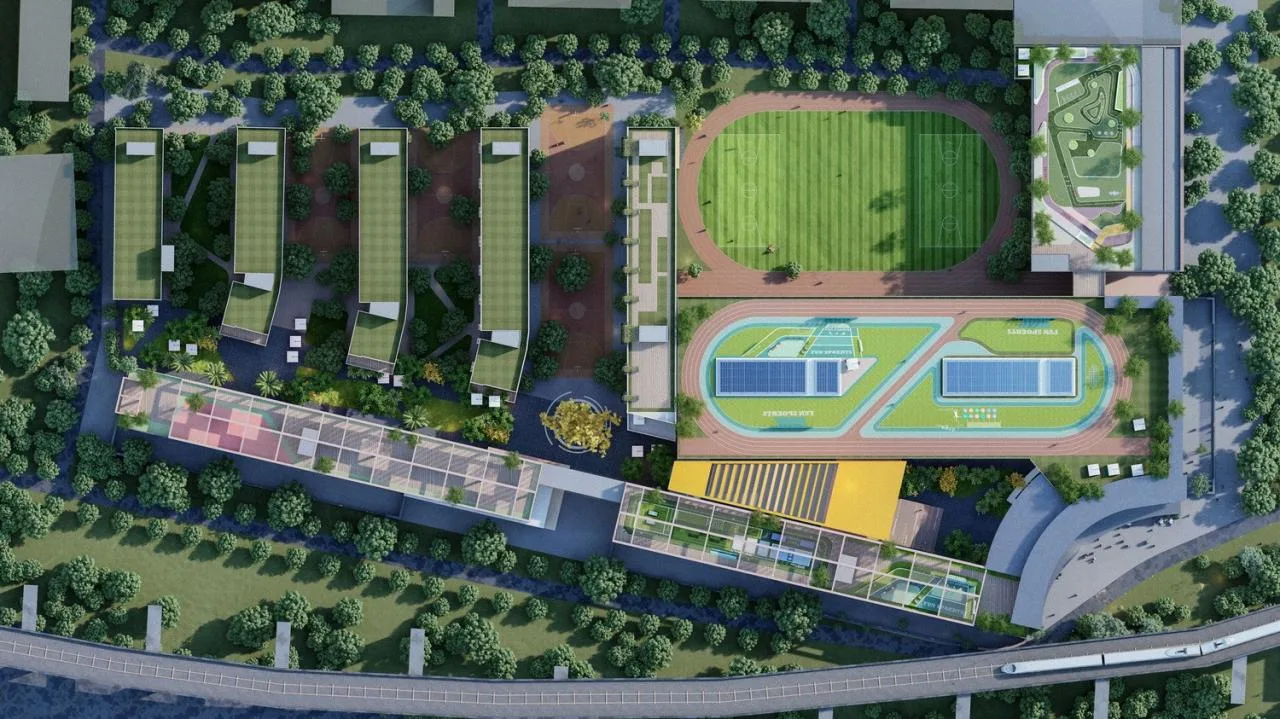
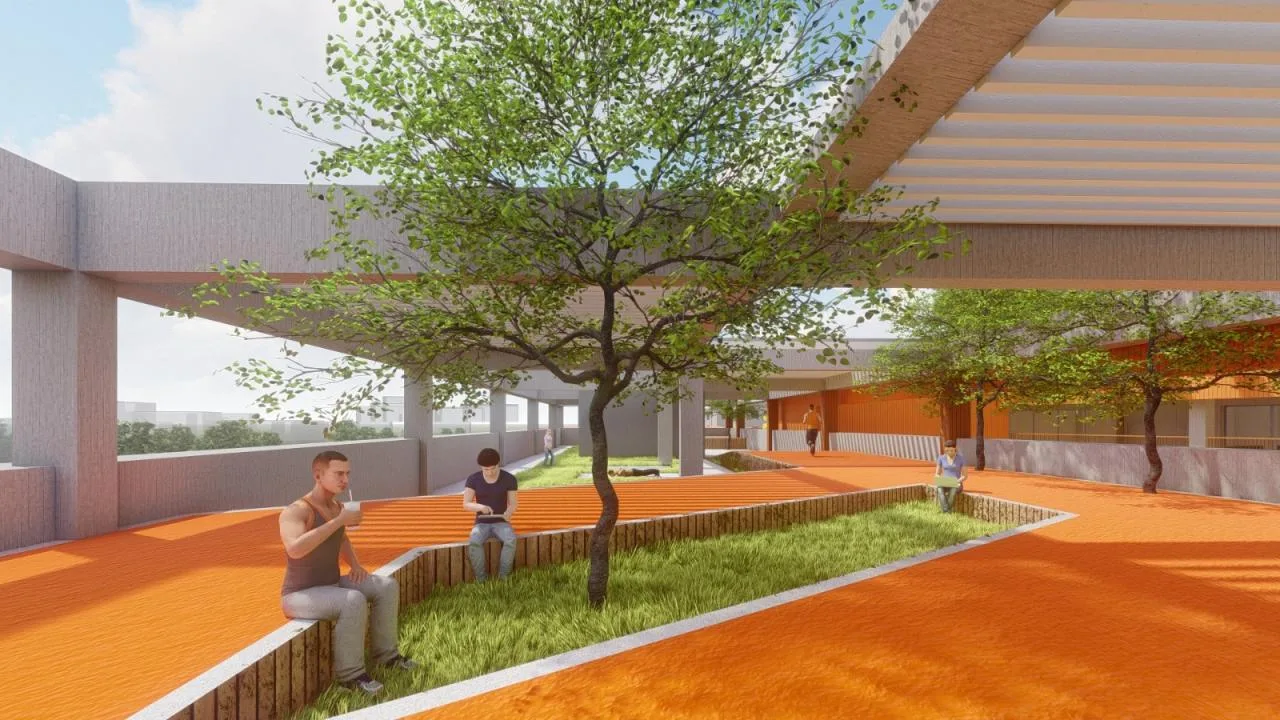
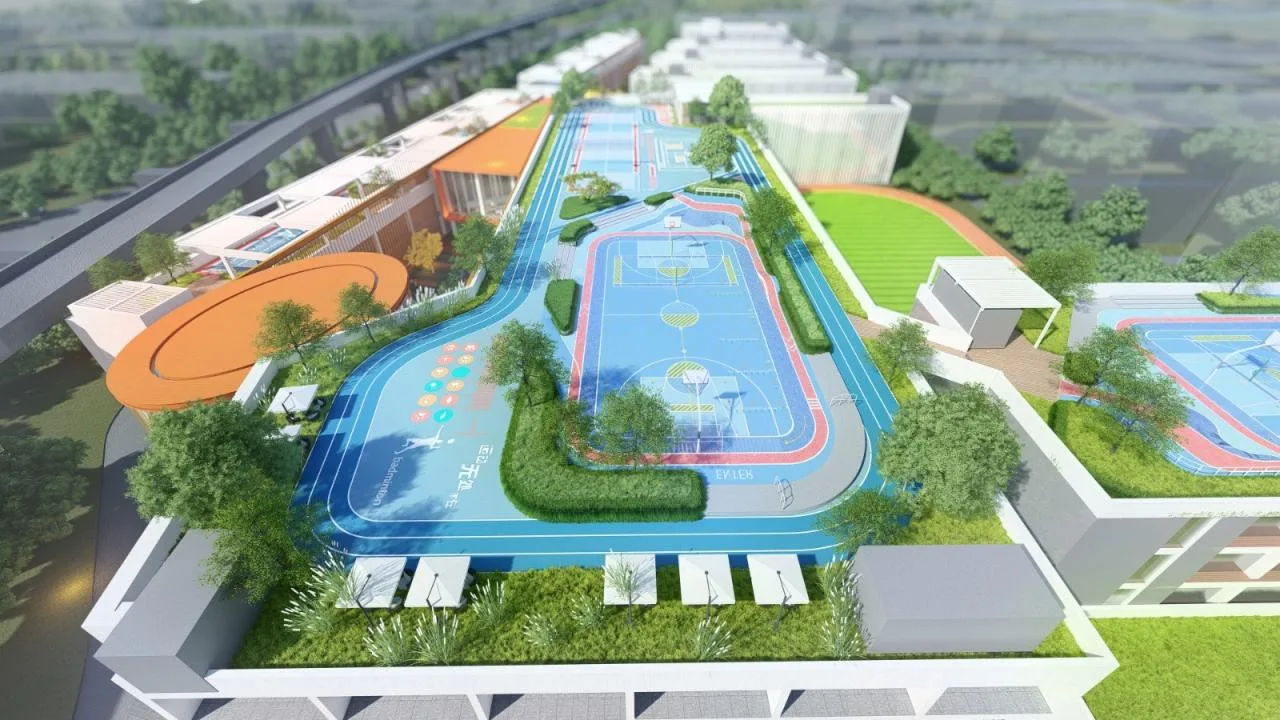
These ventilators gently introduce fresh outdoor air, allowing occupants to adjust airflow as needed, enhancing classroom air quality with sufficient ventilation. Due to limited ground space for sports facilities, the rooftop has been transformed into a continuous sports field, outfitted with running tracks, badminton courts, and table tennis areas where students can enjoy sunlight and the shade of trees.
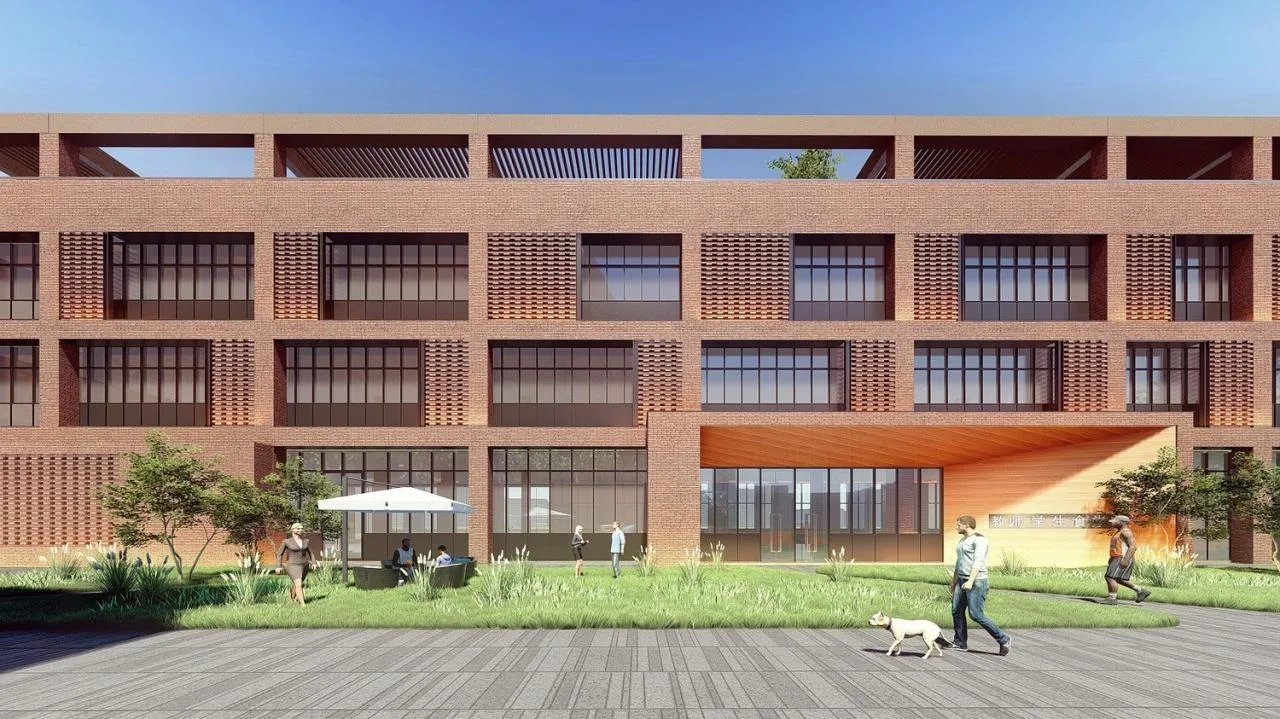
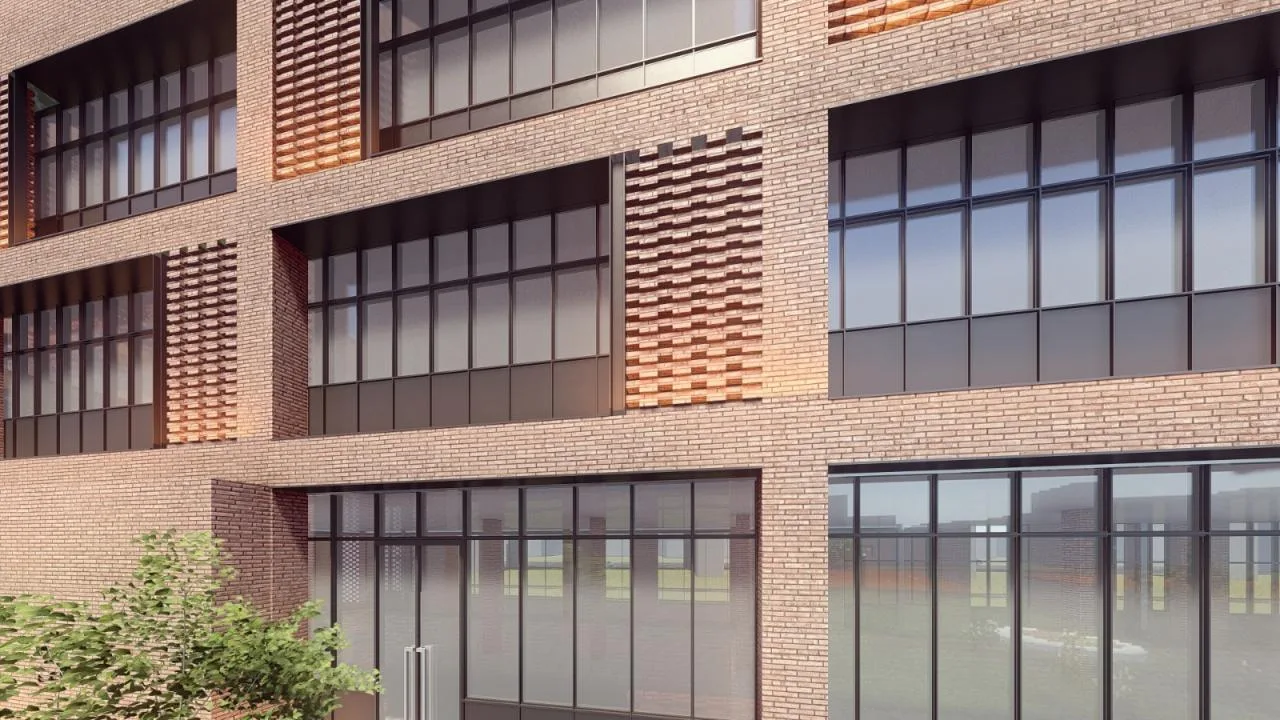
In terms of spatial layout, the originally arc-shaped corridor at the school entrance has been transformed into a three-story high, semi-circular exhibition hall that serves as a vibrant showcase of campus culture. Along the main axis, a trapezoidal space with large steps enriches the campus with varied spatial experiences.
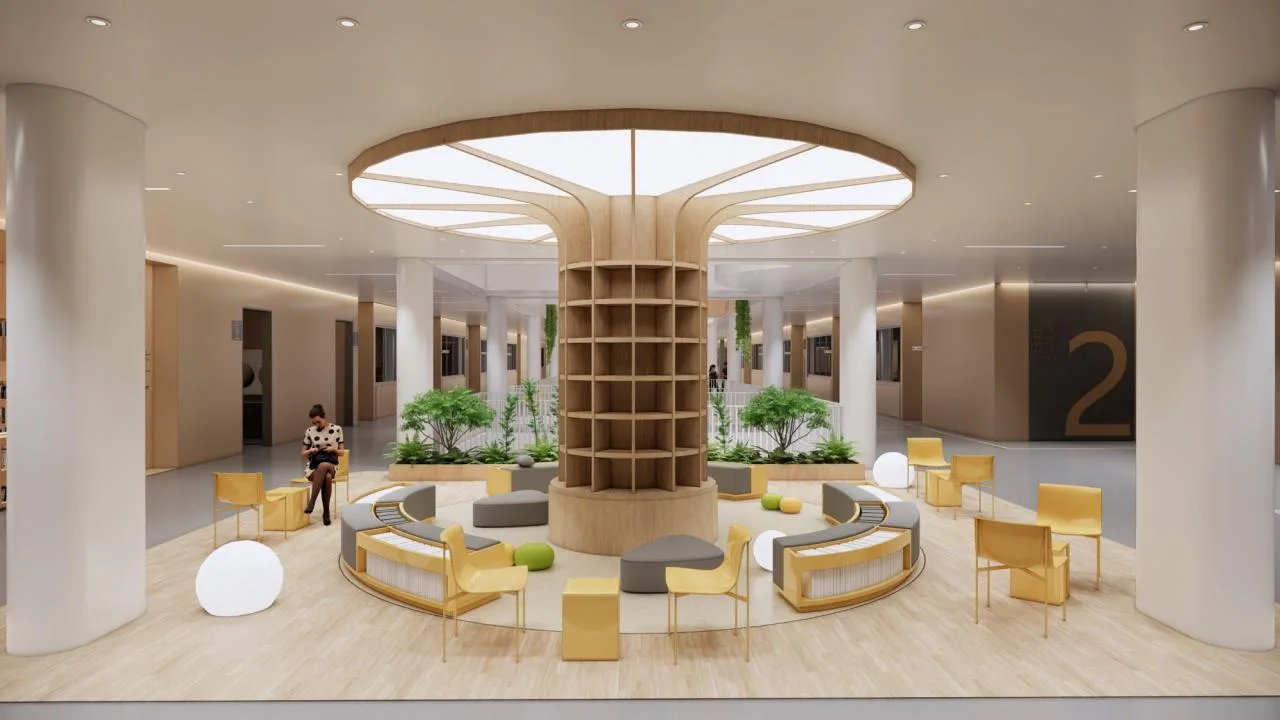
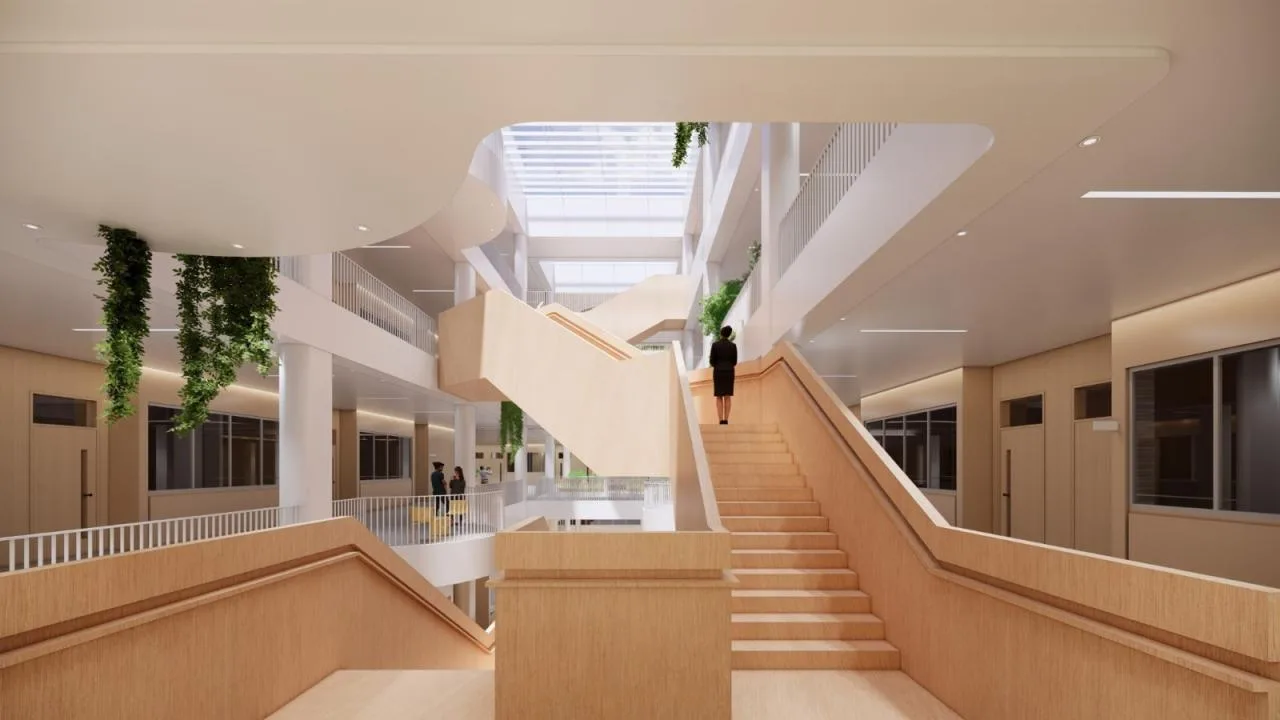
Due to the wide column spacing in the factory’s central corridor, the interior of the main teaching building was partially hollowed out and fitted with large skylights to flood the atrium with natural light. Wavy corridors and green leisure platforms with diverse functions were introduced to create a rich and inviting campus interior, accommodating students’ after-school relaxation needs.
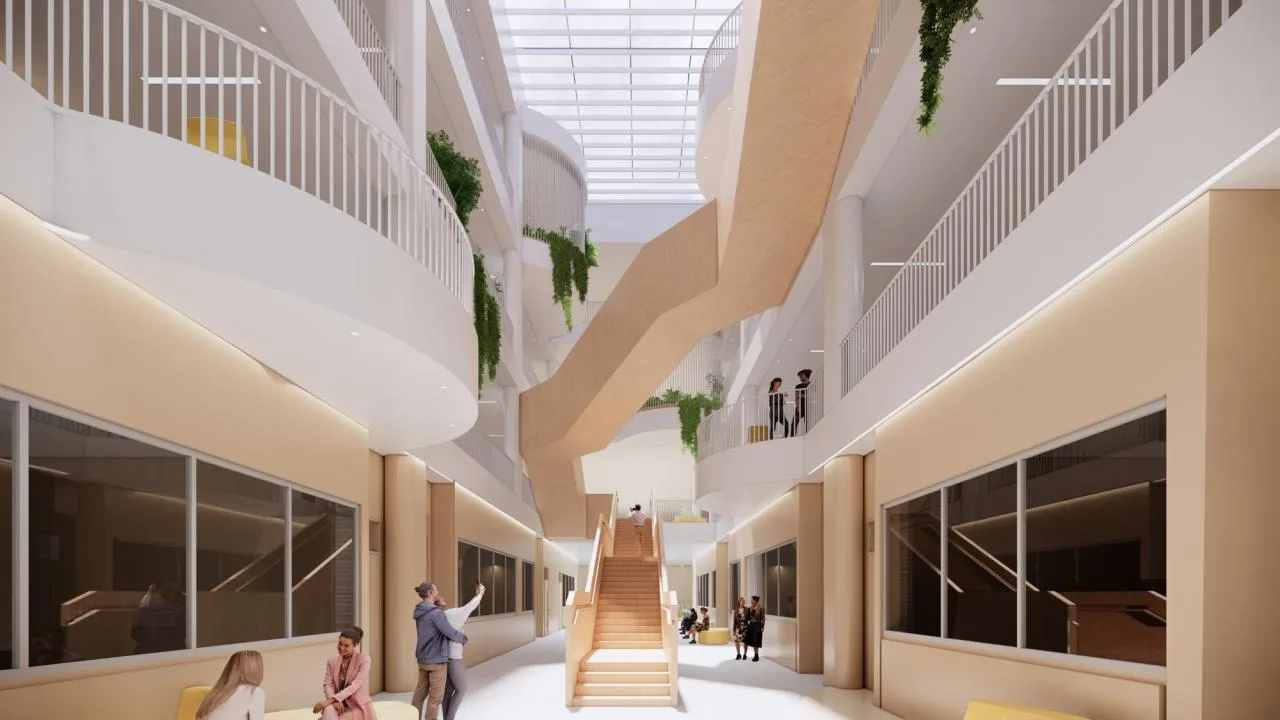
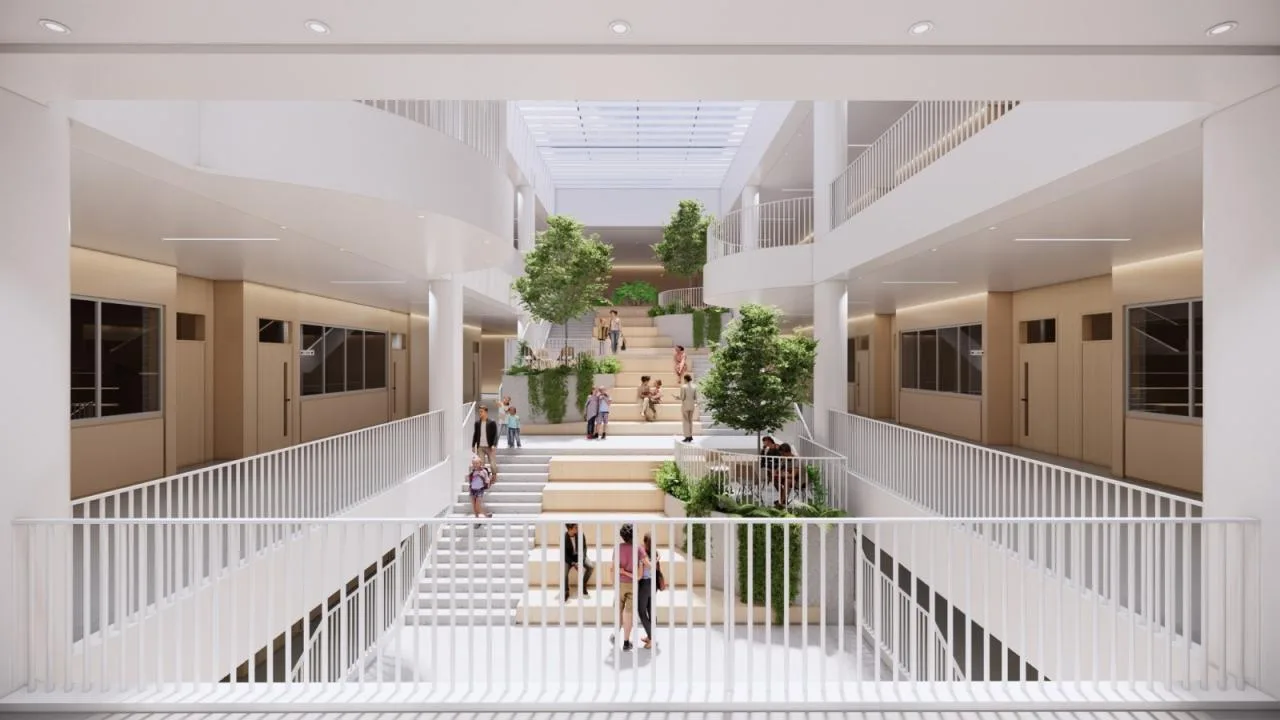
Steady and Composed; Light
Integrated Architectural Interior Design
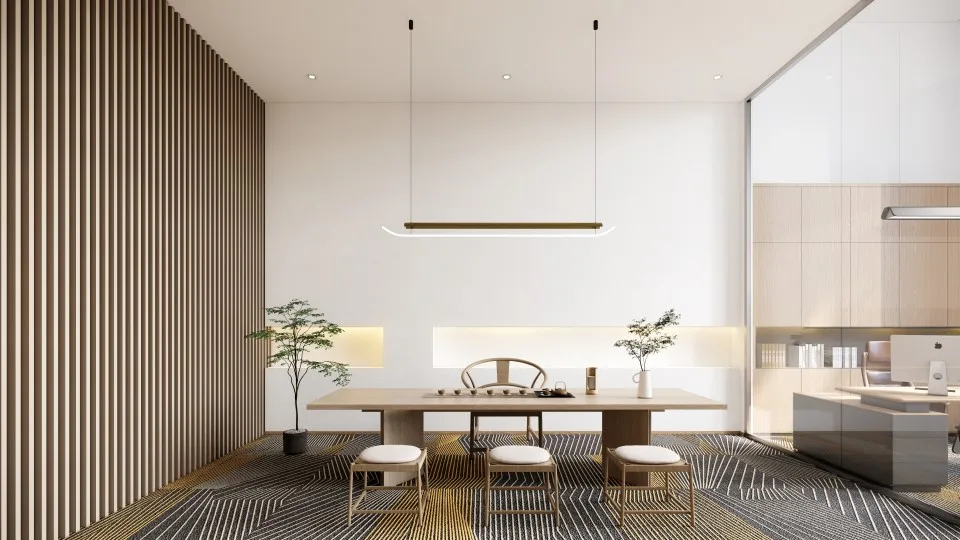
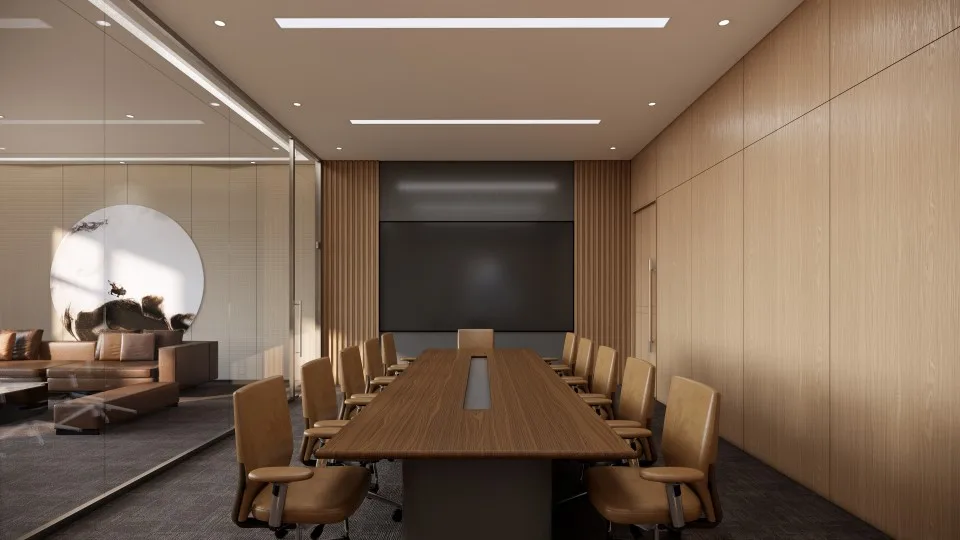
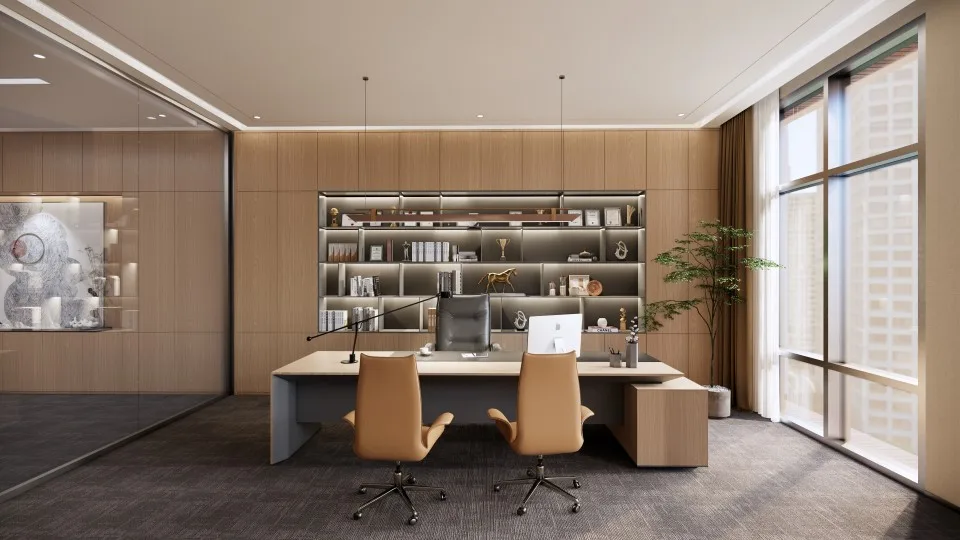
Contrasting with the solid and stable exterior, the interior design emphasizes dynamic and light spatial qualities. Minimalist geometric forms, symmetry, curved lines, and the interplay of light and shadow create an engaging spatial backdrop.
Architectural materials, color contrasts, and spatial juxtapositions are integrated into the interior design, enhanced further by soft furnishings that enrich texture. To emphasize industry and innovation, natural green spaces have been prioritized, fostering a more natural campus environment.
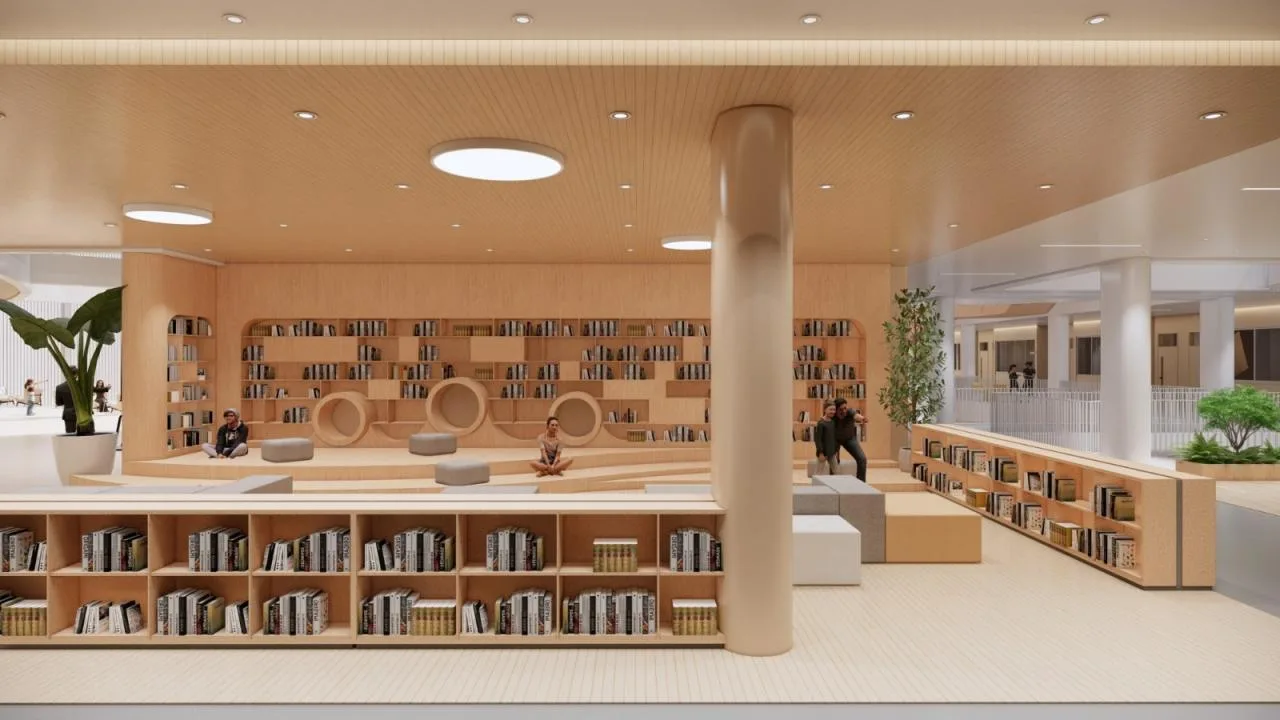
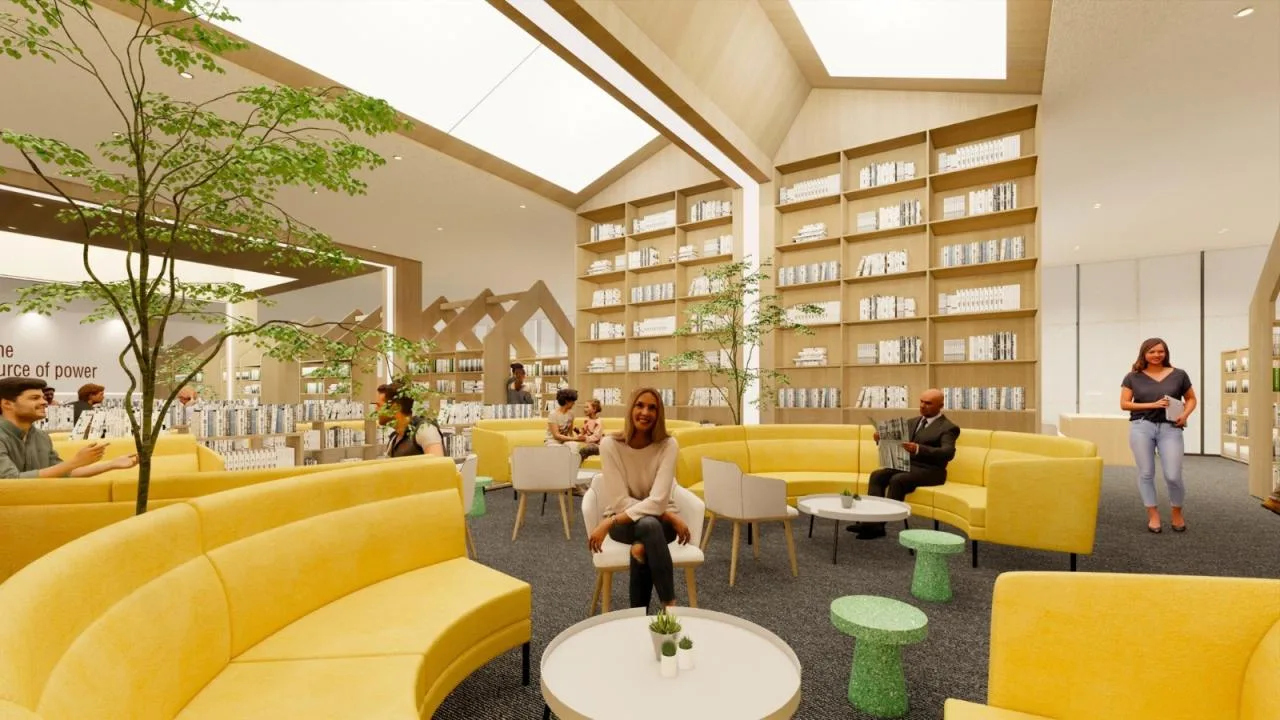
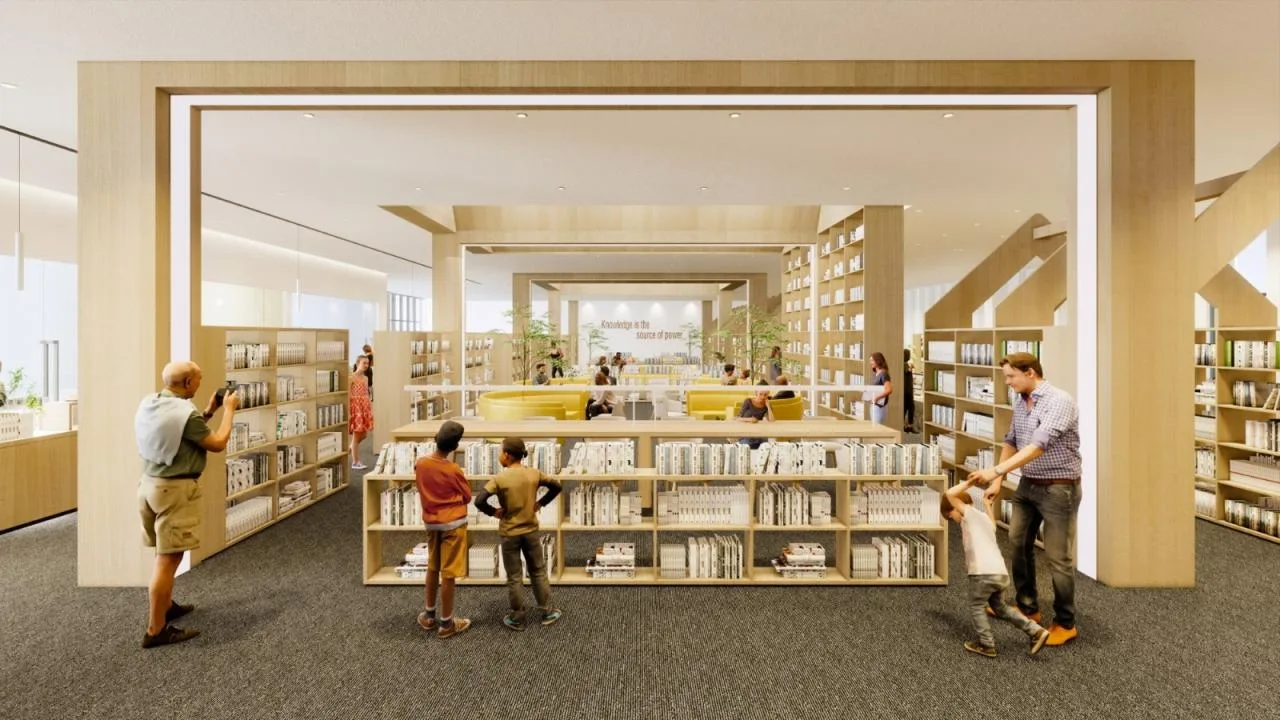
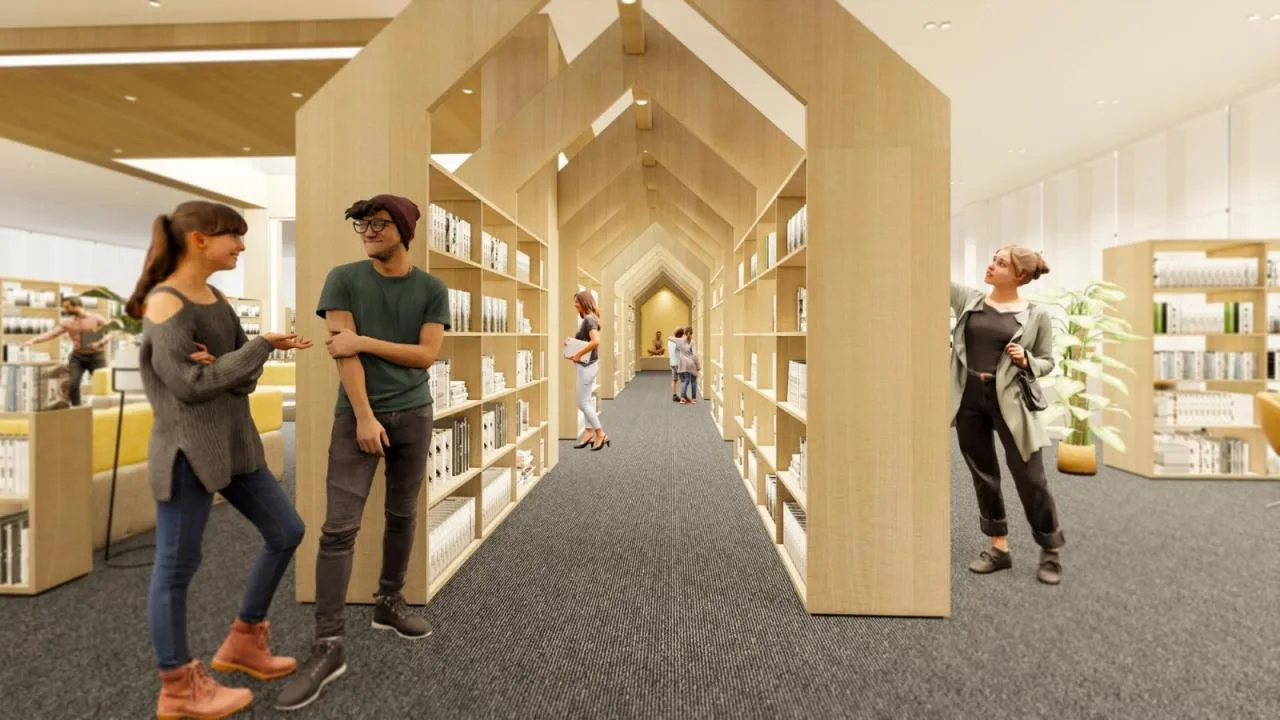
The atrium features a reading area and various functional rest platforms to enrich students’ after-school experiences. The library’s large open space is divided into smaller zones, each offering distinct reading environments. Sloped roof elements and greenery create a cozy atmosphere reminiscent of reading under eaves in sunshine.
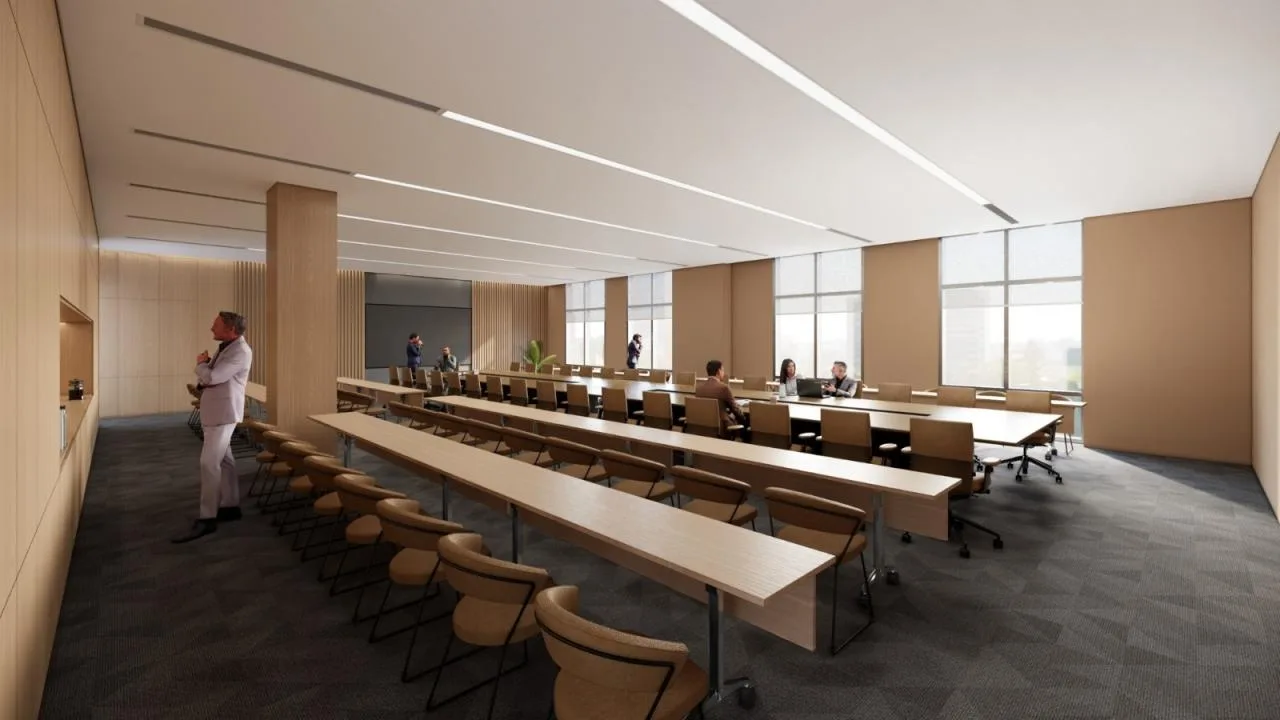
Besides reading spaces, small discussion boxes and speech areas have been added to accommodate different interactive scenarios.
The teacher’s canteen features warm colors and abundant greenery, designed to evoke the feel of a self-service restaurant. This atmosphere fosters comfort and relaxation for teachers during meals.
Dining areas, including bar counters and booths, encourage interaction and promote the exchange of teaching ideas in an informal setting. From architectural structure to interior design, this project takes a multi-dimensional approach to creating an integrated campus that supports both learning and community.
Project Information
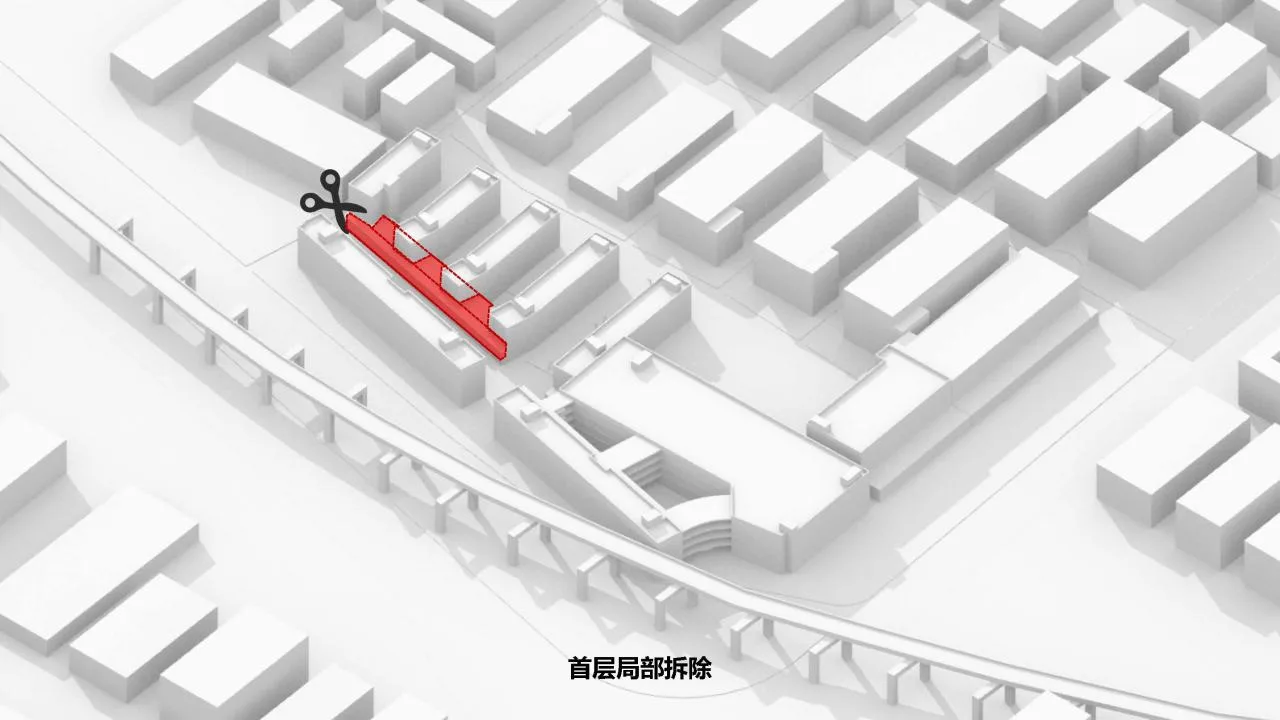
△ Transformation strategy
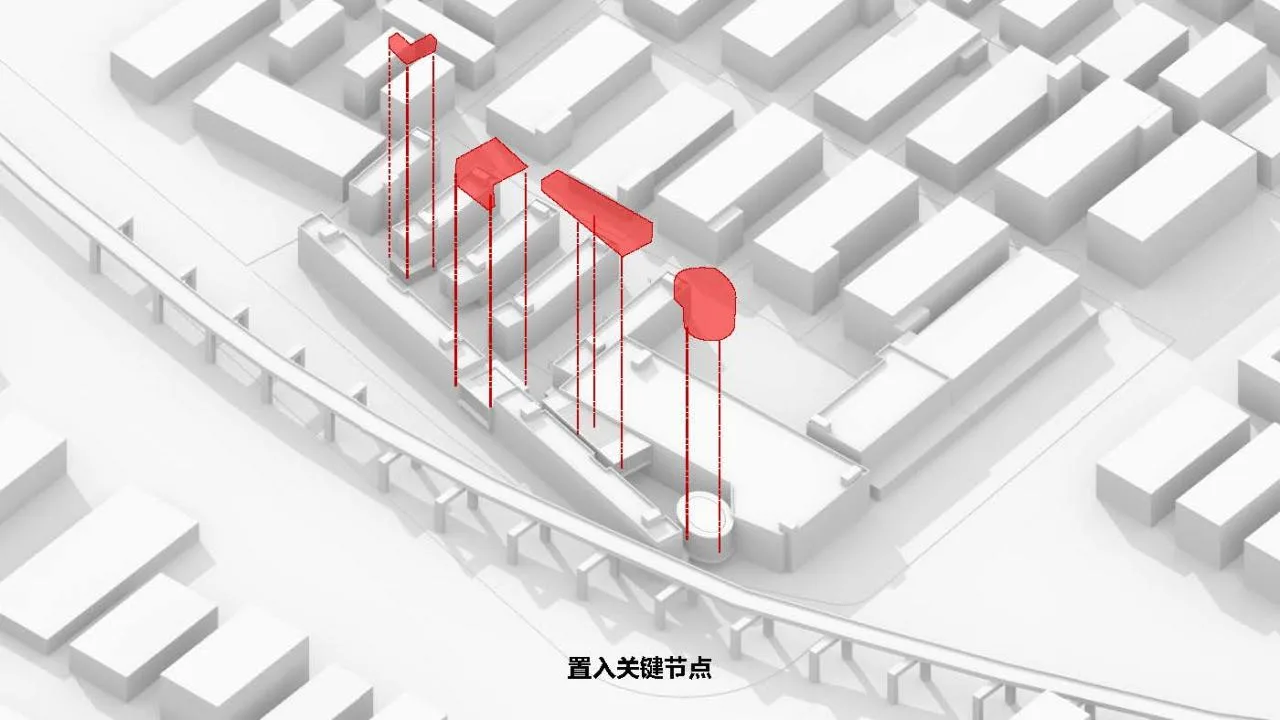
△ Transformation strategy
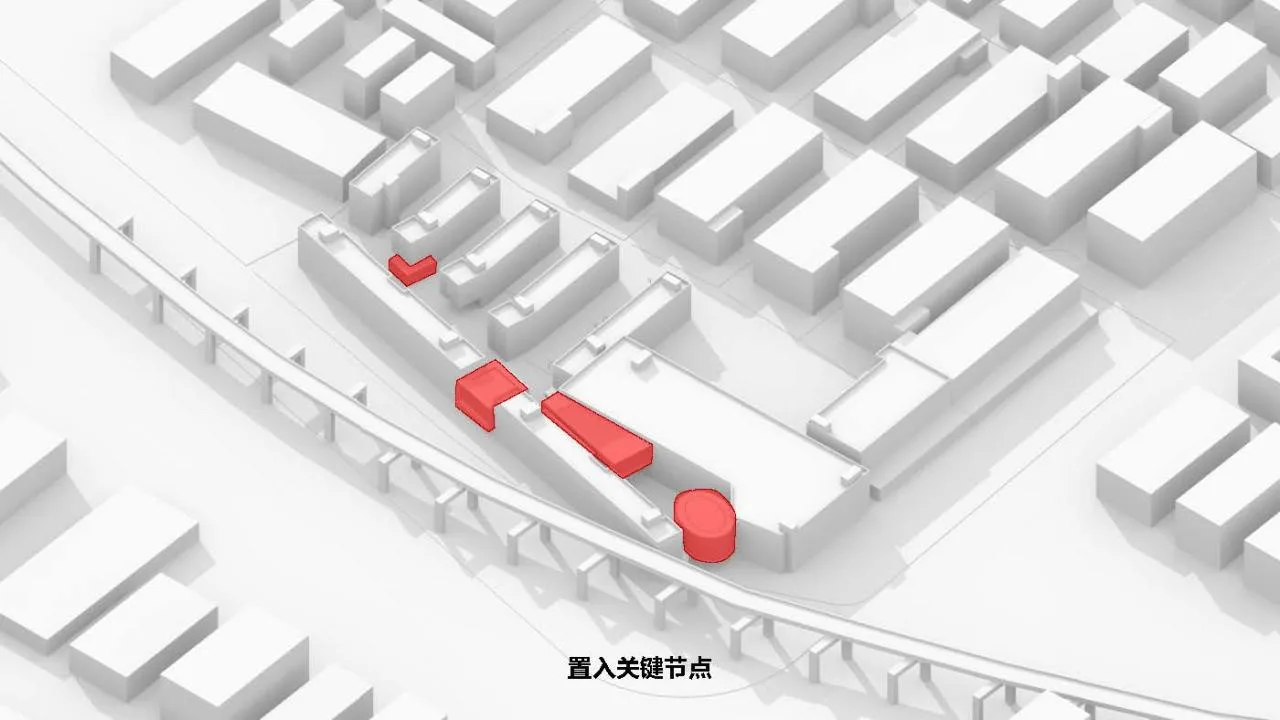
△ Transformation strategy
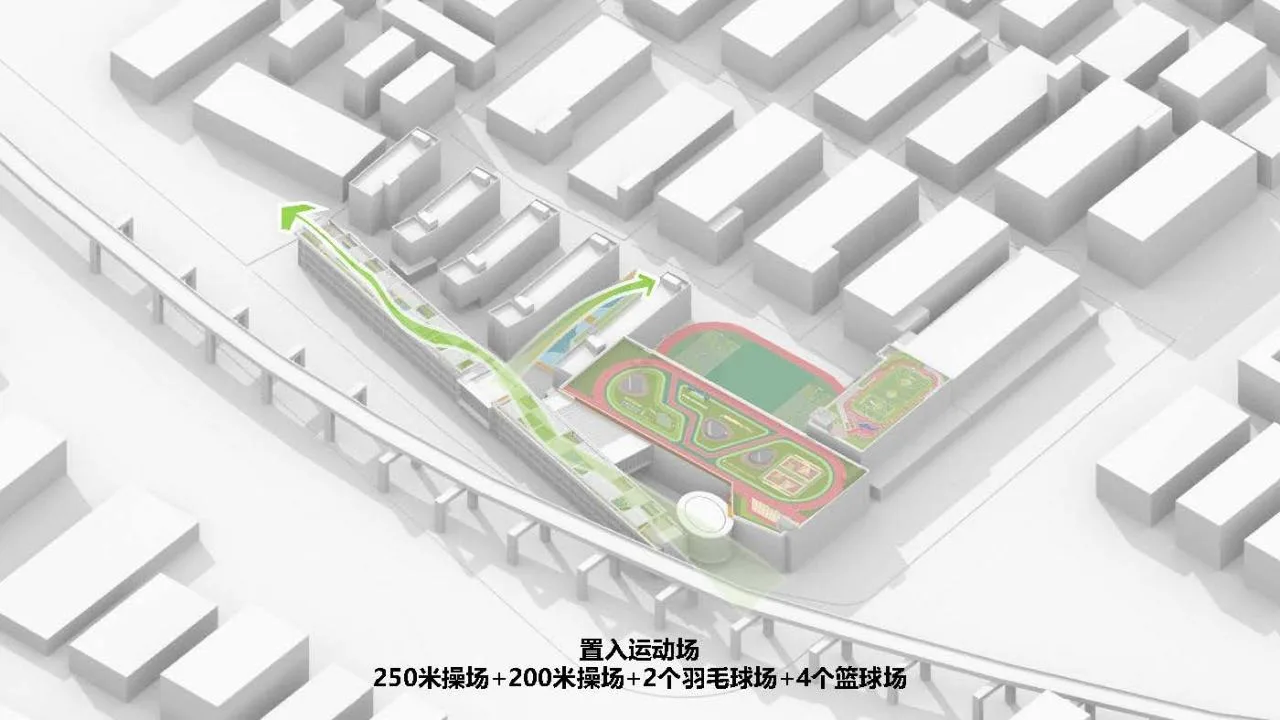
△ Transformation strategy
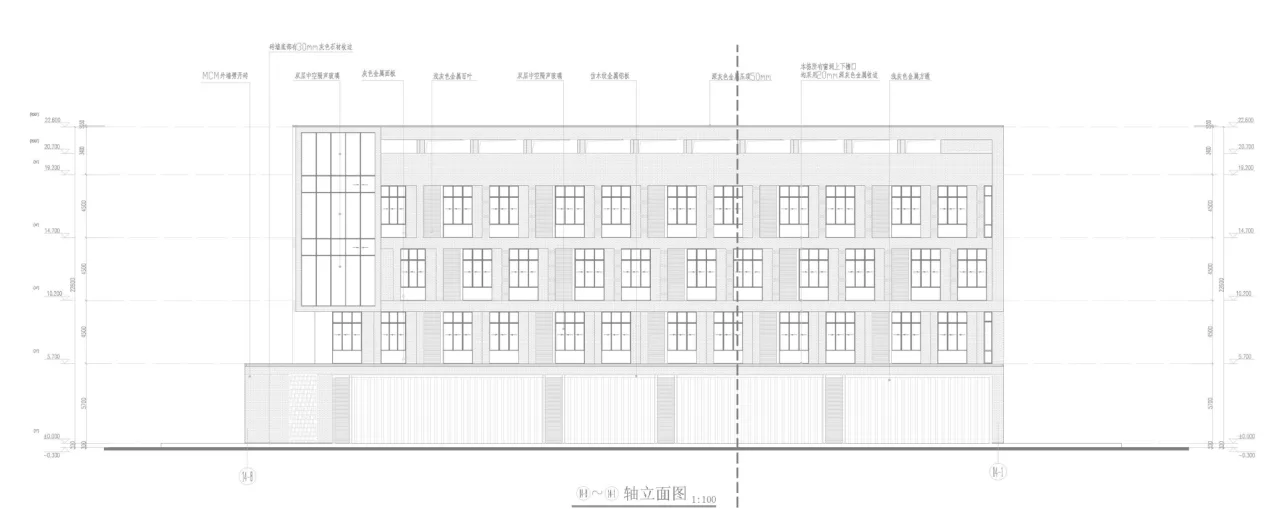
△ Teaching Building Facade
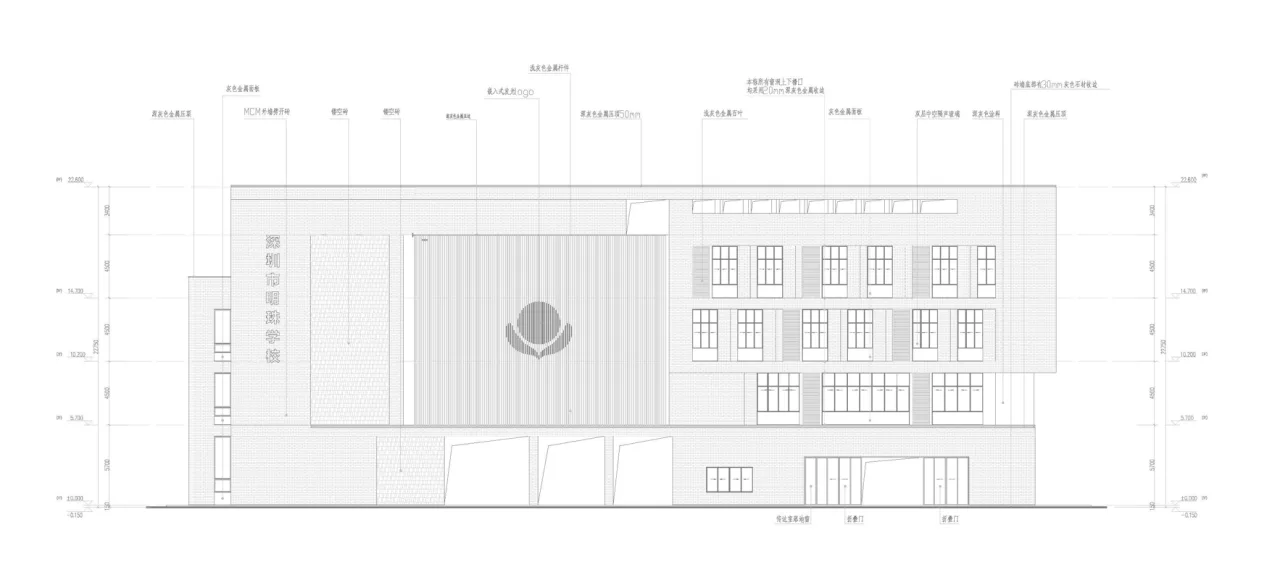
△ Teaching Building Facade
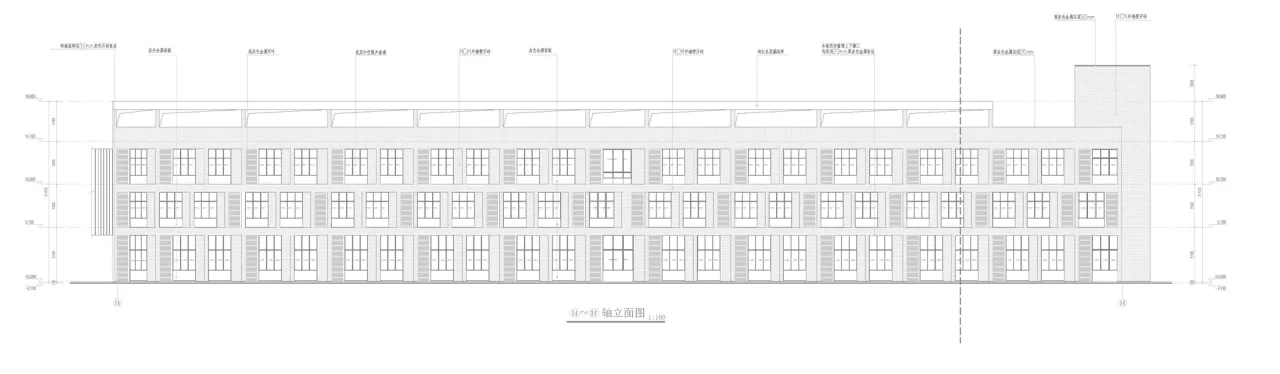
△ Canteen facade
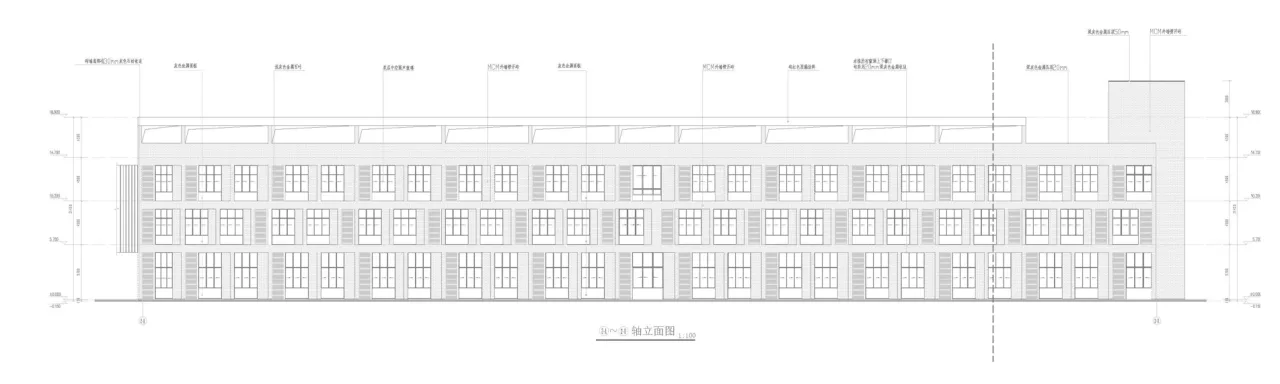
△ Canteen facade
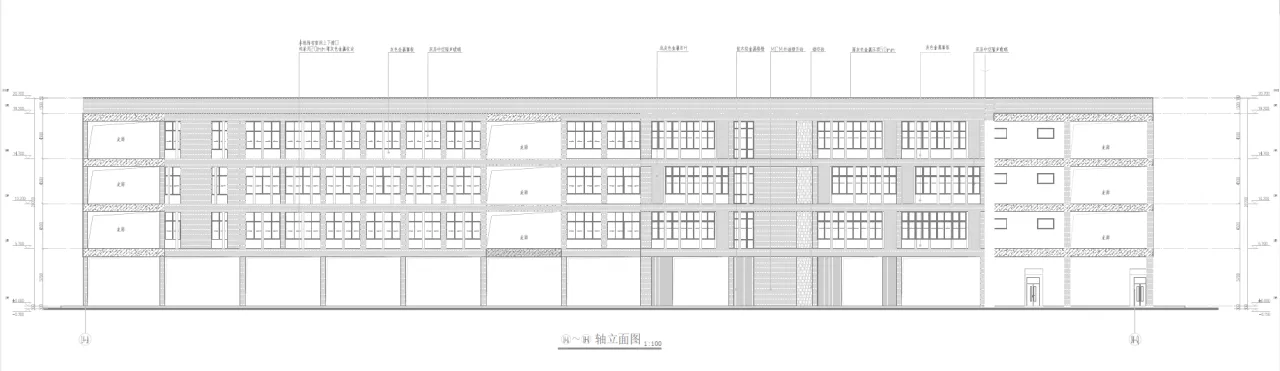
△ Front view of the main campus building
Project Information
Project Name: Shenzhen Mingzhu School (High School)
Client: Shenzhen Hengmingzhu Real Estate Development Co., Ltd
Architectural Design: Yijing Architectural Design
Interior Design: Ten Thousand Rooms Interior Design
Construction Drawing Unit: Shenzhen Zhonghai Century Architectural Design Co., Ltd
Project Address: Xiangxing Road, Shajing Street, Bao’an District, Shenzhen
Land Area: 34,200 m²
Building Area: 63,635 m²
Floor Area Ratio: 1.86
Construction Completion: Expected September 2022














Must log in before commenting!
Sign Up