
BIM 3D technology has become widely recognized across the construction industry. While its primary use begins at the design stage, its most significant benefits are also realized during this phase. To extend the advantages of BIM throughout the entire lifecycle of engineering projects, it is crucial to apply BIM technology during the construction phase. This need led to the emergence of the BIM 5D concept.
BIM 5D enhances 3D models by integrating time schedule and cost information, enabling more precise management during construction. By relying on BIM models, BIM 5D consolidates essential data such as progress, costs, resources, and construction organization. It simulates the construction process and provides accurate, real-time information on material consumption, visual progress, and cost accounting. This streamlines communication, boosts efficiency, supports digital management, and ultimately helps save costs, resources, and time while improving project management effectiveness. Using 5D technology makes construction easier and more efficient.
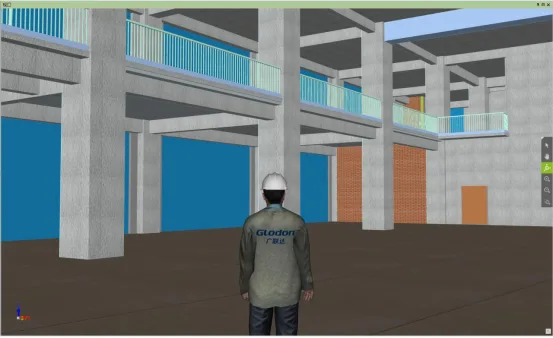
Figure 1: Following the route within the model
BIM 5D serves as a refined management platform during construction and operates in two key stages. The first stage involves integrating fundamental engineering data. Building on the information generated during the 3D phase, BIM 5D combines project quantity, progress, and cost data. It links resources, contracts, costs, quality, safety, drawings, materials, and other construction-related information into a unified platform. This comprehensive information hub supports informed decision-making throughout the construction process.
The second stage leverages this integrated data to help project managers anticipate the construction site layout, heavy machinery placement, and key milestone plans. It also forecasts monthly and weekly requirements for funds, materials, and labor. By identifying potential issues early, managers can optimize plans, strengthen dynamic management, and conduct real-time monitoring. This approach enables quicker problem detection, informed decision-making, fewer mid-process changes, and improved construction safety. As illustrated in Figure 1, the model guides users along a defined route.
When implemented effectively, BIM 5D facilitates a digital project control system focused on three areas of control—progress, investment, and quality—and three areas of management—contract, resource, and safety management. This comprehensive system reduces construction changes, shortens project timelines, controls costs, and enhances quality. The result is a truly integrated process of pre-construction guidance, process control, outcome verification, and fine-tuned project management.
















Must log in before commenting!
Sign Up