
Engineering projects that utilize BIM technology engage all team members in quality management and the transmission of quality information. From frontline workers to technical managers, there is a strong commitment to quality awareness. Everyone relies on BIM models to quickly and conveniently share quality data. In these projects, each participating party focuses on different aspects of quality information, and BIM-assisted quality management offers significant advantages for all stakeholders involved.
The key feature of BIM-based construction process quality control for construction companies is its ability to provide visualization, information sharing, dynamic control, and preemptive quality management throughout the project lifecycle.
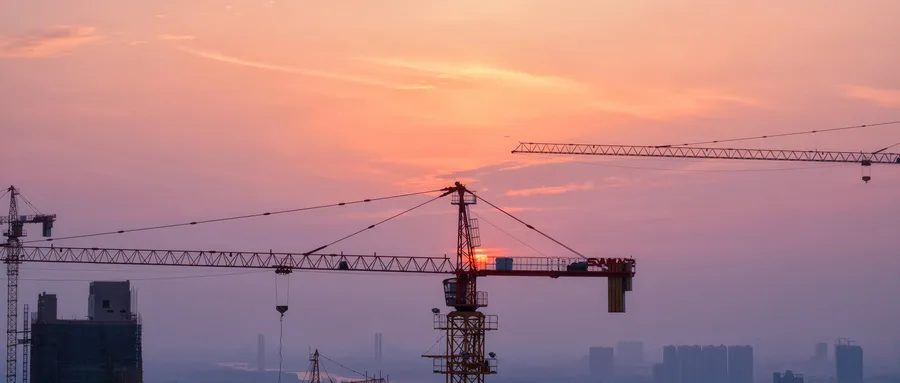
Research on the application of BIM technology in safety management mainly focuses on leveraging its integration, coordination, simulation, and visualization capabilities. These features facilitate effective communication, problem resolution, building simulation, and environmental planning. The role of BIM in safety management is examined through 3D and 4D visualization technologies. Currently, BIM-based safety management research and applications include the following areas:
(1) Hazard Identification: BIM technology creates comprehensive information systems detailing building components and project progress, enabling precise identification of on-site hazards to enhance safety management and accident prevention.
(2) Hazard Area Classification: During construction simulations, BIM identifies hazards and categorizes danger levels across different areas and project stages. It provides timely feedback on hazard assessments, guiding construction activities and restricting operations that exceed safety thresholds to minimize accidents.
(3) Construction Space Conflict Management: BIM enables static detection of design conflicts and dynamic simulation of spatial requirements and boundaries as they evolve throughout the project. This capability effectively manages construction space conflicts, reducing accidents such as collisions and mechanical injuries.
(4) Development of Safety Measures: By analyzing on-site construction conditions, BIM safety management systems derive effective protection measures from safety plans to ensure safe building activities and prevent identified hazards. Using BIM for safety planning and construction environment simulation helps avoid risks like spatial conflicts and mechanical collisions.
(5) Safety Evaluation and Monitoring: BIM virtual construction models identify hazards and develop safety measures, allowing for safety factor analysis and risk assessment. Integrated with advanced video intelligent monitoring systems, BIM supports effective oversight by construction teams, supervisors, and regulatory authorities. Comparing virtual safety activities with actual outcomes enables continuous adjustment of construction plans to meet safety requirements. Additionally, virtual reality technology helps evaluate the effectiveness and cost-efficiency of safety plans, selecting the optimal solution that best serves the overall project goals.
















Must log in before commenting!
Sign Up