
BIM plays a crucial role in controlling project progress, which can be summarized in three key areas:
1) Progress Planning
Traditionally, construction schedule planning is based on task durations and prior experience before work begins on site. However, discrepancies between initial estimates and actual site conditions often lead to conflicts during construction, indirectly increasing costs for contractors.
BIM models greatly simplify schedule planning by providing accurate data. The core elements of this planning process include:
① Time milestones for critical tasks
② Overall construction progress targets
③ Quantities of work
While the first two elements are similar in both traditional and BIM approaches, BIM technology significantly streamlines the calculation of work quantities. Leveraging BIM models and data analytics, material consumption for each phase can be precisely determined. This facilitates clear communication among stakeholders and enables the creation of a visual progress plan, improving material procurement and construction management.
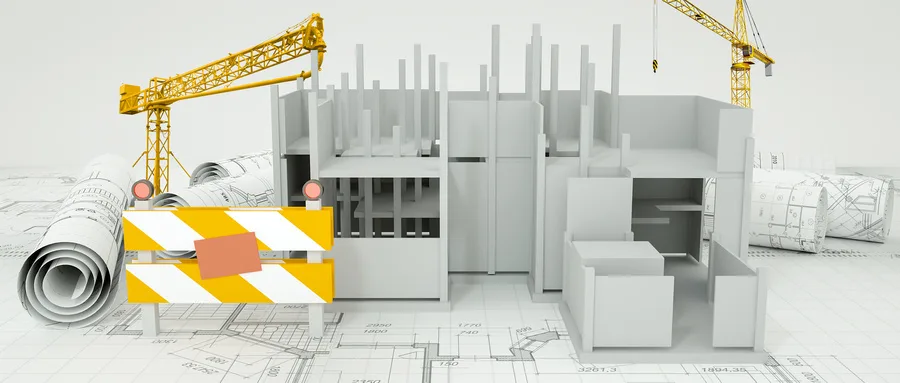
2) Progress Control
BIM provides a solid foundation for controlling the construction schedule. Traditionally, since different trades are managed by separate contractors, scheduling deliveries and work often occurs in isolation without considering the broader project. Without strong coordination from the main contractor, on-site work can become chaotic, with frequent clashes and conflicts, leading to delays and repeated modifications.
In contrast, BIM-based construction management uses a shared BIM model and agreed-upon schedule created collaboratively by all parties as the primary reference for progress control. Each subcontractor organizes their tasks by comparing their work against the model and schedule. This shared understanding ensures everyone knows upcoming tasks and timelines, allowing for more effective material supply and work planning.
3) Progress Adjustment
Changes during construction—whether initiated by the owner, design modifications, or construction challenges—often cause increased costs and delays, requiring schedule adjustments. BIM models enable quick and accurate updates to the construction schedule. When changes arise, the model can be revised to precisely estimate the impact on quantities and timelines.
Based on these updates, the project team can dynamically reallocate labor, materials, and equipment to minimize schedule disruptions. Construction is inherently dynamic, and management should adapt accordingly. Comparing actual progress with the BIM model provides a clear, intuitive view of whether the project is on track. If deviations occur, timely corrective actions can be taken, allowing contractors to maintain comprehensive progress monitoring throughout the project.
















Must log in before commenting!
Sign Up