
The purpose of preparing a daily execution schedule is to fully simulate every step of the specific construction process using BIM technology before work begins on site. This ensures that the on-site construction proceeds as a truly planned operation. The daily execution schedule is created based on the secondary schedule and involves three main steps:
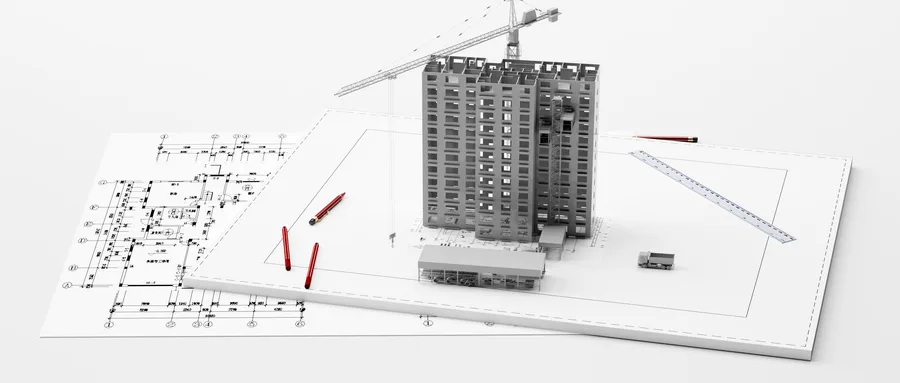
First, the BIM model combined with the secondary schedule simulates the construction activities of various disciplines at the subproject level. Each construction team evaluates the process based on their professional expertise. Experimental construction is conducted either in the lab or on sites yet to start, allowing precise calculation of on-site progress and quality.
Second, after multiple tests, the construction sequence that achieves the fastest progress, highest quality, and greatest safety is recorded as a template short film. Its data is analyzed and compared against the secondary schedule. If discrepancies arise, the lowest-level schedule takes precedence. Any necessary adjustments to higher-level schedules require approval from all relevant professional engineers.
Third, this optimized construction schedule short film is used as training material before on-site work begins. It is explained to all professional engineers and construction teams, who also undergo knowledge quizzes to ensure every worker understands their role and responsibilities throughout the construction process.
The dynamic control plan, also based on the secondary schedule, aims to simulate potential risks early in the project and develop detailed emergency prevention strategies. It incorporates simulations of unstable factors as contingency plans, enabling genuine dynamic control during implementation. The preparation method mirrors that of the daily execution schedule: foreseeable risk parameters are input into the BIM model alongside the secondary schedule data to identify possible issues.
Each discipline engineer then develops a detailed emergency response plan, which is visually represented and used to train frontline construction personnel. This approach ensures the team can respond calmly and effectively to any changes or emergencies on site.
















Must log in before commenting!
Sign Up