
“The past is never dead, it’s not even past.” — Faithful Place, Tana French
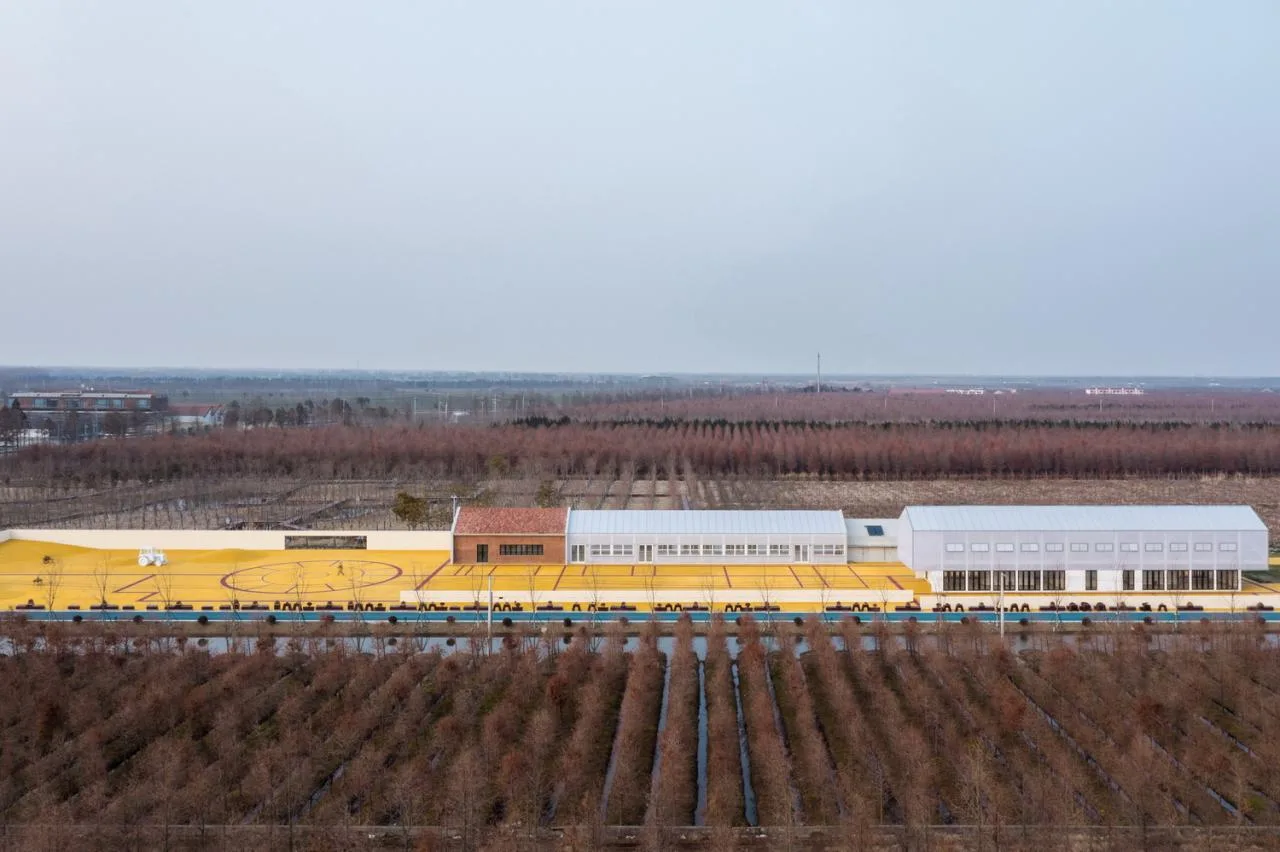
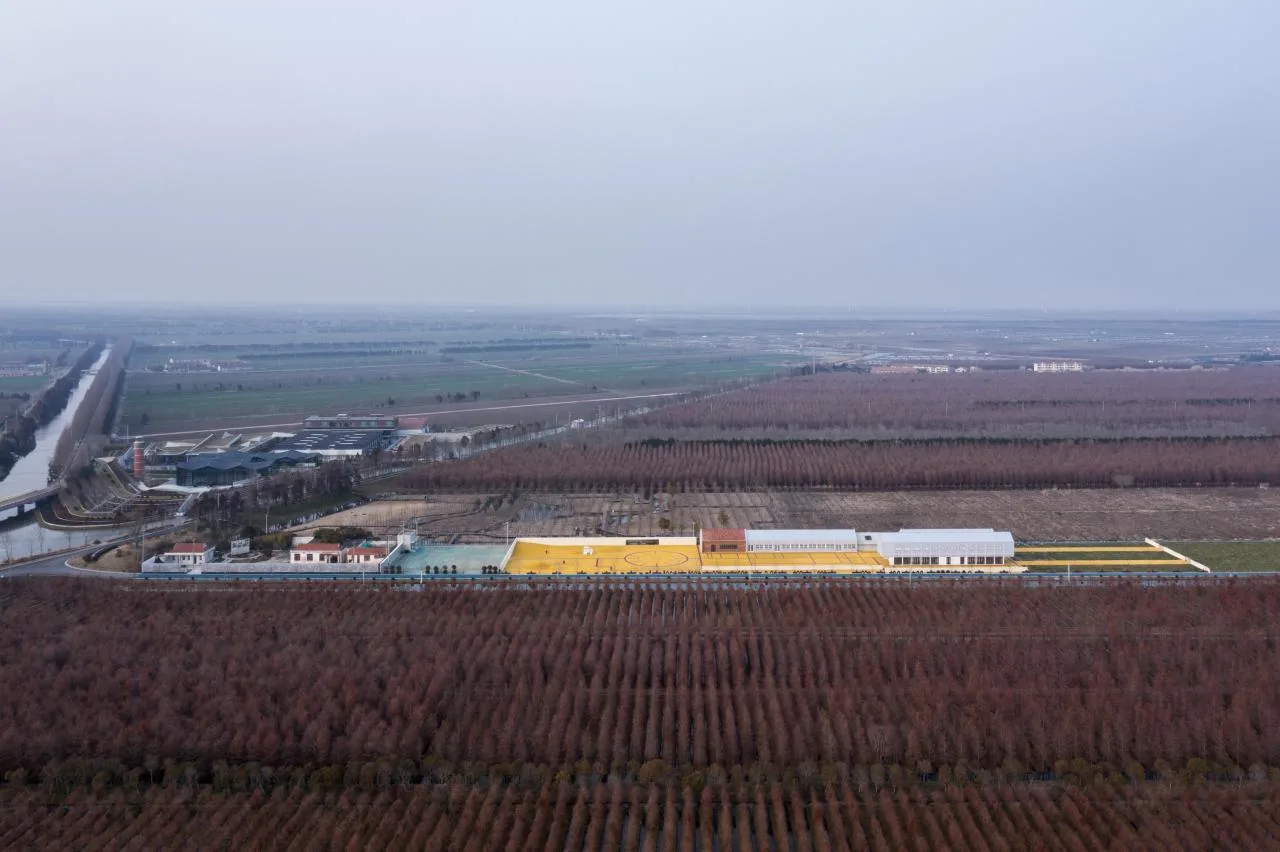
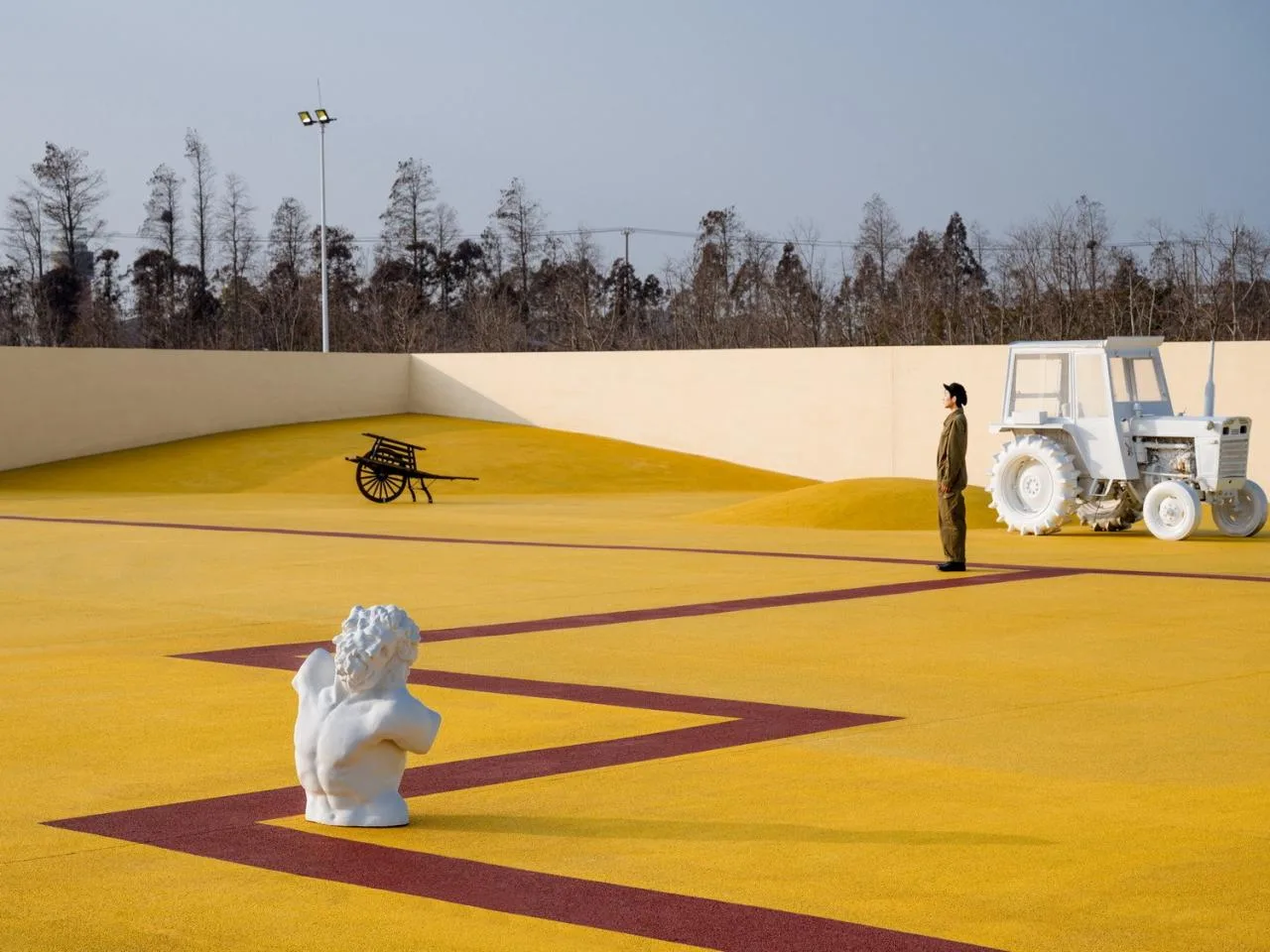
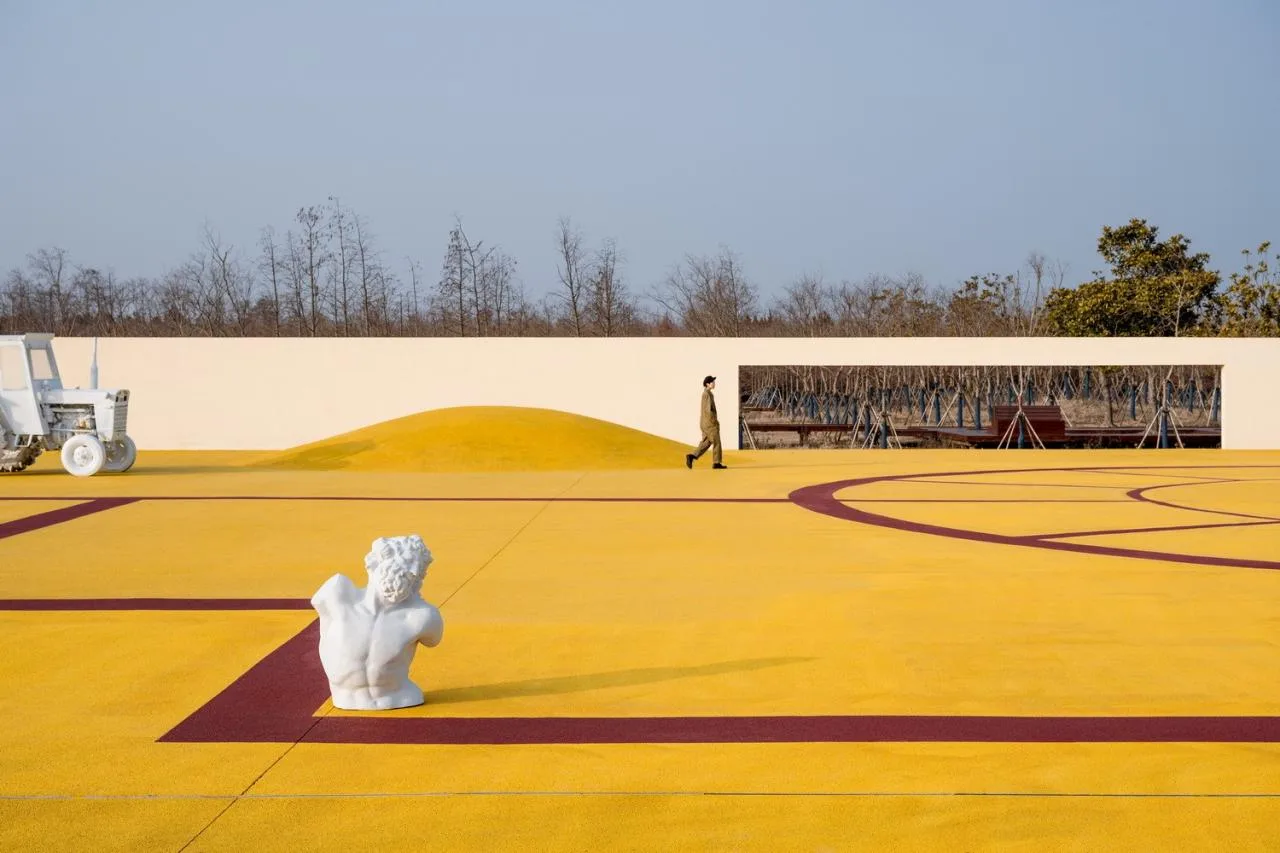
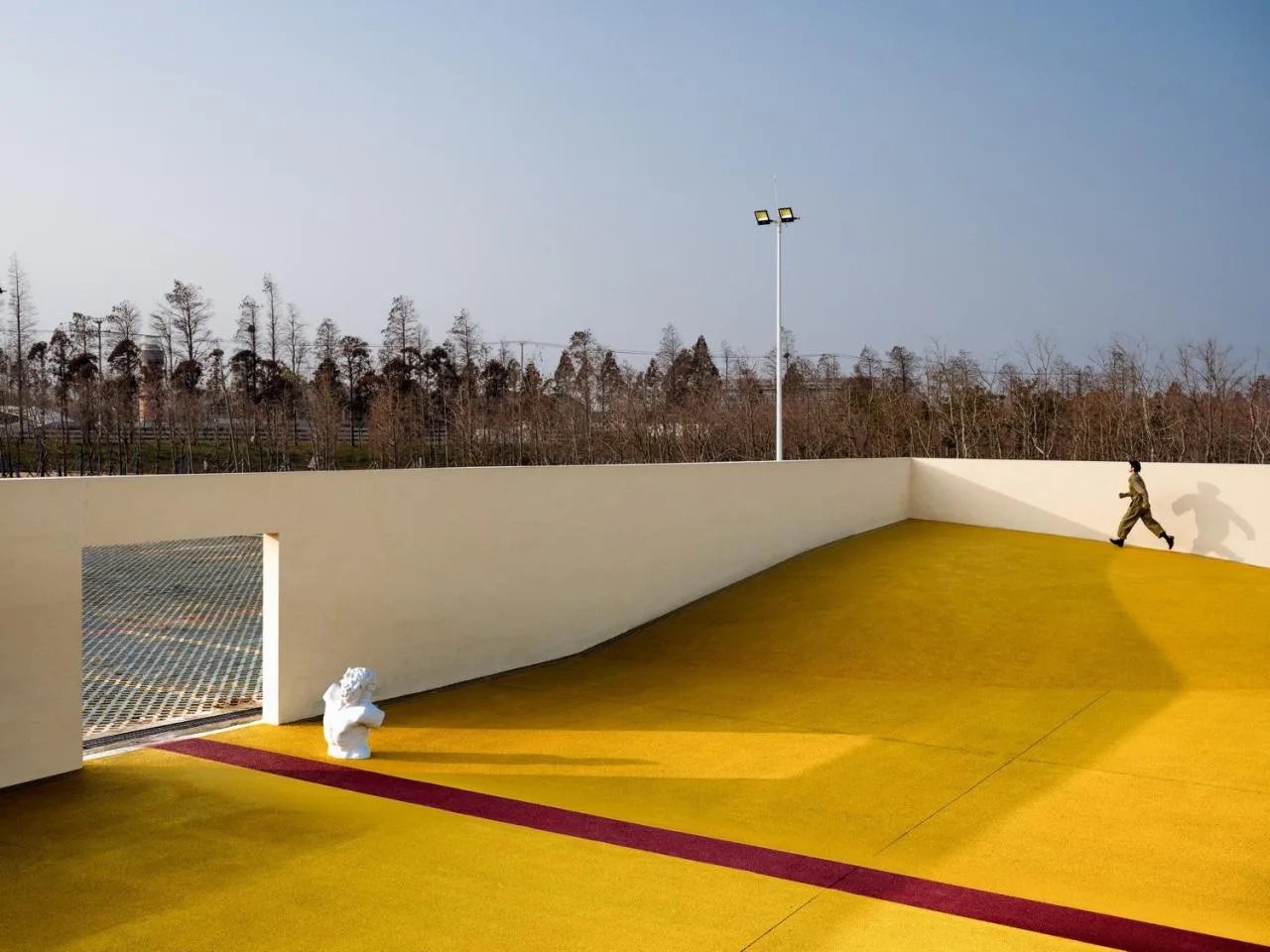
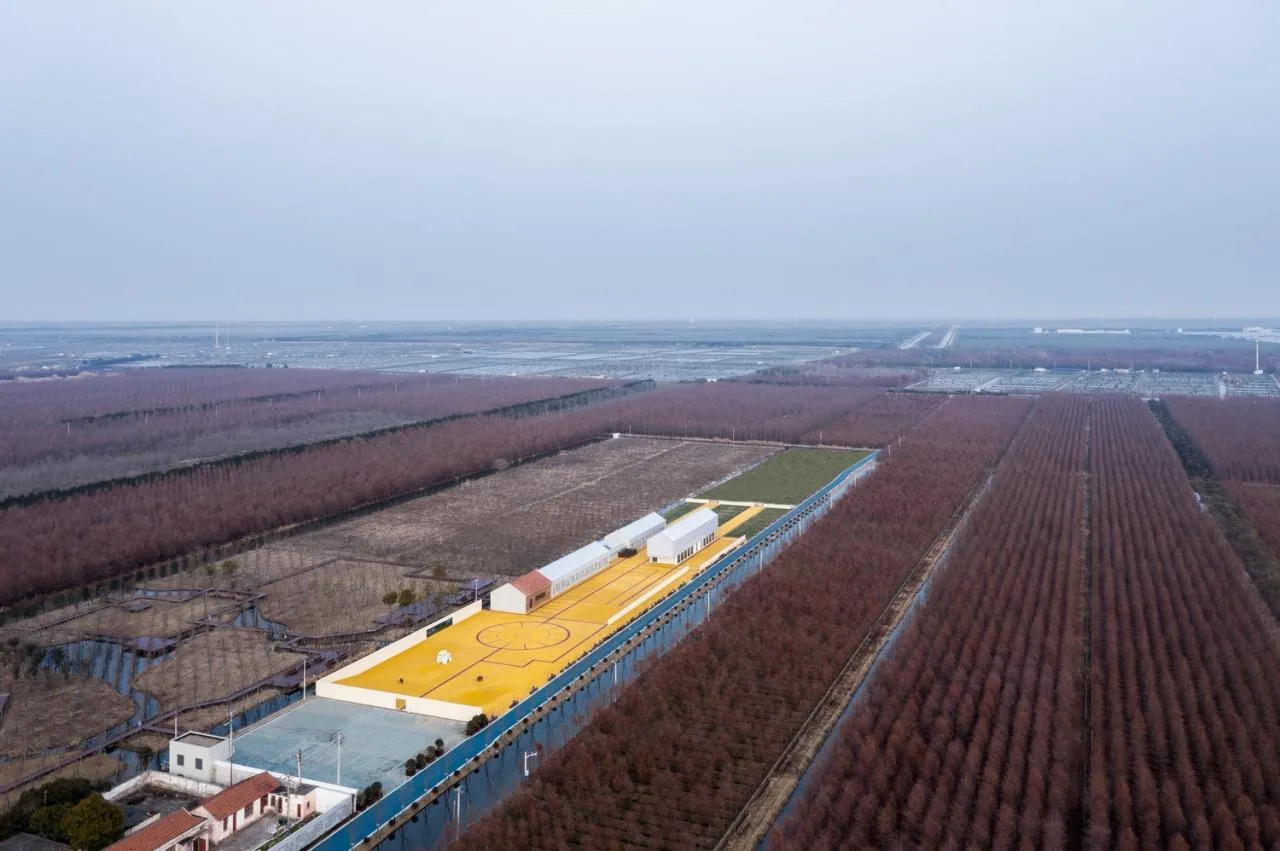
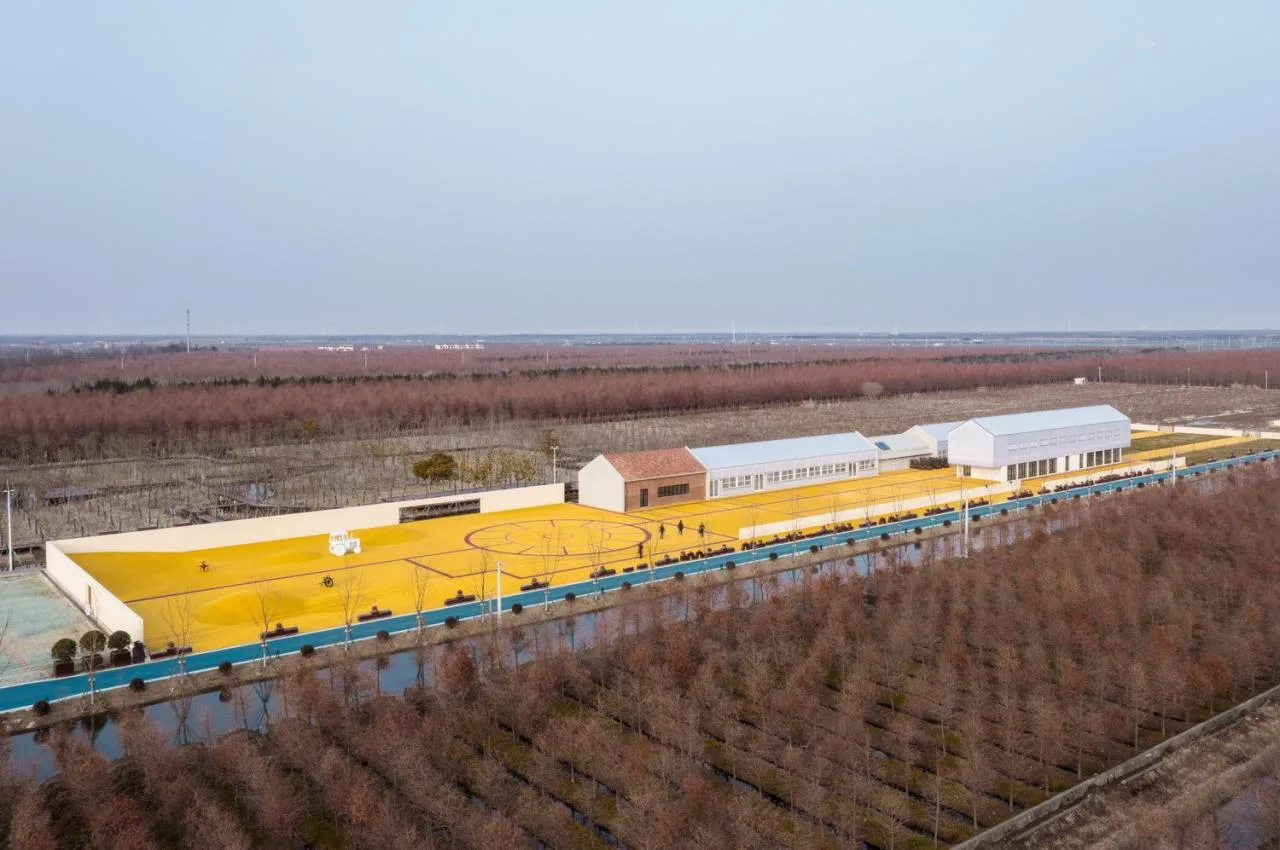
Wutopia Lab has revitalized twelve abandoned sun drying fields at Dongtanyuan Outpost Farm, a subsidiary of Guangming Food (Group), transforming them into Anle Township — the Golden Barnyard, a Cockaigne for the everyday person. This project marks the final chapter of Wutopia Lab’s Mortal Trilogy in Chongming Dongtan Yuan, reimagining the pastoral landscape as a serene and peaceful earth art installation inspired by Bruegel’s illusions and literary tones.
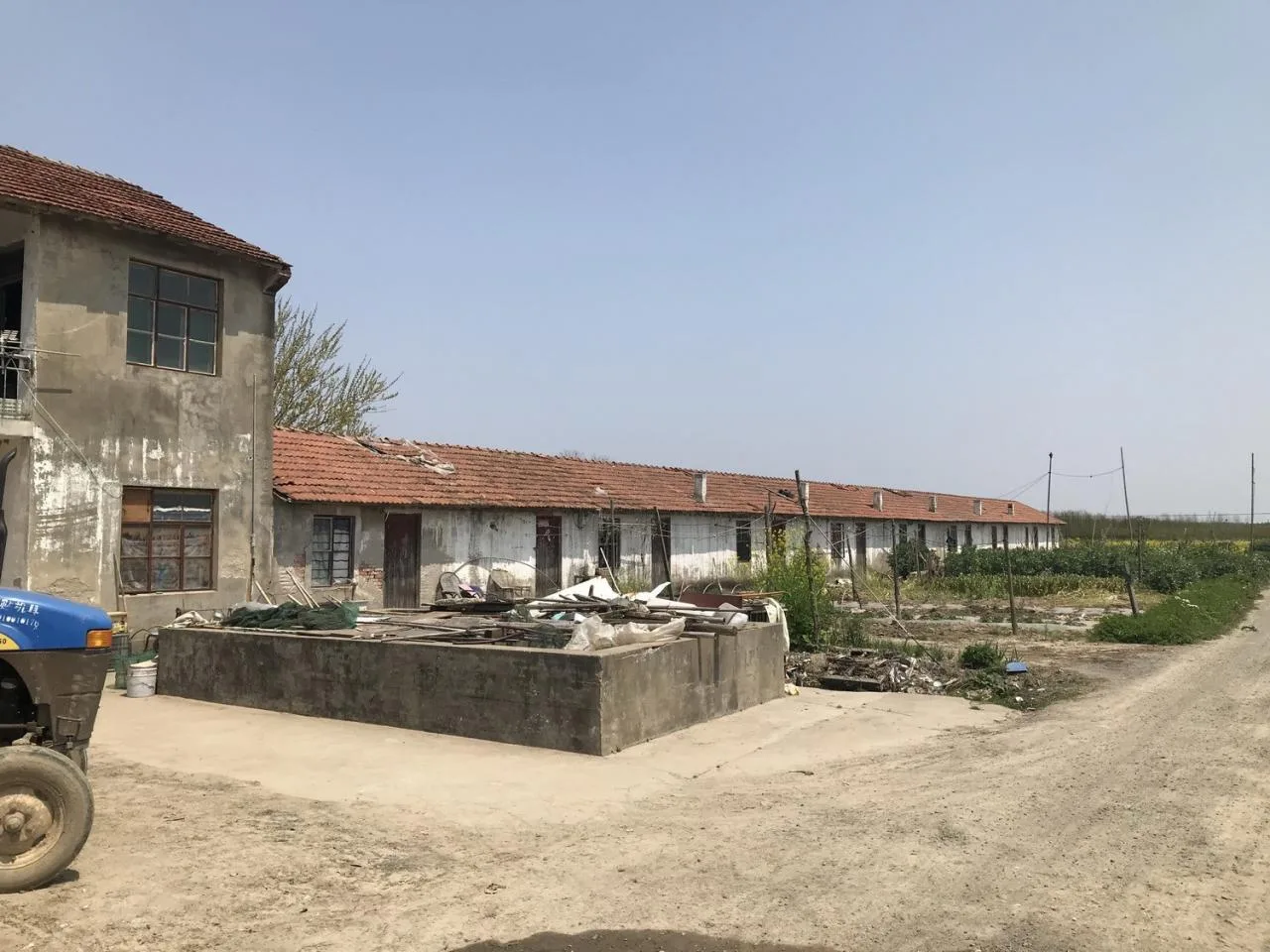
Before renovation
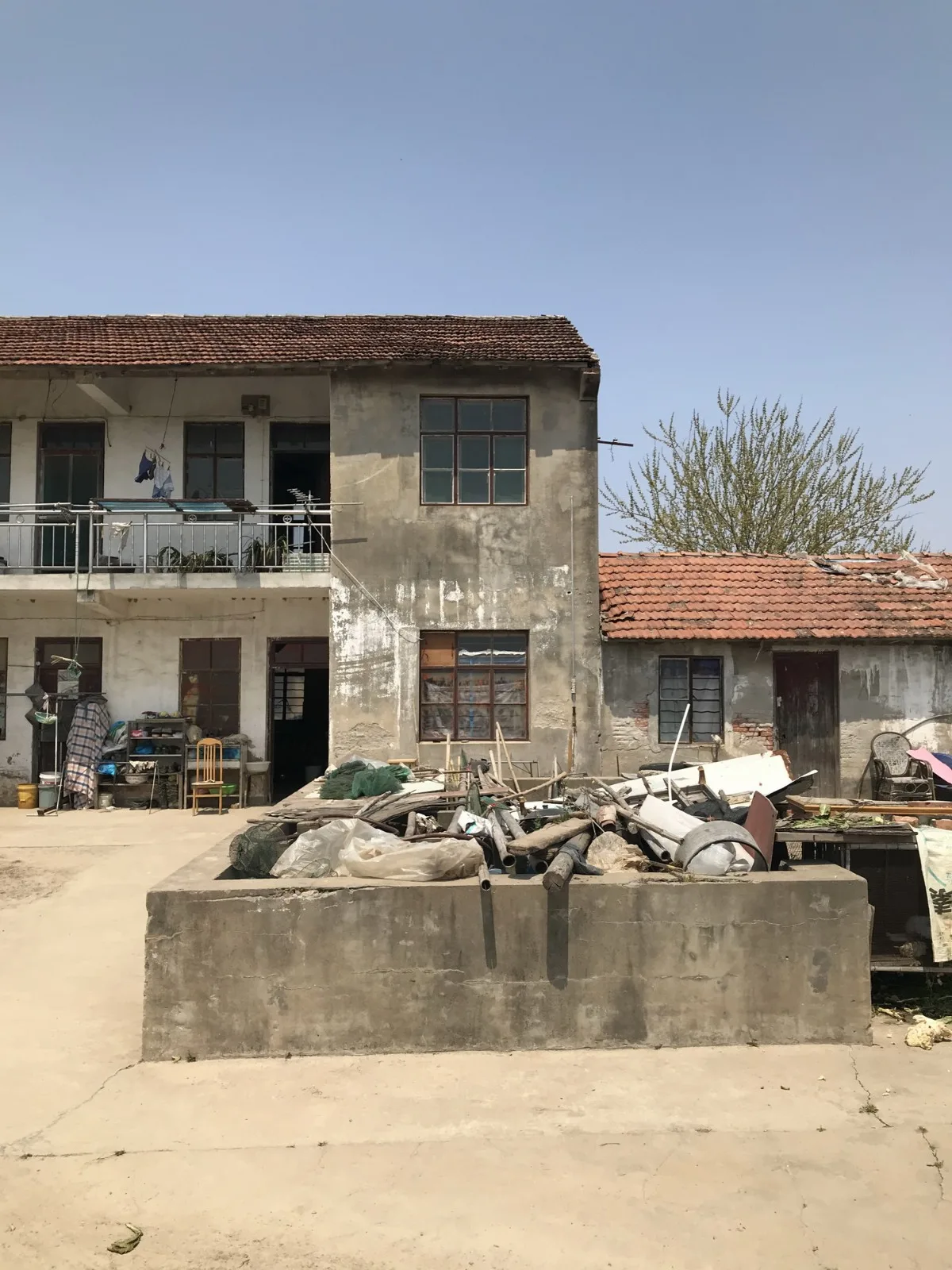
Before renovation
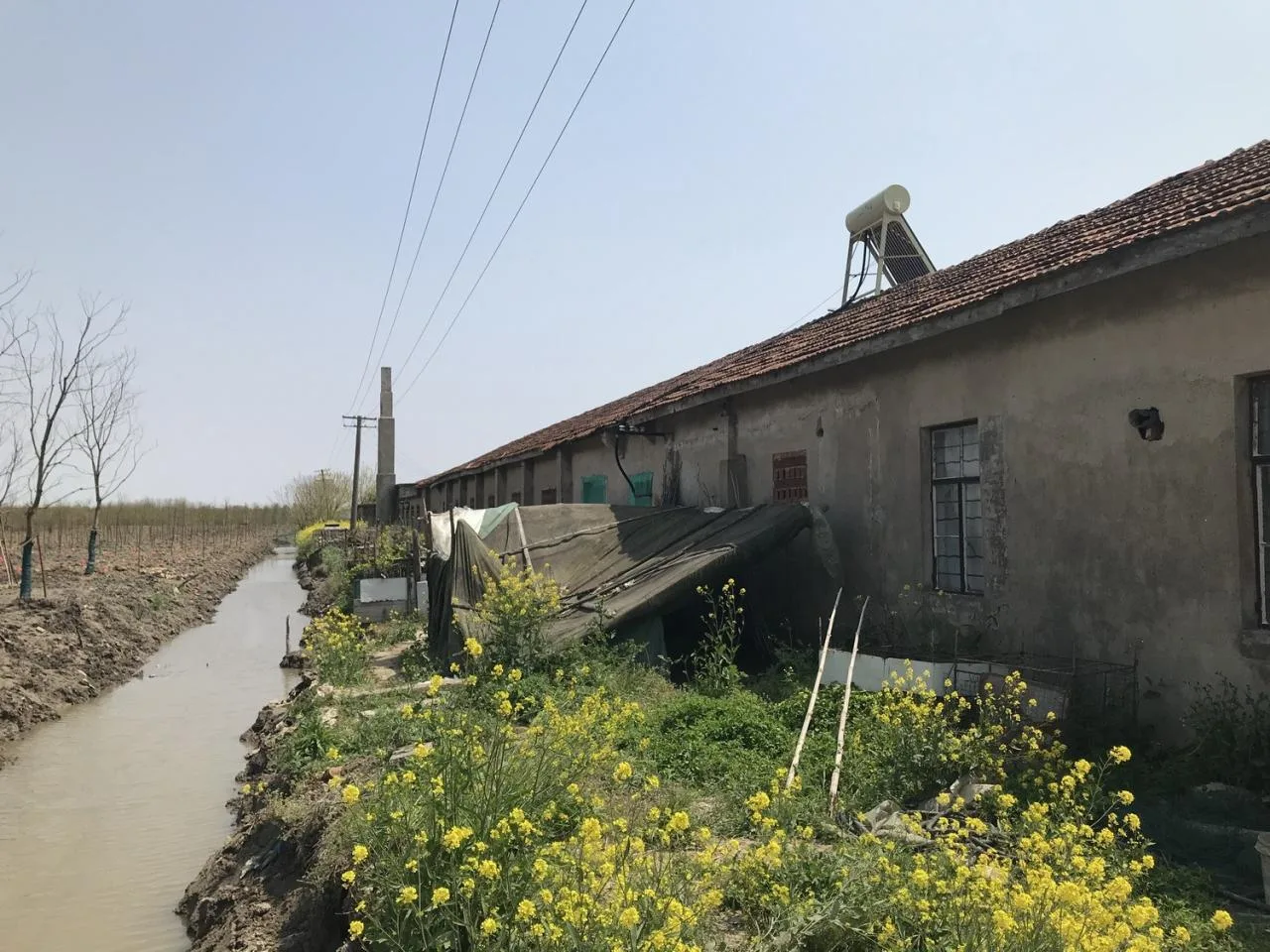
Before renovation
Initially, I stood on the dilapidated grounds surrounded by rickety barns, equipment warehouses, offices, and sun-scorched, mottled floors. Mr. Wu, noticing my heavy sweat, asked what could be done with this 8,400 square meter, 220-meter long grain drying field. I was momentarily confused — unfamiliar with the space and caught off guard by the question. I simply replied, “Let me think about it.”
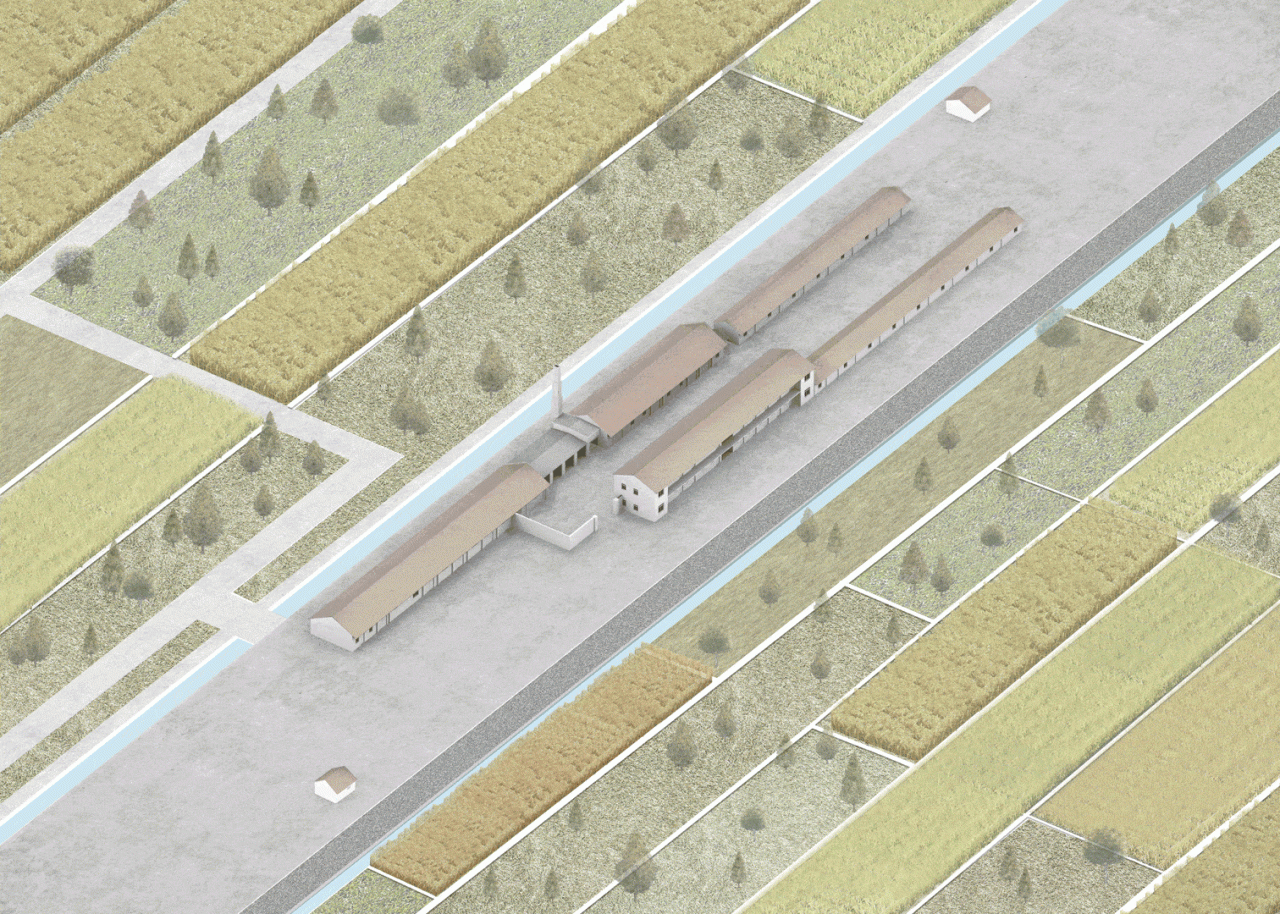
Mortal
Where have the moments of my life gone?
Has the sun drying field ever truly existed in my life? I recall it only fleetingly, back when we studied agriculture in high school. We would pile harvested rice in the sun drying yard, doing little more than resting on the ground or atop grain stacks, exhausted and hungry. It reminds me of Peter Bruegel’s painting The Land of Peace, portraying a utopia born from the endless toil of medieval European peasants. They dreamed of a carefree existence in a corner of the earth — a place with no work, no worries about food or drink, where mountains and seas of abundance awaited. Our own fatigue and hunger then were no greater than his imagination — an illusion of plenty and idleness.
I got drunk — intoxicated by the injustices of the world.
That night, we gathered around a bonfire for a communal dinner and performance. We devoured all the food we had saved for a month in one sitting, even trying our first drinks. Our loud, off-key singing masked the knowledge that tomorrow we’d return to the tiring routine of farm life. We laughed and cried without inhibition. It was my first experience of drunkenness, and I was reminded of Bruegel’s Carnival and the Battle of Lent. I will never forget that night at the grain drying field — a fleeting, unadorned moment of pure, carefree joy and innocence.
I believed in freedom, but it felt insincere.
Our initial goal in agricultural studies was to train us to overcome hardship. Yet, deep down, we simply aimed to work hard or earn money to avoid falling into a life like the one we knew on the farm. The brief carnival in the sun drying field became a symbol of escape and indulgence — a momentary refuge. Looking back at myself at fifty years old, I feel a pang of regret, realizing I’ve not allowed myself such carefree indulgence since.
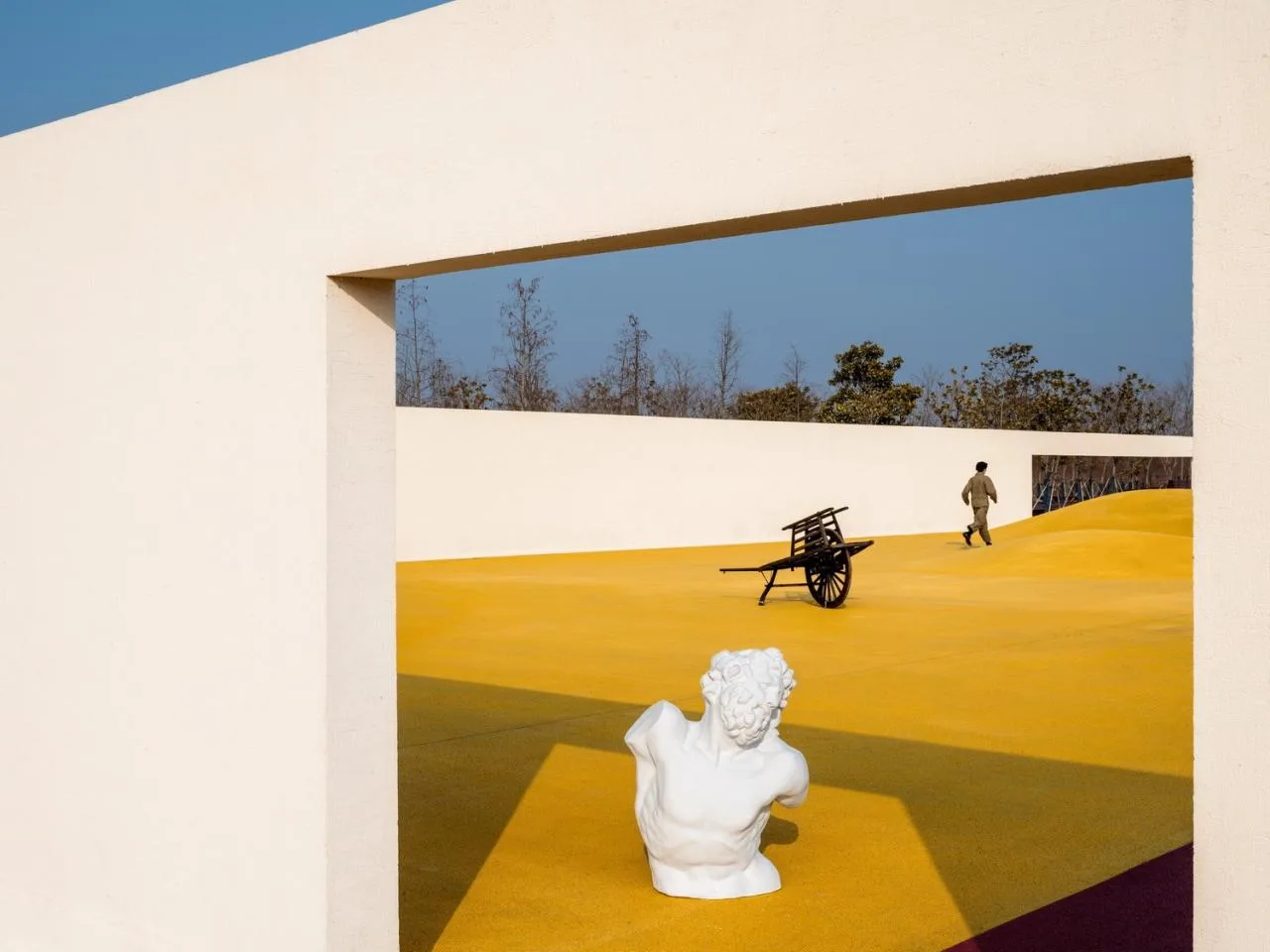
The Ordinary People’s Pure Land
The grain drying field serves practical functions for crop processing and economic calculations based on work points. Socially, it’s a place for gossip and gatherings; ceremonially, it hosts formal events like outdoor movie screenings. It can be intimate, perfect for dates, or public, functioning as a company courtyard or village square. Yet, it has never been a spiritual place. The sun drying farm is tied to rural life and material fantasies of its era — its expression is straightforward and unpretentious.
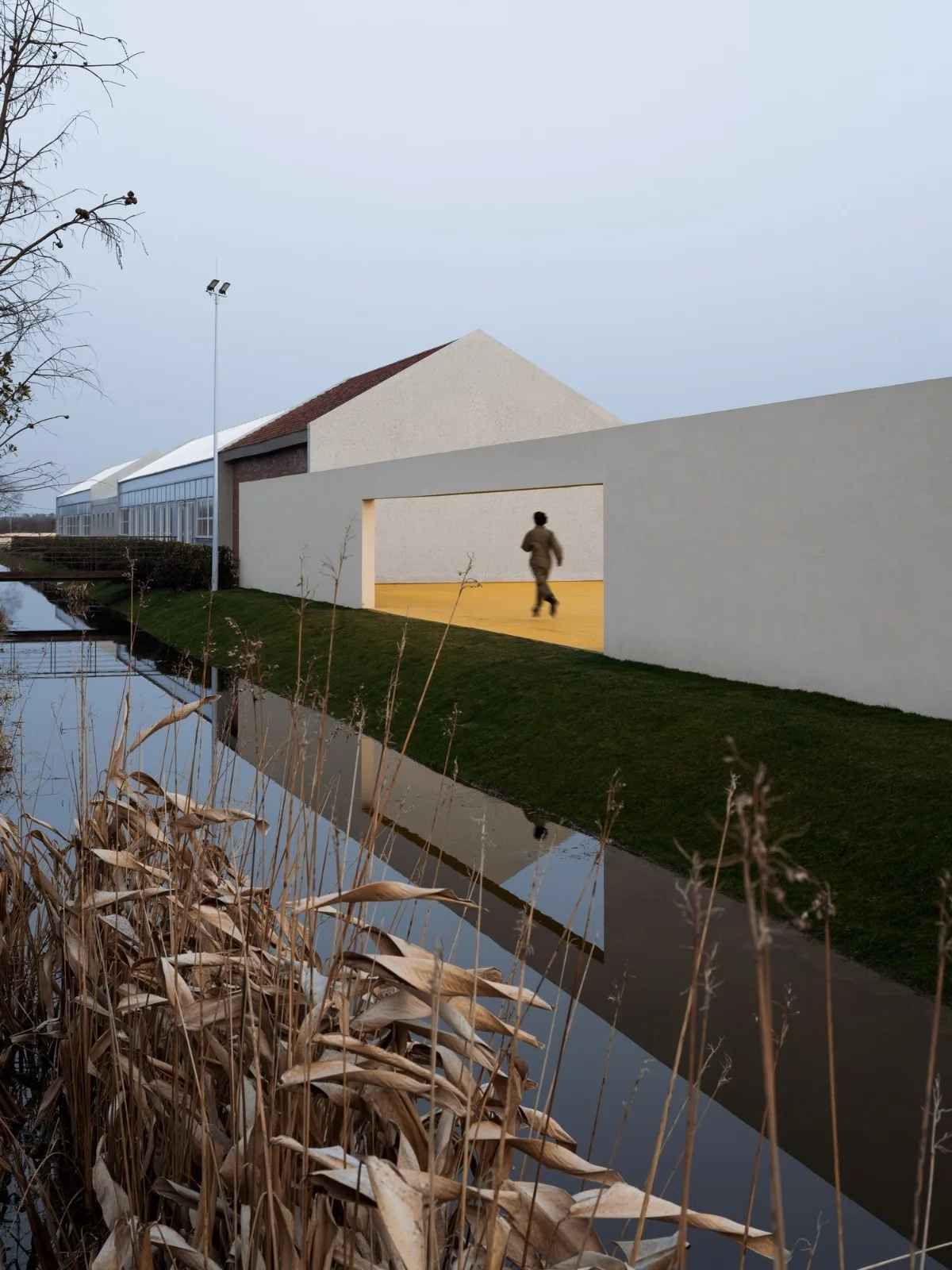
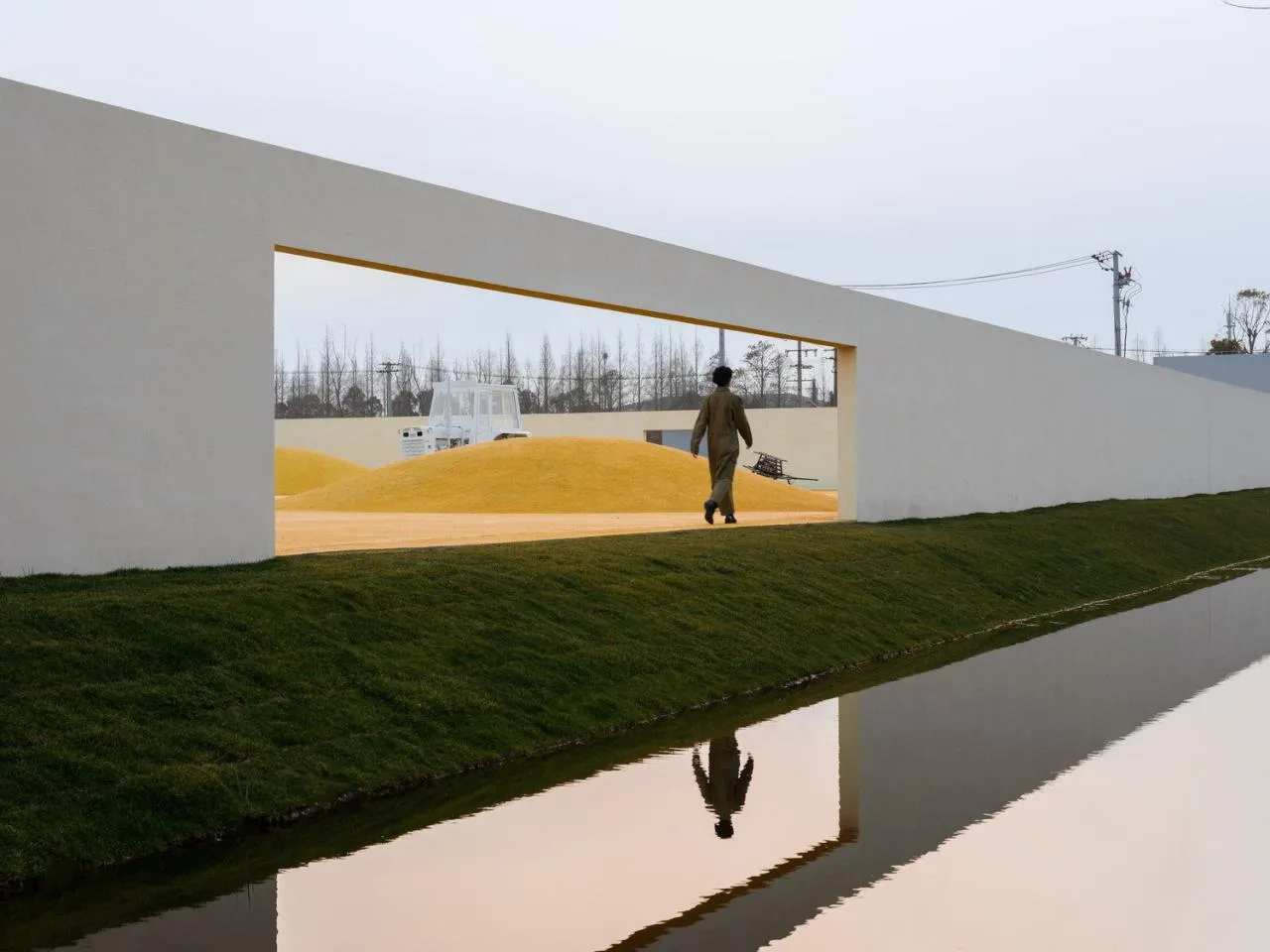
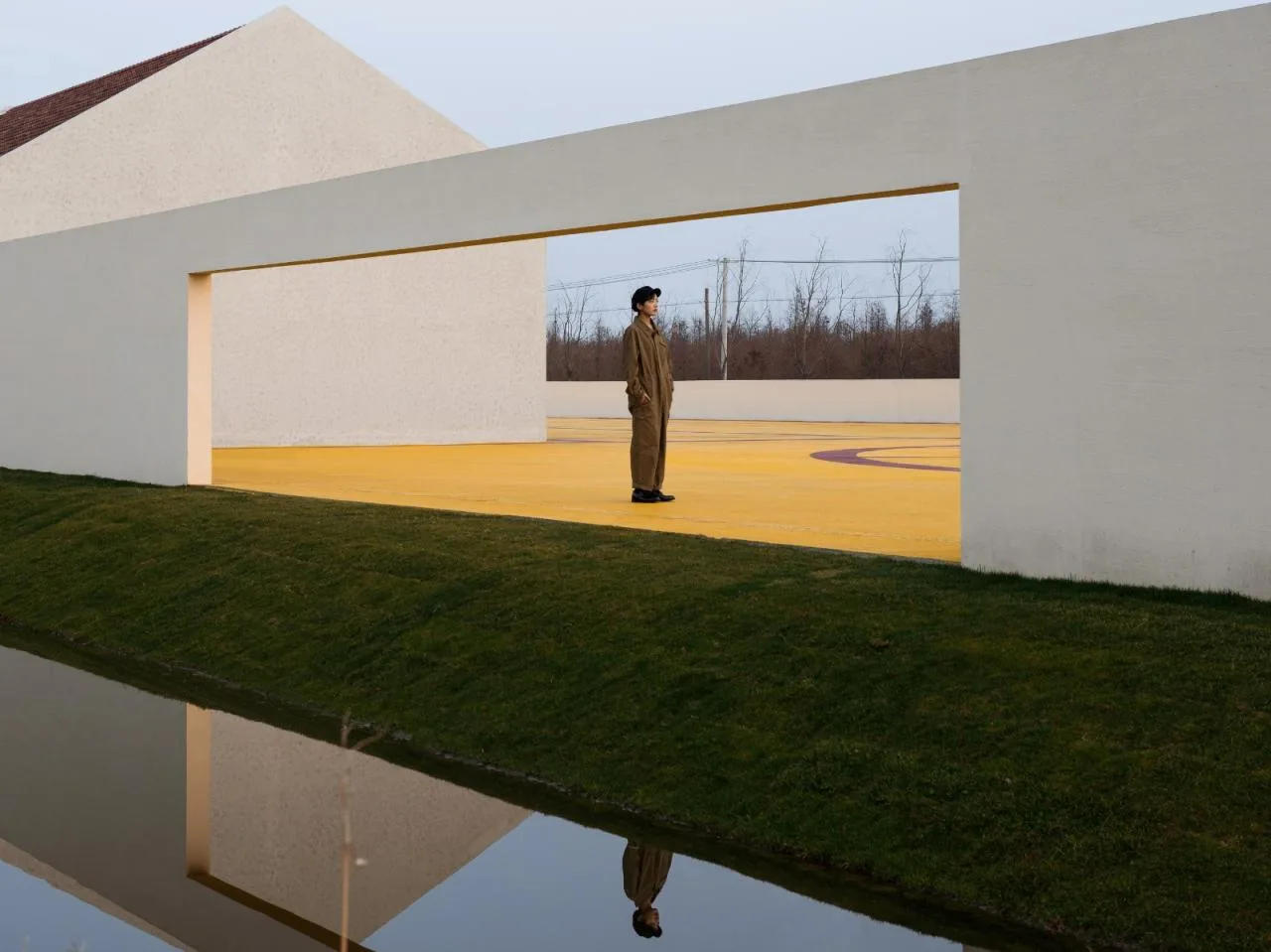
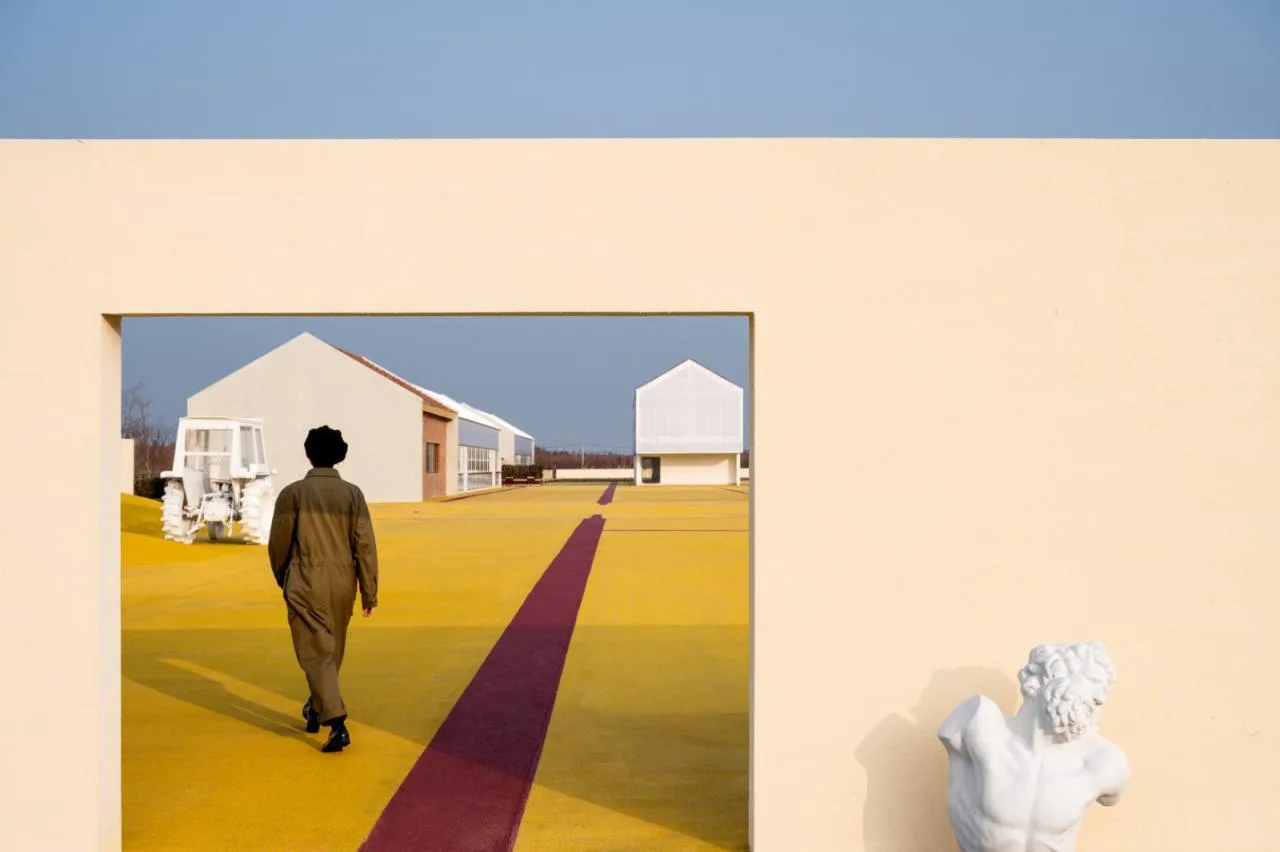
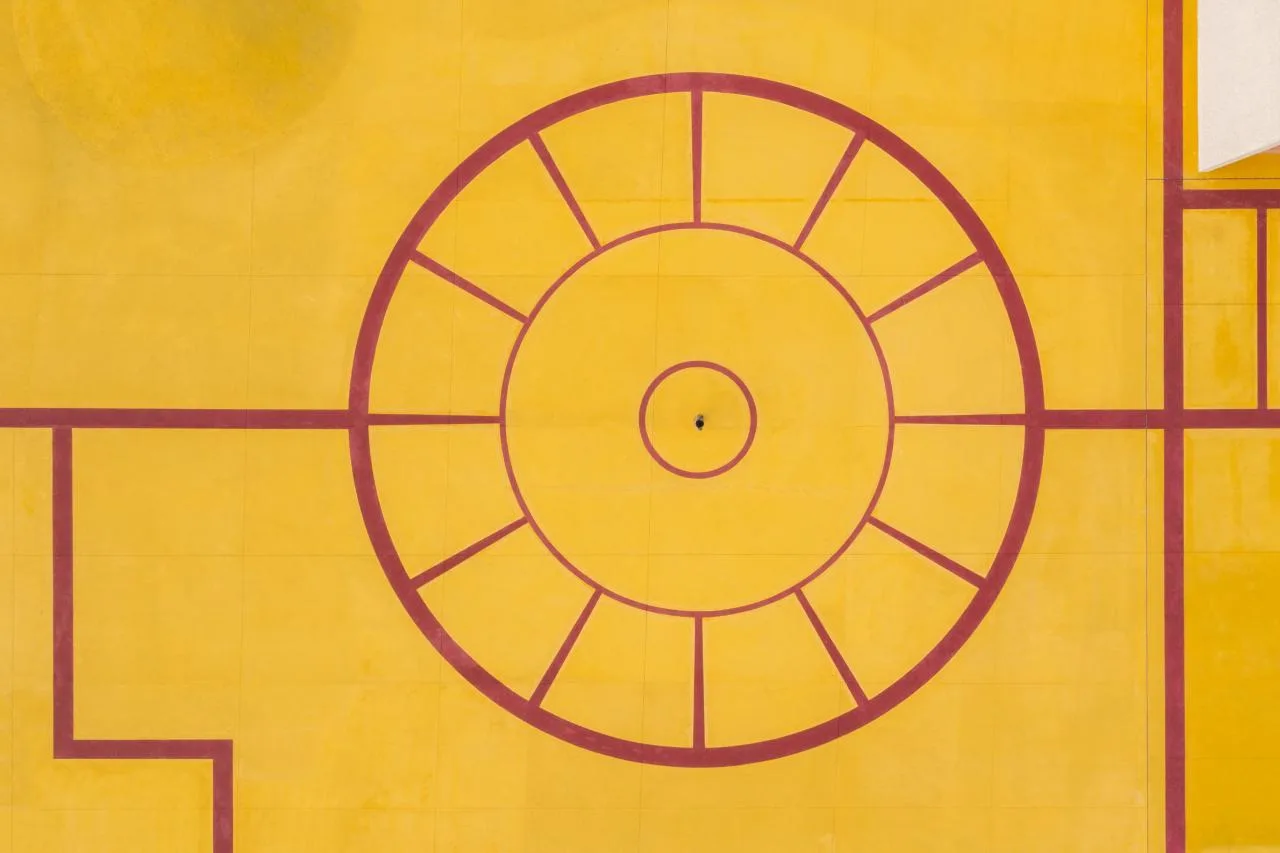
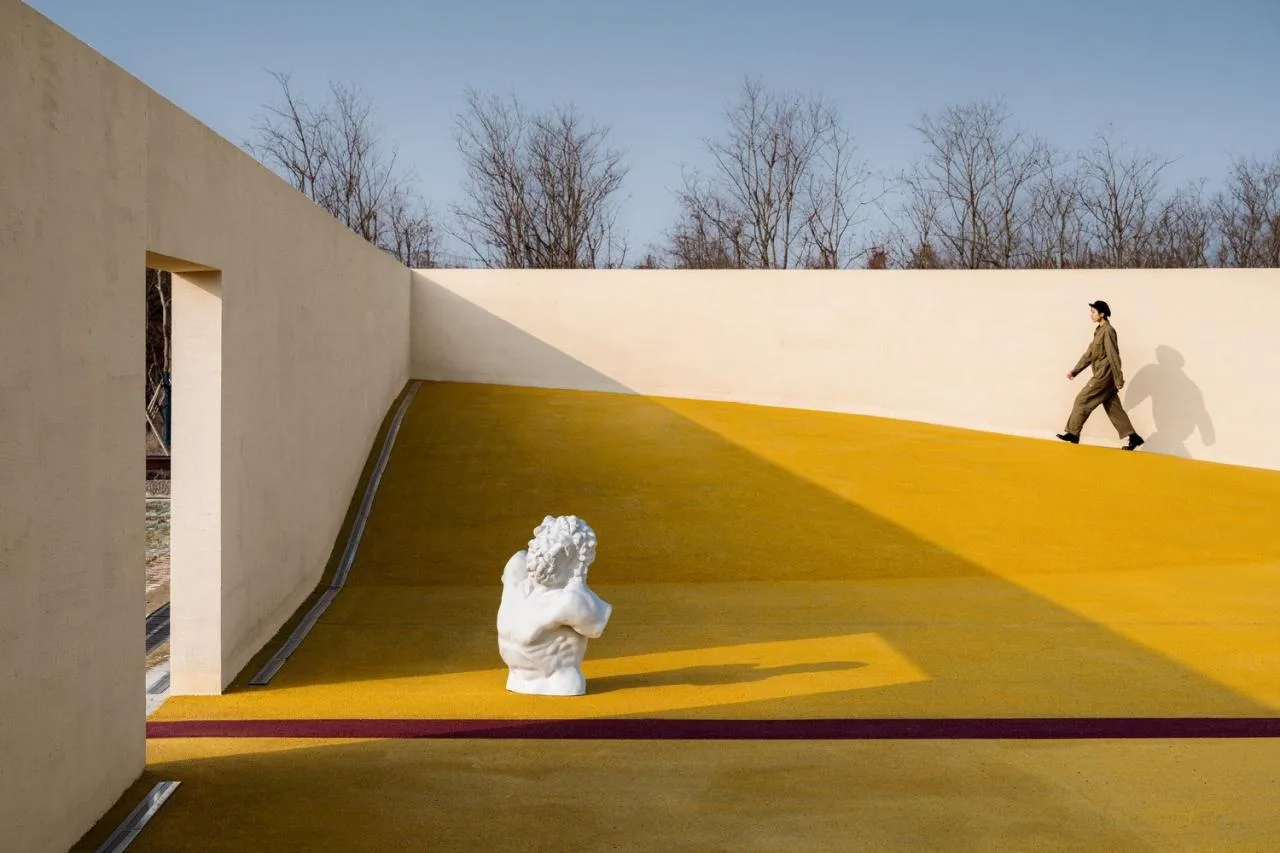
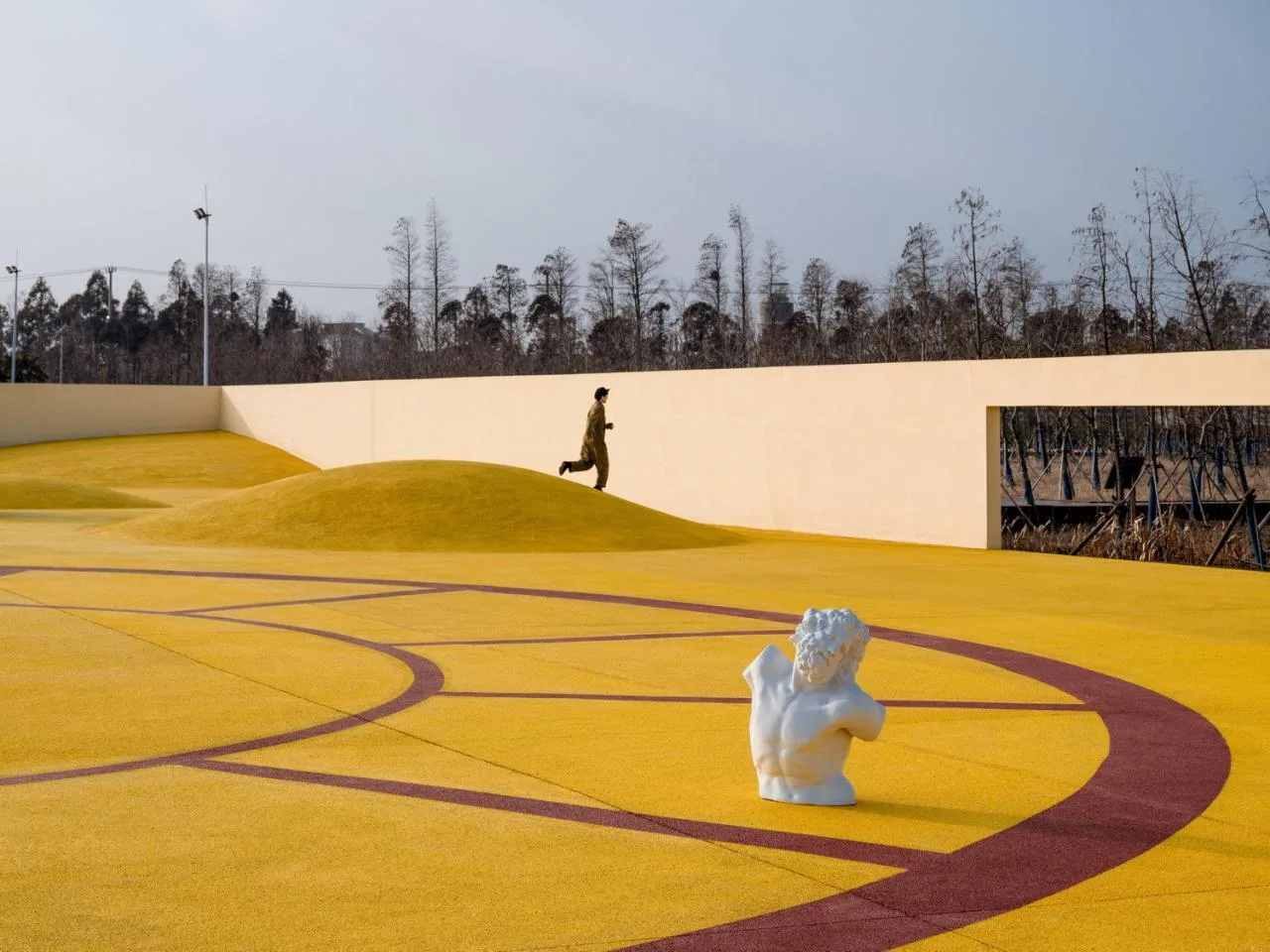
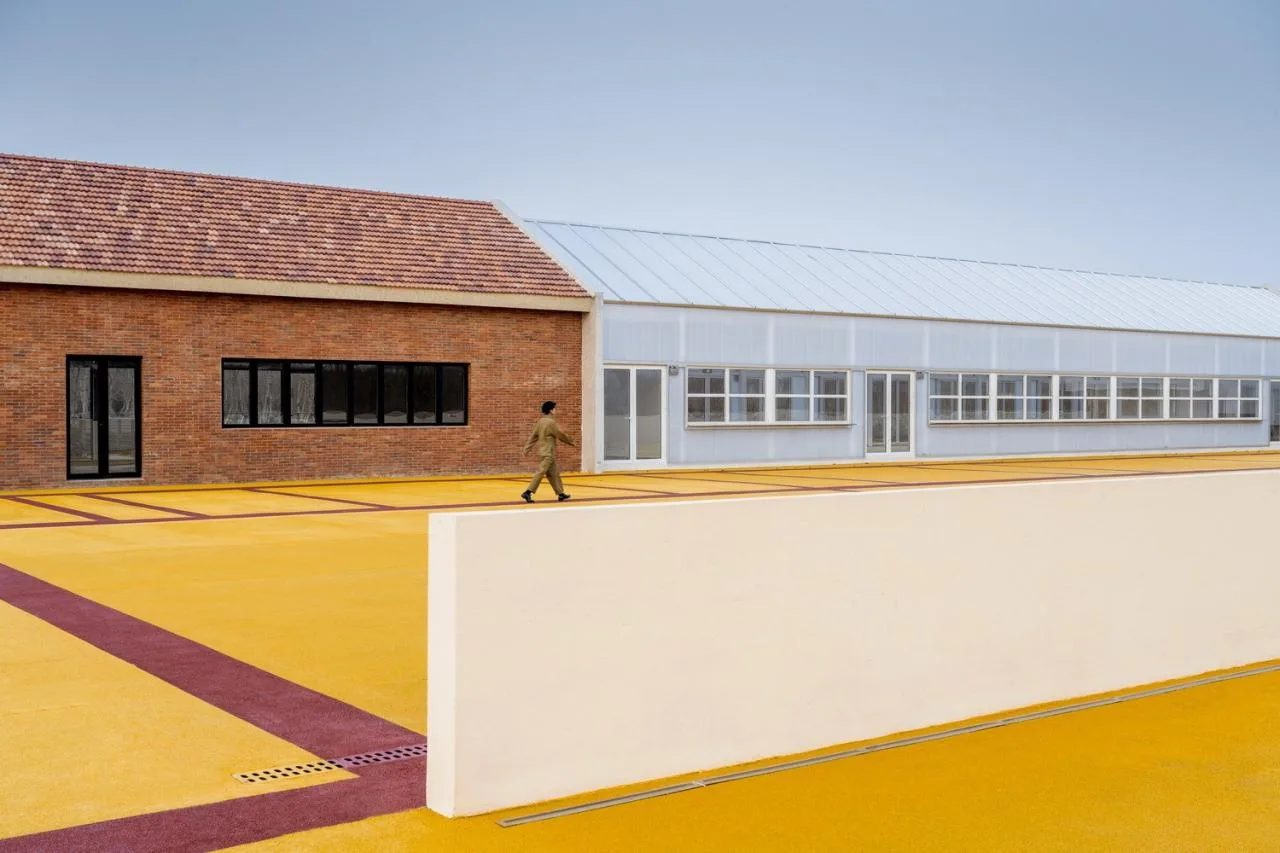
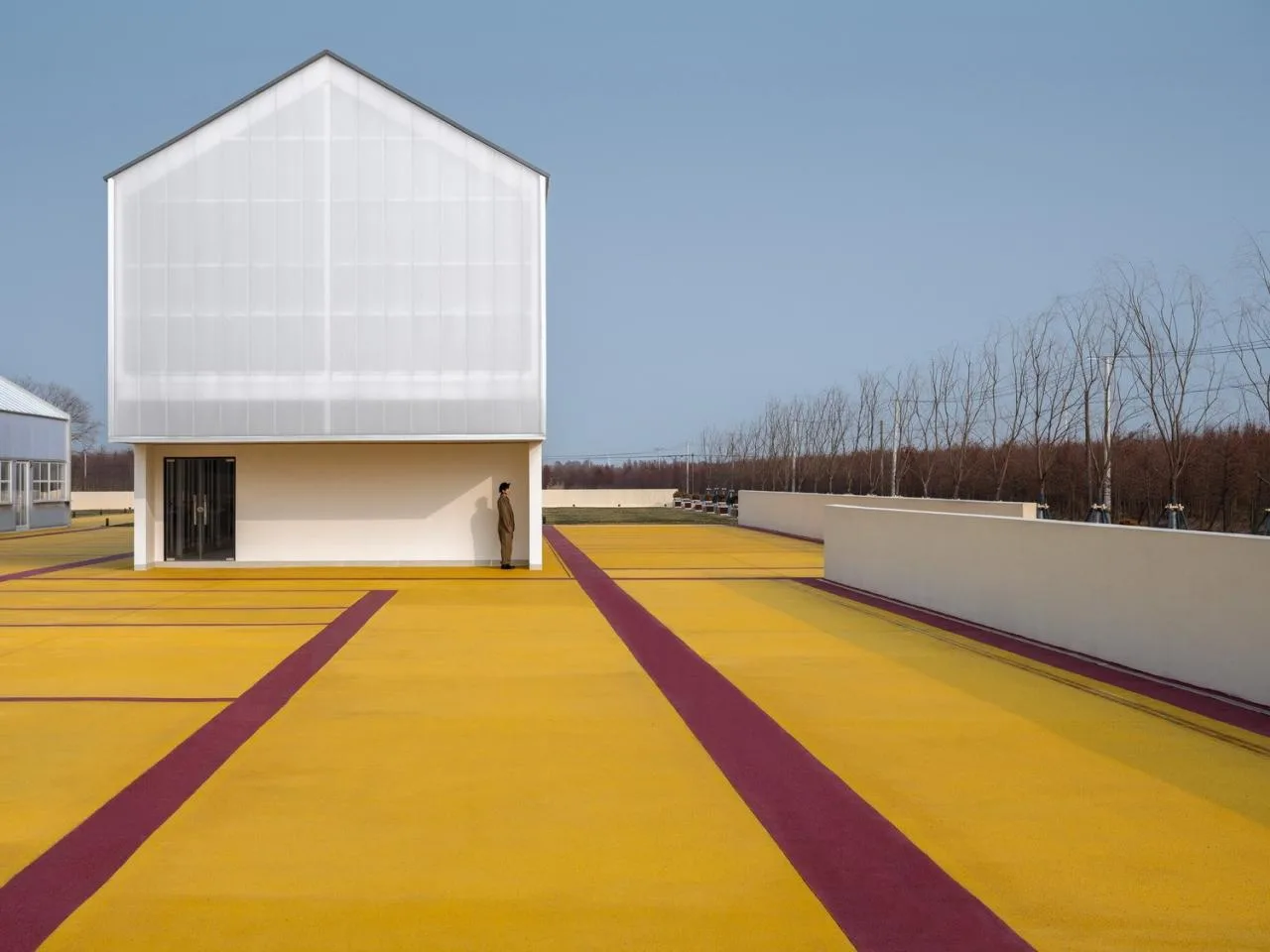
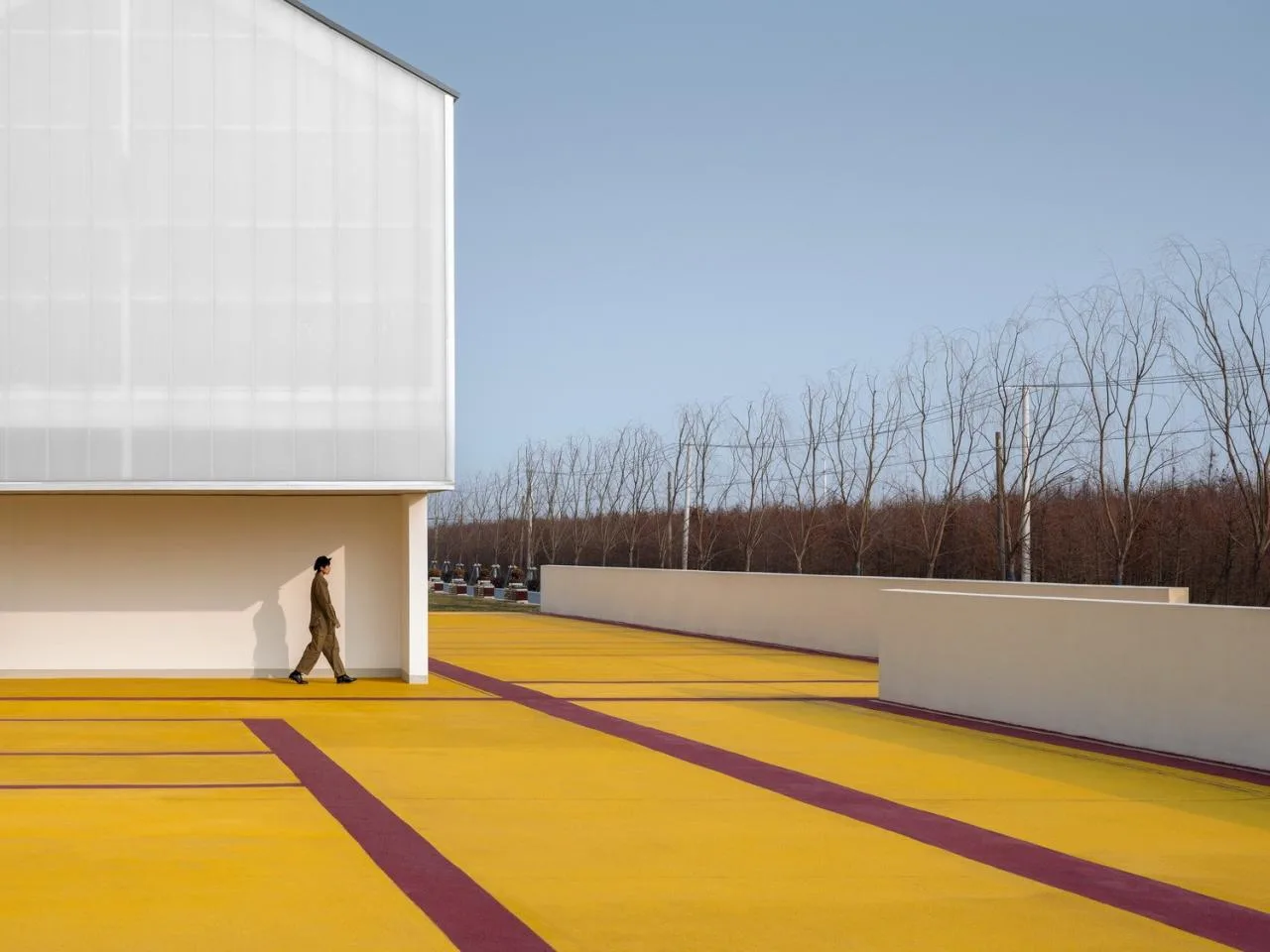
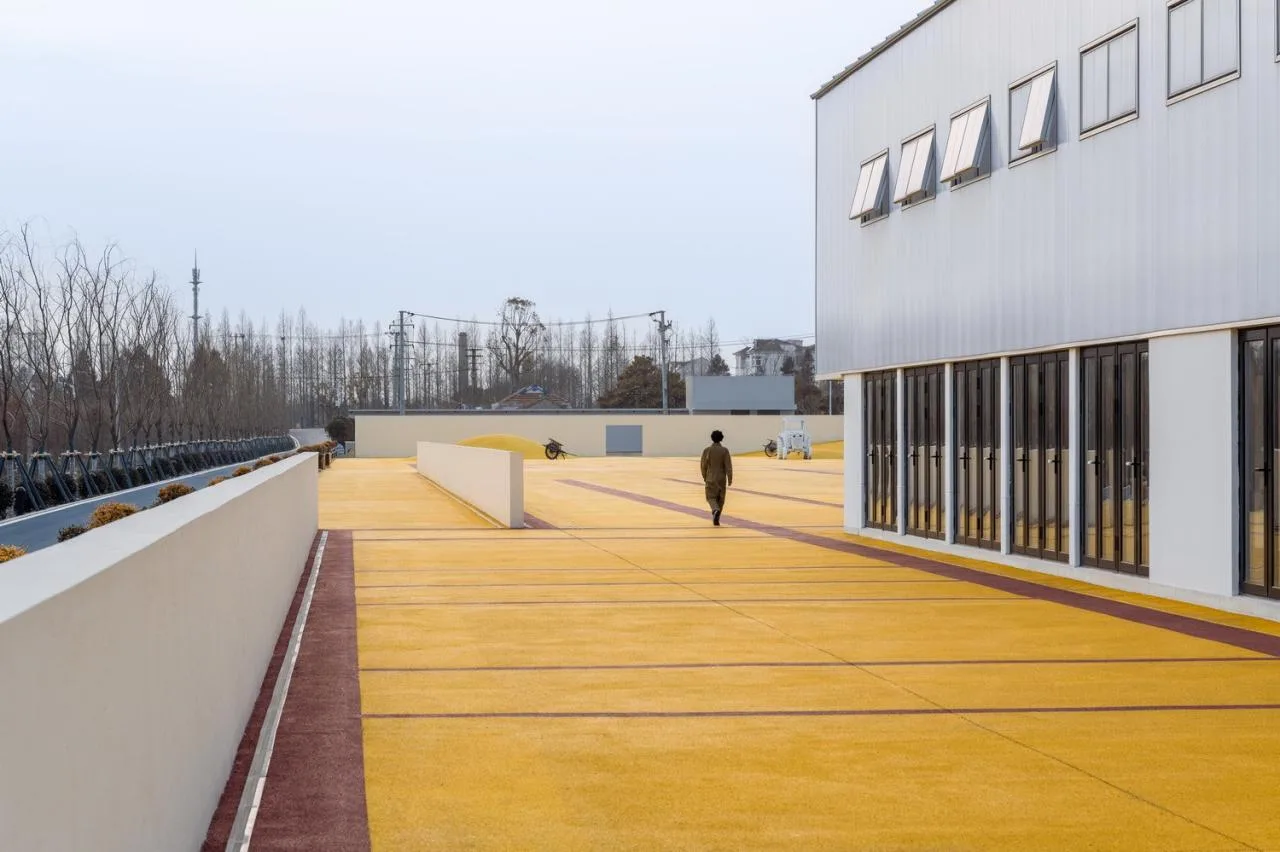
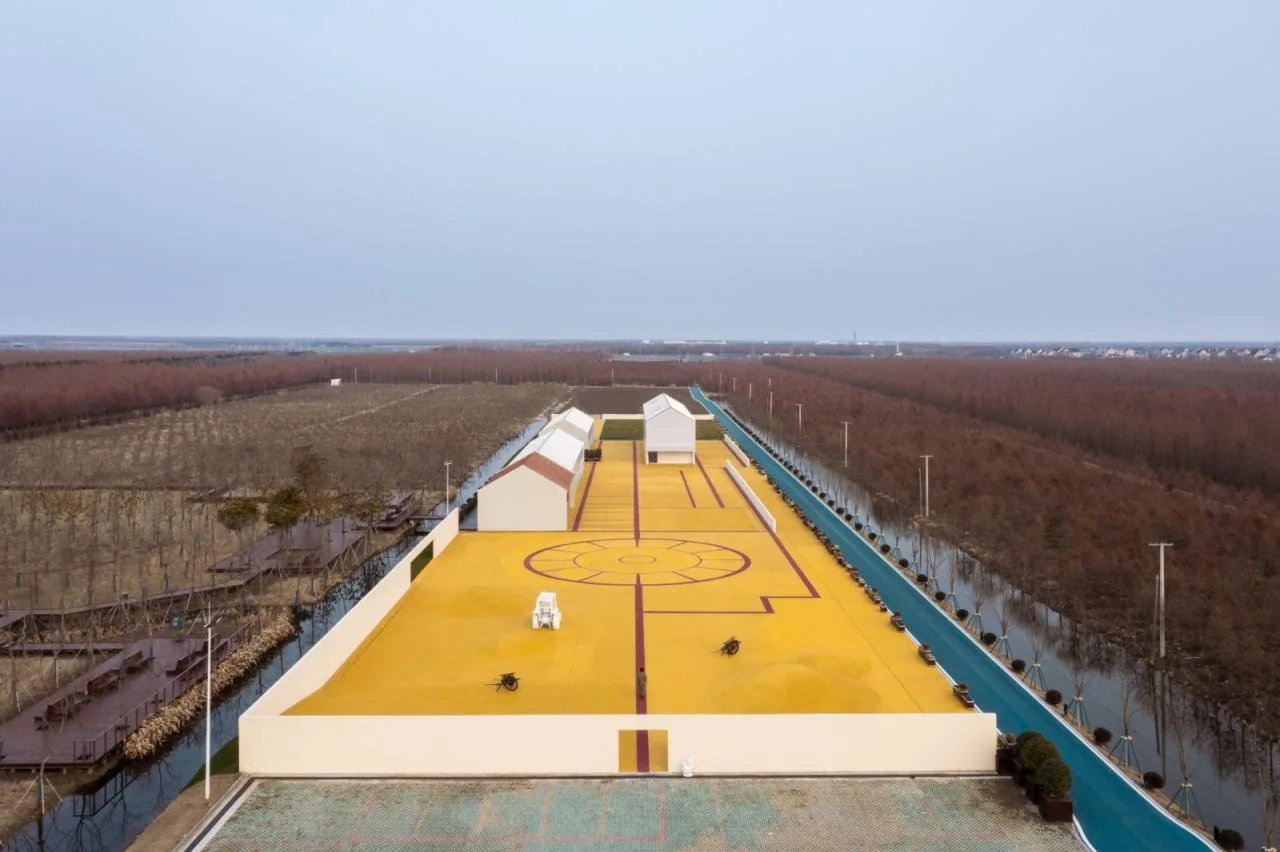
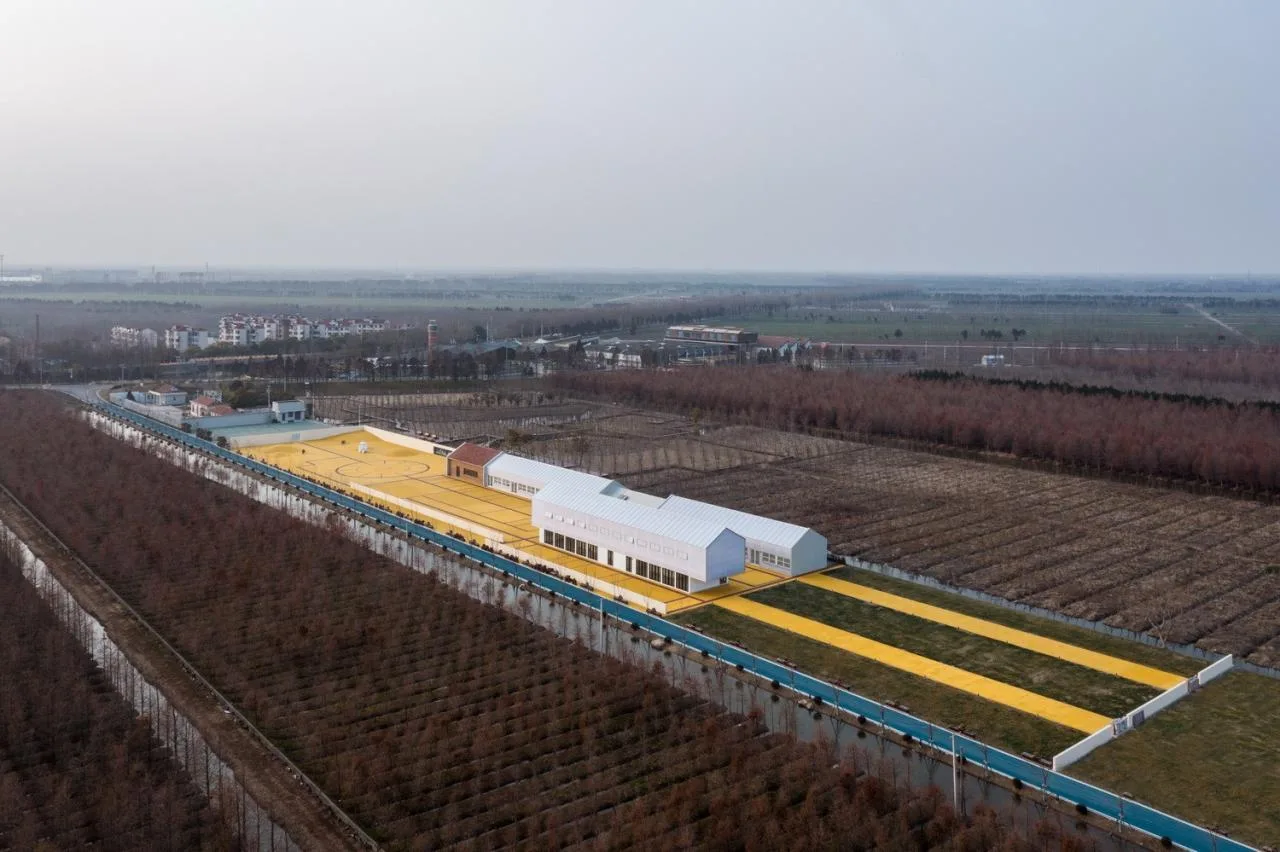
To symbolize the sun drying field and its endless harvest, I chose a golden color. My simple hope is for Anle Township to be a place of “eternal leisure, abundant food, and edible buildings” — a heaven on earth. Though we had no intention of staying in the countryside then, life’s unpredictable twists have made us yearn for the simple joys of rural living. The design reflects this simplicity: Wutopia Lab uses golden permeable concrete resembling rice grains, accented by dark red lines, creating a timeless sun drying pattern. Some sections are divided into blocks, others fan-shaped. Slightly raised terrain forms “valley piles” with gentle undulations. Standing atop, it feels like a harvest moment frozen in time.
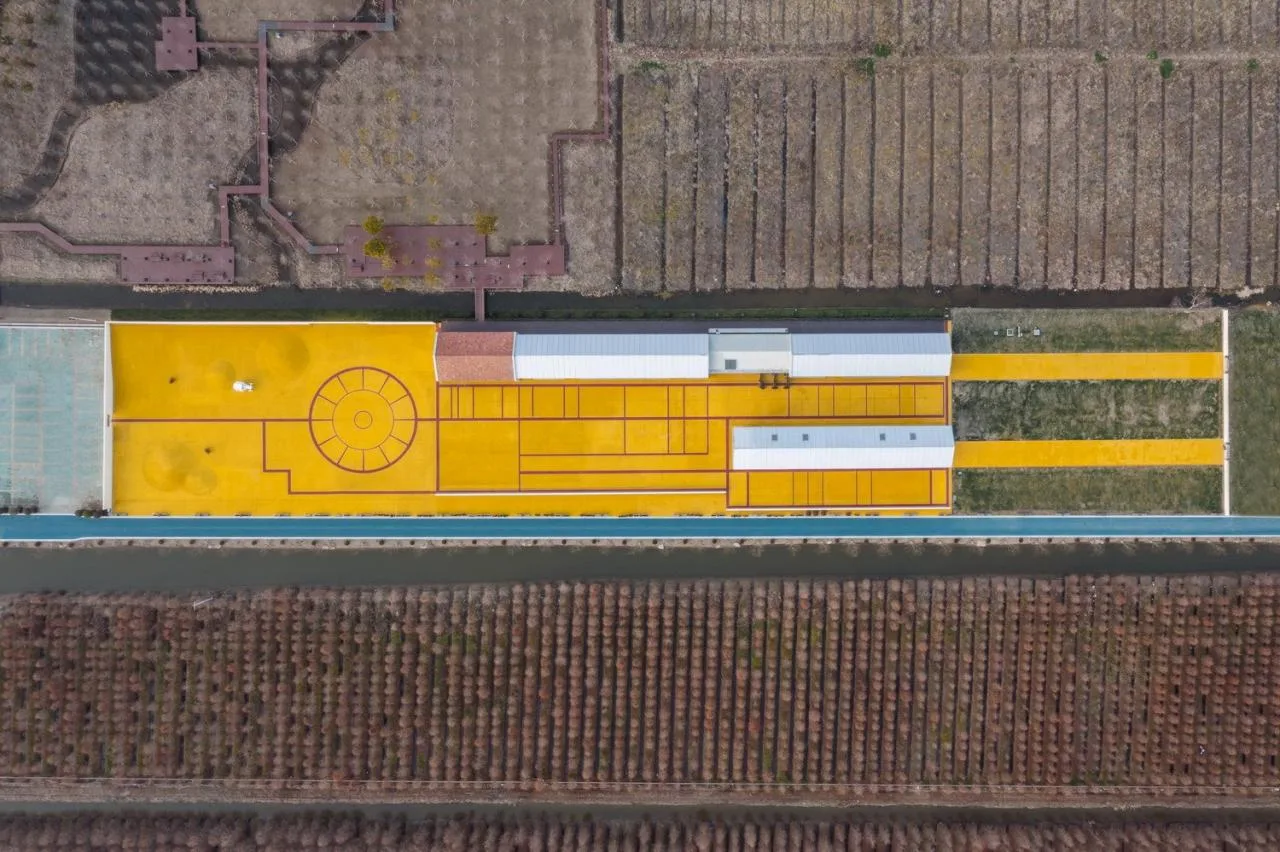
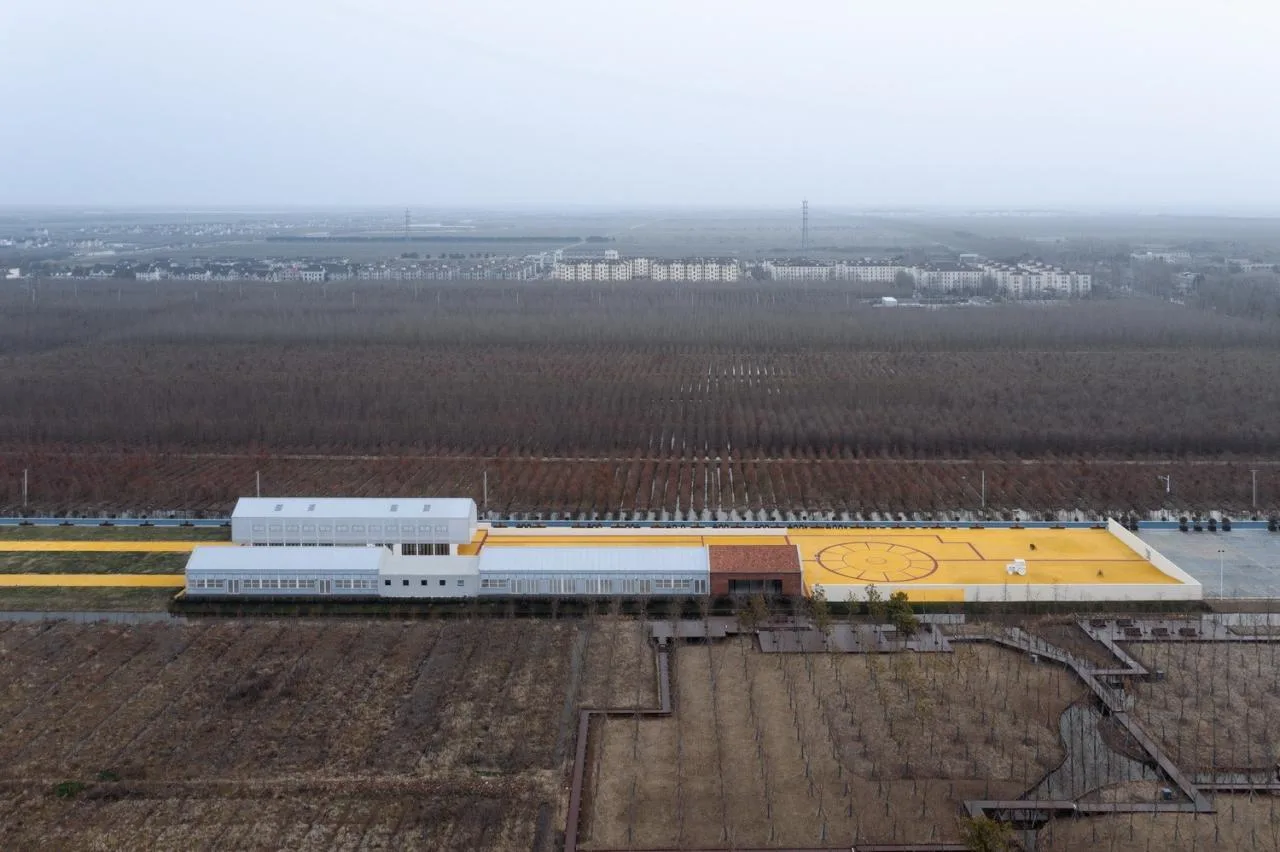
The architectural design respects the original forms while integrating modern lifestyles. The original gatehouse serves as a capsule commemorating the early residents of Chongming Island, who built reed-based homes: circular cave houses, barns, and brick structures are partially preserved, honoring farming memories from the reclamation era. The old farm tool warehouse now features a minimalist concrete façade, functioning as an auxiliary building to the drying field. Portions of the barn and the two-story dormitory retain their original shape, with façades replaced by milky white polycarbonate panels, transforming into the Bright Milk House — a multifunctional venue for the development and display of Bright Group’s new agricultural products.
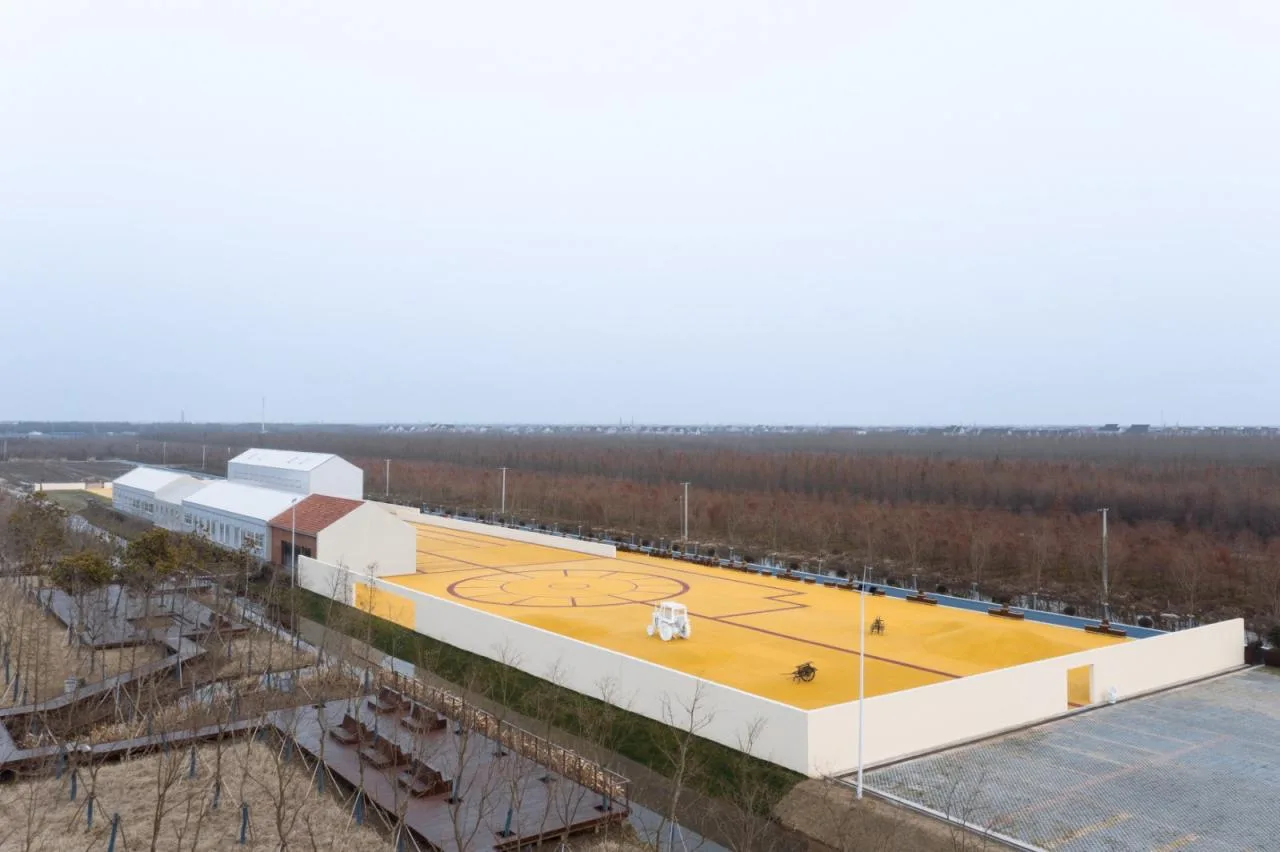
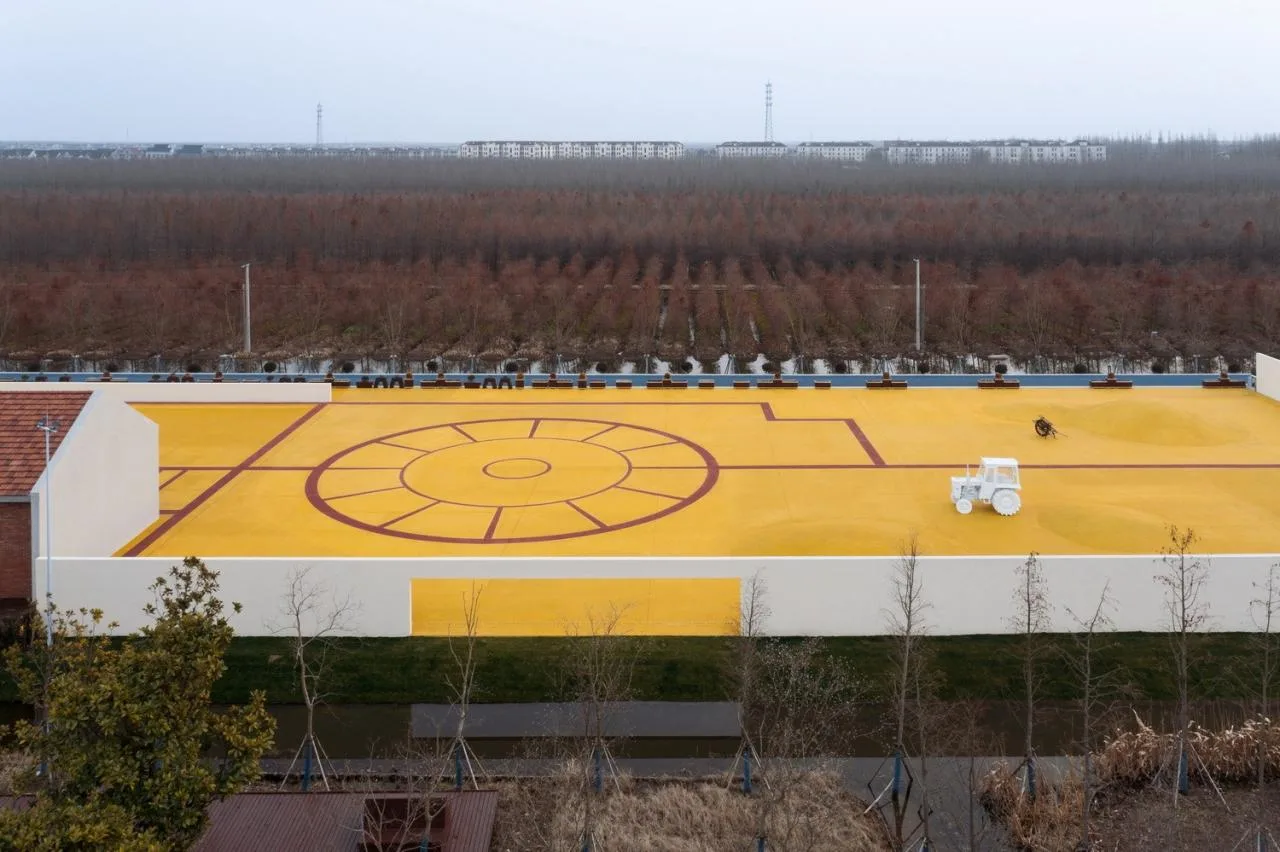
At the far end of the site, the original restroom was redesigned as a future capsule — an interactive device. Dark red lines on the ground transform into a four-sided pyramid made of weather-resistant steel plates that open and close. Inside, numerous memory capsules will be stored, containing messages or data for future generations, friends, or oneself. The buildings, made from various materials like scattered memories, invite visitors to explore stories from different eras each time they enter a room.
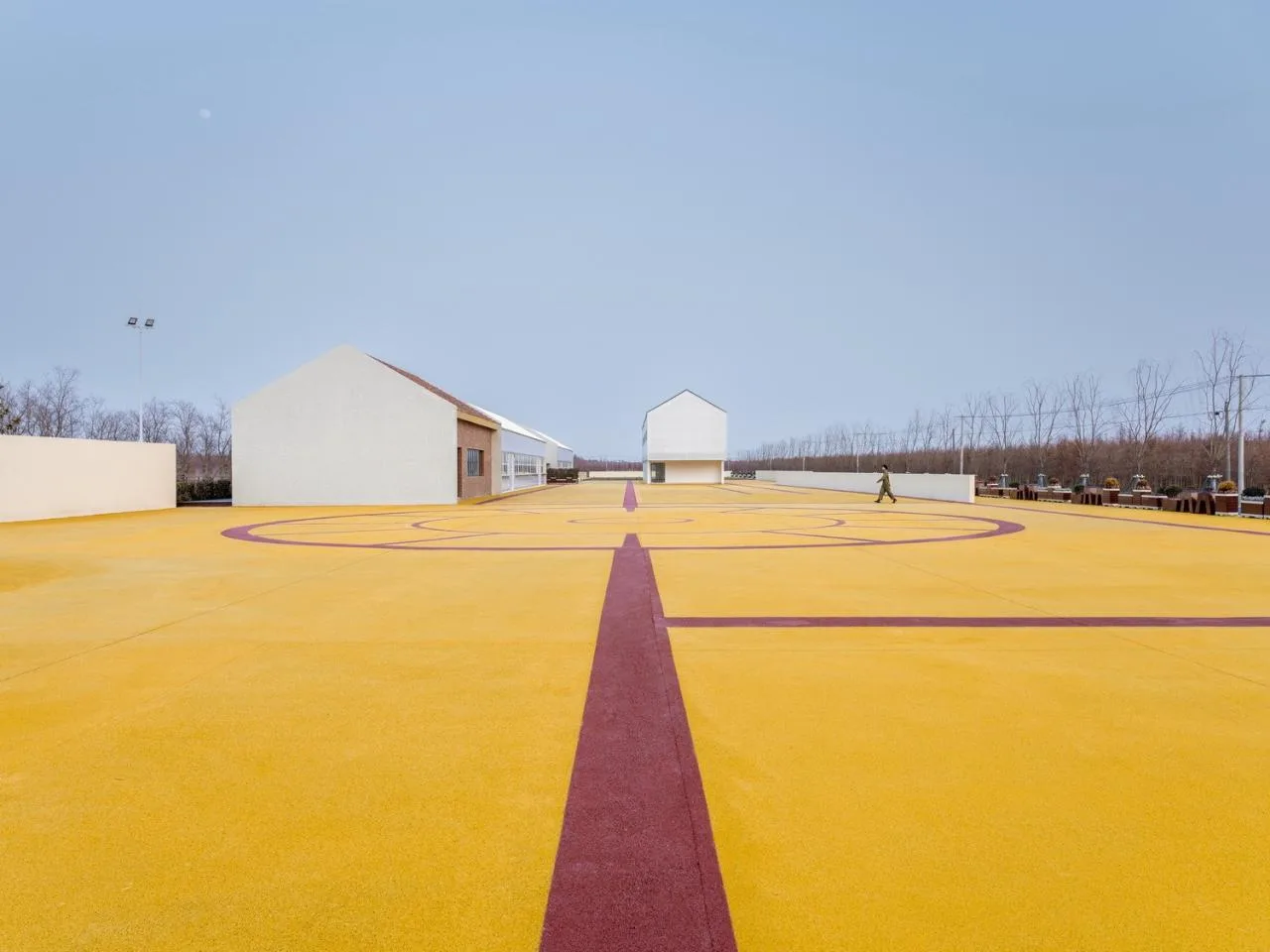
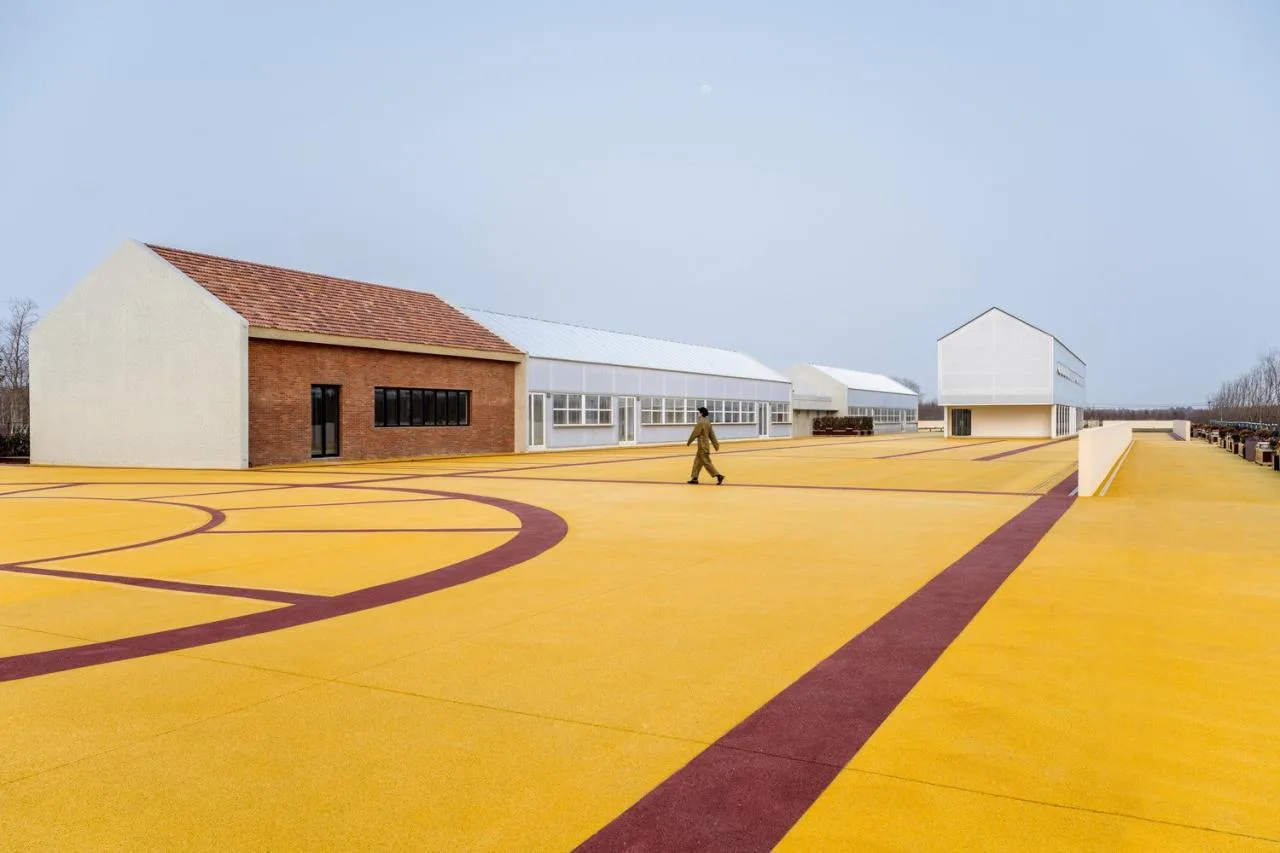
In the future, this space will host a fusion of urban and rural activities. To me, it remains foremost an artistic gesture — a vast piece of earth art embedded within familiar farmland. It expresses the simple, heartfelt wishes of ordinary people: to be free, safe, happy, and well-fed.
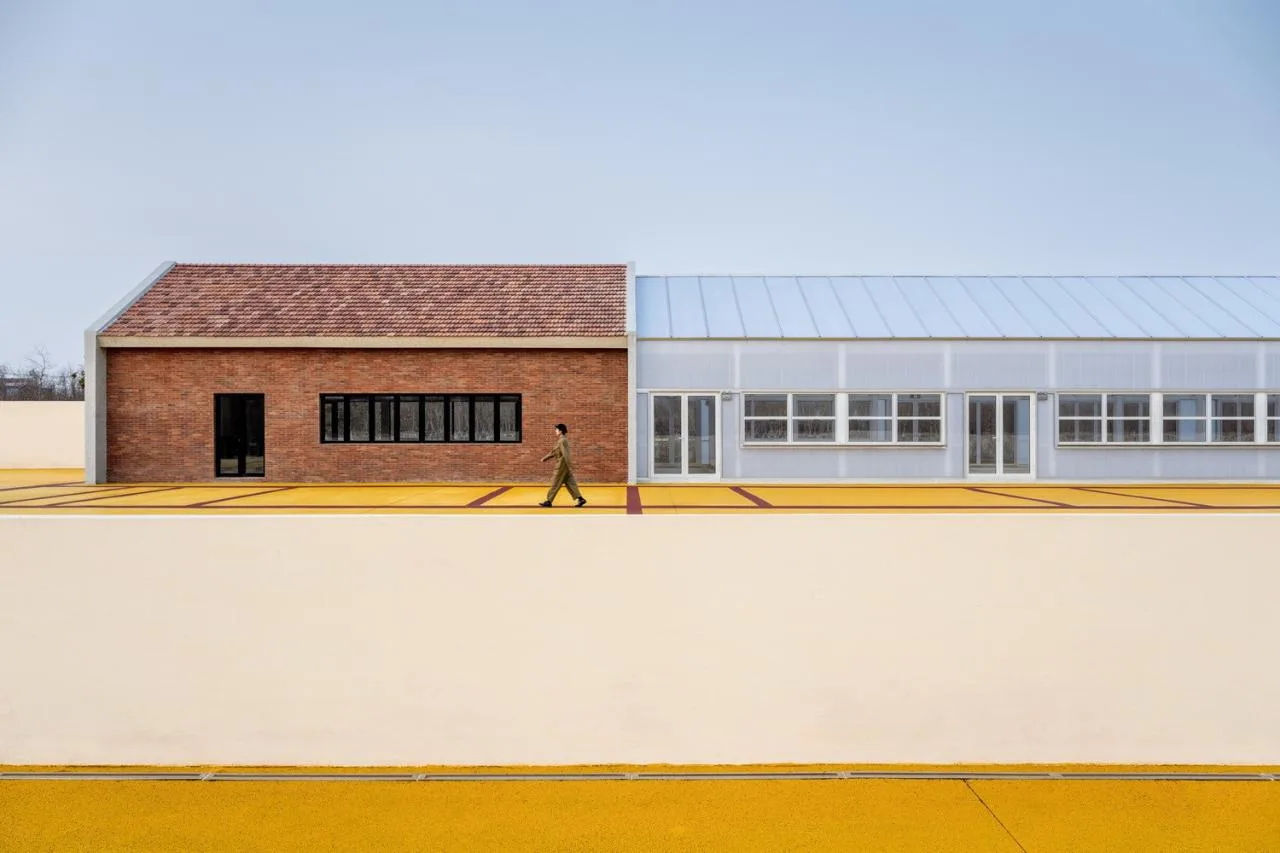
“The past is in the present, but the future is still in our hands.” — Elie Wiesel
Easter Egg
Cockaigne of Everyman is the third installment in Wutopia Lab’s Mortal Trilogy, celebrating magical ordinary people. It explores simple desires intertwined with sacred memories and heroic tributes, creating a world for the everyday residents of Dongtan Yuanli.
First work: Memorial of Everyman
Second work: Shrine of Everyman
Third work: Cockaigne of Everyman
Project Drawings
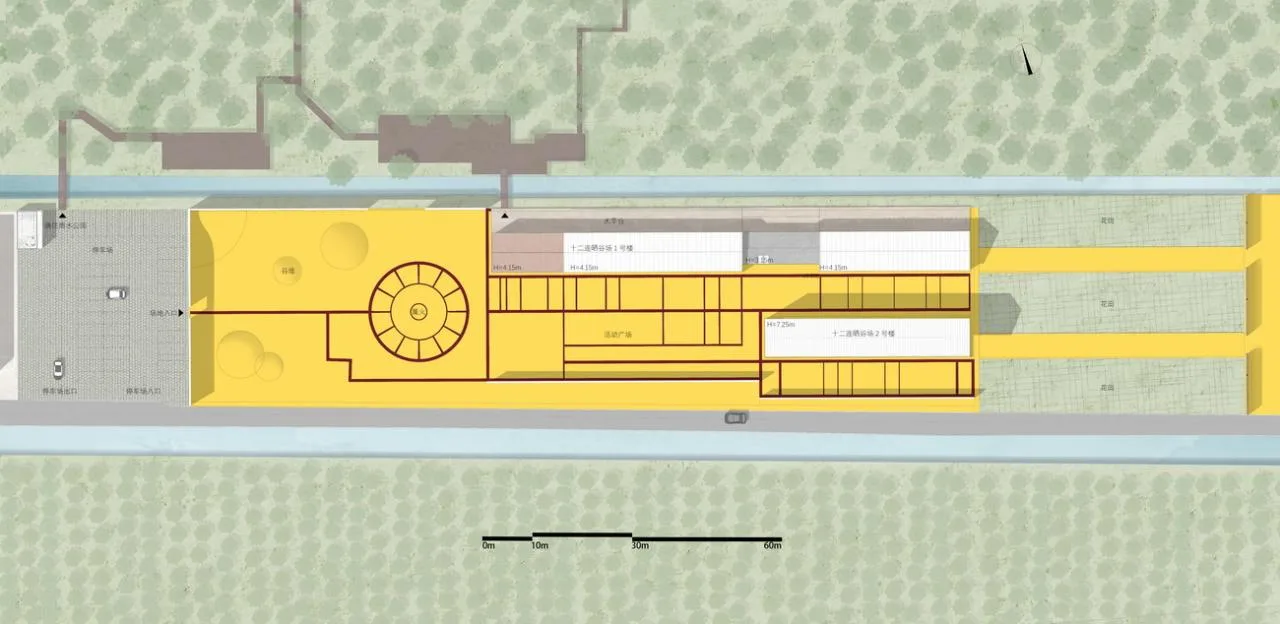
△ General layout plan
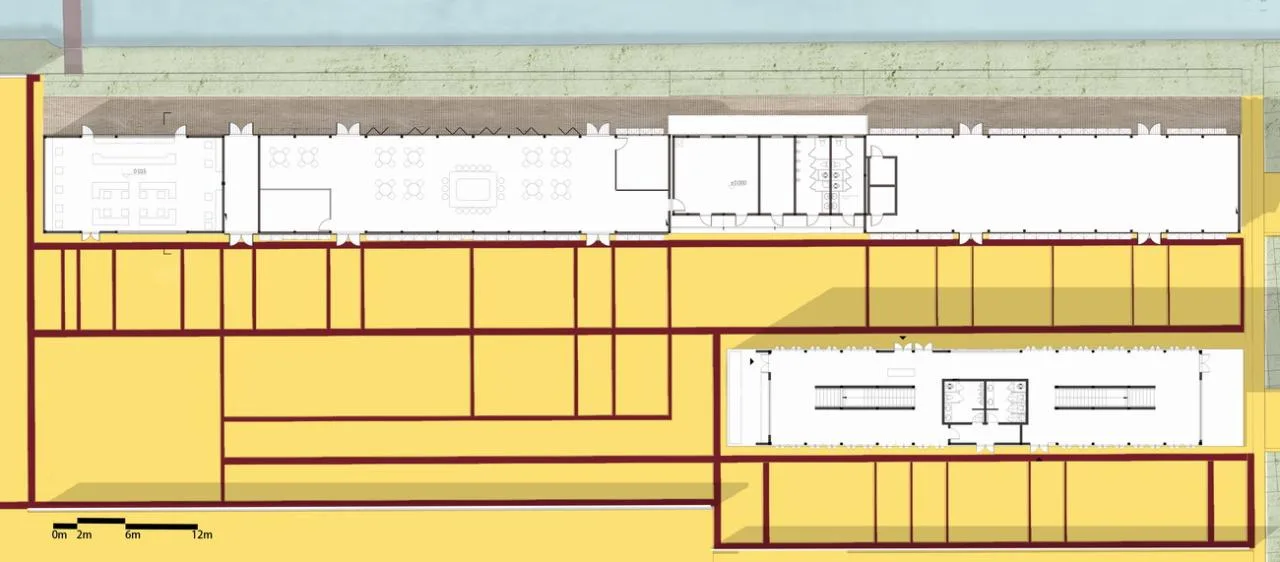
△ Floor plan
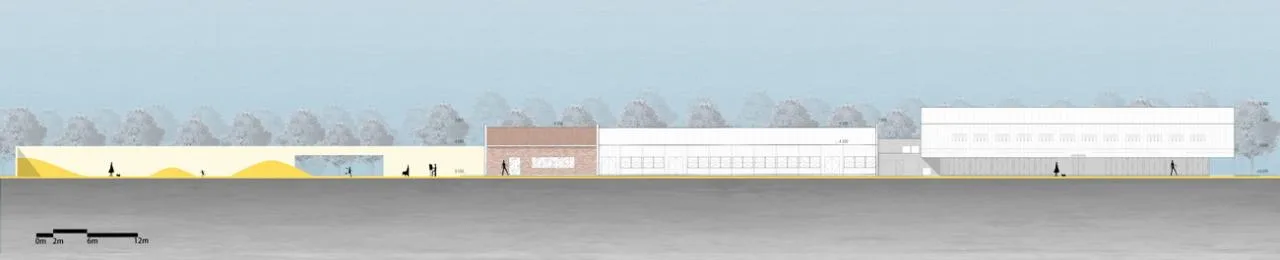
△ Elevation drawing
Project Information
Project Name: Cockaigne of Everyman, Golden Valley Drying Field
Design Firm: Wutopia Lab (Architecture, Landscape)
Lead Architect: Yu Ting
Project Architect: Li Hao
Design Team: Xu Nan, Li Ziheng, Wang Zhizheng, Lin Zhihao (intern)
Construction Drawing Design Firm: Shanghai Zhumeng Architectural Design Co., Ltd.
Owner: Shanghai Qianyi Agricultural Development Co., Ltd.
Construction Contractor: Shanghai Longma Construction and Installation Company
Lighting Consultant: Zhang Chenlu
Photography: CreatAR Images
Project Location: Chongming, Shanghai, China
Design Period: July 2020 – August 2020
Completion Date: October 2021
Site Area: 8,400 square meters
Building Area: 1,500 square meters
Main Materials: Sunshine board, steel, concrete, brick, colored permeable concrete














Must log in before commenting!
Sign Up