
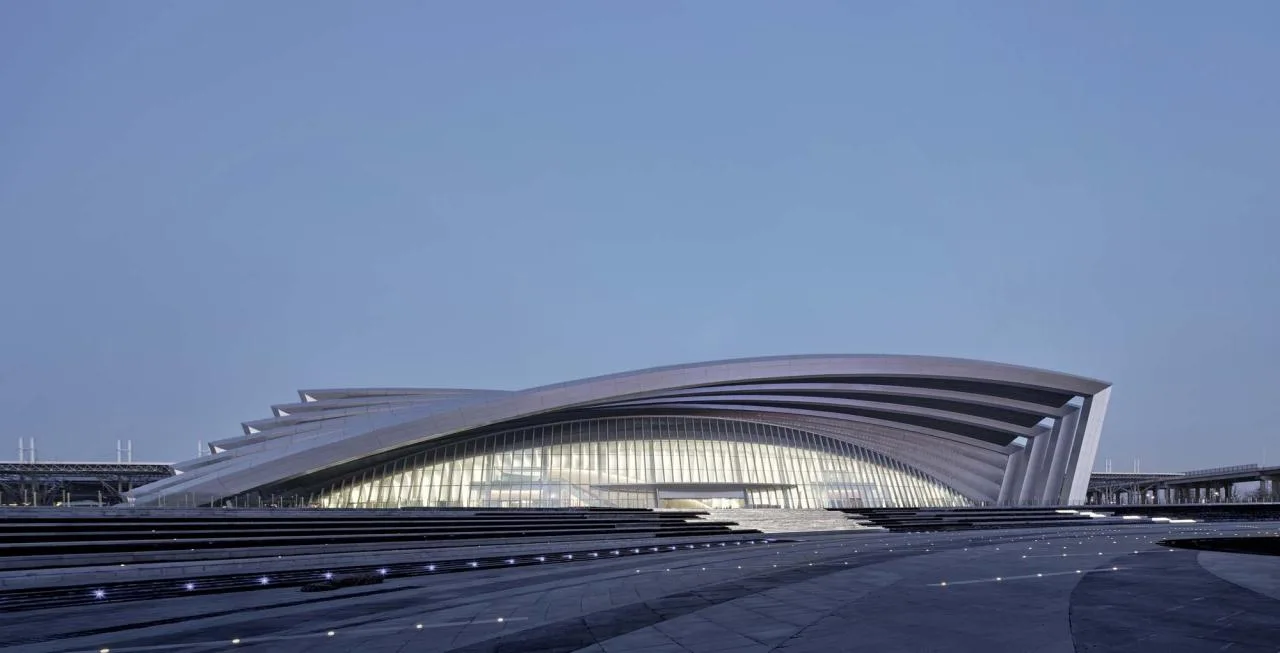
The Transformation Origin: Train stations and museums share a natural typological connection. The spacious platforms and tall waiting rooms of train stations are ideal for conversion into exhibition spaces. Internationally, repurposing abandoned train stations into alternative uses has a strong precedent, with Paris’s Musée d’Orsay standing out as a prime example of success.
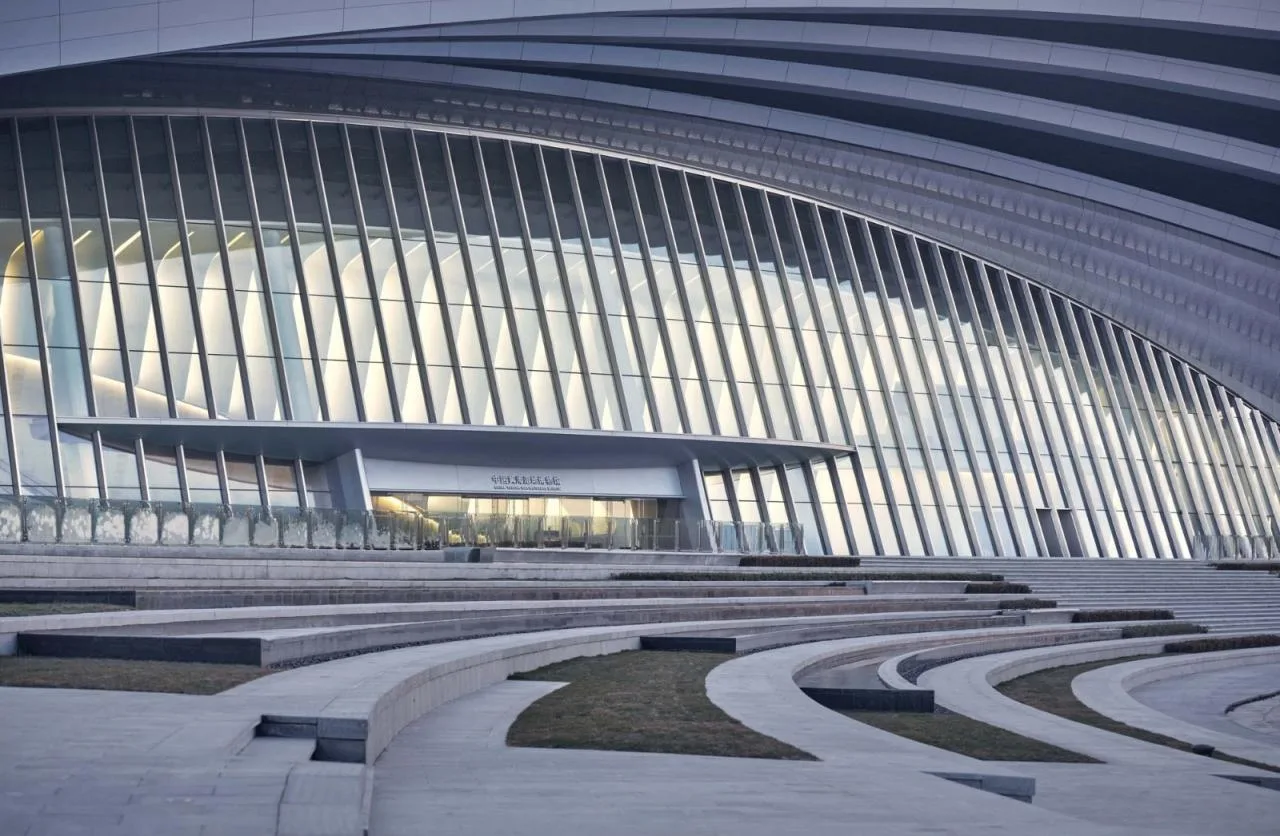
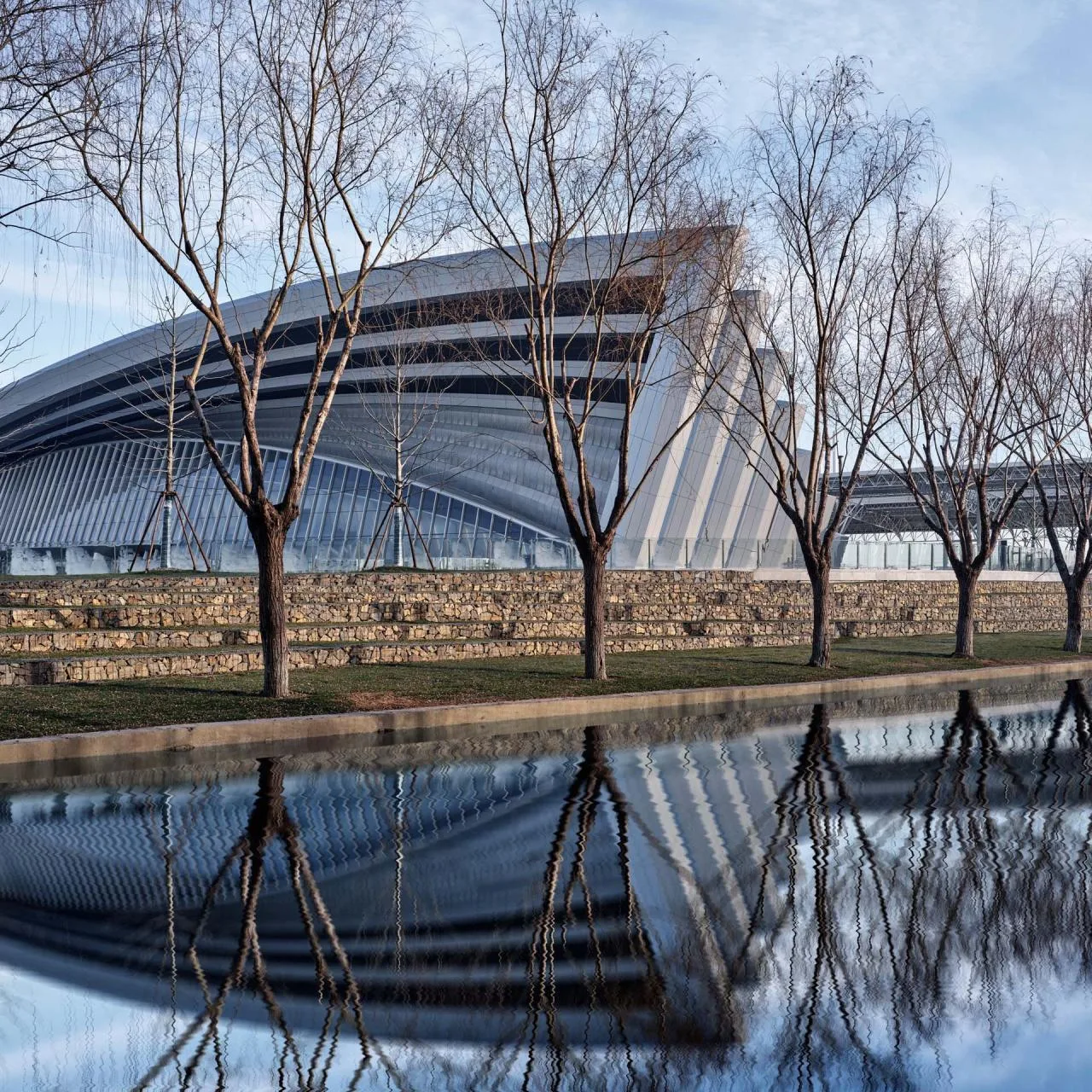
Following the official inclusion of the Yellow Sea (Bohai Sea) migratory bird habitat on the World Heritage List, Yancheng sought a platform to showcase its wetland culture globally. Situated adjacent to the newly developed wetland park, the railway station was transformed into the Yellow Sea Wetland Museum, establishing a new landmark that highlights Yancheng’s wetland heritage.
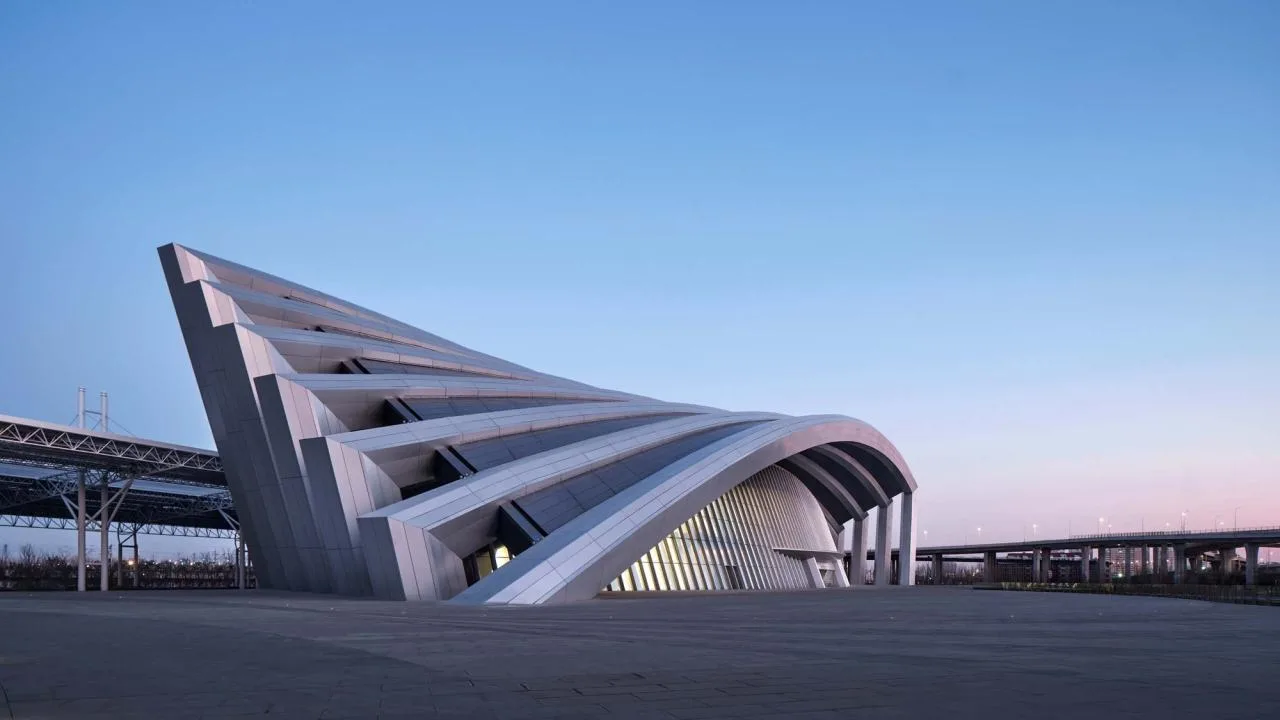
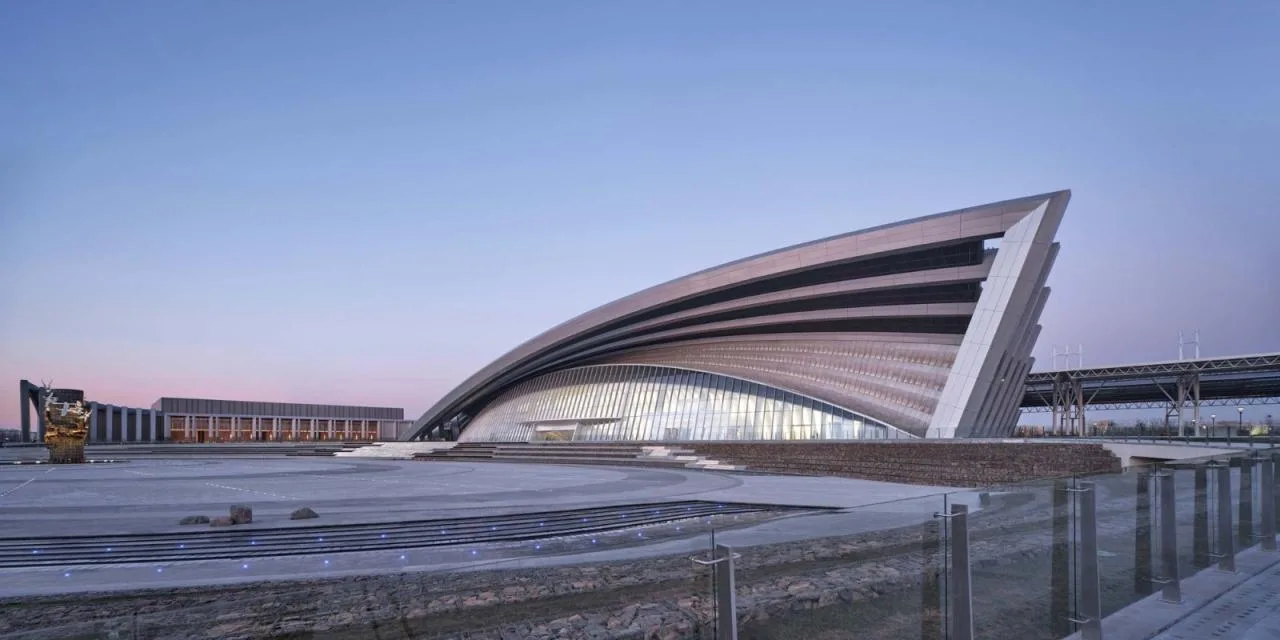
Transformation Strategy — Bridging Old and New: The original railway station features a spatial truss structure with some areas having low floor heights, unsuitable for exhibition spaces. The renovation preserved the lower concrete structure, removed the existing grid framework, and added a steel roof structure to meet functional demands. Utilizing large-span trusses to reinforce the mesh shell, the new roof form was achieved without altering the original foundation or structure.
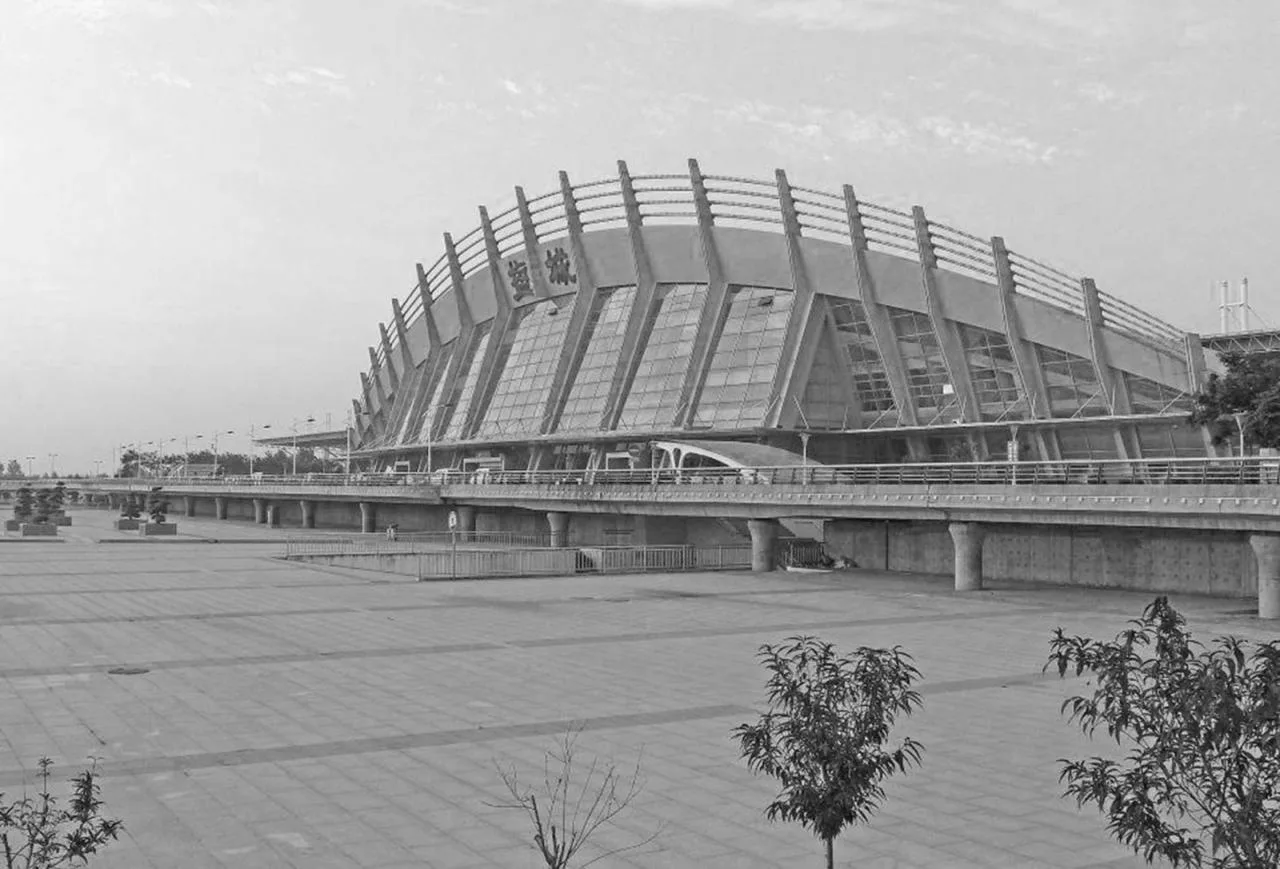
△ Original railway station
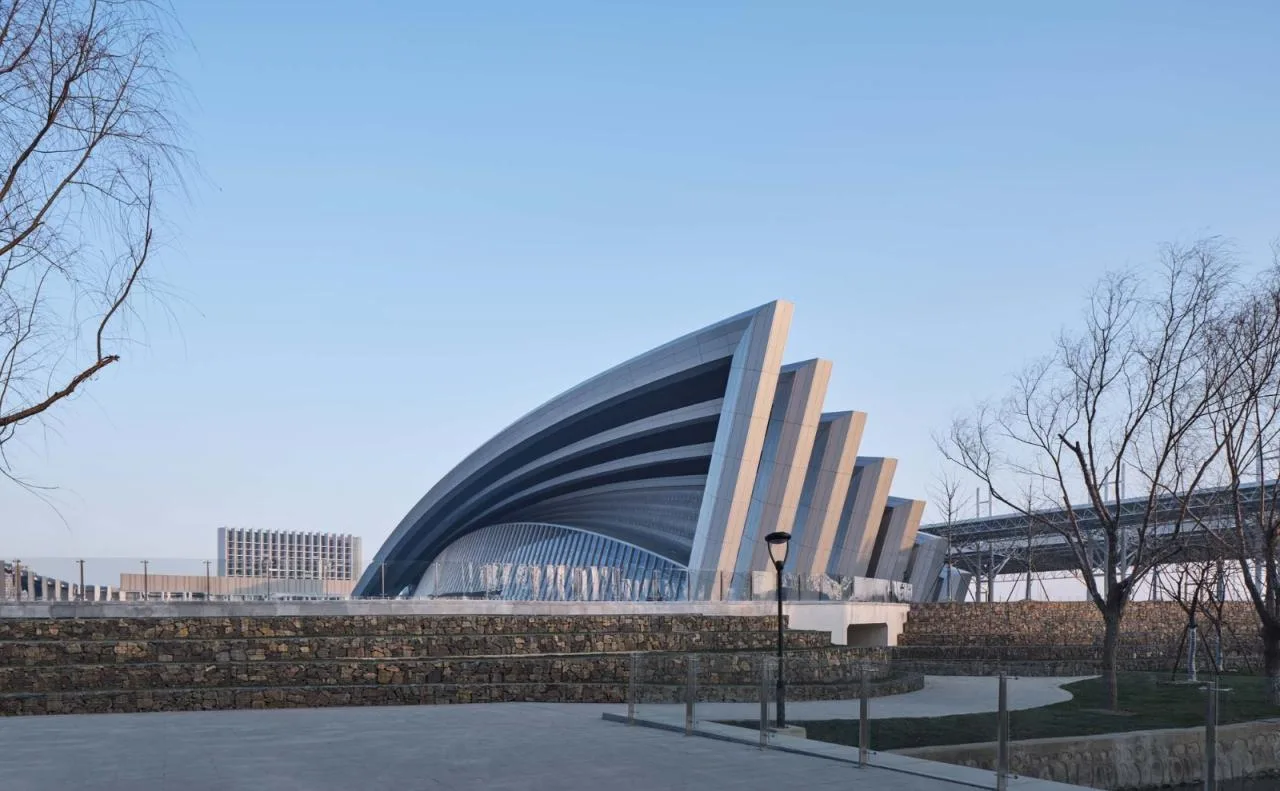
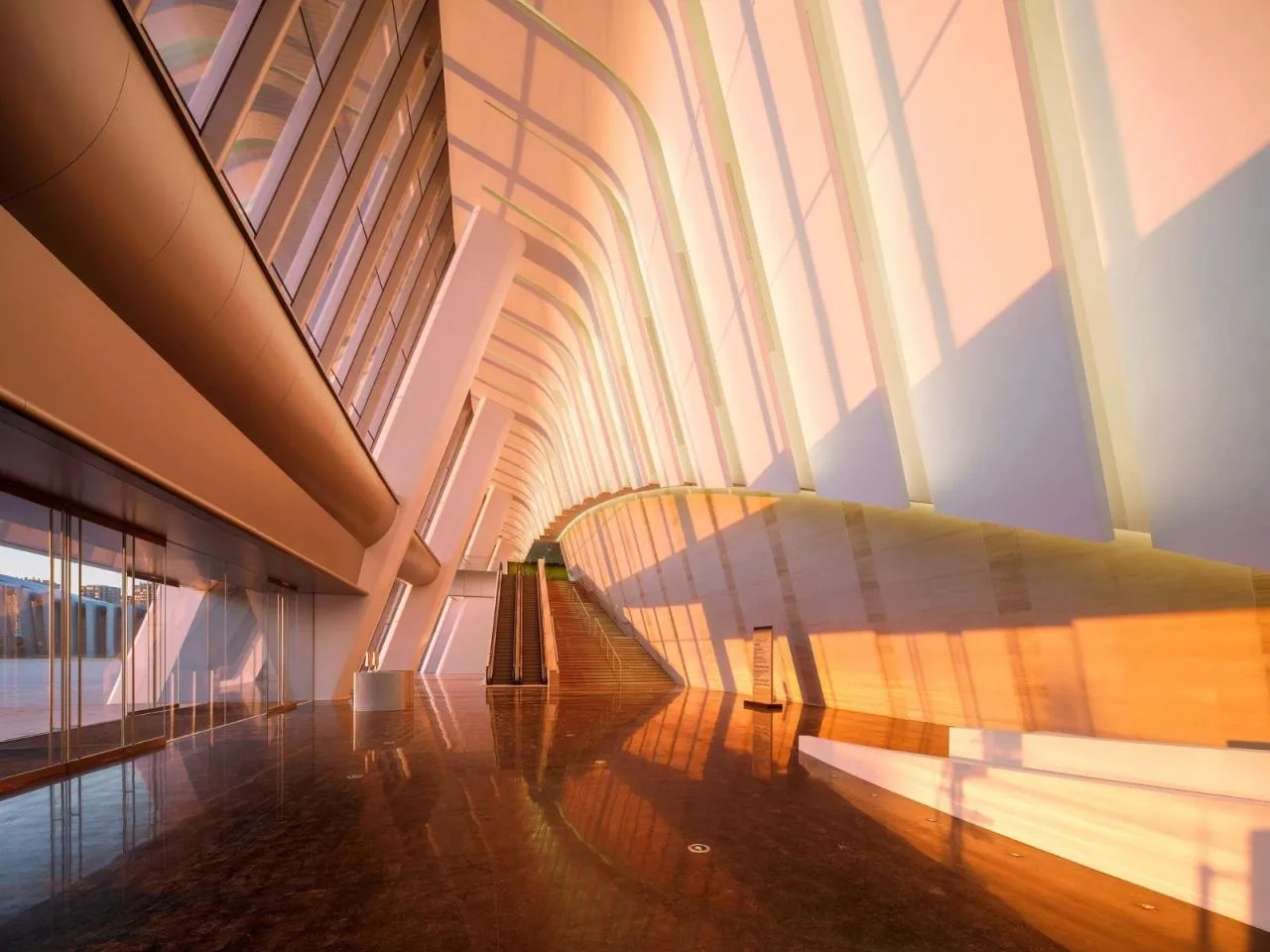
The design maintains the original train station’s architectural scale and spatial relationships, reinterpreting the historic architectural language to create a fresh, modern image. The museum’s public hall leverages the existing structure to form an open, transparent urban living space accessible to the community.
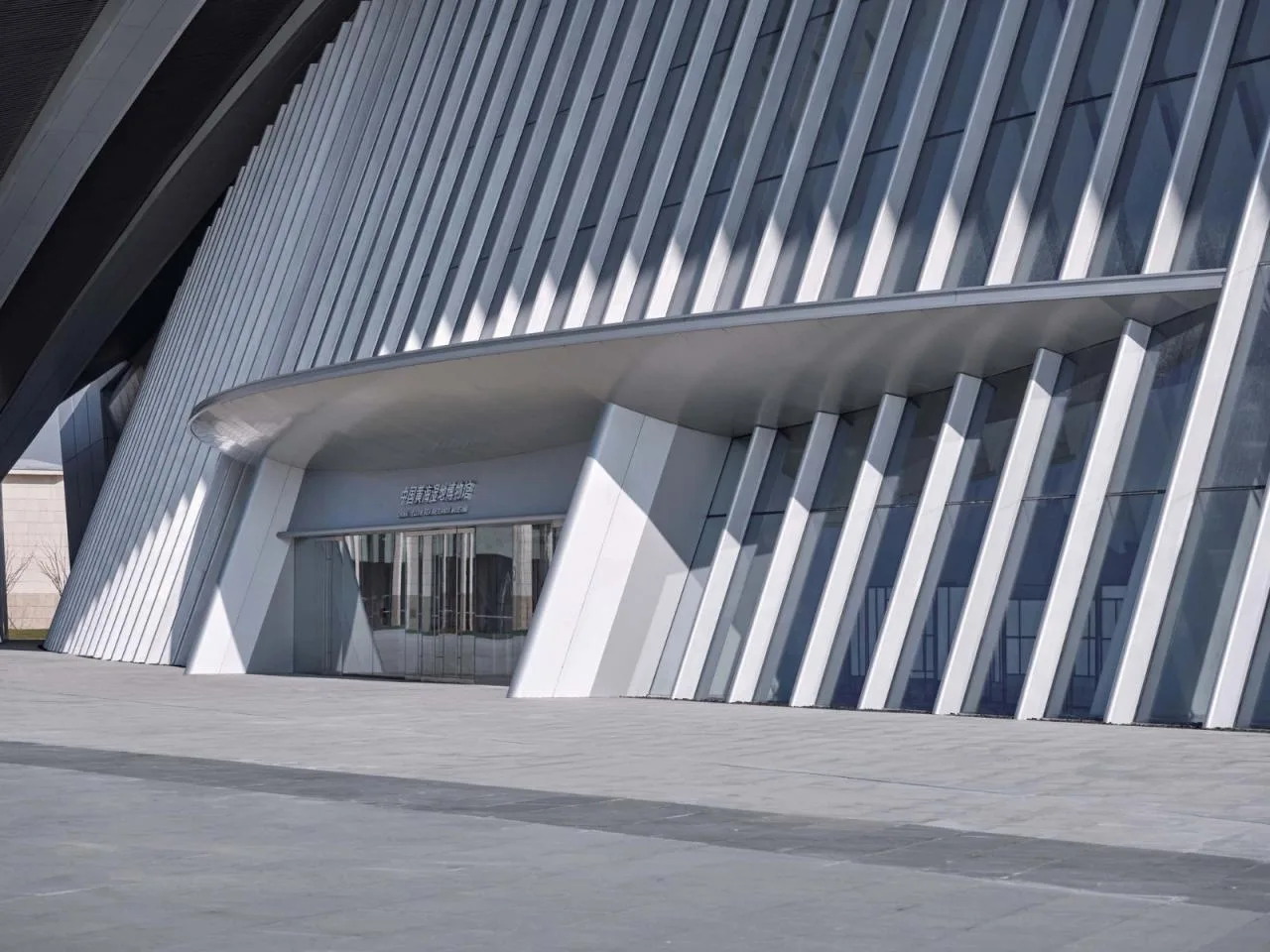
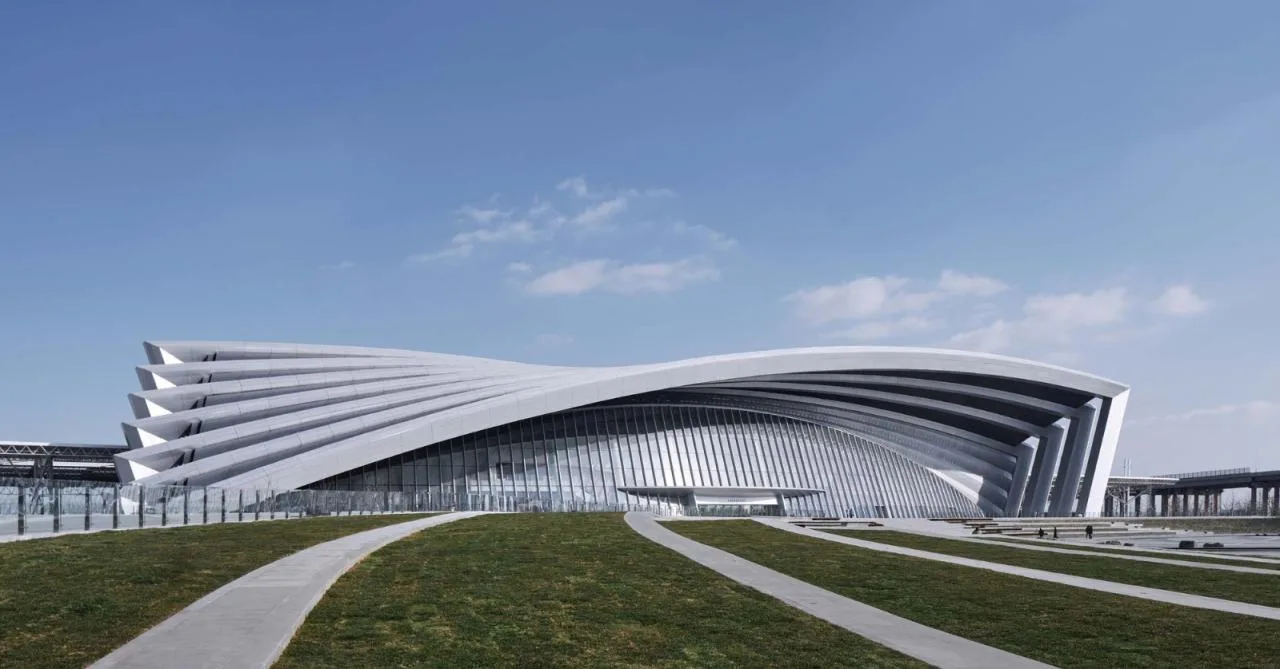
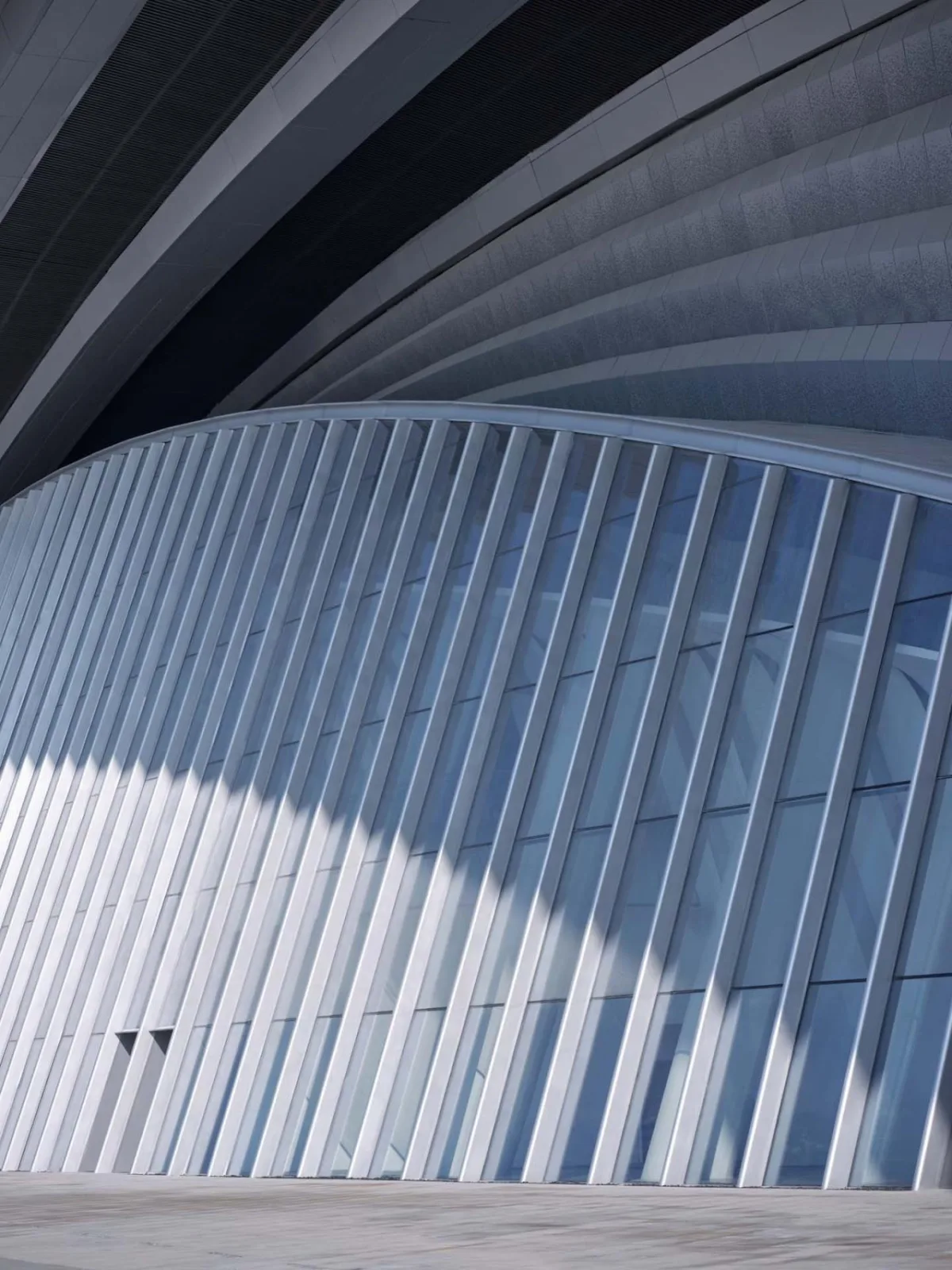
The technical design ensures a high level of completion with maximum transparency for the building facade. The curtain wall employs a top-and-bottom load-bearing steel frame system, where precisely engineered steel profiles connect only at the top and bottom to the main structure, eliminating the need for intermediate support. Exposed steel columns reach heights of up to 24 meters, creating a unified visual and structural expression for the curtain wall.
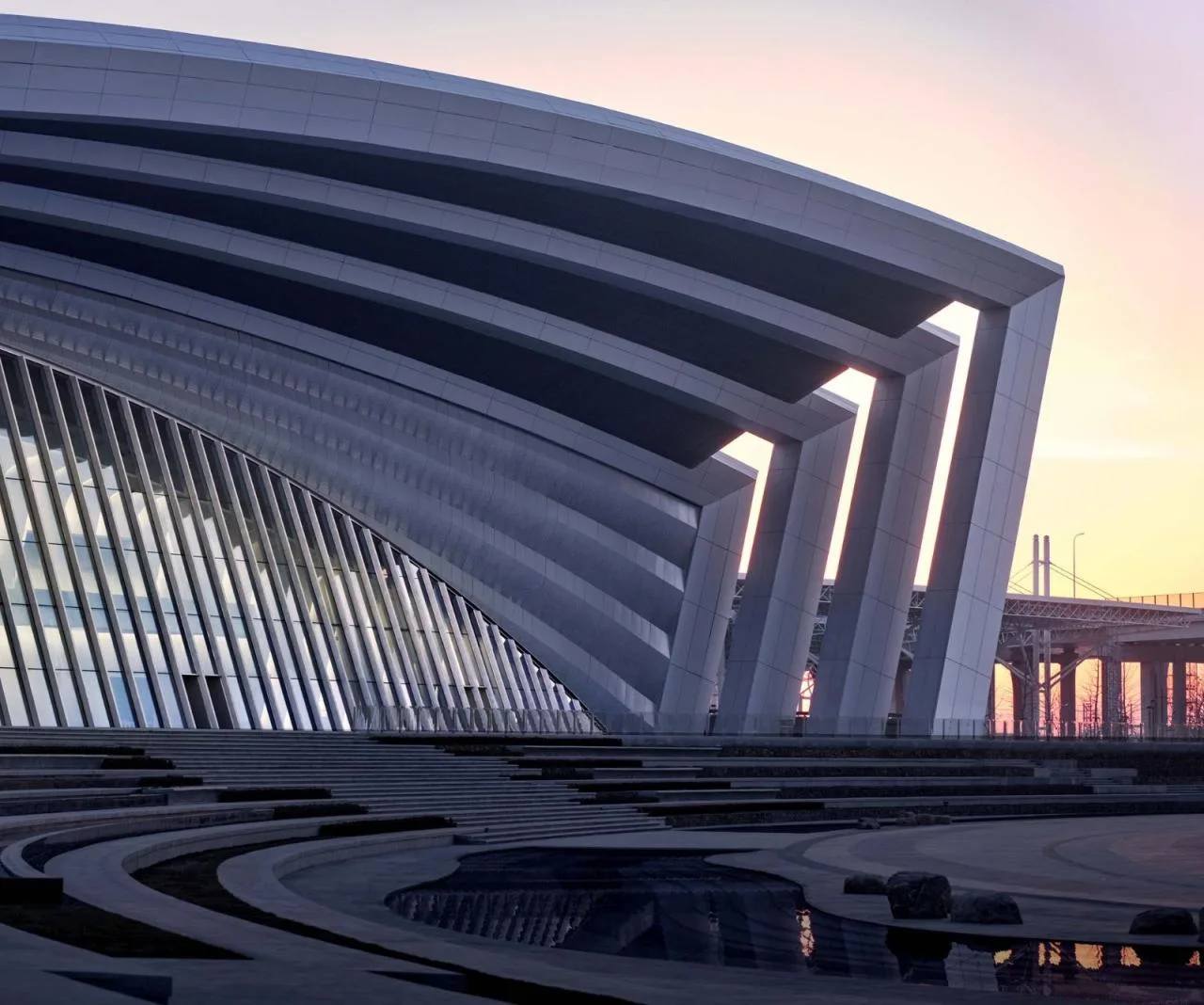
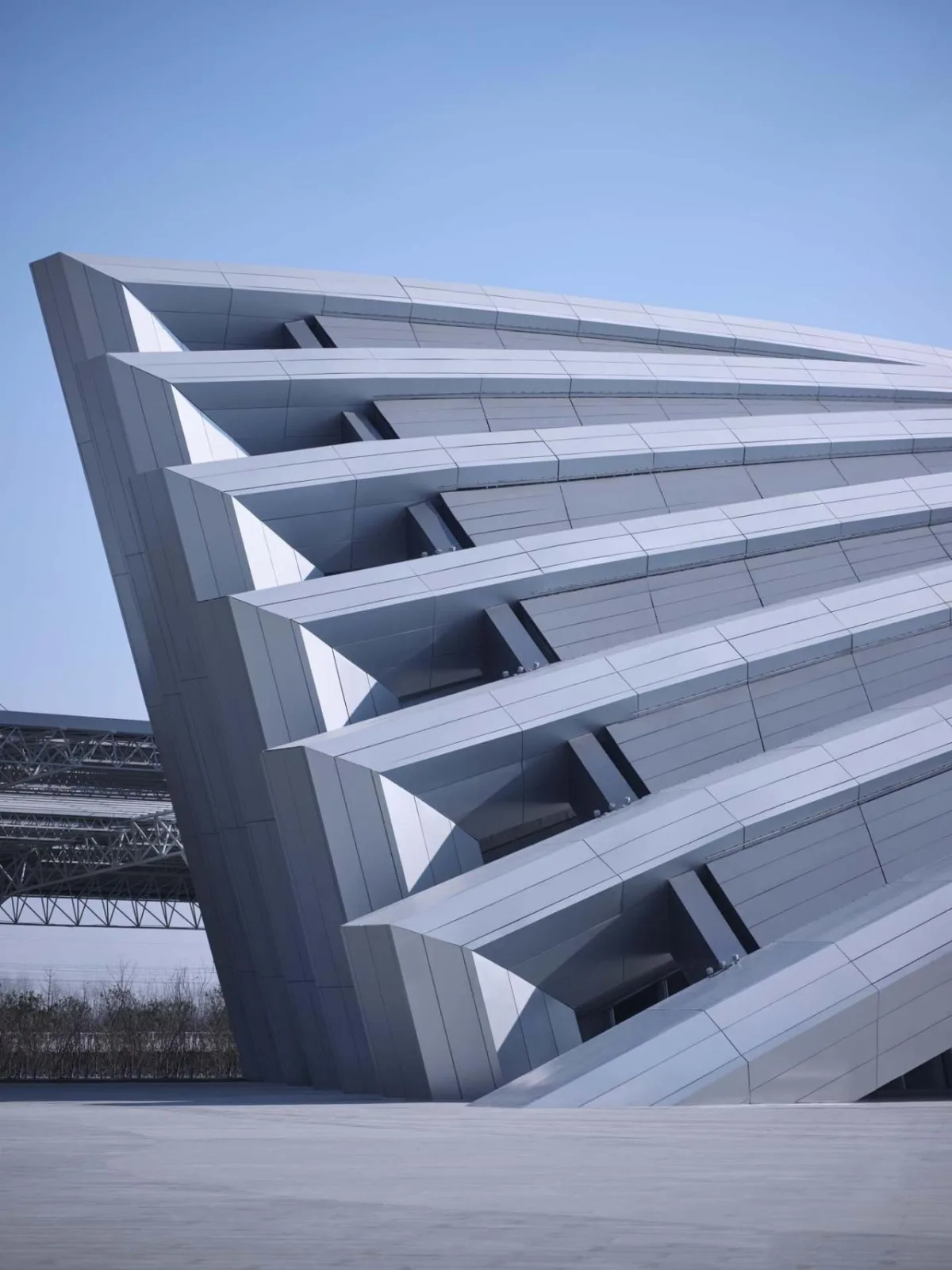
The roof design originates from the original building’s corner points, with contour lines generated along tangent arcs to create a rhythmic, cohesive roof through gradient techniques. The silver-white linear elements reflect the feathers of the red-crowned crane, a protected species in the Yancheng wetlands.
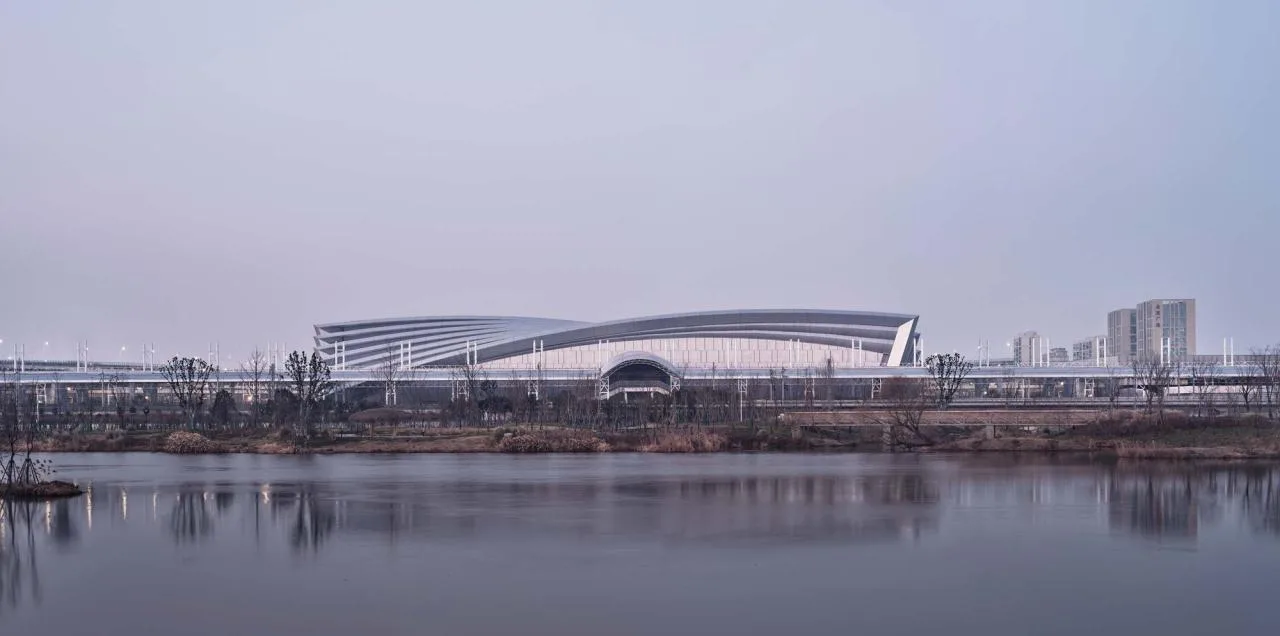
During design development, structural engineers collaborated closely with architects from the outset. After considering folded plate and grid systems, the final solution adopted a hexagonal truss combined with connecting trusses, ensuring harmony between architectural form and structural integrity.
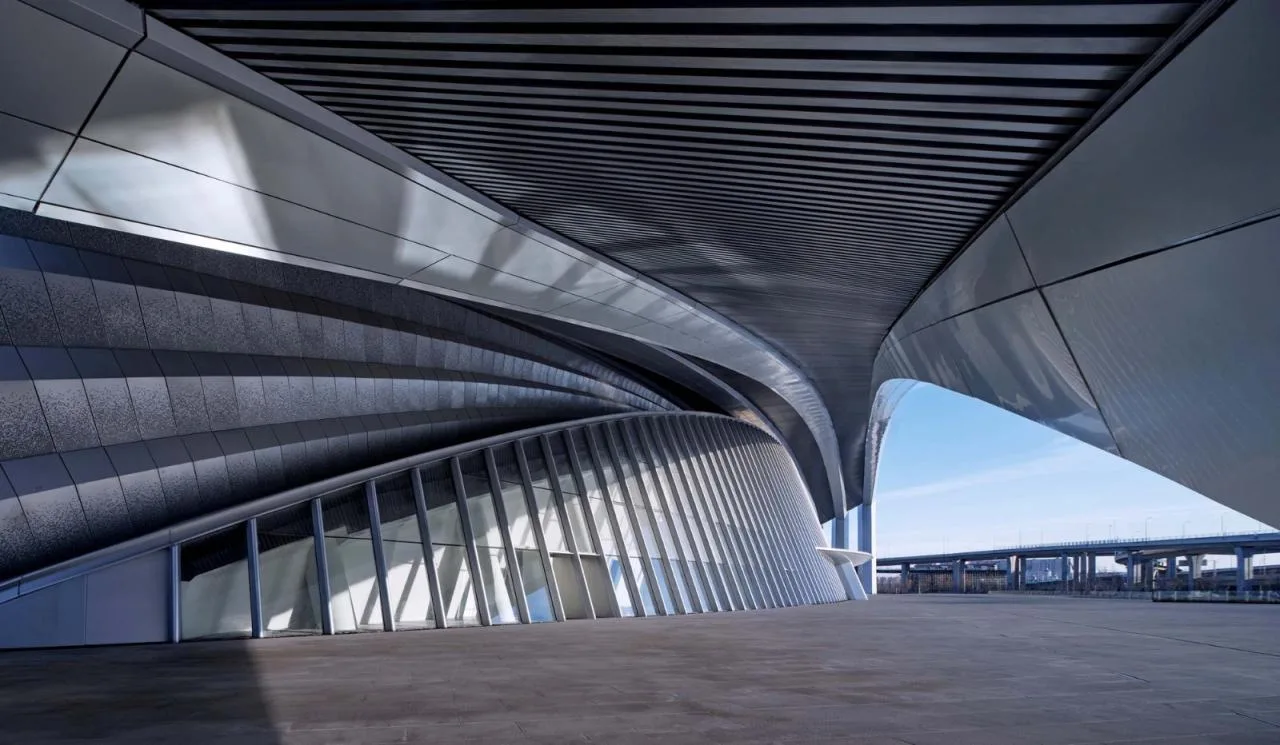
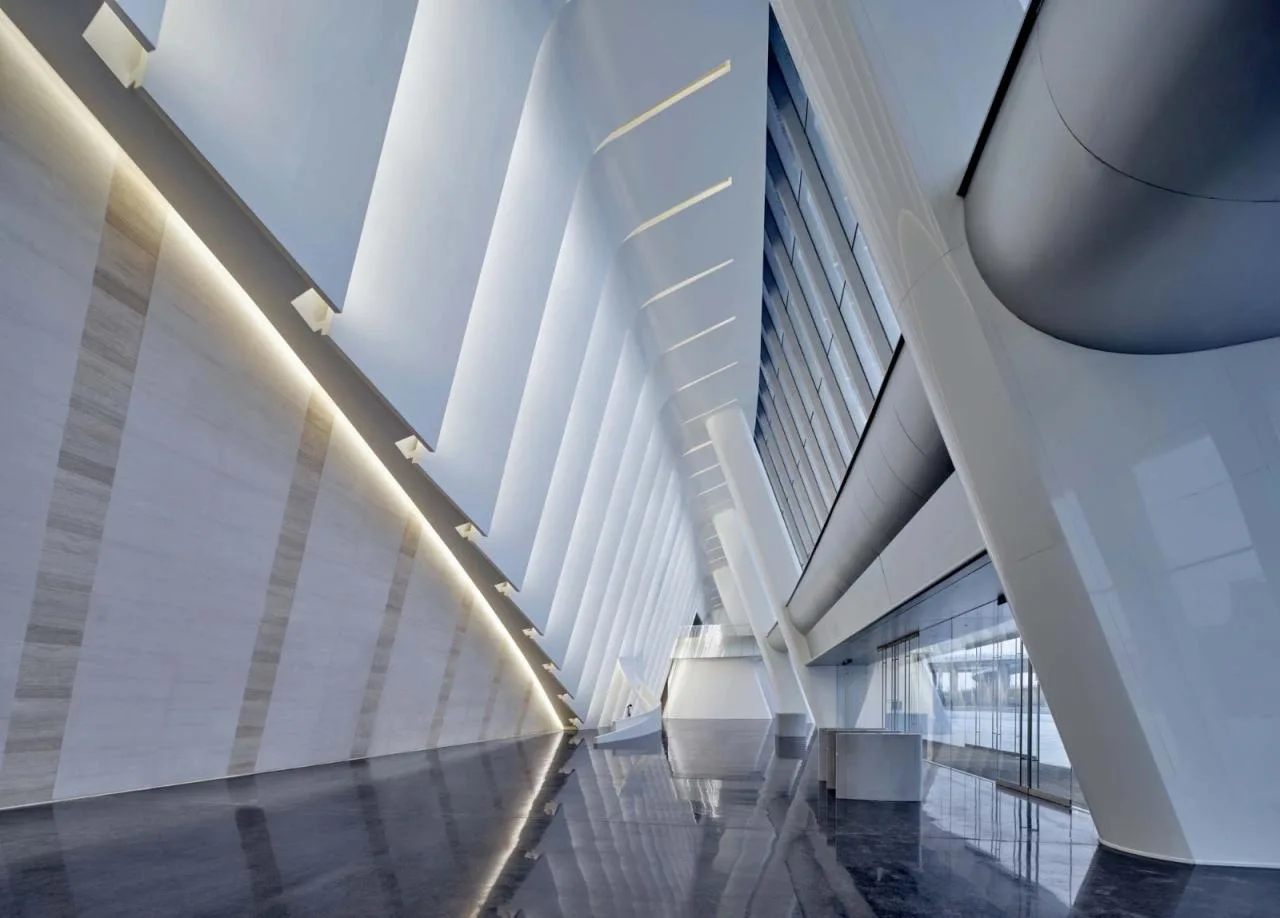
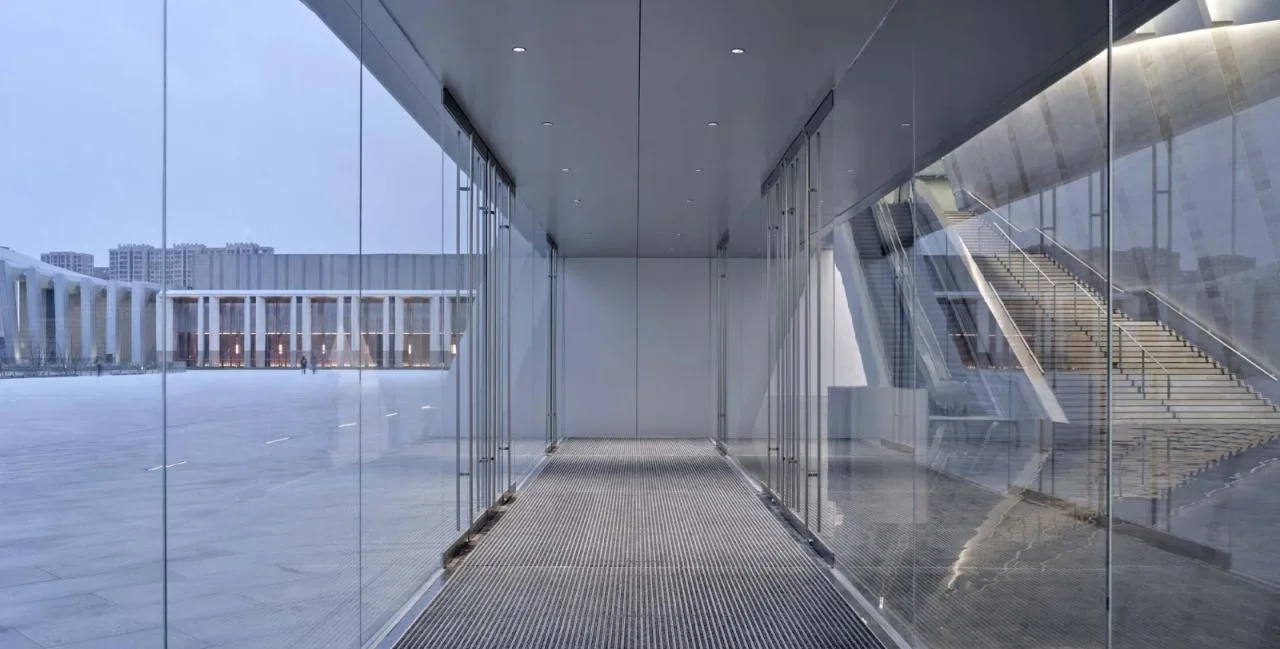
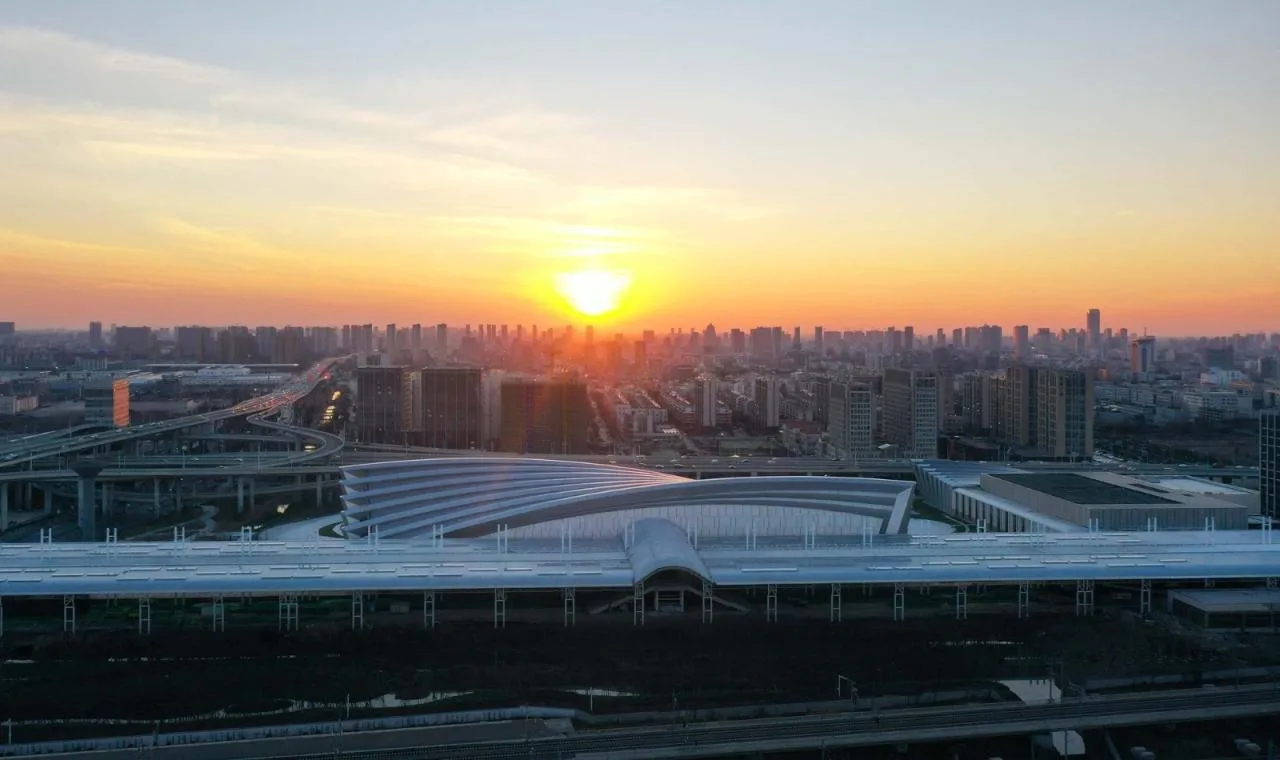
Alongside the station building’s renovation, the original station square and waiting platform were preserved and repurposed. The station square and entrance ramp have been transformed into a city plaza, while the waiting platform now serves as an outdoor exhibition space. The existing railway tracks function as an urban axis, linking the museum to the high-speed rail new city district, becoming a key element of the overall urban design.
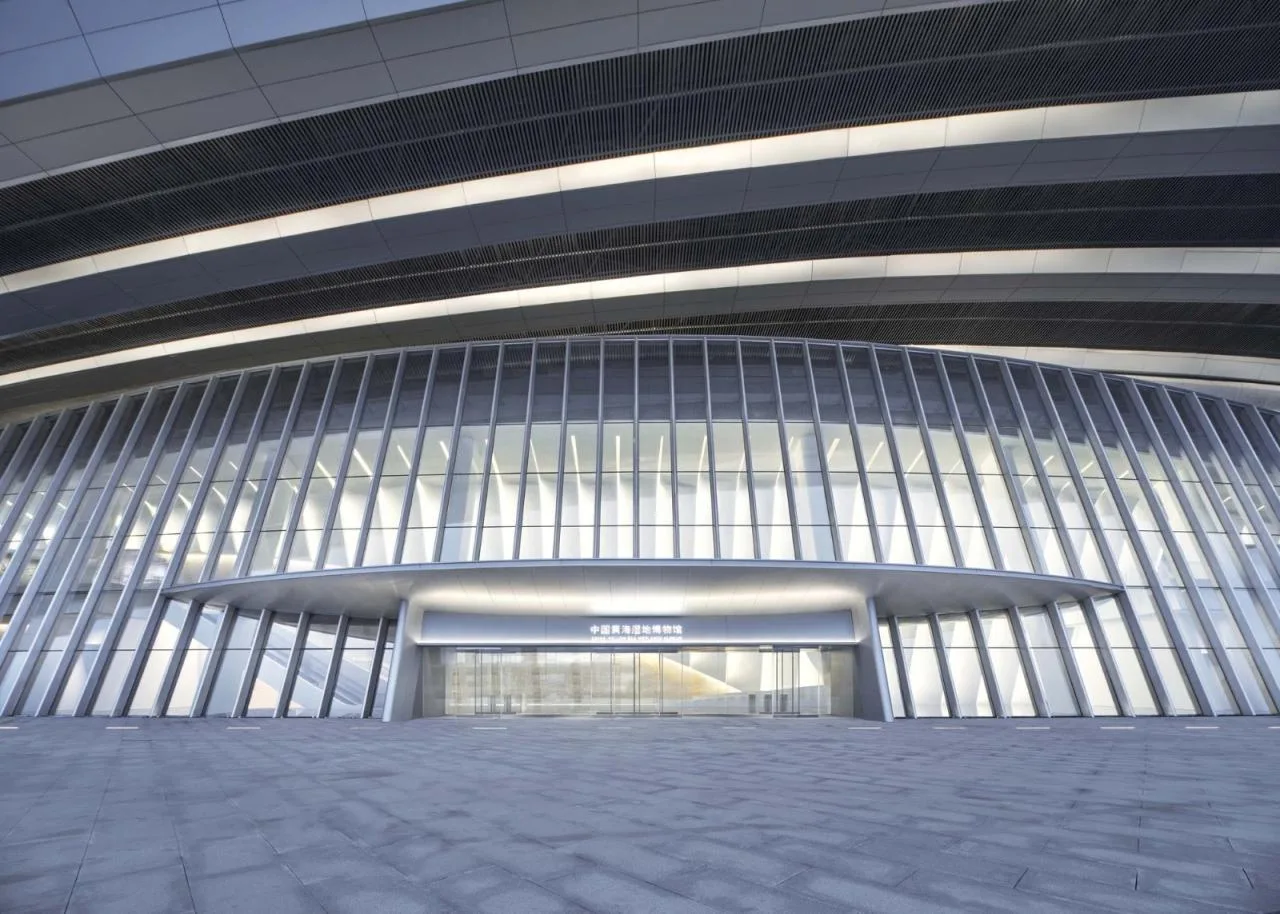
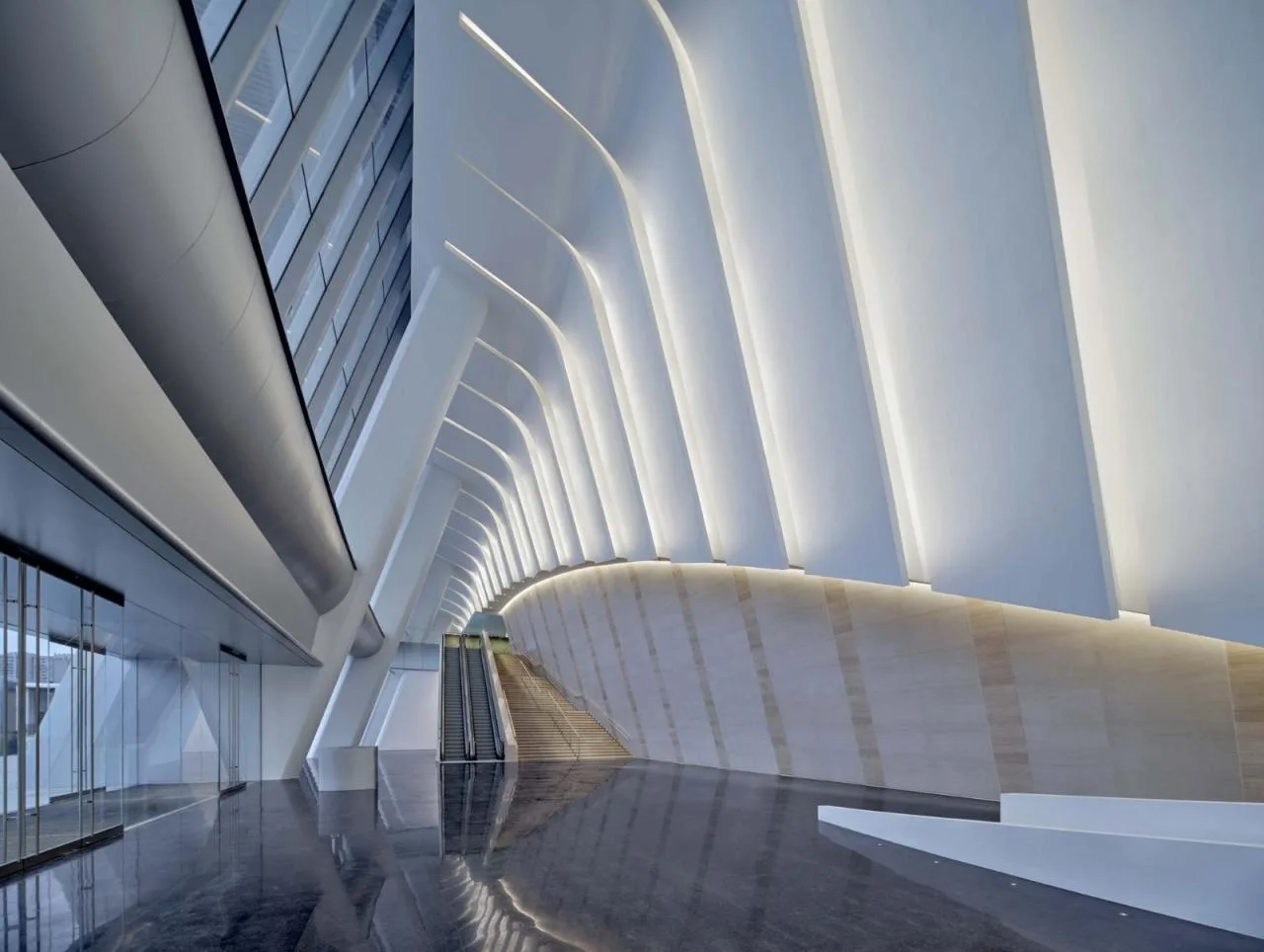
With the rise of high-speed rail, many old city train stations have lost their original transportation role. The challenge of repurposing these stations is common across many cities. The Yancheng Railway Station project offers a new model for revitalizing existing buildings.
Project Drawings
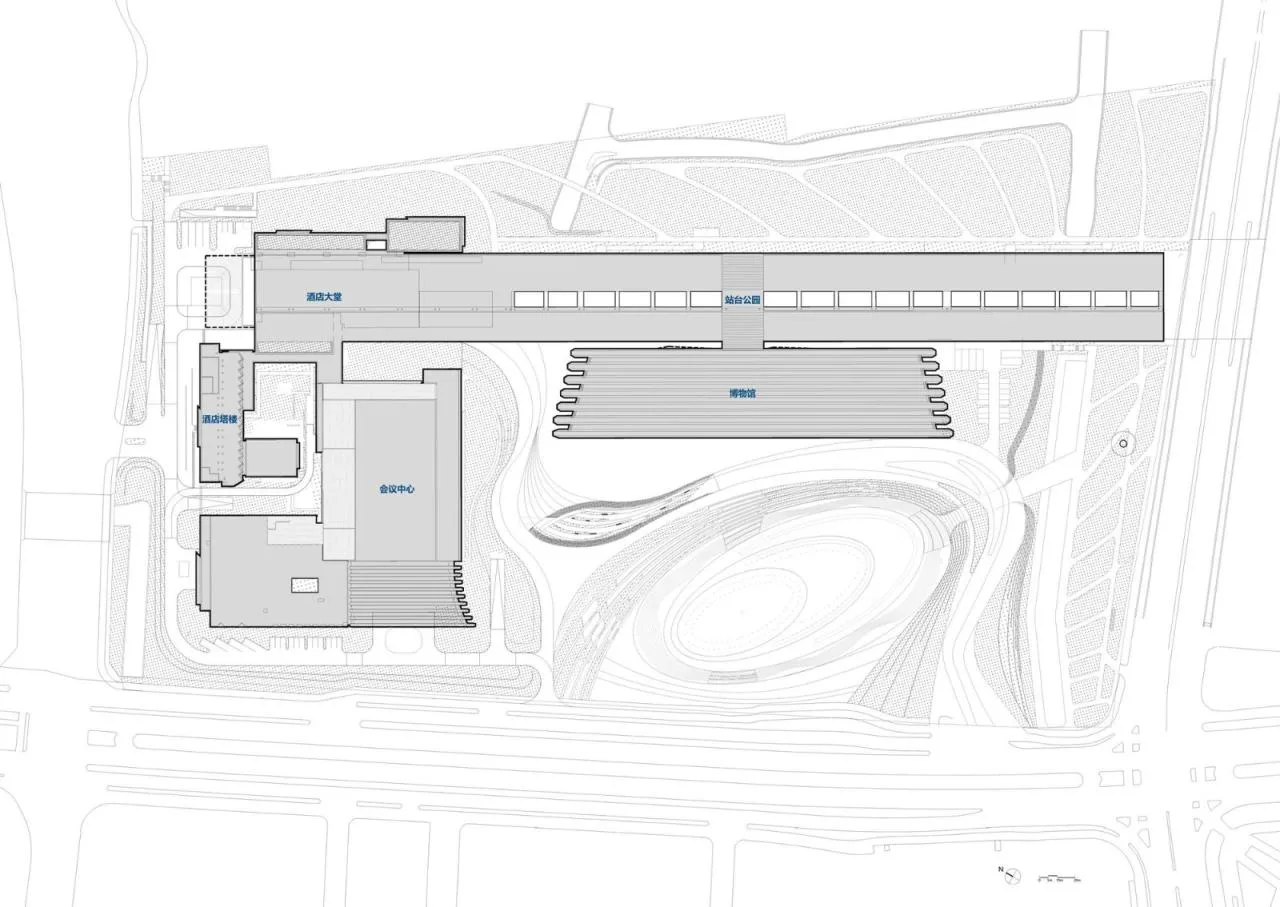
△ General Layout Plan
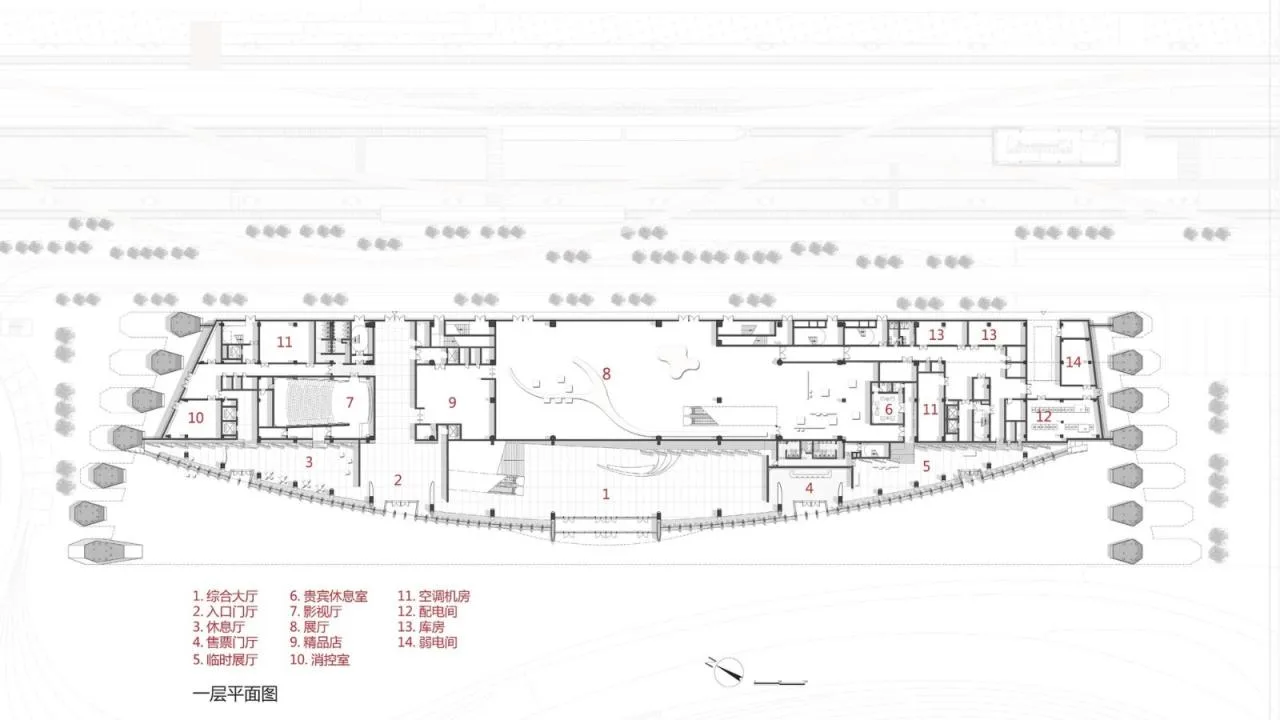
△ First Floor Plan
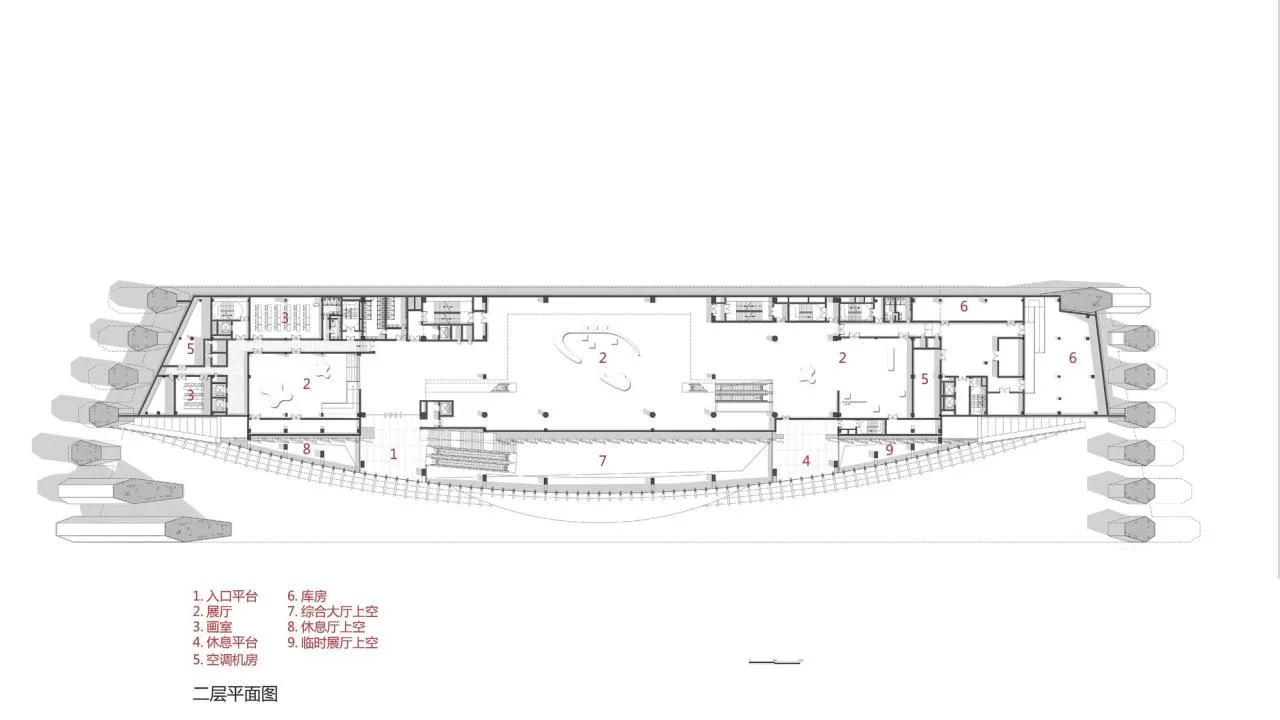
△ Second Floor Plan
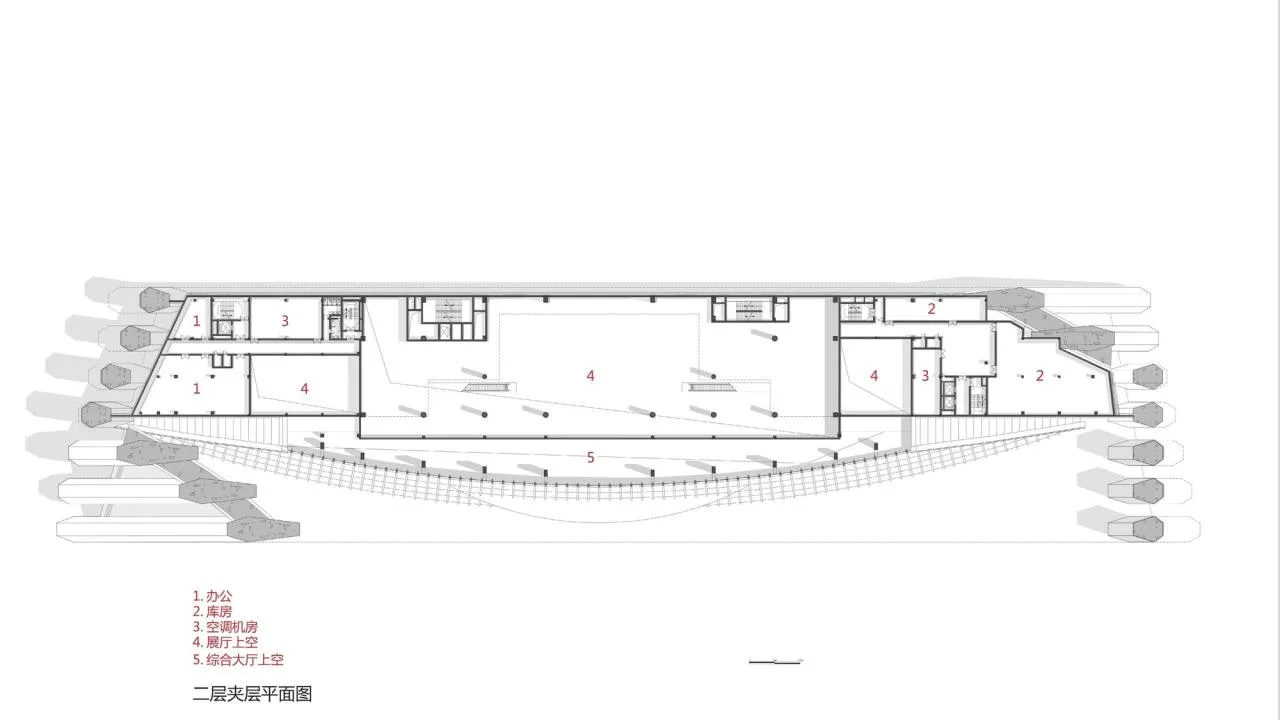
△ Second Floor Mezzanine Plan
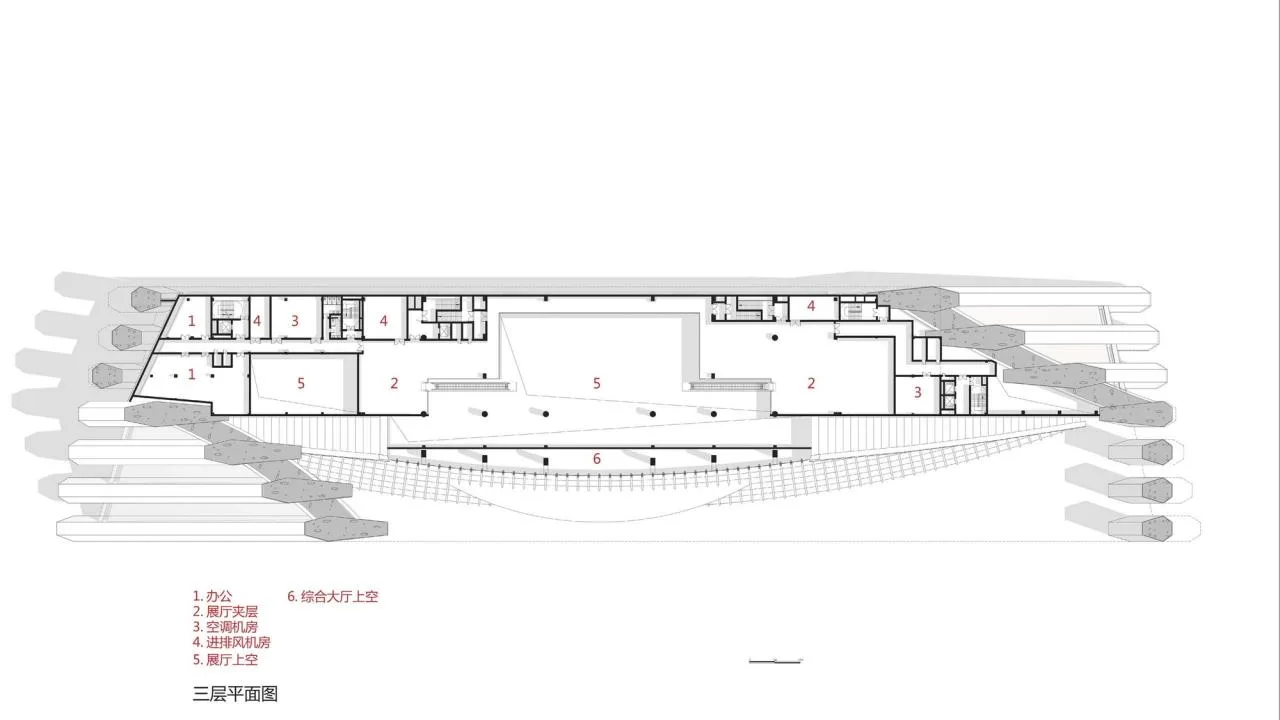
△ Third Floor Plan
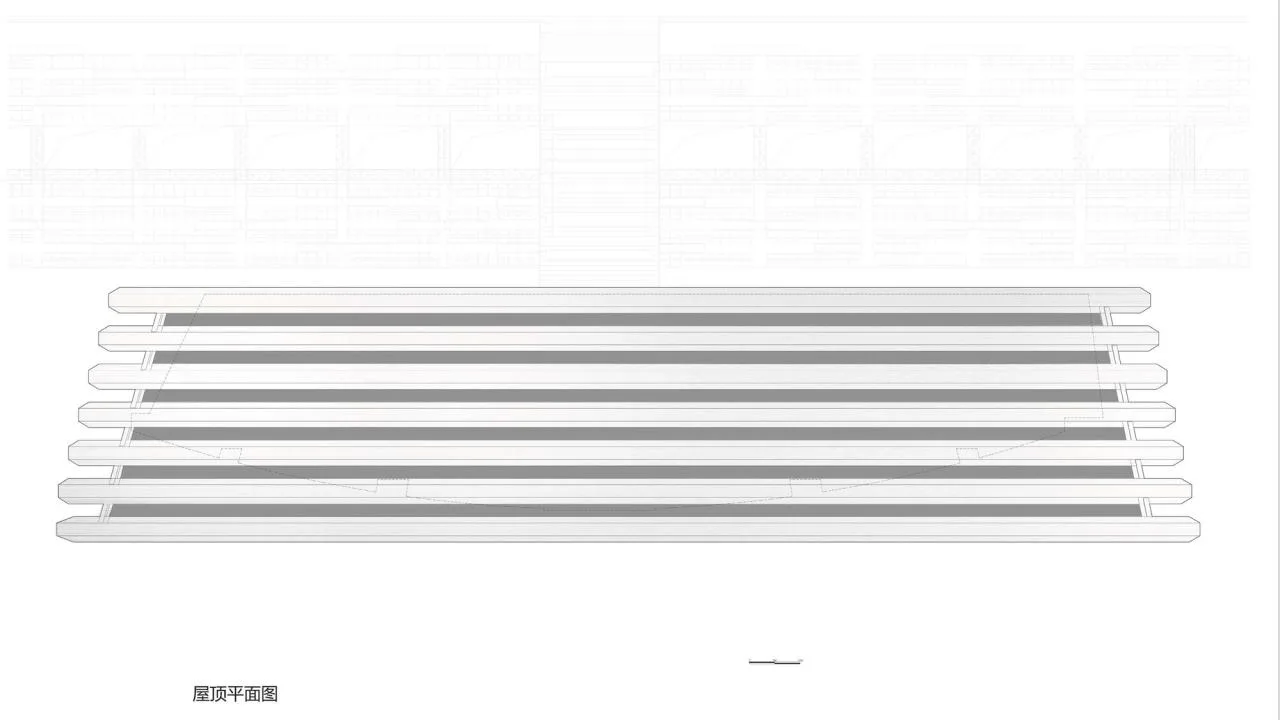
△ Roof Plan
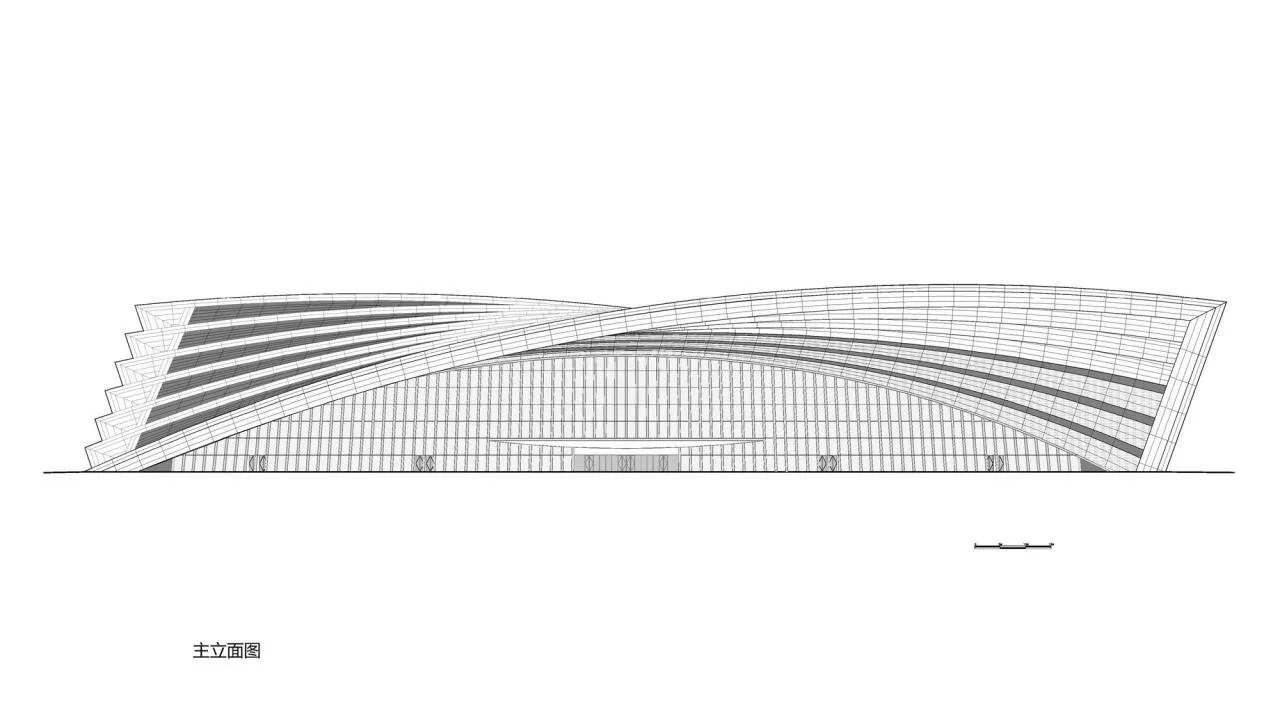
△ Main Elevation View
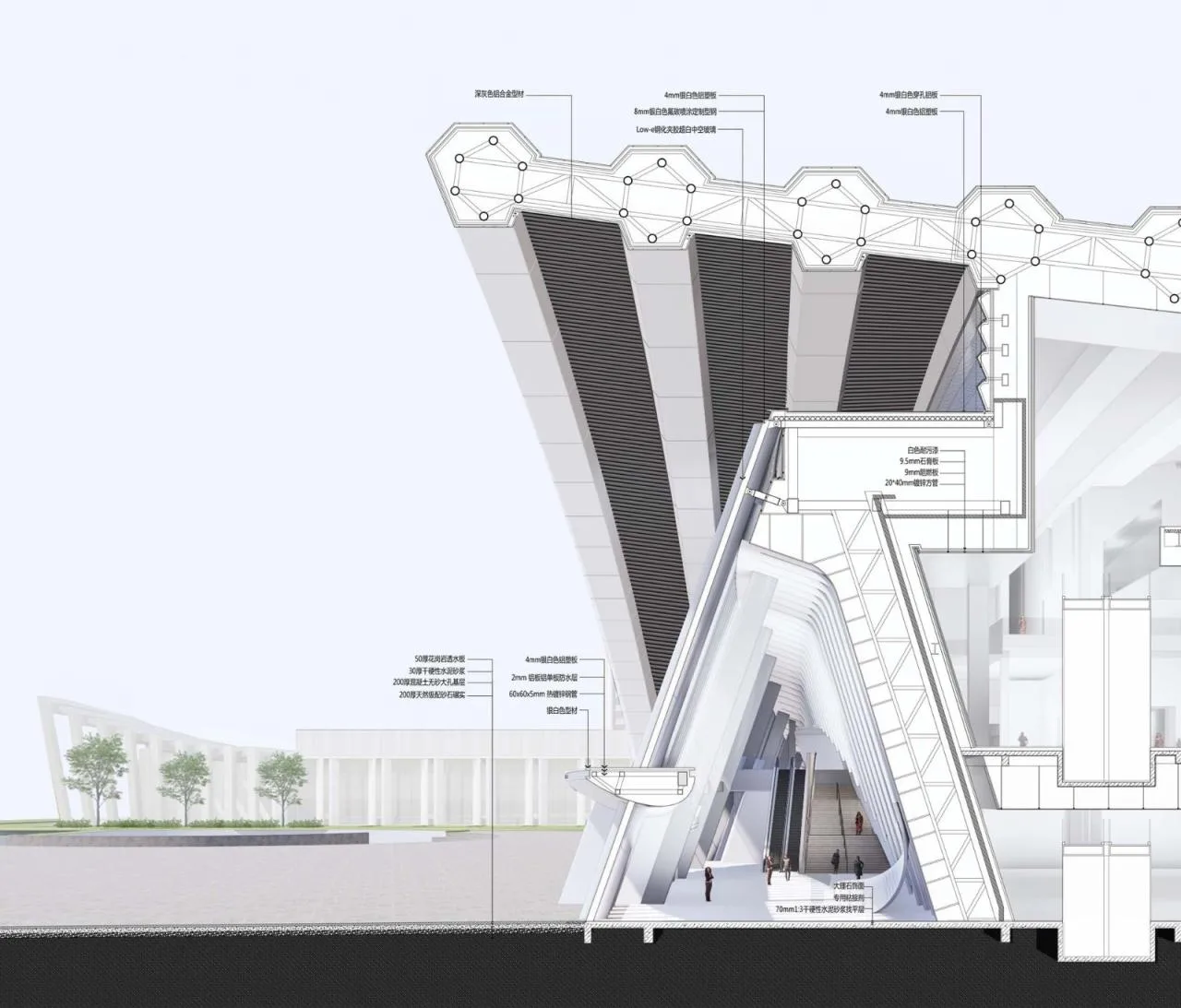
△ Sectional Perspective View
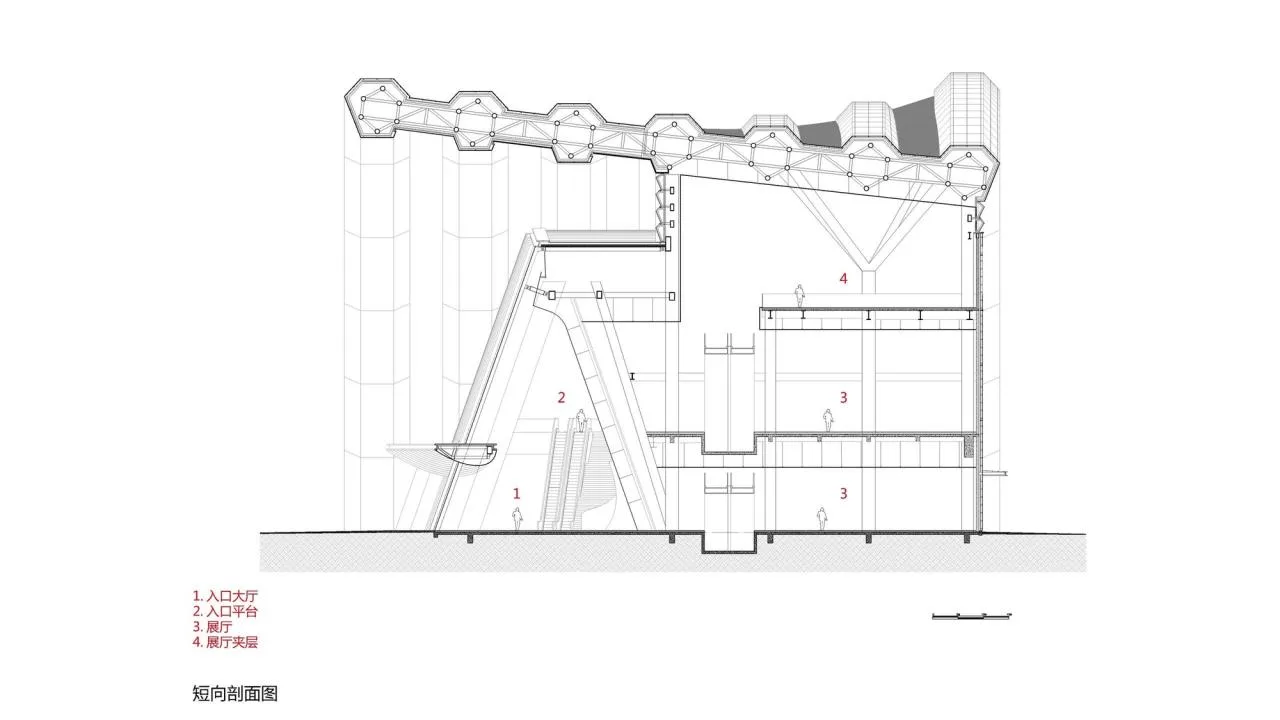
△ Short Section Diagram
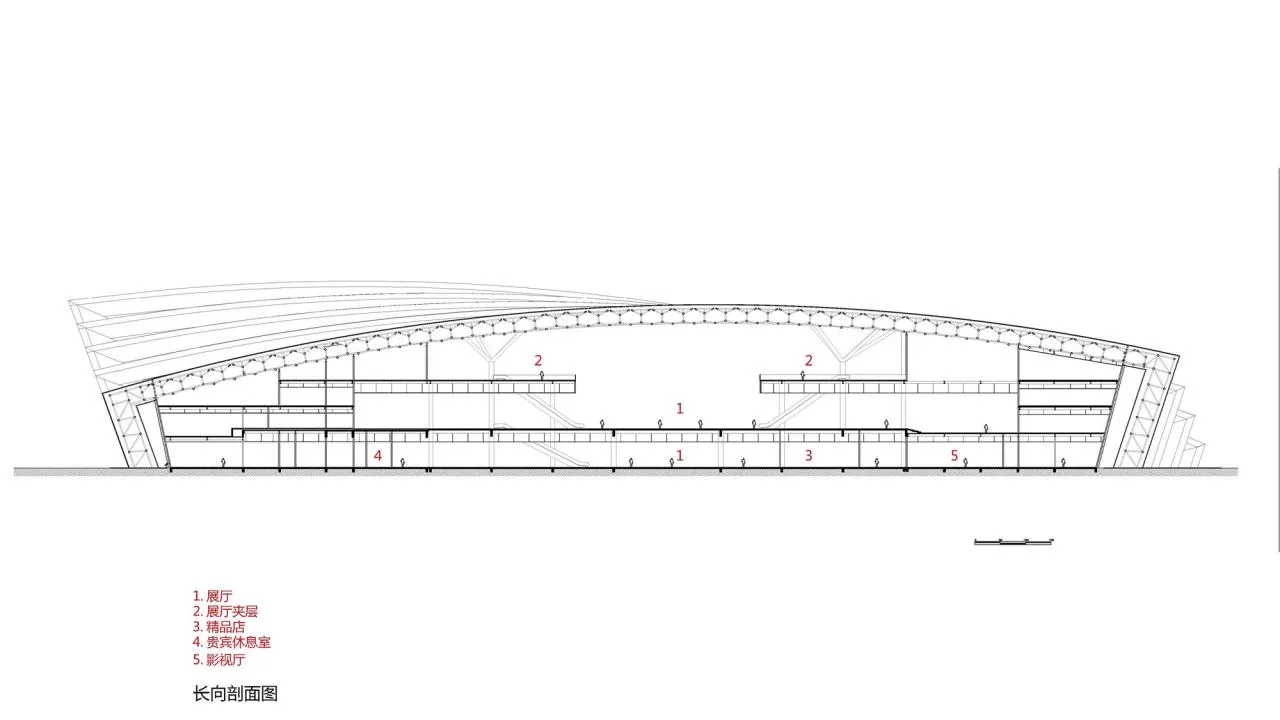
△ Longitudinal Section Diagram
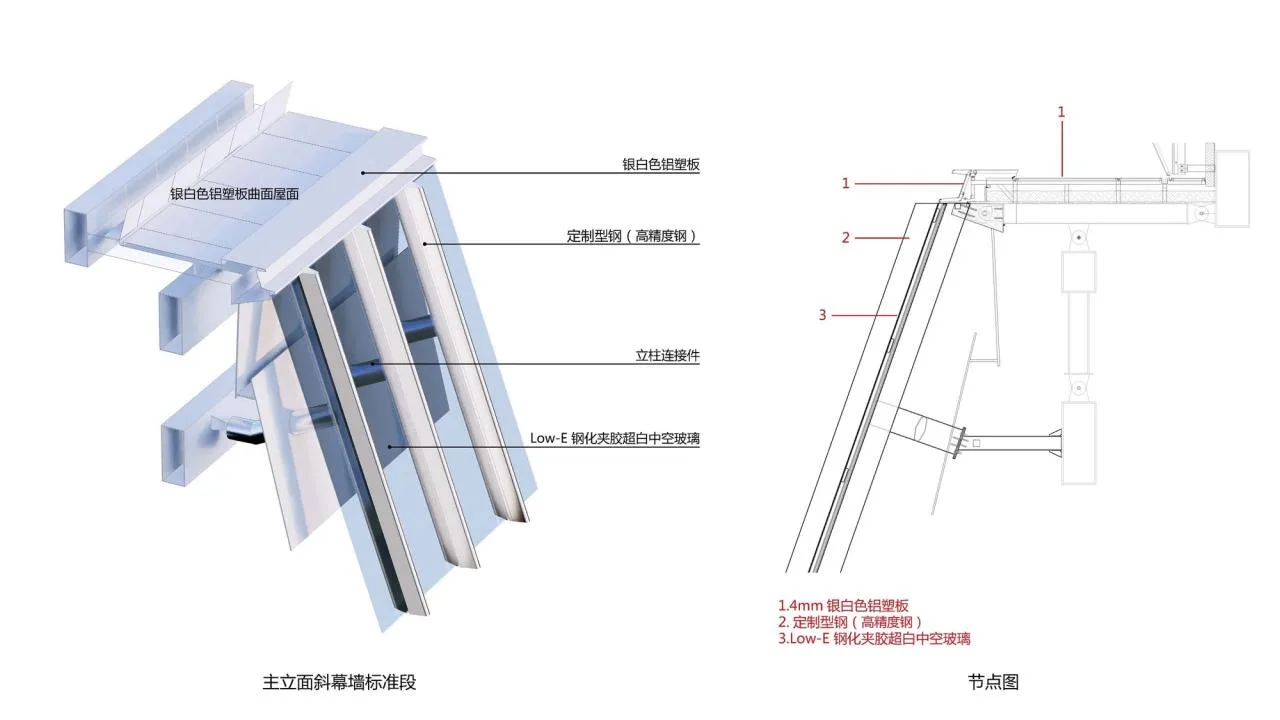
△ Main Facade Inclined Curtain Wall Standard Section
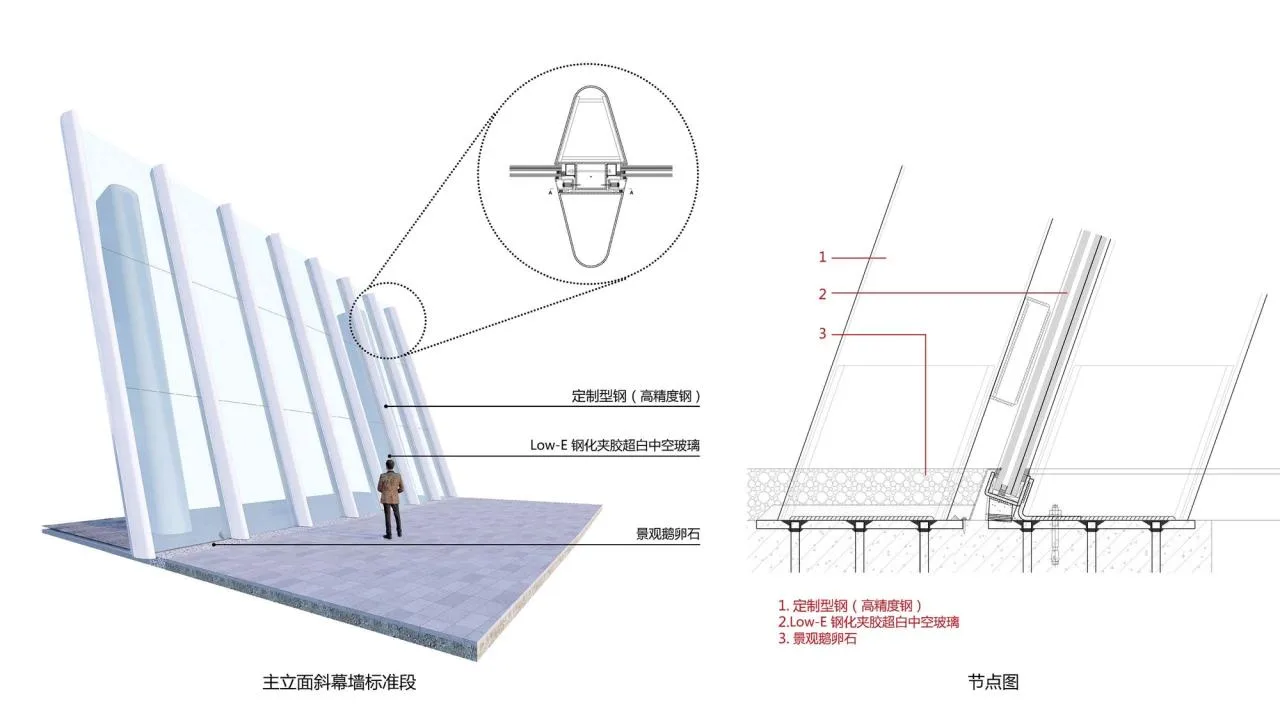
△ Main Facade Inclined Curtain Wall Standard Section
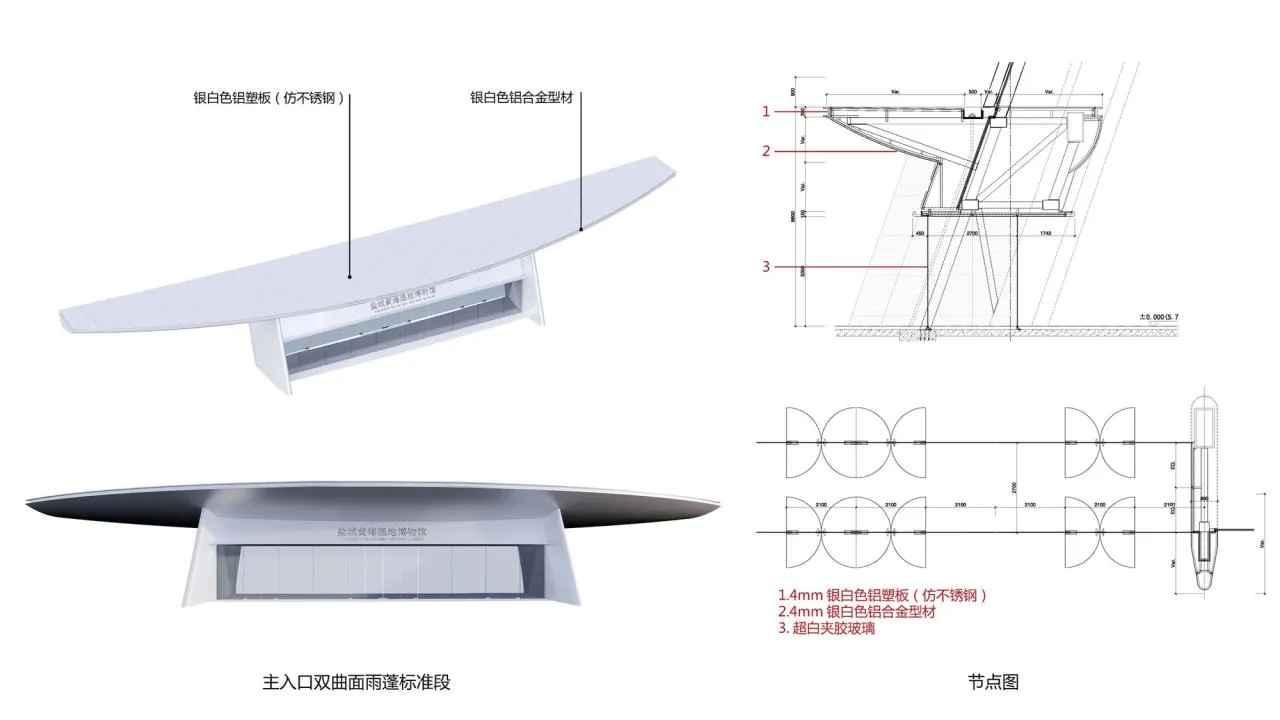
△ Main Entrance Hyperbolic Canopy Standard Section
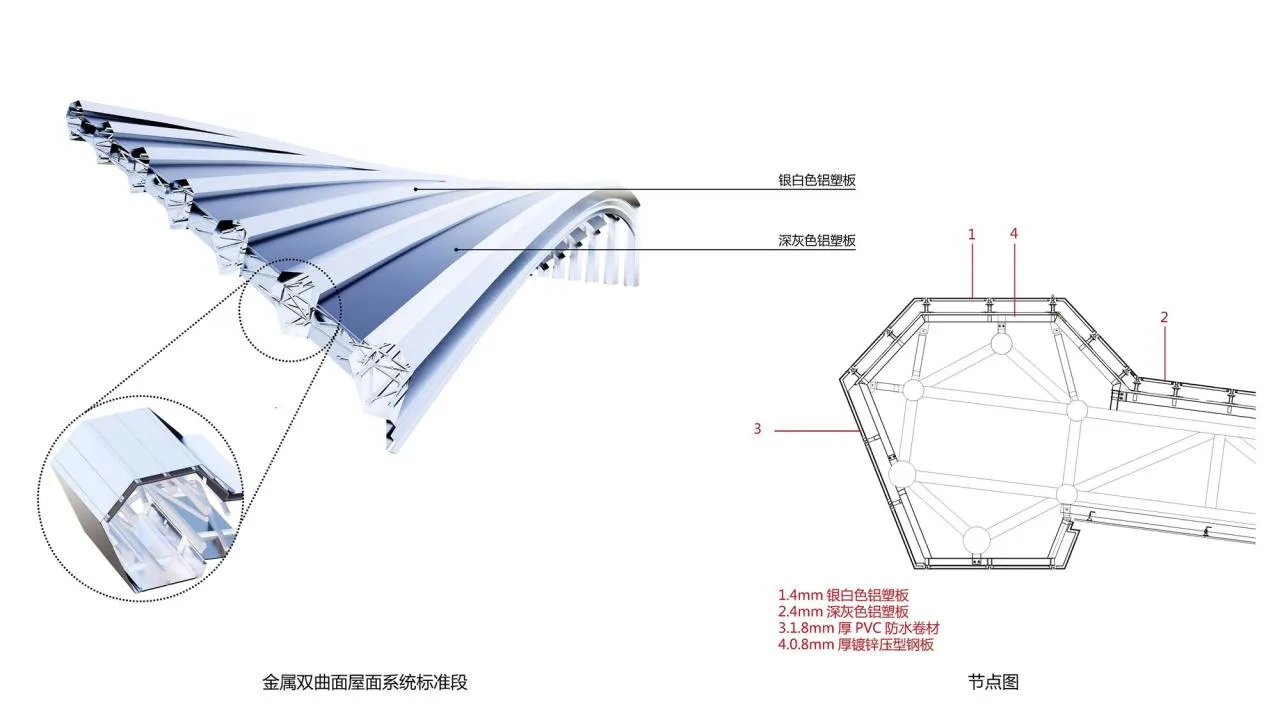
△ Standard Section of Metal Hyperbolic Roof System
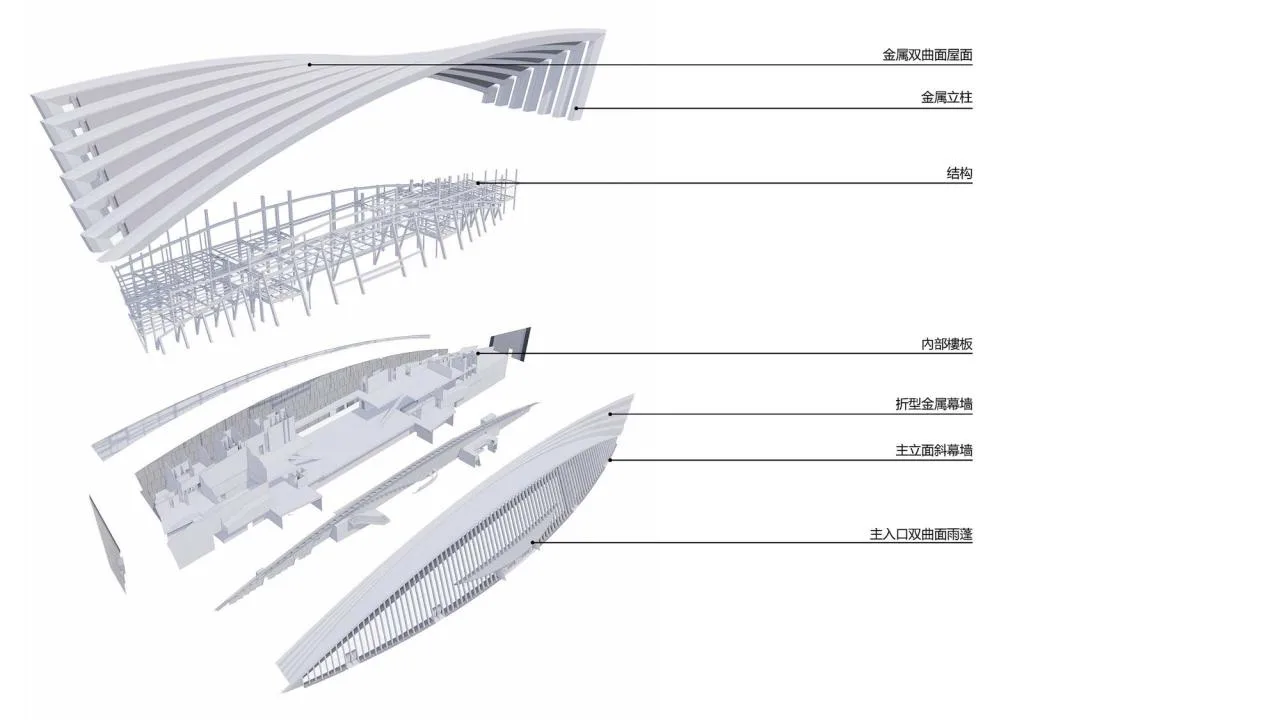
△ Explosion Diagram of Exterior Skin
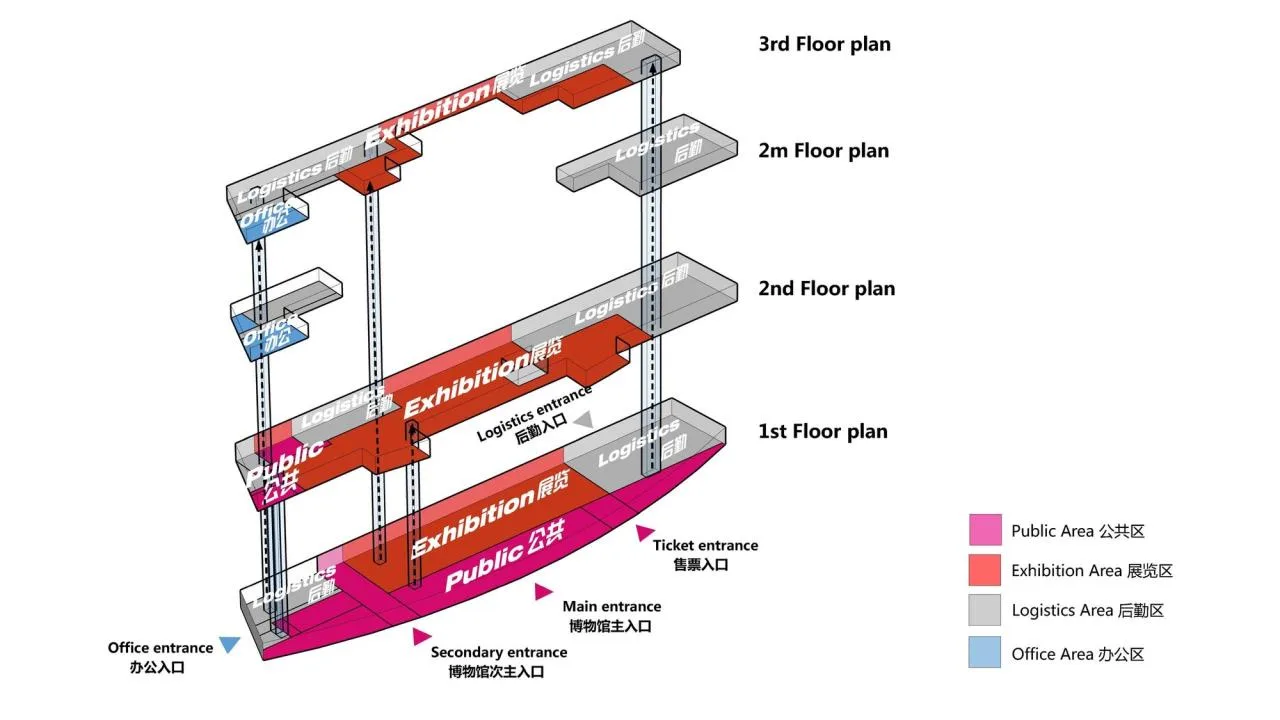
△ Functional Zoning Diagram
Project Information
Architectural Design: Shanghai Dushe Construction Architectural Design Firm
Area: 18,573 m²
Project Year: 2021
Photography: Zhang Yong
Lead Architect: Ling Kego
Design Team: Wang Limin, Kong Juntao, Liu Wenchao, Yang Wanghui, Xie Xinzhun, Wang Zhiguo, Zhang Ding
Interior Design: Shanghai Dushe Construction Architectural Design Firm Co., Ltd.; Kong Juntao, Wang Qianlan, Xie Xinzhun
Project Management: Xu Yanning, Zou Tianchen
Client: Yancheng Railway Investment and Development Co., Ltd
Collaborative Design: Shanghai Architectural Design and Research Institute Co., Ltd
Curtain Wall Consultant: Shanghai Gerui Lighting Design Co., Ltd
Lighting Design: Aoying Design Consulting (Shanghai) Co., Ltd
Logo Design: Yancheng Architectural Design and Research Institute Co., Ltd
Civil Air Defense Design: Jiangsu Hanzhu Energy Saving Technology Co., Ltd
Green Building Consultant: Shanghai Ruibai Building External Wall Design Co., Ltd
Wind Tunnel Testing: Technical Center of East China Architectural Design and Research Institute Co., Ltd
Construction Contractor: China Construction Eighth Engineering Division Co., Ltd
Interior Construction Contractor: Suzhou Jintanglang Building Decoration Co., Ltd
Landscape Contractor: Hangzhou Landscape Design Institute Co., Ltd
Location: Yancheng City, China














Must log in before commenting!
Sign Up