
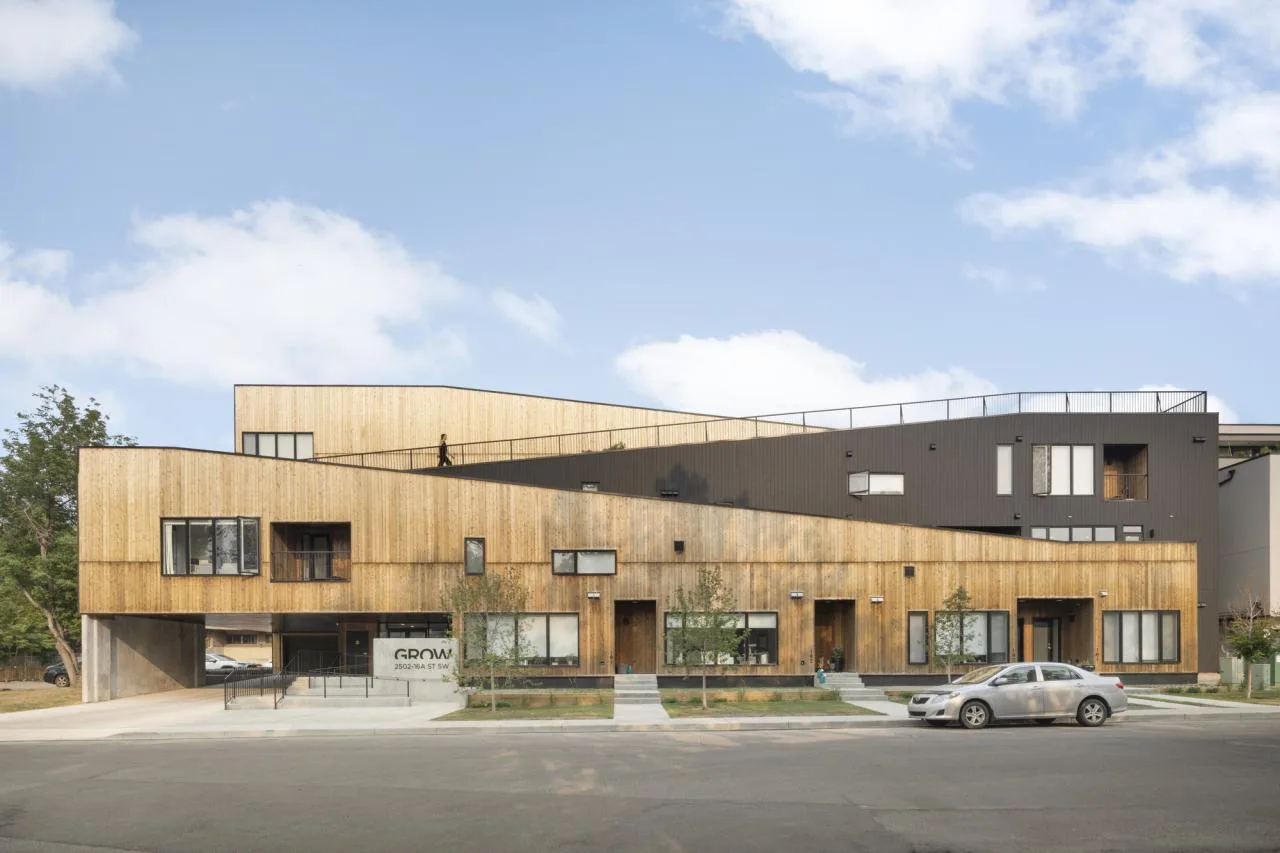
Before beginning the sketching process, we engaged in a detailed discussion with the client about innovative ideas surrounding social, cultural, and environmental sustainability. The client emphasized that the building’s unit combinations should offer a variety of housing types and sizes to accommodate the diverse needs of young families, students, and empty nesters. Our design team firmly believes that sustainability principles must be integral to the design process—not just applied superficially as “greenwashing,” but serving as a core driving force behind every decision.
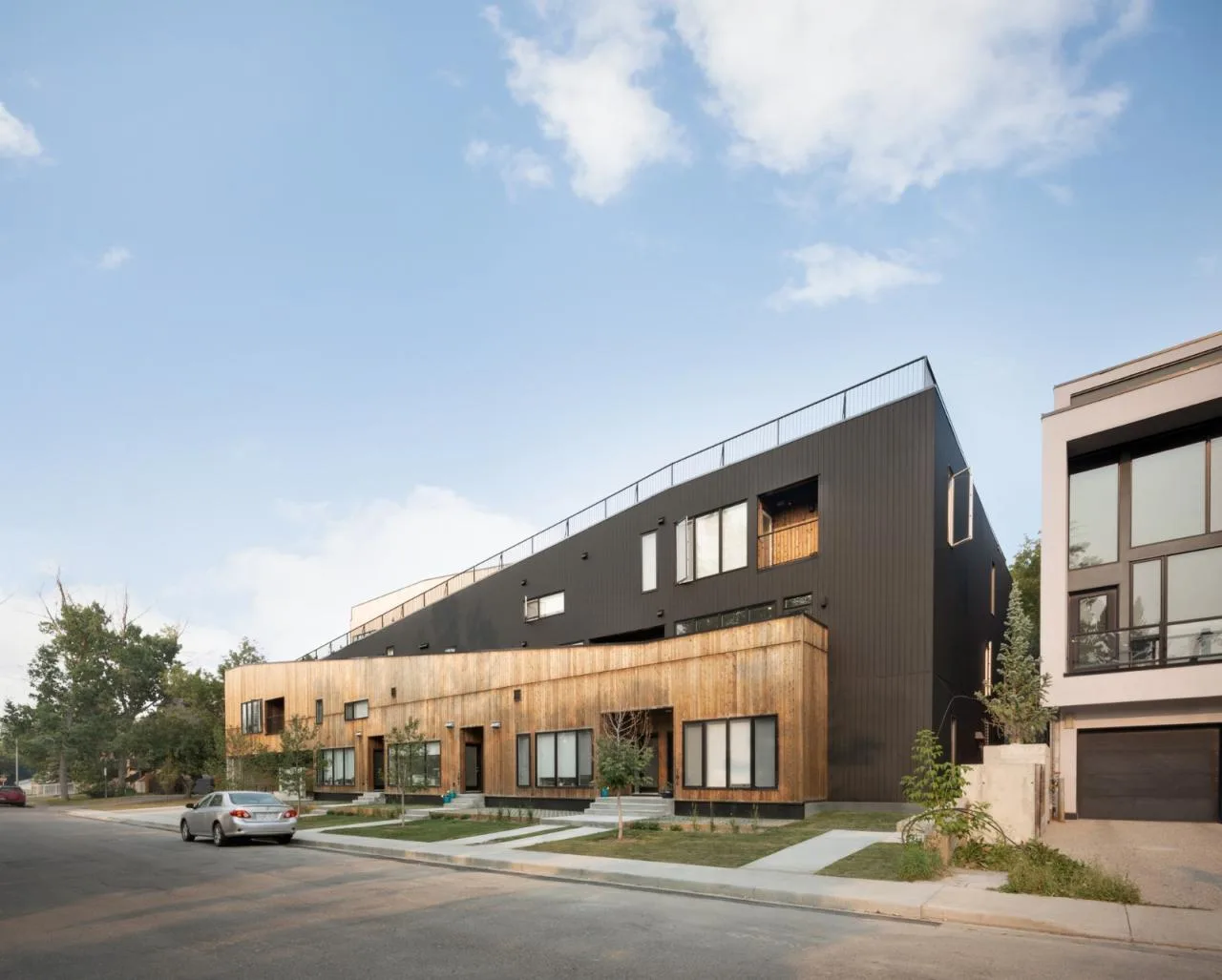
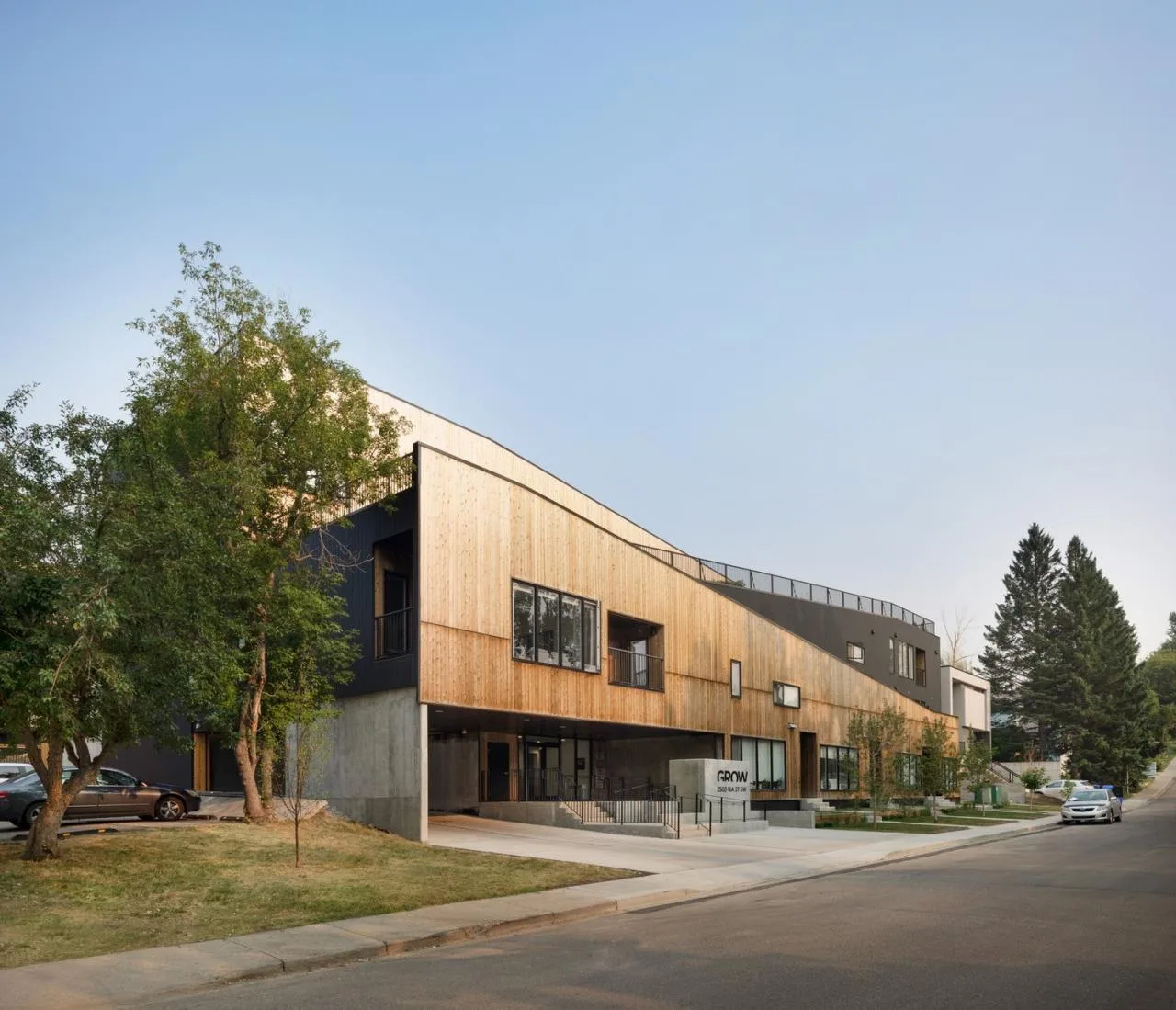
Following these discussions, our studio began brainstorming to find innovative and cost-effective ways to realize the client’s vision. We intentionally avoided typical, monotonous, and unsustainable multi-residential designs and construction methods. Our focus centered on optimizing housing efficiency, targeting key developer interests such as estimated property value, net income ratio, and capital ratio. The objective was to identify potential cost savings and reinvest those funds back into the building, thereby enhancing resources and quality within this challenging development category.
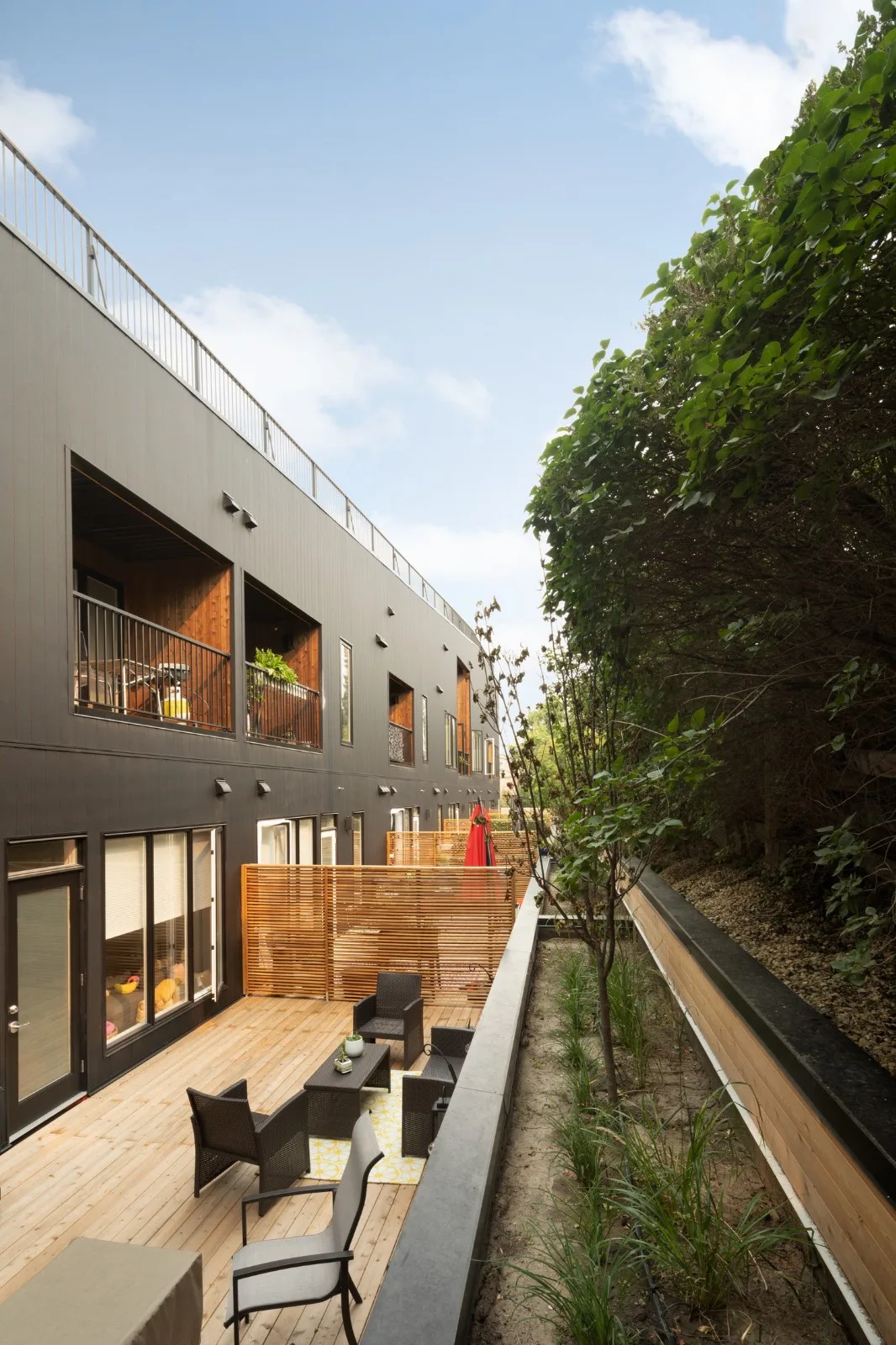
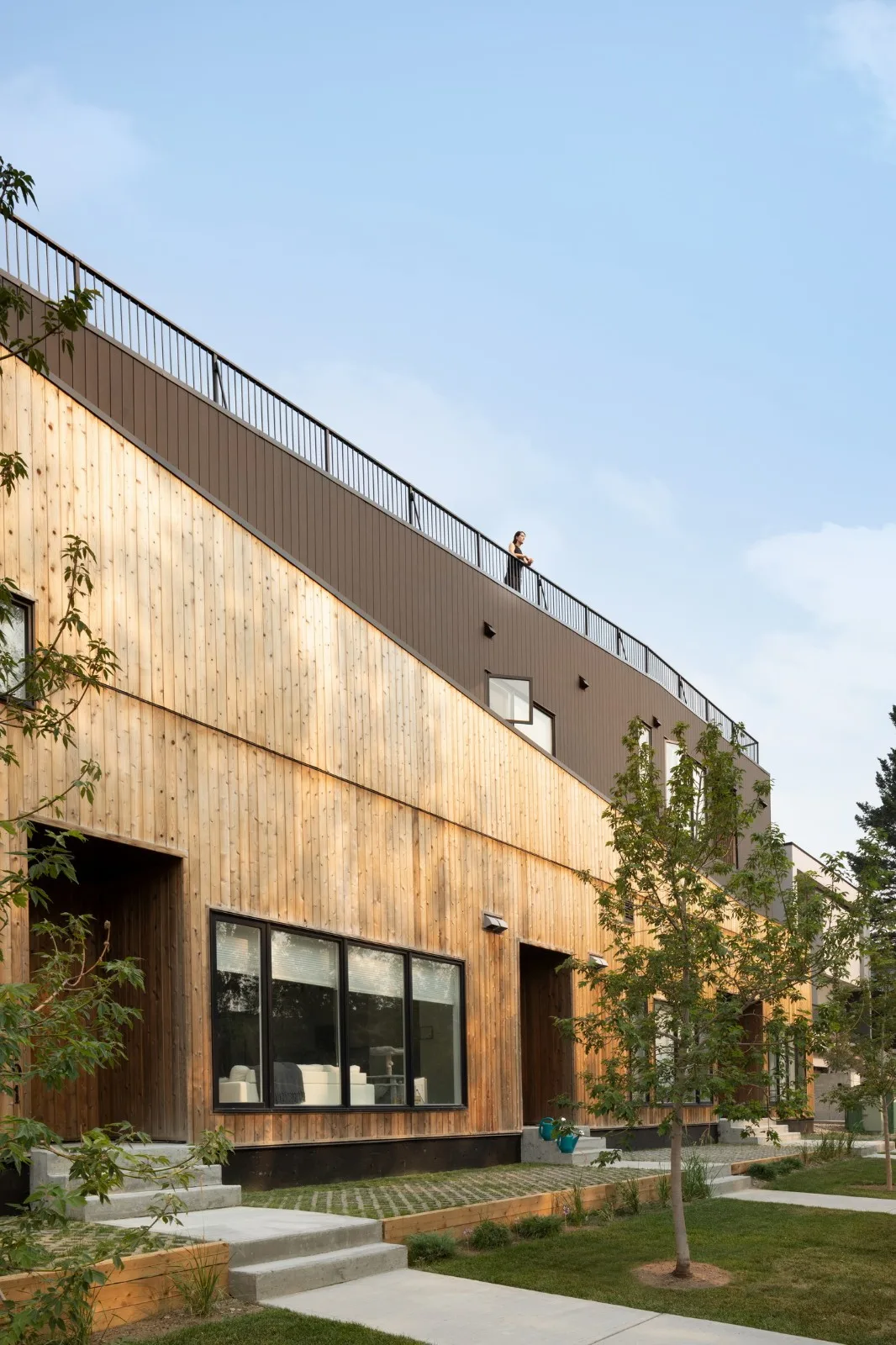
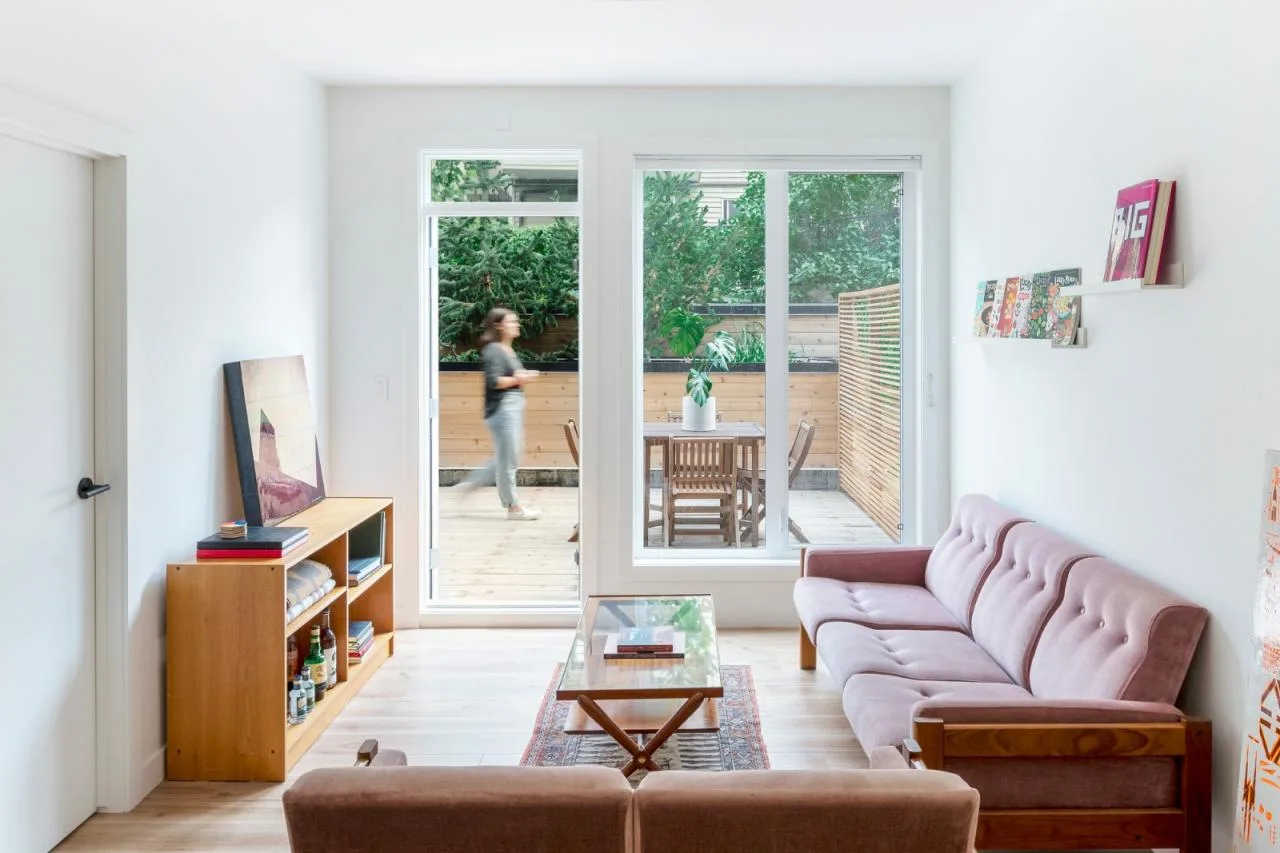
The design leverages a site elevation change of nearly 6 meters (approximately 20 feet) from the southwest corner to the northeast. This natural slope enabled us to conceal the parking lot behind a row of ground-level units, minimizing excavation work and significantly reducing costs. Elevating the rear units creates a natural terrain barrier that evenly distributes natural light and views across the building, while also serving as a guiding principle for the overall site planning.
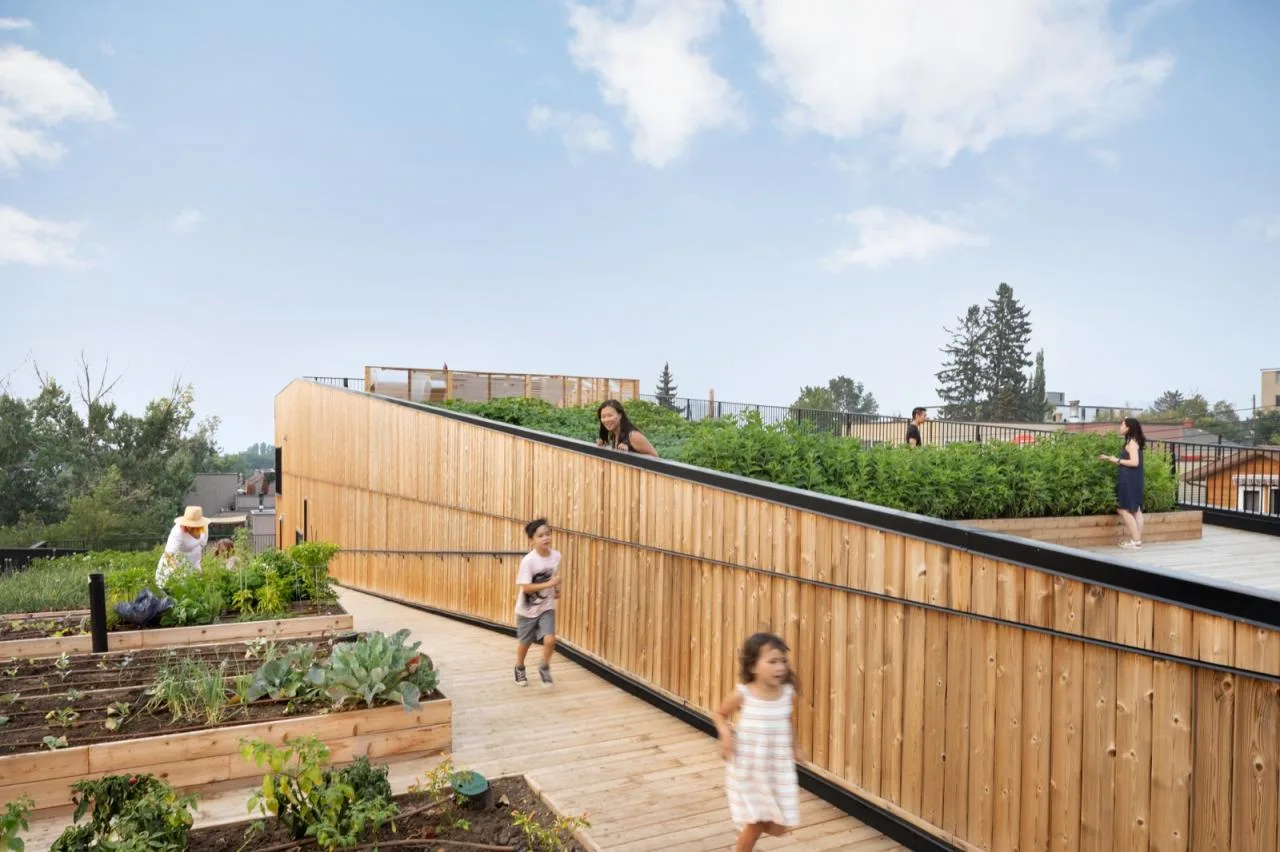
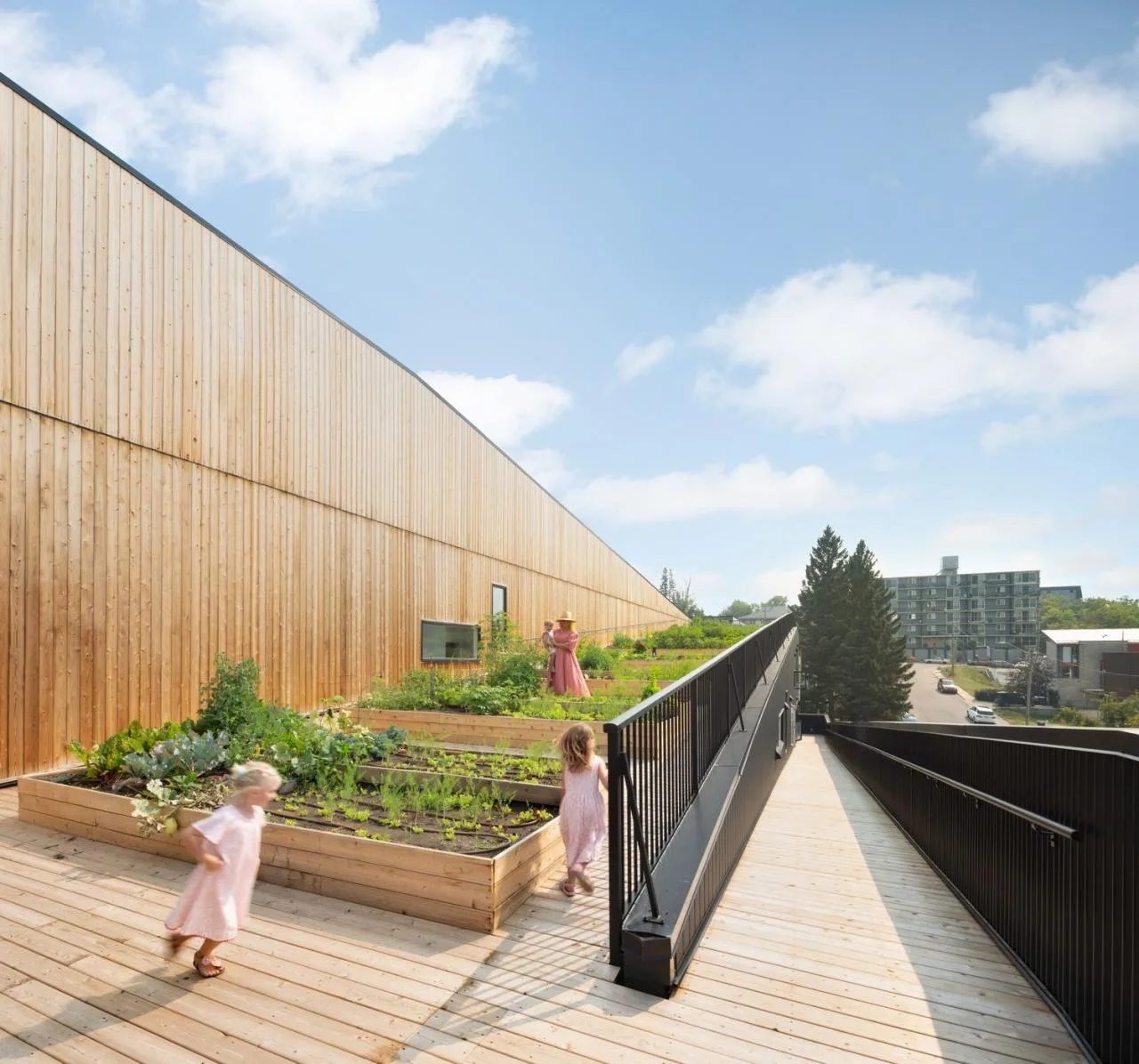
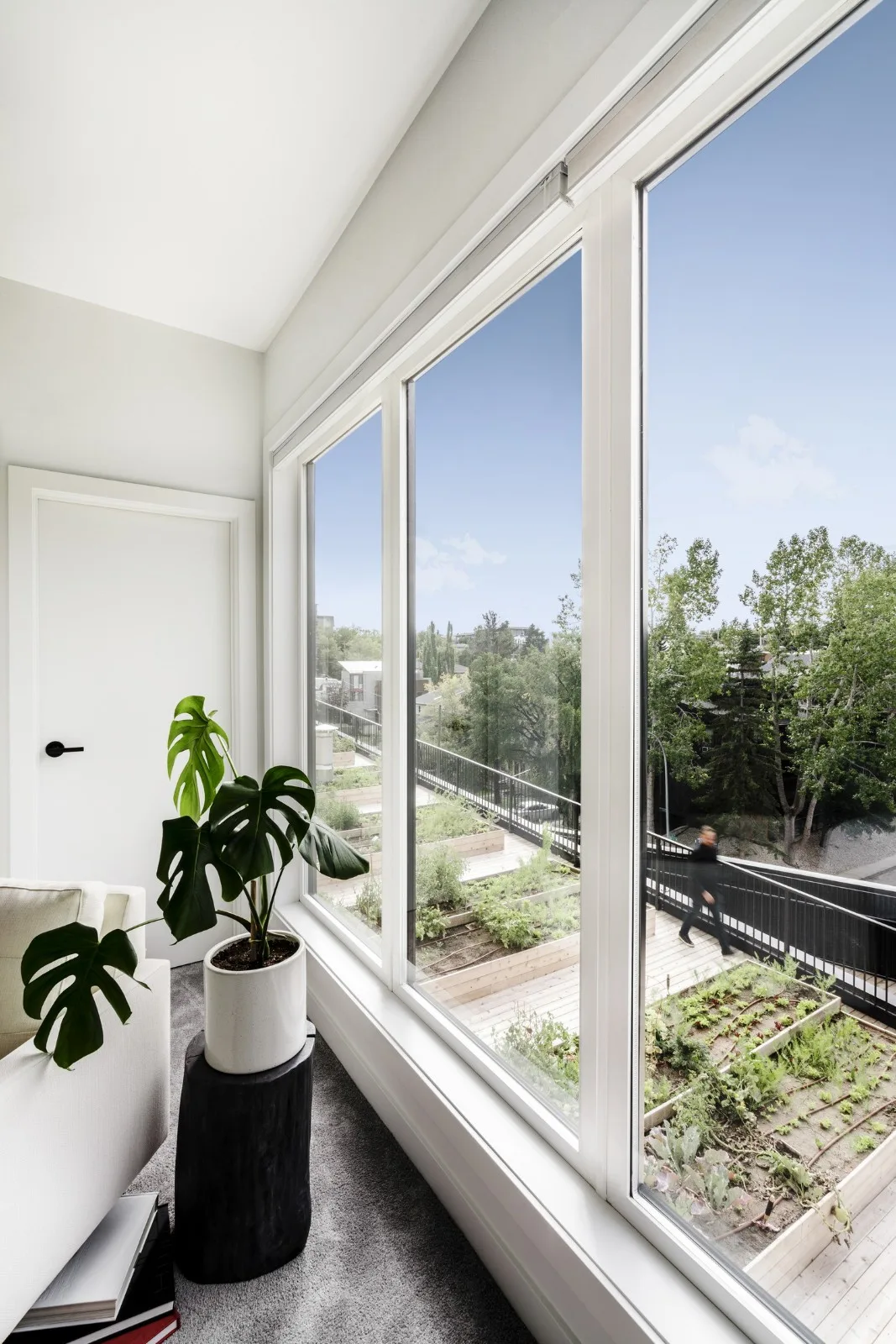
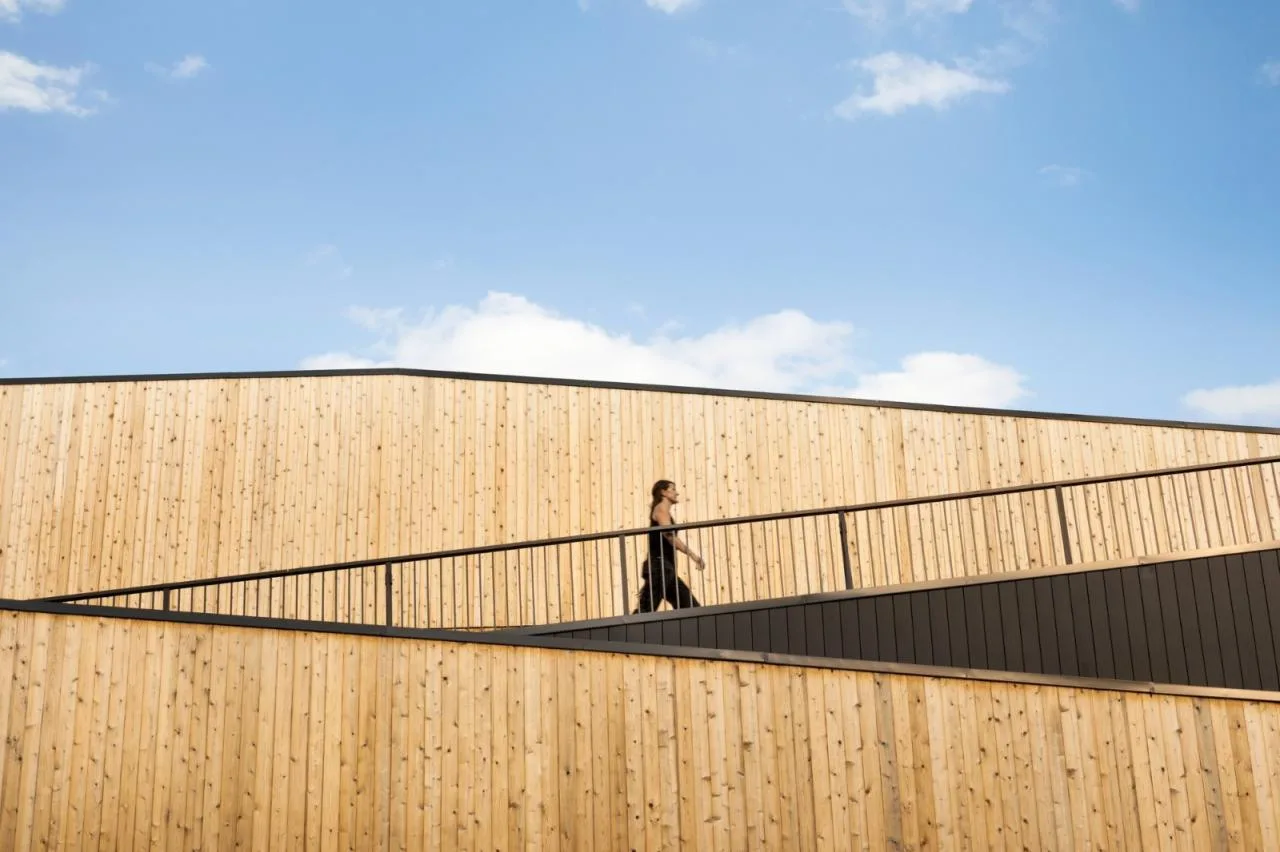
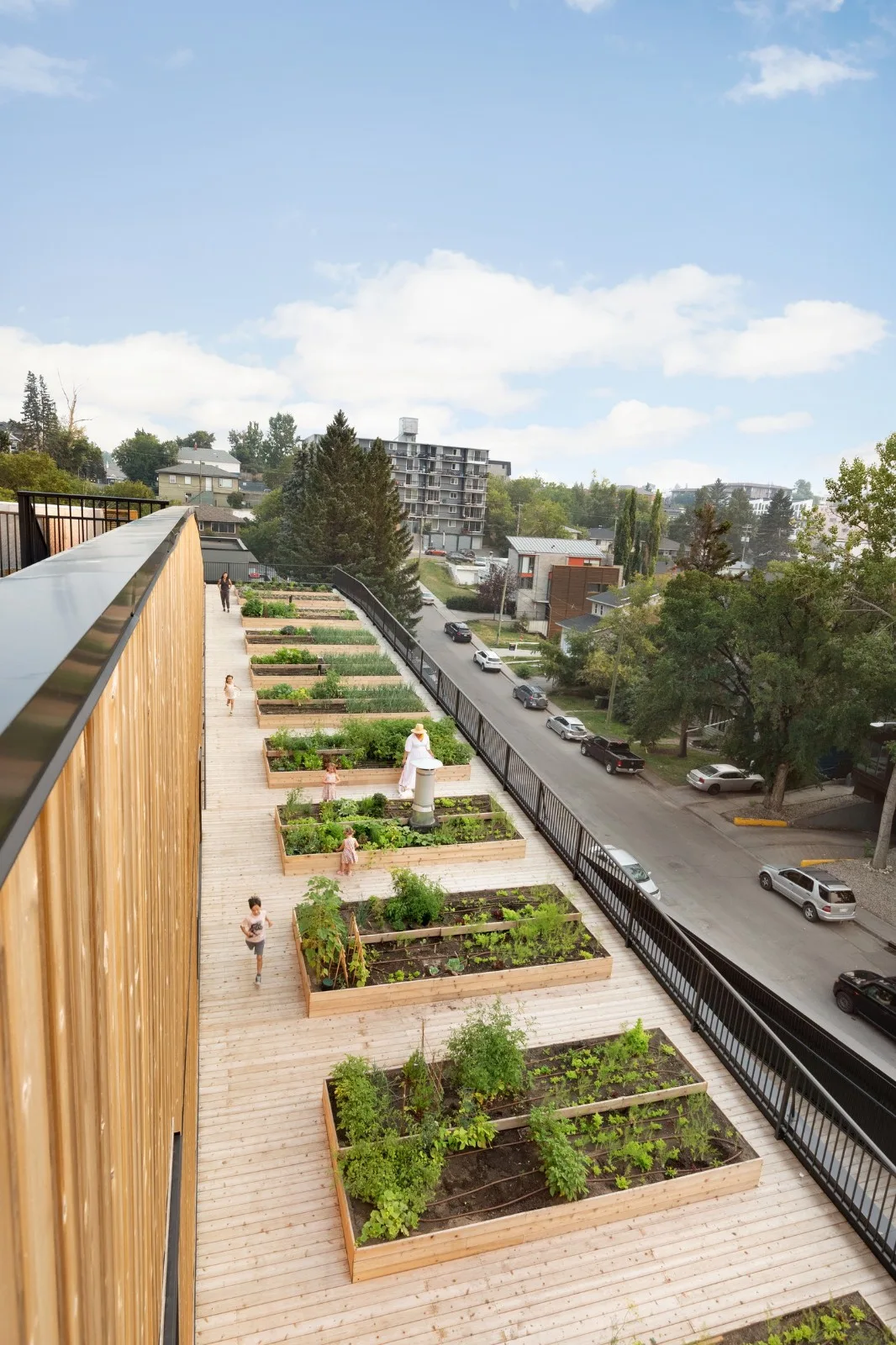
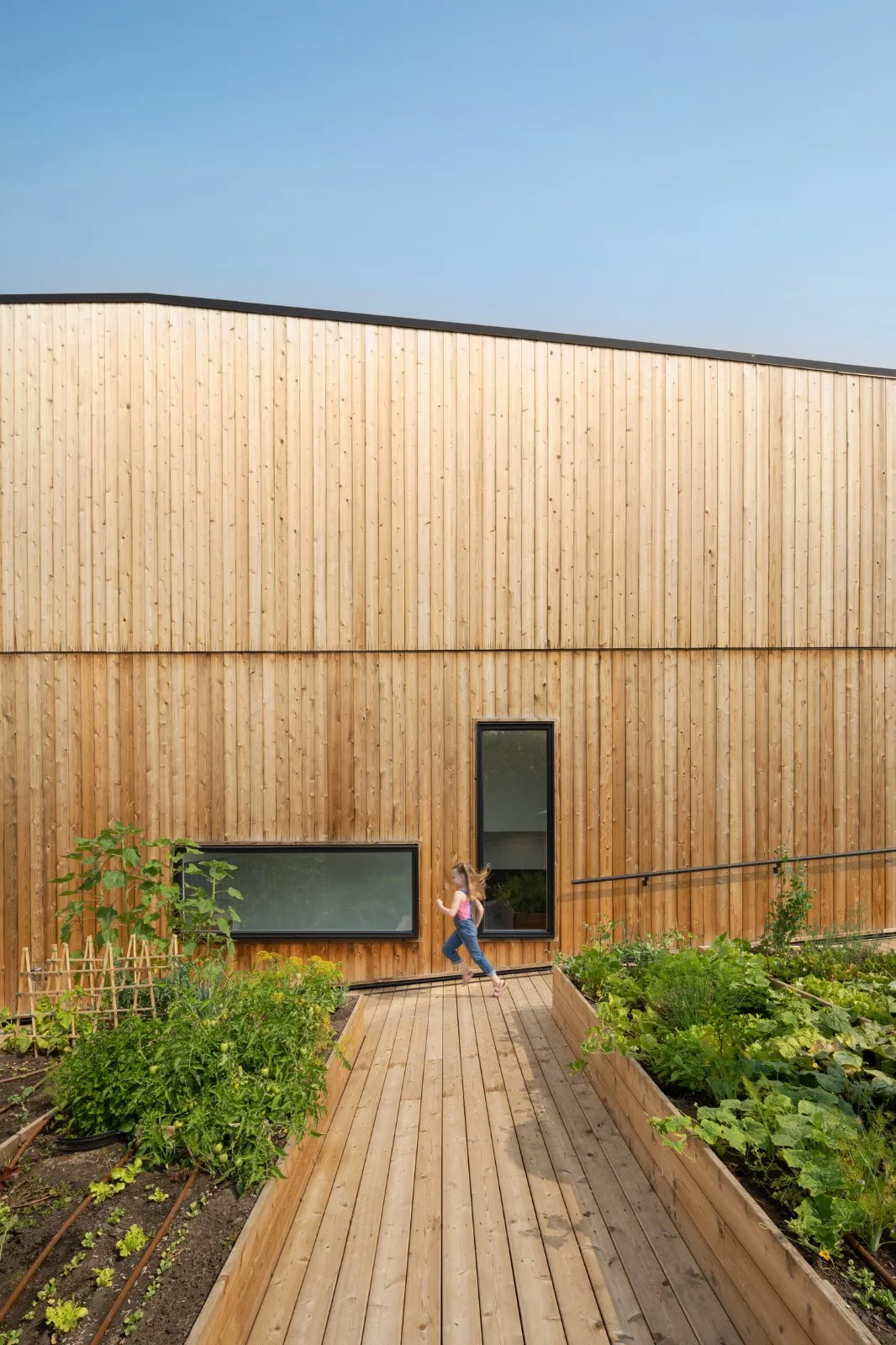
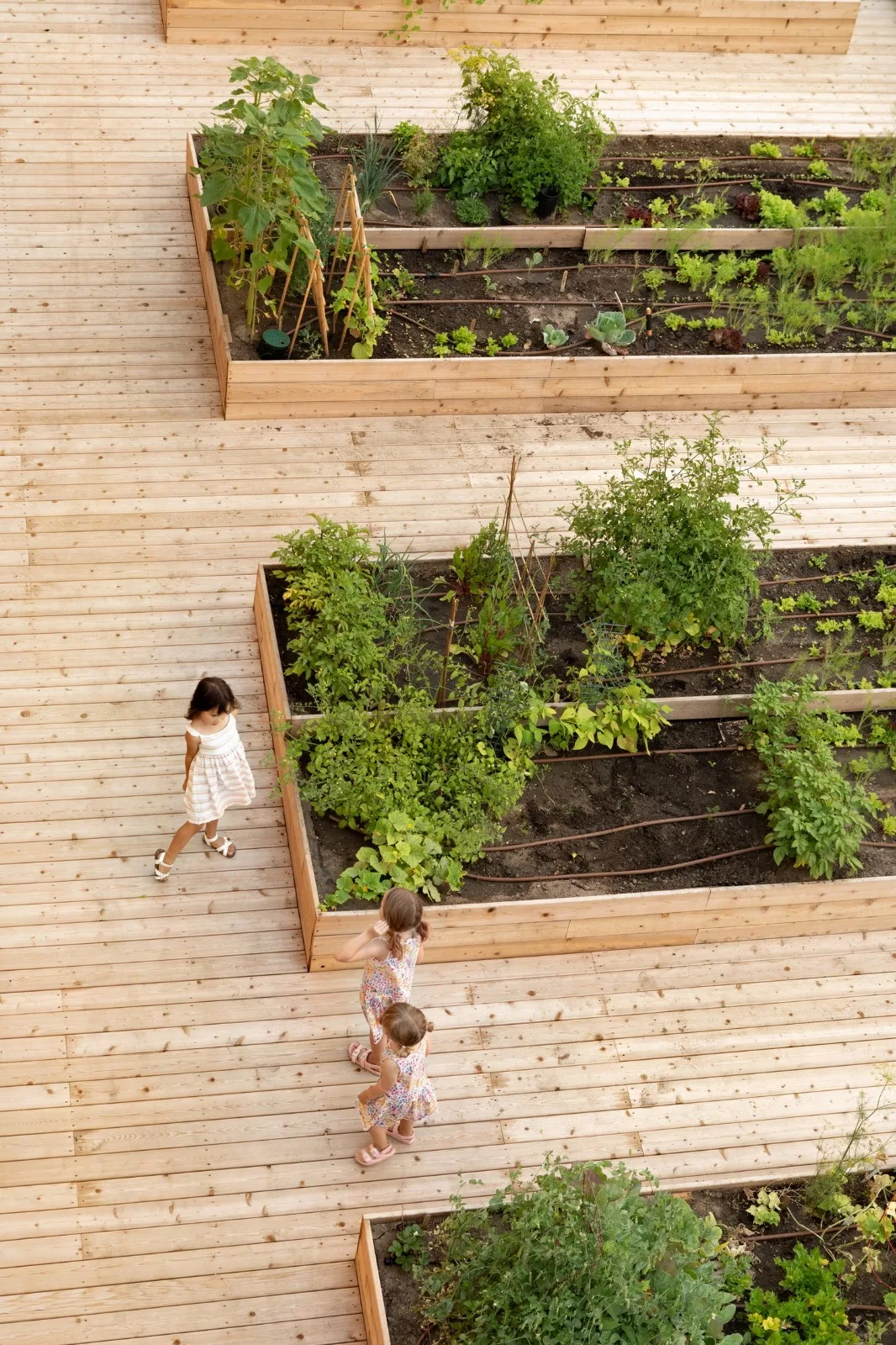
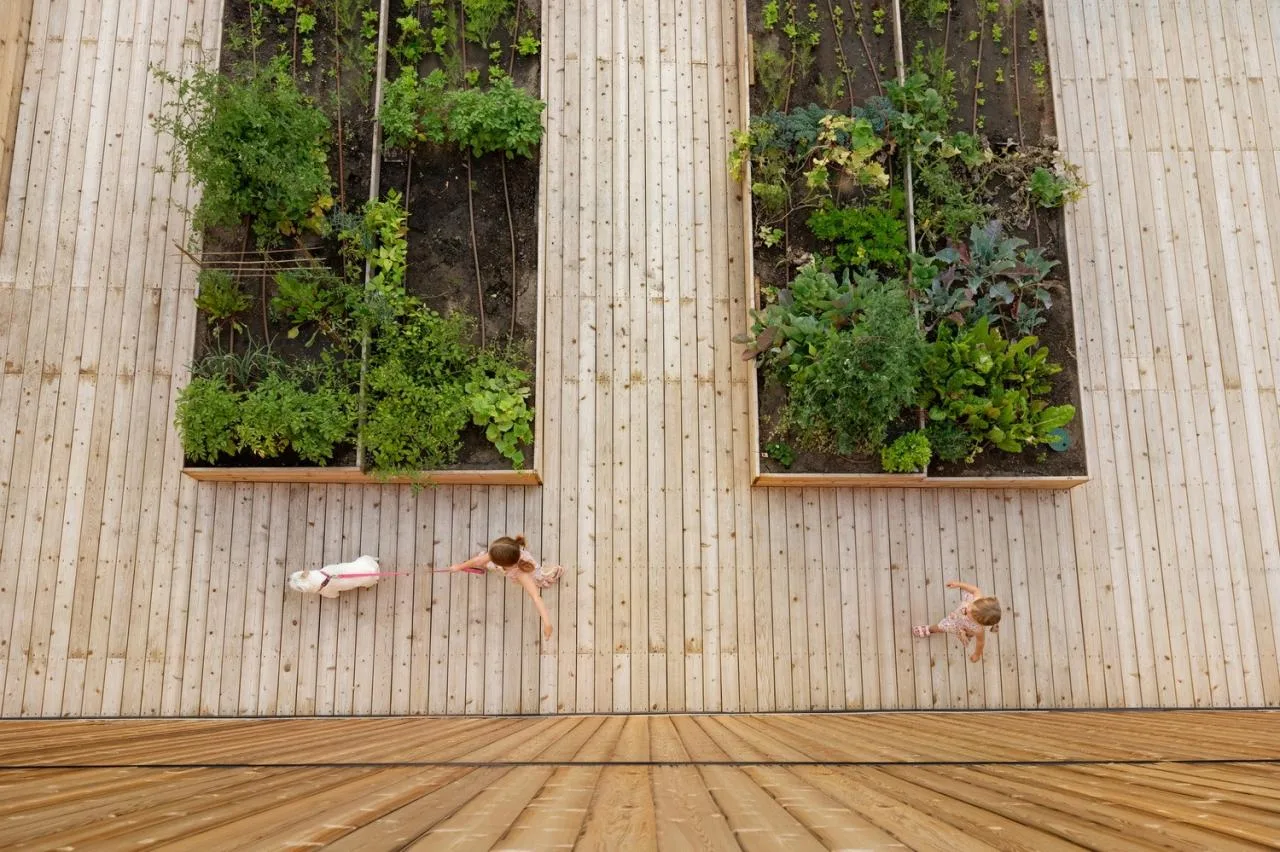
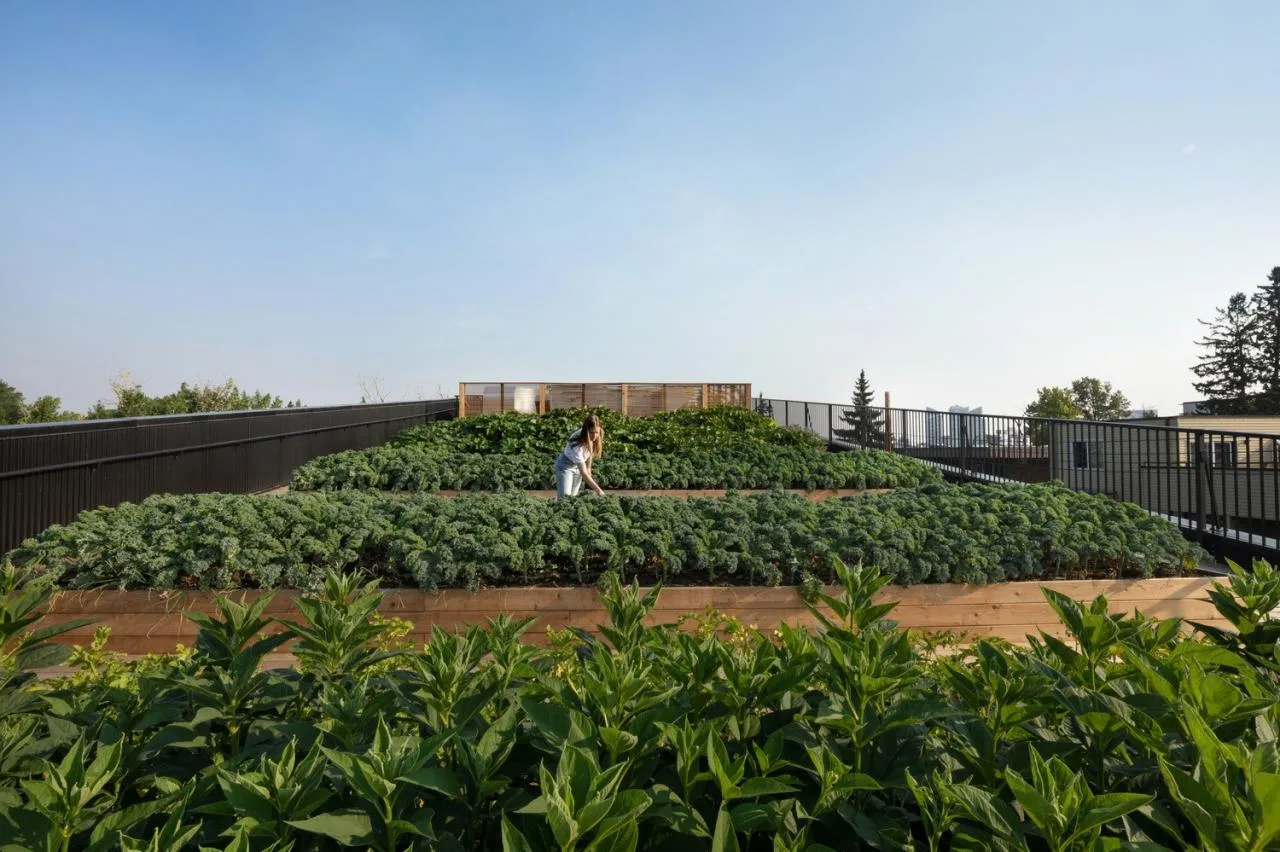
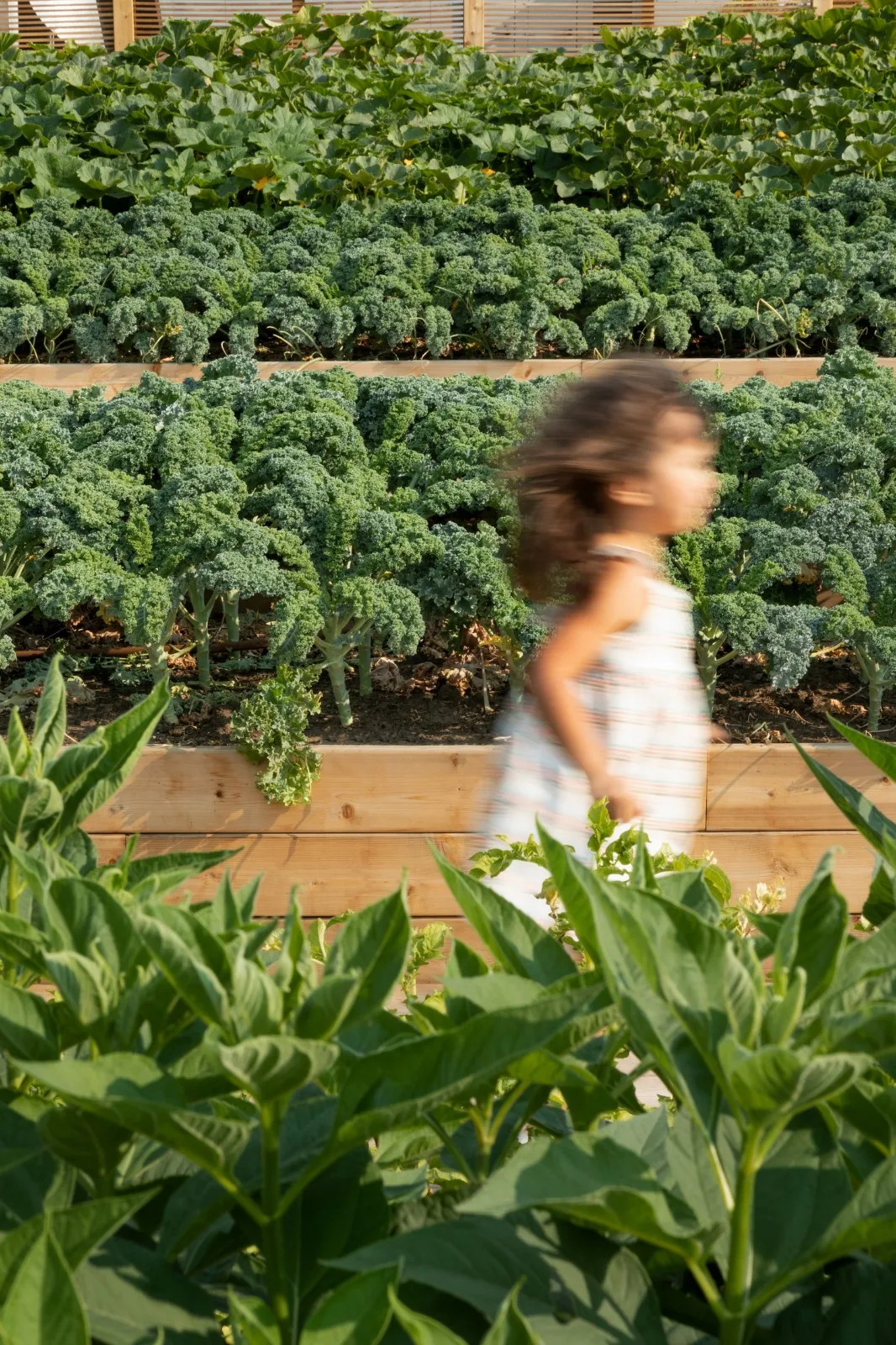
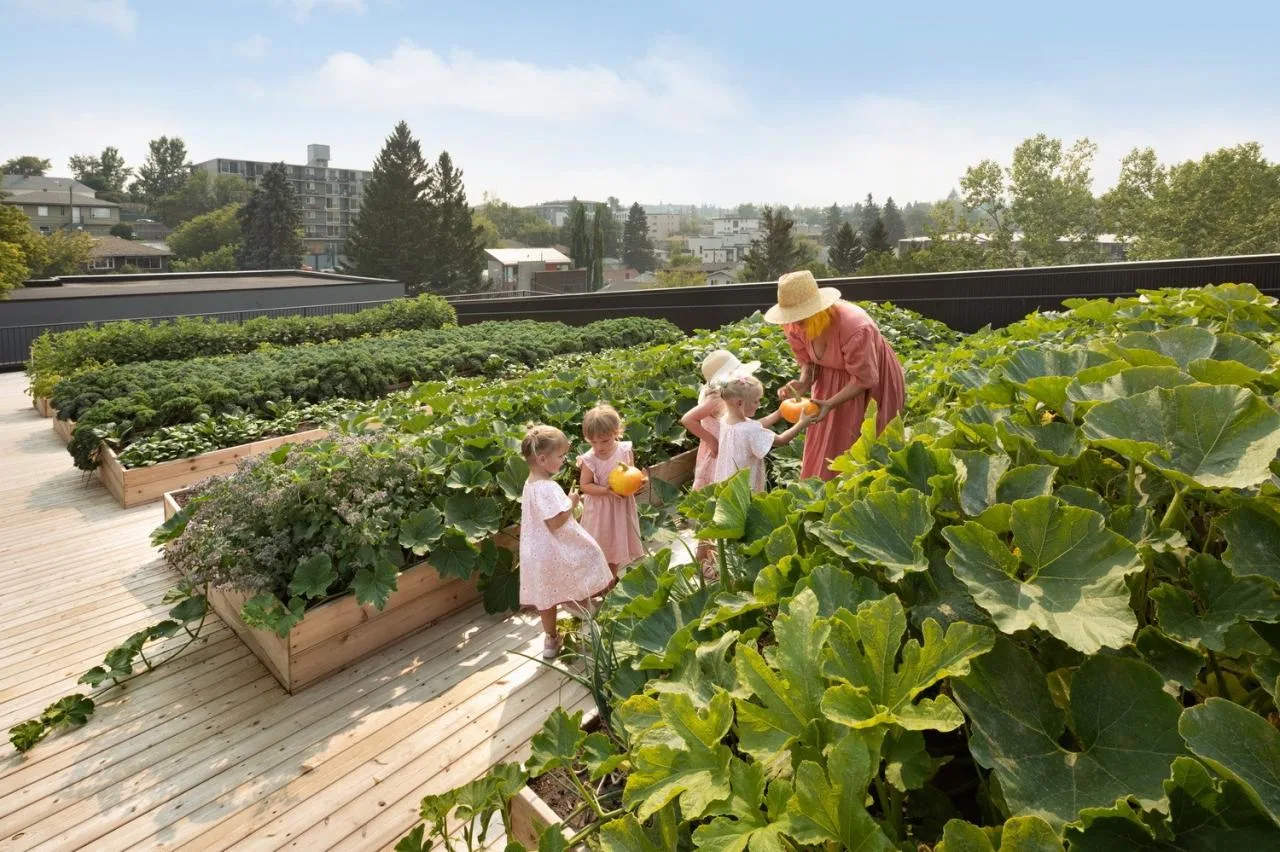
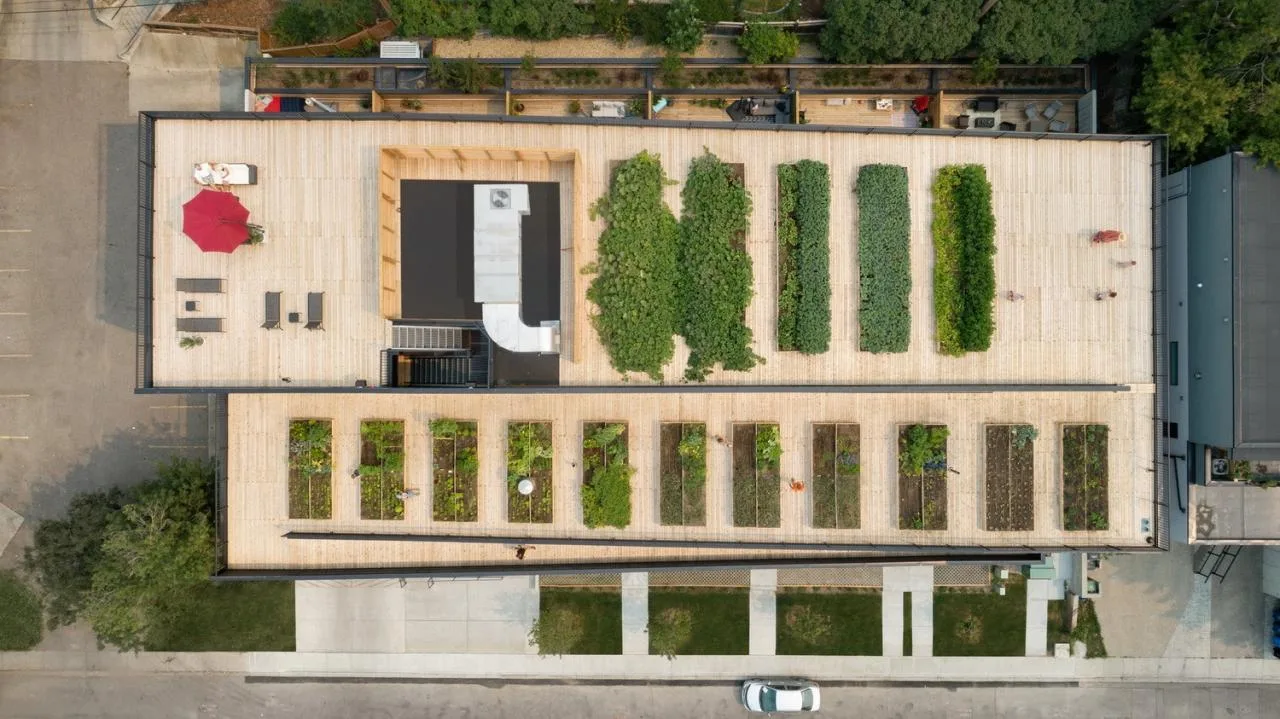
To conform with municipal regulations requiring landscaped and outdoor leisure spaces, the design connects various roof levels through sloping, accessible social landscapes. This approach not only satisfies legal mandates but also revitalizes communal leisure areas. Notably, 74% of the landscaped area (242.8 square meters or 0.06 acres) is dedicated to an urban farm managed collaboratively by tenants and a local non-profit urban agriculture group, YYC Growers.
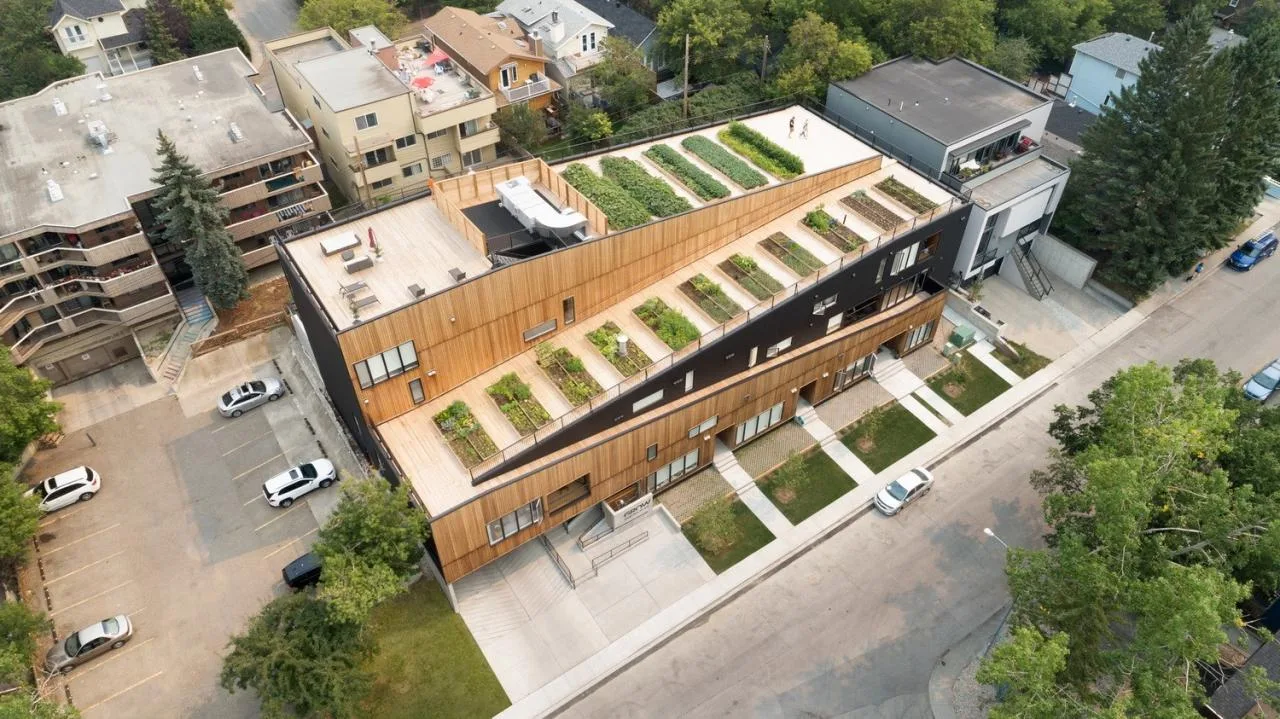
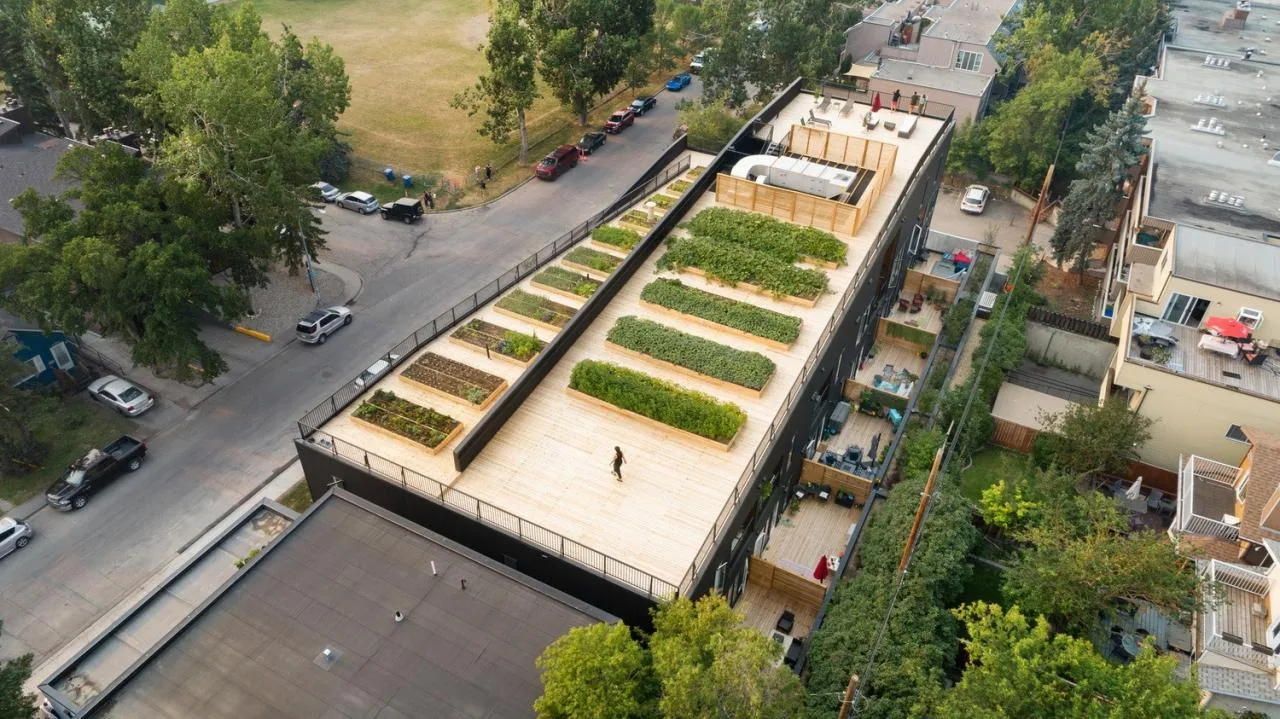
Interesting fact 1: The urban farm’s soil volume exceeds 52.67 cubic meters (1,860 cubic feet), along with its plants, which collectively absorb the equivalent carbon emissions of approximately 10 cars annually. This landscape offers a holistic and sustainable social environment, enriching everyday life through activities such as farming, dog walking, communal dinners, neighborly gatherings, and simply enjoying fresh air—all aligning with green sustainable development standards.
Interesting fact 2: Tenants can subscribe to weekly harvest boxes from YYC Growers, supplementing GROW’s farm produce with fresh fruits and vegetables sourced from other local sustainable urban farms.
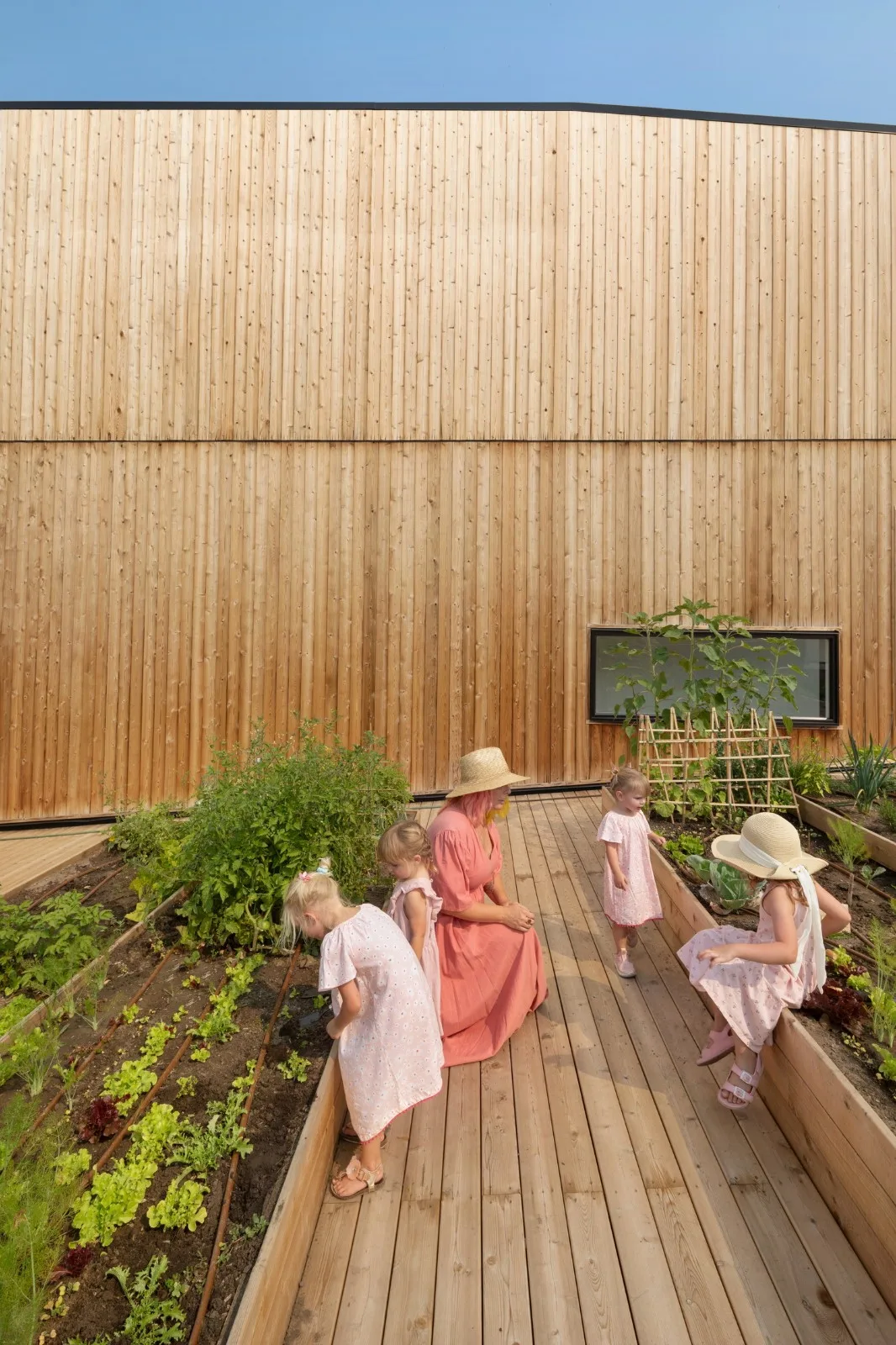
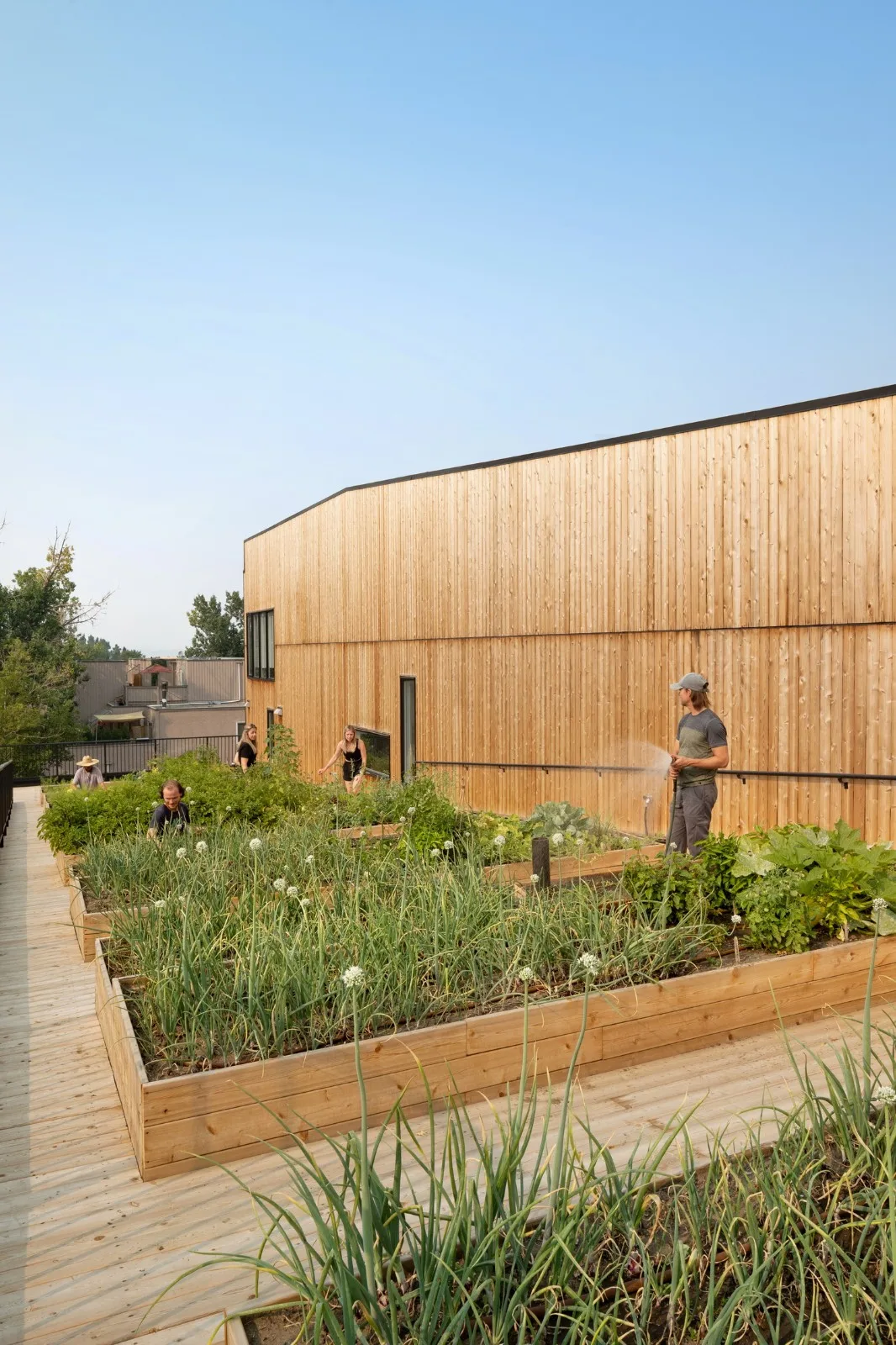
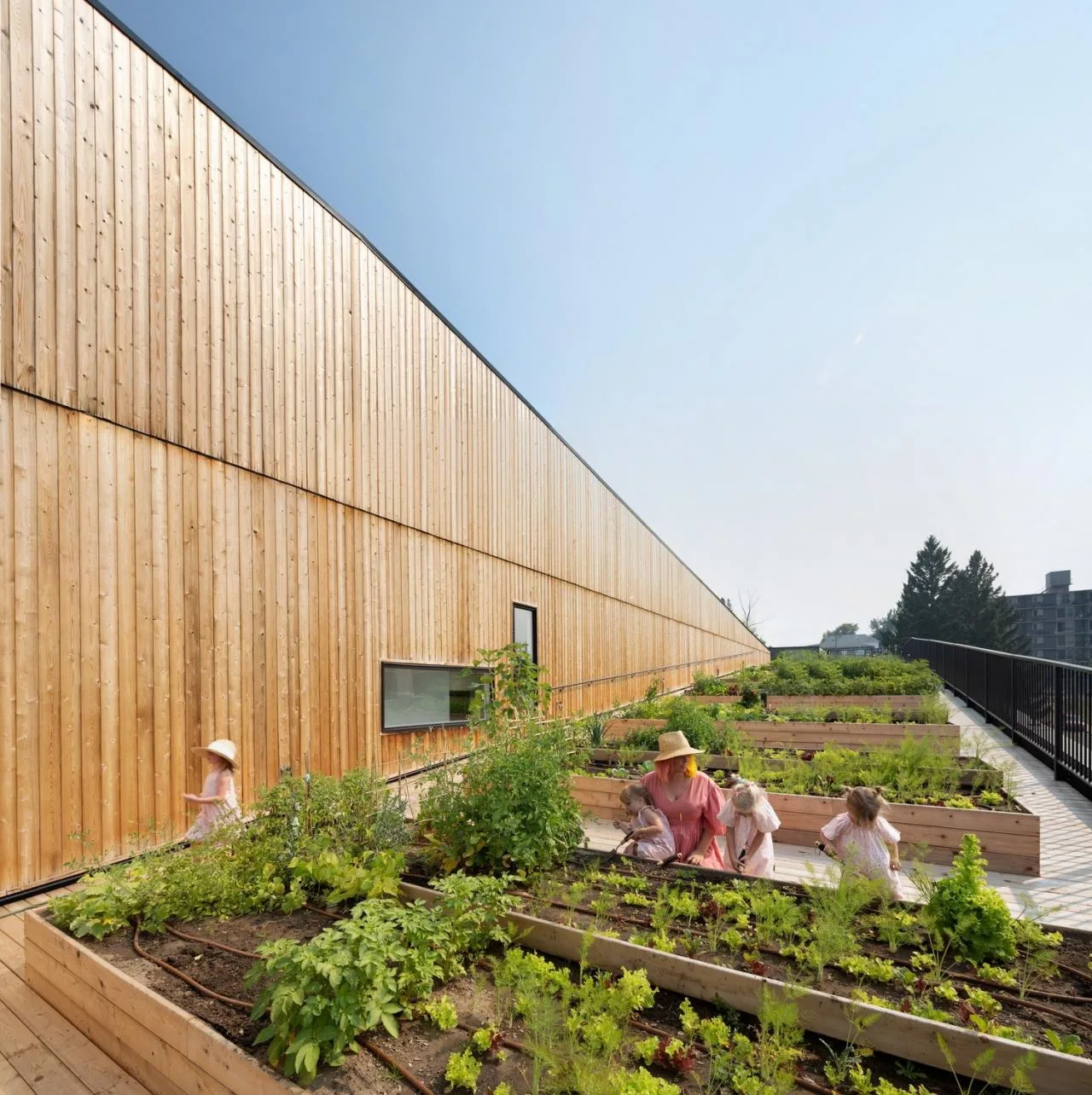
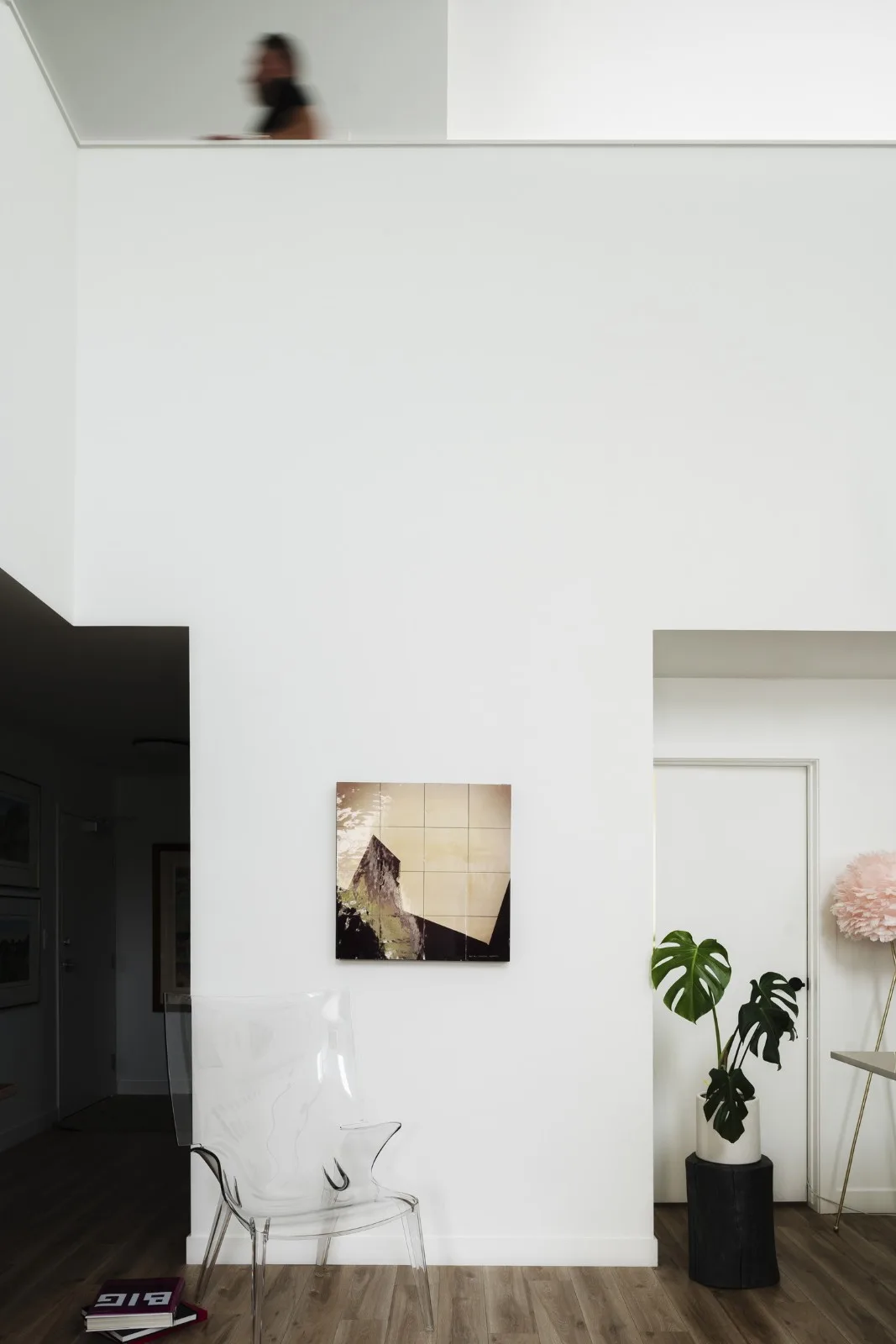
The sloped architectural plan accommodates a variety of housing options, including one-bedroom and two-bedroom apartments, a 1.5-story loft, and a two-story row house. This inclusive design fosters a diverse resident population—a family with children and students live adjacent to an elderly couple. We believe that such diversity is essential for creating meaningful places and building strong communities.
Project Drawings
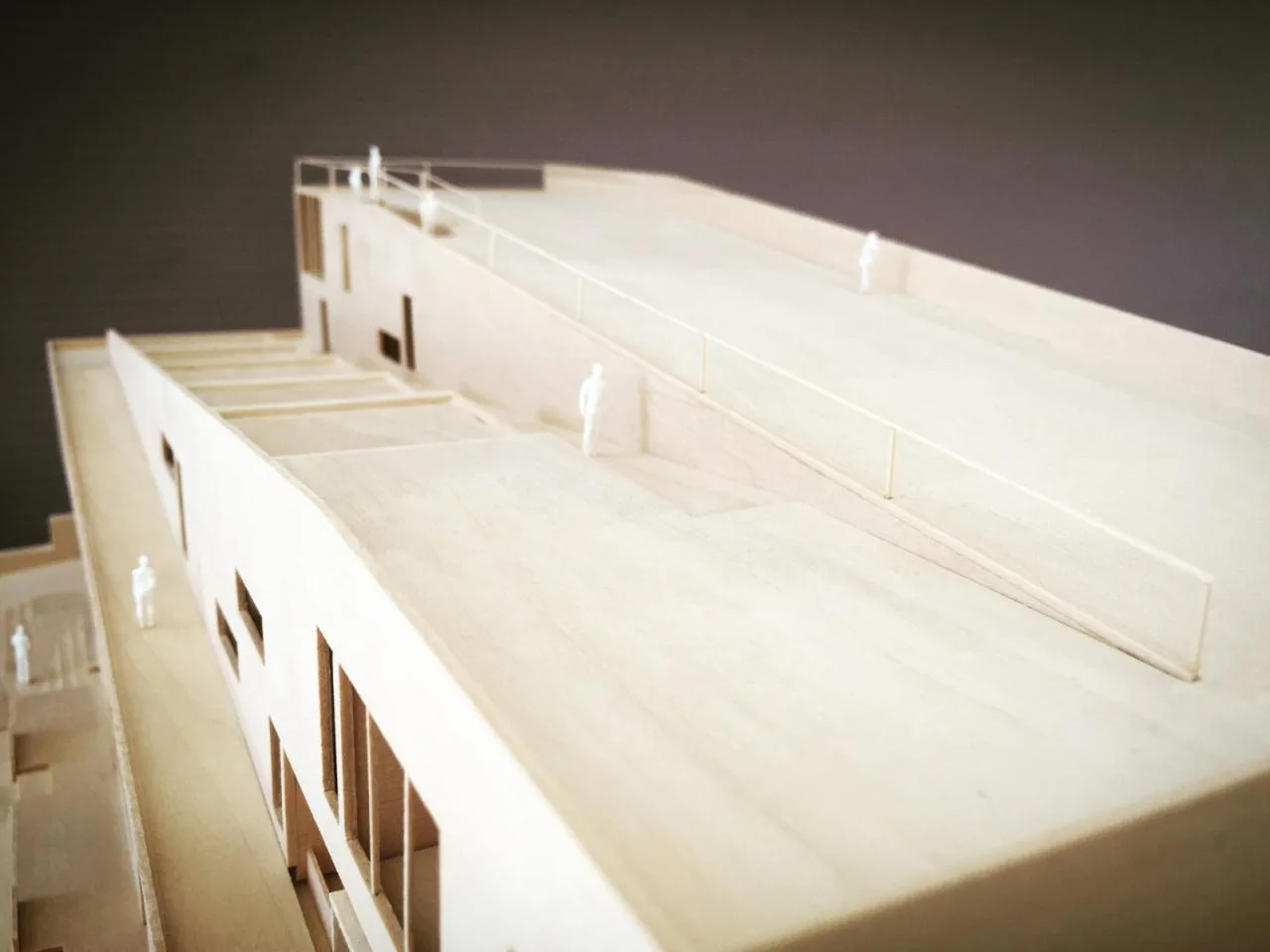
△ Model diagram
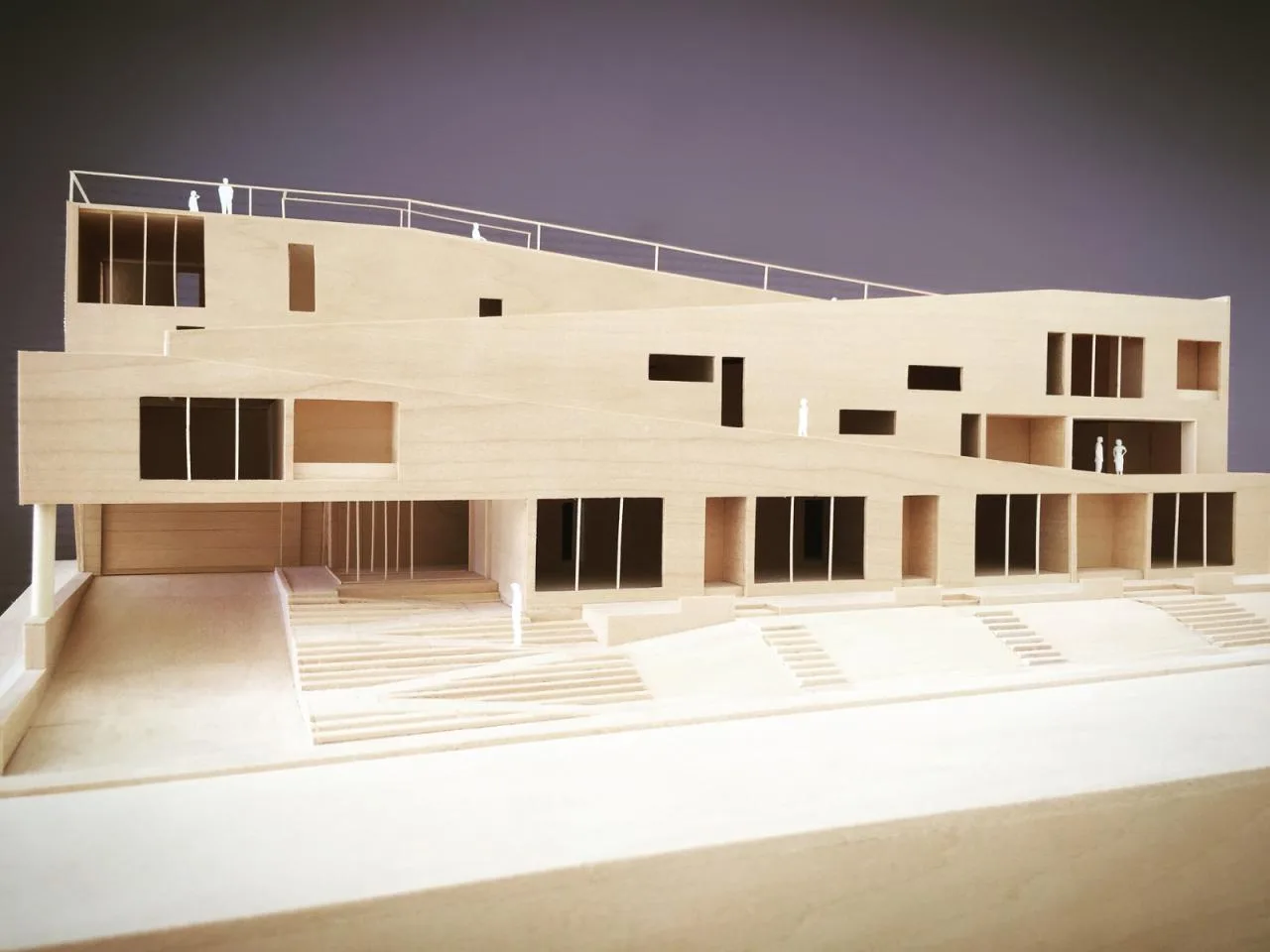
△ Model diagram
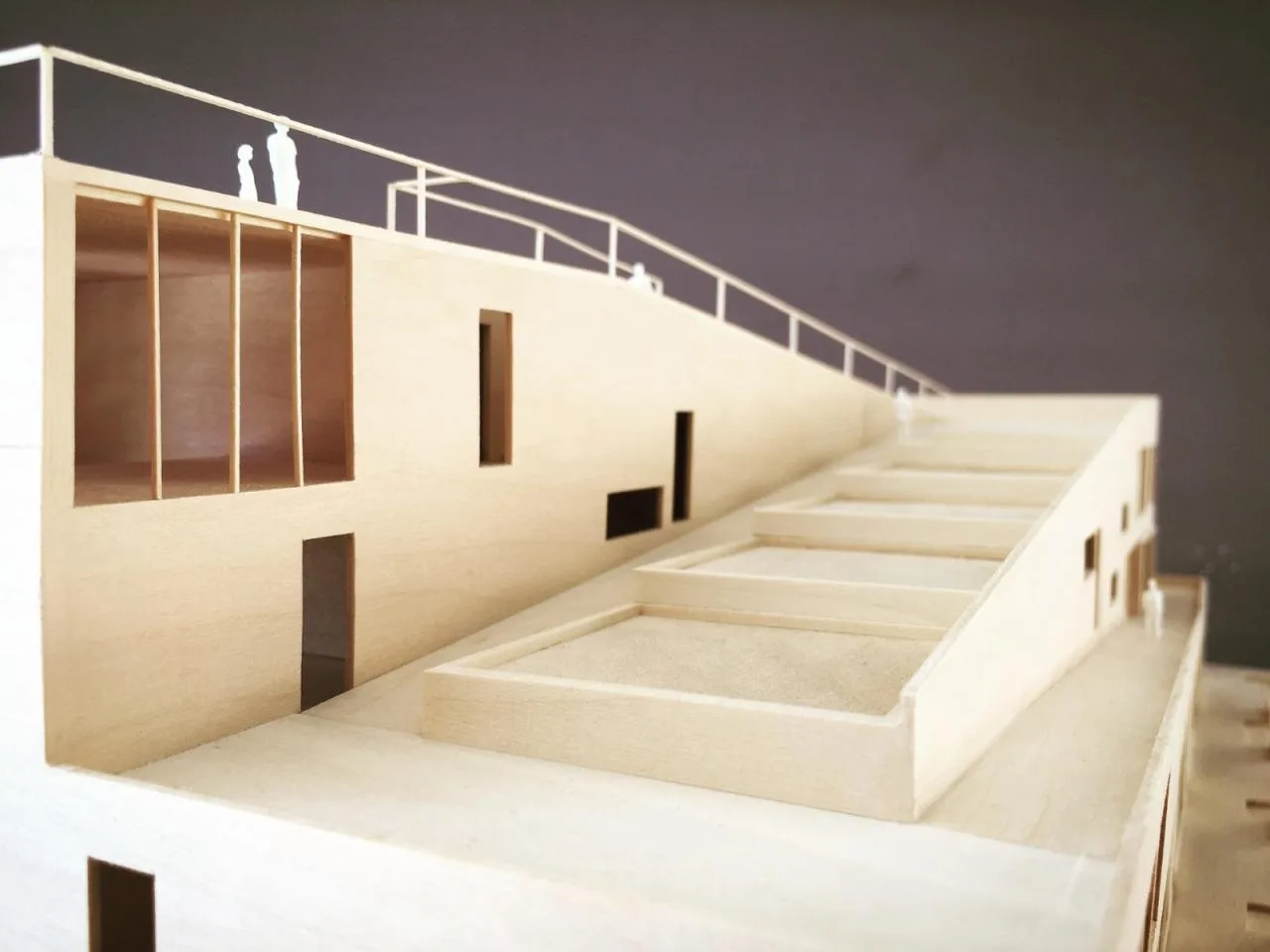
△ Model diagram
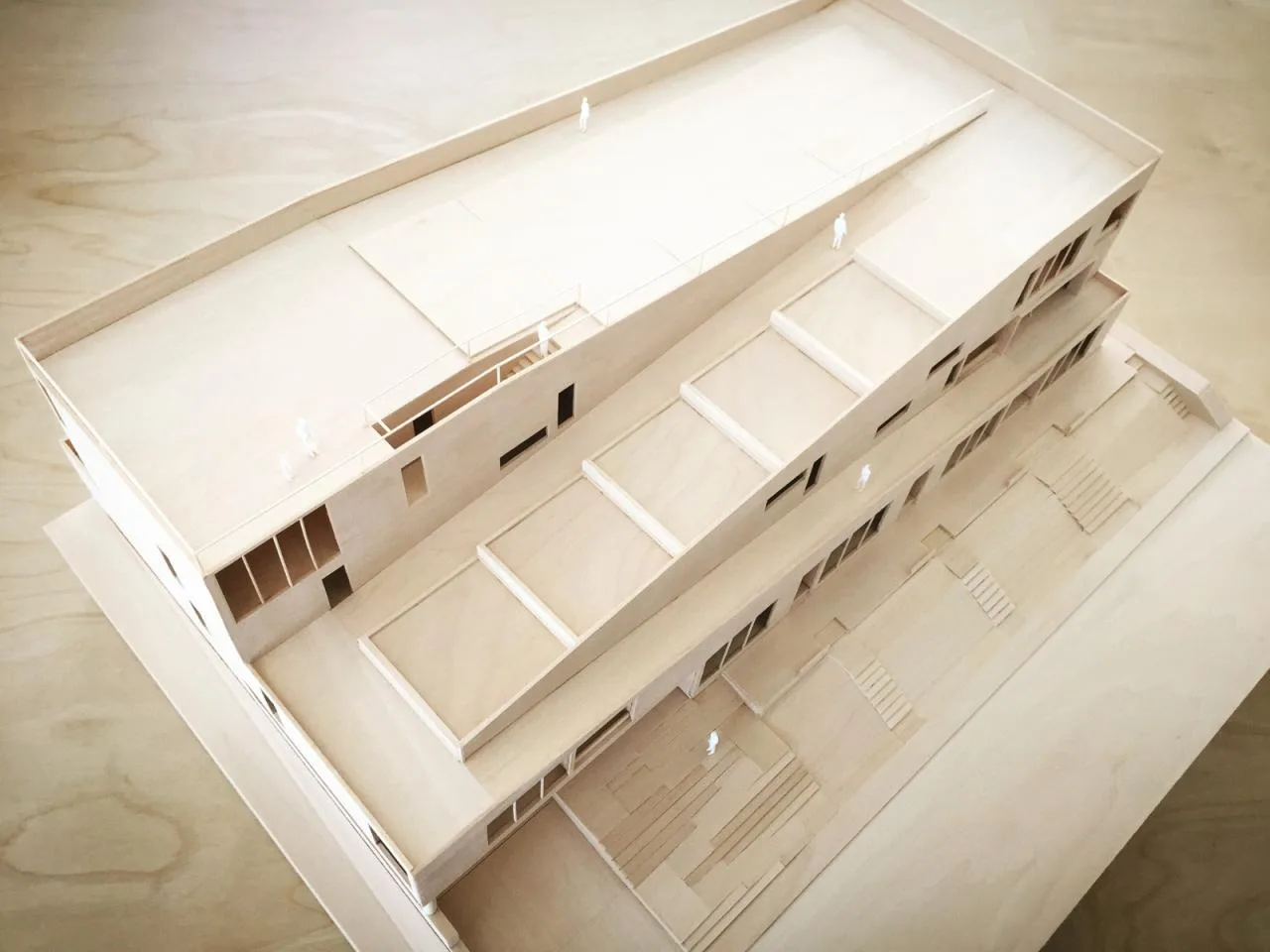
△ Model diagram
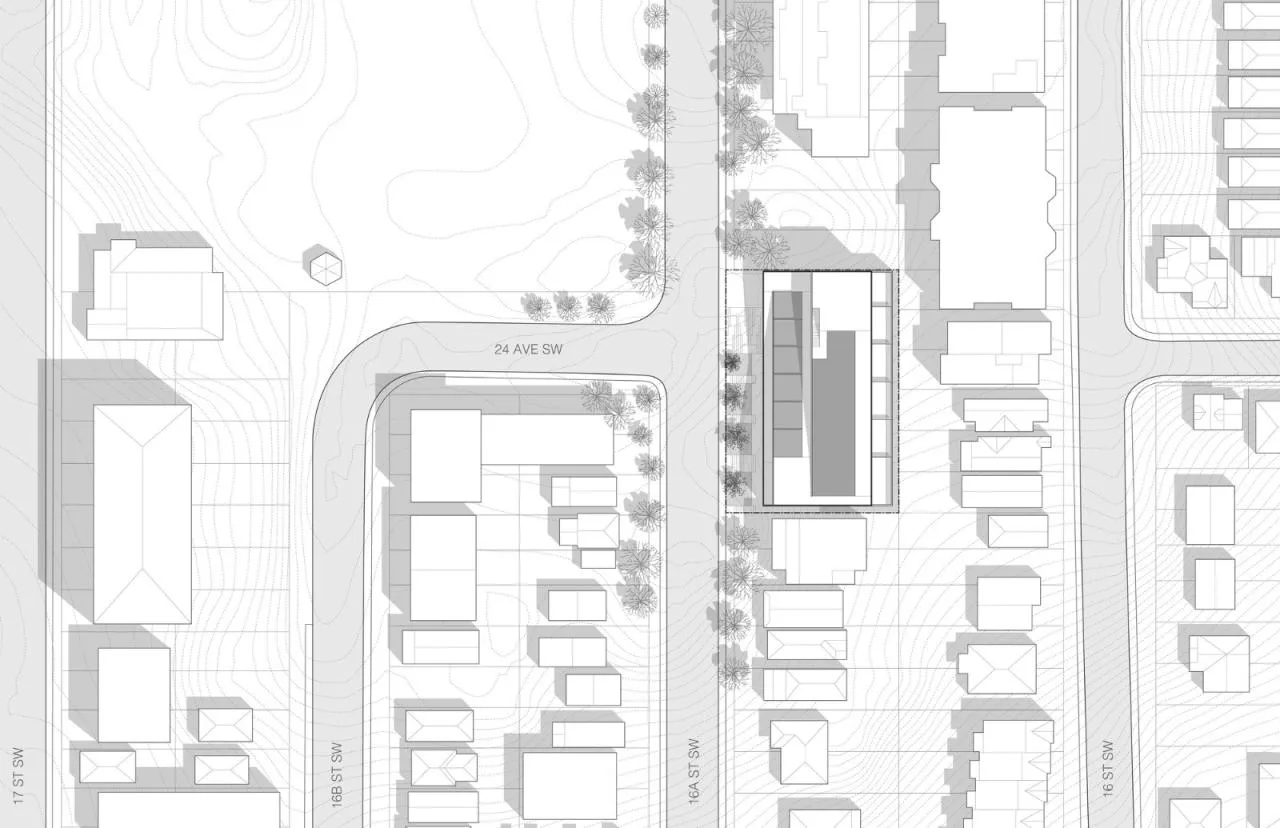
△ General layout plan
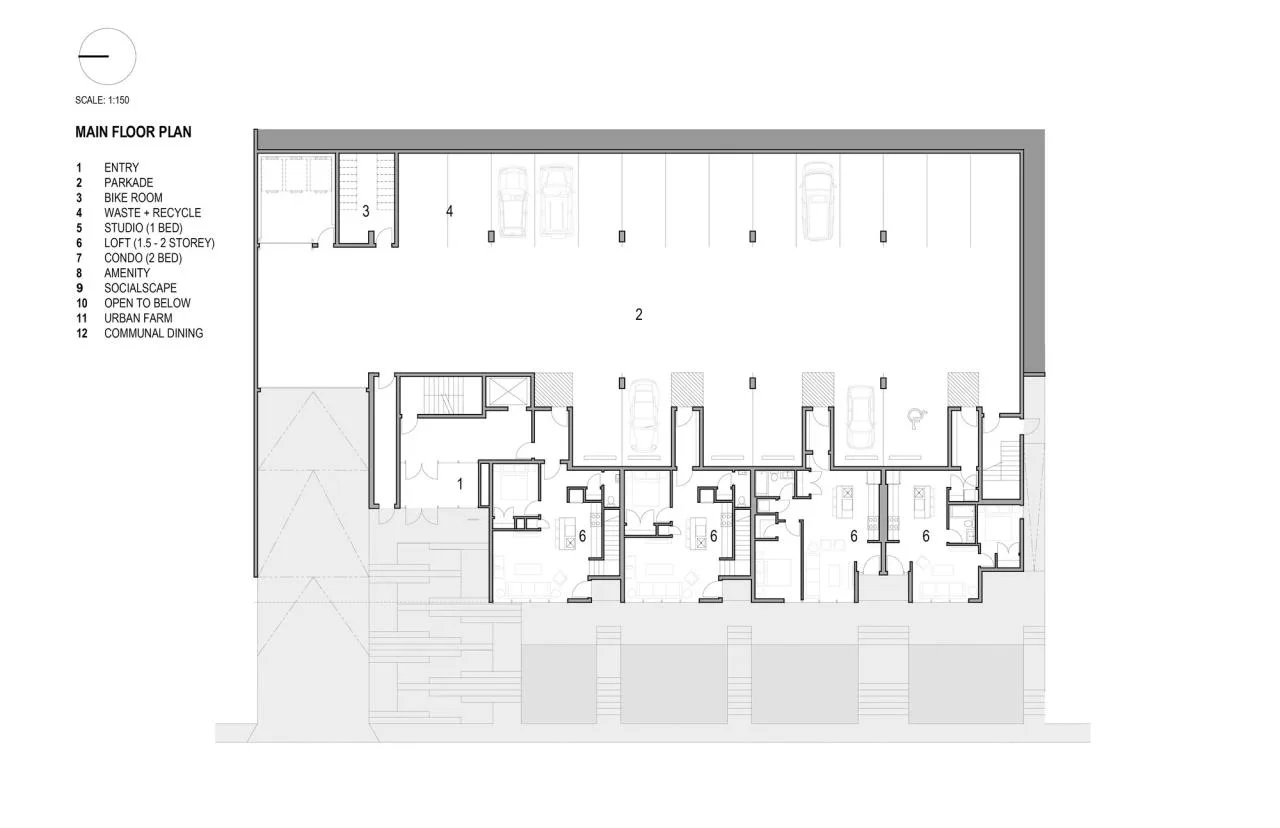
△ First floor plan
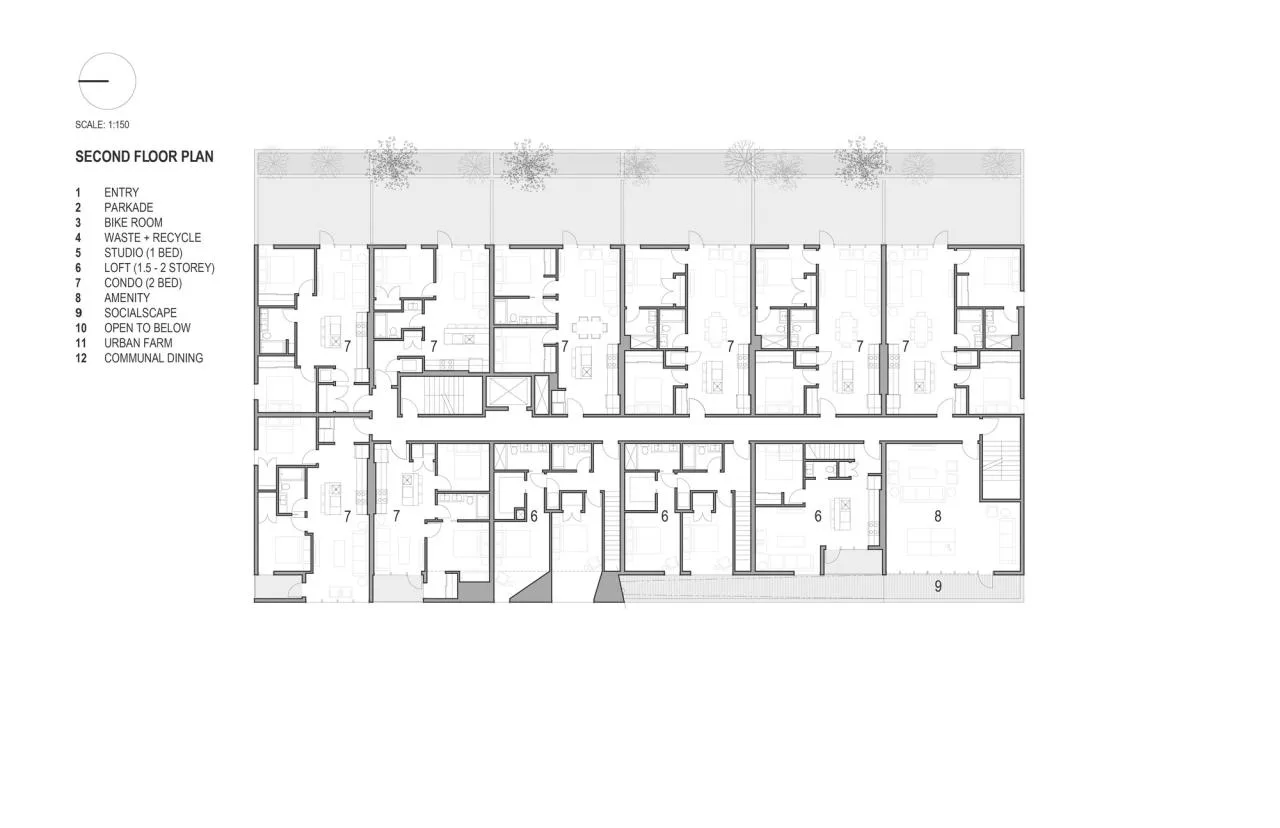
△ Second floor plan
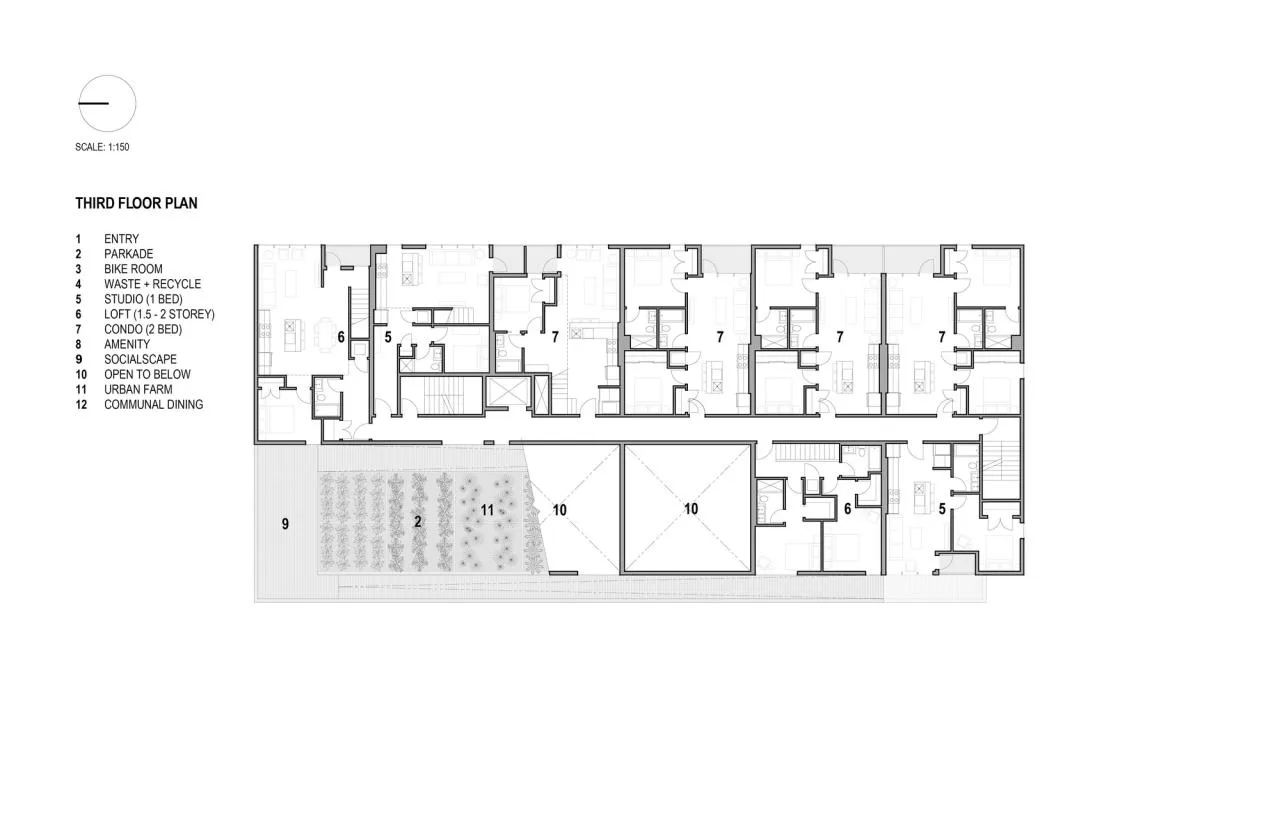
△ Third floor plan
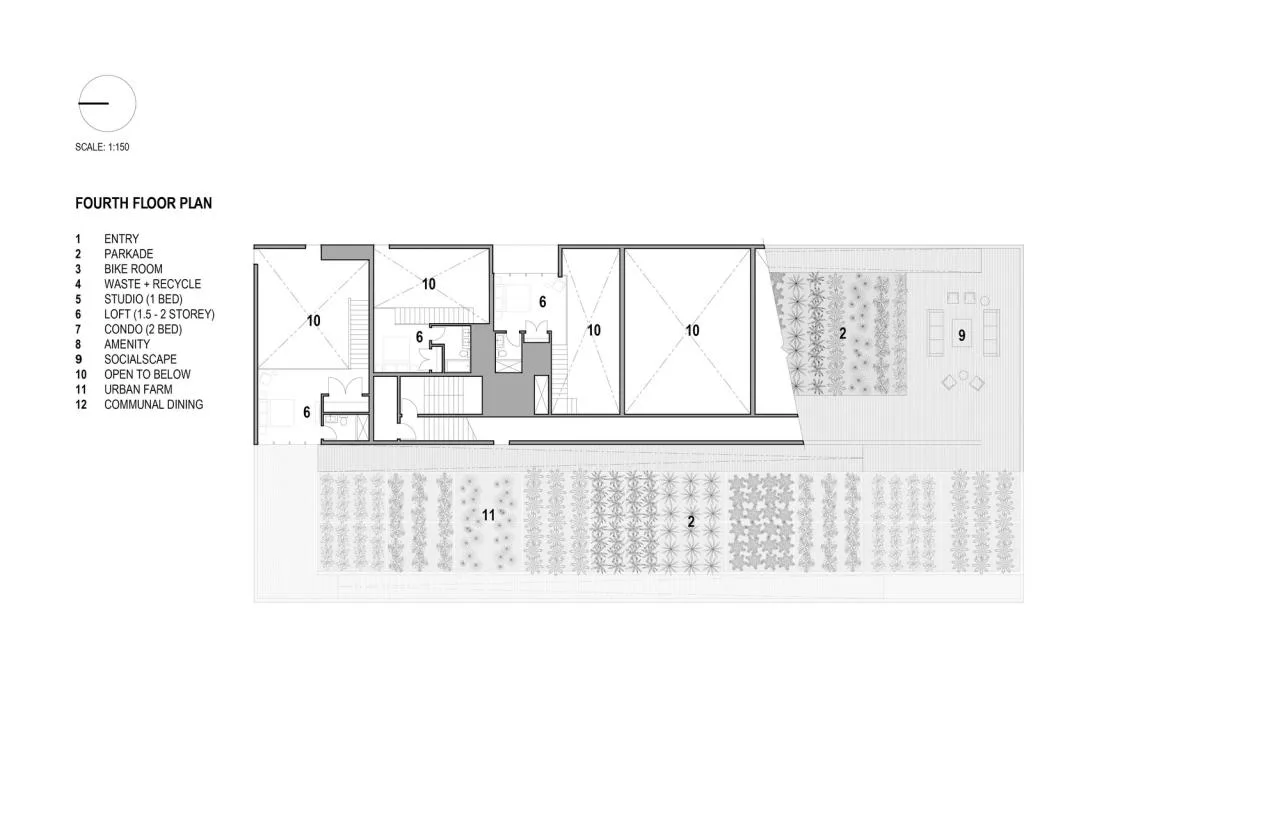
△ Fourth floor plan
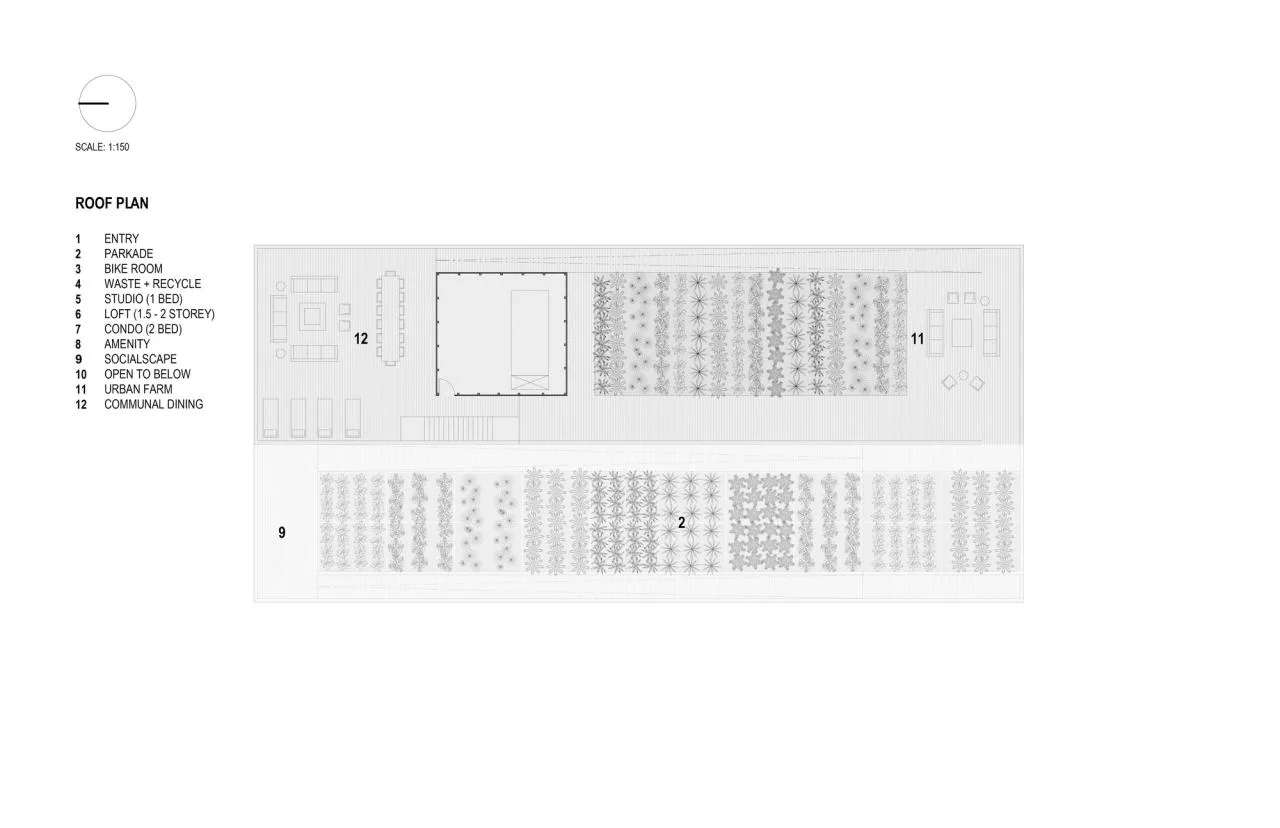
△ Roof plan
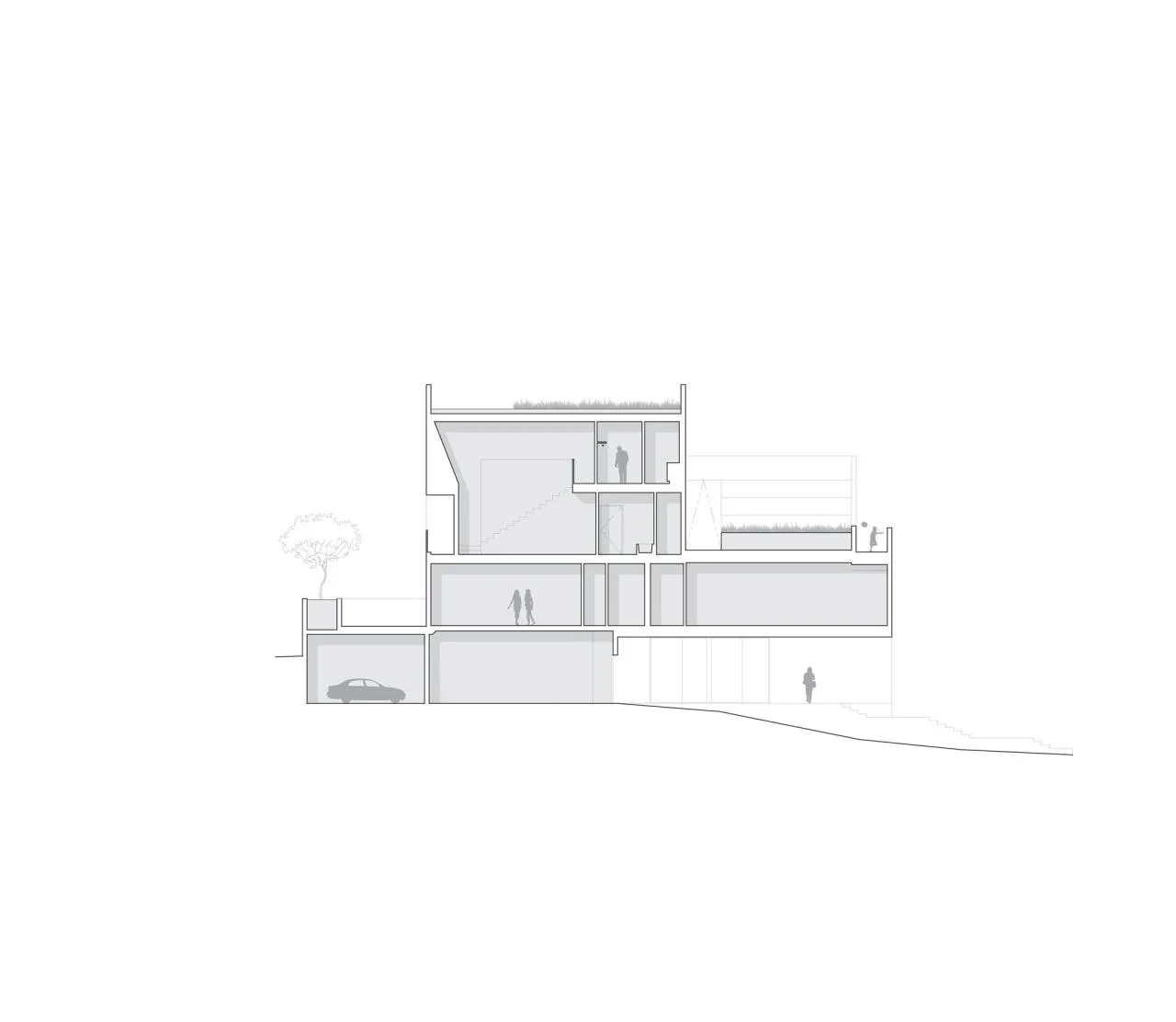
△ Section diagram
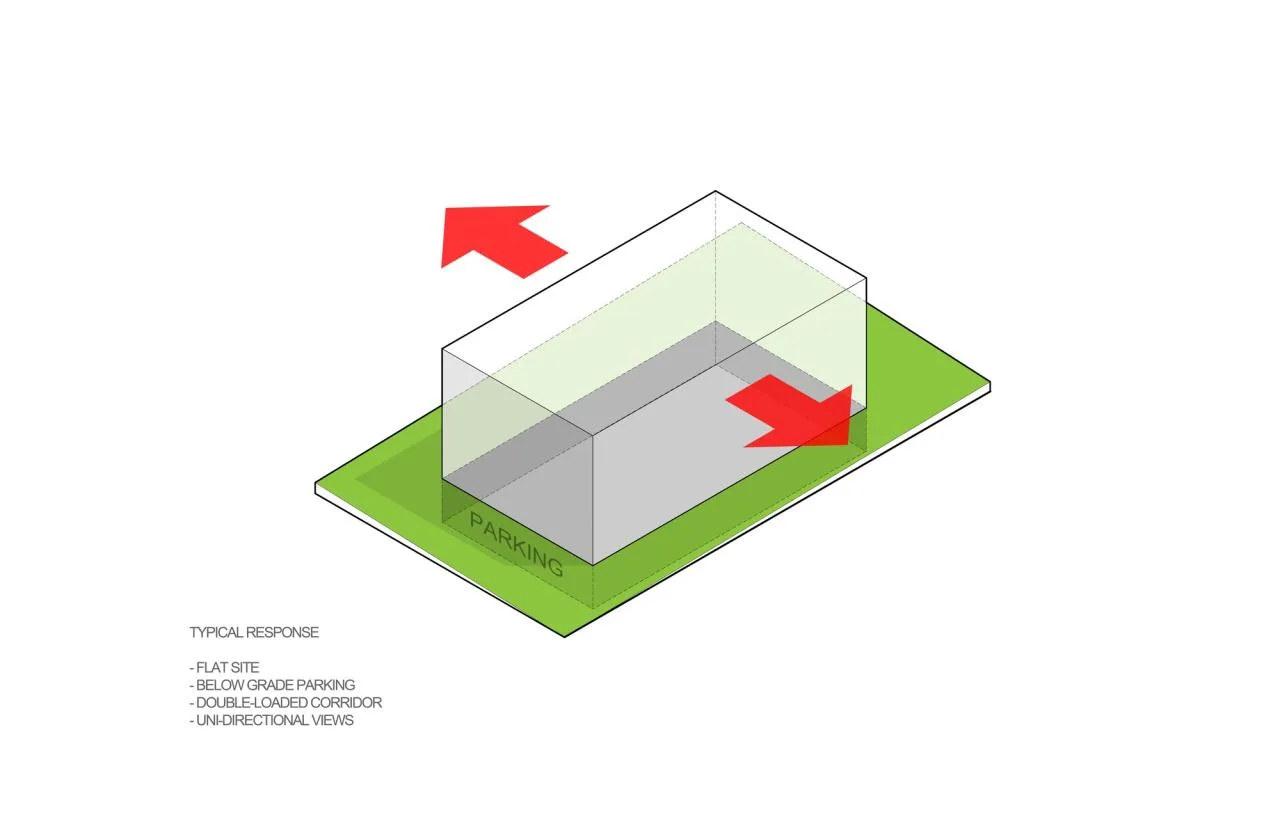
△ Analysis chart
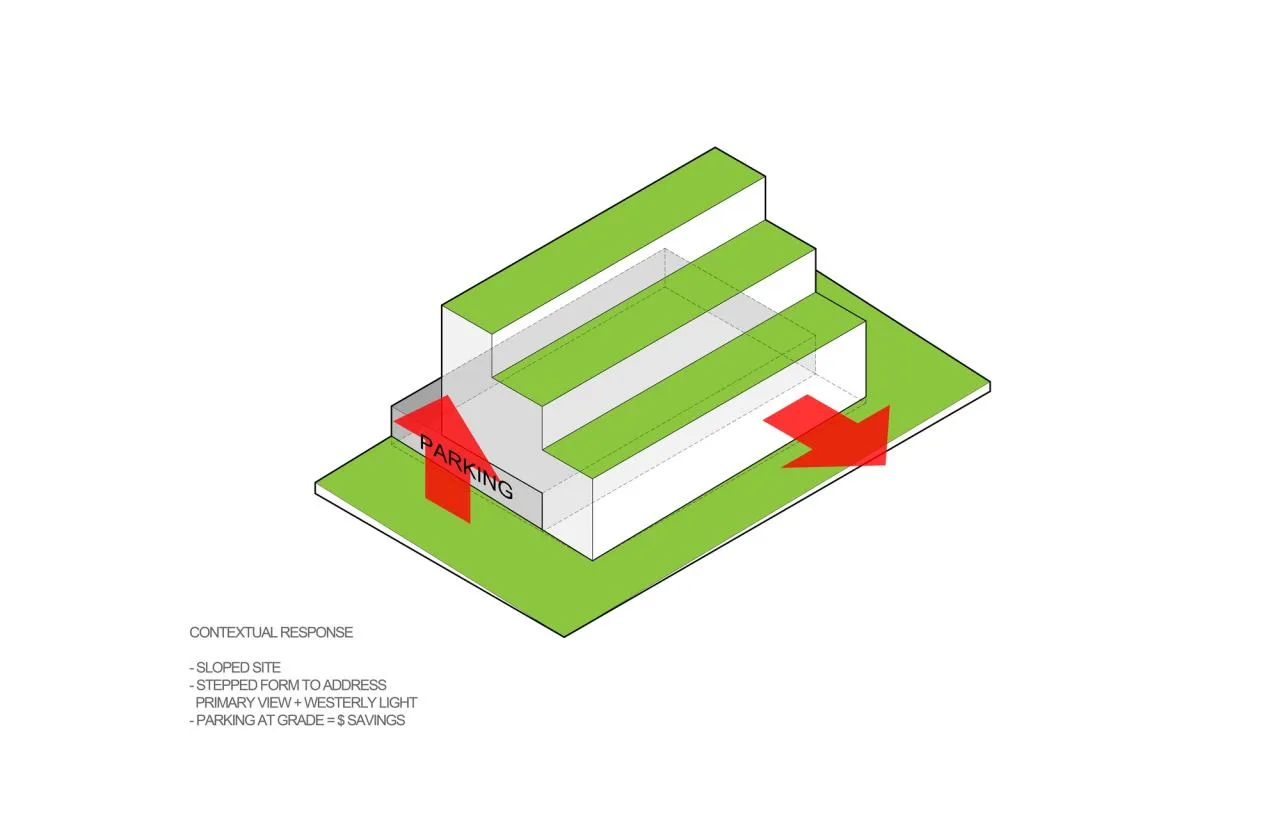
△ Analysis chart
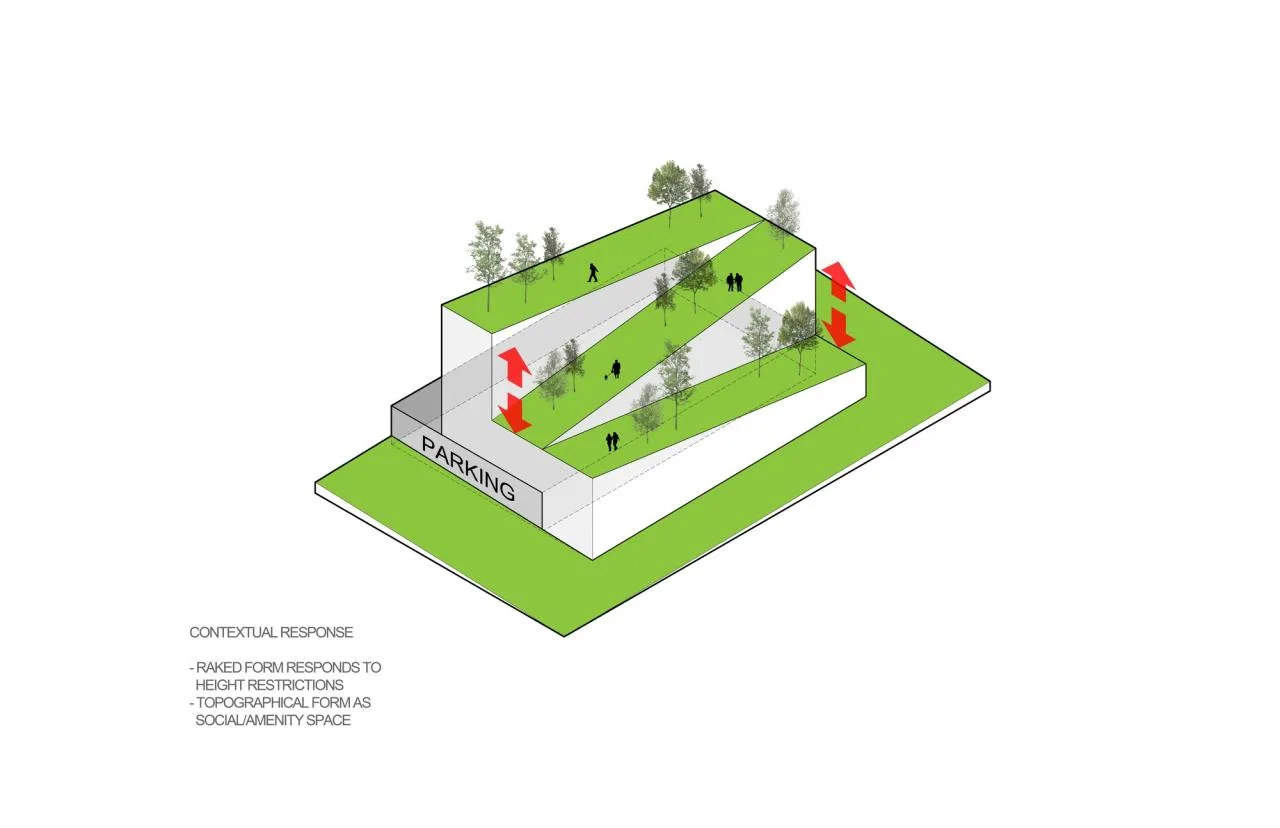
△ Analysis chart
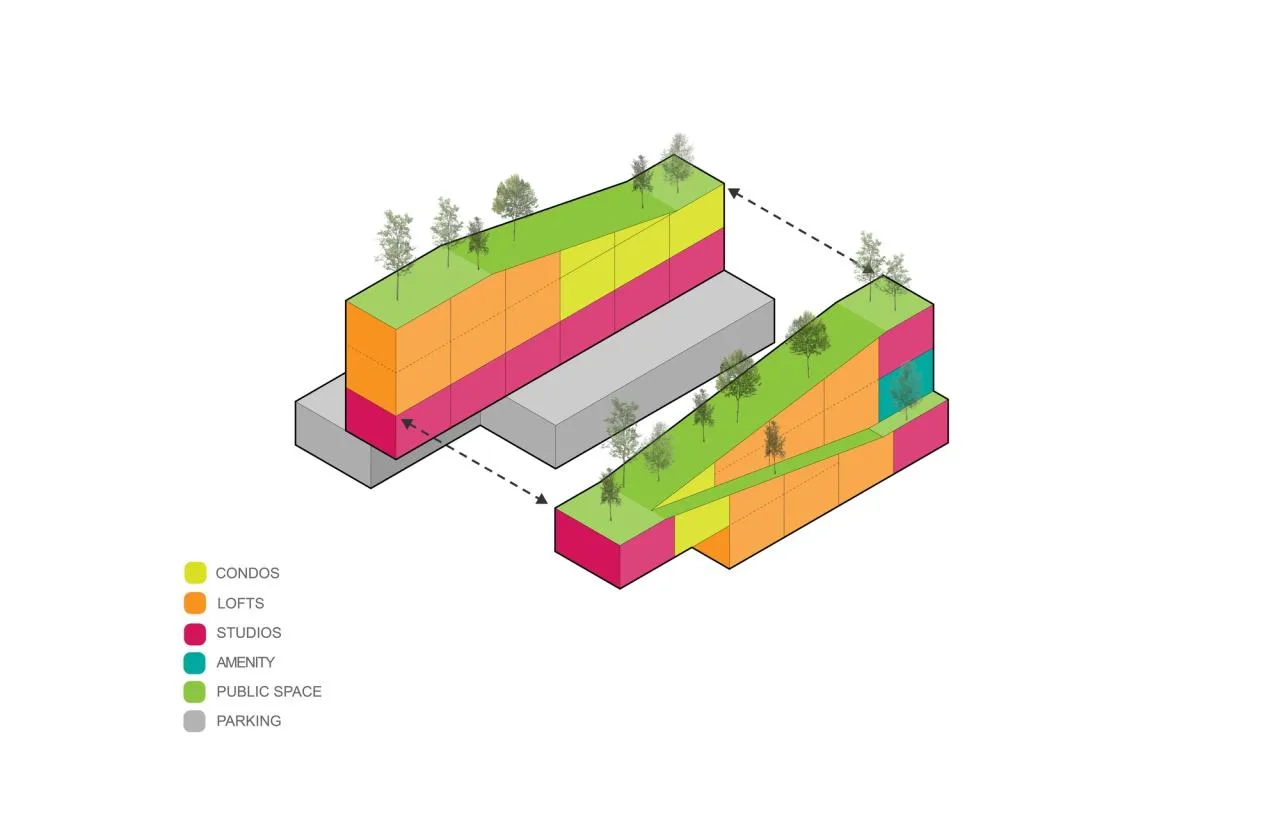
△ Analysis chart
Project Information
Architectural Design: Modern Office of Design and Architecture
Area: 19,400 ft²
Project Year: 2021
Photographer: Ema Peter
Lead Architects: Ben Klumper and Dustin Couzens
Location: Calgary, Canada












Must log in before commenting!
Sign Up