
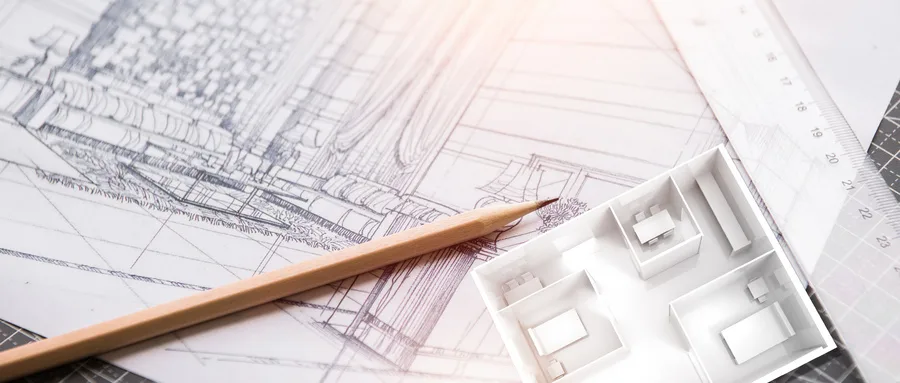
Architectural design is not just an accumulation of data; it is a form of artistic expression. During the conceptual design phase, architects must carefully consider various aspects such as layout, facade treatment, form, volume, and spatial arrangement. Traditionally, these ideas are developed through hand-drawn sketches and physical models. However, since these methods are not fully executed in a three-dimensional environment, especially when dealing with complex shapes or surface combinations, the outcomes often fall short of expectations.
BIM (Building Information Modeling) software, in contrast, operates within a 3D space, allowing architects to continuously observe, analyze, refine, and modify forms and component assemblies from multiple angles throughout the design process. This iterative approach ultimately leads to a finalized plan. In fact, without the use of computer-generated 3D graphics technology, it is difficult to accurately represent complex spatial surfaces.
Additionally, BIM models are created using building components as fundamental elements. Any modification made to a part of the model automatically triggers updates in all related components. This feature is ideal for the frequent revisions typical during the conceptual design phase, offering a “one change, updates everywhere” capability. As a result, BIM software proves to be far more effective for architectural conceptualization than traditional design programs.
Once the conceptual design is finalized, architects can continue using BIM for preliminary and detailed design stages. Even when multiple architects collaborate on the same project, they work within a single shared building information model. This interconnectedness ensures that every team member’s changes are promptly reflected, keeping everyone up to date and enhancing collaboration.
It is important to highlight that all sectional views, construction drawings, and detail drawings are generated directly from the same BIM model. This integration allows design information to be thoroughly detailed within the model itself, forming a solid basis for producing accurate documents. Furthermore, any adjustments made to the model automatically update all associated drawings, including dimensions and annotations. This process effectively eliminates inconsistencies that previously occurred between different sets of drawings, thereby ensuring higher design quality.
Because the Building Information Model contains material and cost data for each building component, it also facilitates economic analysis after the design phase. This capability helps to control project costs and enhance overall financial efficiency.
In summary, the use of Building Information Modeling seamlessly integrates the four key stages of architectural design: conceptual design, preliminary design, detailed design, and post-design economic evaluation. By doing so, it reduces overall design costs, boosts productivity, and guarantees superior quality. Consequently, BIM represents a transformative approach to architectural information design, offering architects new possibilities for innovation and efficiency.
















Must log in before commenting!
Sign Up