
The engineering project management approach using BIM technology represents the integration of digital tools for information creation, management, and sharing—functions that traditional project management models struggle to support. Throughout the project lifecycle, engineering data such as quantities and costs become accurate, transparent, and easily shareable, enabling effective control over short-term risks, overall process risks, and profit targets.
This approach allows unified management and comparison of project bidding documents, progress review reports, and settlement documents, providing a reliable basis for evaluating bids. Additionally, it facilitates the management of essential project attachments including construction contracts, payment vouchers, and records of engineering changes. Importantly, BIM technology supports comprehensive cost management throughout the entire engineering process.
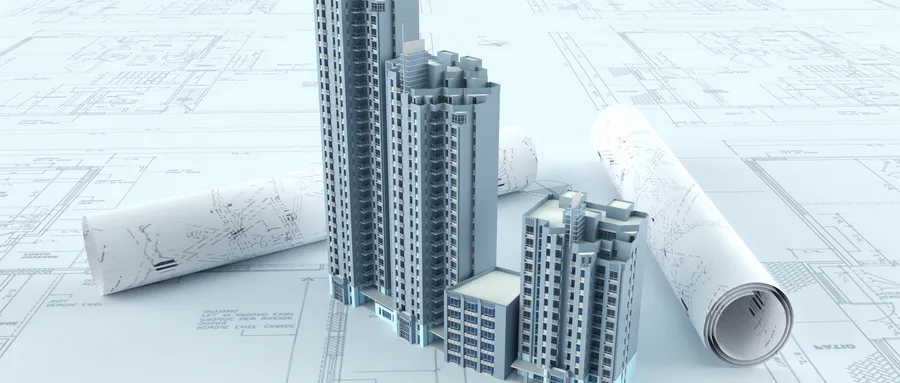
By leveraging BIM data models, project teams can dynamically manage all engineering data, enabling comprehensive financial control and streamlined data analysis. Project leaders rely on schedule plan analysis and summaries as key inputs for resource allocation and decision-making throughout the management process.
Using 4D virtual construction technology, potential construction issues can be identified and addressed before actual work begins, allowing for comprehensive adjustments and optimizations prior to finalizing plans. This enables the delivery of advanced schedules and construction plans in a timely manner to guide on-site activities.
BIM technology significantly enhances the effectiveness and reliability of project management, contributing to improved project quality. Through simulation capabilities, it enables not only the modeling of standard operating procedures but also real-time monitoring and control of material and product quality during construction.
Furthermore, BIM supports the operational phase after project completion by providing virtual analysis of building assets and spaces, which aids in efficient maintenance and operation. This technology allows timely detection of fire hazards and other hidden risks during facility management, facilitating rapid response planning and precise tracking of building maintenance status.
In conclusion, implementing BIM technology across the design, construction, and operational stages of a project offers substantial benefits in resource planning, risk management, cost control, waste reduction, and overall efficiency and quality improvement. BIM fundamentally transforms project management practices, advancing building information technology toward higher integration and comprehensive building management.
















Must log in before commenting!
Sign Up