
As BIM technology continues to evolve and be applied, project managers have recognized its significant impact on traditional electrical design processes and project organization. By analyzing project management principles—focusing on organization, workflow, and task interrelations—logical connections within electrical design management tasks can be uncovered.
While BIM technology has been widely adopted, simply using BIM software for 3D modeling without adjusting the established workflows limits its full potential in electrical design management. Challenges such as data disconnects and oversized core models arise when workflows remain unchanged. Therefore, it is essential not only to implement BIM software but also to transform the electrical design information management process to achieve seamless integration between BIM tools and management practices. The introduction of BIM technology inevitably influences traditional electrical design management in several key ways.
Advancing Design Work Phases
A comparison of stakeholder involvement timelines between traditional electrical design and BIM-enabled design processes reveals that BIM generally shifts electrical design management activities earlier in the project lifecycle, as illustrated in Figure 1.
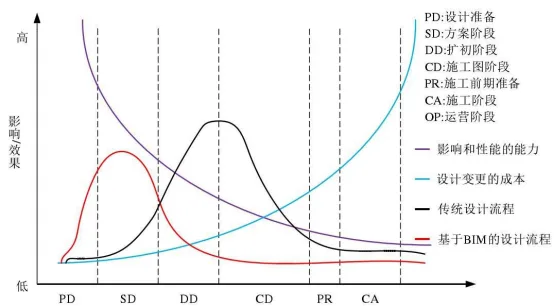
Figure 1: Comparison of Intervention Timing Between Traditional and BIM-Based Electrical Design Management
The figure demonstrates that BIM-driven electrical design management heavily influences the preparation, conceptual, and expansion stages of the design process, unlike traditional methods where these stages have less impact on overall project success.
Furthermore, although BIM’s impact lessens during construction drawing, pre-construction, construction, and operational phases, it still surpasses that of traditional processes. Early adoption of BIM in the electrical design information management process enables more proactive management and greater influence on project outcomes.
Specialization and Model Independence
Early BIM implementations promoted a “core model” concept, integrating all project information—planning, design, construction, and maintenance—into a single BIM model. While this approach promised efficiency, it proved impractical for large-scale projects due to computational limitations.
Consequently, the BIM electrical design information management process evolved to utilize multiple interrelated sub-models, typically including building, structural, and electrical models. Within electrical design, this encompasses specialized tasks such as plumbing, HVAC, ventilation, intelligent systems, and interior finishes. Project teams coordinate and reconcile these sub-models through iterative modifications to achieve consistency and integration across disciplines, as shown in Figure 2.
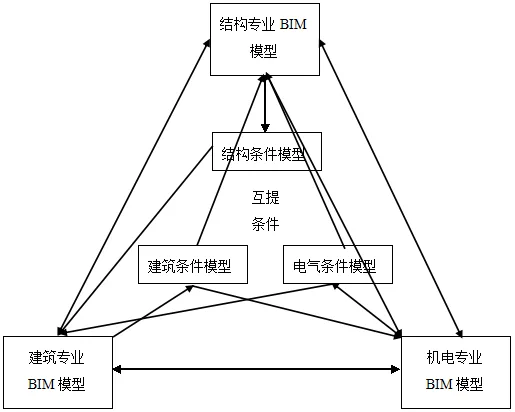
Figure 2: Professional Specialization and Independence Within the BIM Model
Comprehensive Pipeline Integration
One of the most transformative applications of BIM in electrical design is in collision detection and pipeline integration—capabilities not achievable in traditional CAD environments. Pipeline integration is a new workflow added under BIM-driven electrical design management and encompasses not only collision detection but also mechanical and electrical construction and operational simulations.
By leveraging BIM for pipeline integration management, design, construction, and operation processes become more interconnected. During this process, physical collisions (such as spatial conflicts between electrical components) and non-physical collisions (like improper installation sequences causing limited operational space) can be identified and addressed.
Despite these technological advances, simply adopting BIM software does not automatically resolve all conflicts. Electrical designers must continue to rely on effective communication and collaboration to ensure accurate information management and coordination.
In BIM management workflows, it is vital to first consider specialized condition models. Before creating the electrical model, building and structural models should be imported and analyzed. After completing the electrical design, the integration and potential conflicts between electrical, building, and structural models must be reassessed.
Pipeline integration provides a solid foundation for managing data across building, structural, and electrical models. Based on these multidisciplinary data sets, physical elements such as pipelines can be visualized in both plan and spatial views. Designers from various disciplines then collaboratively adjust and refine pipeline layouts, guided by technical standards, project requirements, and their professional expertise.
















Must log in before commenting!
Sign Up