
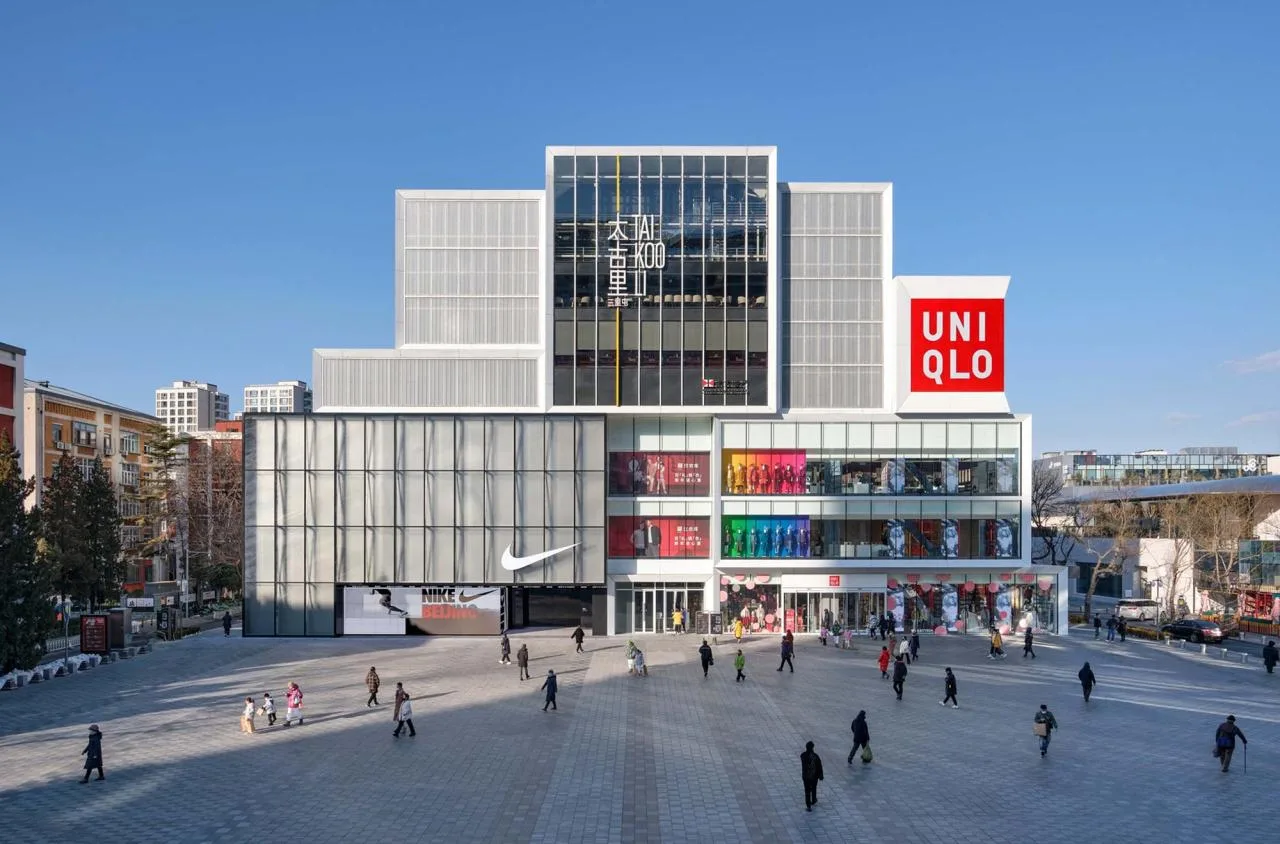
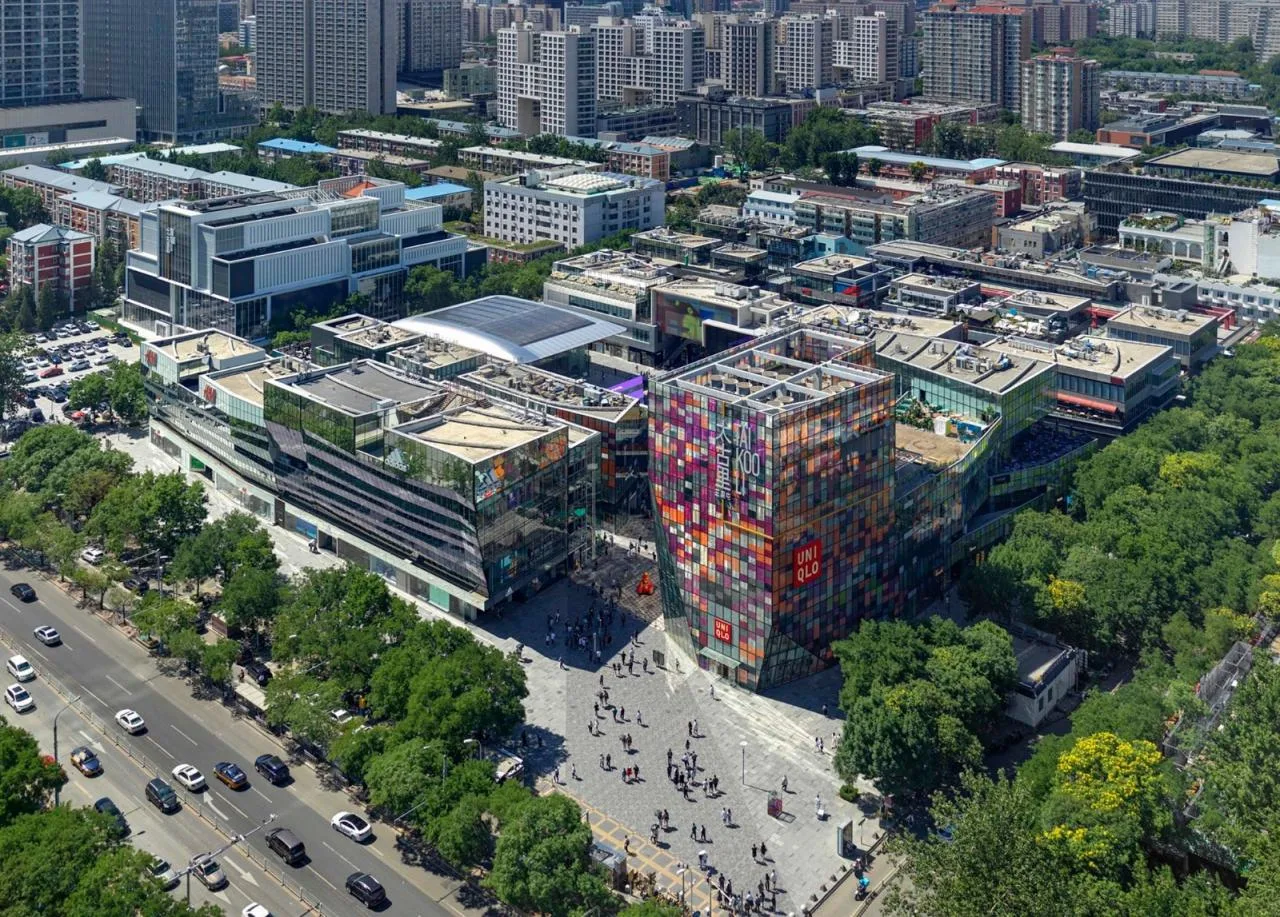
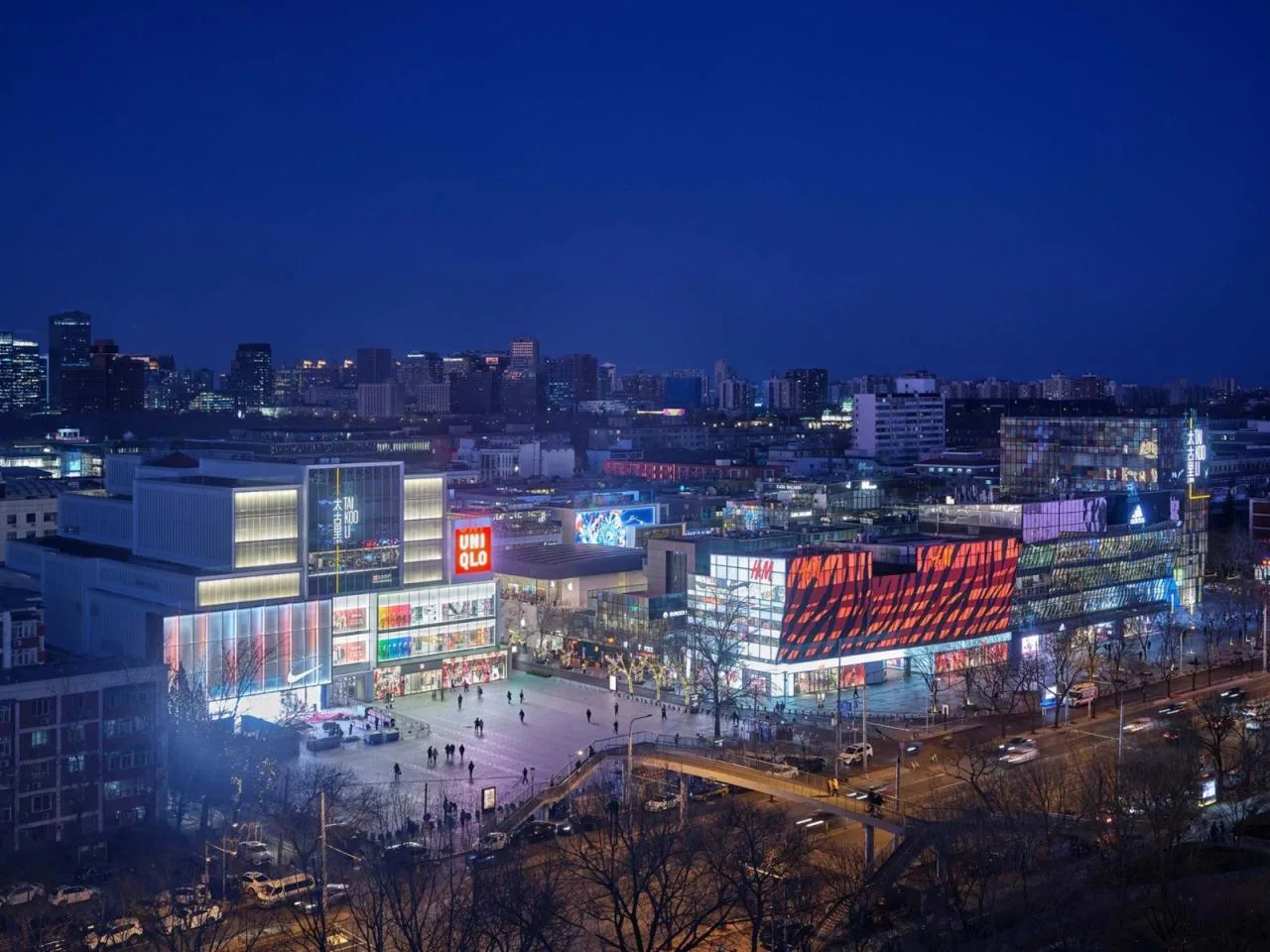
Over decades of development, Beijing’s Sanlitun area has evolved into a vibrant cultural and artistic hub, fostering architectural dialogues that enrich the streetscape. The Taikoo Li West District benefits not only from the heavy foot traffic generated by surrounding office buildings but also from its synergy with the Taikoo Li South and North districts, sharing premium commercial resources. However, revitalizing commercial buildings in this context is challenging. In the digital age, commercial spaces need to be highly attractive, yet excessive prominence can backfire. If commercial appeal isn’t harmonized with factors such as spatial design, format, and customer flow, it risks becoming an isolated spot, turning less appealing areas into “corners” that visitors avoid, ultimately diminishing the district’s overall commercial value. Therefore, the renovation of Sanlitun West District emphasizes not only updating business formats within its scope but also fostering architectural dialogue within the Sanlitun area to elevate the entire commercial district’s value.
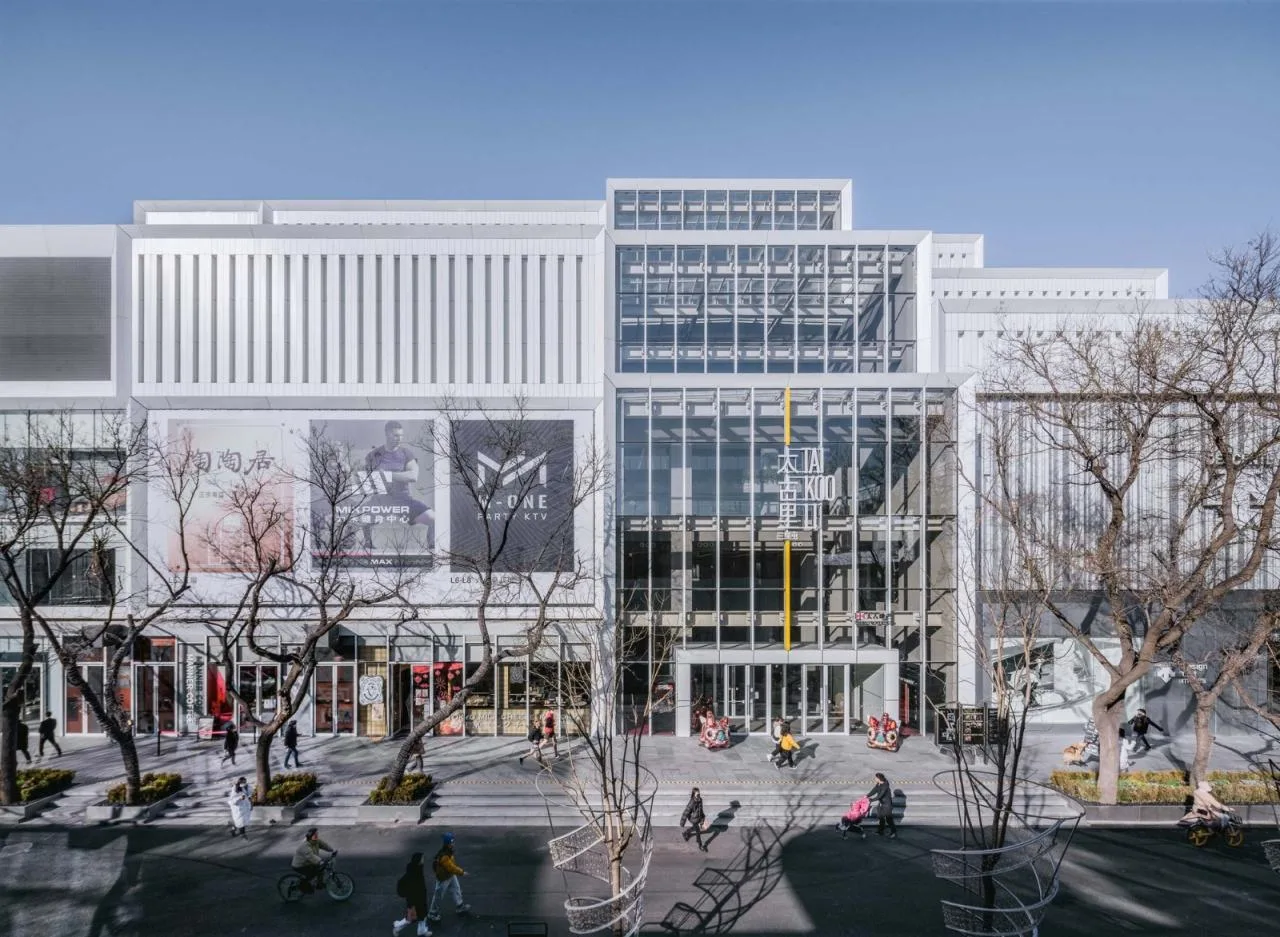
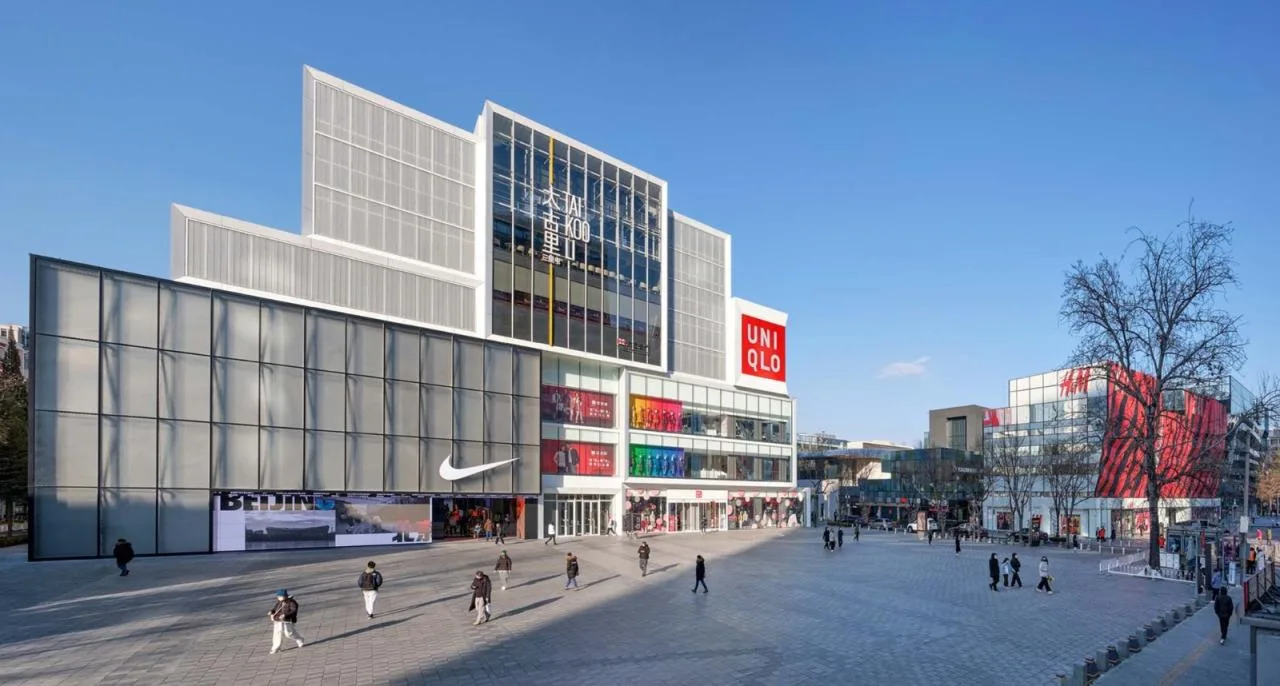
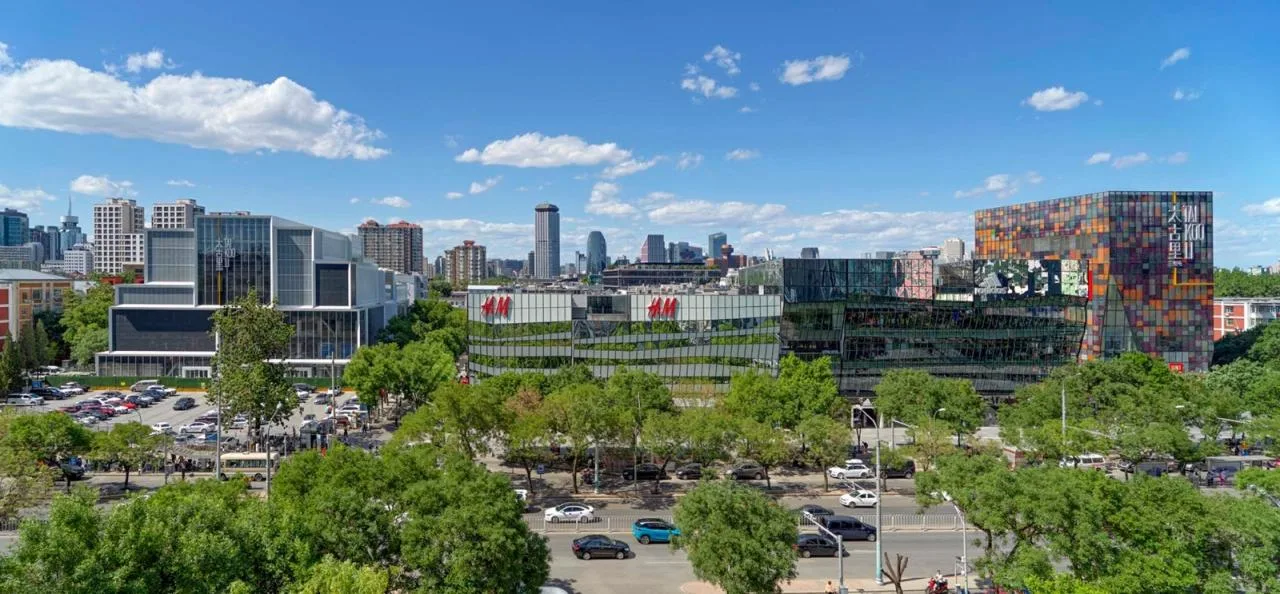
In 2019, ARQ Architecture Firm completed the upgrade of Taikoo Li South District by renovating seven buildings, enhancing pedestrian flow, improving spatial quality, and reinforcing the district’s identity. Building on this continuous renewal concept, the Taikoo Li West District project further optimizes pedestrian circulation and business layout. This was achieved by adjusting flagship stores to refine the commercial arrangement, and by establishing traffic and visual connections between the western and southern districts. This approach activates new commercial spaces and strengthens the district’s cohesion. The renovated Taikoo Li West District not only integrates seamlessly with neighboring buildings, continuing Sanlitun’s streetscape, but also stands out as a landmark symbolizing the commercial district’s new phase of development.
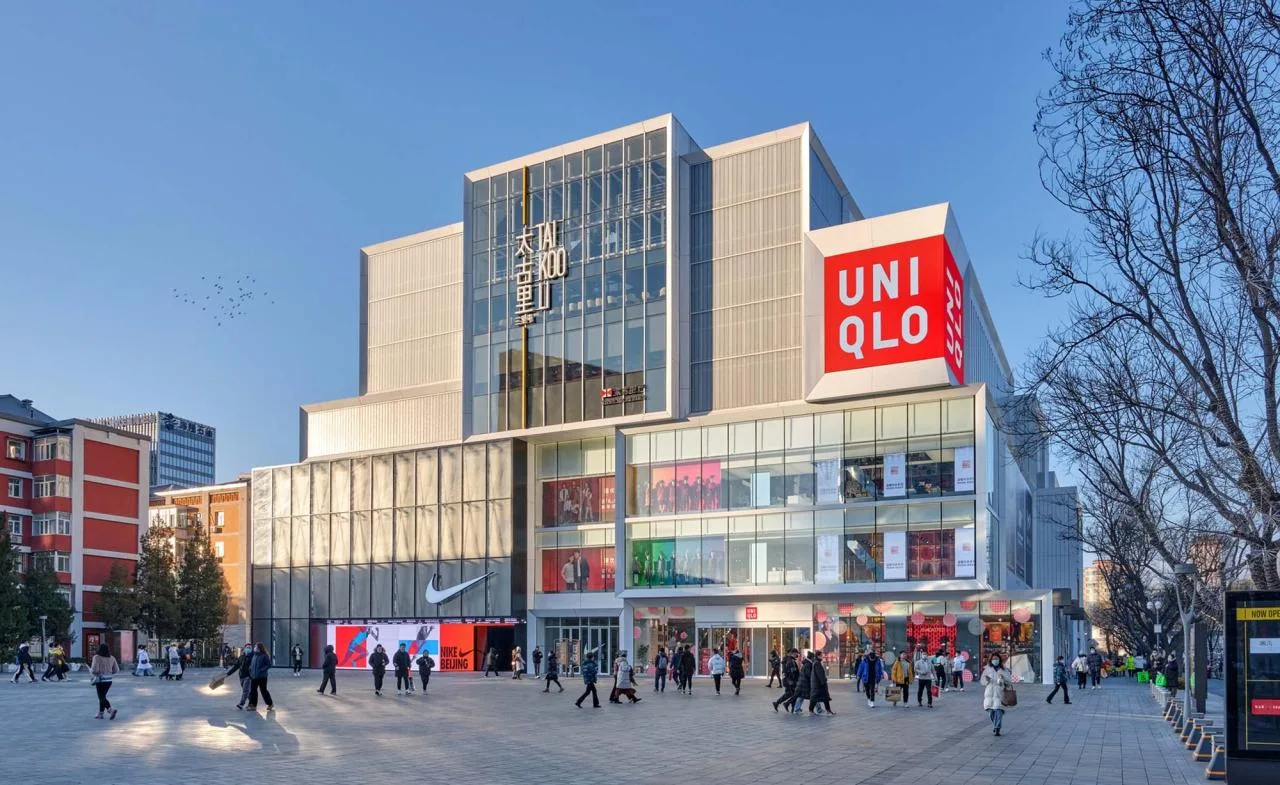
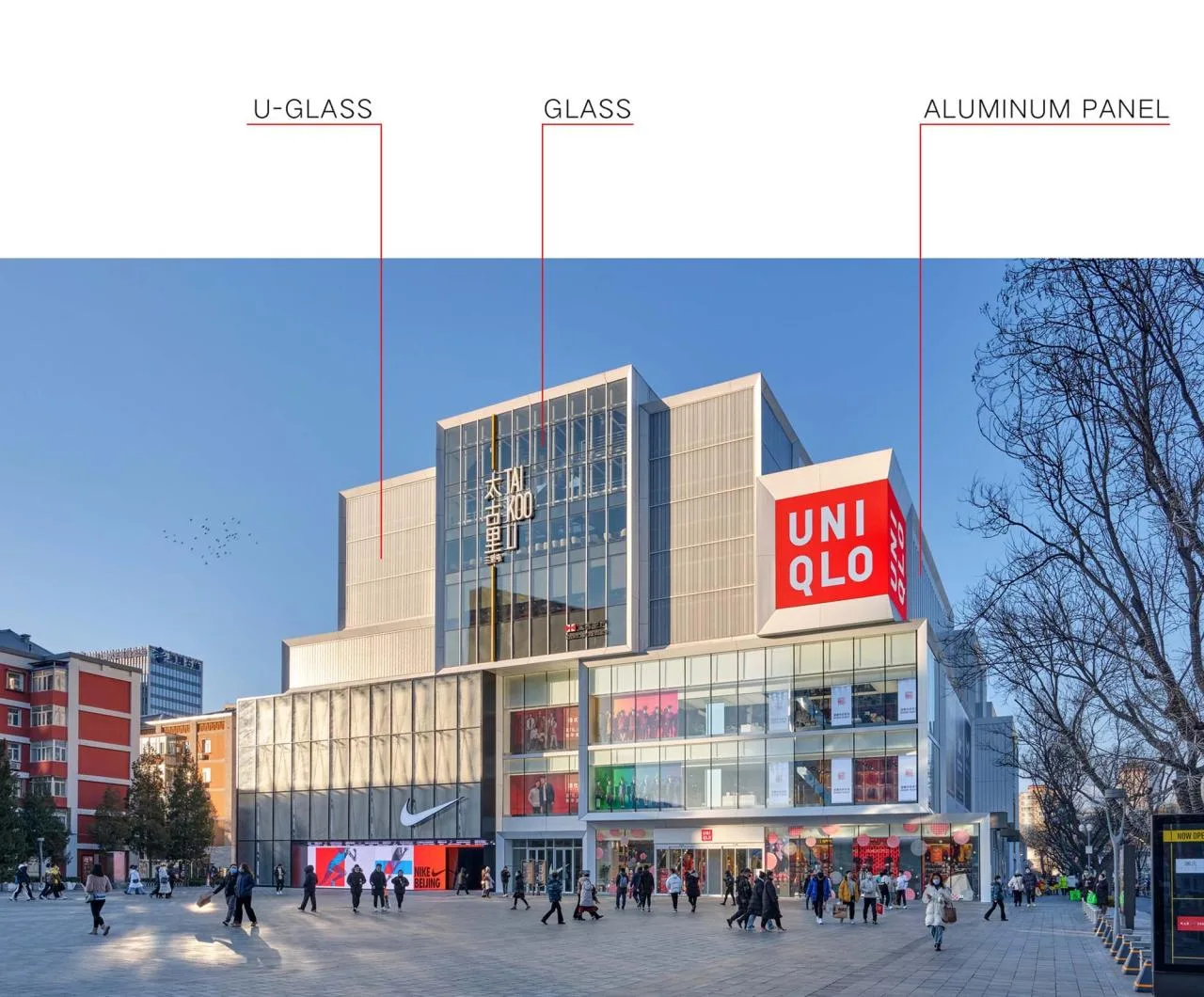
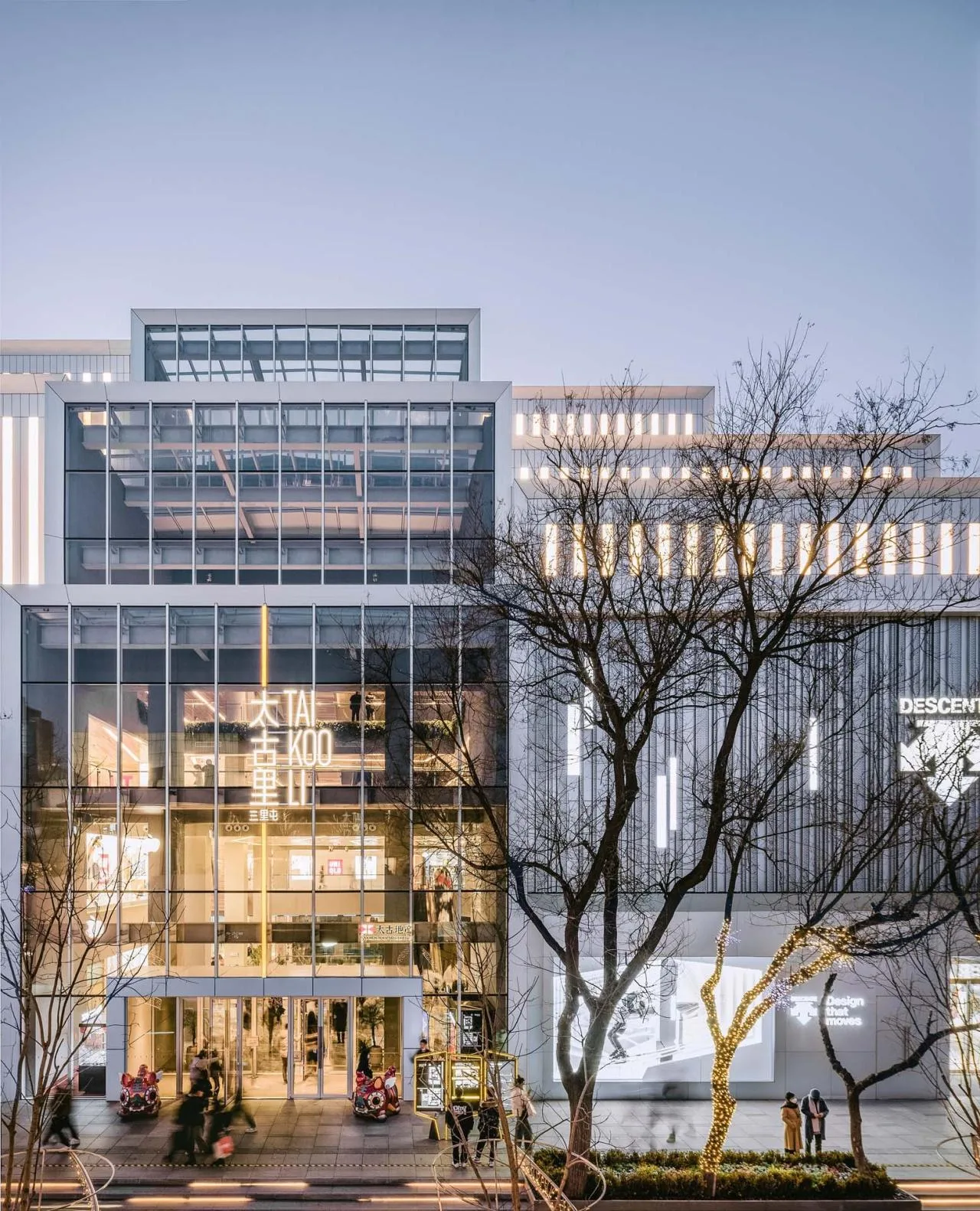
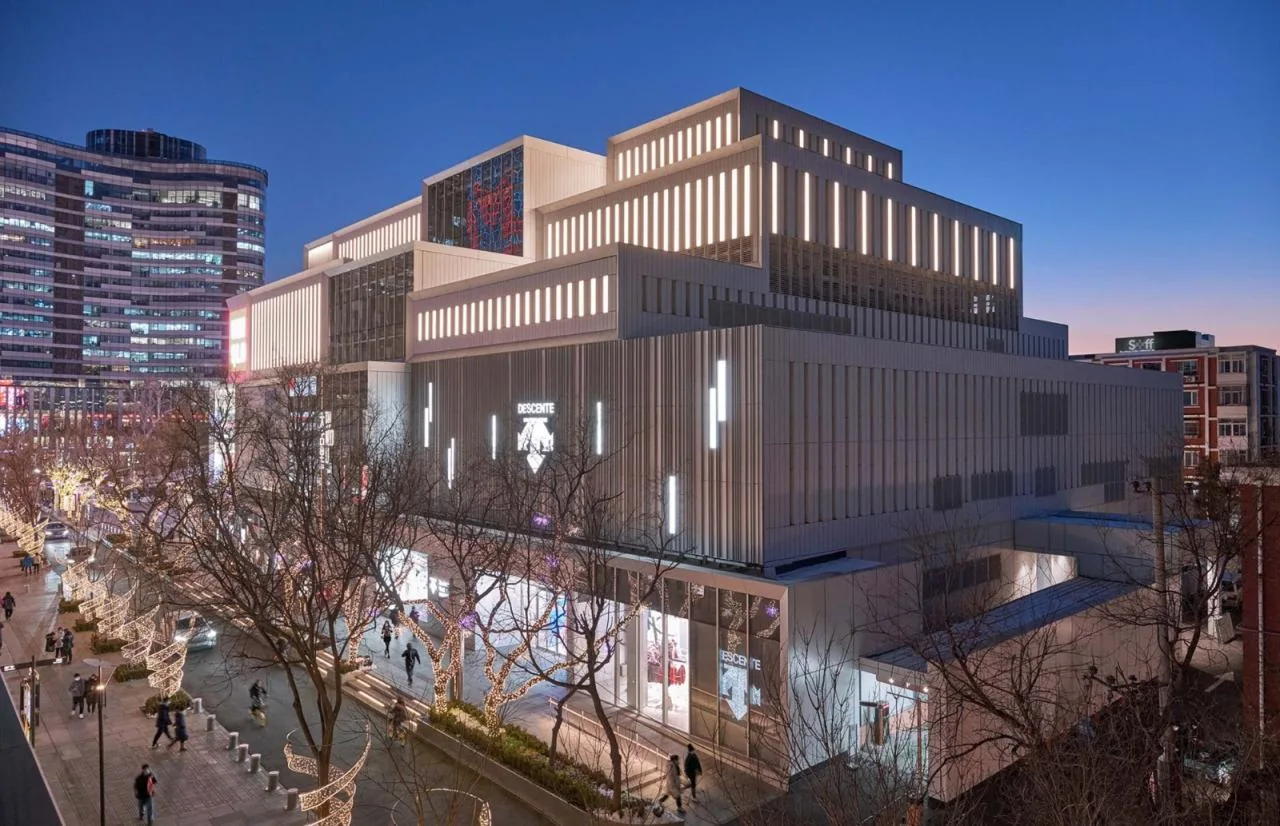
The design revisits the retreat platform concept and infuses a fashion-forward character. Historically, the Yaxiu Building presented a massive iron box appearance, wrapped by a curtain wall concealing the stepped platform and traditional sloped roof beneath. To reduce the building’s oppressive presence and better integrate it into the urban landscape, the design employs a “simplified primary road” technique that recreates the building’s receding form. This breaks up the original flat, monolithic facade by introducing staggered, varied cubes that inject contemporary style into the architecture.
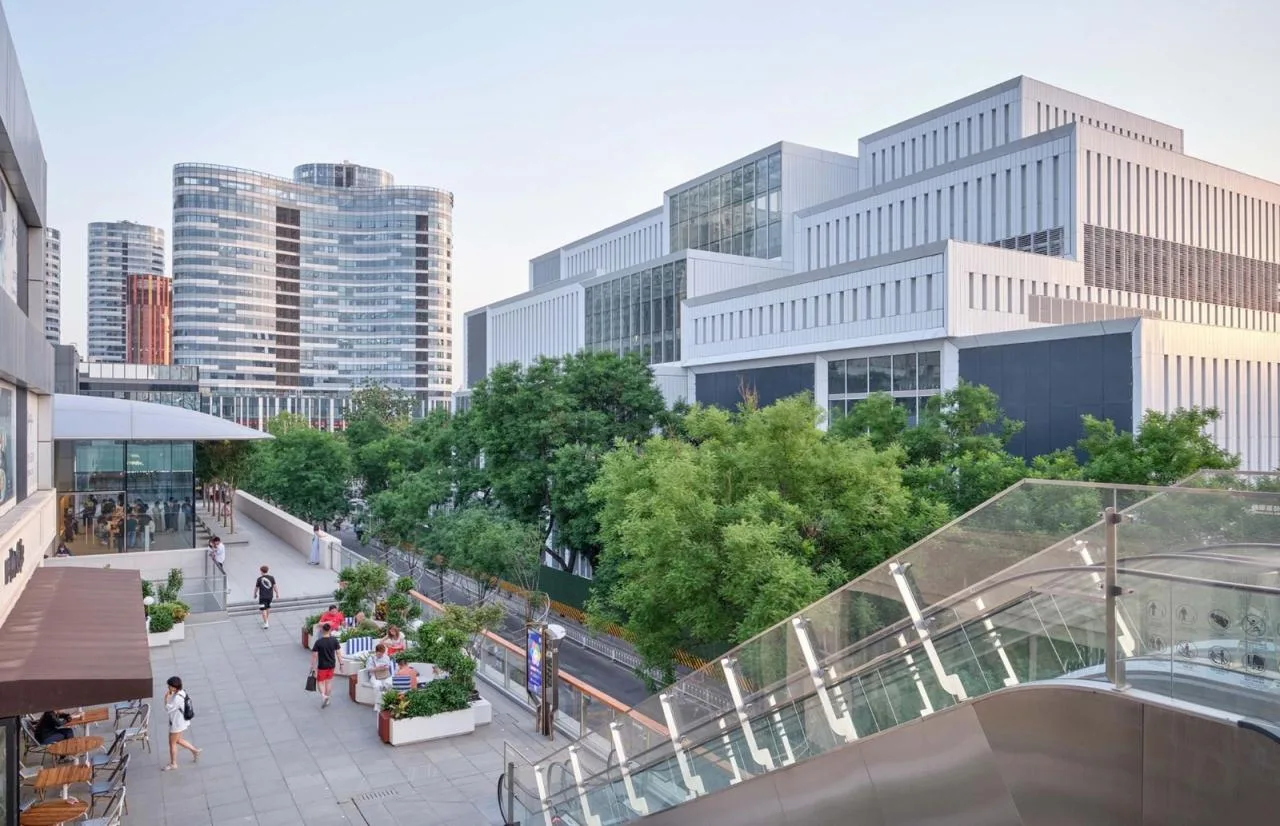
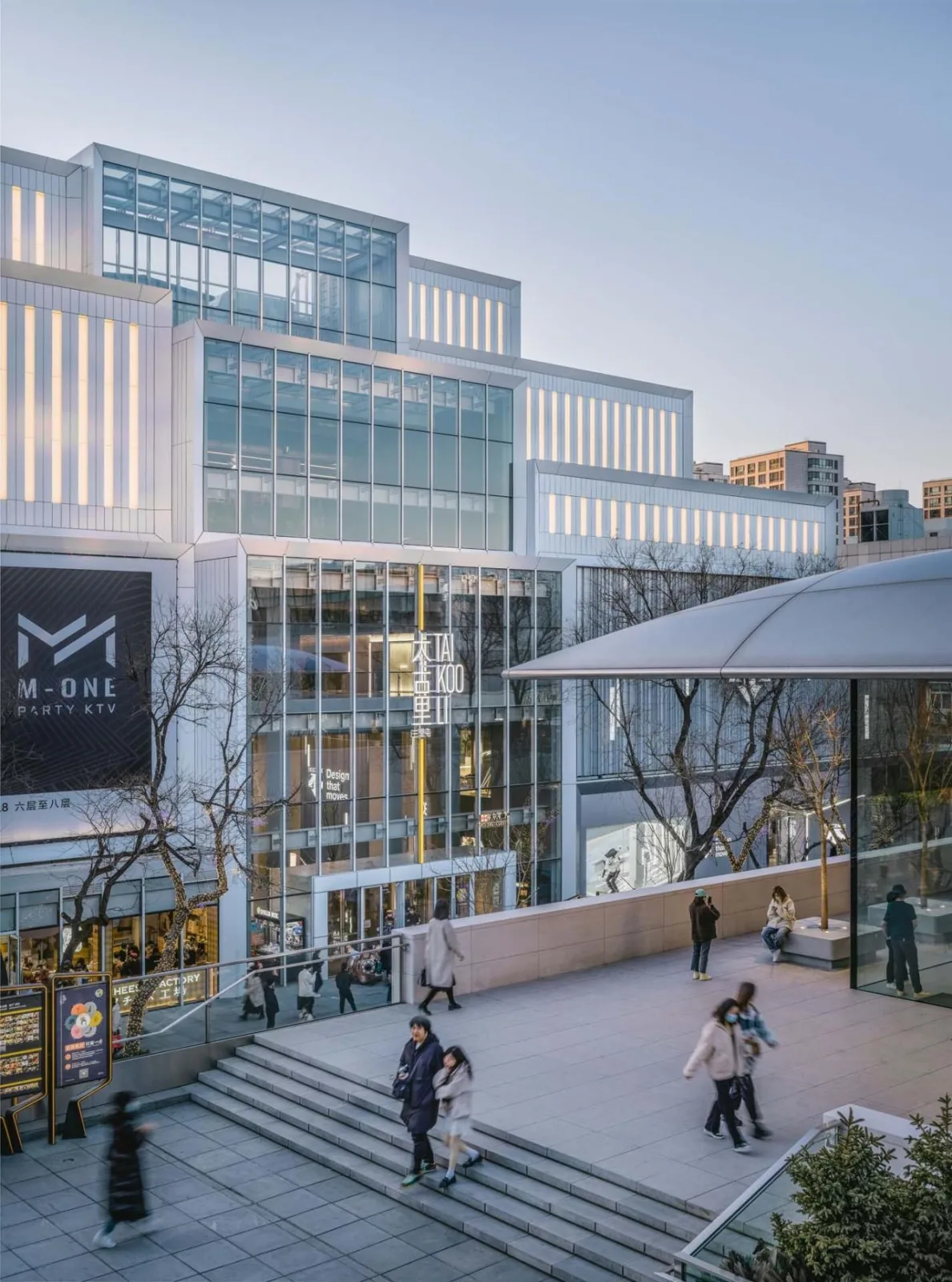
The architectural inspiration draws from natural crystal growth. Just as a single crystal forms a complex and beautiful cluster, the design builds upon the building’s core structure by adding numerous small cubic volumes attached to the pyramid-shaped setback. These cubes create a dynamic sequence of offset planes around the building, dismantling the original bulky box image and reducing its visual mass to a more human scale. Although seemingly random, the cube placements are carefully designed to balance with other elements, resulting in a harmonious and elegant facade.
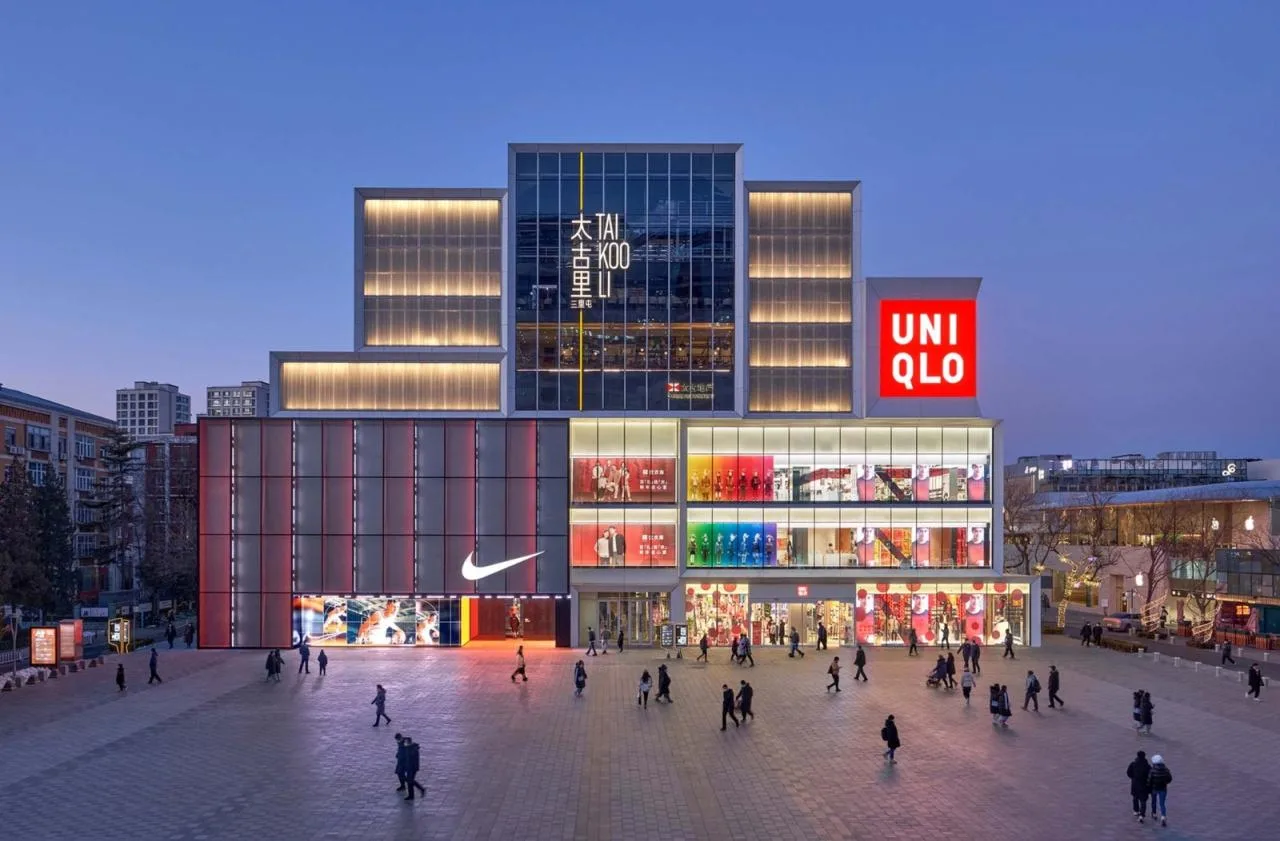
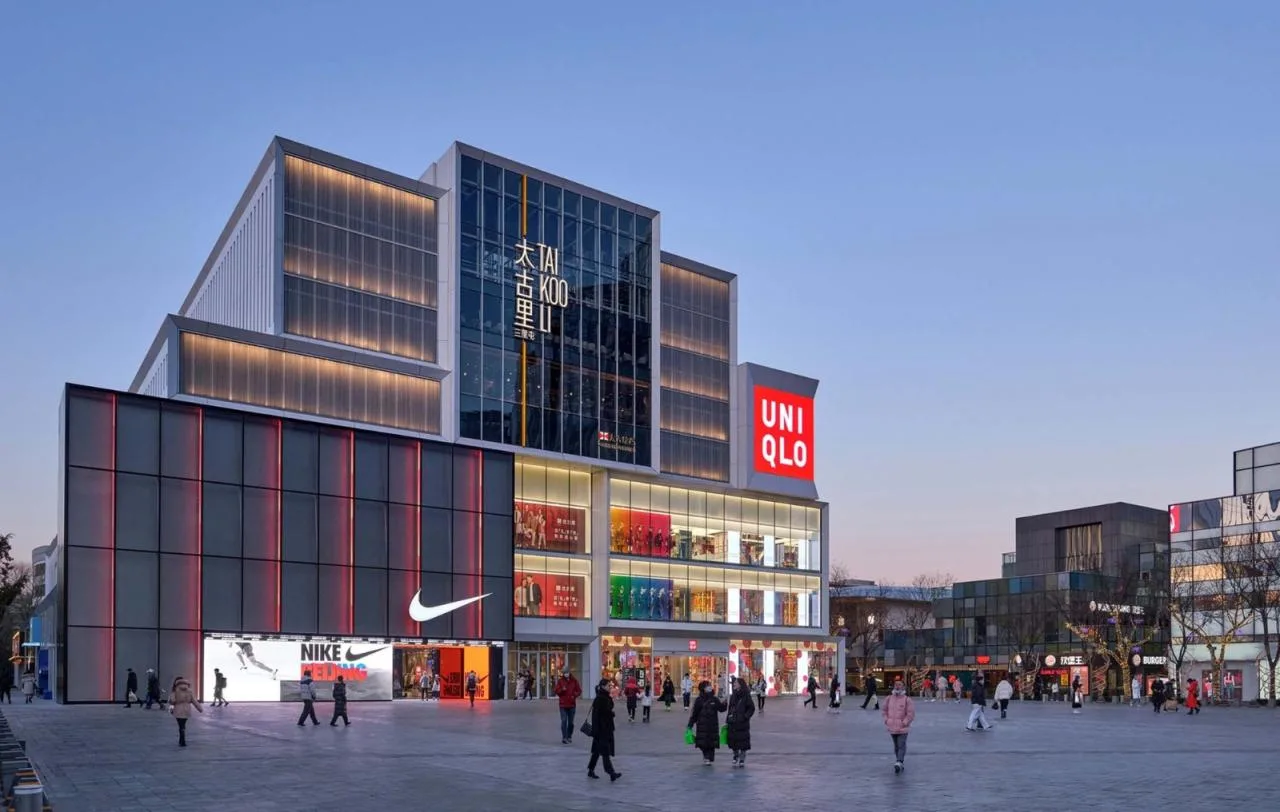
The building’s exterior primarily features white aluminum panels, semi-transparent U-shaped glass, and clear glass, consistent with the design language of Taikoo Li South District. These bright, clean materials enhance the facade’s pure and transparent texture, making the building a visual focal point along Gongti North Road. Variations in transparency and color among the materials give each cube surface a distinct appearance, creating a unique rhythm and visual melody across the facade.
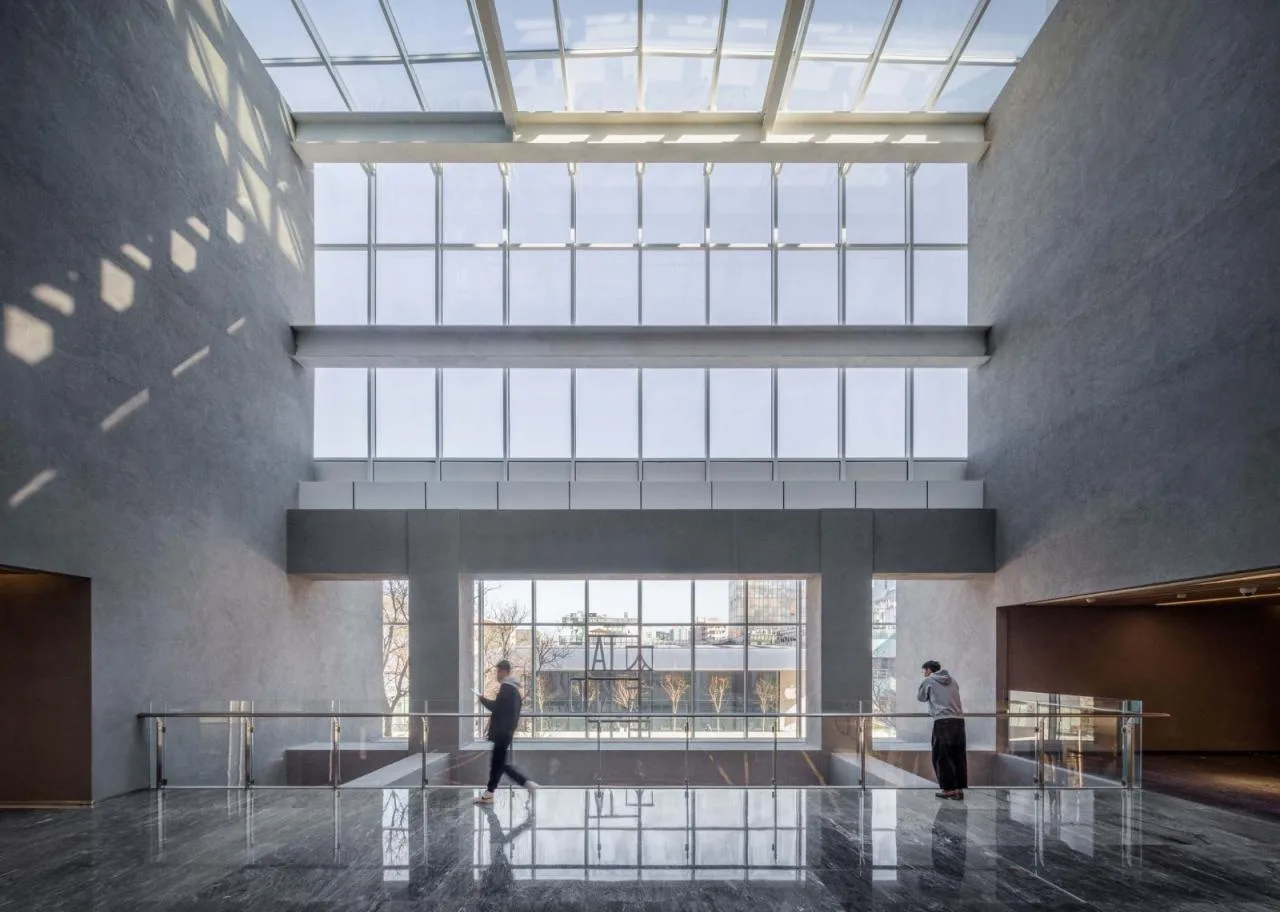
Inside, the flow lines are cleared and natural elements introduced to enhance the visitor experience. Unlike the fragmented exterior facade, the interior focuses on integration and space redefinition to create freely flowing commercial areas. A major intervention is the addition of a large glass atrium on the building’s east side. Facing the southern district, this atrium establishes a direct transport link between the western and southern districts while serving as a transparent visual connector that draws visitors toward and into the western district. Internally, the atrium connects from the underground second floor up to the sixth floor above ground, acting as a central gathering spot that breaks the building’s former internal blockages and fully activates the commercial environment with abundant natural light and openness.
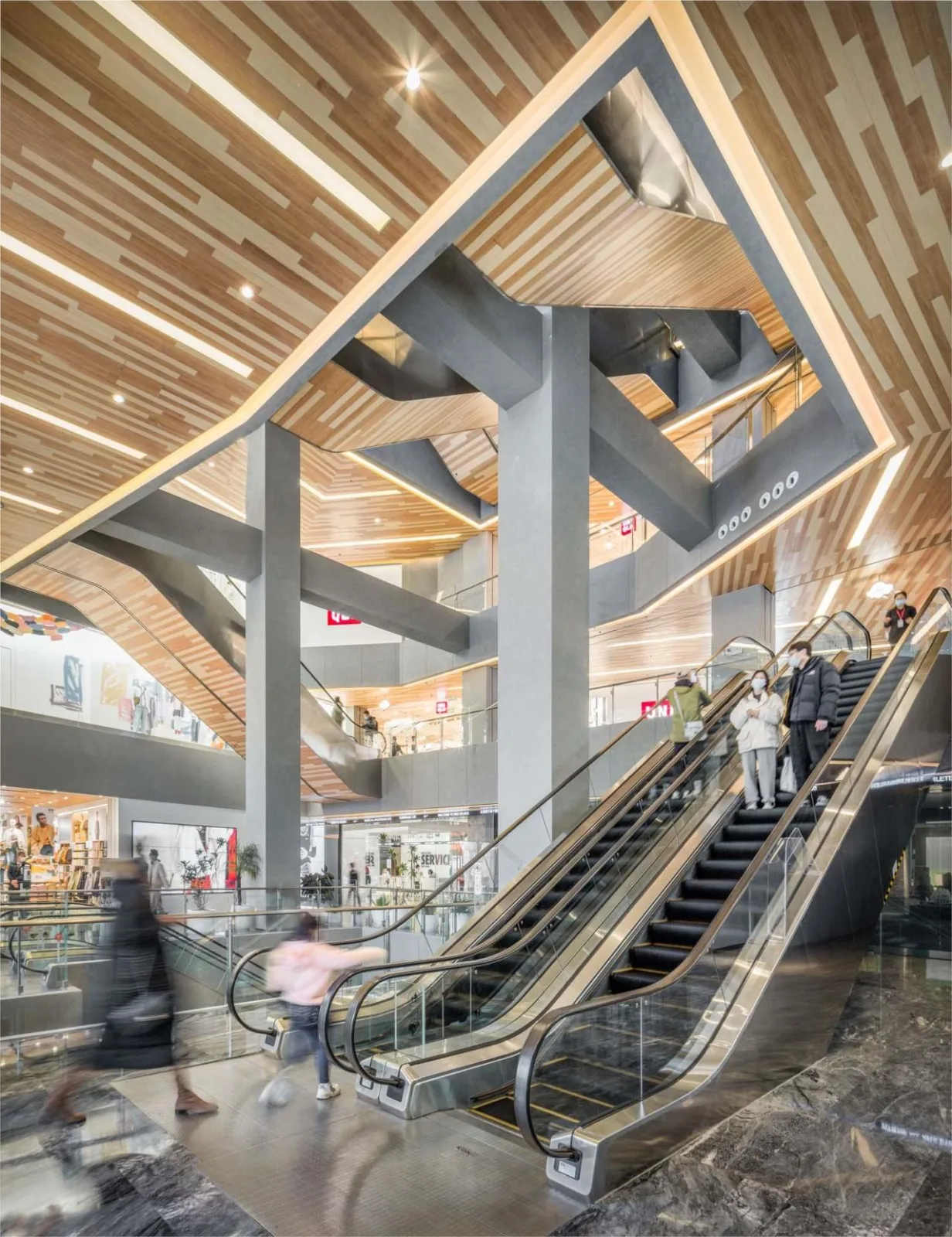
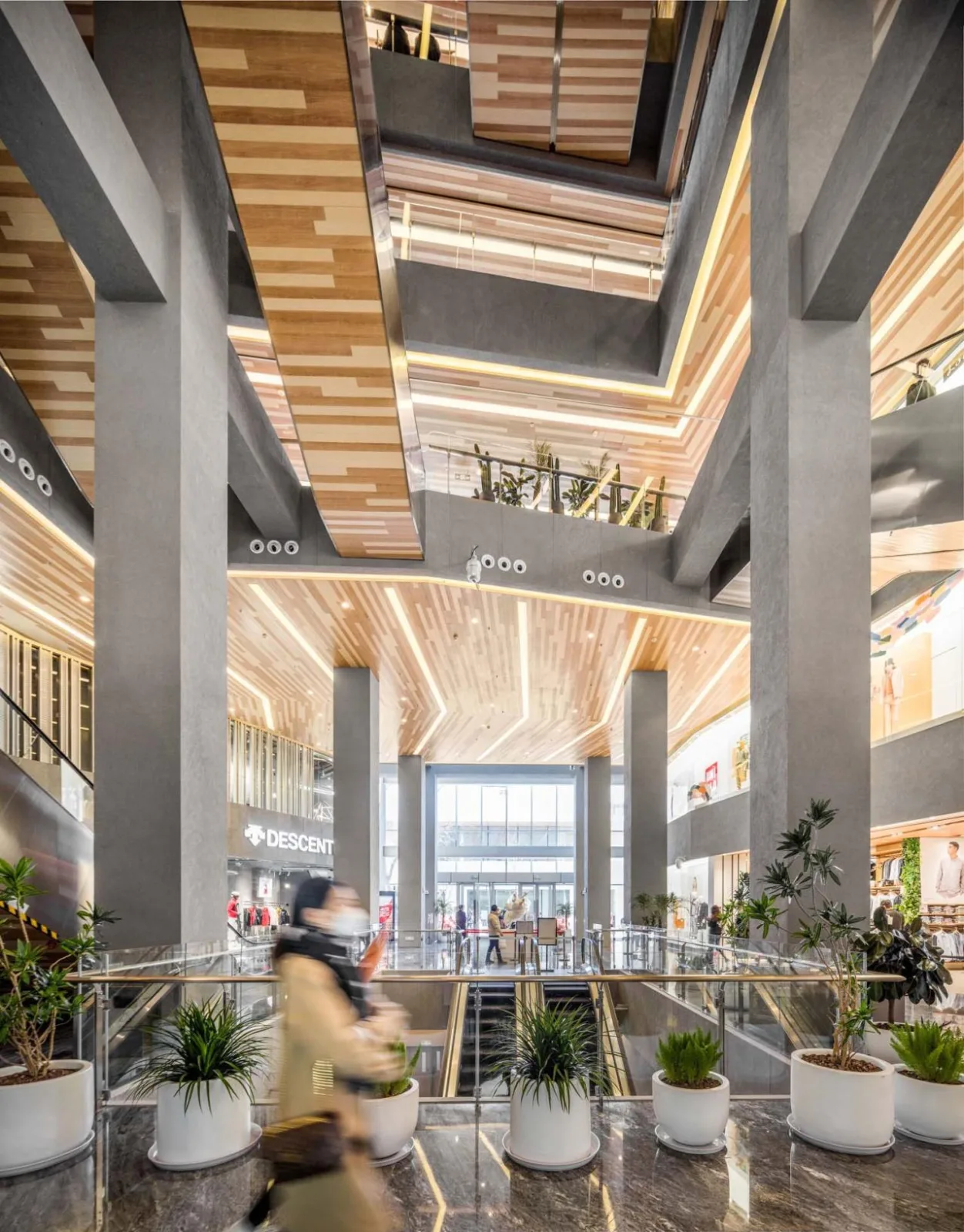
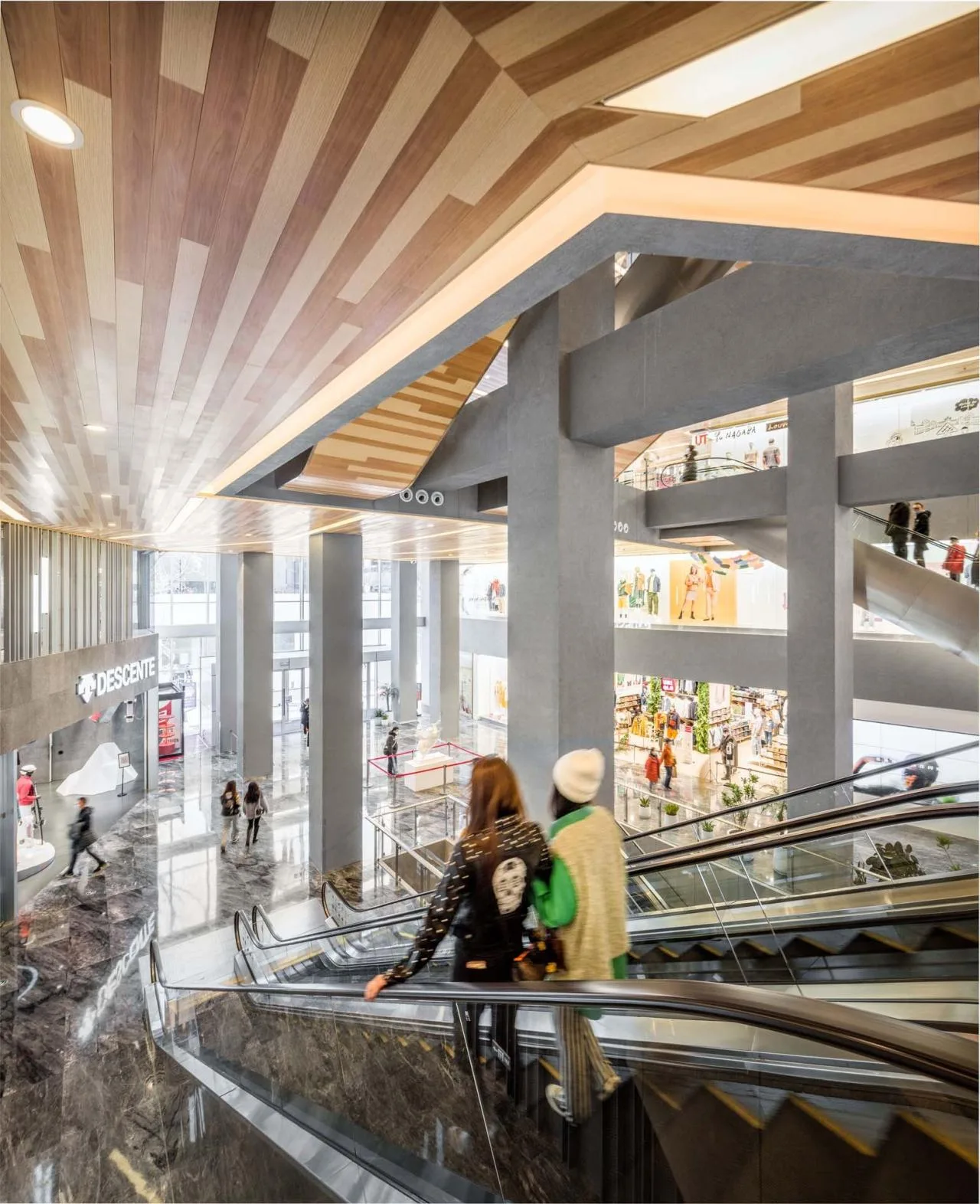
The glass boxes within the atrium create two-way visual connections: shoppers inside enjoy views toward Taikoo Li South District, enriching their experience, while pedestrians outside catch glimpses of indoor activities, enticing them to enter. Escalators surround the atrium, enhancing circulation and providing a seamless flow for visitors. Both the south and east entrances open onto the eastern courtyard, forming a new transport hub inside the building that facilitates easy access between floors and fully unleashes the commercial potential of the upper levels.
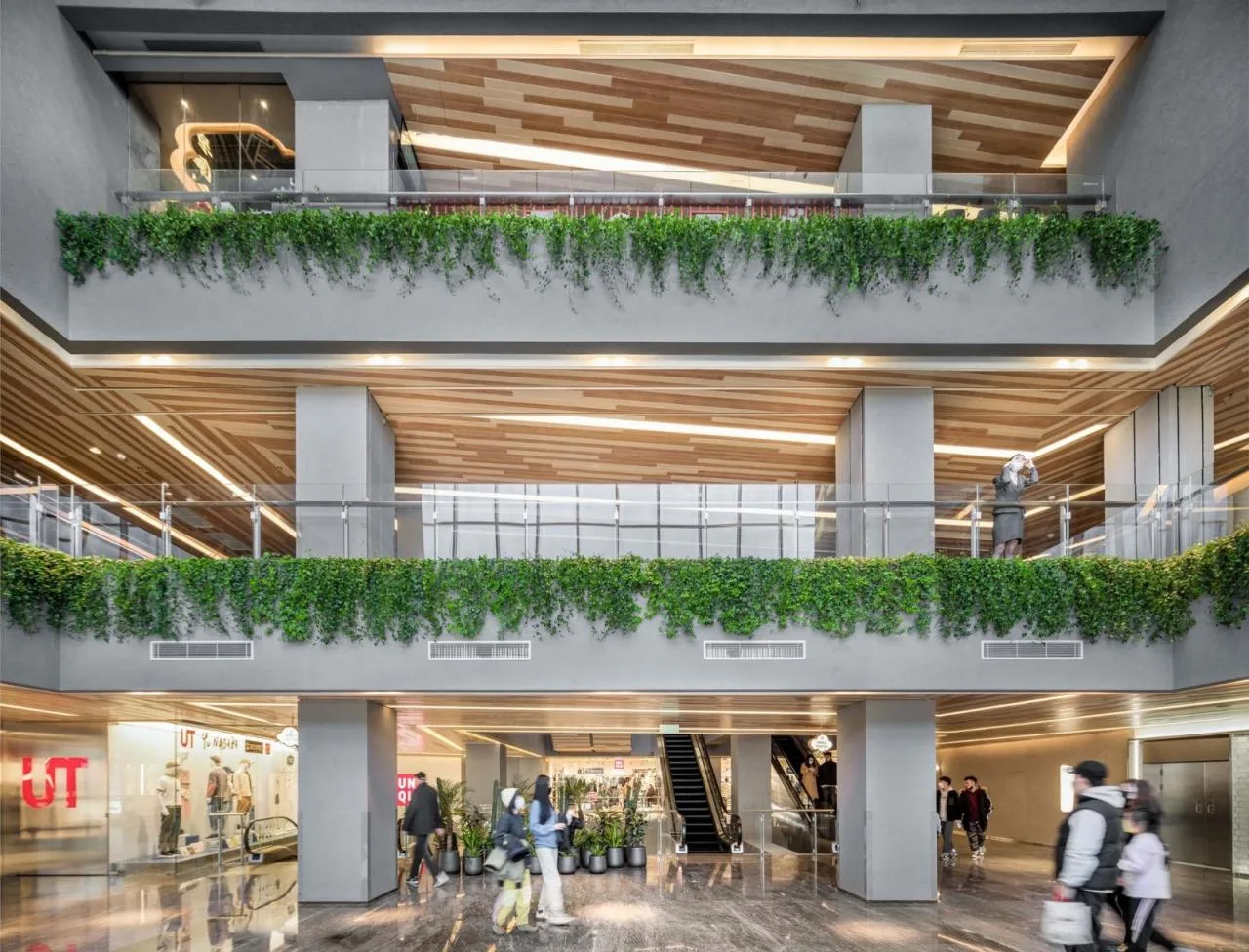
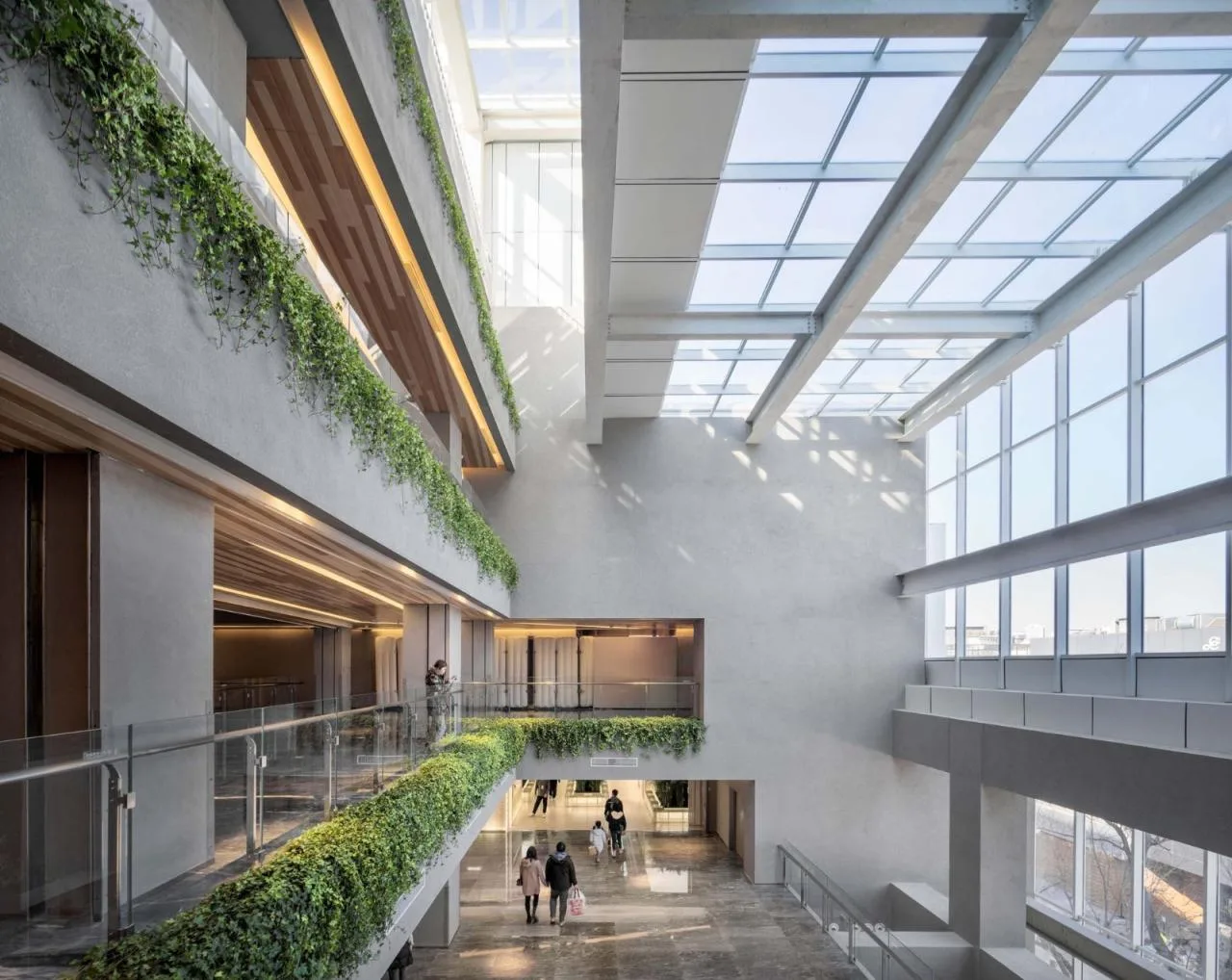
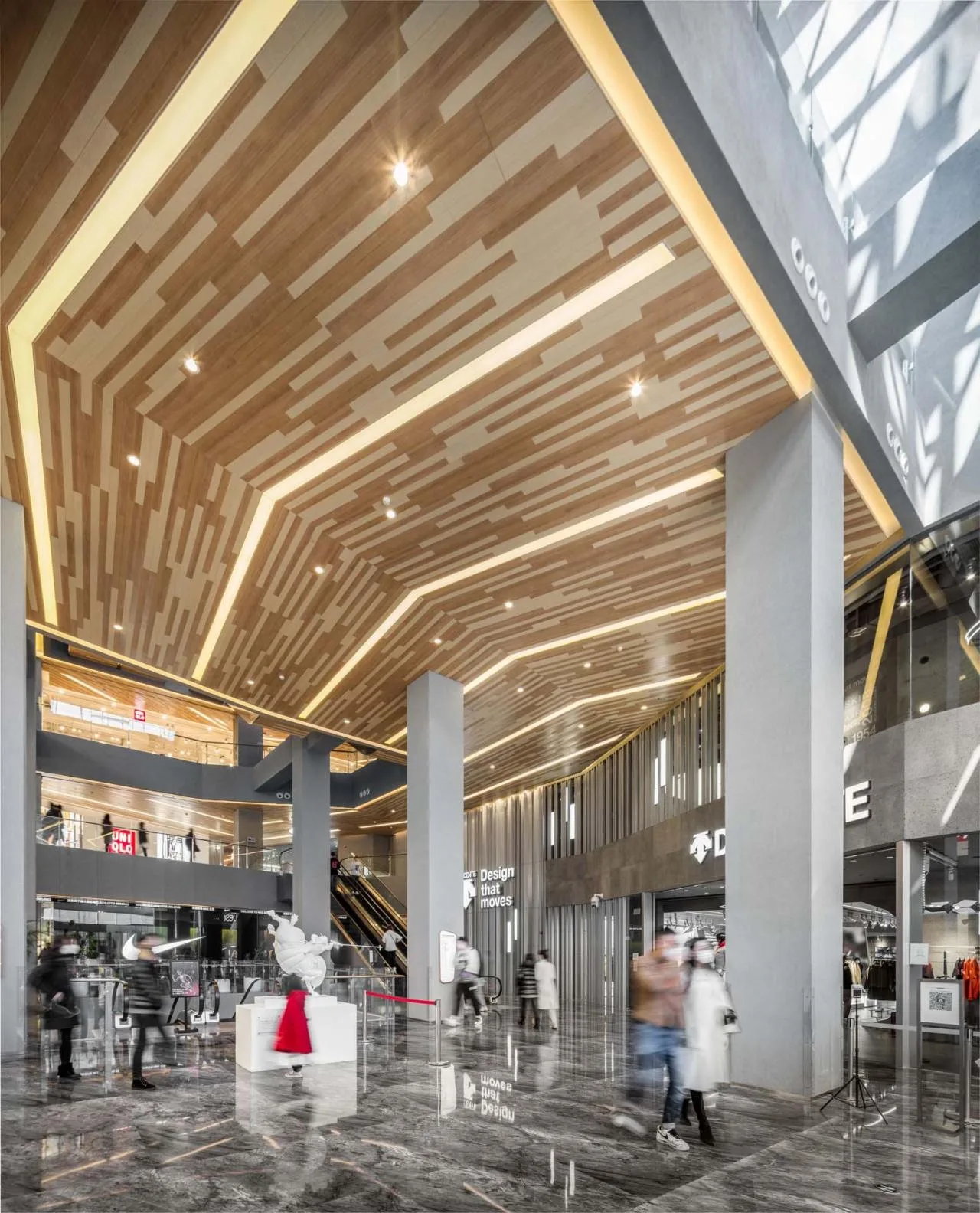
In contrast to the clean and bright exterior, the interior fosters warmth and comfort through the use of warm-toned wood-grain aluminum panels, concrete, stone, and greenery. Combined with the skylit atrium, these materials bring a natural ambiance indoors. The contrast between interior and exterior visuals adds creative interest, complementing the youthful, artistic, and fashionable commercial atmosphere of the surrounding blocks. This design creates a high-quality space for leisure, entertainment, and living.
Project Drawings
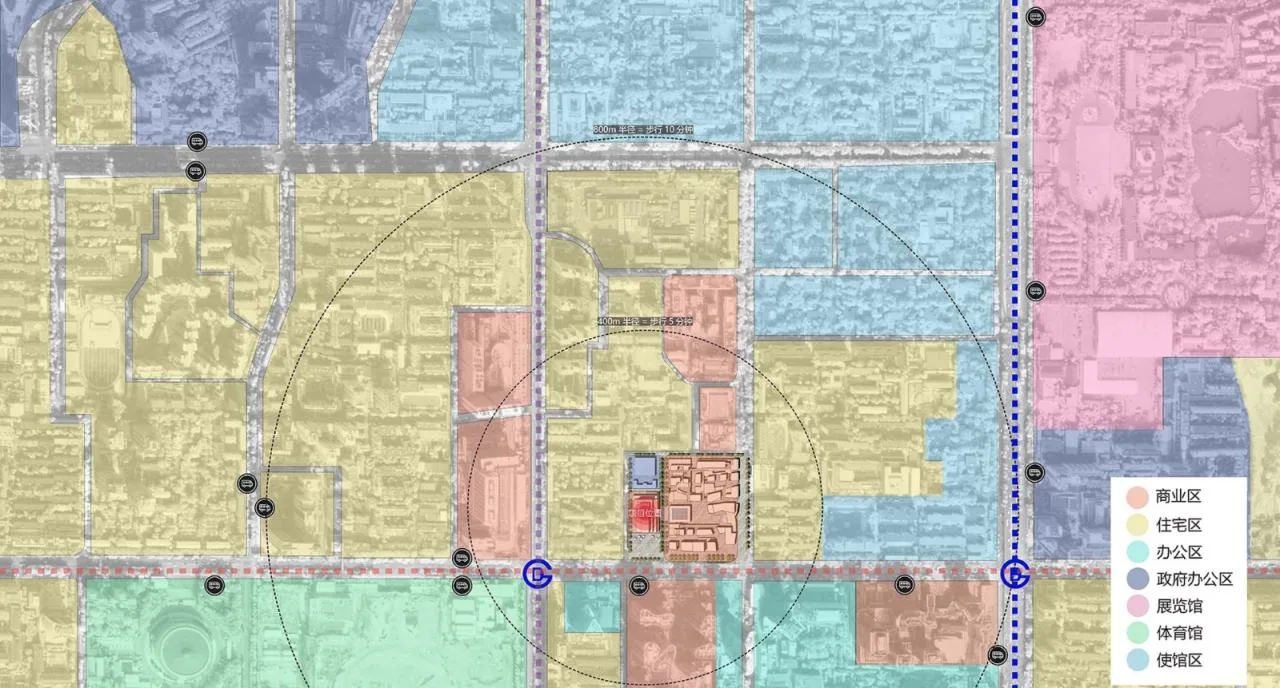
△ Location Advantage Analysis – Surrounding Land Functions
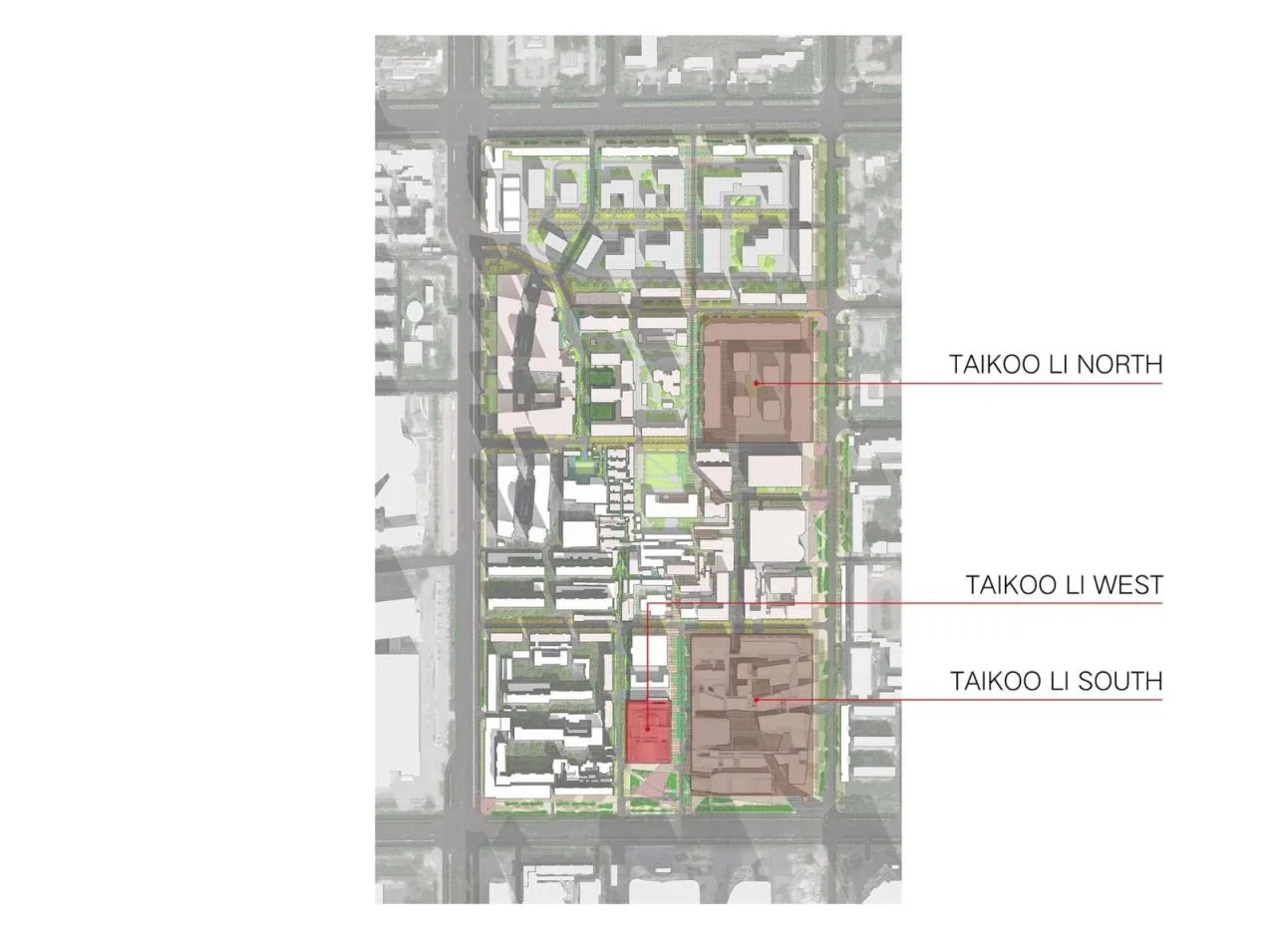
△ West South North Area Relationship Diagram
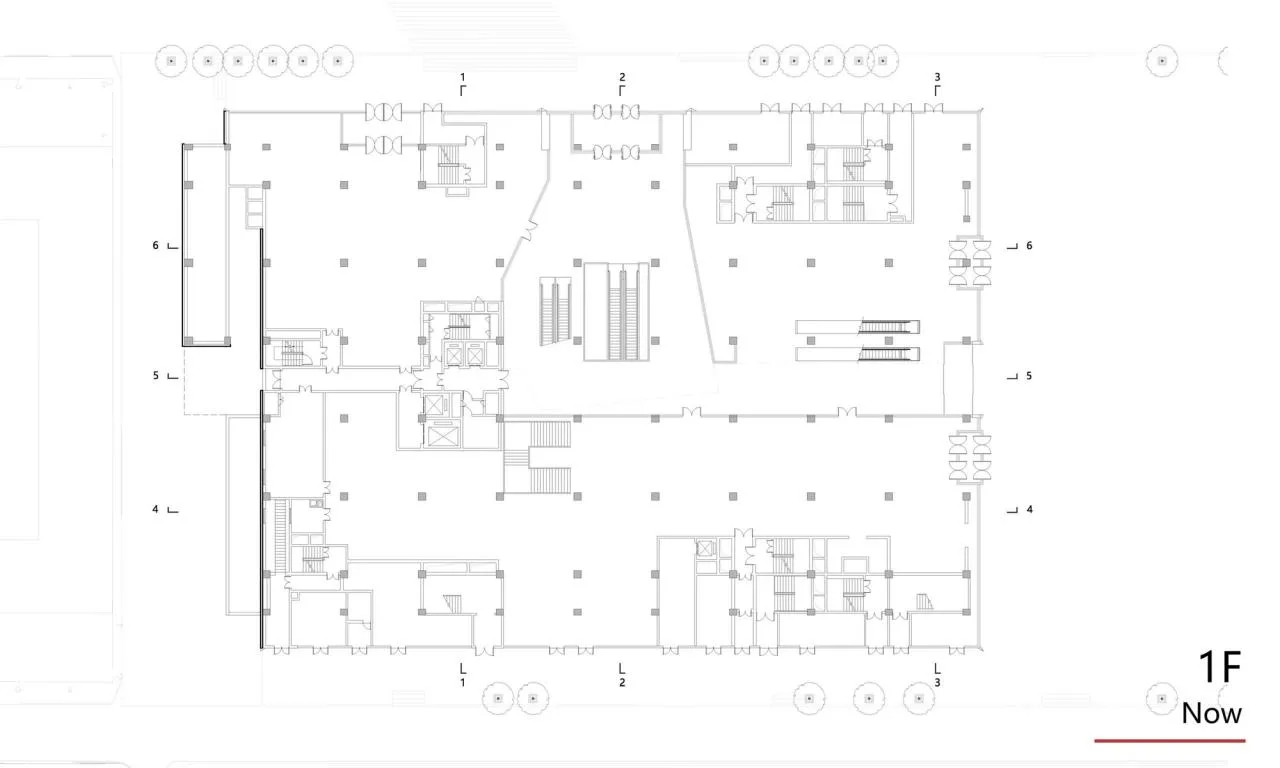
△ First Floor Plan
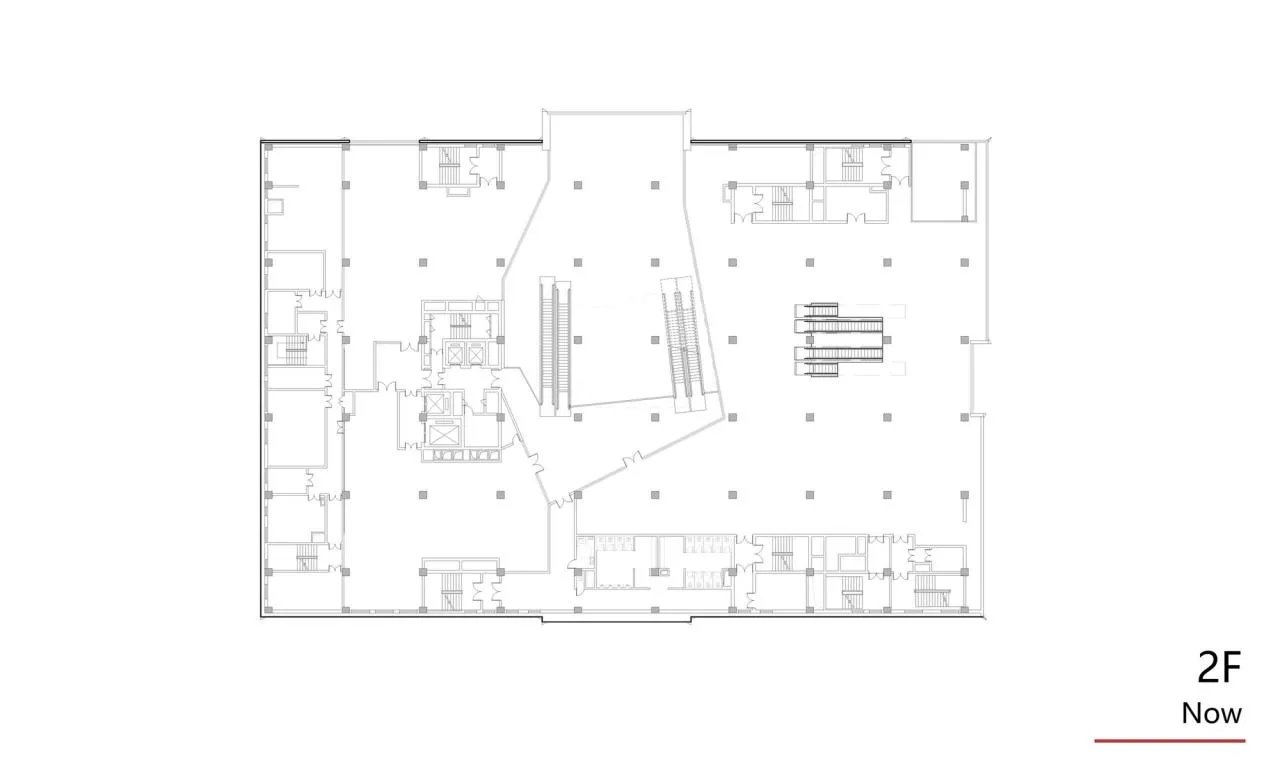
△ Second Floor Plan
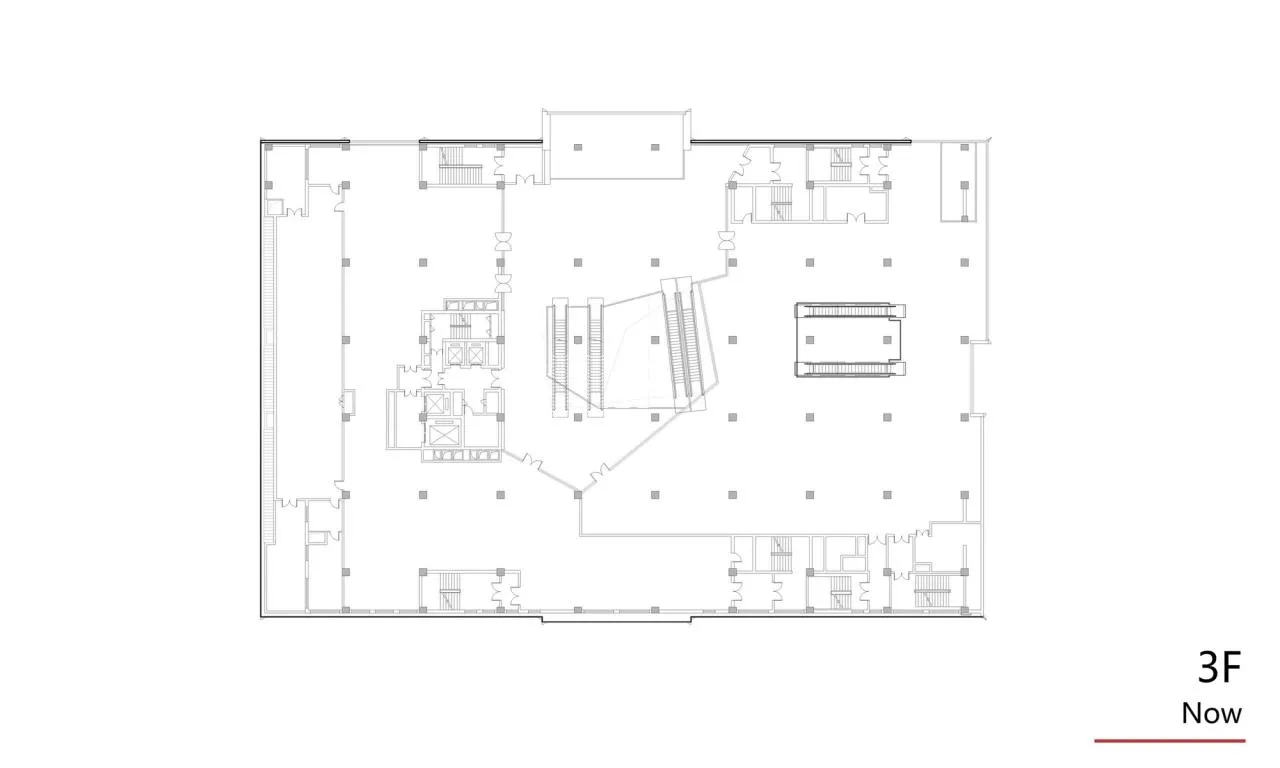
△ Third Floor Plan
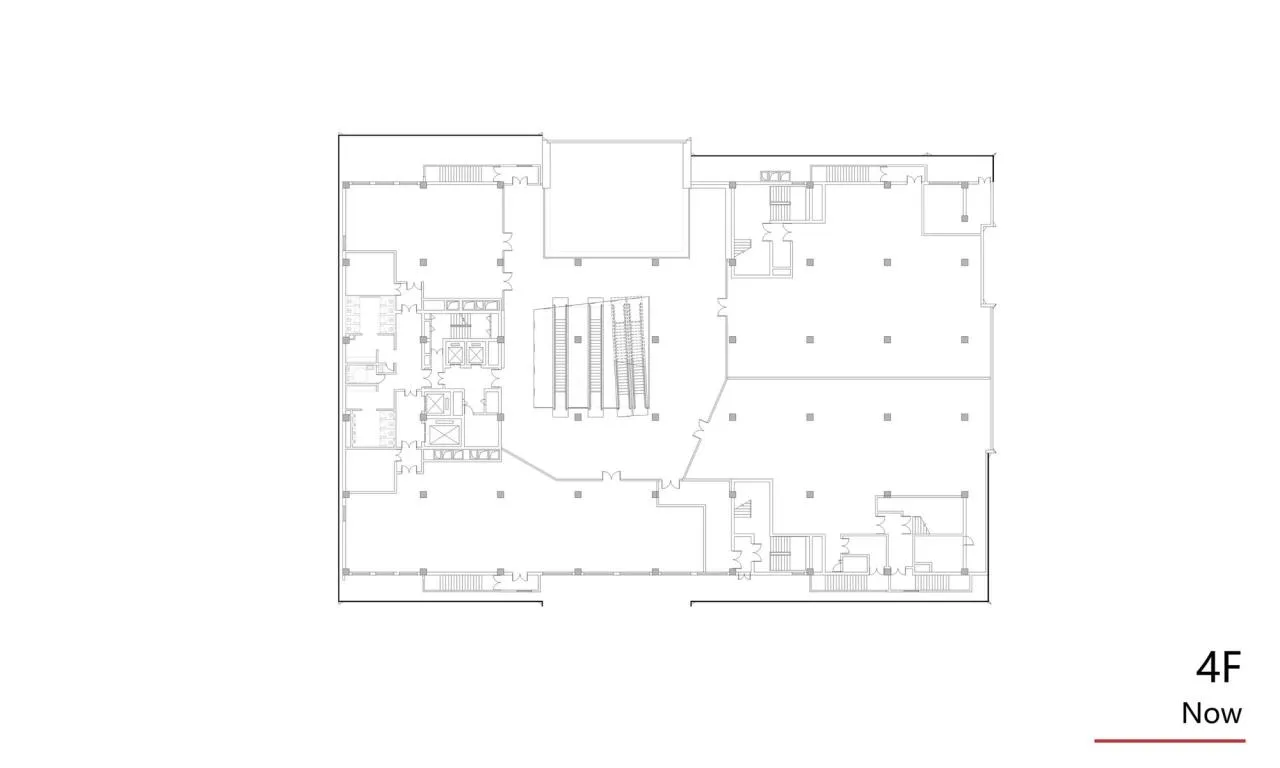
△ Fourth Floor Plan
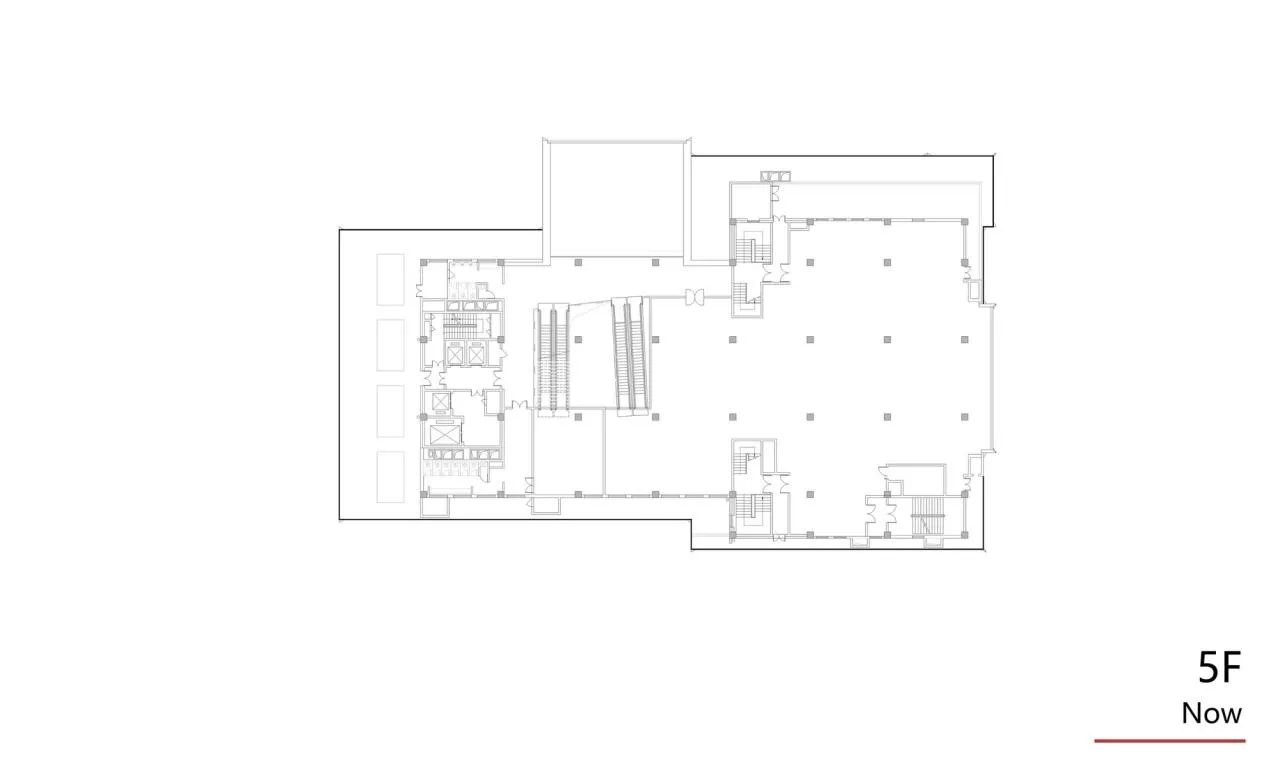
△ Fifth Floor Plan
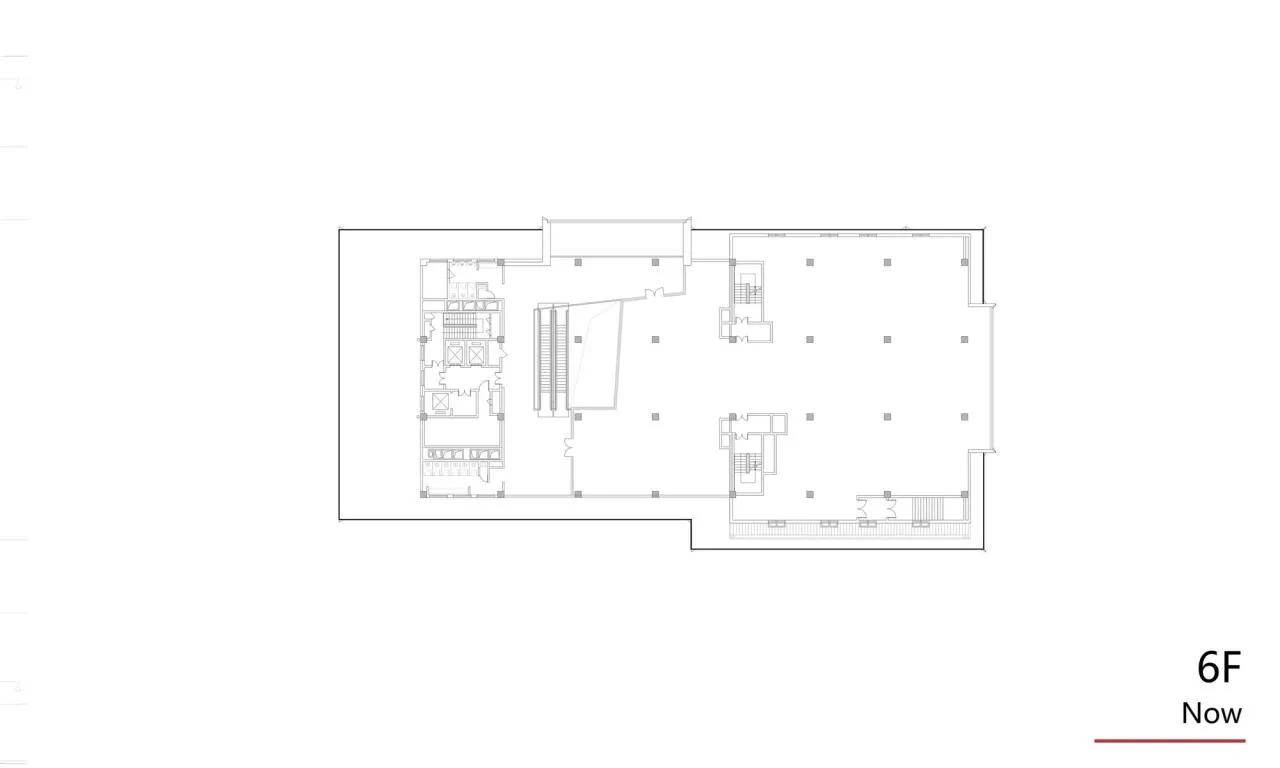
△ Sixth Floor Plan
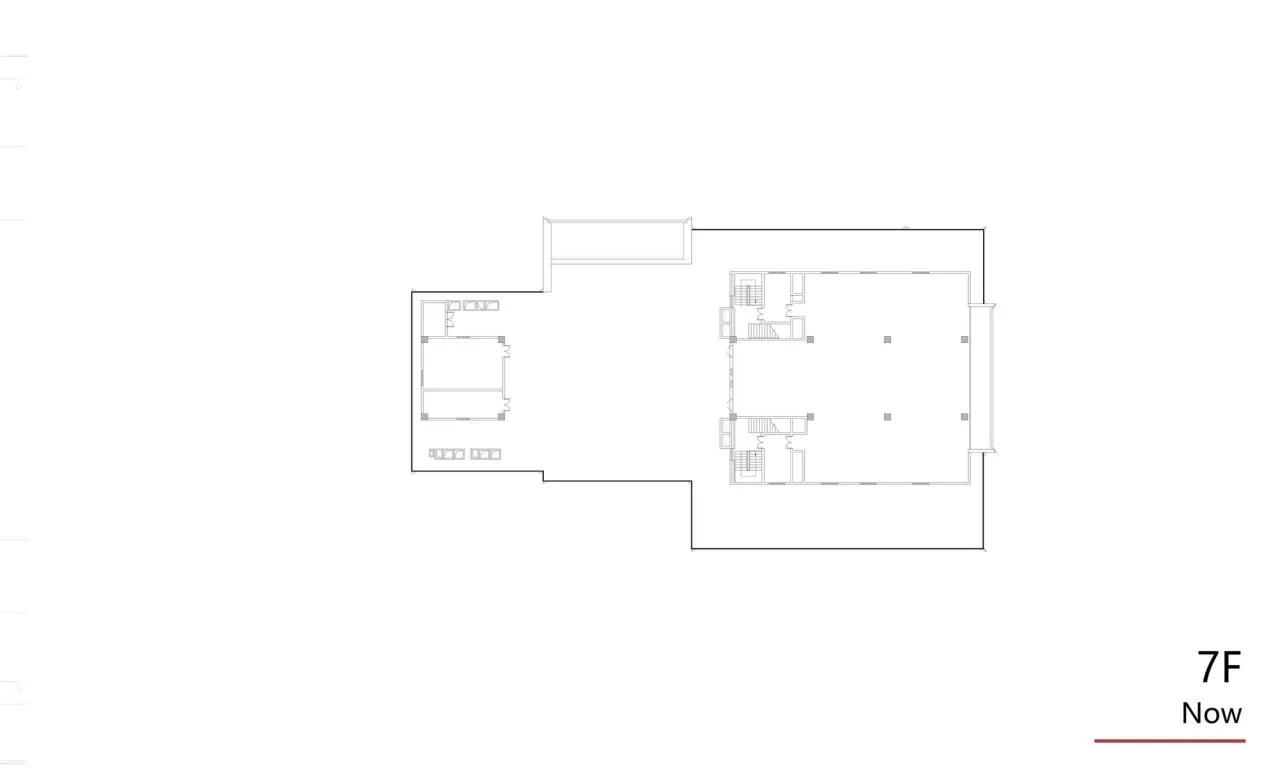
△ Seventh Floor Plan
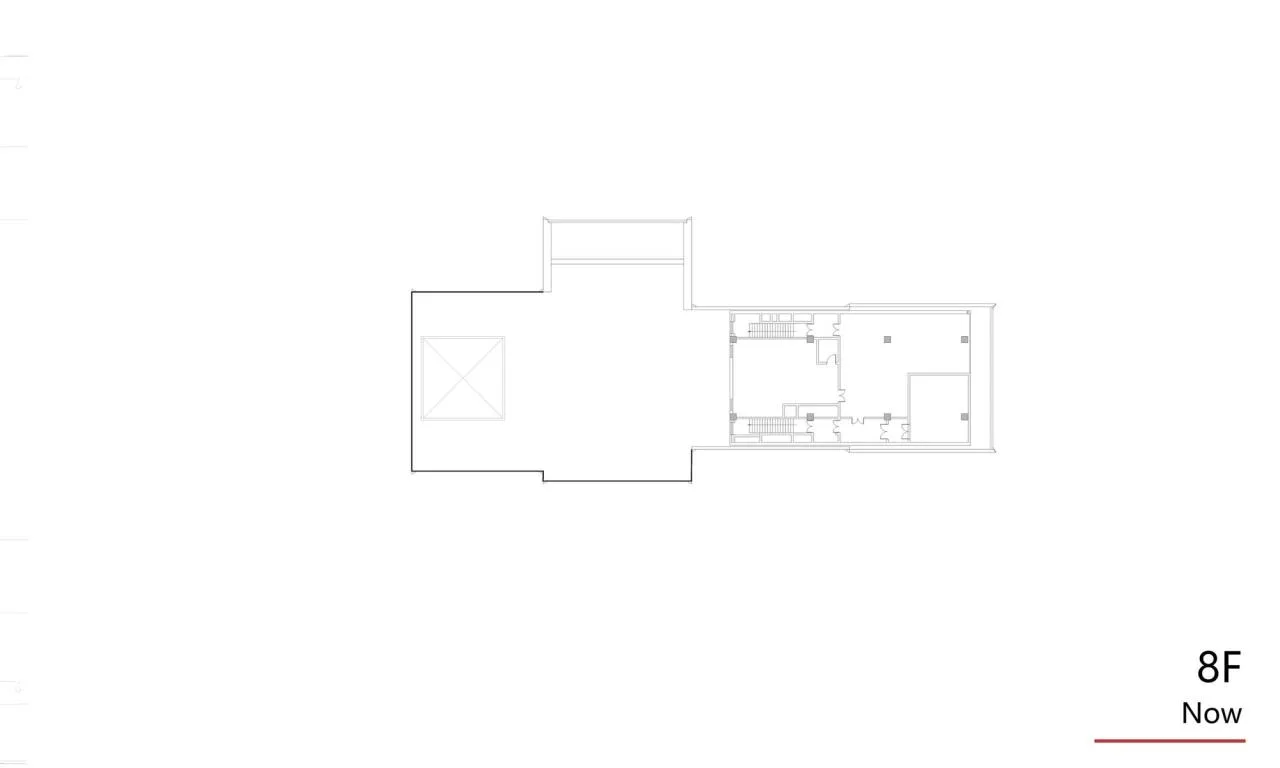
△ Eighth Floor Plan
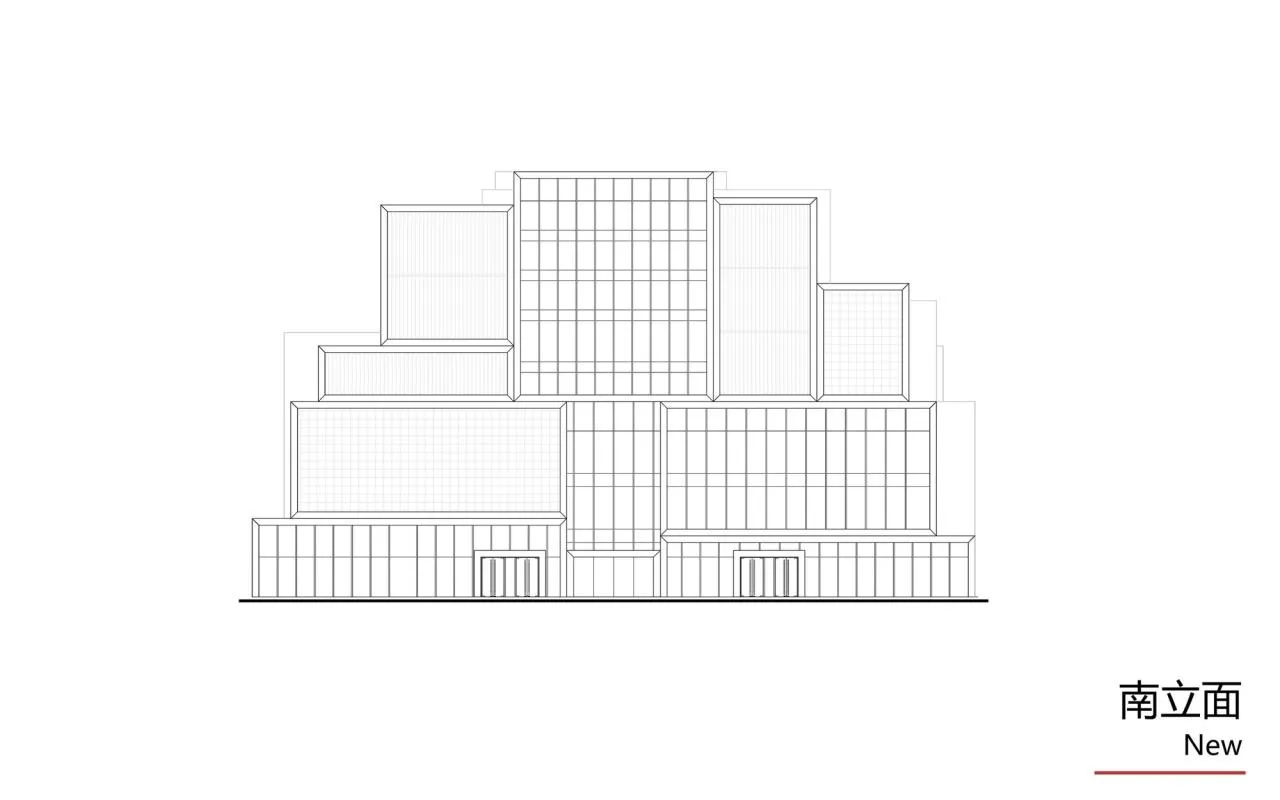
△ South Elevation View
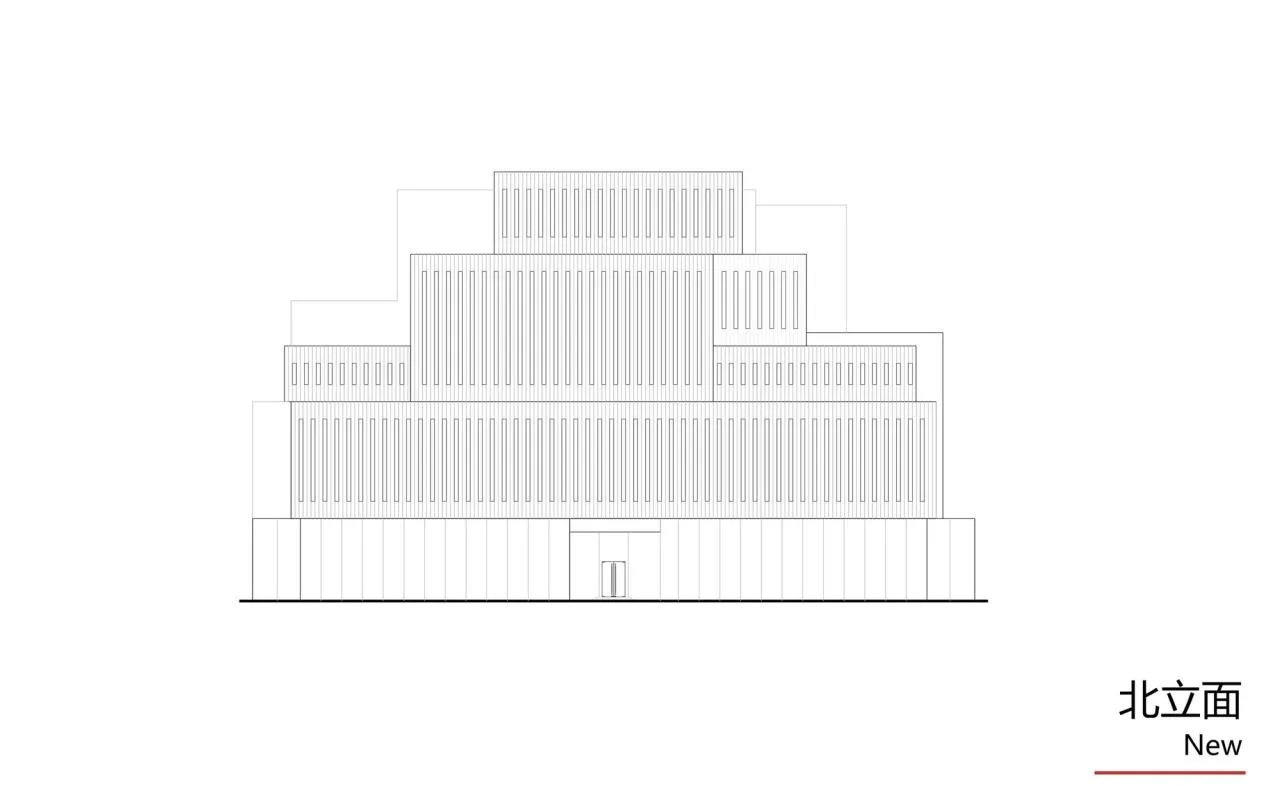
△ North Elevation View
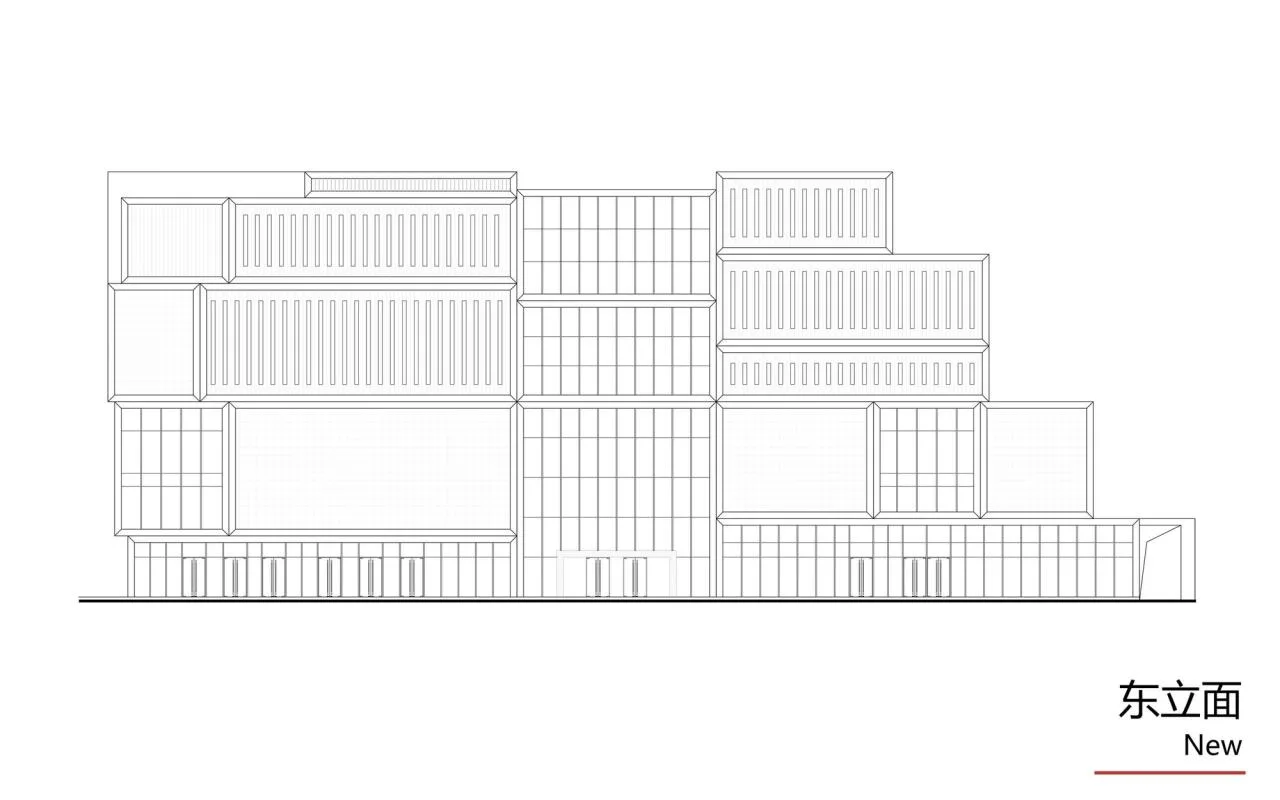
△ East Elevation View
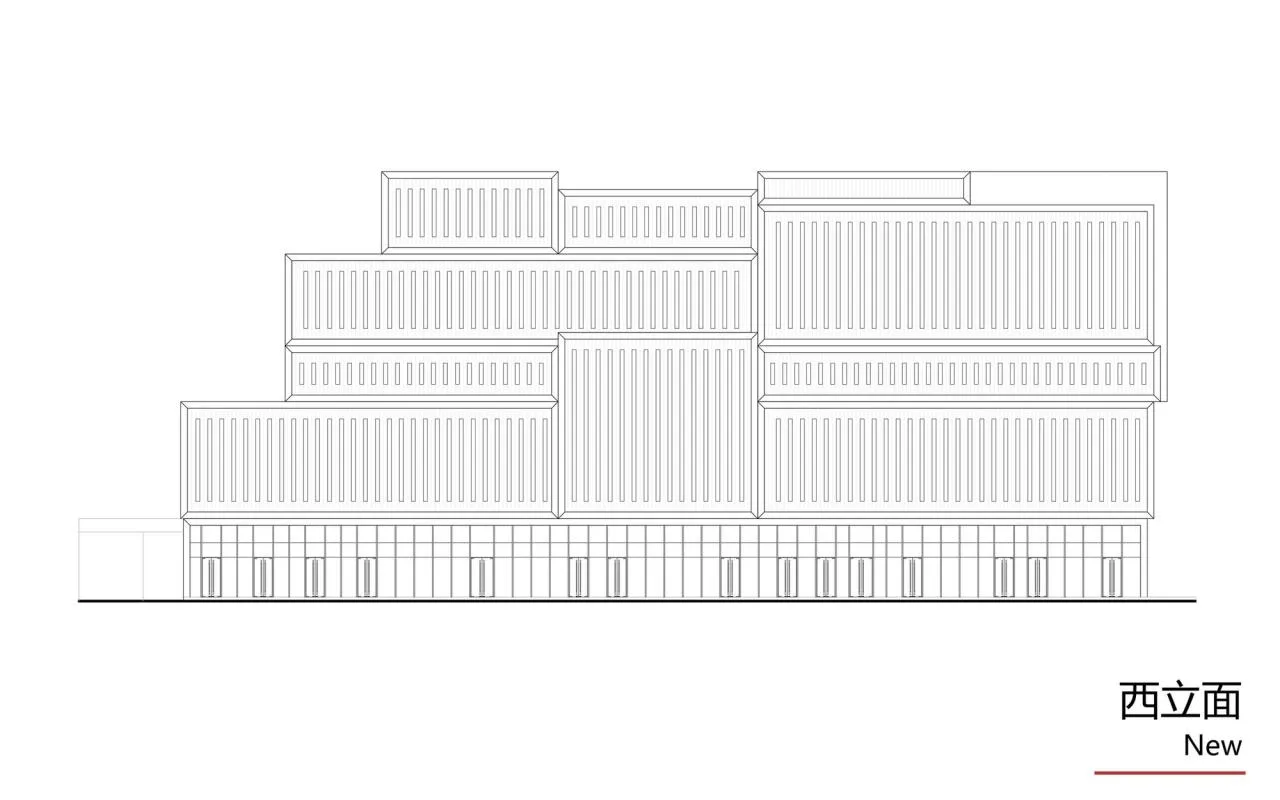
△ West Elevation View
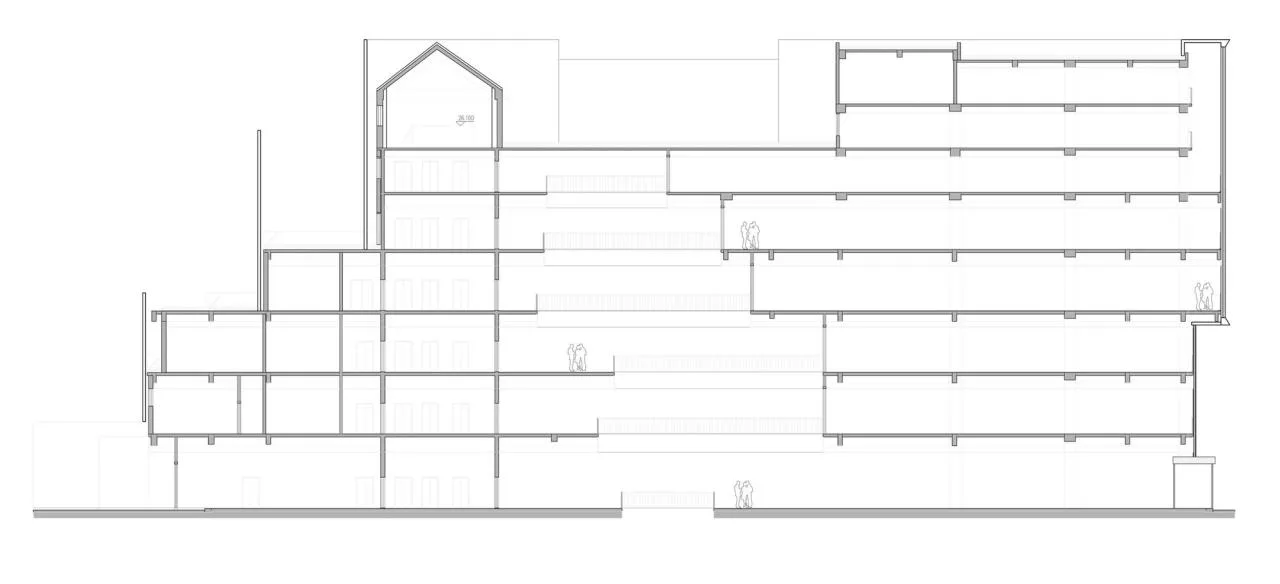
△ Section Diagram
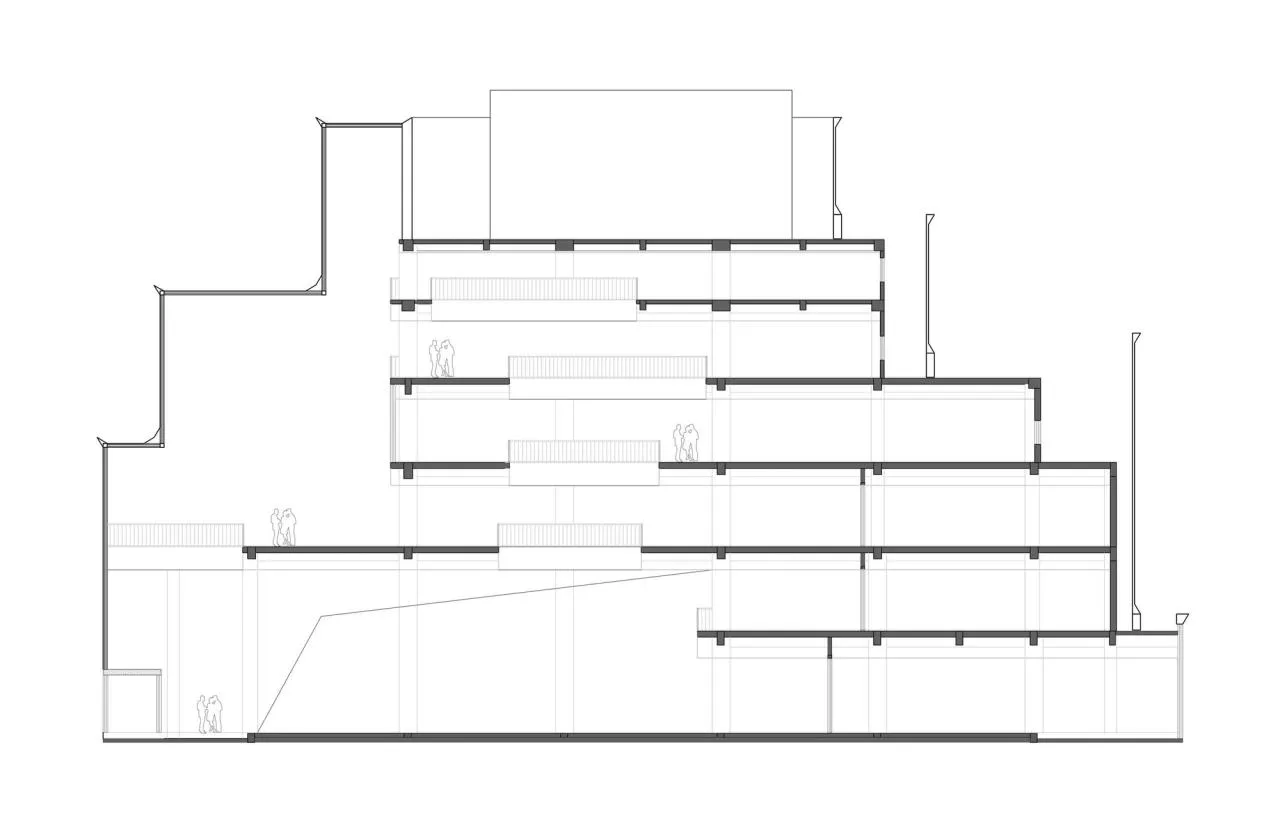
△ Section Diagram
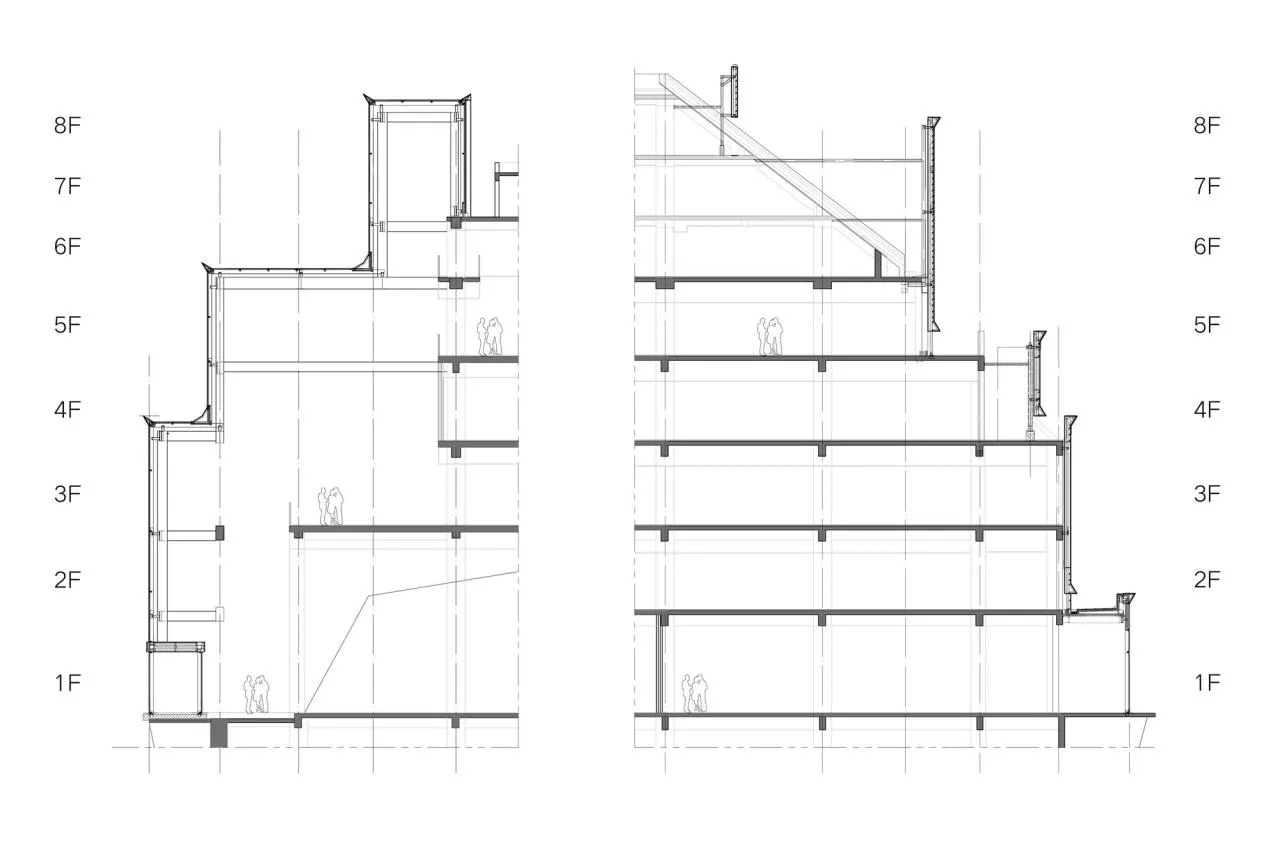
△ East Atrium – West Wall – Section
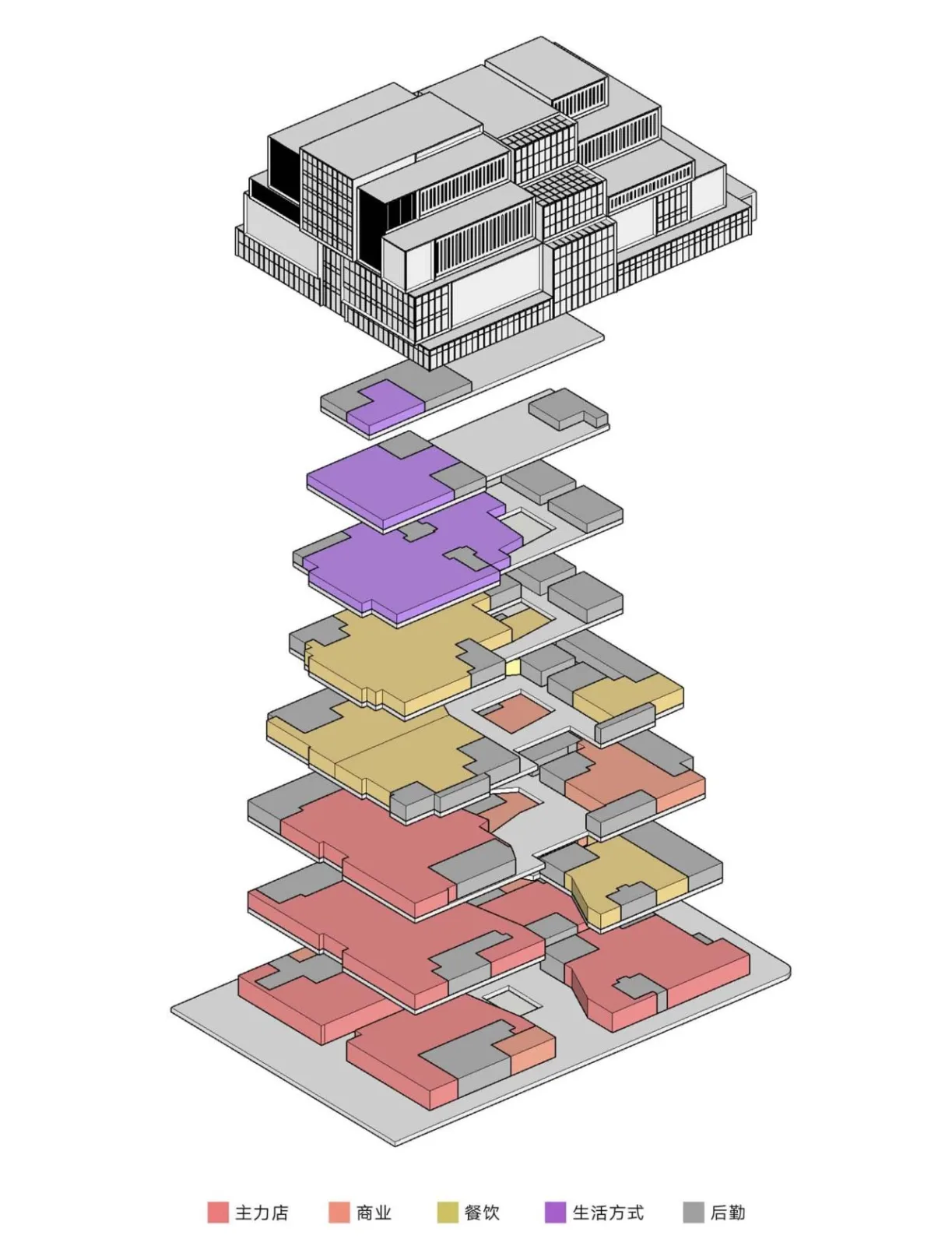
△ Exploded Diagram
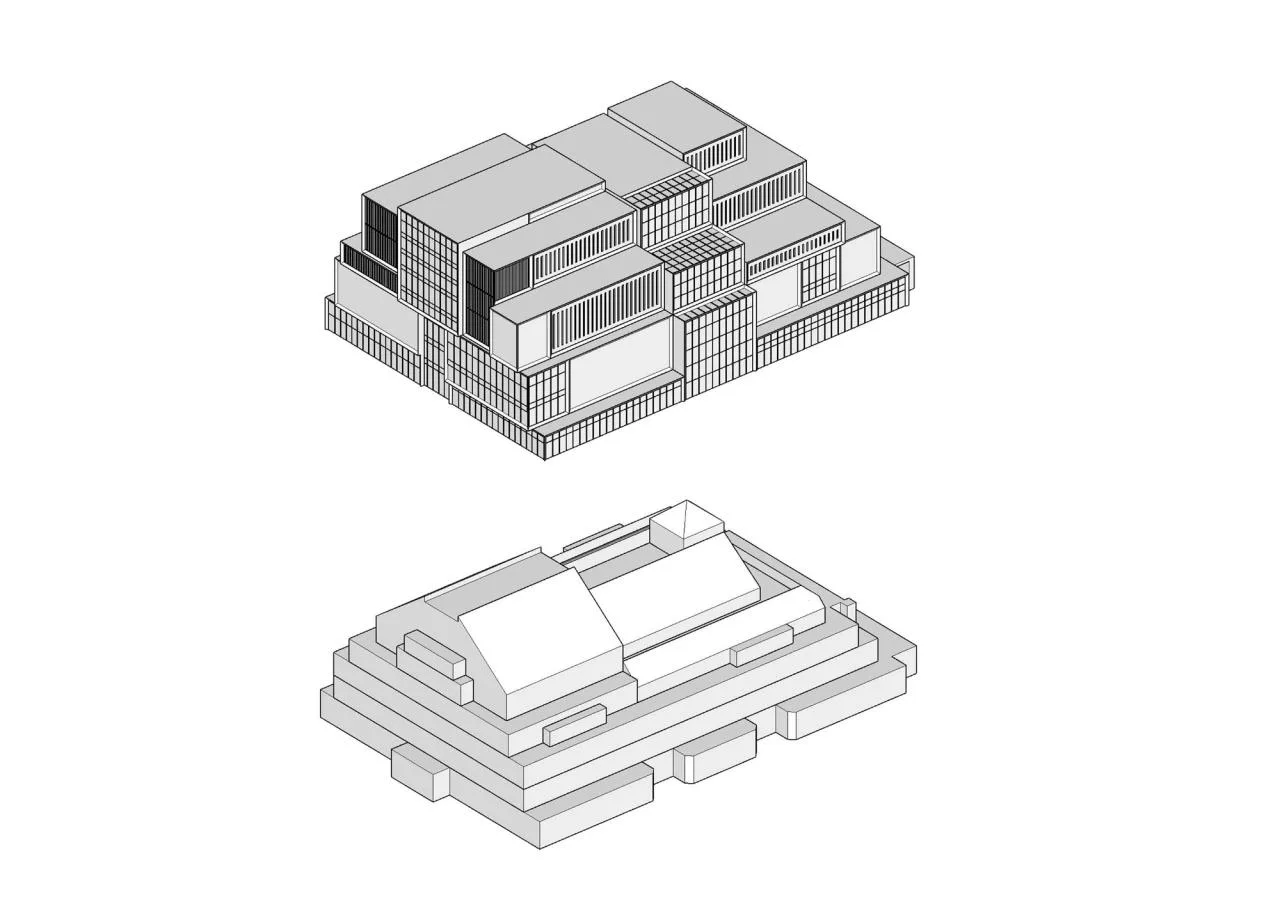
△ Facade Form Changes
Project Information
Architectural Design: Arquitectonica
Area: 27,500 m²
Project Year: 2021
Location: Beijing, China
Photographers: Lei Tantan, Zhu Yumeng
















Must log in before commenting!
Sign Up