
According to Autodesk statistics, implementing BIM technology can significantly enhance project efficiency and collaboration by 79%. It facilitates 3D visualization for clearer communication, boosts a company’s competitiveness by 66%, reduces information requests by 50-70%, and lowers costs by 5-10%. Furthermore, construction coordination time across various industries has been shortened by 20-25%. These figures clearly demonstrate the immense value of BIM technology. Specifically, using BIM to control construction progress offers the following benefits:
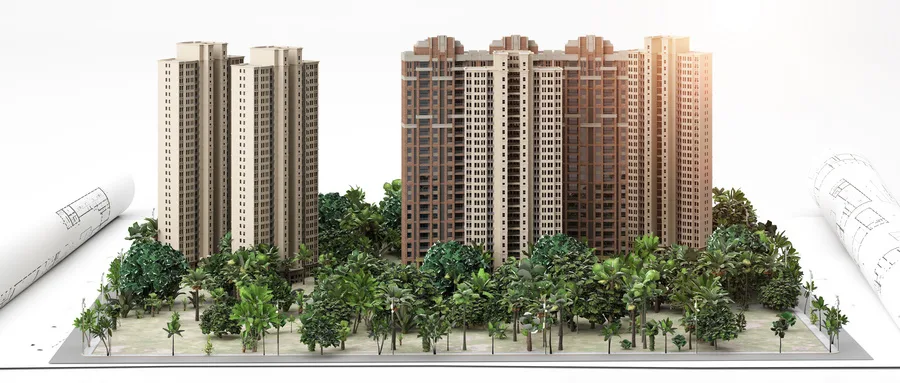
1. The 3D information model created through BIM contains comprehensive data covering the entire lifecycle of building elements. This allows for an intuitive visual representation of project progress. Traditional schedule management relies on 2D graphics for information exchange, which can lead to data loss and communication barriers. BIM-based schedule management eliminates these issues and enables project participants to quickly grasp complex survey and design details, thereby simplifying communication.
2. Road engineering projects have distinct characteristics such as specificity and customization. Traditional construction scheduling methods often rely on experience to verify plan feasibility, failing to detect technical errors or flaws in construction organization in advance. This leads to unpredictable risks and costly issues during construction. In contrast, BIM technology supports virtual simulation of construction plans, allowing early identification of irrational plans and potential spatial and temporal conflicts.
3. Upon project completion, the as-built BIM model generated during construction can be used to manage information throughout the operation and maintenance phases. This model serves as a data exchange platform connecting the design, construction, and operation stages, ensuring seamless data transmission across the entire project lifecycle.
4. Building an information collaboration platform based on BIM provides project participants with an efficient environment for sharing progress and cooperation data. This platform facilitates clear and smooth discussions and coordination of construction plans, enabling all parties to collaboratively resolve scheduling issues. Within this visual, BIM-driven environment, all stakeholders engage in construction organization and various business activities together, simulating the real construction setting.
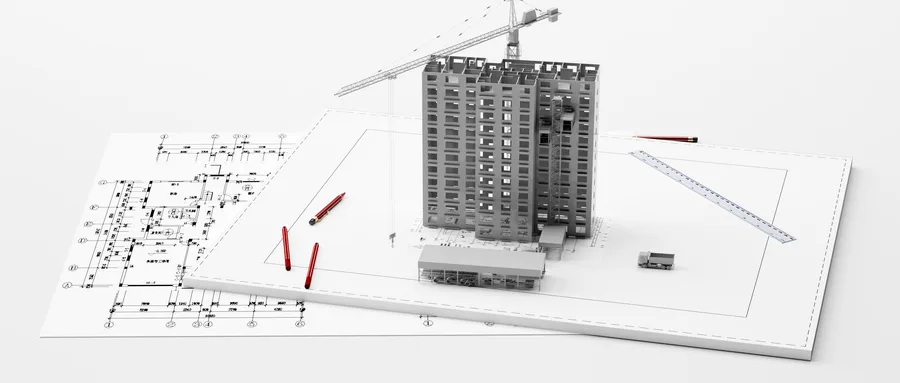
5. Adopting BIM technology enhances team collaboration and transforms traditional project management approaches into dynamic processes. Construction teams can reduce idle time, accelerate progress, and significantly shorten project durations by pre-assembling components off-site and purchasing materials in advance.
6. BIM-based construction schedule management integrates schedule and resource management seamlessly. Managers can accurately estimate the labor, materials, and machinery needed for each task, improving work time predictions and ensuring efficient resource allocation. By linking schedules with the BIM 3D model, virtual construction and collision detection become possible. The BIM 4D model simulates and dynamically optimizes project progress, adjusts construction sequences based on software feedback, and achieves balanced resource distribution alongside realistic scheduling.
7. Compared to CAD-based quantity calculations, BIM-based volume computations are more accurate and straightforward, resulting in more precise and efficient budgeting.
8. BIM technology also optimizes traditional project management systems. For example, integrated project management encourages all participants to engage early in the design phase. This collaborative approach leverages advanced technology and expertise, enhancing project feasibility and ensuring innovation keeps pace with project development.
















Must log in before commenting!
Sign Up