
Leon Krier once noted that the greatest challenge facing modern cities since the Industrial Revolution is the loss of urban integrity. This has led to the fragmentation of public spaces and public life. In traditional cities, the relatively uniform characteristics within each block provided cohesion, while the presence of distinct elements such as churches, squares, and bell towers strengthened this structural unity.
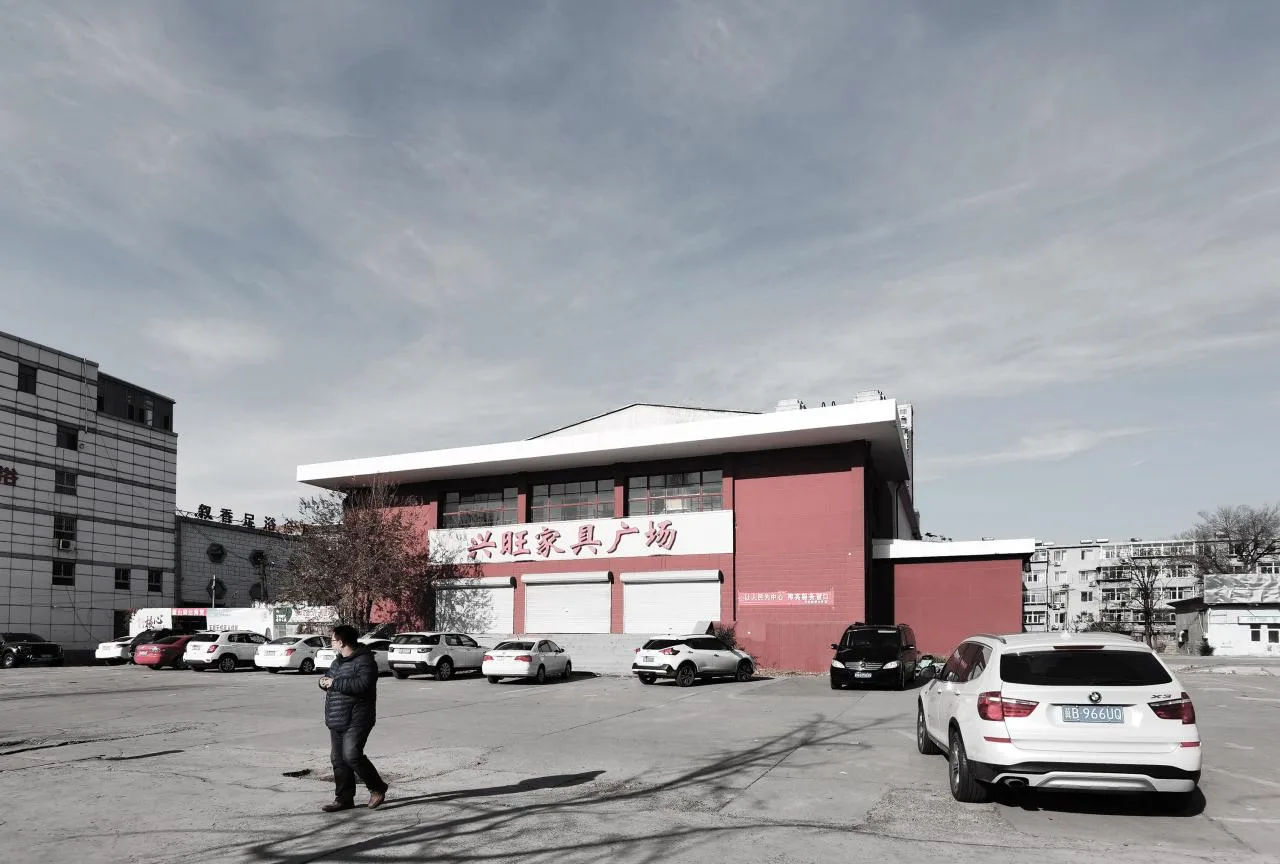
Before the Renovation
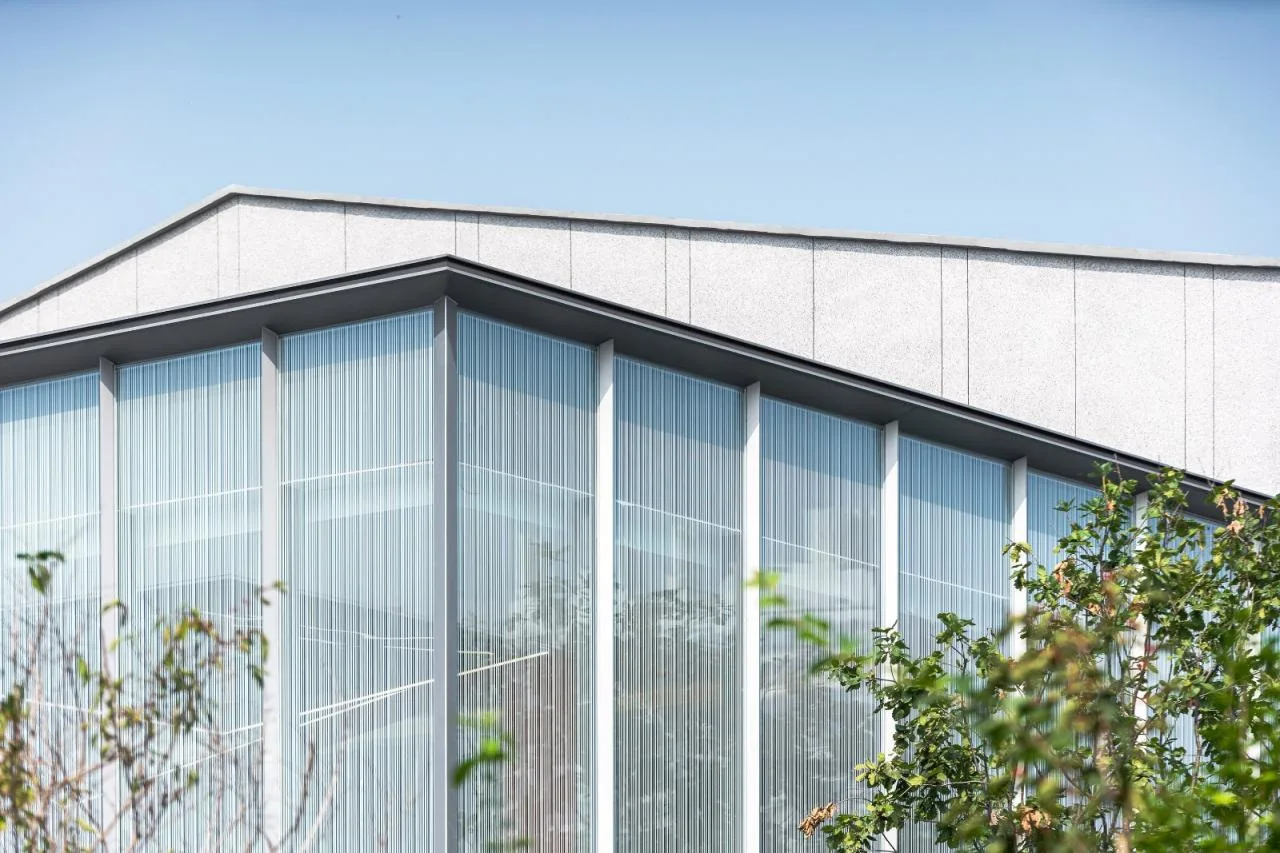
During the 1970s and 1980s, cultural venues were severely lacking. The predecessor of this project, the Tangshan Workers’ Cultural Palace/Club, was once a thriving hub. Its original architecture, featuring a triangular sloping roof reminiscent of factory buildings and an elevated entrance space, reflects the era’s cultural identity. However, after transitioning from a club to a furniture store, the building has become nearly abandoned within the city center.
Factors such as outdated functions, aging structures, and changes in personnel can cause the built environment to lose vitality, leading to alienation from the daily lives and work of residents.
We believe that throughout this evolution, maintaining the building’s public function is essential to preserving its vitality. Using an “urban acupuncture and moxibustion” approach, we have renovated the old structure to inject new life into the entire community. This method offers fresh opportunities for city-wide revitalization.
As Tangshan and other major cities undergo transformation, development, and industrial upgrading, more projects involving the renovation of old buildings will emerge. The renewal strategy—focusing on preservation combined with renovation and selective demolition—along with the targeted “point-to-point” urban acupuncture approach, helps to continue the city’s historical narrative.
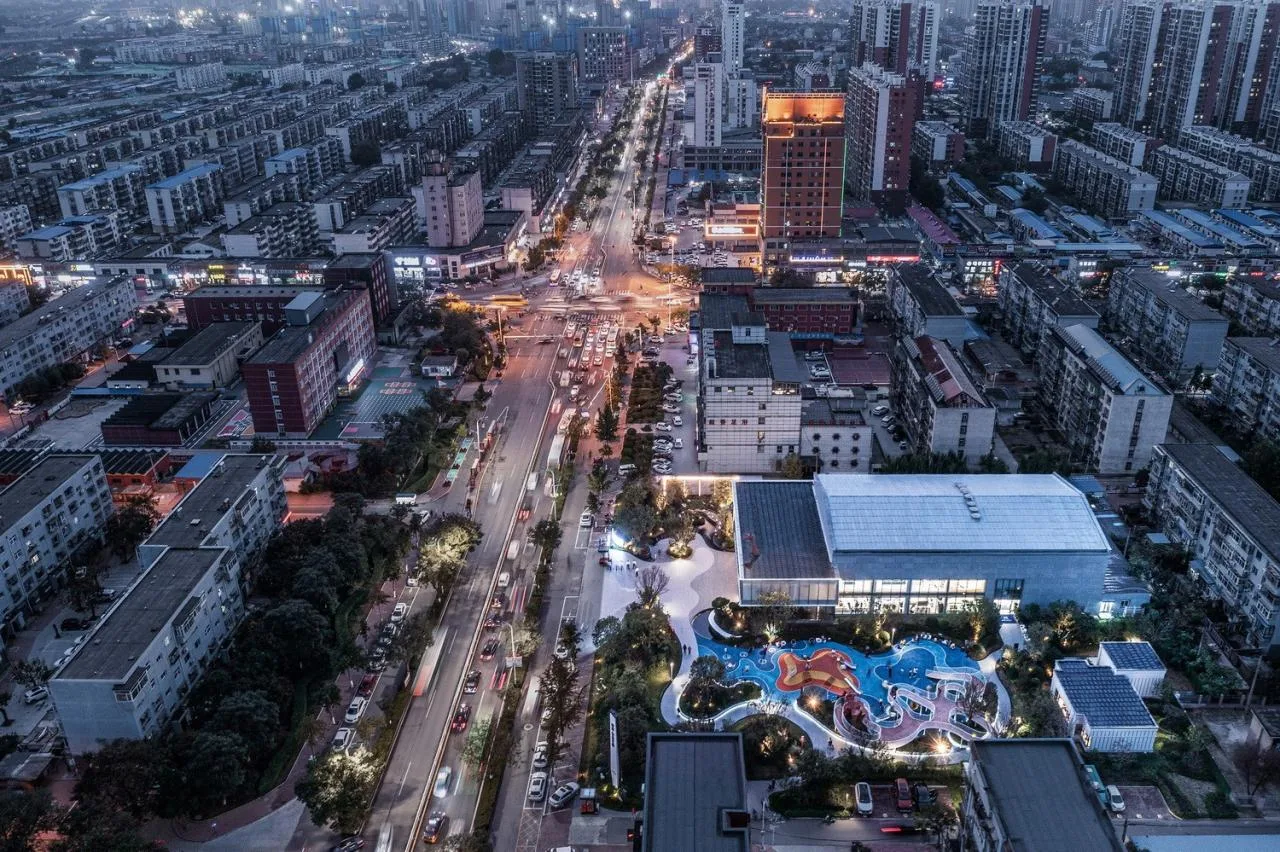
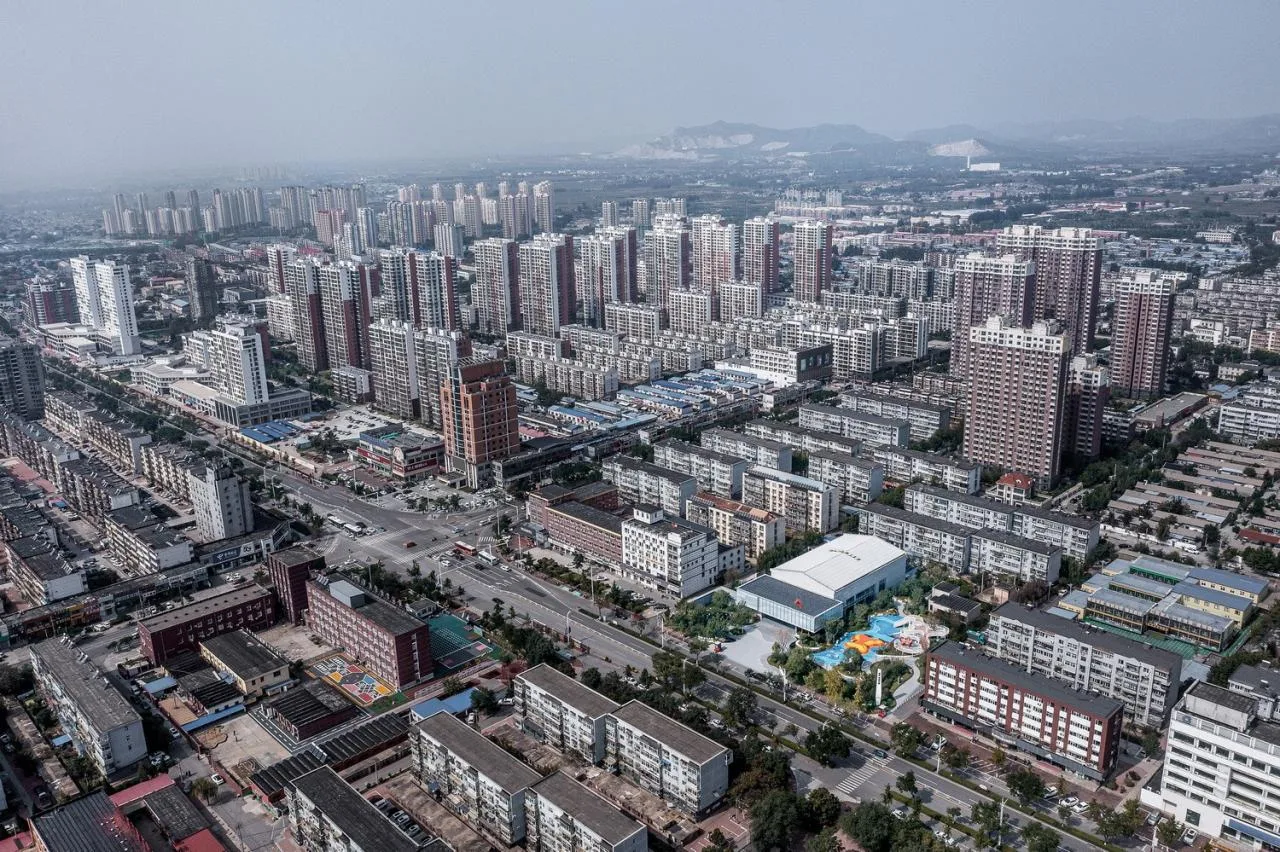
The first step in this design was to make the building visible and engaging, upgrading the critical spaces between the structure and the city. Linking the “new” and “old” parts of the city and restoring the vitality of blocks and buildings were top priorities. This gentle approach to urban renewal enhances the built environment effectively.
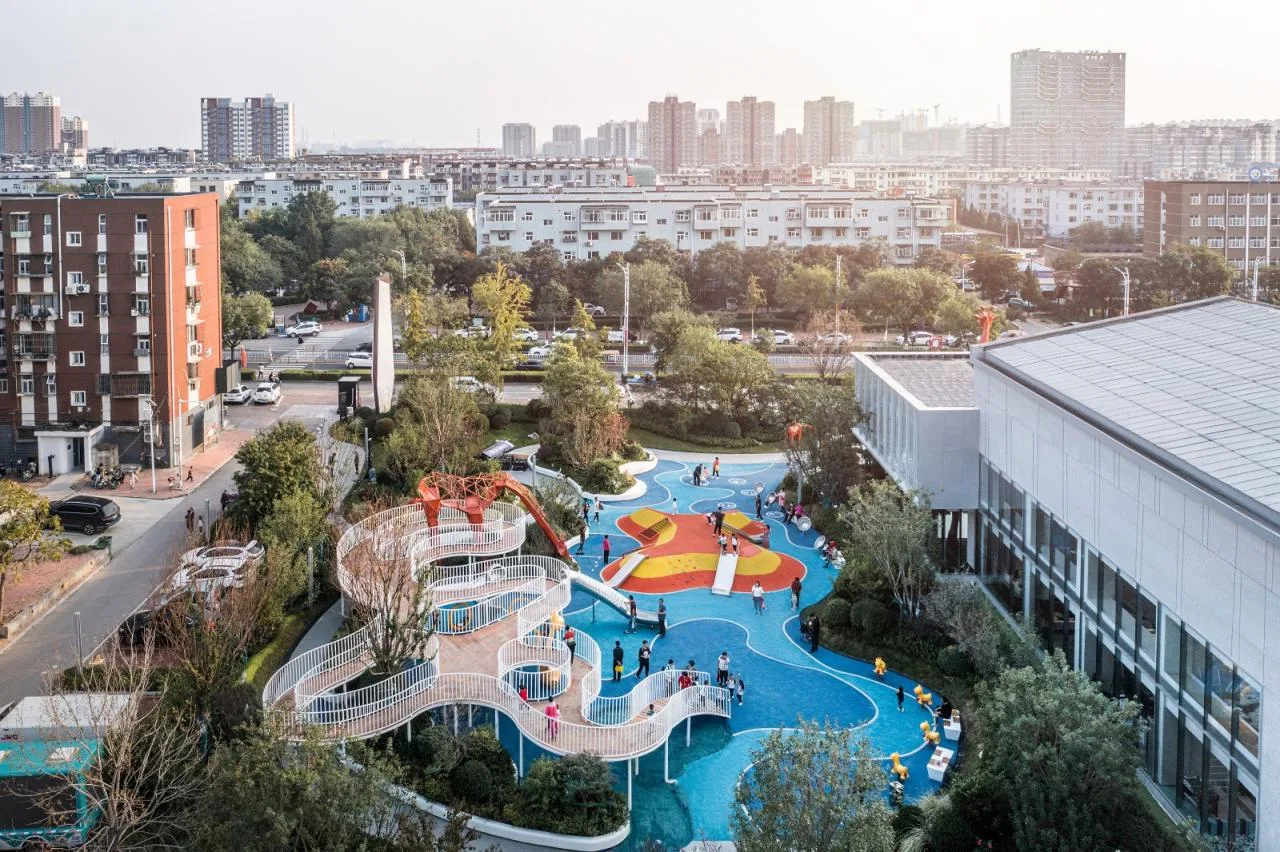
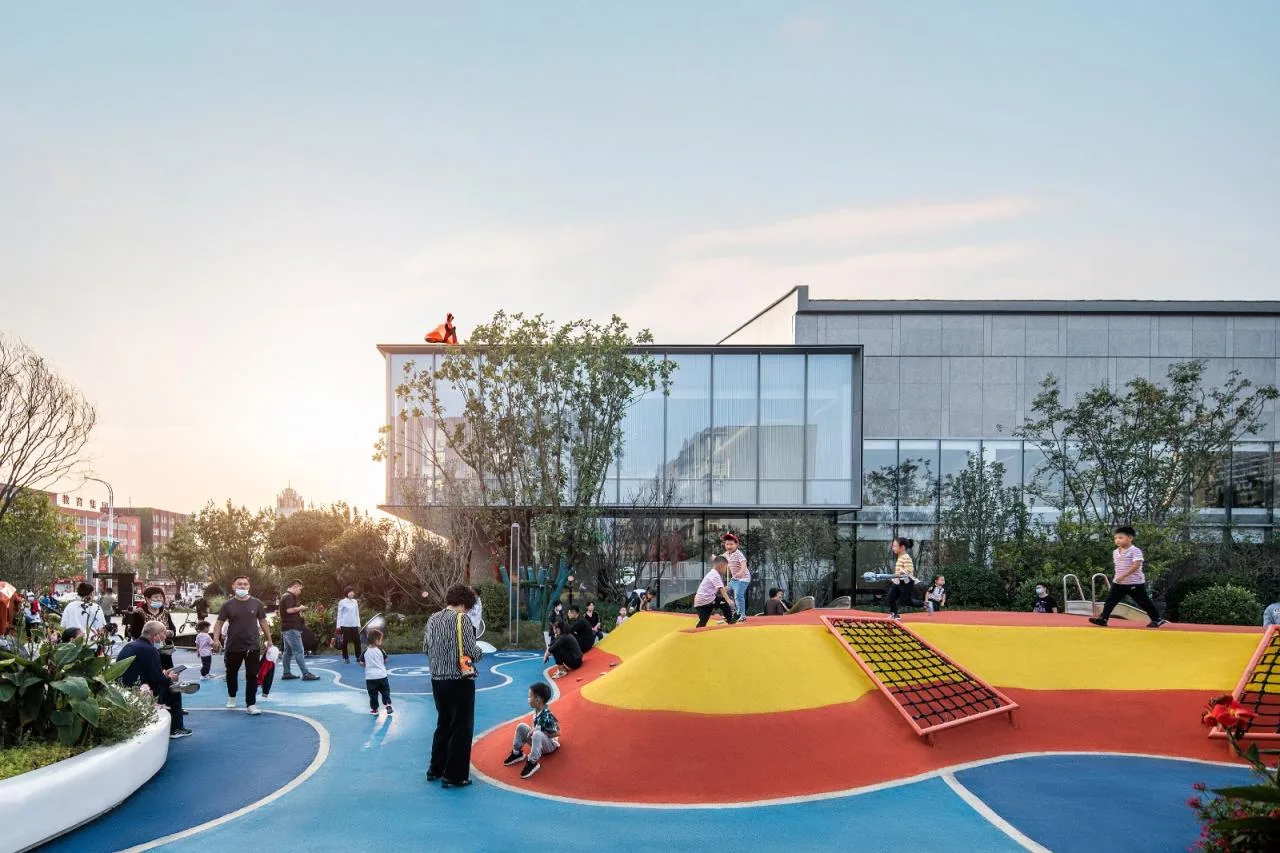
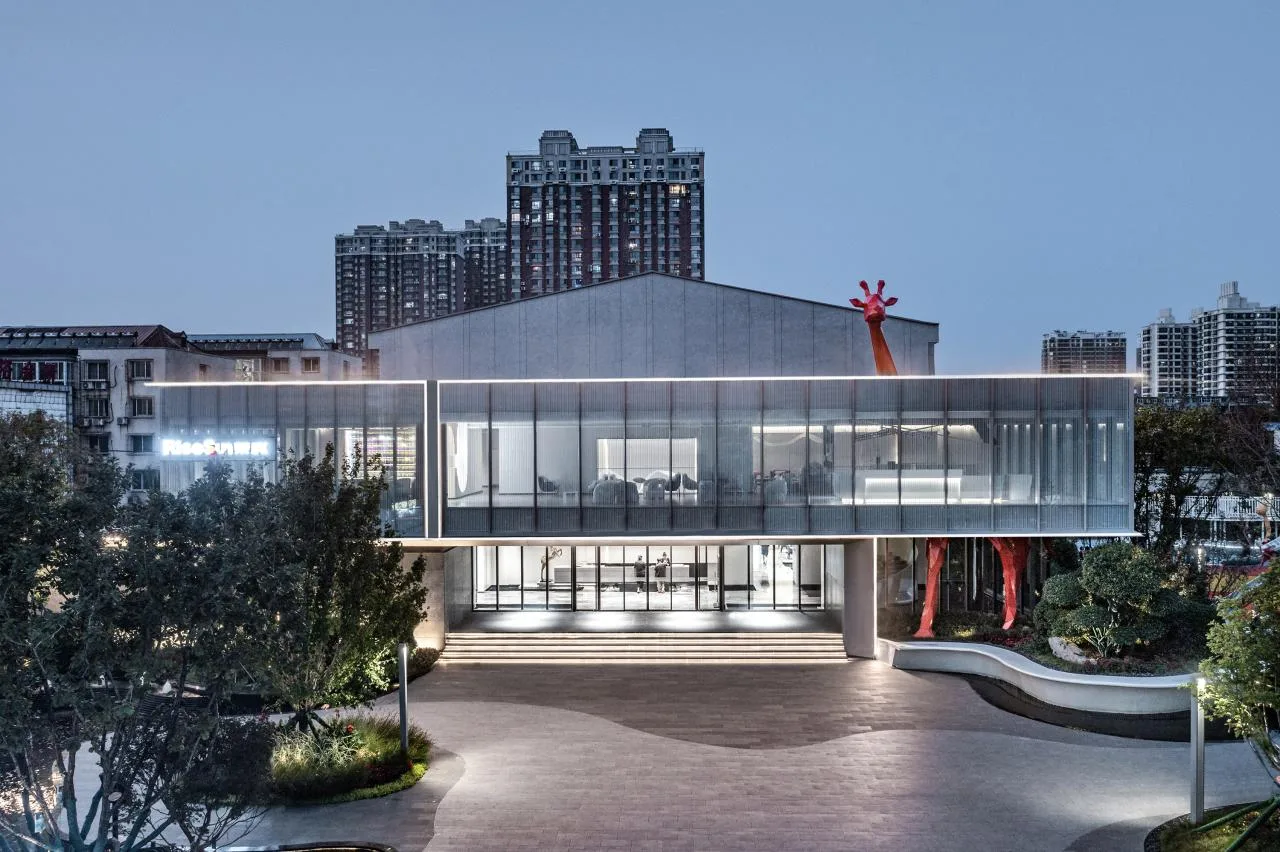
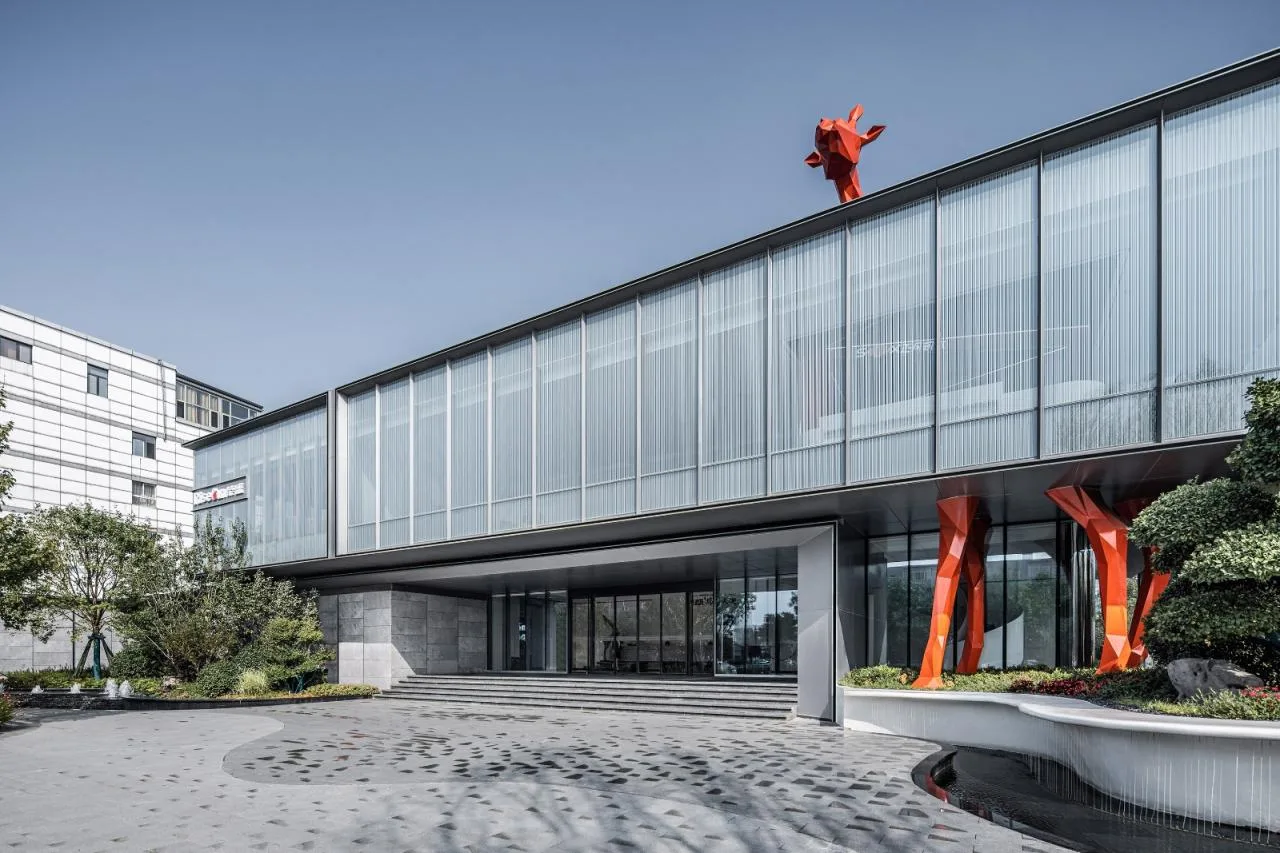
The relationship between architecture and nature, their interaction, and a sense of seamless experience were key reflections in this transformation. The “Suspended Moonlight Treasure Box” features a full glass curtain wall with varied vertical colored glaze lines, creating a light, transparent exterior that blurs the boundaries between the building and its environment.
The activity center is arranged over two levels with an open layout, fully embracing the freedom of the exhibition space. Sightlines are nearly unobstructed, connecting the interior with the outdoors and dissolving the separation between inside and outside.
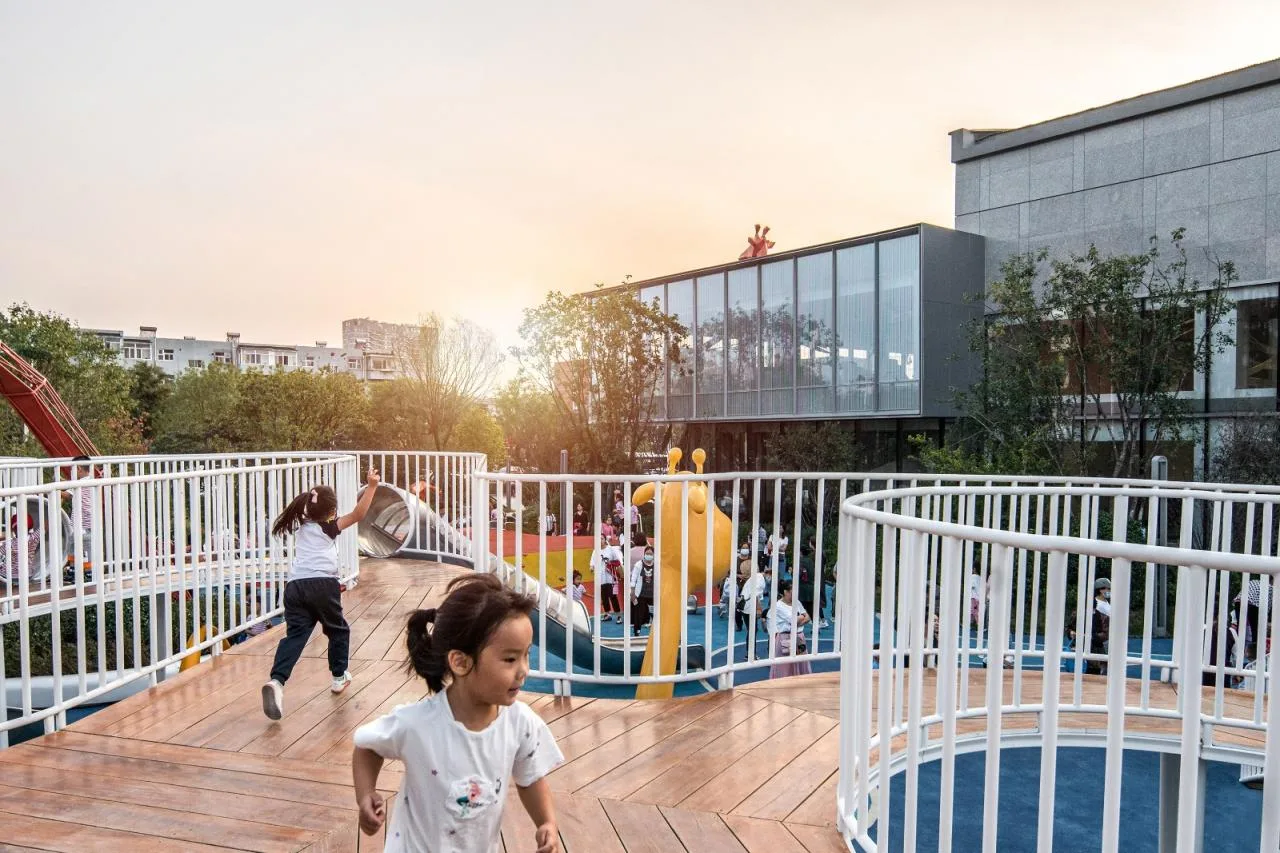
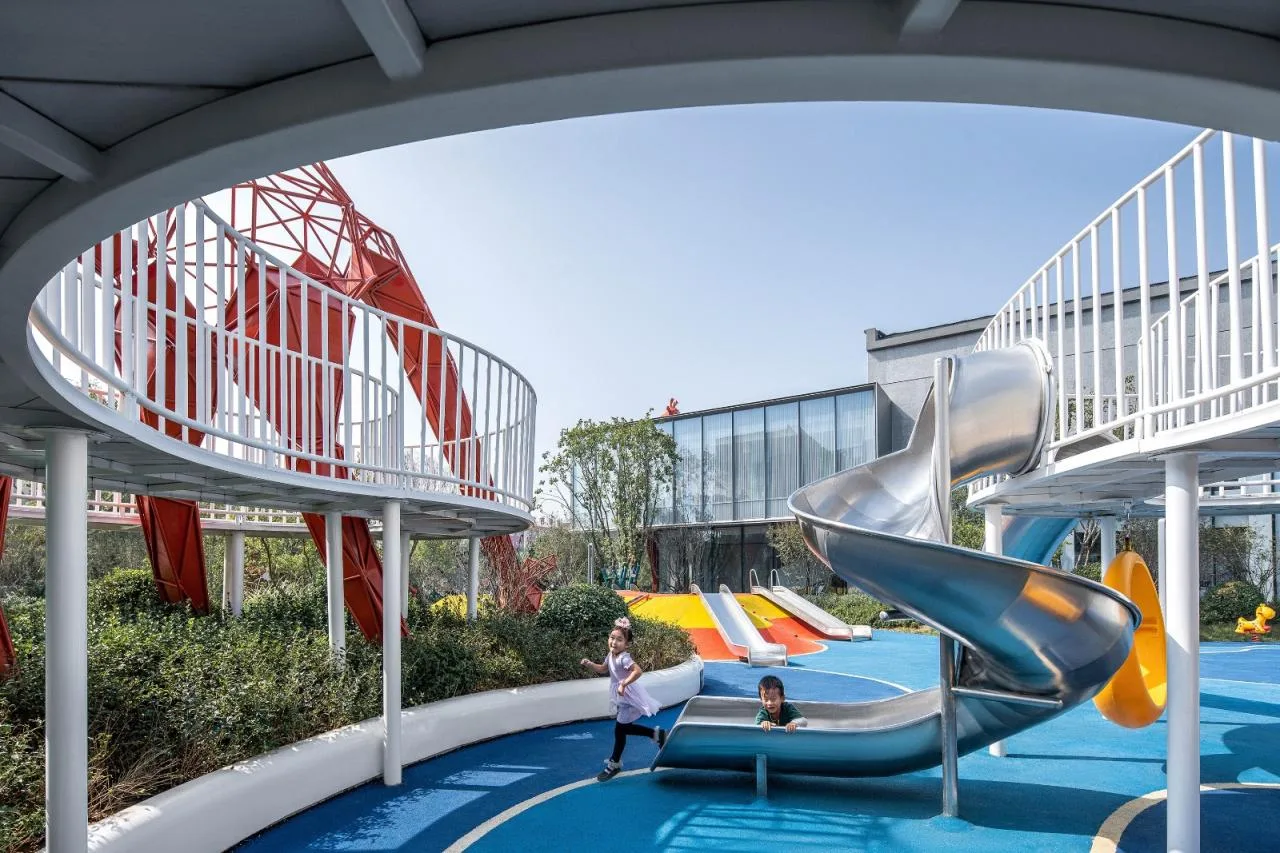
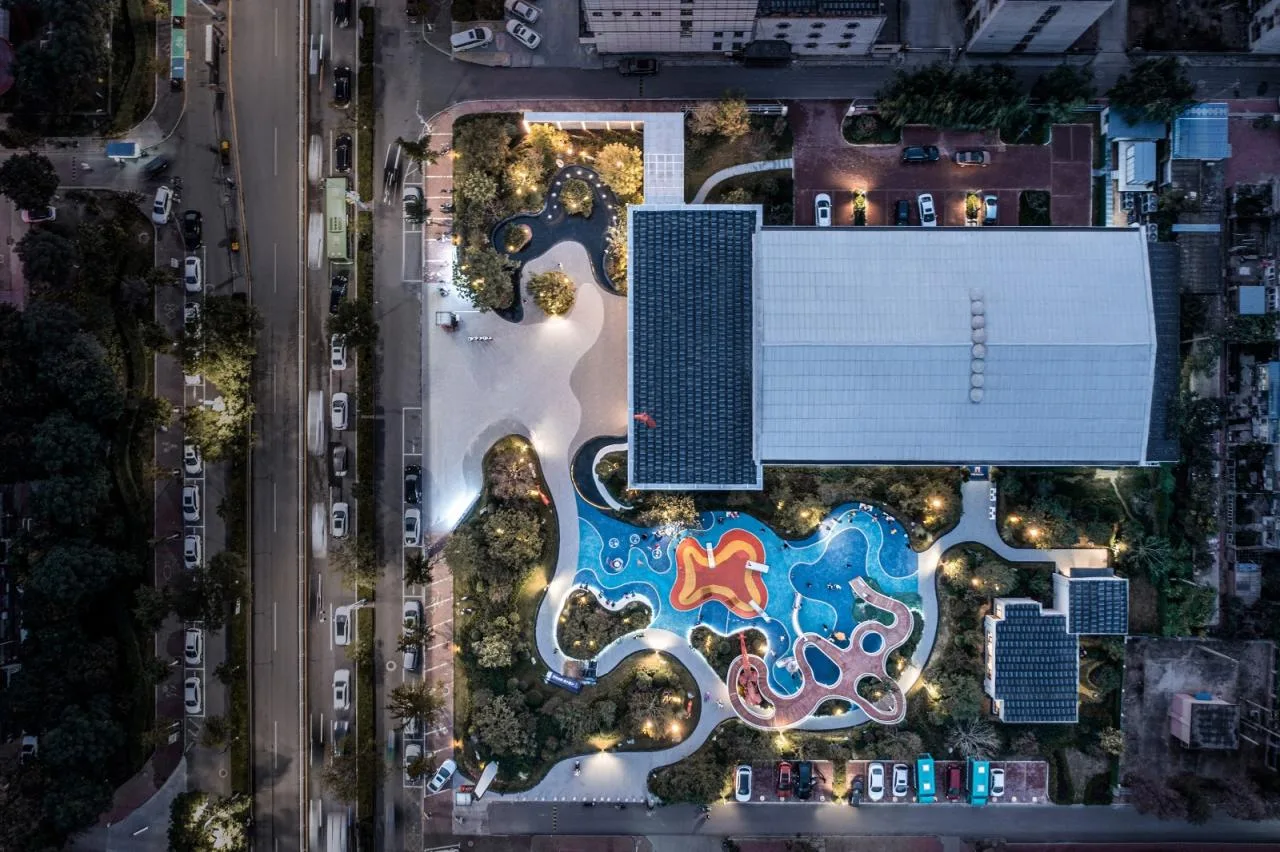
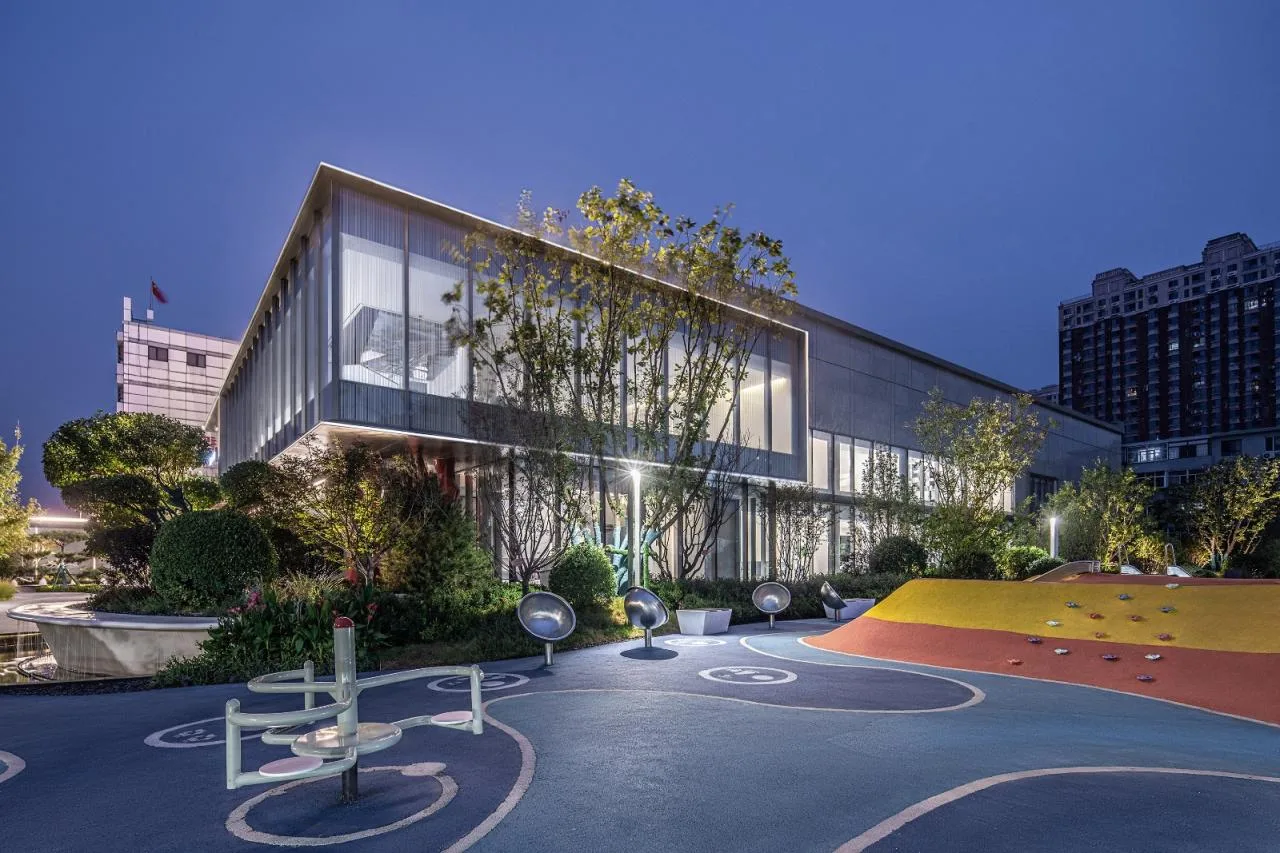
The open space on the east side introduces urban greenery, turning the walking path into an engaging way to connect with the venue. Children’s play facilities encourage interaction between the site and the city.
The route from the parking lot to the entrance overlaps with pedestrian flow in the activity area, allowing visitors to gradually experience the space rather than rushing inside. As visitors’ gaze shifts, they focus on the site’s endpoint—a transparent, suspended two-story leisure area.
Standing on the second floor, one can look back at the city where the bustling streets and lively activity area create a continuous dialogue. The landscape and architectural sequence evoke emotions and experiences, capturing the spirit of the moment.
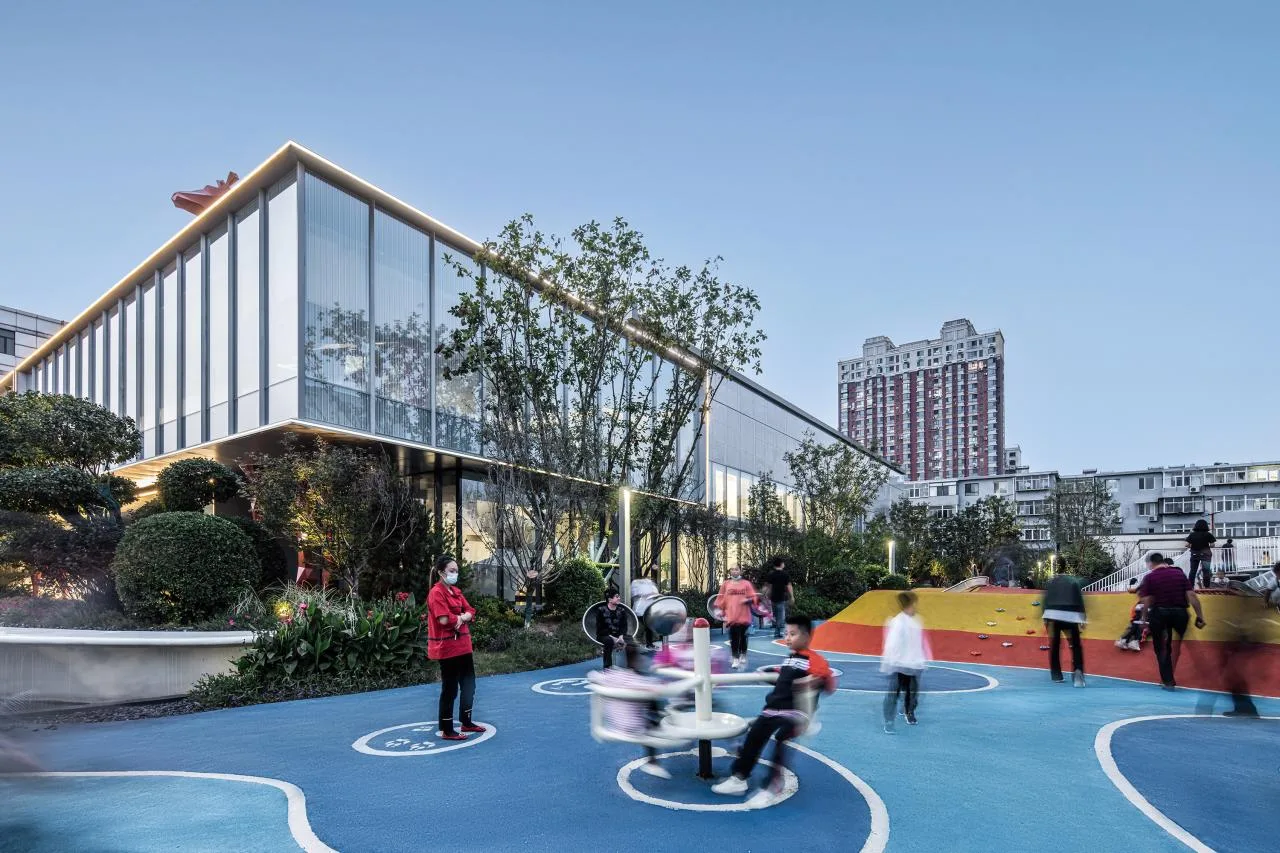
While renovating the building, we also infused it with playful elements. The image of deer softens the steel’s coldness and enlivens the site. Children eagerly engage with the Low poly deer sculptures, which appear to jump and hide among the greenery.
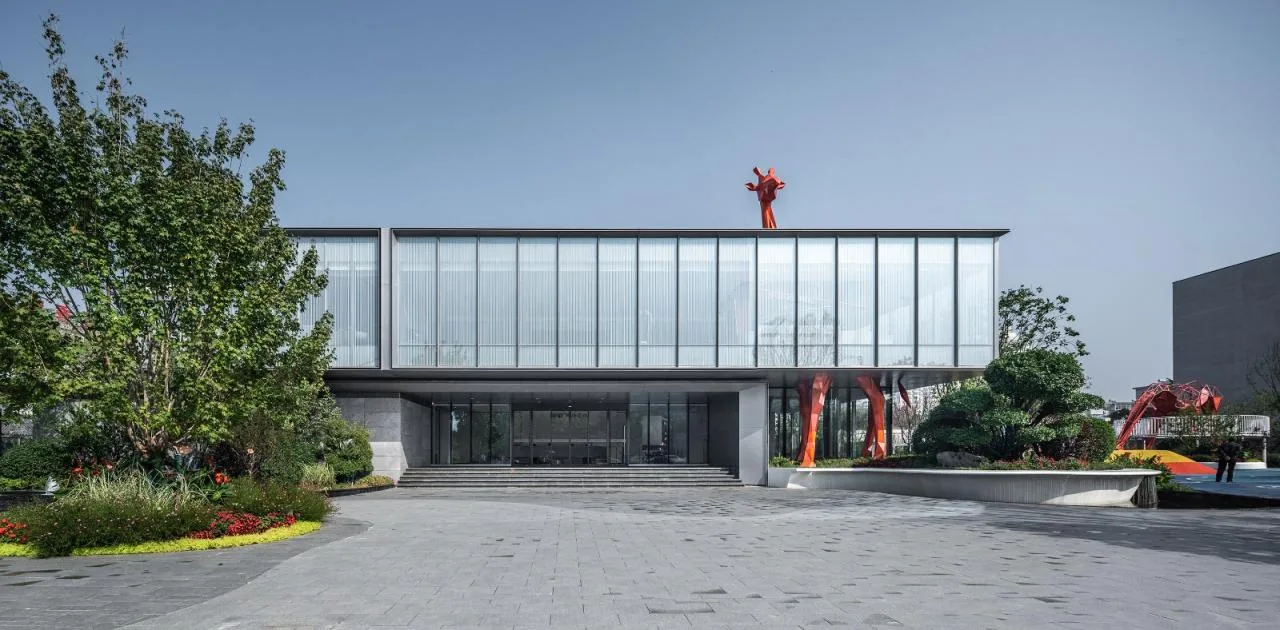
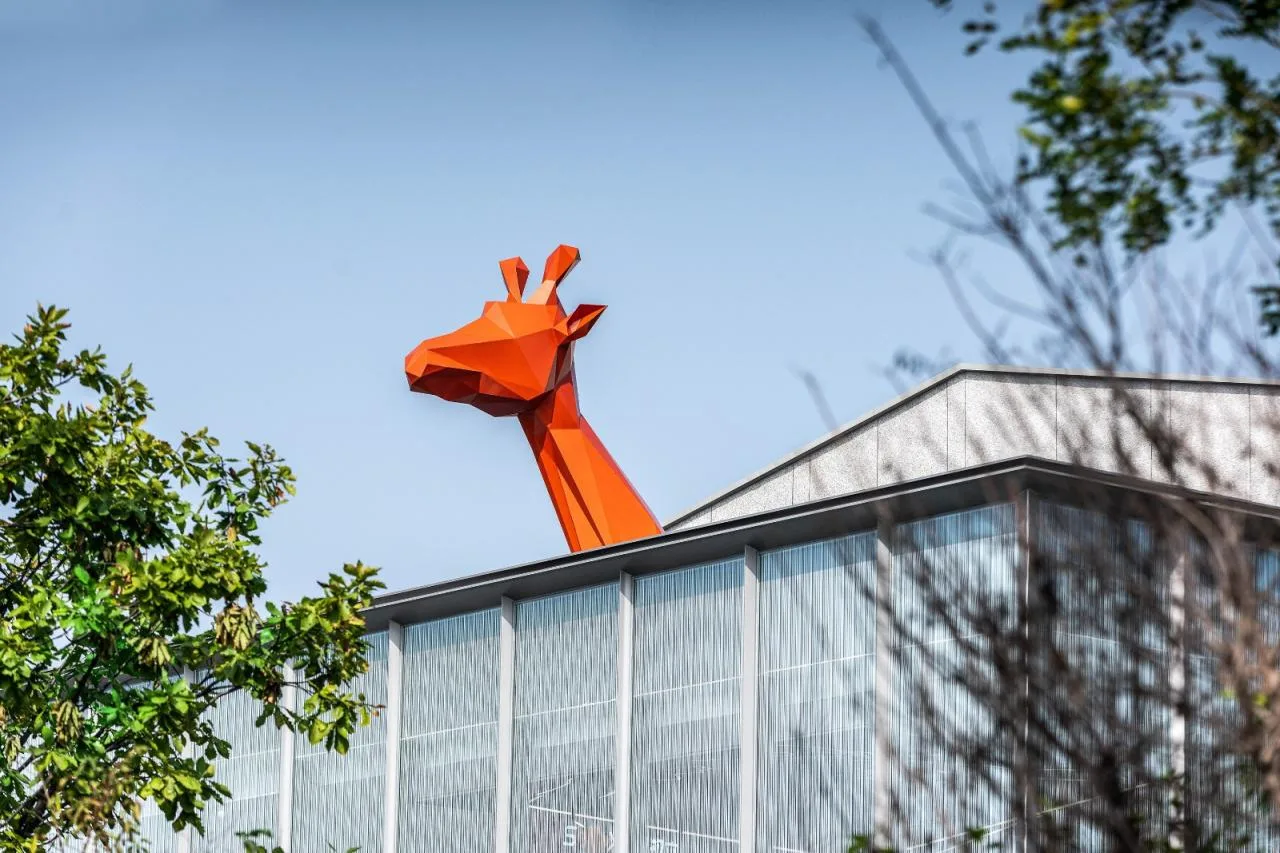
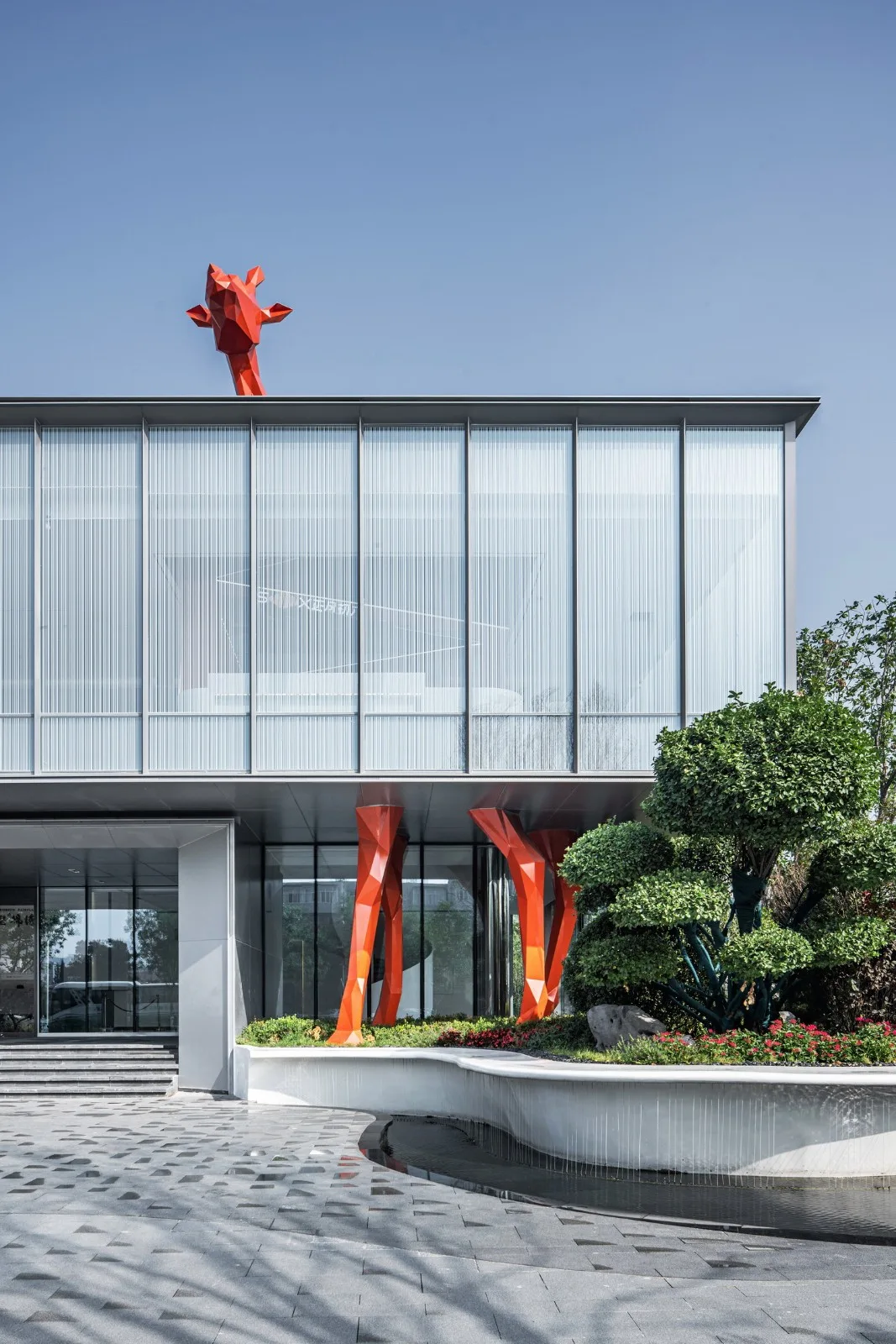
Introducing new functions enhances the overall value of both the buildings and surrounding landscape. After renovation, the space is returned to the city, preserving citizens’ original memories as much as possible. Simultaneously, new stories and memories gradually take shape, allowing historic environments and old buildings to be reborn, revitalizing the city and transforming lives through design.
Project Drawings
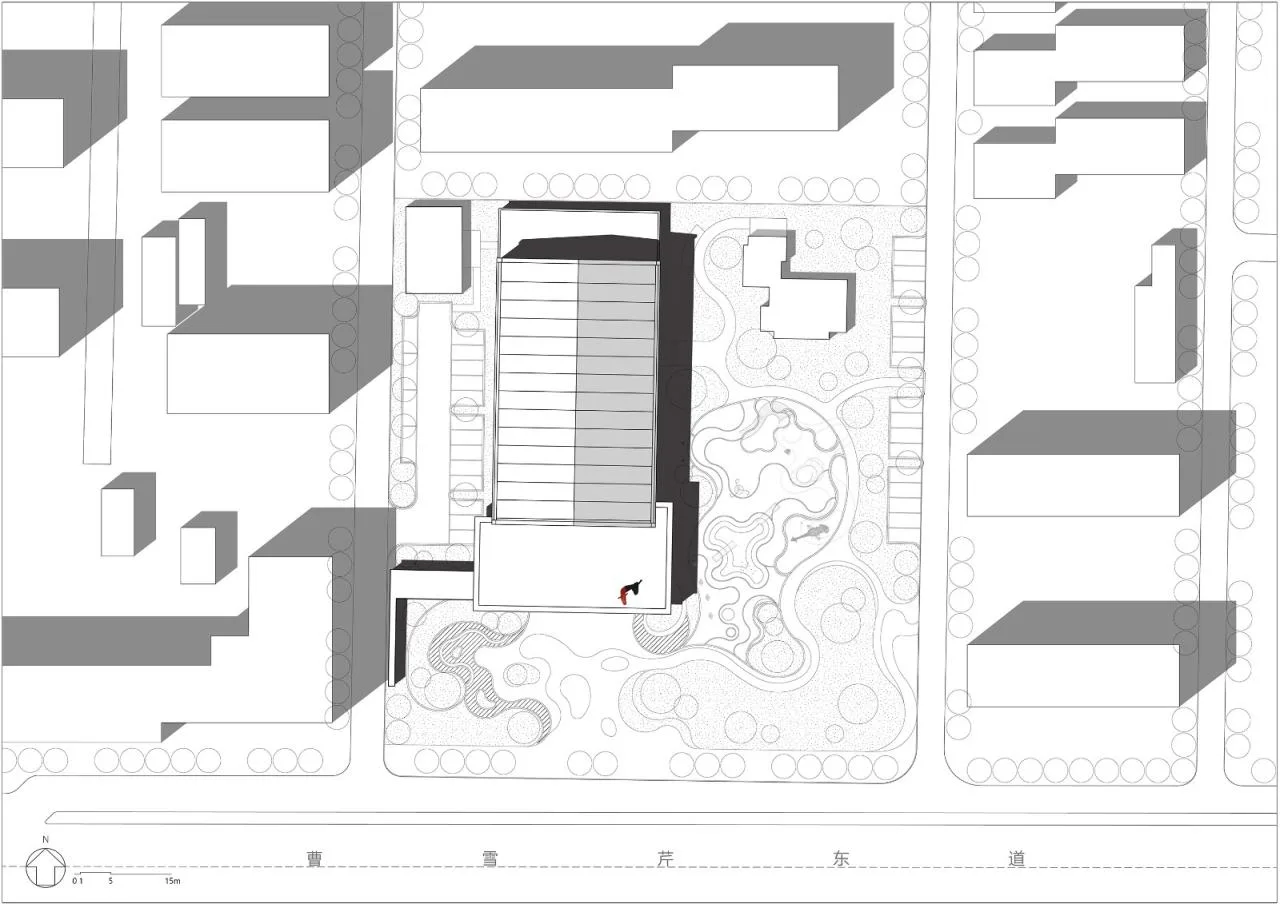
△ General Layout Plan
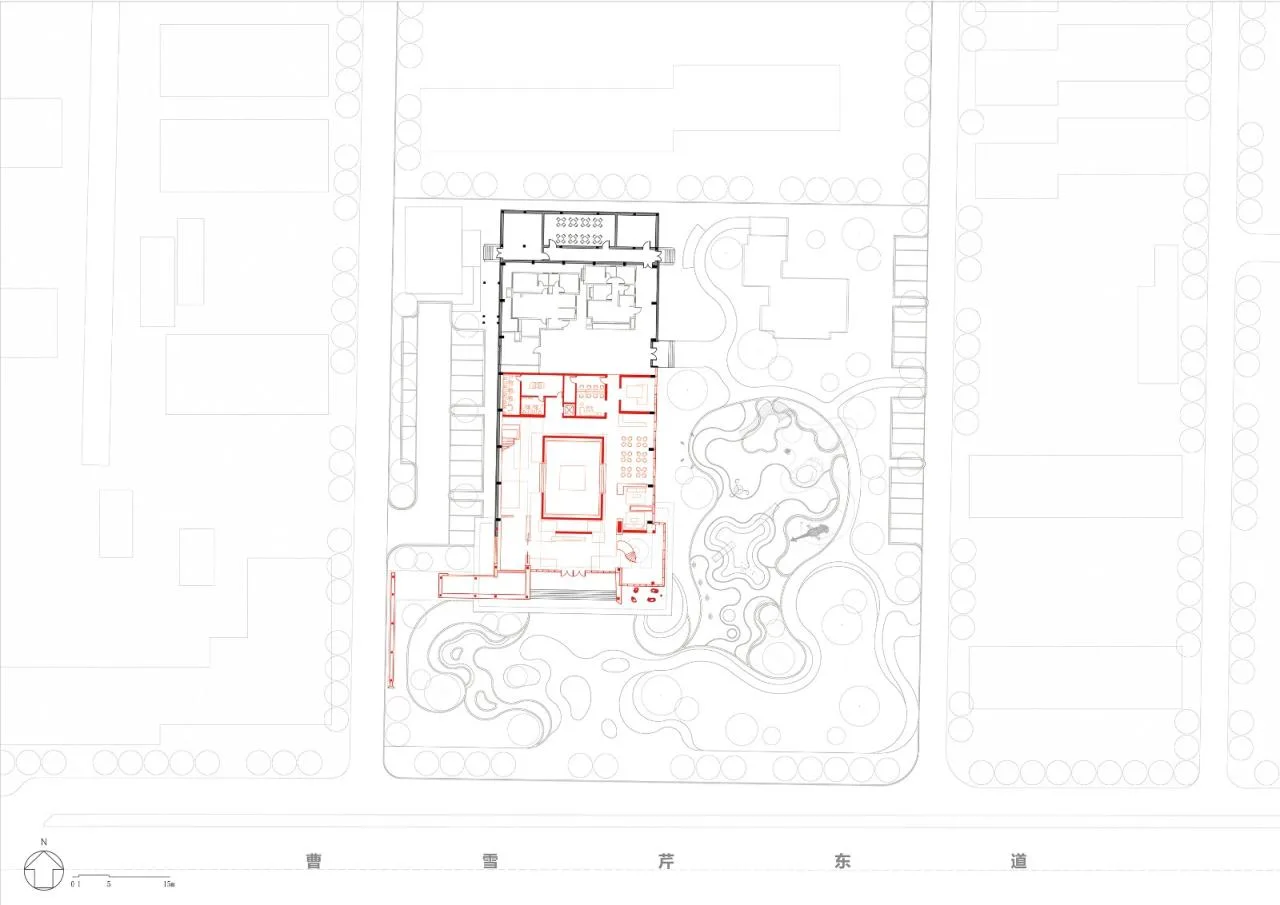
△ First Floor Plan
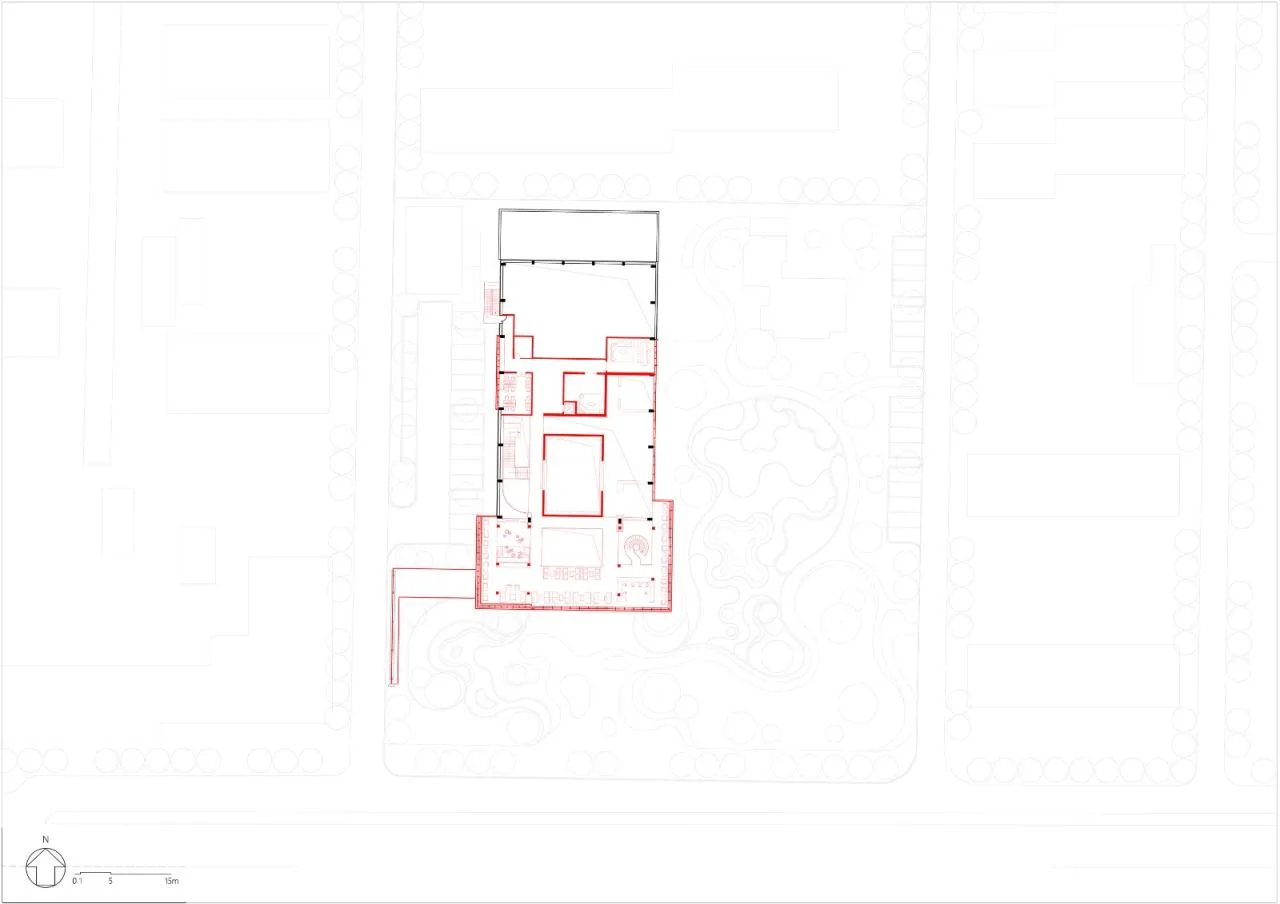
△ Second Floor Plan
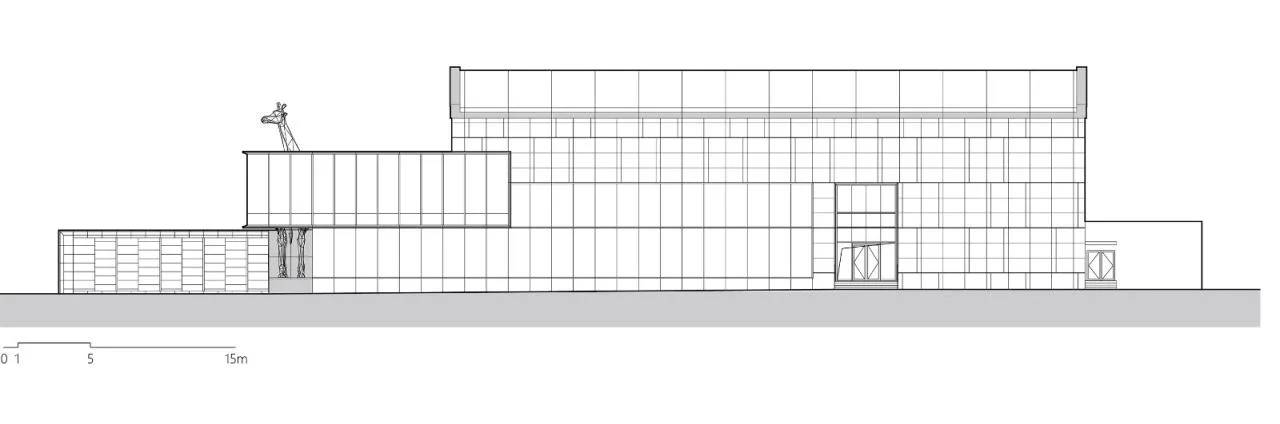
△ Elevation Drawing
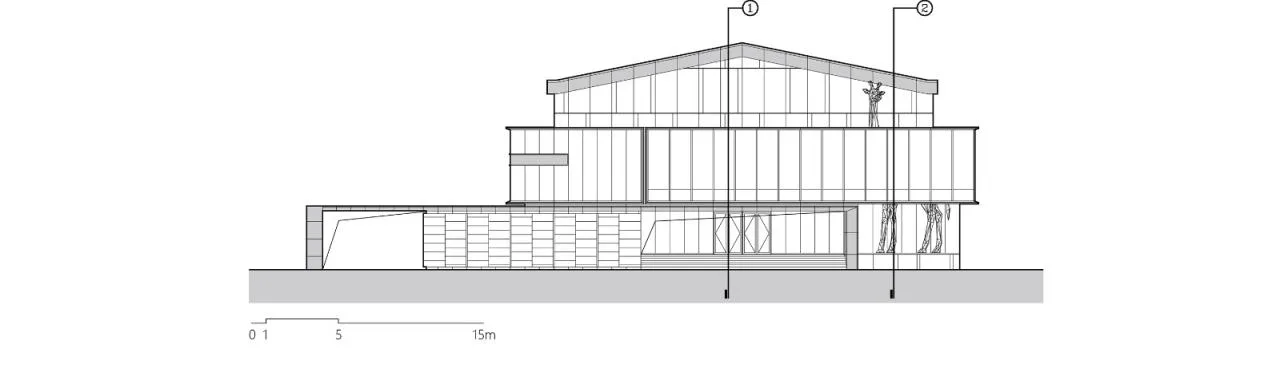
△ Elevation Drawing
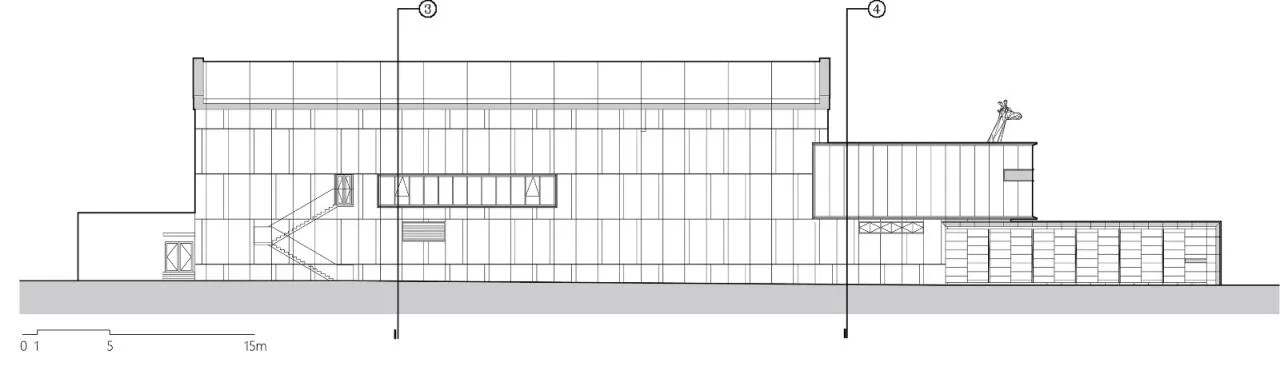
△ Elevation Drawing
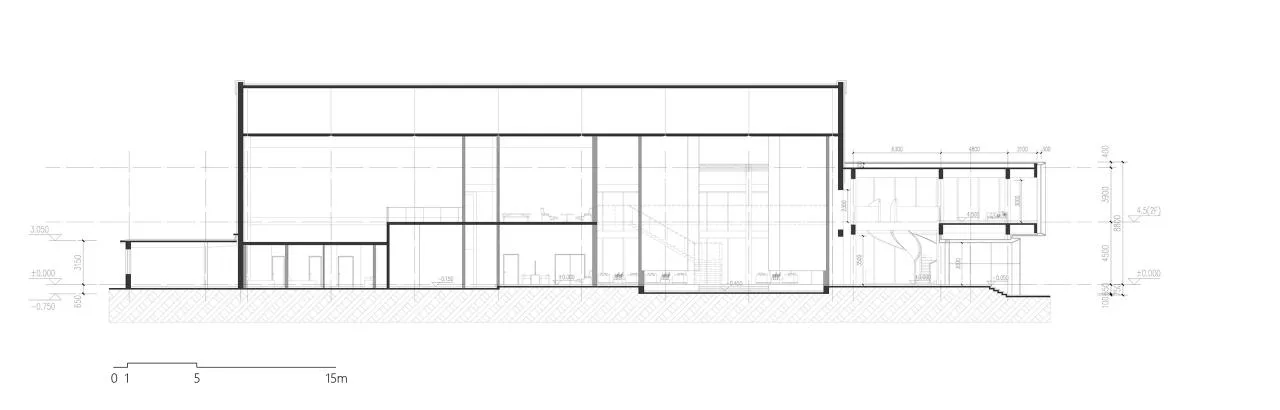
△ Section Diagram
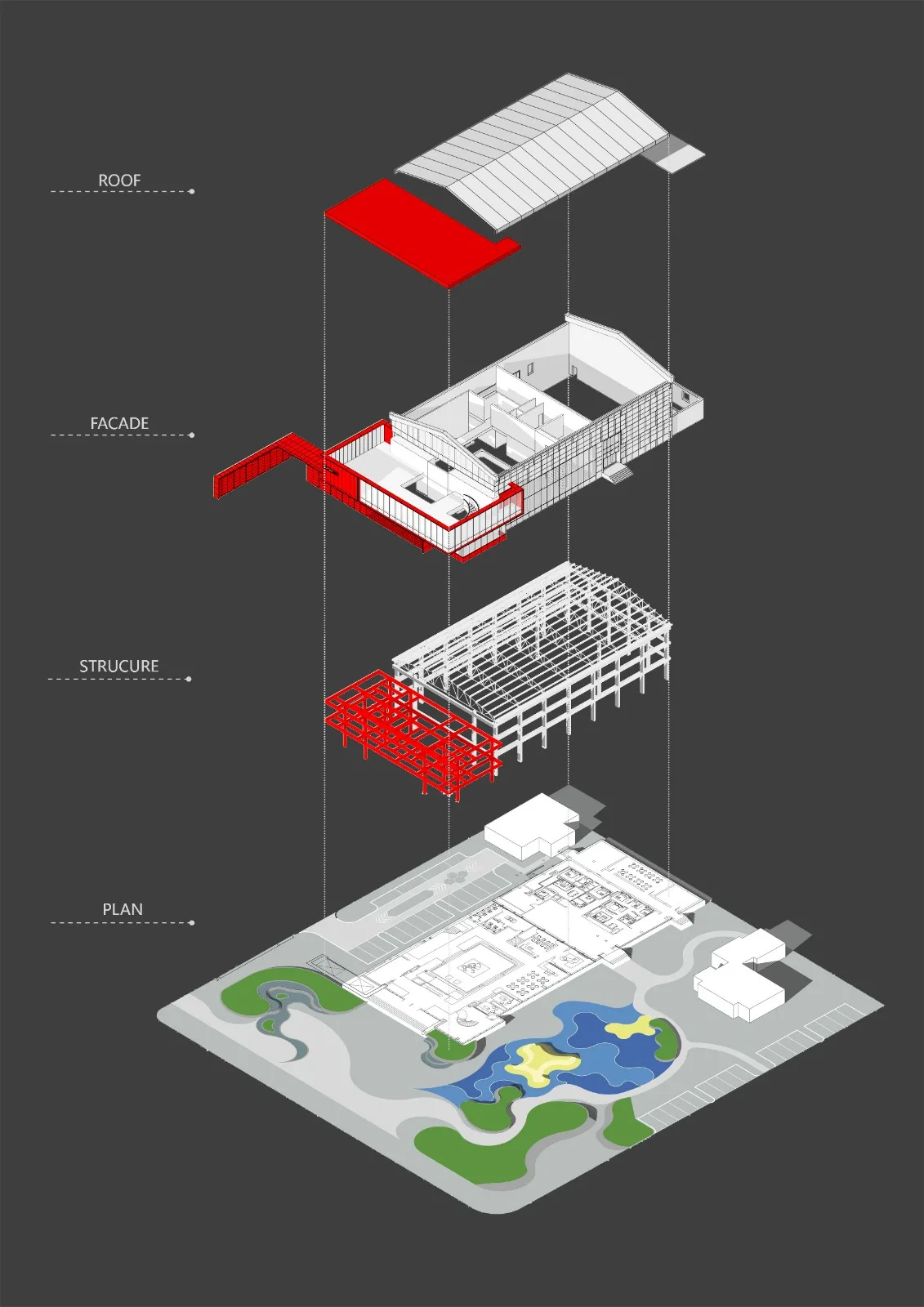
△ Exploded Diagram
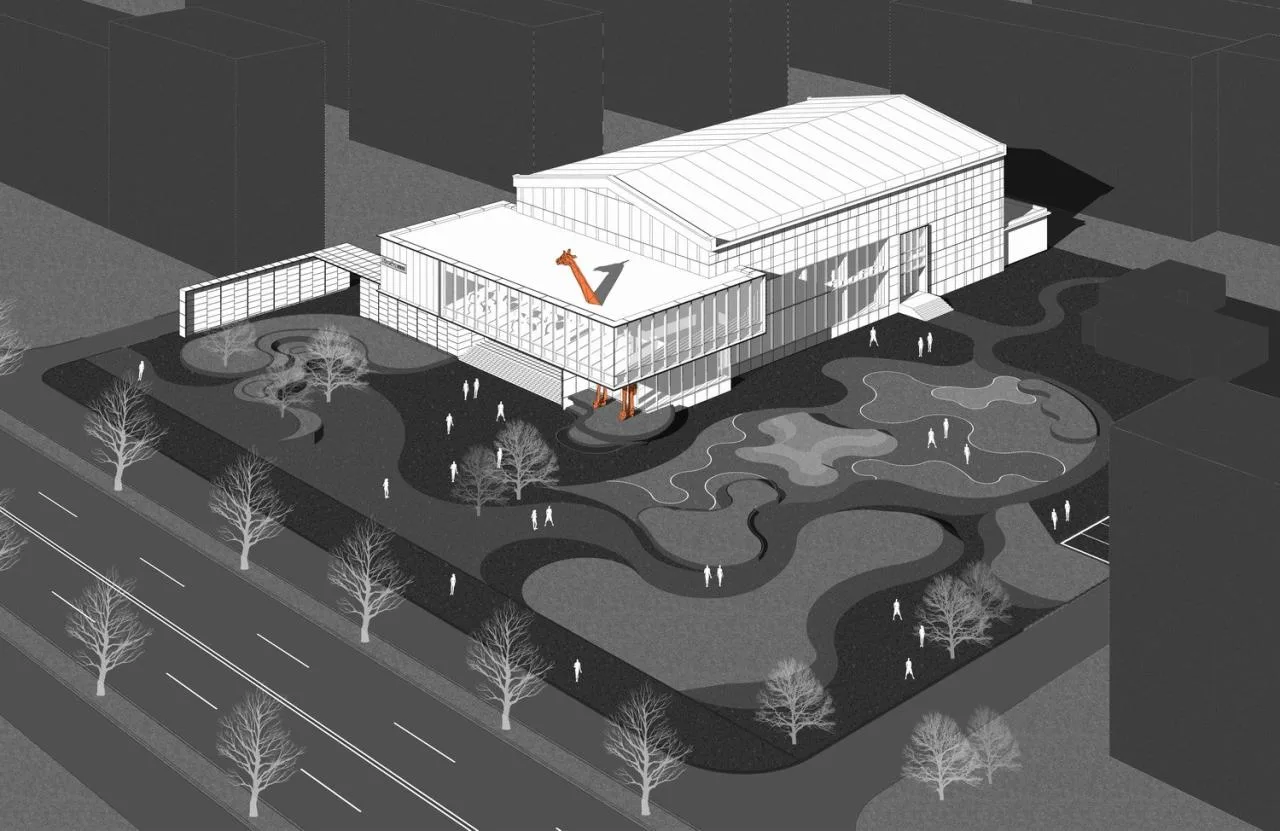
△ Urban Environmental Space
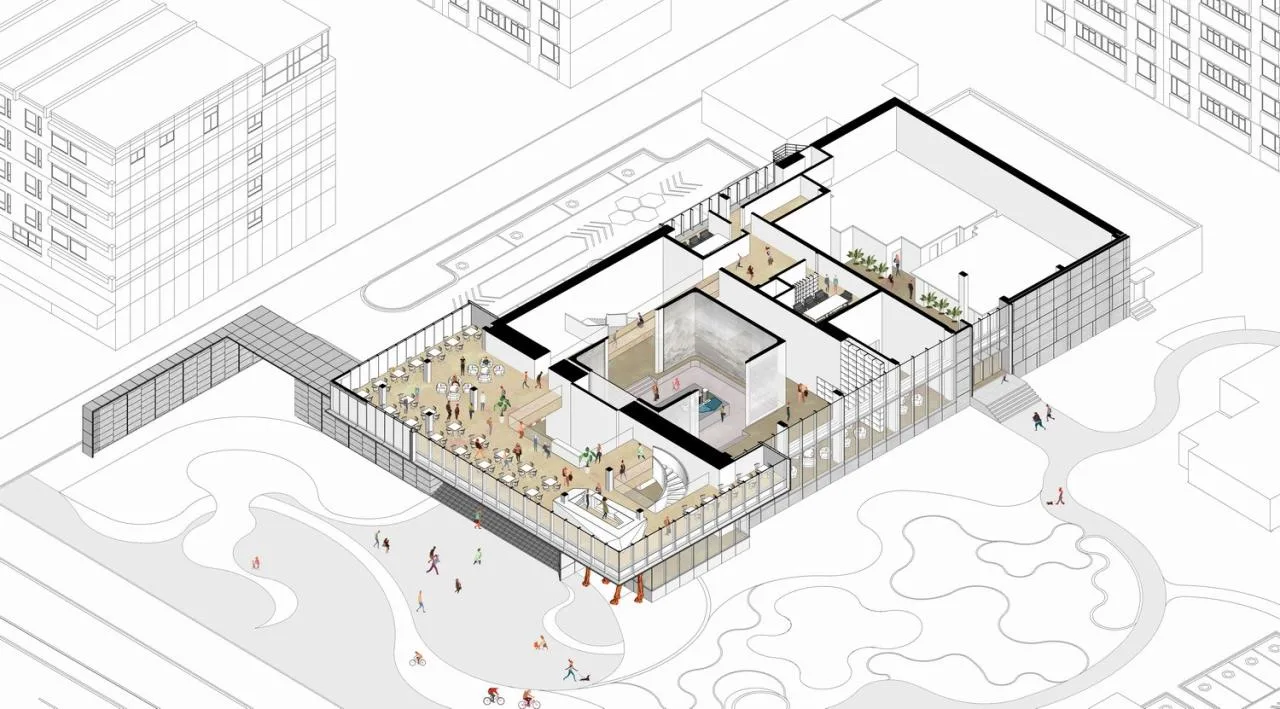
△ Connection Between Interior and Exterior, Top and Bottom of the Space
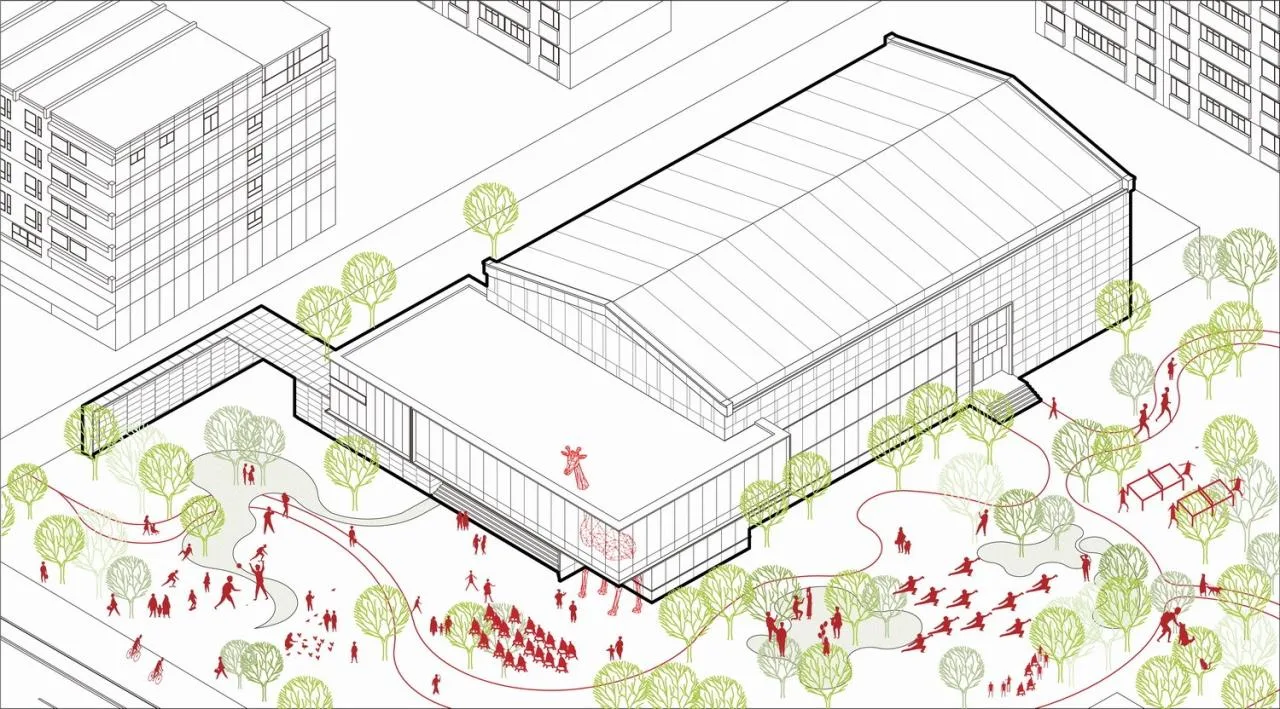
△ Overall Environment Creation
Project Information
Project Name: Rongsheng Tangshan Fengrun Workers’ Club Renovation
Project Type: Renovation
Location: North side of Caoxueqin East Road, main urban road, Fengrun District, Tangshan City, Hebei Province
Floor Area: 8,460 square meters
Building Area: 2,350 square meters
Design Date: December 2020
Completion Date: May 2021
Designer: PTA Shanghai Botao Beijing Business Unit
Lead Architects: Zhang Xiang, Zhang Yu
Design Team: Liu Tingting, Li Hanzhe, Yue Peng, Zhang Jialiang, Liu He, Zhu Yingpeng
Owner: Rongsheng Development Tianjin Company
Landscape Design: Rongsheng Architectural Design Co., Ltd
Interior Design: YLHD Design
Construction Drawings: Tangshan Haoyu Architectural Design Co., Ltd
Photographer: Zhao Yilong
Main Materials: Profiles, high-reflectivity ultra white glass (exterior), glazed glass (interior), aluminum panels, LOW-E ultra white glass, Cario stone














Must log in before commenting!
Sign Up