
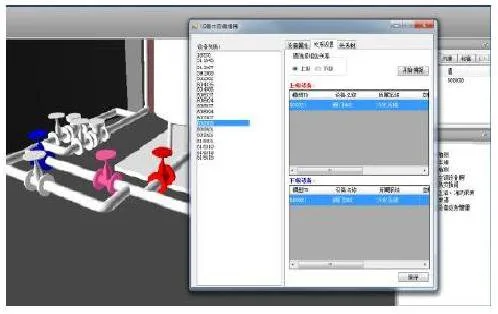
During the operational phase of any construction project, the BIM (Building Information Modeling) database is created by integrating data from building components along with all parameters related to mechanical equipment. By utilizing the application and maintenance system throughout the construction period, and fully leveraging its ability to query and provide feedback on data, professionals can effectively maintain the planned construction process, significantly reducing the risk of accidents. The image below illustrates the specific integration tasks involved in BIM during the operational phase.
For critical construction equipment, maintenance records are essential to perform accurate analysis and evaluation of the equipment’s condition. Additionally, when managing space utilization, it is important to analyze and document how space is used in collaboration with the entire operations team. This ensures optimal allocation of building space and resources in the future, maximizing their efficiency.
Furthermore, BIM-integrated natural disaster analysis software can simulate disaster scenarios, identify causes, and propose timely solutions. It also supports evacuation planning and the implementation of appropriate rescue techniques following a disaster. When a natural disaster strikes, the BIM model database provides rapid access to all relevant information, enabling effective management of unexpected events during construction.
BIM technology offers substantial backend data support, addressing challenges such as low profit margins in construction enterprises and enhancing project management, particularly in Wujin construction and installation projects. It enables refined management throughout the entire project lifecycle, including:
- Providing quantity and price settlement controls to reduce errors like underestimation, omissions, and miscalculations
- Generating multi-disciplinary clash detection reports
- Seamless cycle comparisons throughout the process
- Virtualizing construction processes to minimize mistakes
- Guiding material procurement and enforcing quota-based material requisition
- Optimizing steel bar cutting
- Real-time progress monitoring
- Supporting database archiving
Moreover, BIM allows centralized management at the enterprise level for project clusters, improving collaboration and information sharing across different teams and departments.
















Must log in before commenting!
Sign Up