
BIM effectively integrates valuable resources, clearly communicates design intent, and reduces errors during the design phase. Utilizing BIM technology, project teams can make changes or revisions anytime and anywhere throughout the engineering design or documentation process. Once a modification is made, the results are displayed in real-time and automatically coordinated across various disciplines and project stages. The BIM 3D model links and synchronizes any inconsistencies or omissions found in 2D drawings, eliminating tedious, low-value repetitive coordination and manual checks. This enhances communication efficiency, accurately conveys the designer’s intent, and ultimately improves the overall quality of the work.
Compared to traditional 2D design methods, BIM’s digital, parametric, and component-based features offer significant advantages during the design phase. These benefits include:
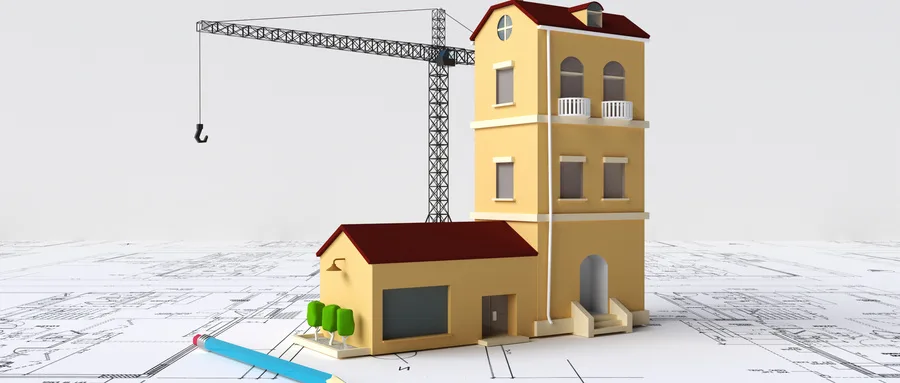
(1) 3D Visualization Ensures Design Effectiveness
The BIM model provides a three-dimensional representation of design outcomes, allowing designers to clearly showcase the shape and appearance of facilities, as well as the dimensions and placement of components and equipment pipelines within 3D space. It also integrates non-geometric information such as materials into the model. Compared to traditional graphic methods, BIM models display comprehensive and accurate component details and spatial relationships across various parts and stages, facilitating more intuitive and effective communication among different disciplines.
(2) Parametric Components Enable Data Consistency
BIM organizes models through parametric components, where geometric parameters are linked to form and can be driven bidirectionally. Beyond geometric data, non-geometric information is also stored, and the organizational structure follows building logic—for example, doors and windows are attached to walls. Components also respect professional standards and expression habits.
(3) Synchronized Updates Prevent Errors and Omissions
BIM models allow for flexible projection and sectioning of various views, along with detailed component quantity takeoffs. Since views, lists, and models derive from the same database, they stay synchronized and bidirectionally linked. This avoids common errors found in traditional designs, such as drawing inconsistencies, greatly reducing proofreading and review workloads.
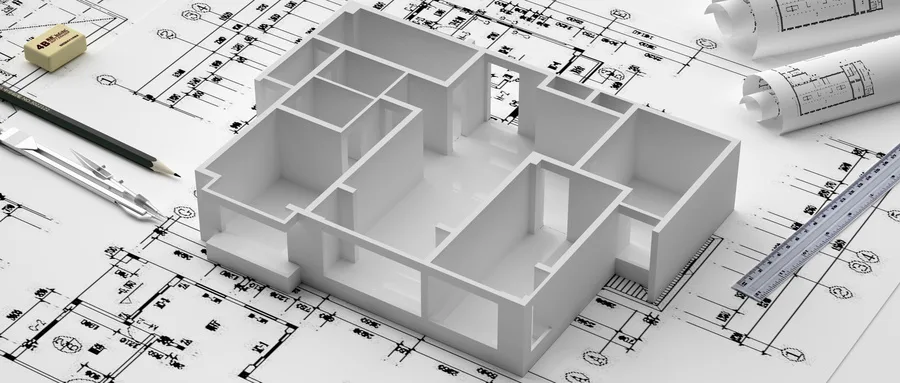
(4) 3D Collaborative Design Enhances Coordination
BIM enables a three-dimensional collaborative design process among multiple disciplines, offering a more intuitive and comprehensive approach than traditional 2D methods. This setup makes it easier to identify hidden conflicts between professions and resolve them promptly.
(5) Optimization Through Visual Analysis
BIM models can integrate with various simulation software to conduct performance analyses and optimize designs accordingly. In architecture, common applications include sunlight, ventilation, thermal, and lighting performance analyses, as well as evacuation simulations. In structural engineering, BIM helps compare models before and after revisions, assess slab elevation and thickness, evaluate beam height, and check structural column alignment.
(6) Enhanced Information Transmission Increases Design Value
Traditional 2D designs present information in a flat, fragmented manner, making it difficult to transfer knowledge effectively to subsequent phases. This often leads to redundant data or missing critical information that could inform later design stages and complicates operation through parameterized data. In contrast, the BIM model acts as a powerful information database, allowing the design phase model and its data to be extracted and utilized by downstream users. Through refinement and supplementation, the construction BIM model is developed, which ultimately results in a comprehensive as-built BIM model for operation and maintenance. This improves efficiency across the entire construction process and enhances building lifecycle management. Consequently, the value of BIM-delivered design outputs far exceeds that of traditional 2D drawings.
















Must log in before commenting!
Sign Up