
During the construction phase, 3D visualization technology within BIM is extensively applied to construction projects. It leverages expertise in simulation, construction drawing design, construction processes, and site workflow planning to ensure effective control over quality, safety, and costs.
Given the limited workspace on construction sites, BIM models simulate real-world scenarios to identify unused areas and calculate their sizes. This facilitates efficient site management and progress tracking. Additionally, a BIM model aligned with the site environment is established to preliminarily demonstrate the construction plan. This allows for progressive coordination of all construction activities, such as concrete pouring, steel structure assembly, and hoisting, enabling early detection of potential conflicts during construction.
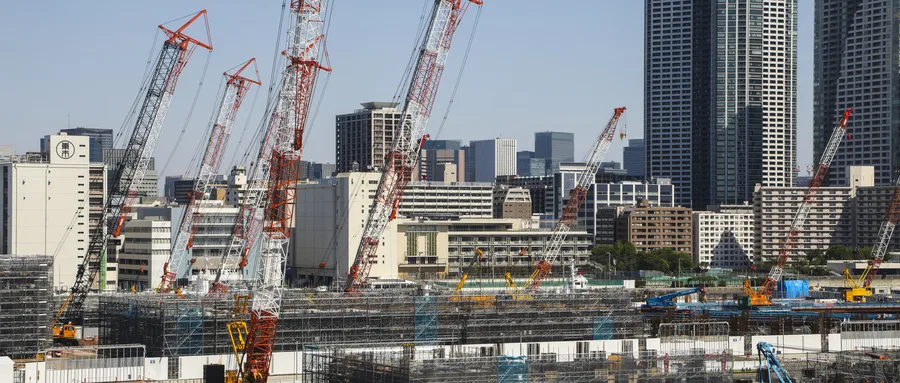
To address these challenges, BIM provides targeted solutions that help reduce economic losses and time delays during construction. Due to project complexity and the temporary nature of construction teams, delays caused by coordination issues often lead to significant resource waste. BIM technology enhances real-time data sharing, improving accuracy, collaboration, and accelerating project progress while reducing resource consumption.
Especially during construction, BIM enables various management teams to quickly access essential project data, supporting timely and informed decision-making. This boosts collaboration efficiency across management lines. The virtual 3D models and connected databases provided by BIM assist in schedule assurance, cost control, and early identification of engineering challenges.
Furthermore, integrating BIM with Internet and cloud technologies ensures information symmetry between headquarters and project teams. This alignment facilitates timely and accurate decision-making, lowers communication costs, enables refined project management, and fosters win-win outcomes for both enterprises and project departments.
Traditional 2D blueprints are inadequate for detecting conflicts in complex engineering designs. Rework, redesign, and reconstruction due to geometric clashes are common, resulting in substantial material loss, machine downtime, and wasted resources. BIM models can automatically detect and analyze collisions—including minor clashes—generate detailed reports, and fundamentally eliminate waste, energy consumption, and schedule delays caused by these conflicts.
Additionally, BIM supports precise material cutting, optimized layout of decorative elements, and template woodworking, significantly reducing waste and material loss. Current construction plans often lack precision due to manual budgeting, leading to inaccurate resource allocation—whether personnel, materials, or machinery. This mismatch causes some resources to arrive too early or late, resulting in increased transportation costs, waiting times, and overall inefficiency.
While limited material requisition is recognized as crucial for minimizing waste and controlling costs, manual budgeting departments often cannot obtain timely, accurate data on required quantities, rendering such controls ineffective. BIM technology solves this by substantially improving data accessibility across project lines, providing technical support for consumption control.
Although the initial investment in information technology and BIM applications by construction units can be high, the implementation results have demonstrated significant returns, generating substantial profits for both enterprises and projects.
















Must log in before commenting!
Sign Up