
As Building Information Modeling (BIM) technology continues to mature, it is becoming increasingly influential across various engineering disciplines. In the field of mechanical and electrical engineering, BIM’s applications include the following:

Preparation for BIM Modeling
Building a professional BIM modeling team requires careful consideration of coordination and expertise among its members. The team leader should possess extensive construction experience and strong software skills to effectively manage BIM modeling efforts. Teams should be organized by specialty, with clear task allocation and individual responsibilities. BIM project management should serve as the core, and BIM work plans must be developed based on project requirements.
BIM Modeling
(1) Model Creation
① Information Gathering: Before constructing BIM models, it is essential to thoroughly understand all project requirements and system drawings to prevent operational errors and avoid unnecessary construction costs. Establishing workflow diagrams helps systematically collect relevant data.
② Develop Modeling Standards: Based on the project’s modeling foundation and objectives, organizations can set management protocols. These include naming conventions, model color schemes, control points, design optimization principles, and specifications for new family components within the model.
③ Grid Construction: Grids are classified into two types: flat grid lines and floor lines. Architects use grids as a critical reference in their designs, enabling construction personnel to accurately locate positions on-site. Floor lines indicate floor heights and provide references for beam positioning, wall heights, and floor slabs. Their primary function is to ensure CAD drawings align correctly for precise model placement.
(2) Collision Detection and Layout Design
Once professional BIM models are complete, they are integrated with civil engineering models to form a comprehensive project model. Collision detection and layout design are performed using specialized software. The main goal of pipeline collision inspection is to identify conflicts during construction, particularly clashes among plumbing, electromechanical, and structural elements. Hard collisions are a critical issue in engineering projects, requiring thorough technical inspections of structural intersections, pipeline junctions, and equipment placements to ensure construction feasibility and safety.
(3) Drawing Review and Feedback
Review the completed BIM model to verify compliance with specifications, consistency with drawings, and completeness of information. BIM models evolve continuously with technological and social advancements, enabling integrated audit management throughout the project lifecycle. Each modeling stage requires review and approval from all stakeholders before progressing. Identified issues during modeling should be communicated back to the design team to produce revised drawings, thereby minimizing construction risks, simplifying on-site work, and avoiding unnecessary costs.
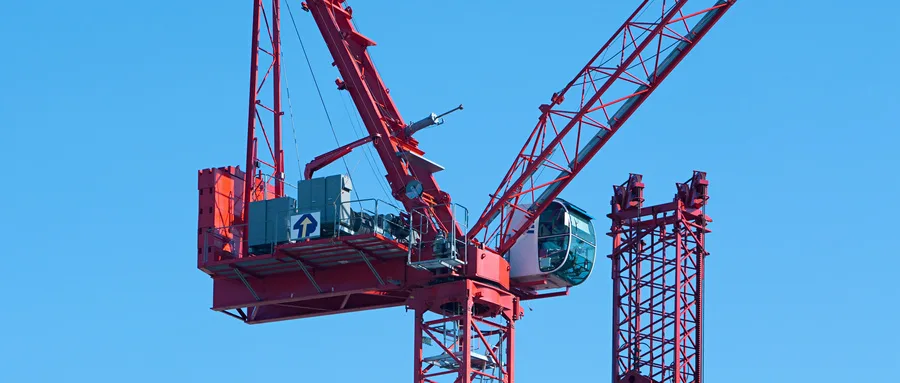
Applications of BIM in Construction
(1) Construction Progress and Process Simulation
Develop schedule plans for hydropower based on real project conditions, then simulate construction progress using BIM. This iterative simulation helps assess the feasibility of the schedule and results in a plan that balances efficiency and practicality.
(2) Engineering Quantity Analysis
BIM models serve as comprehensive data carriers for building information. They enable statistical analysis of water and electrical components, generating installation quantities. This includes systematically extracting quantities for water supply, drainage systems, smoke control engineering, and electrical bridge structures, such as pipeline lengths and fittings.
(3) Construction Guidance
Using the finalized BIM model, critical construction phases are segmented and shared with subcontractors to guide the routing of pipelines and overall site management. This coordination prevents conflicts between pipelines during installation and significantly reduces labor waste. On-site changes should be promptly updated within the model to maintain consistency between the digital plan and actual construction conditions.
(4) Post-Construction Operation and Maintenance
All facility and equipment information is stored in a unified data format, including spatial details, materials, and quantities. This standardization supports design updates during construction and ensures that the most complete and detailed information is available during maintenance. The benefits of BIM in this phase include:
- Improved building management and enhanced commercial value;
- Provision of integrated data to support property and equipment management;
- Interfaces that connect with the Internet;
- Faster and more effective fault detection and resolution through BIM databases during operations.
















Must log in before commenting!
Sign Up