
BIM technology is a widely used digital information tool that creates a simulated building model by integrating detailed building data. This model serves as a valuable guide for the construction process. To build an accurate simulation, various engineering parameters related to the building are required. These parameters can be efficiently gathered using technologies like RFID, providing a solid foundation for the construction of prefabricated buildings.
The Benefits of BIM Technology in Prefabricated Building Construction
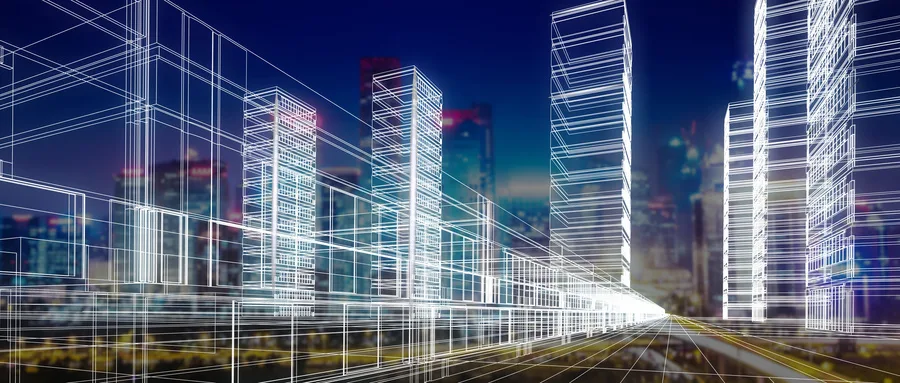
1. Enhancing Quality Management Efficiency: Implementing BIM technology in prefabricated building projects helps to overcome the limitations of traditional communication methods and paper-based workflows. This significantly boosts the efficiency of quality management by construction teams. Furthermore, BIM transforms traditional 2D architectural designs into detailed, three-dimensional visual models, enabling better data digitization and clarity.
2. Improving Quality Control and Accountability: With BIM, construction progress of prefabricated buildings can be monitored in real time, allowing teams to promptly identify issues and apply effective solutions. The technology also incorporates tools such as sensors and QR codes to track and record operations on-site continuously, ensuring high construction quality and clear responsibility tracking.
3. Advantages of Prefabricated Buildings: Prefabricated structures offer several environmental and practical benefits. Their construction generates minimal noise and pollution, promoting a green and eco-friendly building process. They also occupy less urban space, which is crucial as city land becomes increasingly scarce. Additionally, prefabricated buildings can be assembled rapidly, greatly improving overall project efficiency.
Source: Nonferrous Metal Design, Volume 48, Issue 4, December 2021
Author: Chen Xianjun
















Must log in before commenting!
Sign Up