
BIM technology enables effective safety management on steel structure construction sites by planning to reduce and eliminate potential unsafe conditions and behaviors throughout the construction process. It helps monitor key production factors, detect critical states in advance, actively identify and dynamically manage hazards, thereby ensuring the achievement of safety management goals in steel structure construction.
The primary objective of applying BIM technology in steel structure safety management is to enhance the overall safety standards by leveraging BIM’s information capabilities. This approach facilitates refined management of the construction process and ensures a safer working environment.
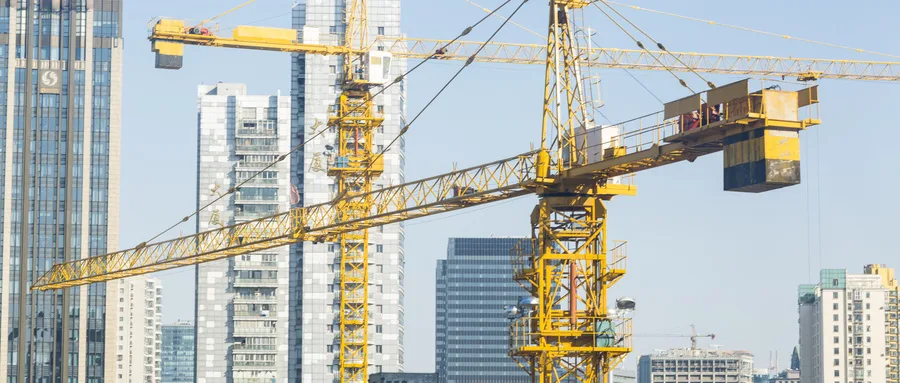
Application and Implementation of BIM Technology in Steel Structure Safety Management
1. Collect and verify accurate data and information relevant to the construction.
2. Utilize BIM software to create steel structure models, perform clash detection with other disciplines to identify potential safety issues, set up models for construction site safety facilities, and develop comprehensive safety management plans.
3. Use BIM models to proactively identify onsite hazards and dynamically control risks, preventing accidents caused by miscommunication. Develop specialized construction plans for steel structures through model simulations and validate their feasibility with animated walkthroughs. Leverage BIM visualizations to deliver clear and practical safety technical briefings, enhancing communication and understanding.
4. Employ the BIM platform for real-time onsite safety management. Supervisors can monitor site conditions live, detect safety concerns early, and implement timely control measures. BIM links steel structure models with text, images, and videos, allowing thorough analysis, proposing corrective actions, and outlining safety measures. Integrating BIM into safety meetings promotes coordinated safety management across all parties, preventing hazards and ensuring safe construction.
5. Aggregate safety management data within the BIM platform to generate detailed safety analysis reports. Analyze safety issues encountered during construction, summarize findings, and build experience for predicting and addressing future challenges effectively.
Optimizing Construction Plans Using BIM Technology
The construction plan guides the entire project and is crucial to its smooth execution. After initial review, continuous optimization based on feedback is essential. Optimizing the construction plan is vital for enhancing safety management in steel structure projects, especially given the complexity of large-scale and challenging structures.
Steel structure construction often involves advanced technologies, increasing the difficulty and safety risks. Traditional plans, typically based on experience, lack site-specific precision and fail to guide onsite work effectively.
By establishing a steel structure model in BIM software, construction plans can be optimized and validated. Different geometric models and step-by-step construction simulations help decision-makers compare options and select the best approach. This model-driven planning supports onsite safety management by allowing project managers to strictly monitor and enforce the approved plan. Comparing the model with actual progress on-site helps detect potential hazards early, enabling timely corrective actions.
Safety Technical Disclosure Leveraging BIM Technology
When workers first arrive onsite, they may be unfamiliar with the environment, and their skill levels vary widely, with some lacking operational experience. Traditional safety briefings often rely on text or verbal explanations, which lack visual impact and may not effectively communicate safety measures.
BIM technology’s visualization capabilities enable comprehensive and clear safety technical disclosures. Data extracted from BIM models can be used to create safety briefings that include images and animations of protective equipment and hazard zones. This helps workers identify high-risk areas in advance and take appropriate precautions.
Hazards are marked directly on 3D models during safety briefings, providing intuitive and immersive understanding. Additionally, safety information is distributed using diverse media such as text, images, animations, and QR codes, ensuring easy access and better retention among workers.
Collaborative Safety Management Through BIM Technology
Traditional safety management relies heavily on manual onsite inspections, where issues are documented and communicated via rectification notices. This process is labor-intensive, inefficient, and often reactive rather than proactive, limiting the ability to detect hazards early. When multiple teams and disciplines work simultaneously onsite, comprehensive safety oversight becomes even more challenging.
Integrating BIM technology transforms safety management by consolidating all safety information on a centralized BIM platform. Safety personnel can manage inspections and hazard reporting directly onsite, enhancing responsiveness and efficiency. Using mobile apps, they can record issues in text, images, or voice, upload them to the BIM platform, and precisely locate hazards within the 3D model.
The platform facilitates assigning responsible personnel and issuing electronic rectification notices. Workers receive instant notifications on mobile devices, complete corrections promptly, and upload evidence for verification. Upon approval, safety managers close the issues, enabling closed-loop management and significantly improving safety oversight efficiency.
All safety data is stored within the BIM platform for real-time access during project meetings and supports comprehensive safety evaluations throughout the steel structure construction process, contributing to ongoing onsite safety management improvements.
















Must log in before commenting!
Sign Up