
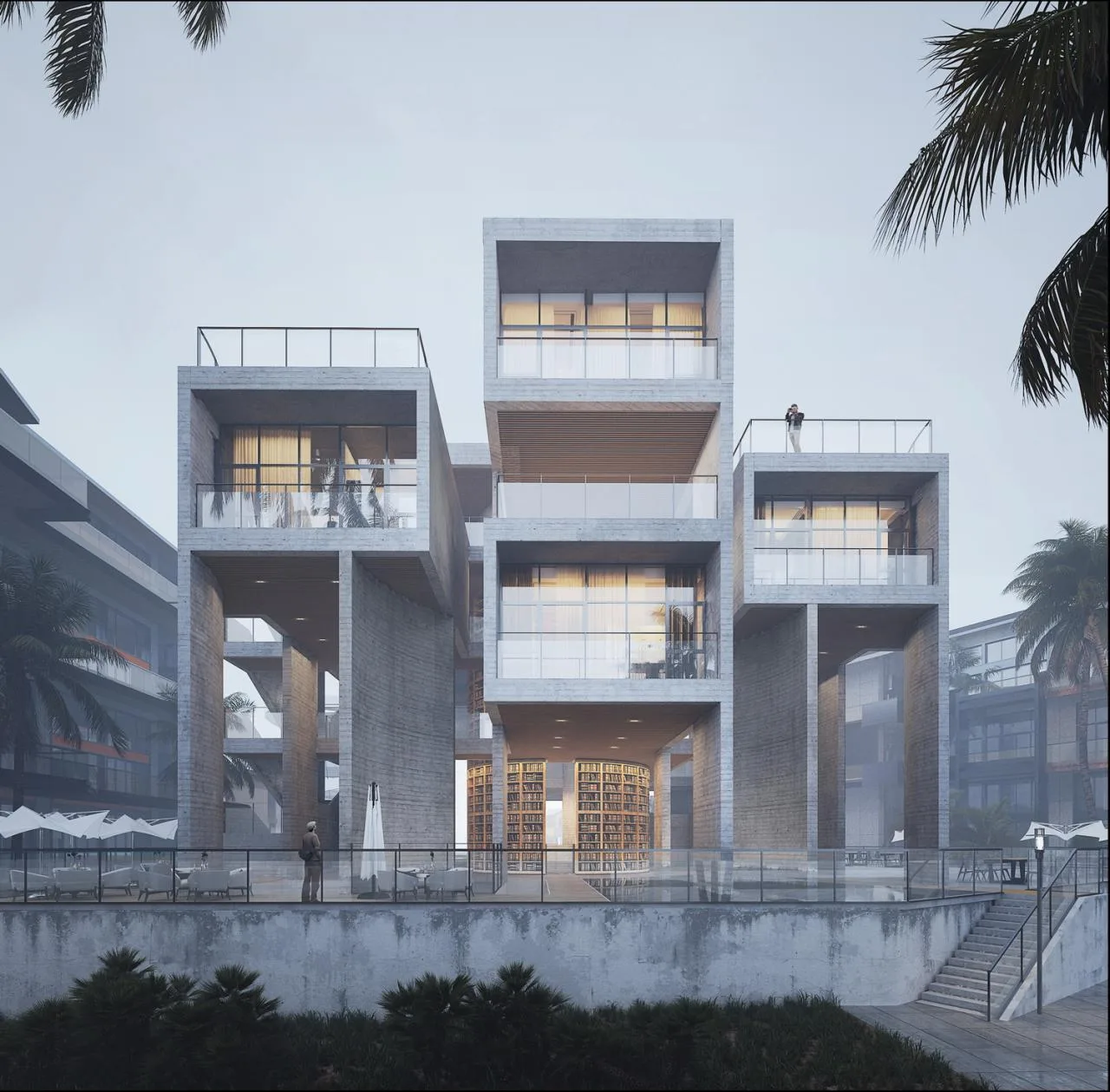
The owner commissioned eight architects to design a concept hotel inspired by eight art categories: painting, sculpture, architecture, music, literature, dance, drama, and film.
Among these themes, the connection between literature and architecture is more abstract. Literature is intangible, conveying non-sensory information that is internalized through personal experience and intellectual reflection. Architecture, like other art forms, offers an overwhelming sensory impact that gradually transforms into individualized thought, immersing one within a collective environment. Yet, on a micro level, literature and hotels are intricately intertwined.
Whether it’s the inns in martial arts novels, motels in Western literature, or modern hotels in urban stories, they all embody an indescribable charm that reflects humanity’s longing for travel and freedom. On a journey, the story is still unfolding, life remains vibrant, and the connection between people and the world continues. These vivid and diverse travel tales often become literature years later.
The places that host these journeys serve as humble backdrops, embracing countless stories with tolerance and humility. Many writers, such as Maugham, loved traveling and writing simultaneously—carrying a box of books on their trips and composing masterpieces in various hotels and coffee shops.
Hotels frequently appear in poetry, as in Pan Wei’s “Spring is Not Here”:
“…spring is not here
trees are thinning
hotel sheets tremble with thin love
rain, dripping into the heart
like a long tongued woman running through doors
wiping out several rooms of ears in an afternoon.”
Or Yu Xiuhua’s “Sleeping with You Through Half of China”:
“I am sleeping with you through the rain of bullets and bullets
I am pressing countless nights into a dawn to sleep with you
I am countless running into one me to sleep with you…”
These poems reveal the raw vitality and wildness of life—fantasy, impulse, deception, and fickleness all converge like fierce creatures in the jungle, baring their vulnerabilities. At this moment, heaven and hell collapse into a single hotel room.
Literature and Siege
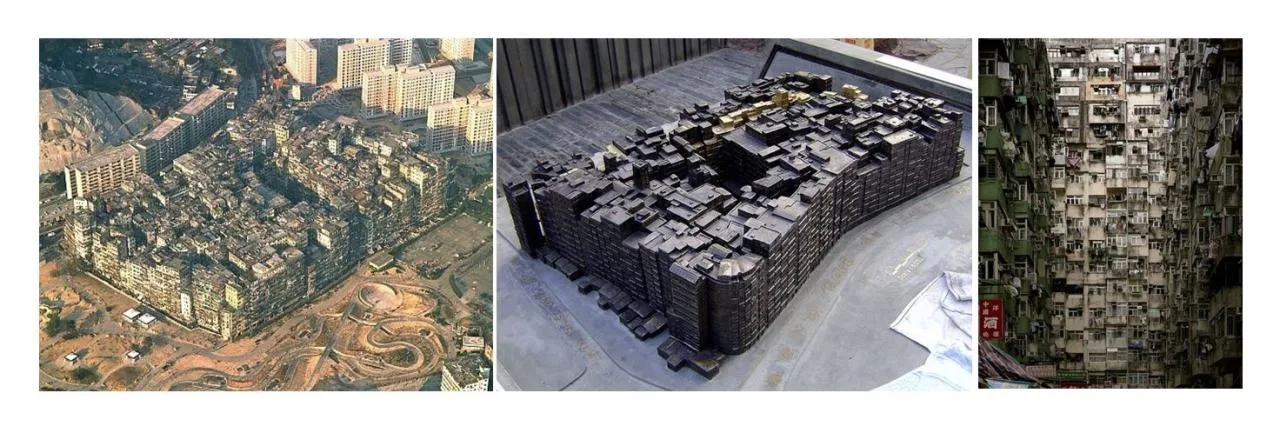
In Qian Zhongshu’s “Fortress Besieged,” the small hotel where Fang Hongjian and his companions stayed was located in a narrow alley, so close that they could reach the opposite window by hand. The creaking stairs, mosquito-infested rooms, and scheming for a better bed depict life’s trivial struggles. Life is not only about major events but also the small, everyday details.
Travel serves as a rehearsal for life, where conflicts over basic needs—wind, food, and shelter—mirror future challenges. Life itself is a besieged city, as is marriage. People trapped inside want to escape, while those outside seek entry. Whether in marriage or career, many difficulties resemble this paradox.
Qian Zhongshu masterfully uses architectural space as a metaphor for these life issues. Generation after generation, people enter and exit this Möbius strip as if following a routine.
Siege and Architecture
Bentham’s panopticon prison is the ideal prototype of a besieged city. Foucault offered a profound interpretation, revealing how modern power structures mold individuals into compliant bodies. Though people are born free, they are constantly shackled.
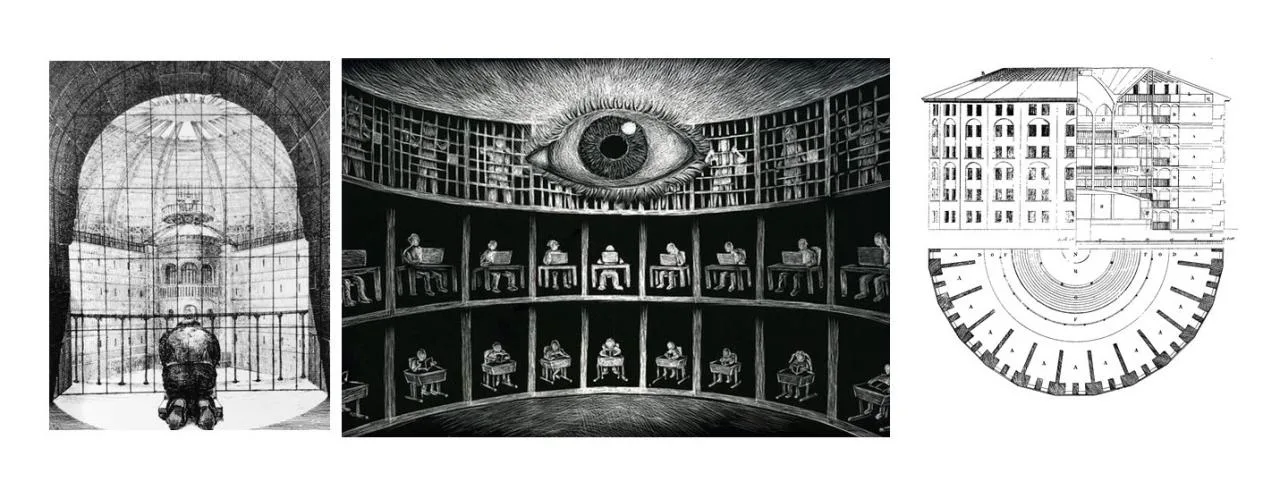
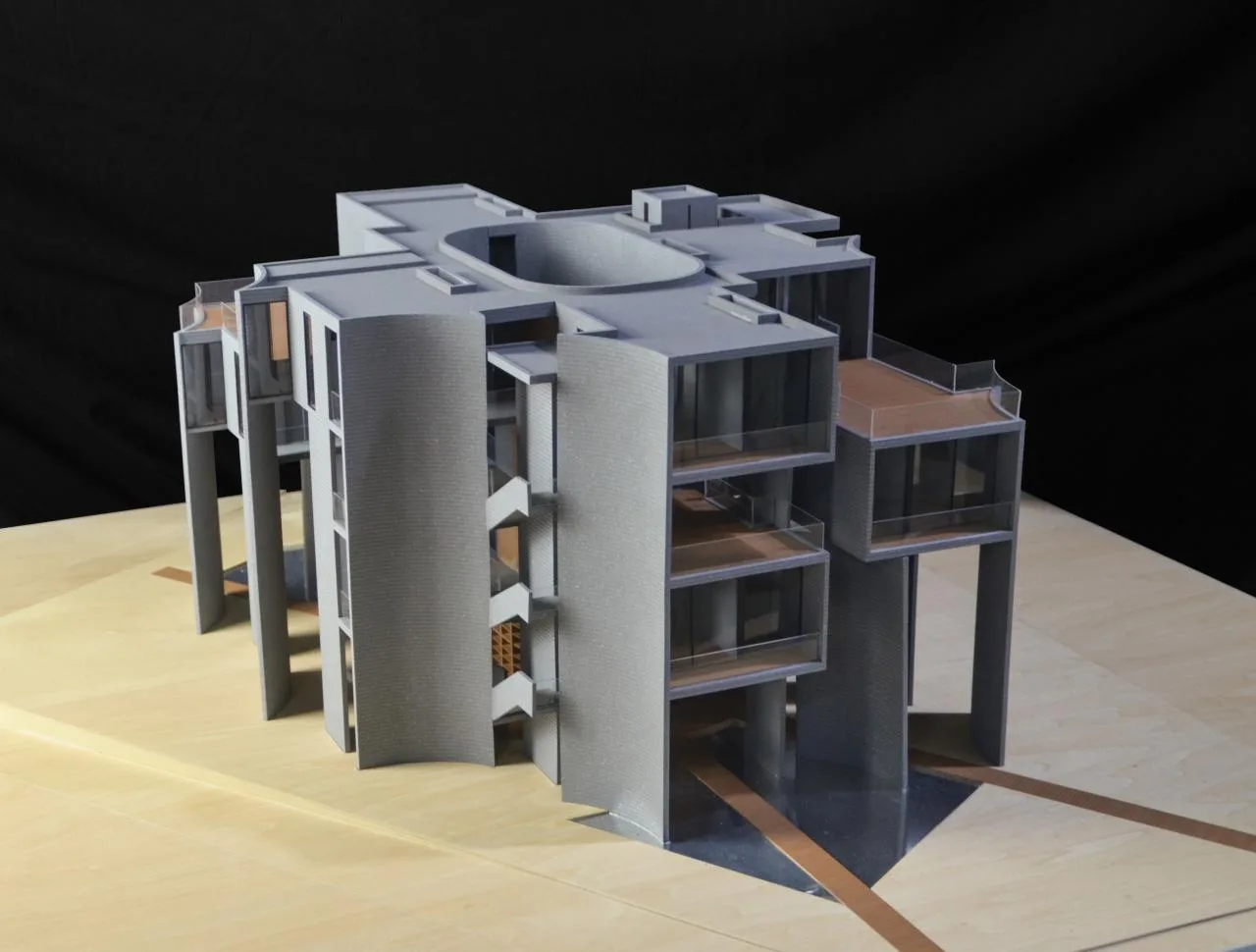
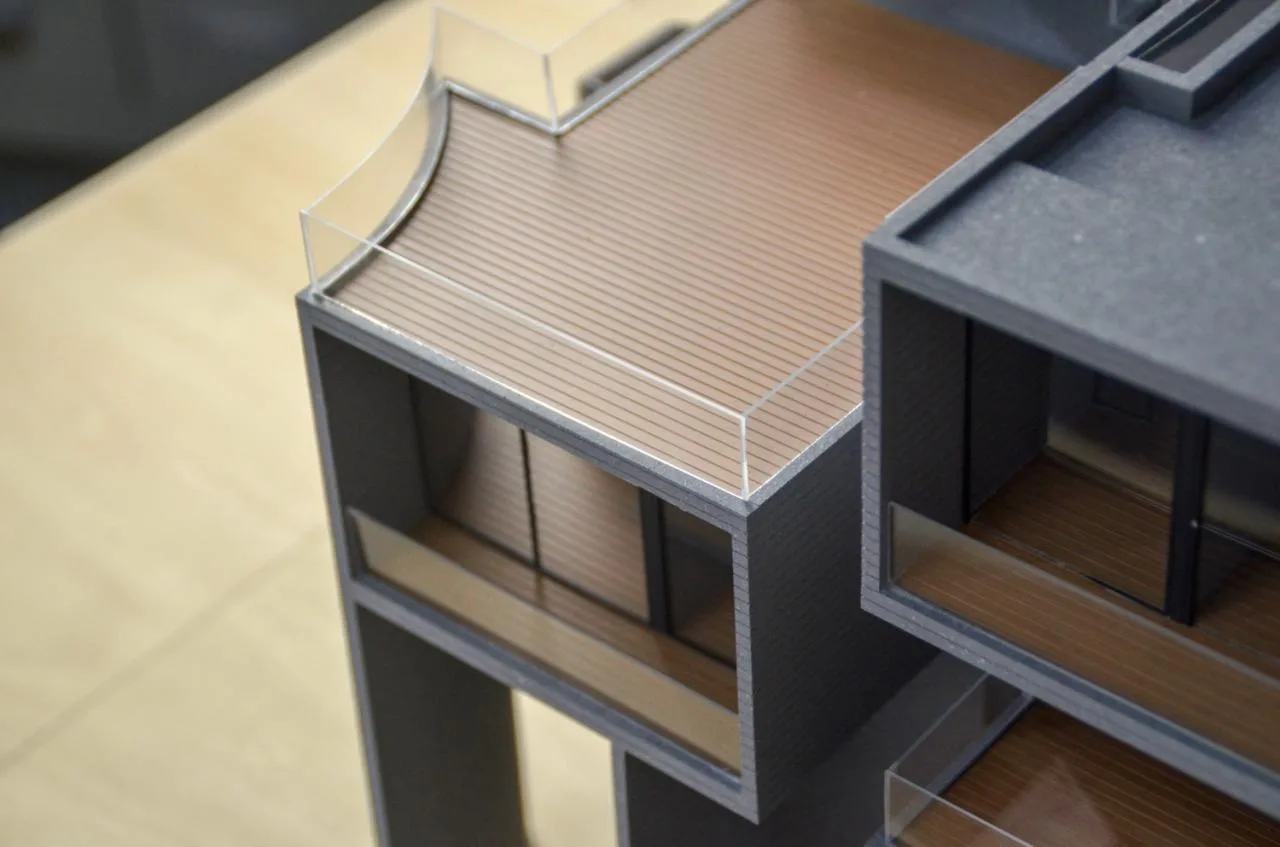
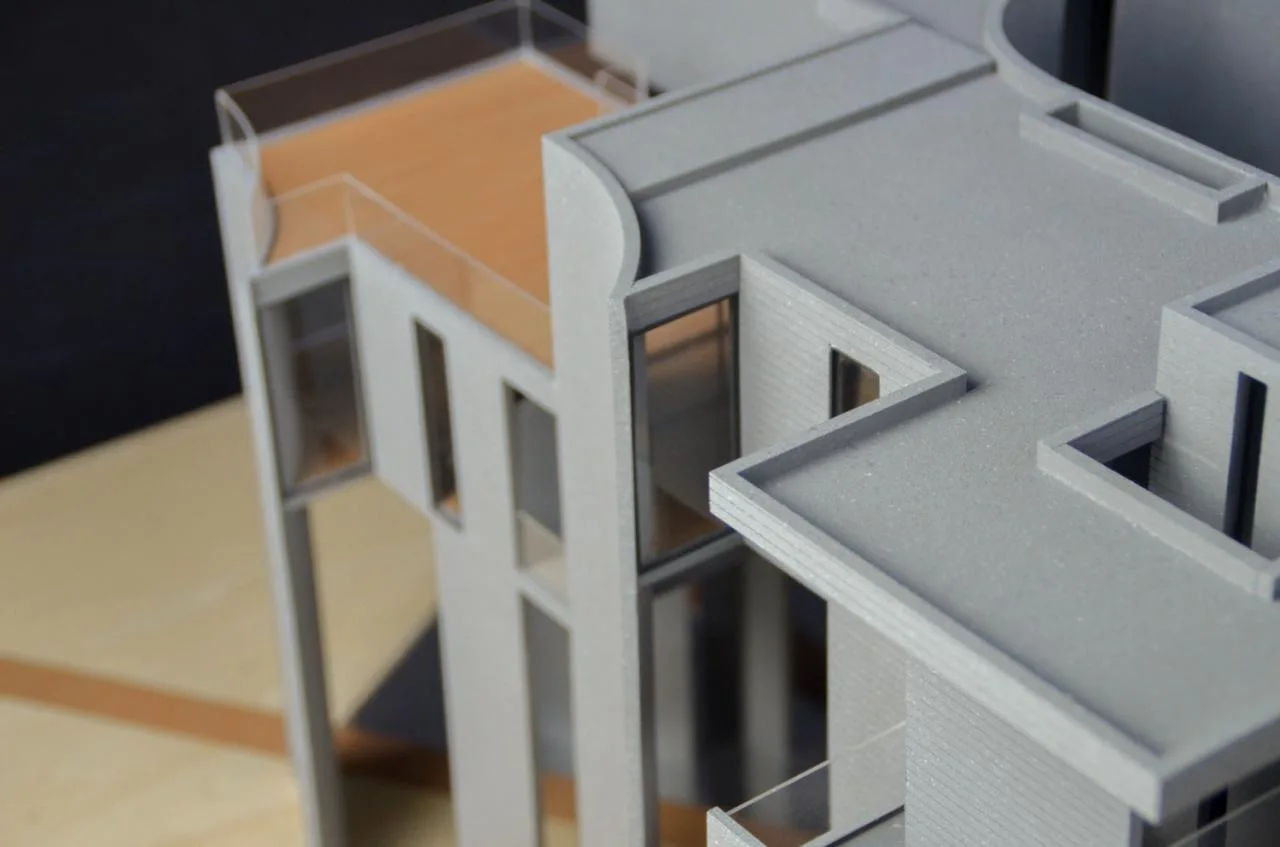
I named this literary hotel “Fortress Besieged” to embody both inherent chaos and rational design. It serves as a worldly social arena and a spiritual refuge where people can momentarily escape the world. It combines open squares with prison-like enclosures that confine the body.
Architecture is not sacred; it cannot save us from life’s quagmires or lift the curse of siege. Instead, it simply accompanies us, offering warmth and connection.
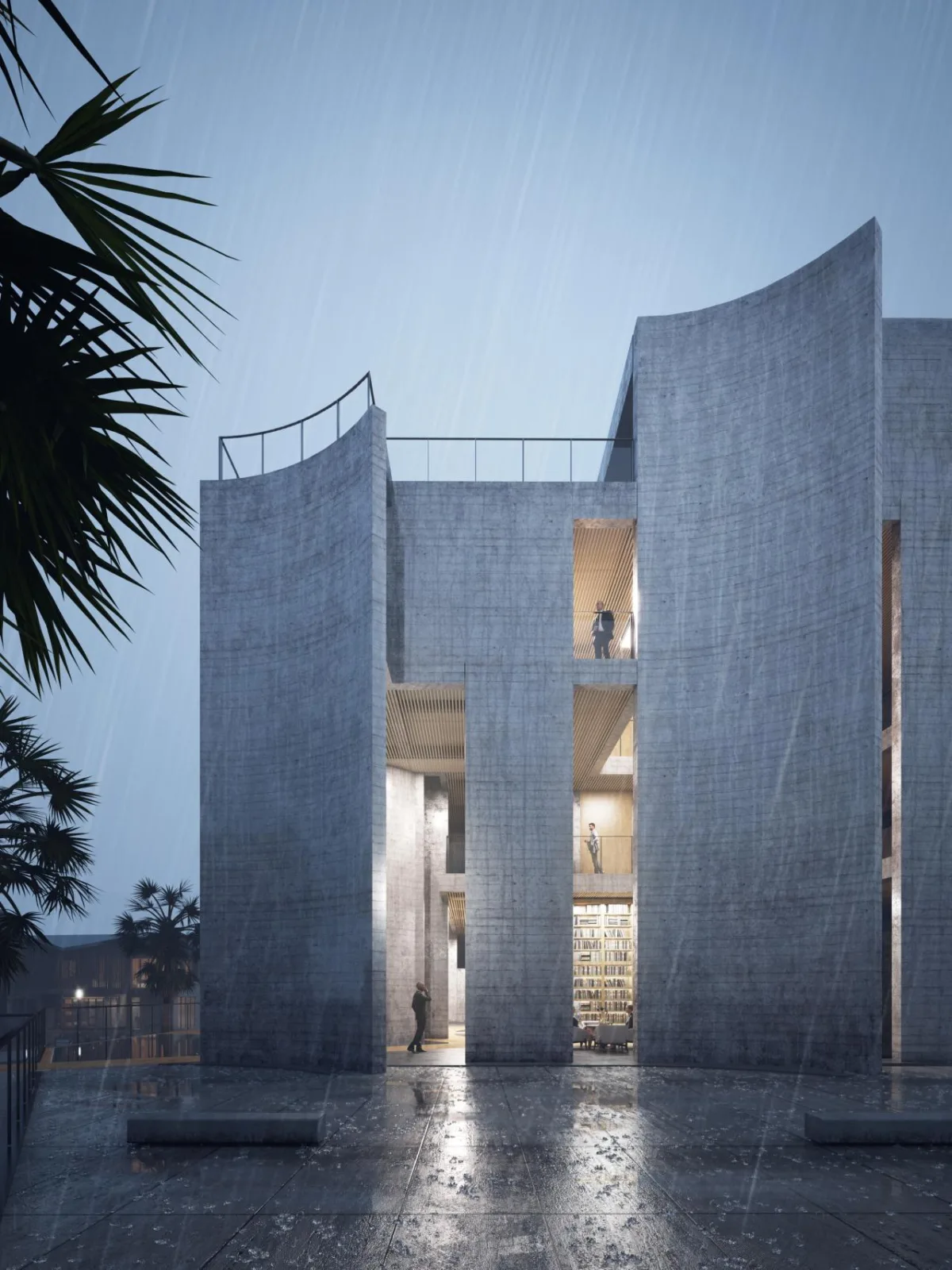
On one side stands a towering, closed city wall that dwarfs visitors, evoking a cold passage in a literary work.
On the other side, open spaces delve into deep layers, inviting exploration and a journey of consciousness within confinement.
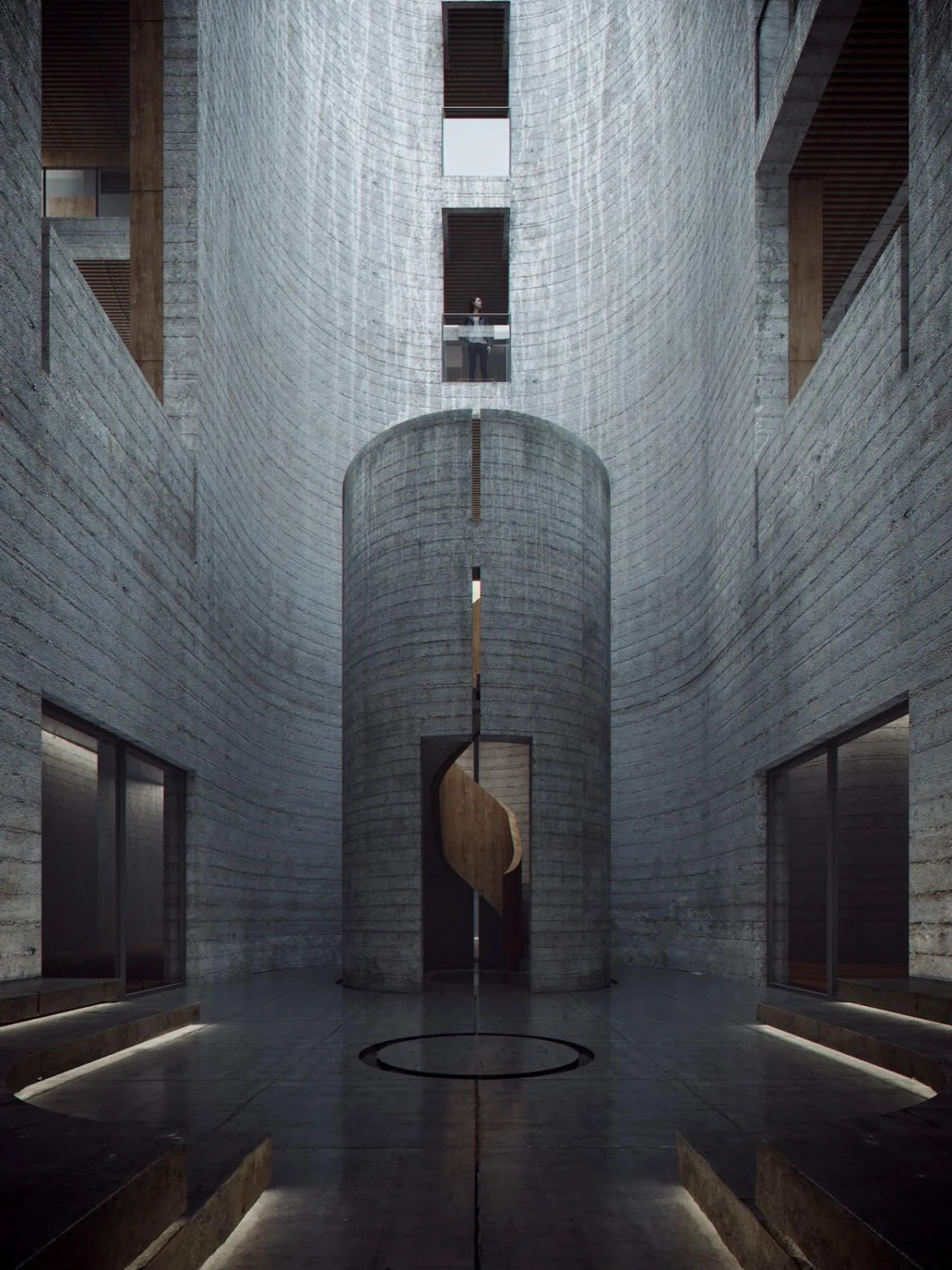
The coffee and book bars on the ground floor suit Sanya’s climate perfectly. The blank spaces, like words on a page, spark the imagination and invite reflection on space.
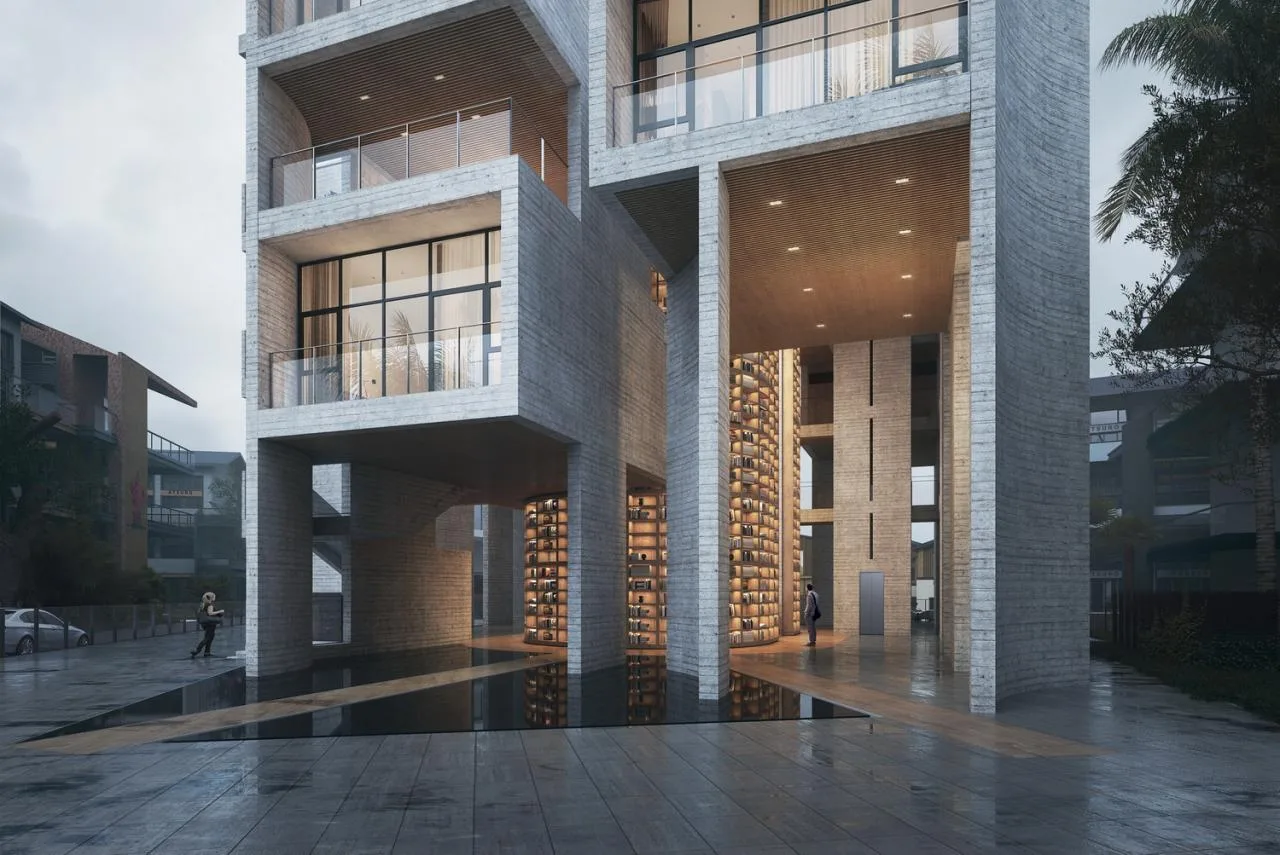
Shear walls segment the space, guiding sightlines and movement while defining an “inner city” that creates a commemorative atmosphere reminiscent of a palace, drawing focus from all directions.
The courtyard’s brightness commands attention, forming the spiritual heart of the space. Shadows cast by the sky on the walls direct our gaze upward. Here, the world is reduced to the void above and oneself, inviting deep contemplation.
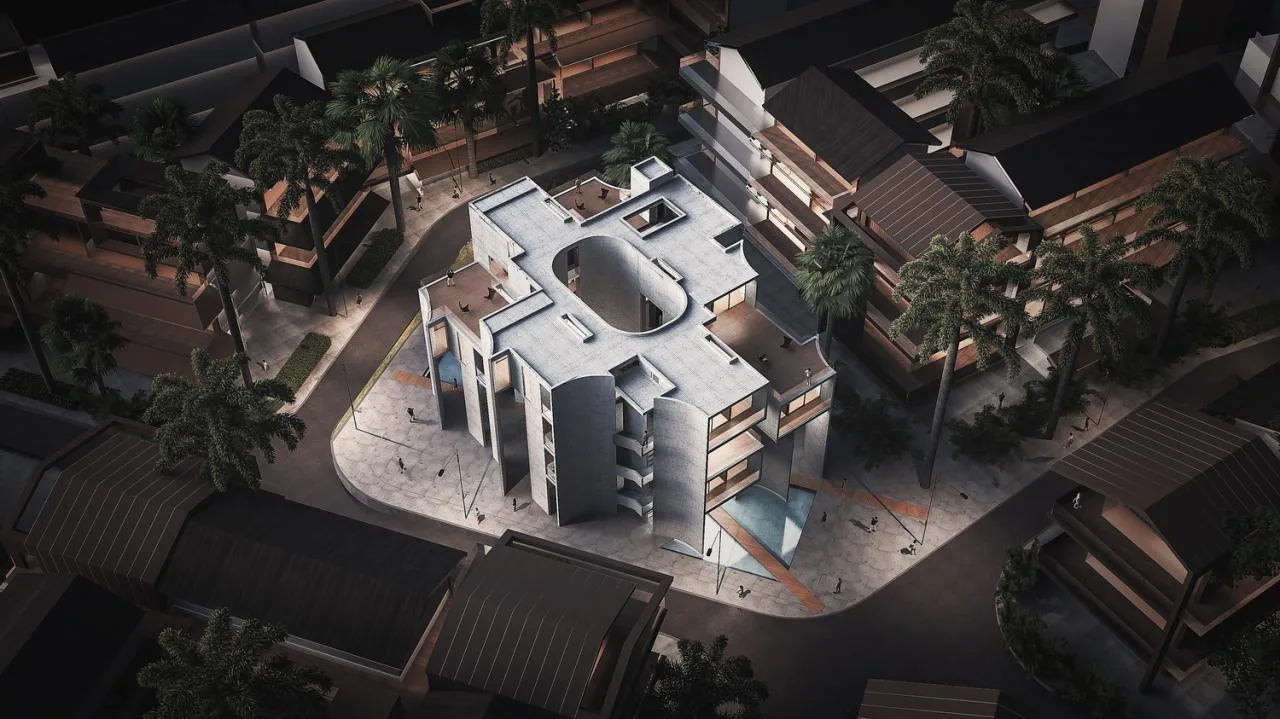
This hotel is both a temptation and a satire. Before entering, it appears beautiful; once inside, the contrast becomes stark and harsh. Even within a besieged city, sadness and unhappiness need not dominate. Behind illusions, vitality persists.
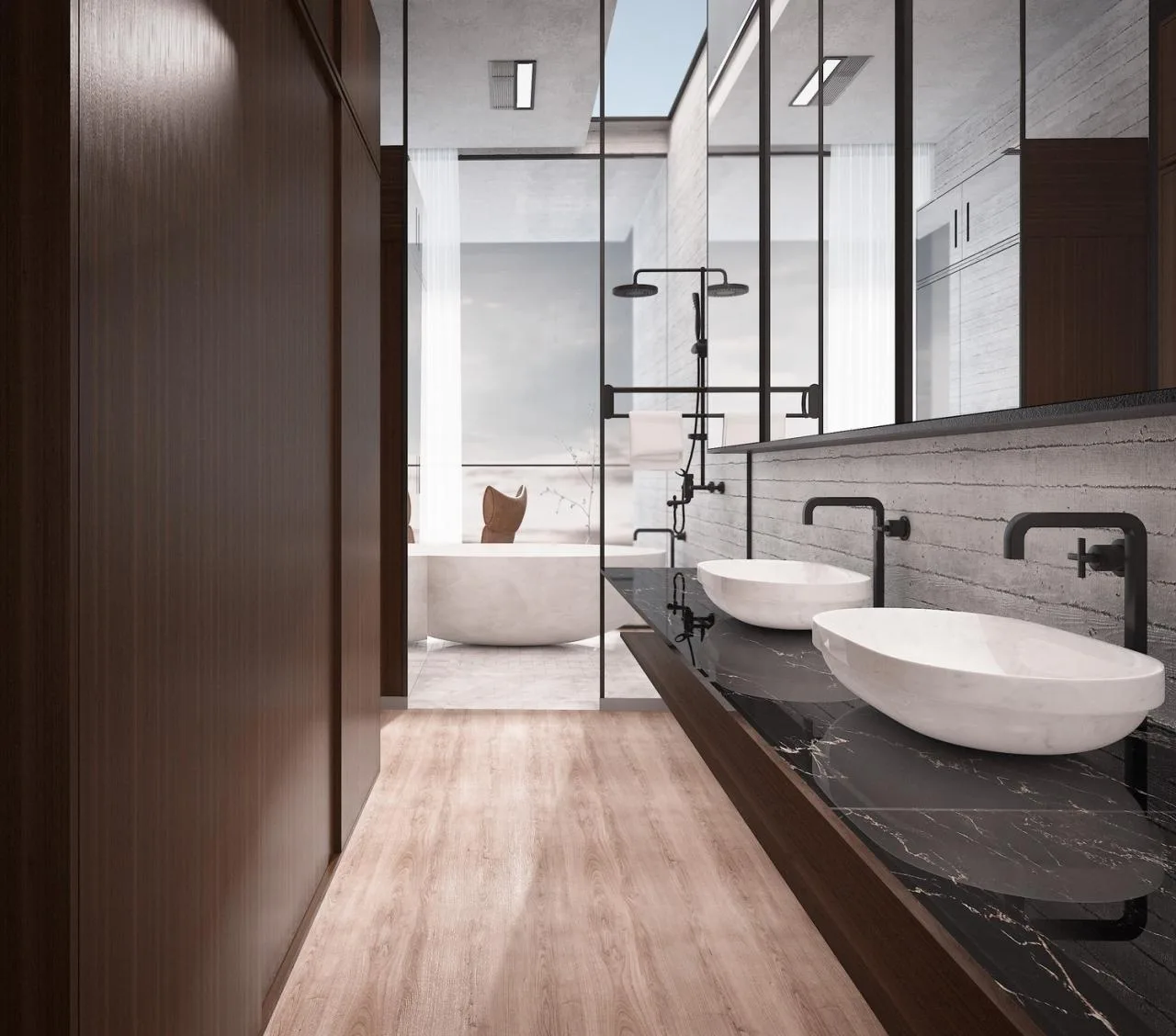
Project Drawings
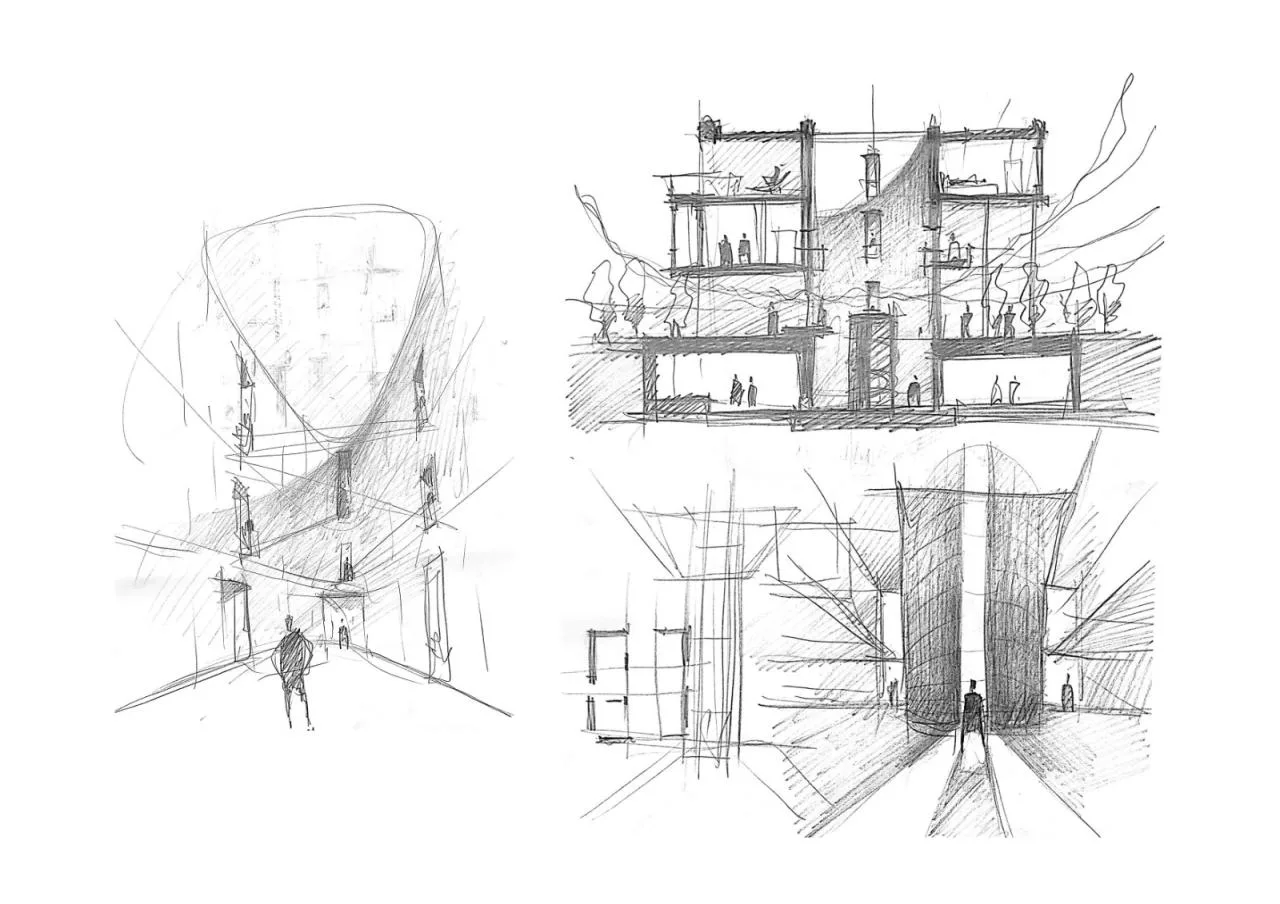
Concept Sketch
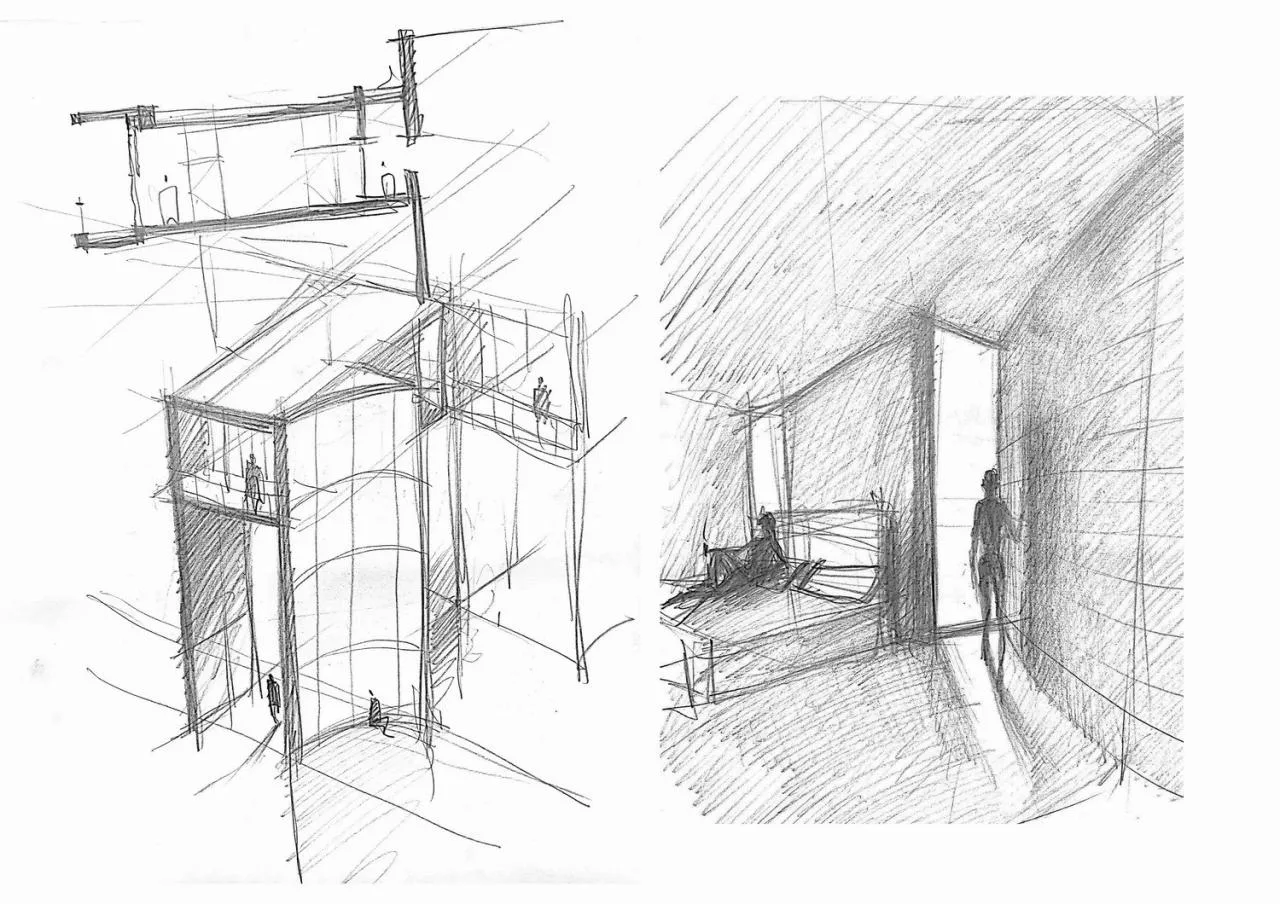
Concept Sketch
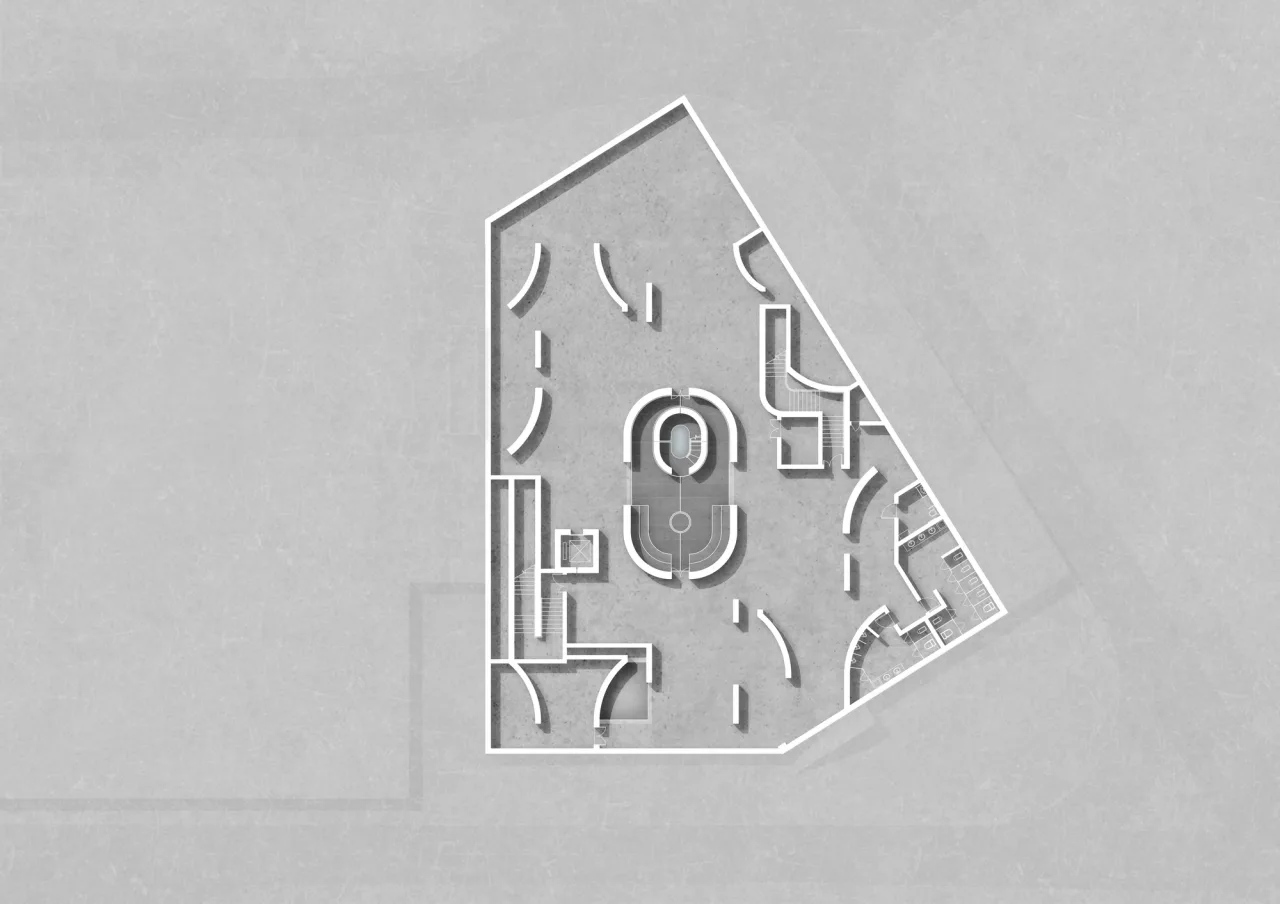
△ Basement Floor Plan
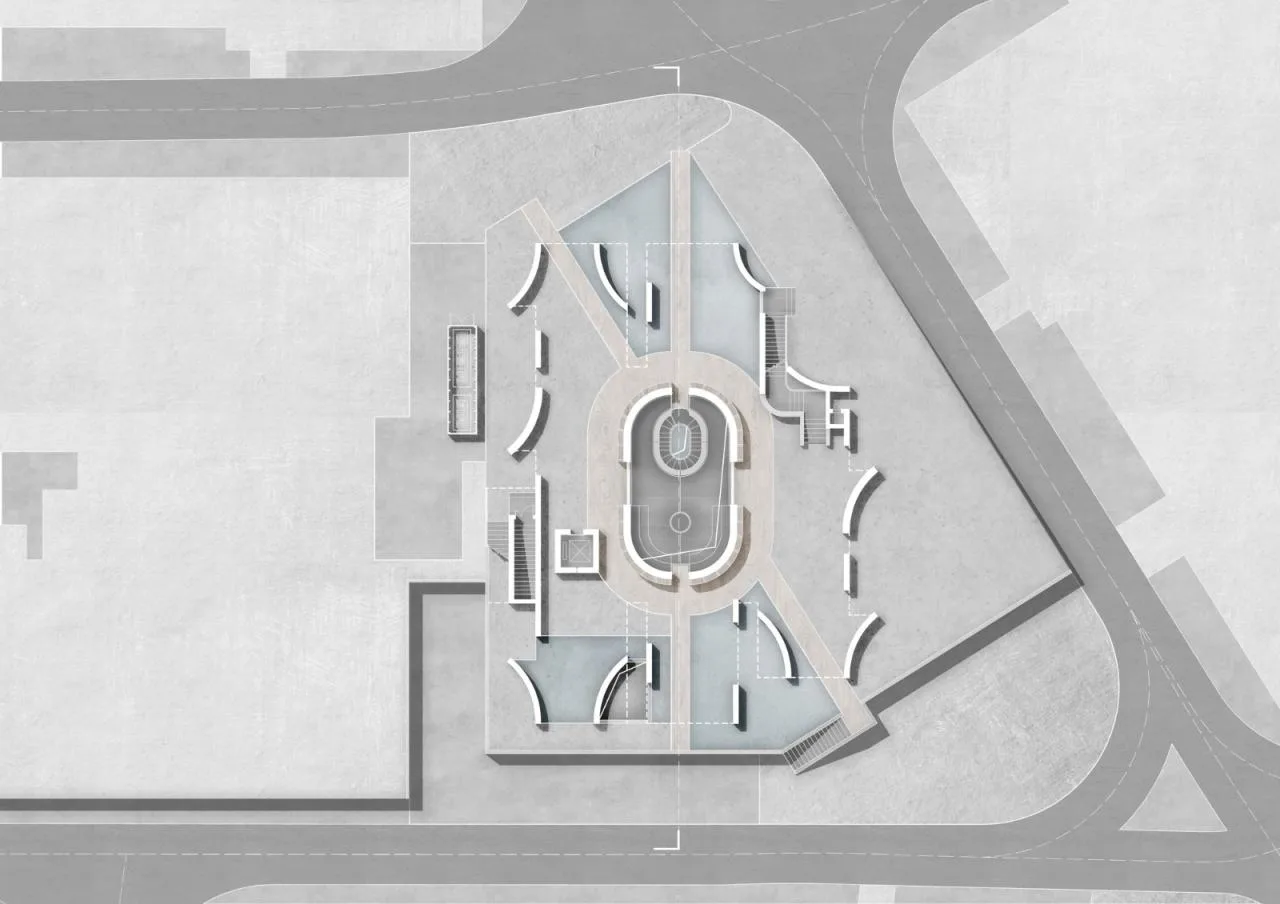
△ First Floor Plan
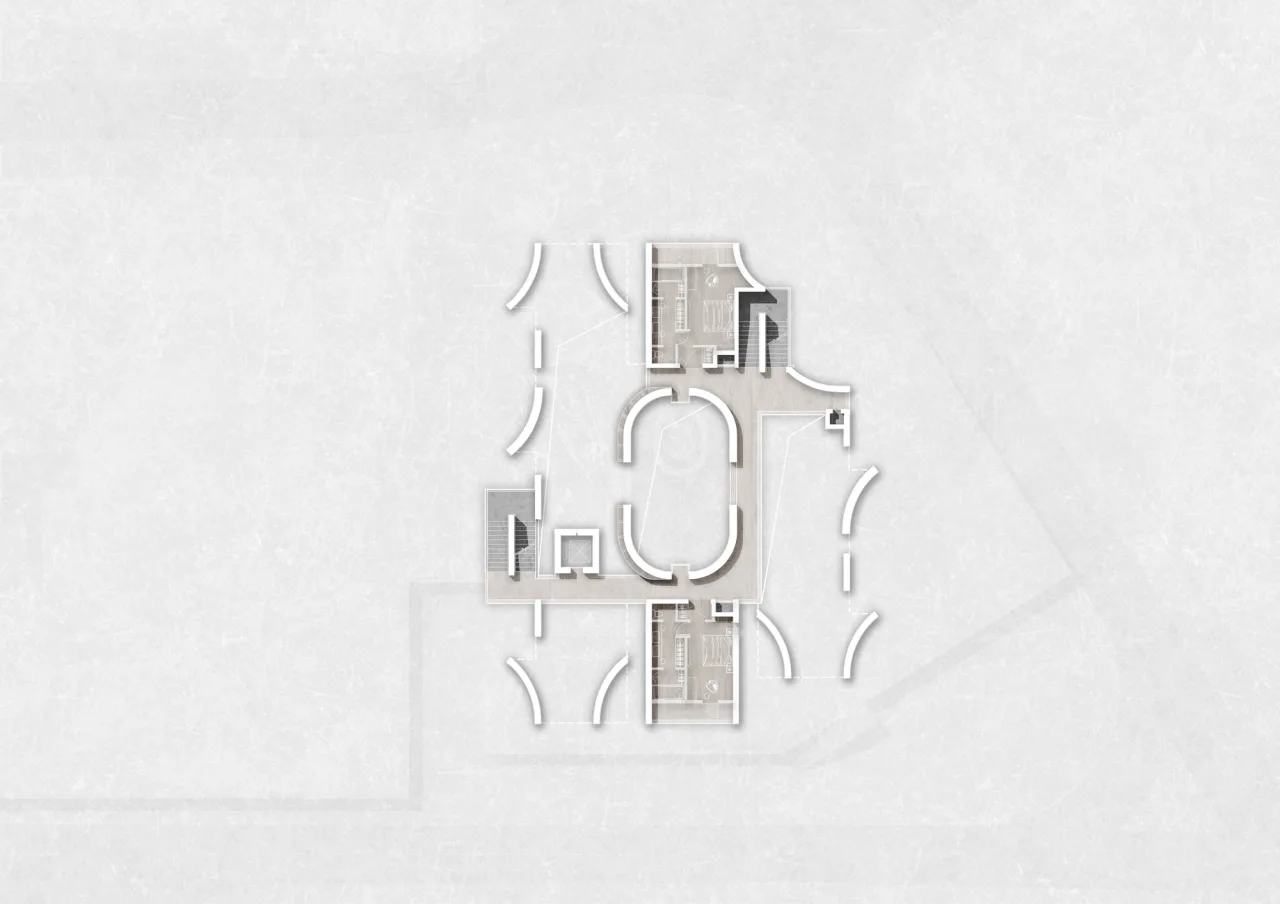
△ Second Floor Plan
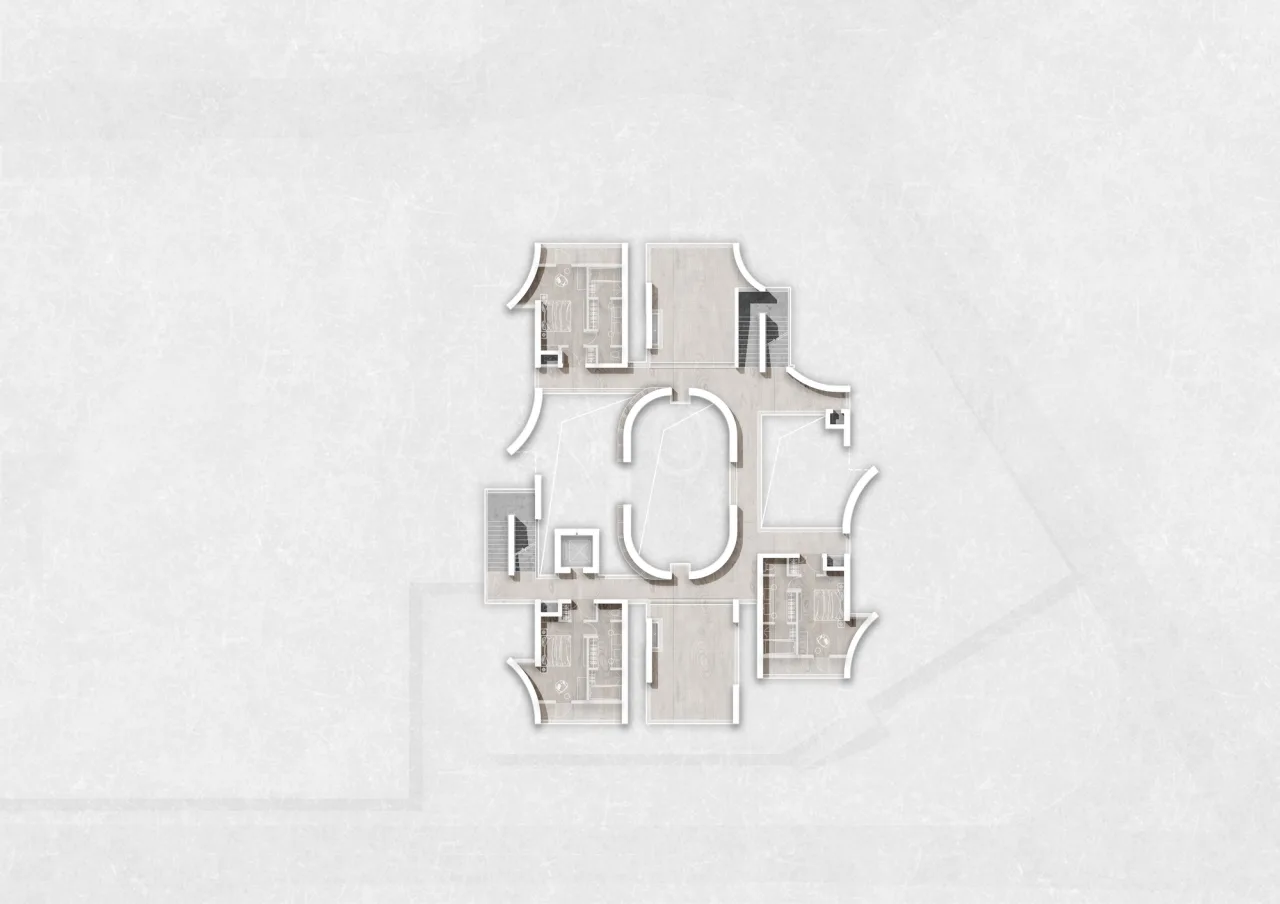
△ Third Floor Plan
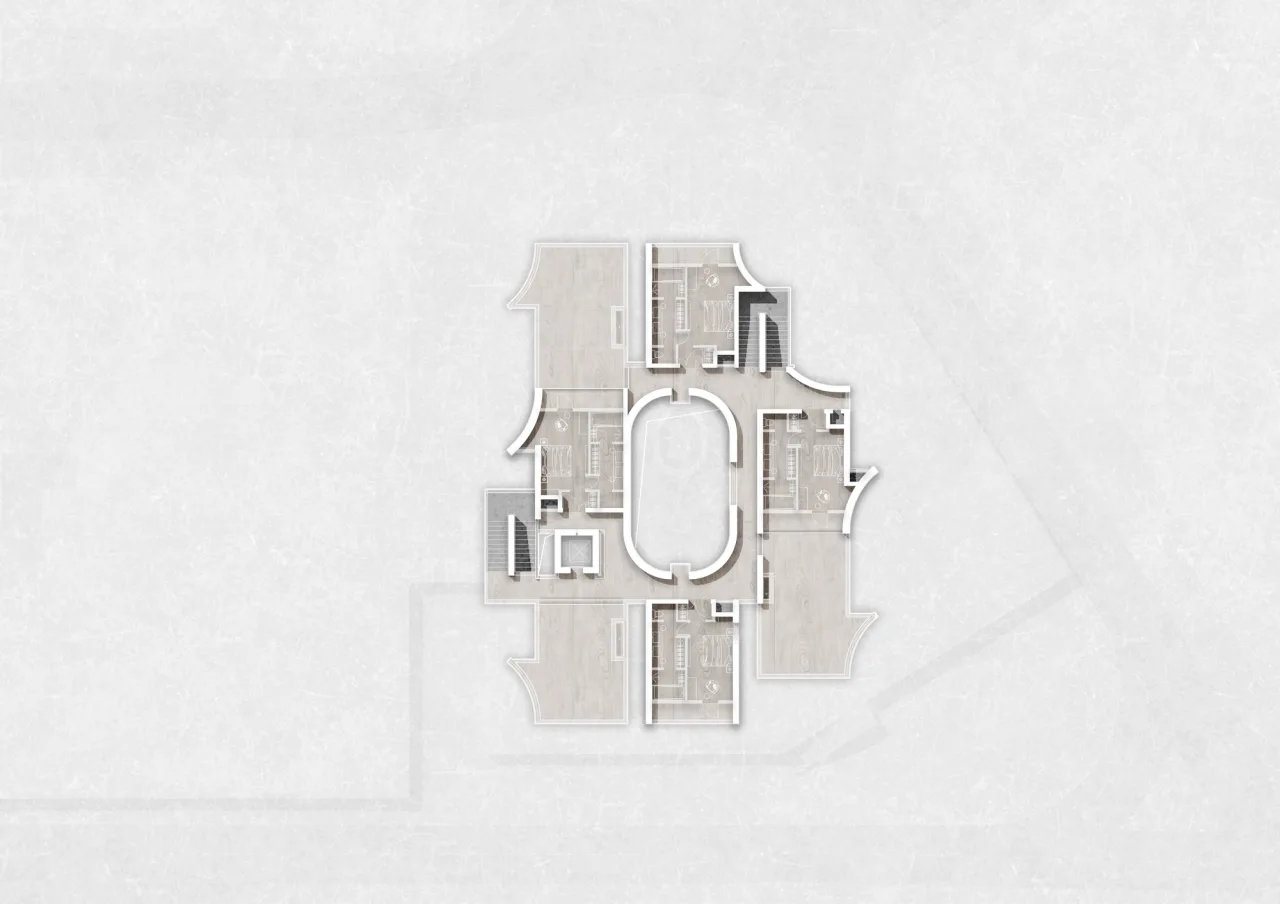
△ Fourth Floor Plan
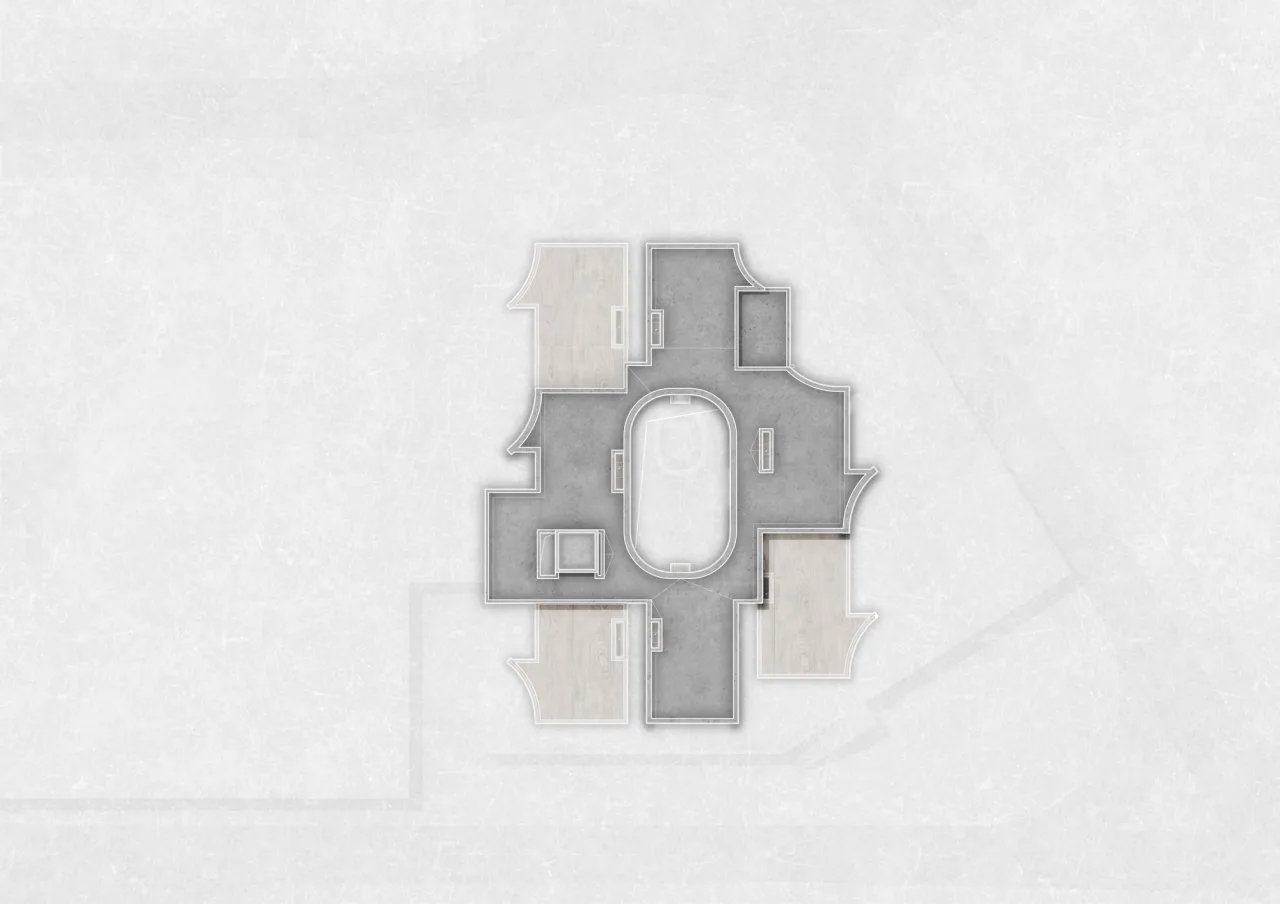
△ Roof Plan
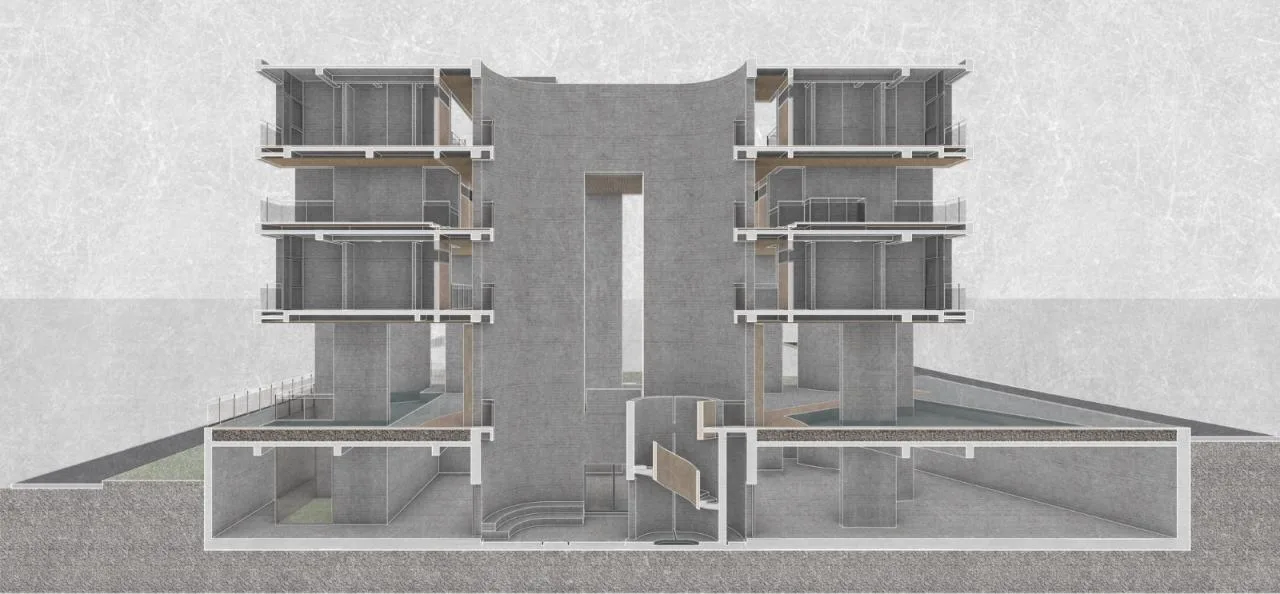
△ Section Diagram
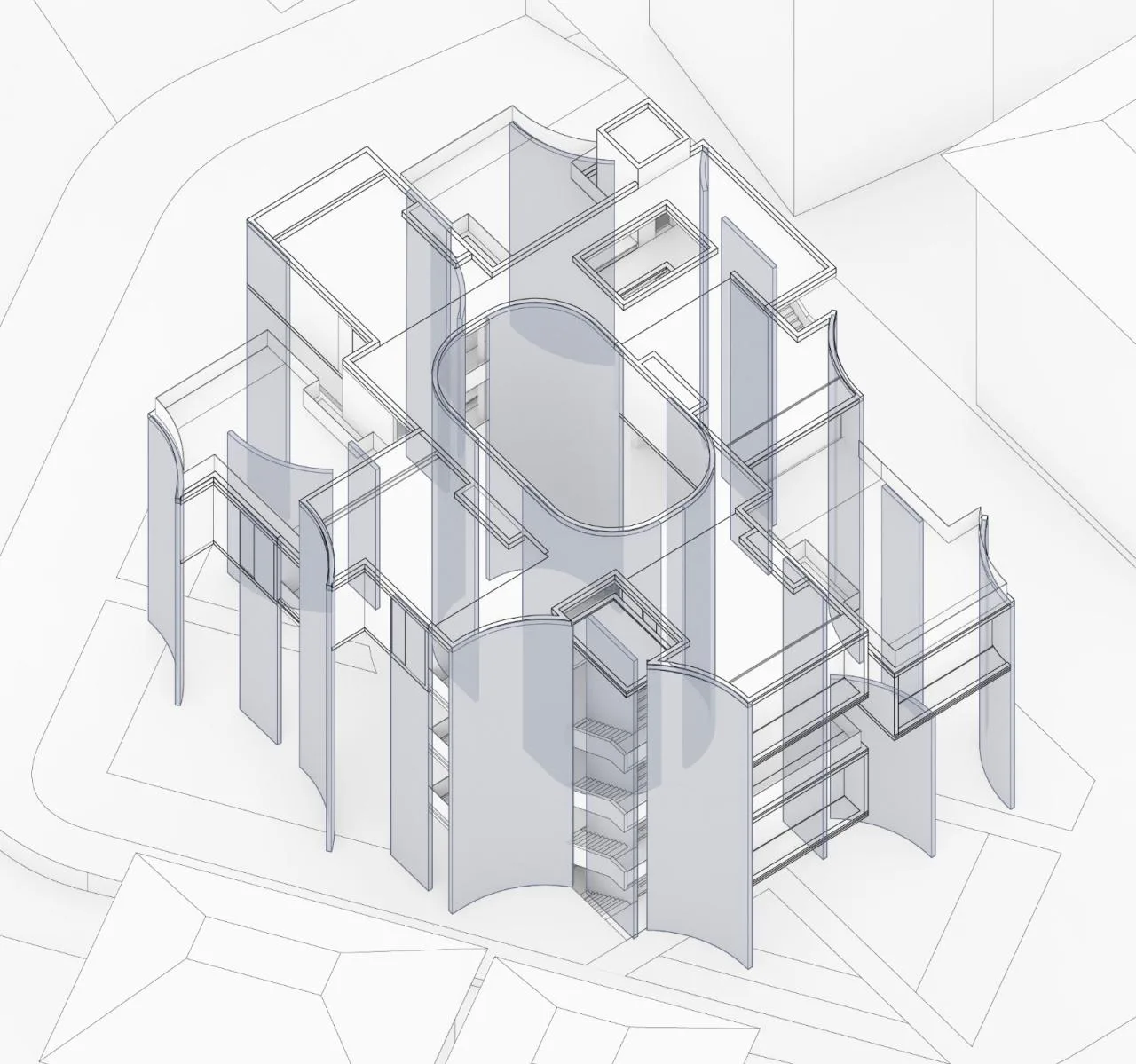
△ Structural Analysis Diagram
Project Information
Lead Designer: Nan Xu
Design Team: Wei Lan, Zhang Yi, Yu Hongzhi, Wang Xiaomin, Li Xiaoheng, Zhong Zhe, Lu Yizhe, Peng Shan
Design Consultant: Wu Huaiguo
Structural Consultant: Zhang Zhun
Owner: Sanya Chunrui Industrial Co., Ltd
Location: Sanya City














Must log in before commenting!
Sign Up