
This article is brought to you by the official account: Water God talks about C4D.
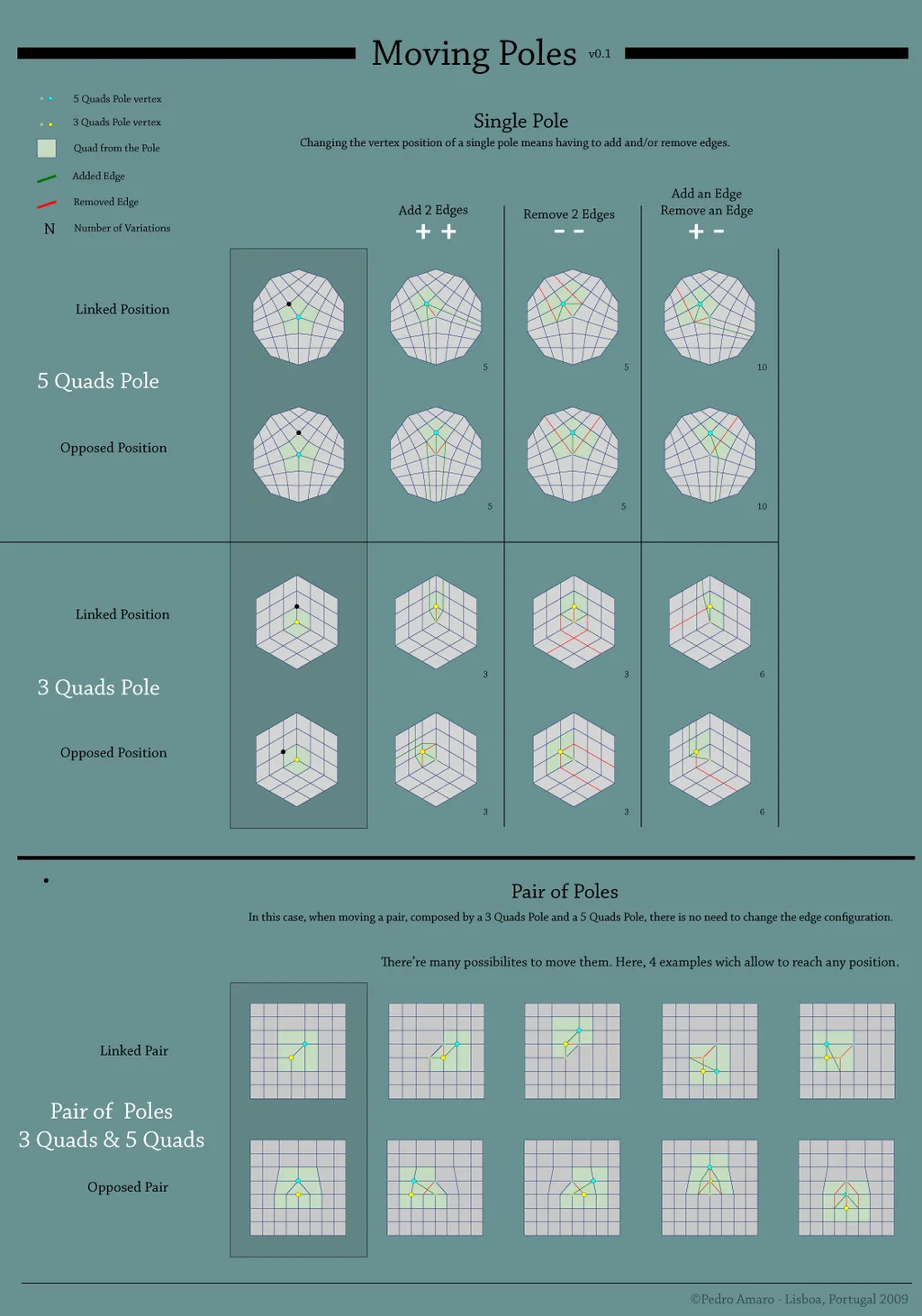
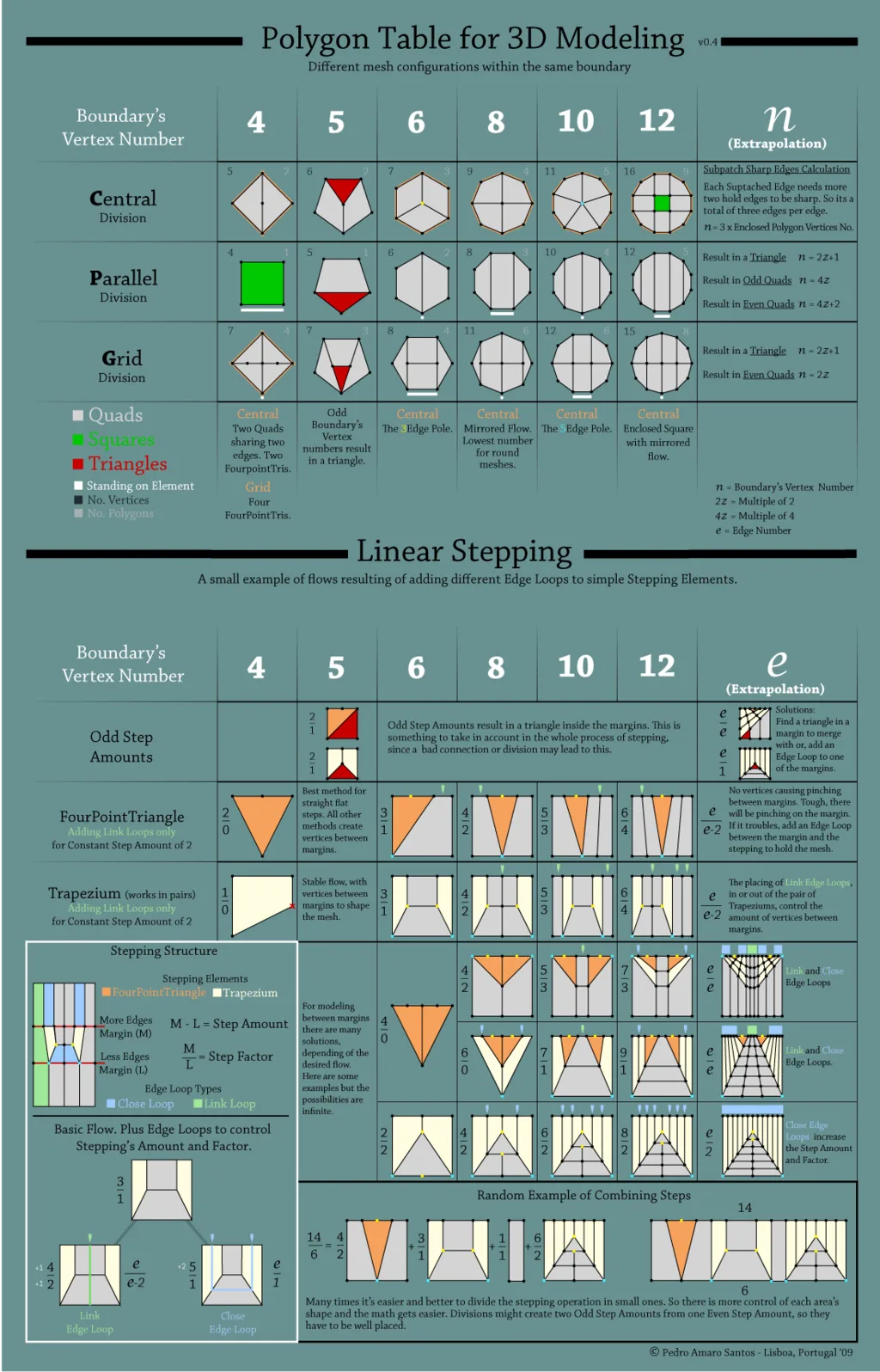
Recently, many members in our group have been discussing wiring-related topics. Shui Ye has previously shared articles on wiring principles, yet many students remain confused after reading them. To help clarify, today Shui Ye presents some valuable “model wiring schematics and reference diagrams for character facial modeling.” These diagrams are either collected or purchased by me over time, and I often consult them when working on modeling projects.
By practicing and repeatedly reviewing these diagrams, students can learn to create logical and reliable wiring structures. This article is definitely worth saving and revisiting regularly.
Wiring Principles Overview
Wire Loop Modification Techniques
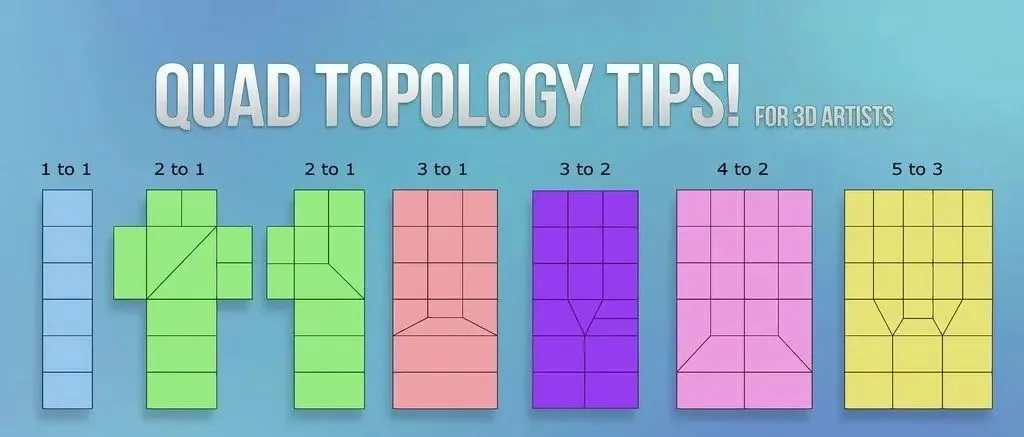
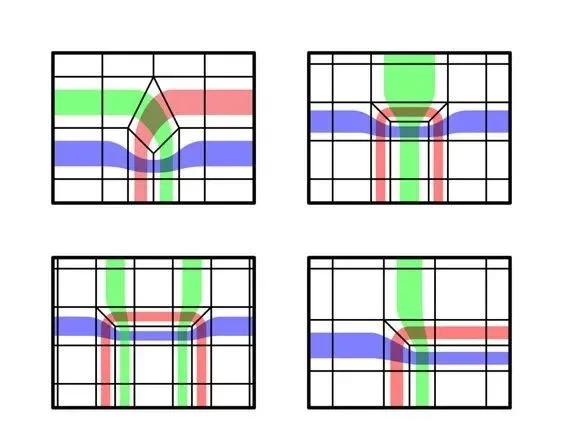
Many students might find this section challenging, so it’s important to emphasize how to interpret these diagrams. They demonstrate how to adjust the wiring of a model to achieve the desired loop structure or direction through rewiring. Common rewiring patterns include 2-to-1, 3-to-1, 3-to-2, and so on.
Carefully study the flow and trends shown in these diagrams and follow them closely. This section is critical to mastering wiring techniques.
Facial Topology and Wiring Process
Using three-view references, topology is commonly applied to construct facial surfaces. This approach allows for precise modeling based on 2D reference images. The focus here is on how the eyes, nose, and mouth are cyclically unfolded and wired, as illustrated in the images below.
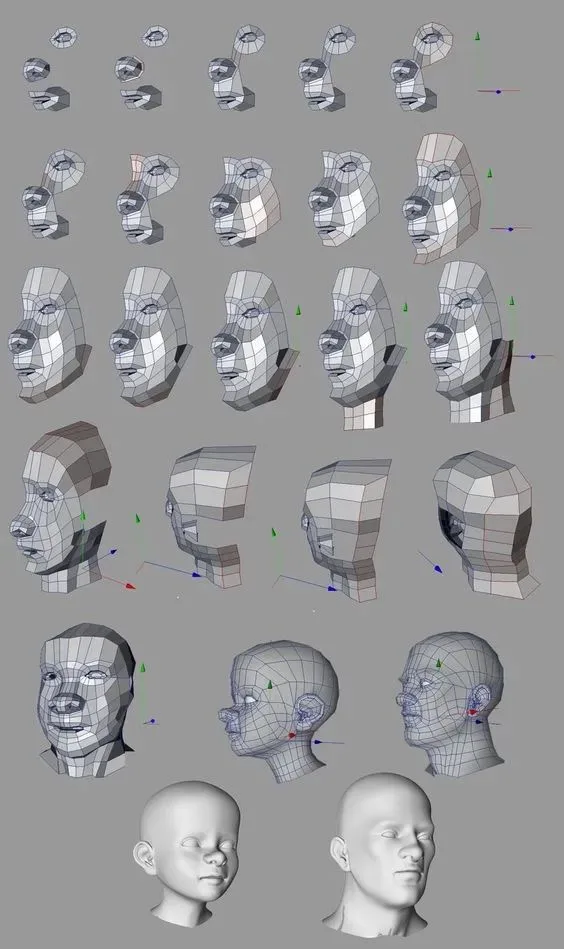
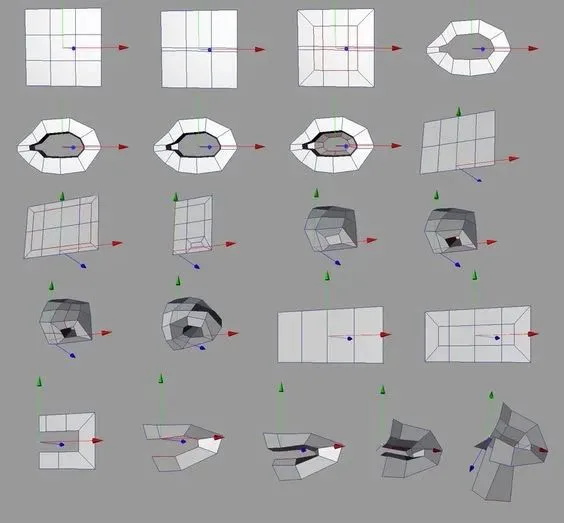
Facial Shaping Wiring Techniques
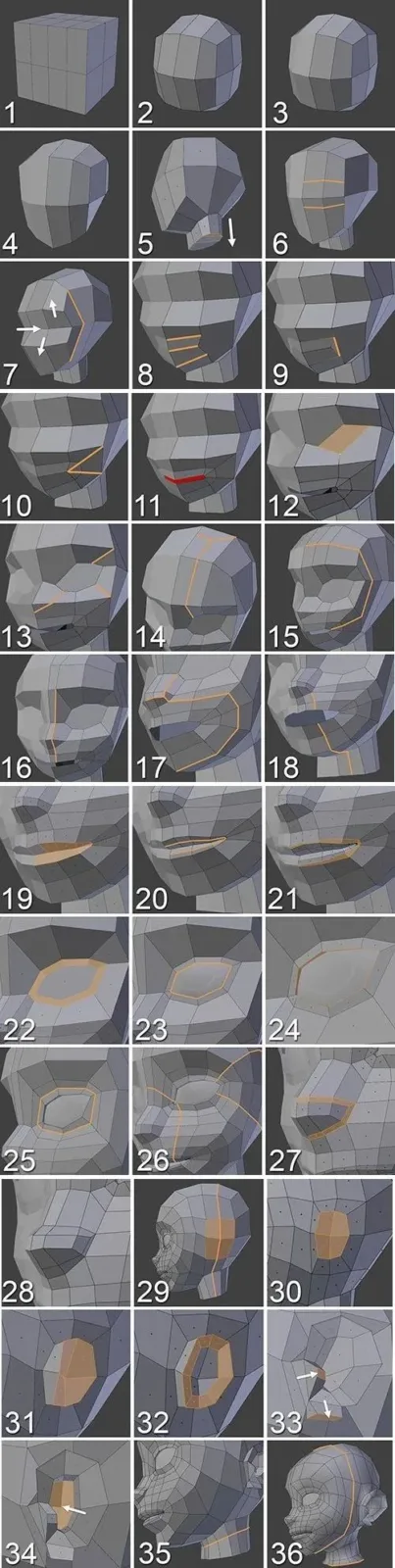
Limb and Torso Wiring Examples
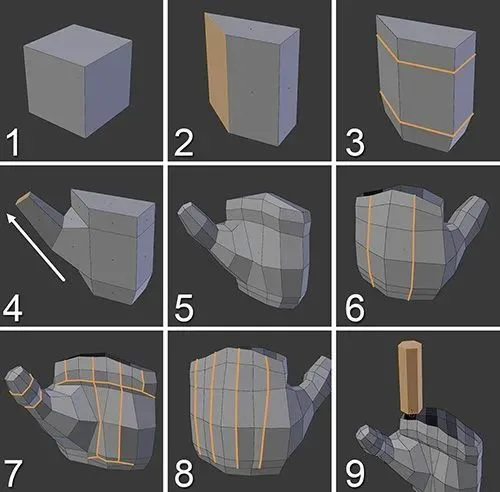
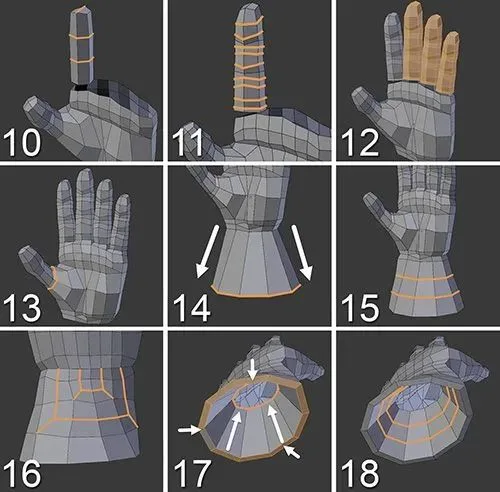
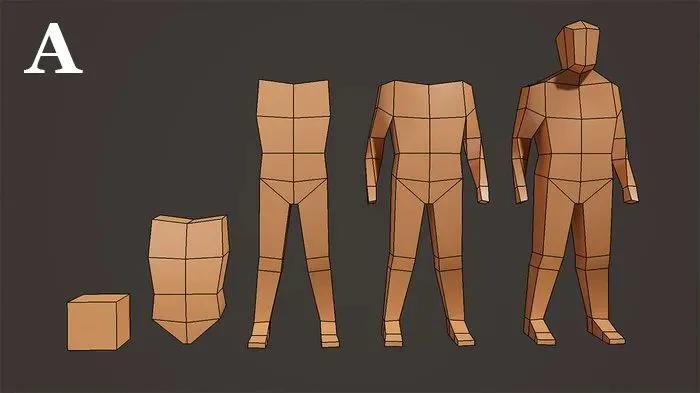
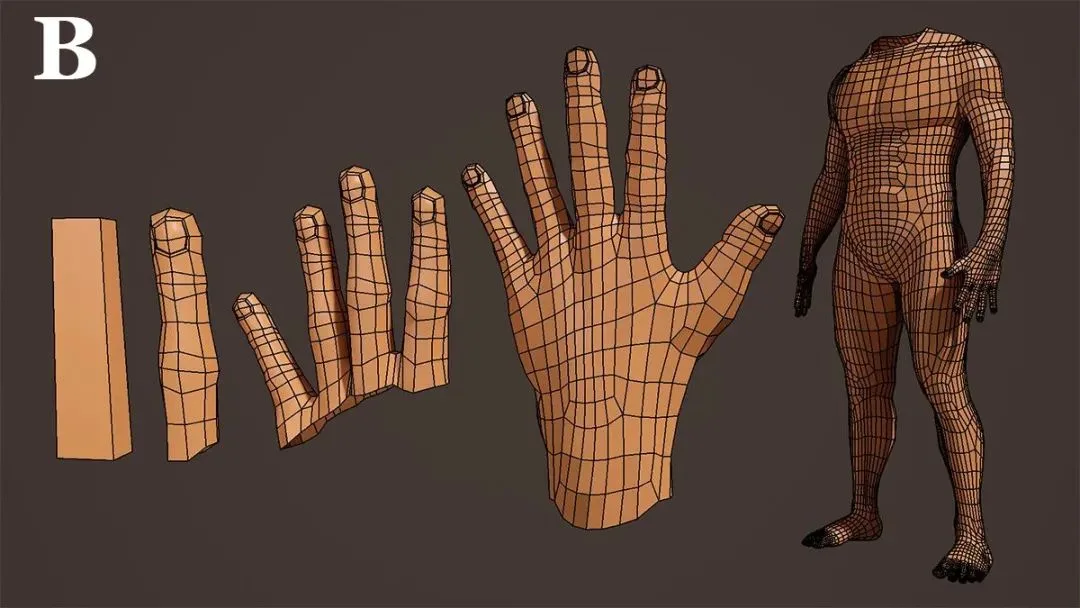
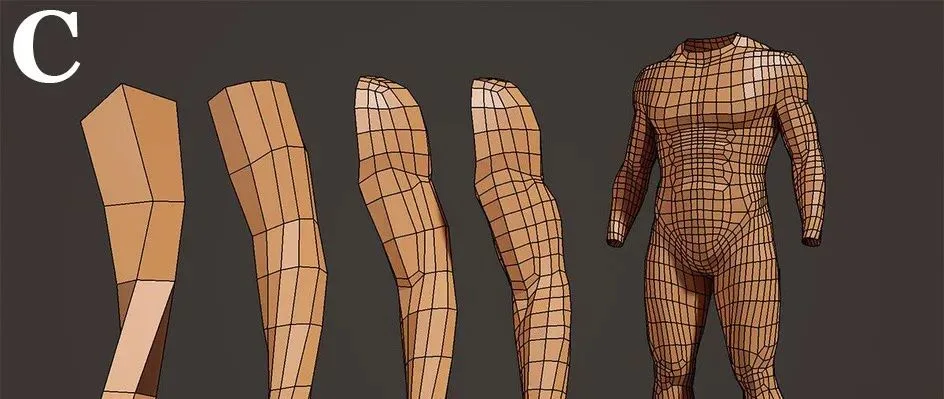
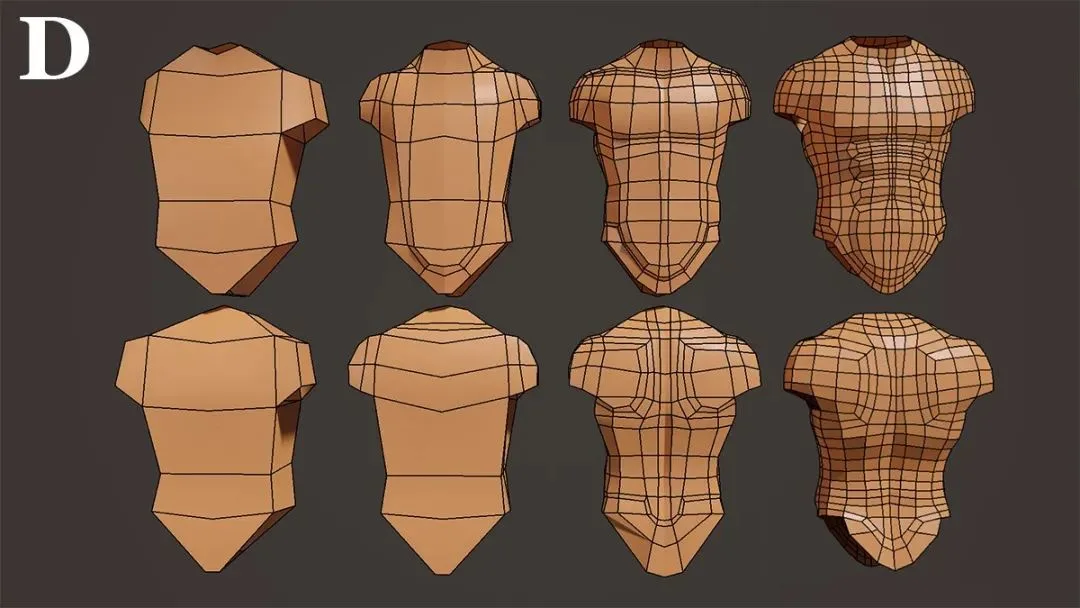
The wiring principles outlined above are essential knowledge for all modelers. While you don’t need to memorize every detail, understanding how to transition wiring from 3-to-2 and 3-to-1 configurations is crucial. Once you grasp these concepts and combine them with Shui Ye’s practical wiring references, mastering modeling and wiring will become much easier.
















Must log in before commenting!
Sign Up