
BIM is recognized as the second major revolution in design after CAD. Traditionally, CAD has been the primary technology used throughout the architectural design and construction phases. However, with the rapid growth of the construction industry and increasingly complex projects, relying solely on CAD has become insufficient.
BIM technology fundamentally transforms the industry by addressing issues like high pollution, excessive energy consumption, low productivity, and inefficiency. It shifts architectural design from flat 2D drawings to 3D and 4D models, significantly improving the efficiency of information exchange among all parties involved in construction and design.
Below is a straightforward comparison between traditional CAD and BIM:
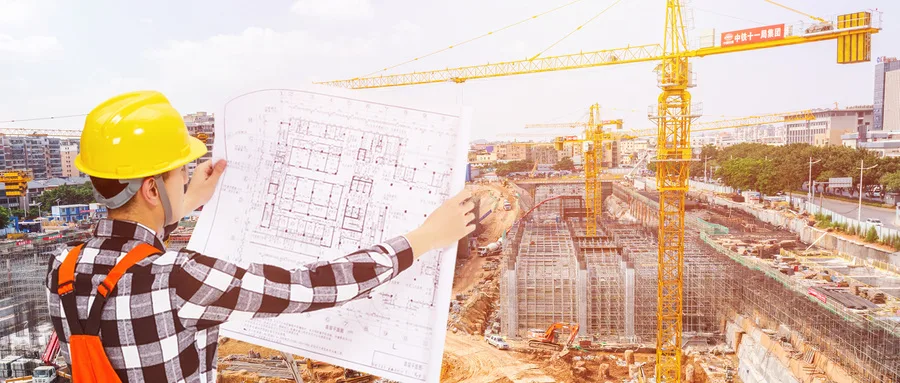
(1) Form of Expression
CAD: Typically presented as 2D planes consisting of points, lines, and surfaces combined with architectural symbols. This method requires users to have specialized knowledge and spatial imagination. Due to asymmetric communication, misunderstandings between parties can easily occur.
BIM: Based on a 3D spatial platform, BIM allows designers and other stakeholders to view realistic 3D models of components like doors, windows, and ceilings. This enhances overall project comprehension and, most importantly, ensures consistent understanding among all designers.
(2) Information Collection
CAD: Collects limited information during construction projects, often resulting in data loss or wastage during transmission or storage, lacking a comprehensive information management system.
BIM: Creates an integrated data model through informatization and parameterization, embedding detailed information about building components. This allows all project participants to gain a thorough understanding of the entire project, improving progress tracking and cost management.
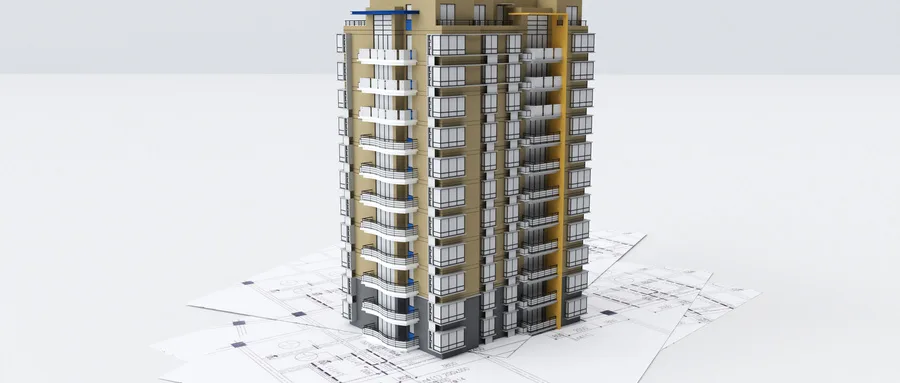
(3) Working Mode
CAD: Professionals work independently within their specialties. After completing their designs, mutual proofreading and verification take place. Due to limited collaboration and communication, design revisions are frequent.
BIM: Facilitates classification, integration, and comprehensive analysis of data across disciplines and project stages. A collaborative platform consolidates all professional models, breaking down traditional communication barriers. This enables real-time information sharing, involving all project members, enhancing efficiency, and reducing errors, omissions, and conflicts caused by information gaps.
(4) Scope of Support
CAD: Typically supports only individual stages, such as design or construction, without continuity across phases.
BIM: Starts incorporating requirements and information related to construction and operation phases from the design stage onward. This greatly improves the continuity and usability of project information. Throughout the building’s lifecycle, the model can be updated, supplemented, and adjusted to maintain its accuracy and real-time relevance.
















Must log in before commenting!
Sign Up