
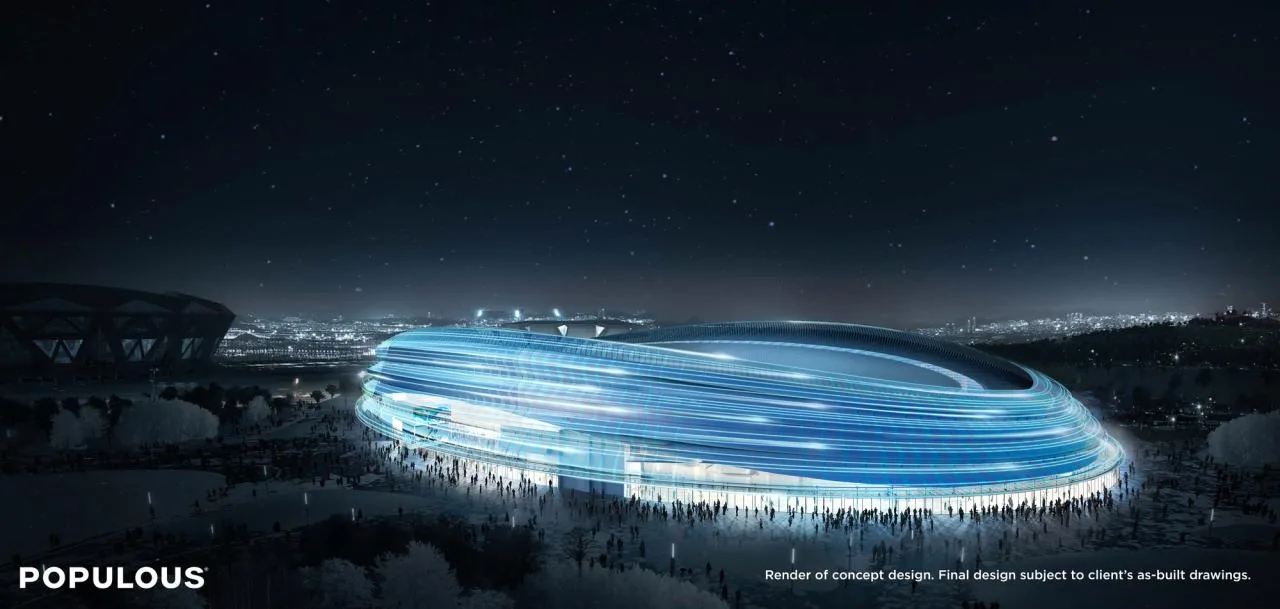
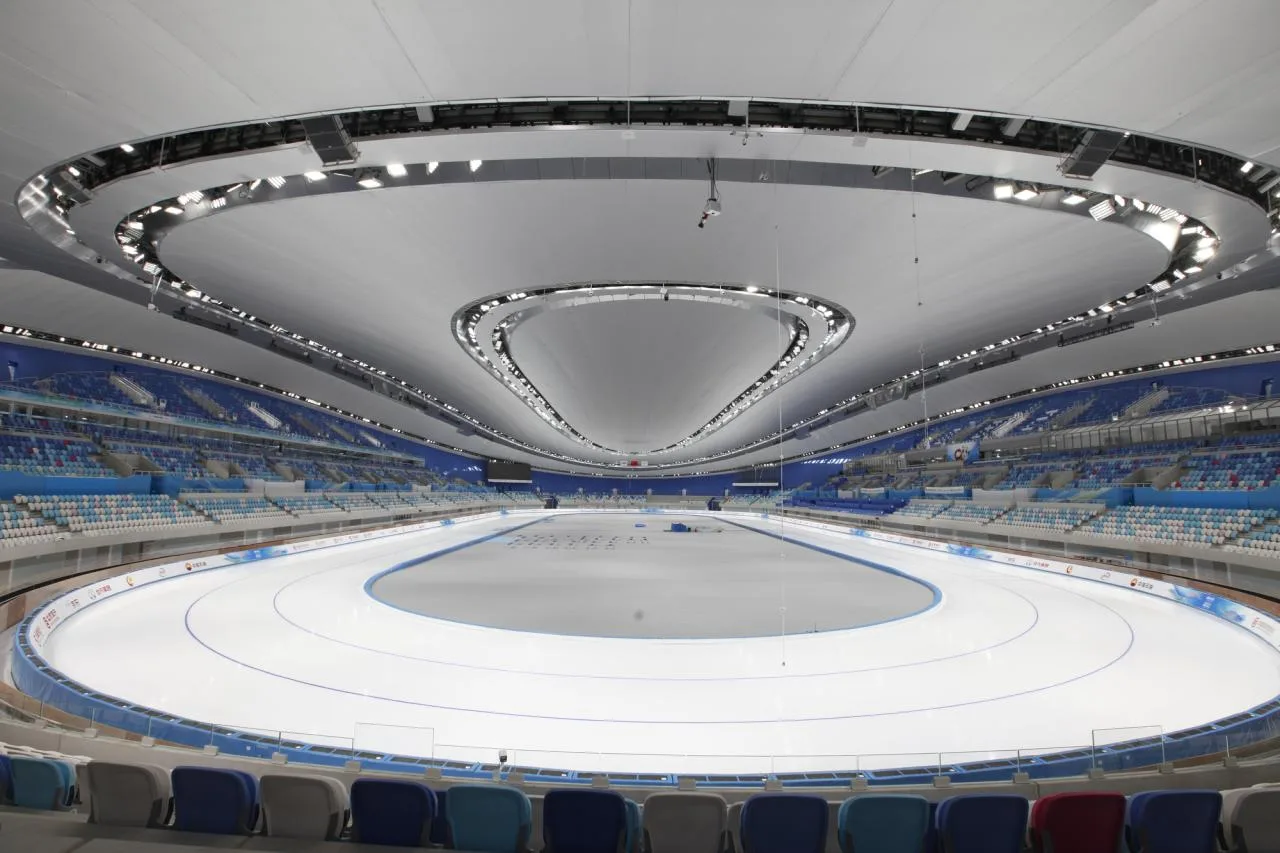
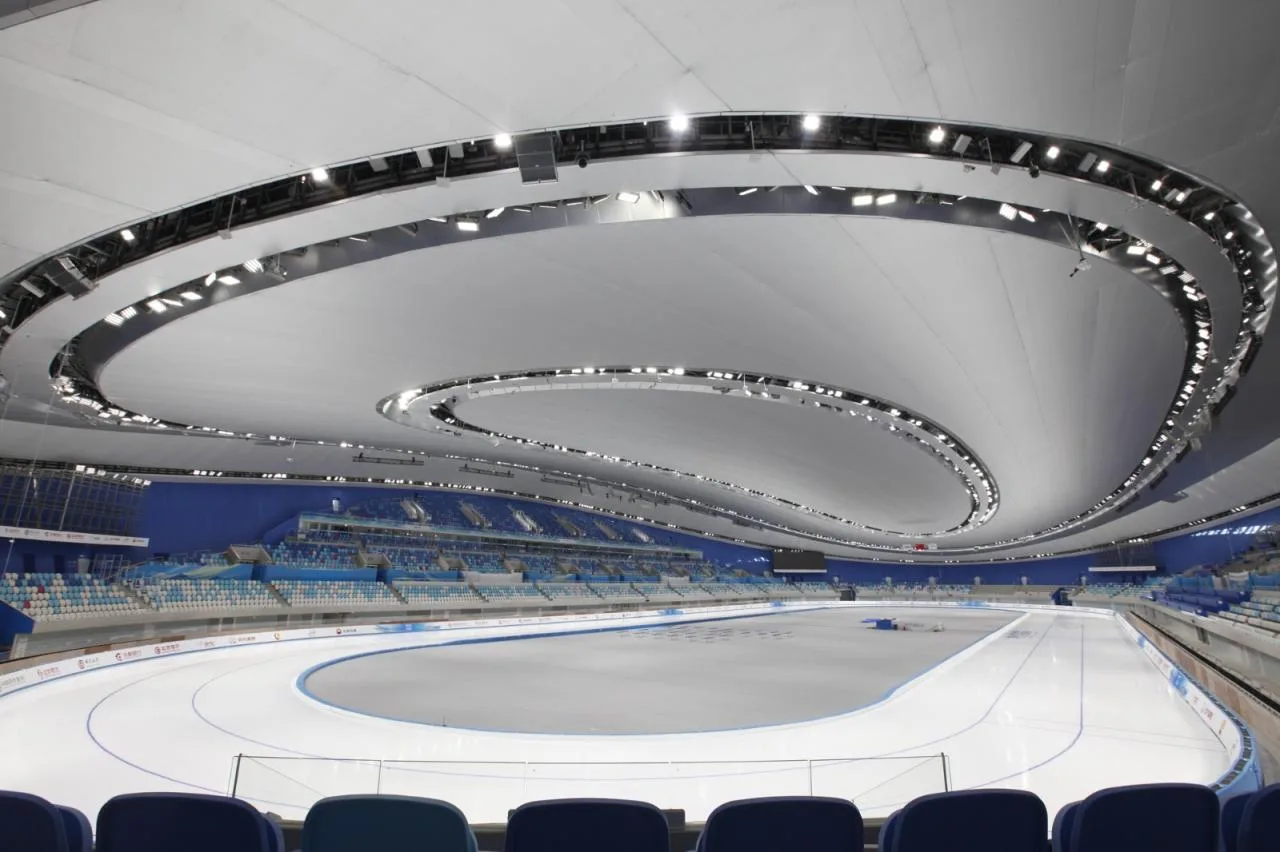
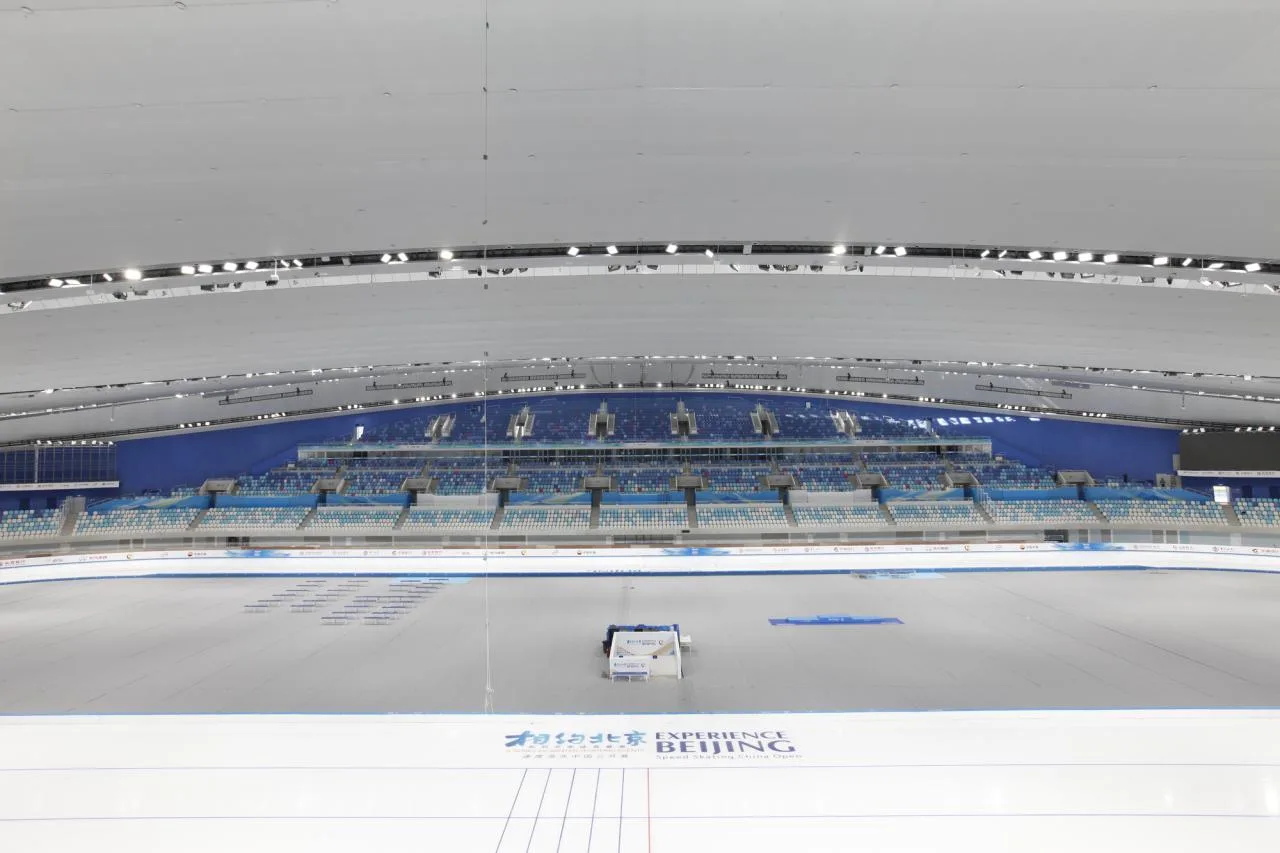
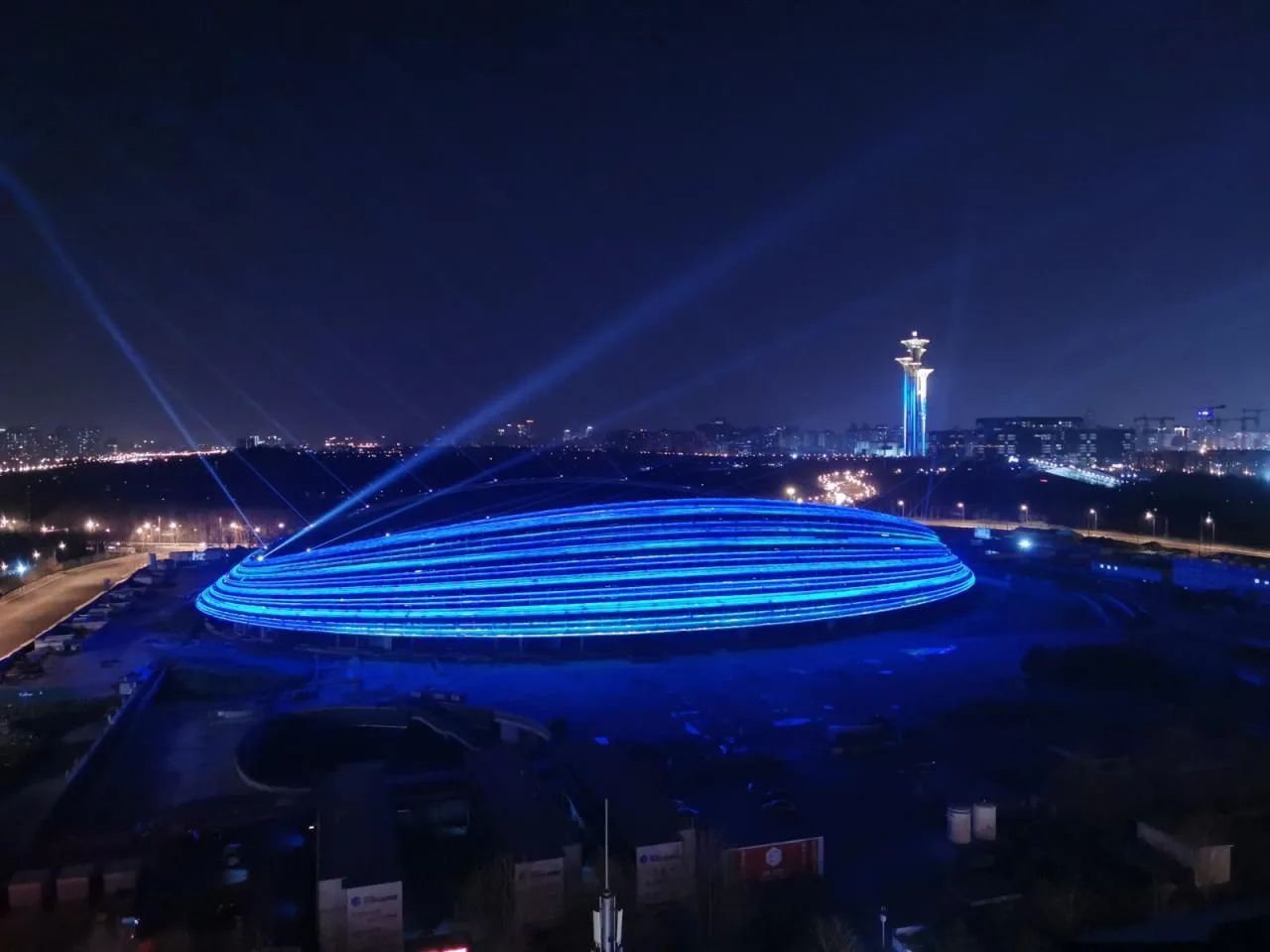
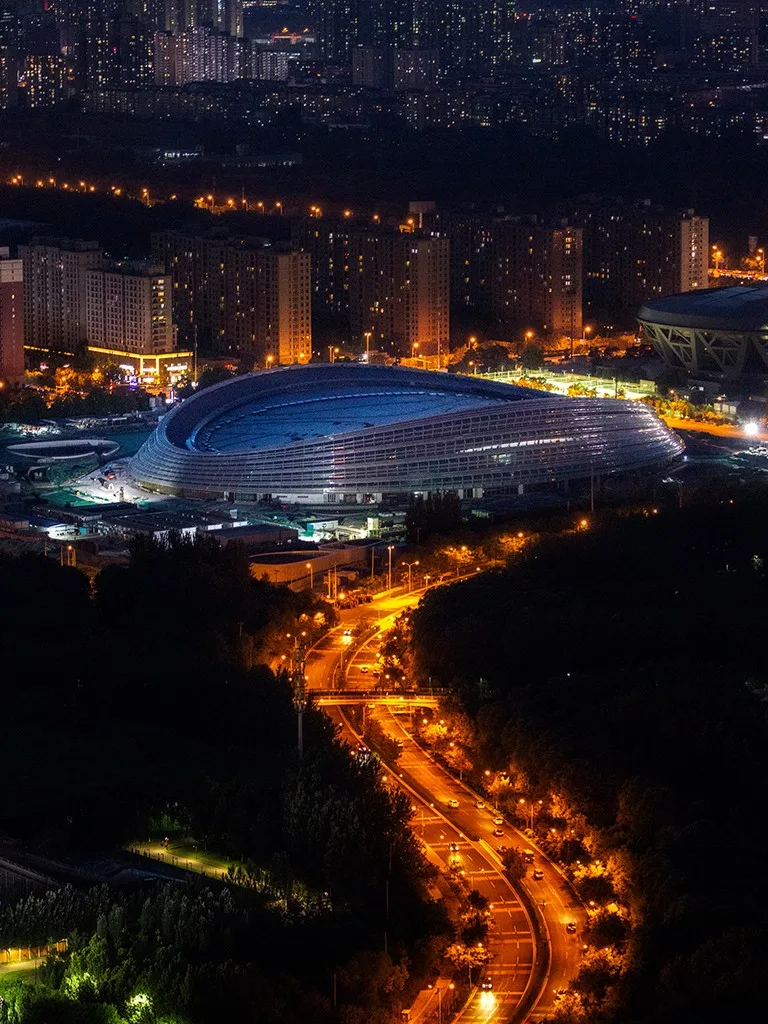
On February 4th, Beijing will make history as the first city to host both the Summer and Winter Olympics, marking the opening of the 2022 Winter Olympics. The “Ice Ribbon,” a national-level speed skating venue, is a newly constructed permanent indoor arena built specifically for the 2022 Winter Olympics and Paralympics. Completed in 2021, this impressive facility will officially debut on the grand Olympic stage. With a seating capacity of 12,000, the “Ice Ribbon” will host all speed skating events and witness 14 athletes claim Olympic gold medals.
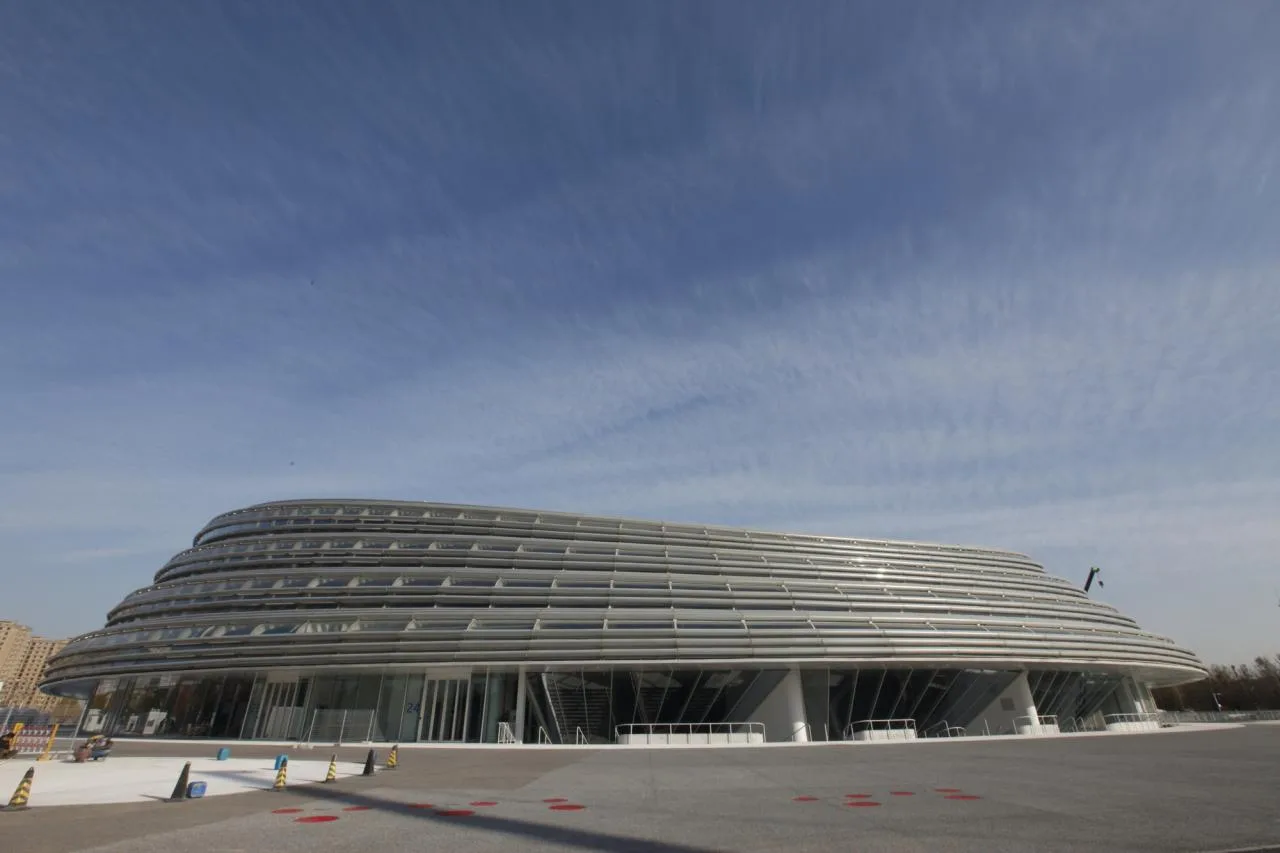
After winning an international design competition for the Olympic speed skating rink, the globally recognized sports architecture firm Populous was commissioned to design the “Ice Ribbon” for the 2022 Winter Olympics. This venue not only embodies Chinese cultural heritage but also celebrates the elegance, precision, speed, and vitality inherent in speed skating. Populous’s Asia Pacific headquarters in Brisbane led teams across five countries and three offices to secure victory over more than 60 competing firms.

Childhood Memories from Old Beijing
Tiric Chang, Executive President of Populous China and Joint Project Leader of the National Speed Skating Oval, draws inspiration from her childhood in Beijing. She integrates a beautiful interpretation of Chinese culture and tradition into the building’s design.
She explains, “The design concept for the ‘Ice Ribbon’ is inspired by traditional ice games from old Beijing, including the high-speed spinning ‘Ice Top’ game.”
Andrew James, Joint Project Director and Senior Head of Populous at the National Speed Skating Oval (NSSO), shares, “Being appointed as the chief designer of this Olympic venue is a tremendous honor. The award-winning design of the Ice Ribbon emerged after extensive development and refinement of several concepts. We ultimately embraced the ‘spiral’ concept, which defines the venue’s current shape. Our teams from Beijing, Brisbane, India, London, and the United States leveraged past experience with the Olympic speed skating venue ‘Oval Lingotto’ in Turin, Italy, and the ‘Fisht Olympic Stadium’ from the 2014 Sochi Winter Olympics. Using these projects as references, the design of the ‘Ice Ribbon’ was successfully finalized.”
From Ice Gyro to Ice Ribbon
Additionally, Chang Yafei’s family has dedicated themselves to the study and preservation of the Dunhuang Grottoes, a cultural treasure and significant collection of Buddhist art from the Tang Dynasty. This heritage inspired the ‘ribbon’ design element featured in the National Speed Skating Oval.
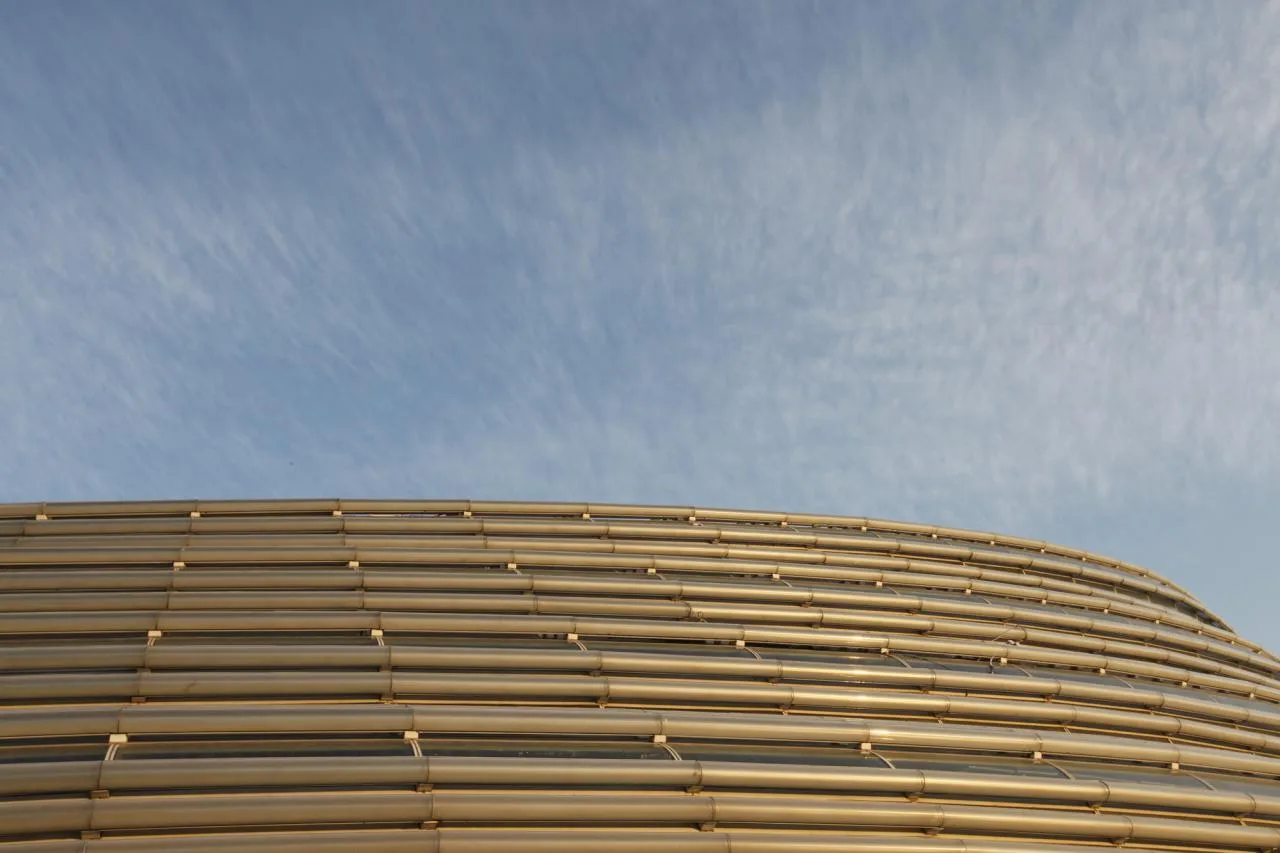
This influence guided the design team to boldly expand and evolve the fast-spinning ‘ice top’ concept by incorporating 22 rotating light bands on the building’s facade. These “ribbons” symbolize not only the ice surface and speed skating track but also vividly capture the speed and dynamism of the athletes.
The “Ice Ribbon” is situated along the central axis of Beijing’s iconic Olympic landmarks, including the “Bird’s Nest” and “Water Cube” from the 2008 Olympics. Officials note, “The National Speed Skating Oval is not only a world-class sports facility but also aims to become a new international landmark, enhancing Beijing’s urban landscape and cityscape.”
World-Class Innovation
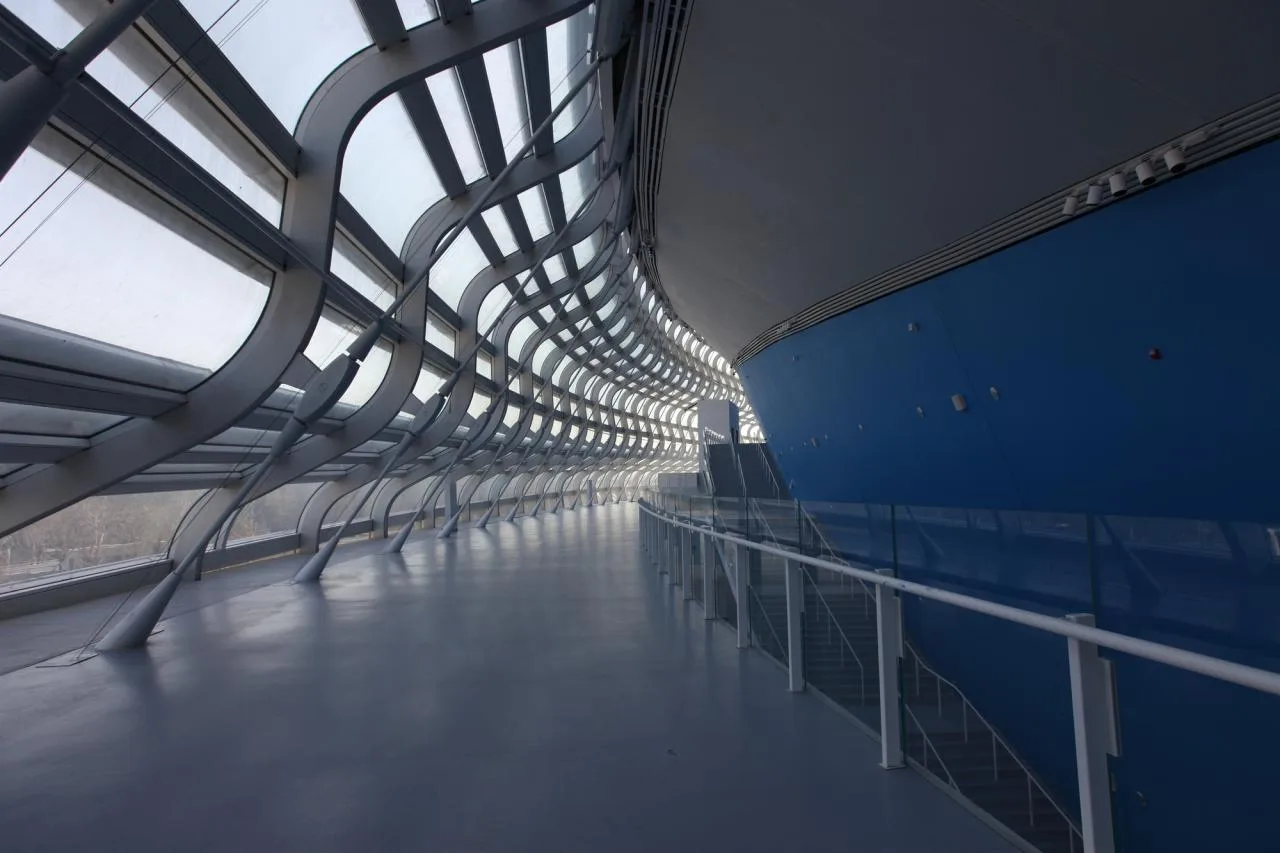
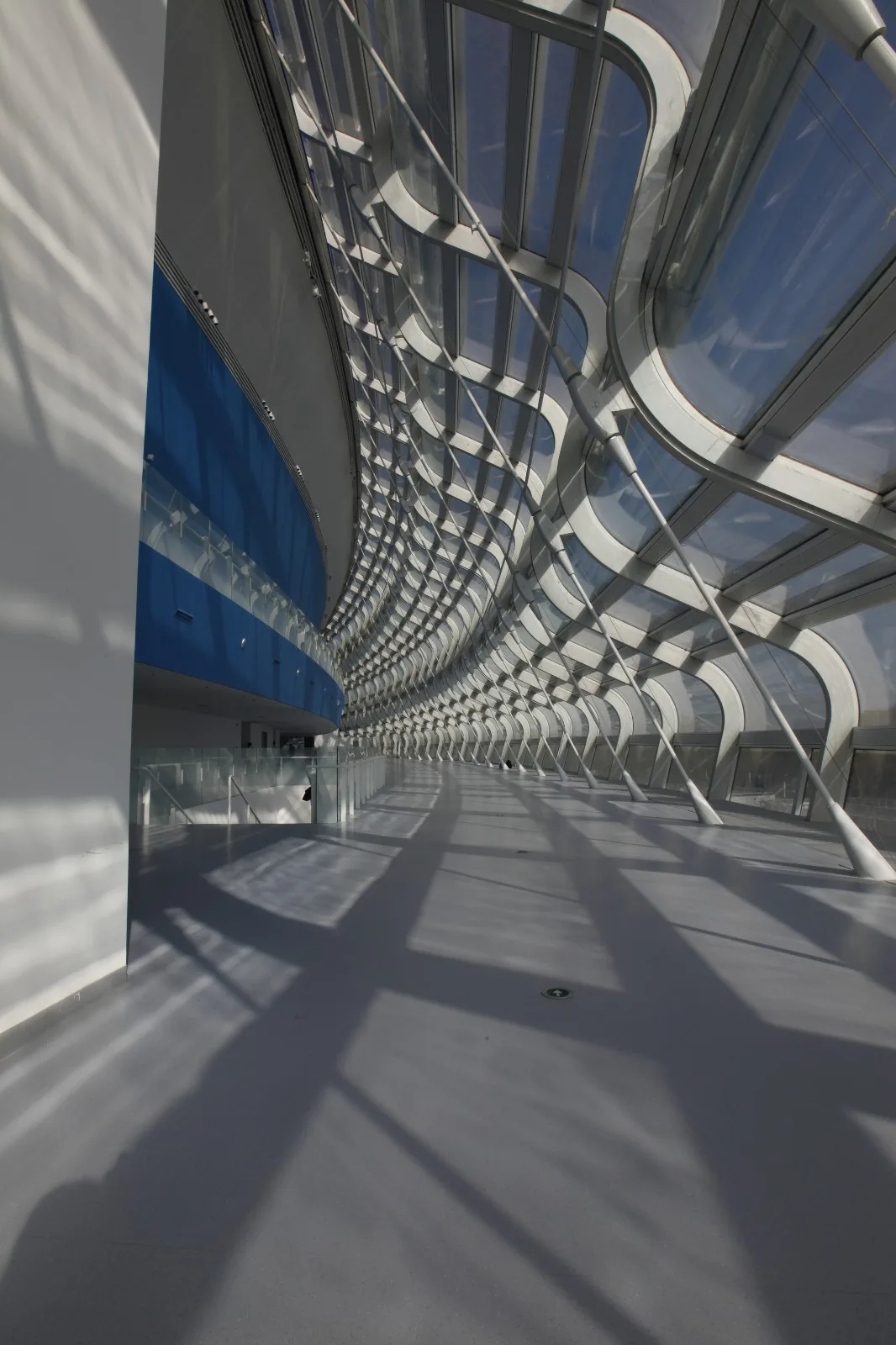
Beyond its striking appearance, the National Speed Skating Oval’s design thoroughly addresses practical needs, meeting the standards set by the International Olympic Committee (IOC) and the International Skating Union (ISU). Importantly, the venue creates an intense and thrilling atmosphere where spectators can see and hear every movement of the skaters’ blades, enhancing the experience of the competition.
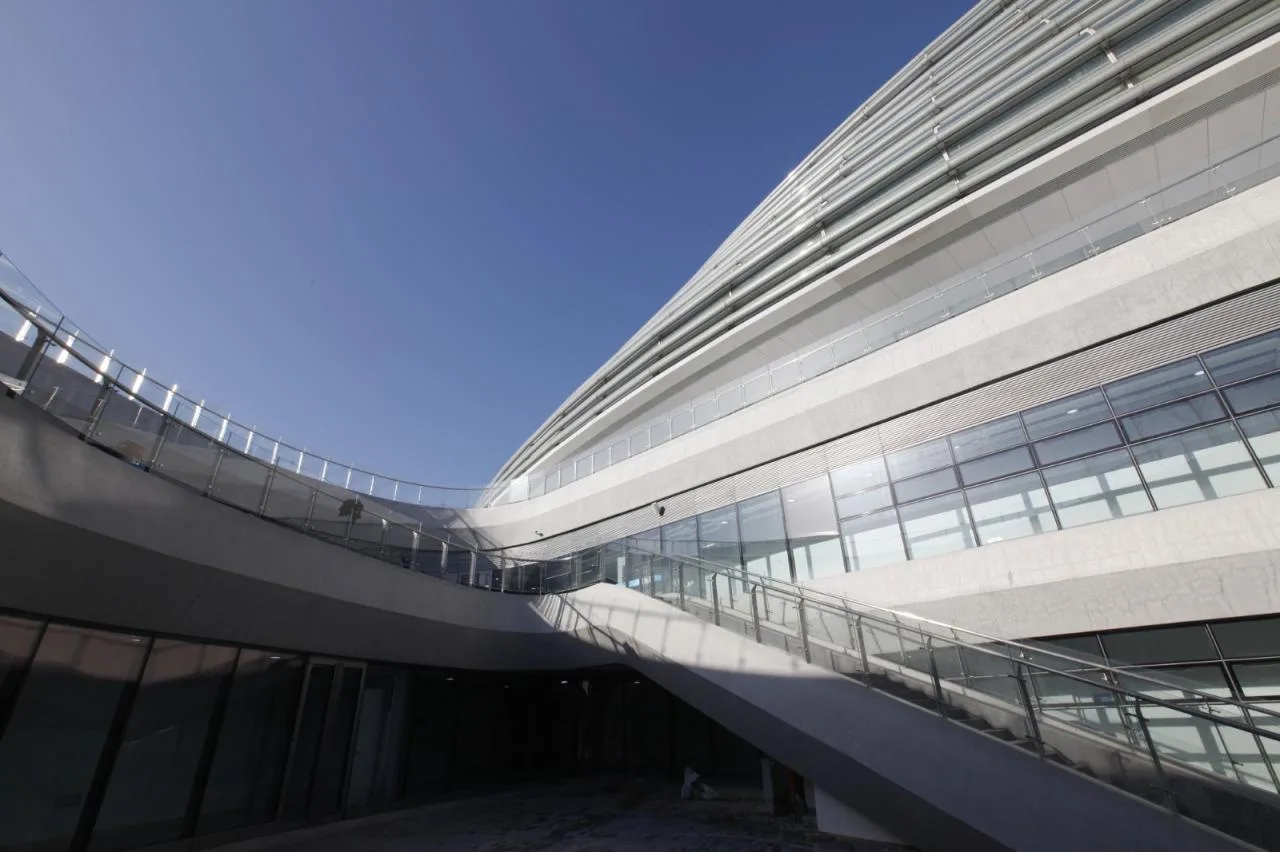
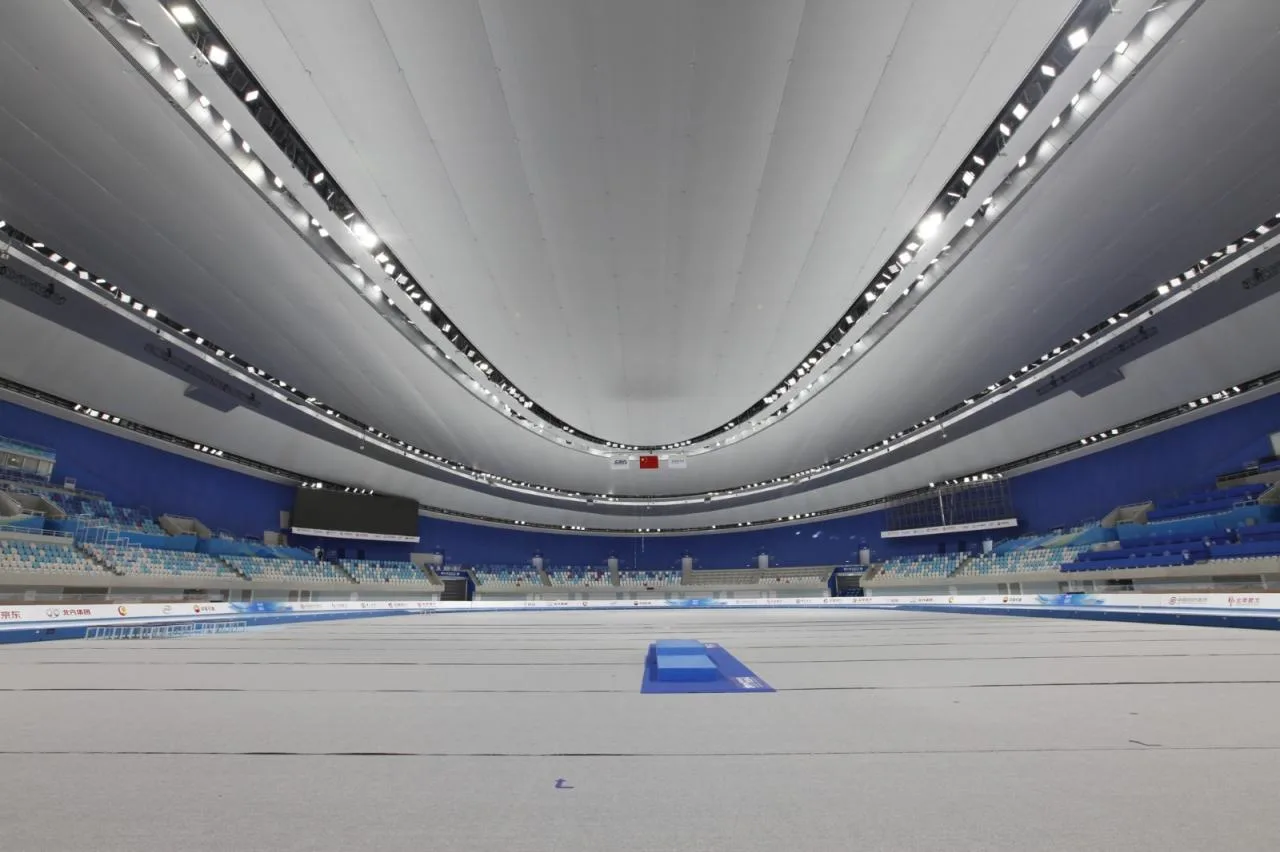
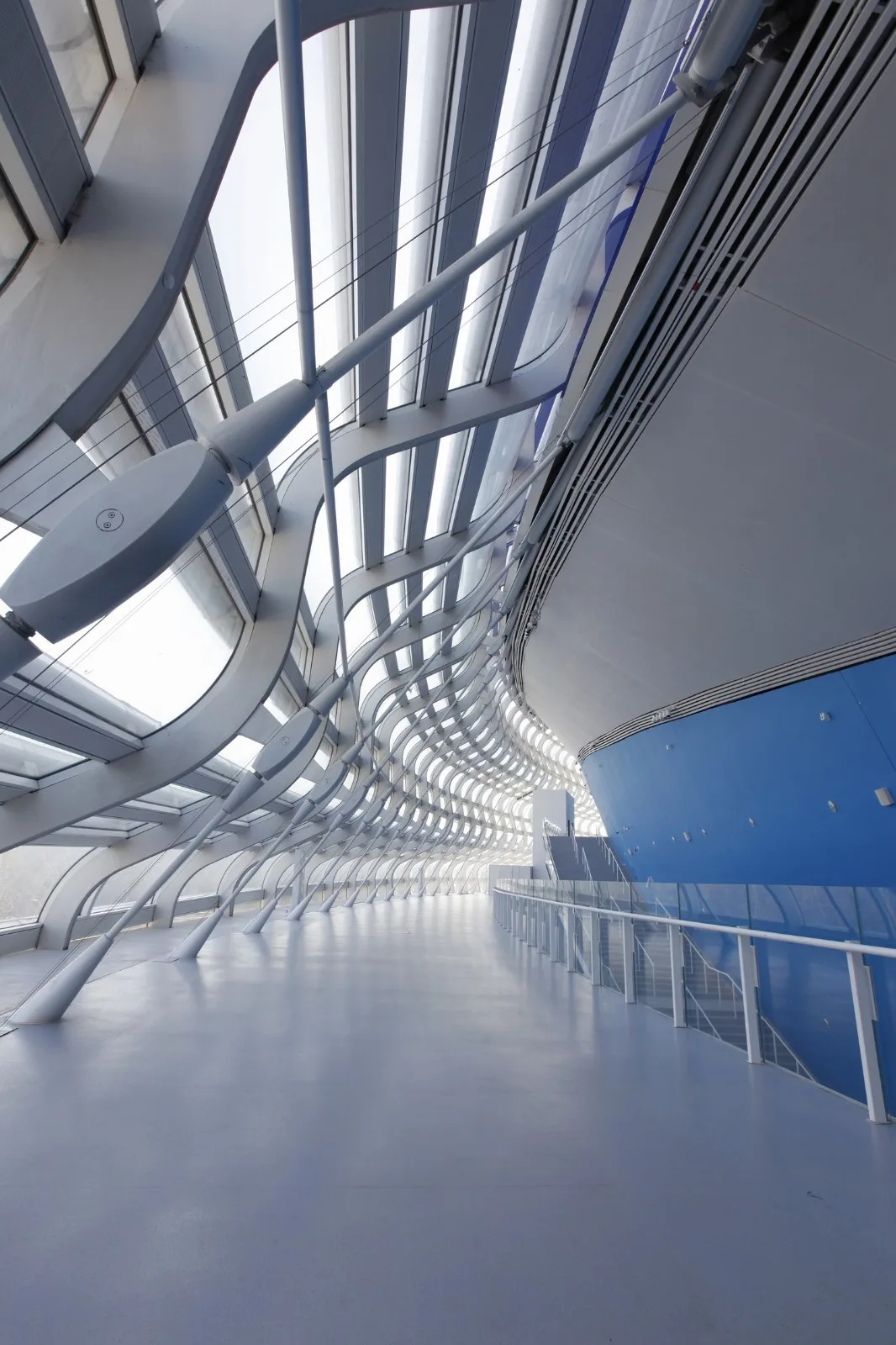
Before and during the Olympic Games, the National Speed Skating Oval will serve as a training base for speed skating events and competitions. After the Olympics, the “Ice Ribbon” will be repurposed as a permanent community hub, hosting winter sports programs, public ice skating, ice hockey, and private ice shows.
The traditional design embodied in the “Ice Ribbon” supports the government’s ice and snow sports development plan, which aims to engage 300 million people nationwide in ice and snow sports by 2025. This initiative aligns with the International Olympic Committee’s “2020 Agenda,” ensuring that hosting the Olympic Games is economically sustainable.
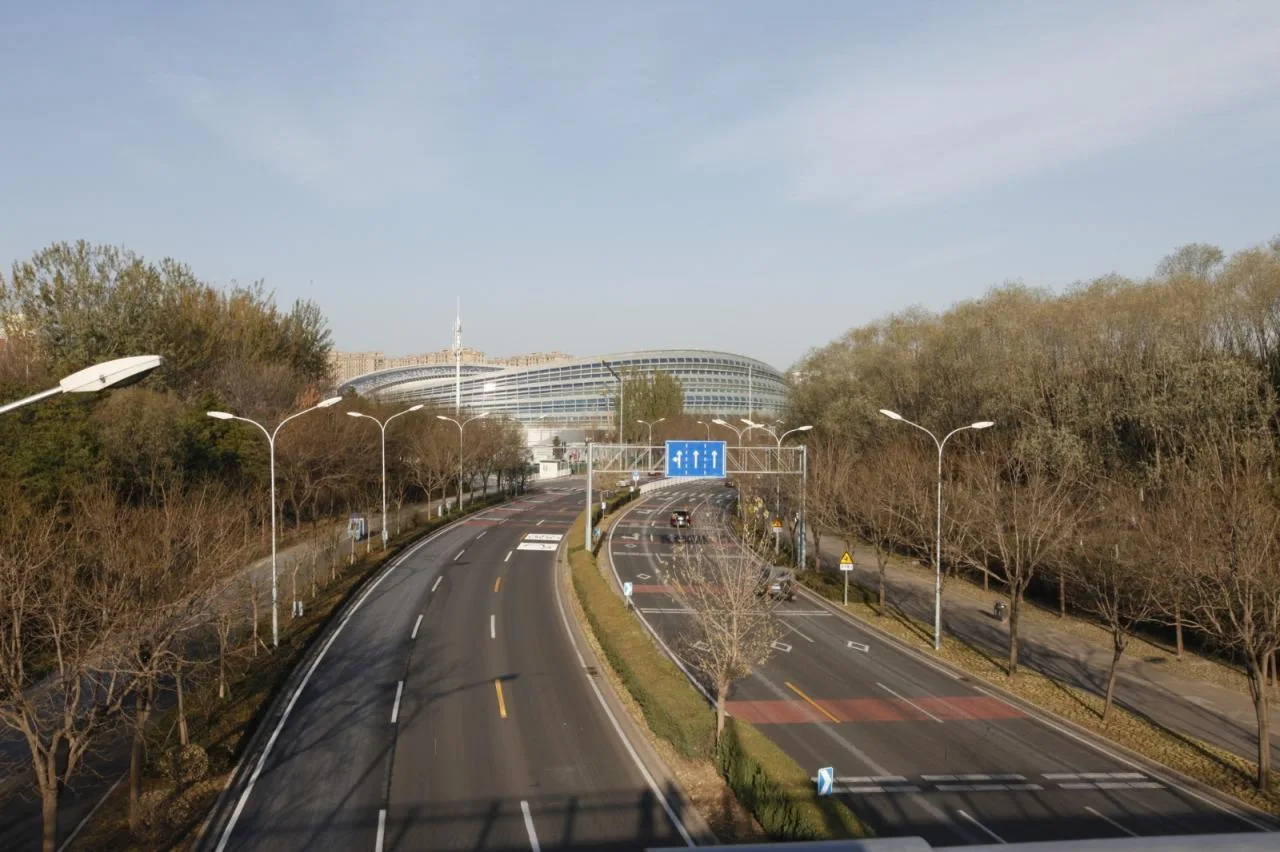
Project Drawings

▲ Hand-drawn sketch
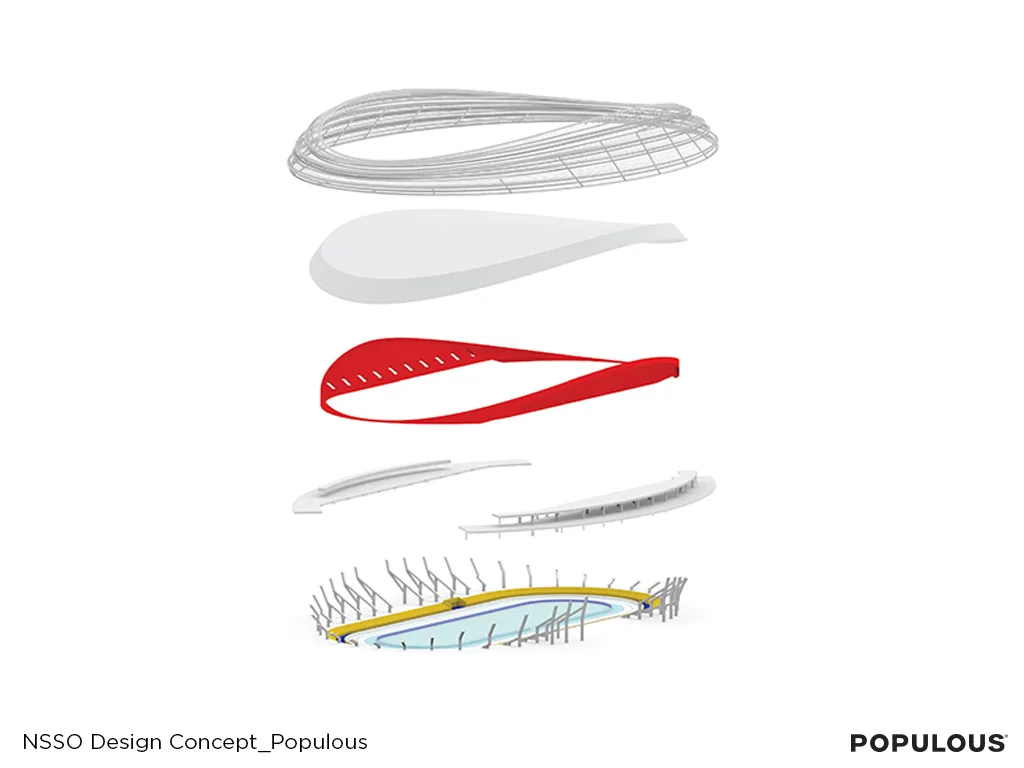
▲ Structural analysis diagram
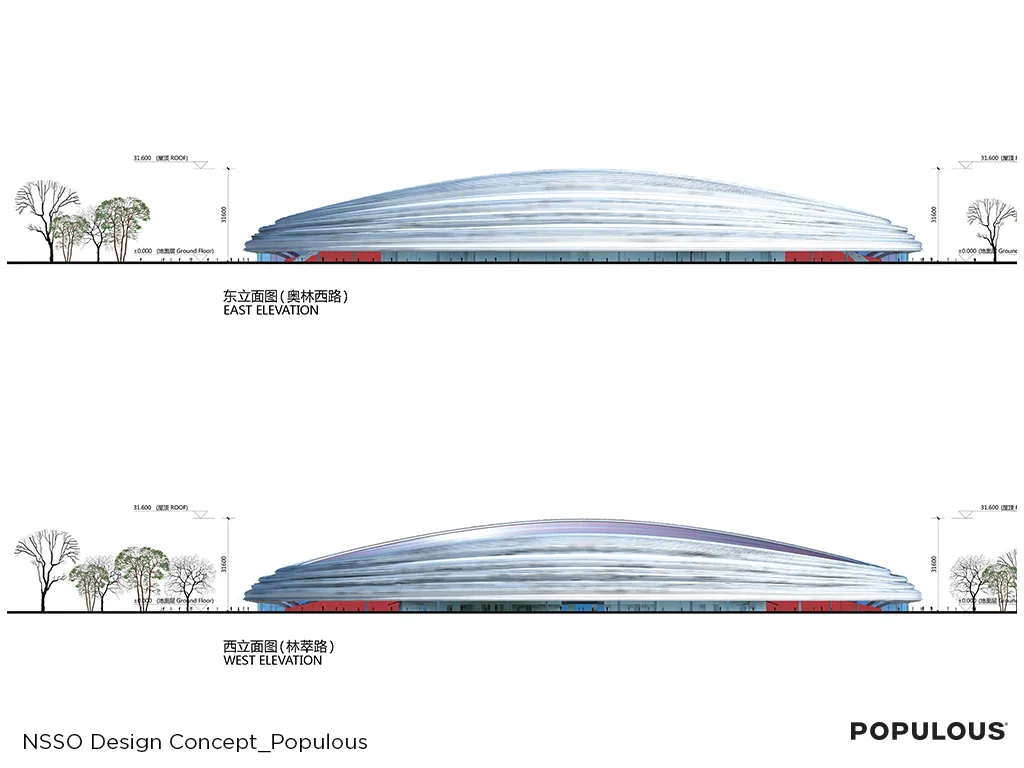
▲ Elevation view
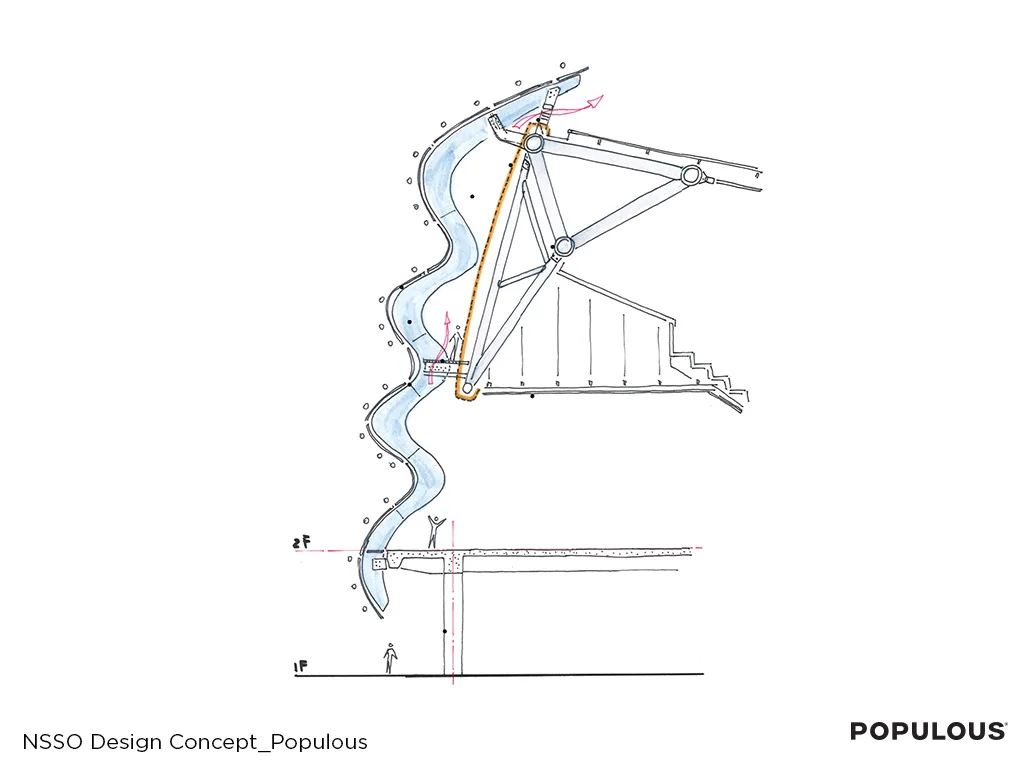
▲ Analysis chart
Project Information
Architectural Design: Populous
Area: 80,000 square meters
Project Year: 2021
Client: Beijing State-owned Assets Management Co., Ltd.
All parties: Beijing National Speed Skating Management
Capacity: 12,000 seats (8,000 permanent seats, 4,000 temporary seats)















Must log in before commenting!
Sign Up