
Behind every cultural heritage lies a rich historical development, and valuing national cultural relics is a crucial step towards fostering cultural confidence.
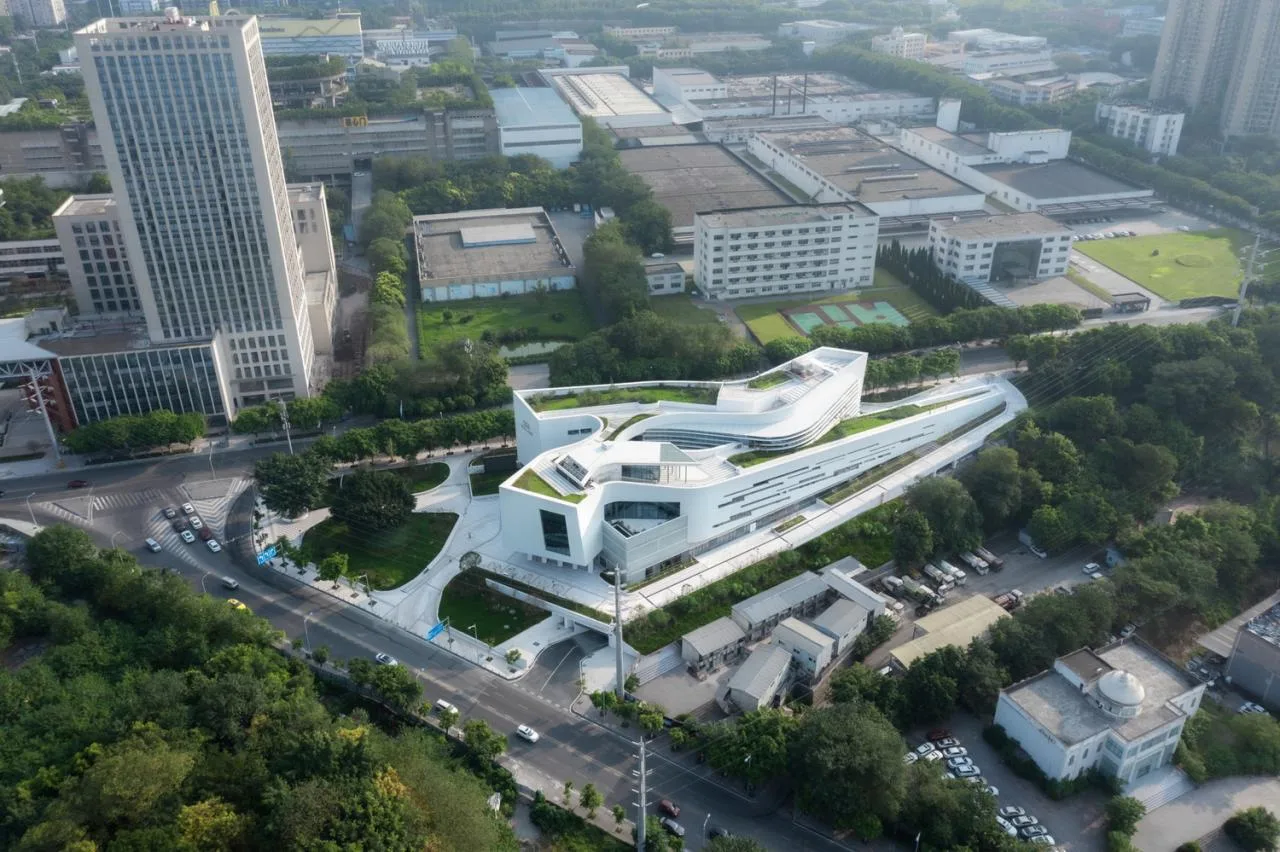
▲ Aerial view @ Prism
The Three Gorges region boasts a long history and a wealth of cultural heritage. As one of the cradles of ancient Chinese civilization, its abundant water resources and convenient transportation have laid a solid foundation for the area’s economic development. Throughout turbulent periods and conflicts, ethnic integration flourished, and practices of disaster avoidance and prayer gave rise to unique religious cultures. Over thousands of years, the customs of the Three Gorges ancestors have been preserved in historical relics—some buried along the banks of the Xiajiang River, others standing on terraced slopes. These relics document the historical landscape, bear witness to past events, and represent invaluable treasures for all humanity.
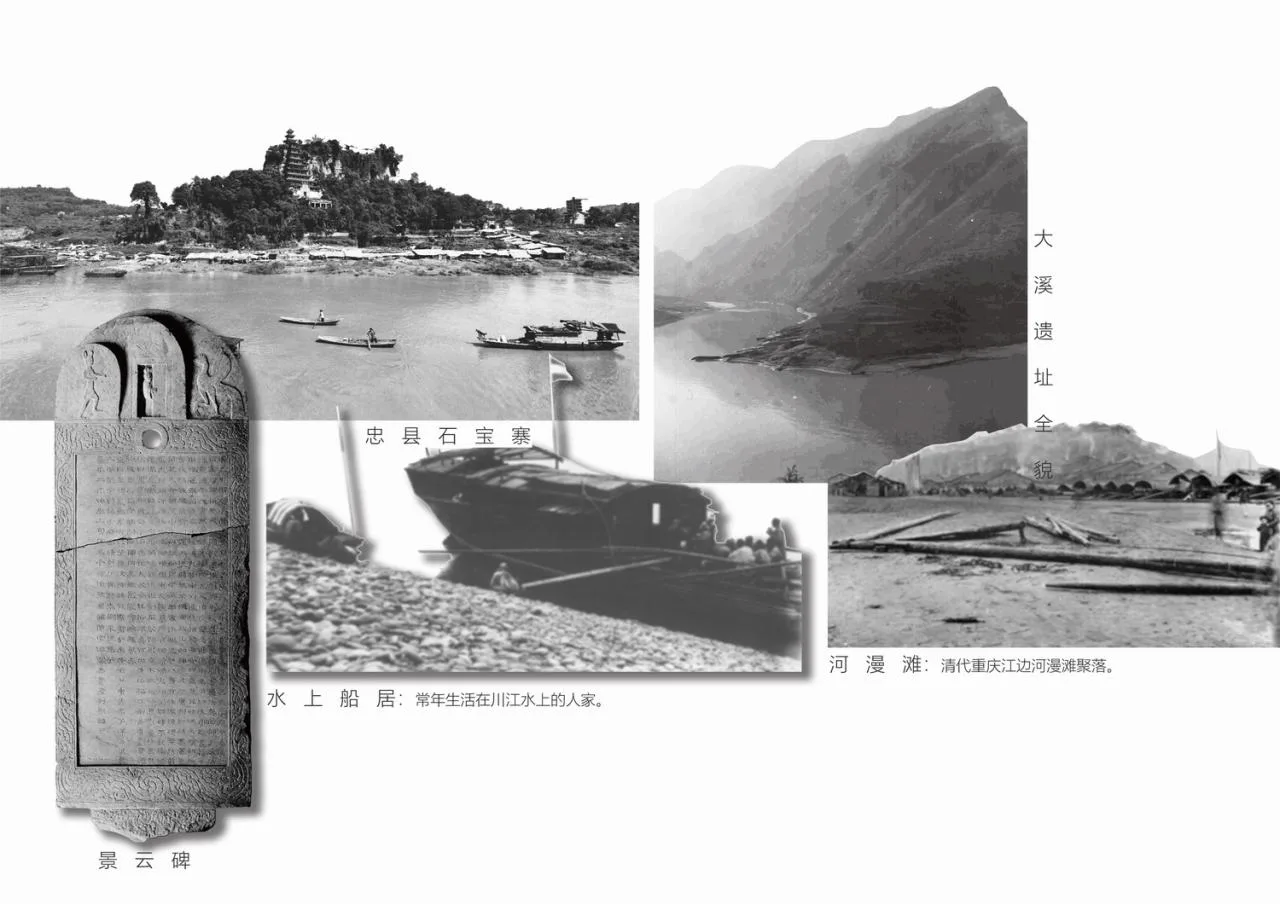
▲ Stunning views of the Three Gorges
Due to the construction of the Three Gorges Dam, a vast area along the Xiajiang River is set to be submerged. To safeguard the region’s cultural heritage, a large-scale relic protection project was launched—this stands as the largest cultural relic protection initiative in human history. It opens a new chapter in researching the history and culture of the Yangtze River’s upper reaches, offers fresh insights into the origins of Yangtze River civilization, and enriches the broader narrative of Chinese culture.
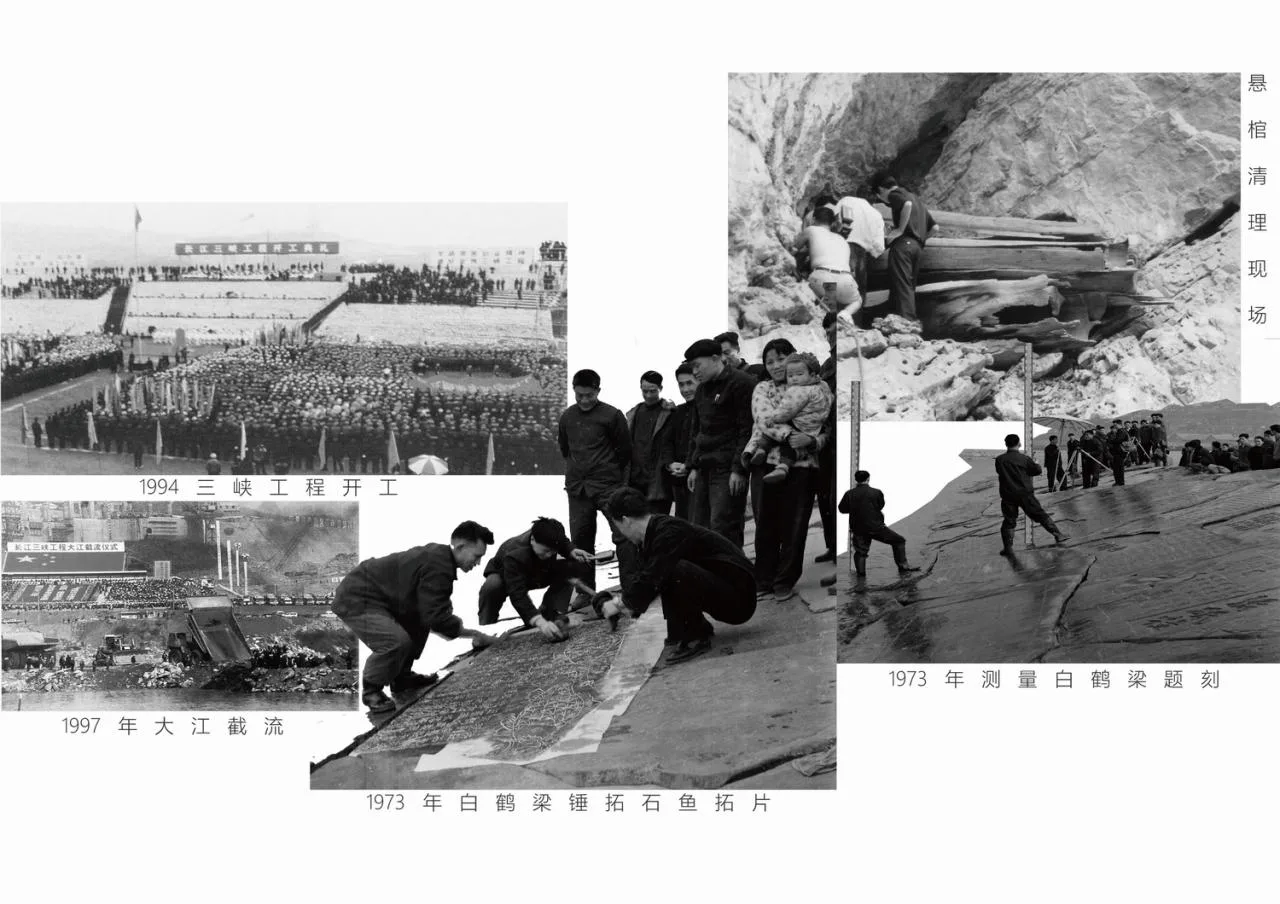
▲ Three Gorges Cultural Relics Protection Project
Running from 1997 to 2010, the Three Gorges Cultural Relics Protection Project in Chongqing’s reservoir area successfully safeguarded 774 cultural relics and unearthed 130,000 artifact sets. However, due to a tight schedule and heavy workload, many relics remain stored without adequate scientific protection or restoration. After years of exposure, their preservation status has become alarming, with significant deterioration and fragile conditions. The urgent restoration and protection of these precious relics are critical.
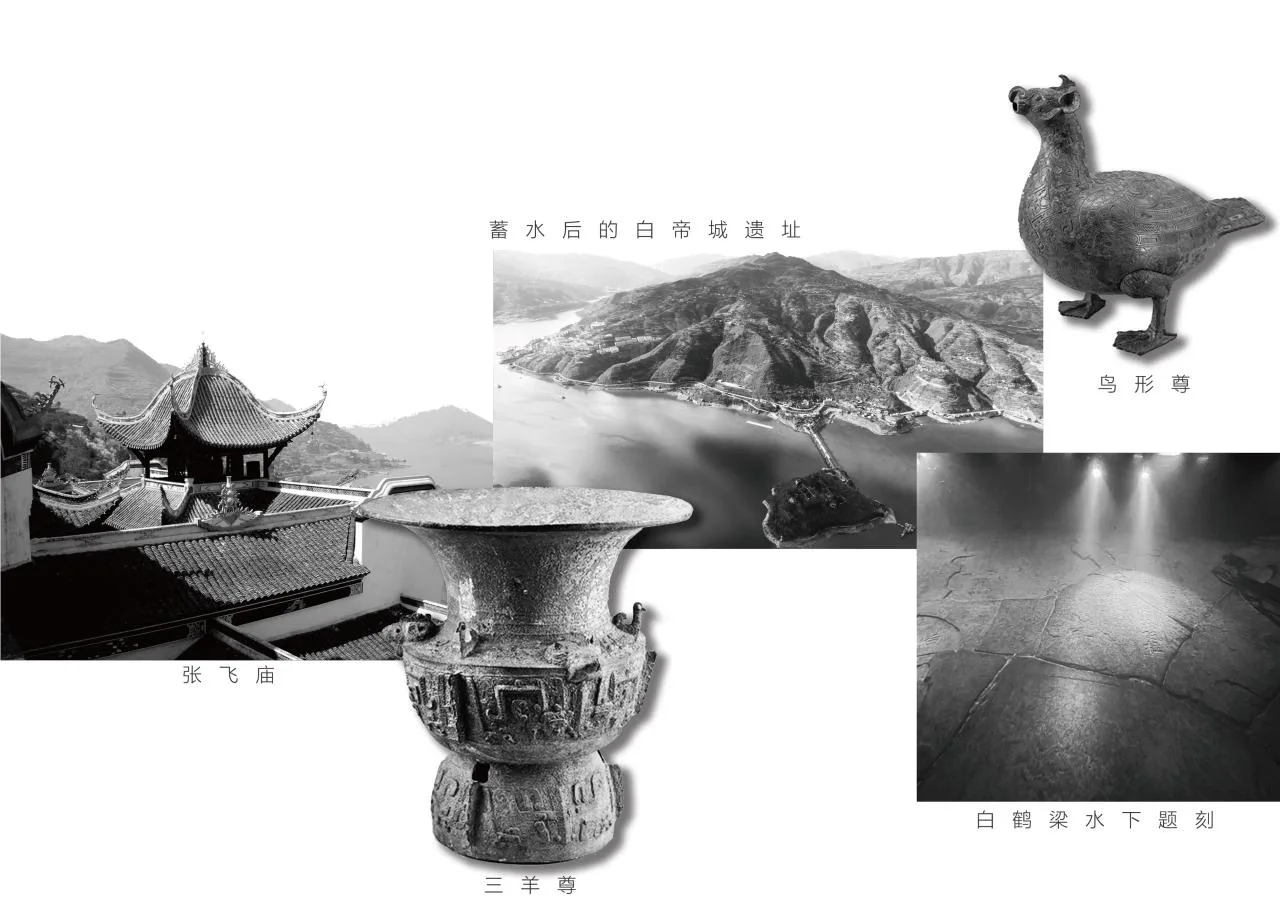
▲ Achievements of the Cultural Relics Protection
The Three Gorges Cultural Relics Technology Protection Base, located in Nanping, Chongqing, continues this vital work. Covering 8,400 square meters of land with approximately 18,000 square meters of building space, it serves as a key venue for showcasing protection achievements, academic research, and technological development related to the Three Gorges’ relics. The architects have paid their highest respects to this monumental project through unique and thoughtful design.
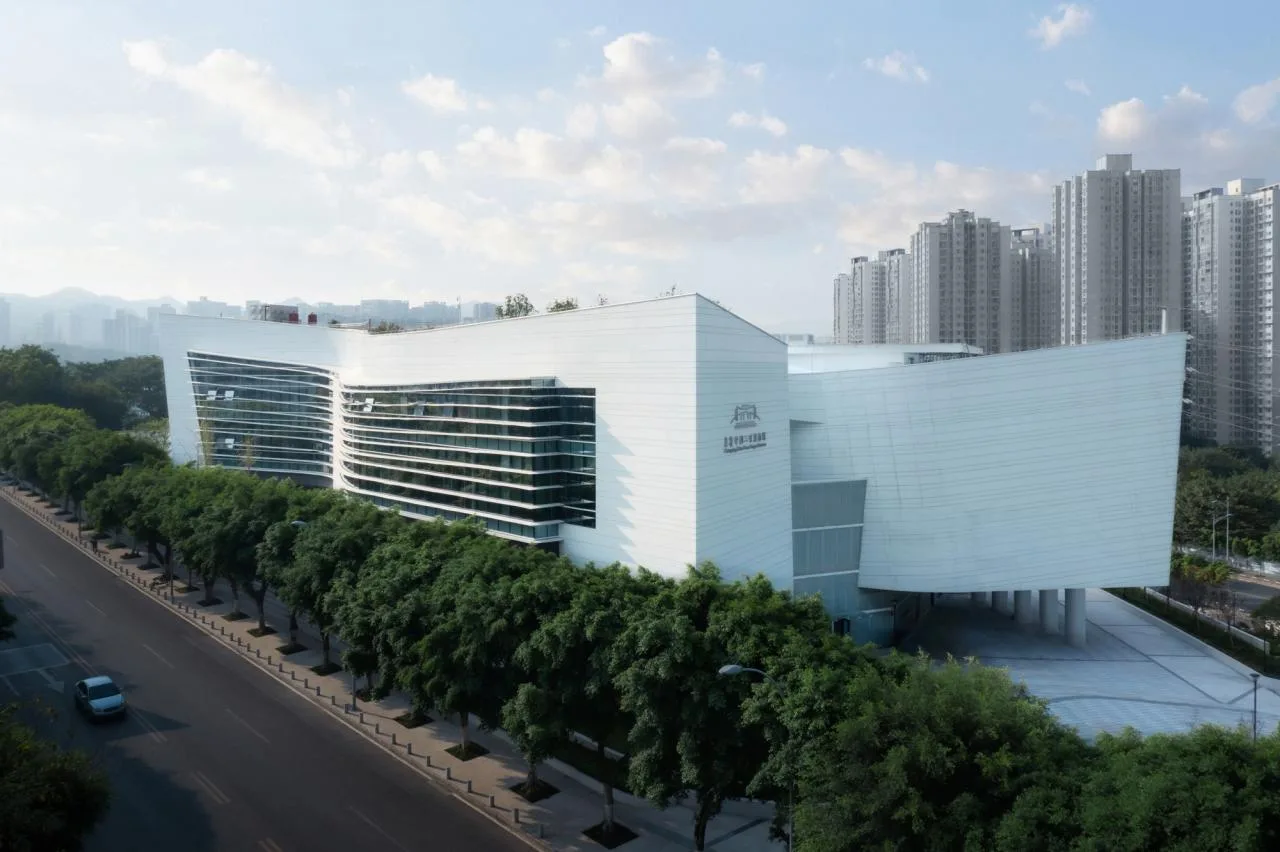
▲ Aerial view @ Prism
The ‘White Canyon’ on the Mountain
At the project’s inception, the design focused on two key elements: architectural form and function.
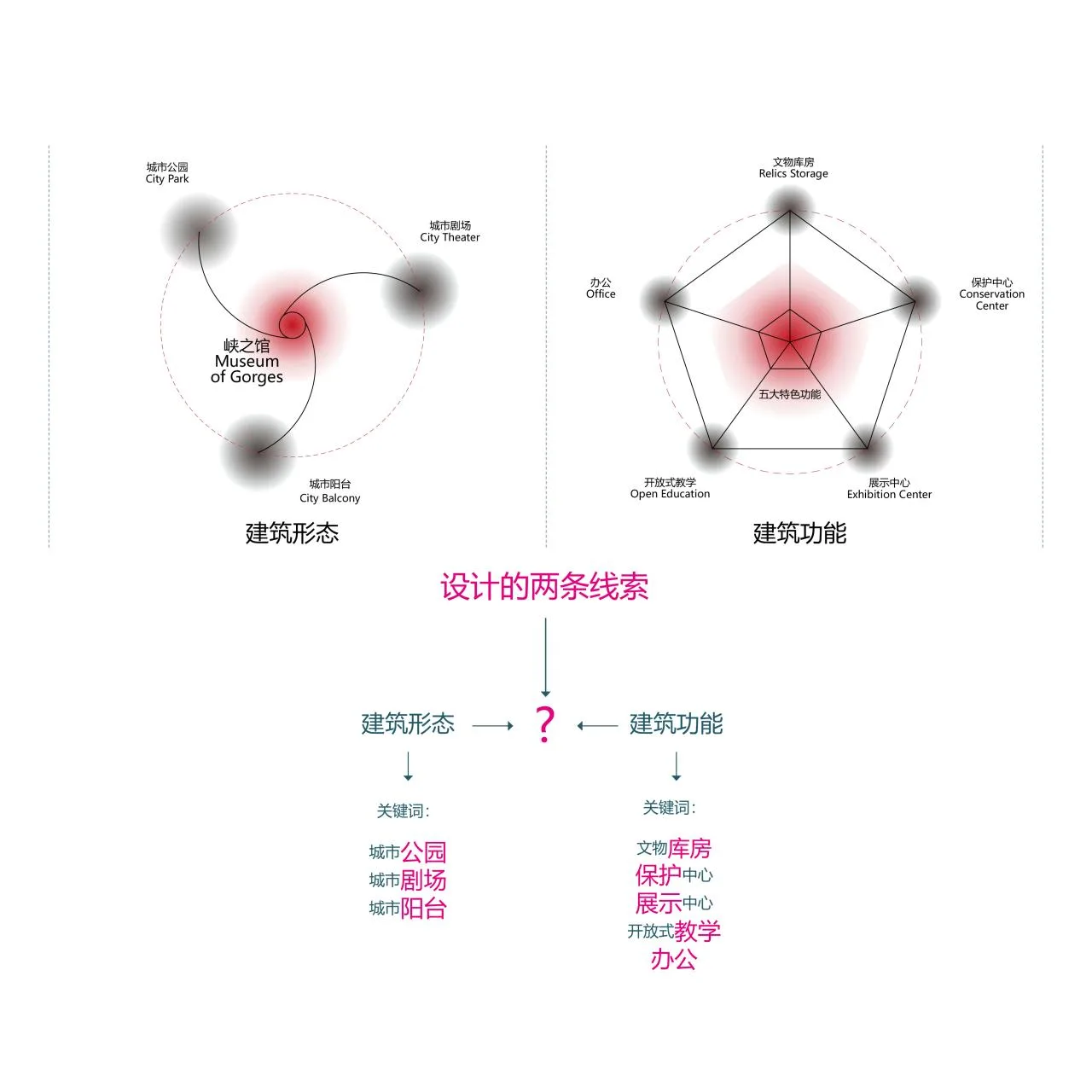
In terms of form, the design interprets the gorge and embodies the spirit of stone.
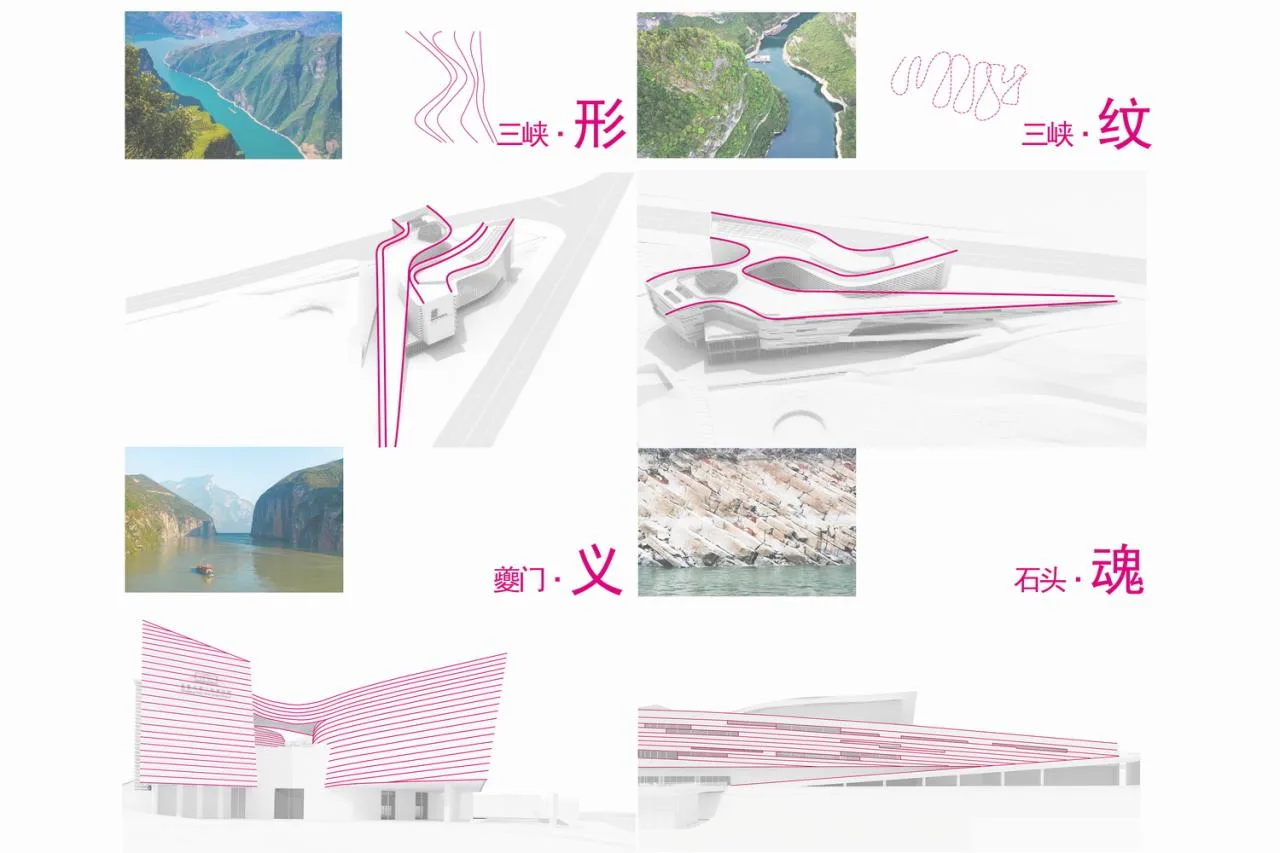
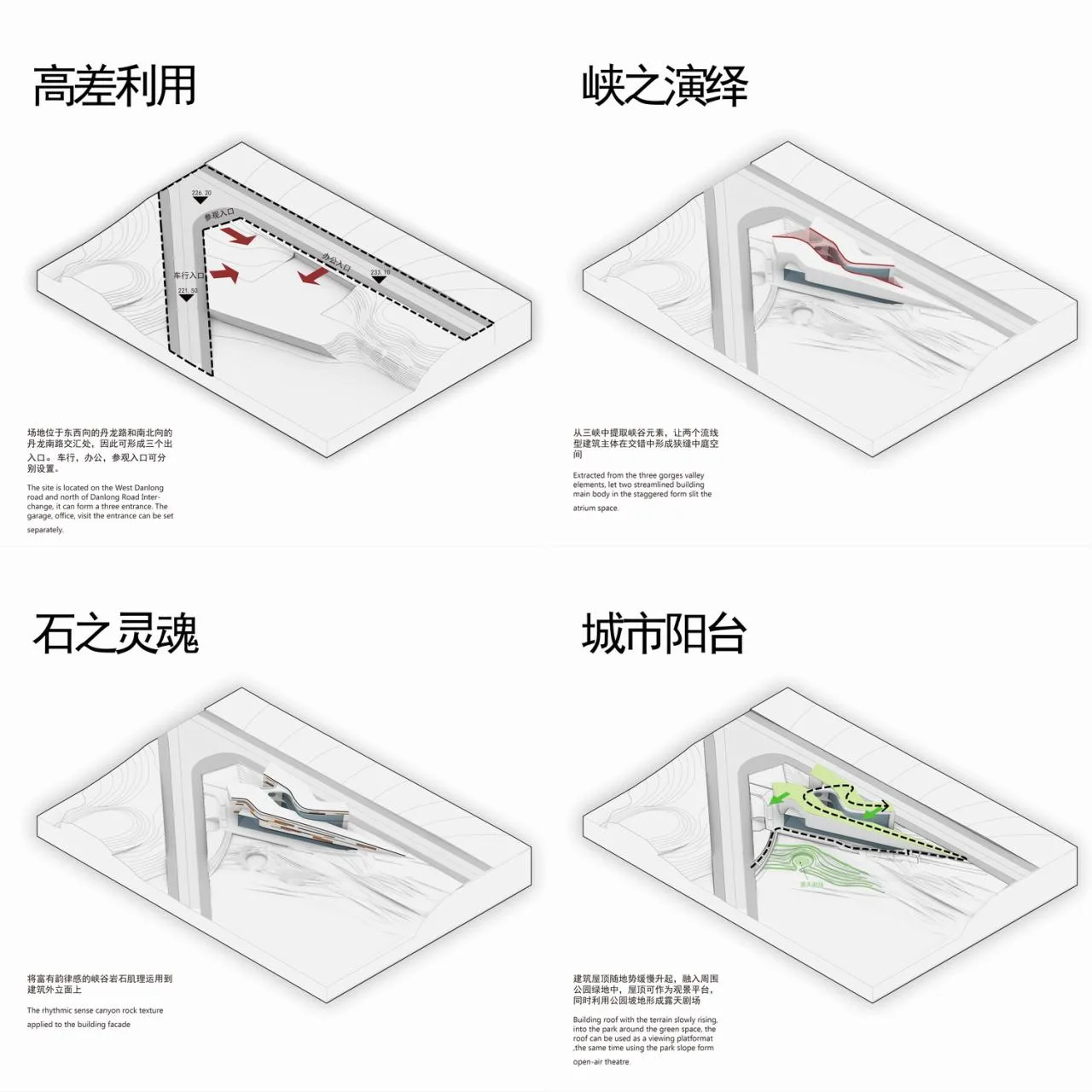
▲ Design Evolution
Located within the Three Gorges, construction began with a concept inspired by the Kuimen (Gates of the Gorge). The architects streamlined the building layout to reflect the canyon’s power, embracing the theme of “The Romance of the Gorge”. At the entrance, visitors are greeted by a magnificent white structure with smooth, flowing curves and layered rock-like textures. From above, it resembles a white canyon. Inside, the space evokes wandering through a narrow valley, with “mountains on both sides facing each other.” The flowing lines, canyon-like spaces, and rhythmic textures create a deeply moving first impression.
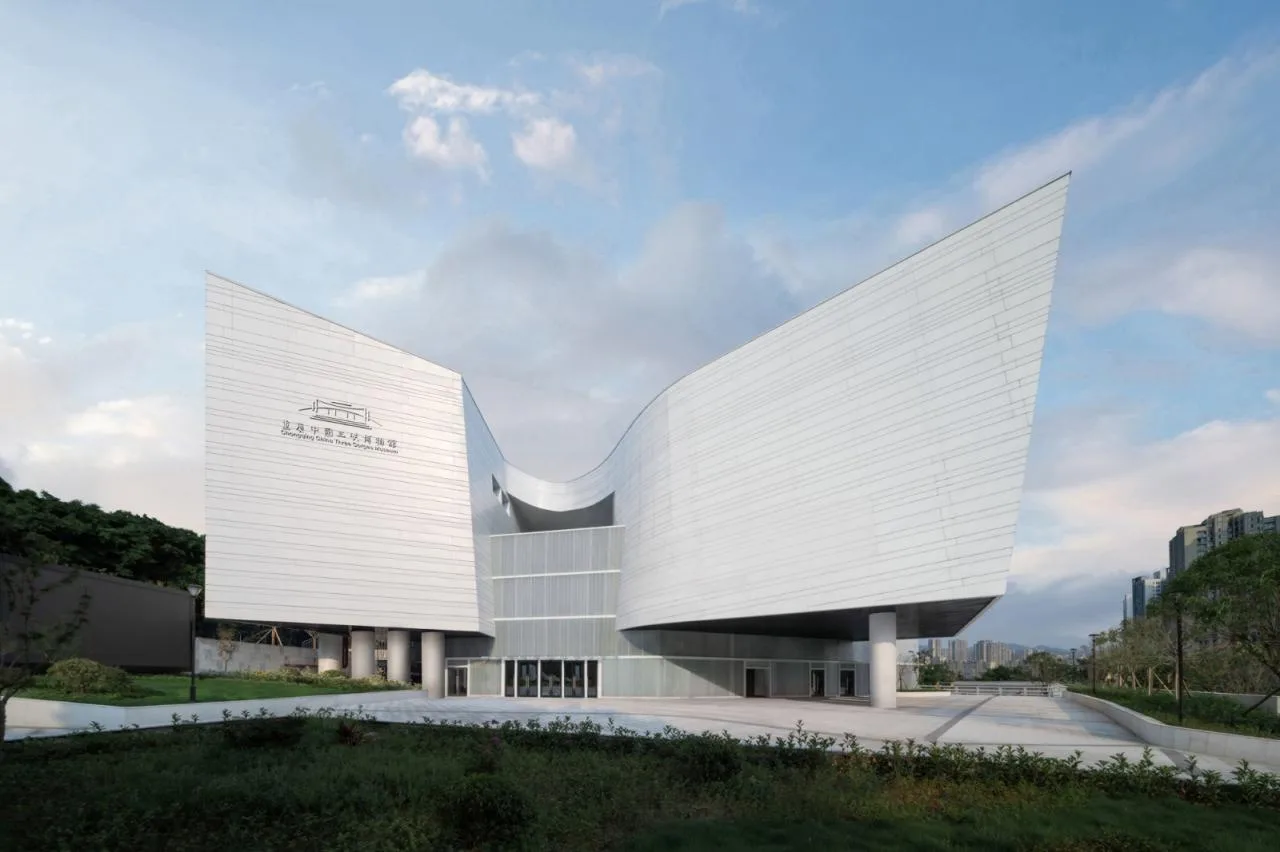
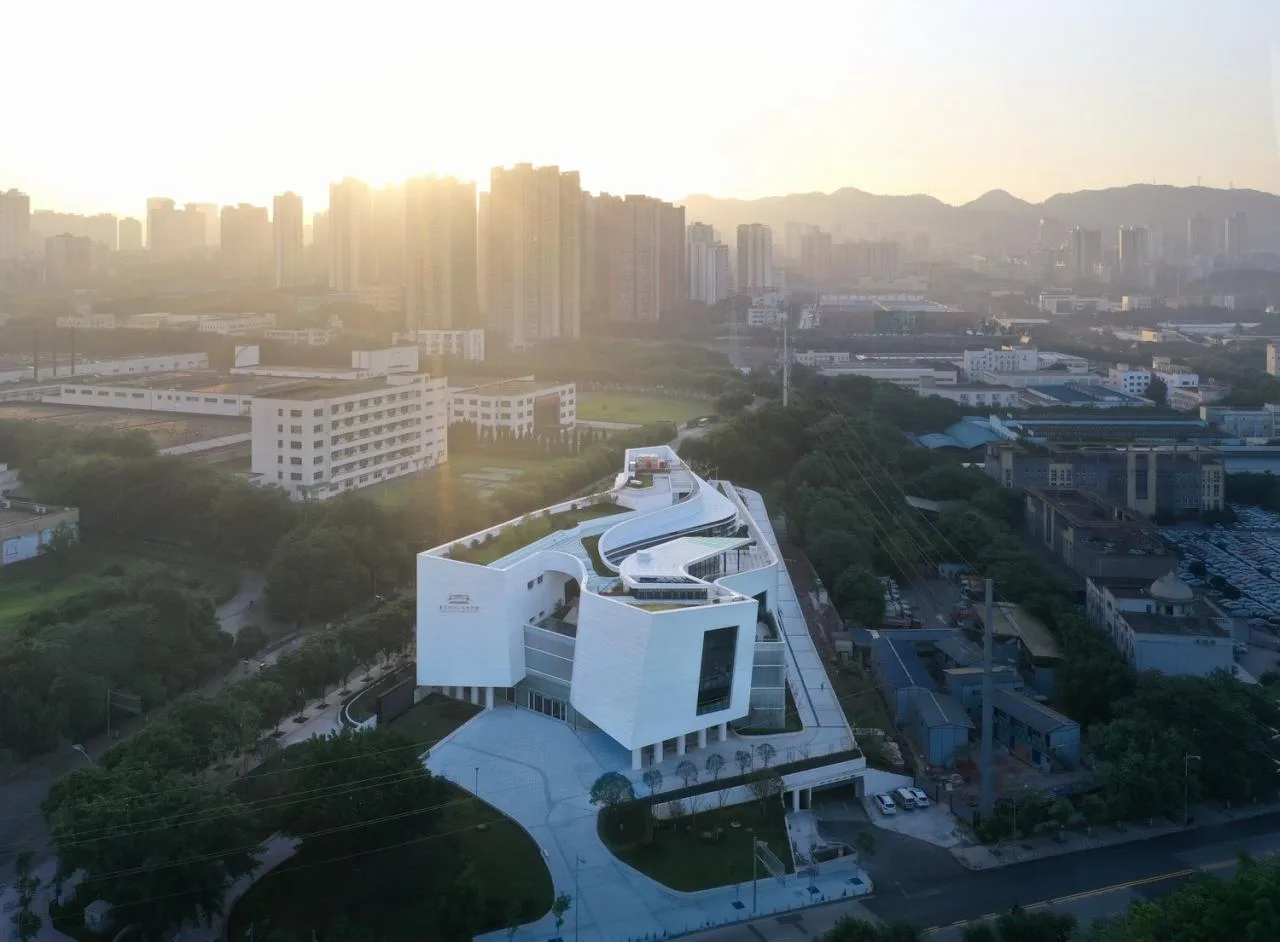
▲ Main entrance @ Prism
Functionally, the building accommodates five key needs: protection center, cultural relic storage, exhibition space, public education, and office facilities.
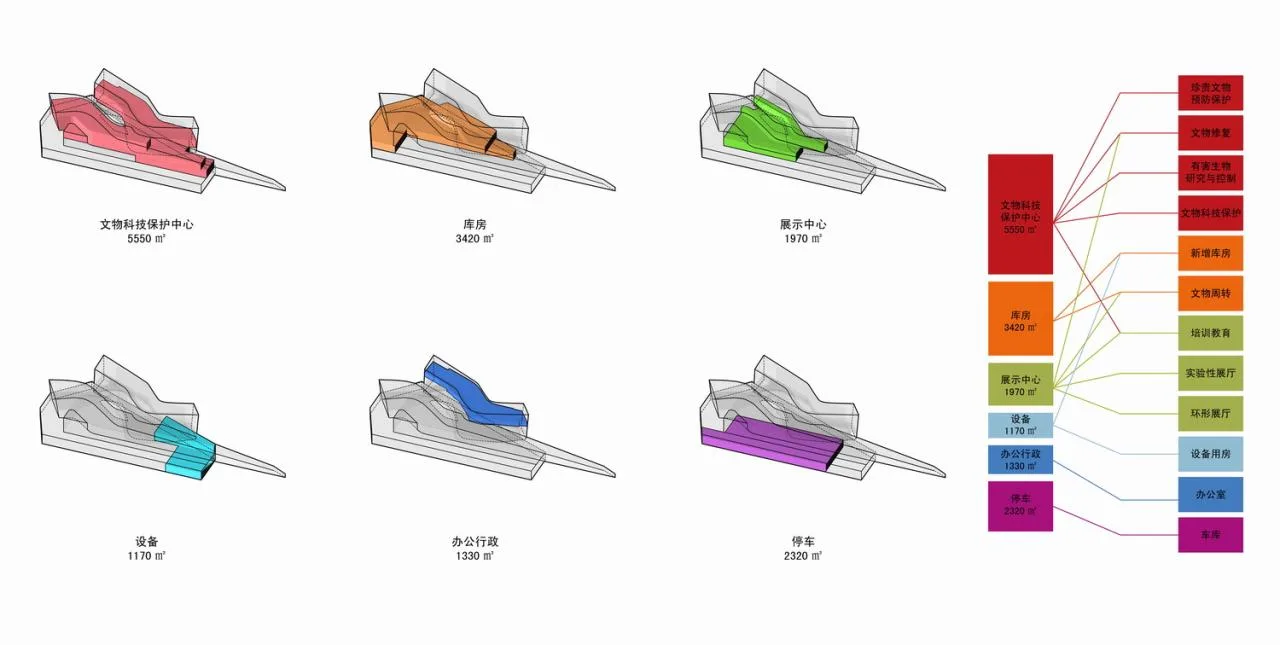
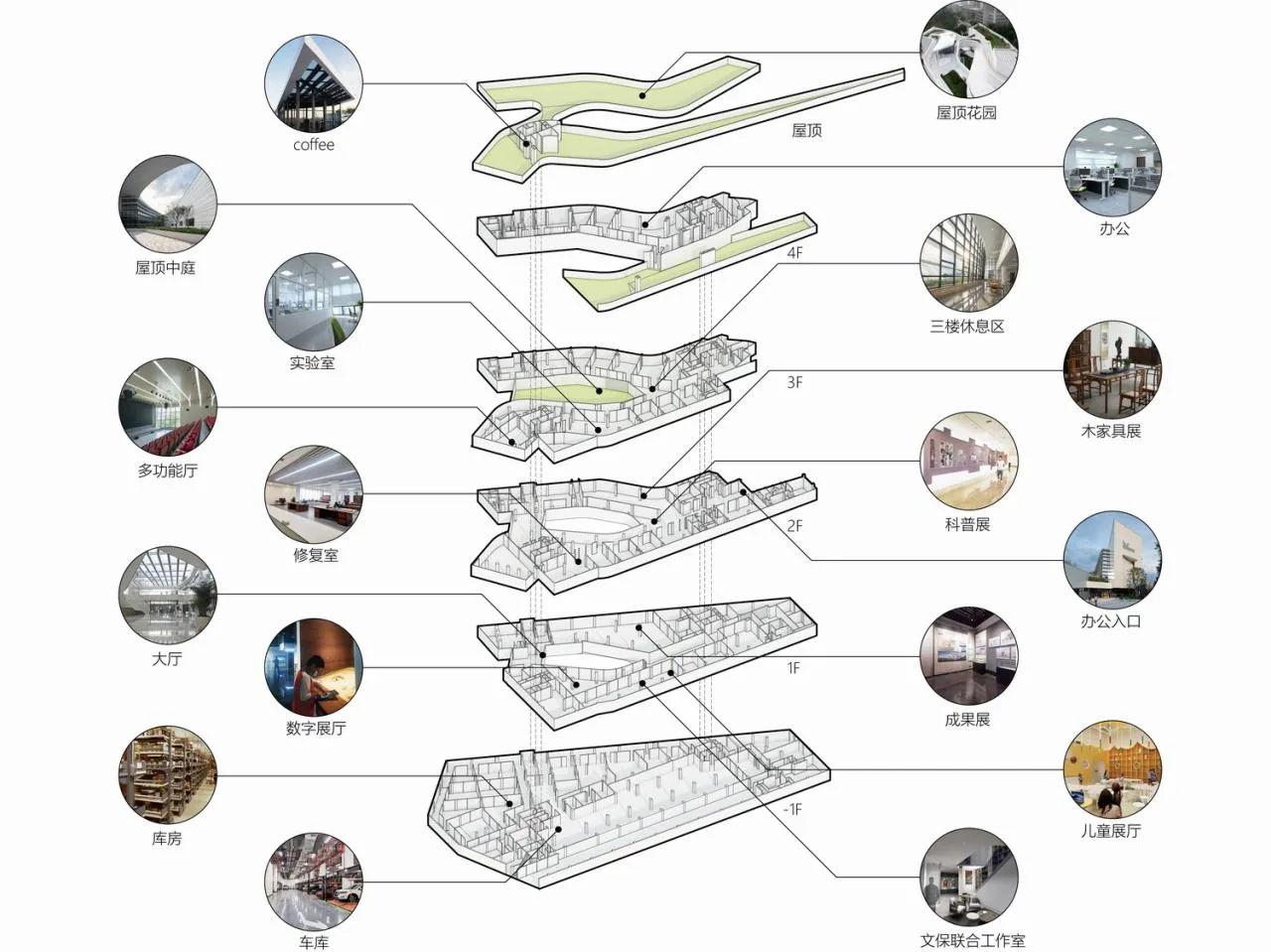
▲ Functional analysis
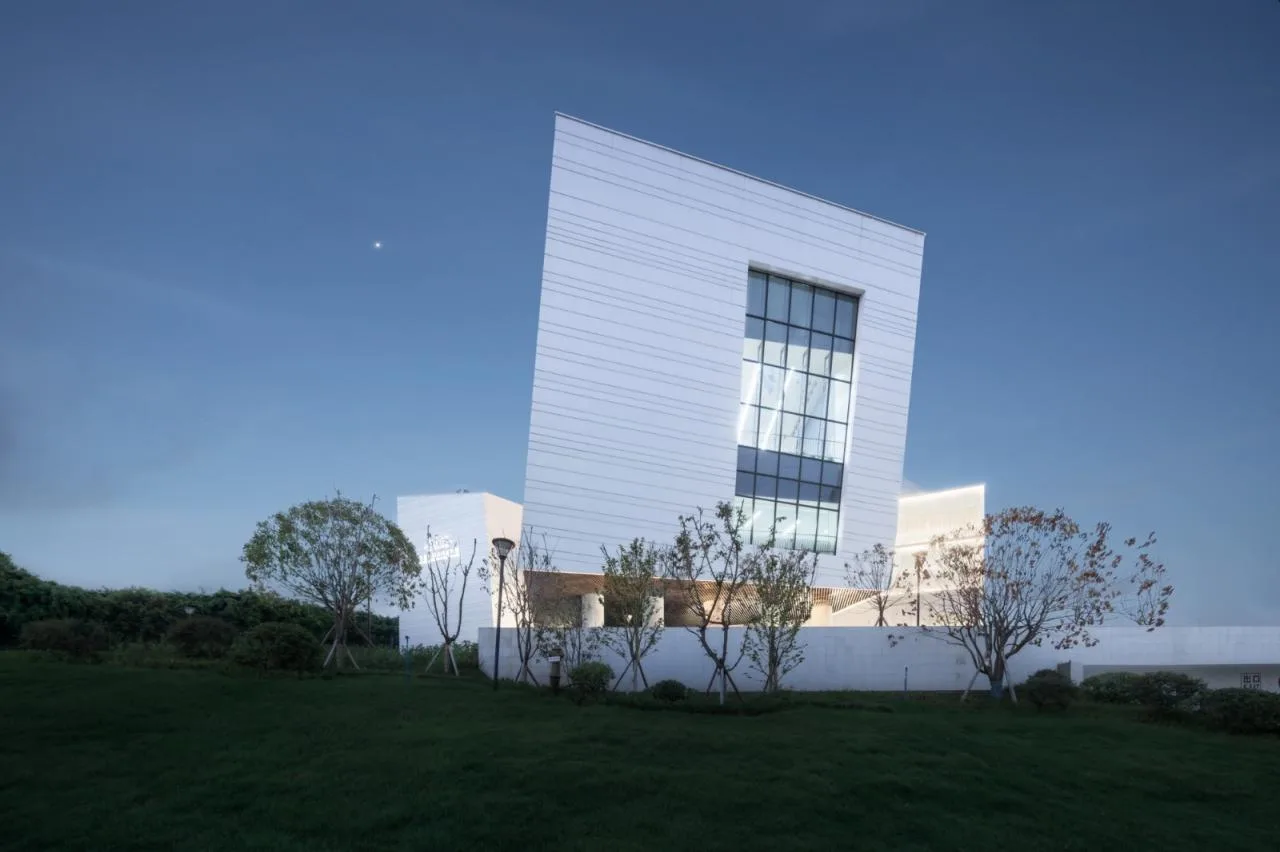
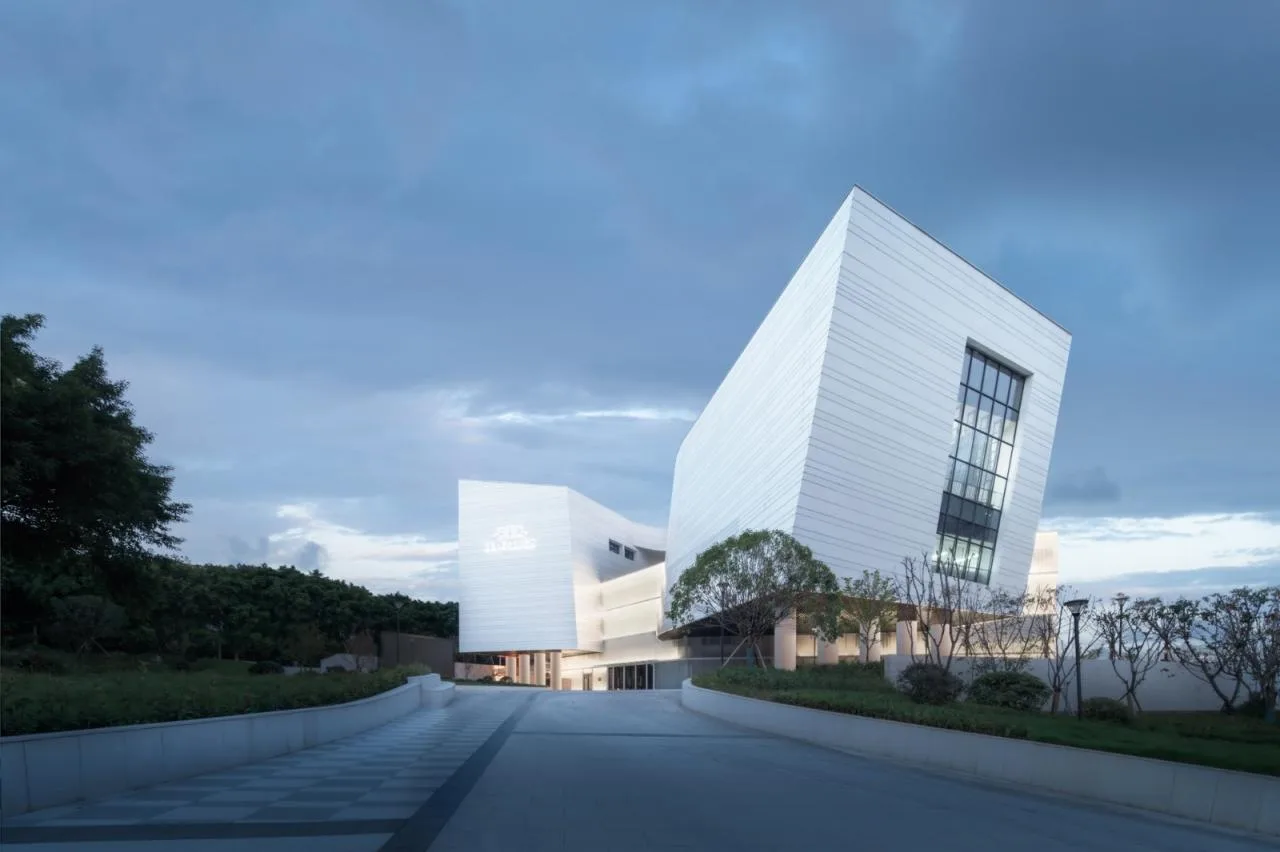
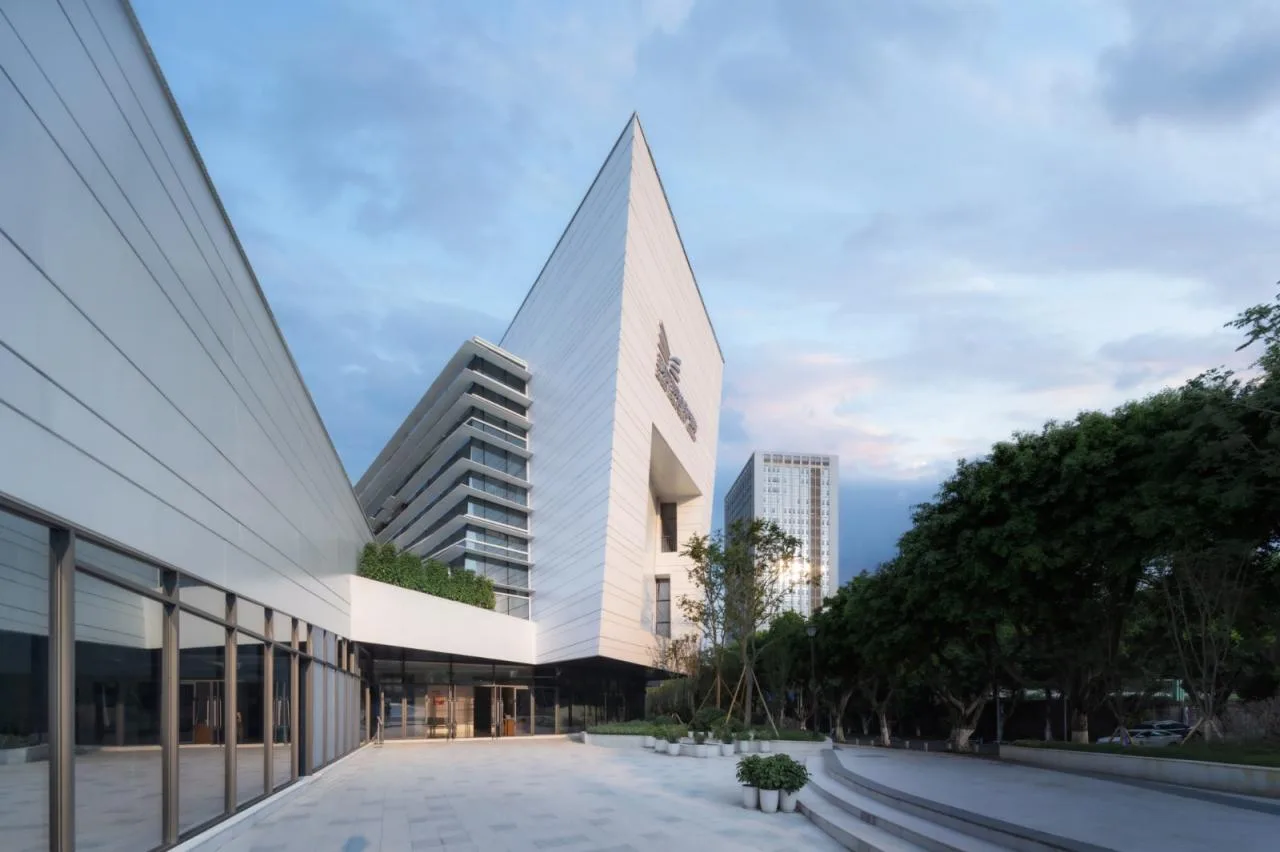
▲ Realistic renderings @ Prism
Though it may appear as a simple multi-story building, Chongqing’s unique mountainous terrain creates a dramatic height difference of up to 15 meters across a narrow site. This results in a series of terraced layers ascending from the lowest to the highest point, with multiple urban balconies seamlessly integrated into the surrounding landscape. This is a prime example of how mountainous architecture adapts creatively to challenging terrain.
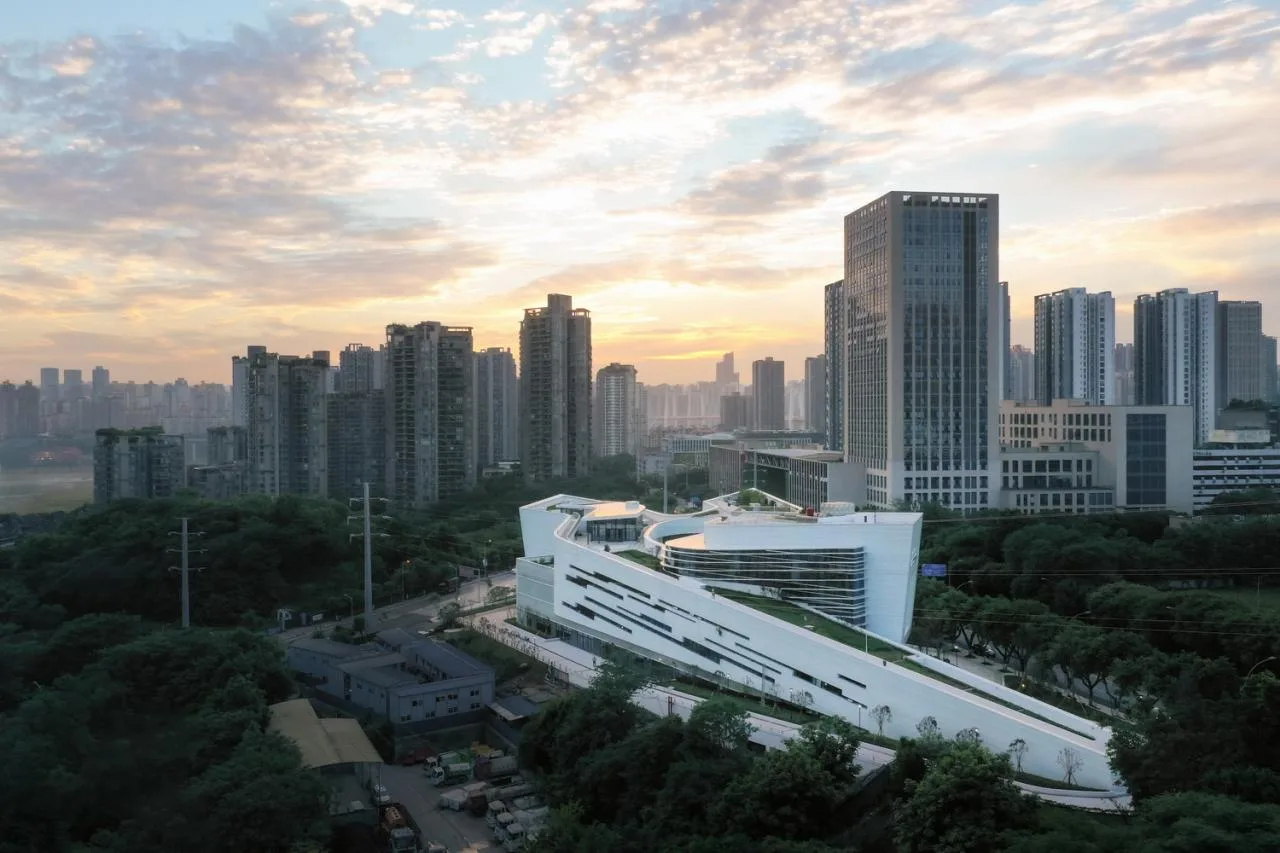
▲ Ramps elegantly address height differences @ Luo Bin
Many public buildings, especially cultural ones, open their rooftops to the public as an extension of urban space and a showcase to the world. The project’s rooftop garden is its greatest “magic”—a landscaped area connected by long ramps linking the street level to the roofs. Visitors can stroll up to the rooftop, which serves as a public space featuring a coffee shop and a city balcony offering panoramic views of the park, the mighty Yangtze River, and the vibrant city beyond.
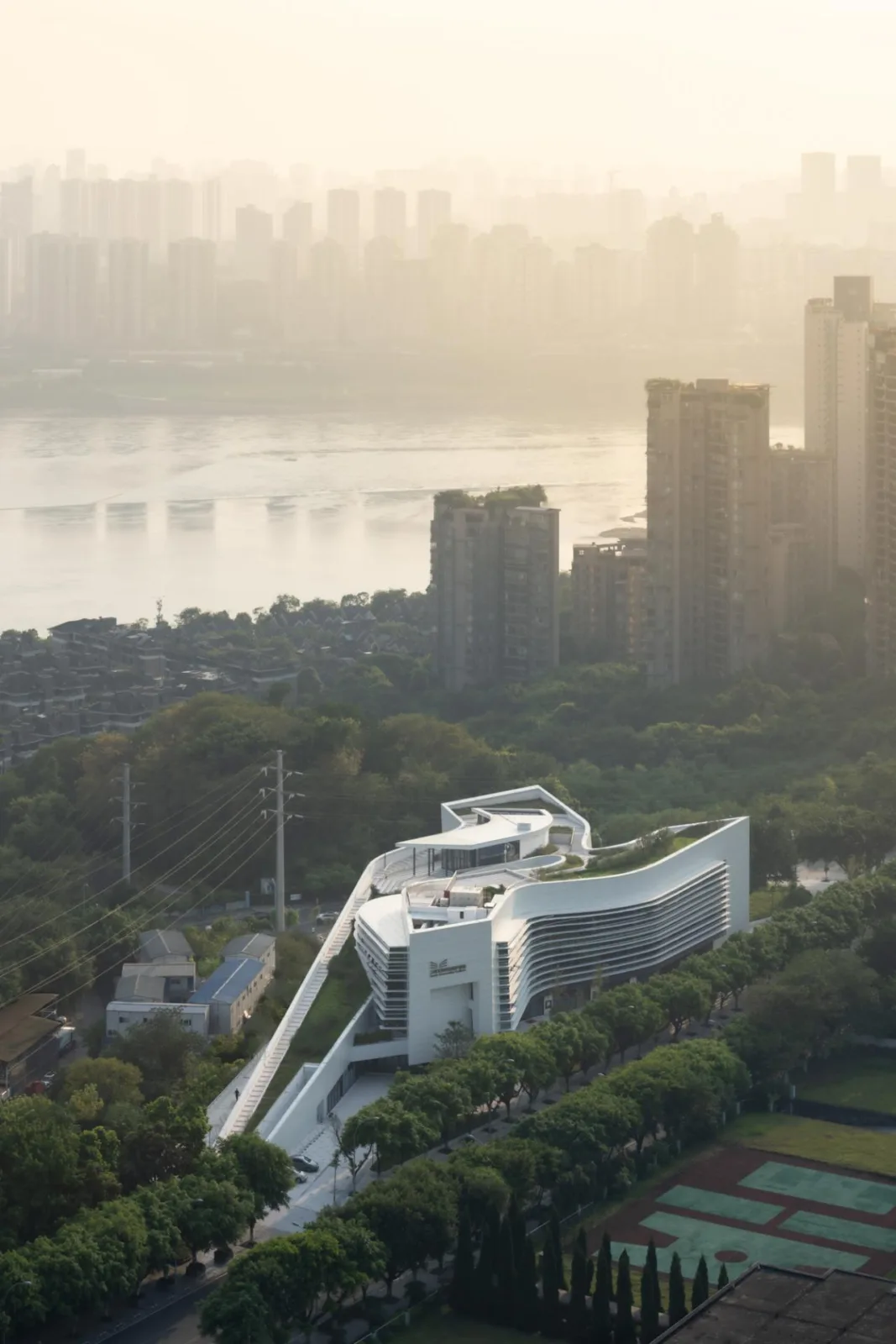
▲ City balcony
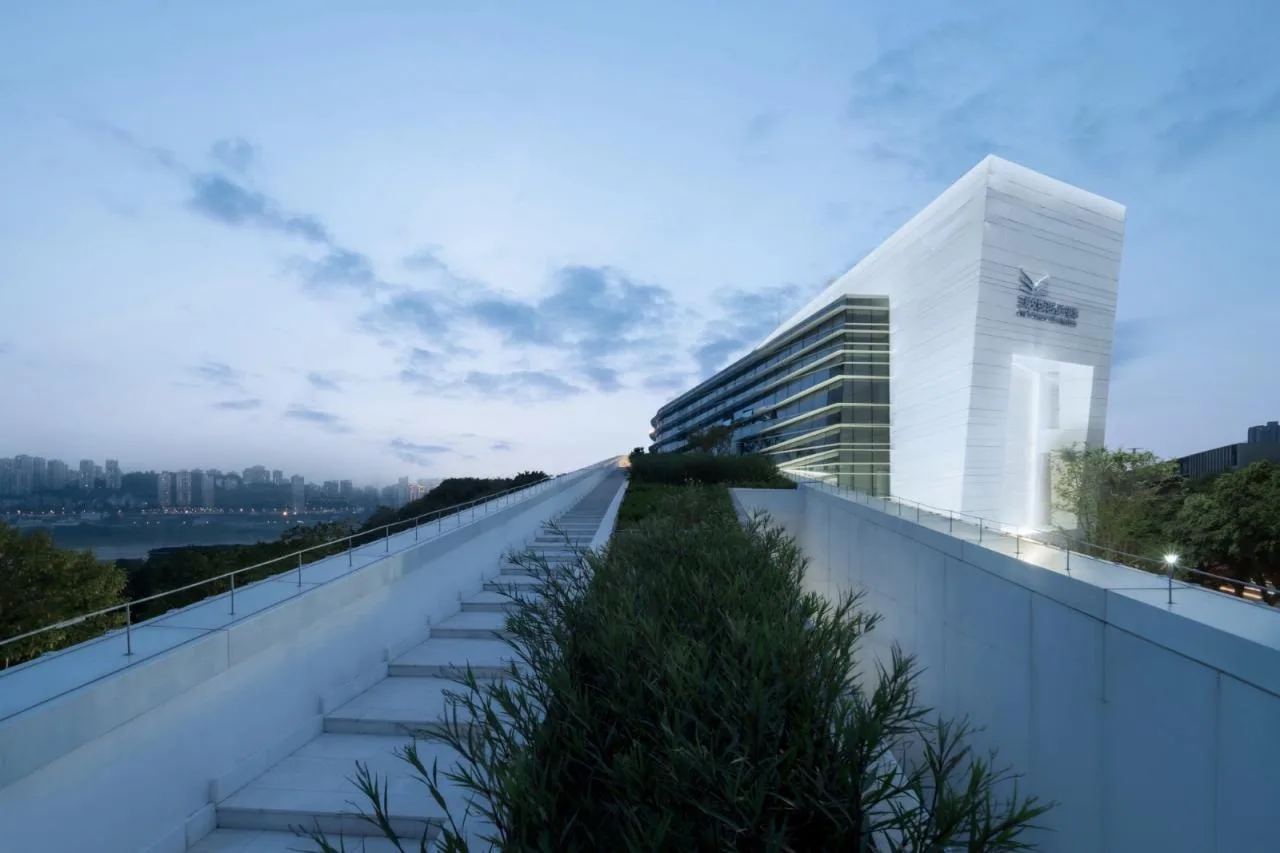
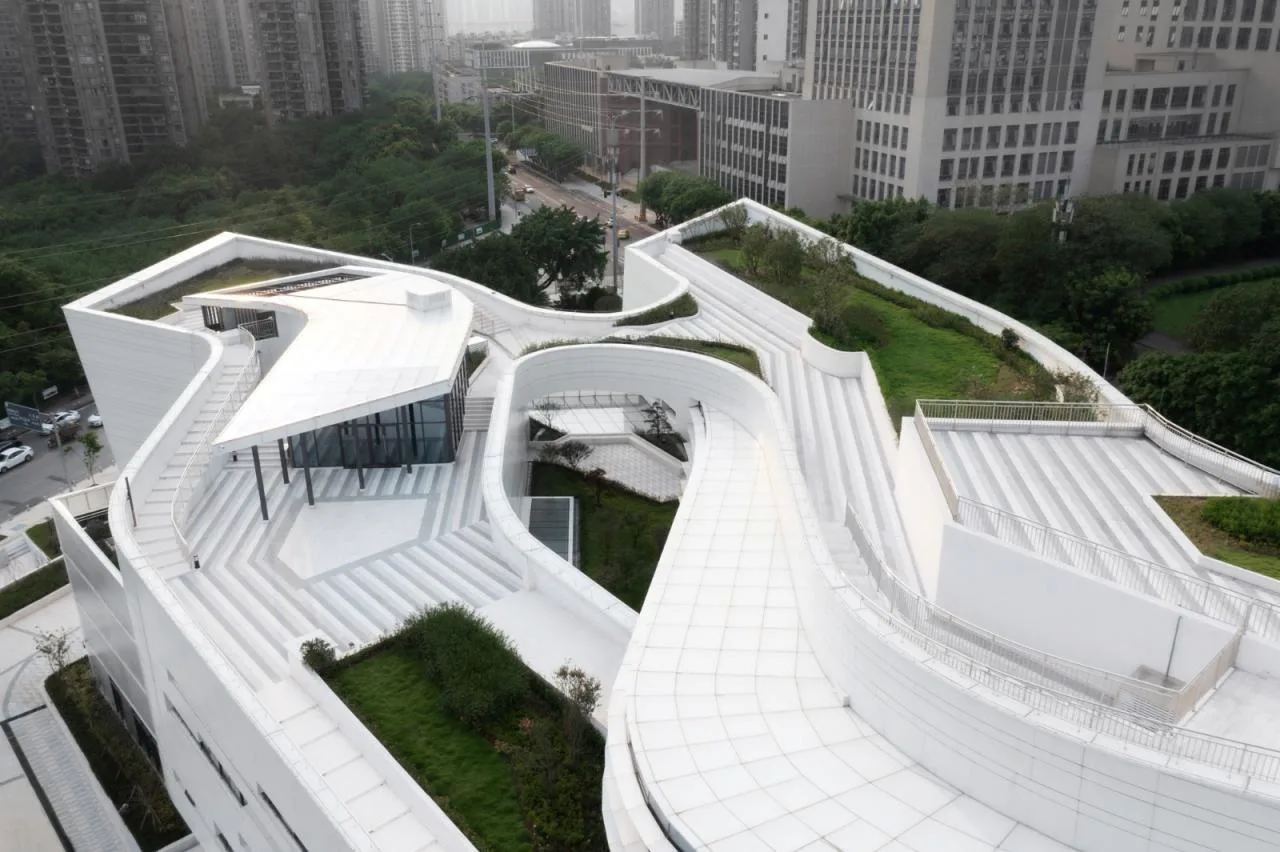
▲ Roof Garden @ Prism
Architecture that is warm and approachable
This design marks a departure from traditional scientific research facilities. The Three Gorges Cultural Relics Science and Technology Protection Base creates a warmer, more inviting atmosphere rather than a cold, sterile environment. It also challenges stereotypes of research institutions as dull and rigid by offering a human-centered workplace.
Visitors can rest in a thoughtfully designed gray space in the front park, providing shade and shelter from rain.
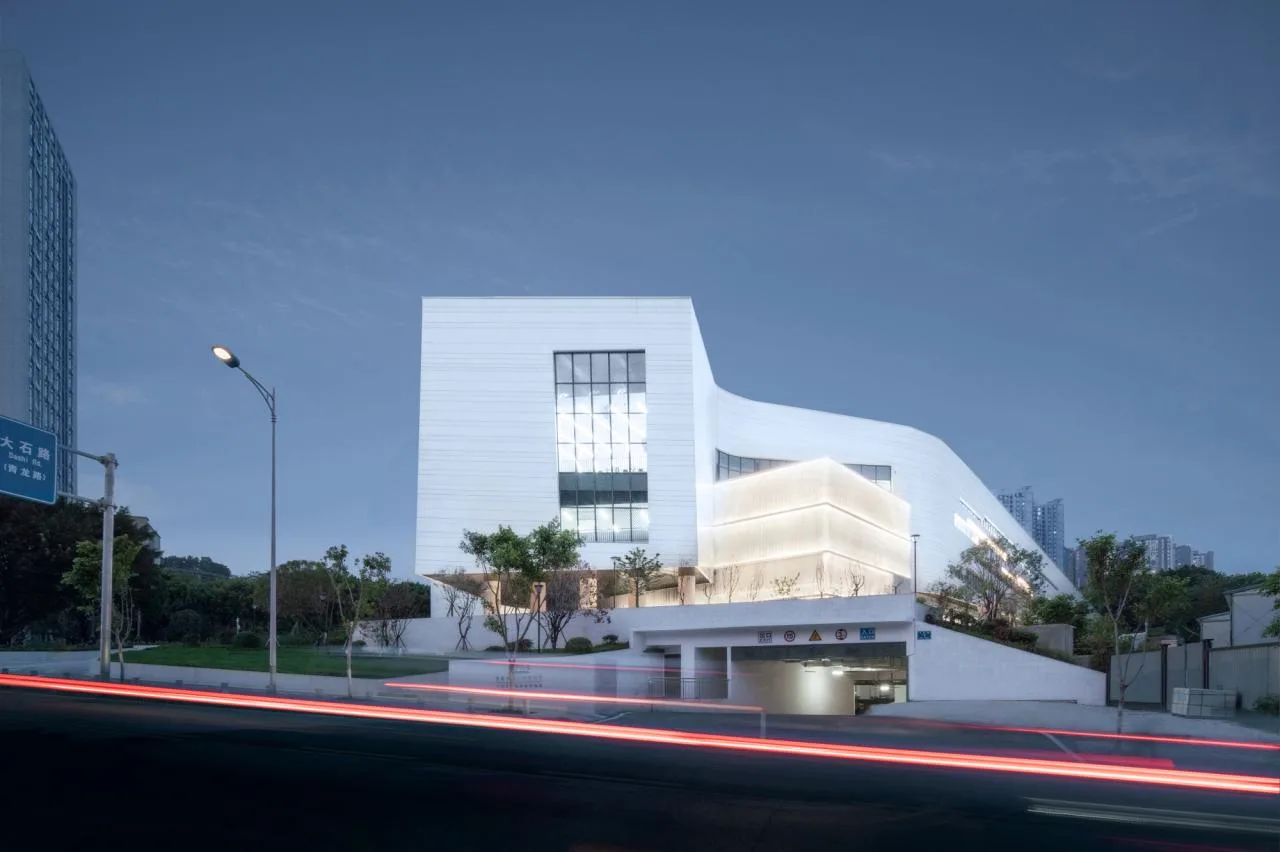
▲ Street View
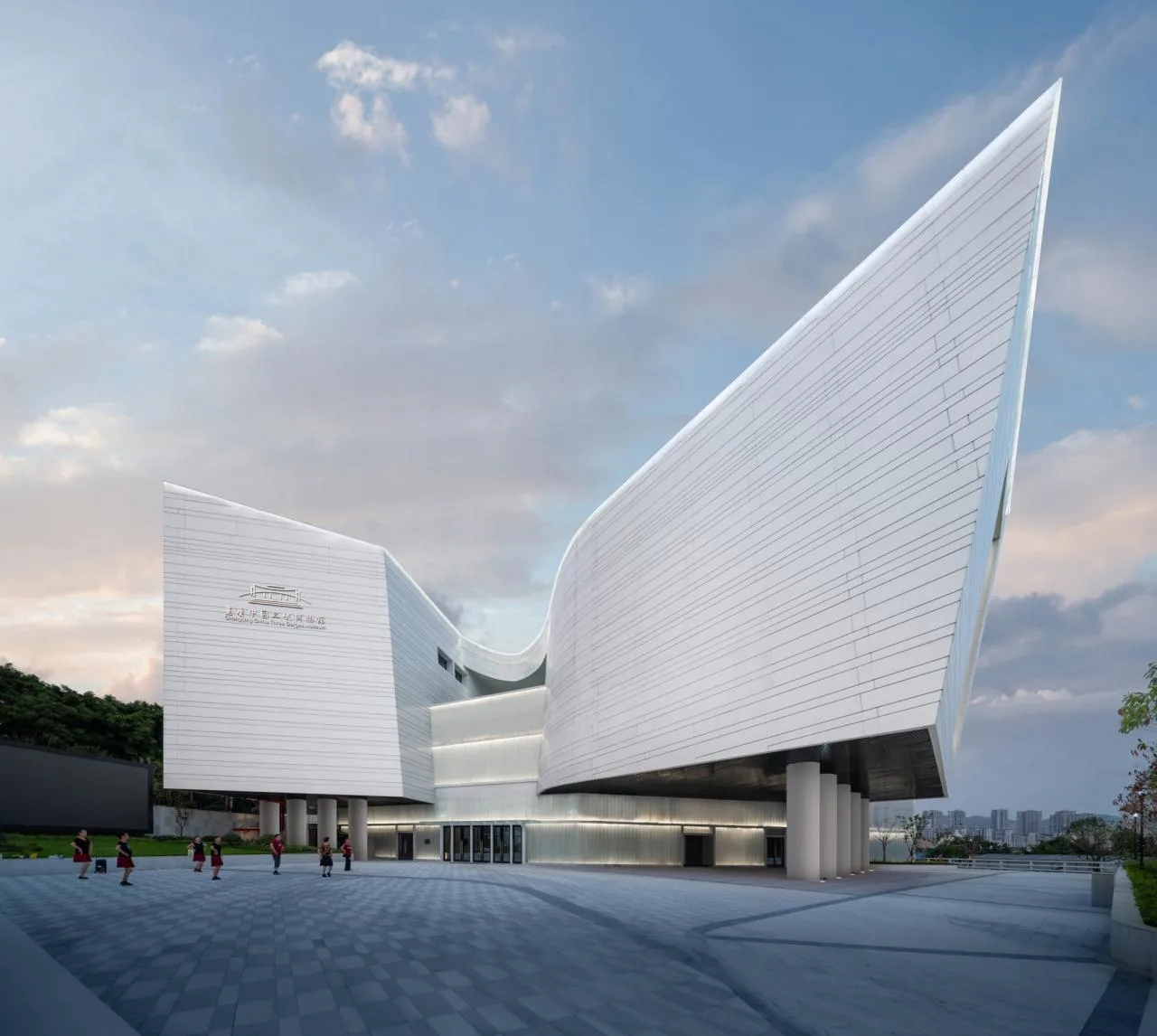
▲ Main entrance gray space
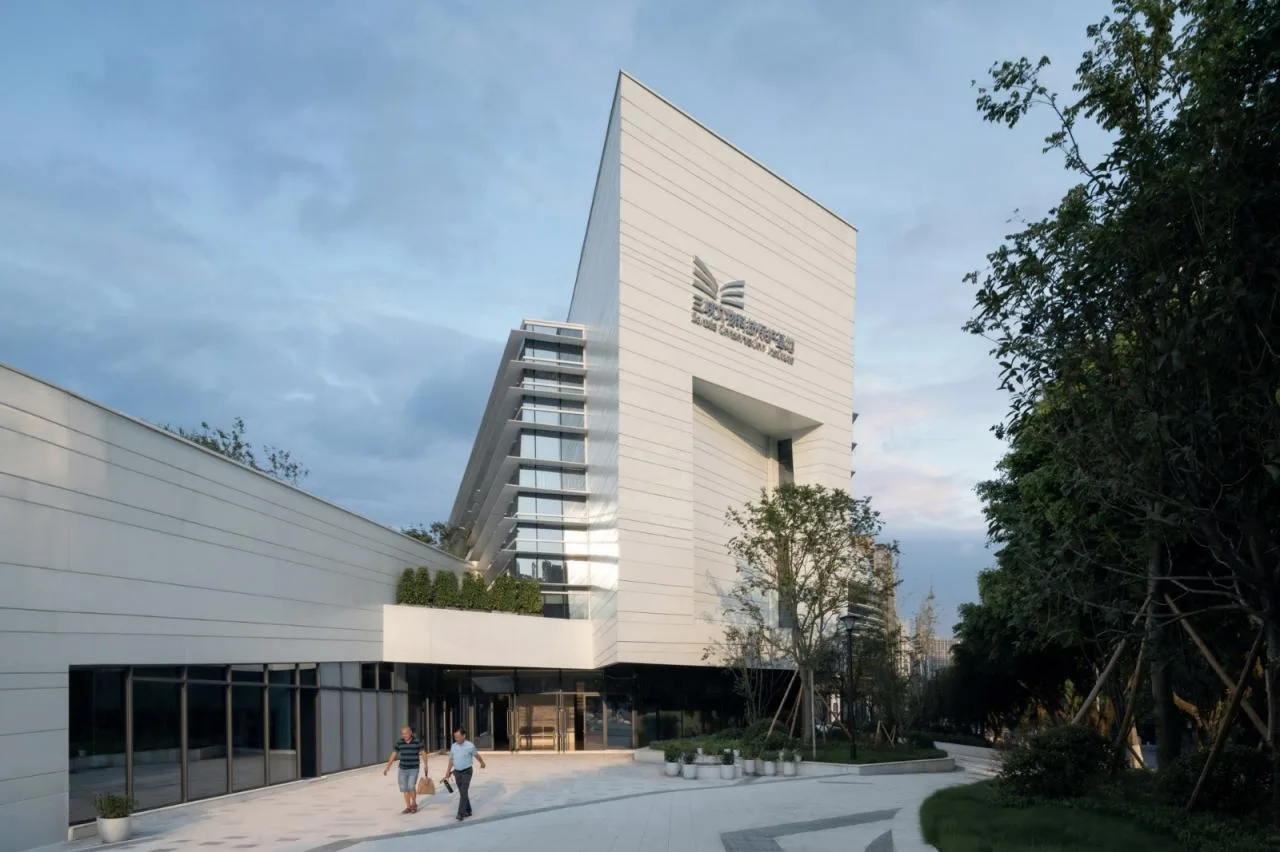
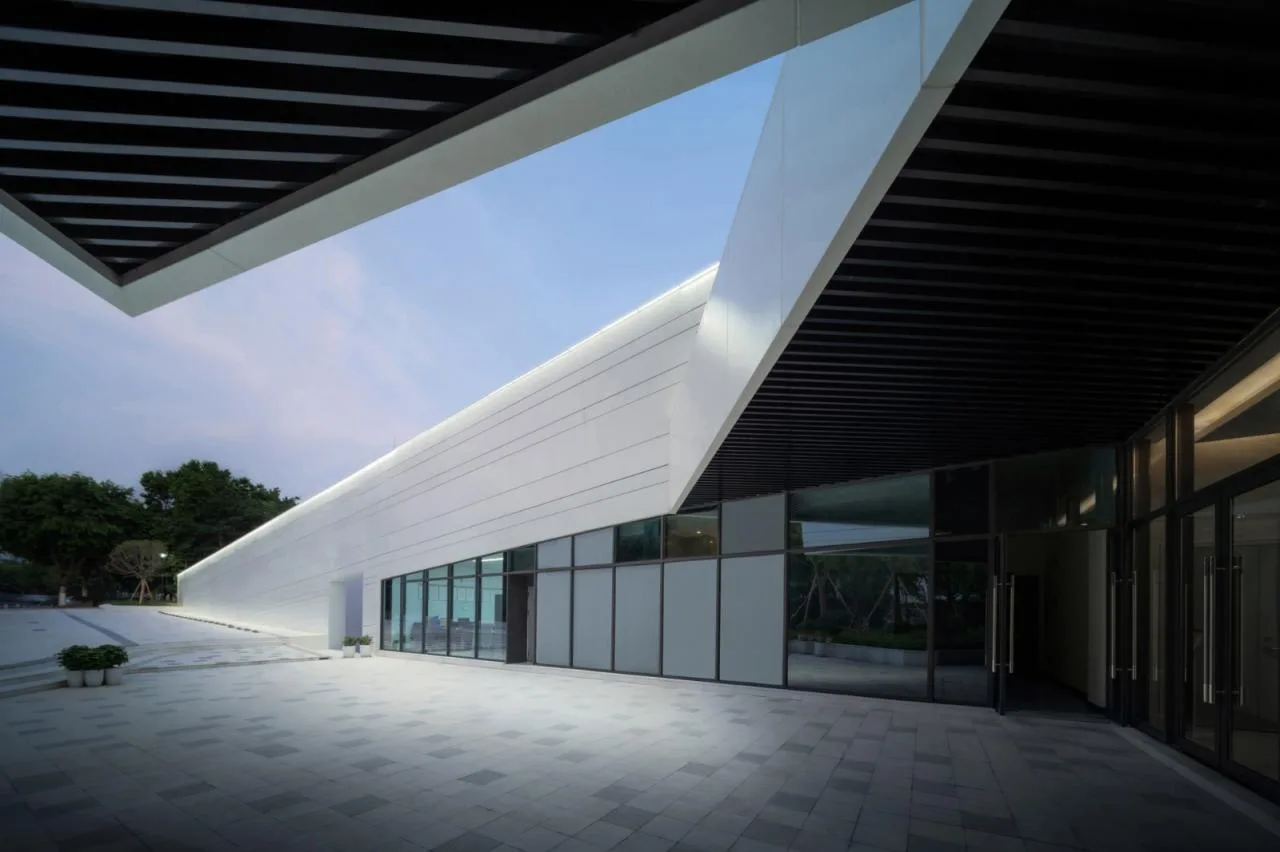
▲ Office entrance gray space @ Prism
Inside the exhibition hall, visitors ascend slowly to the second-floor exhibition space. Cleverly designed skylights align with the steps, allowing sunlight to cascade onto the stairs during sunny days, creating a beautiful, natural light experience.
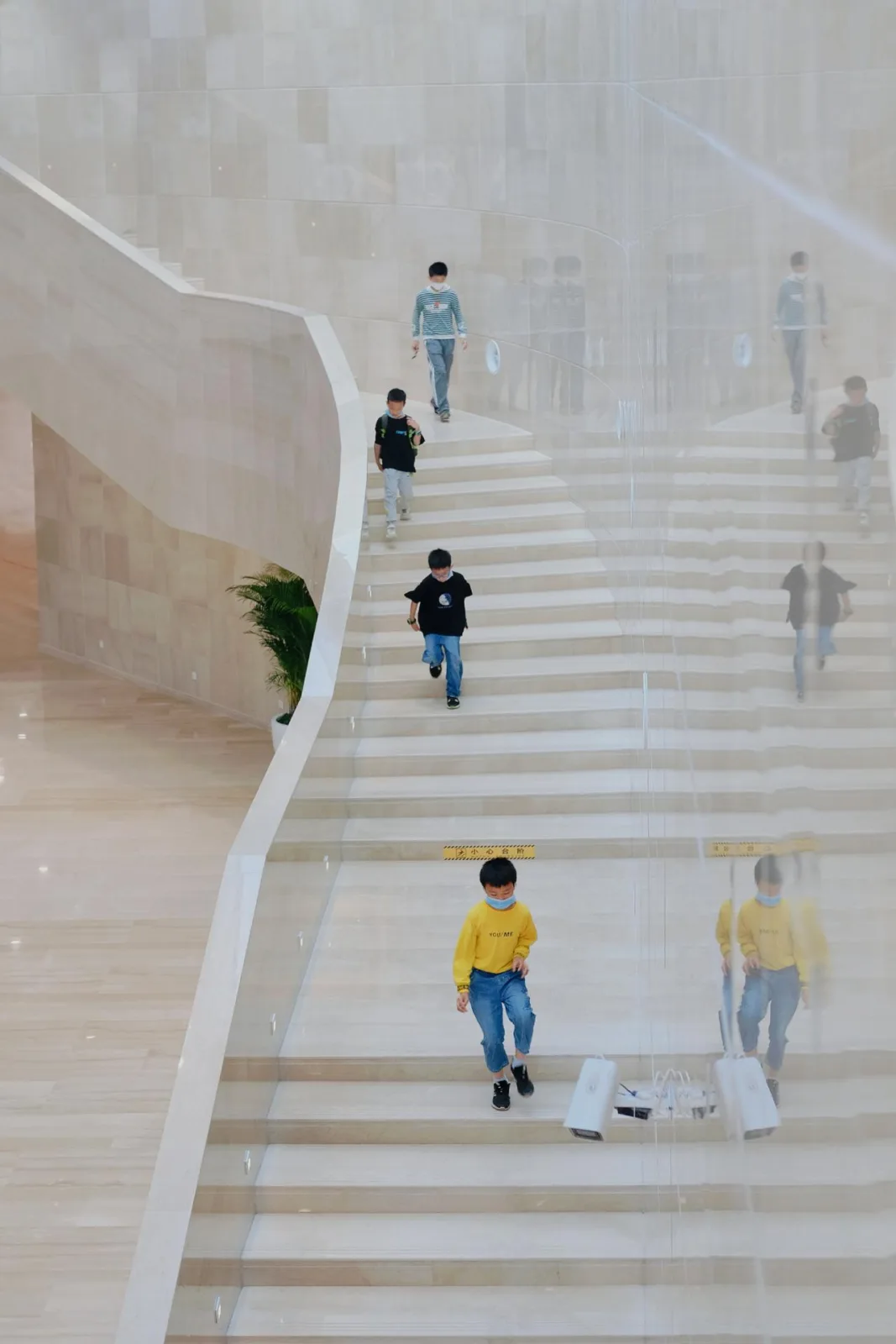
▲ @ Nan’an Culture and Tourism
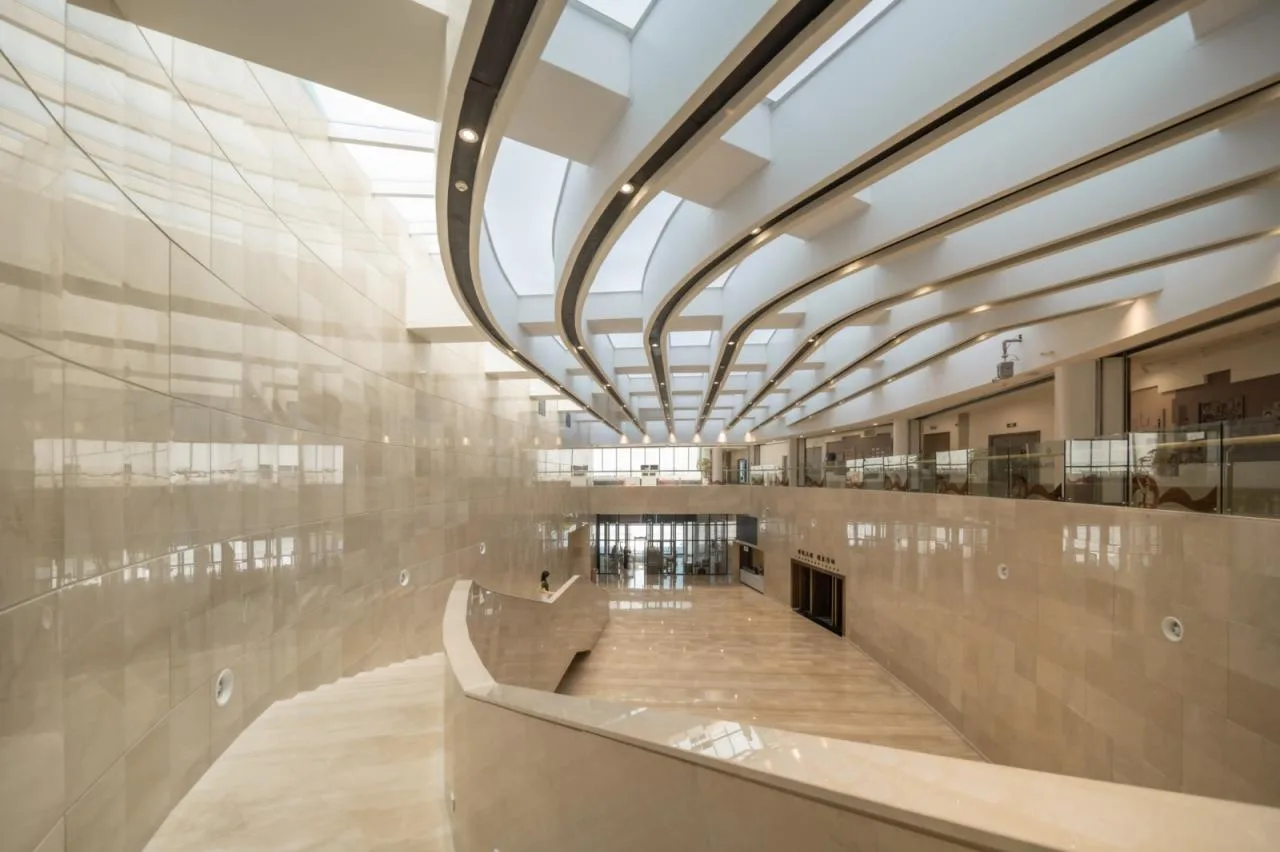
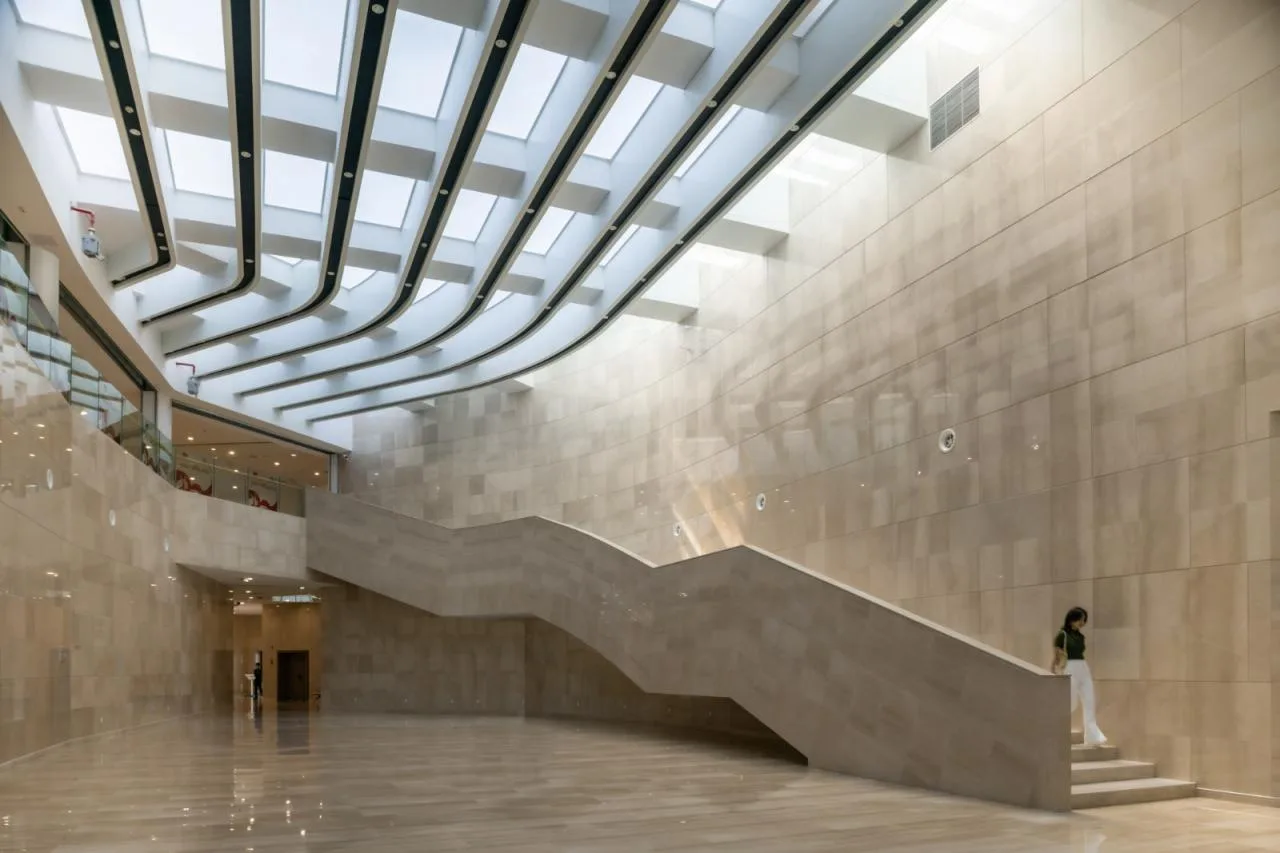
▲ Entrance Hall @ Prism
For staff, each office floor includes terraces and gardens, while sunny courtyards between floors encourage communication and interaction, creating a healthier, more comfortable, and brighter work environment.
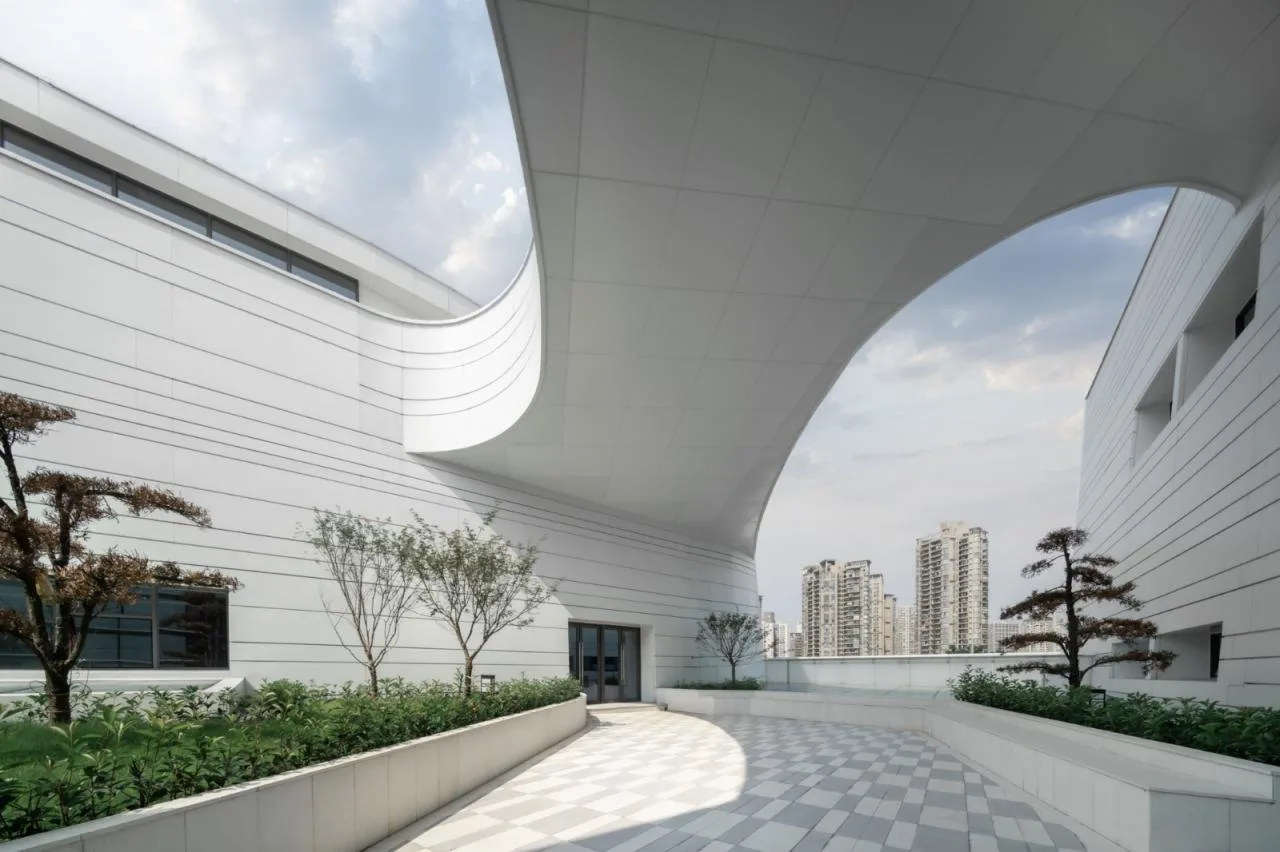
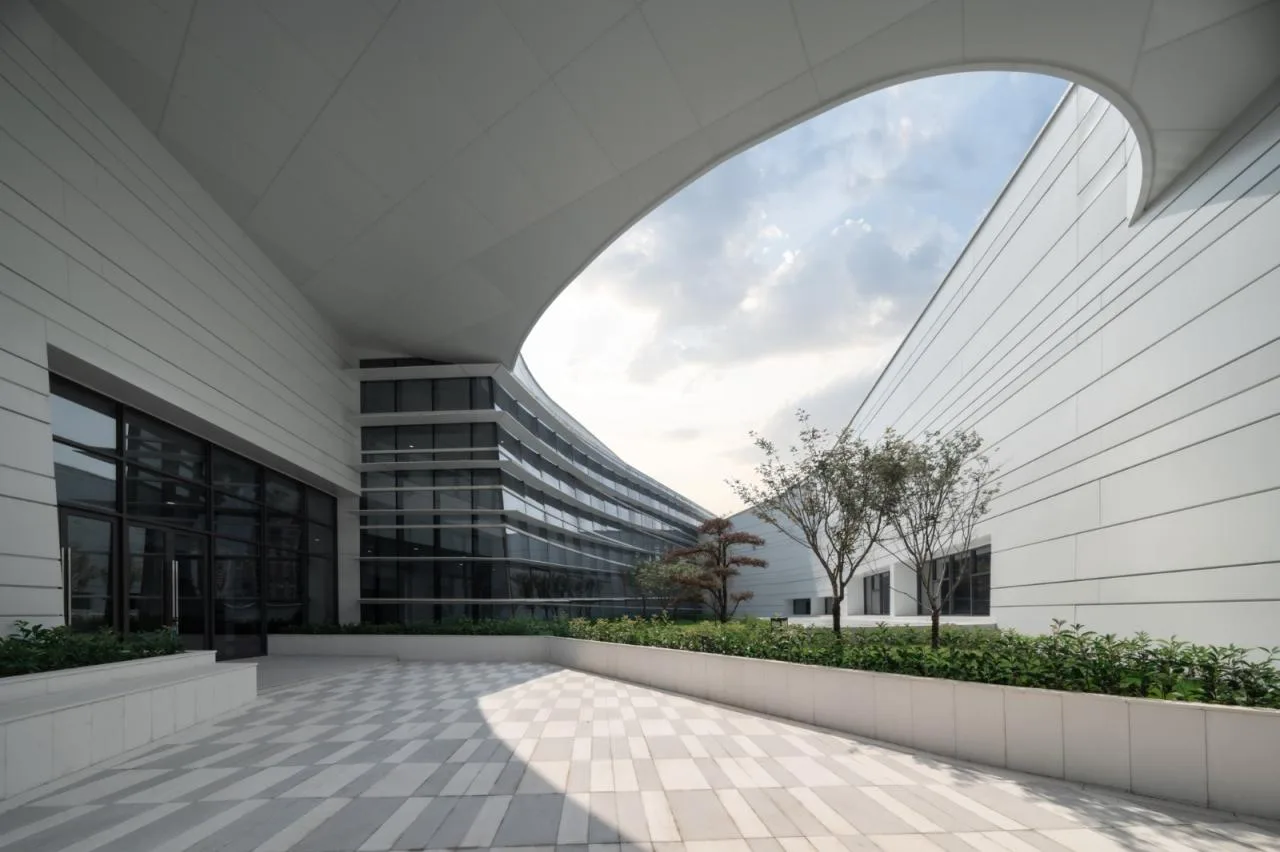
▲ Courtyard Garden @ Prism
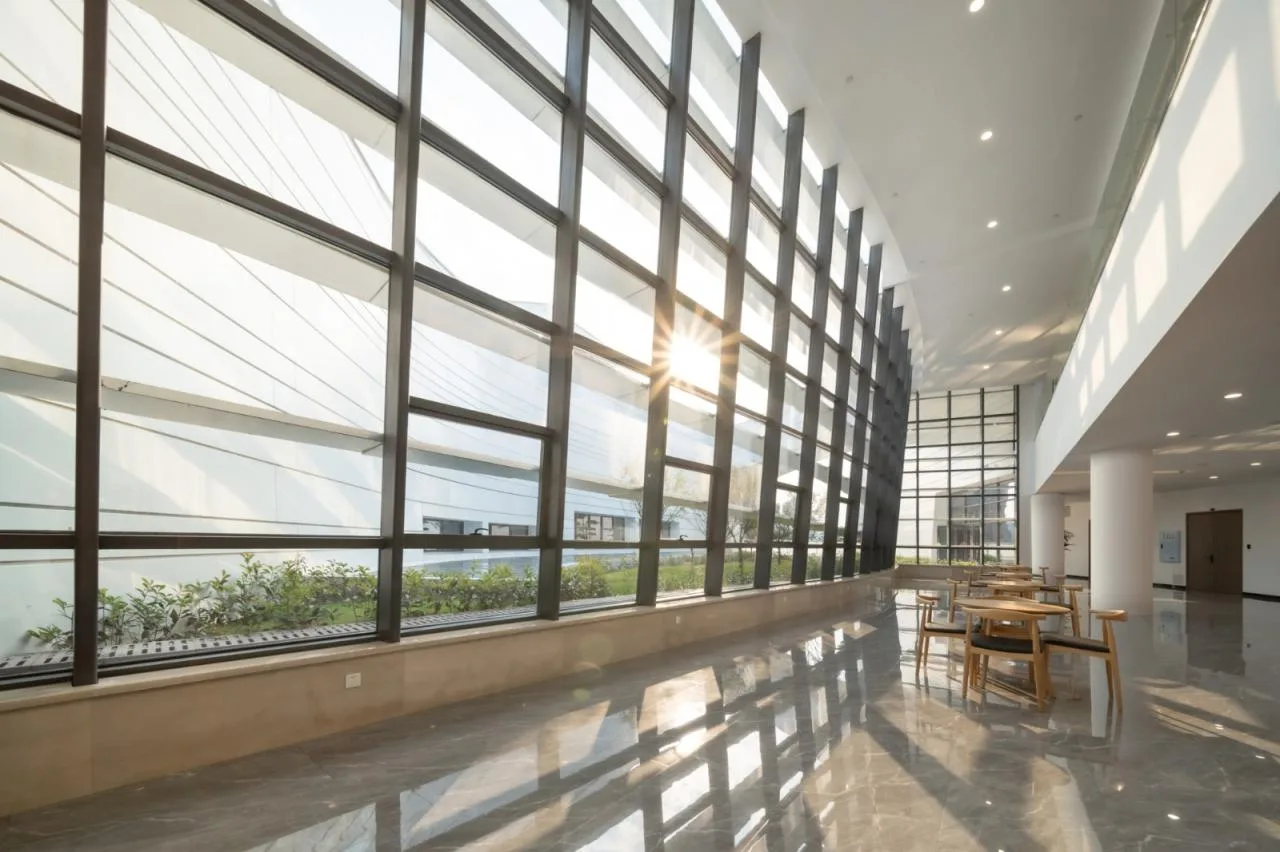
▲ Sunshine Edge Court @ Prism
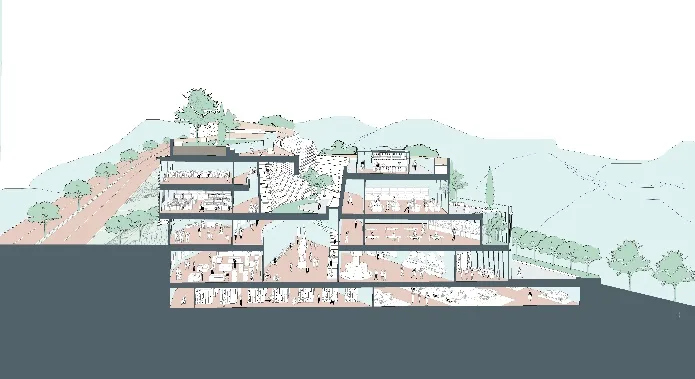
▲ Sectional perspective
Respecting the spirit of the place is the true vitality of architecture.
The Three Gorges Cultural Relics Science and Technology Protection Base highlights three key respects in its architectural design.
First, the entire structure aligns closely with the concept of the “gorge,” consistently honoring the culture of the Three Gorges throughout the design.
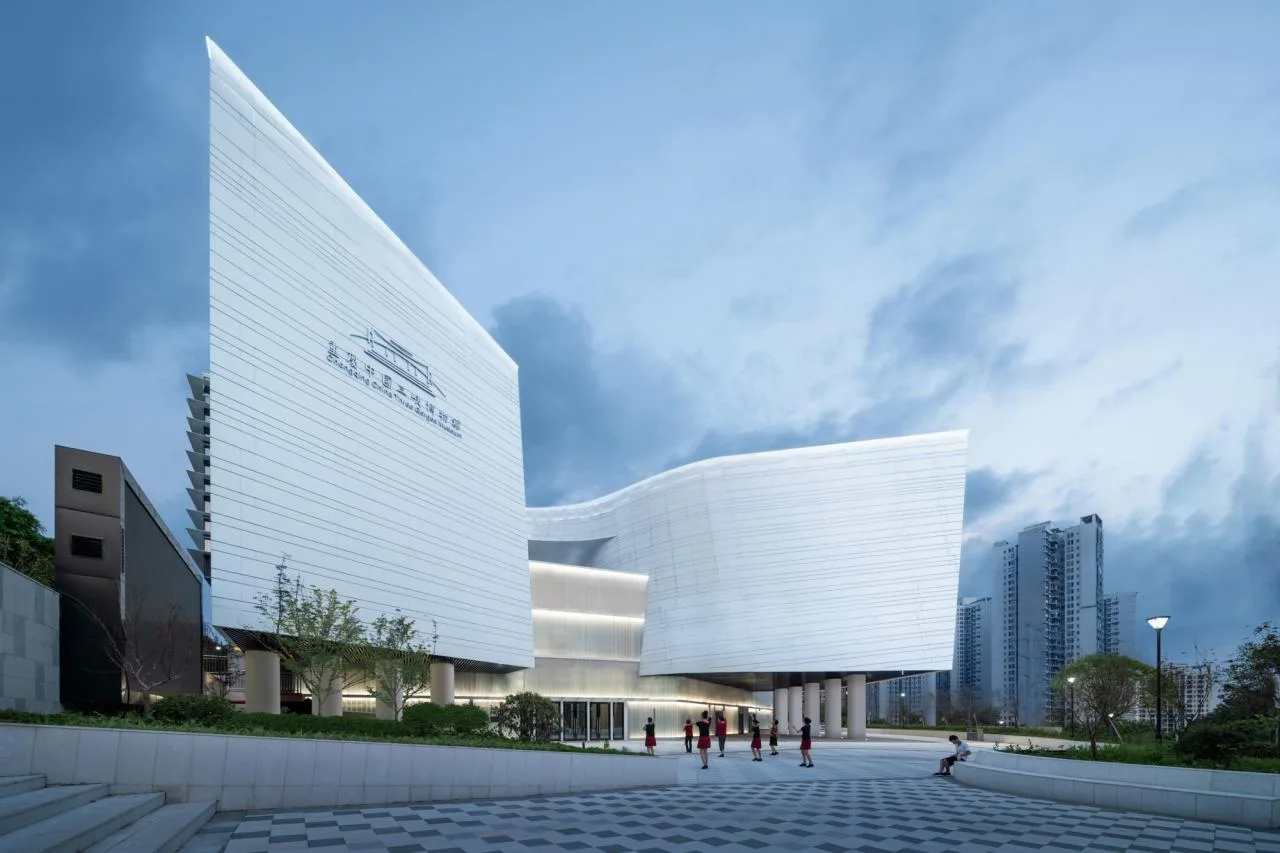
▲ @ Prism
Second, it shows respect for the city. Unlike many public buildings that feel distant or imposing, this project invites citizens to feel welcome and engaged, allowing many to participate in its daily life.
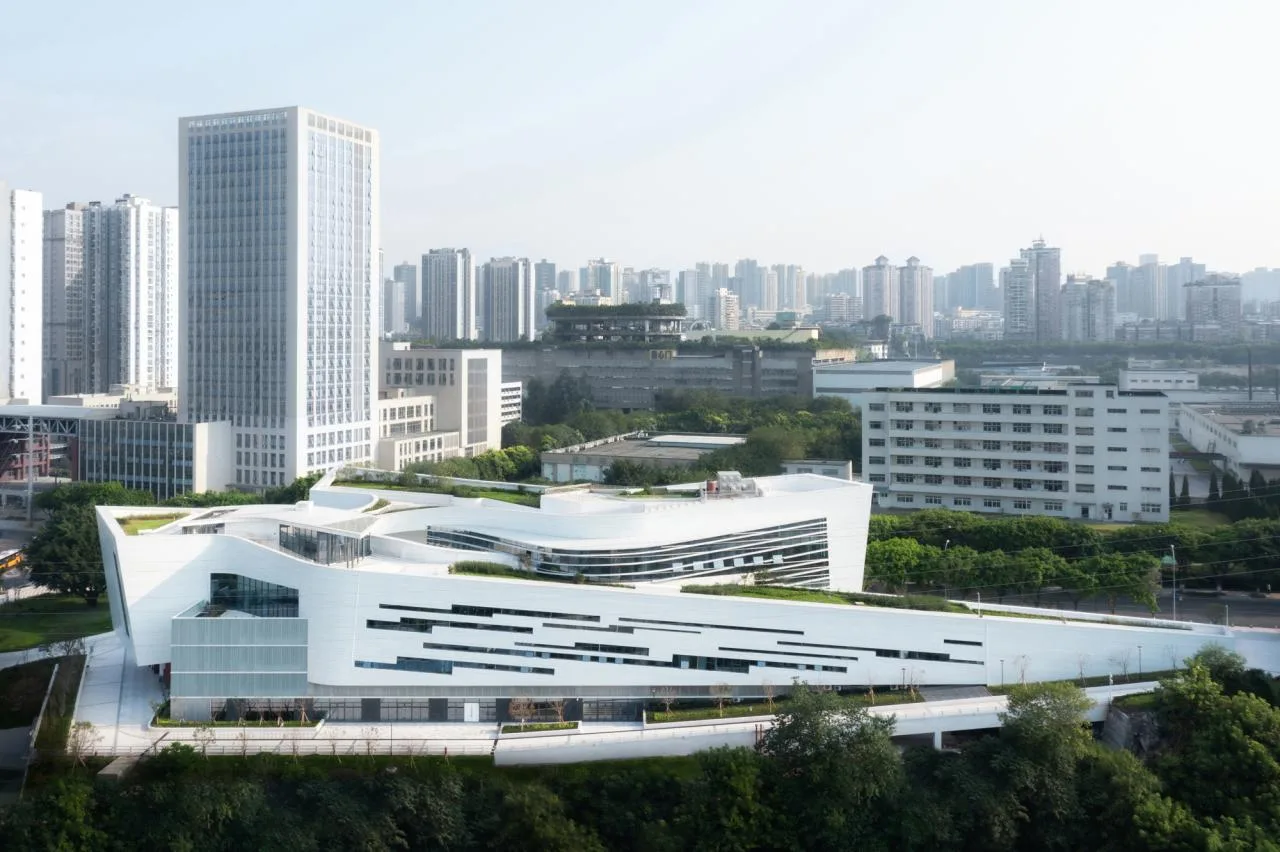
▲ @ Prism
Third, it respects Chongqing’s mountainous terrain by integrating the building naturally with the site’s elevations rather than imposing a flat structure, preserving the site’s spirit and character.
Architecture tells a story—it connects deeply with people and place. Honoring the spirit of the site and sharing the narrative of architecture, culture, and community is the project’s greatest value and vitality.
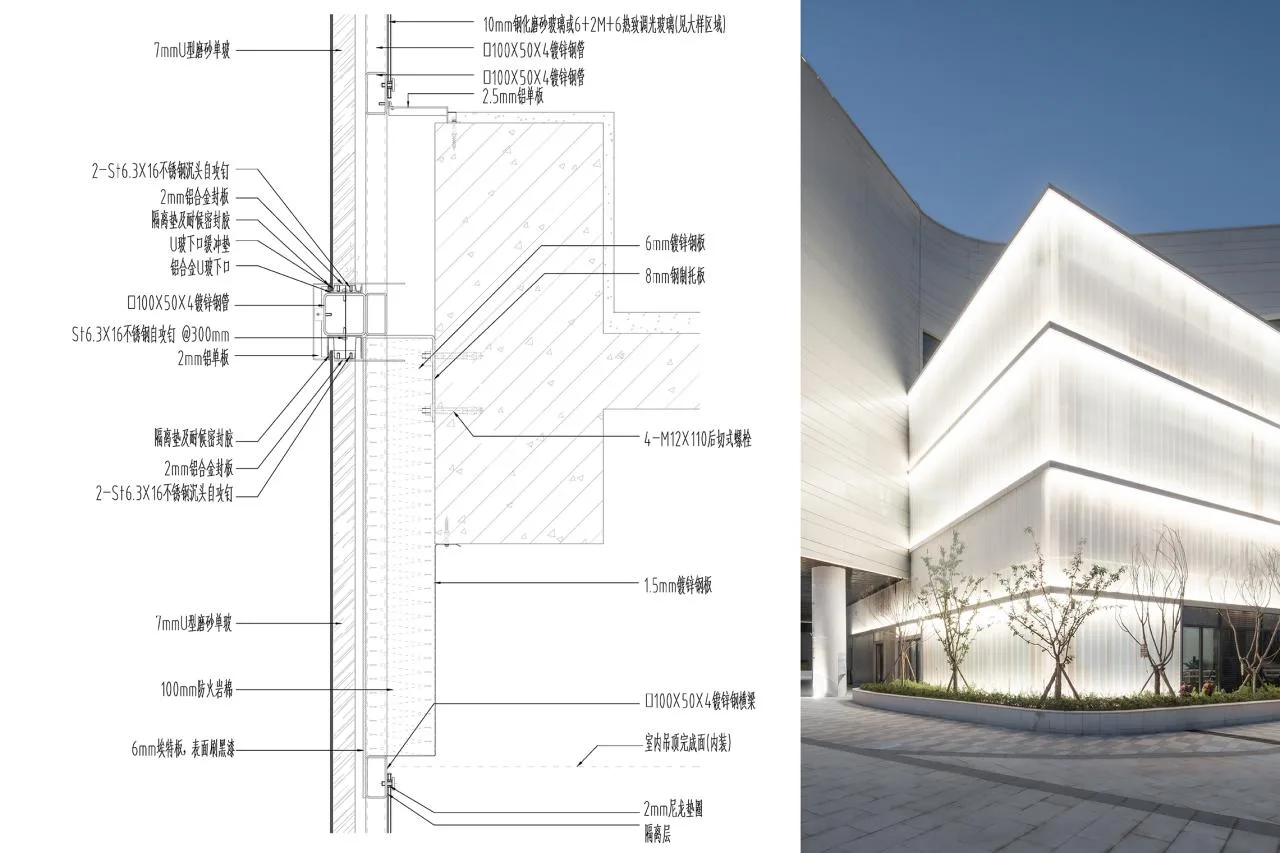
▲ U-shaped glass joint
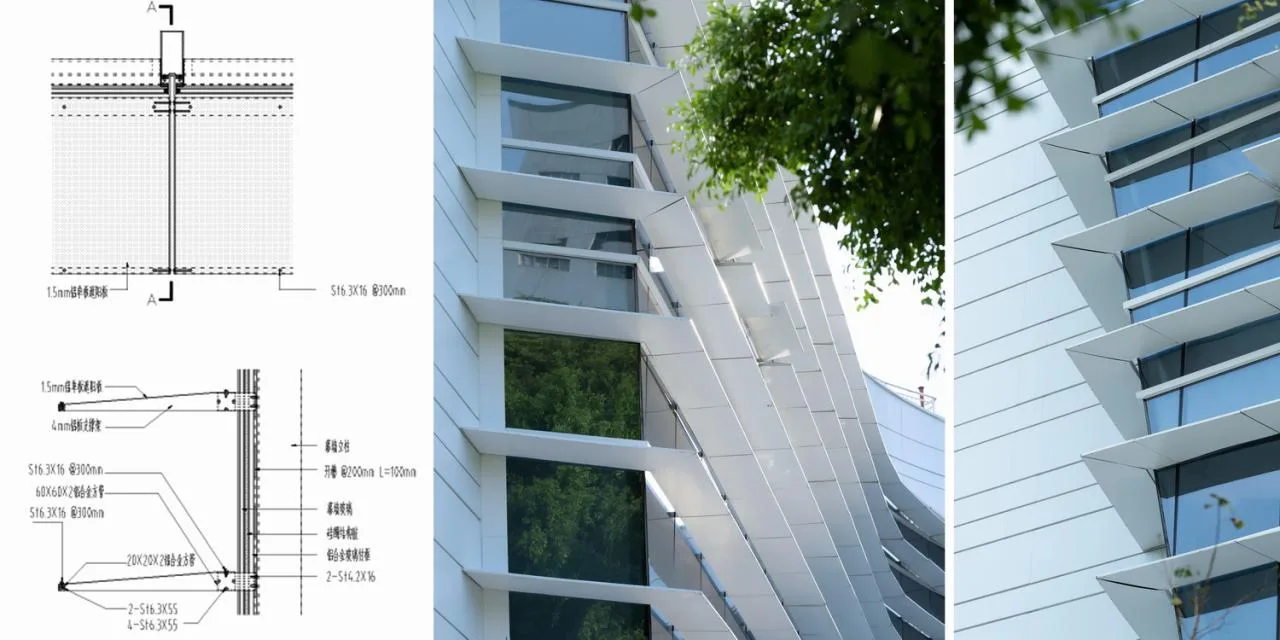
▲ Sunshade louver detail
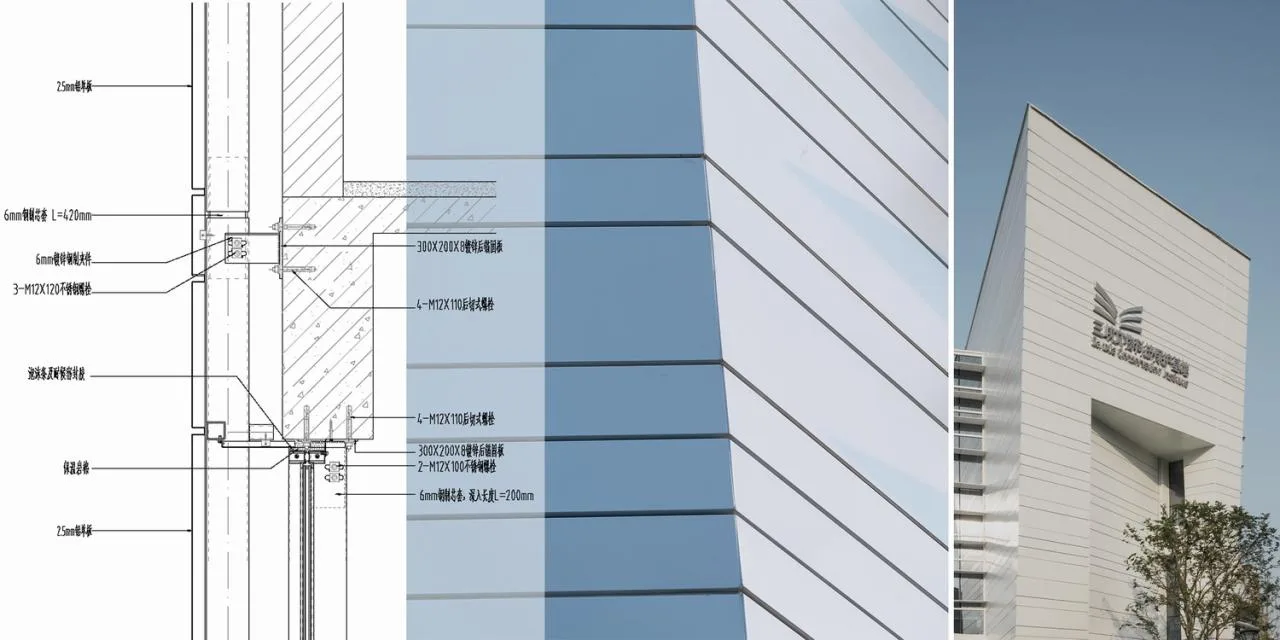
▲ Metal panel details
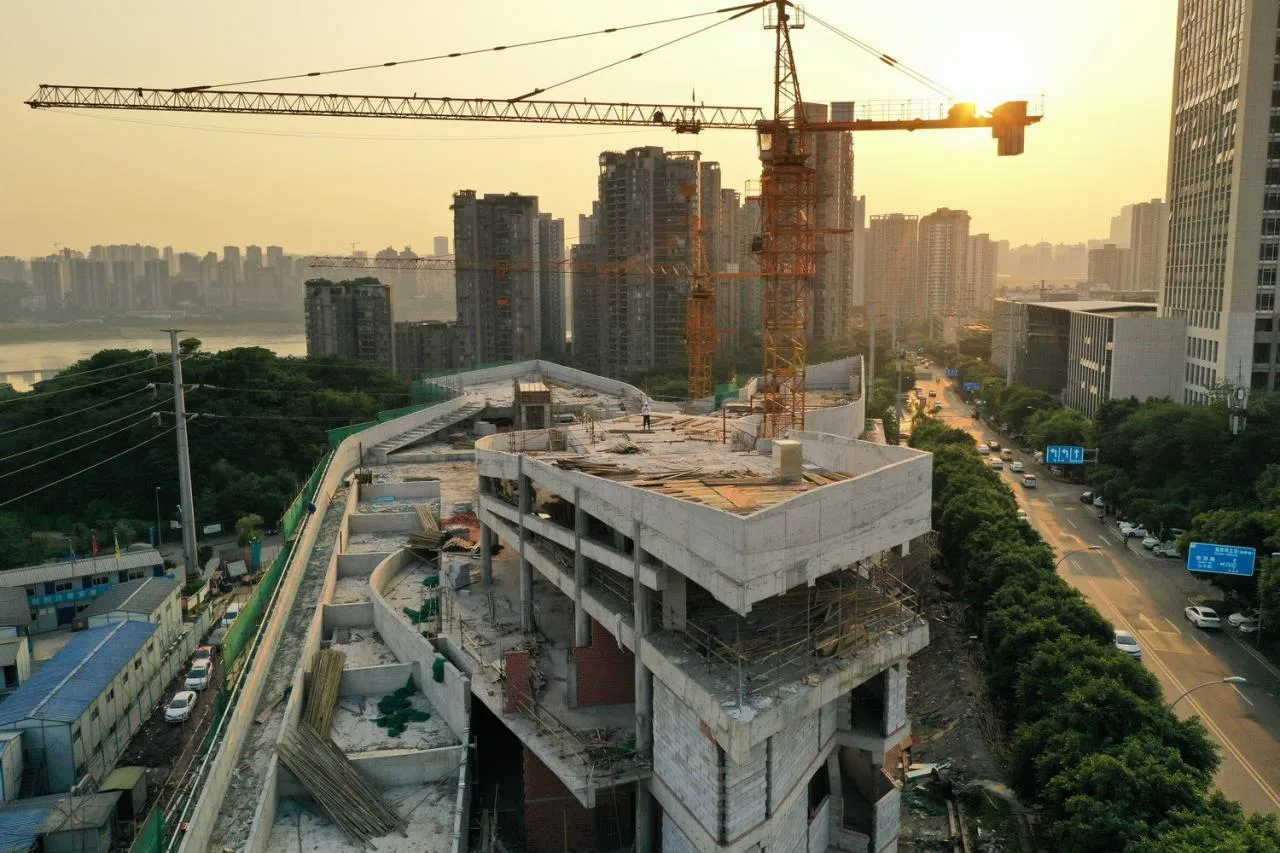
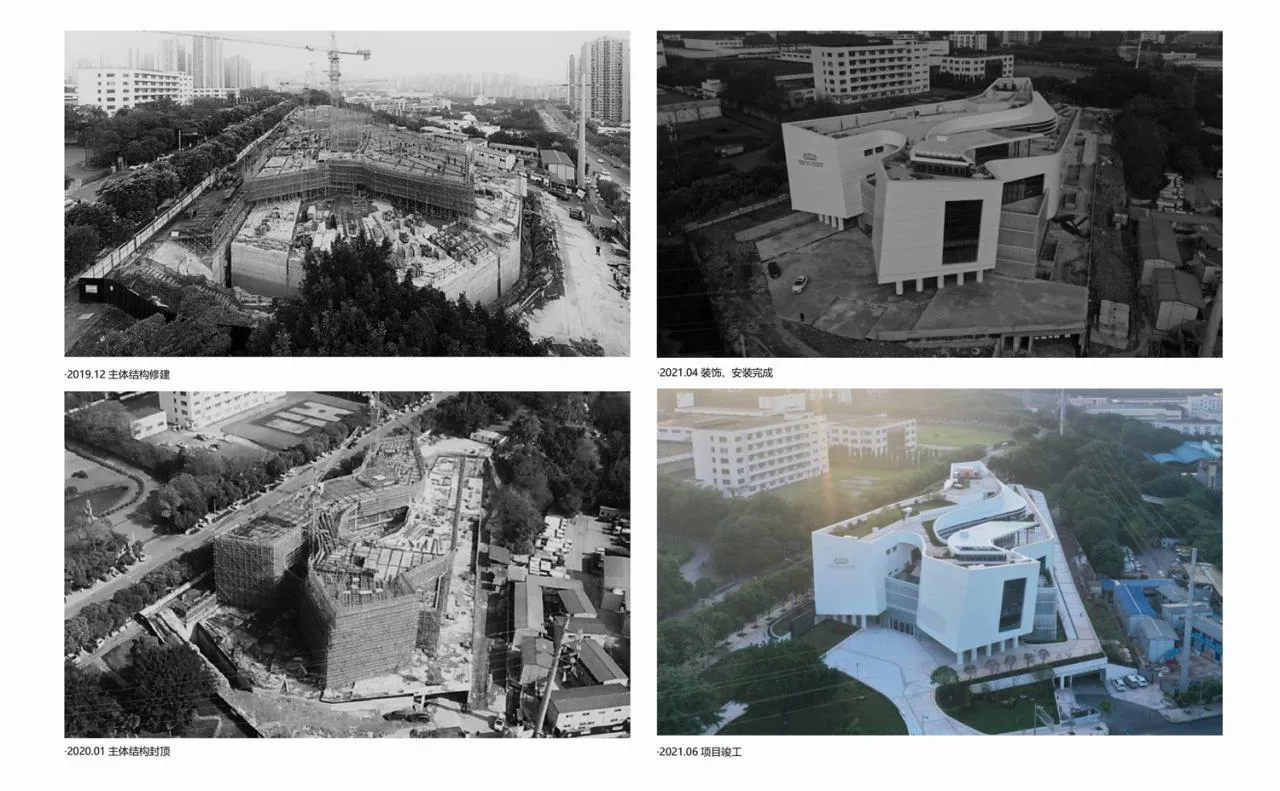
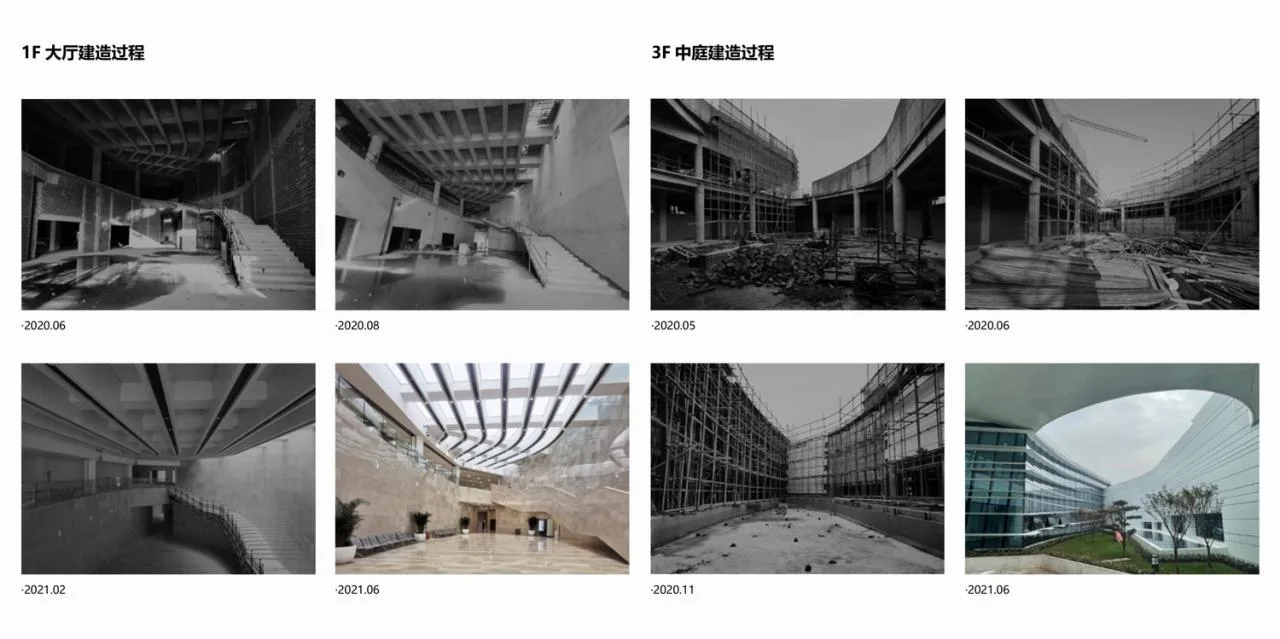
▲ Construction process
Project Drawings
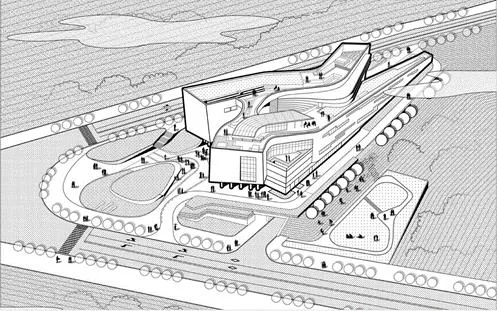
▲ Design drawing
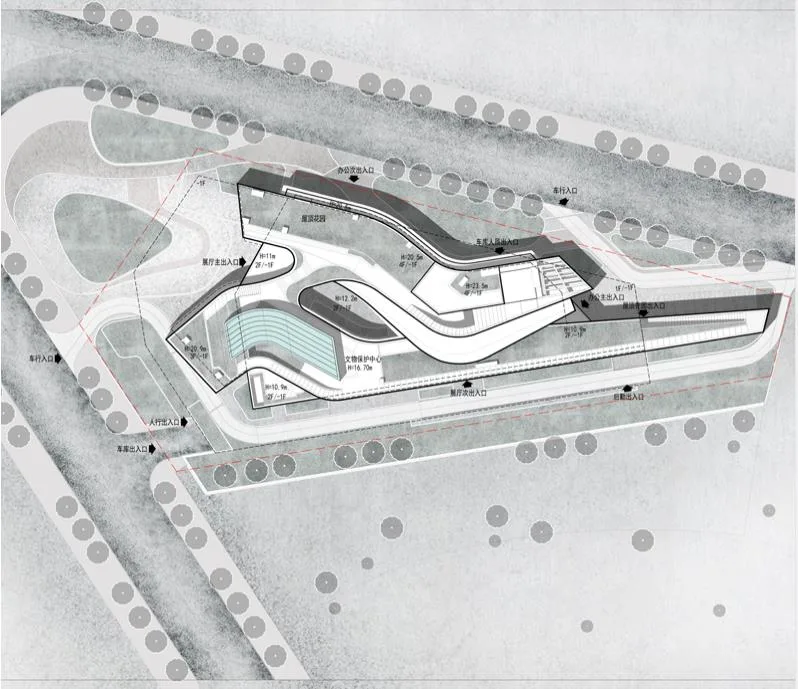
▲ General layout plan
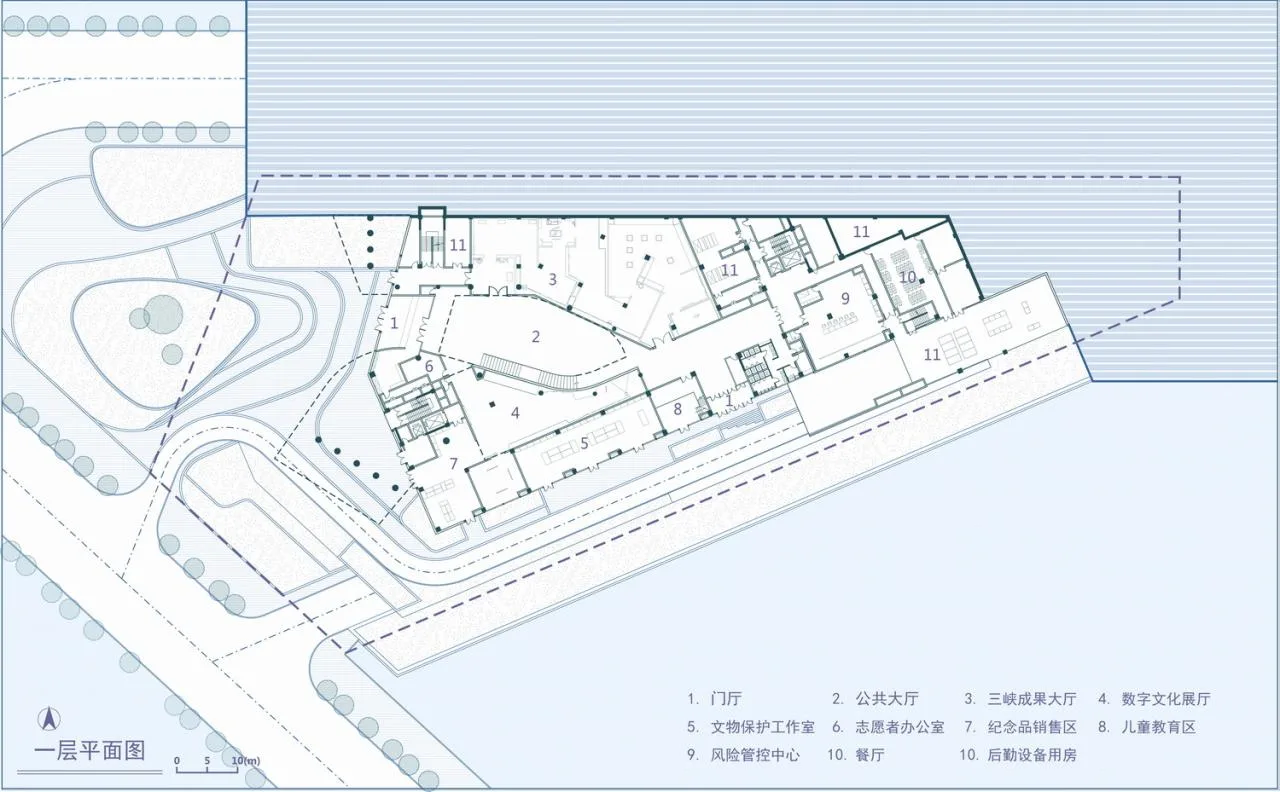
▲ 1st floor plan
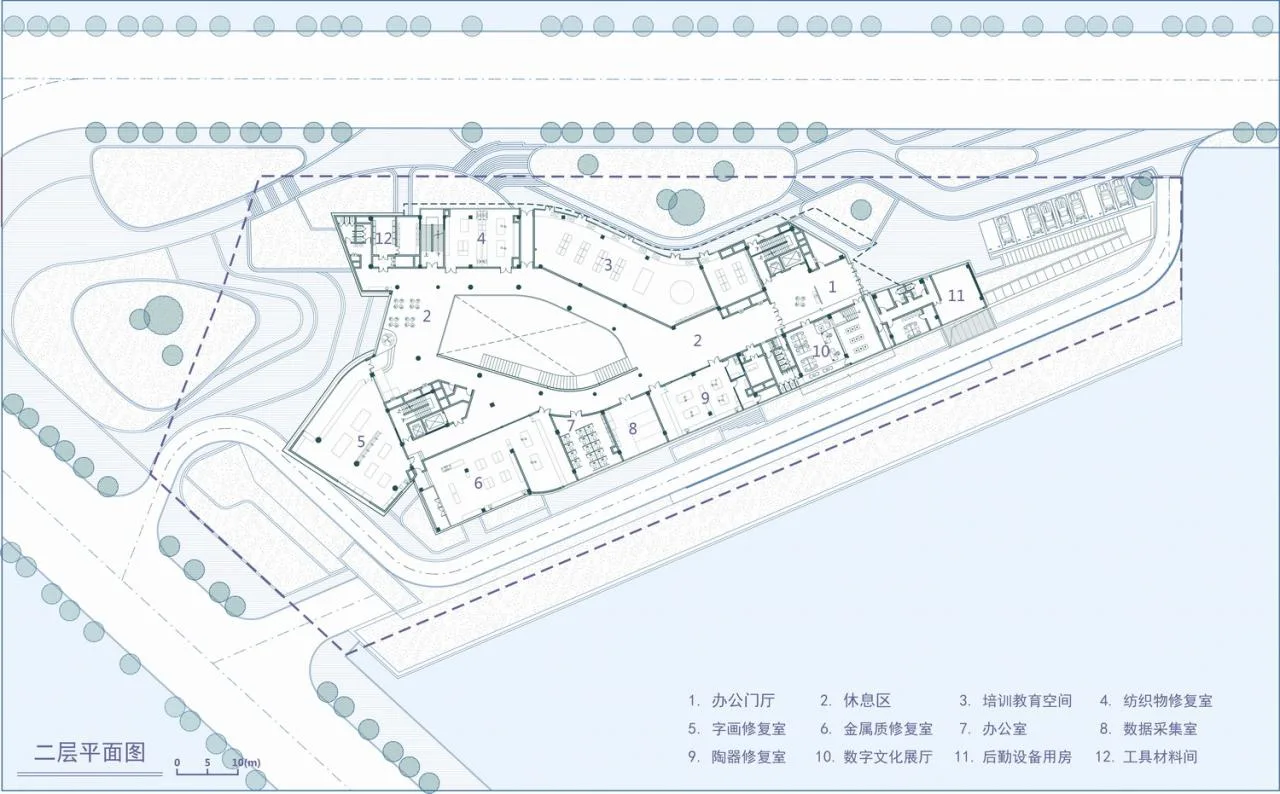
▲ 2nd floor plan
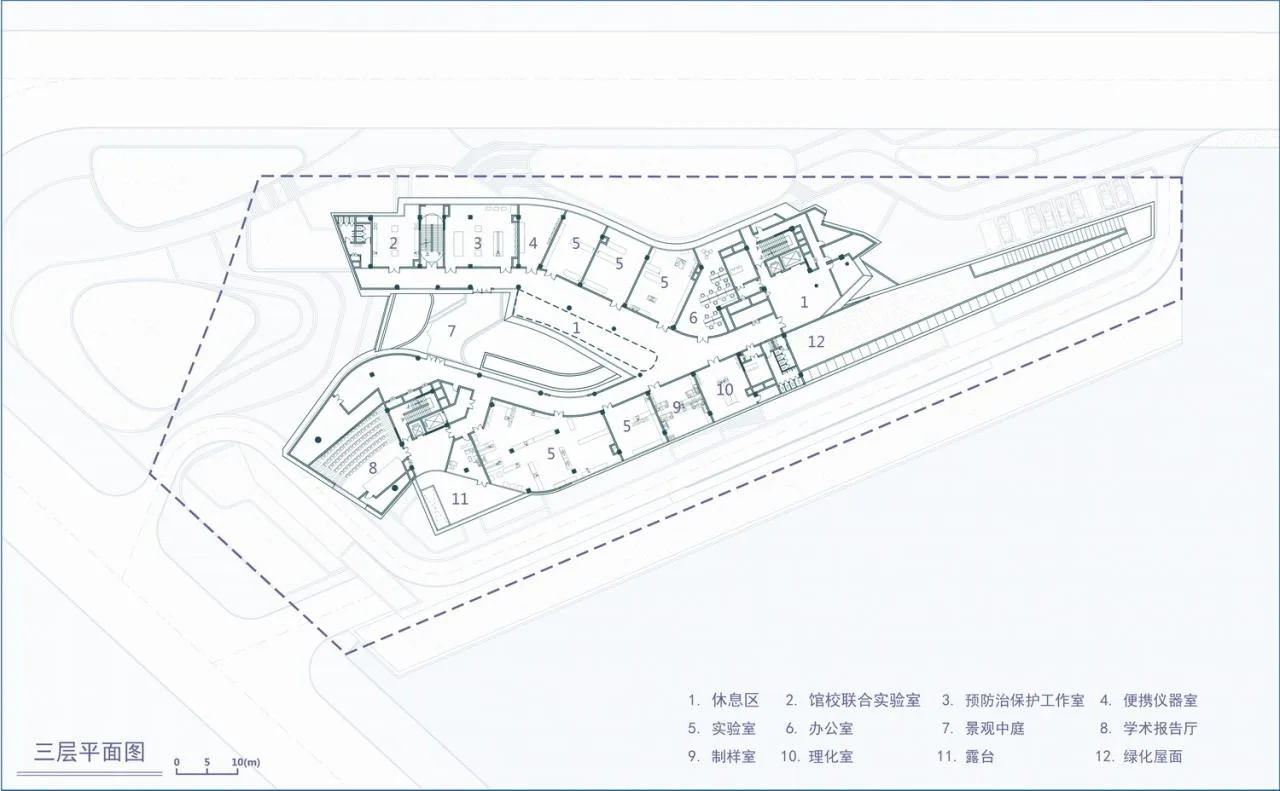
▲ 3rd floor plan
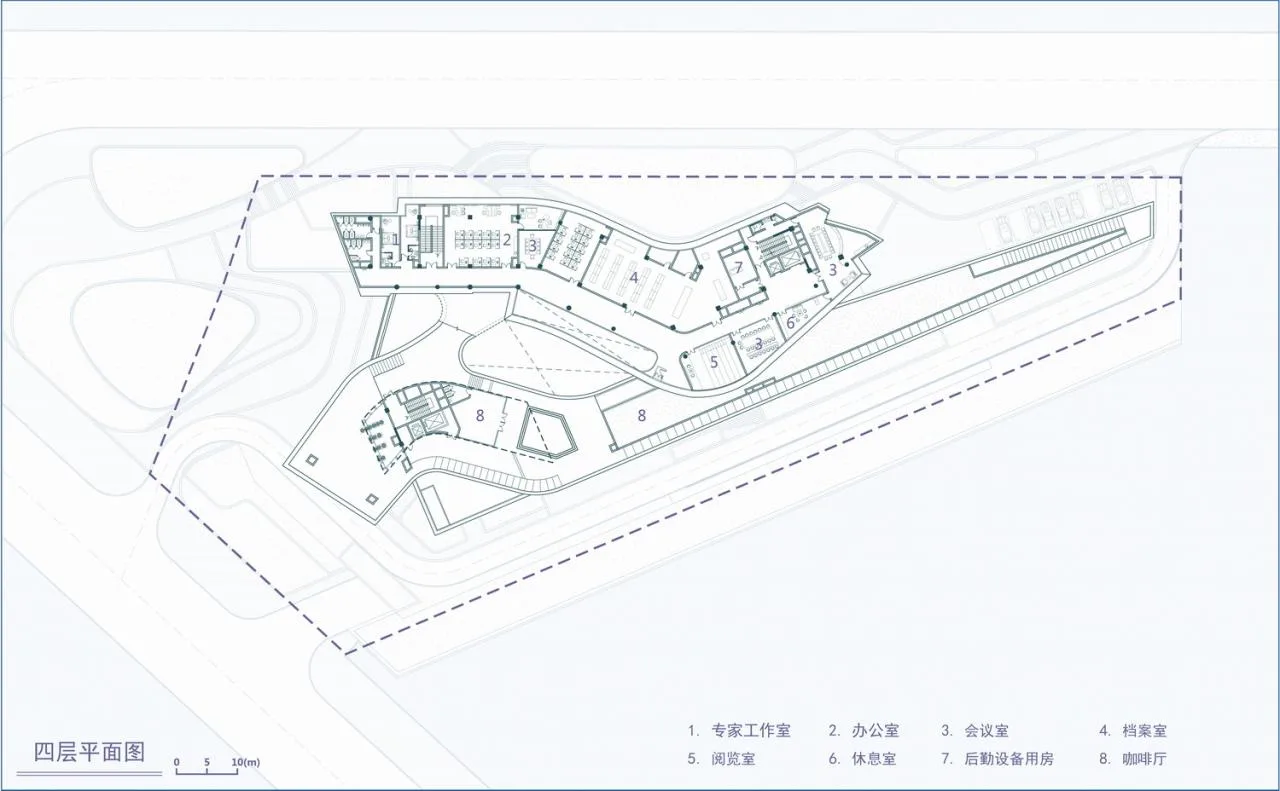
▲ 4th floor plan
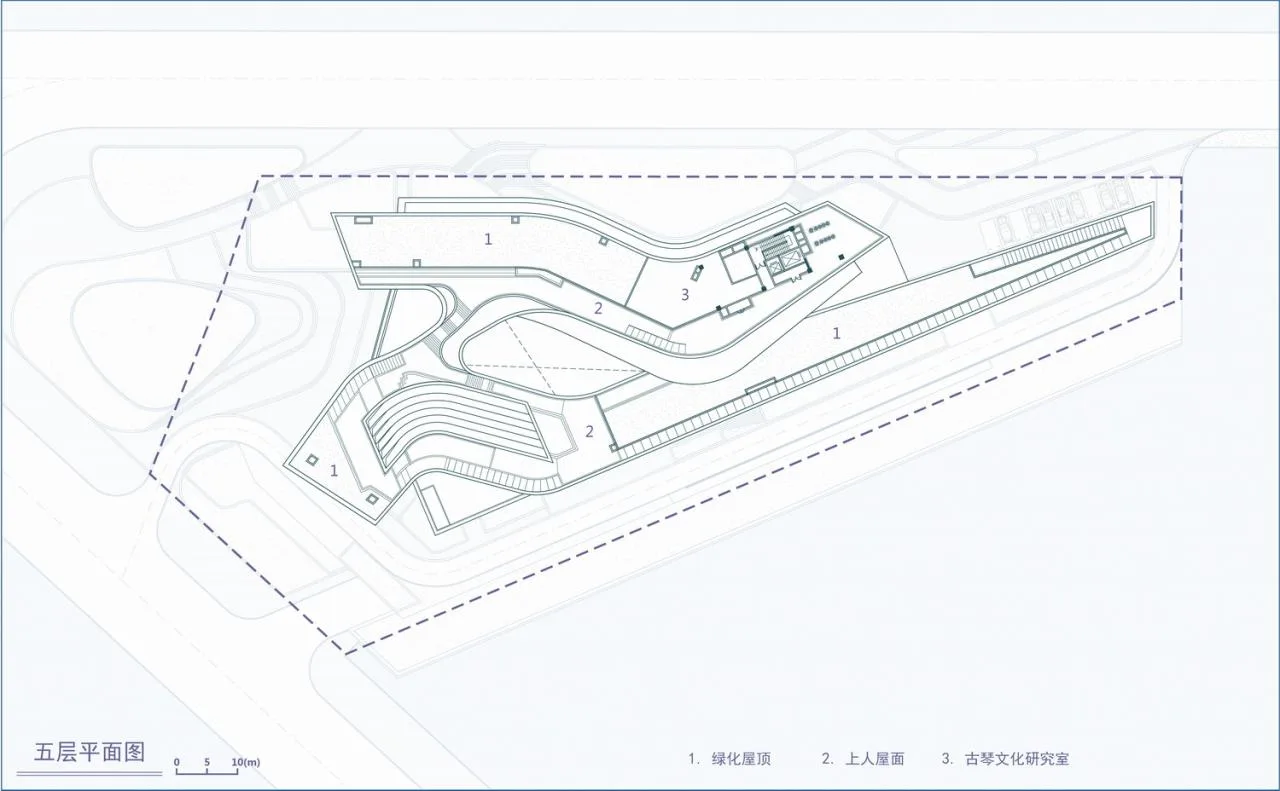
▲ 5th floor plan
Project Information
Project Name: Three Gorges Cultural Relics Science and Technology Protection Base
Project Type: Architecture
Location: Danlong Road, Nan’an District, Chongqing
Architecture and Structural Design: Chongqing Yuandao Architectural Planning and Design Co., Ltd
Chief Architect: Lan Jing
Design Director: Luo Bin
Project Leader: Li Juan
Design Team: Lan Jing, Luo Bin, Li Juan, Xu Wei, Tan Yi, Yu Jiaqi, Lai Zhisheng, Tian Chuxing, Zhou Yan, Zhou Jian, Zhang Yong, Mu Weijie, Zhang Jian, Qiao Sen, Sun Dawei, Liu Chao
Owner: Chongqing China Three Gorges Museum
Cost: 160 million RMB
Status: Completed
Design Period: 2017–2021
Construction Period: 2018–2021
Land Area: 8,400 sqm
Building Area: 18,000 sqm
Landscape and Interior Design: Guizhou Architectural Research and Design Institute Co., Ltd
Curtain Wall Consultant: Chengdu Chuan Space Graphic Design Co., Ltd
Construction: Guizhou Construction Engineering Group Fourth Construction Engineering Co., Ltd
BIM Team: Zhang Jian, Qiao Sen, Sun Dawei, Liu Chao
Photography: Prism Photography, Luo Bin, Nan’an Culture and Tourism (partial)















Must log in before commenting!
Sign Up