
4D Simulation
Traditional schedule management relies on detailed network plans and Gantt charts, but it often lacks effective visualization, making it difficult to clearly represent the dynamic construction process. By leveraging BIM technology, 4D simulation combines the 3D BIM model with the time dimension to create a comprehensive BIM-4D model. This model links tasks to specific time frames based on the project schedule, allowing dynamic visualization of the entire construction process.
Through construction simulation, potential issues can be identified early. The planned schedule can be automatically compared to actual progress using BIM software, with delayed activities clearly marked. This enables timely corrective actions and informed plan adjustments. Simulations also help verify the feasibility and rationality of the schedule.
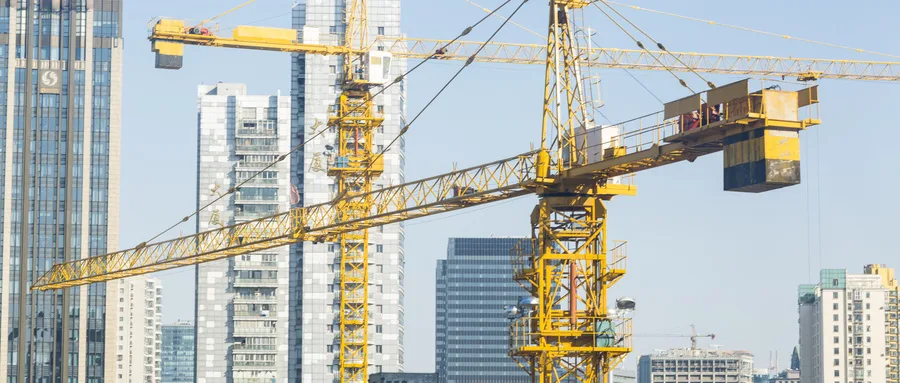
Uncontrollable factors on construction sites, combined with management effectiveness, greatly influence schedule control. Using BIM for schedule management allows precise simulation of actual construction through detailed model information. This approach highlights uncontrollable variables and visually displays any delays, enabling timely adjustments to optimize the schedule.
As model information deepens, managers can guide real construction with virtual simulations, visualizing progress in real-time. Dynamic monitoring during project execution ensures that work adheres to the planned schedule. Deviations are promptly detected and addressed, with corrective measures implemented immediately until project completion.
Progress management on the BIM platform includes real-time progress tracking, construction log management, schedule planning, and plan monitoring. On-site progress can be monitored live by setting viewpoints and hotspots, allowing immediate detection and resolution of issues. Construction logs reduce reliance on paper records, providing valuable data to support progress, cost management, and design changes.
Loading the schedule plan into the BIM system and associating it with project components enables animated 4D simulations. This facilitates timely understanding of differences between actual and planned progress while monitoring the BIM plan effectively.
The integration of actual on-site work with BIM creates a mutually supportive relationship. BIM guidance improves construction quality and resolves site issues, while feedback from the field ensures the BIM model remains consistent with real conditions. As the project advances, BIM data should be continuously updated to maintain accuracy, ensuring that completion data reflects the final construction outcomes.
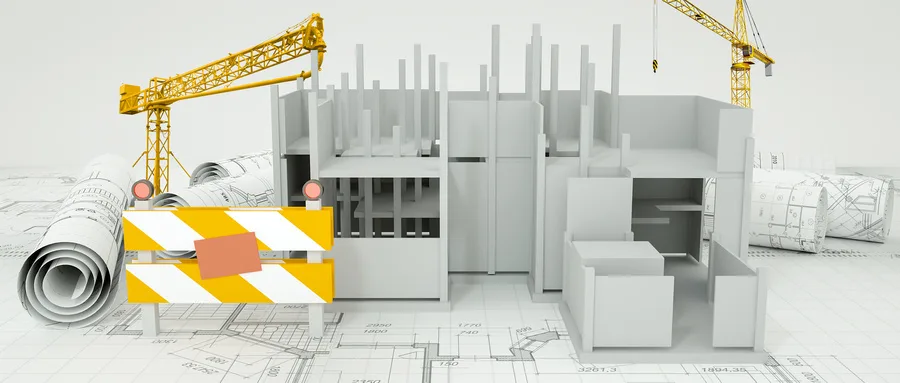
5D Application
The 5D information model builds upon the 3D BIM model by integrating schedule and cost data. This enhanced model supports comprehensive management of costs, schedules, materials, and other aspects, aiding cost specialists in precise financial control.
During construction, the Revit 3D model is converted into the “E5D” format and imported into the Guanglianda BIM-5D platform. The schedule is added to segment the construction flow, and tasks are linked to 3D components to form a 4D model. Real-time synchronization between the model and schedule ensures consistency, even when changes occur.
Cost files are then incorporated, associating financial data with both the model and schedule to create a dynamic 5D information model. This BIM-5D database enables dynamic construction simulation, allowing management to anticipate potential problems early and take preventive measures.
By integrating specialized professional models through the 5D platform, construction teams receive enhanced support to improve quality. The 5D model accurately summarizes and quantifies engineering components, significantly reducing manual calculations.
Based on linked cost data, rapid cost accounting becomes possible. The model also allows dynamic tracking of planned versus actual work quantities over any period, providing management with real-time insights into site progress and data support for project settlements.
Furthermore, the 5D model facilitates comparison of inventory, resources, and costs, enabling direct analysis and management of these factors. It dynamically extracts and analyzes funding and resource curves, assisting managers in cost control and informed decision-making. Clearly, BIM-5D technology greatly enhances construction phase management.
















Must log in before commenting!
Sign Up