
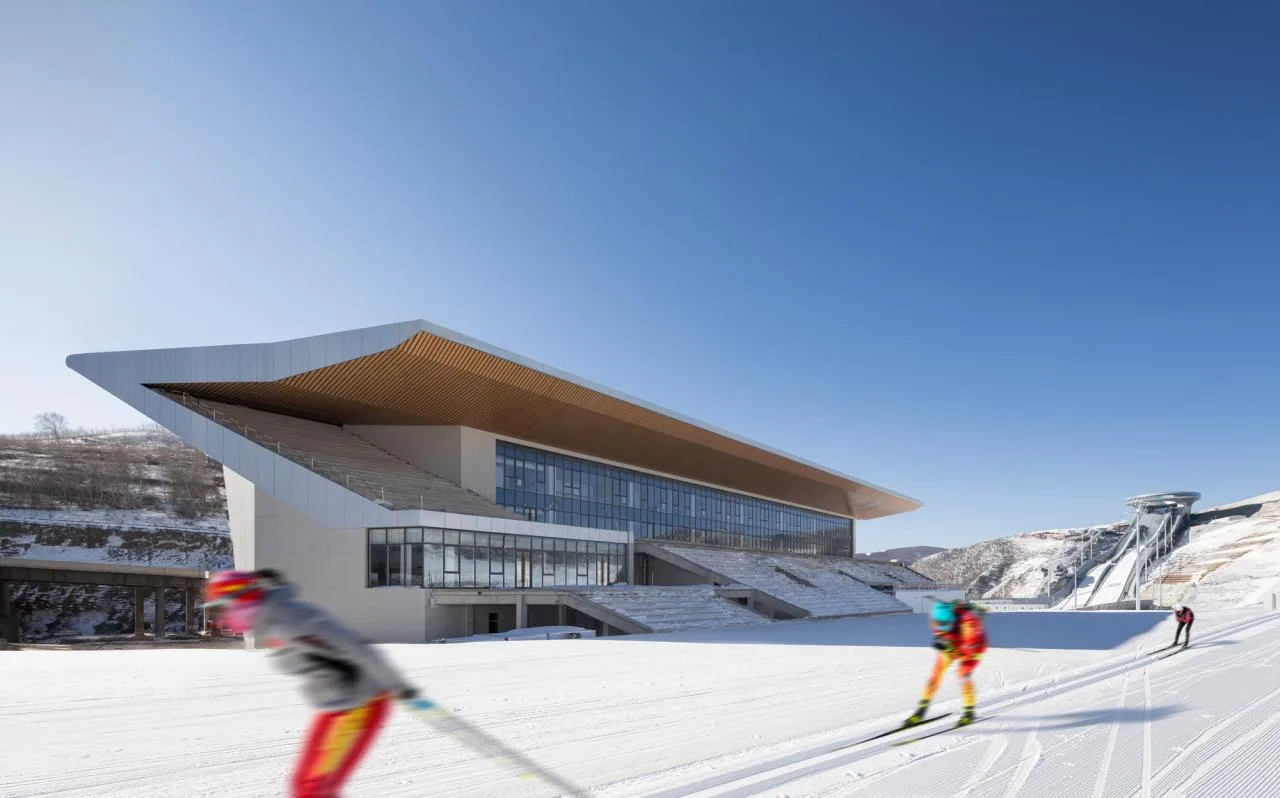
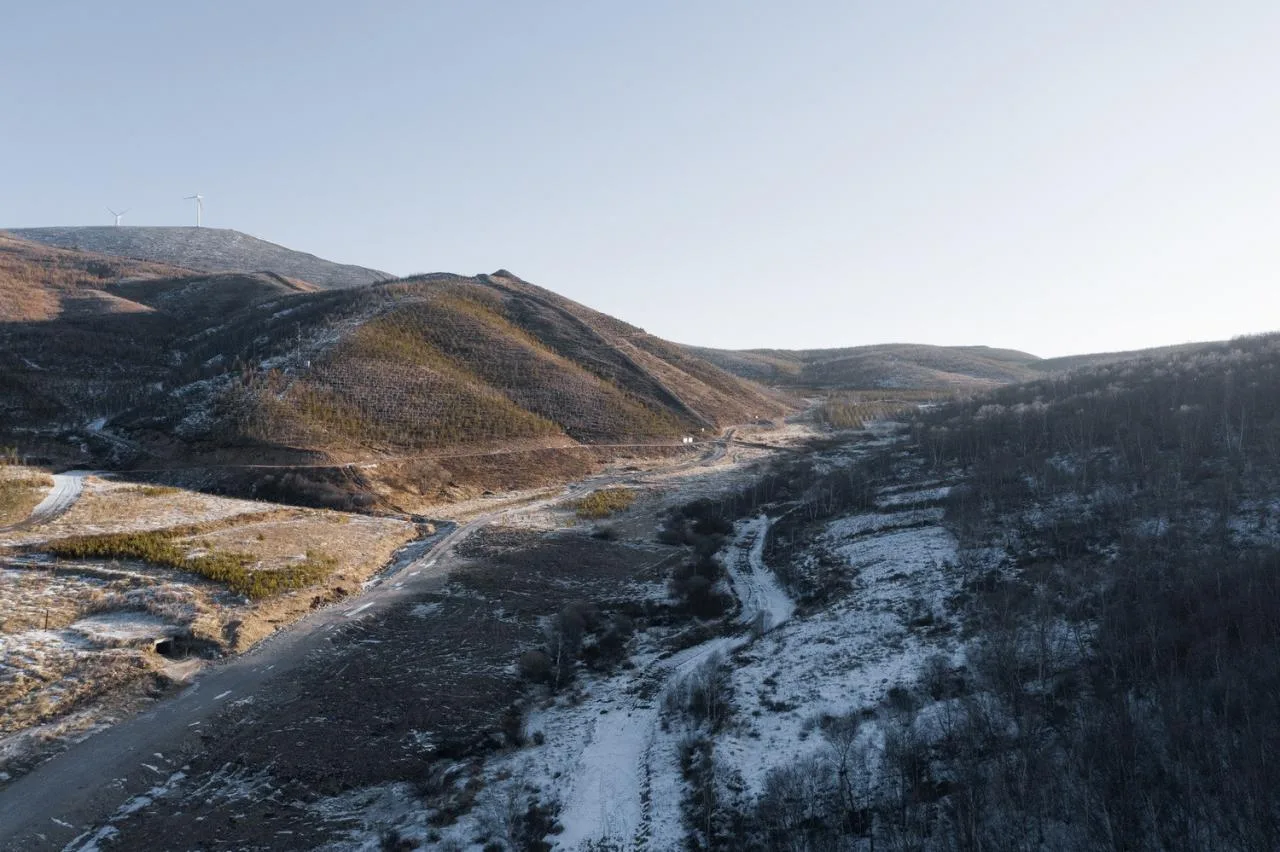
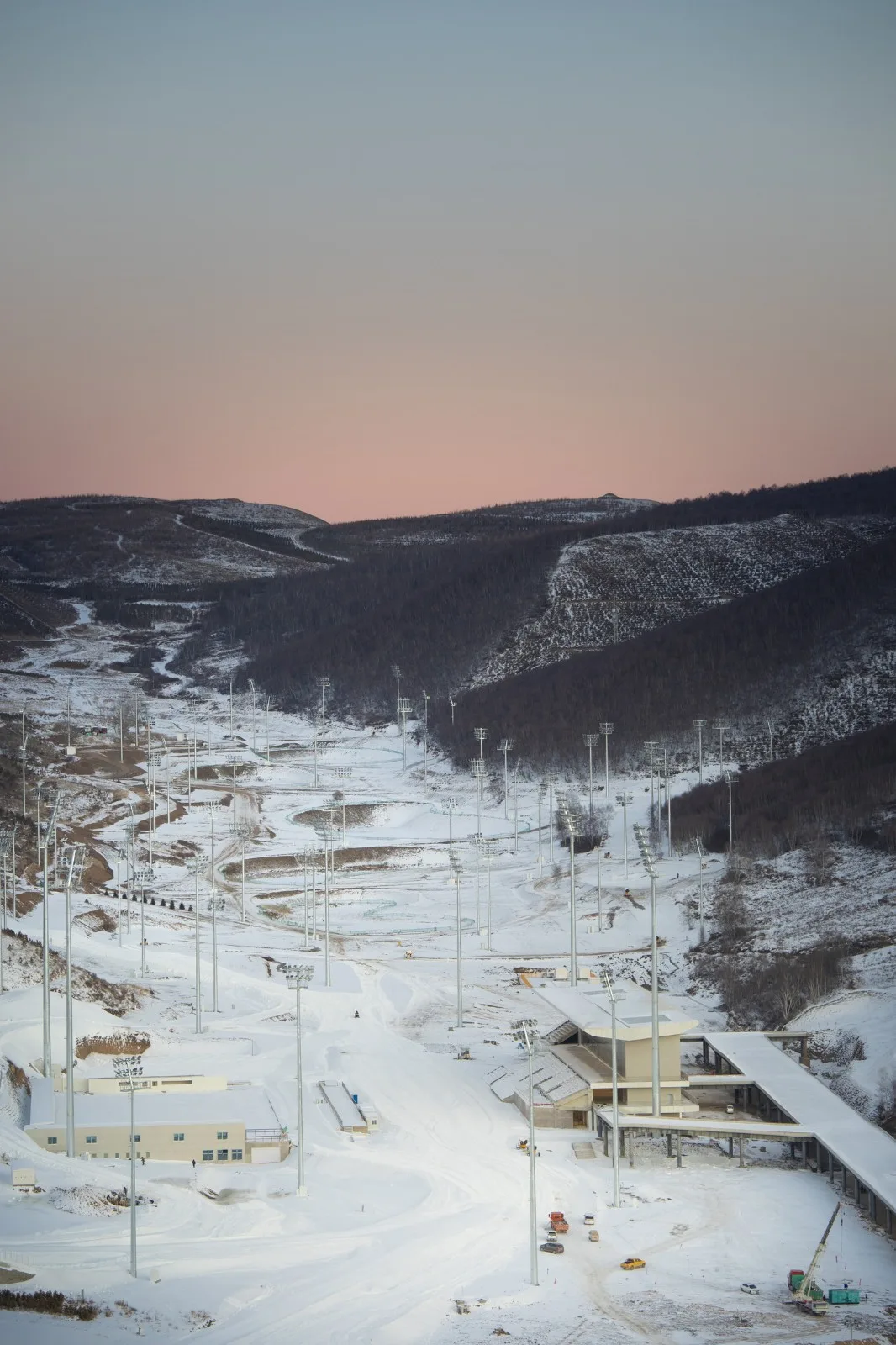
The National Biathlon Center, one of the key venues for the Zhangjiakou cluster during the Beijing 2022 Winter Olympics, hosted all biathlon and cross-country skiing events for both the Winter Olympics and Paralympics. This venue produced a remarkable total of 11 Olympic gold medals and 38 Paralympic gold medals, making it the most successful site in terms of gold medal count during the Games.
Covering an area of 132 hectares, the technical building at the track venue spans 7,644 square meters. The entire track area totals 113,000 square meters, with a length of 13 kilometers. The elevation ranges from 1,657 meters at its lowest point to 1,766 meters at its highest. After the Olympics, the center will serve as a national team training facility.
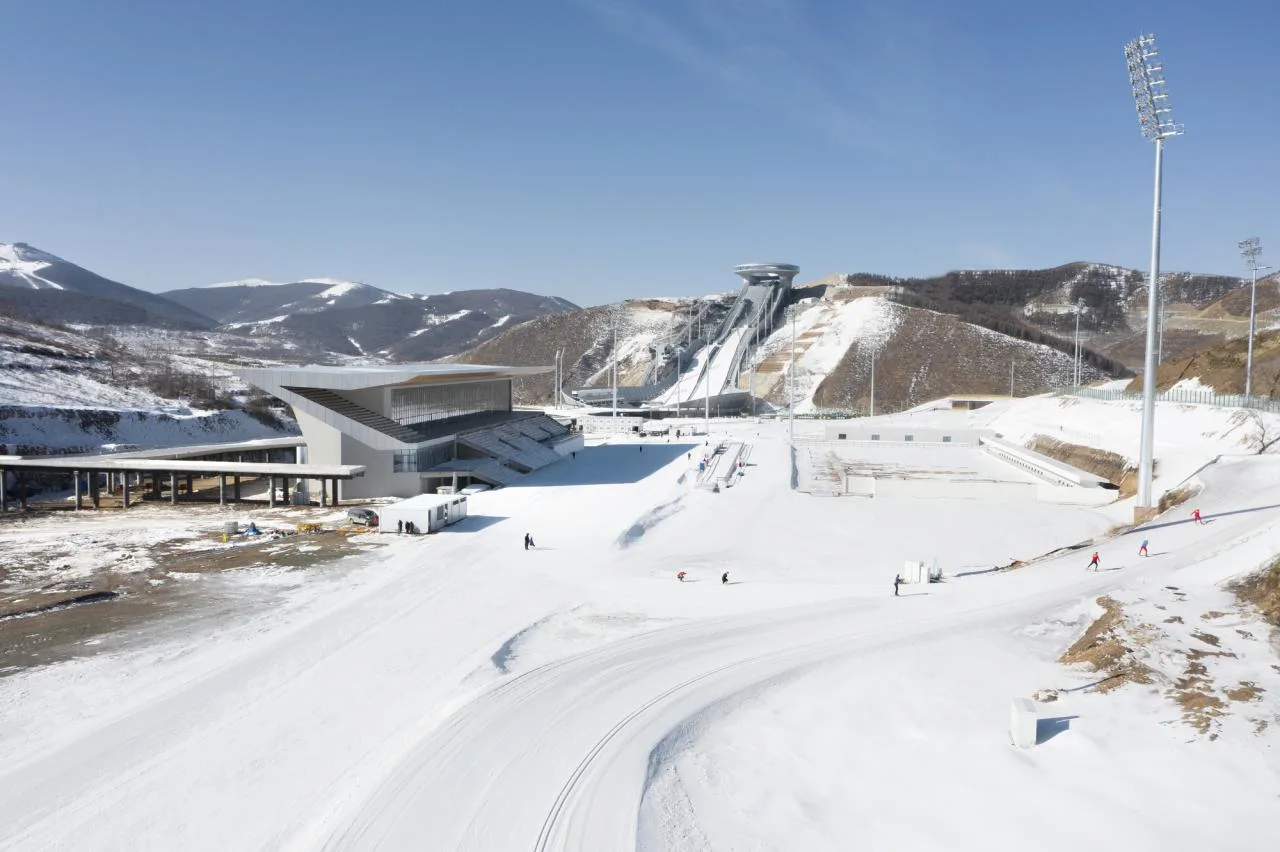
Biathlon is a unique sport combining cross-country skiing with rifle shooting. It debuted as a demonstration event at the first Winter Olympics in Chamonix, France in 1924 and was officially included in the Olympic program at the 1960 Winter Games in Squaw Valley, USA. The sport’s blend of high-speed skiing and precision shooting makes it both highly demanding and captivating to watch.
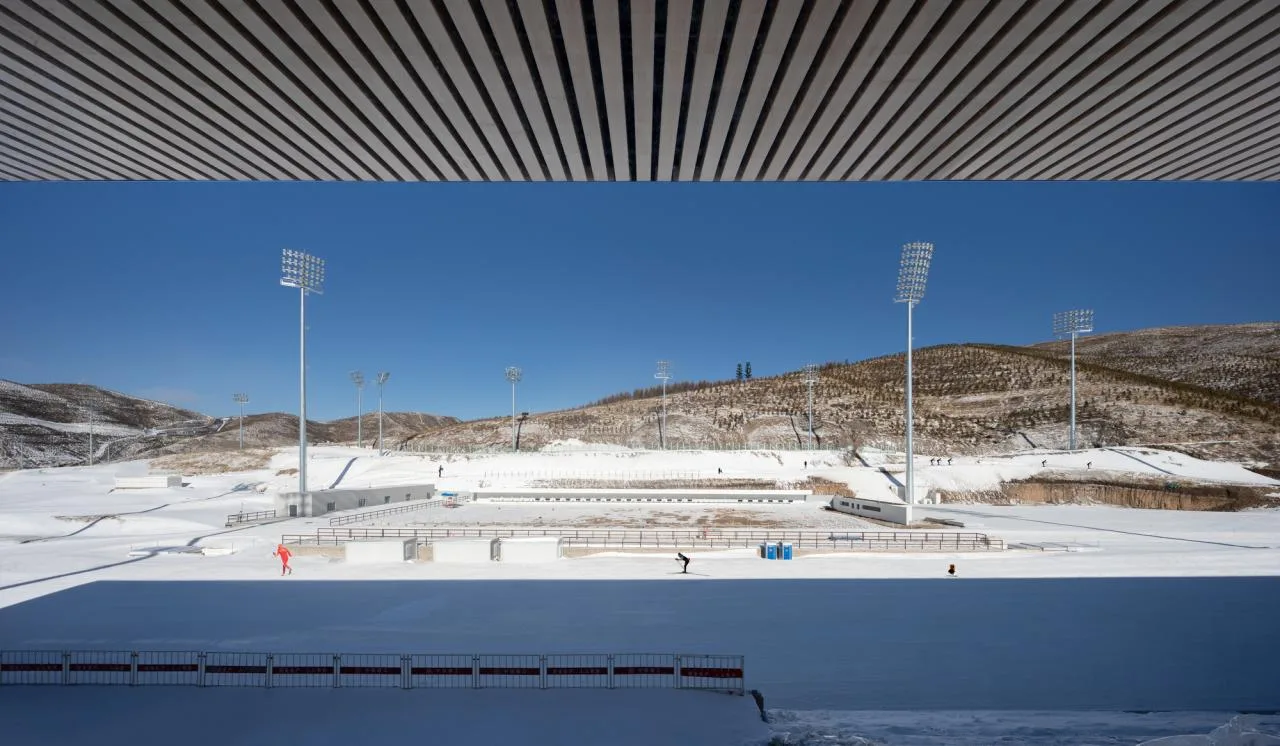
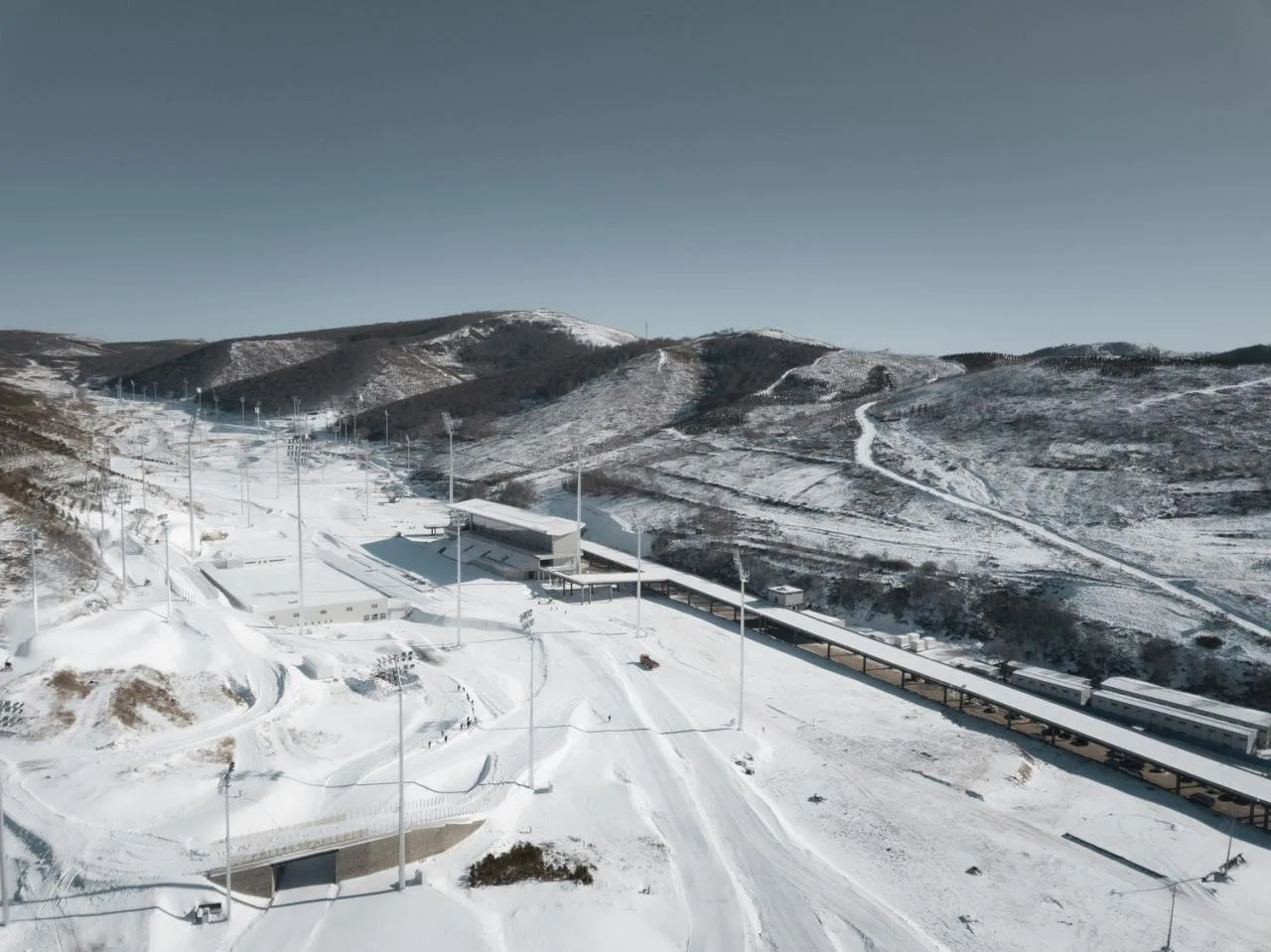
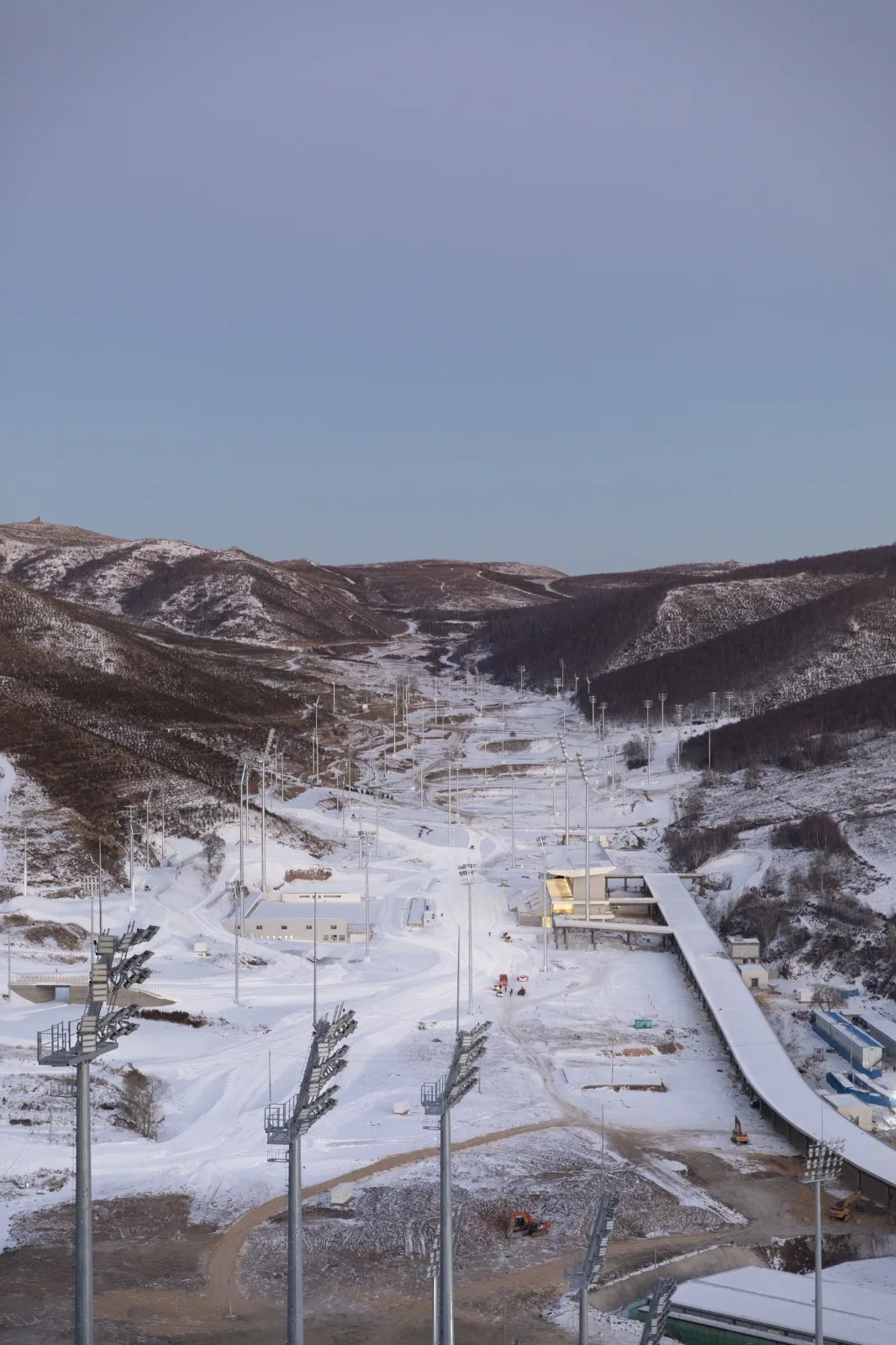
The National Biathlon Center is spatially organized into three main zones: the competition area, the field area, and the technical building. The competition area itself is subdivided into the surrounding track and the core area, which includes the shooting range, start and finish zones, penalty loops, and other facilities.
The venue is further divided based on user groups into operational, athlete, security, media, and broadcast service areas. The technical building is strategically located near the core competition zone, integrated with spectator stands, and accommodates essential functions such as Olympic family facilities, event management offices, and technical officials’ rooms.
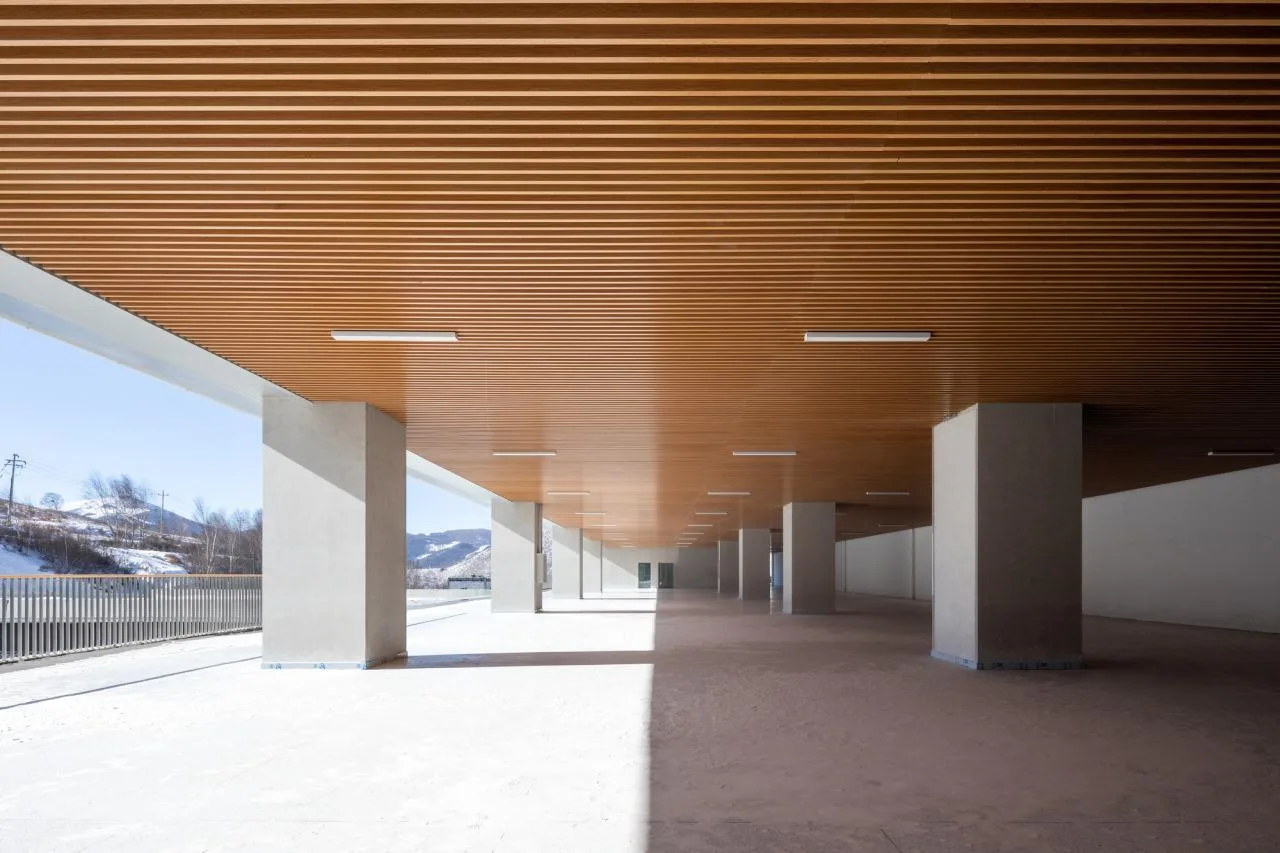
The biathlon track comprises two main sections: one designed for the Winter Olympics and another for the Winter Paralympics. Olympic tracks feature loops of various lengths—1.5 km, 2.0 km, 2.5 km, 3.0 km, 3.3 km, and 4.0 km—while the Paralympic tracks range from 0.9 km to 5.0 km in lengths of 0.9 km, 2.0 km, 2.5 km, 3.0 km, and 5.0 km.
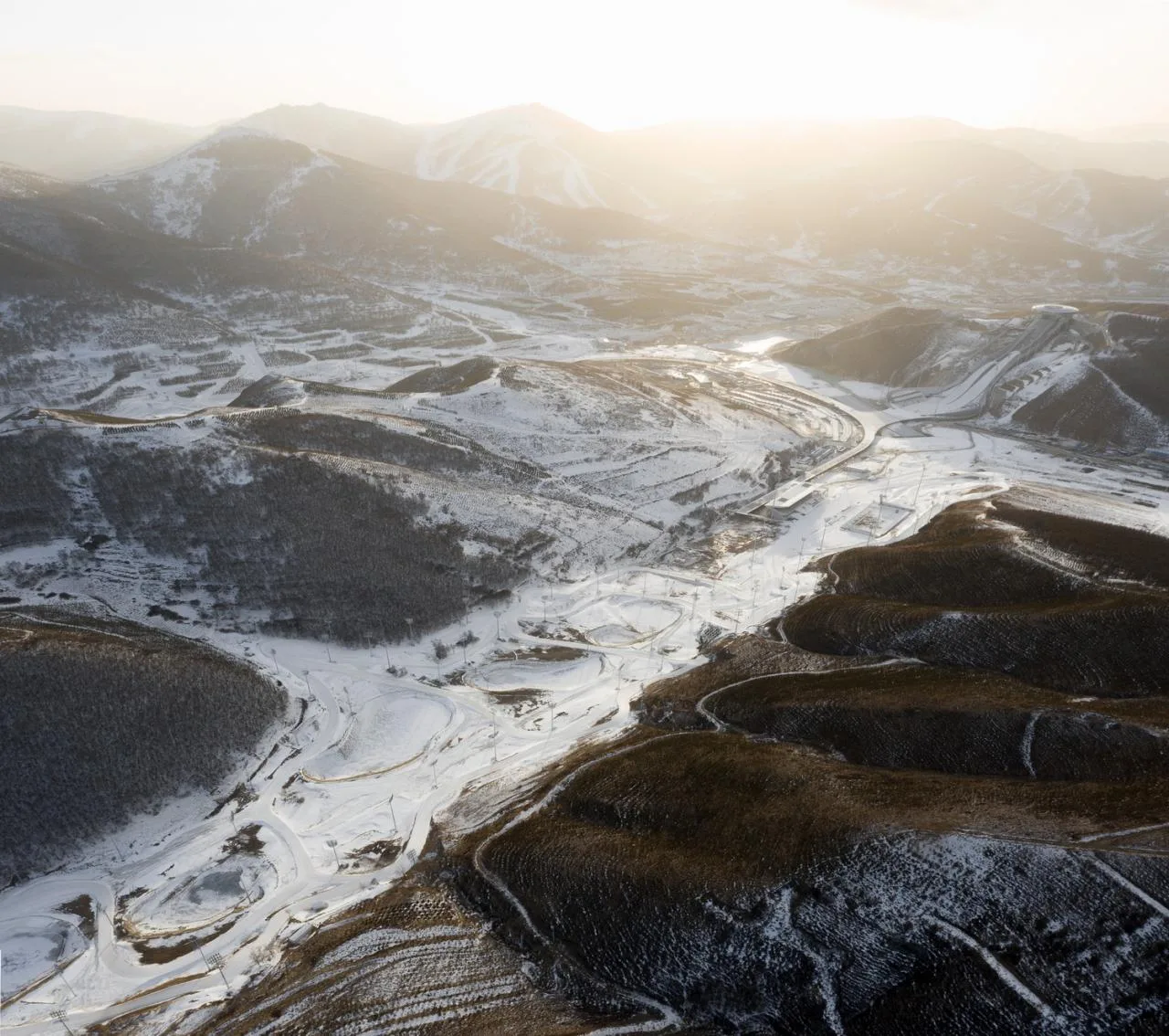
During the design process, special attention was paid to the unique technical demands of biathlon, which combines skiing and shooting. The venue also accommodates cross-country skiing competitions beyond the Olympics. A sustainable “3E” matrix strategy—addressing environmental, equity, and economic factors—was implemented, alongside comprehensive spatial interventions at far, medium, near, and micro scales, to ensure the long-term sustainability of the Winter Olympics facilities.
Project Drawings
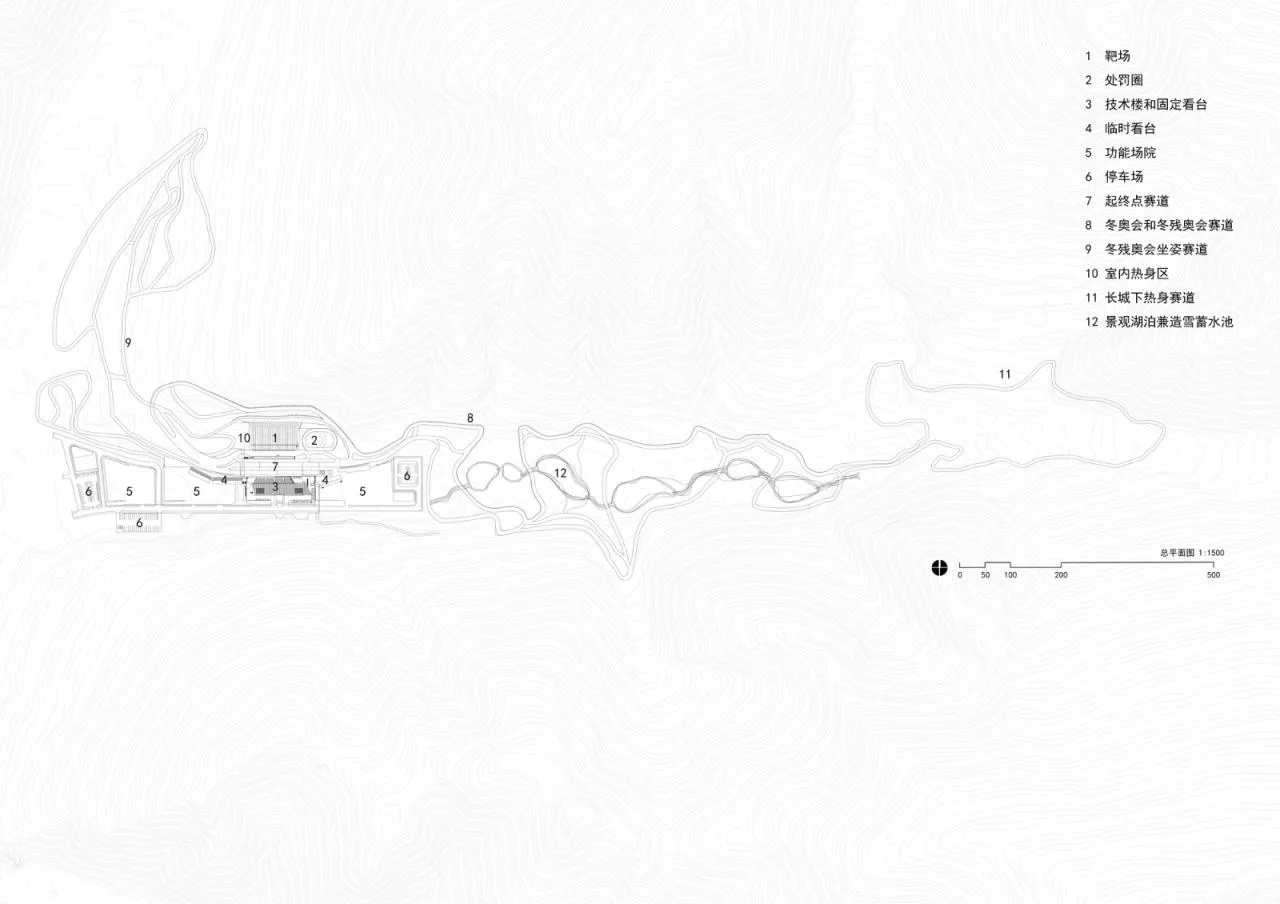
△ General layout plan
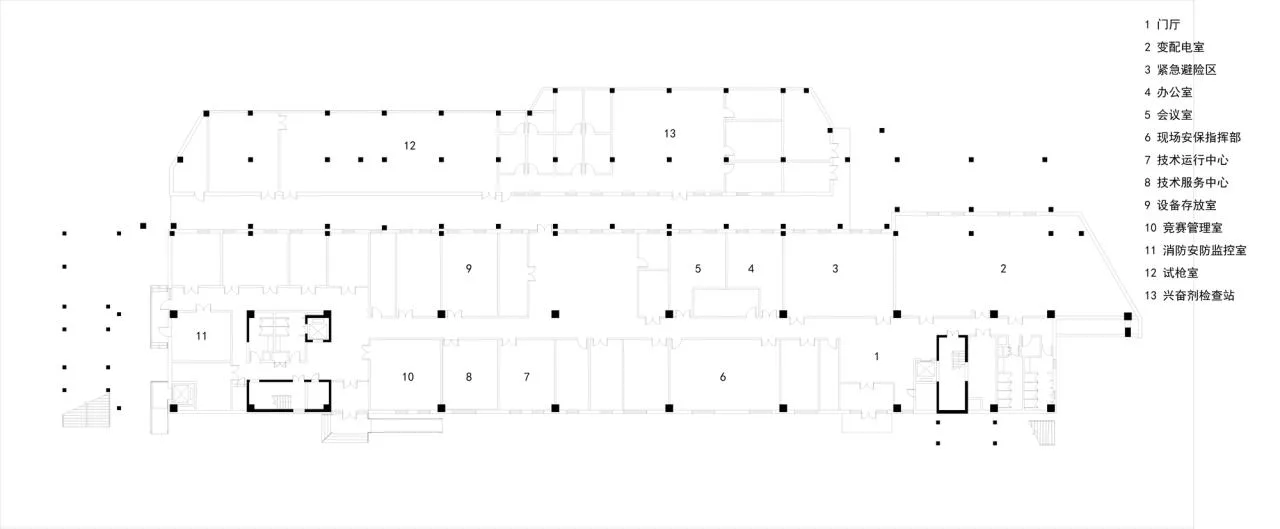
△ First floor plan
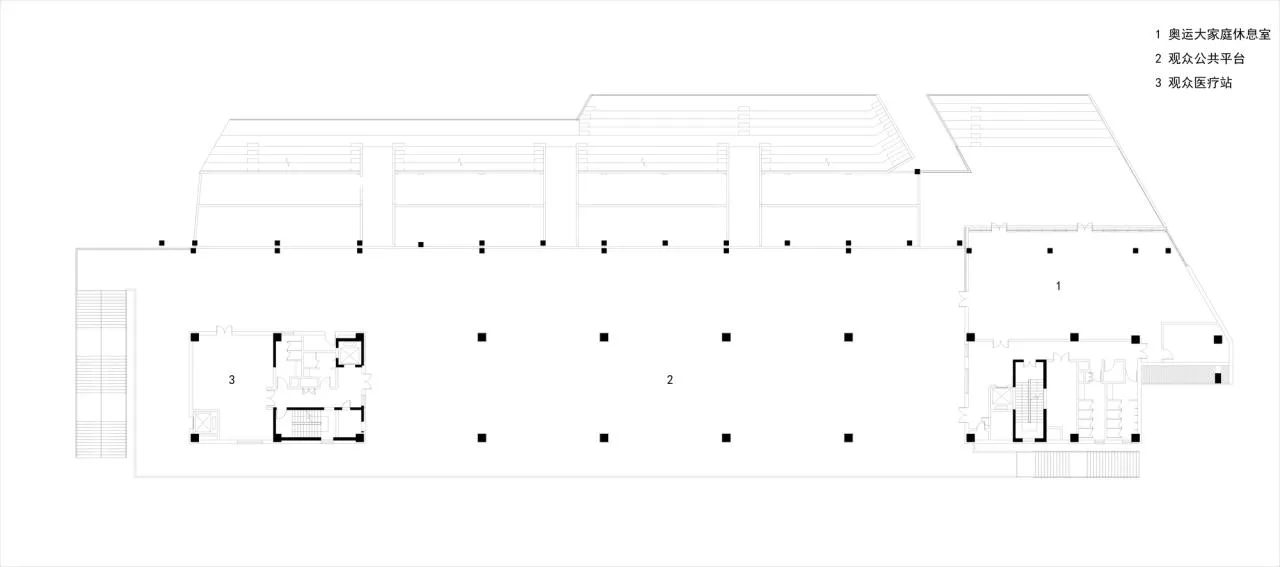
△ Second floor plan
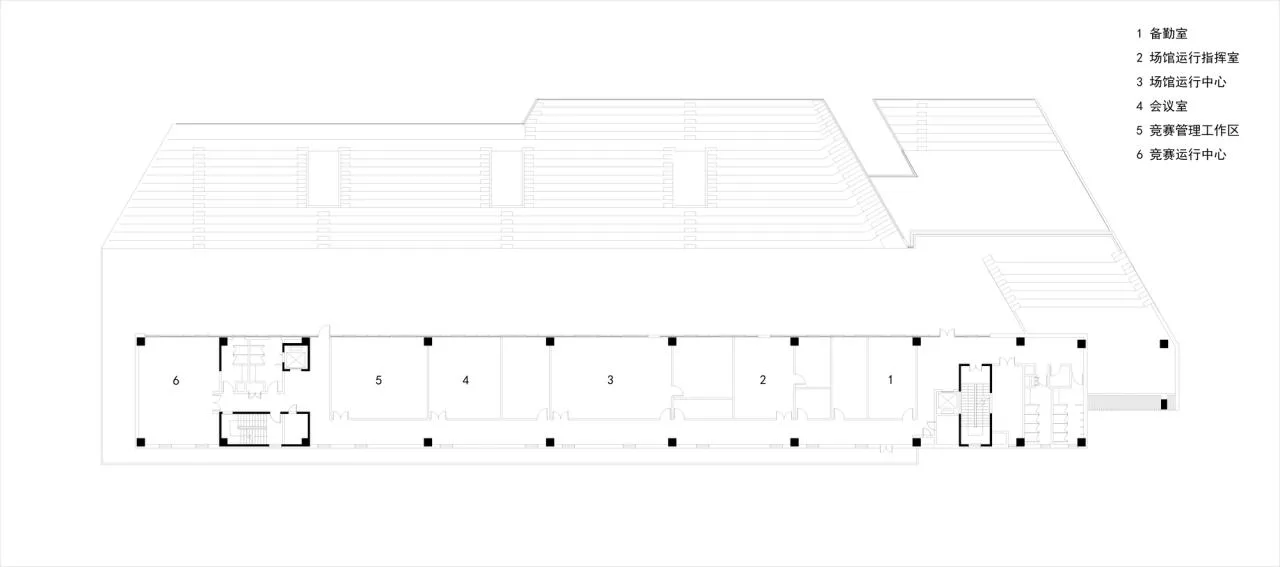
△ Third floor plan
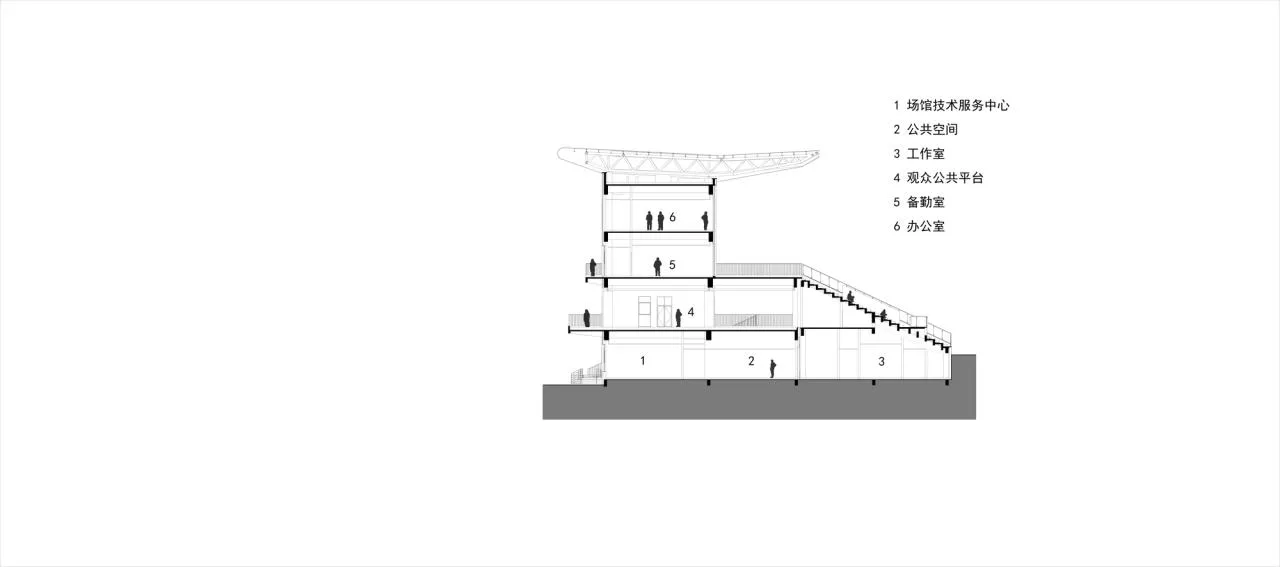
△ Section diagram
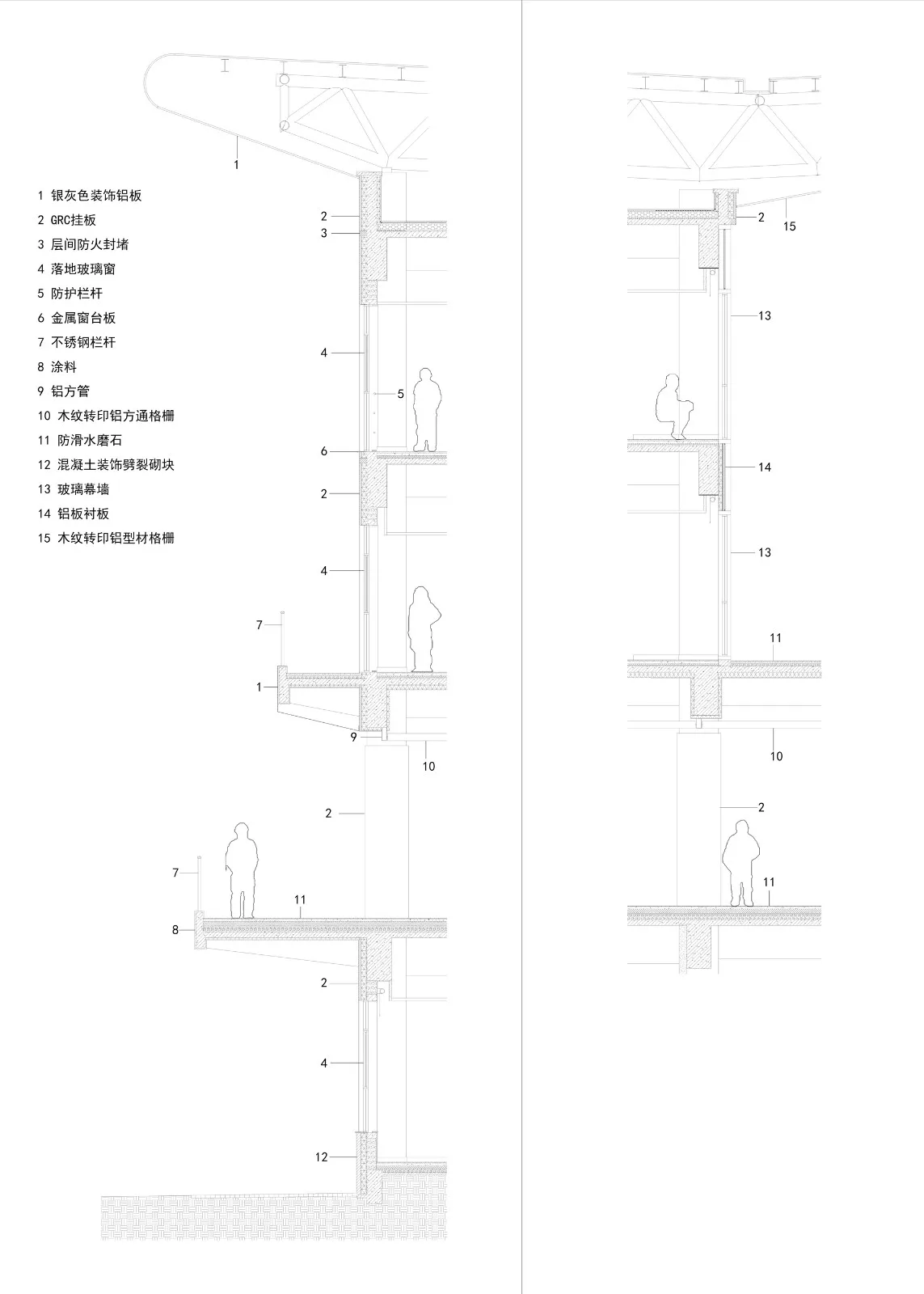
△ Detailed drawing
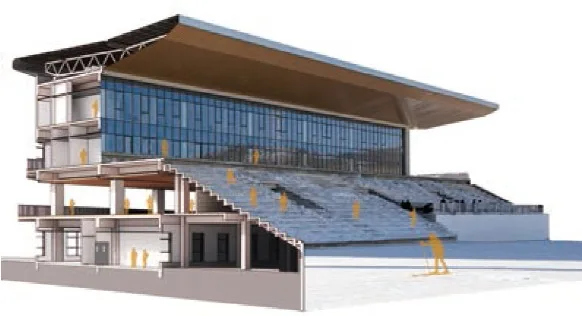
△ Sectional perspective
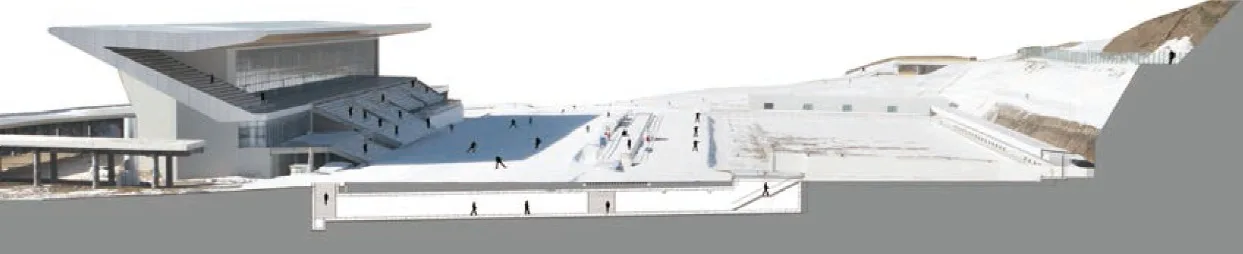
△ Sectional perspective
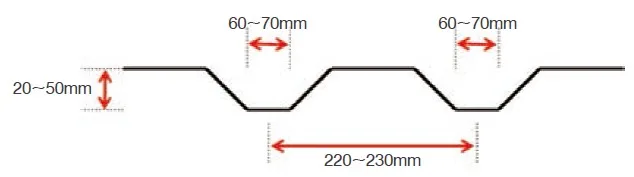
△ Analysis chart
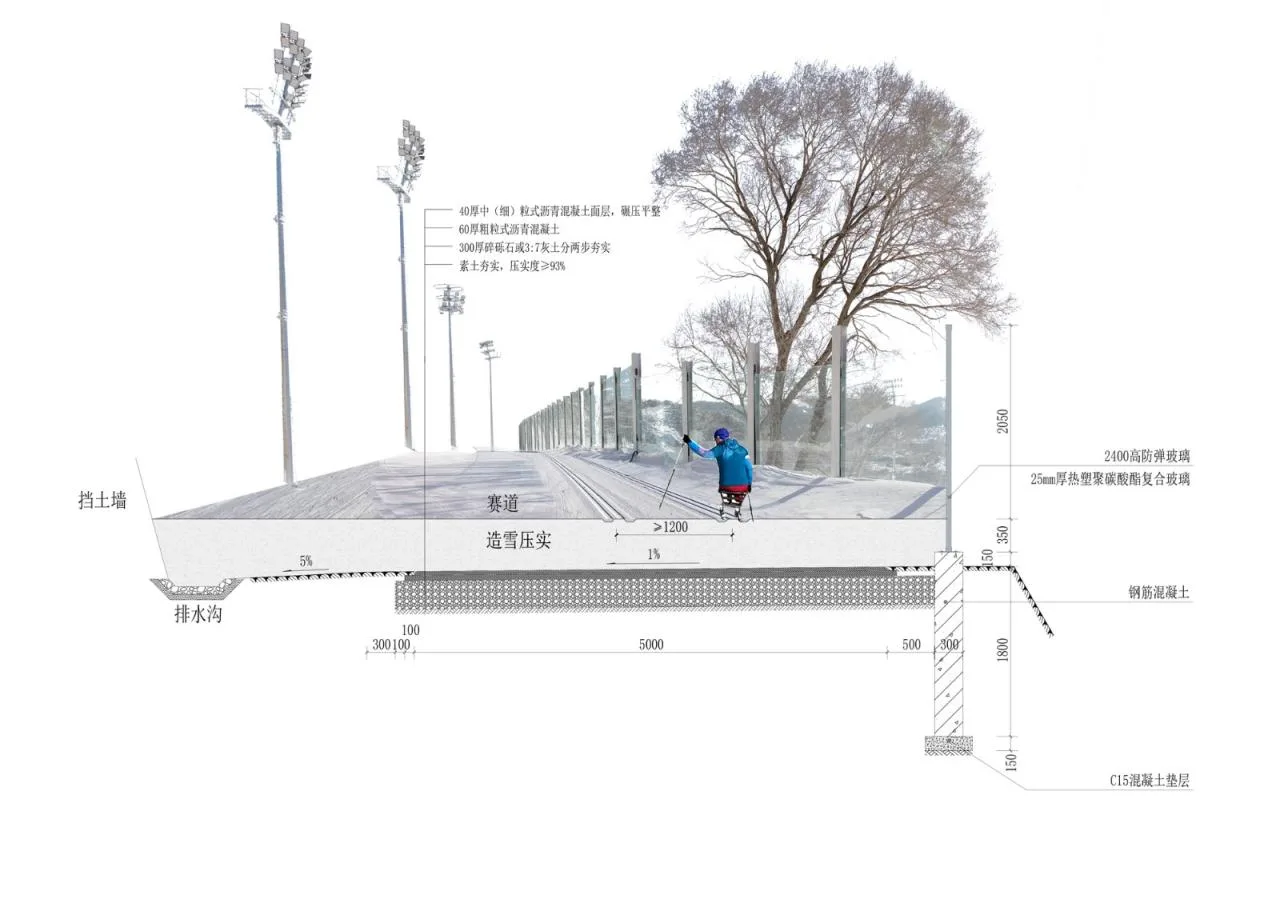
△ Analysis chart
Project Information
Architectural Design: Tsinghua University Architectural Design and Research Institute
Area: 8,795 m²
Project Year: 2020
Photographer: Lv Xiaobin
Principal Architects: Zhuang Weimin, Zhang Wei, Zhang Hong
Architectural Design Team: Zhuang Weimin, Zhang Wei, Zhang Hong, Gong Jiazhen, Zhao Jingxian, Li Xiangmao, Huang Haiyang, Jia Yuan, Lei Siyu, Gong Zhonglin
Structural Design Team: Li Qingxiang, Liu Peixiang, Wang Shiyu, Tian Meng
HVAC Design Team: Jia Zhaokai, Han Jiabao
Electrical Design Team: Cui Xiaogang, Wang Lei, Guo Hongyan
Water Supply and Drainage Design Team: Xu Qing
Track Design Experts: Max Saeger, Len Apedaile
Client: Zhangjiakou Olympic Sports Construction and Development Co., Ltd.
Location: Zhangjiakou, China














Must log in before commenting!
Sign Up