
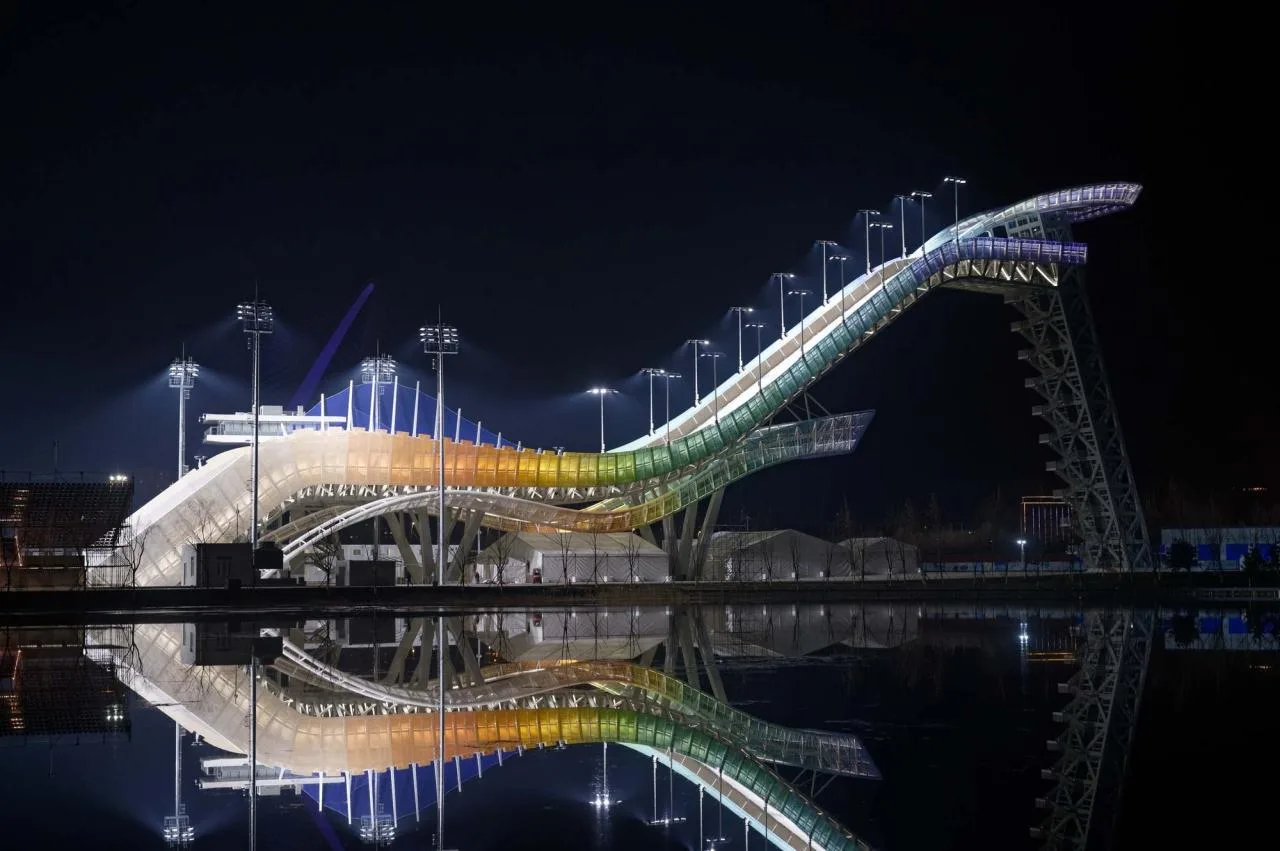
The renovation of Shougang Industrial Park represents the most ambitious industrial heritage revitalization project in northern China. Its goal is to breathe new life into this century-old steel plant, reconnect the city with the Yongding River, and restore the surrounding natural environment. Covering an area of 10 km² within the urban landscape, the project began around 2010 and is expected to be completed by 2030. It includes a series of adaptive reuse and energy transformation initiatives, driven by sports, leisure, culture, and other public-oriented projects.
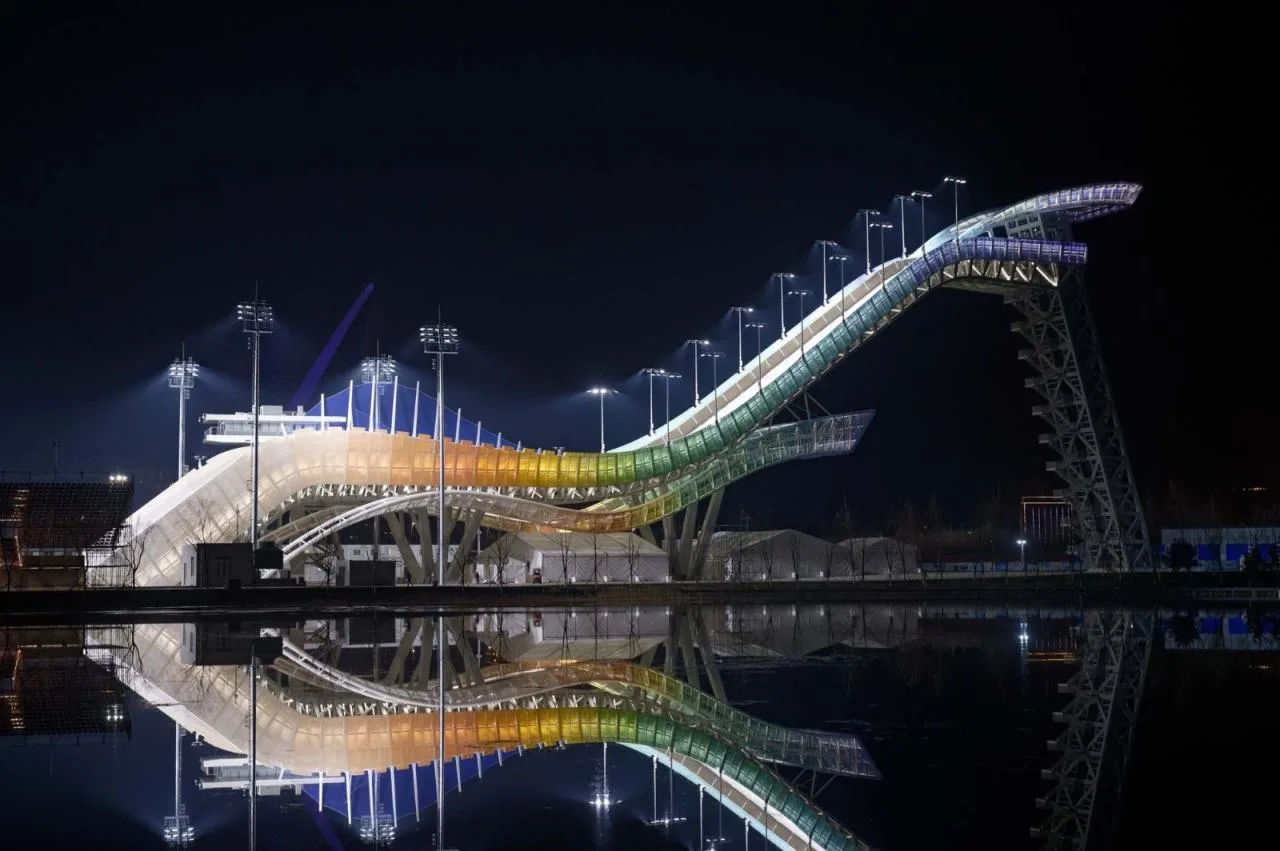
As one of the venue zones for the Beijing 2022 Winter Olympics, Shougang Park and Jingneng Park host one competition venue and five non-competition venues. The Shougang Ski Jumping Platform serves as the sole competition venue, hosting men’s and women’s snowboarding and freestyle ski jumping events, awarding a total of four gold medals.
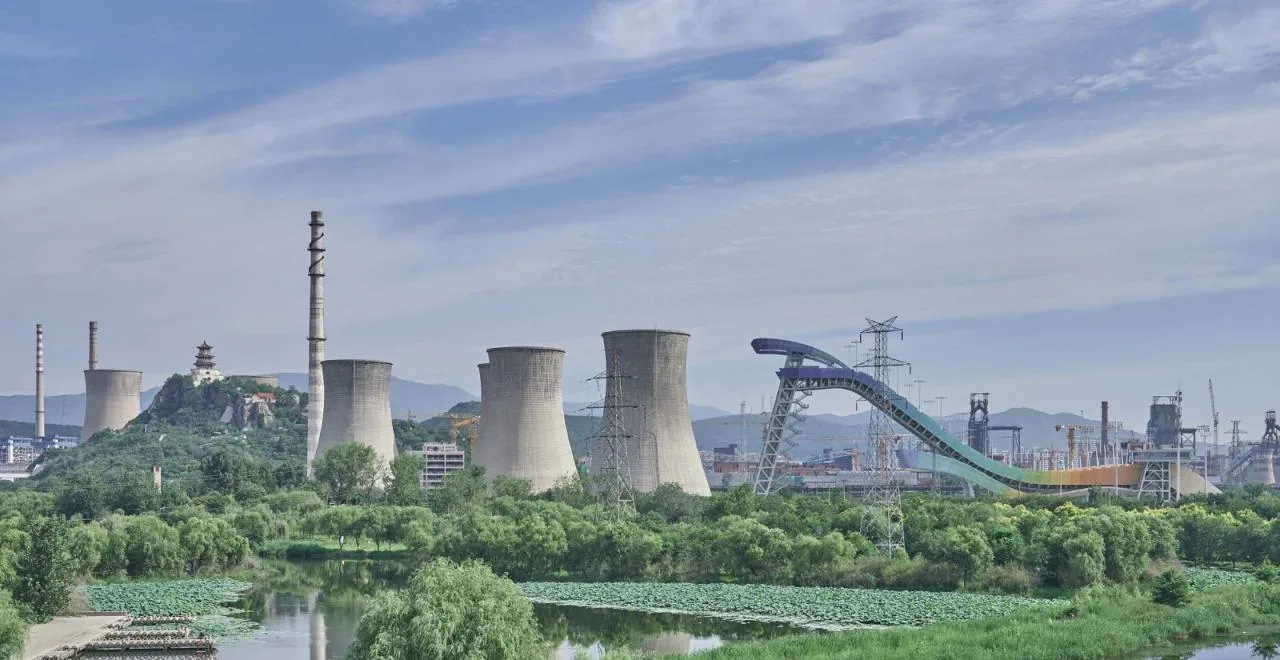
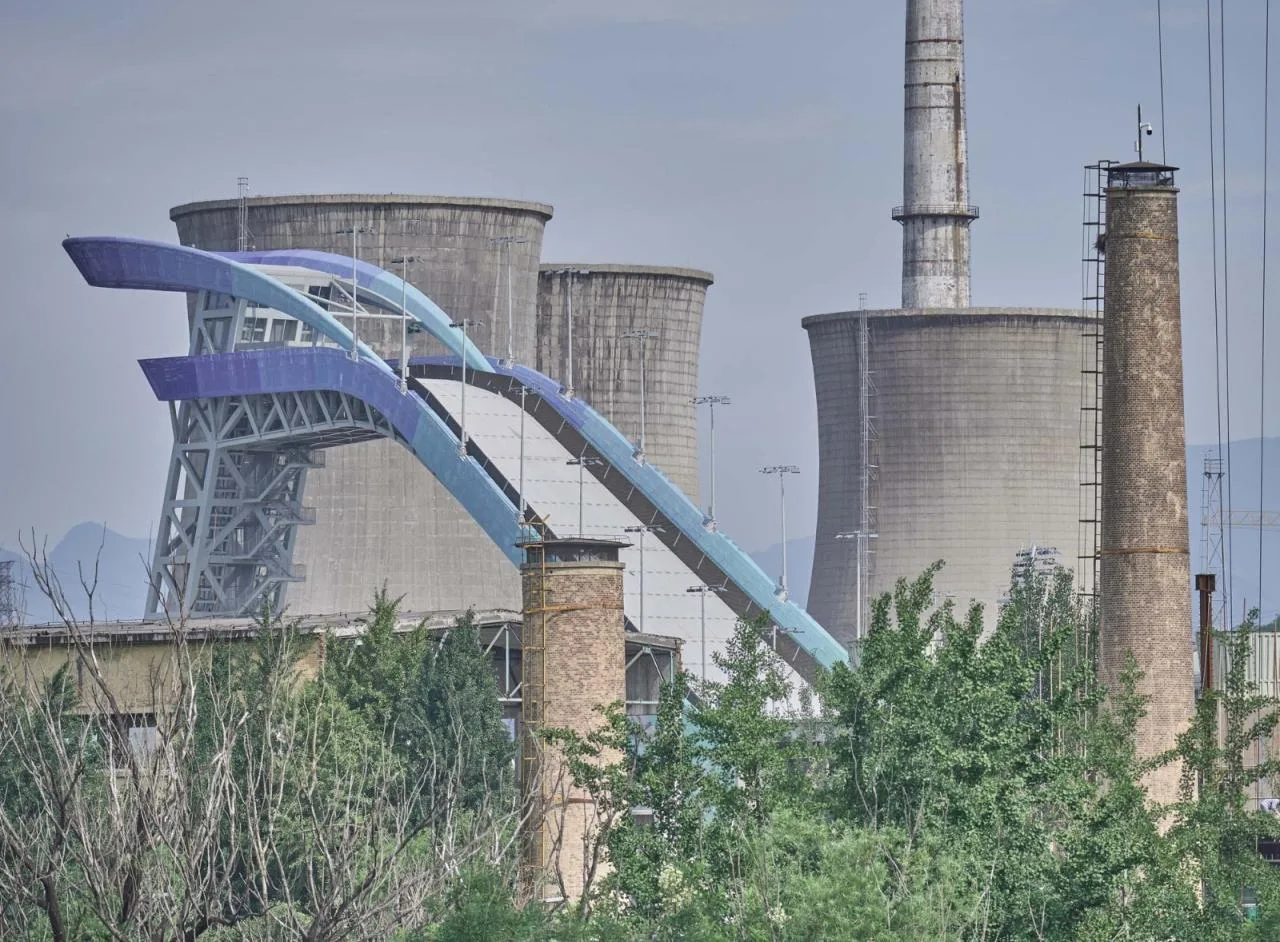
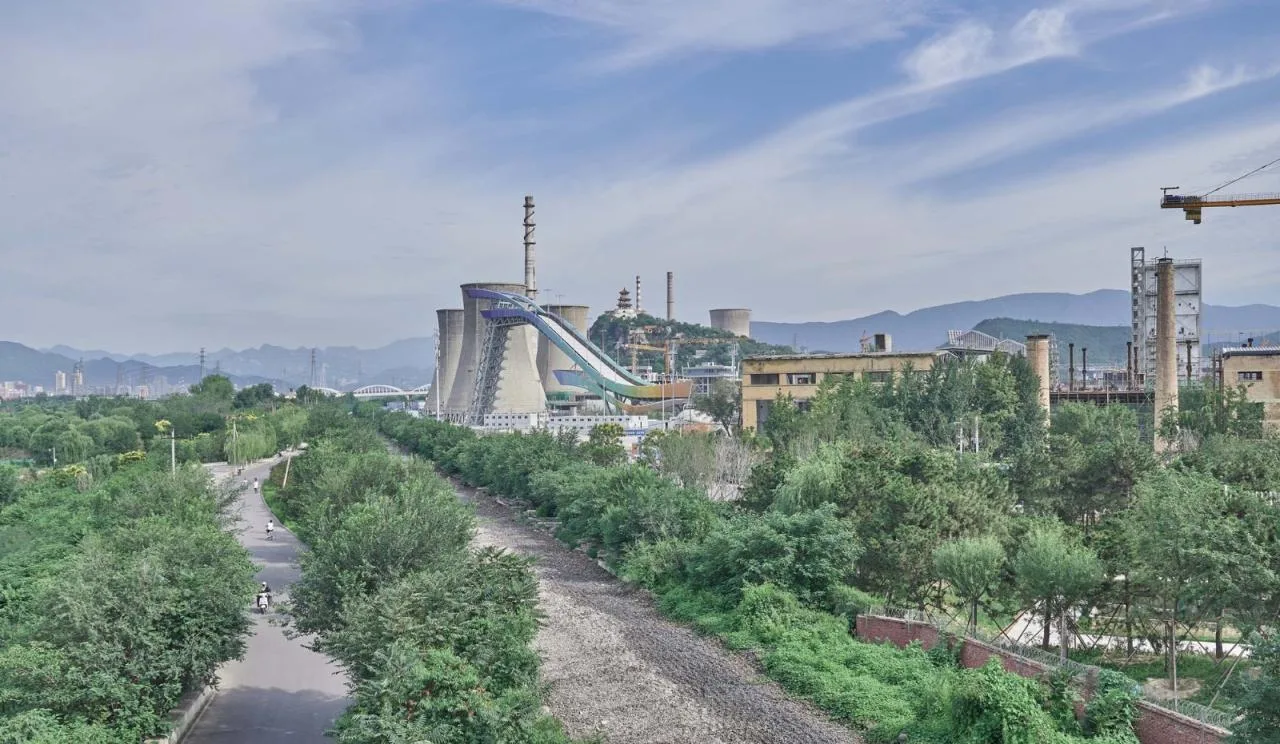
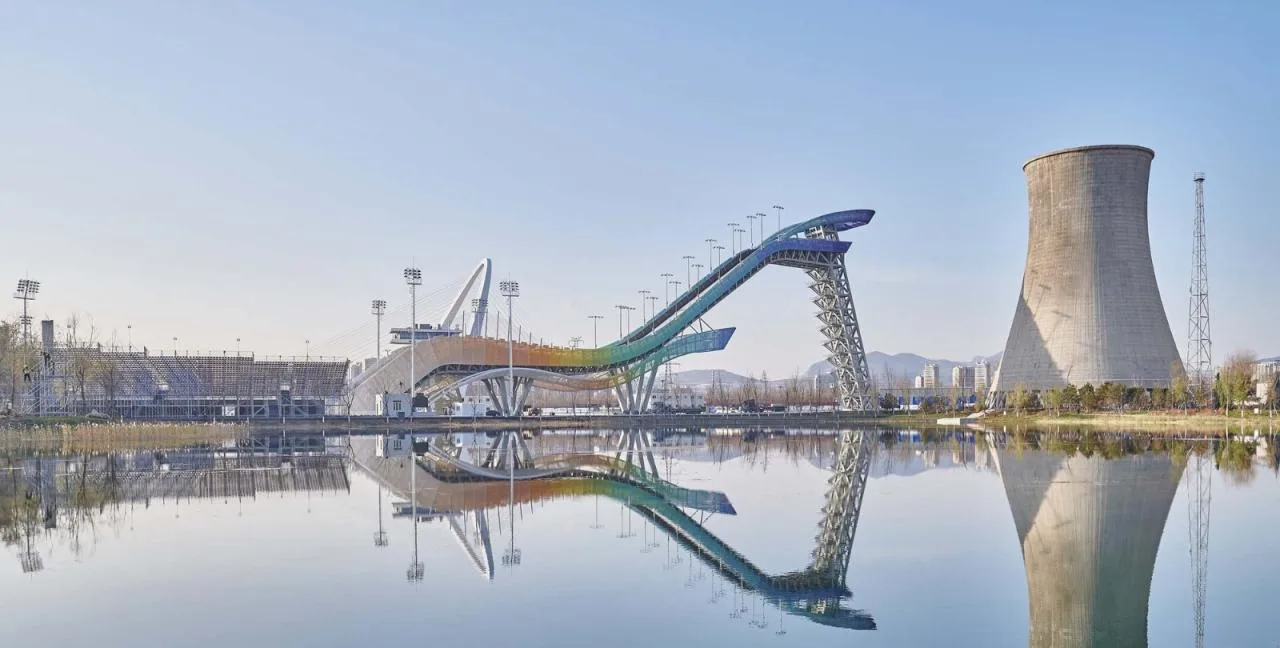
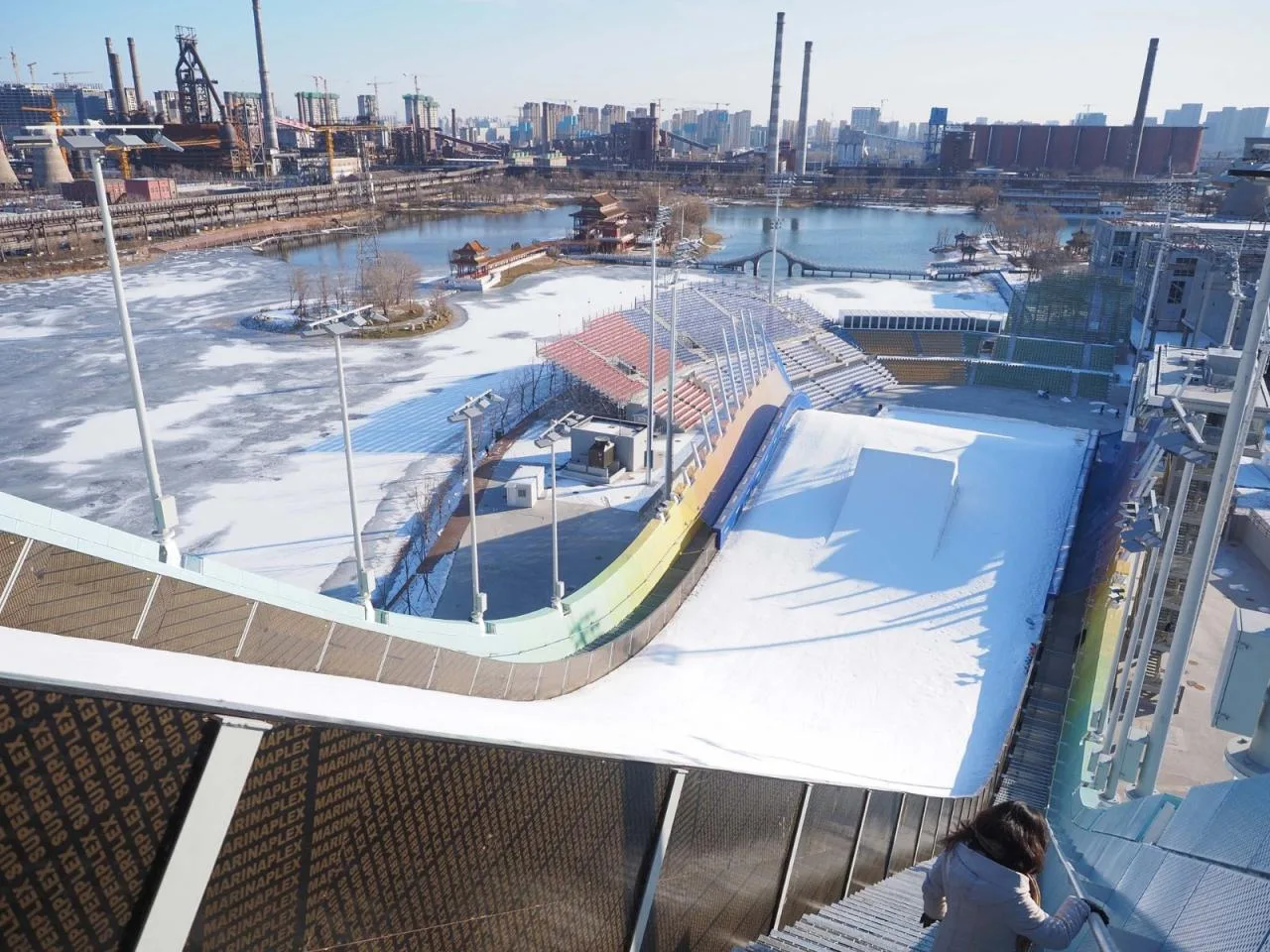
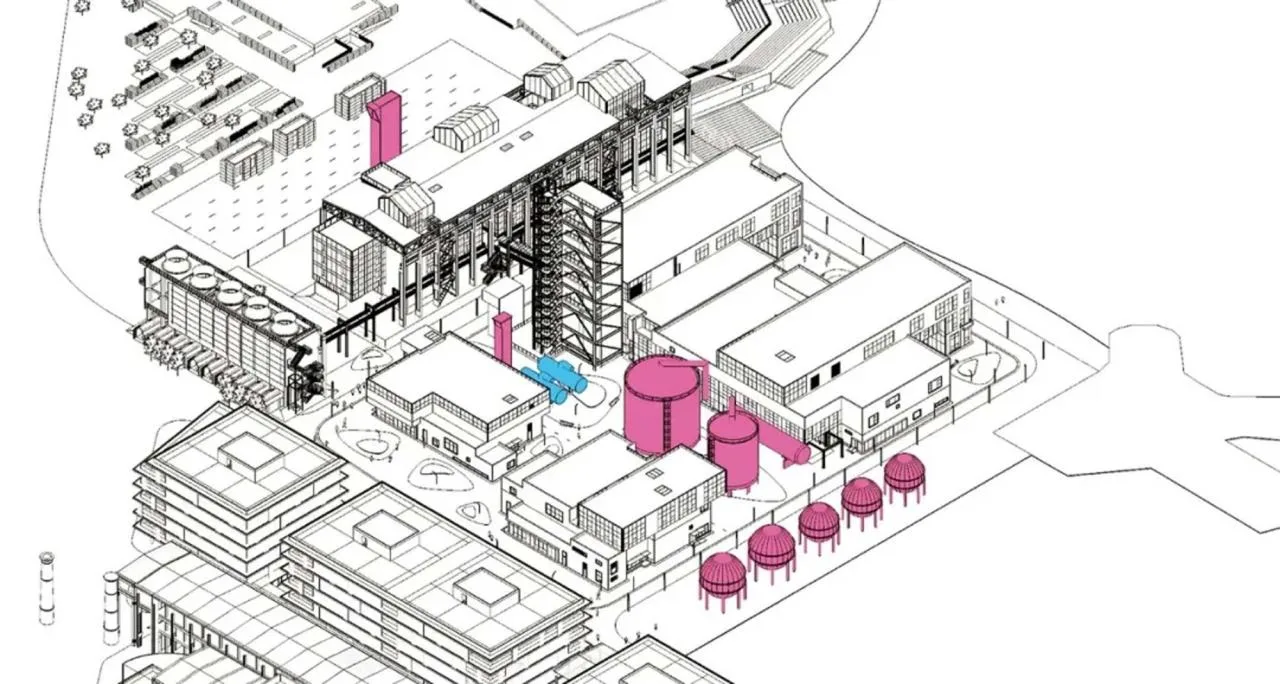
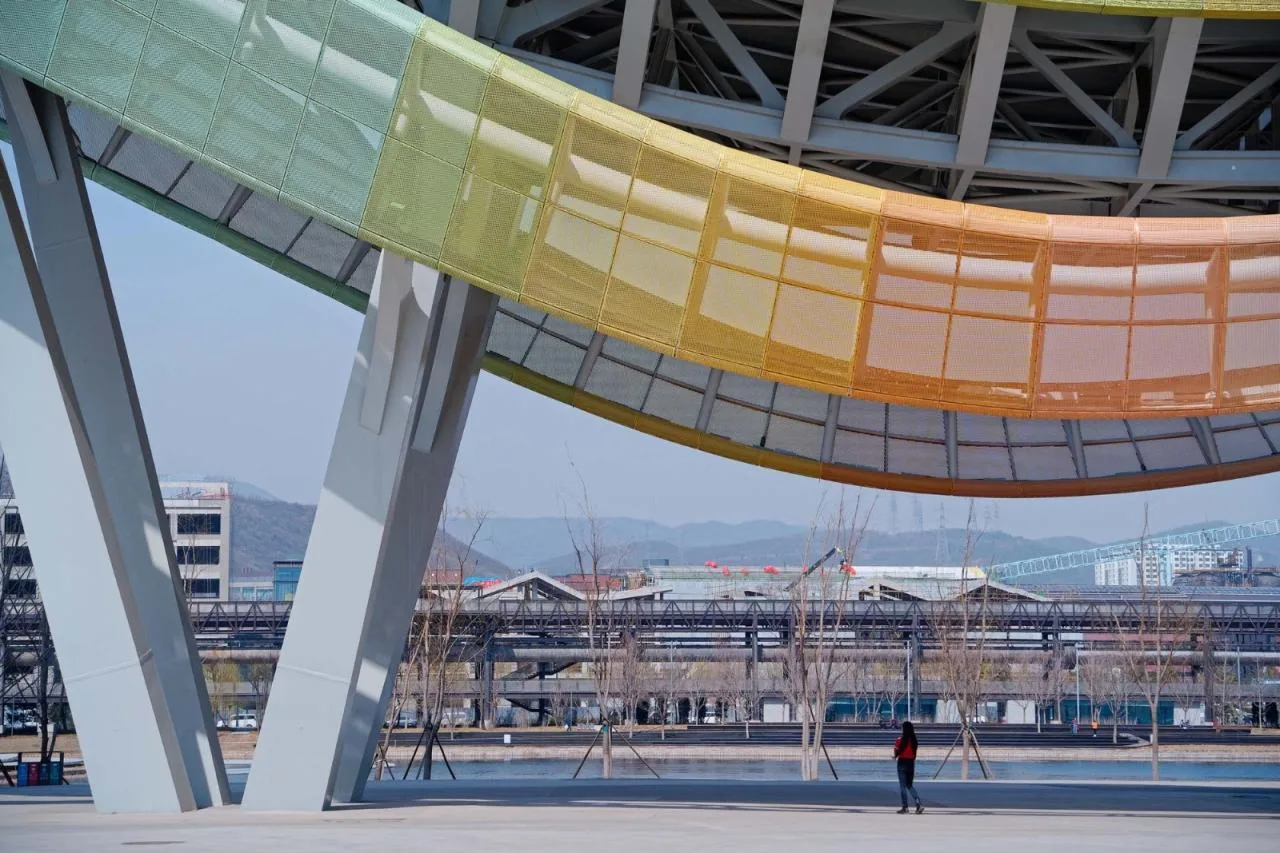
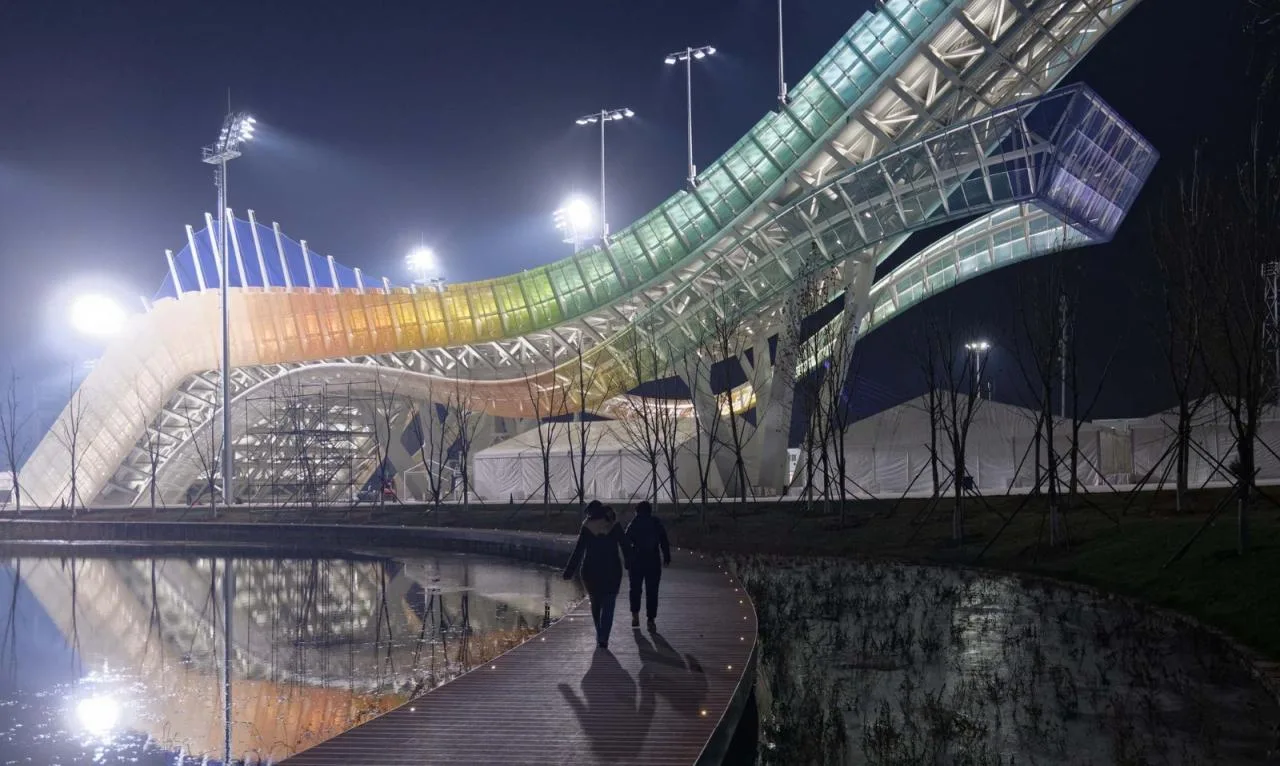
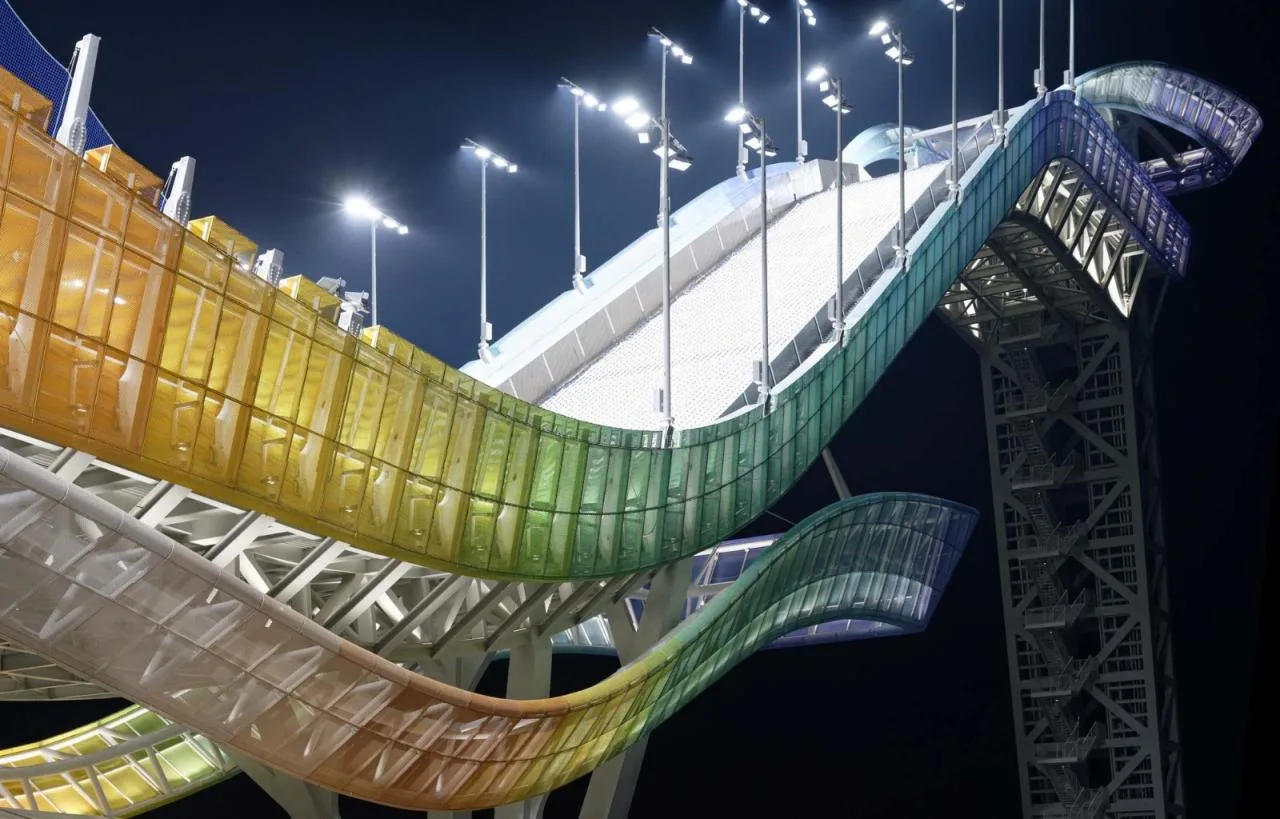
The Shougang Ski Jumping Platform is the world’s first Winter Olympics venue situated within an industrial site, and the first permanent facility for ski jumping competitions. Its design integrates the renovation of the Olympic venue with key components of the original steel plant, including the oxygen plant, cooling pumps, and an air separation tower, all arranged along the industrial drying pool shoreline of Qunming Lake.
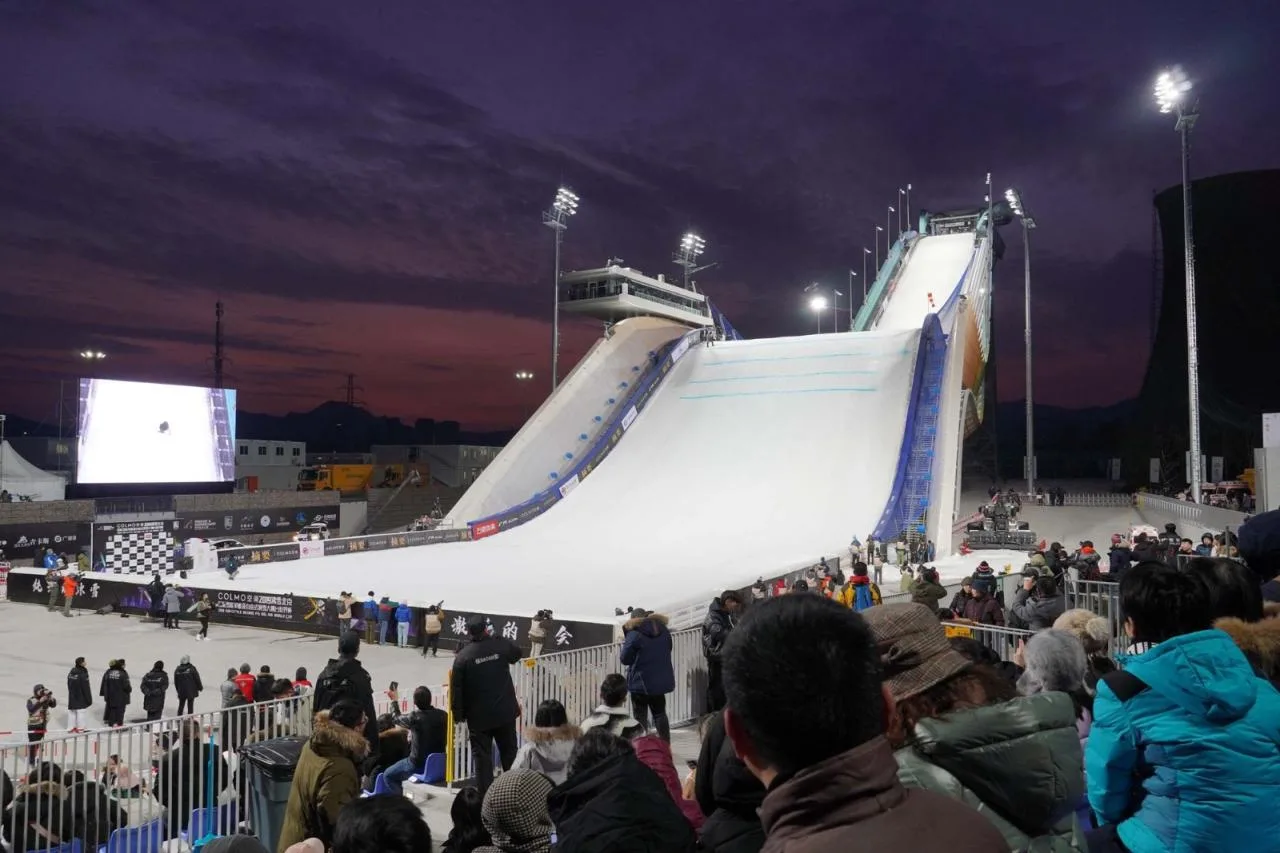
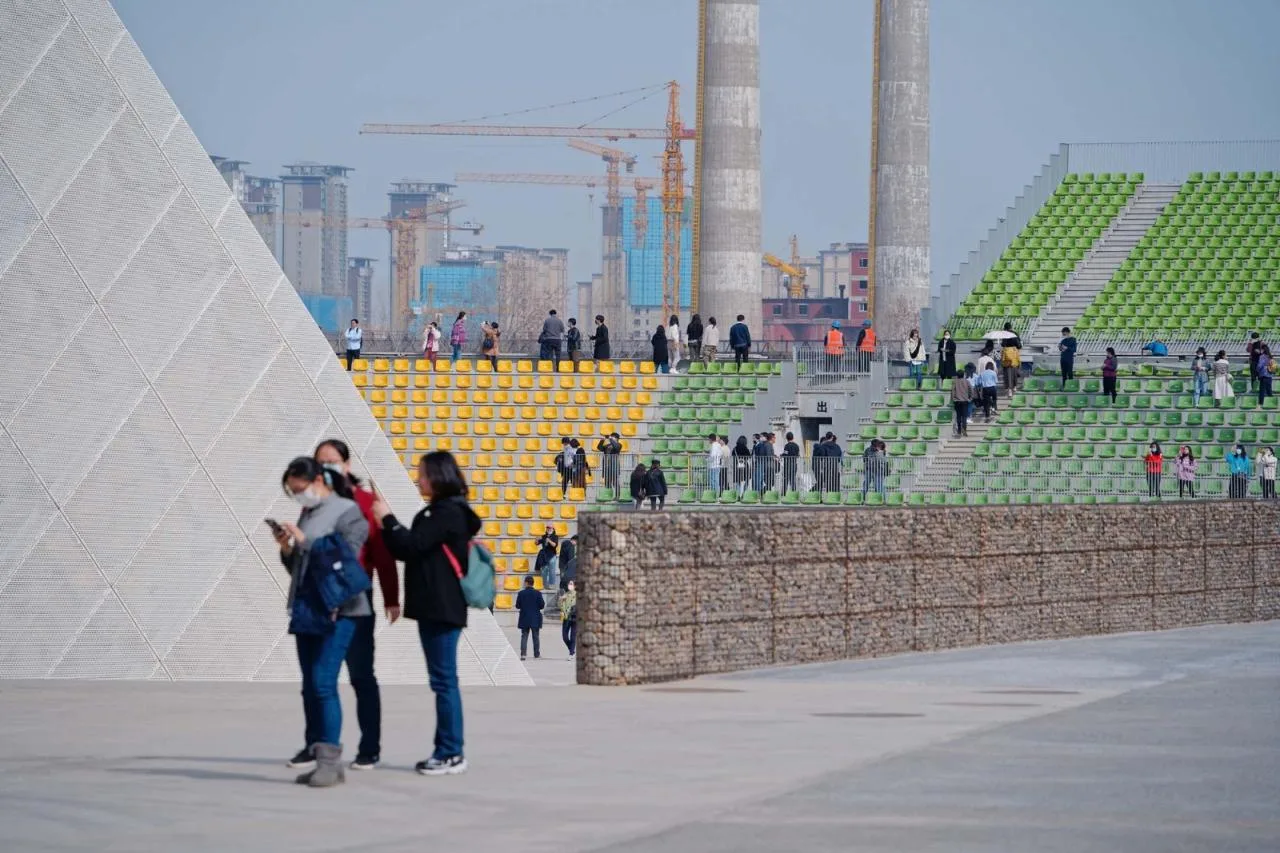
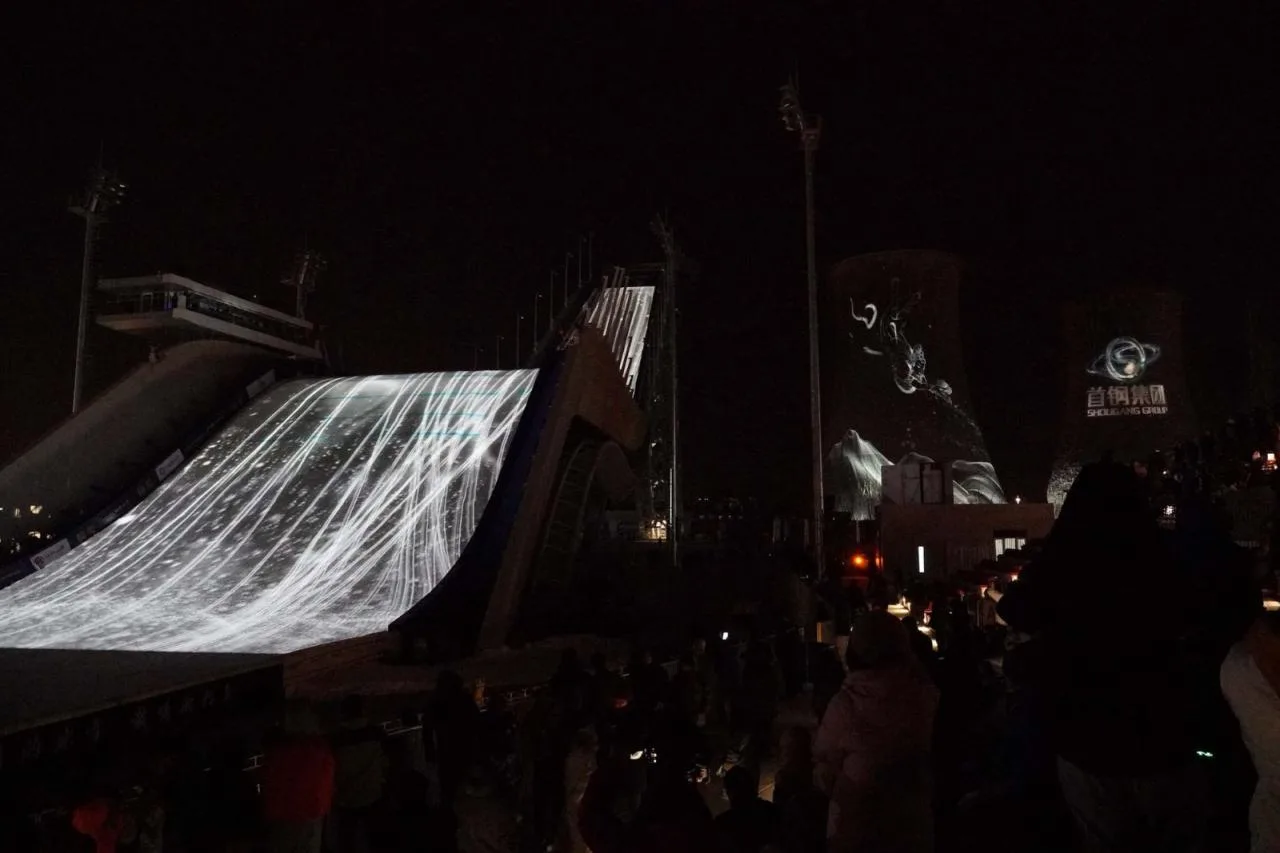
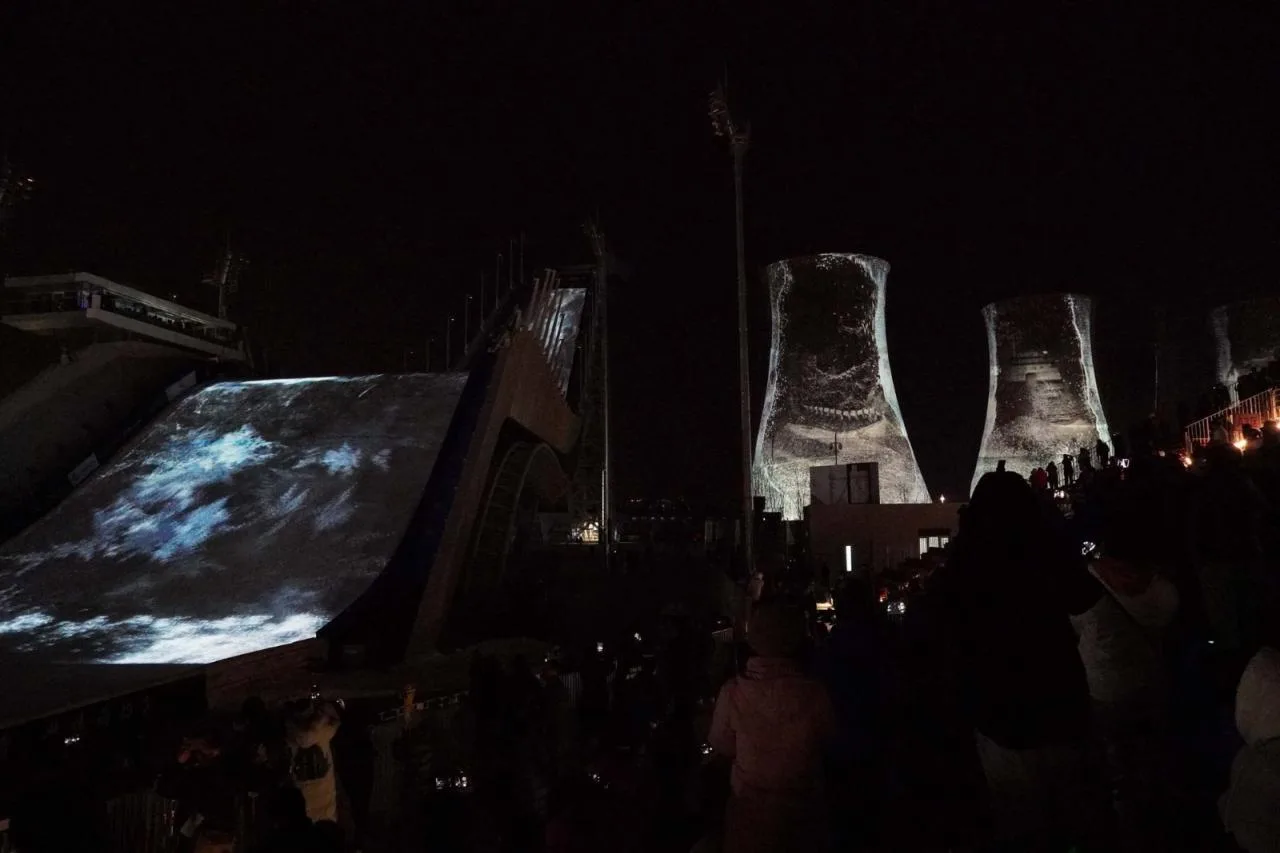
The snowboarding track is strategically located in a wind shadow created by four iconic cooling towers. Notably, the finishing area and part of the nearly 6,000-seat spectator stands are submerged below the lake’s water level. Additionally, the northern area of the oxygen plant has been repurposed into the spectator service center for the Beijing 2022 Winter Olympics.
Snowboarding ski jumping is a relatively recent addition to the Winter Olympics, officially debuting at the 2018 Pyeongchang Games and held at the Alpensia Ski Jump Stadium. Interestingly, this competition venue was constructed as early as 2009, ahead of Pyeongchang securing the Olympic hosting rights, to support their bid.
Studies have shown concerns regarding the sustainability of such venues due to the absence of post-competition reuse plans and lack of coordinated construction. The specialized nature of ski jumping, along with the technical demands of large ski jumping facilities, limits accessibility for non-professional athletes, posing challenges for long-term utilization.
Without early-stage flexible design and planning for venue variability and ancillary facilities, venues like the Alpensia Ski Jumping Center risk becoming vacant and underutilized post-Olympics. These lessons influenced the Shougang Ski Jumping Platform to proactively address sustainability issues across planning, design, construction, and operation phases.
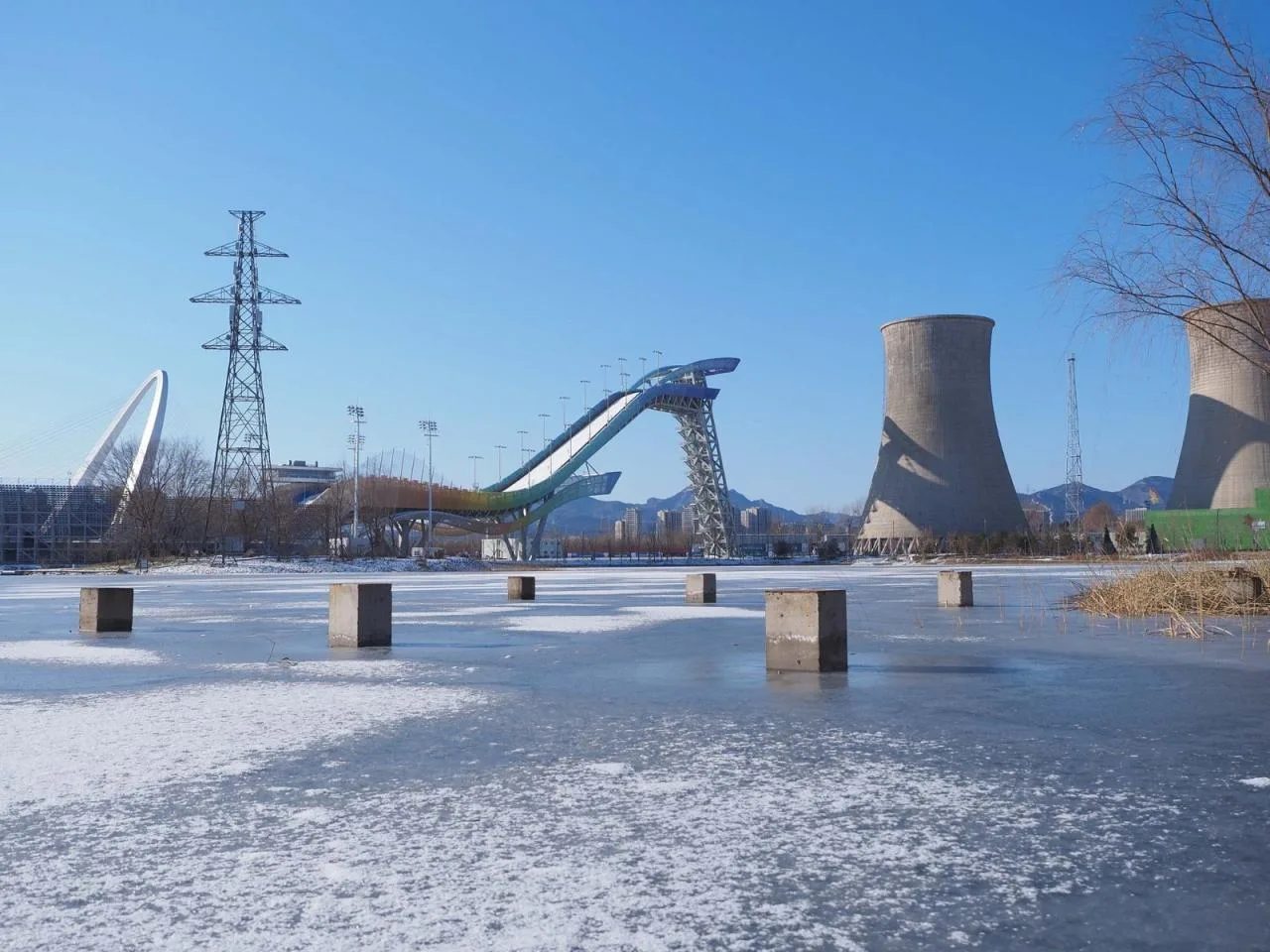
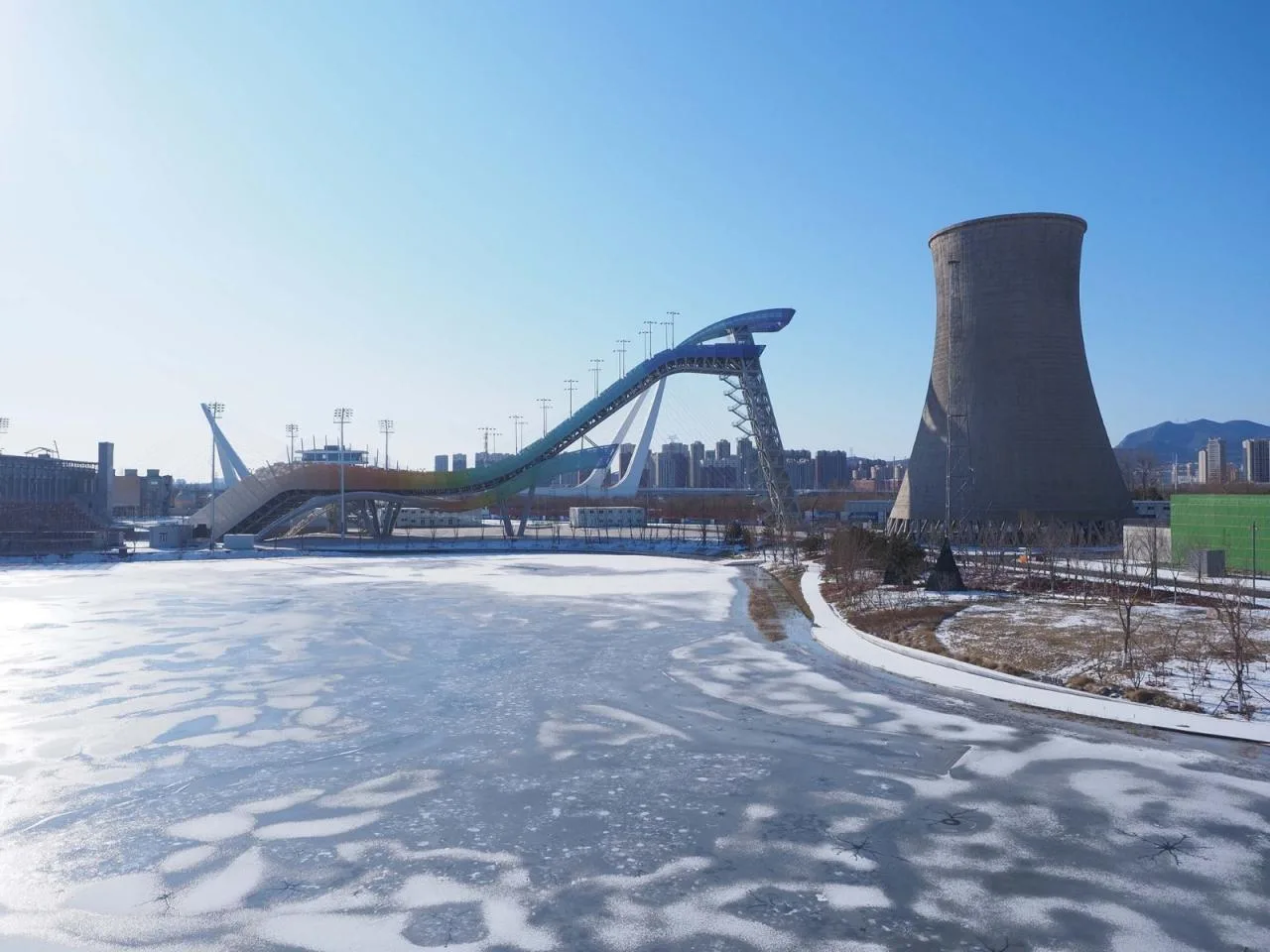
To meet the comprehensive sustainability goals of the Beijing 2022 Winter Olympics, the planning and design of the Shougang Ski Jumping Platform and the Qunming Lake area leverage the adaptive reuse of Shougang’s industrial heritage.
At a macro level, the project aims to reshape Beijing’s western skyline and preserve Shougang’s industrial legacy. From a broader perspective, it integrates the Olympic Games with the economic development of western Beijing, addressing the industrial park’s transformation and upgrading needs. Core focuses include landscape design, water conservation, and the development of a slow-traffic system to restore the industrial area’s ecology.
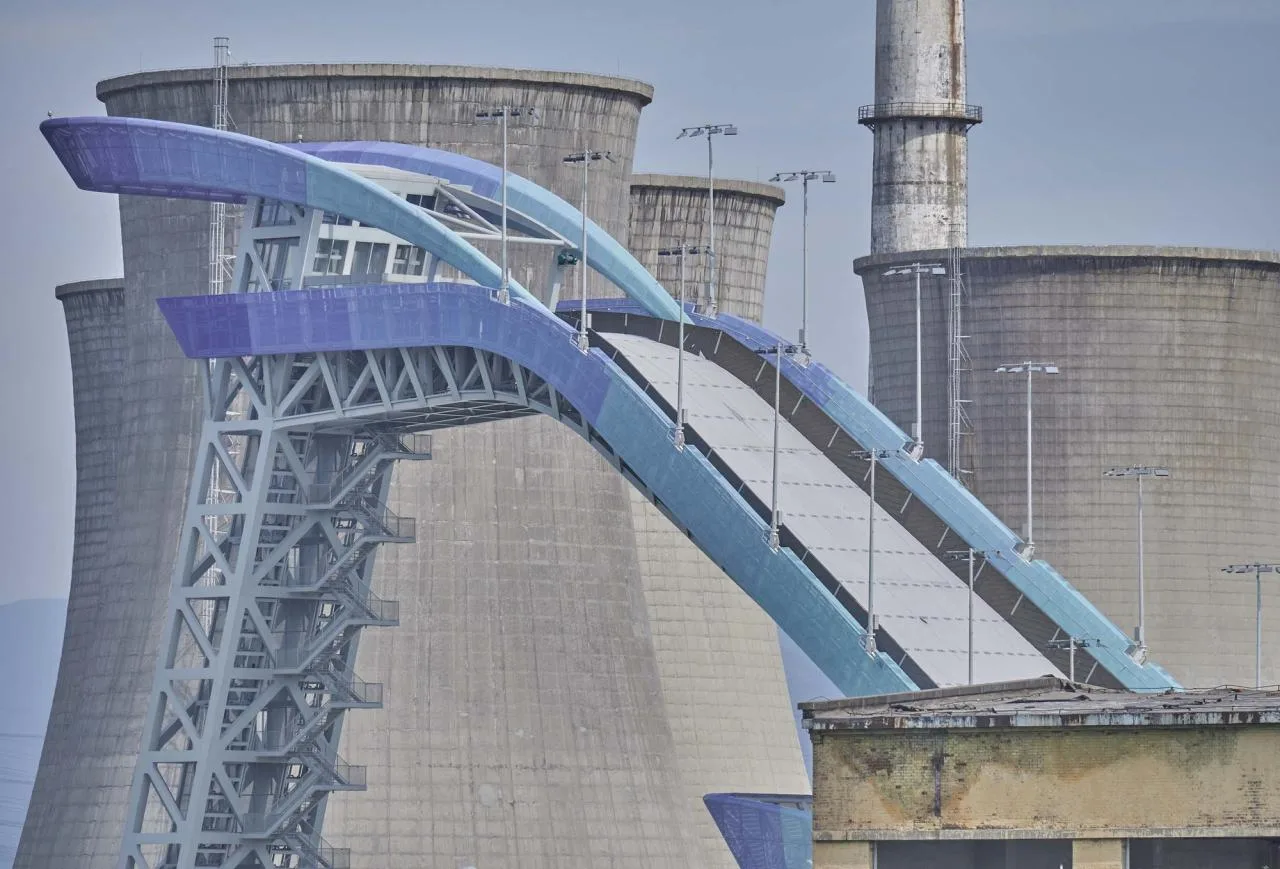
At a medium scale, the incorporation of Chinese cultural elements within the jumping platform enhances cultural identity and pride among urban residents.
Simultaneously, the renovation and expansion of industrial plants reflect a commitment to preserving and utilizing industrial heritage. The venue operates year-round, balancing sustainable Olympic facility construction during and after the Games. The park is open to the public, offering cultural activities that serve both the city and local communities.
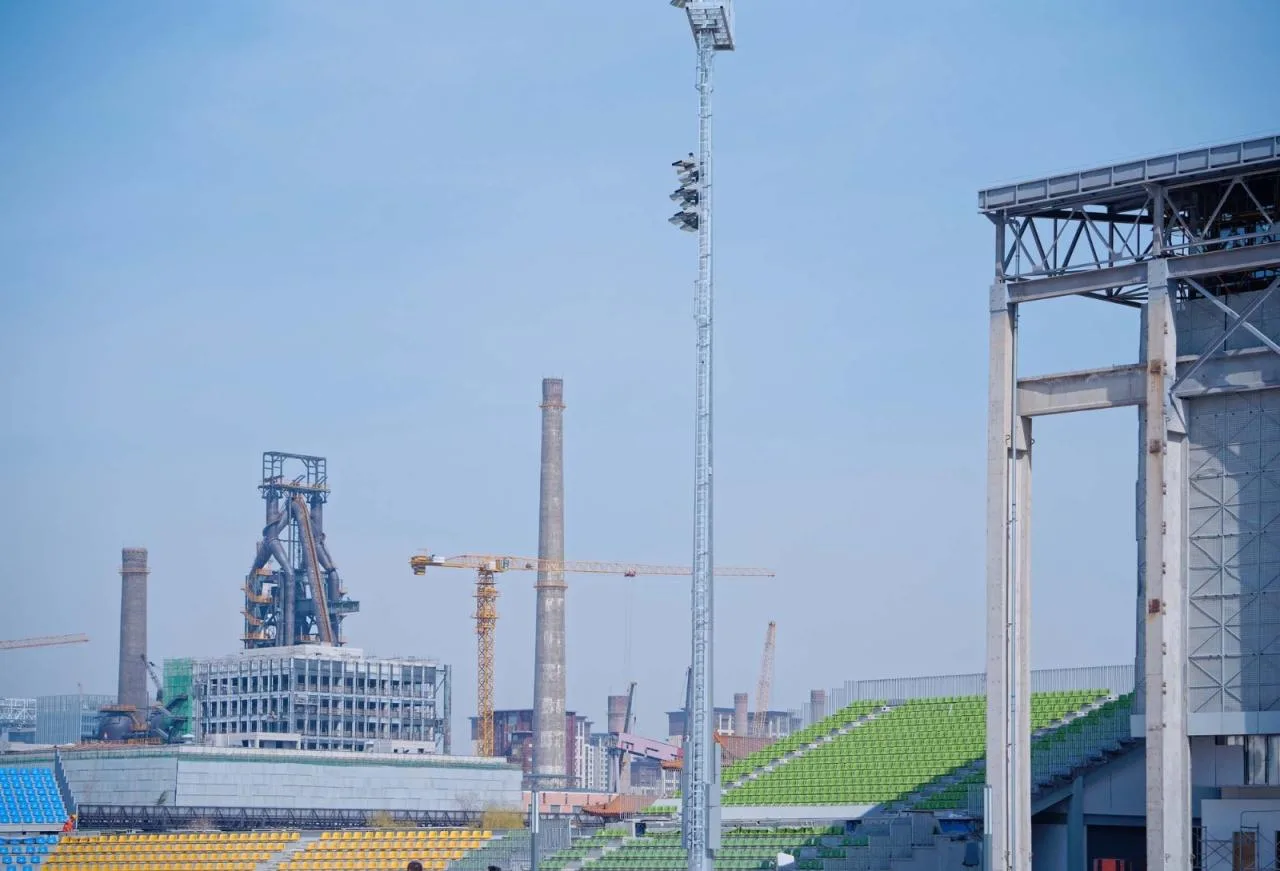
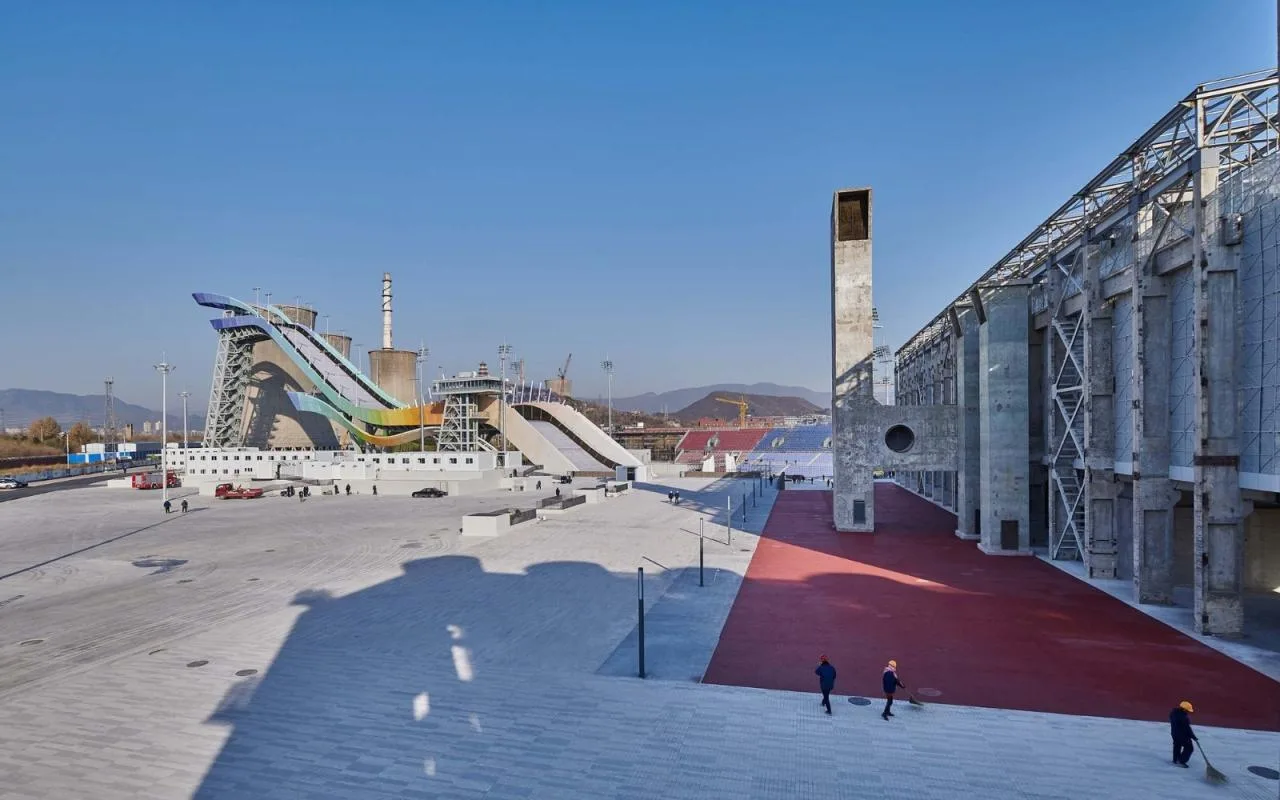
At a micro scale, design considerations include preserving the variability of the track profile, ensuring referee tower safety and comfort, incorporating partially removable stands, and using prefabricated construction methods. These measures aim to maximize athlete performance while meeting safety and comfort standards for officials.
Sustainable practices are embedded throughout construction and use, positioning the Shougang Ski Jumping Platform and Qunming Lake area as exemplary models for urban renewal in Beijing.
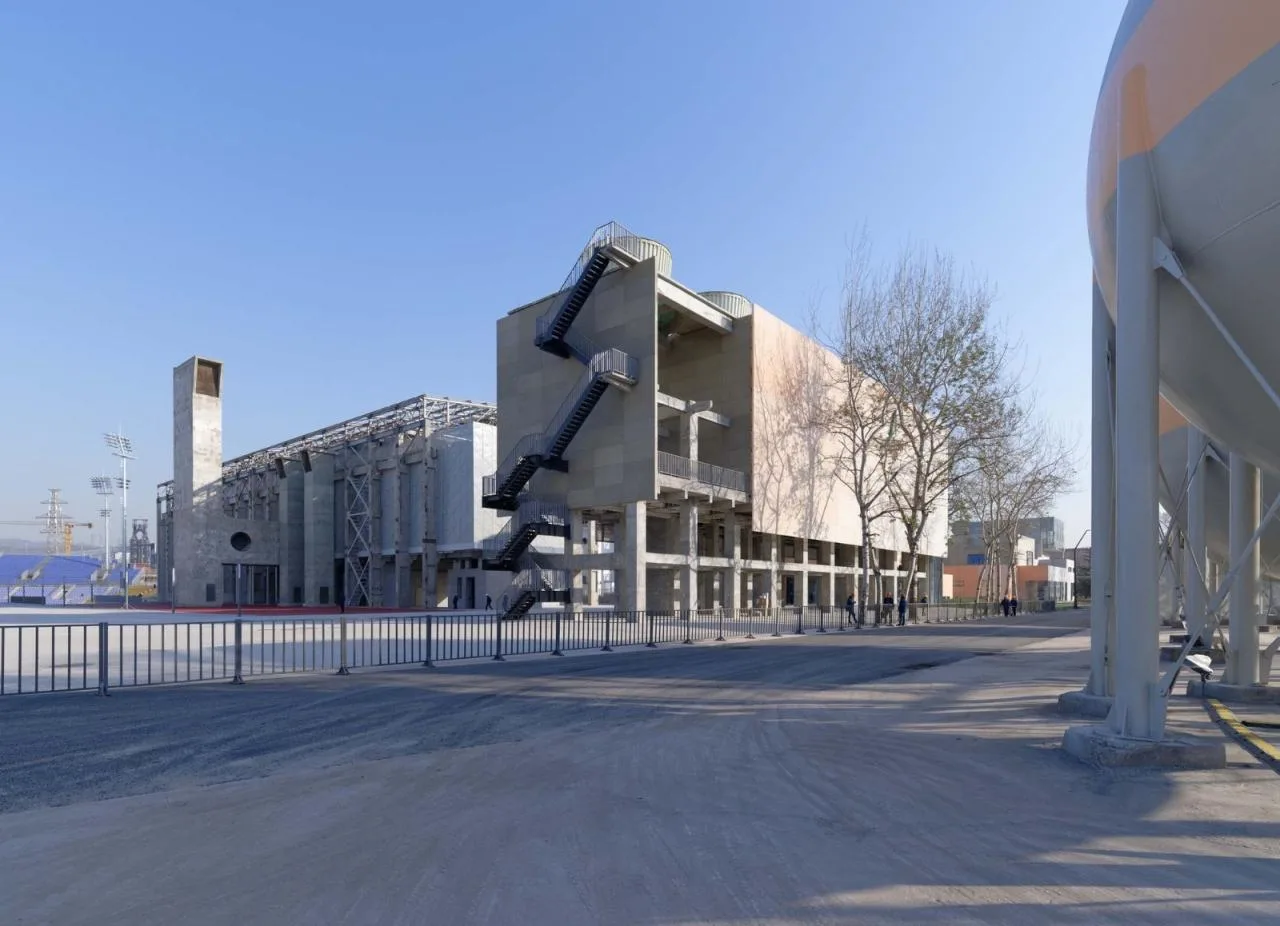
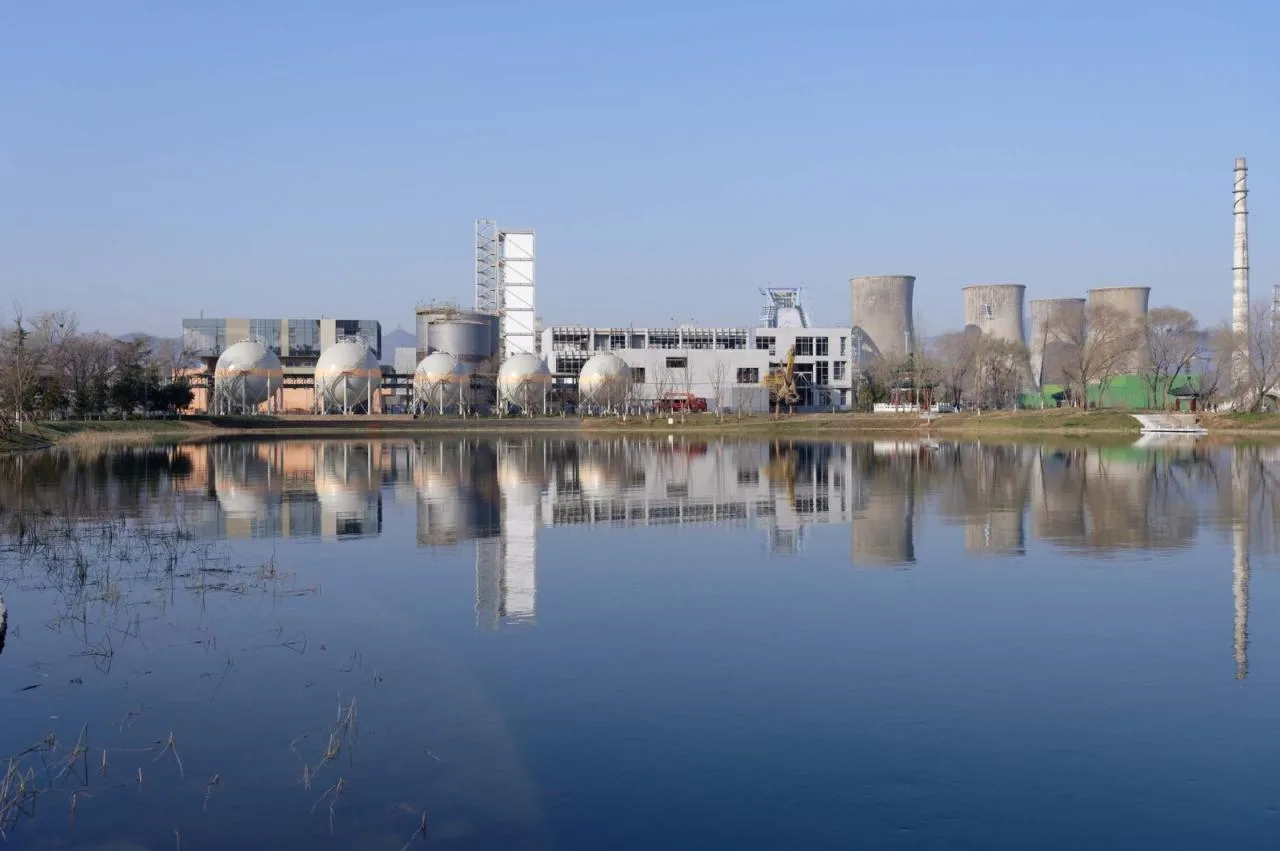
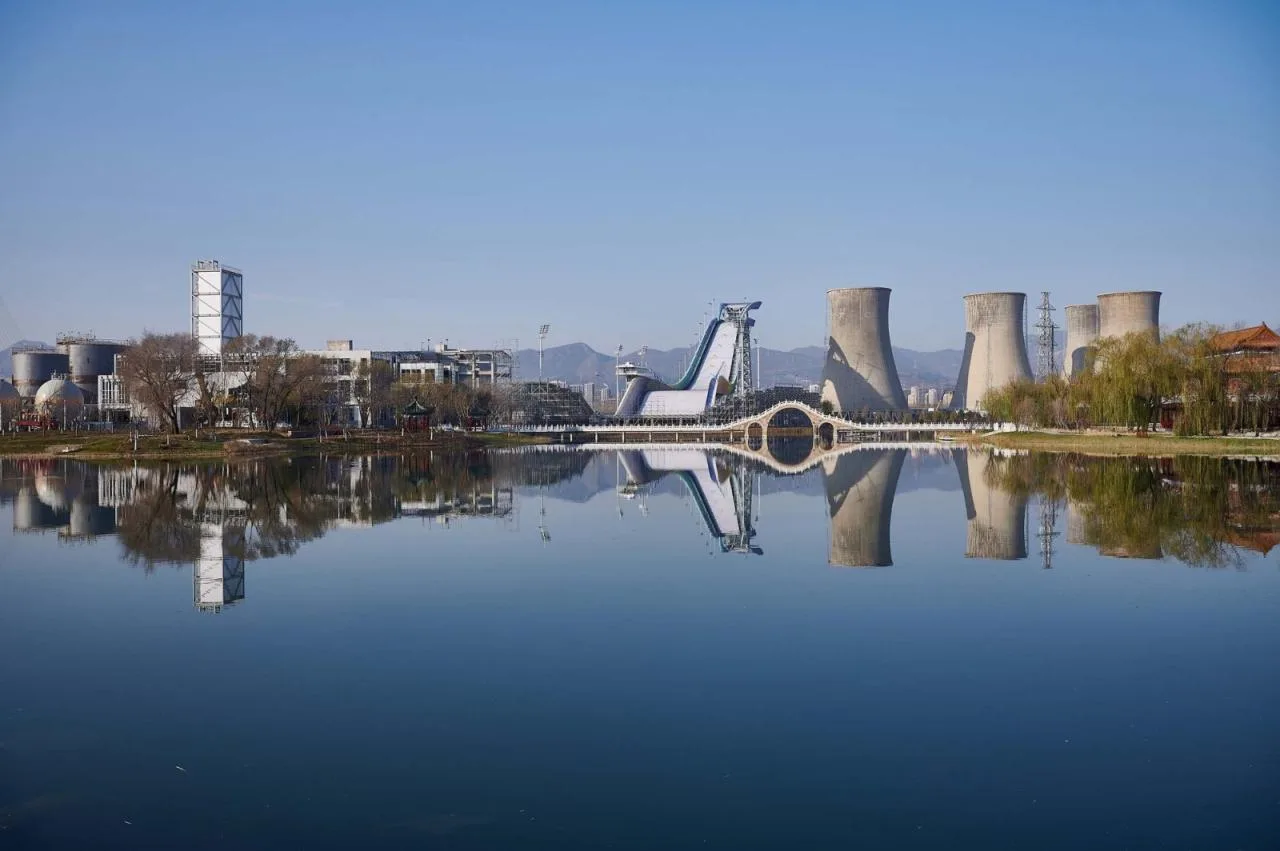
Project Drawings
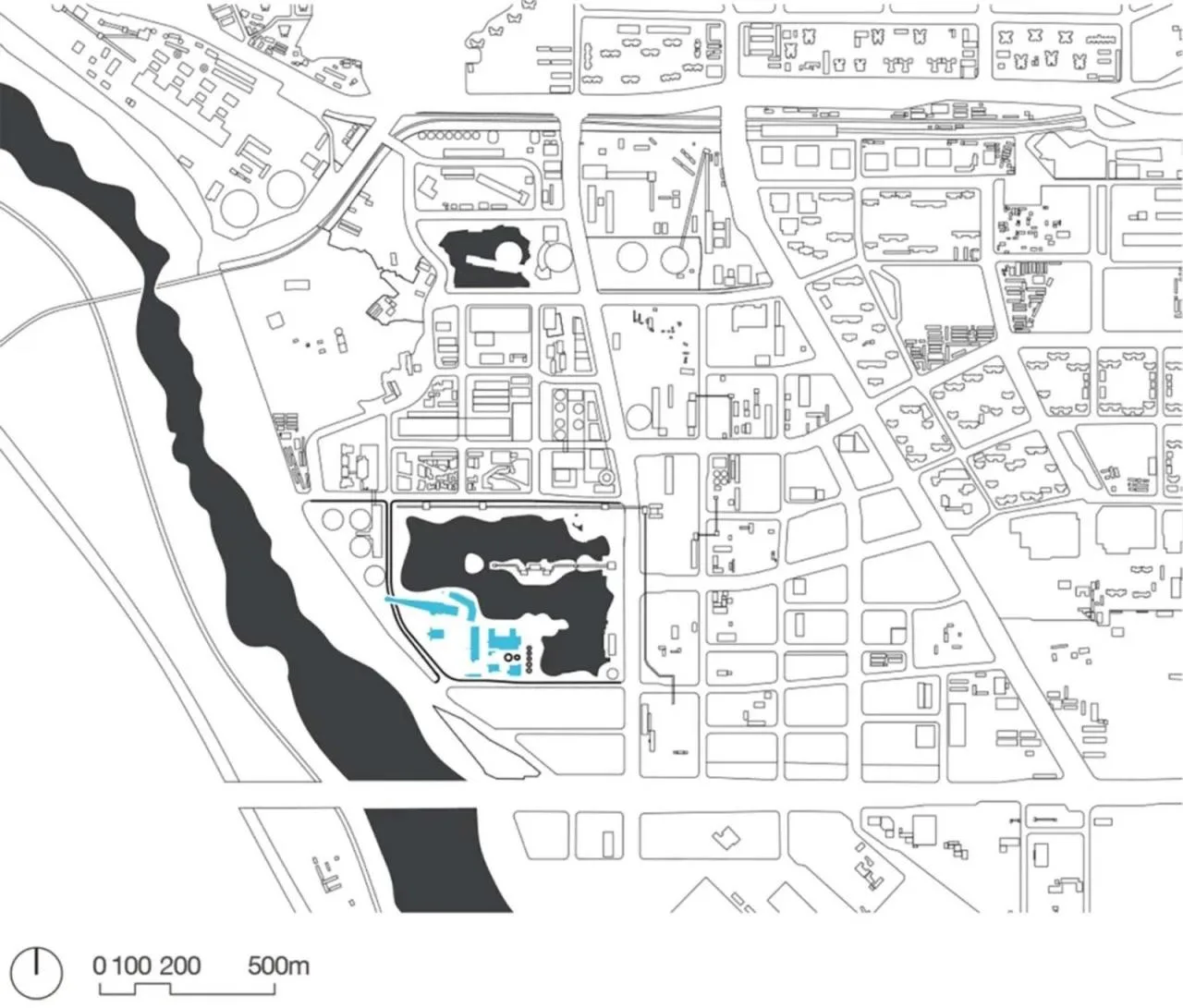
△ Project Location Map
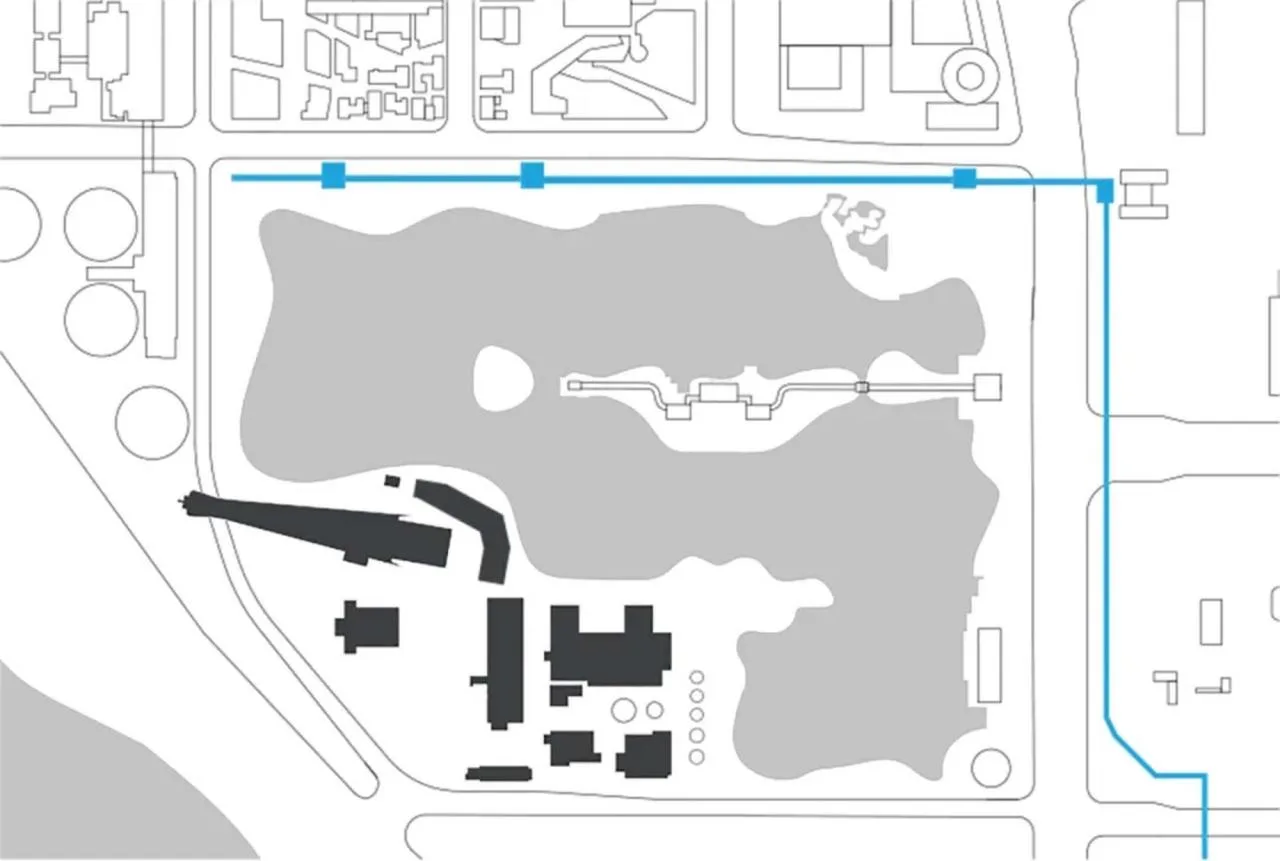
Overview of the High Line Park
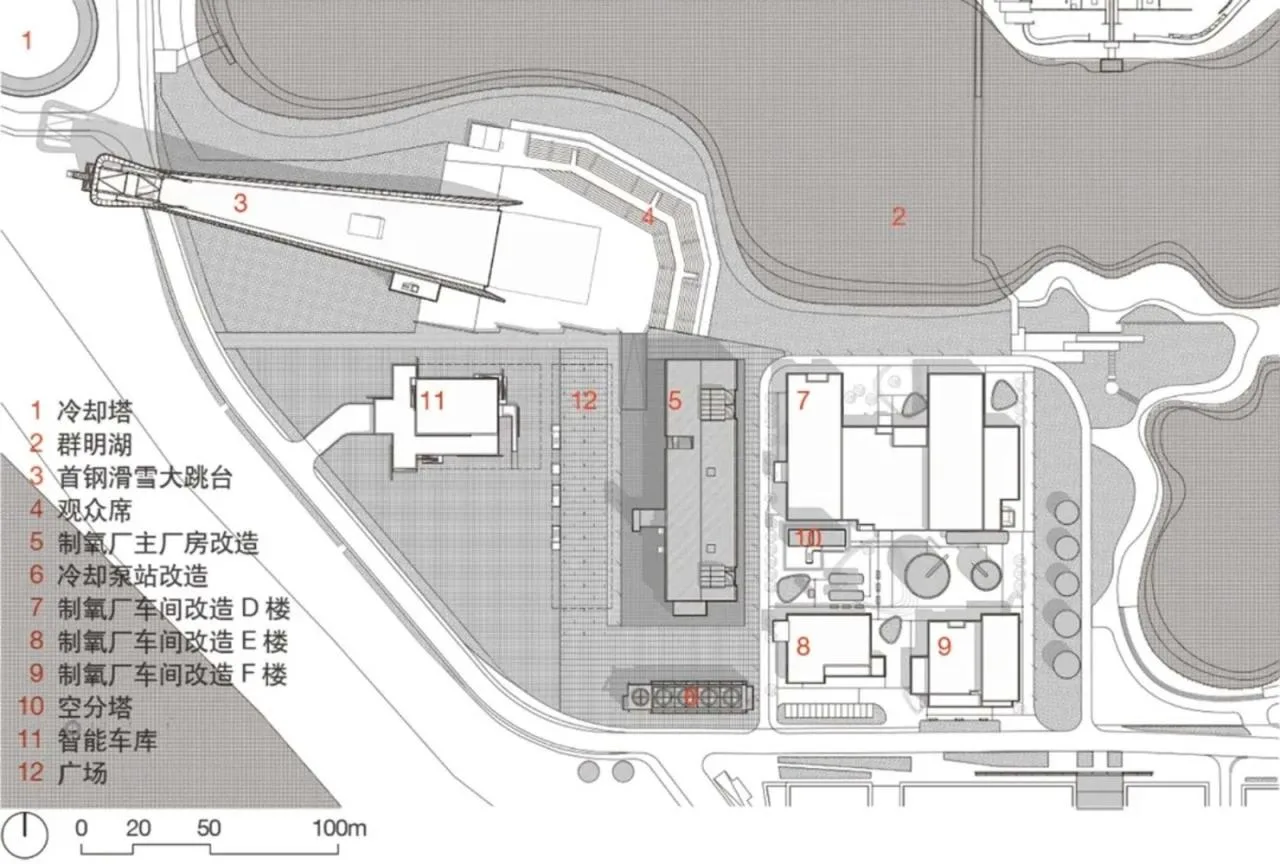
△ General Layout Plan
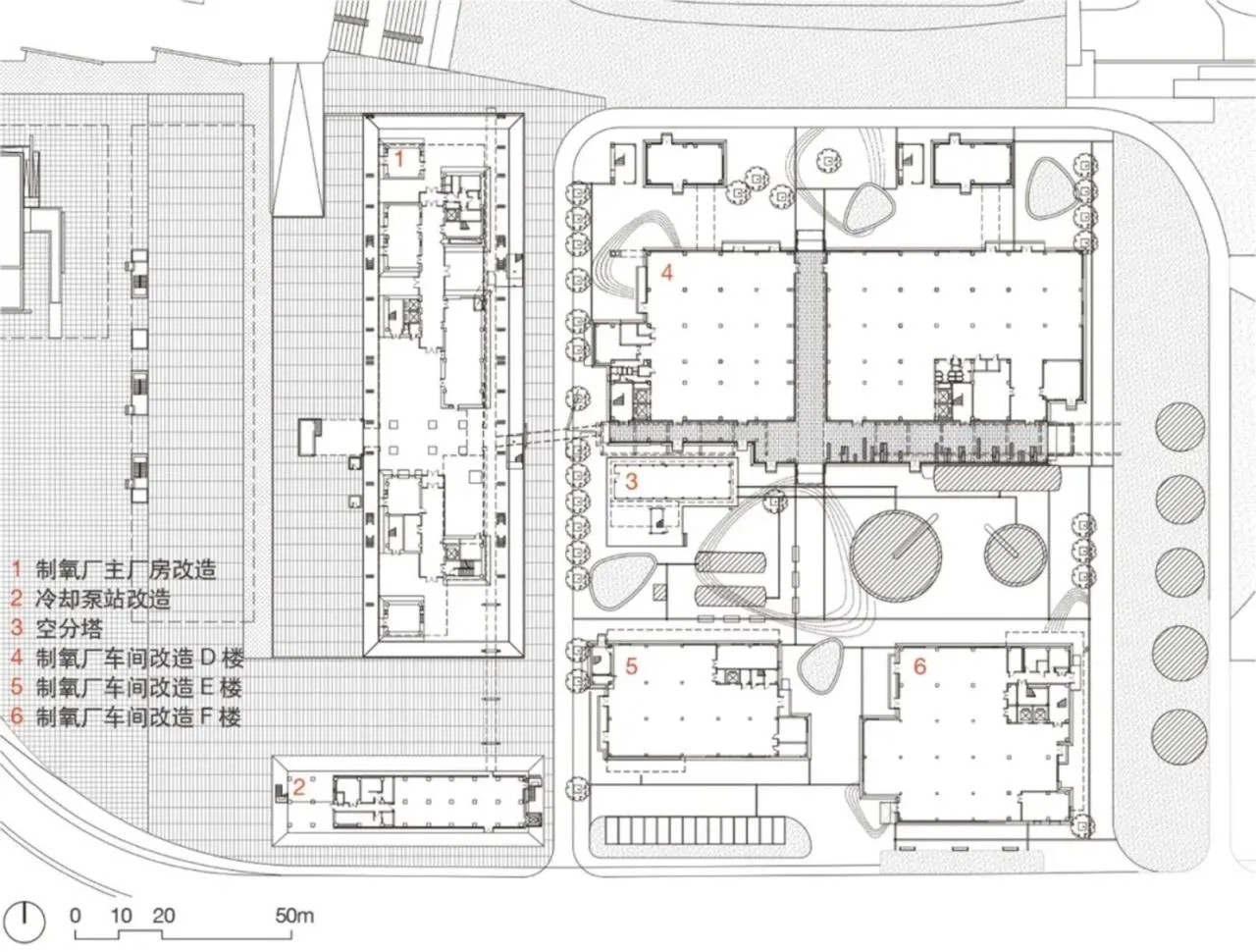
Plan of Plot 048 for Oxygen Plant
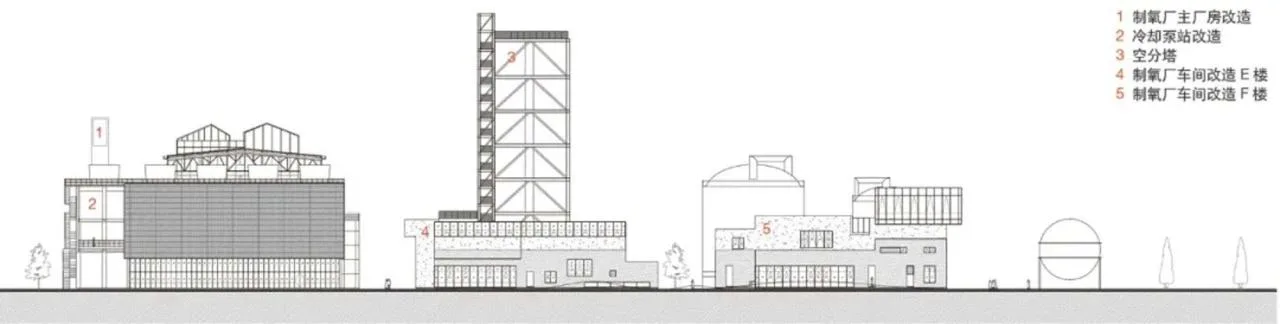
△ South Facade of Oxygen Plant 048 Plot
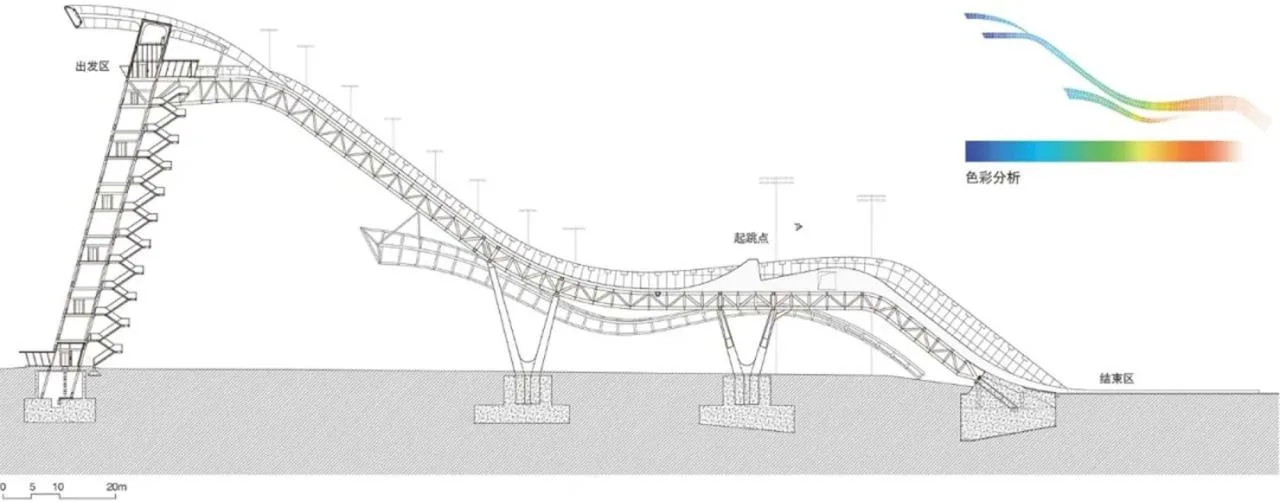
△ Section Diagram
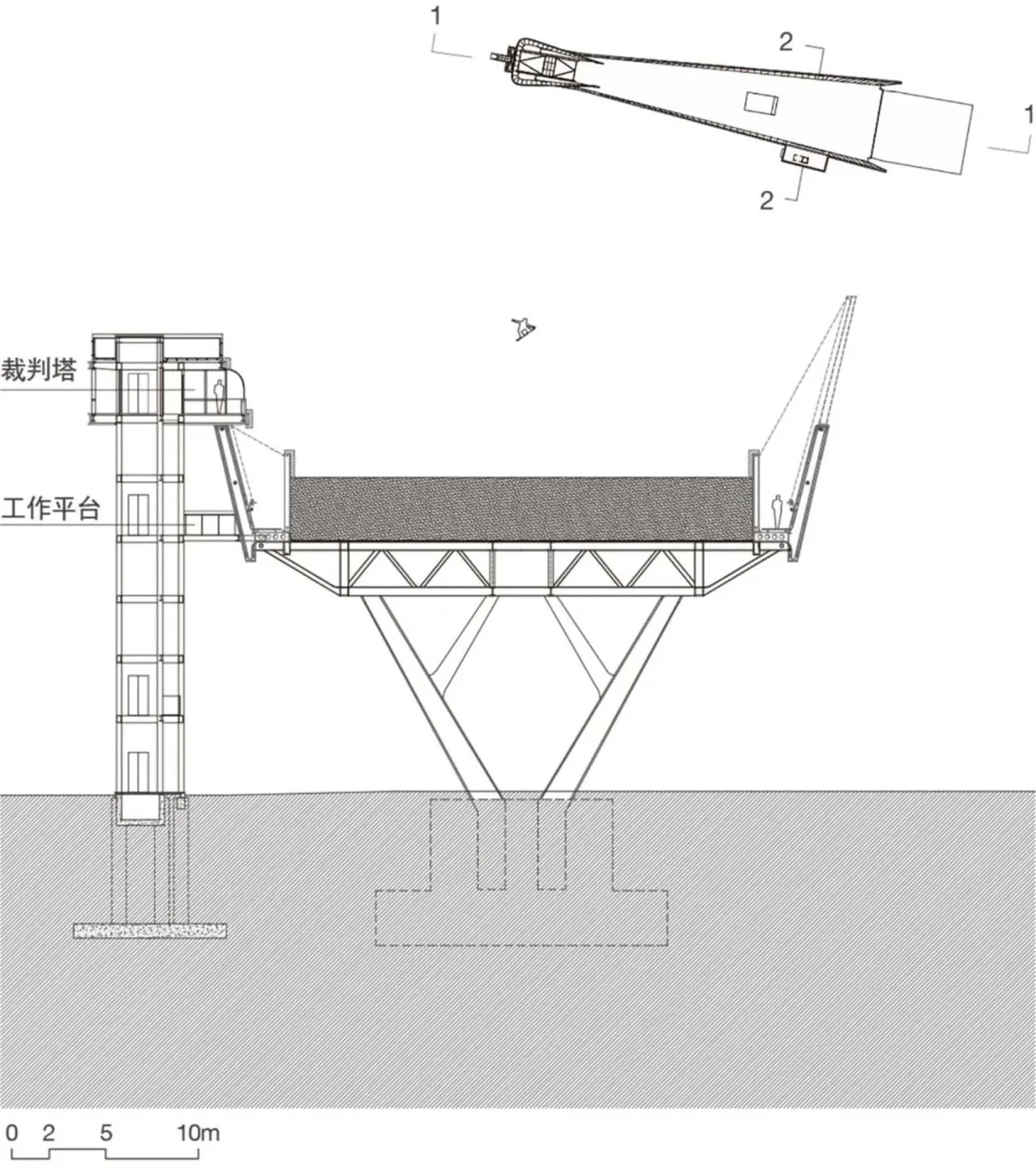
△ Section Diagram
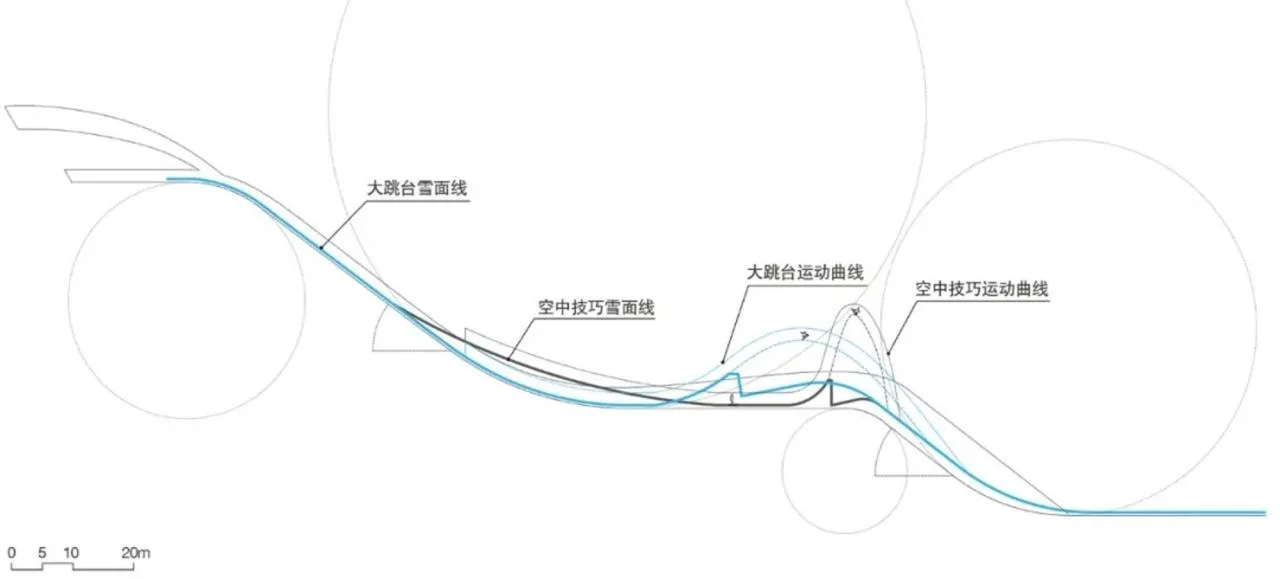
△ Variable Competition Profile Curve of Shougang Ski Jumping Platform
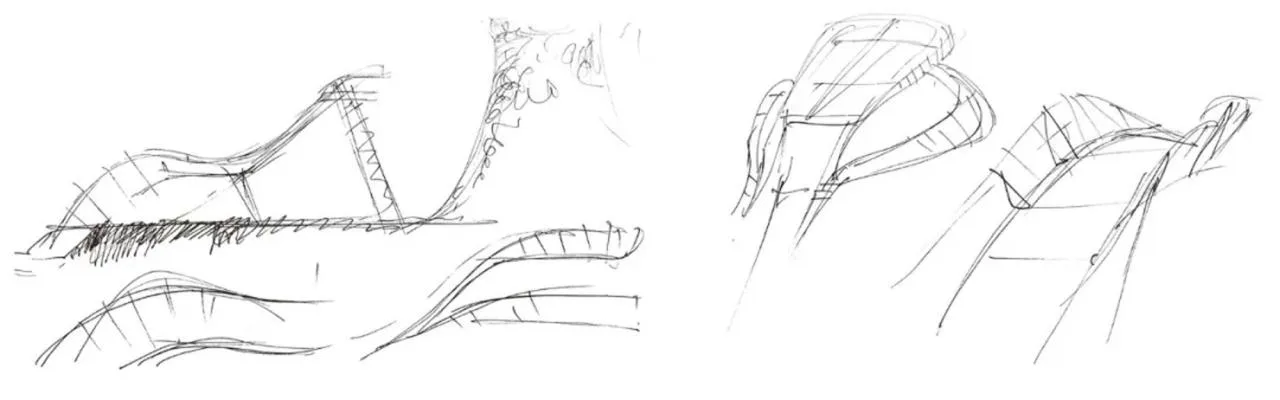
△ Sketch of Large Jumping Platform with Partial Windproof Protective Net
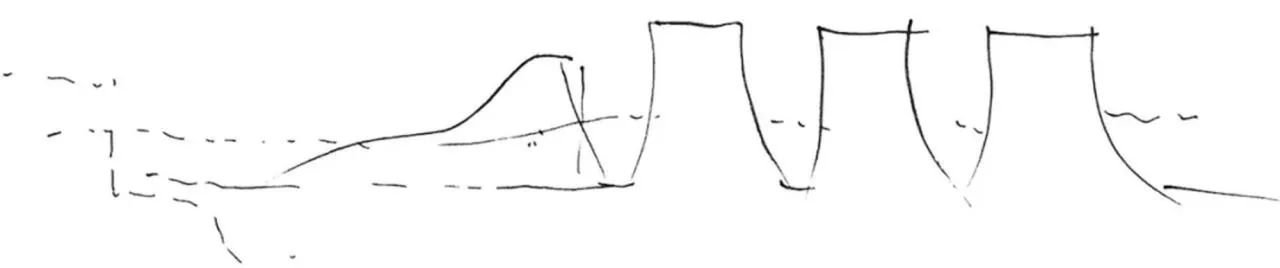
△ Diagram Showing the Relationship Between the Jumping Platform and Cooling Towers
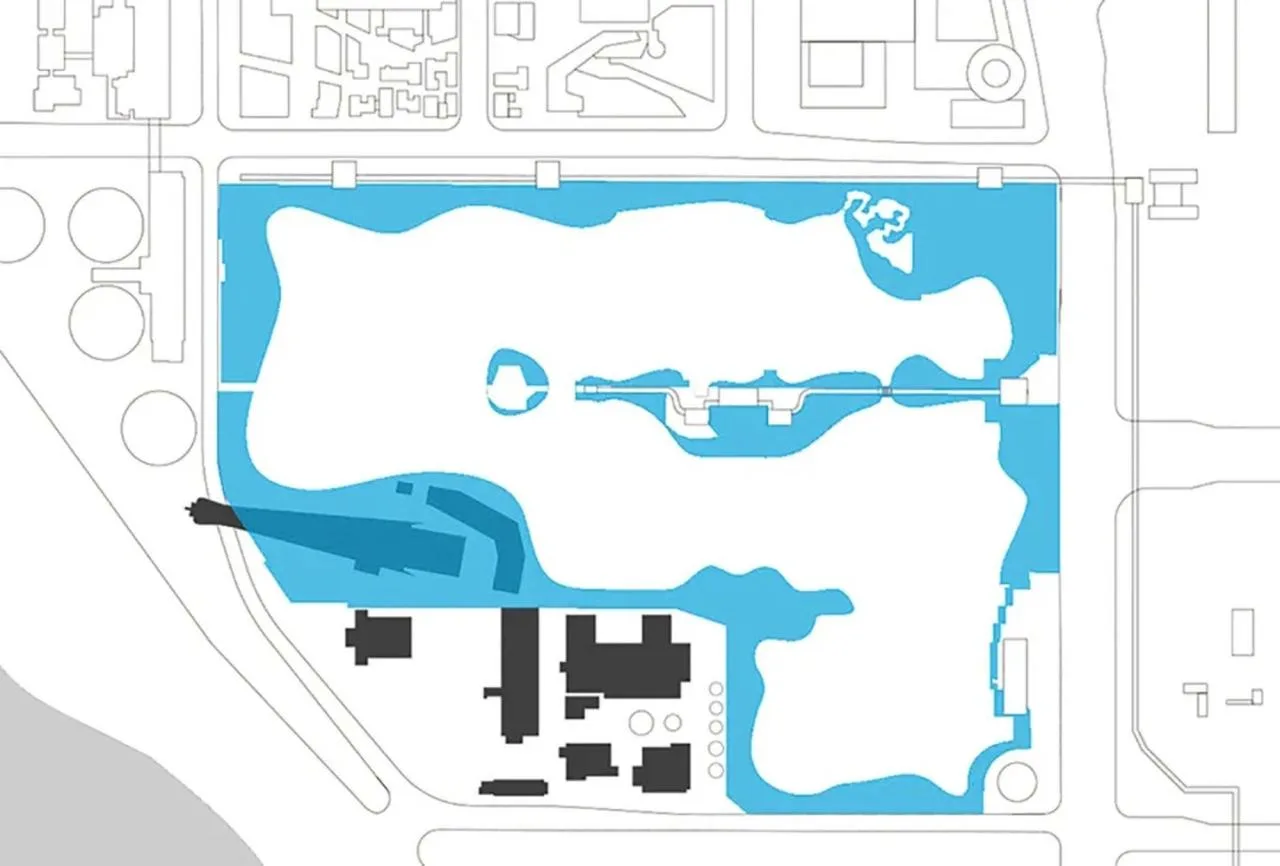
Analysis of Qunming Lake Shoreline Changes Before and After Renovation (Blue Areas Indicate Newly Added Waterfront Spaces)
Project Information
Architectural Design: Tsinghua University Architectural Design and Research Institute
Area: 33,000 m²
Project Year: 2019
Principal Architects: Zhang Li, Dou Guanglu, Jiang Xirui, Bai Xue, Pan Xiaojian
Architectural Design Team for Renovation of Competition Supporting Facilities and Oxygen Production Plant (North Area): Li Guo, Pan Anping
Structural Design Team for Renovation of Competition Supporting Facilities and Oxygen Plant (North Area): Xu Qing, Zhai Shasha
HVAC Design for Renovation of Competition Supporting Facilities and Oxygen Plant (North Area): Jia Zhaokai, Liu Huili
Electrical Design for Renovation of Competition Supporting Facilities and Oxygen Plant (North Area): Wang Lei, Zhong Xin
Renovation Plan Design for Main Oxygen Production Plant: Michele Bonino, Politecnico di Torino
Competition Profile Curve and Craft Consultant: Joe Fitzgerald, Davide Cerato
Structural and Competition Technology Consultant for Shougang Large Jumping Platform: Ge Jian
Construction Drawing Project Management for Shougang Large Jumping Platform Body: Meng Xingxing
Owner: Beijing Shouao Real Estate Co., Ltd.
Landscape Design: Zhu Yufan Studio, Tsinghua Tongheng Planning and Design Institute
Lighting Design: Zhang Xin Studio, School of Architecture, Tsinghua University; Musko Lighting Equipment Co., Ltd.
Structural Design: Beijing Gejian Architectural Design Consulting Co., Ltd.
Construction Drawing Cooperation Team: Hangzhou Zhonglian Zhujing Architectural Design Co., Ltd., Beijing Shougang International Engineering Technology Co., Ltd. (Old and Renovated Structures)
Location: Beijing, China















Must log in before commenting!
Sign Up