
From the perspective of a project’s entire lifecycle, the process—from design and construction to operation—is one of continuous optimization. By refining the plan, project quality and schedule are ensured, while investment returns are maximized. It’s important to quantify how optimizing the plan impacts investment returns, so that plan selection is based not only on technical evaluations but also on economic benefits. This approach is especially crucial for projects involving earthwork, steel structures, curtain walls, fine decoration, and installation engineering, where investment is significant, construction complexity is high, and new construction methods are frequently employed. Optimizing the construction plan in these cases can lead to substantial improvements in schedule and cost.
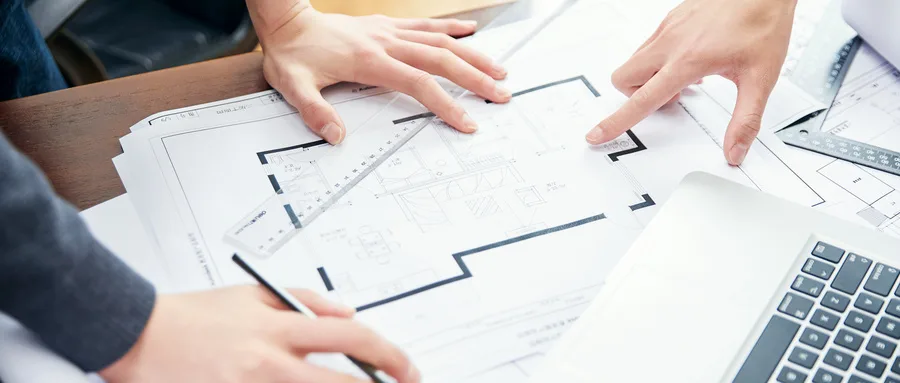
BIM technology enables the visualization and simulation of construction plans through 3D modeling. Using basic information models, it assists in construction and collision detection via visualization tools. On-site construction technicians from various disciplines can effectively analyze the structure and conditions of complex projects, evaluating whether process connections are reasonable. They further assess the feasibility of scheduling and resource allocation plans, continuously simulating and refining the construction plan. This dynamic follow-up and optimization allow for quantitative analysis of project duration and cost, helping to avoid unexpected issues and unnecessary losses during construction.
BIM-driven plan optimization spans all stages—from project initiation to final acceptance—providing comprehensive information on geological exploration, spatial relationships, dimensions, and environmental considerations. It supports real-time updates, playing a crucial role in optimizing key project milestones. Since no project is completed by a single designer, conflicts between different disciplines and designers often result in construction drawings that do not meet on-site requirements. The purpose of BIM collision detection is to identify these conflicts early, allowing timely resolution to minimize rework, project delays, and cost overruns.
Before construction begins, various professional models are collected and analyzed using specialized collision detection tools to produce detailed reports. Designers from all involved disciplines collaborate to discuss and resolve these issues, ultimately achieving a 3D model free of collisions, ensuring smoother construction and improved project outcomes.
















Must log in before commenting!
Sign Up