
The design team is responsible for preparing design documents and preliminary budget reports based on the requirements outlined in the design task book. They must work closely with the construction team to stay updated on the implementation of the design documents. If design modifications are necessary, the design team is accountable for preparing the revised designs.
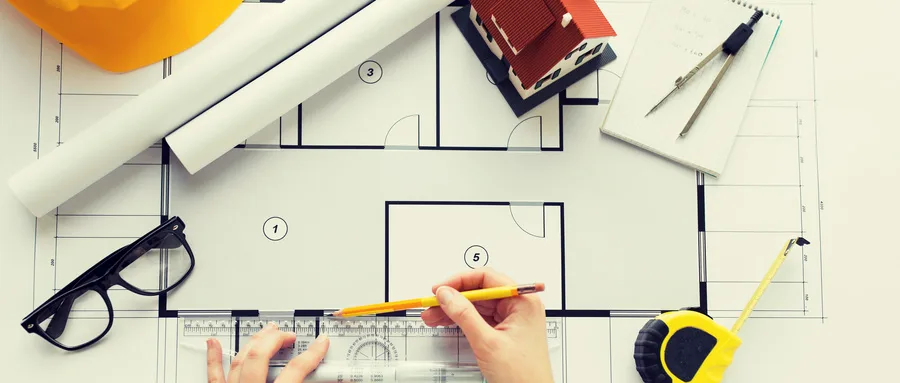
The management responsibilities of the design unit primarily take place during the design phase, aiming to serve both the overall project goals and the unit’s own interests. Achieving the project’s investment objectives is closely linked to effective management. Additionally, the lead design contractor must coordinate other subcontracted design teams to ensure reasonable workflows, unify design standards, submit materials on schedule, and oversee the project’s overall design, beyond just their individual tasks.
Within a BIM environment, design teams are expected to adopt forward-thinking design approaches. However, China is currently transitioning from traditional 2D design to 3D dynamic visualization. The adoption and promotion of new technologies require market acceptance over time before fully replacing traditional methods. From an engineering and technical perspective, this shift—from 2D drawings to 3D models, from graphic to spatial design, and from segmented to integrated design—demands continuous learning and exploration by designers.
At present, during the design phase in China, most work remains divided between project designers and BIM modeling specialists: project designers focus on design, while BIM professionals handle the modeling. As providers of the project’s fundamental data, design units must deliver precise and comprehensive information, laying a solid foundation for subsequent project stages. Beyond supplying construction drawings, design teams are also responsible for the accuracy and quality of the submitted BIM models.
















Must log in before commenting!
Sign Up