
The entire process of design, construction, and operation is an ongoing cycle of continuous optimization. BIM technology serves as a powerful platform to facilitate and enhance this optimization process.
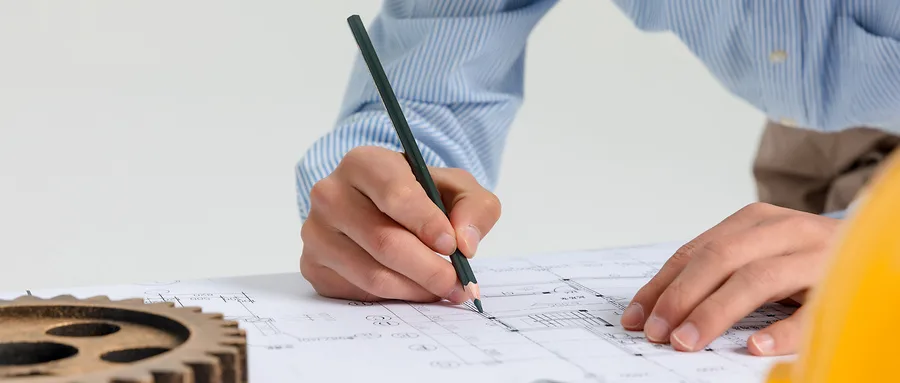
Optimization efforts are limited by three main factors: information, complexity, and time. Without accurate information, achieving effective optimization is impossible. BIM models provide comprehensive data about buildings, including geometric details, physical properties, regulatory information, and updates reflecting any changes made.
The complexity of modern buildings often surpasses the capacity of individual participants to fully understand all aspects. Therefore, scientific tools and technological support become essential. BIM and its various optimization tools enable the management and refinement of these complex projects.
Currently, BIM-based optimization can achieve the following:
1) Project scheme optimization: By integrating design with investment return analysis, the impact of design changes on financial outcomes can be calculated in real time. This approach shifts the owner’s focus from merely evaluating aesthetics to understanding which design options best meet their investment goals.
2) Design optimization for specialized projects: Irregular designs are common in podiums, curtain walls, roofs, and large open spaces. Although these elements might represent a smaller portion of the overall building, they often account for a disproportionately large share of both investment and workload. Additionally, these areas tend to pose greater construction challenges and risks. Optimizing the design and construction strategies for these components can significantly reduce project duration and costs.
















Must log in before commenting!
Sign Up