
Enhancing the quality of construction projects not only boosts customer satisfaction but also elevates the reputation of construction companies, ultimately advancing the effectiveness of BIM technology within the industry.
The final outcome of any construction engineering project is the physical building itself. Ensuring the quality of this building is a fundamental responsibility for all professionals involved throughout the project lifecycle. Below, we explore how BIM technology influences construction quality from two key perspectives.
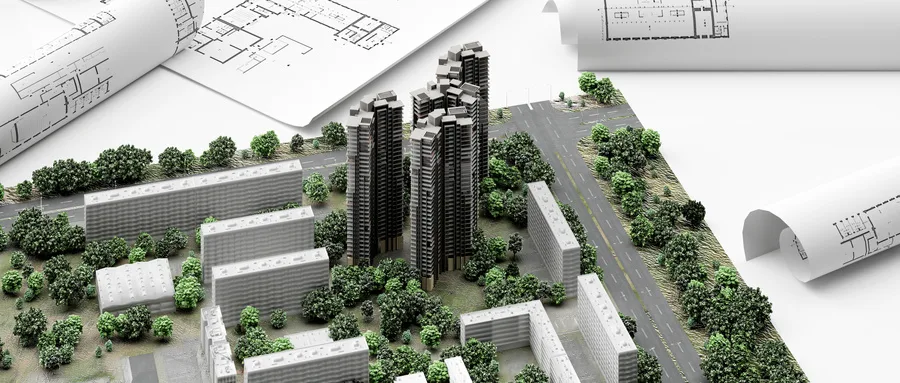
1. Impact of BIM Technology on the Quality of Architectural Design Drawings
Currently, architectural design institutes often face issues such as mismatched plans and elevations, inconsistent professional drawings, missing or incorrect material lists and legends, and the reuse of outdated drawings. These problems can lead to significant changes during project execution, resulting in delays and increased construction costs.
BIM technology effectively addresses these challenges. Unlike traditional 2D CAD drawings, BIM enables architects to create detailed 3D models embedded with extensive design information—including material properties, component details, and more. These models automatically generate accurate plans, elevations, sections, as well as material lists and legends.
Each component in the BIM model carries unique data, allowing for integration with RFID technology and enabling clash detection through software that analyzes building, structural, and electrical models. This process identifies potential conflicts and generates collision reports with suggestions for correction. Architects, structural engineers, and electrical engineers can then address these issues collaboratively, eliminating design conflicts at the source. As a result, construction costs and delays caused by design errors are significantly reduced, while the quality and efficiency of design documentation are greatly enhanced.
2. Impact of BIM Technology on Construction Quality
BIM technology also overcomes limitations of traditional methods, which often rely on static progress charts and offer low visualization, especially in large and complex projects. Traditional models struggle to clearly depict the dynamic changes in building forms and construction processes. BIM, however, enables a dynamic, clear, and intuitive representation of the entire construction process.
We refer to this capability as 5D simulation, which integrates a 3D model with time and cost dimensions. BIM-based 5D construction simulation offers several key benefits:
Refined Pre-Construction Control: During preparation, 5D simulation allows visual detection of conflicts among different construction activities. This enables proactive adjustments before construction begins. By simulating and comparing various construction sequences, the optimal plan balancing quality, schedule, and cost can be selected.
Enhanced In-Process Control: Throughout construction, 5D simulation compares planned progress against actual progress. Deviations can be identified and corrected promptly, allowing early detection and prevention of safety and quality risks, thereby improving overall construction safety and standards.
Improved Post-Construction Review: After each phase, the 5D model provides access to detailed information about construction materials, supporting progress reporting and final settlement. This ongoing visibility ensures strong quality assurance for the project.
















Must log in before commenting!
Sign Up