
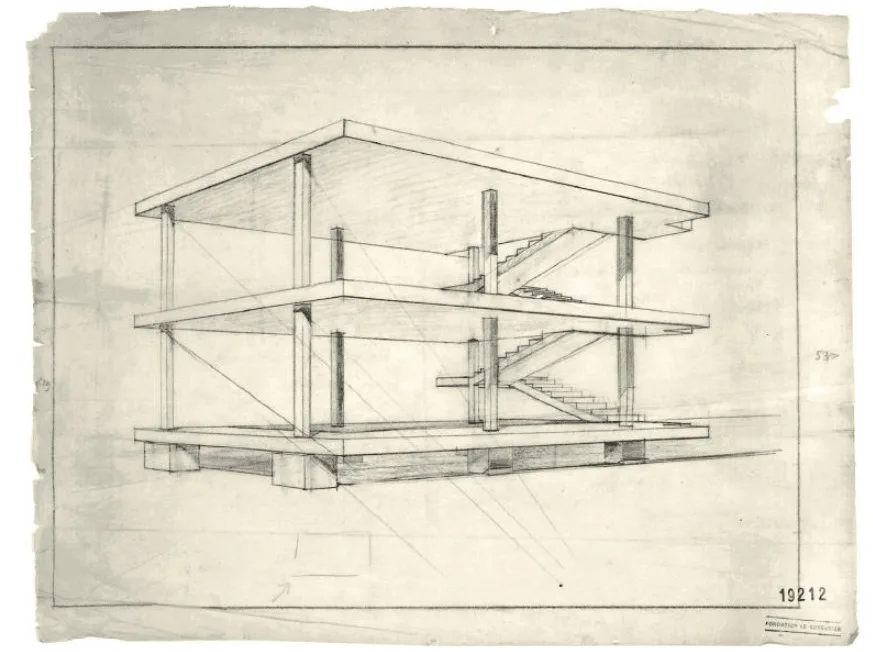
 Since Le Corbusier introduced the iconic Domino model in 1914, modern architecture has frequently evolved from the interplay between horizontal floor slabs and vertical column grids. Even in the exposed framework of the Domino model, the dynamic tension between these two elements is subtly embedded in Corbusier’s construction details: while vertical columns are cast on-site, horizontal floors are prefabricated in modular blocks off-site and assembled on location. This straightforward, cost-effective, and easy-to-construct spatial system not only enabled rapid architectural expansion driven by capital in the 20th century but also established a foundational framework for architects to explore the spatial potential between grids and planes within controlled parameters.
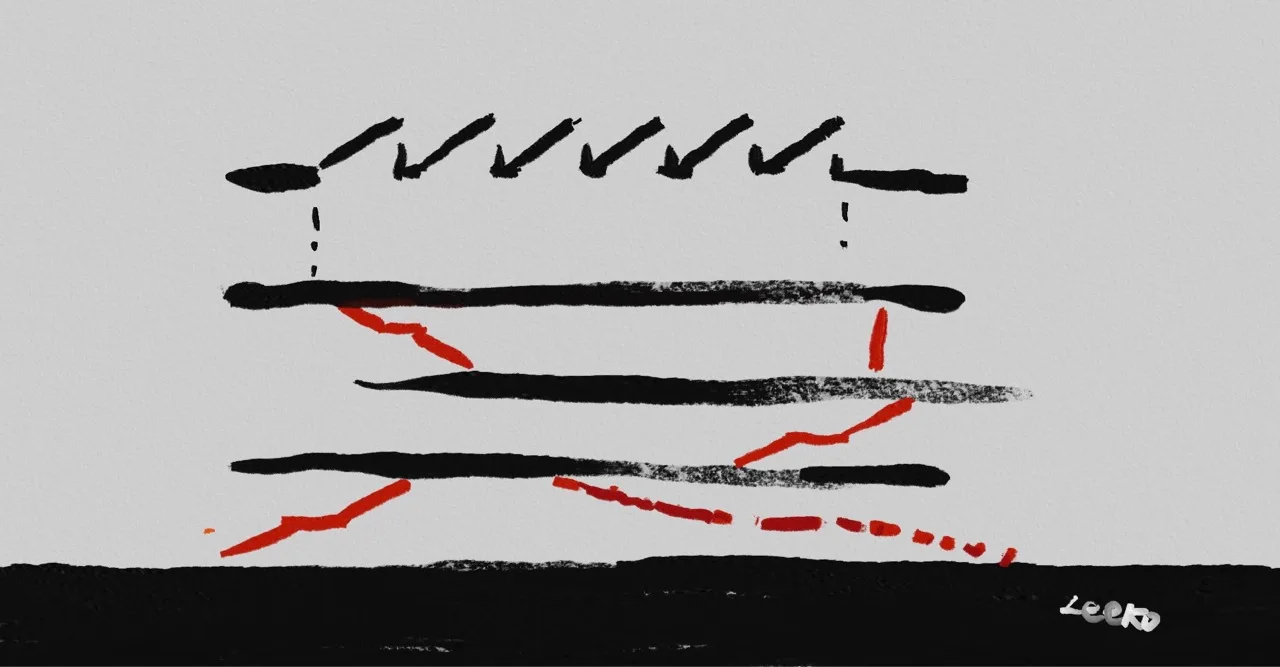
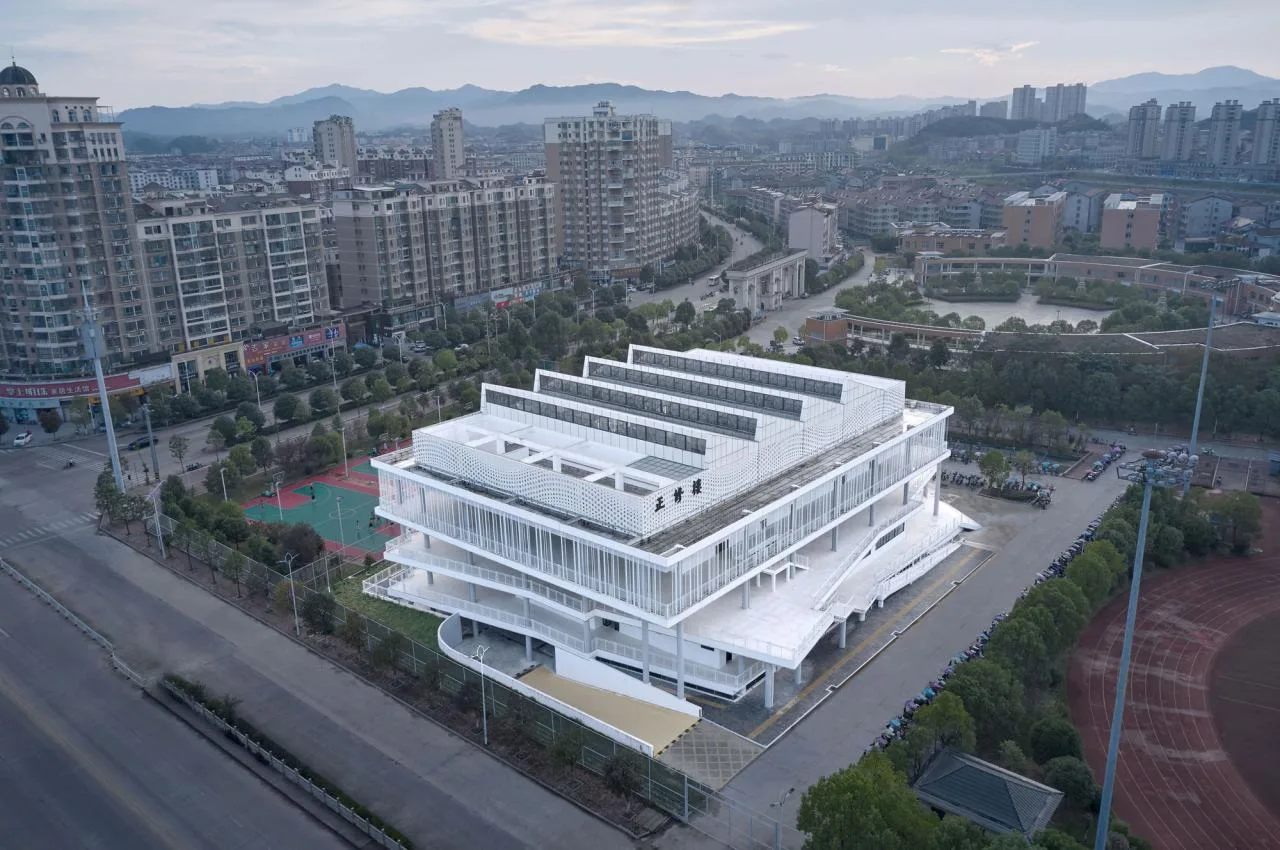
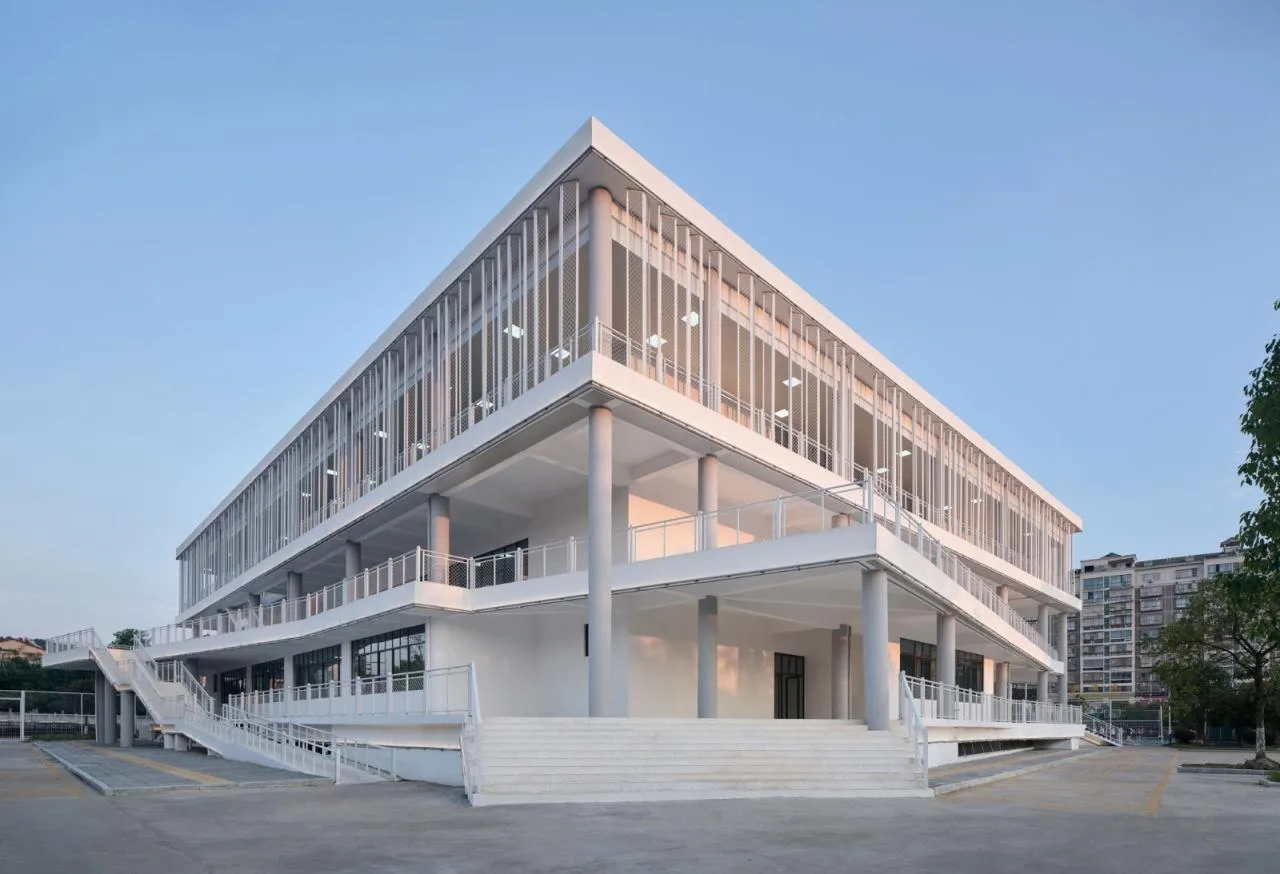
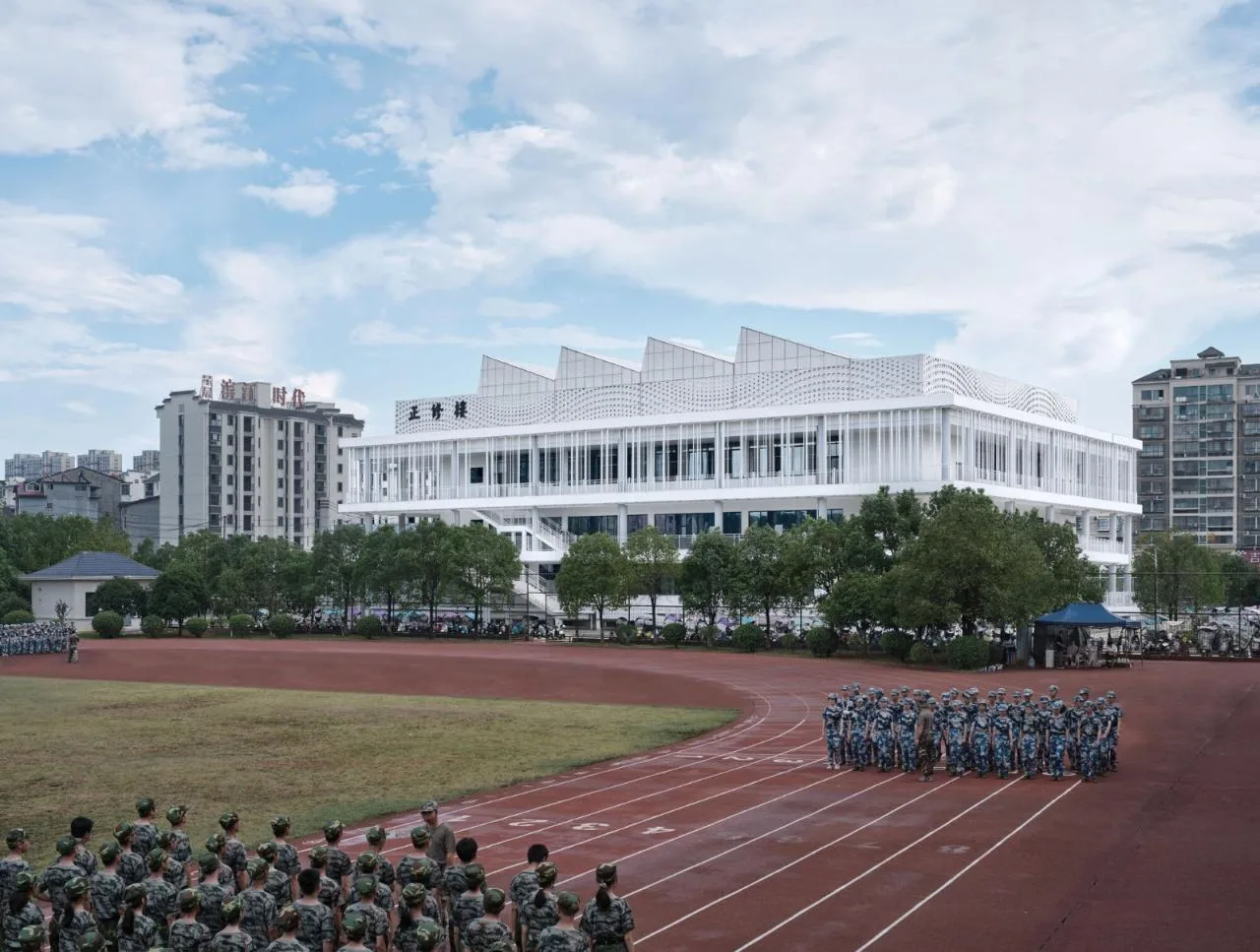
The recently completed Yihuang No.1 Middle School Comprehensive Building exemplifies this approach. Covering approximately 4,500 square meters, architect Li Yi designed a staggered school complex by stacking floor slabs. This design responds to both the city’s and campus’s site conditions through horizontal offsets and rotations, while also addressing varying span requirements via vertical stacking and structural transformations. The resulting interplay between horizontal slabs and vertical columns creates an open, dynamic campus environment.
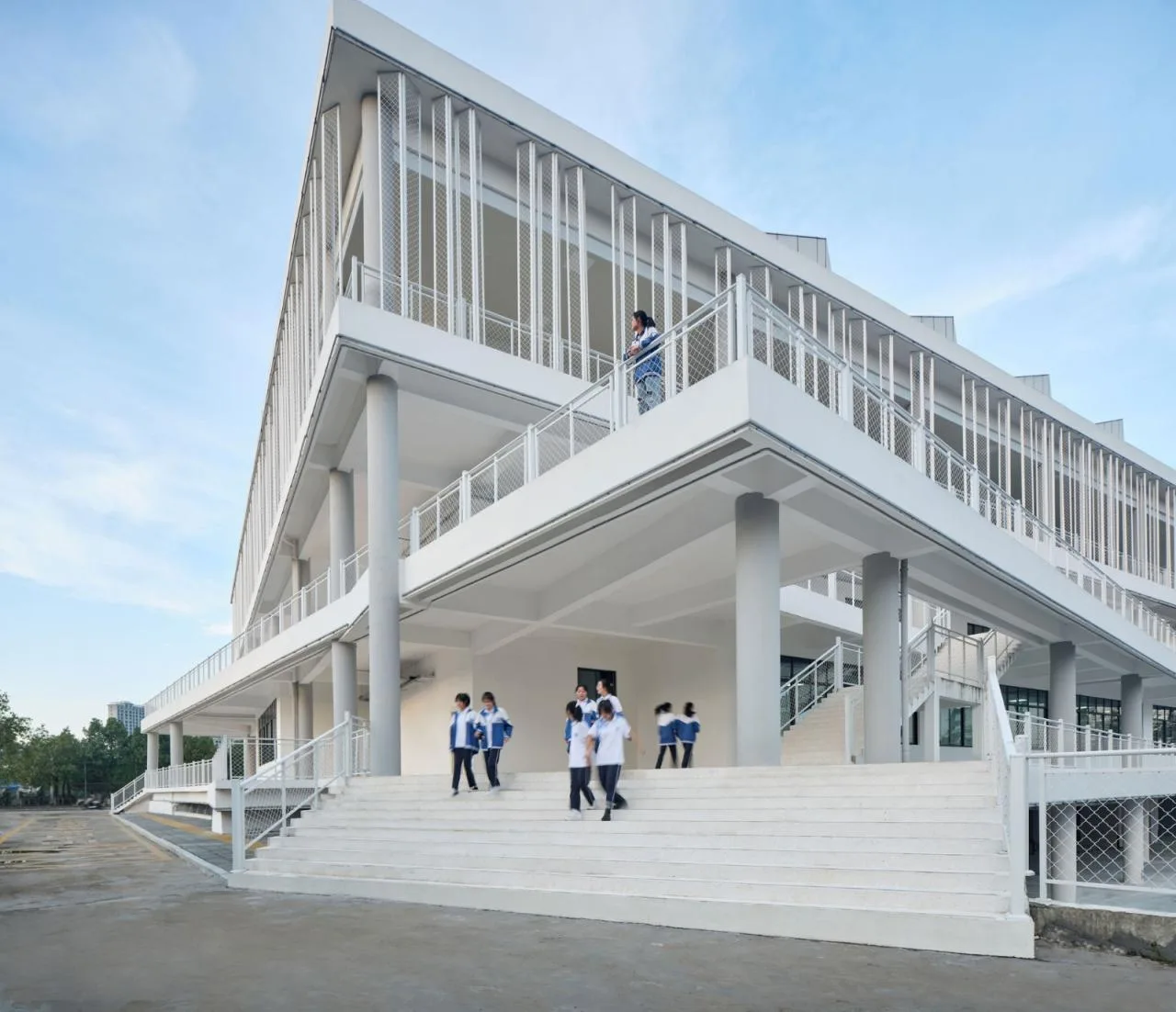
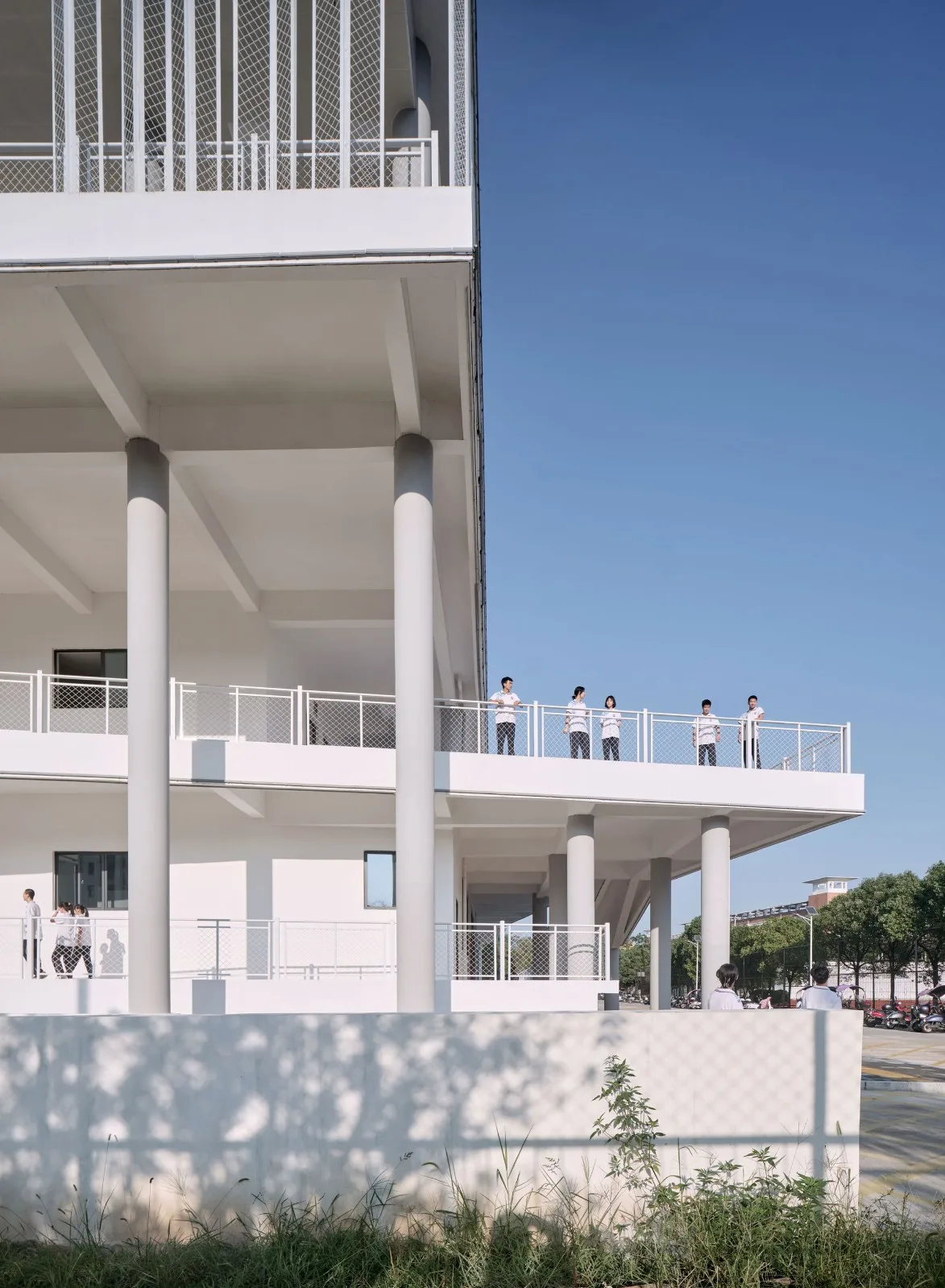
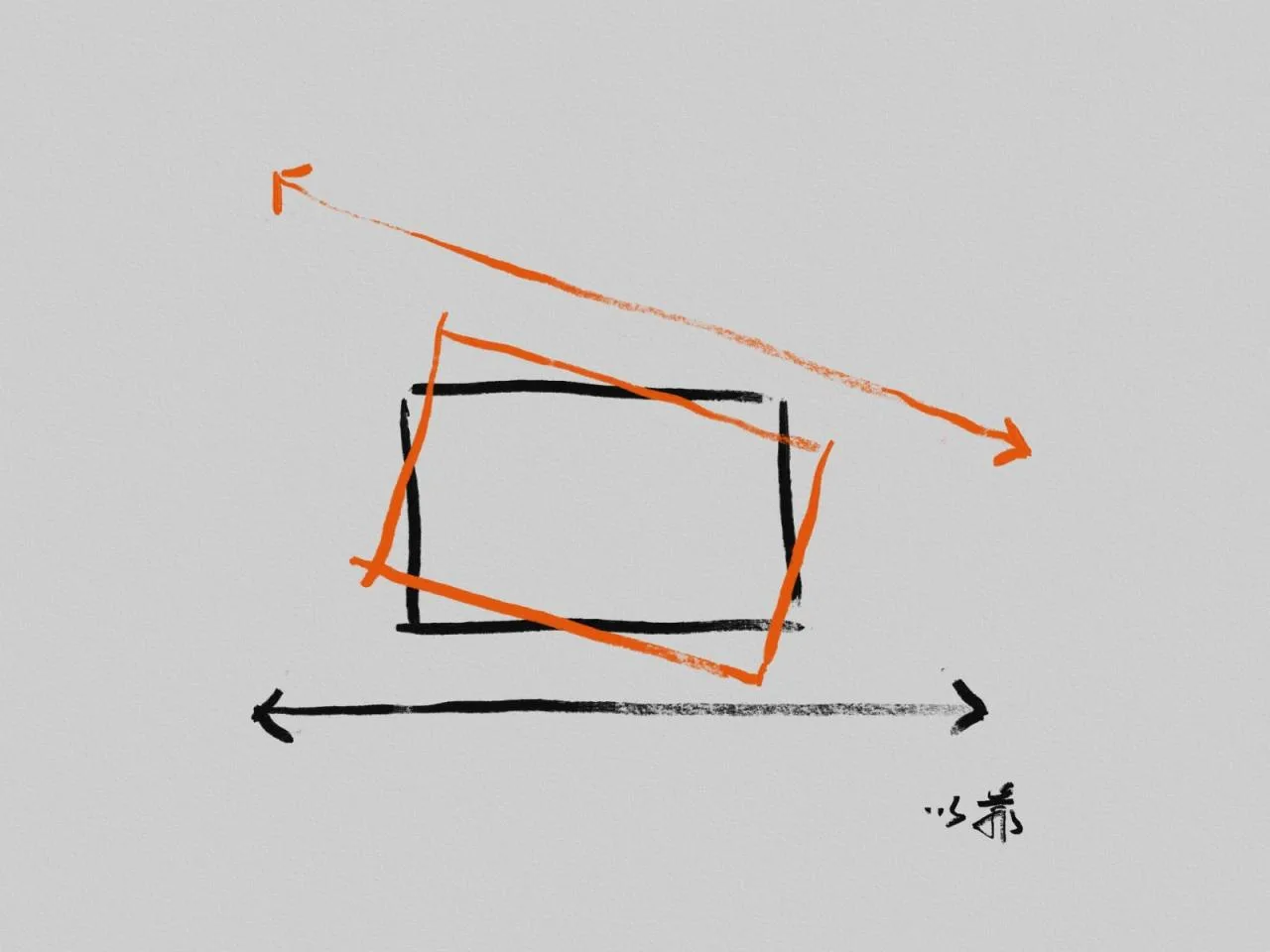
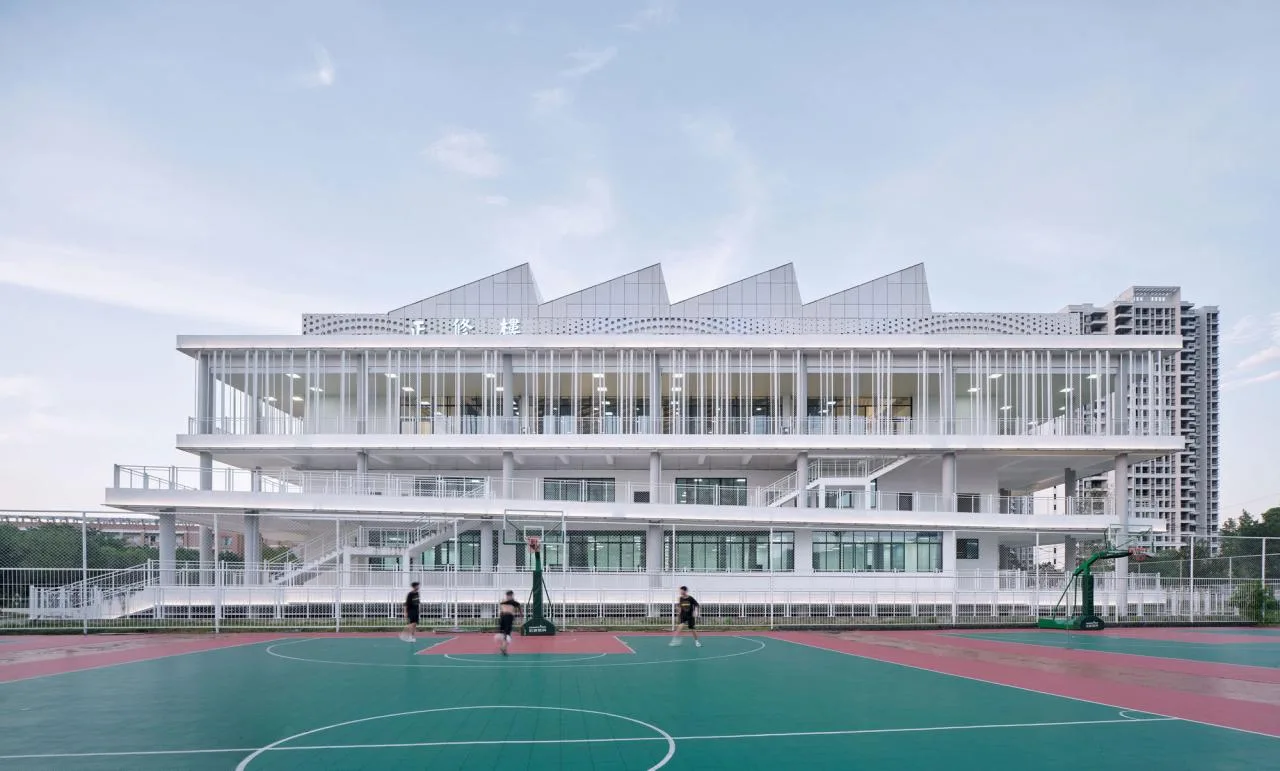
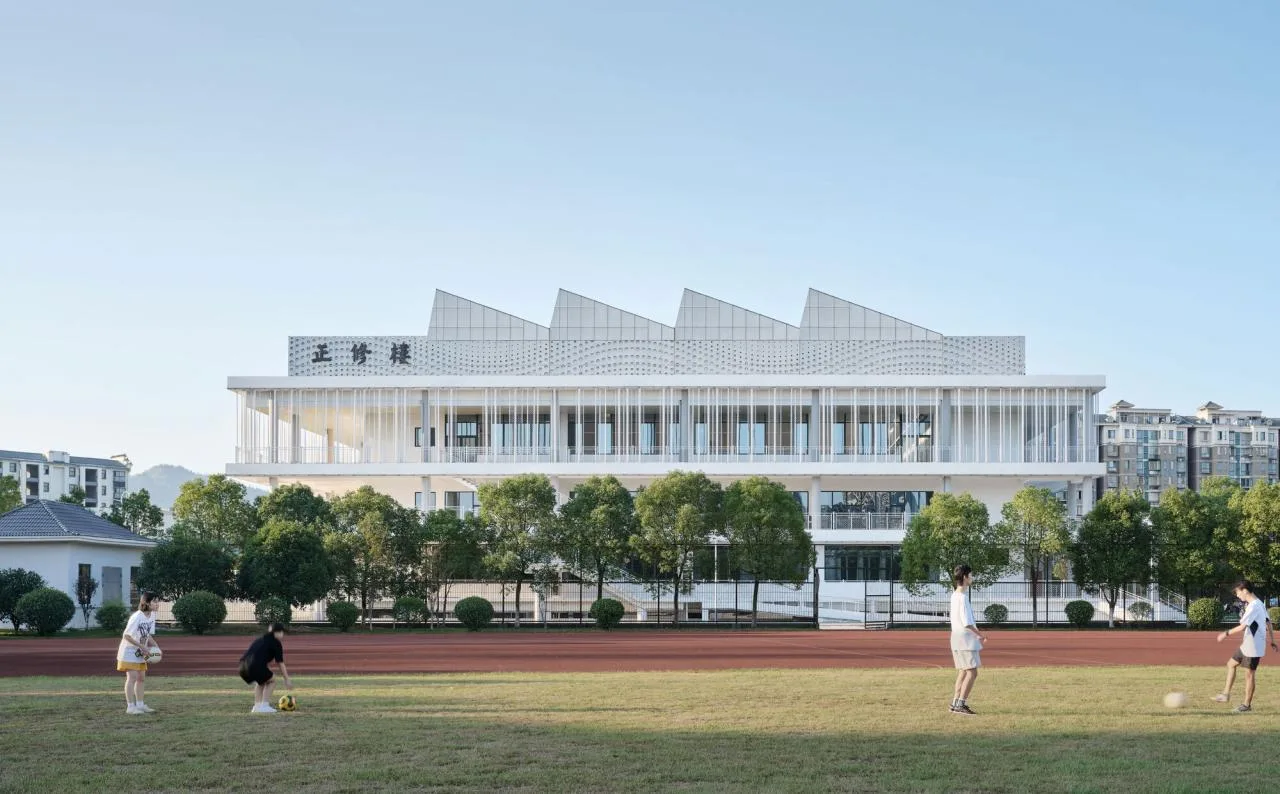
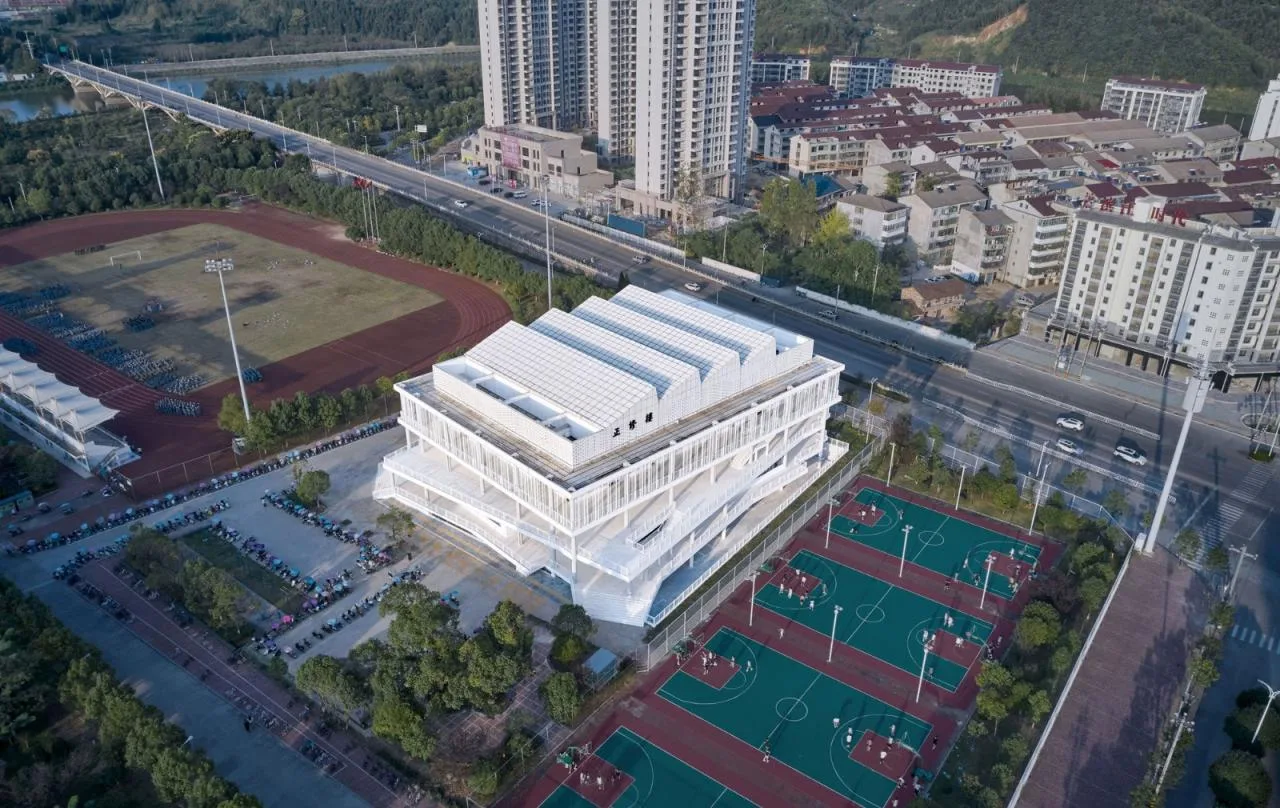
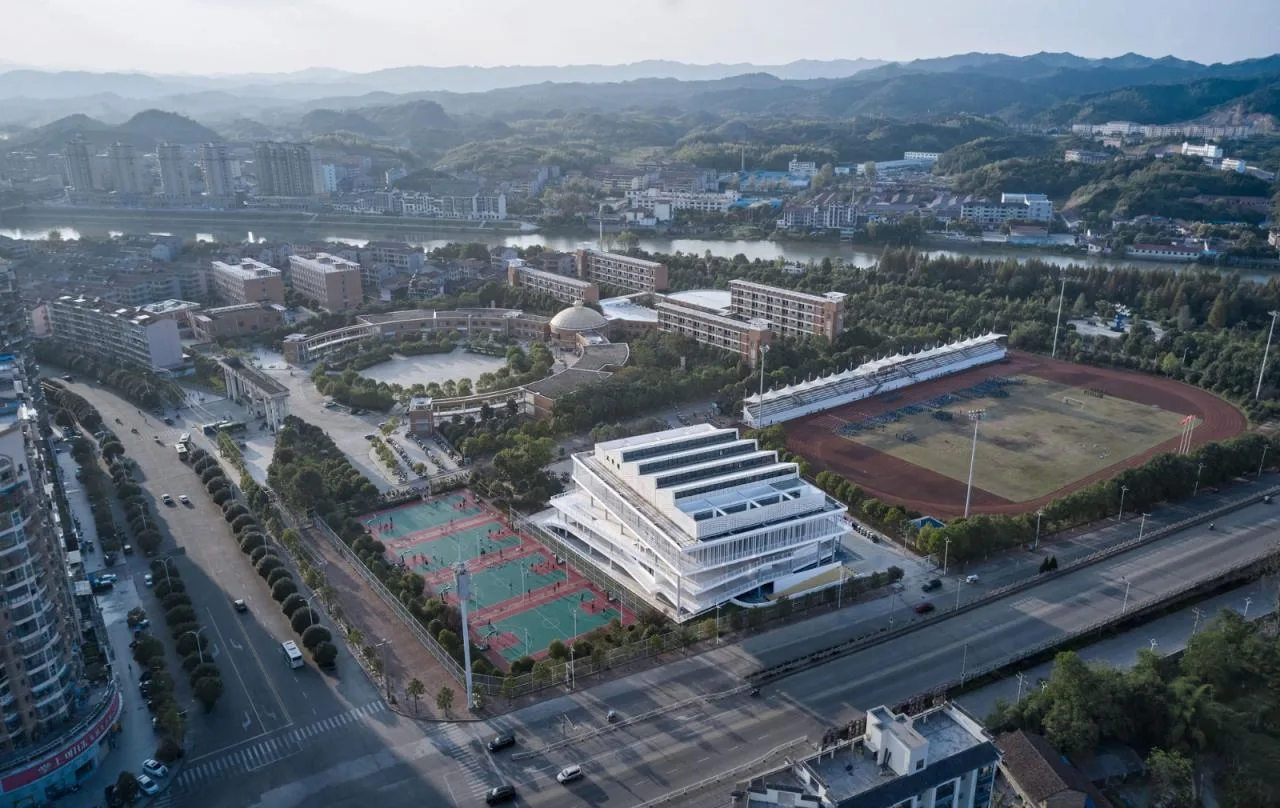
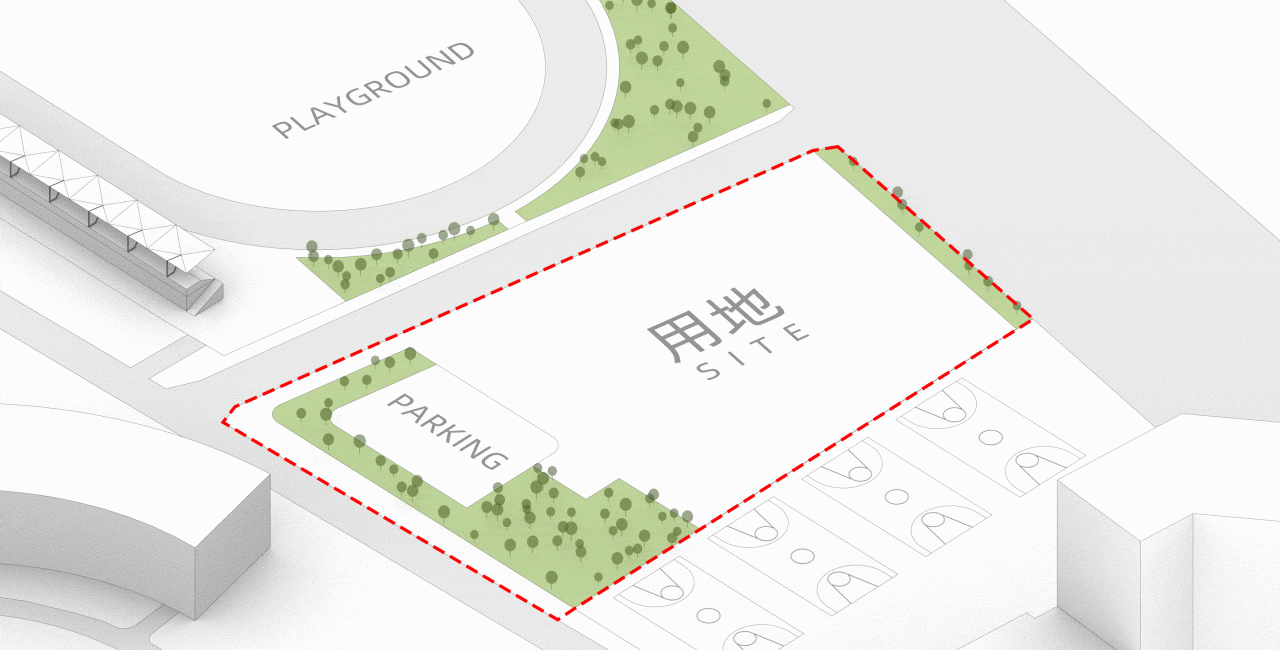
The overlapping grid-based comprehensive building is situated at the southeast corner of Yihuang No.1 Middle School campus. It borders Century Avenue to the east, Jiefang Avenue—separated by an outdoor basketball court—to the south, the school’s main teaching area to the west, and faces the campus football field to the north. The irregular quadrilateral site presents tight constraints on building density and plot ratio. The primary design challenge was reconciling the irregular site shape created by the transition between the city’s external grid and the campus’s internal grid. The southern and western boundaries align parallel and perpendicular to Jiefang Avenue, the eastern boundary runs along Century Avenue, and the northern edge follows the campus road intersecting Century Avenue. A sharp rotation angle exists between the urban grid based on Jiefang Avenue and the campus road network based on Century Avenue, which became the design’s starting point.
The Domino model offers a clear opportunity here. In fact, the two grid systems present on the site suggest the superposition and interweaving of two Domino models oriented differently, a concept visualized in Li Yikao’s sketches. The primary Domino model aligns with the campus grid, forming the building’s main volume. The secondary Domino model is expressed through the rotated first and second-floor platforms and their corresponding local column grids. The first floor integrates both grid systems, while the second floor fully follows the urban grid’s direction. Vertically, this creates a gradual transition from urban to campus architecture, reflecting the site’s dual interface.
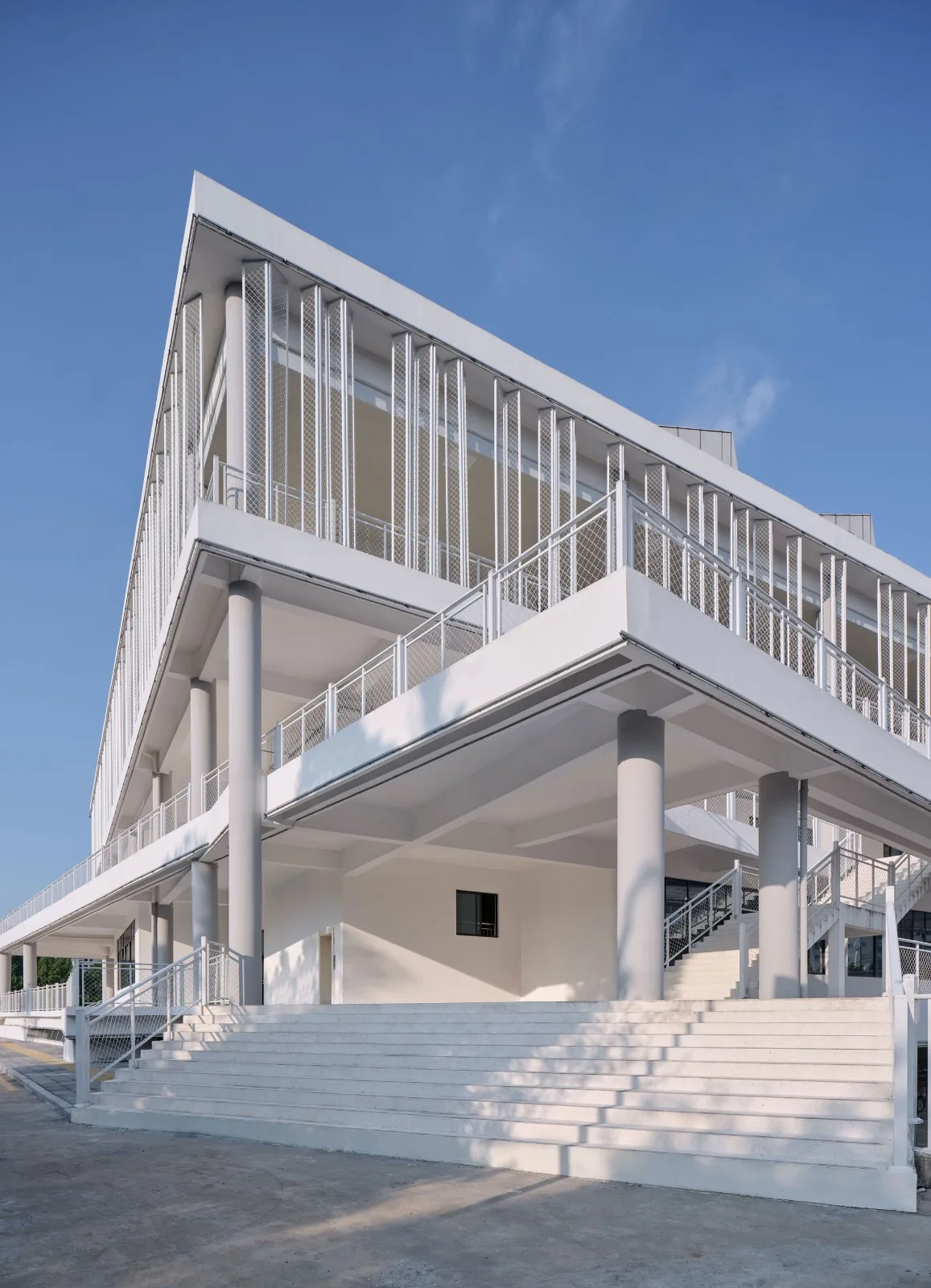
Where the horizontal slabs overlap to reveal the two grid systems, detailed column treatments further express the contrasting spatial qualities facing the city versus those within the campus. The dominant campus-based column grid uses conventional square columns, standard and efficient, scaled to human proportions and daily activities. Alongside infill walls, these create enclosed spaces that retreat inward. In contrast, the local column grid aligned with the urban orientation features cylindrical columns with non-directional cross-sections, implying continuity between campus areas and open platforms. Due to the twisting and displacement of floor slabs, these cylindrical columns vary in height, introducing scale differences that guide movement and emphasize verticality.
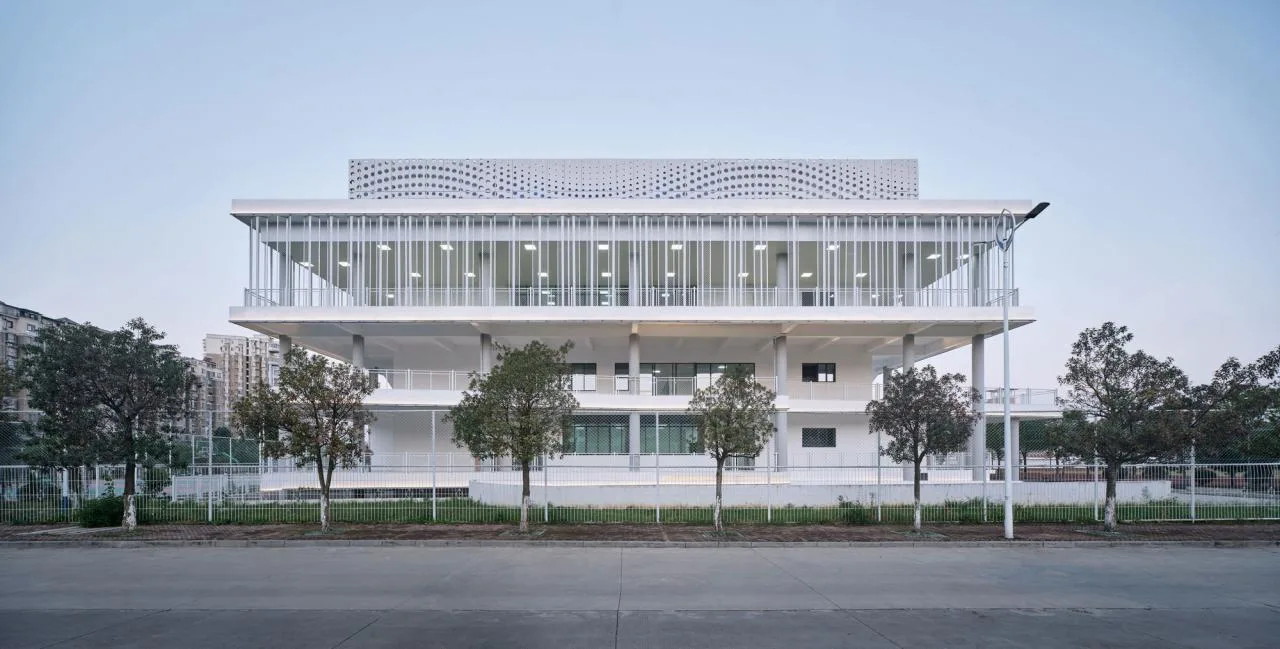
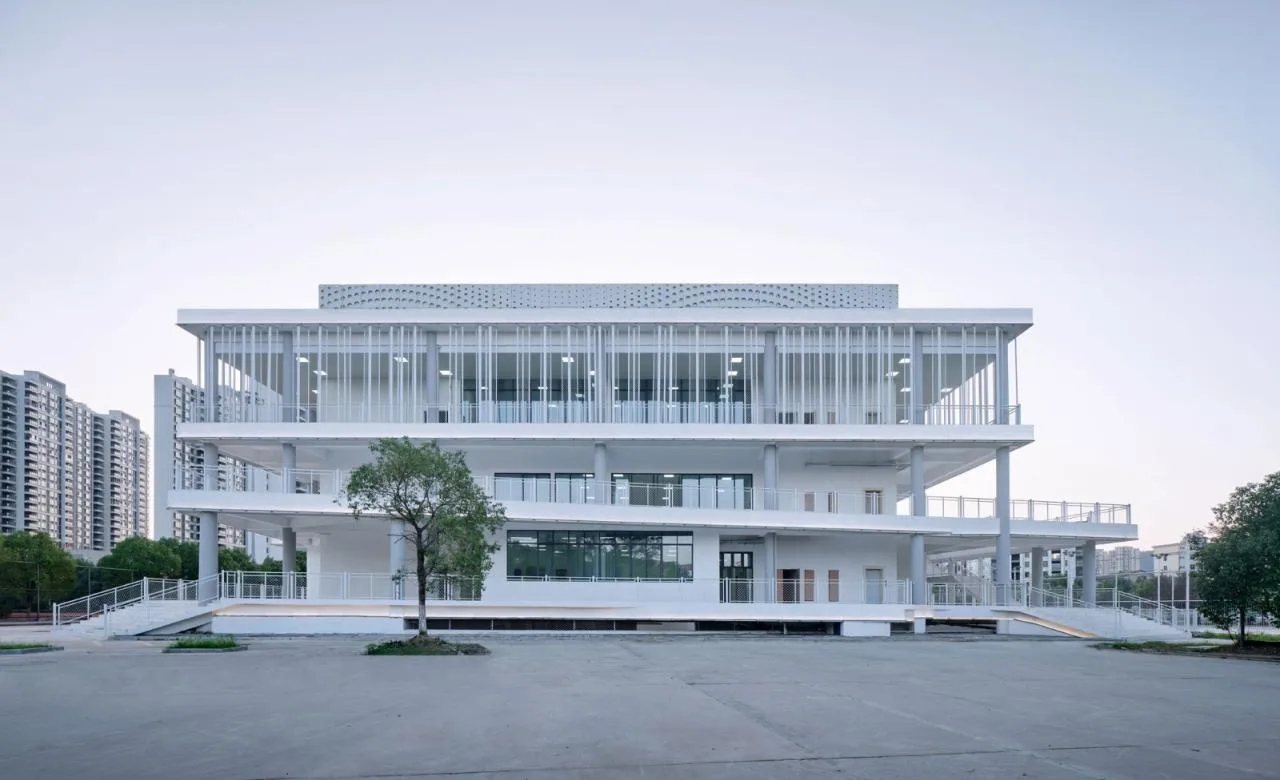
On the campus-facing northwest and southwest corners, two-story cylindrical columns anchor the corners and frame entrance steps, inviting students inside. The second-floor slab’s rotation creates a one-story open colonnade facing the outdoor basketball court, football field, and campus green areas, providing space for rest and viewing. Facing the busy, eight-lane Jiefang Avenue, the inward-tilted classroom volume rests on five tall columns that support a three-story sports arena above. Despite the complex intersections formed by the twisted second-floor platforms, the vertical continuity of these columns remains clear—offering a bold architectural response to Century Avenue and presenting a strong urban presence.
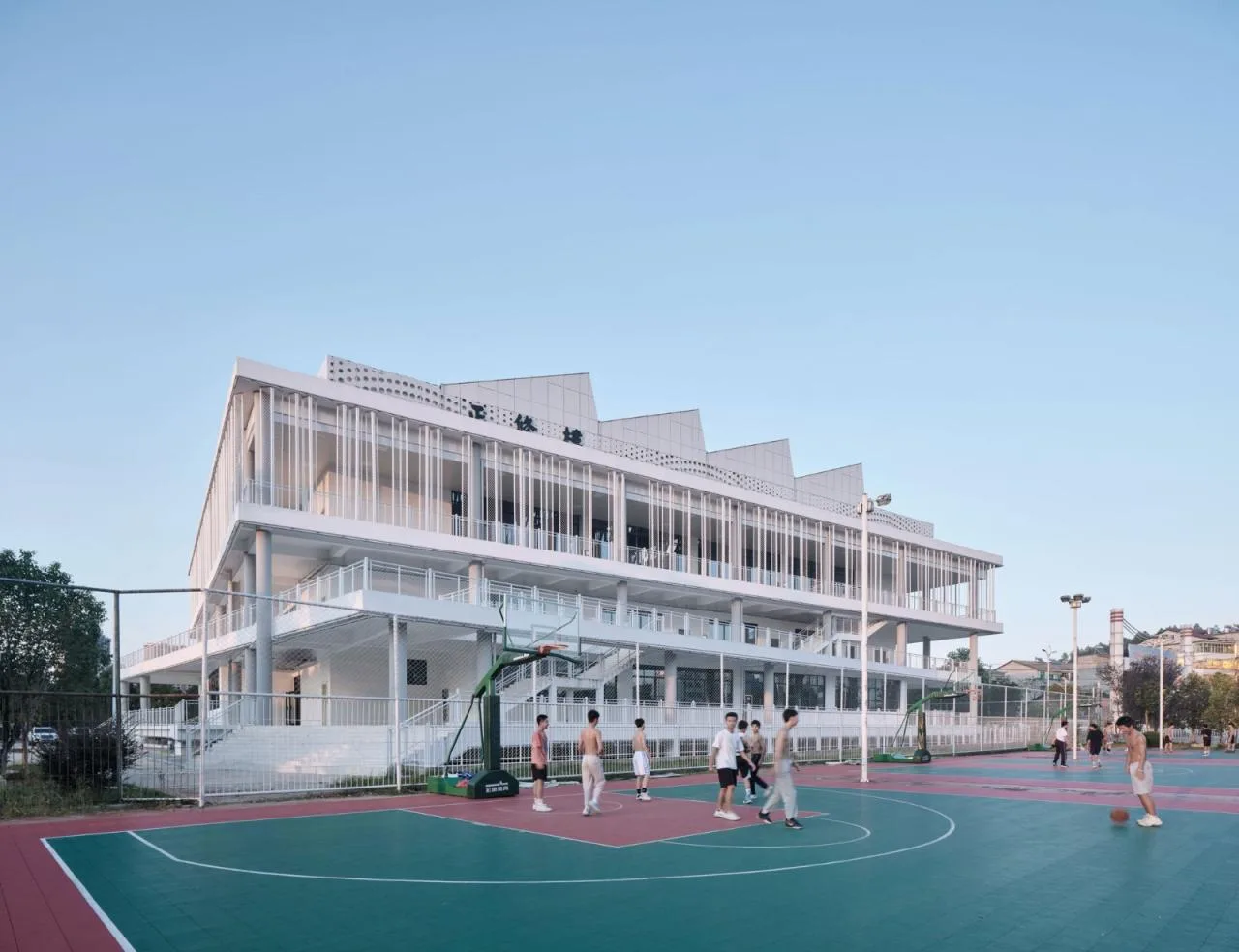
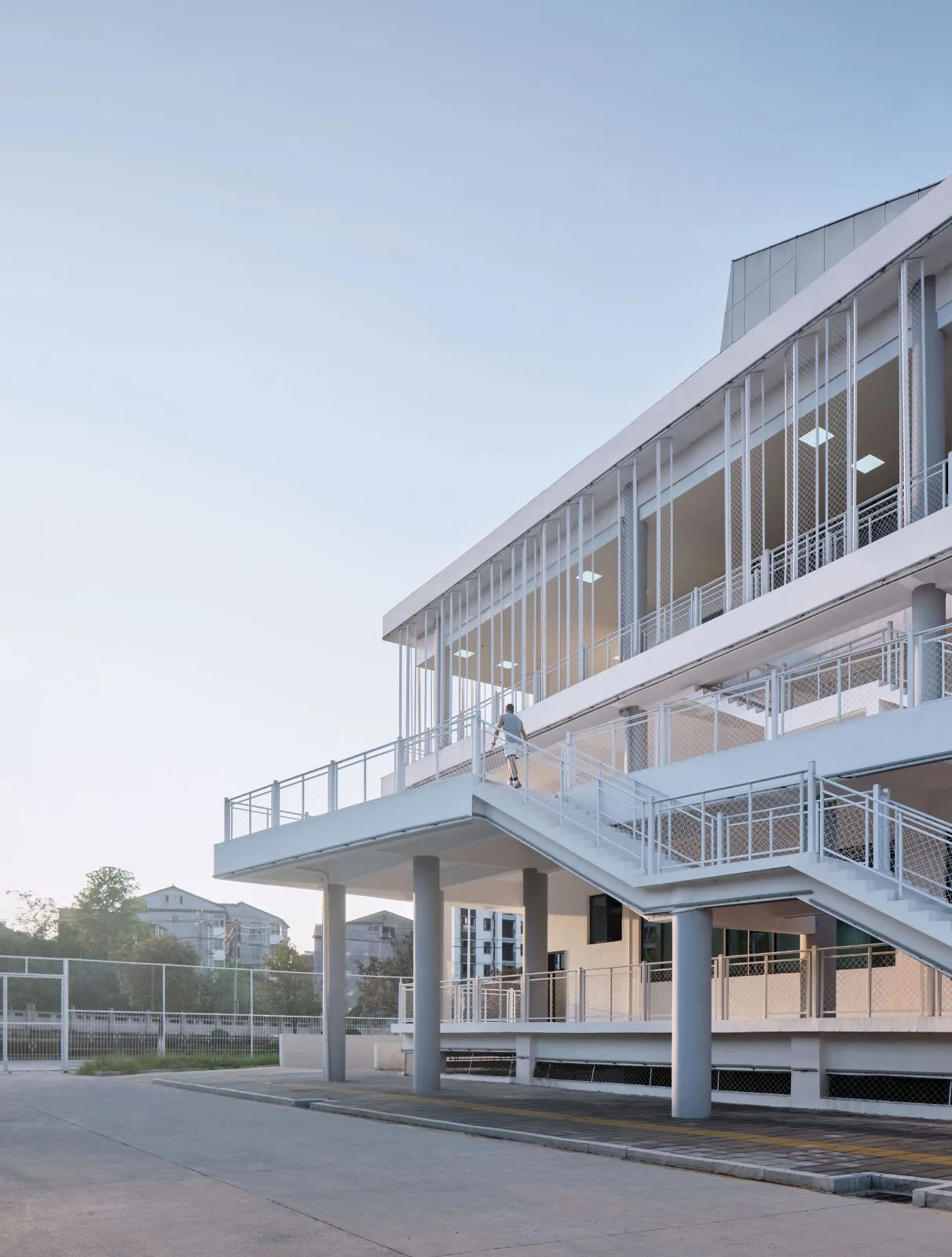
This adaptive structure serves as a multifunctional campus complex, housing a library, computer labs, science classrooms, school radio station, indoor basketball and badminton courts, and parking garage. While most spaces fit within standard column grids, the large-span requirements of the sports courts presented structural challenges. For a modestly sized campus building, placing large-span areas above standard-span zones and achieving structural transformation through “column reduction” proved an effective solution.
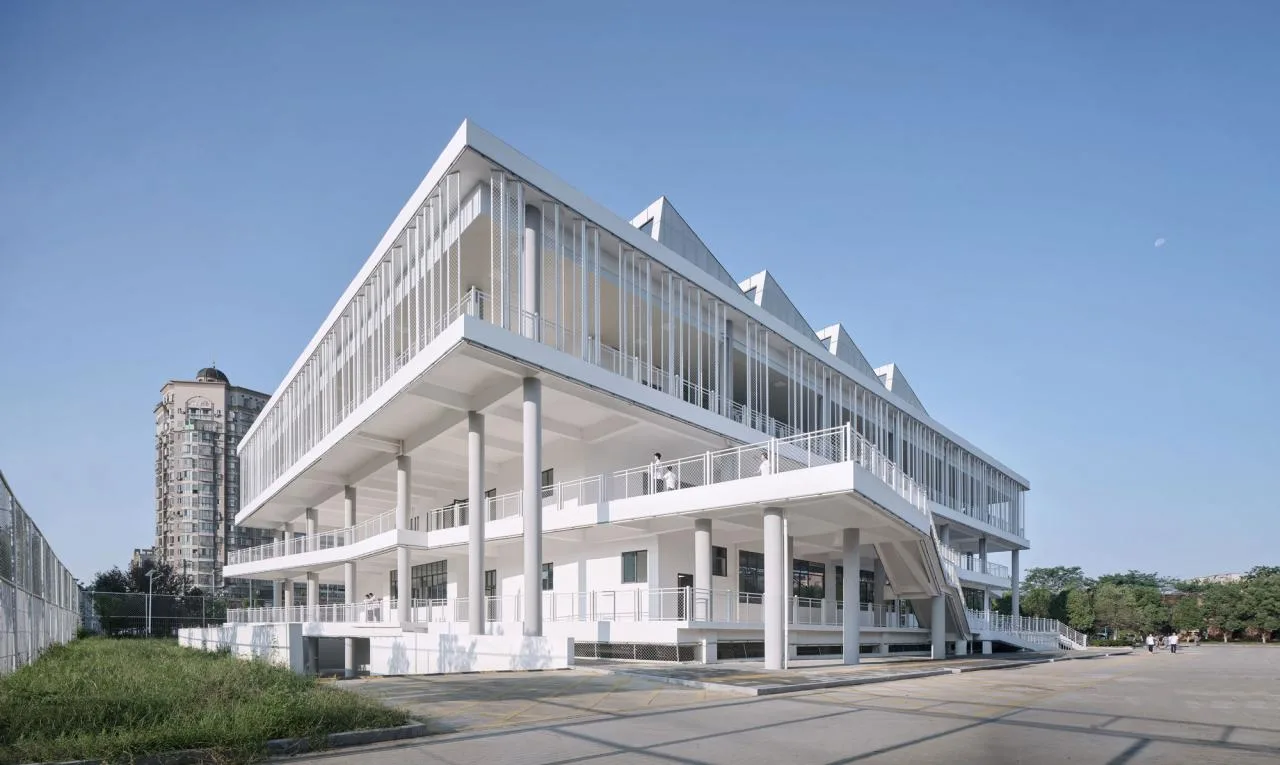
Four reinforced concrete cylindrical cores accommodate emergency stairwells, elevators, and restrooms, connecting upper and lower levels and forming a structural system shared by both standard and large-span spaces. While some larger buildings use cylindrical structures for dramatic spans, a column grid system is a more restrained and fitting choice for this campus scale. From the semi-basement to the second floor, a reinforced concrete frame with standard column spacing supports the floor slabs alongside the core cylinders. The semi-basement serves campus parking, the first floor includes computer rooms, laboratories, the campus radio, and network services, while the second floor houses the library with open stacks and small reading rooms.
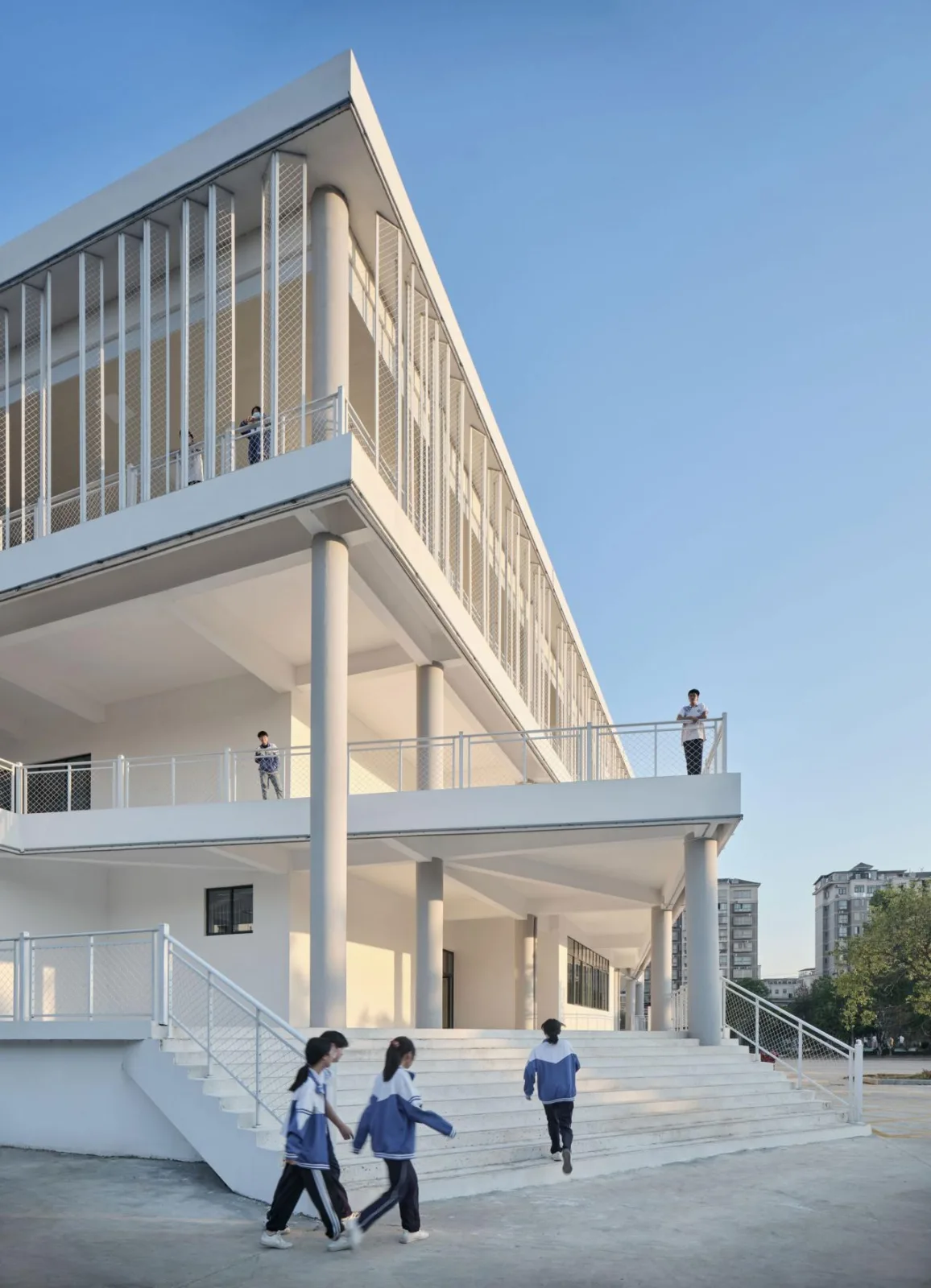
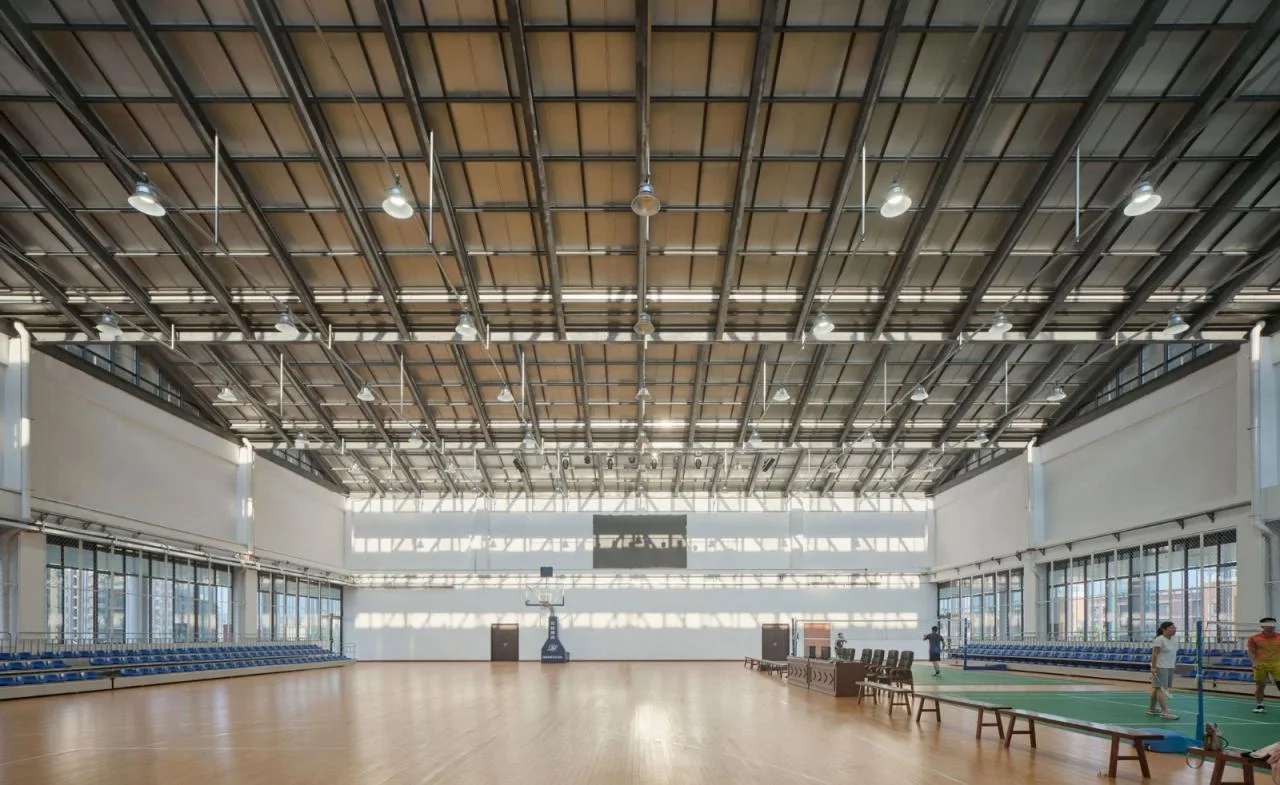
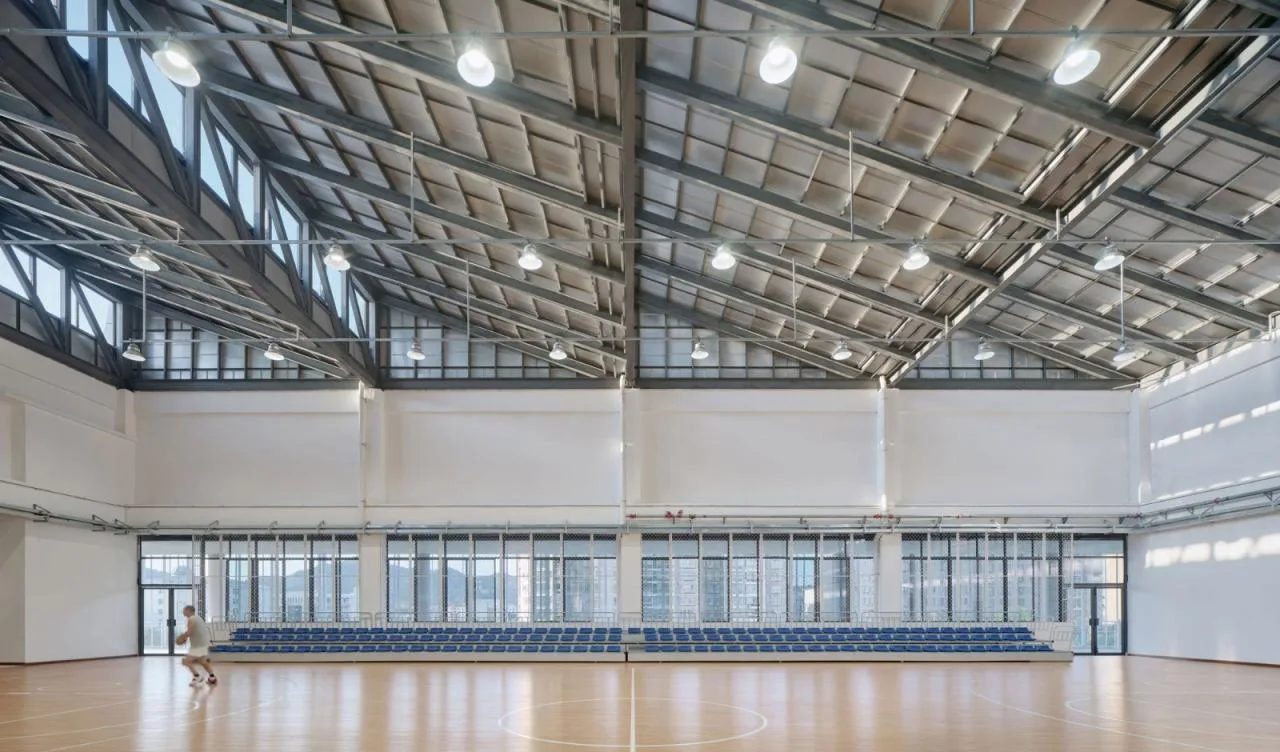
The standard column grid creates an open, flexible space that can be subdivided with infill walls to accommodate more specific functions. The three floors dedicated to the sports arena are constructed with steel structures to achieve larger spans. Here, the outer concrete columns are replaced by steel tube concrete columns which, together with the four core cylinders, support the steel truss structure above. The serrated truss design brings ample natural light into the gymnasium and allows the column-free space to serve as an auditorium, meeting the demands for large-scale school events along with indoor basketball and badminton courts.
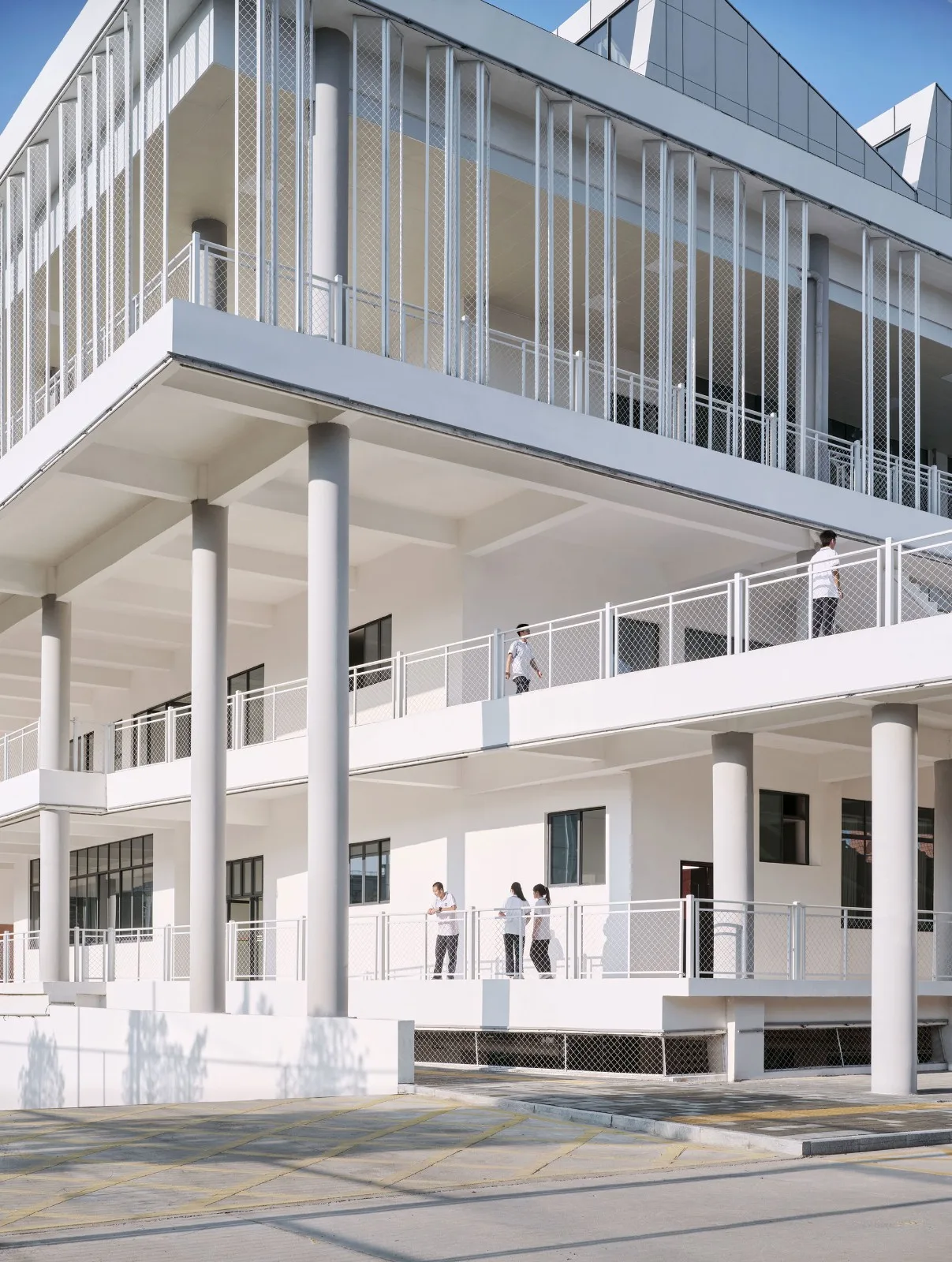
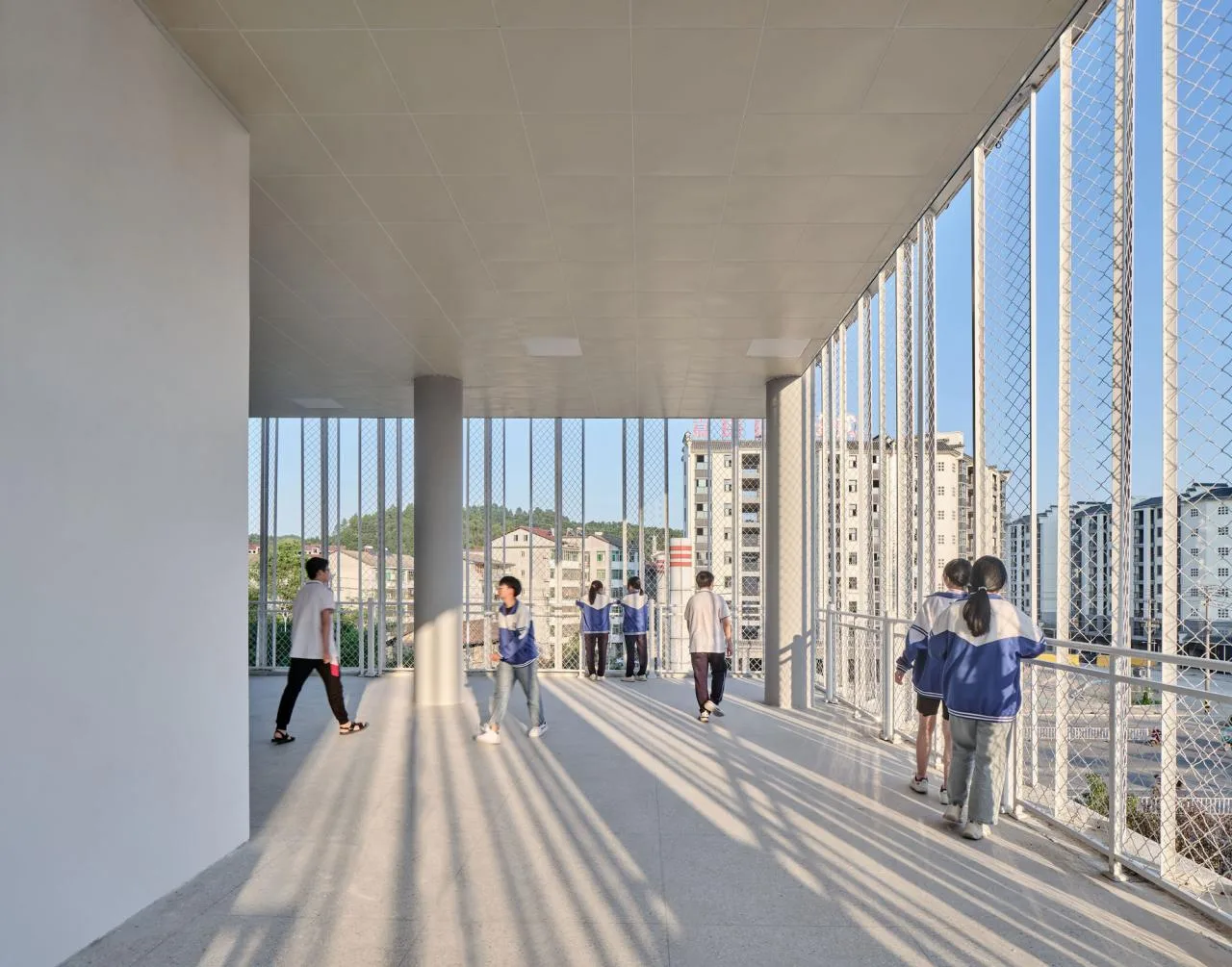
Stacking multiple functions vertically not only requires span adaptations but also careful attention to noise and vibration between “static” and “dynamic” areas. While the floor slabs below the third floor are conventional concrete beam slabs, the third-floor slab—acting as a buffer—uses a complex multi-ribbed steel beam concrete slab. A sports-specific floor surface is installed atop, and sound-absorbing rock wool fills the spaces between the steel ribs below to isolate the second-floor reading areas from noise generated by the sports facilities. In the open corridor surrounding the second-floor library, the exposed ribbed steel beams add a rhythmic architectural element to the space.
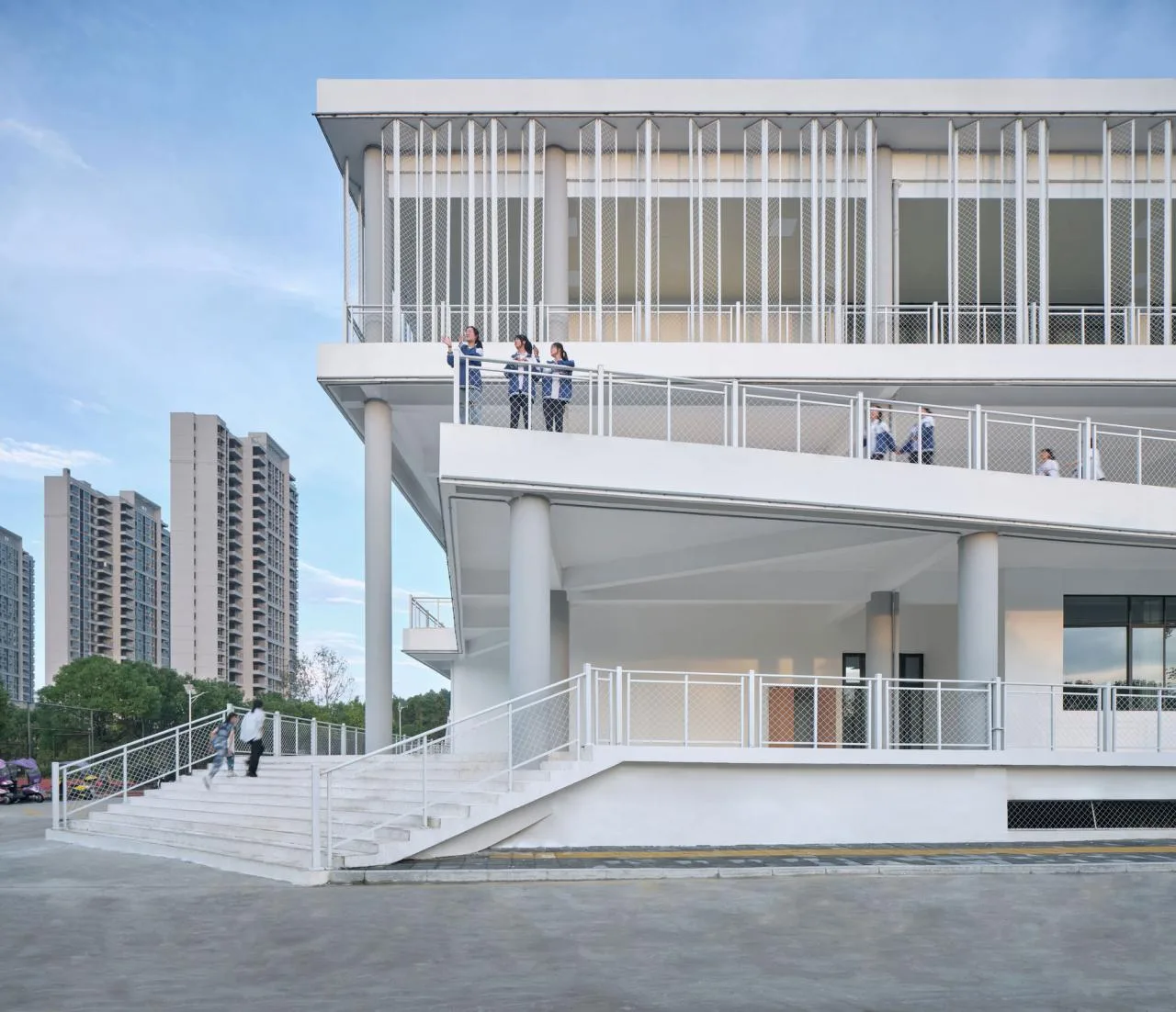
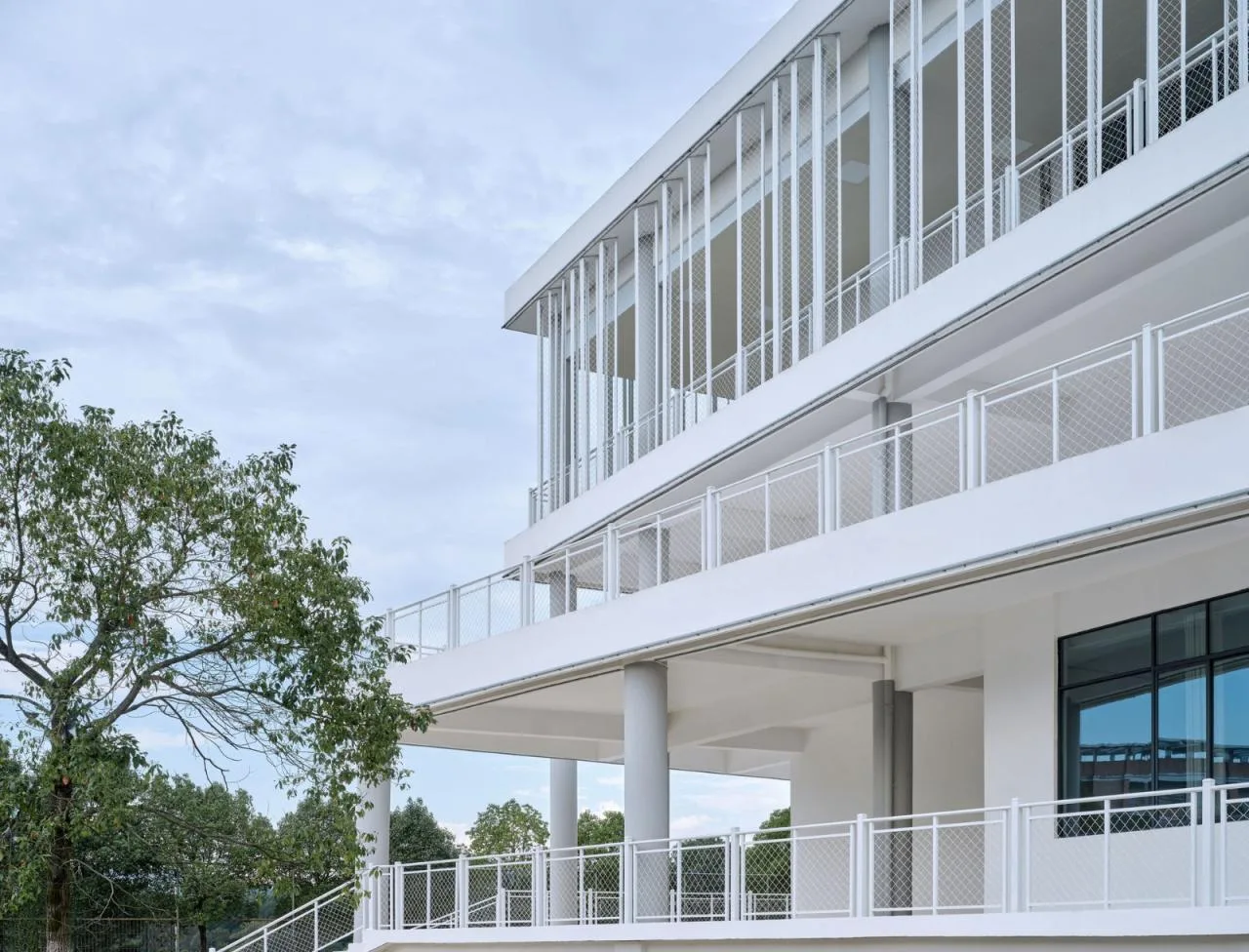
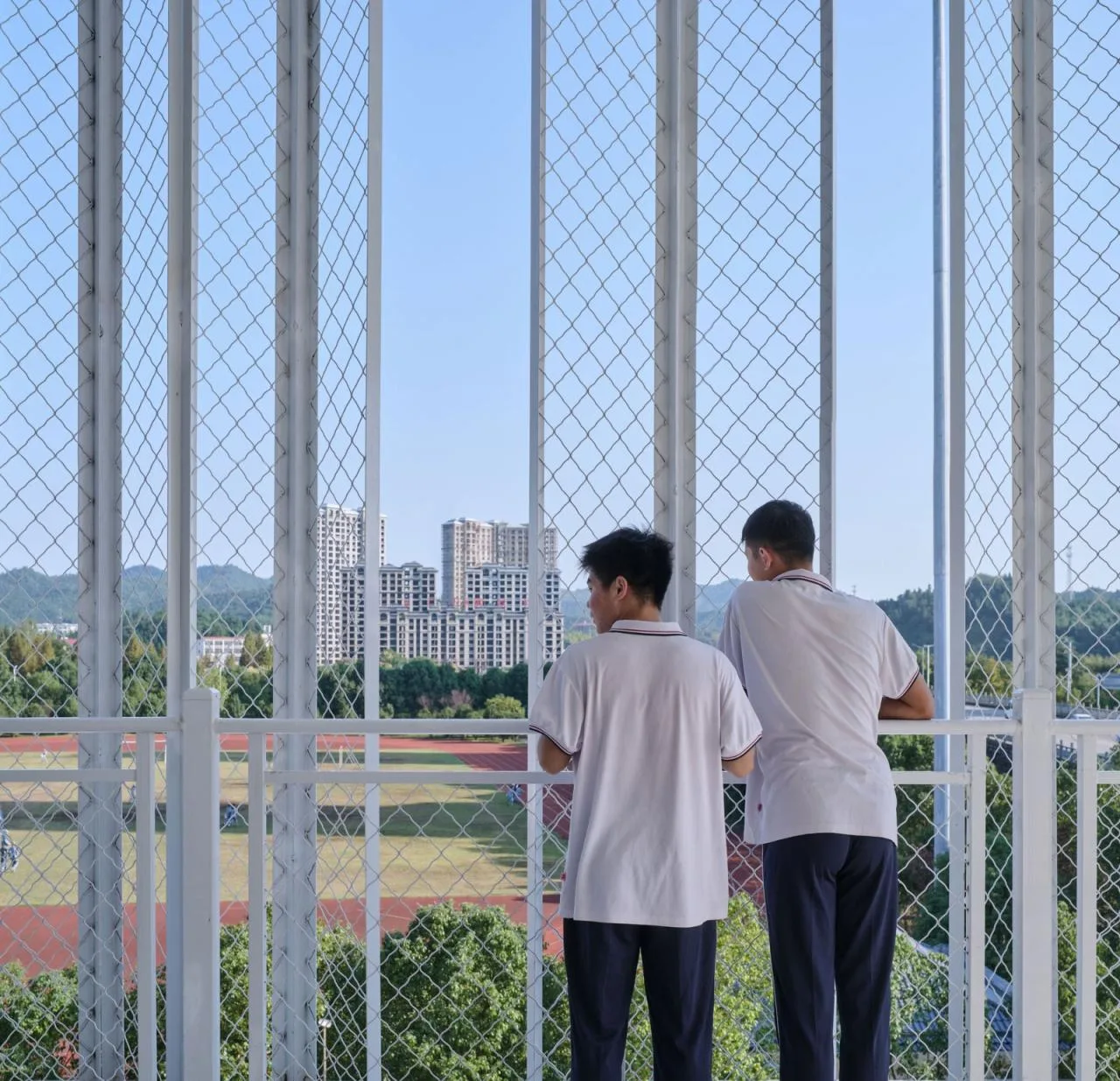
As previously mentioned, the open platforms create a dynamic interaction between horizontal slabs and vertical columns through the superposition and weaving of two Domino models. At certain points—such as the city-facing facade or corner staircases—the columns take on a more iconic presence. Conversely, in other areas, columns recede or become obscured by internal walls, emphasizing the horizontality of the floor slabs. This occurs notably on the building’s north-south long facade and the west short facade, which face campus green spaces and sports fields, doubling as viewing platforms. During outdoor basketball or football games, these open platforms on the second and third floors offer excellent spectator vantage points.
The architectural treatment of the building’s base further highlights the horizontality of the slabs. Raised 1.6 meters above campus ground level, students enter the building via two large entrance steps. Additionally, a 2.6-meter excavation creates a semi-open basement without maintenance structures, separating the building’s “ground” from its surroundings and producing a “floating” effect. Rather than appearing as grounded, the structure visually emerges as an assembly of vertically stacked platforms—recalling Corbusier’s Domino model diagrams, where column bases and shadows accentuate the building’s industrial, prefabricated nature.
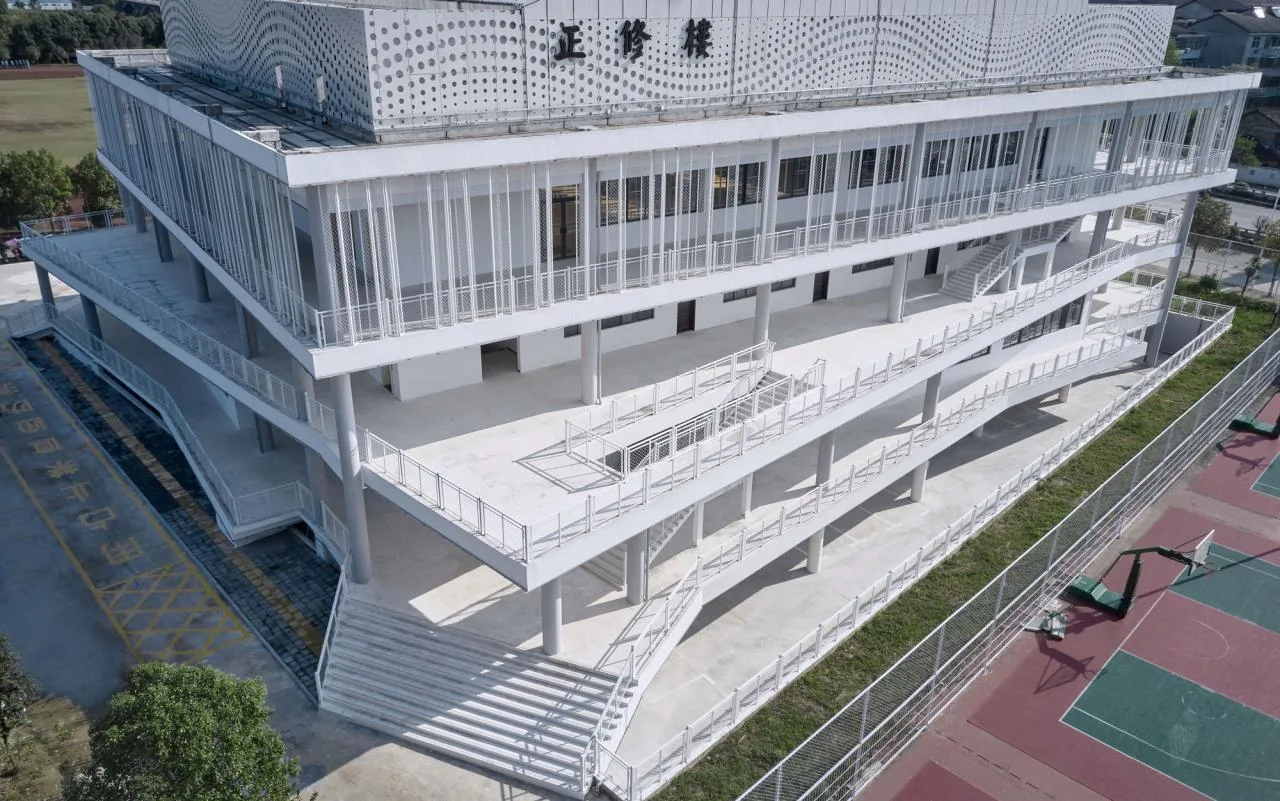
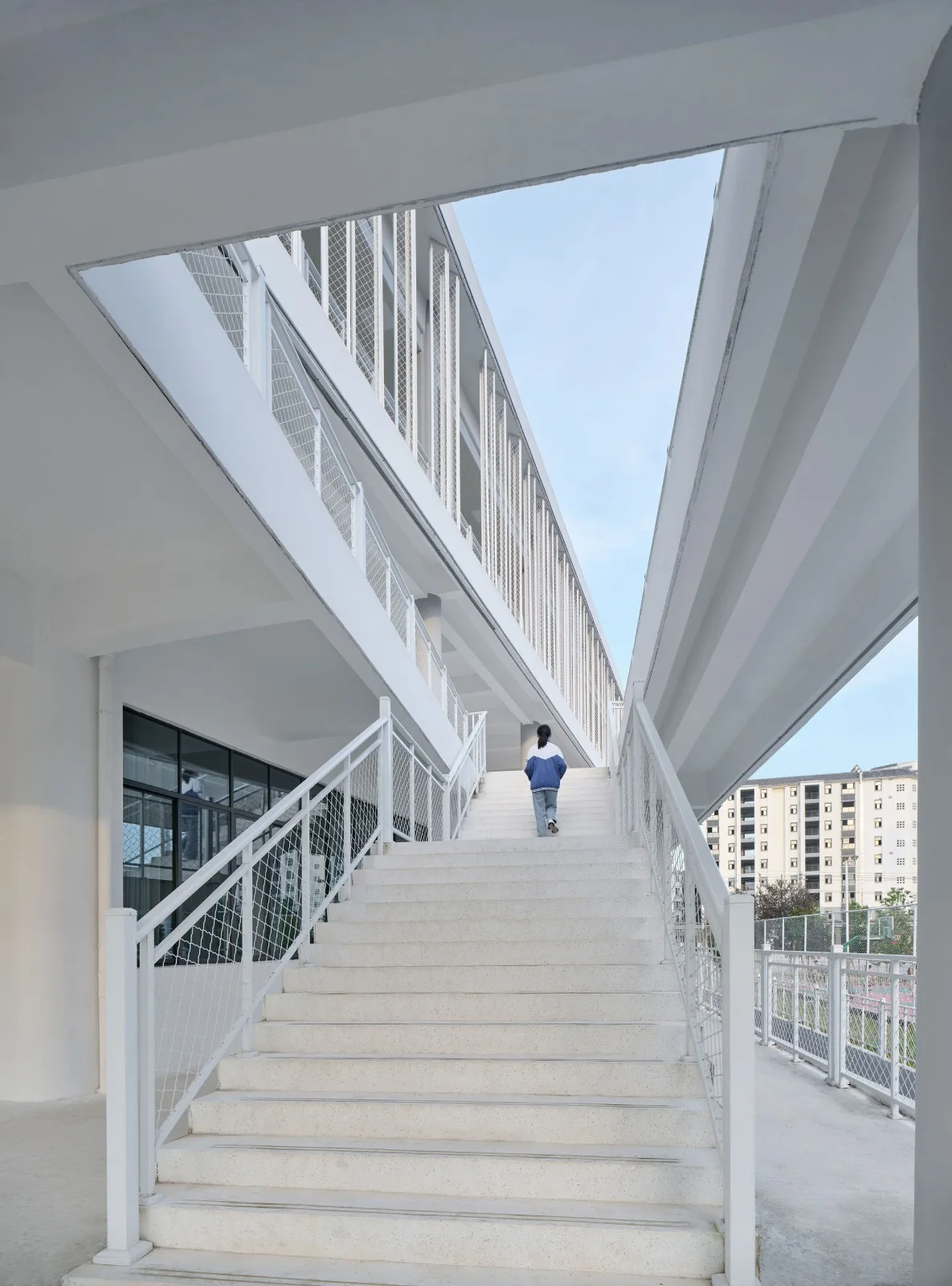
At Yihuang No.1 Middle School, the clear separation between the first-floor slab and ground level grants the “platform” an enhanced sense of freedom. The twisting of the second-floor platform visually emphasizes the interdependent yet striving-to-break-free relationship between horizontal slabs and vertical columns. The enlarged areas created by these shifts can be flexibly used by students, connected by single-flight stairs that enhance flow and spatial variety throughout the building.
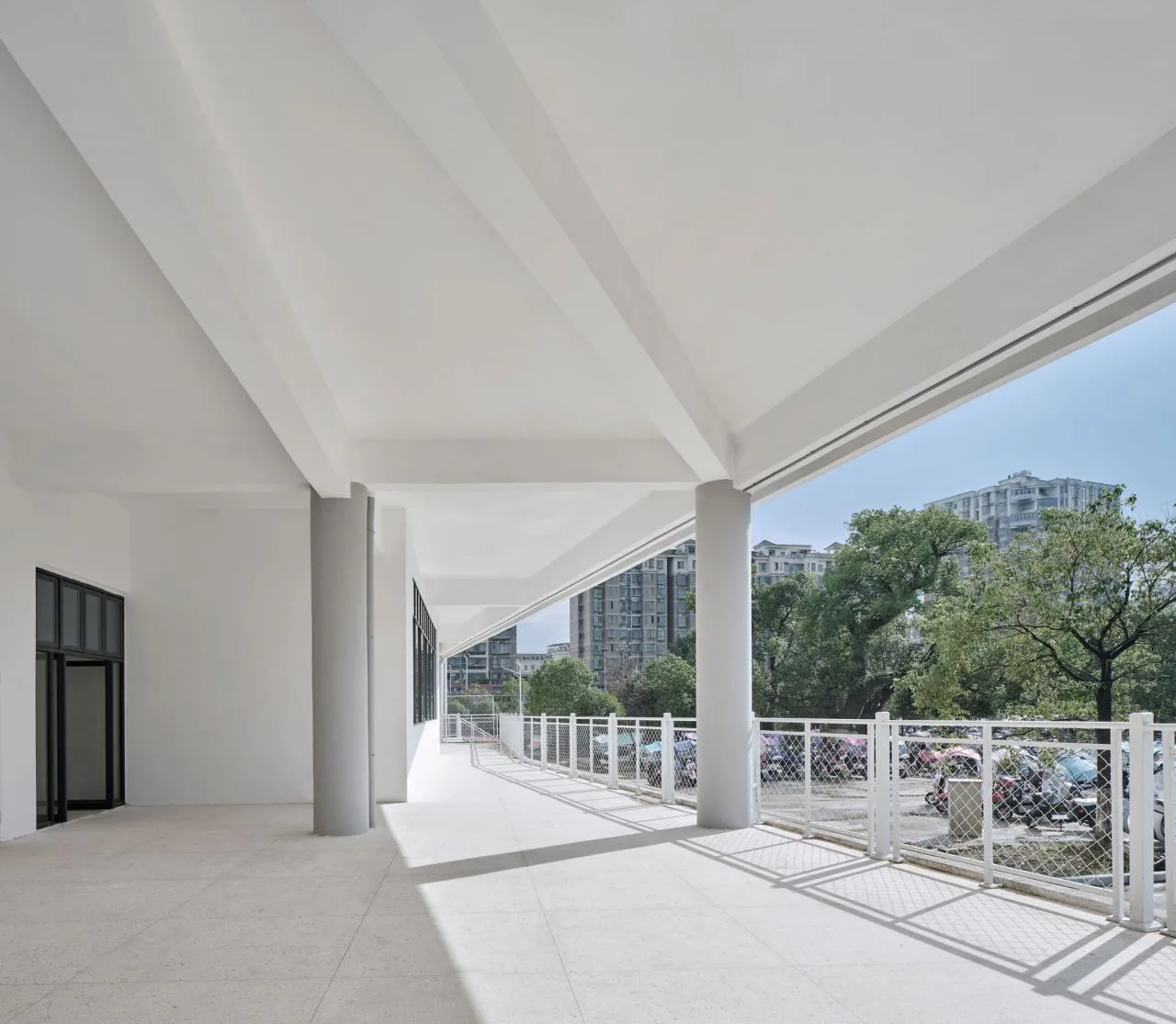
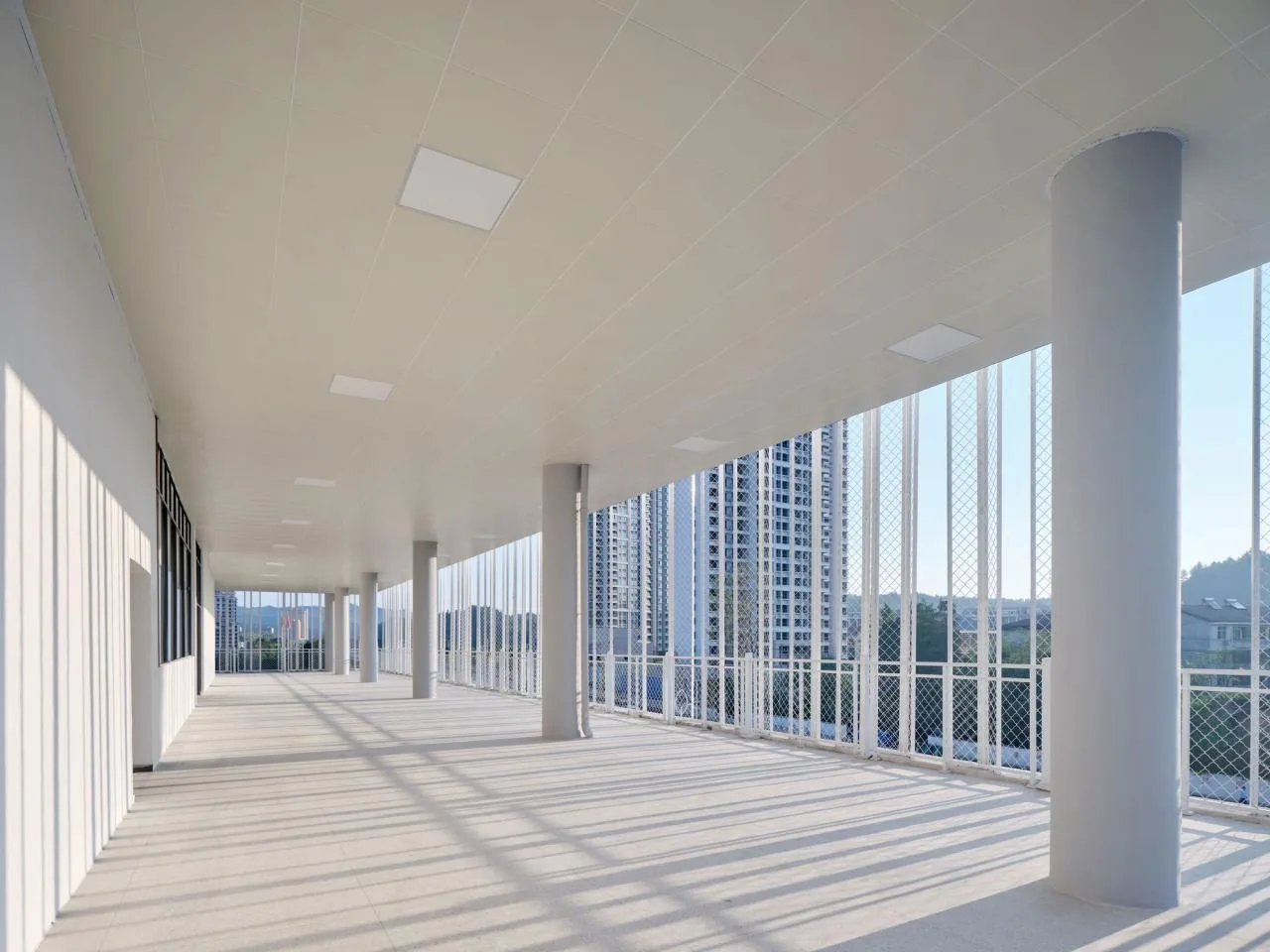
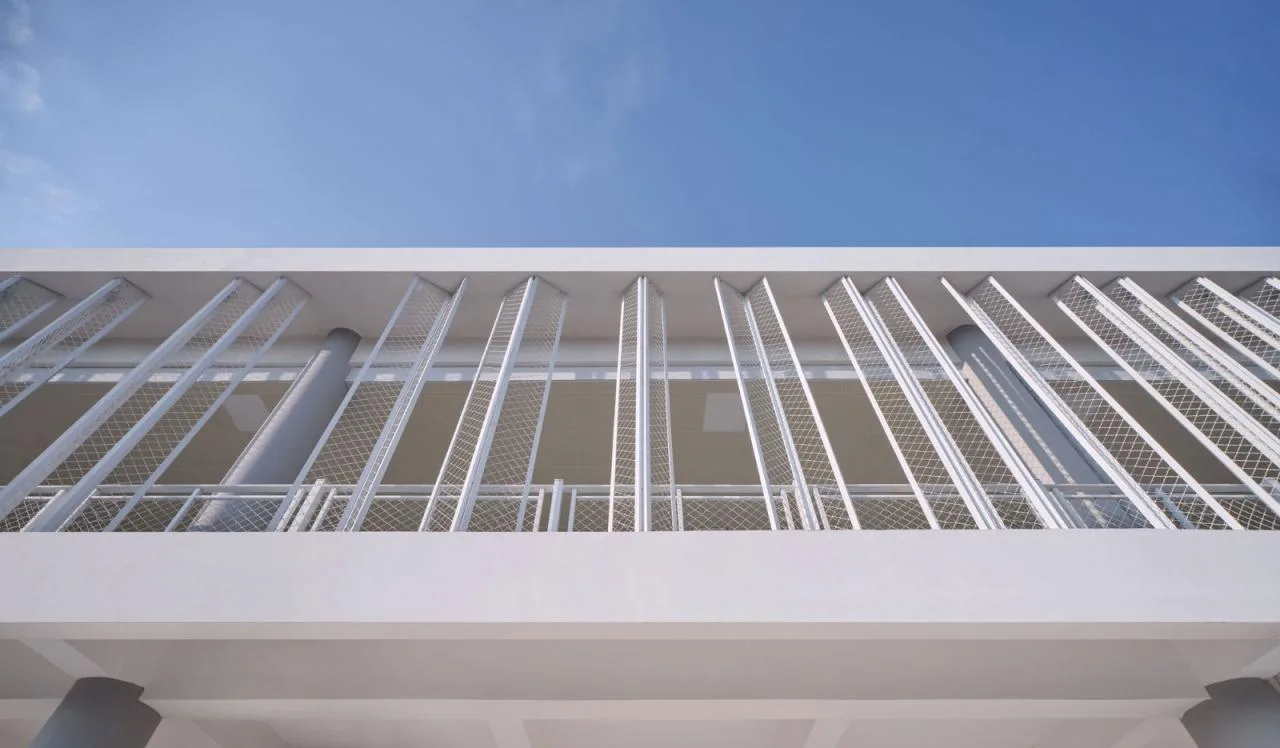
Unlike the fully open first and second-floor platforms, the third-floor platform is enclosed by irregularly arranged white polygonal metal mesh panels, semi-transparently defining the volume of the three-story horizontal mass. The serrated steel truss of the sports hall extends above the roof and is completely wrapped in white perforated metal panels. From bottom to top—the white horizontal lines along the slab edges, the vertical columns partially concealed behind interior walls, the slender white metal mesh facades and semi-transparent railings, to the white walls and glass curtain walls enclosing interior spaces—the building presents a rich, open architectural identity within the Yihuang No.1 Middle School campus. While many Domino model buildings feature complete uniformity of slab, column grid, and enclosure—limiting spatial potential to mere “production spaces”—this complex demonstrates the model’s versatility through the dynamic interaction of horizontal slabs and vertical columns, paired with layered vertical interfaces of varying transparency.
Project Drawings
△ Shape Generation
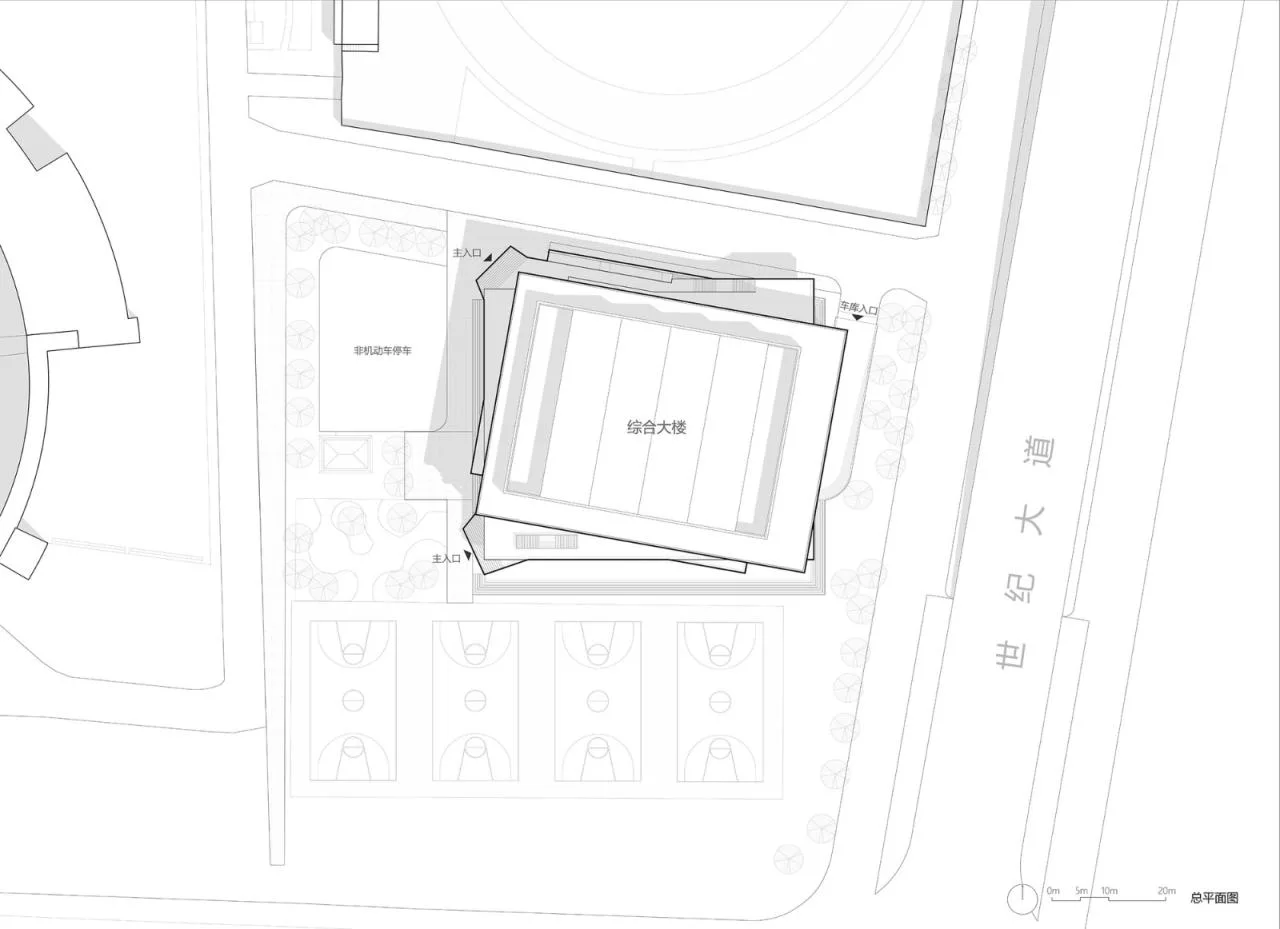
△ General Layout Plan
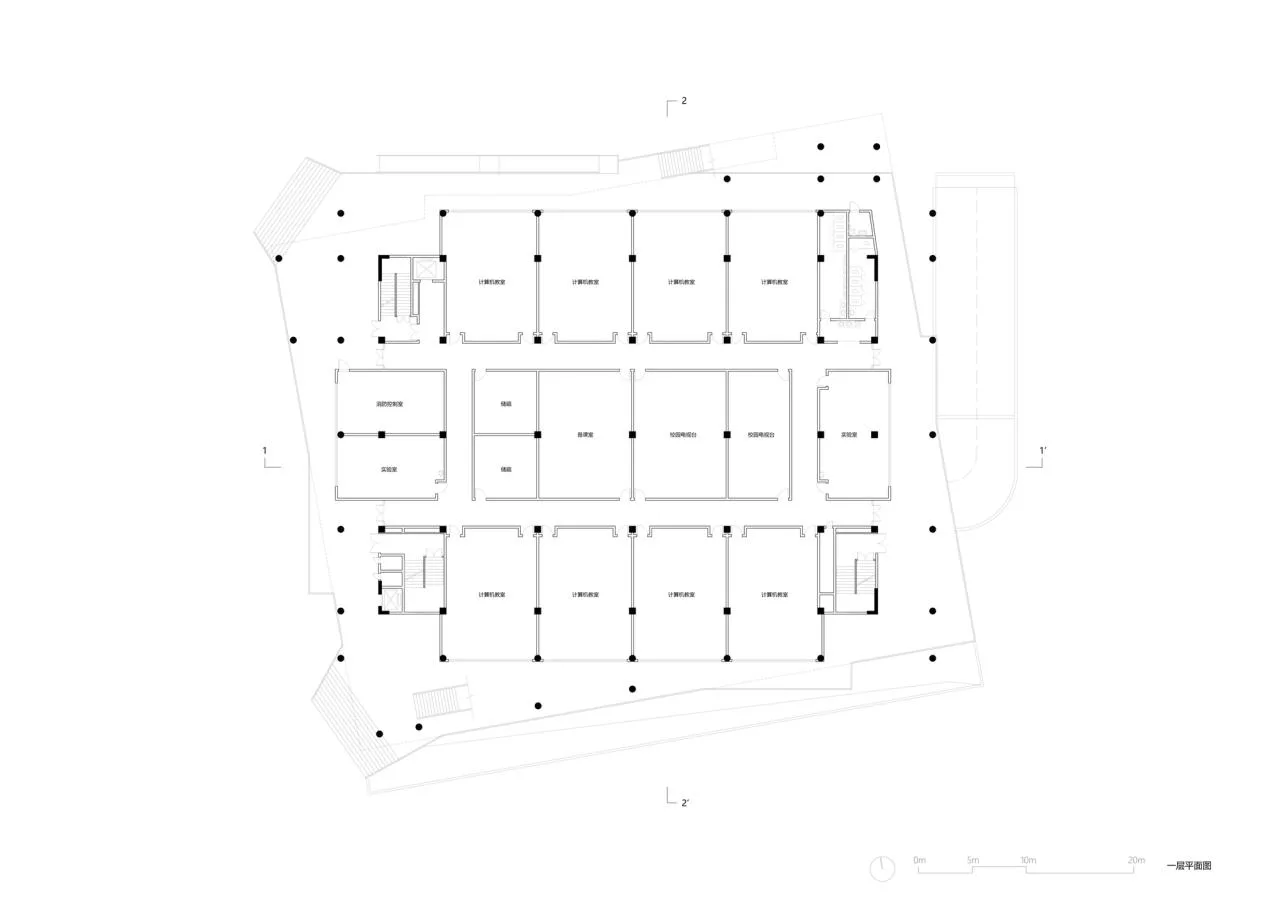
△ First Floor Plan
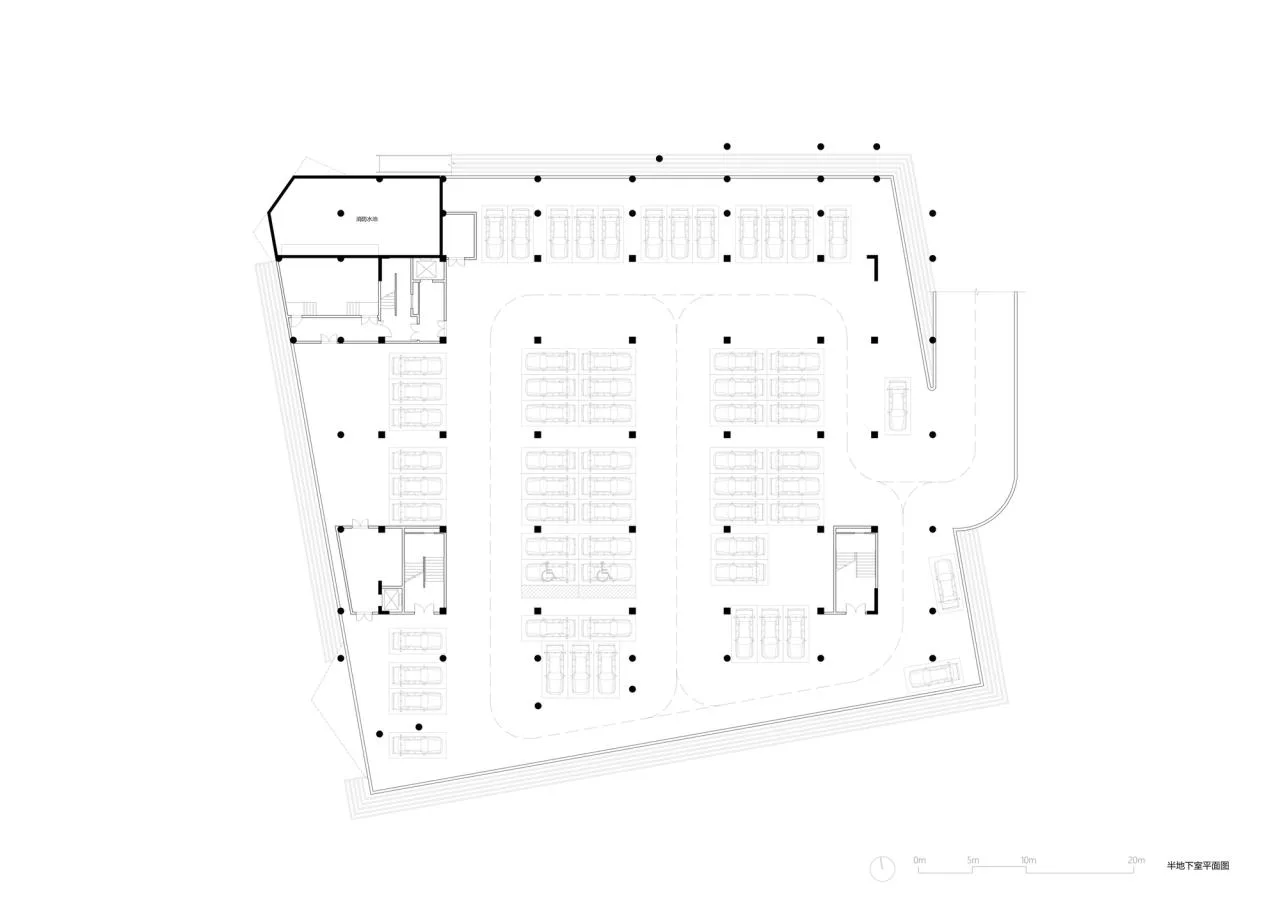
△ Semi-Underground Plan
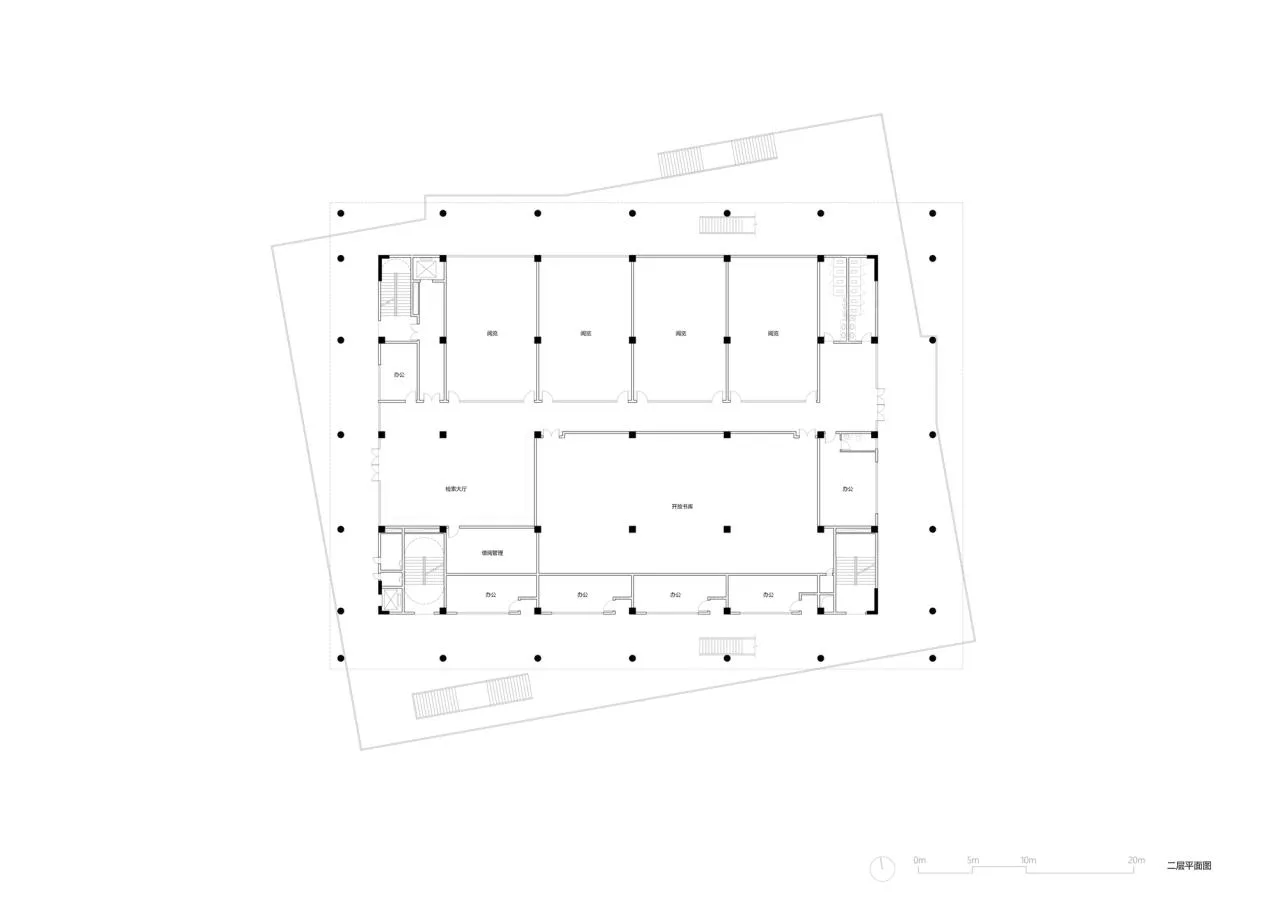
△ Second Floor Plan
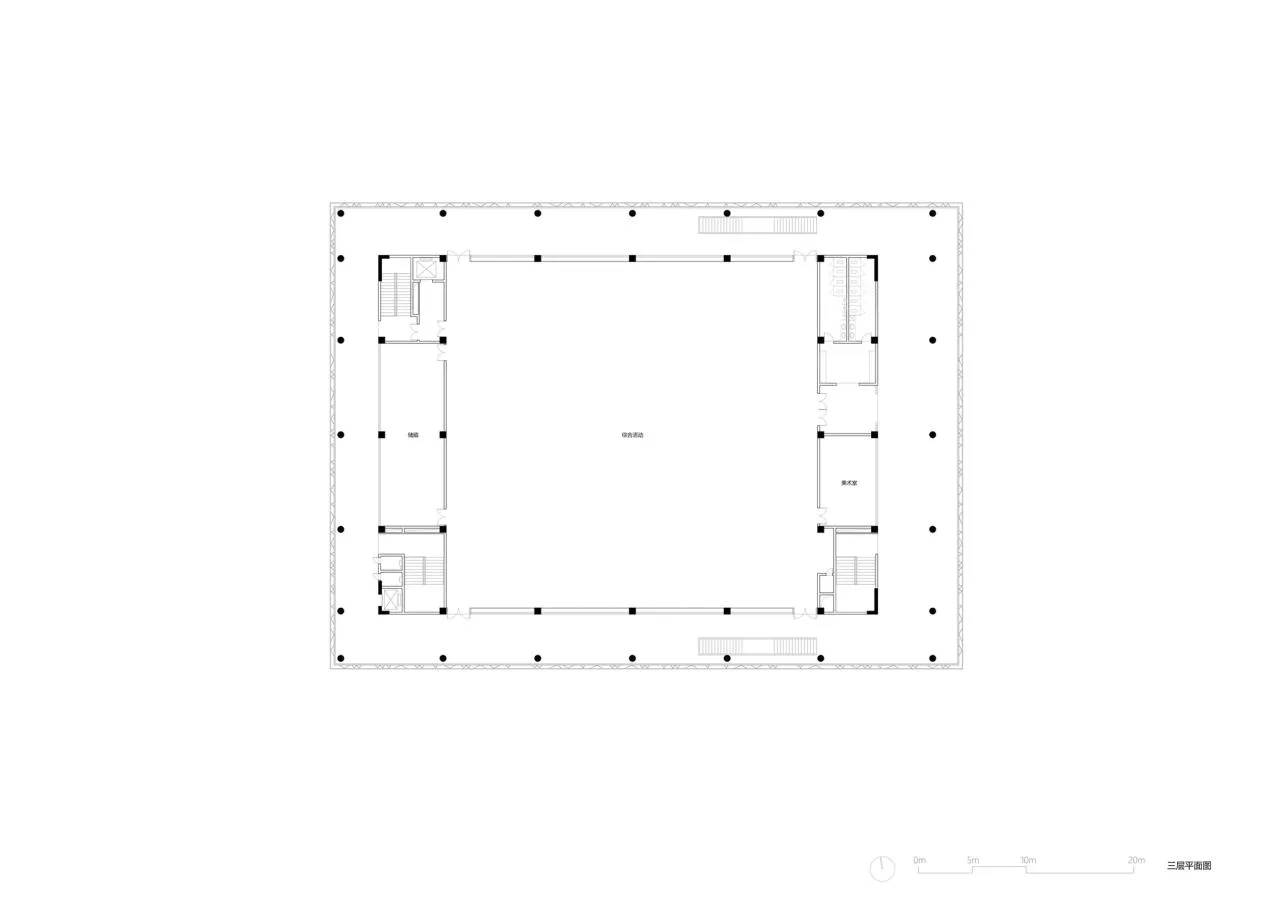
△ Third Floor Plan
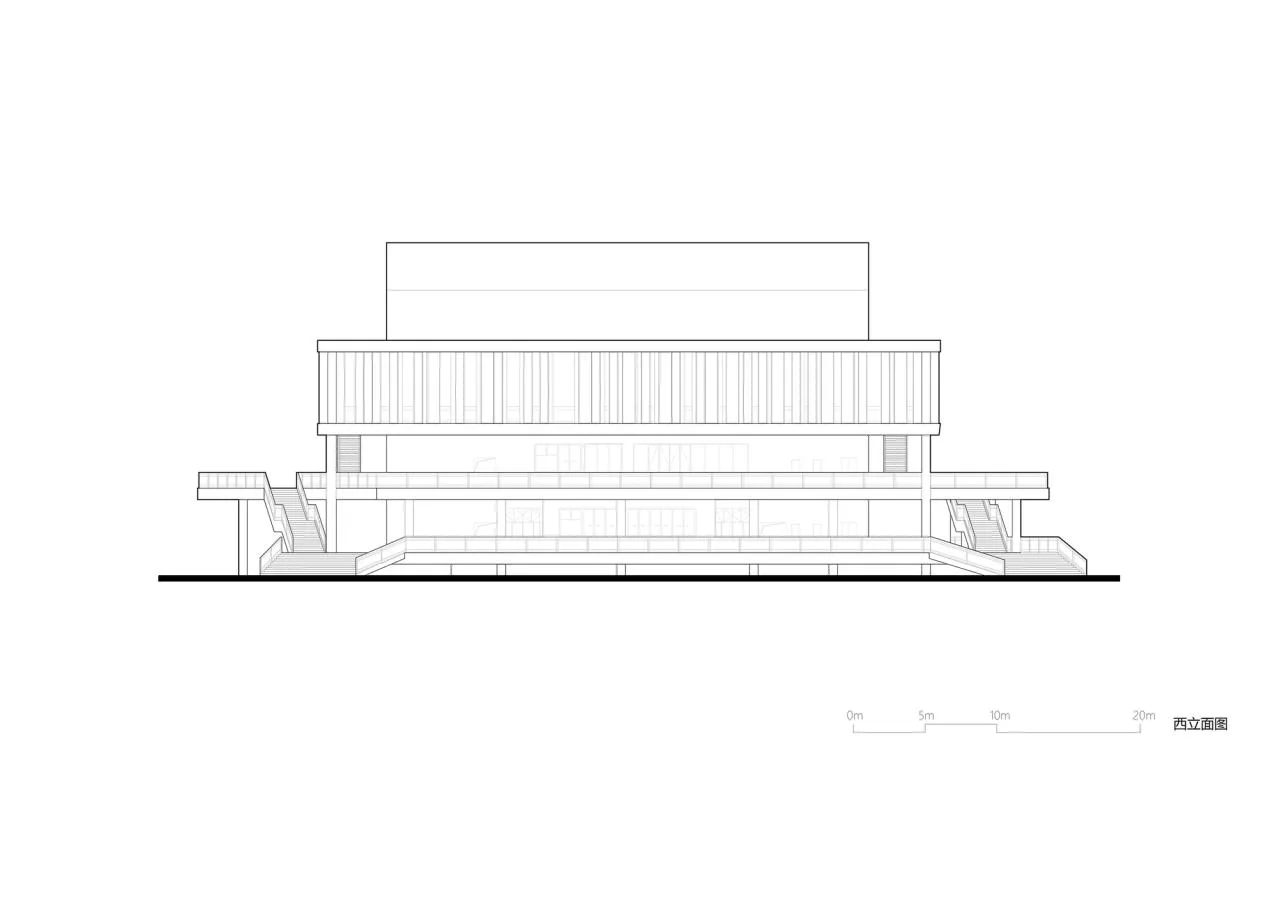
△ Elevation Drawing
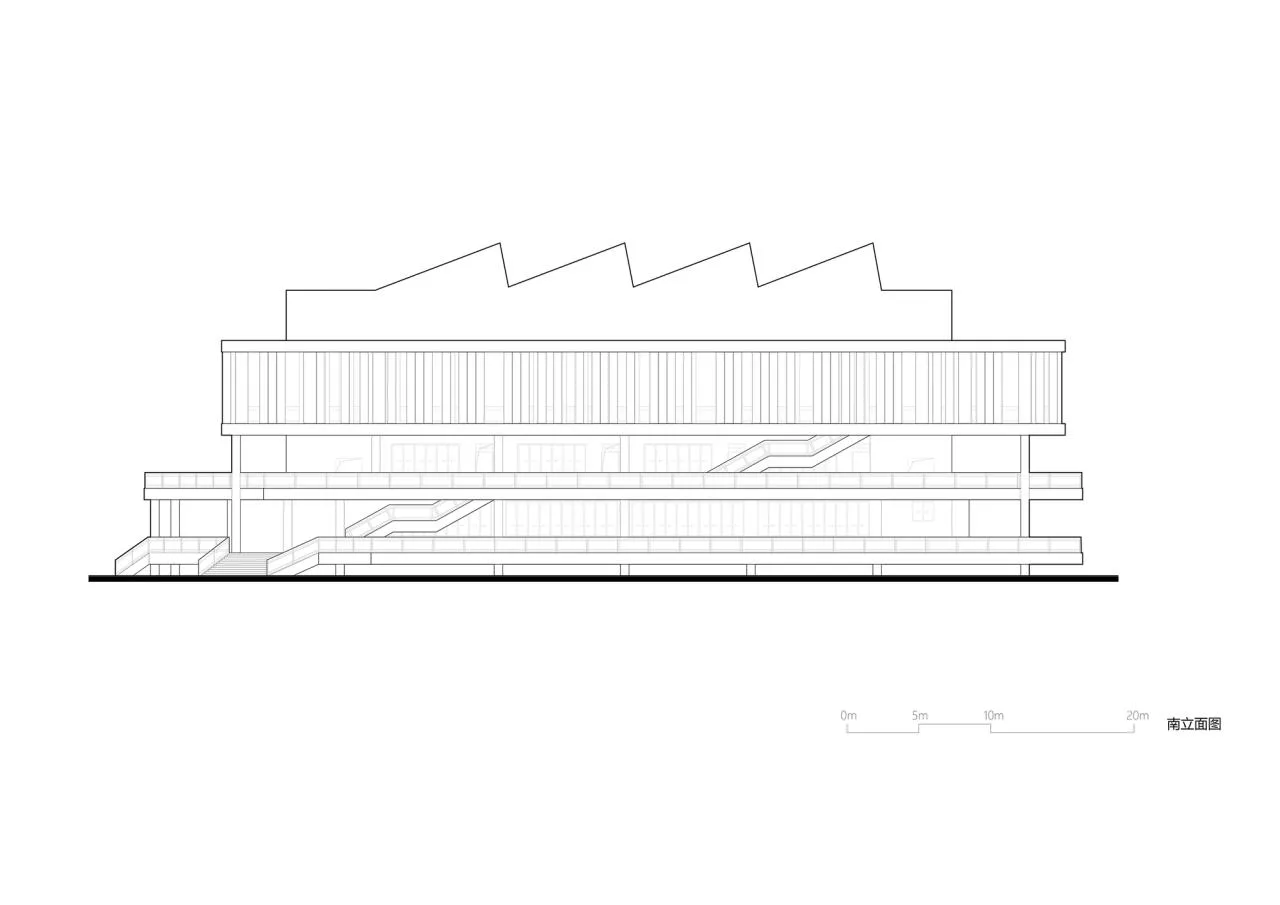
△ Elevation Drawing
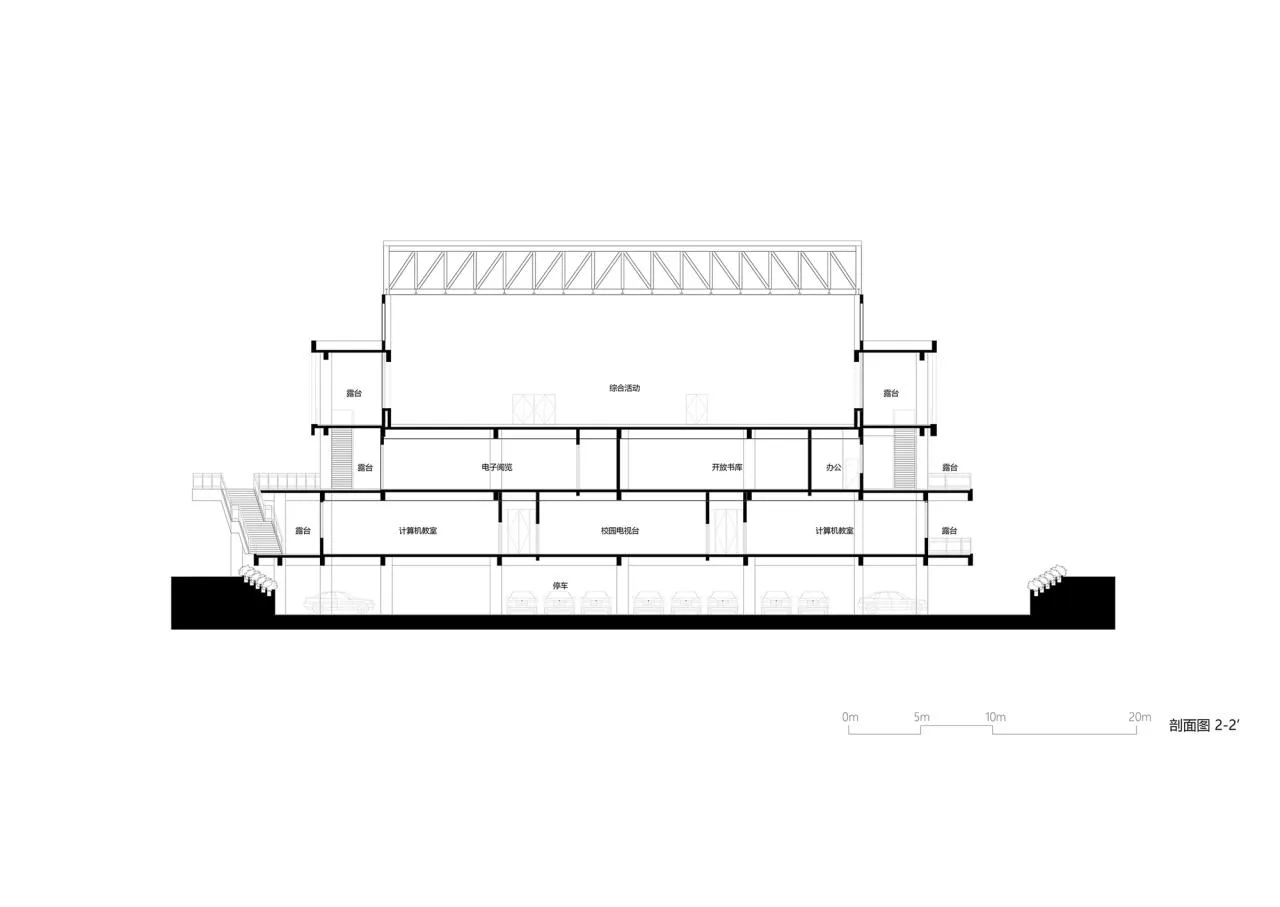
△ Section Diagram
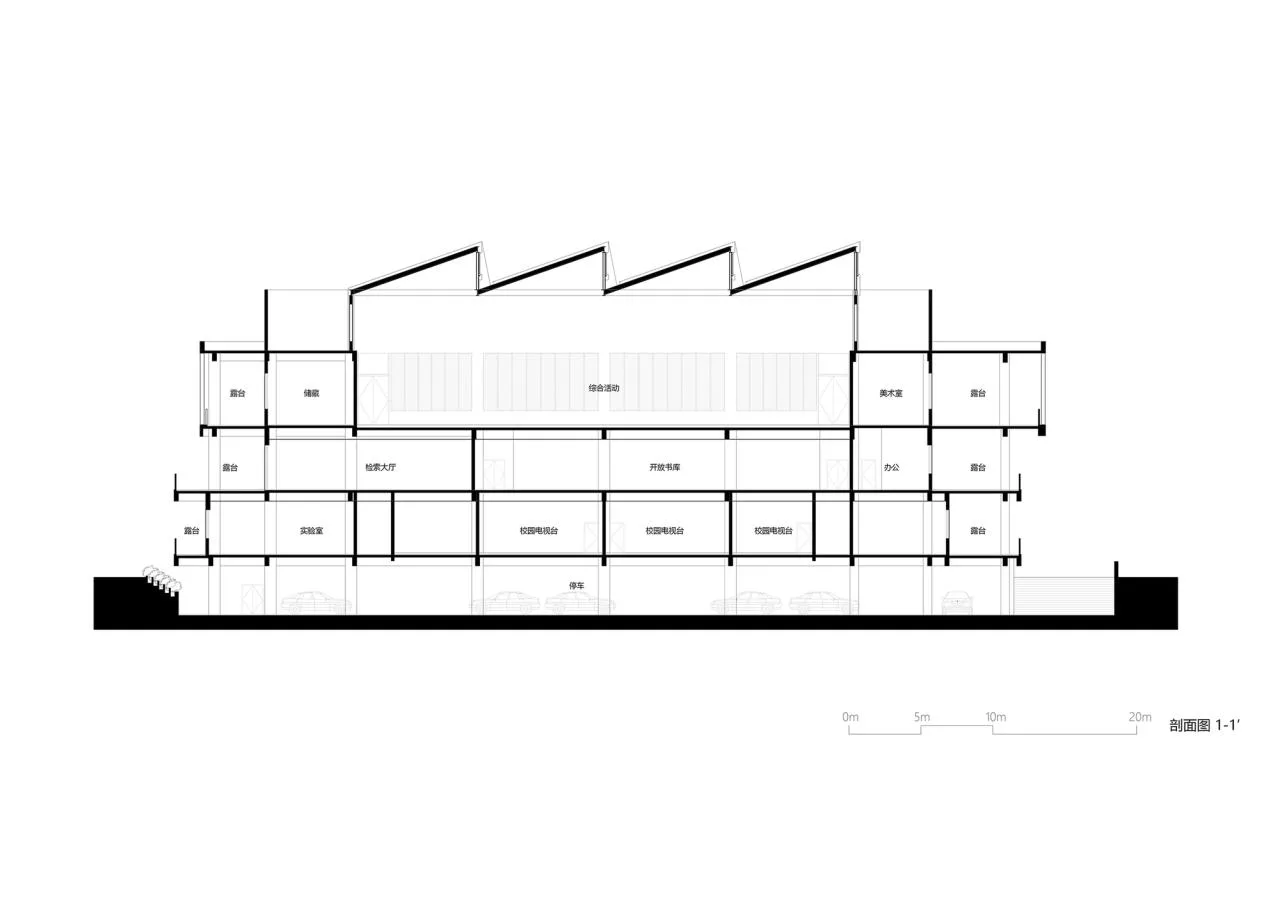
△ Section Diagram
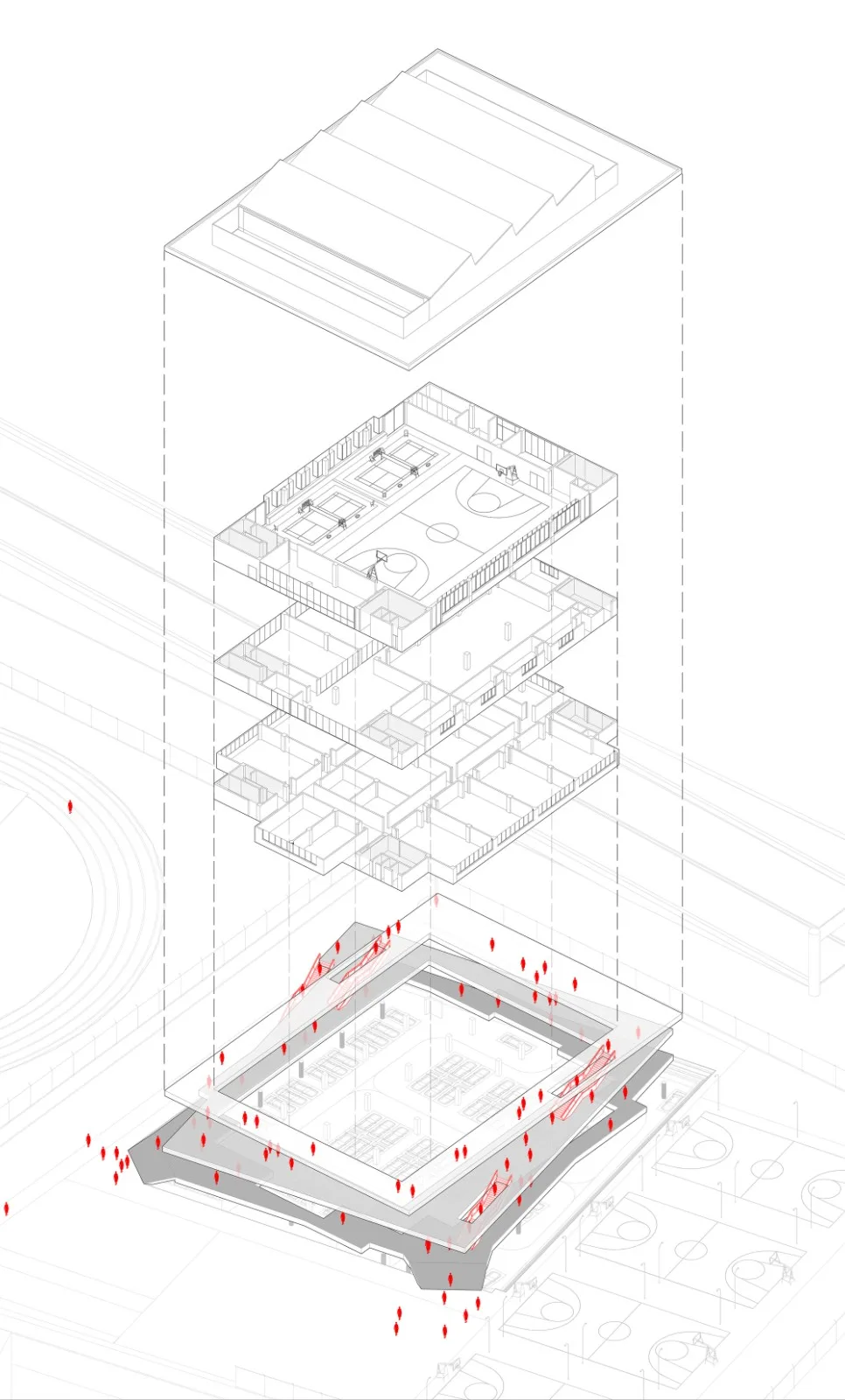
△ Exploded Diagram
Project Information
Architectural Design: Relying on Architecture
Area: 9,395 m²
Year: 2020
Photographer: Zhang Yong
Lead Architect: Li Yikao
Design Team: Wang Bo, Xu Wenli, Zhang Jiaqi, José Maria Esquivel, Yang Binrui (analysis diagrams), Su Yuqian (analysis diagrams)
Client: Yihuang No.1 Middle School
Location: Fuzhou, China












Must log in before commenting!
Sign Up