
BIM (Building Information Modeling) is both a management concept and an engineering technique that uses computer software to create three-dimensional digital models of buildings. These models are based on comprehensive building information related to construction engineering. The core feature of BIM is its ability to digitally manage various building-related data, allowing for visual analysis through computers—including assessments of space, volume, structure, and renderings. It supports parametric and collaborative design processes. Using BIM technology, different stakeholders in a construction project can manage aspects such as investment control by developers, progress tracking, quality assurance, and cost control by contractors. Additionally, BIM enables effective communication and collaboration among all parties involved through a centralized technology platform.
In the design phase, BIM enables full 3D digitization and visual simulation of design concepts. It also allows ecological simulations, analyzing factors such as meteorological data, energy consumption, sunlight exposure, radiation, outdoor wind conditions, and noise levels. During the preliminary design stage, BIM facilitates collaboration and collision detection among various disciplines. In the detailed design phase, BIM models can be developed to meet construction drawing requirements and support more precise indoor environmental design.
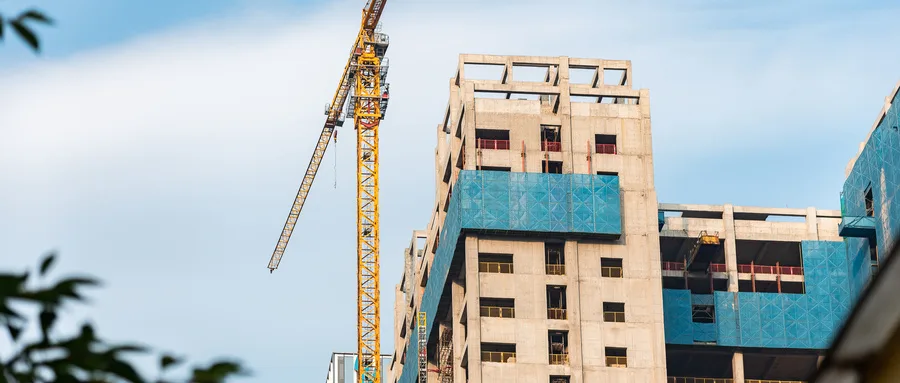
During construction, BIM supports 4D simulation of the building process and 5D dynamic cost control. Project managers and stakeholders can monitor progress in real time, make timely adjustments, and allocate resources—including personnel, materials, and budget—more effectively based on the construction schedule. This enables scientific, dynamic management throughout the construction lifecycle.
In the operation and maintenance phase, BIM provides real-time performance indicators and usage data for the building, aiding in the management of space, energy consumption, and other operational aspects.
BIM technology underpins an integrated management environment for the entire lifecycle of construction projects. Its approach includes not only data models but also behavioral models. Data models contain the building’s diverse information, while behavioral models reflect project management processes and actions. Together, these models facilitate the digital management of building information, which is the core value of BIM technology. Moreover, they enable BIM to simulate the behavior of real buildings, enhancing both planning and operational capabilities.
















Must log in before commenting!
Sign Up