
Safety management is a critical aspect of project management, often holding veto power that directly impacts the success of other project objectives. As the construction industry places increasing emphasis on safety, the responsibility for safety management has expanded beyond the project leader to include dedicated EHS (Environment, Health, and Safety) management roles within construction teams. This ensures comprehensive oversight of project safety.
When BIM (Building Information Modeling) technology is effectively integrated into construction safety management, it significantly enhances safety standards and helps prevent accidents. For instance, BIM-based modeling, virtual construction, and collision detection technologies guide on-site work toward zero safety incidents. Additionally, visual management platforms enable the development of targeted emergency response plans, minimizing losses if accidents occur.
BIM technology plays several key roles in safety management during construction:
- It uses BIM software to simulate construction sites, assessing whether site planning and the placement of heavy machinery are optimal.
- Virtual construction processes simulate potential safety risks, such as falling materials from inadequately protected edges and openings.
- BIM visualizes and simulates construction characteristics to enable dynamic, real-time safety management on-site.
- It supports continuous optimization of safety plans and the development of emergency response measures before construction begins.
- During construction, BIM systems regularly update and record safety data, including hazard lists and incident timelines.
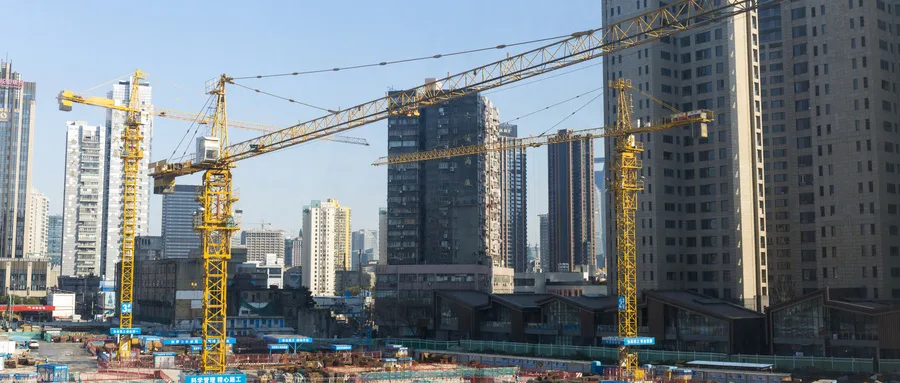
Construction projects must operate within defined boundaries, often facing challenges like limited space, narrow working areas, and multiple overlapping trades. Poor site planning can lead to risky interactions, such as collisions involving large machinery like tower cranes, which pose serious threats to people and equipment.
Because the on-site environment evolves as construction progresses, creating a 3D visualization and a 4D simulation model of the site is essential. These models help monitor the environment, identify hazards, and conduct risk evaluations dynamically, supporting safer site and spatial management.
Large, complex projects involve numerous trades, multiple work fronts, and many workers simultaneously. Managing safety across all these fronts is challenging for project managers. However, BIM simulations offer comprehensive views of each work area, allowing managers to identify and address potential hazards from every angle, effectively eliminating risks one by one.
















Must log in before commenting!
Sign Up