
In the traditional approach, prefabricated buildings are designed by a design team, manufactured by prefabricated component producers, and then assembled on-site. These three stages operate independently, which often leads to poor coordination during construction. This segmented process causes various inefficiencies. For example, design errors may only become apparent during transportation or installation, preventing the components from being used as intended. Such issues delay the project timeline and result in significant waste of labor and materials.
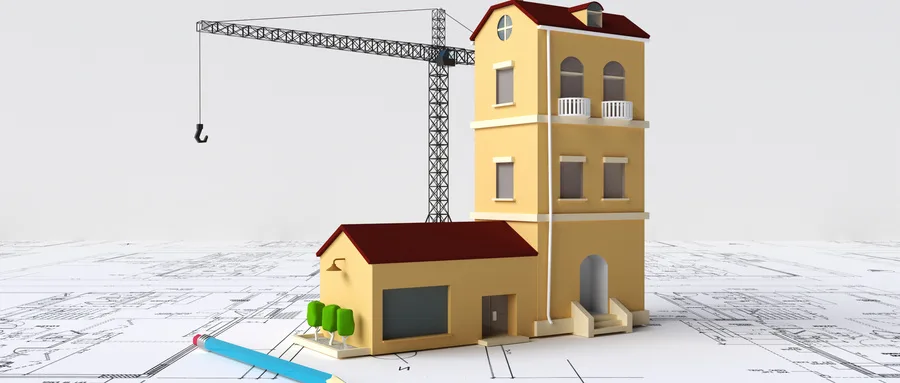
The convergence of digital technology and industrialization has given rise to innovations such as Building Information Modeling (BIM) and prefabricated construction. For prefabricated buildings, the key lies in achieving seamless integration, and BIM offers robust technical support for this process. The widespread adoption of BIM in prefabricated engineering has effectively introduced digital workflows throughout the entire project lifecycle.
From design and construction to maintenance and even demolition, BIM technology addresses the needs of design, manufacturing, and installation phases early on. It allows teams to anticipate and resolve potential issues before actual construction begins, avoiding situations where prefabricated components fail to meet on-site requirements during assembly. By simulating the construction process, BIM helps identify and eliminate problems at an early stage, streamlining the workflow and reducing costly delays.
Traditional design methods often suffer from a disconnect between design and construction, leading to frequent on-site complications. To counter this, design institutes and EPC technical departments collaborate closely during the design phase, considering production and installation requirements upfront. During the detailed design stage, additional information—such as aluminum mold embedded parts and installation sequences—is incorporated into component details, along with construction simulations. This approach shortens the detailed design cycle while enhancing accuracy and feasibility.
Moreover, BIM facilitates the creation of a prefabricated component library. This library supports standardized design of various building elements—such as internal and external walls, balconies, and stairs—during preliminary design. For residential projects, BIM-based standardized designs can accommodate different layouts and styles to meet diverse customer needs, providing flexibility and ensuring the basic requirements of future homeowners are fulfilled.
















Must log in before commenting!
Sign Up