
In the construction industry, owners serve as the primary integrators and coordinators of the entire construction process. They play a crucial role in driving technological innovation and act as the “engine” propelling technological advancements across the sector. The demand from owners for overall project efficiency improvements is a key factor behind the rapid adoption of new technologies, such as Building Information Modeling (BIM), within the industry. However, many domestic owners still lack a thorough understanding of BIM technology. As a result, some only reluctantly implement BIM when required by specific design environments.
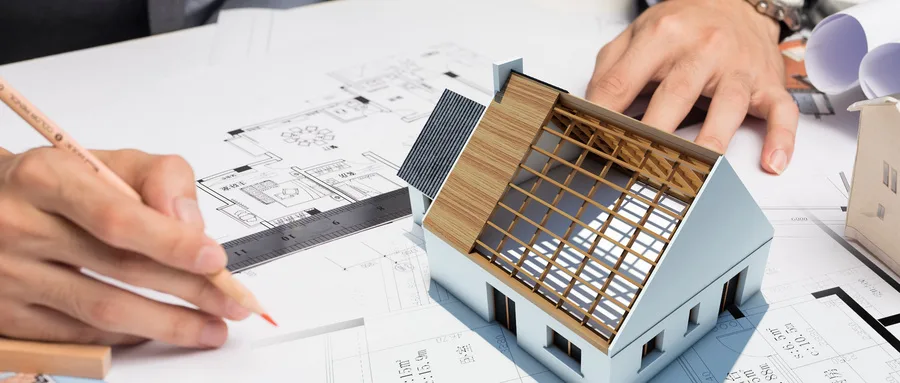
BIM technology spans multiple stages throughout a construction project’s entire lifecycle, encompassing planning, design, construction, and management. These phases are all interconnected with BIM applications. Within the BIM implementation process, the owner acts as the overall organizer and primary driver, guiding the successful adoption of BIM. From the owner’s perspective, the key benefits are cost reduction, shortened construction timelines, and enhanced return on investment.
Before BIM became widely adopted in China, limitations such as insufficient expertise, technical shortcomings, and incomplete applications often led to a gap between the expected and actual benefits in cost savings, construction duration, and investment returns. This gap caused many project owners to hesitate or resist change.
Conversely, international experience shows that owners are the greatest beneficiaries of BIM adoption, with their gains significantly surpassing those of other participants, including design institutes. Specifically, owners can leverage BIM to make informed decisions regarding energy efficiency, environmental impact, and cost factors, resulting in more reliable design outcomes and improved overall project profitability.
First, from an organizational standpoint, BIM enables owners to engage more actively in design planning and control through its visual tools. Second, from a process perspective, BIM allows for thorough evaluations of a building’s functionality and aesthetics prior to construction, which helps manage design changes effectively and shortens the overall project timeline.
In summary, BIM not only accelerates the design process and enhances quality but also reduces construction costs, speeds up building schedules, and improves construction quality. BIM boosts the overall efficiency of project design and construction, ultimately benefiting the owners the most. To fully realize these advantages, owners must recognize BIM’s value and proactively require design and construction teams to adopt BIM technology, thereby deepening its application and unlocking the project’s maximum value.
















Must log in before commenting!
Sign Up