
Source: Popular Daily
Copyright belongs to the original author
On October 29th, the Qingdao Municipal Government Service and Public Resource Trading Center released the “Guidelines for the Application of Building Information Modeling Technology in Bidding and Tendering of Housing Construction Projects in Qingdao” (hereafter referred to as the “Guidelines”). After a second round of expert evaluation, these guidelines were officially published. On the same day, Qingdao launched its BIM electronic bidding system on the Qingdao Public Resource Trading Electronic Platform, marking the official integration of visualized and intelligent BIM technology into the bidding and tendering process for housing construction projects in the city.

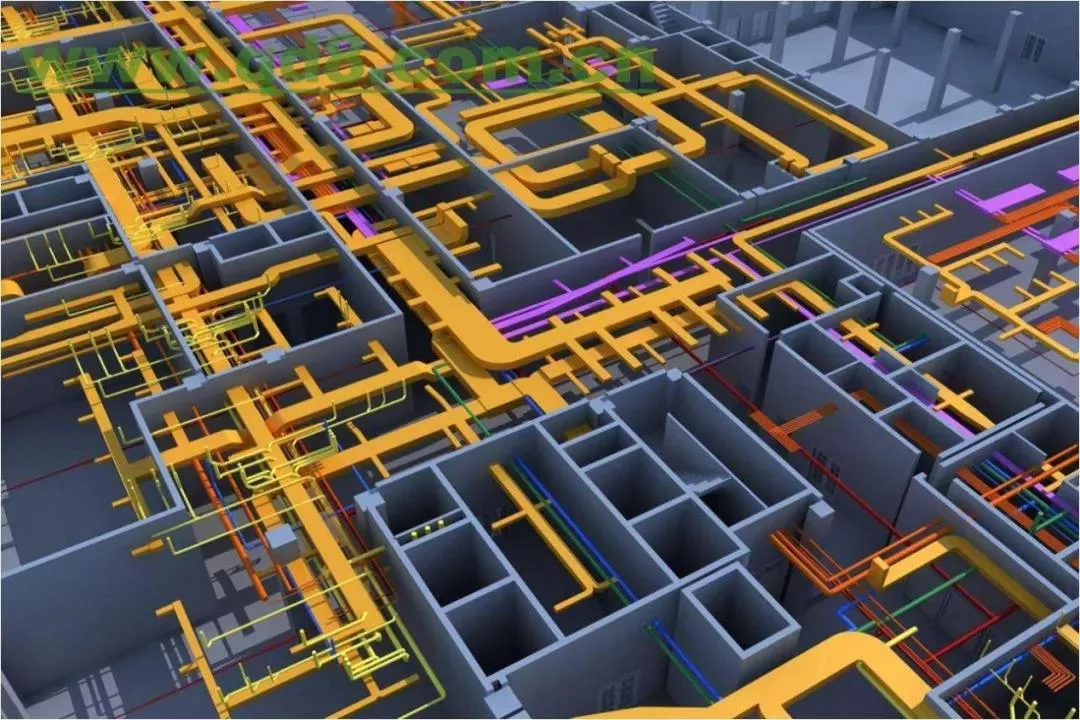
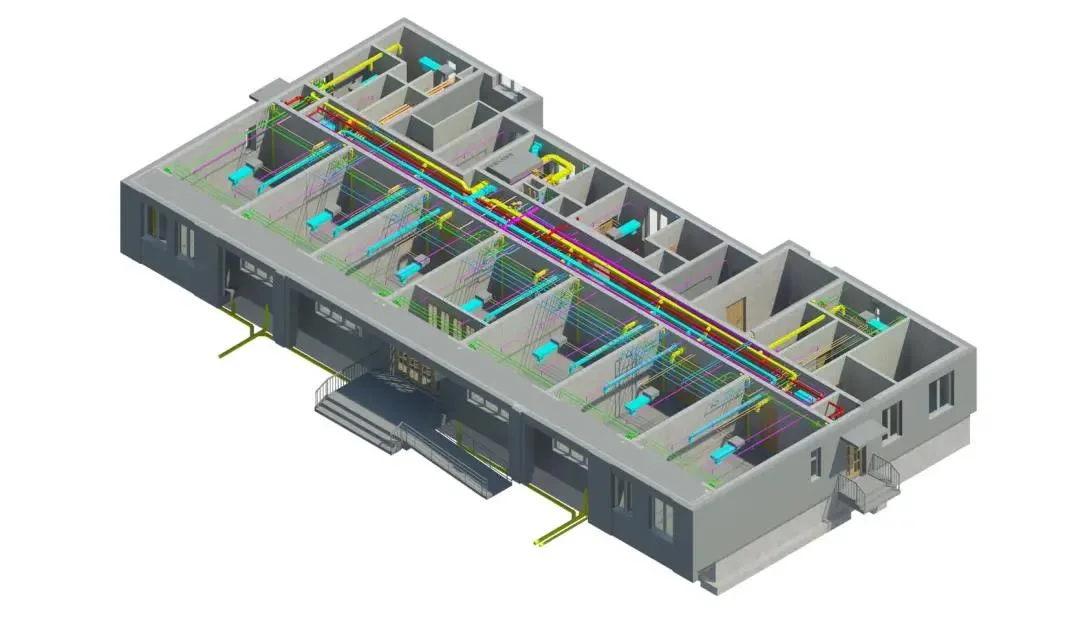
Building Information Modeling (BIM) uses comprehensive data related to construction projects to create detailed building models. This unified platform enables design, construction, and management teams to collaborate seamlessly, effectively addressing information gaps between different stages and disciplines throughout the building lifecycle. This approach significantly enhances the digitalization and information management of construction projects.
As the province’s first application standard for using BIM technology during the bidding phase, the Guidelines aim to promote BIM adoption in Qingdao’s bidding processes. This initiative supports the city’s construction industry’s digital transformation, contributes to smart city development, and helps optimize Qingdao’s business environment.
Qingjian Group Co., Ltd., one of the main contributors to the Guidelines, highlighted their importance. Wang Lijing from Qingjian Group described the Guidelines as a “compass” for BIM technology in bidding and tendering. Comprising nine sections and five case studies, the Guidelines emphasize leadership, innovation, and practicality. They provide comprehensive lifecycle guidance for all types of construction projects and align closely with the technical standards of Qingdao’s municipal public resource electronic trading platform.
Zeng Kui, General Manager of Fulaiyitong Software Co., Ltd., discussed the innovative BIM electronic bidding system. Unlike traditional electronic bidding, this system integrates 3D modeling with additional dimensions such as cost and scheduling. Leveraging big data analytics, it dynamically visualizes key information for both tenderers and evaluation experts. This helps tenderers select the most suitable proposals and identify bidders with the strongest overall capabilities, ultimately delivering higher-quality and more thoughtful transaction services for all parties involved.
The head of the Qingdao Municipal Government Service and Public Resource Trading Center stated that the introduction of the Guidelines and the launch of the supporting systems will fully integrate BIM technology into the construction project bidding process. This effort aims to raise awareness of BIM applications among design, construction, property management, and consulting service units in Qingdao. It will also guide relevant entities in applying BIM during the bidding stage, foster continuous improvements in BIM research and development, and strengthen technical and personnel capabilities. These advances will serve as a powerful force driving the transformation and upgrading of Qingdao’s construction industry and its related intelligent construction sectors.
Looking ahead, the Qingdao Municipal Government Service and Public Resource Trading Center plans to further enhance its services by leveraging technologies like blockchain and artificial intelligence. These innovations will enable cross-regional information sharing and mutual recognition, promote new trading models such as “intelligent bid opening and evaluation” and “remote evaluation,” and increase efficiency while reducing costs for trading participants. Overall, these measures will comprehensively optimize the public resource trading business environment in Qingdao.














Must log in before commenting!
Sign Up