
The BIM section in a construction bidding document typically requires the following:
Based on the project’s characteristics and specific construction deployment, evaluate whether BIM technology is reflected in the construction organization plan, simulation of critical and complex processes, and the analysis of application points.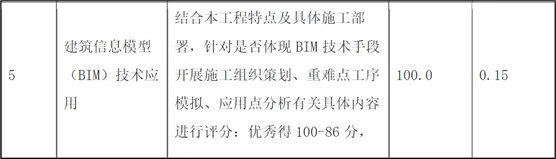
BIM Section Requirements in a Construction Bidding Document
This chapter’s BIM requirements essentially call for a BIM implementation plan as part of the project’s bidding documents. This chapter is a key part of the technical proposal evaluation. Accordingly, an overall strategy for preparing the BIM section in the bidding document must be developed.
01
PART
Overall Preparation Strategy for the BIM Implementation Plan Chapter
Chapter Length: According to the bidding document requirements, BIM chapters can earn up to 15 points. Assuming the entire bid submission is limited to 100 pages, the BIM chapter should be approximately 15 pages (subject to confirmation with the bid manager).
Chapter Structure: The BIM implementation plan should be organized into the following six sections:
- BIM Implementation Objectives
- BIM Implementation Team Structure
- BIM Software and Hardware Environment
- Key Value Points of BIM Application
- BIM Collaborative Implementation
- Guarantee Measures for BIM Implementation
02
PART
Compilation of BIM Implementation Plan Chapters and Section Content
Below is a brief overview and examples for each section in the BIM implementation plan chapter.
01 BIM Implementation Objectives
This introductory section defines the reasons for adopting BIM technology in the project. It should clearly communicate the value and benefits BIM brings to the project owner. The description should be project- or company-focused, reflecting the core value of BIM without being vague or overly general.
To draft this section, consider:
- Extracting BIM objectives directly from the bidding documents if provided;
- Referring to provincial or municipal BIM guidelines if the bid lacks clear instructions;
- Leveraging your company’s BIM implementation templates.
Example 1:
“Integrate BIM technology throughout the entire construction process, continuously optimizing and improving the construction model dynamically. Identify potential issues early and resolve them promptly to enhance quality and efficiency.”
(Excerpt from the Fujian Province Building Information Modeling BIM Technology Application Guide)
Example 2:
“Adopting a trial-and-error approach, focusing on refinement rather than comprehensiveness. By implementing key application points at job and project levels, we enhance BIM awareness among project personnel, build BIM expertise, improve work efficiency, provide data support for management decisions, and reduce construction risks and costs.”
(Excerpt from a project-specific BIM implementation plan)
02 BIM Implementation Team
This section should outline the BIM team structure based on bidding requirements and project needs. It should demonstrate that the bidding party will supply adequate BIM personnel and clarify each role’s responsibilities. There is no fixed standard; however, an organizational chart combined with a responsibility matrix is recommended for clarity during expert reviews.
Example 1: BIM Organizational Structure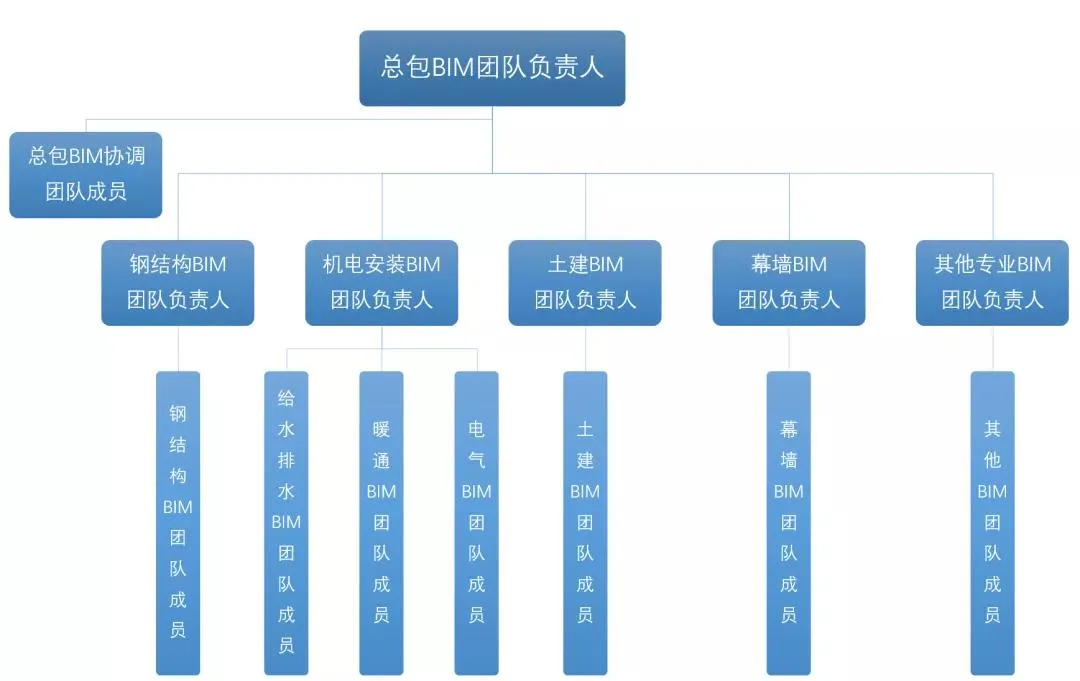
Project BIM Organizational Structure (From the guide)
Example 2: Roles and Responsibilities in BIM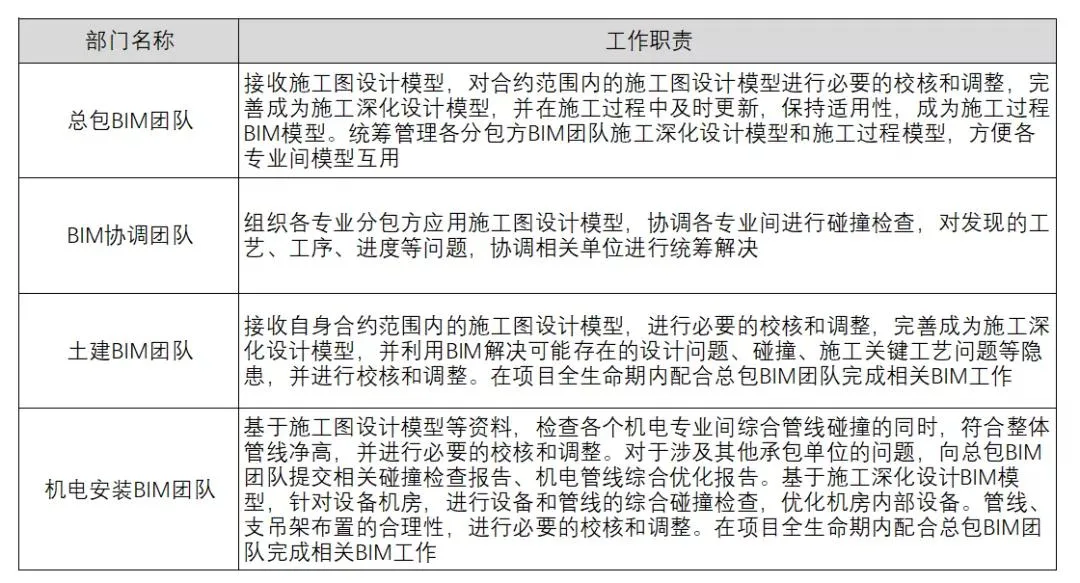
Project BIM Roles and Responsibilities (From the guide)
03 BIM Software and Hardware Configuration
This section details the software and hardware resources needed for BIM implementation, including the central server setup if applicable. Presenting this information in a simple chart format is recommended.
Refer to recommended configurations found online or from enterprise-level BIM competitions, then tailor them according to bidding requirements and project specifics.
Example 1: BIM Application Software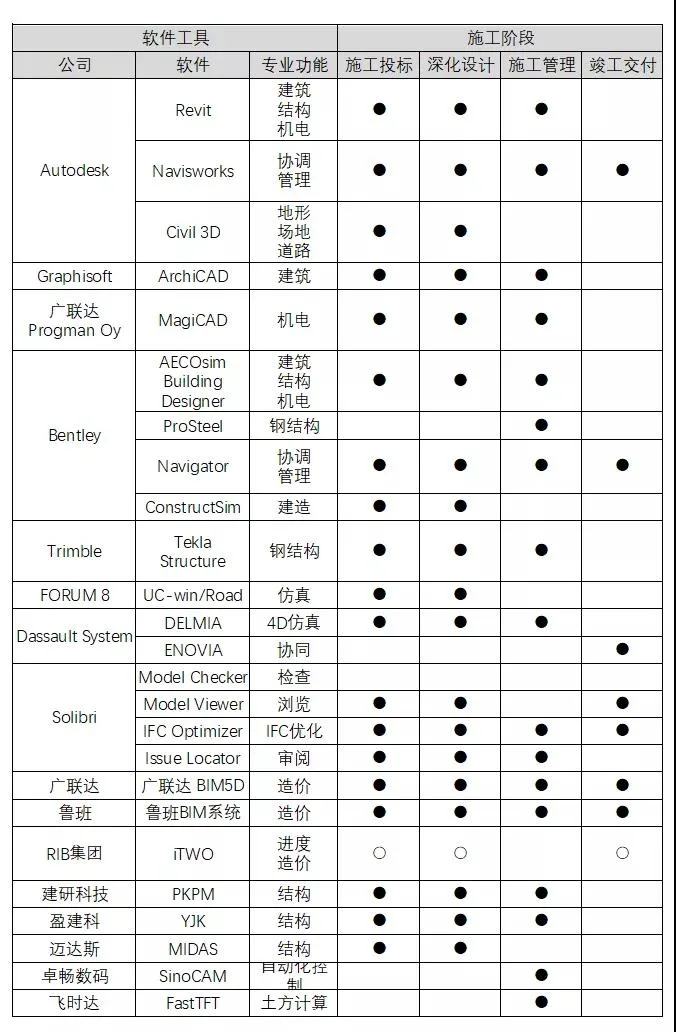
Construction BIM Application Software (From the guide)
Example 2: Hardware Configuration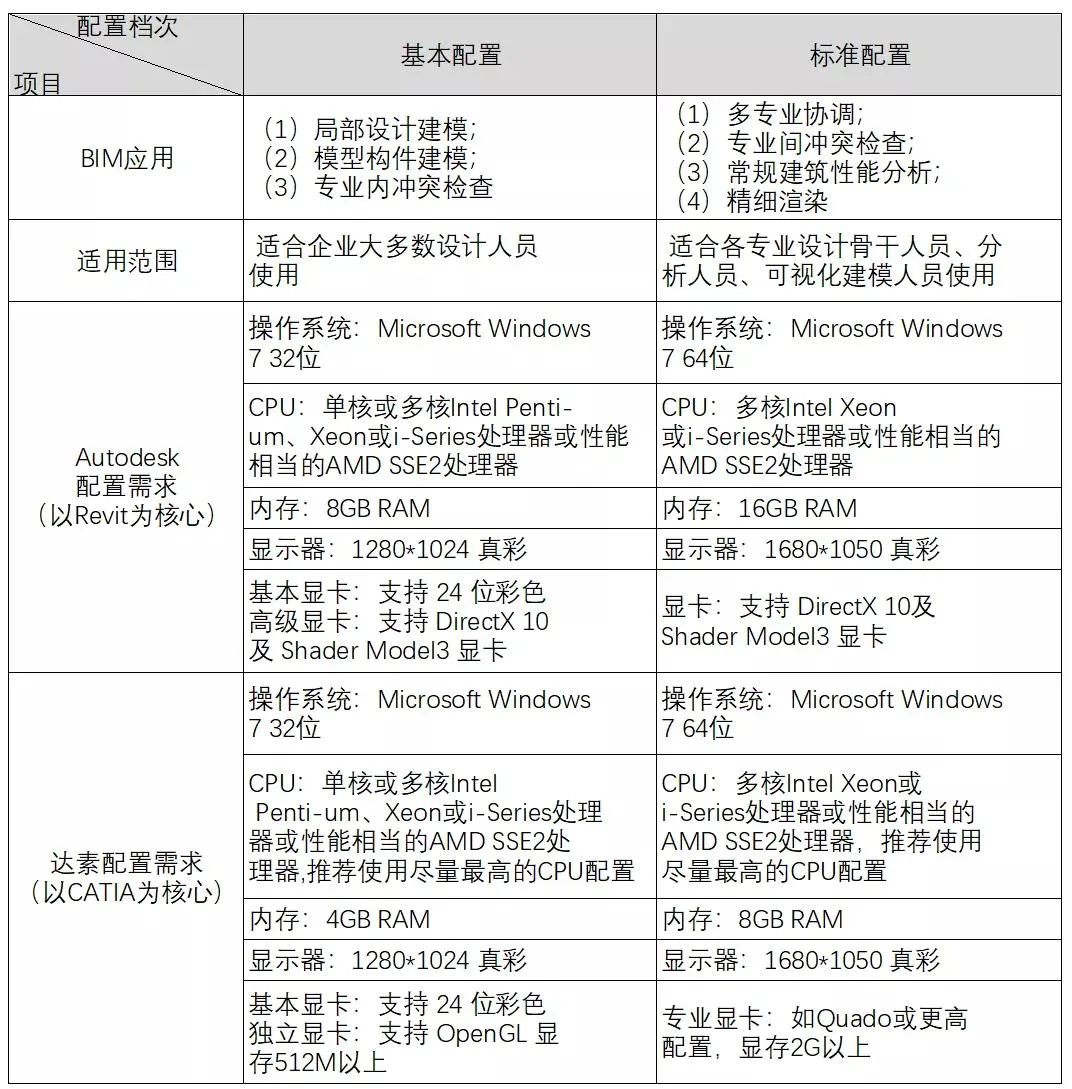
Hardware Configuration (From the guide)
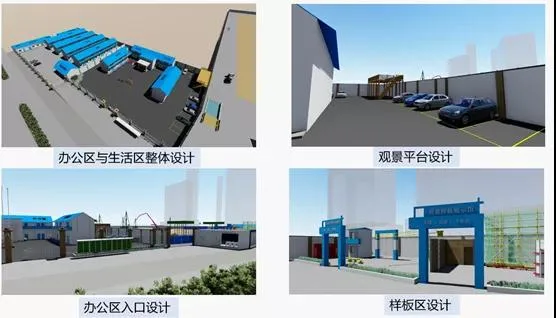
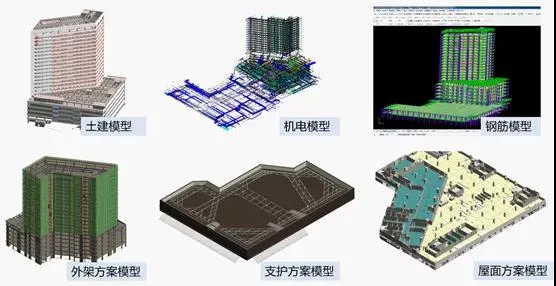
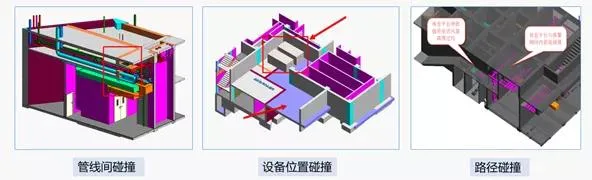
04 Key Value Points of BIM Application
This section highlights the BIM application points that best demonstrate its value, tailored to the project’s characteristics and past experiences with similar projects. These points are typically presented using text and illustrations.
Compiling this section is time-consuming and requires regularly maintaining a library of illustration styles and carefully selecting non-project imagery.
Some BIM application examples include:
- Construction Site Layout
- BIM Model Creation for Various Disciplines
- Clash Detection
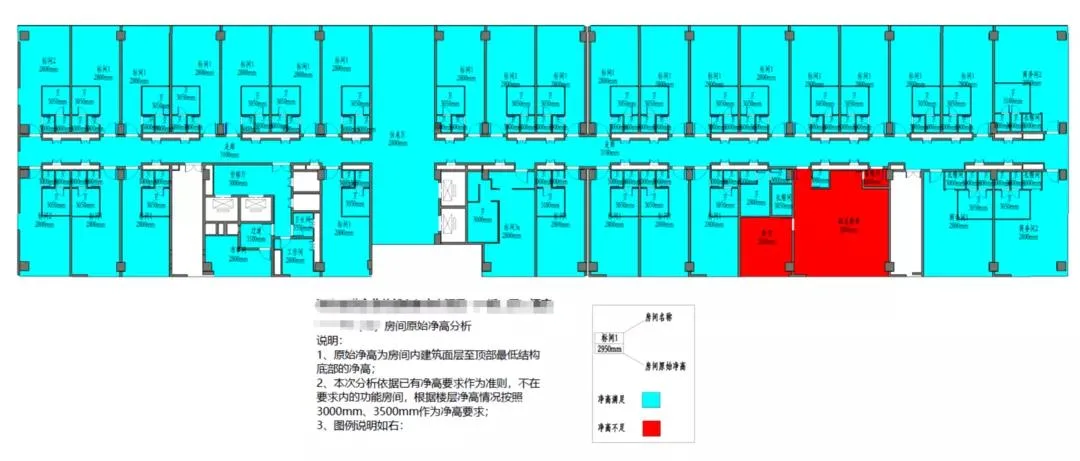
- Net Height Analysis
- Design Deepening
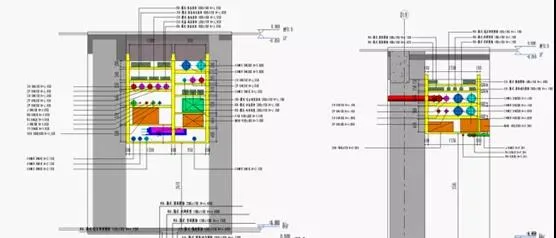
- Mechanical and Electrical Deepening Design
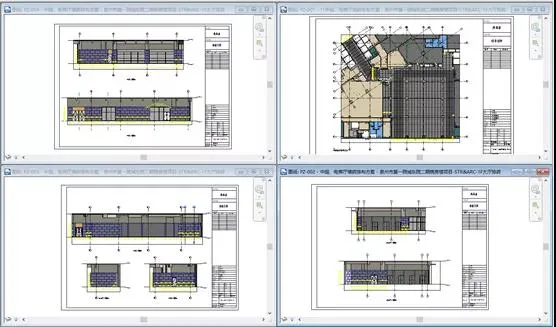
- Refined Decoration Design
- Scheme Simulation
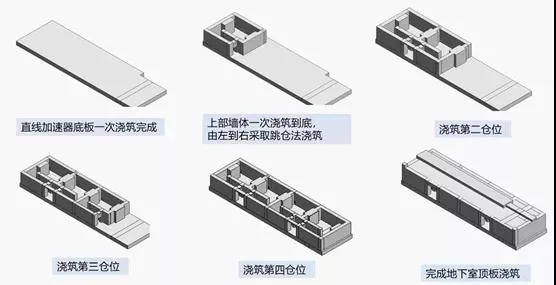
- Progress Management
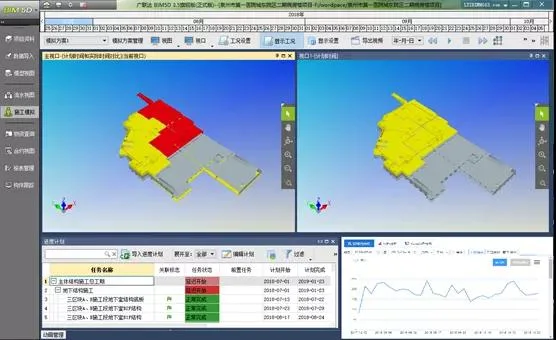
05 BIM Collaborative Implementation
This section begins by briefly describing the benefits BIM collaboration brings to the project. For example, the Fujian Provincial Guidelines state:
“Standardizing project management processes combined with mobile information technology enables efficient transmission and real-time sharing of engineering information among all functional roles, providing timely approval and control methods for decision-makers.”
The content covers two main aspects:
- Defining collaborative management content;
- Utilizing a collaborative management platform (if applicable).
Example 1: Collaborative Management Content
Management areas include:
- Design Outcome Management: Deepen design models based on construction requirements, perform multi-disciplinary clash detection and optimization, track and document changes, and manage document release and archiving.
- Progress Management: Simulate and assess schedule feasibility, identify key milestones, integrate and monitor progress through the BIM model, and support real-time plan adjustments.
- Contract Management: Integrate contract information with the BIM model to monitor performance and detect anomalies promptly.
- Cost Management: Link cost data with the BIM model for accurate quantity take-offs, cost analysis, comparison, and control.
- Quality and Safety Management: Identify critical quality and safety control points using 3D visualization and simulations; integrate management requirements into the model; and facilitate onsite inspections via mobile devices.
(From Fujian Province Guide)
When preparing this section, enhance the format by specifying document formats, delivery schedules, storage methods, etc., based on the guide.
Example 2: Collaborative Management Platform
The construction collaboration platform should:
- Provide an integrated collaborative workspace connecting the general contractor, subcontractors, and external parties;
- Formalize technical requirements and management processes to achieve project goals;
- Offer strong data compatibility with real-time correlation between data and models, enabling seamless engineering data exchange;
- Support integrated data use for analysis, simulation, and result presentation.
(From Fujian Province Guide)
06 Guarantee Measures for BIM Implementation
Guarantee measures refer to management systems established to ensure smooth BIM operations. This can include work systems, reward and penalty mechanisms, and other management policies.
Example 1: Construction Phase Meeting System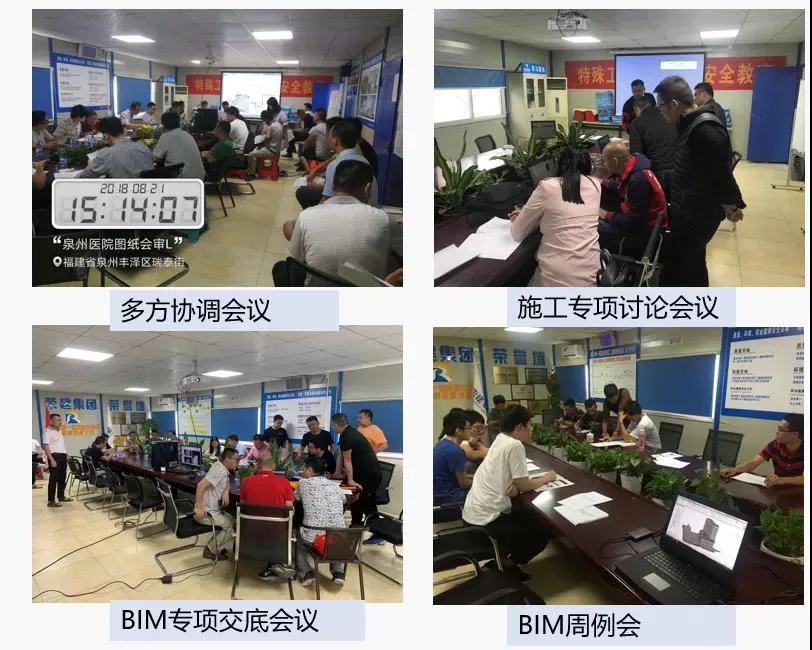
Note: The image above is only an example. It is advisable to describe your actual situation in text or tables rather than images, which may reveal confidential information about other companies and potentially risk bid rejection.
03
PART
Conclusion
Preparing the BIM implementation chapter is a relatively straightforward approach to meeting BIM bidding requirements but involves compiling a large volume of content and materials. Bidders should continuously accumulate BIM application materials across different project types. These materials should be universally applicable and well-packaged to ensure they are reusable in future bids, enabling the timely preparation of BIM implementation plans relevant to each project within the bid’s validity period.
















Must log in before commenting!
Sign Up