
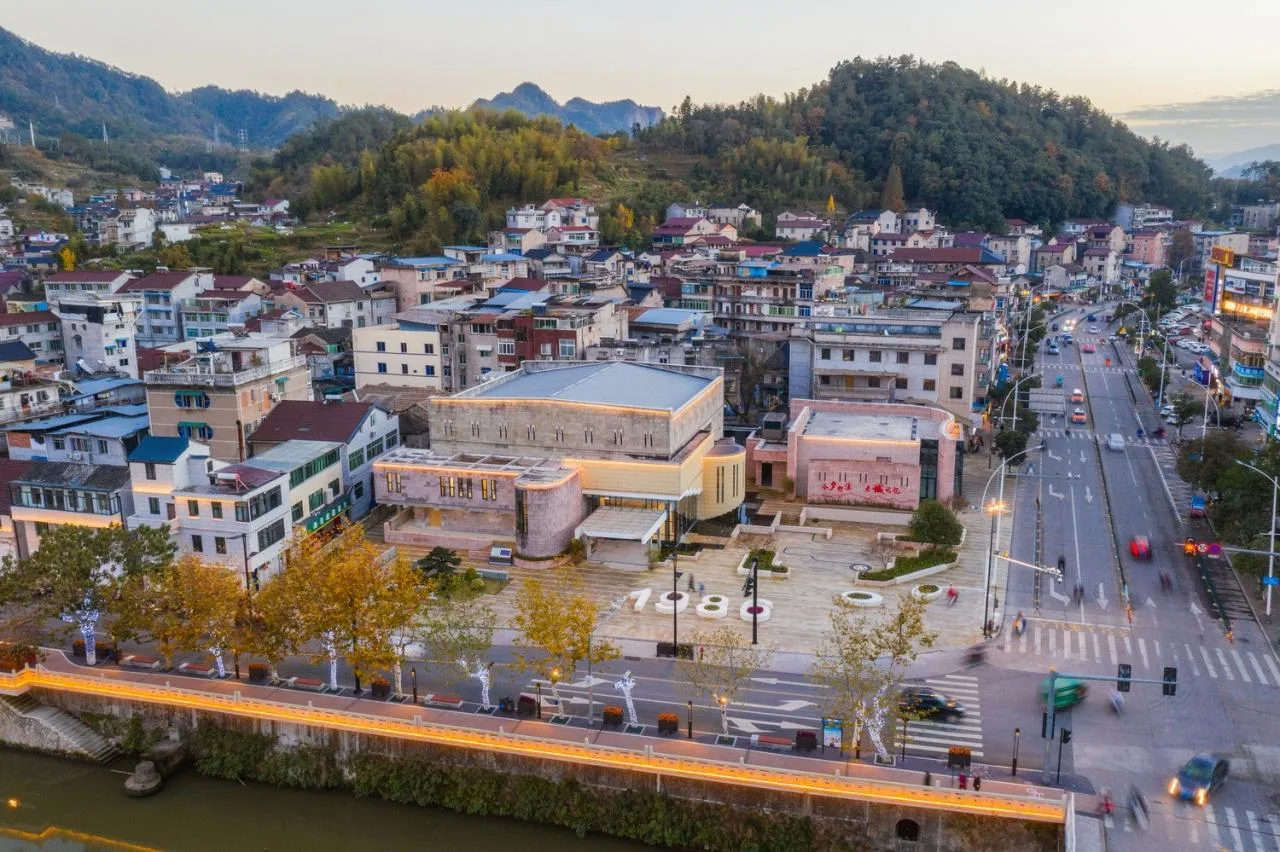
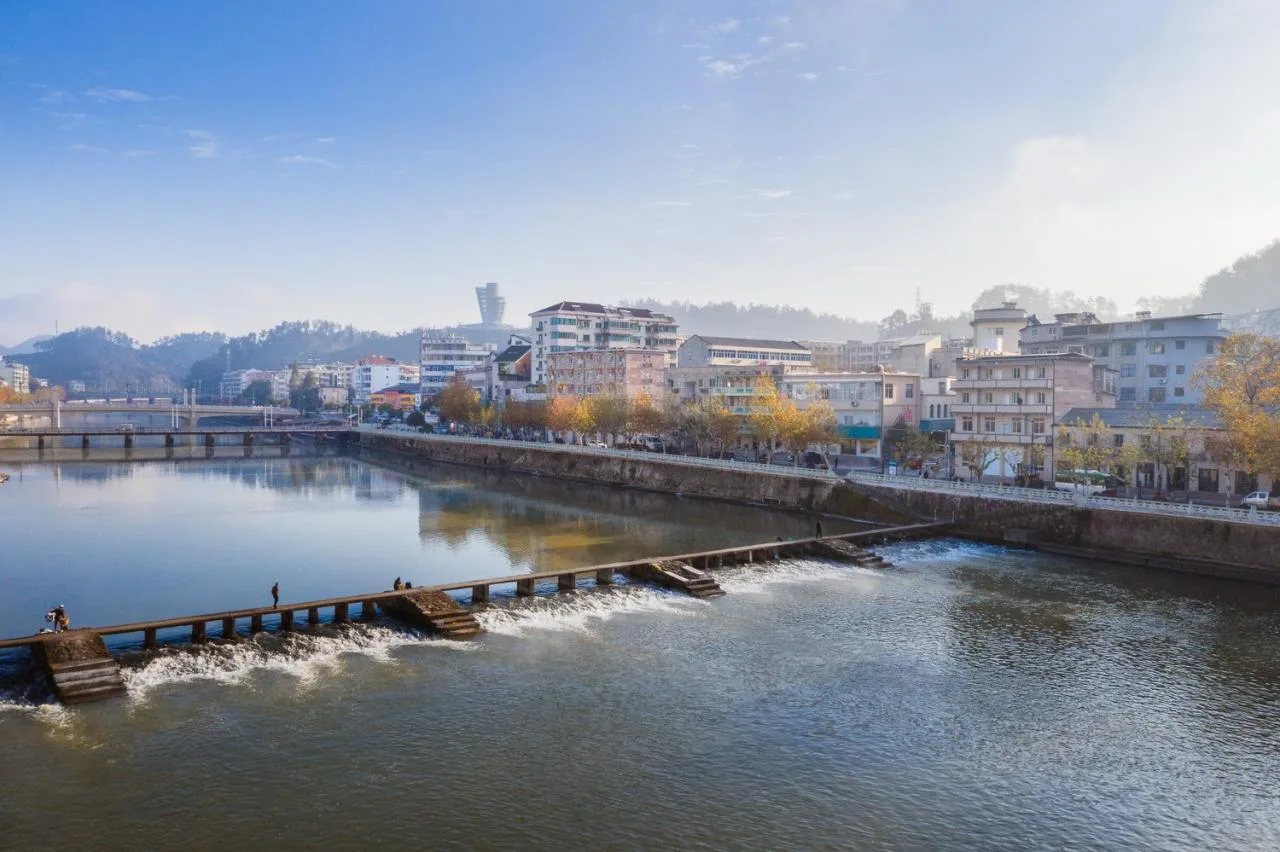
Xibin South Road holds significant historical value as a key part of Jinyun Ancient City’s landscape. It serves as a pioneering area for enhancing Jinyun’s urban landscape model and marks the beginning of the “Millennium Ancient City Revitalization Plan”. For years, this area suffered from various issues including high density, outdated infrastructure, inadequate facilities, and pronounced aging (Figure 1). Challenges such as limited demolition funds, complex resettlement policies, and strong resistance from local residents to relocation further complicated redevelopment efforts.
Over three years and through multiple design iterations, the team implemented four key strategies to revitalize this historic urban and rural area: preserving historical and cultural memories, enhancing the ecological living environment, upgrading public service facilities, and optimizing fundamental urban functions. The overarching goal was to gently, gradually, and precisely improve the urban network and overall operational quality, while maintaining the collective memory of the old city.
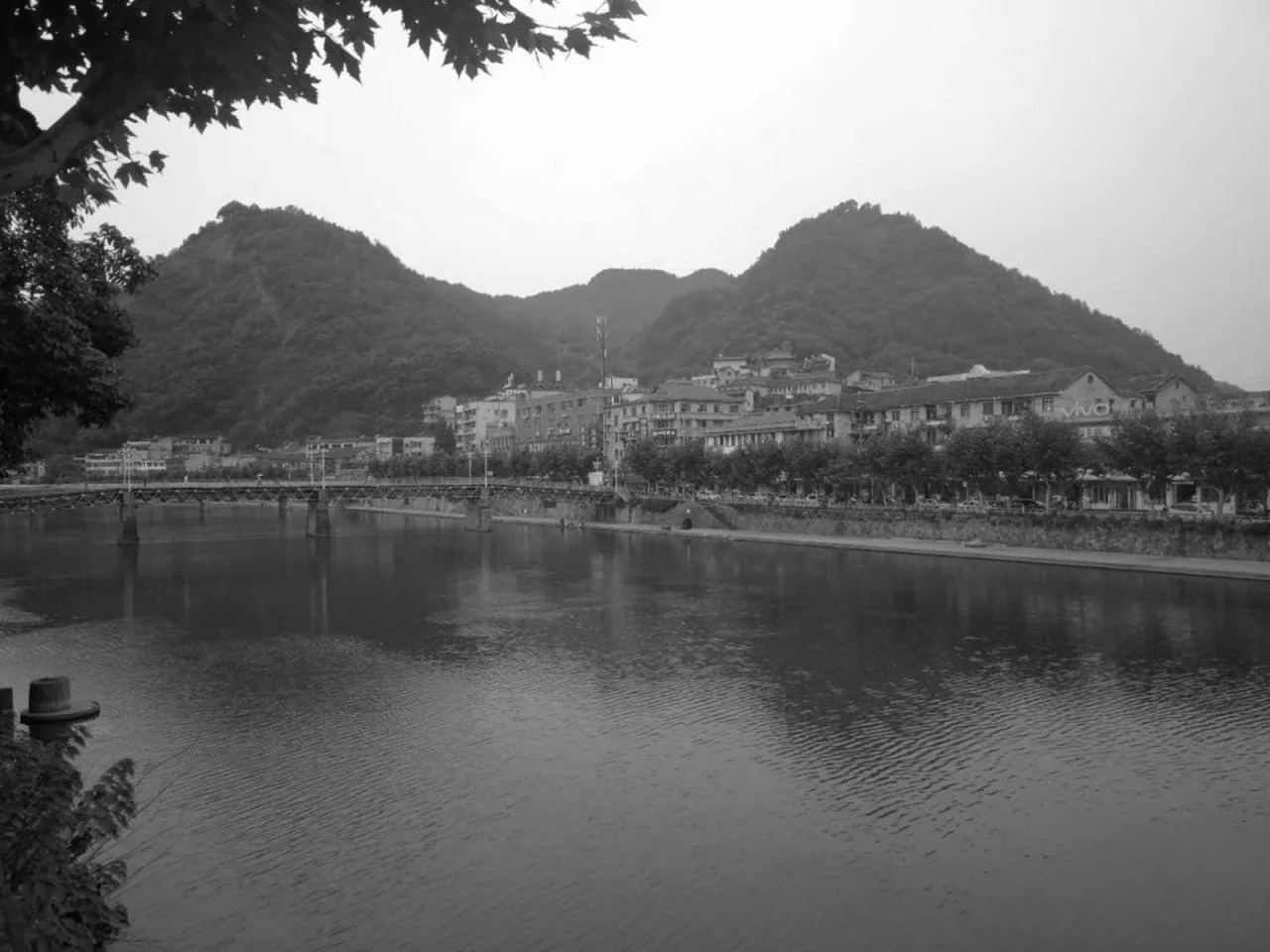
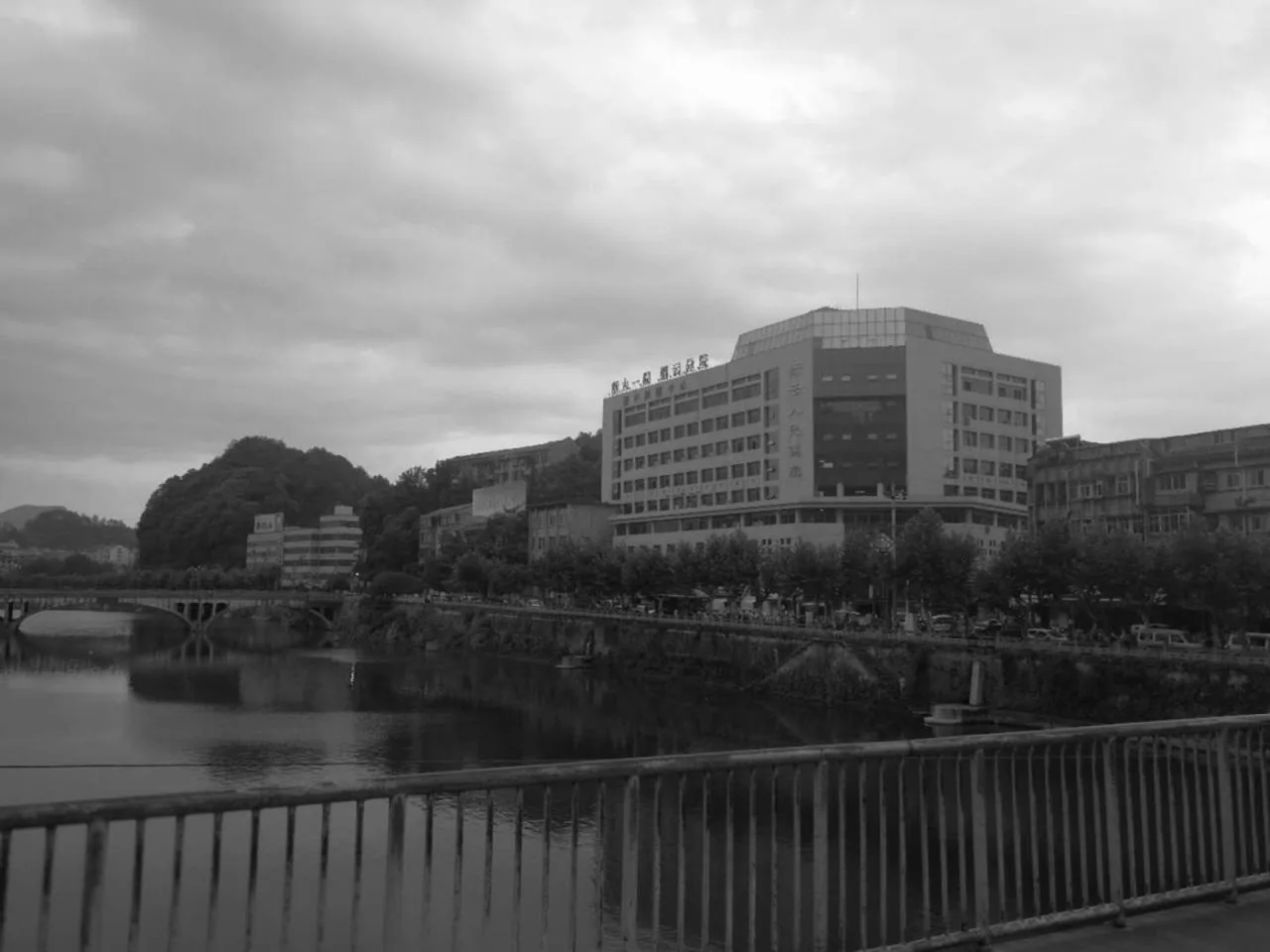
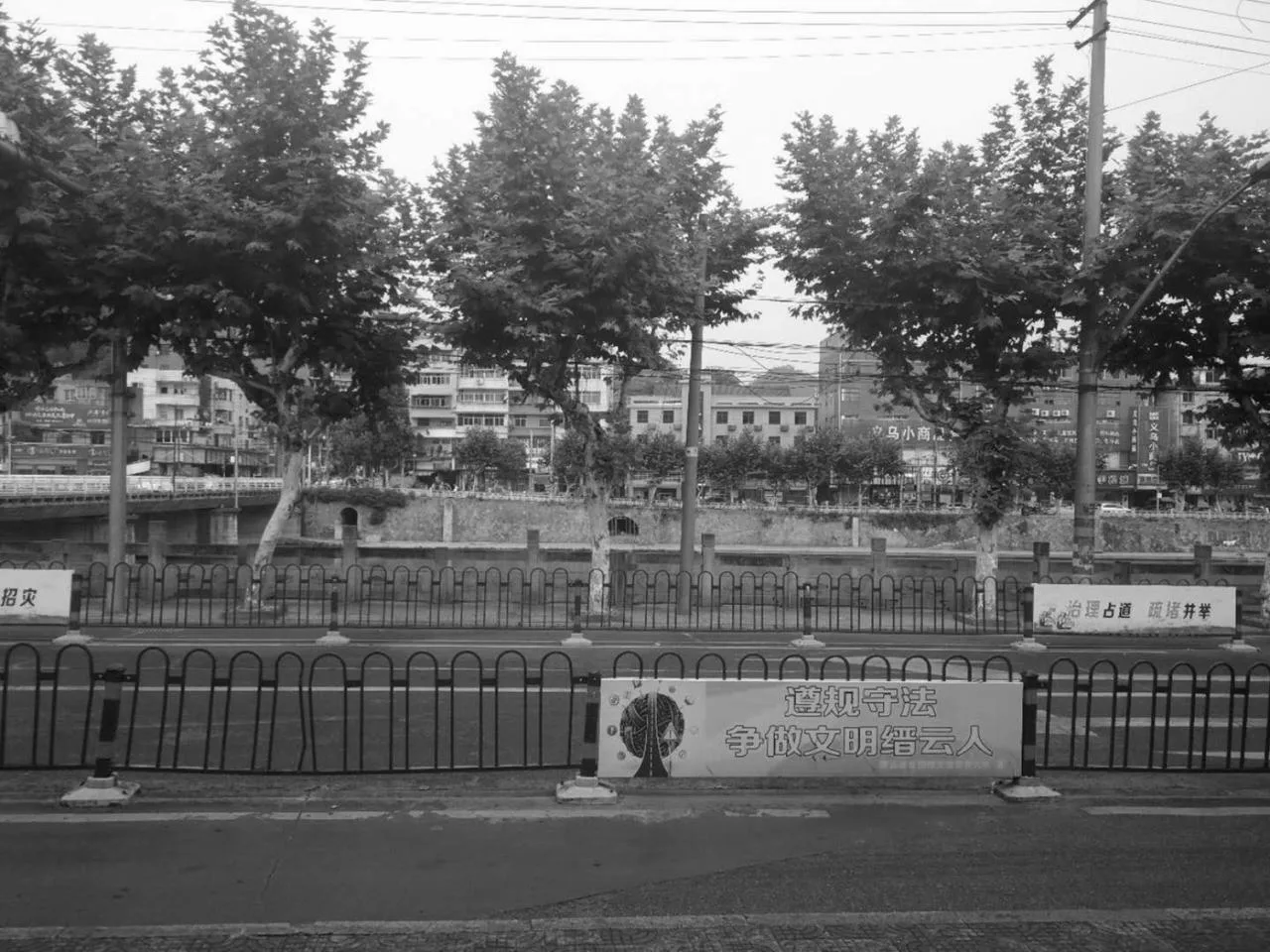
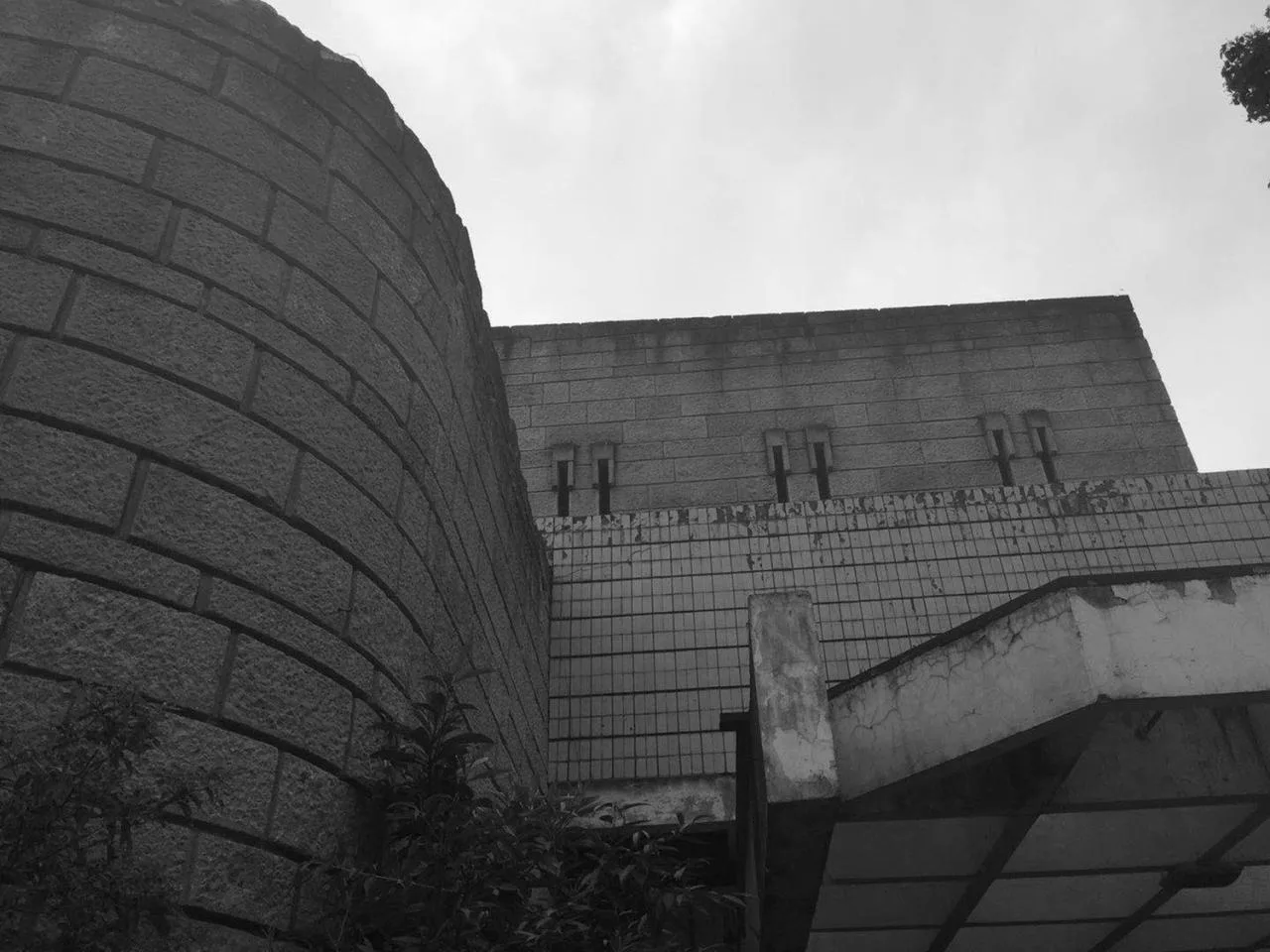
Scenes before the renovation of Xibin South Road and the old cinema
1. Continuity of Style
During the initial site survey, the design team recognized the profound regional characteristics and cultural significance of the historical pattern that Jinyun has developed since the Tang Dynasty. The ancient city is nestled among mountains, with a stream flowing through it. Various bridge forms connect both sides, creating an organic whole (Figure 2). Numerous historic buildings are scattered throughout the city in a staggered, overlapping manner, especially highlighting the unique expansion from Cross Street. This pattern reflects Jinyun’s urban development trajectory and reveals the living conditions of its residents over different eras.
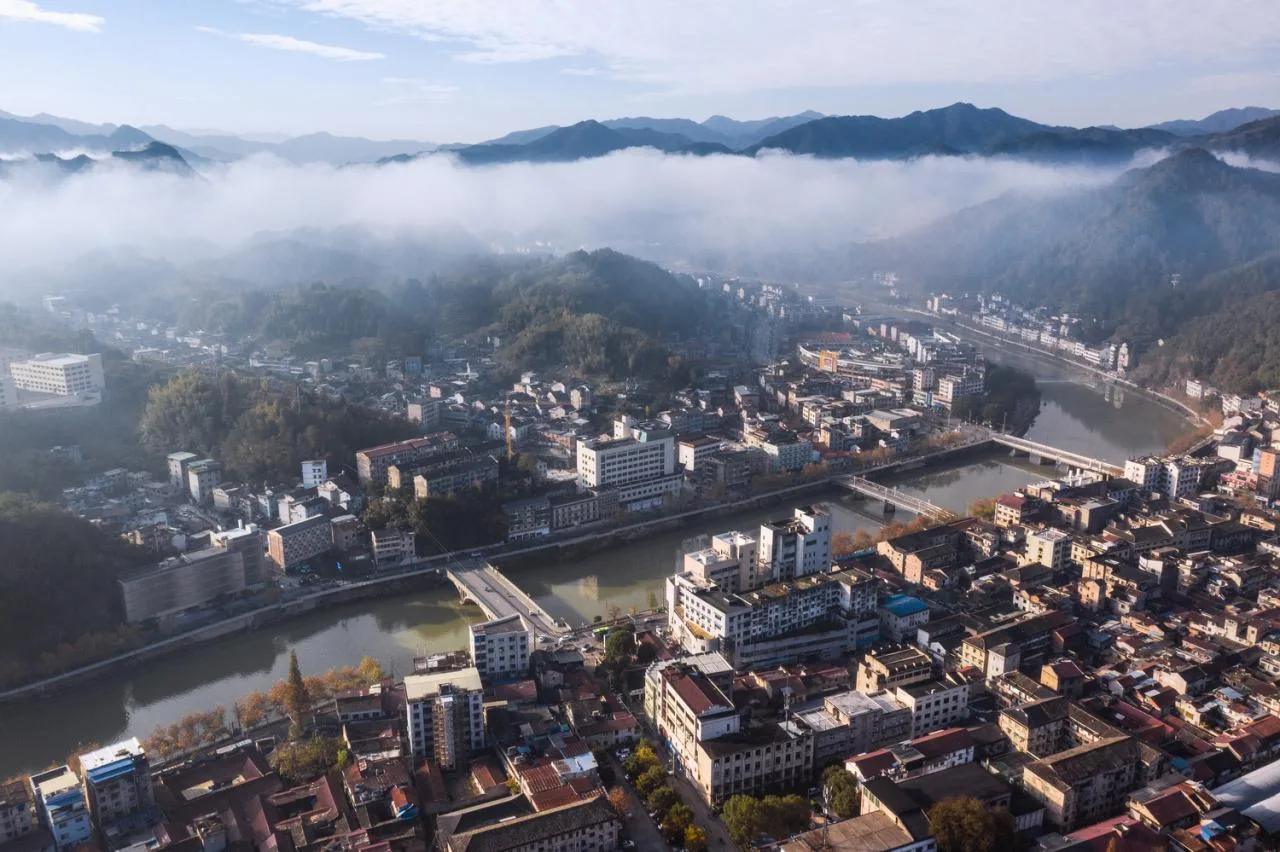
Landscape environment overview of Jinyun Stone City
The project emphasizes preserving the ancient spatial layout of the core commercial district along Cross Street on the north bank of Haoxi River, which connects to Wuyun Bridge Pavilion and Shuinan Street on the south bank via Longjin Bridge. The overall landscape includes the mountains flanking both sides of Haoxi (Figure 3). By removing illegal structures and restoring select landscapes, existing visual corridors are cleared and enhanced.
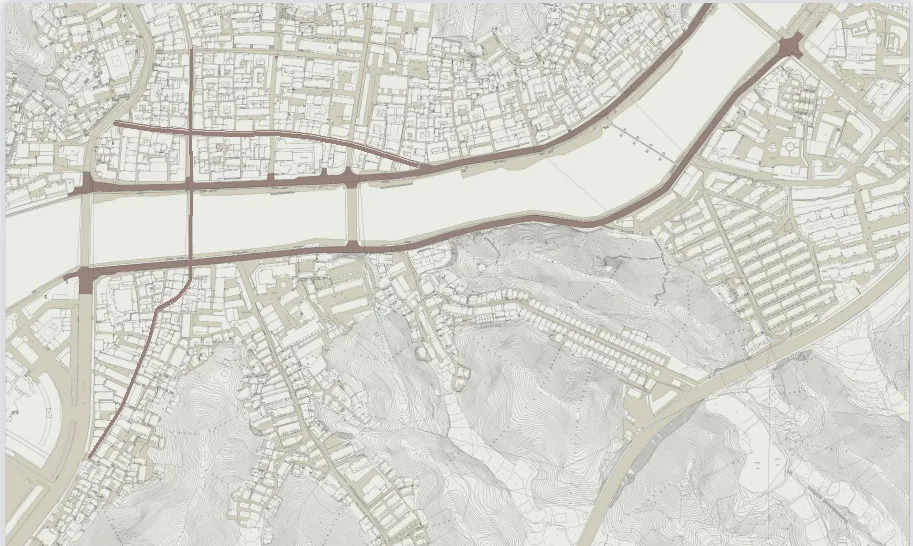
Strategy to preserve the historical pattern of Jinyun Ancient City
At the bottom of the image, the street and alley textures on both sides of Haoxi remain largely intact, showing a gradual layering of historical rings that carry the collective memories of Jinyun residents. These need to be carefully preserved. The architect adapted the design to accommodate several difficult-to-demolish homes in Shuinan by minimal intervention, harmonizing them with surrounding buildings and extending the vitality of the street and alley textures more completely (Figure 4).
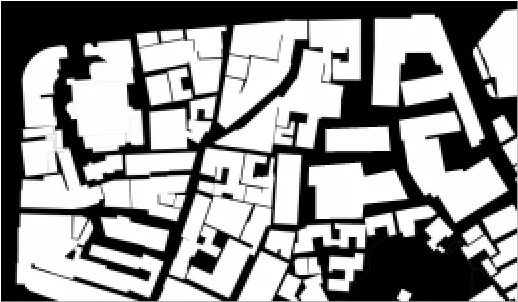
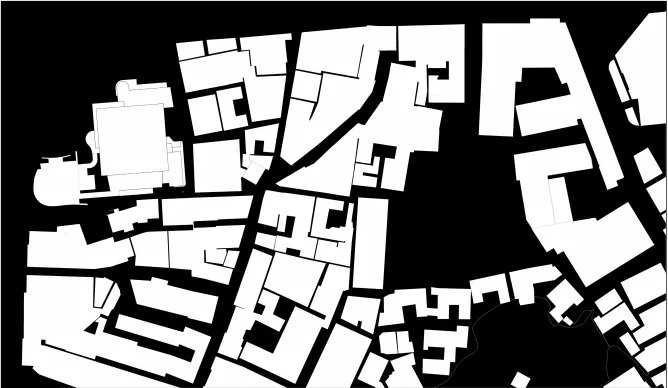
Comparison of street and alley textures in Shuinan after minimal intervention
Except for necessary demolition and renovation of the old cinema and Wuyunqiao Pavilion, many stone-built historic buildings along Xibin South Road remain in good condition. Through reinforcement, facade restoration, pipeline reorganization, and floodlighting, these stone buildings have been revitalized while preserving their historical style, emphasizing the passage of time etched into them.
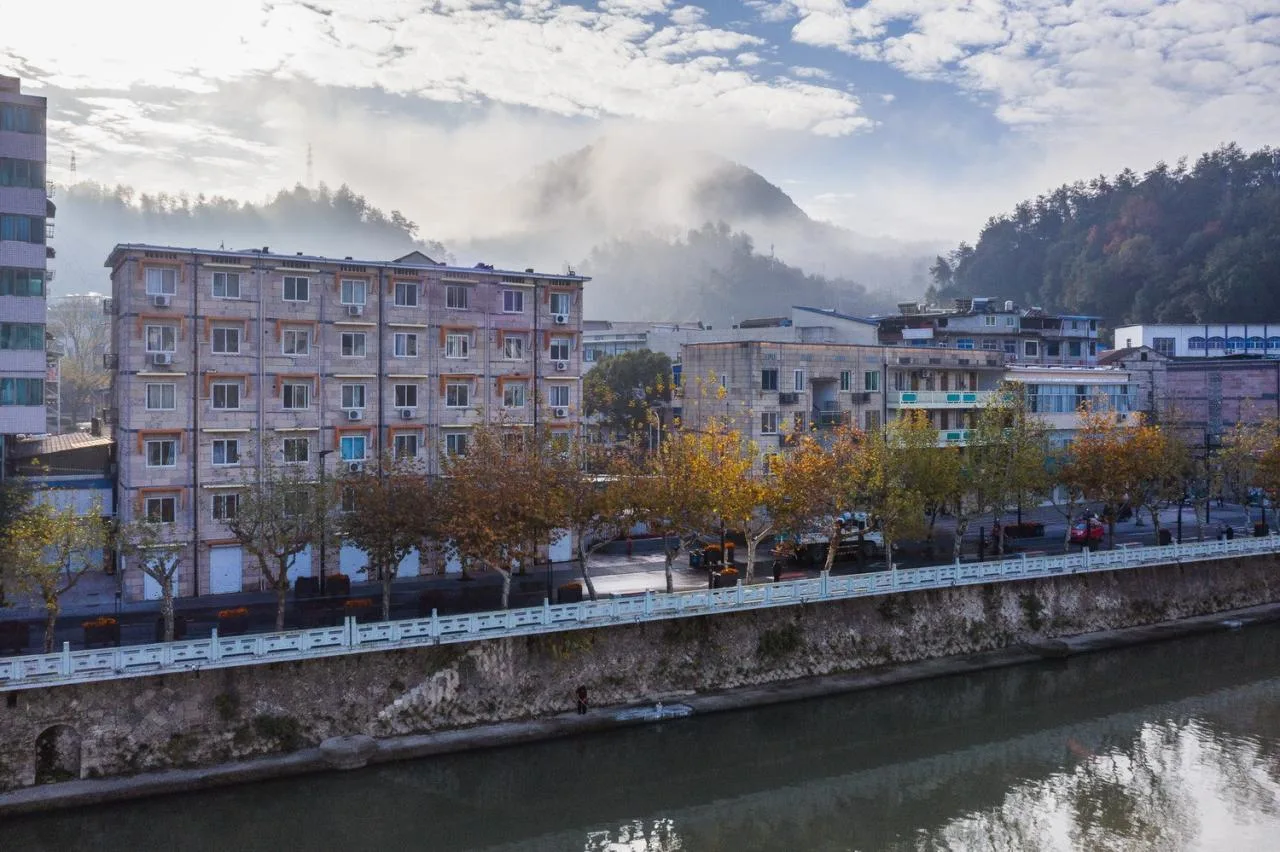
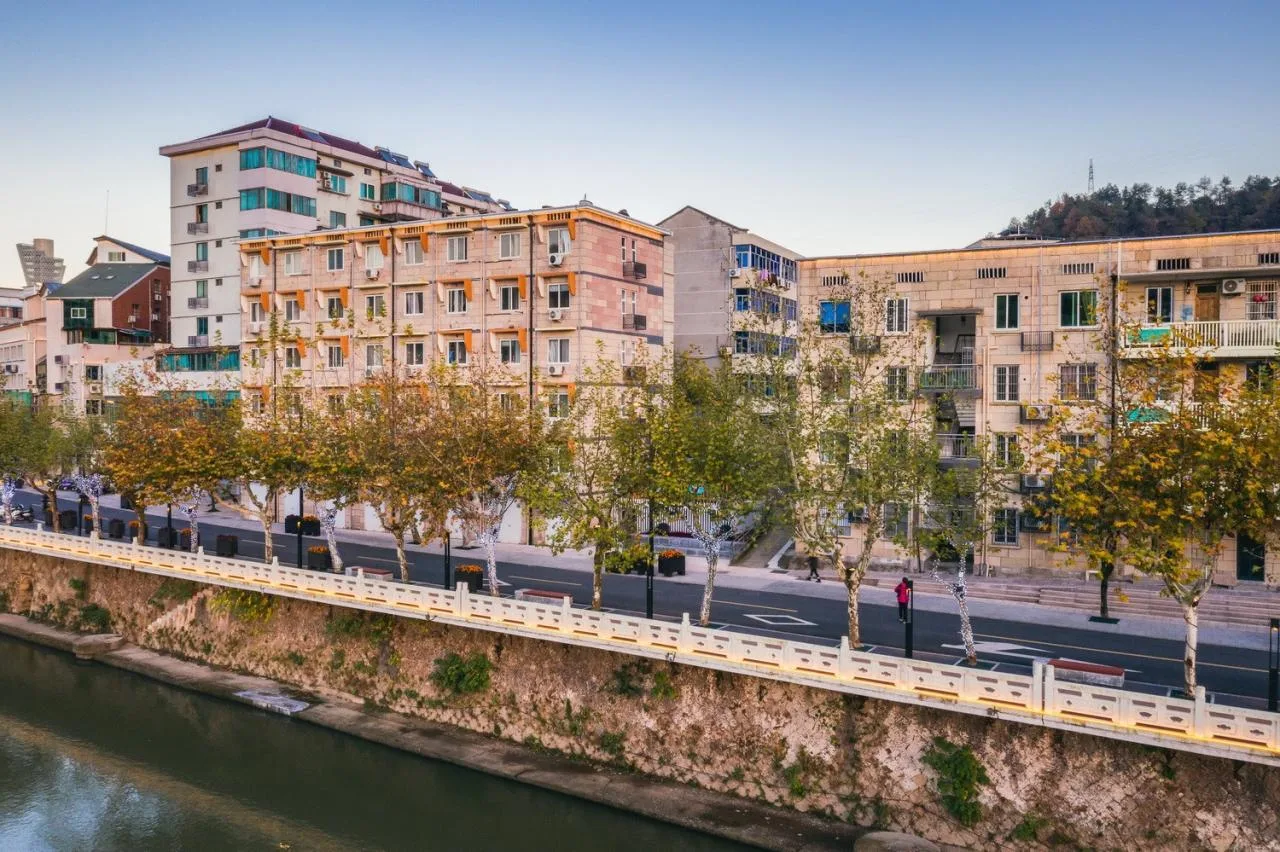
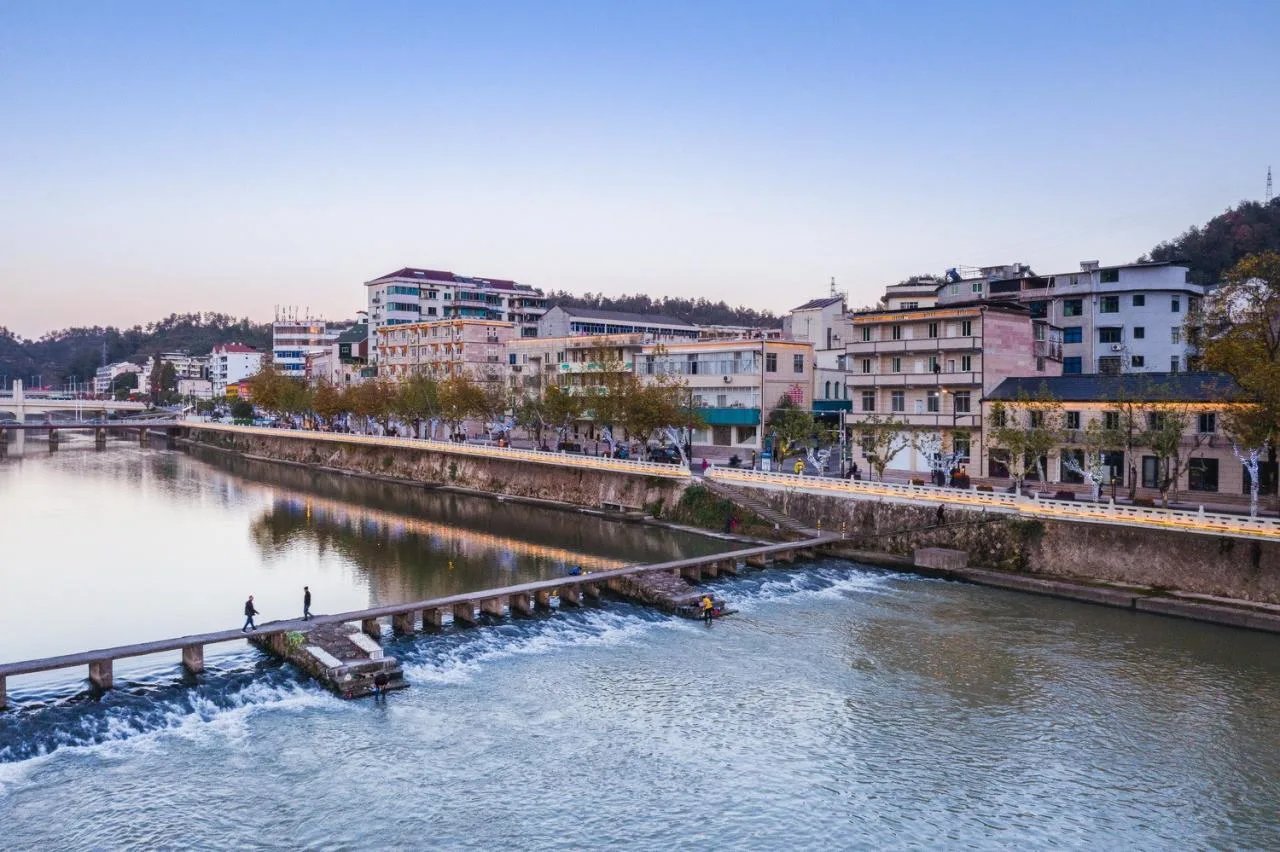
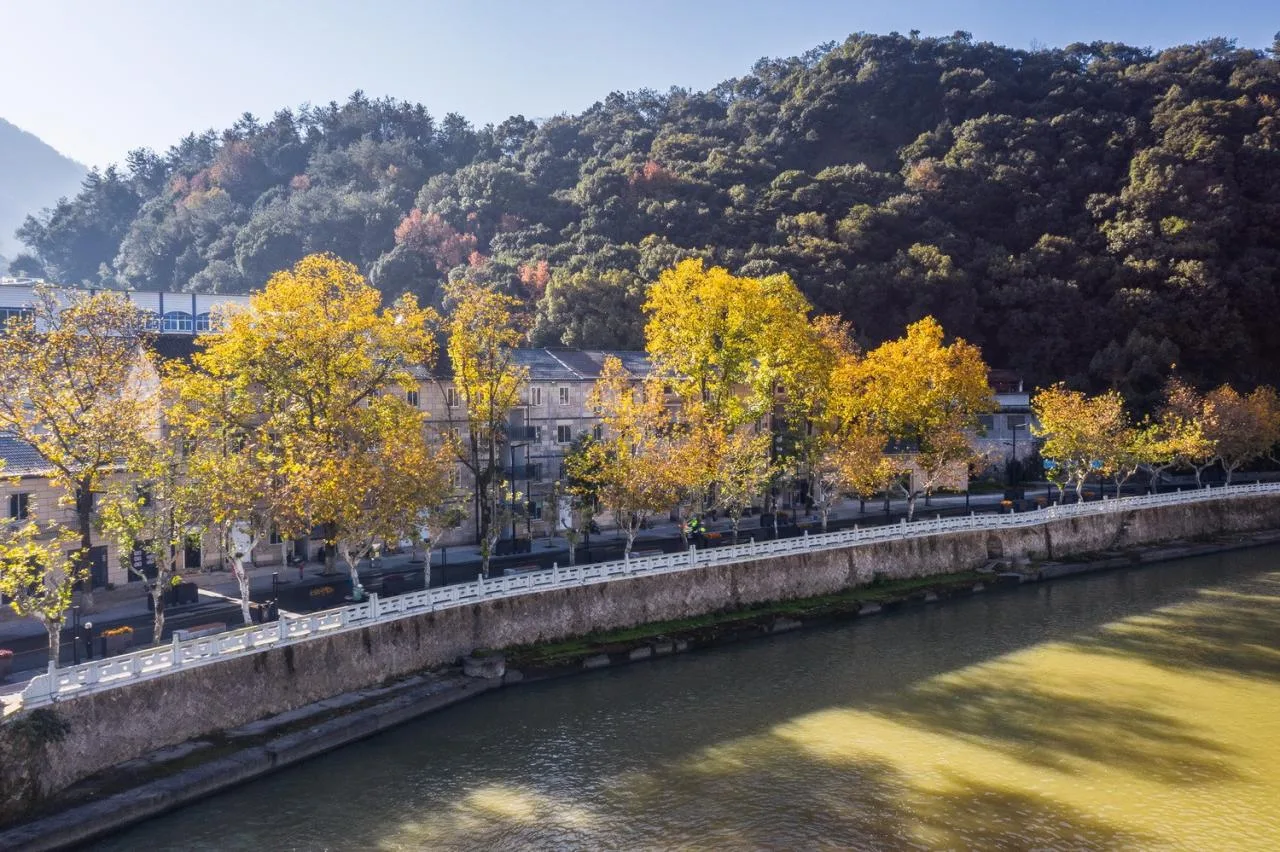
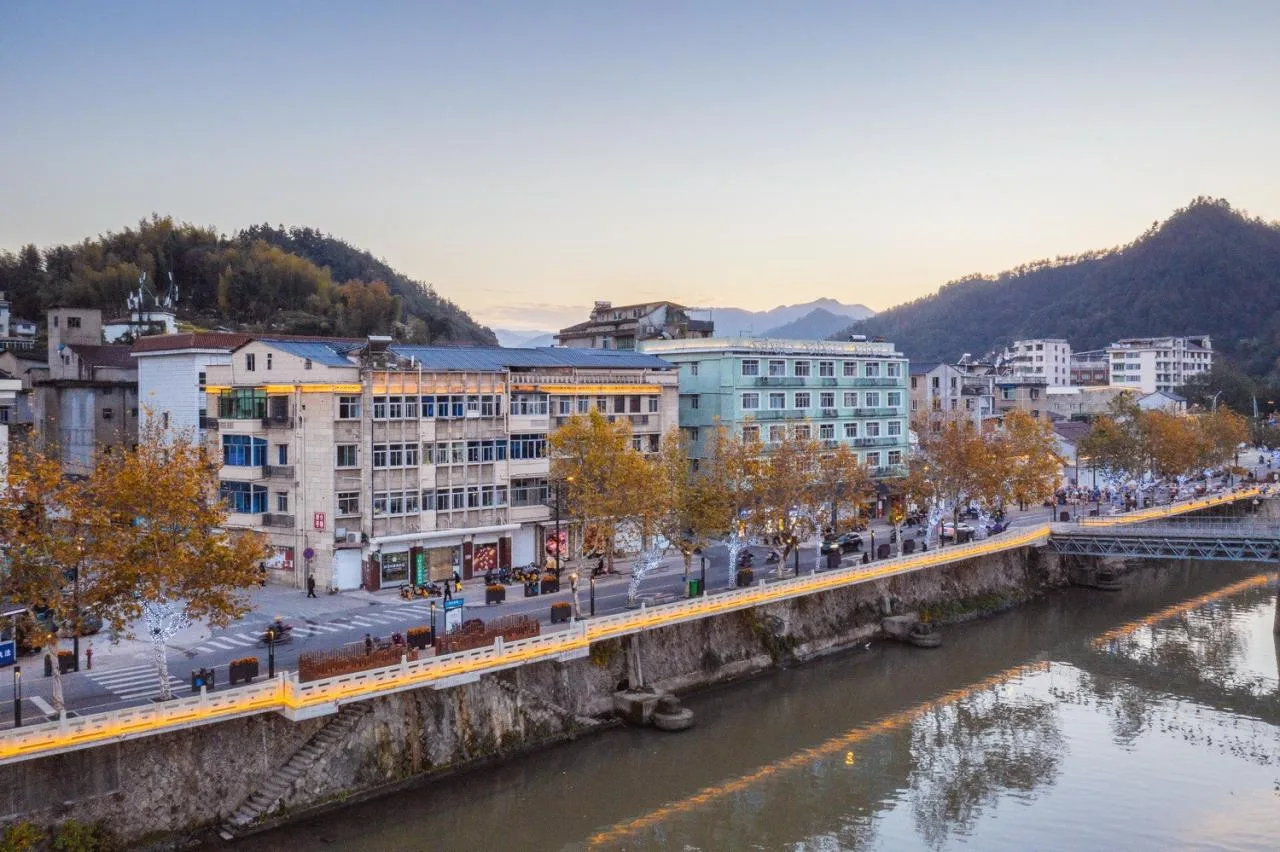
The renovated stone buildings along the street continue the traditional stone city style
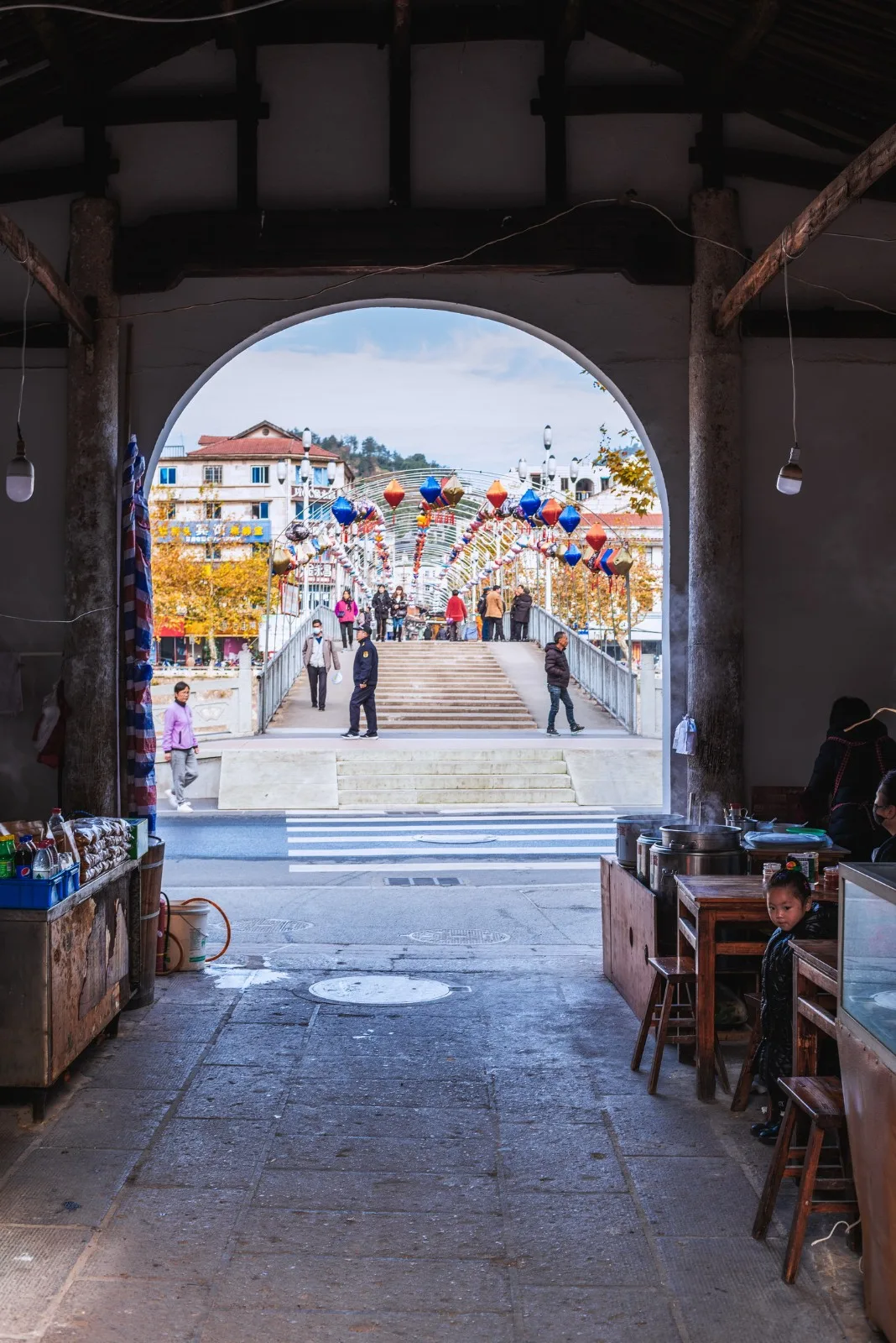
The vibrant daily life of Jinyun’s old city deeply inspired the architects, leading them to preserve many authentic, lively scenes along Xibin South Road (Figure 6).
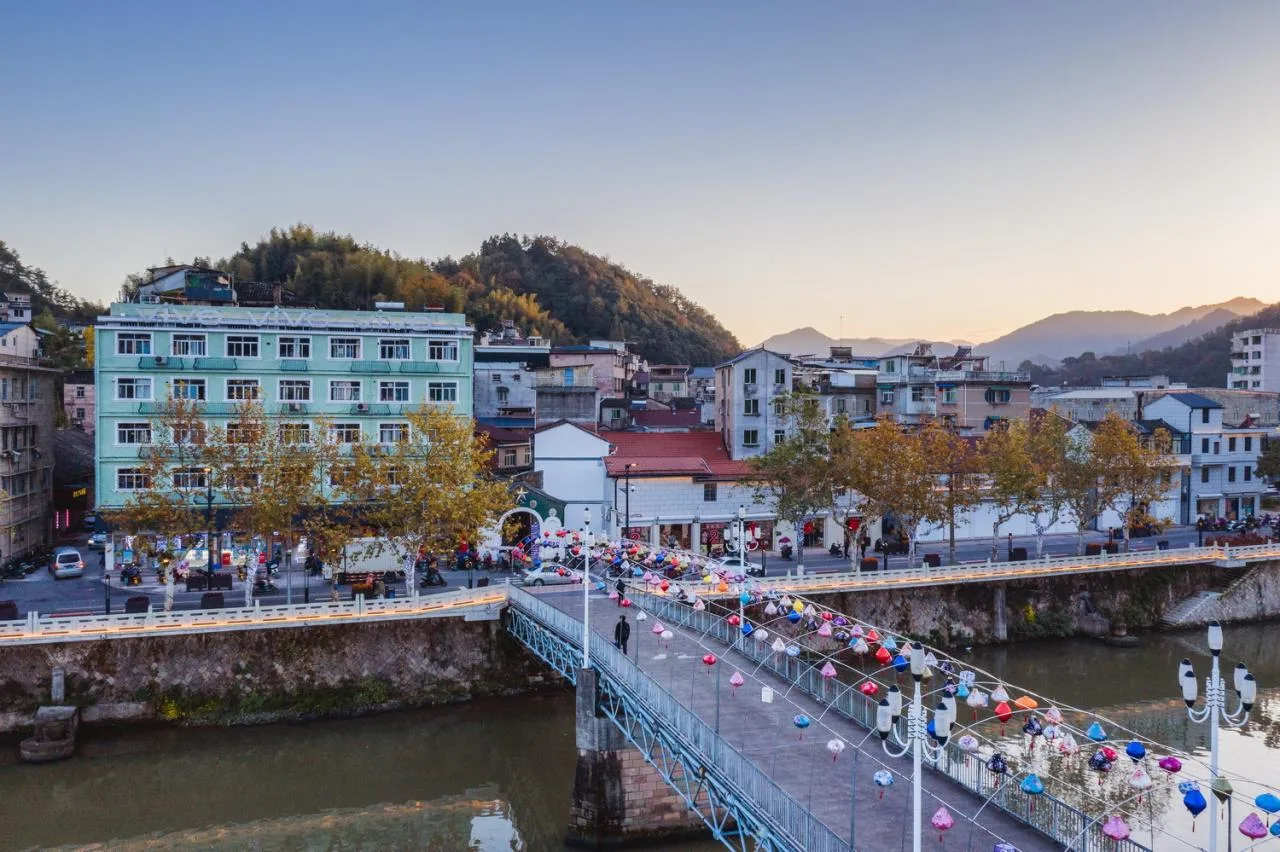
△ Preserved life scene after renovation
2. Functional Improvement
The current one-way traffic system on Xibin South Road creates inconvenience for residents. To address this, the design team recommends restoring two-way traffic for vehicles on both sides of the river. Roadside trees that have thrived for years will be retained, while temporary and permanent parking spaces will be added using available roadside and street spaces to meet residents’ urgent parking needs.
Considering the unique landscape along both sides of Haoxi, a continuous one-sided pedestrian greenway is designed as a cantilevered walkway on the riverbank, offering ideal conditions for residents to exercise outdoors in the mornings and evenings (Figure 7).
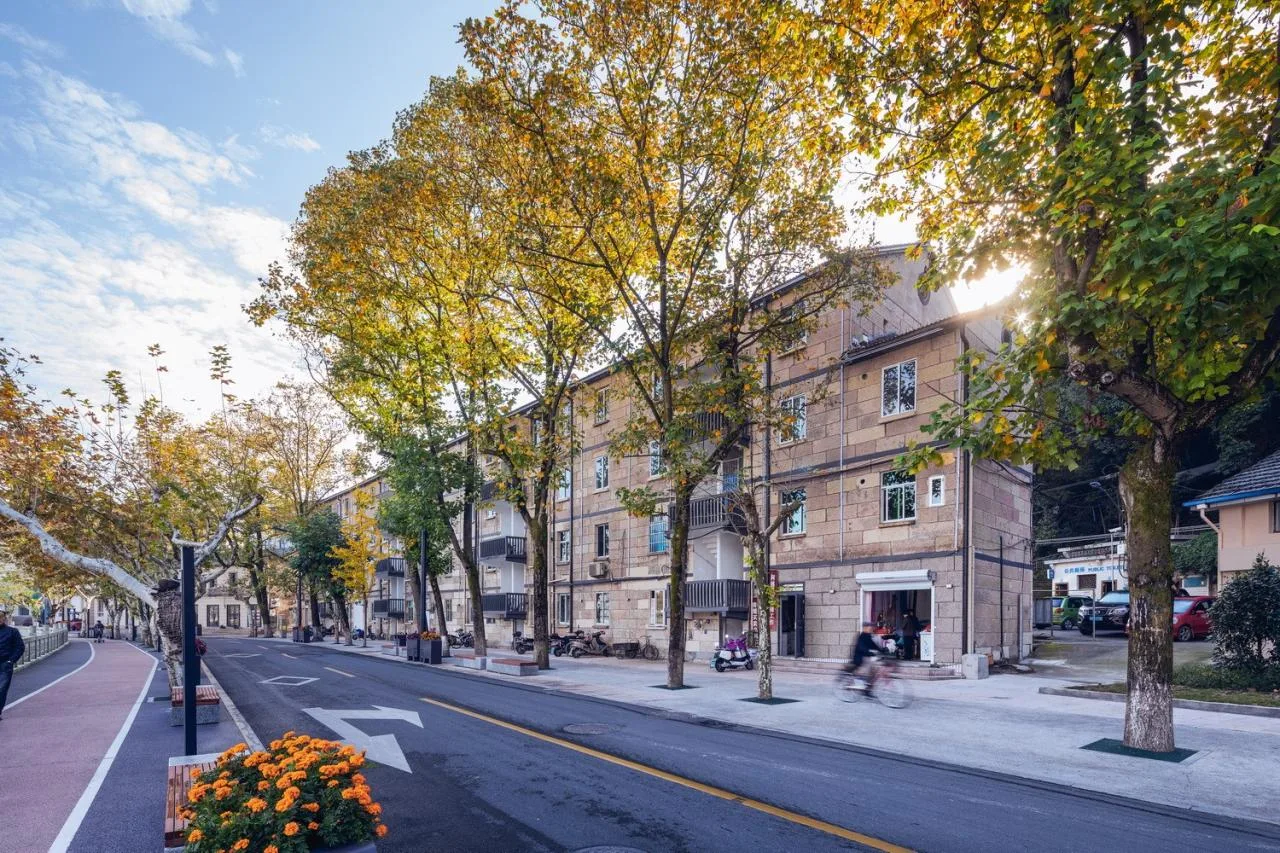
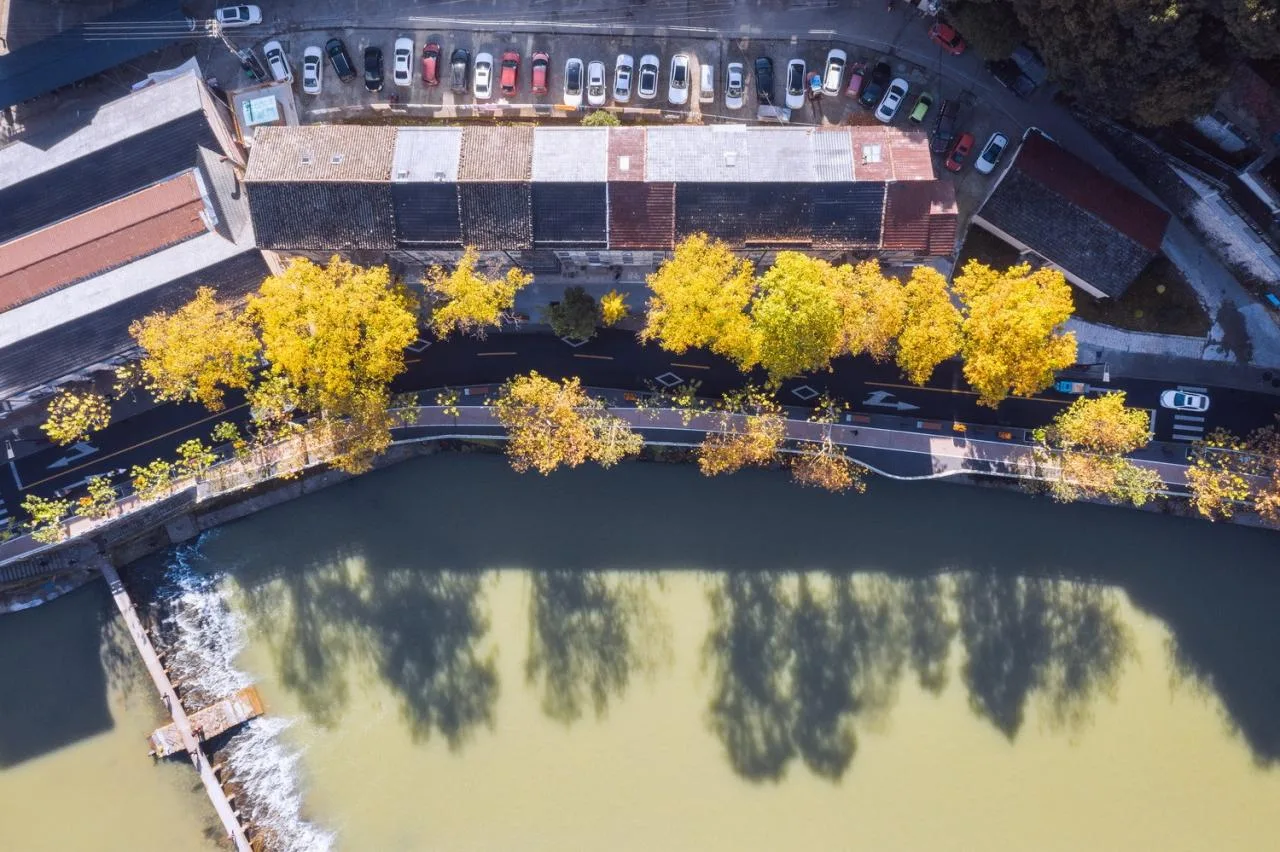
△ Expanded and upgraded Xibin South Road
The neighborhood includes many middle-aged residents, elderly, and children. To ensure safe and accessible walking, all road sections share the same elevation, providing flexibility. This design also supports cultural markets and celebrations during holidays like National Day.
The architect designed five pocket parks using gaps between buildings and vacant land from demolished illegal structures. These parks include public and recreational facilities, significantly improving the previously insufficient and outdated amenities in the Shuinan area. The movie park, located at the old cinema’s corner (Figure 8), has been completed and greatly enriches local leisure options.
The square features partially sunken flooring, seating areas, and tall trees, creating a welcoming atmosphere. On summer evenings, gentle breezes flow through the street corner, outdoor movies play, elders gather to play chess under the trees, children play by the shallow pond, and the area resonates with soft sounds, embodying the graceful spirit of Shicheng and inviting reflection on life.
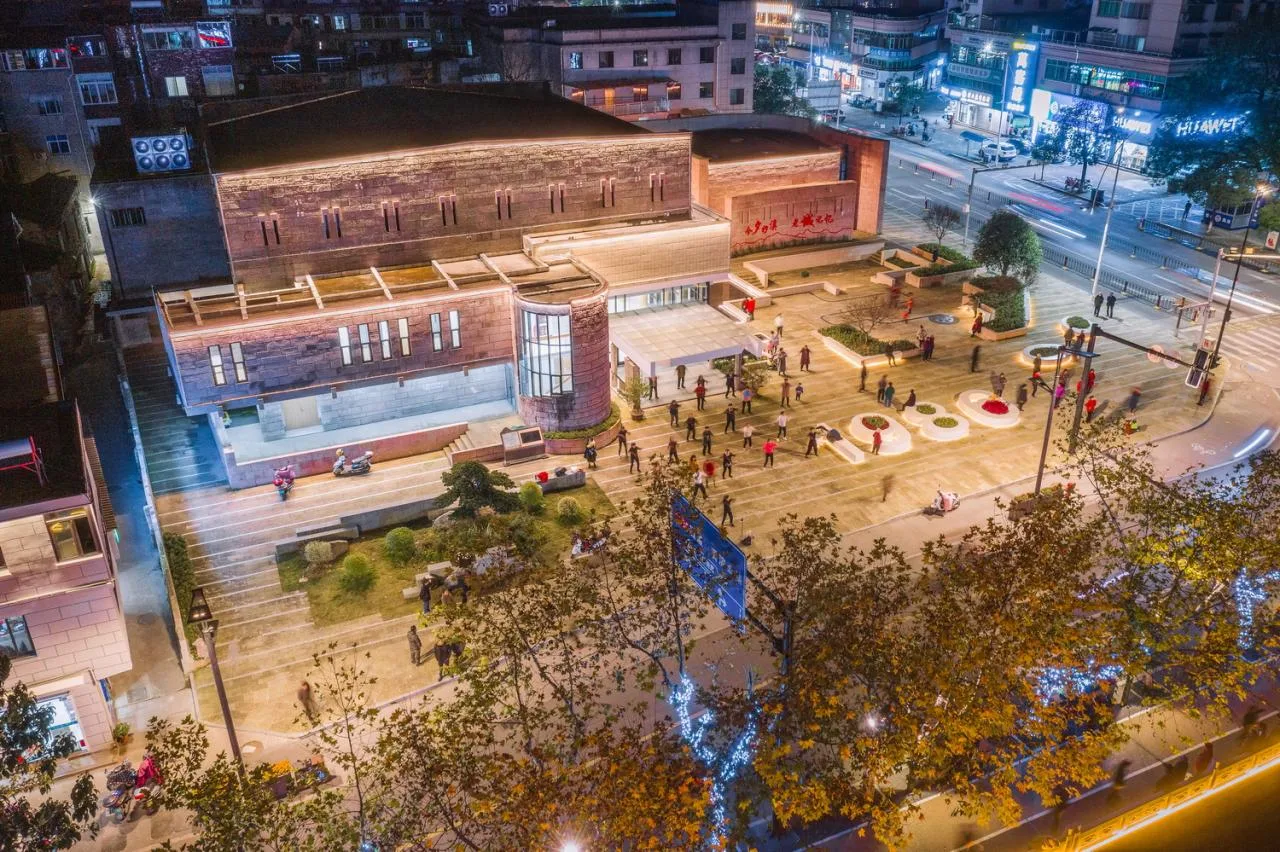
△ Vibrant movie park after renovation
3. Targeted Activation
Inspired by acupuncture and moxibustion, a traditional Chinese therapy that stimulates vitality through targeted points, this concept is applied to urban renewal by implanting small-scale public service functions with minimal intervention. This approach enhances the city’s service quality, cultural depth, and public engagement (Figure 9).
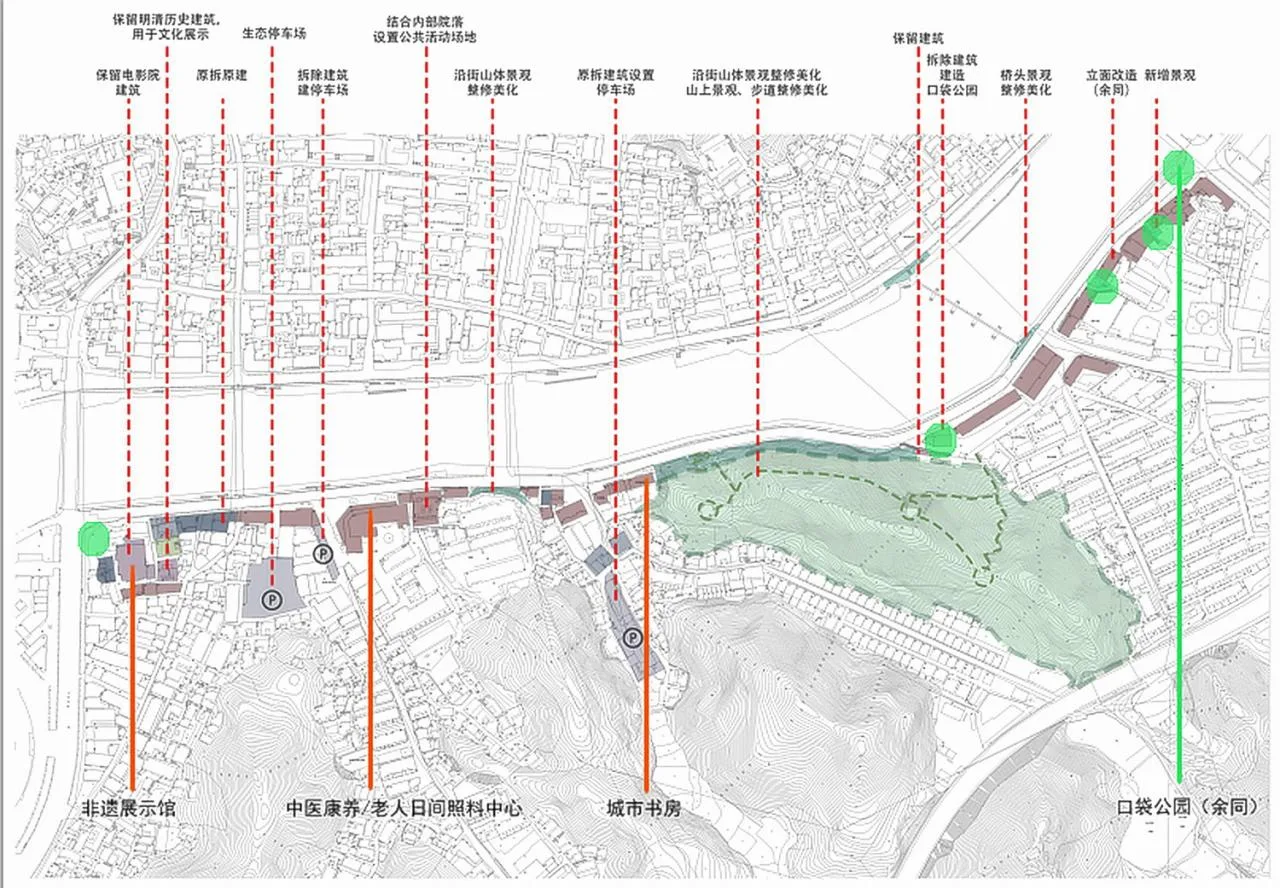
△ Diagram illustrating architectural acupuncture strategy
The team repurposed three idle or partially vacant public buildings along Xibin South Road to provide essential community functions: the old cinema was converted into an intangible cultural heritage exhibition center featuring tourism, cultural discussions, and public restrooms; the traditional Chinese medicine hospital’s ground floor was partially transformed into a day care center for the elderly; and the street-facing area of the Open County Library’s first floor was adapted into a shared urban study space for all citizens (Figure 10). These public facilities underwent thoughtful micro-renovations to enable flexible use and full-time accessibility, laying the groundwork for sustainable neighborhood revitalization.
△ Integrating community-support functions into idle public buildings
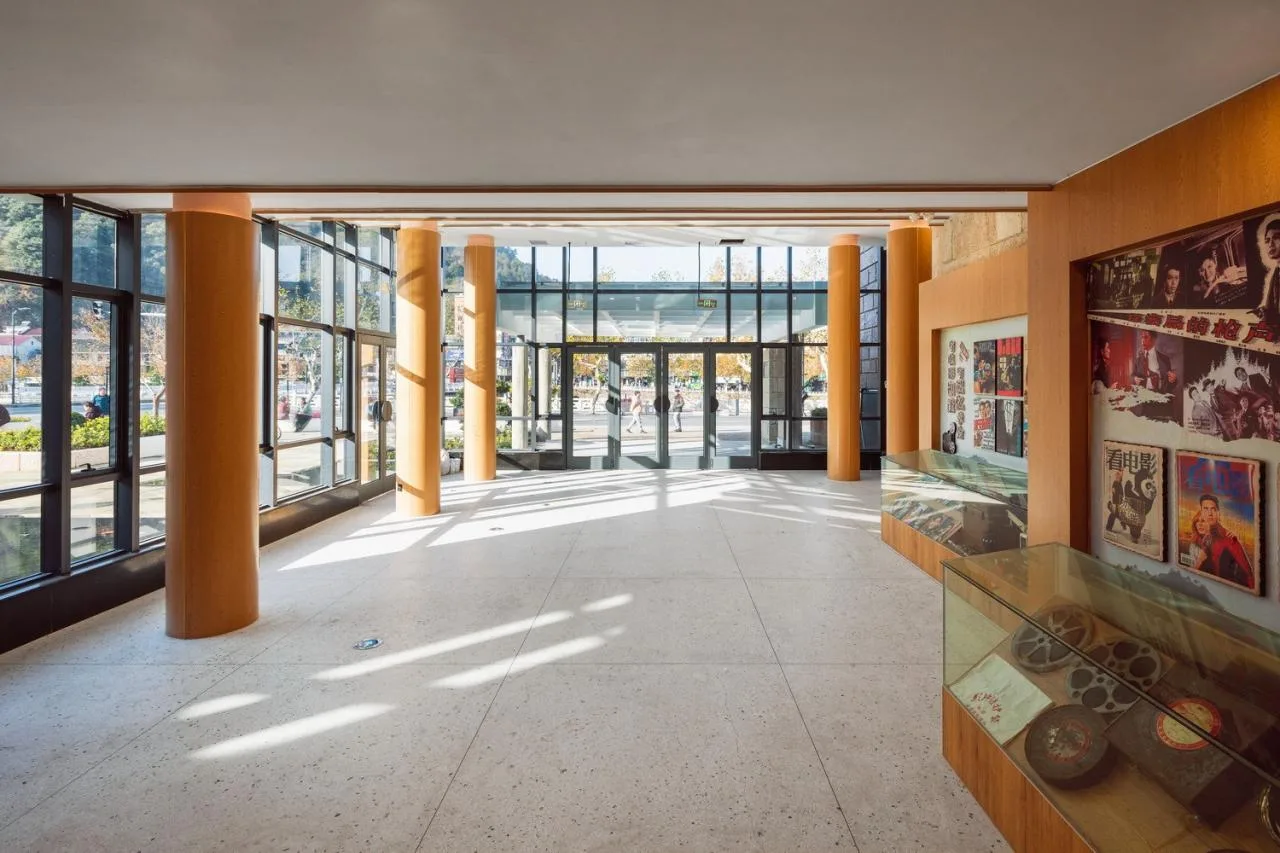
The Jinyun Cinema, designed by the late Professor Ge Ruliang of Tongji University’s Architecture Department, is a renowned historic building. Its renovation was a careful, lengthy process focusing on preserving its three distinctive elements: the tri-colored stone facade with rural style, the asymmetrical seating inside the screening hall, and the original water garden on the east side of the main building.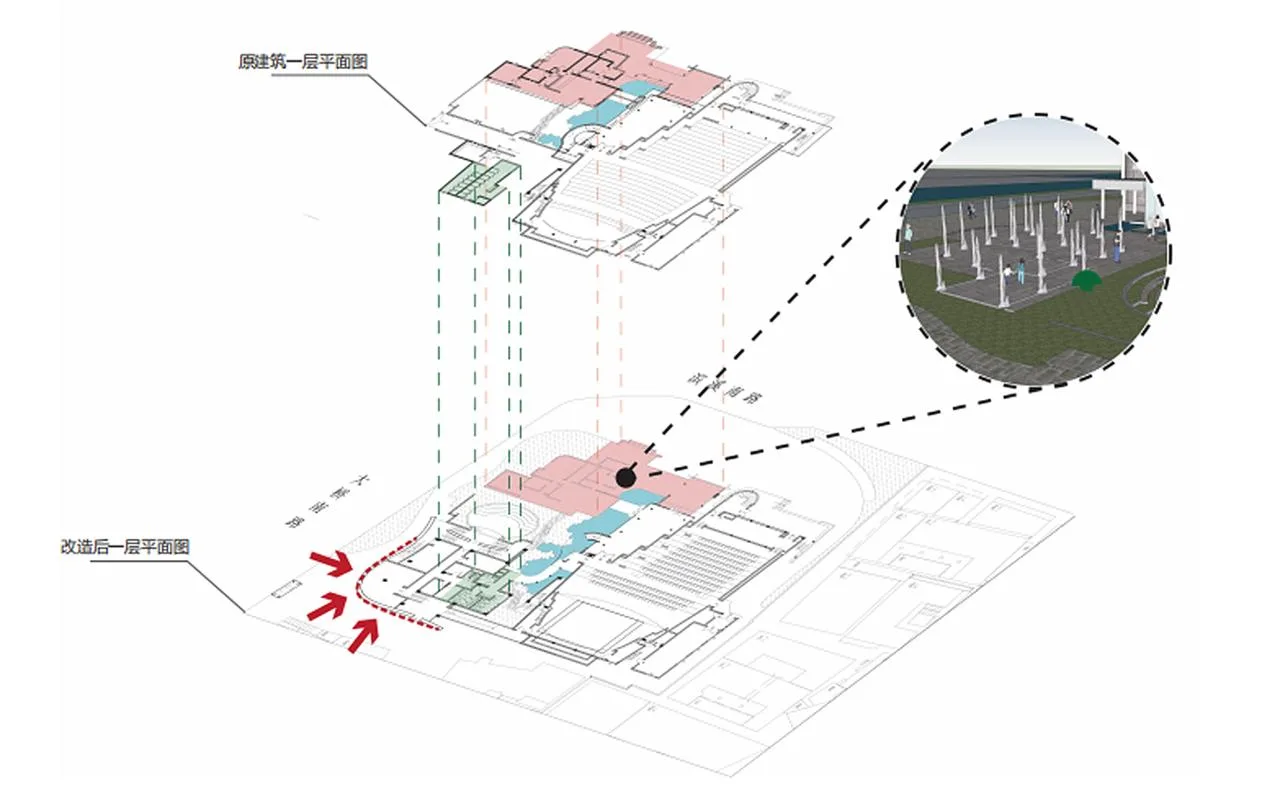
△ Old and new elements combined in Jinyun Cinema renovation
The design team identified that the traditional single-screen cinema operation contradicts today’s commercial mode of multiple small screening halls. Moreover, Jinyun’s traditional Wu opera remains vibrant. Therefore, they proposed restoring the old cinema’s main structure with a “repair old as old, supplement new as new” principle, transforming it into a dynamic venue for intangible cultural heritage (Figure 12).
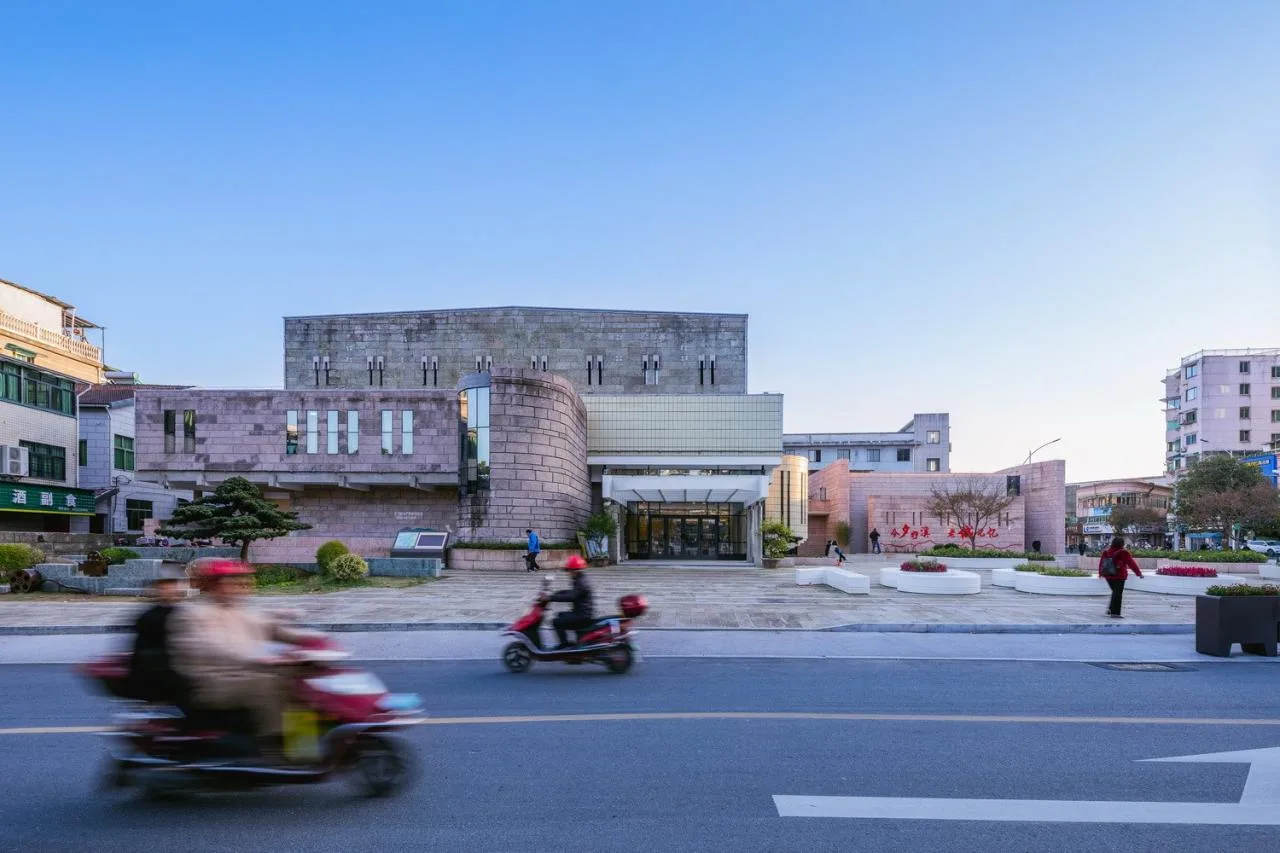
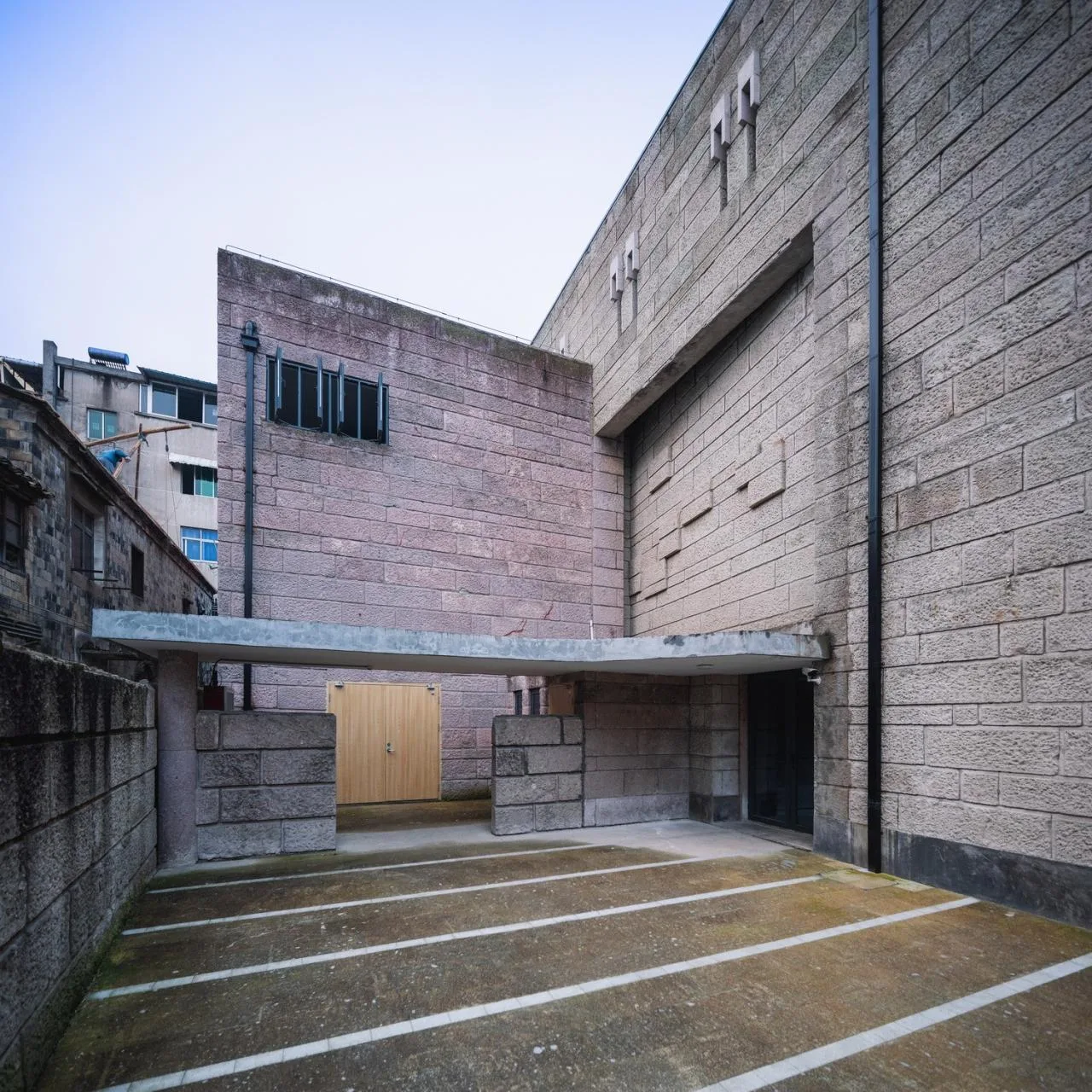
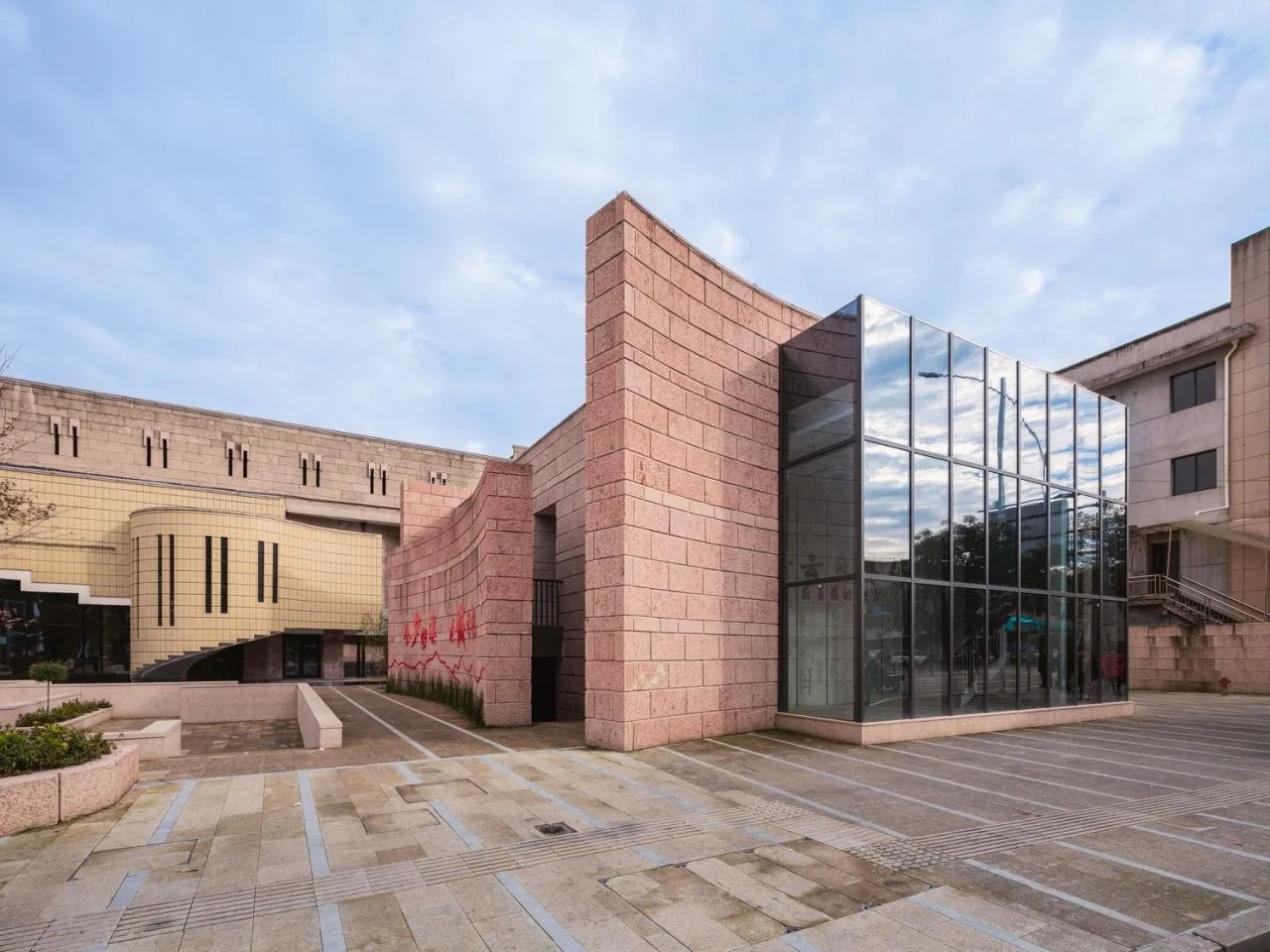
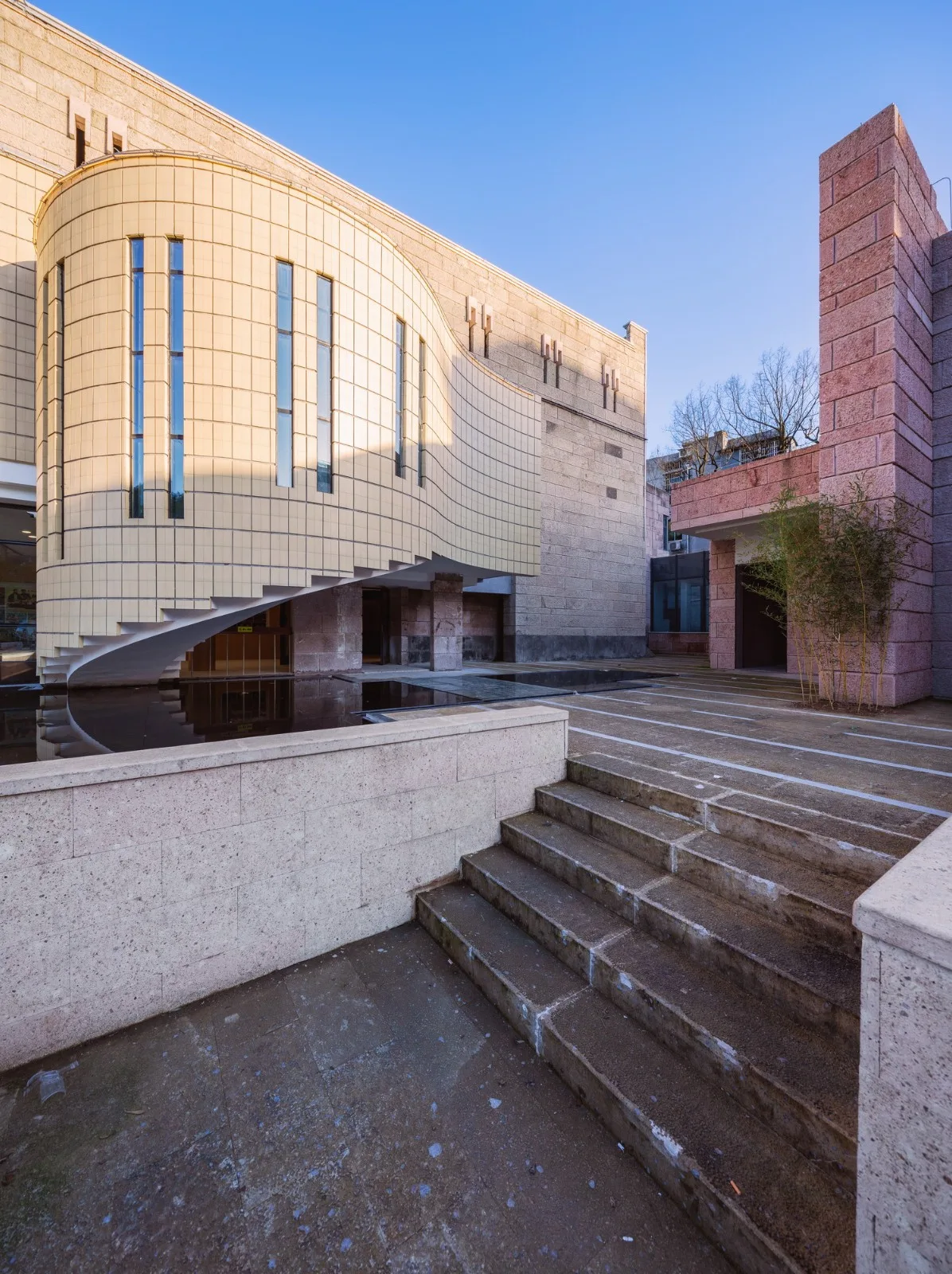
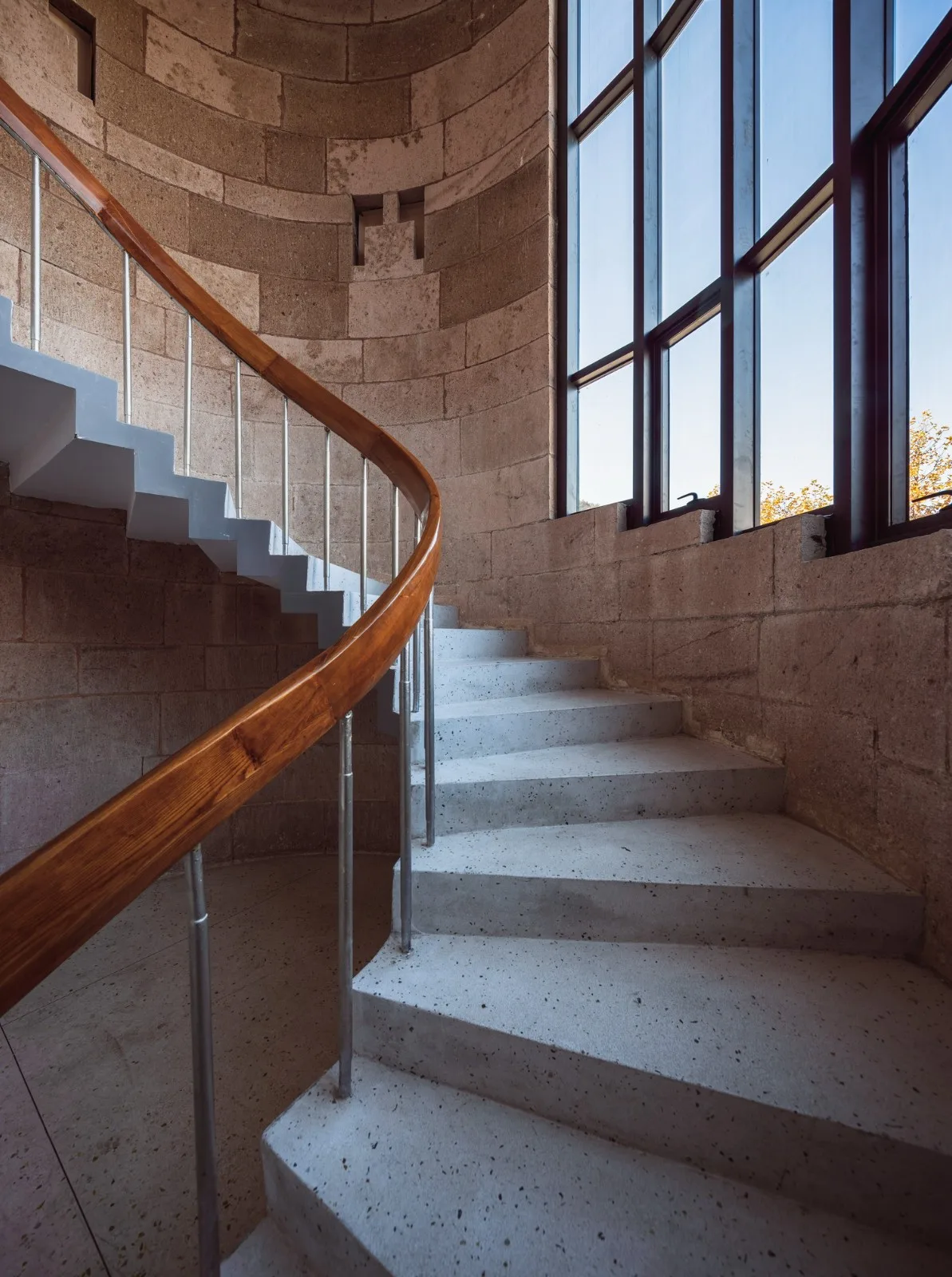
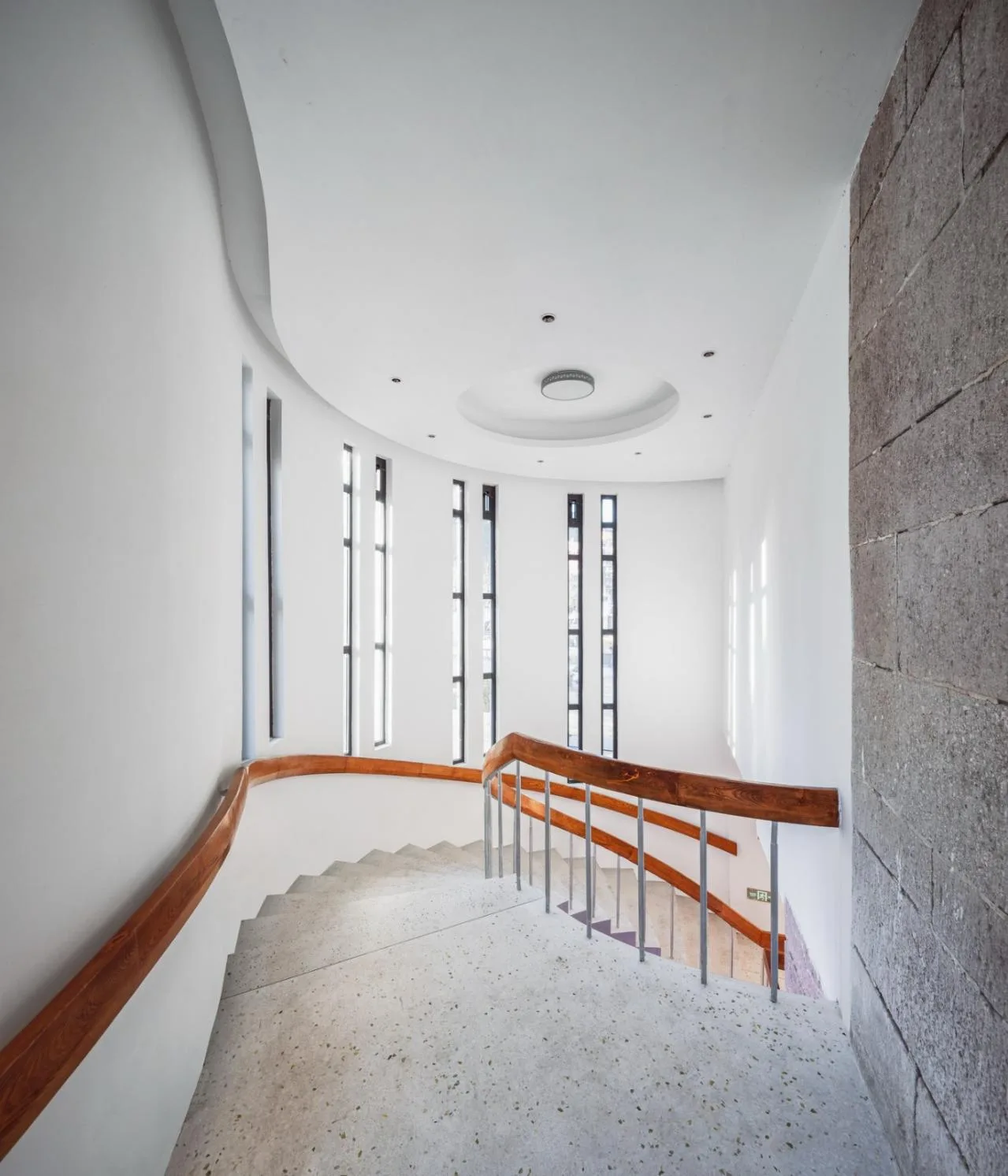
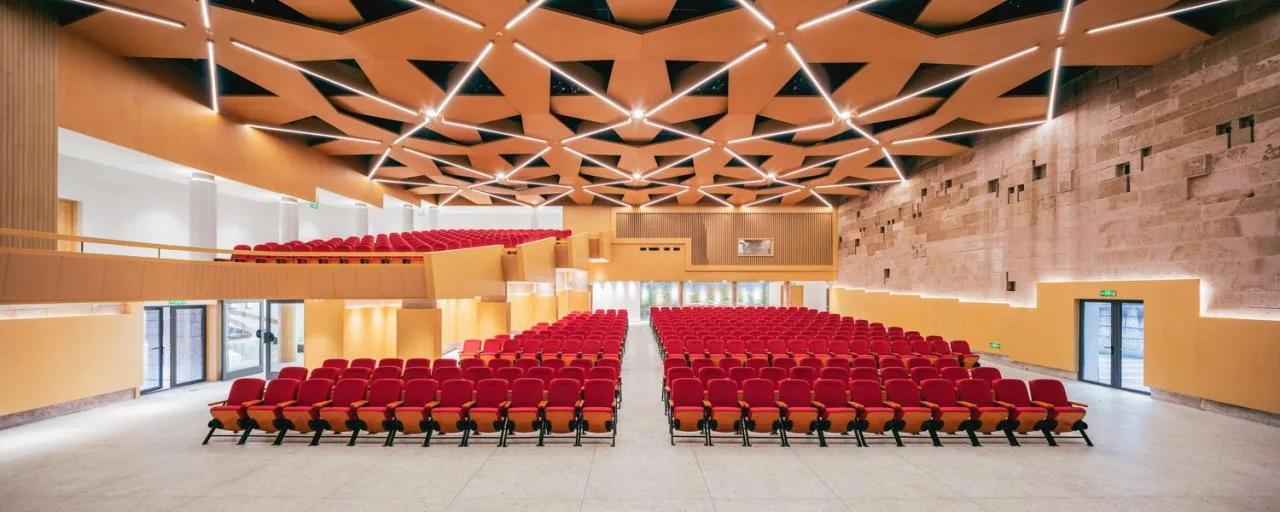
Jinyun Cinema restored to its original appearance
Due to the high density and limited open space around the cinema, the architect emphasized the necessity of replacing the original box office with an urban open space at the street corner. Creating a city square that suits contemporary life, centers local culture, and resonates with the community holds more value than simply reconstructing the cinema as a static monument. Although the historical layout of Jinyun Cinema could not be fully preserved, the design team replicated its original building outline on the square’s pavement, complemented by stone low walls, greenery, and preserved water features, crafting a commemorative square rich in heritage (Figure 13).
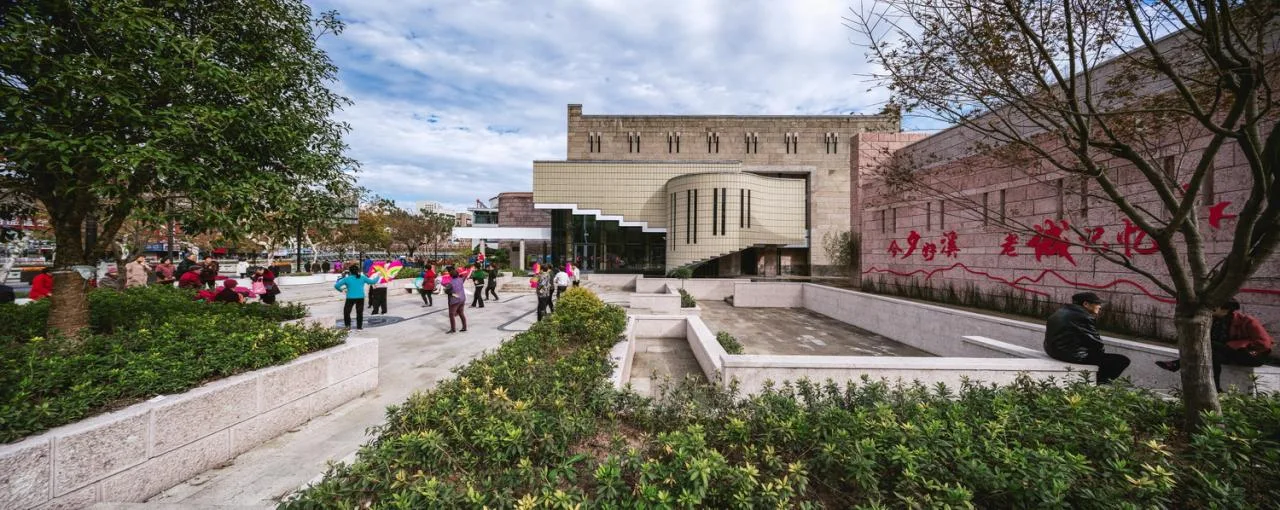
△ Heritage-inspired cinema square
Considering the cinema’s slightly sloped viewing hall instead of conventional steps, the architect proposed removing fixed seats on the first floor and using temporary seating during performances. This design draws inspiration from simplified rural theater experiences and allows flexibility for diverse events. When not hosting performances, especially during rainy and winter seasons, the screening hall remains open as a covered public square for leisure and activities like square dancing. During its trial period, the revitalized building successfully hosted the 4th Huangdi Cultural Academic Seminar and several performances of Jinyun’s distinctive Wuyun Opera during the Huangdi Festival.
4. Creative Insights
The phrase “smoke and fire” originates from the book One Day Zen Knowledge, describing how “good days arise from smoke and fire”—a metaphor for everyday life’s warmth and vitality. Today, it contrasts with elite cultural concepts like elegance and refinement, representing the genuine traces of ordinary life. Preserving the “fireworks” atmosphere in urban renewal means embedding or recreating everyday life scenes within historic environments. This is essential for stimulating spatial vitality, activating the spirit of place, and showcasing the city’s charm.
An appropriate “fireworks” atmosphere concretely expresses daily life. Even in modern cities, it can infuse environments with a strong human touch. Architects don’t necessarily need to add local materials or traditional styles to achieve regional authenticity but can instead refine local flavors delicately to create a rich experience. Approaching tradition with balance, fostering dialogue between old and new scenes, cautiously preserving daily life’s warmth, and exploring ways to revive valuable aspects of past life within modern contexts are key goals.
Project Drawings
Before Renovation
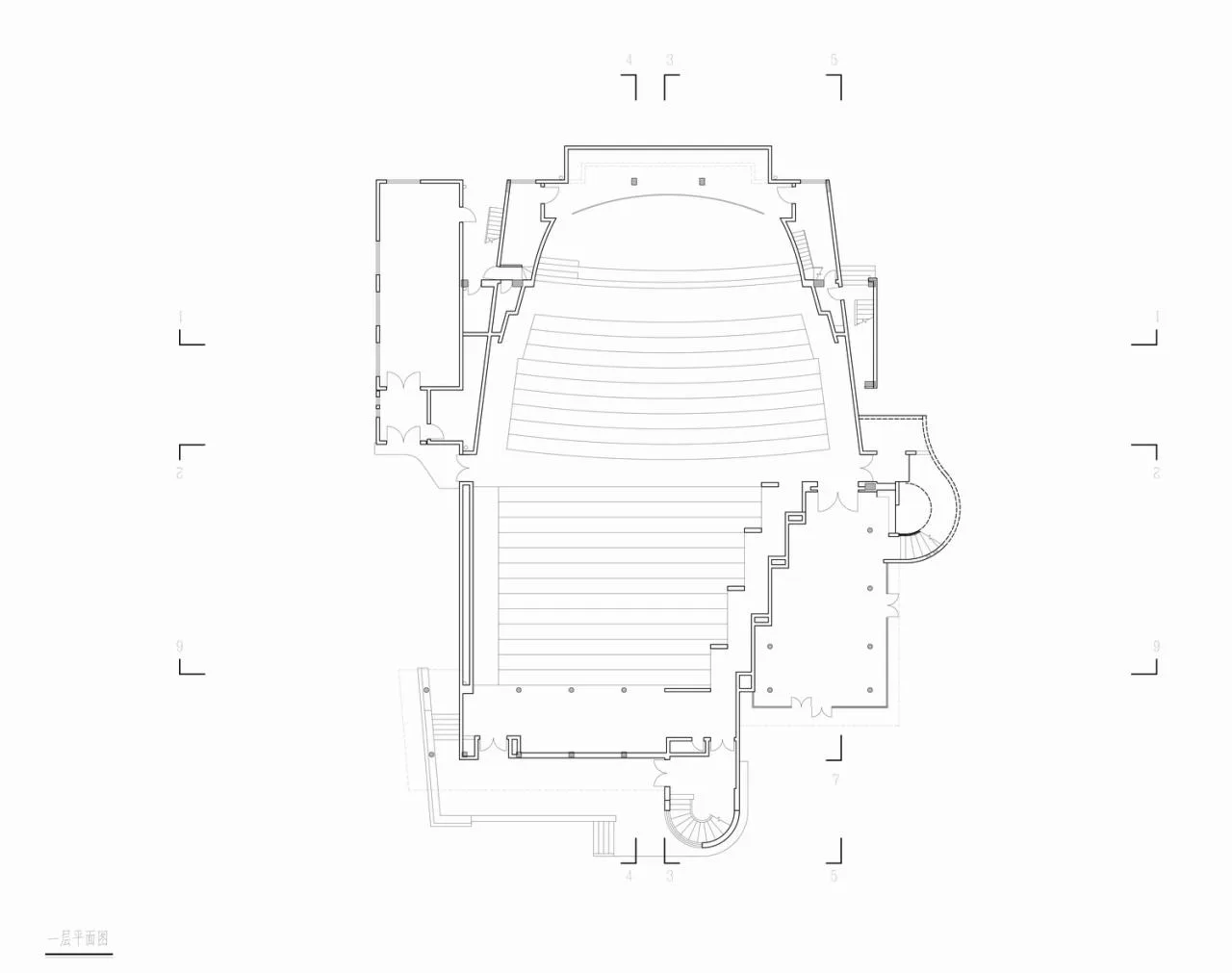
△ First floor plan
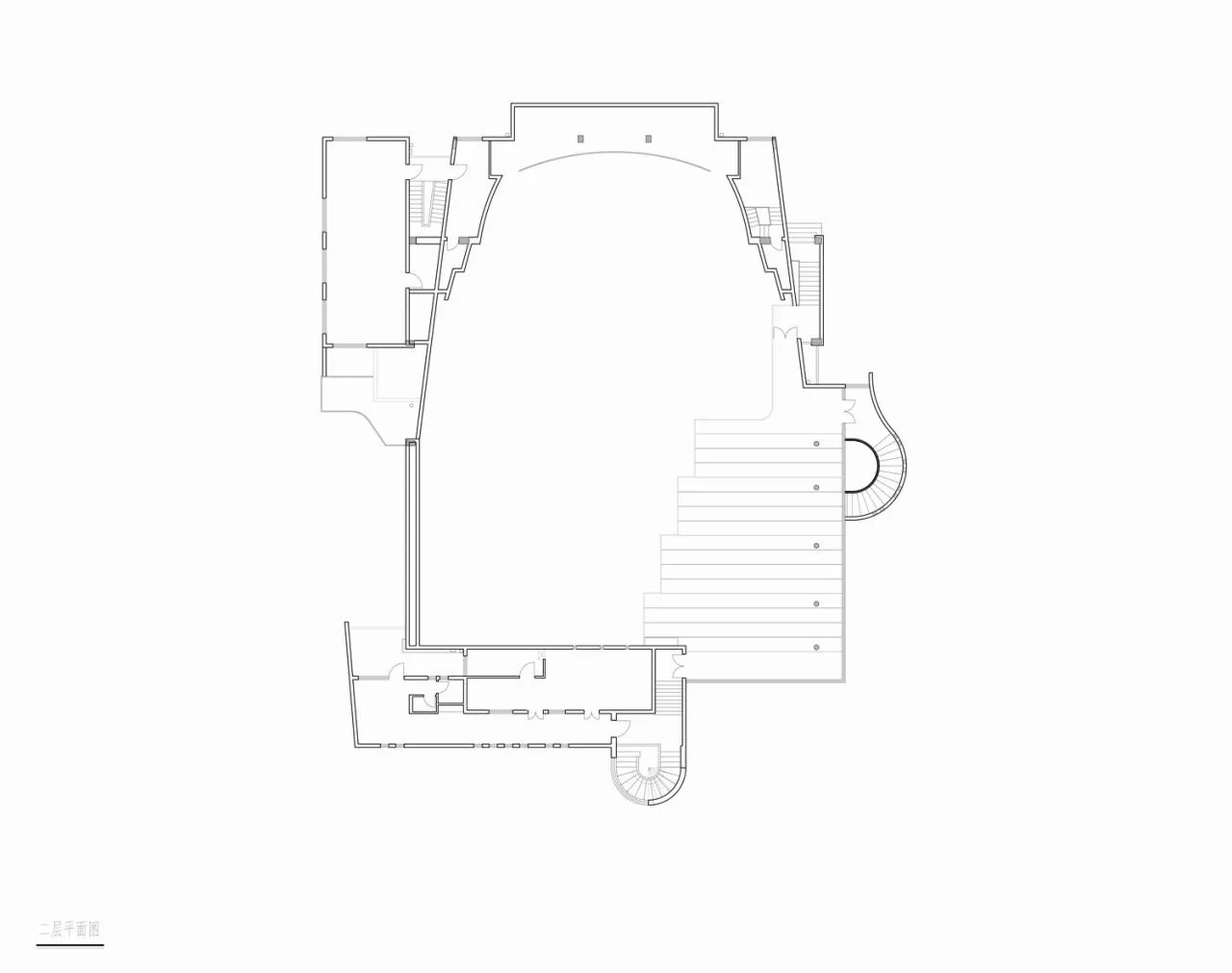
△ Second floor plan
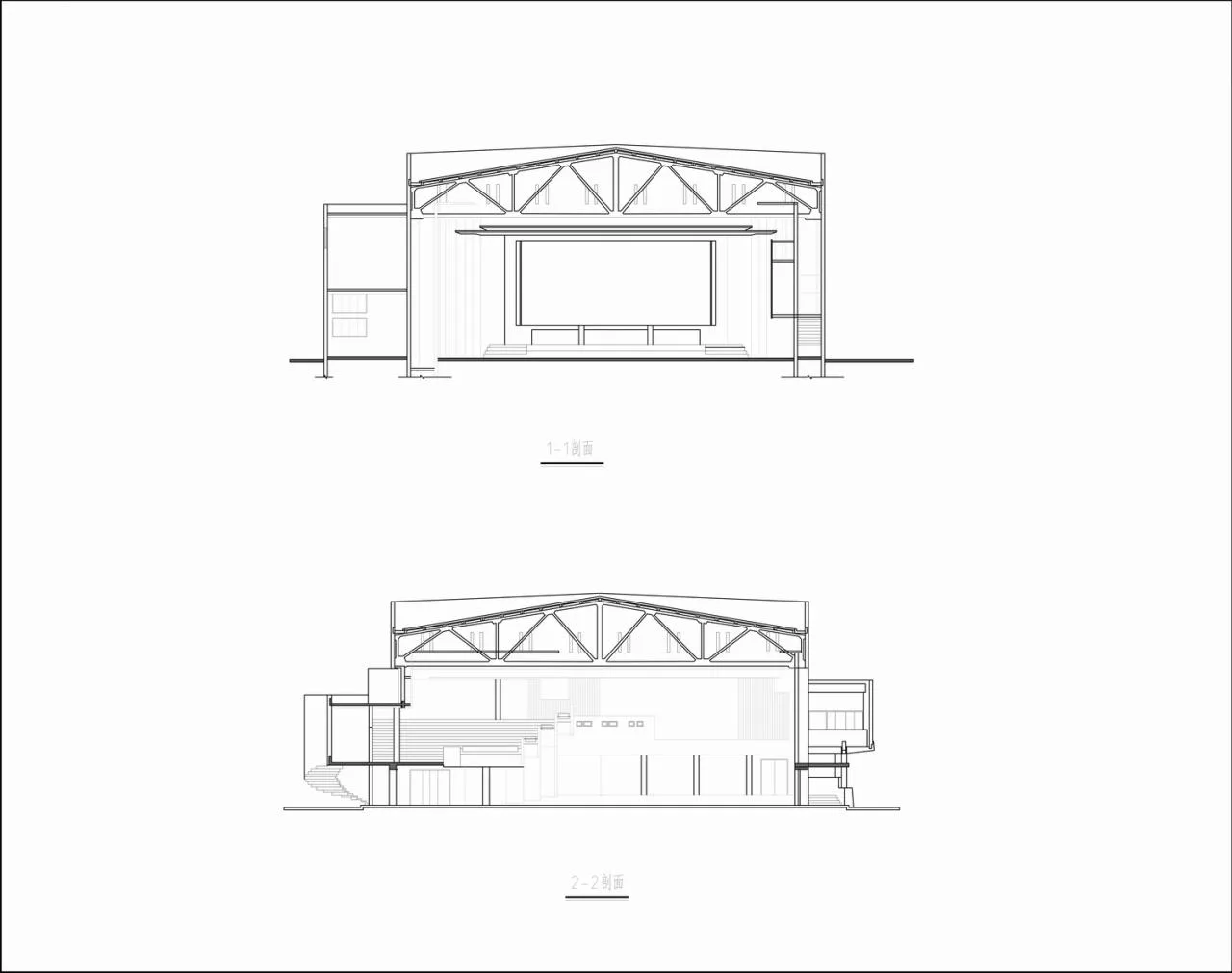
△ Section diagram
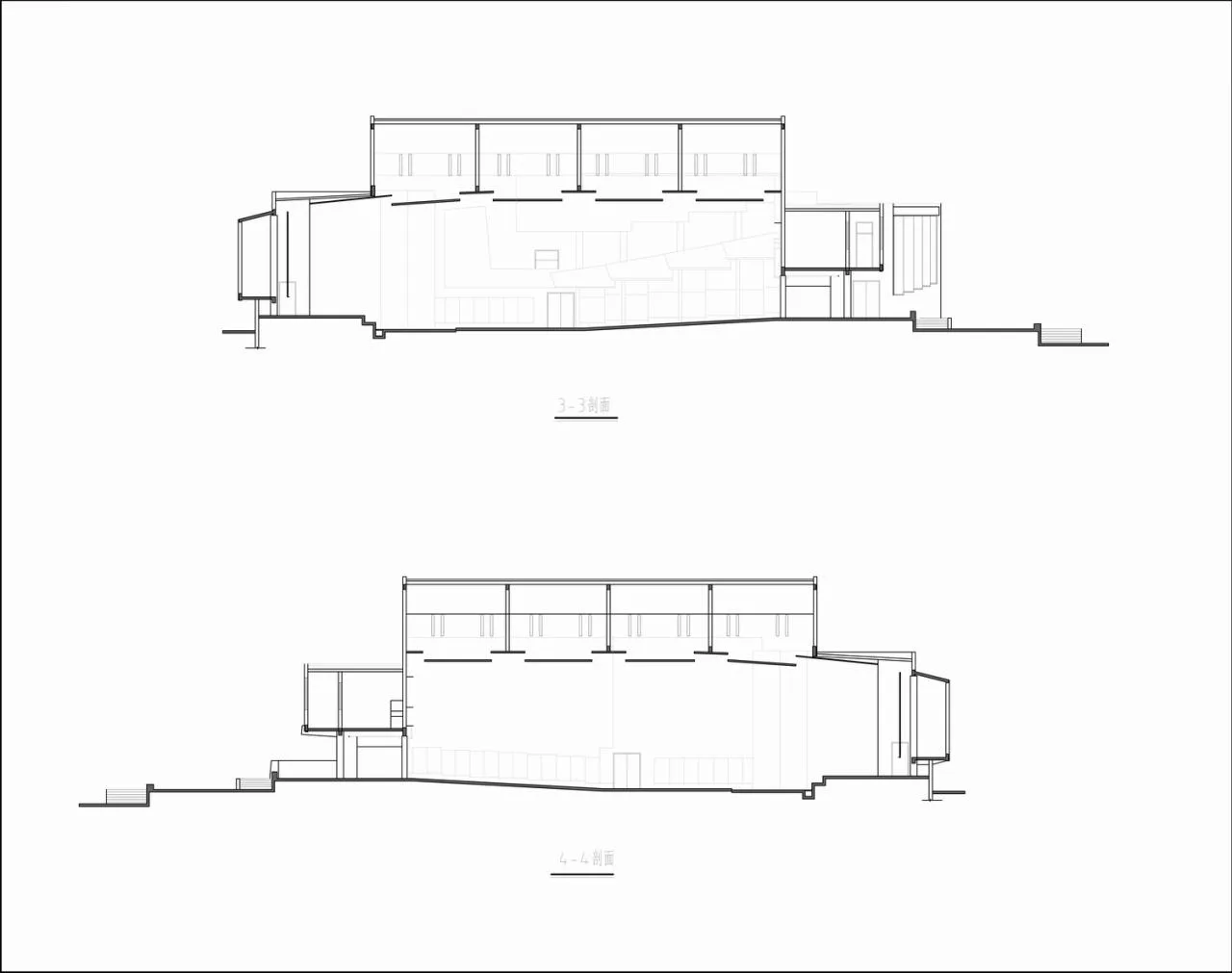
△ Section diagram
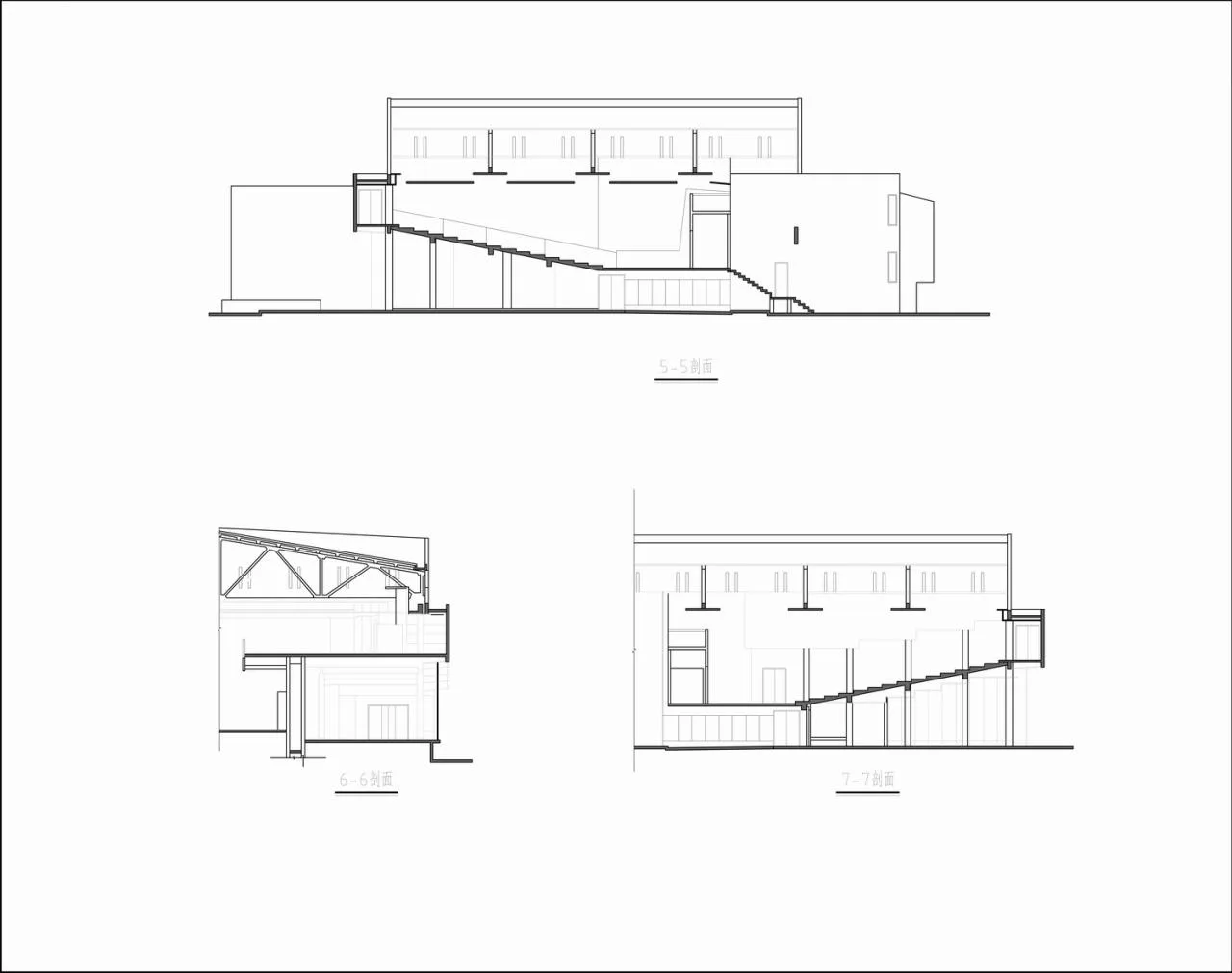
After Renovation
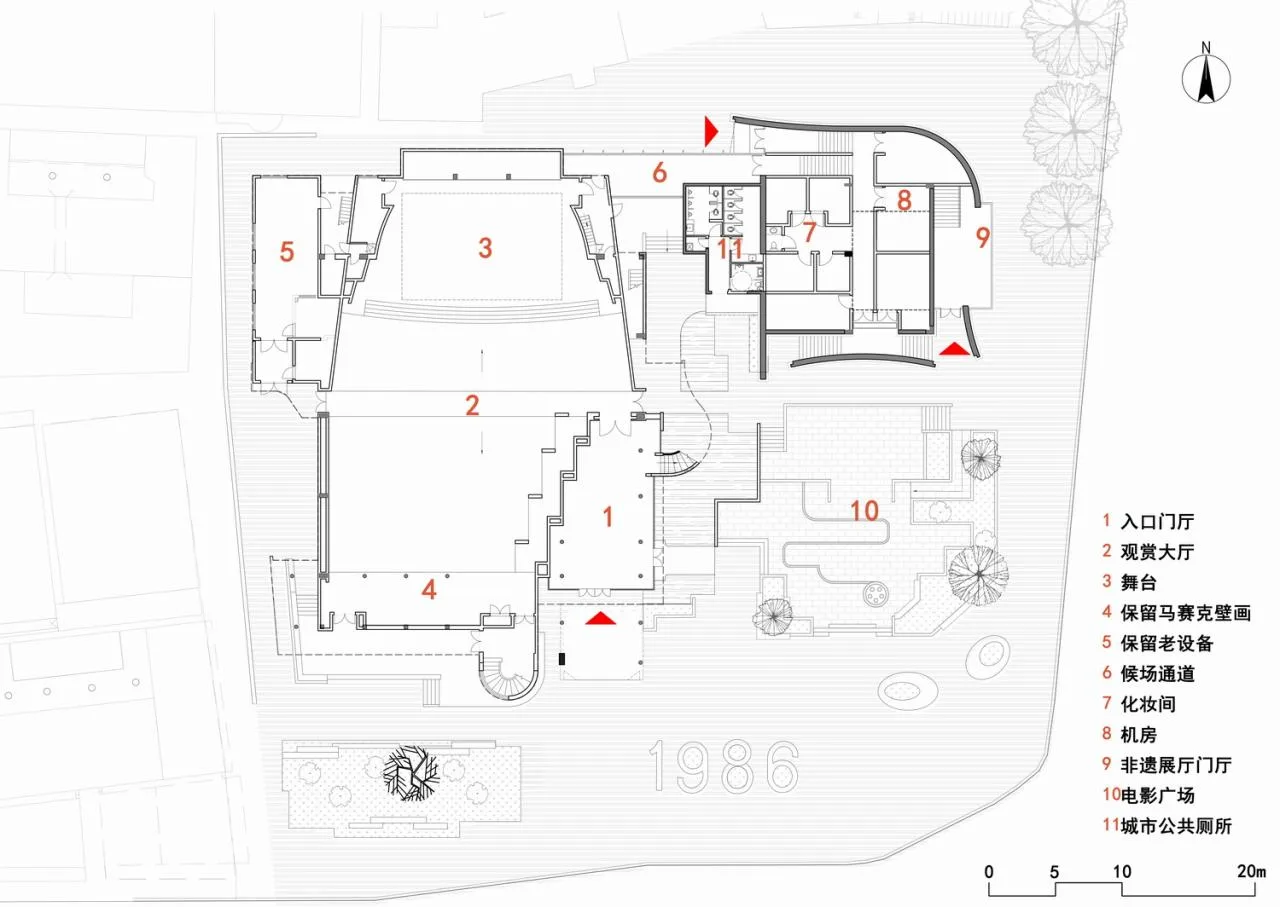
△ First floor plan
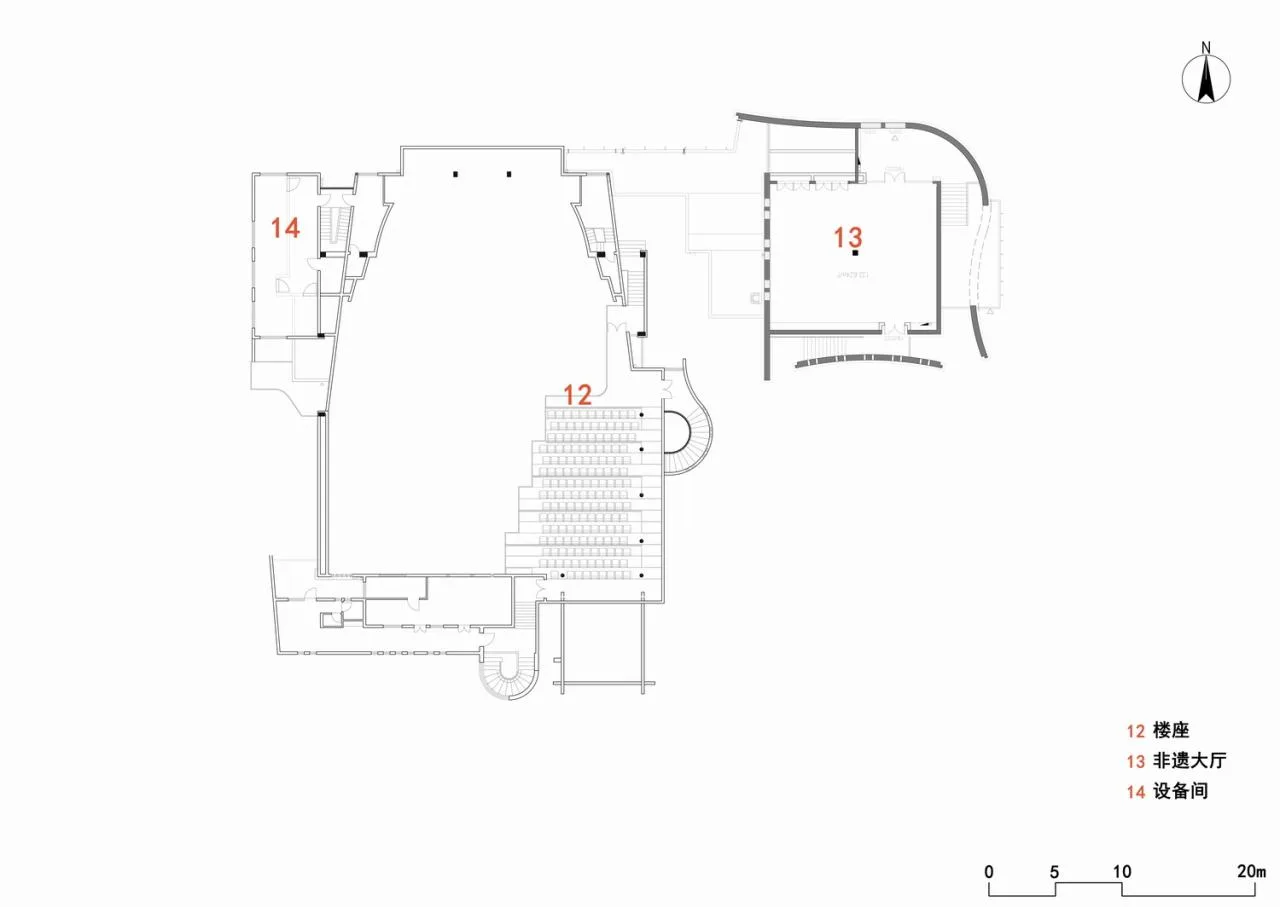
△ Second floor plan
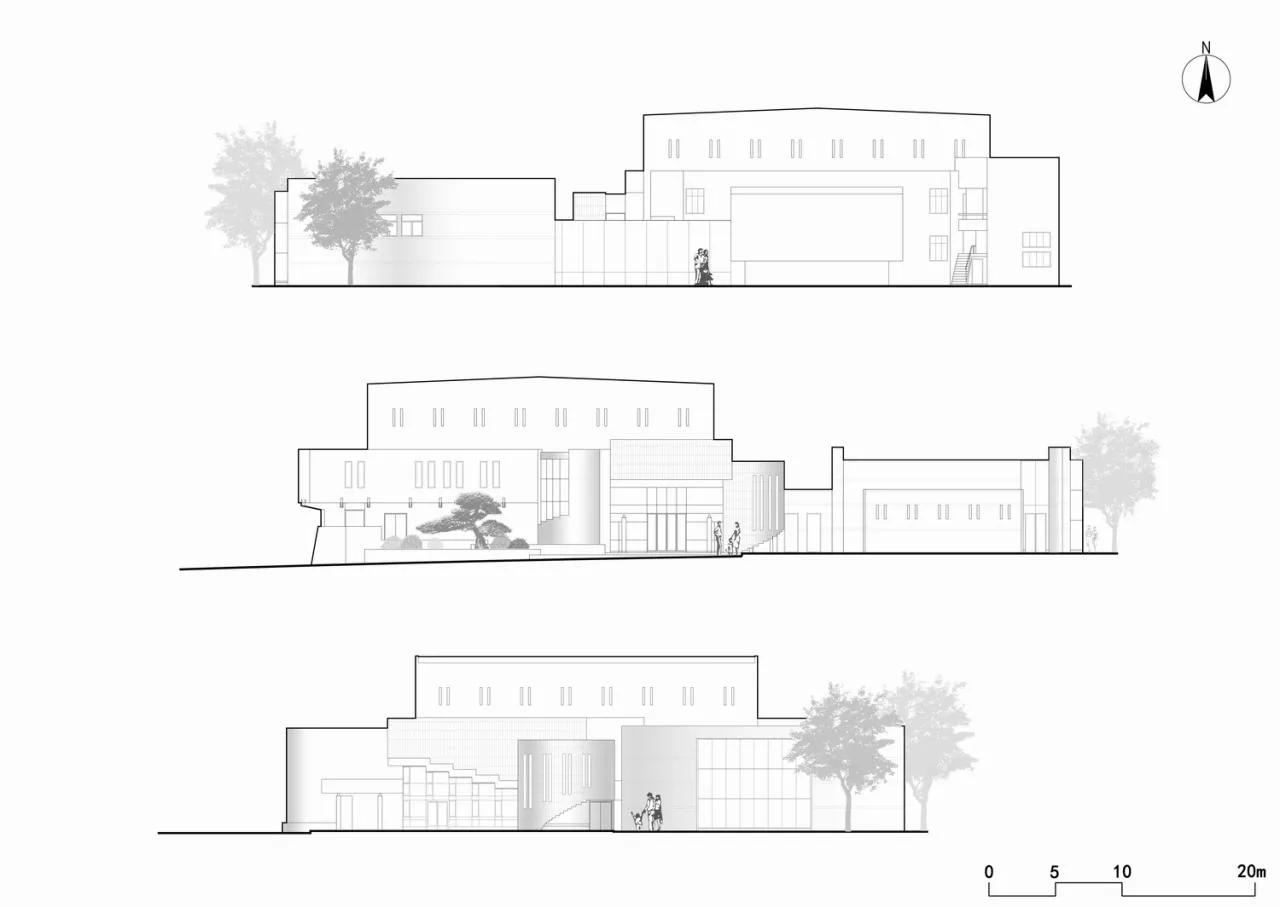
△ Elevation drawing

△ Elevation drawing
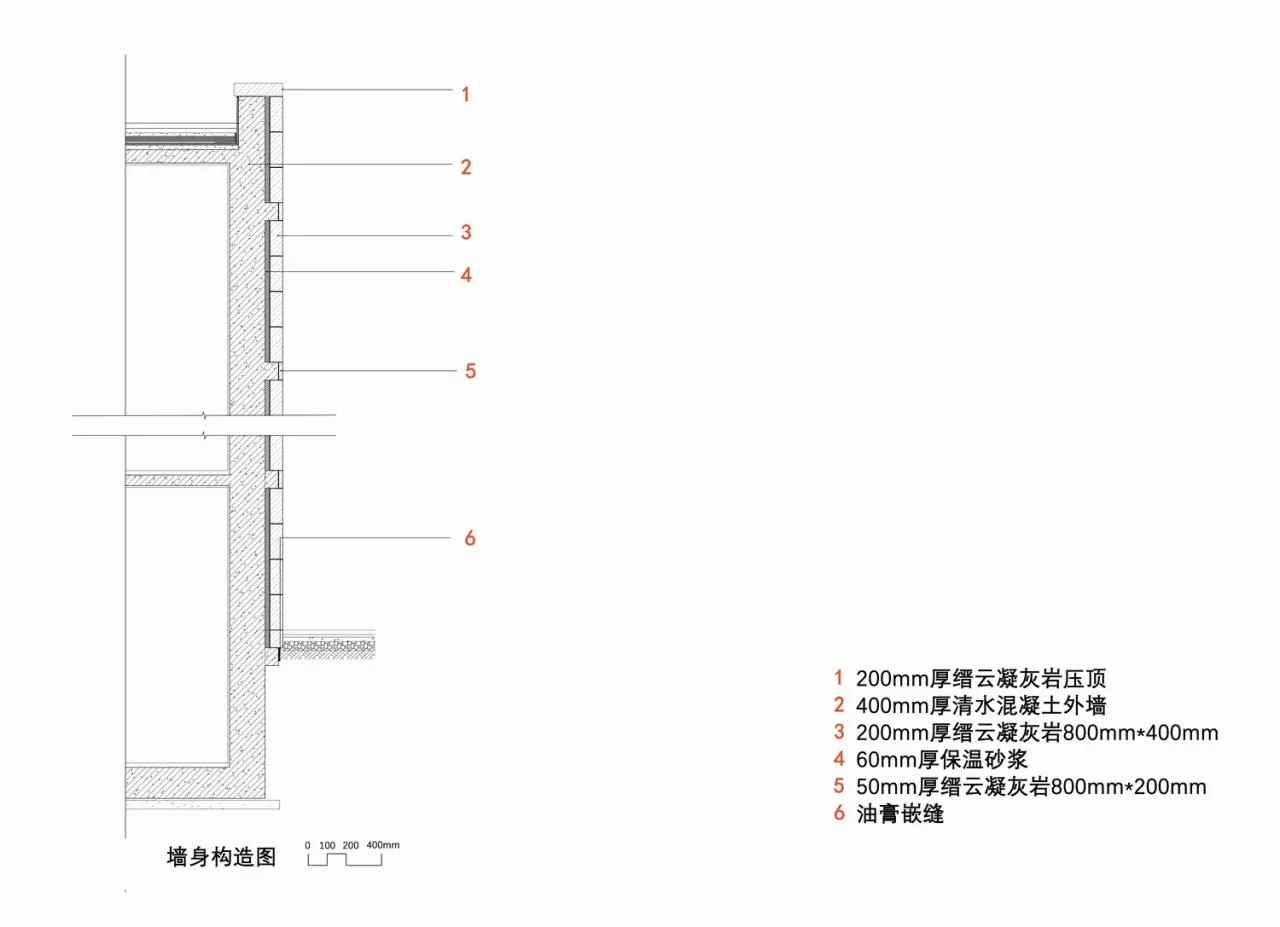
△ Wall material sample
Project Details
Project Name: Jinyunxi Binnan Road Organic Renewal and Historical Building Protection Project
Design Team: I Studio Yanwu Architecture (Zhejiang Academy of Building Science · Xu Yue Studio)
Completion Year: 2021
Location: Xibin South Road, Jinyun County, Lishui City
Building Area: 32,000 square meters
Main Materials: Tuff, concrete
Design Directors: Xu Yue, Yu Xinmiao
Design Team Members: Wang Kunwei, Wang Peng, Ji Yuyan, Chen Chen, Qu Luting
Detail Design: Zhejiang Architectural Design and Research Institute, China United Engineering Co., Ltd
Architectural Photography: Lin Song, Xu Yue
Event Photography: Lishui Culture and Tourism, Jinyun Construction, Jinyun Broadcast















Must log in before commenting!
Sign Up