
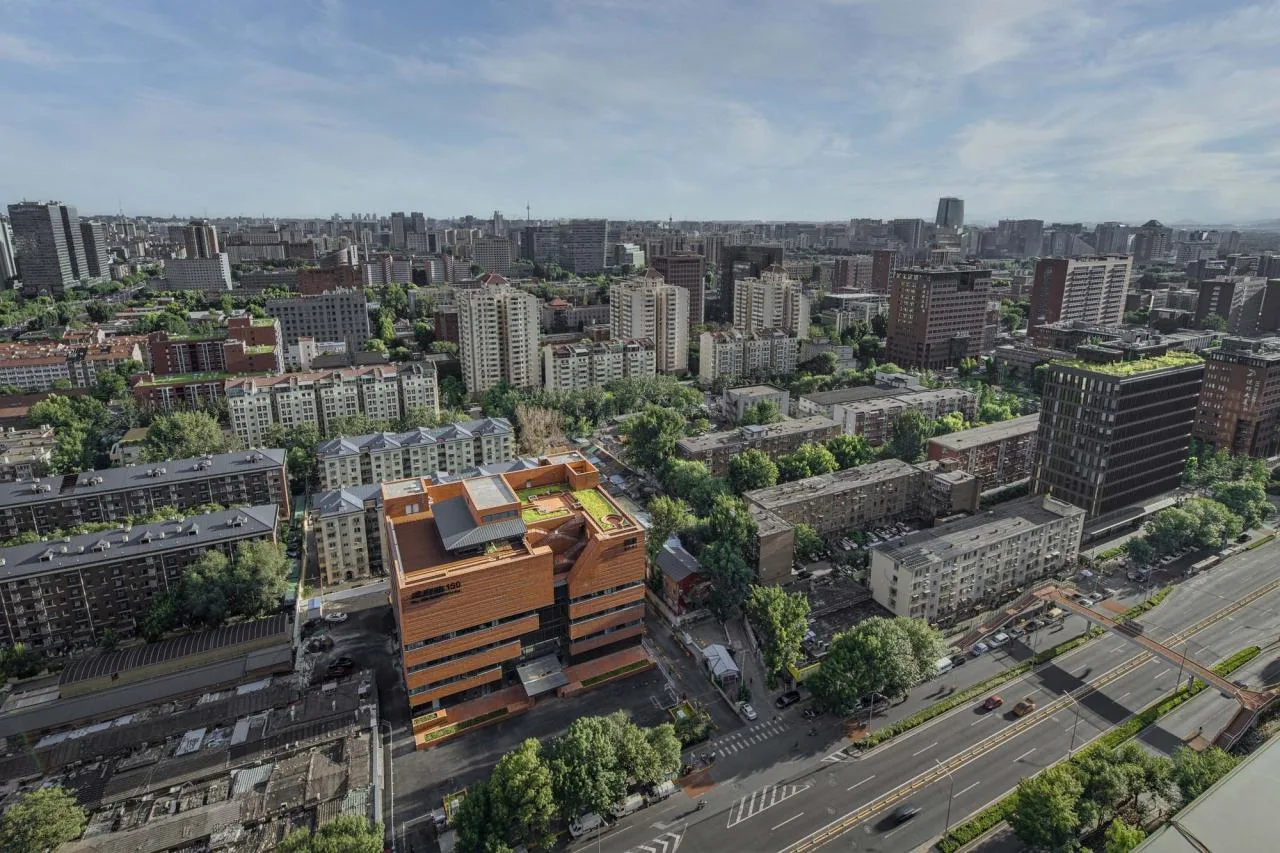
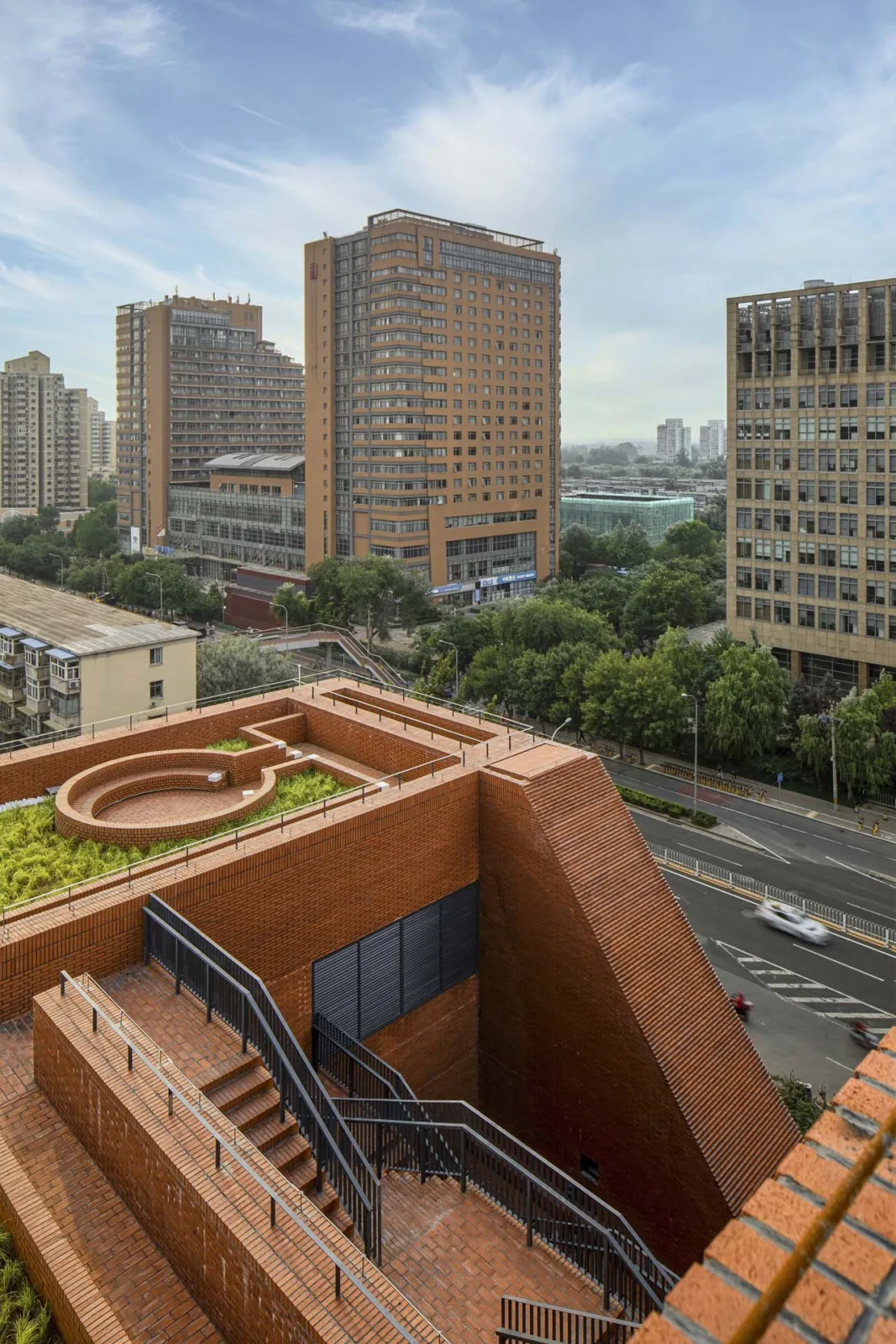
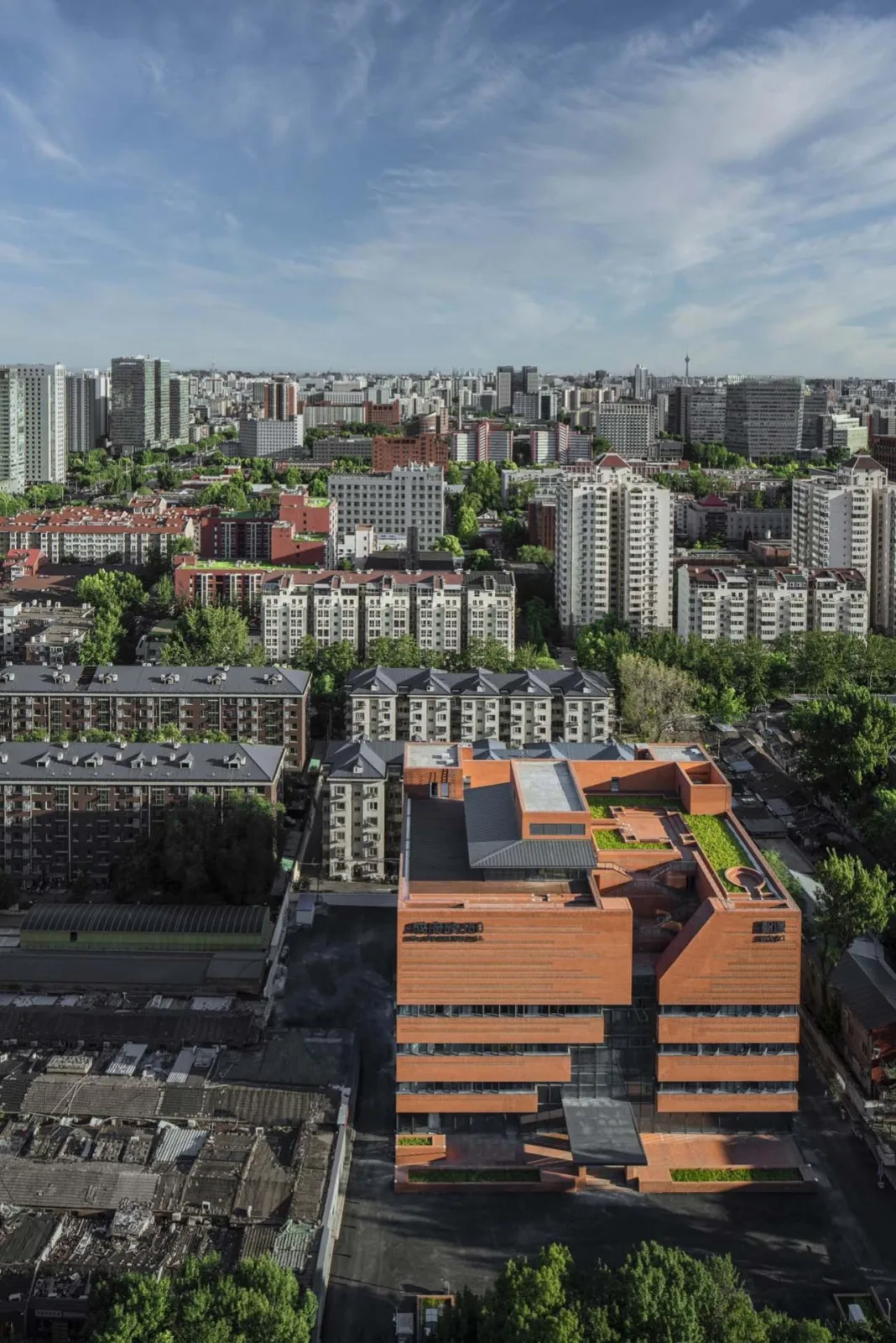
Without an underground parking garage, the courtyard of the Lanrun Building is almost entirely occupied by parking spaces and driveways, leaving no public facilities adjacent to the building and rendering it isolated. Fortunately, the rooftop offers an unbeatable terrace with breathtaking views of Tsinghua University to the north and the Three Mountains and Five Gardens to the west. Transforming this rooftop into a vibrant space for youth entertainment could make the property highly appealing.
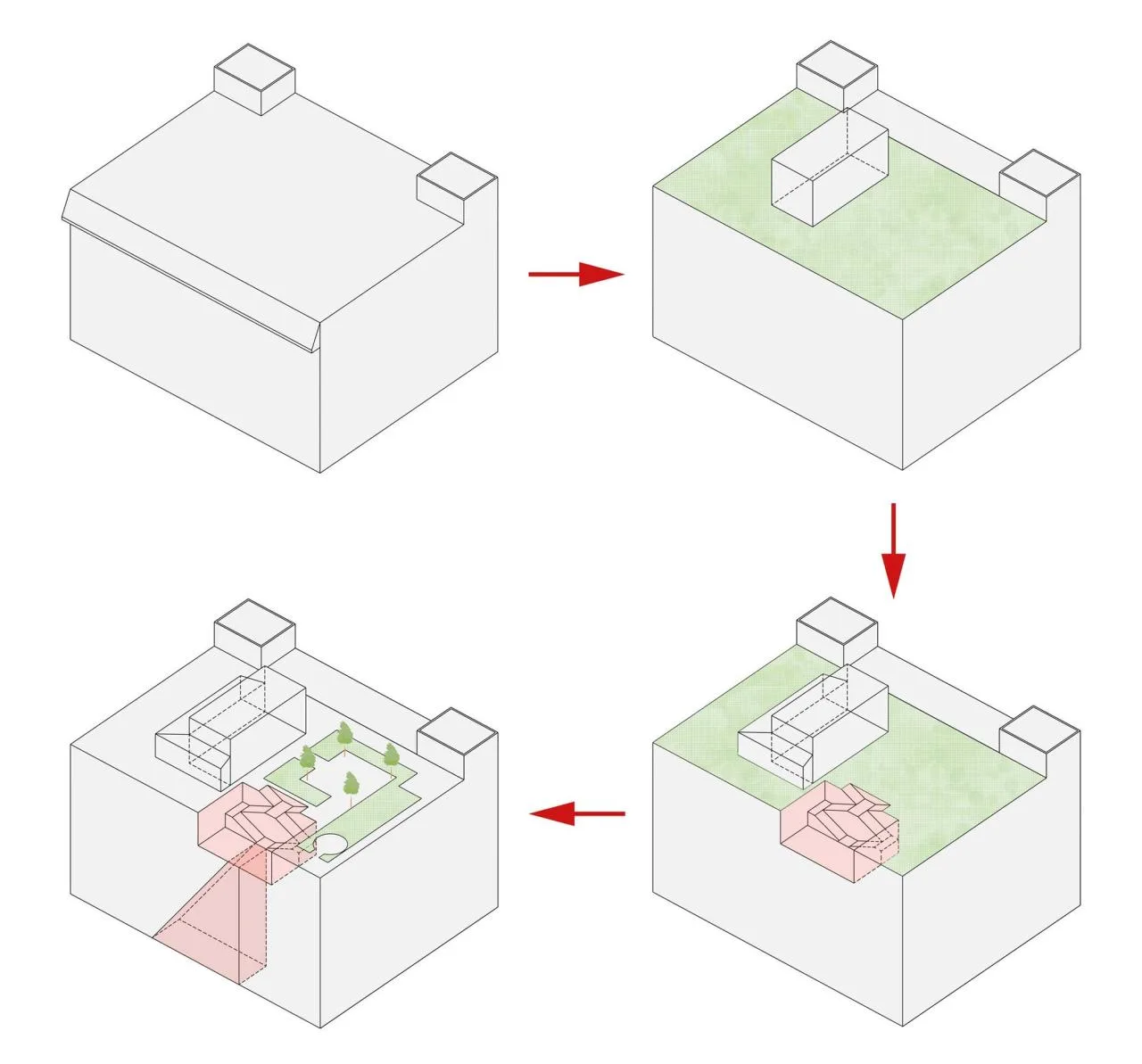
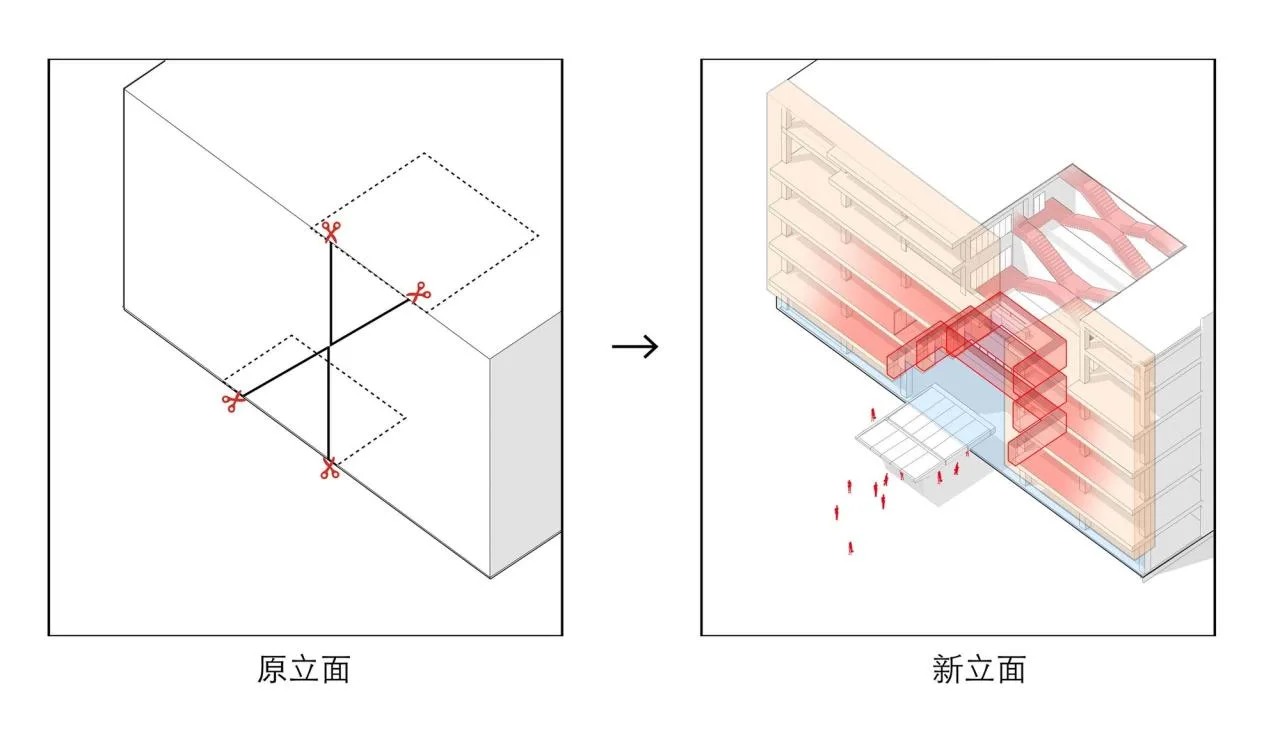
Our transformation concept focused on guiding people to the roof through internal and external renovations, expressing this vertical movement through the building’s exterior. This internal logic justified the external changes. While the owners embraced this new approach to facade renovation, district leaders demanded an even higher standard: integrating the academic atmosphere of Tsinghua University while maintaining vitality.
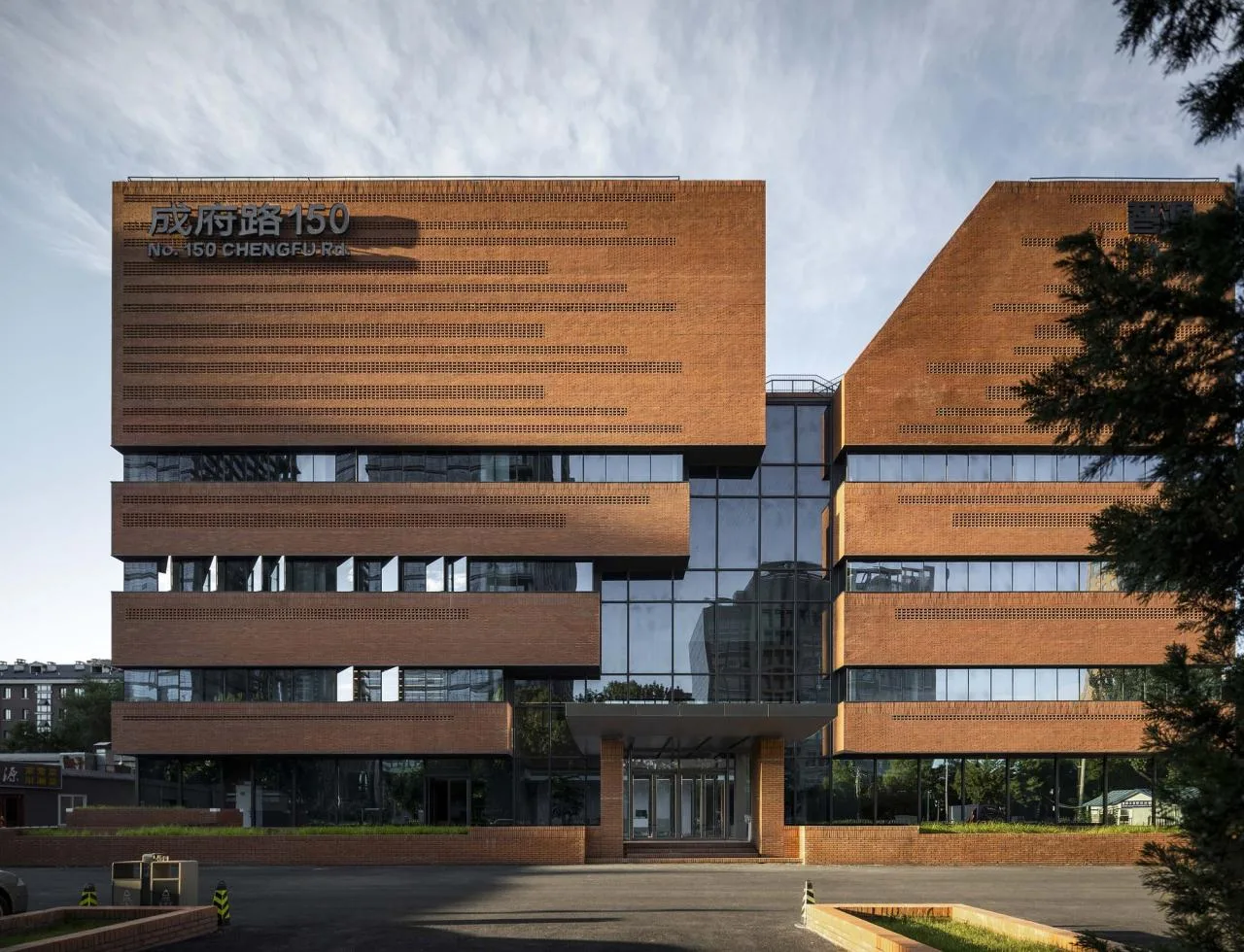
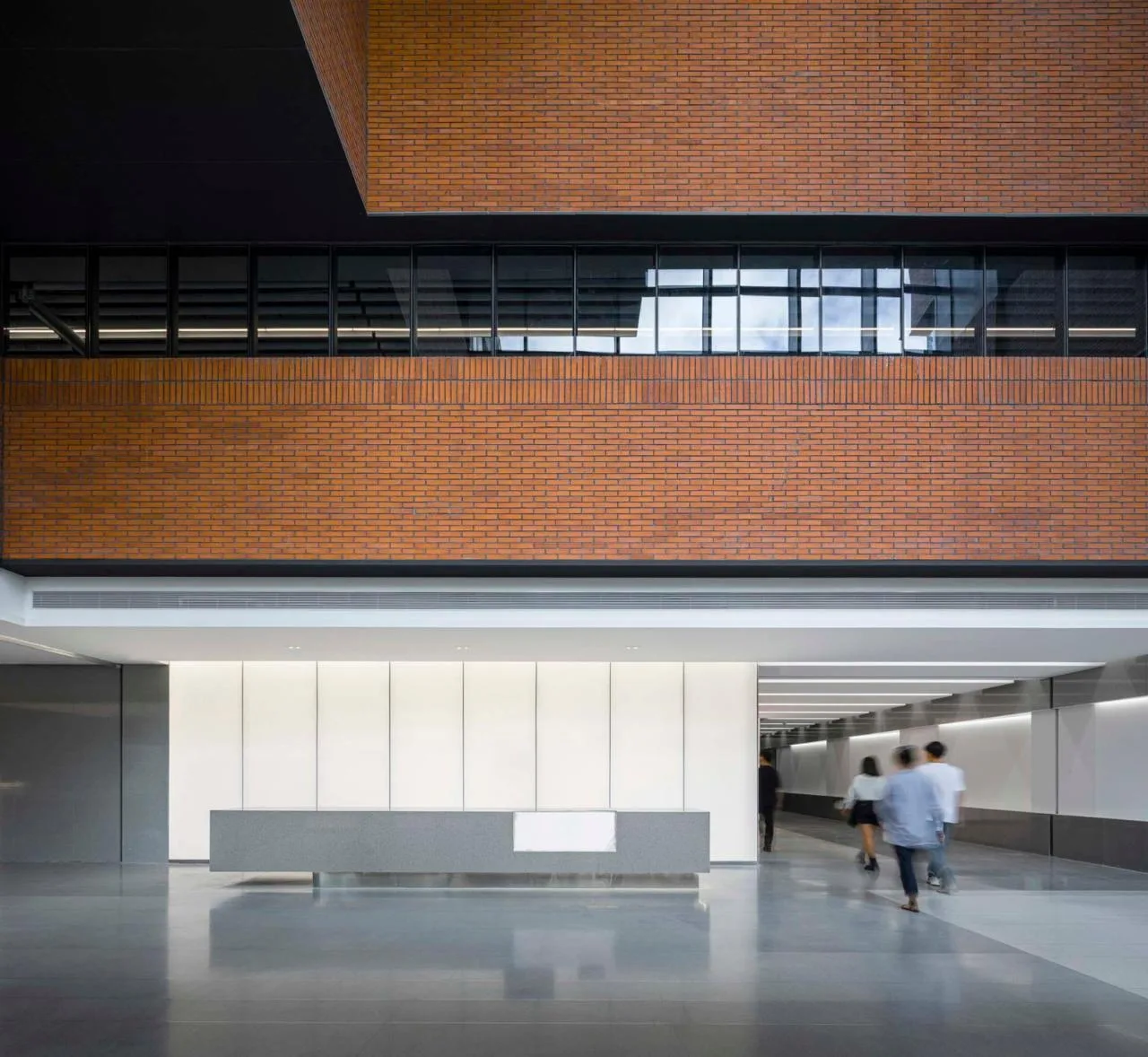
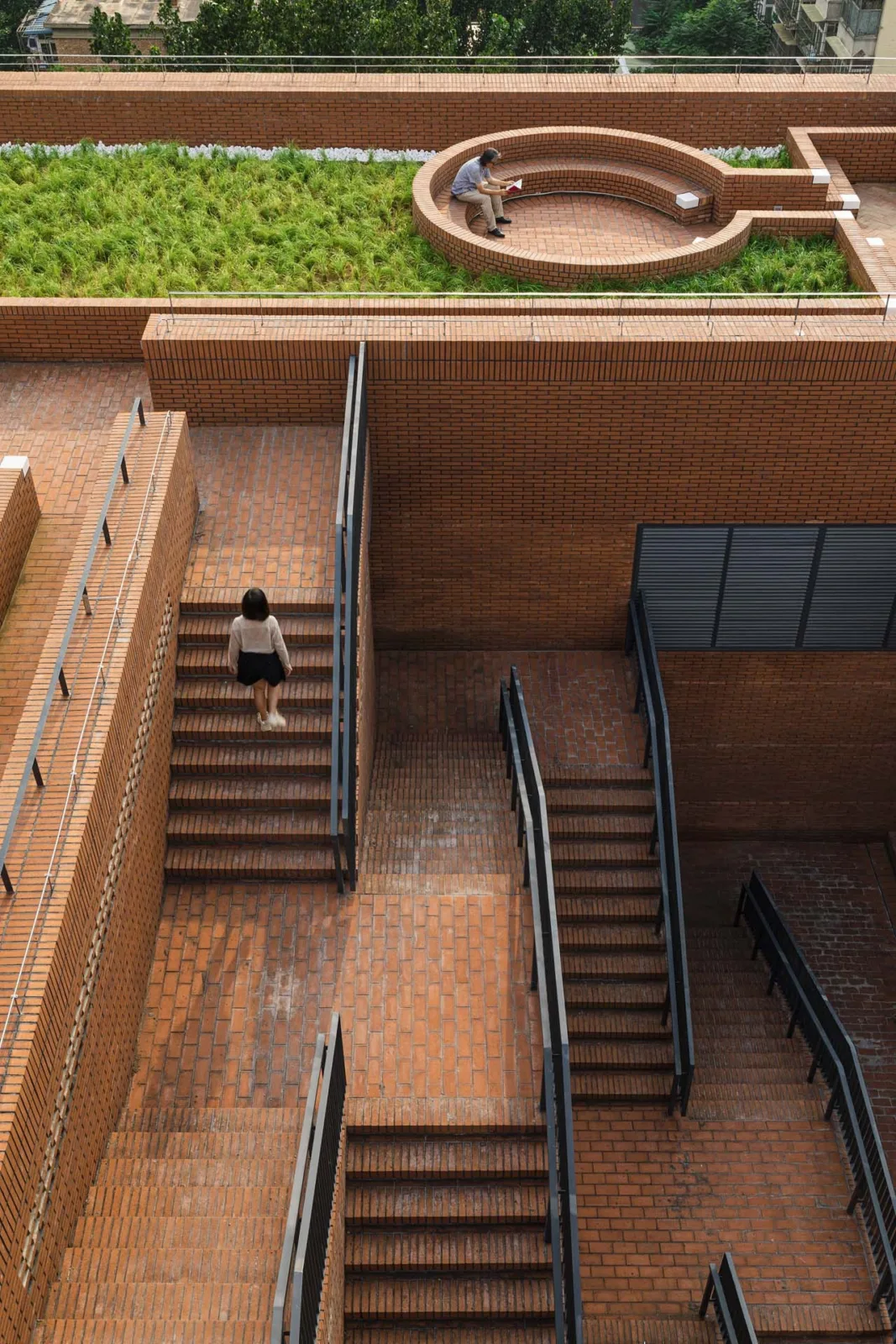
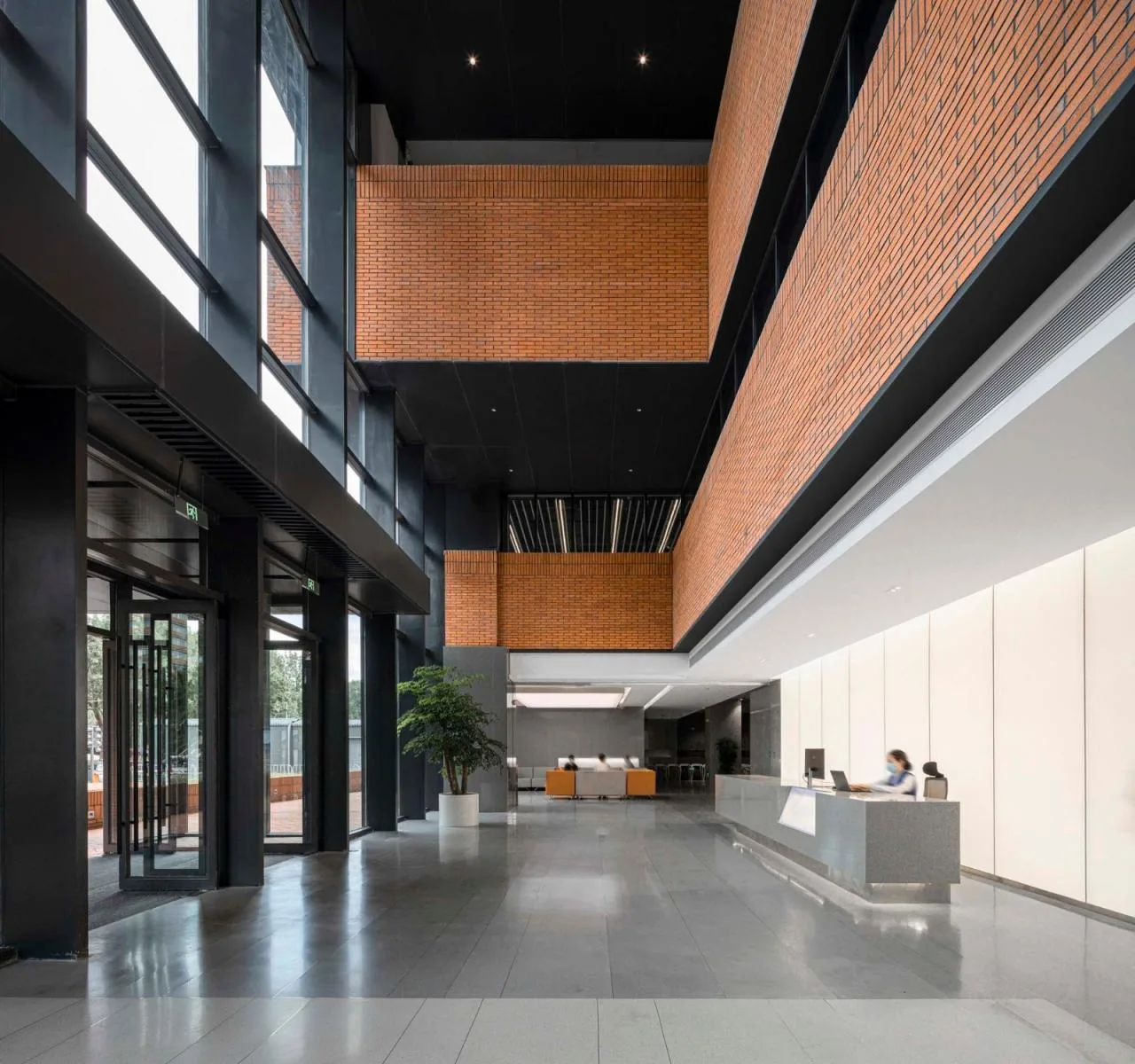
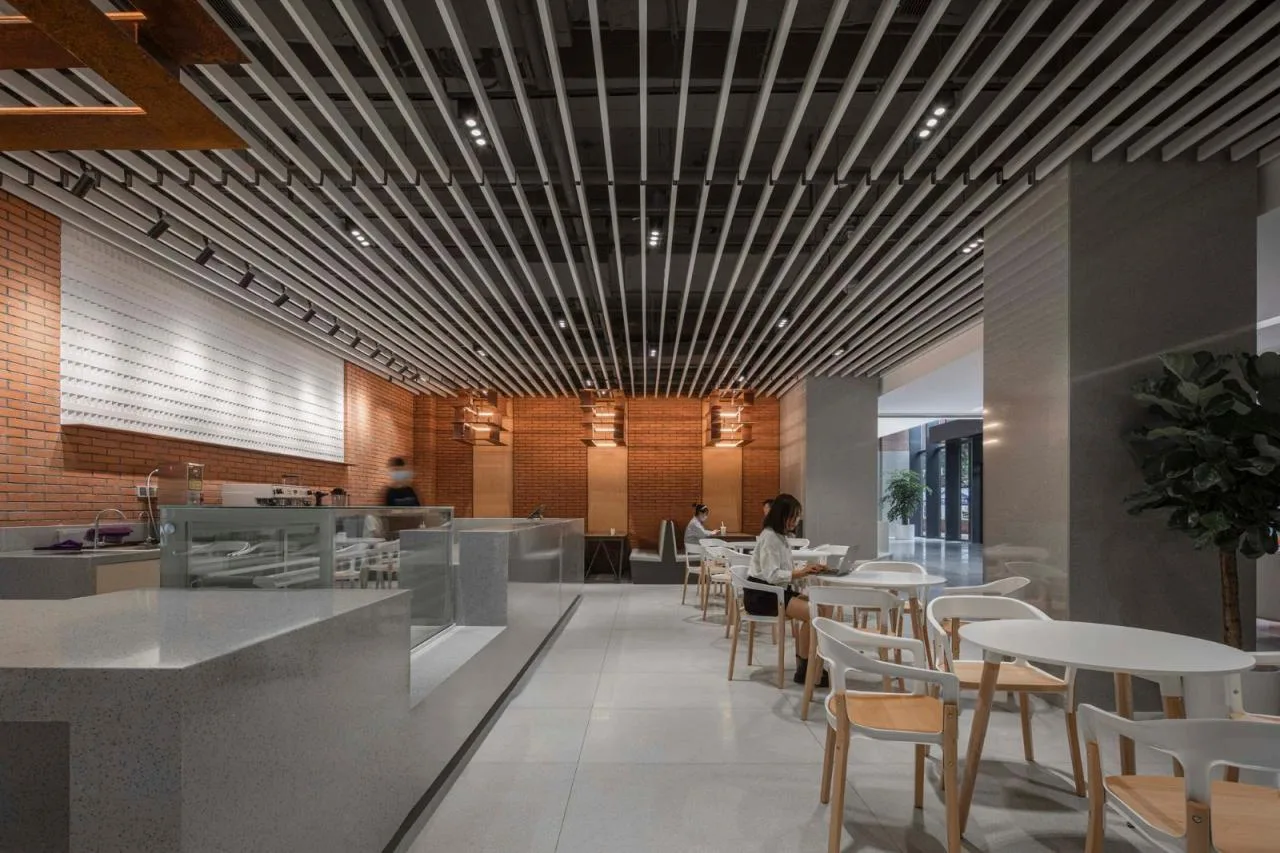
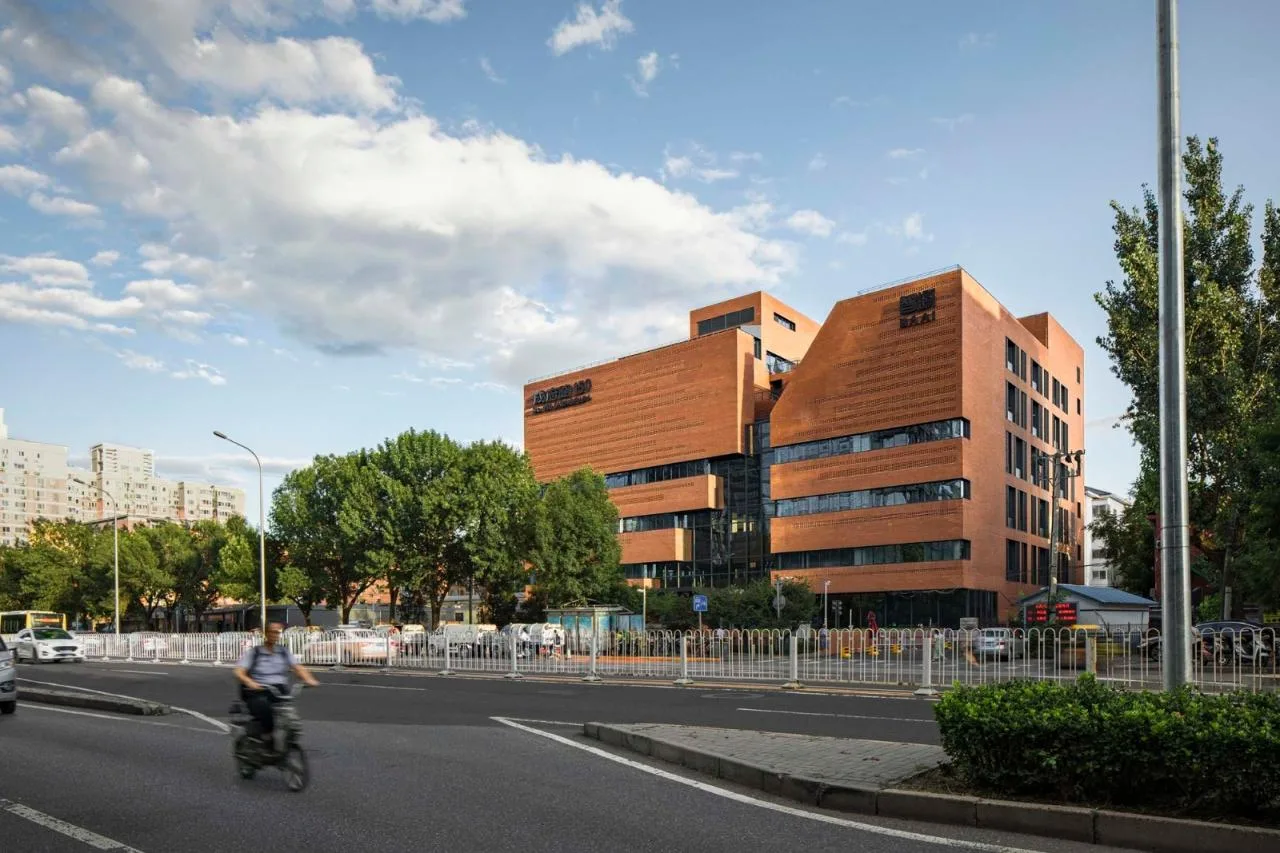
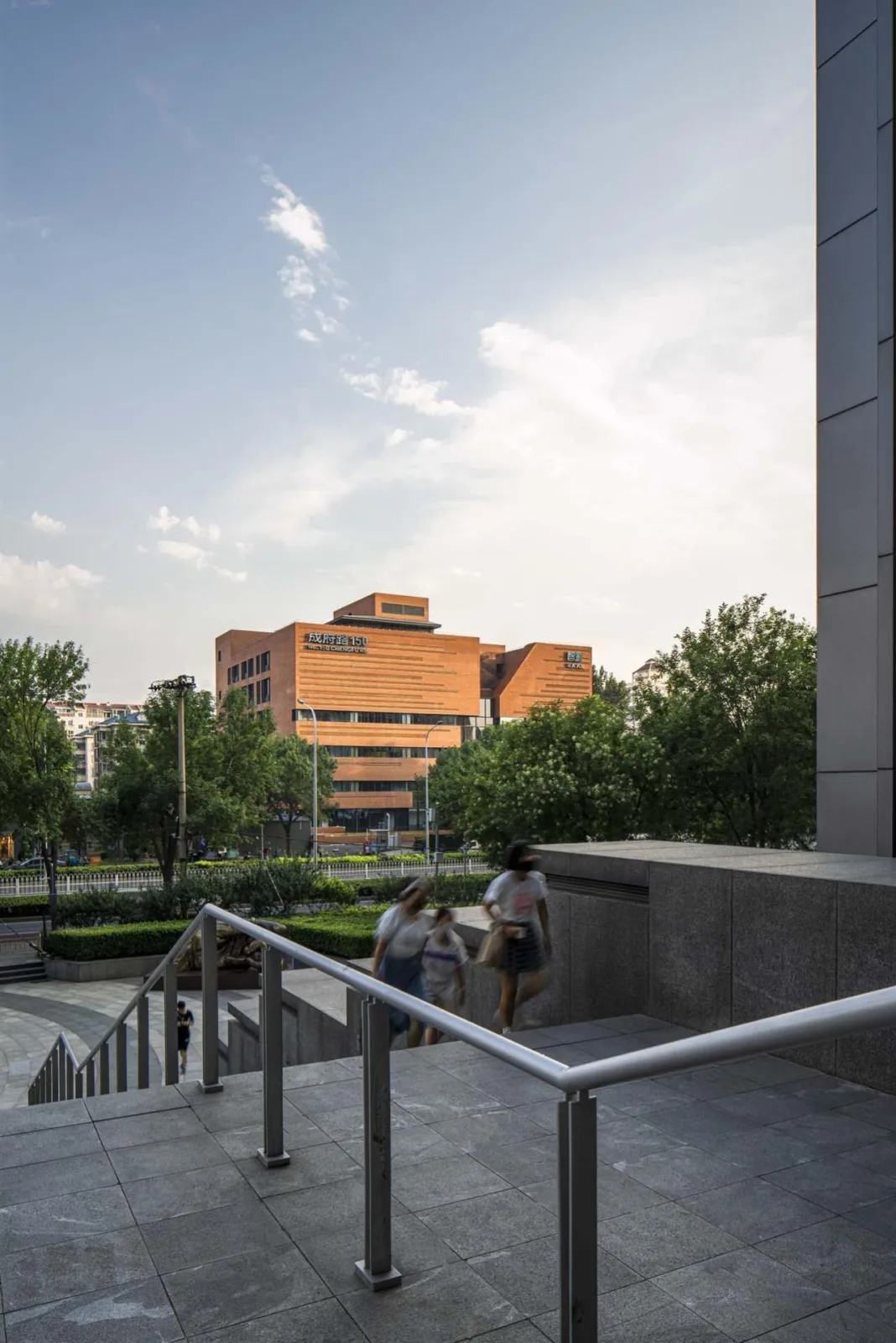
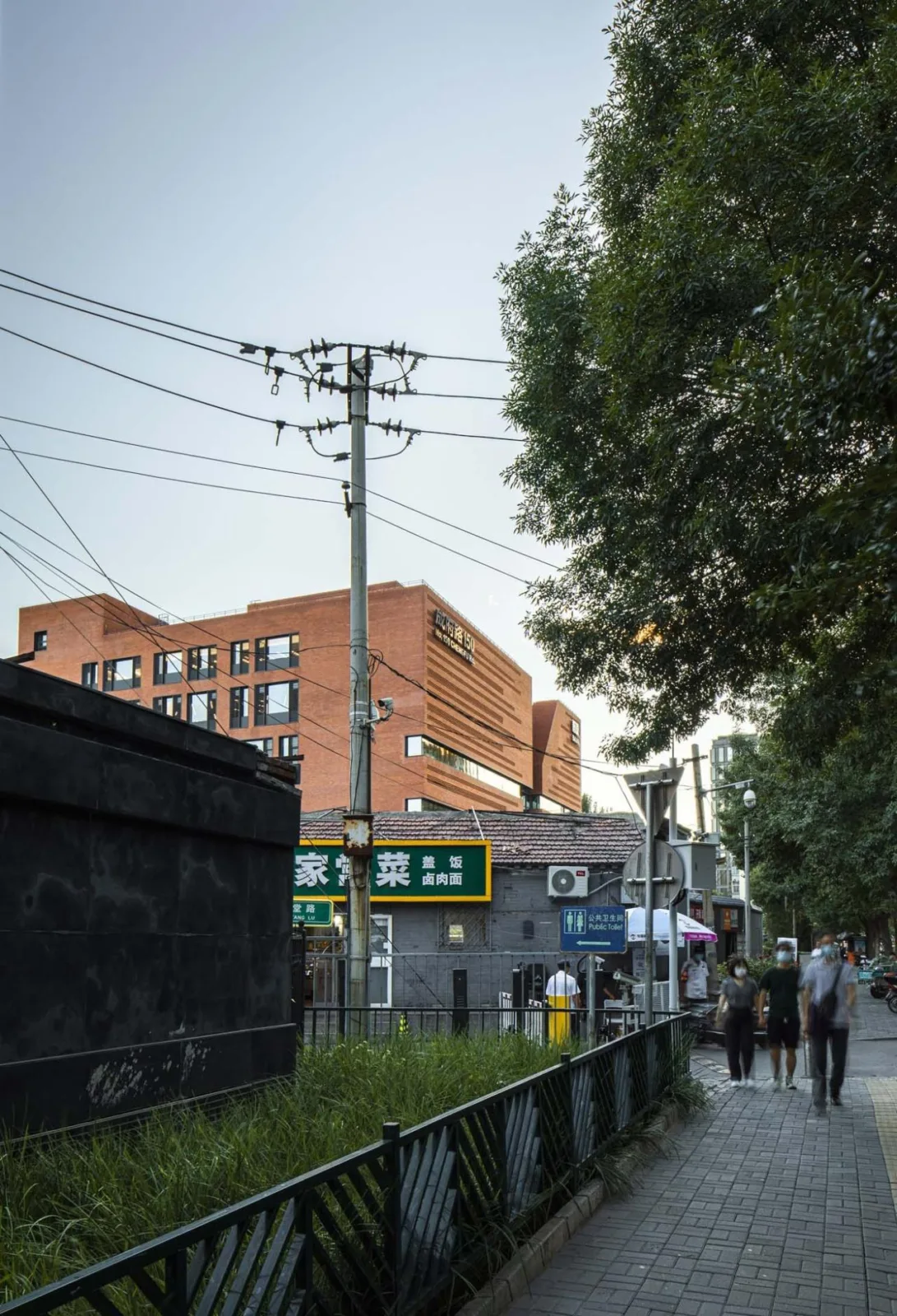
The final design responds succinctly to these challenges: the building’s facade features a brick curtain wall system inspired by Tsinghua’s iconic “Red Zone.” Strong linear elements visually connect the upper and lower spaces. A shallow, four-story-high recess is carved out from the entrance hall, creating an ascending space with inverted steps leading skyward. Meanwhile, the rooftop garden steps down two levels on the exterior, creating an embracing volume that opens with an inverted triangular void on the facade. This composition breaks free from mere facade renovation by integrating internal and external coherence, revitalizing the building’s interior.
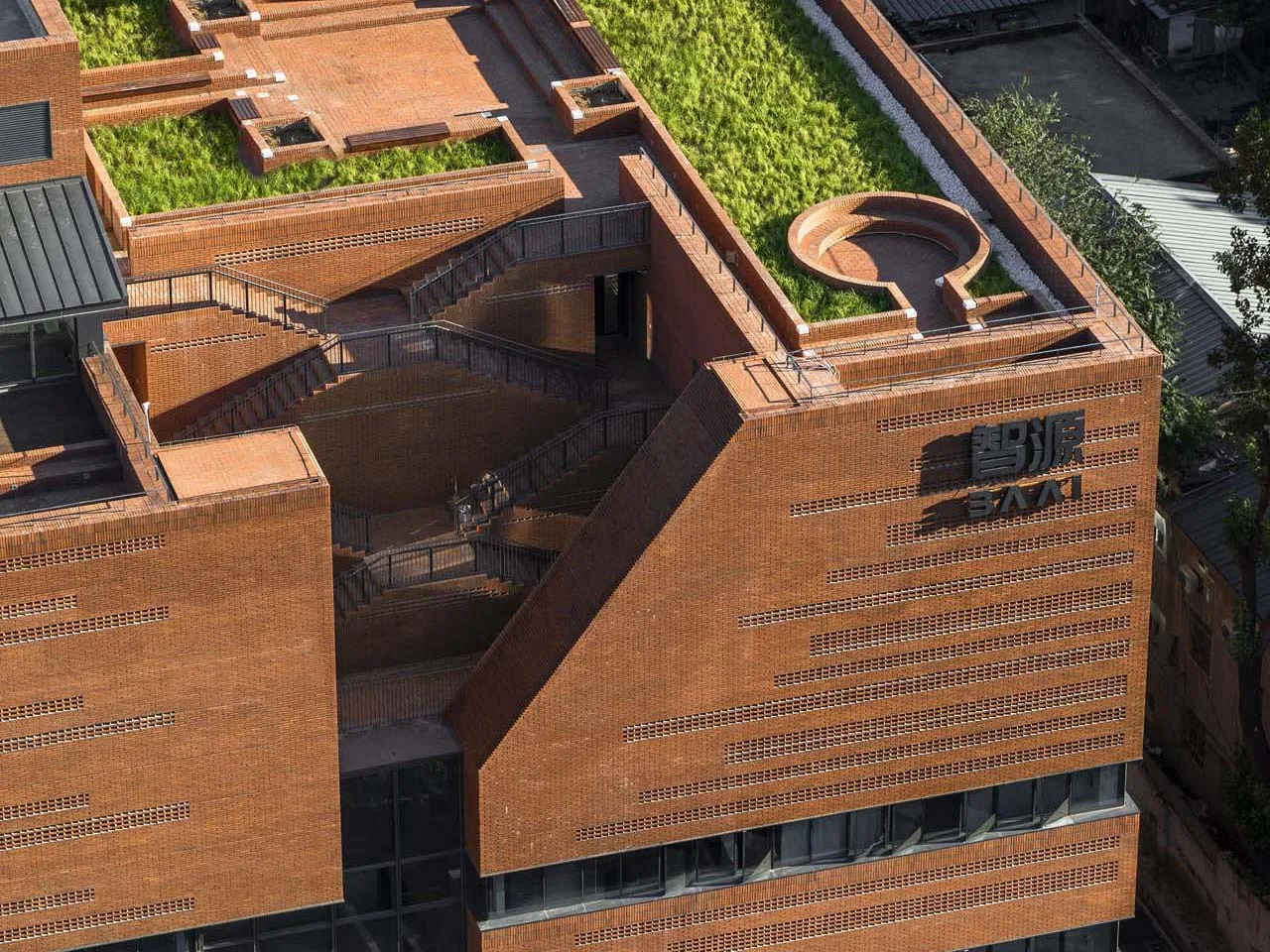
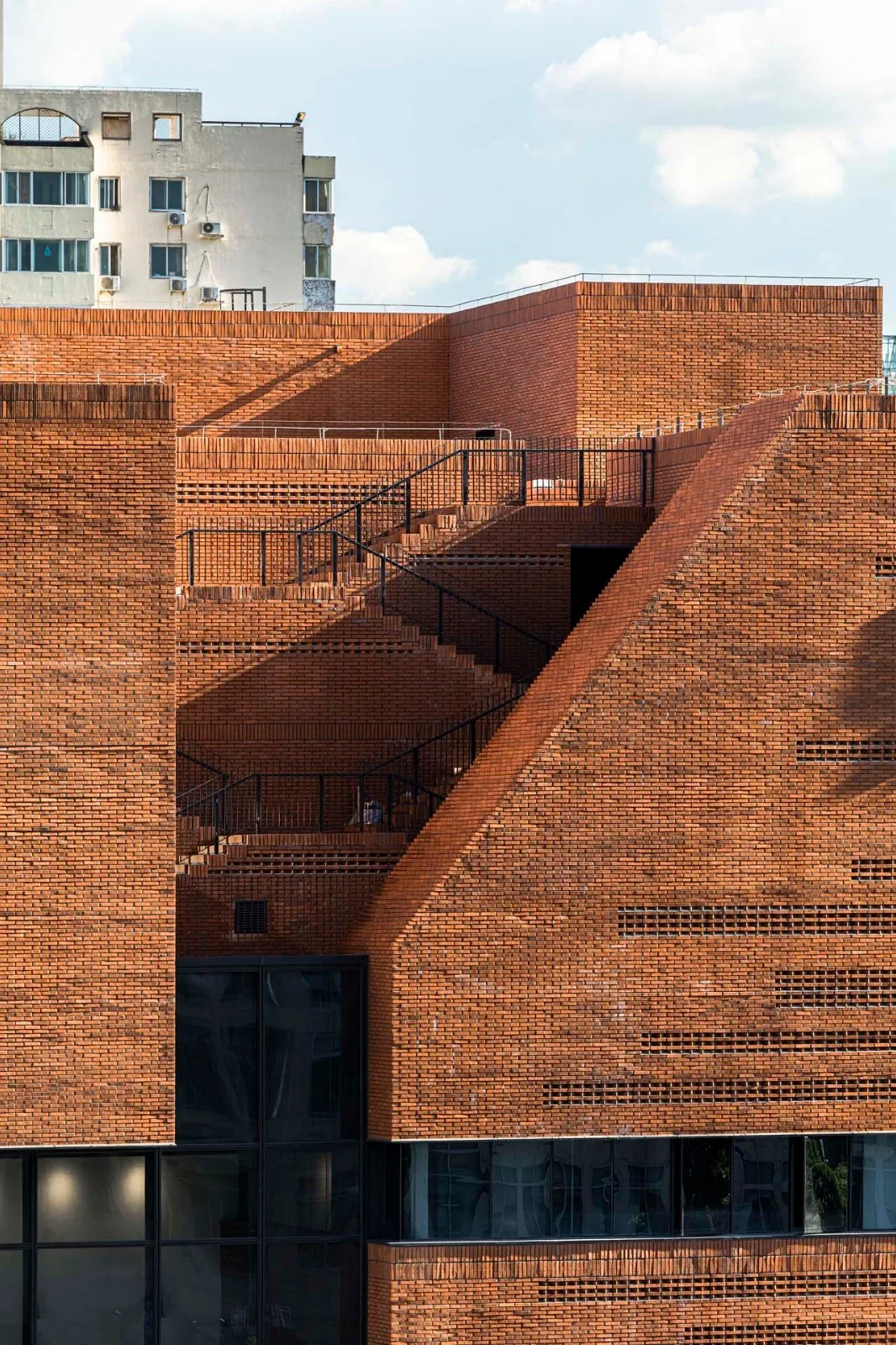
This logical transformation demanded extensive architectural design efforts to address functionality, circulation, rental layout, and fire safety. Structural design, however, posed even greater challenges. The floor slabs had to be broken, requiring a full structural recalculation under updated codes—codes that are two generations ahead of those applied to the original building. Even without modifications, significant reinforcement would be necessary, highlighting the inherent difficulties of renovating older structures. This explains why previous renovation attempts only focused on facade “makeup.”
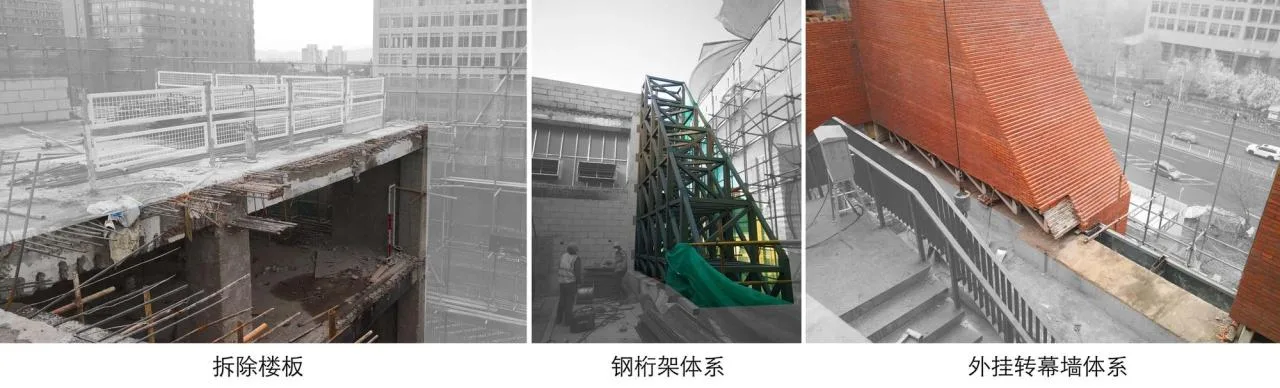
Next came the search for the most cost-effective reinforcement method. Reinforcing the entire structure was neither financially viable nor feasible on site. After evaluating multiple options, the structural engineer chose a balanced stiffness approach, strengthening select columns. A major challenge was cutting through key structural pillars to accommodate an international conference hall on the first floor, accessible for external visitors. Creating this two-story volume involved a beam-lifting column technique that was spectacular during construction: top-level cross beams and columns were reinforced first, then columns, slabs, and beams below were systematically removed. Since columns on the third floor also required reinforcement, the third-floor slab had to be removed before renovating the second floor slab. Had these complexities been known earlier, the project might never have proceeded—yet, sometimes fearless ignorance leads to opportunities.
After more than ten difficult-to-approve design iterations focused solely on facade updates, URBANUS Urban Practice realized the need to analyze previous failures carefully. The issue was clear: earlier plans only addressed facade renovation, essentially applying superficial changes like window modifications, which district leaders found unsatisfactory. Moreover, designers’ fragmented understanding of leadership’s detailed expectations regarding materials and forms only worsened the cycle. Consequently, the building’s renovation stalled, extending its idle period and threatening to destabilize key tenants.
Under pressure from the client to present a new facade design quickly and secure district leader approval before interior adjustments, it became evident that facade-only renovation was neither our approach nor our strength.
We also faced common challenges in renovating older buildings, such as higher-level planning constraints. For instance, a road planned on the building’s west side during large-scale demolition over a decade ago won’t be reconstructed for decades. However, the building’s original outline already encroaches on the setback line for this future road expansion. Our facade requires a curtain wall system with reinforced external structures, which must meet these non-existent planning conditions, demanding significant internal coordination and effort.
Additionally, numerous pipelines run through nearby residential areas, preventing large-scale excavation. Instead, targeted local excavation reinforced the underground structure, integrating these construction constraints into the architectural design.
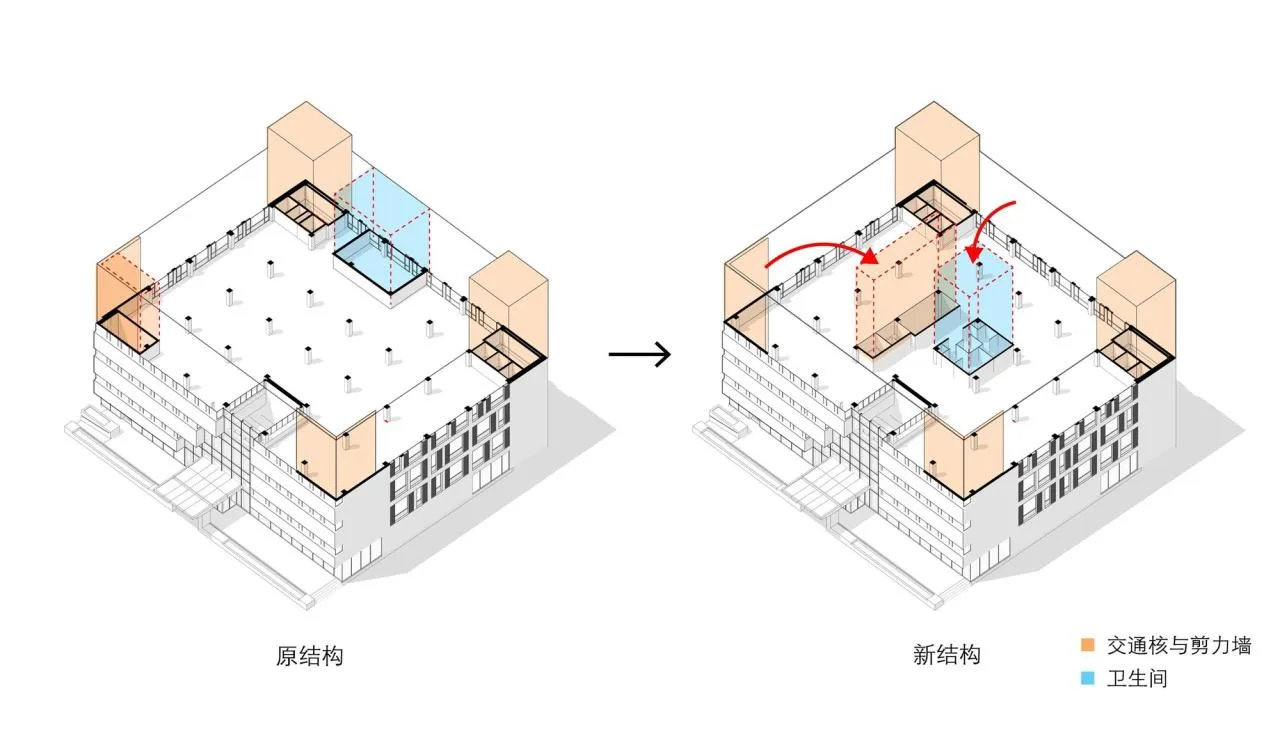
Embracing the technical challenges of renovating an old building brought immense satisfaction in design and construction. To create an inverted cone-shaped atrium on the north facade, we removed an existing structural column there and gradually dismantled slabs and beams on the second, third, and fourth floors. The fourth-floor beams were reinforced to maintain stability.
The excessive overhang of the third-floor slab initially made the plan unfeasible; ultimately, adding a suspension column from above solved this issue. Two large brick curtain walls extending beyond the main building at the sunken rooftop garden posed risks of overturning and deformation. Avoiding deep rear connections, we developed a rigid steel truss system after multiple revisions to address these challenges. These difficulties made the project exhausting but rewarding.
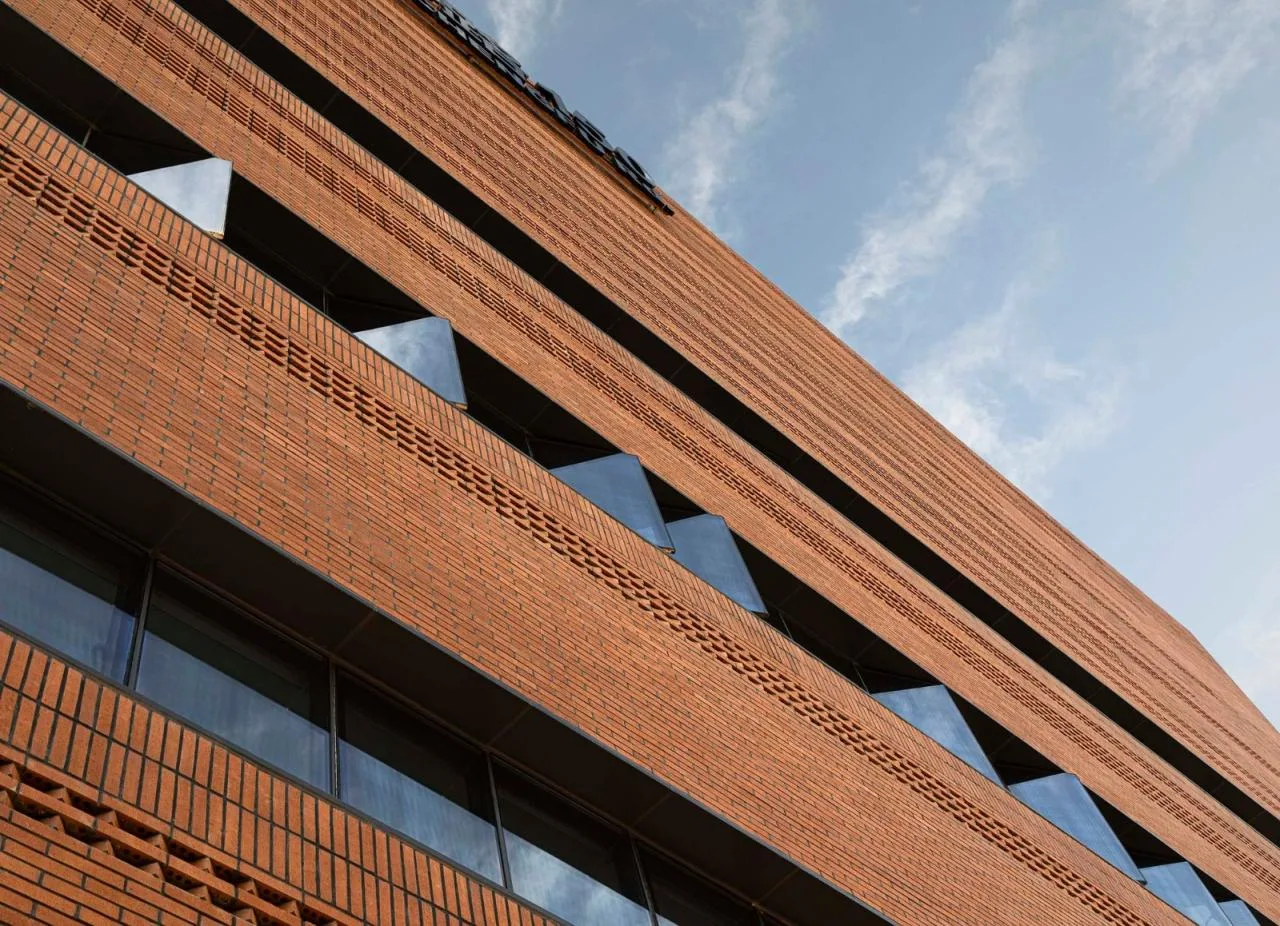
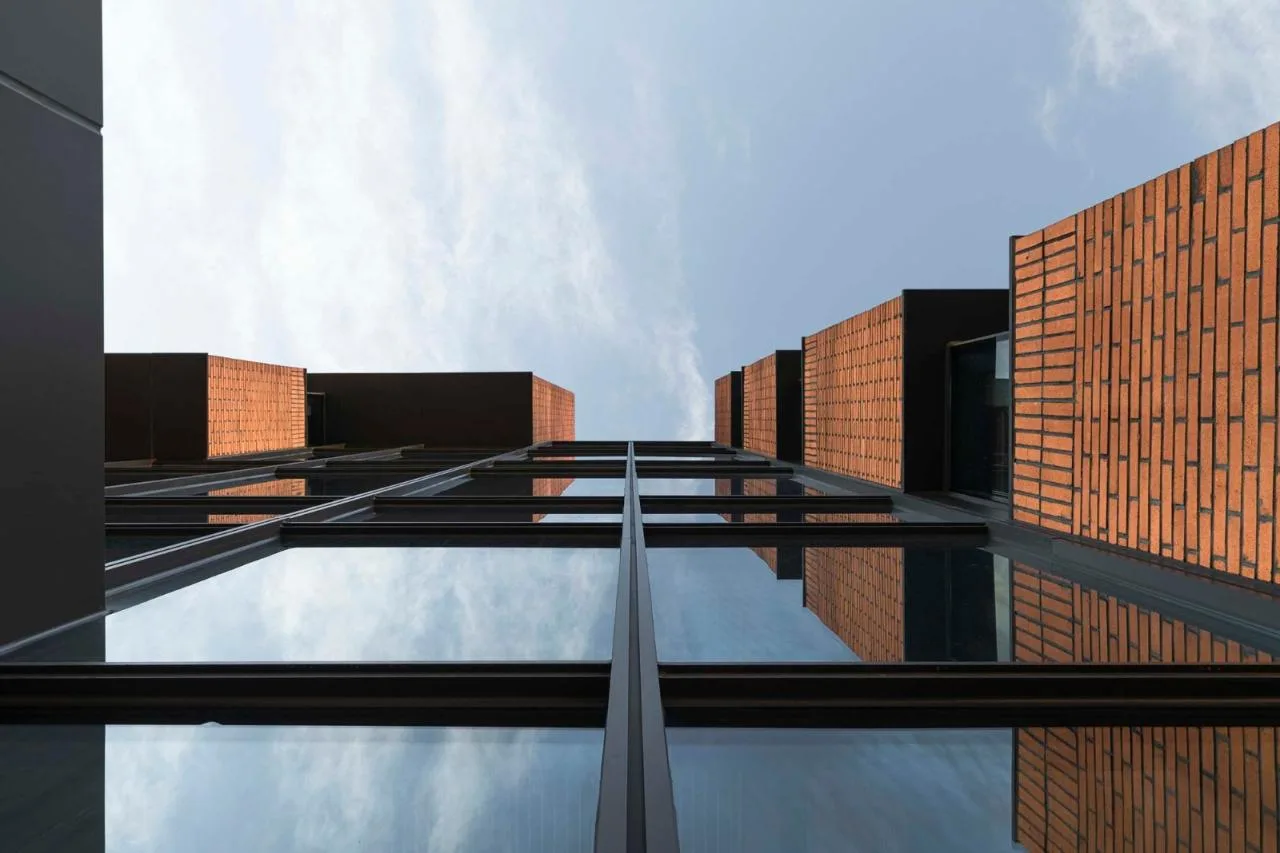
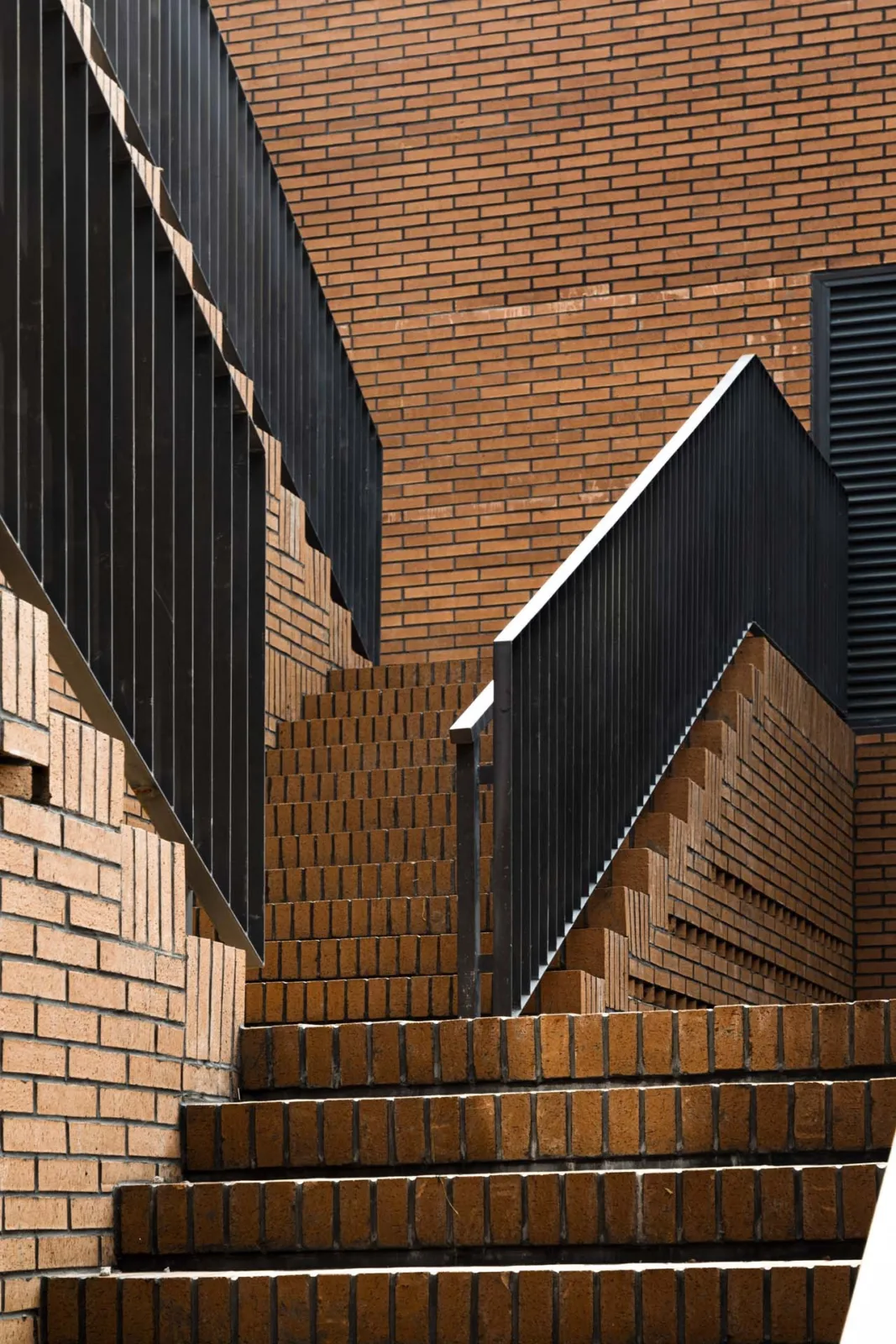
The most dramatic obstacle involved the brick curtain wall. Our brick supplier in Tianjin went bankrupt after the epidemic quarantine, forcing us to restart technical testing with a new supplier. Though the design seems straightforward, the wall’s height exceeds typical brick curtain wall applications, requiring laboratory certification. Fortunately, the owner found a better supplier in Yixing with higher-quality bricks.
Brick tiling today is common, but each pattern depends on masonry methods and holes. Digital modeling was essential for precise brick overlap and alignment. Yet, the real challenge was managing on-site masonry issues: filling exposed holes to prevent water damage, balancing brick quantities under limited inventory, and adapting to unpredictable construction conditions—all requiring subtle problem-solving from the architects.
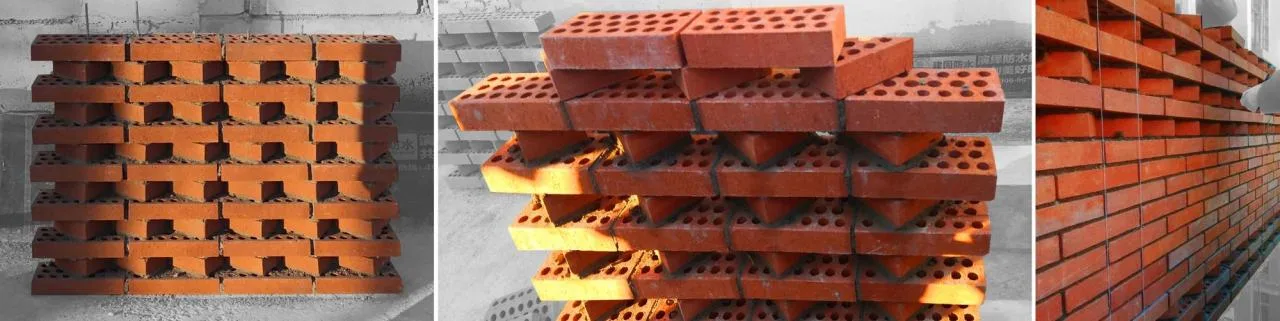
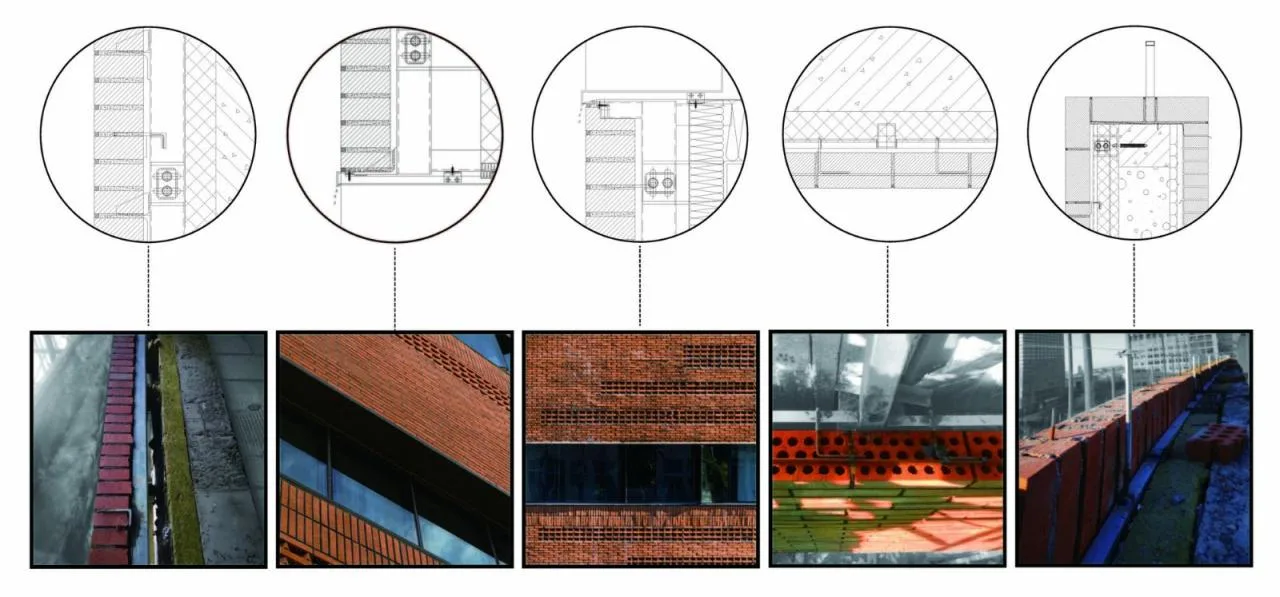
All these technical efforts aim to transform the space into a productive environment where young talents can thrive in a human-centered alternative setting. The rooftop, designed as a vibrant garden, is uniformly paved with bricks and seamlessly integrated with the facade, creating a unique outdoor space.
From this rooftop, overlooking Tsinghua University’s high-tech enterprise buildings, one is removed from the noisy street-level traffic and crowds. This architectural environment reflects the building’s role in supporting technological growth amid fierce international competition. The evolution of this material environment underpins our confidence in global competitiveness. Times have changed, and the Blue Run Building has now been renamed 150 Chengfu Road.
Project Drawings
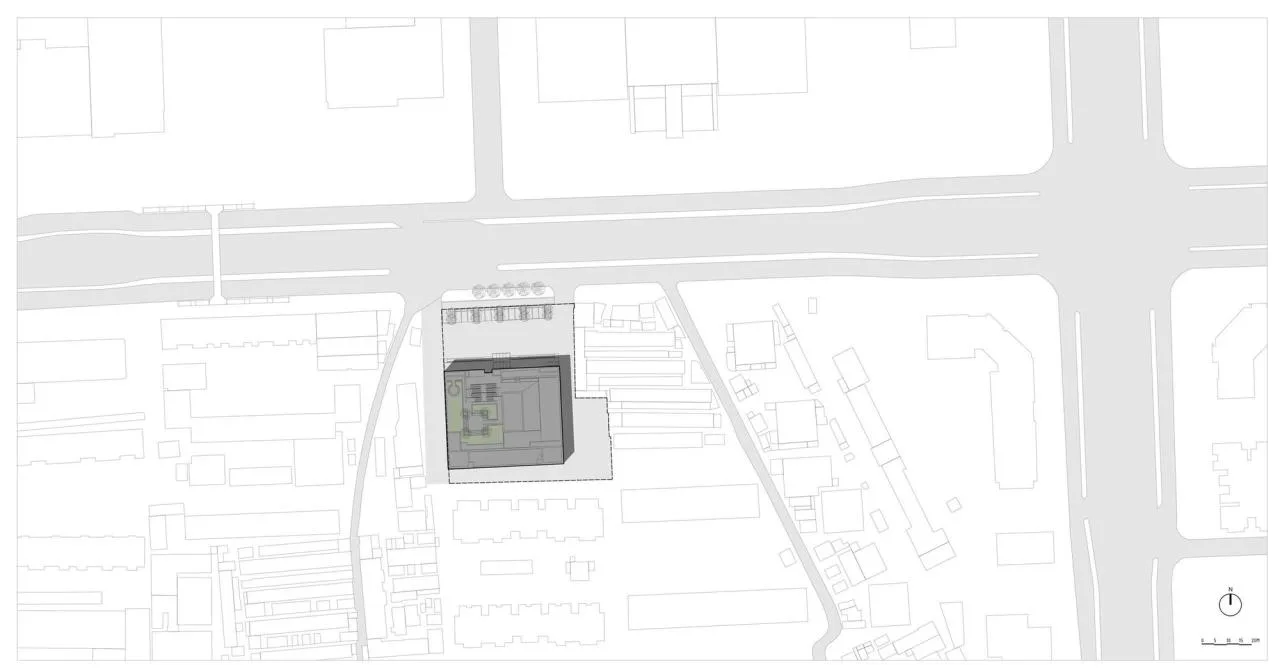
△ General Layout Plan
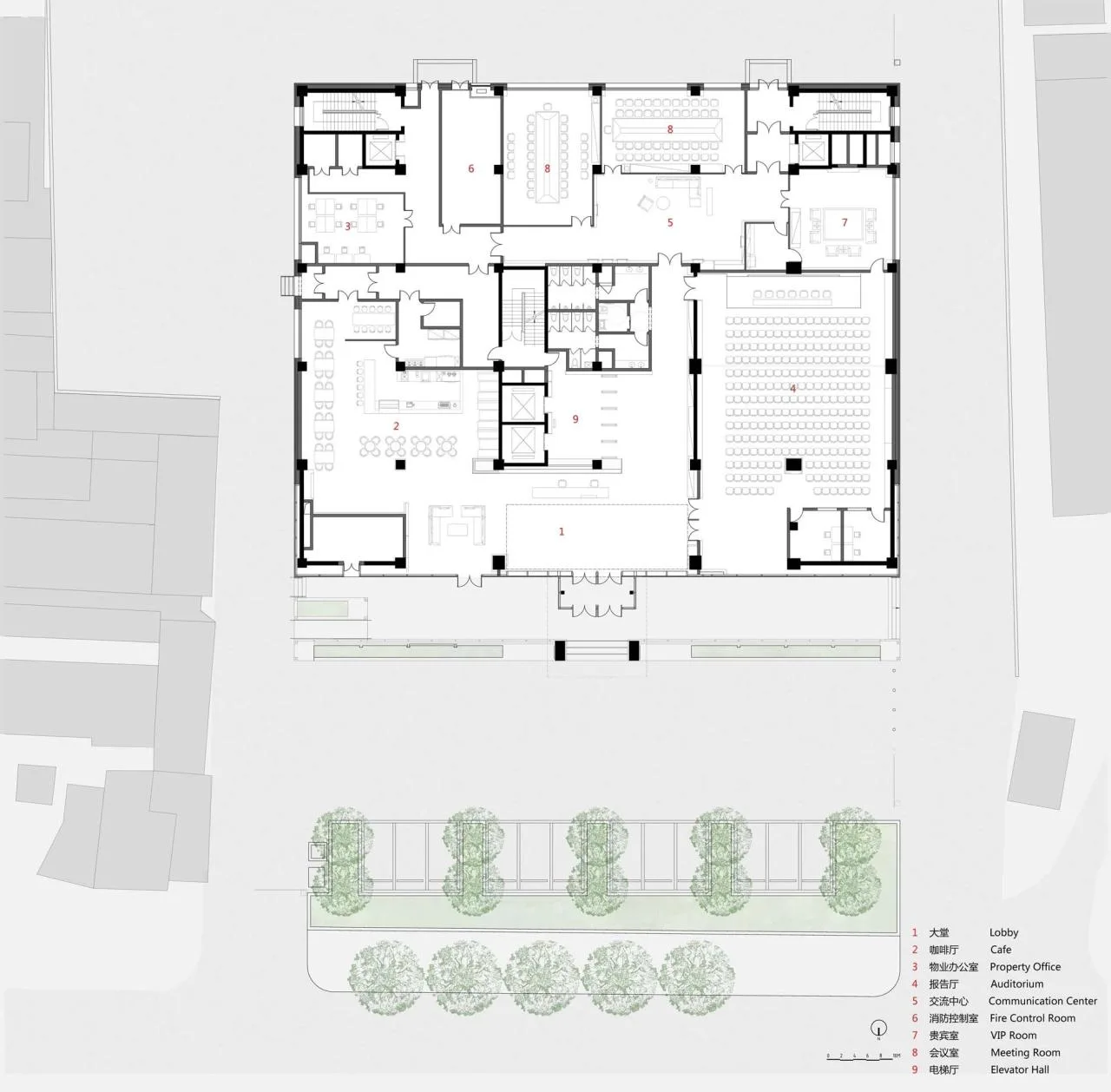
△ First Floor Plan
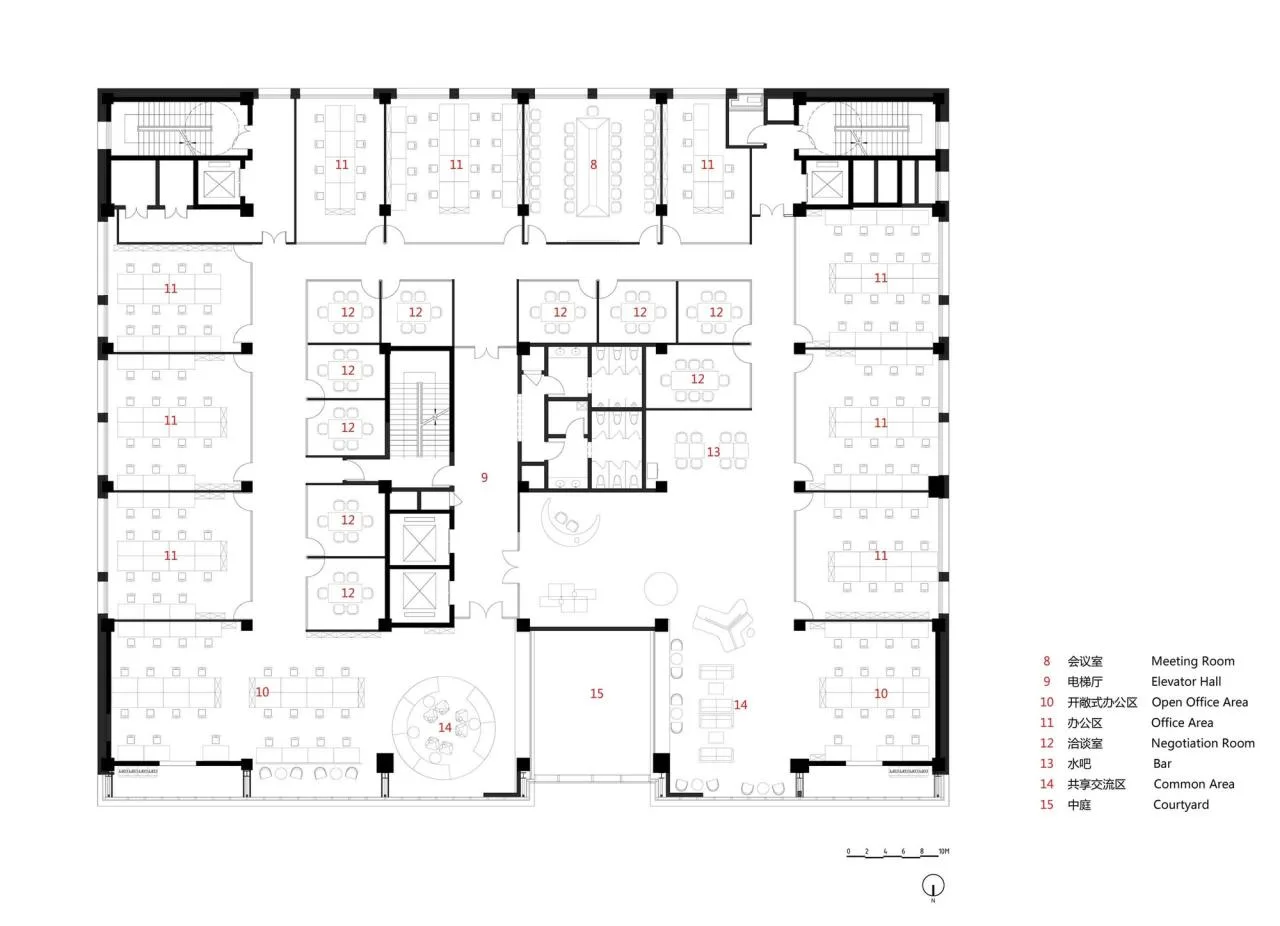
△ Fourth Floor Plan
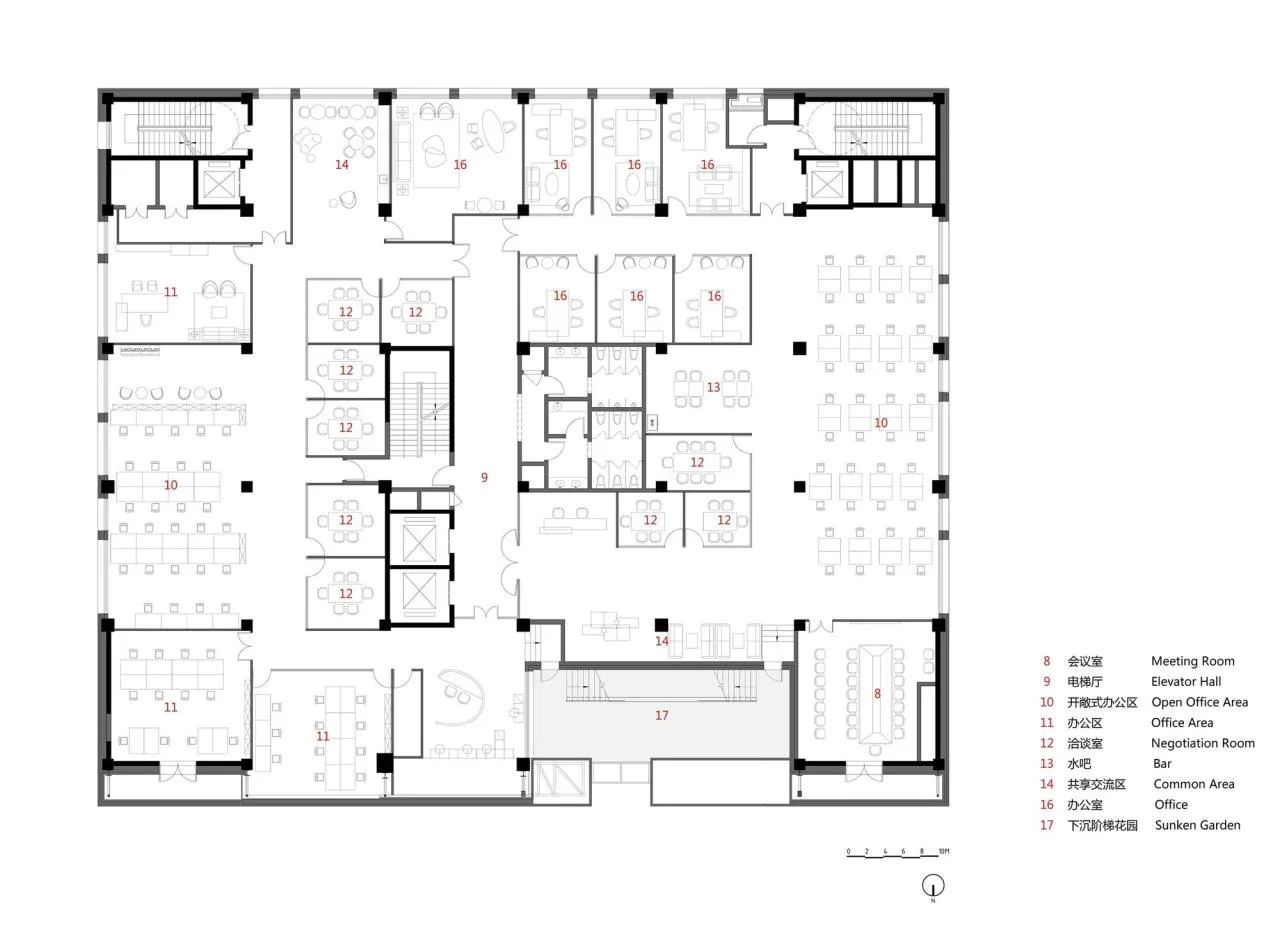
△ Fifth Floor Plan
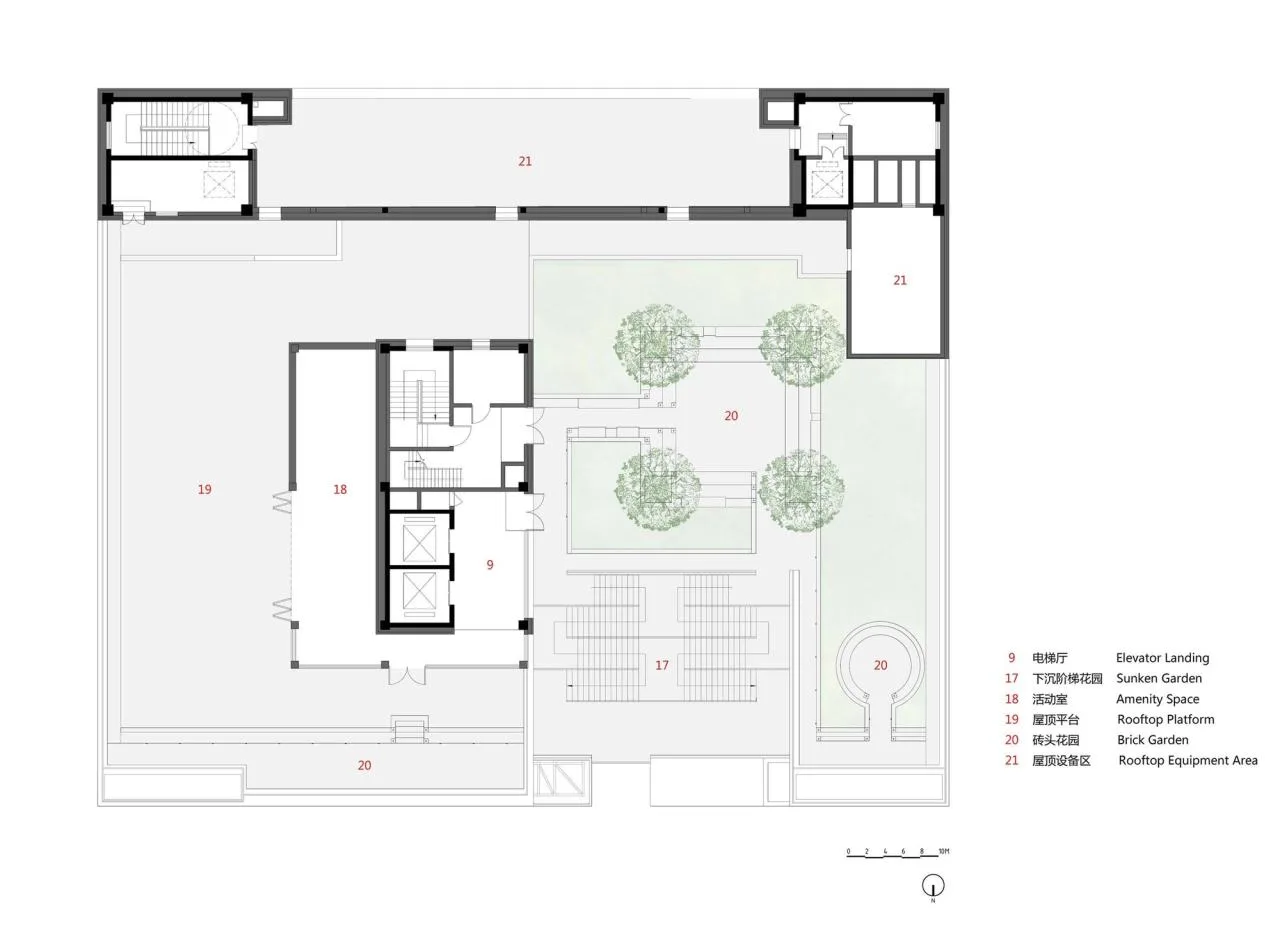
△ Roof Plan
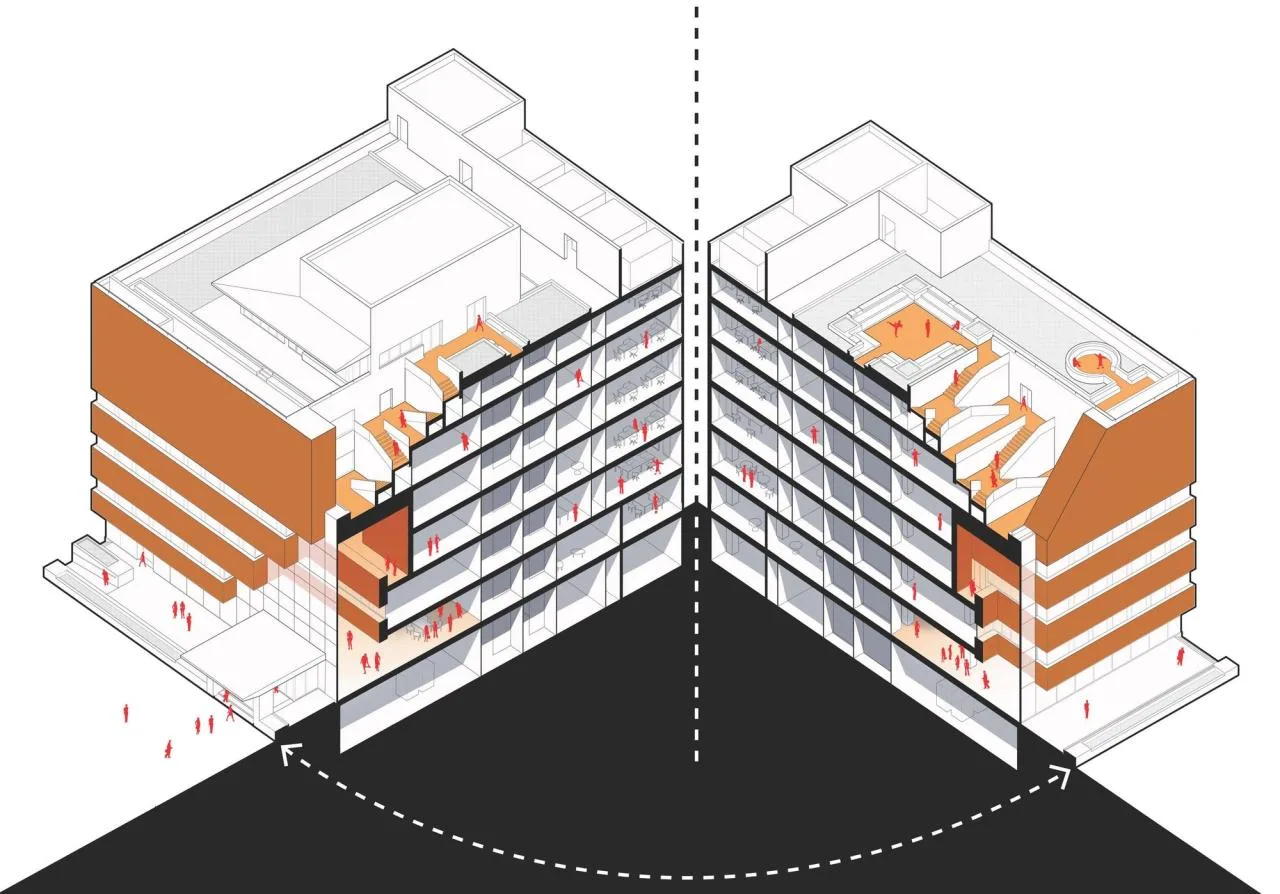
△ Section Diagram
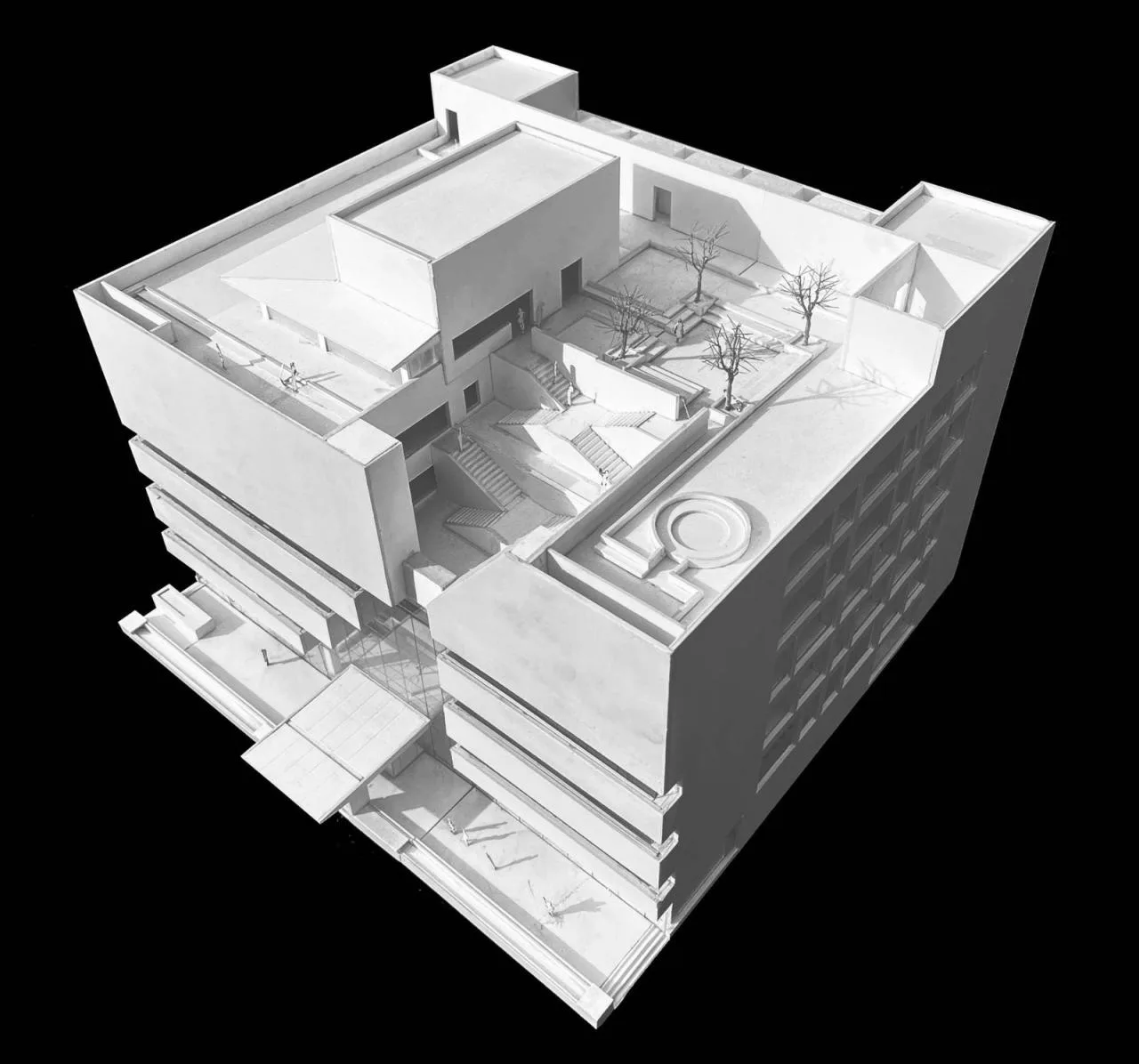
△ Model Diagram
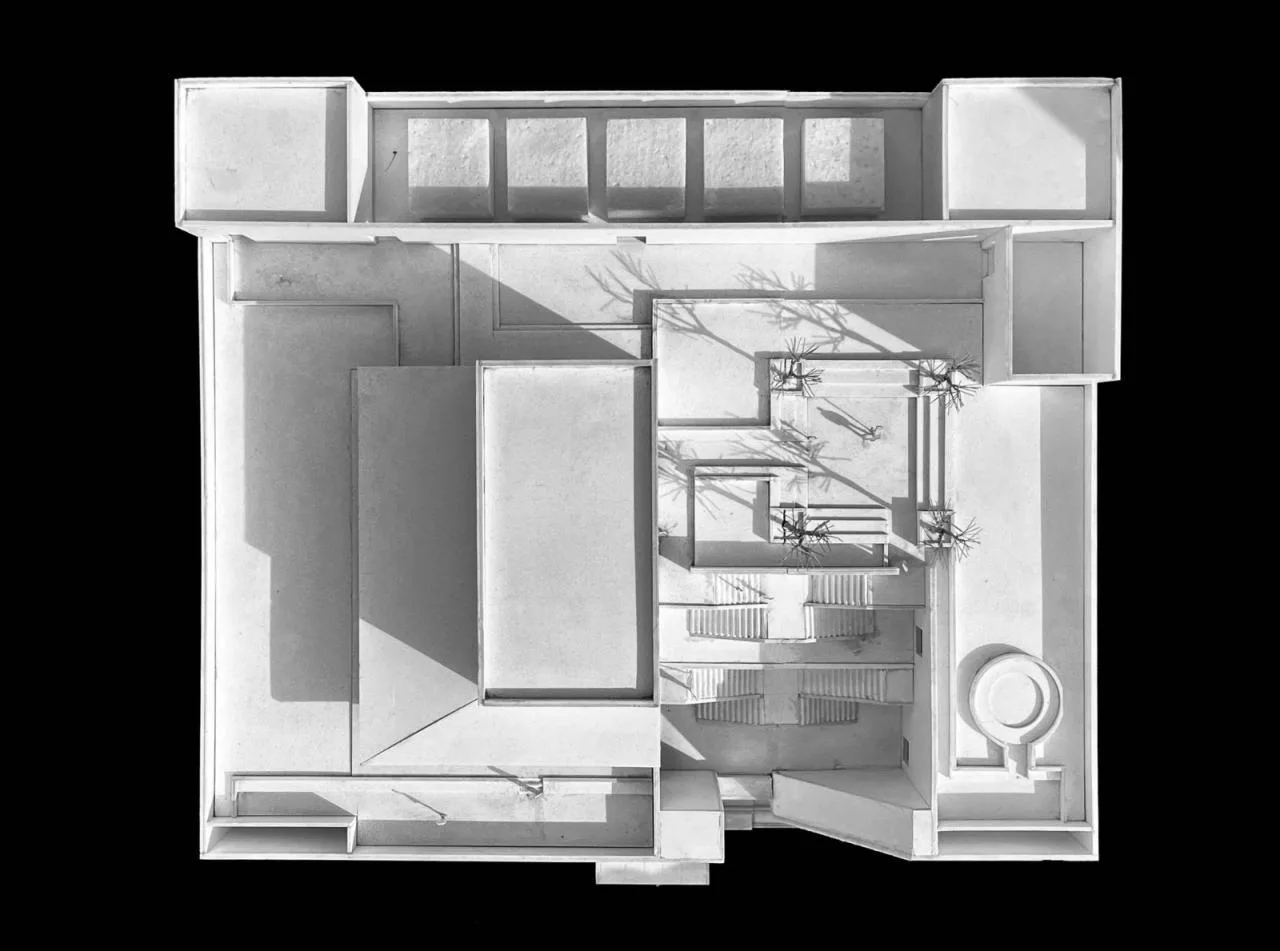
△ Model Diagram
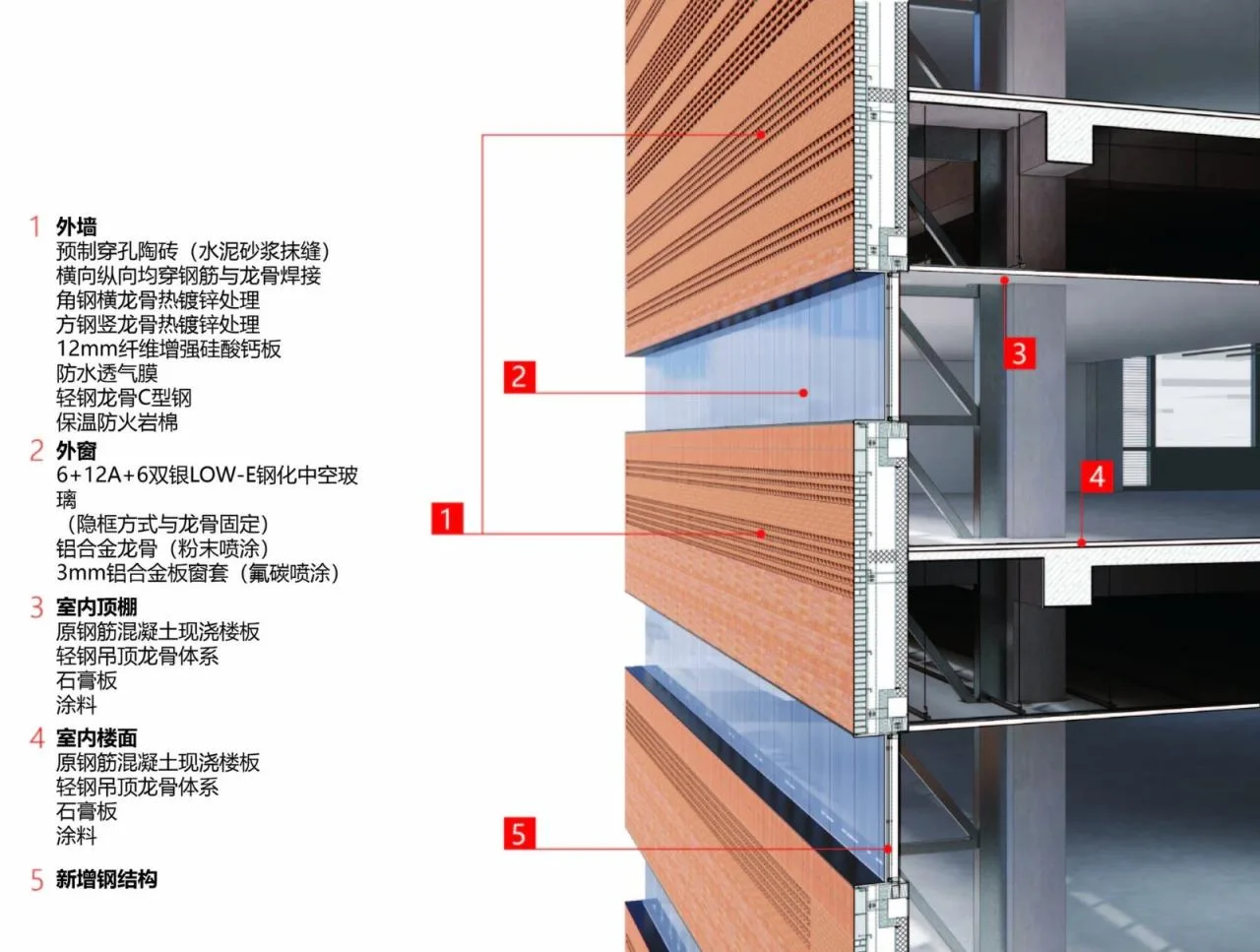
△ Wall Structure Diagram
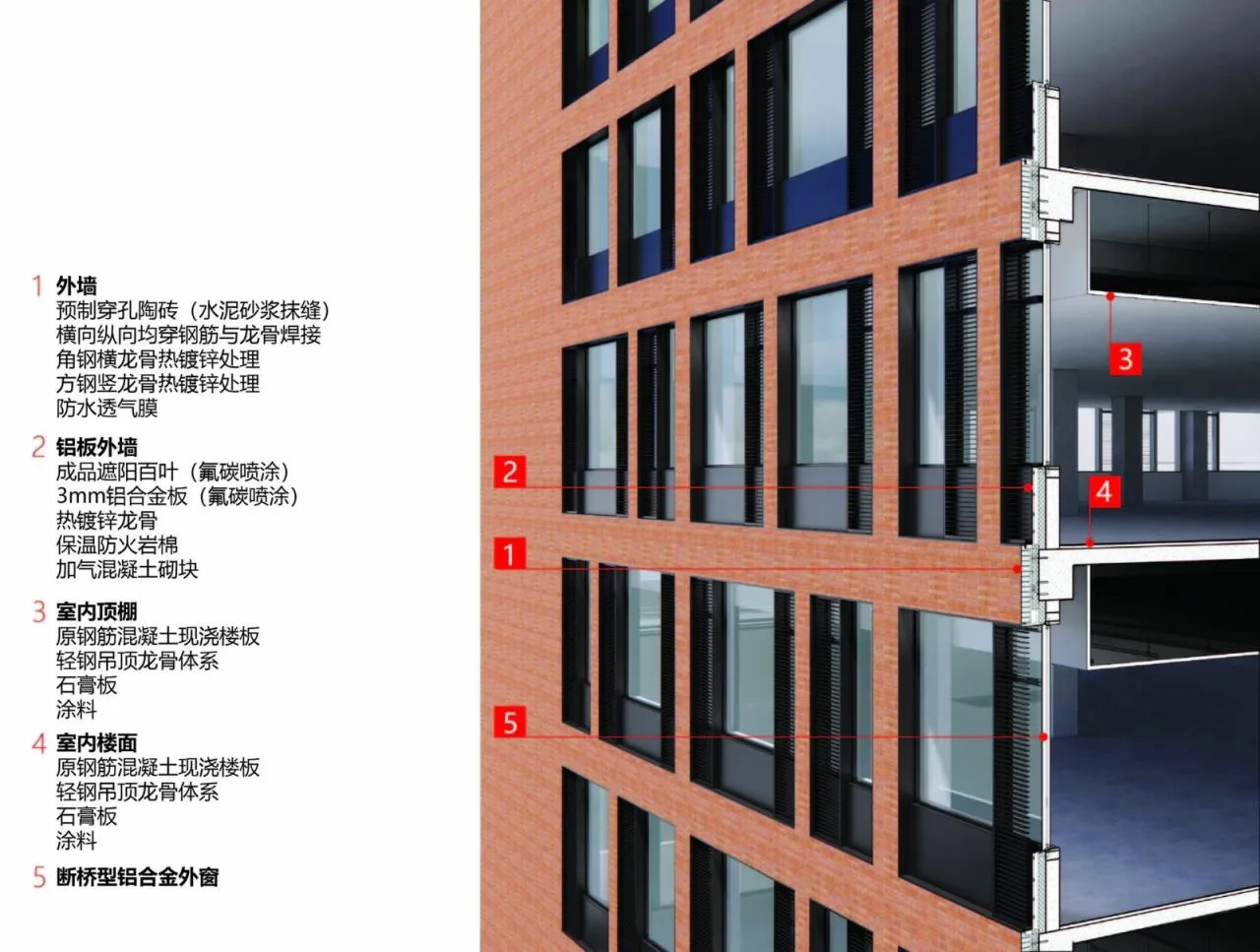
△ Wall Structure Diagram
Project Information
Architectural Design: URBANUS Urban Practice
Area: 10,448 m²
Project Year: 2021
Photographer: UK Studio
Lead Architect: Wang Hui
Design Team: Wang Yutong, Zhang Fujun | Yao Yongmei (Technical Director) | Chai Bingjiang, Li Lin, Zhao Ziyu, Zhang Li (Architecture) | Wang Kun, Li Gang, Gao Zixu (Landscape) | Xu Lili, Jiang Zhongyu, Wang Lei (Interior Design)
Construction Drawing Design: Shanghai Lianchuang Architectural Design Co., Ltd., Liu Xu, Zhang Xiaolong, Mao Yan (Architecture), Yu Yongzhi (Structure), Tian Kun, Zhang Lichao, Shi Yuhong, Wang Meng (Mechanical and Electrical)
Interior Design: Antong Hongfang Architectural Design Consulting (Beijing) Co., Ltd., Jiang Xiaoyu ROMER, Lu Yong
Lighting Design: Beijing Yuanzhan Lighting Design Co., Ltd., Xu Bing, Liu Xianyu, Liu Yong
Structural Consultant: Hejie Architectural Consultant (Beijing) Co., Ltd
Logo Design Unit: Beijing Wuyong Design Firm
Location: Beijing, China















Must log in before commenting!
Sign Up