
A modern, high-quality station building that seamlessly combines regional identity with national style.
Under the framework of the “Belt and Road” initiative, China has established bilateral cooperation mechanisms with Laos, Thailand, Myanmar, and other countries, beginning in southwest China. This collaboration has led to enhanced regional connectivity through infrastructure projects such as the China-Laos Railway and the China-Thailand Railway, forming the China-Indochina Peninsula Economic Corridor. A key project within this corridor, the China-Laos Railway, was constructed over five years and officially opened on December 3, 2021.
01. A Showcase of National Engineering Excellence
The China-Laos Railway is the first international railway primarily financed and built by China, adhering to Chinese standards throughout its entirety and directly connecting to China’s railway network. It represents a strategic link between China’s “Belt and Road” initiative and Laos’s transformation from a landlocked to a land-linked country. The route begins in Kunming, China, and extends to Vientiane, Laos, comprising three sections: the Kunming-Yuxi section, Yuxi-Mohan section, and Mohan-Vientiane section.
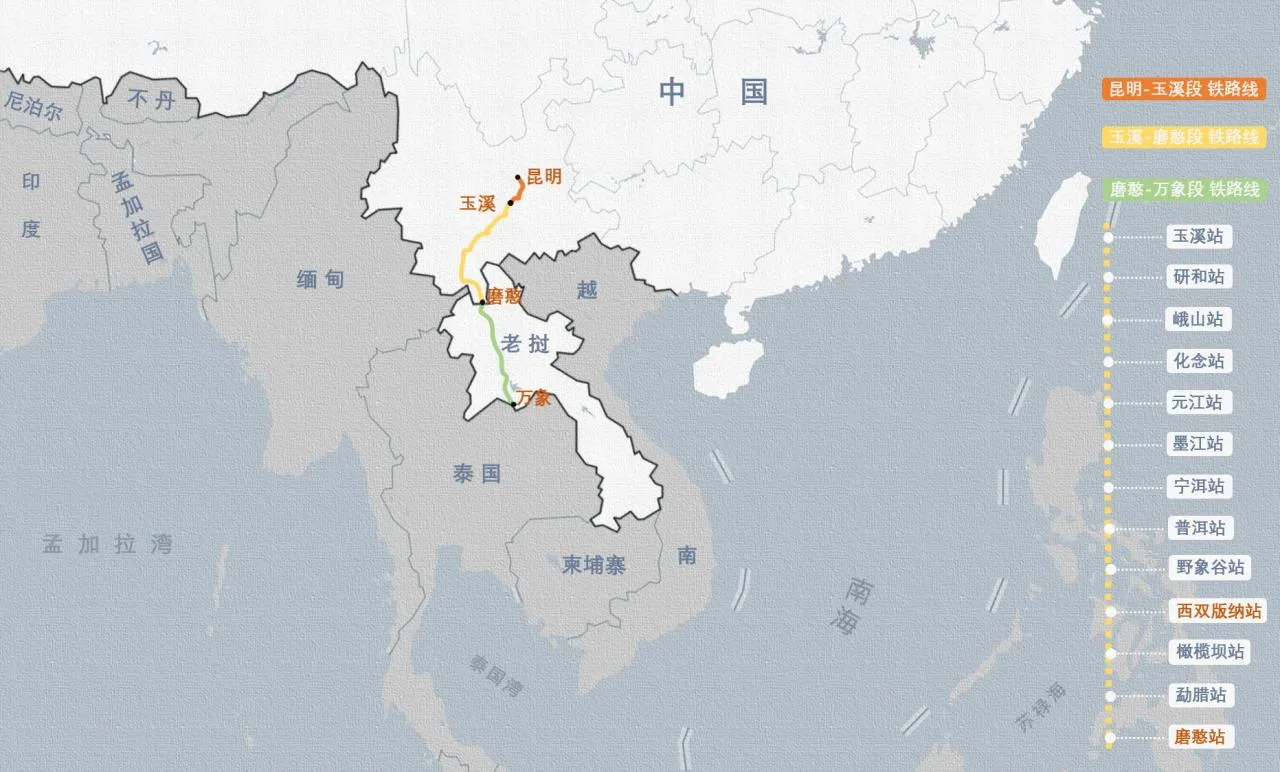
△ China-Laos Railway Route Map and Stations along the Yuxi-Mohan section
Xishuangbanna Station is an intermediate stop on the Yuxi-Mohan segment. The station’s building and interior design were fully completed by CCDI International. The station is planned with five sets of twelve tracks, featuring a large side offline layout.
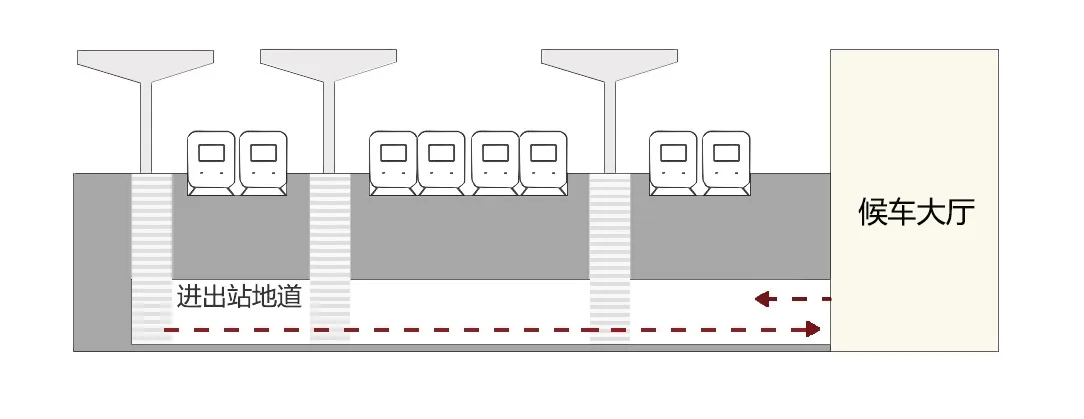
Side line offline (bottom in and bottom out) type
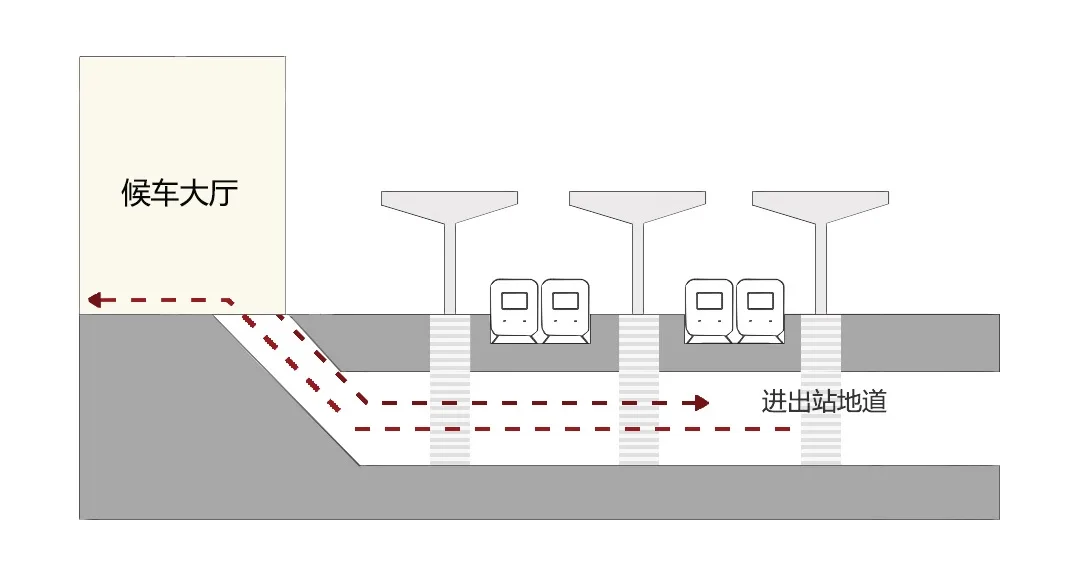
Line side flat (bottom in and bottom out) type
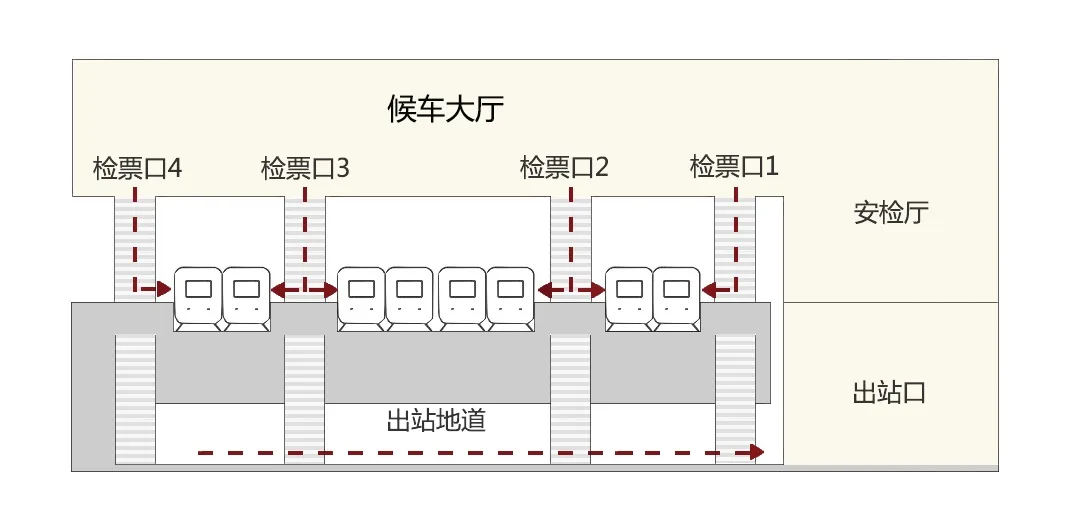
Online (upward and downward) type
Schematic diagram of station building classifications.
The completion of the China-Laos Railway demonstrates that China’s high-speed railway manufacturing system, based on Chinese standards, is now fully capable of overseas exports. Designers of stations along the route maintain a dual focus on national strategy and regional characteristics, achieving a harmonious balance and mutual respect between the two.
02. Dynamic Regional Expression
Xishuangbanna Dai Autonomous Prefecture, located in Yunnan Province on the northern edge of the tropics, enjoys a warm and humid climate. Its unique tropical rainforest scenery nurtures dense, primeval forests, Asian wild elephants, and vibrant peacocks. The region is also home to Dai ethnic villages and temples with over a thousand years of history, contributing to its mysterious regional charm.
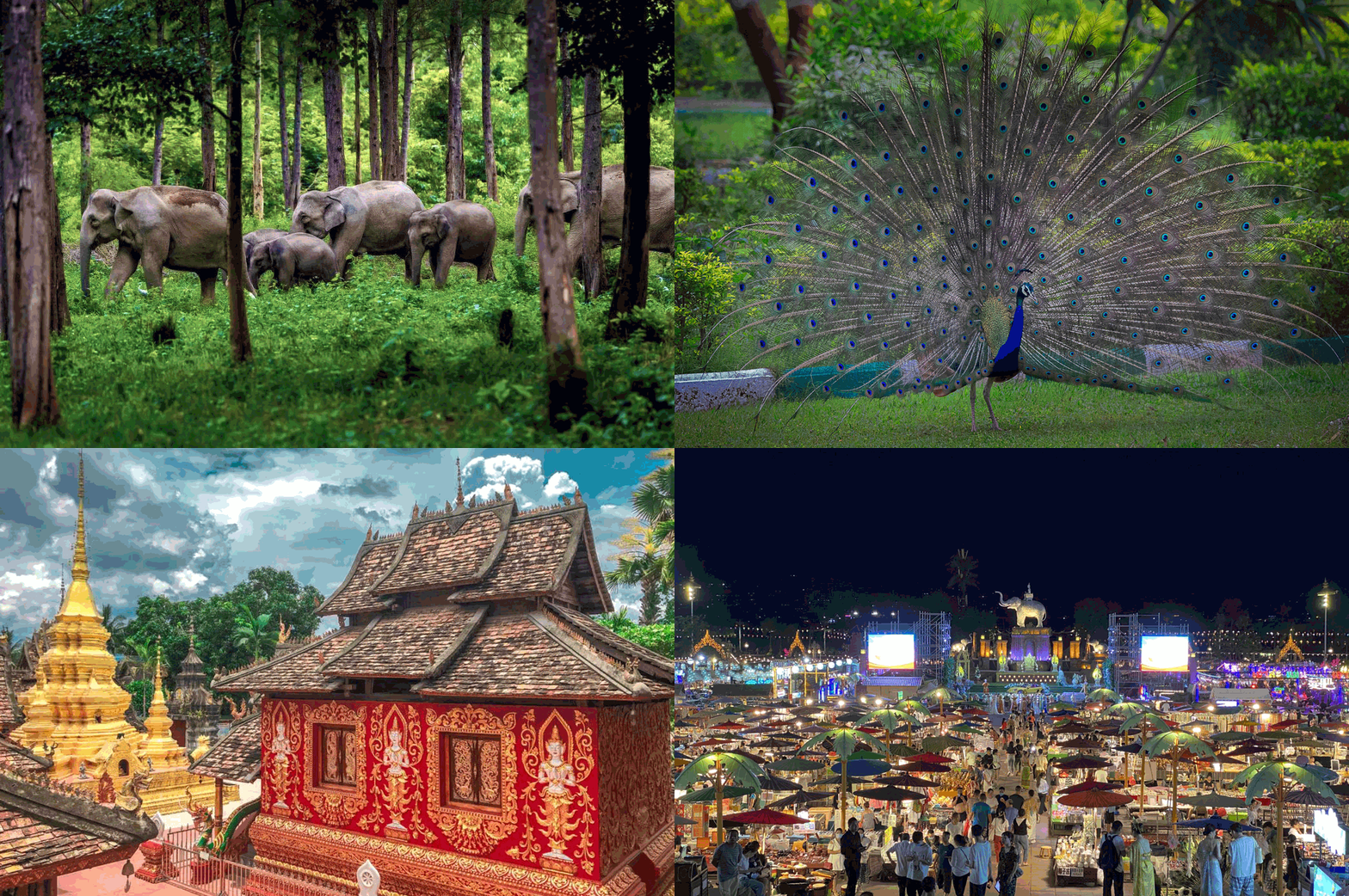
△ Xishuangbanna style / Image source from the internet
As a large side offline station, Xishuangbanna Station features a main floor, two floors on each side, and a partial underground level. The building’s spatial layout includes functional public transportation areas such as the waiting hall, ticket hall, entrance and exit passages, exit hall, and a VIP lounge.
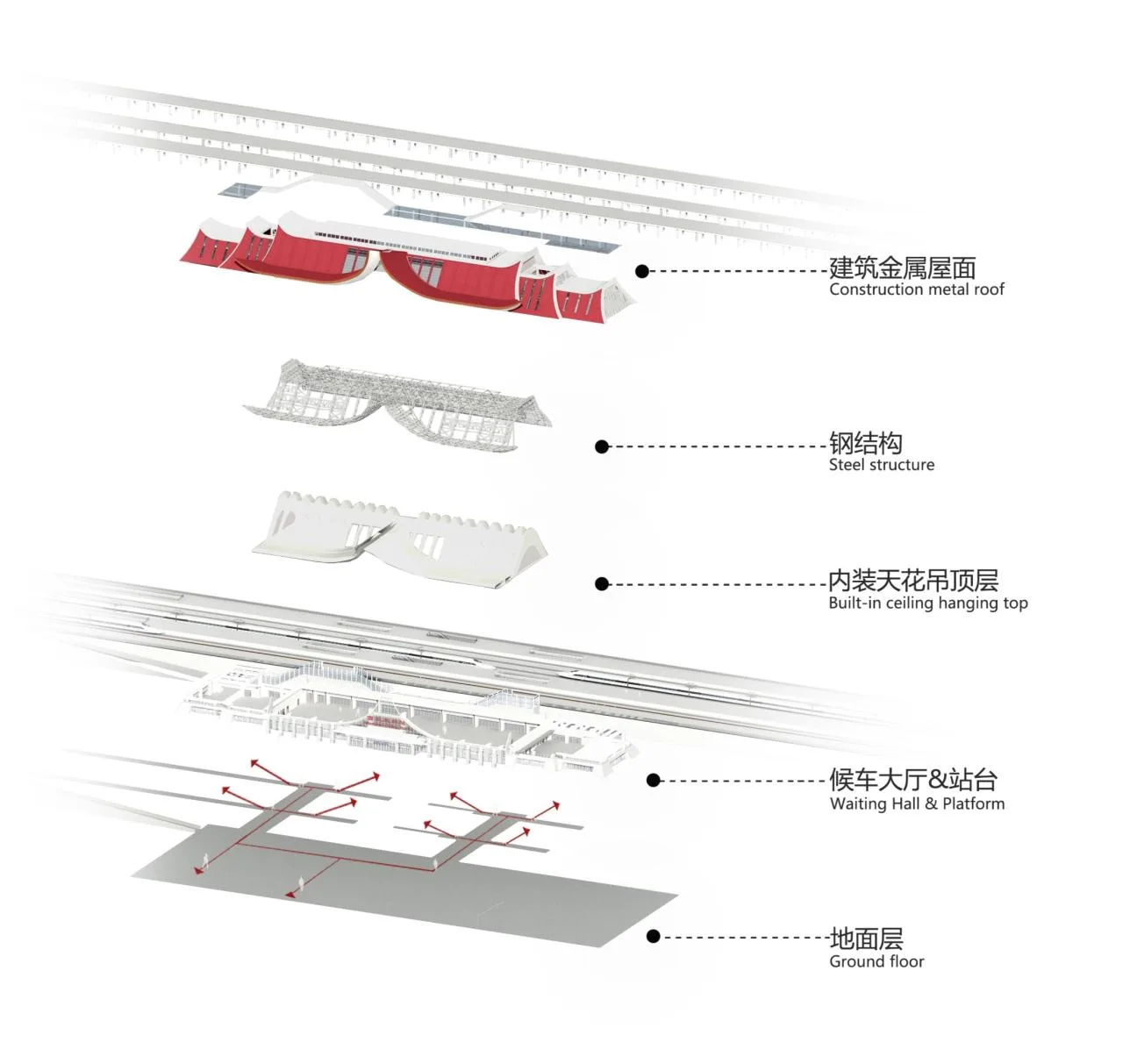
△ Station building spatial structure – axonometric drawing
As one of the few high-speed railway stations in China situated in a tropical rainforest climate, Xishuangbanna Station has a total construction area of 10,000 square meters. Its design draws inspiration from the peacock, a symbolic regional motif, embodying the concept of “a bird dancing with colorful clouds” with a dynamic layout.
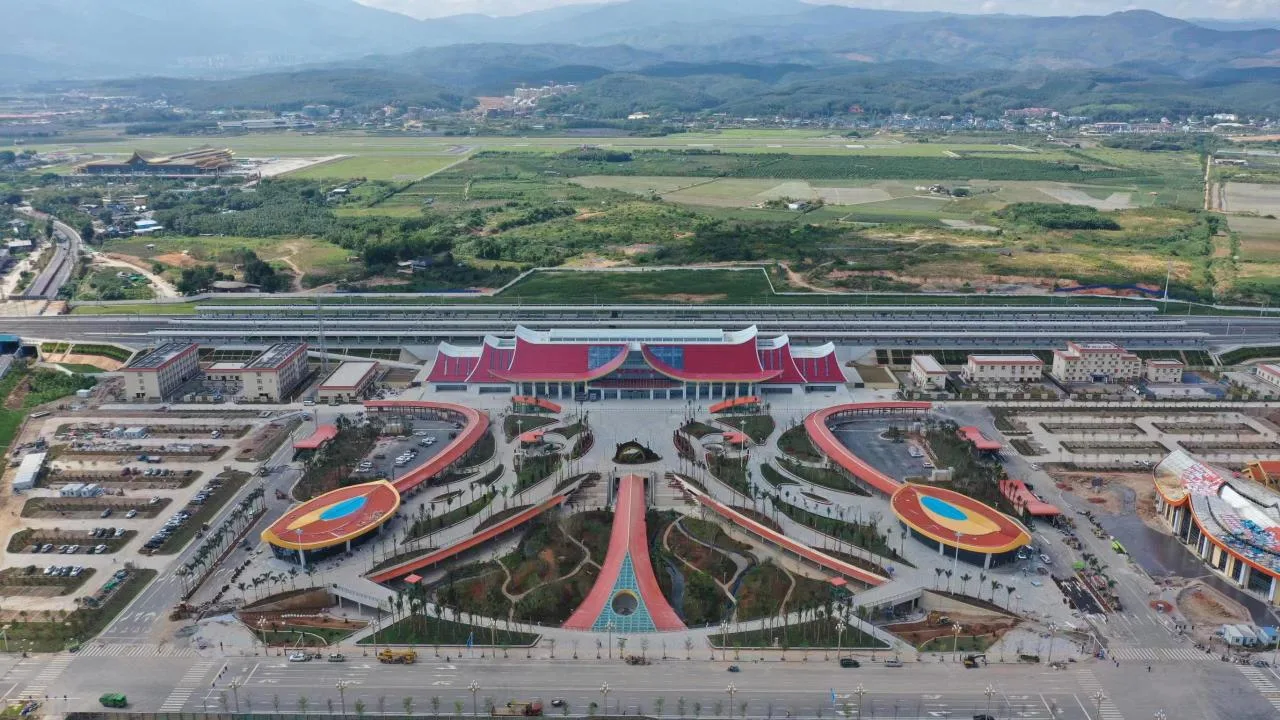
△ Station overview / aerial perspective
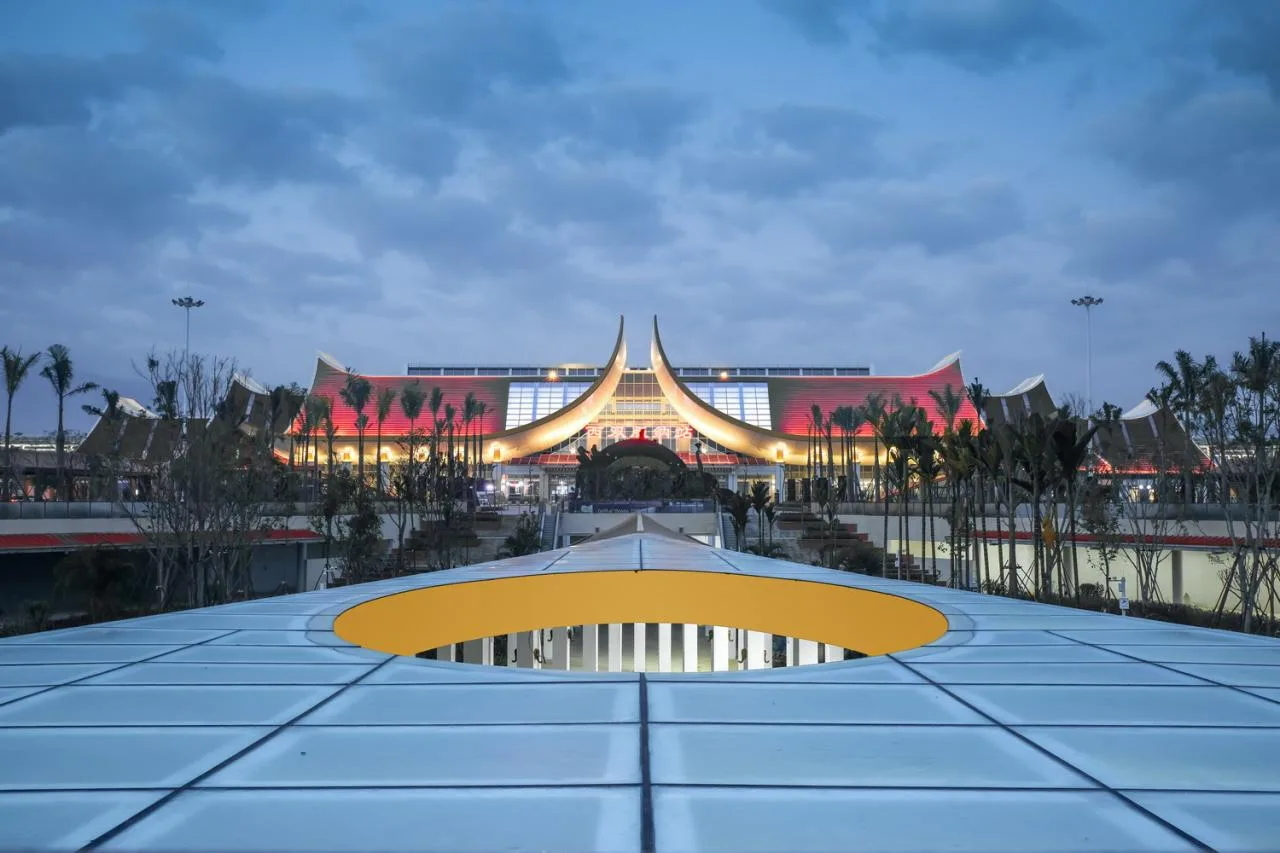
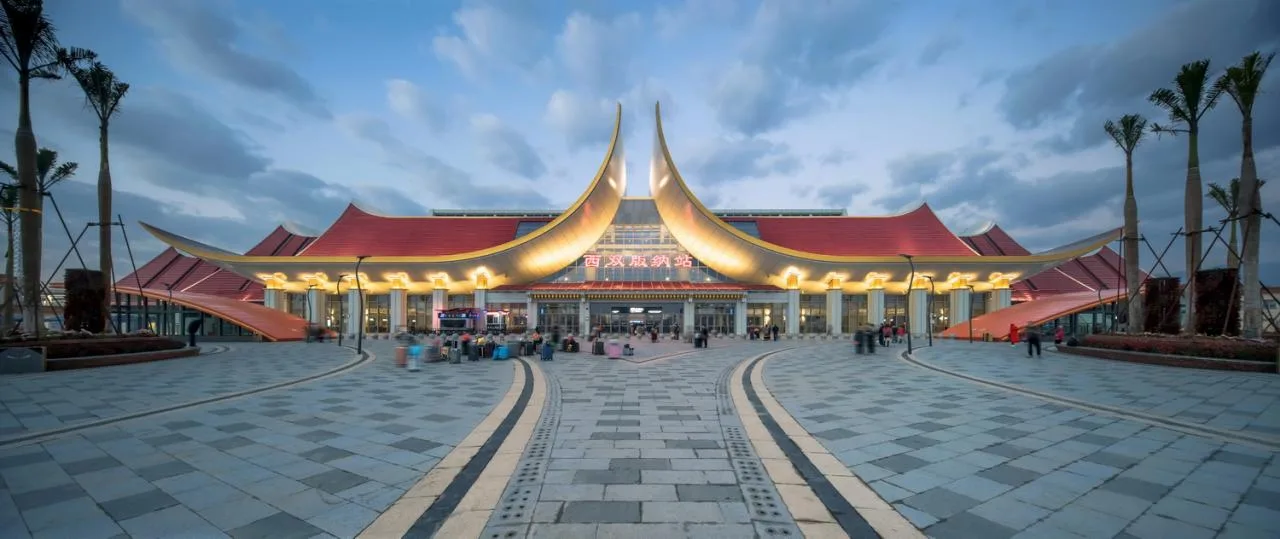
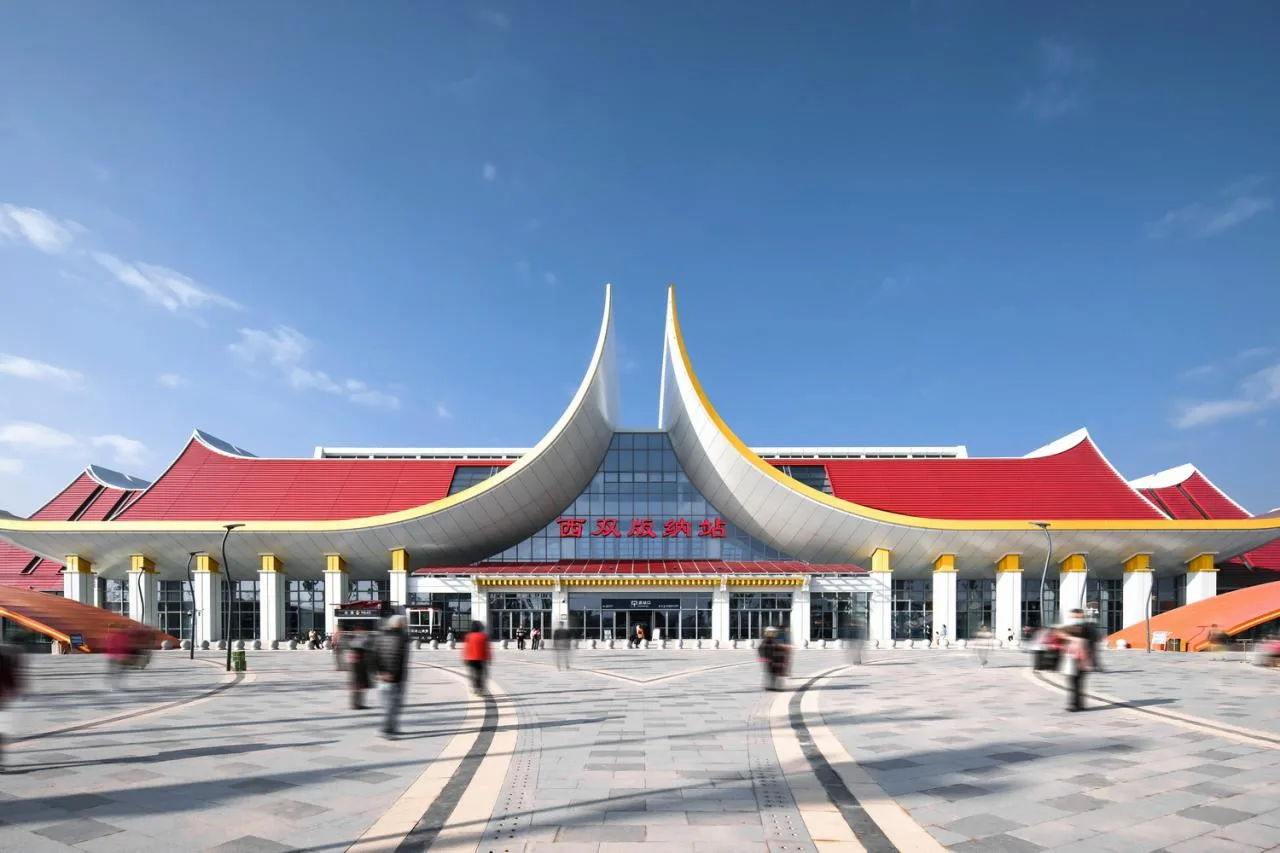
△ Station overview / front view
The station’s design incorporates features from local ethnic minority architecture, arranged along a symmetrical central axis. The eaves extend outward from the center to both sides, with the end eaves curving upward to create a grand entrance space. This design highlights local cultural symbols while ensuring the station’s visual distinctiveness as a modern gateway.
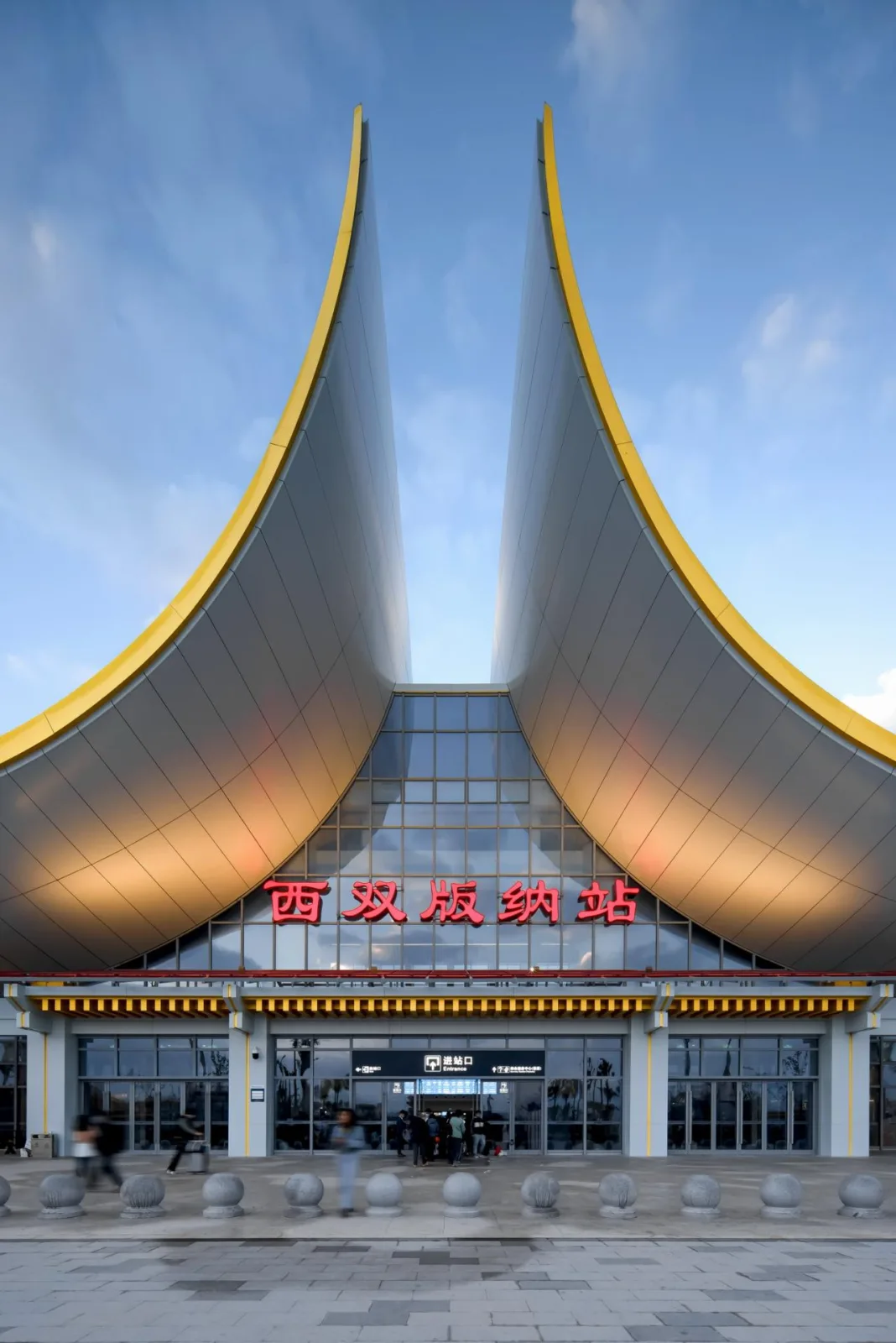
△ Close-up of the station hall’s front facade
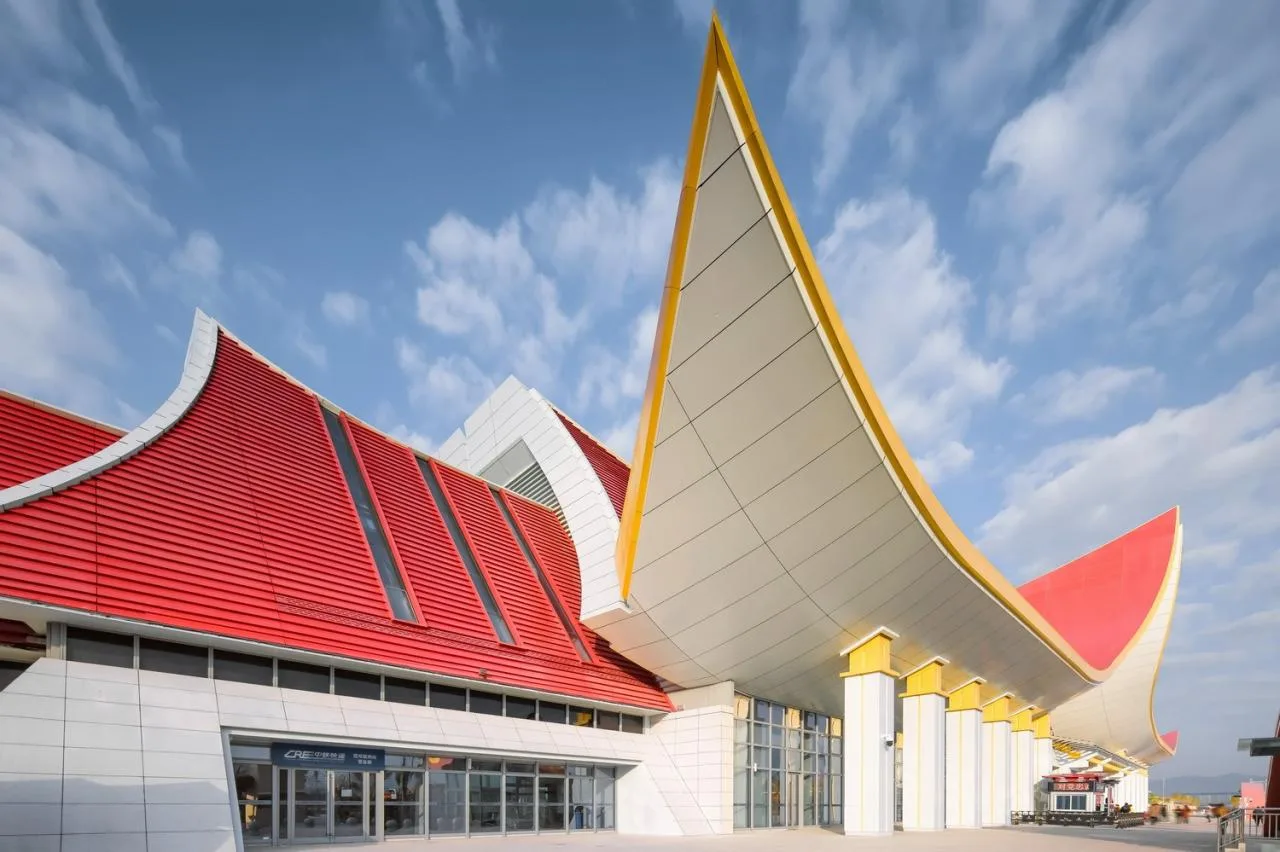
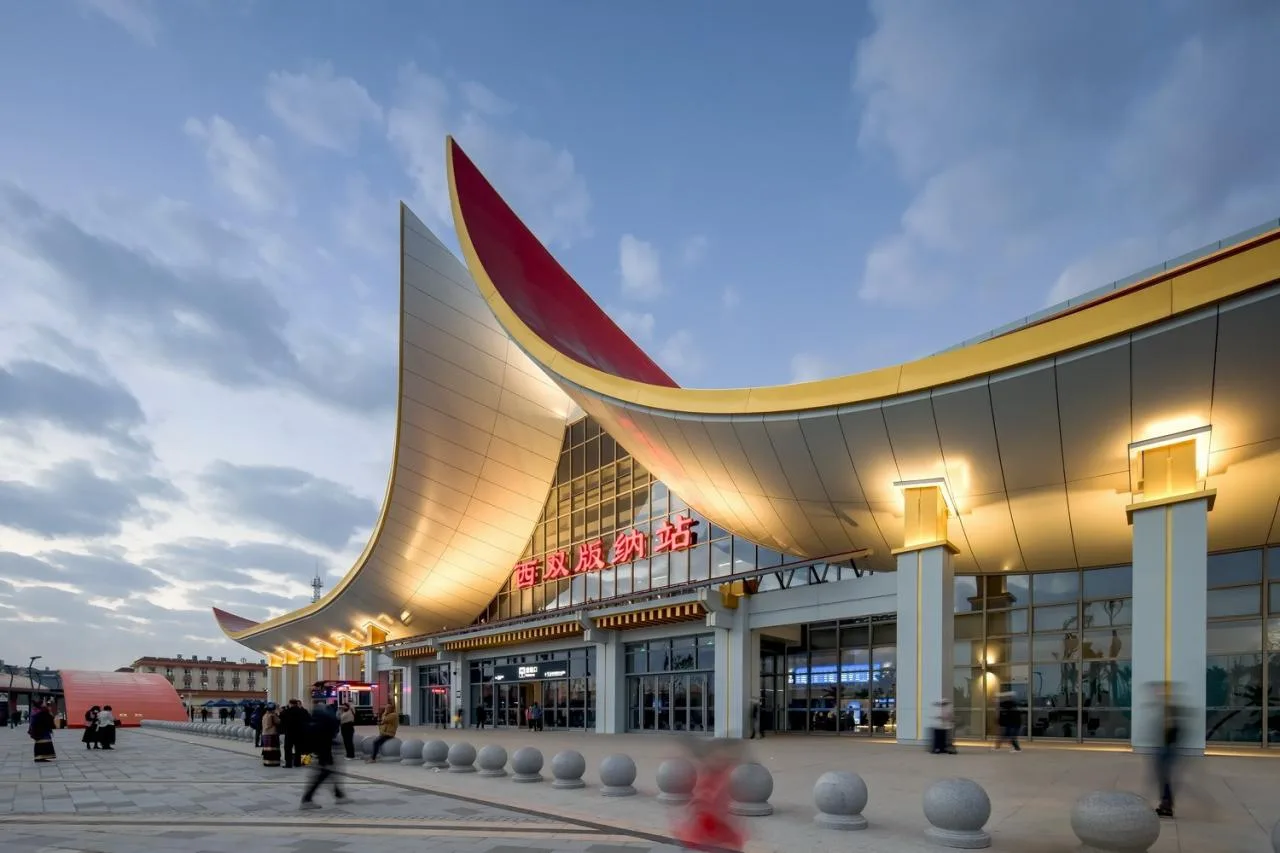
△ Overall side views of the station
The building’s exterior, including eaves, base plates, and columns, is clad in white metal panels, creating a highly modern color and material palette that emphasizes the station’s contemporary character as part of the high-speed railway network.
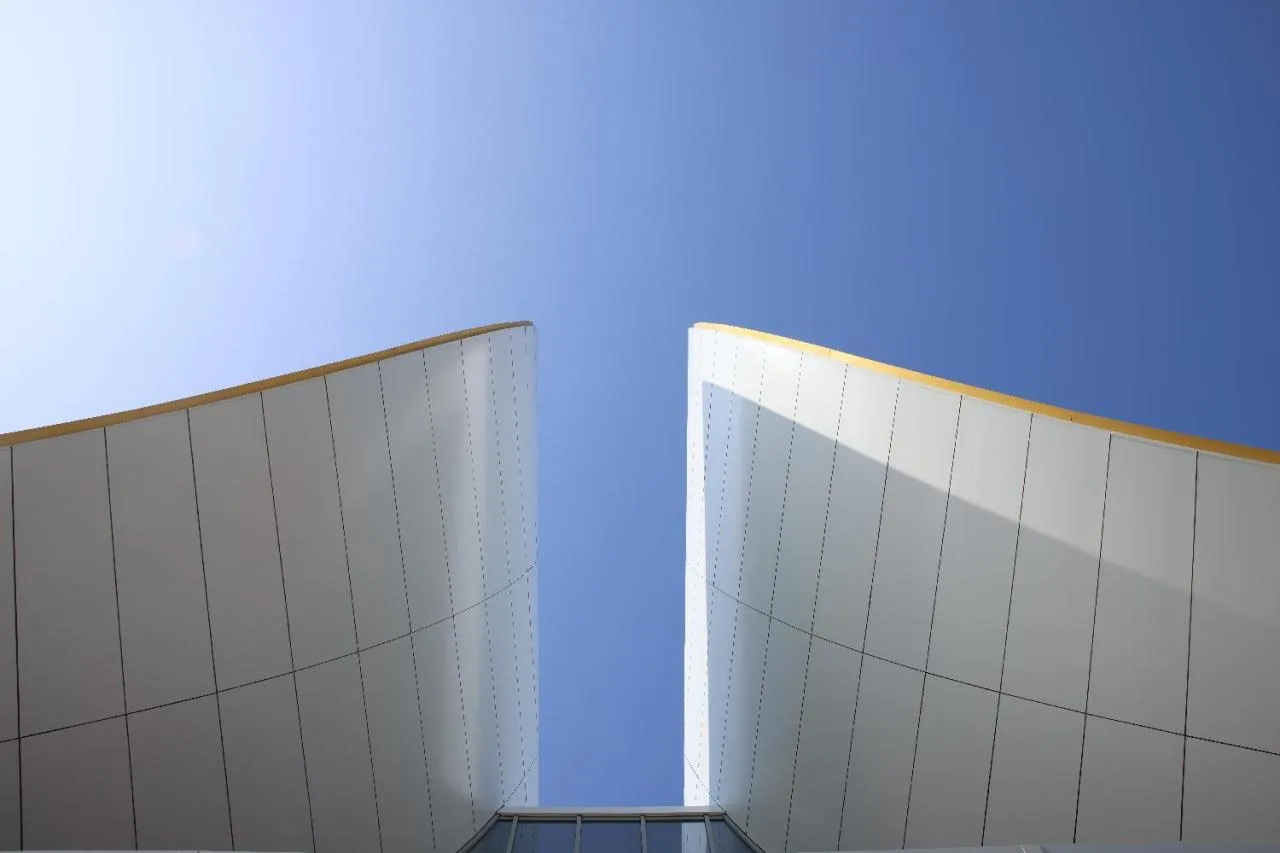
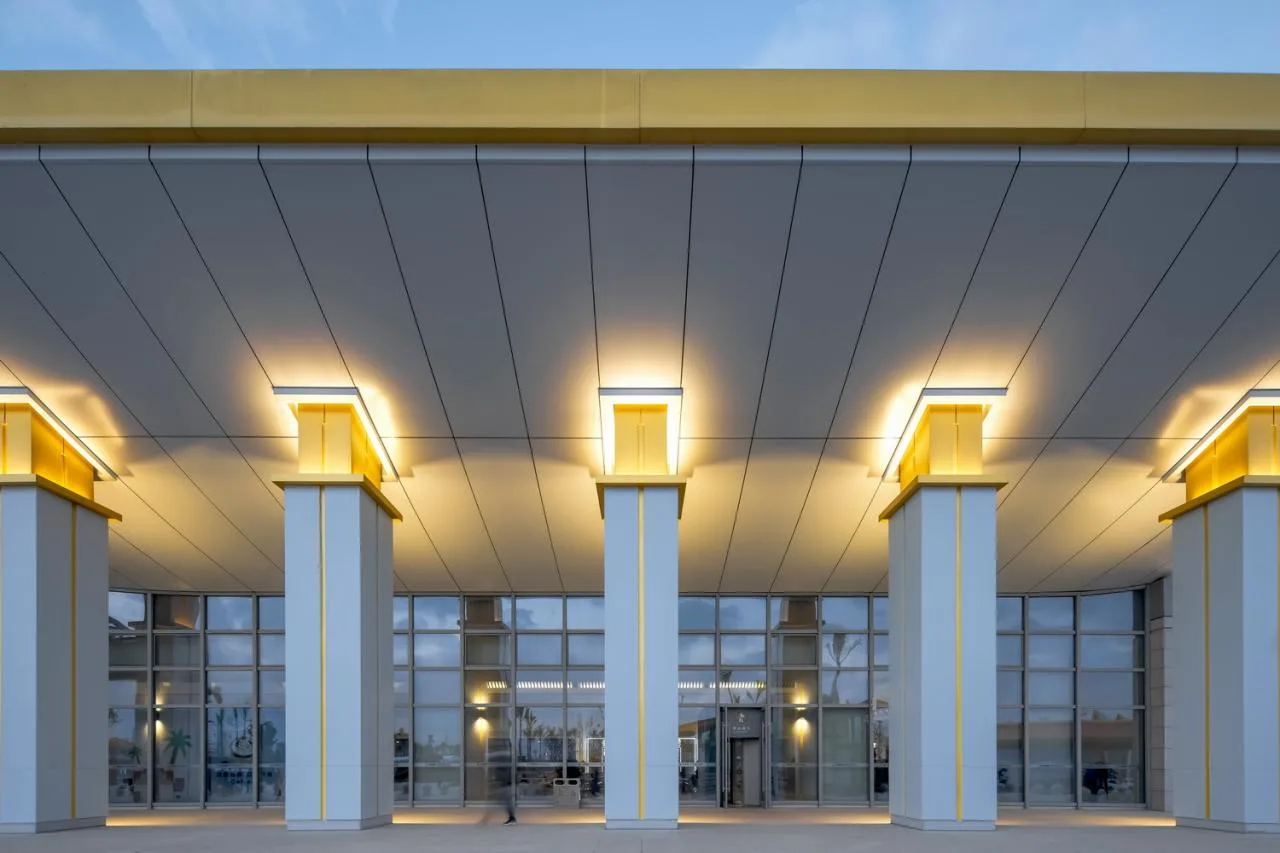
△ Eight-character shaped eaves base plate and columns
03. Interior Experience
The interior design of Xishuangbanna Station follows three core principles: creating a welcoming scale, maintaining visual clarity, and ensuring a comfortable travel experience. From craftsmanship and material selection to color coordination and detailed functionality, the design innovates beyond the conventional standardized approach typical of domestic high-speed railway stations.
Spatially, the design abandons traditional decorative constraints, integrating indoor and outdoor spaces. It features curved architectural elements that reconcile architectural demands with functional needs, achieved through reverse deduction of spatial form and function, resulting in a cohesive indoor environment.
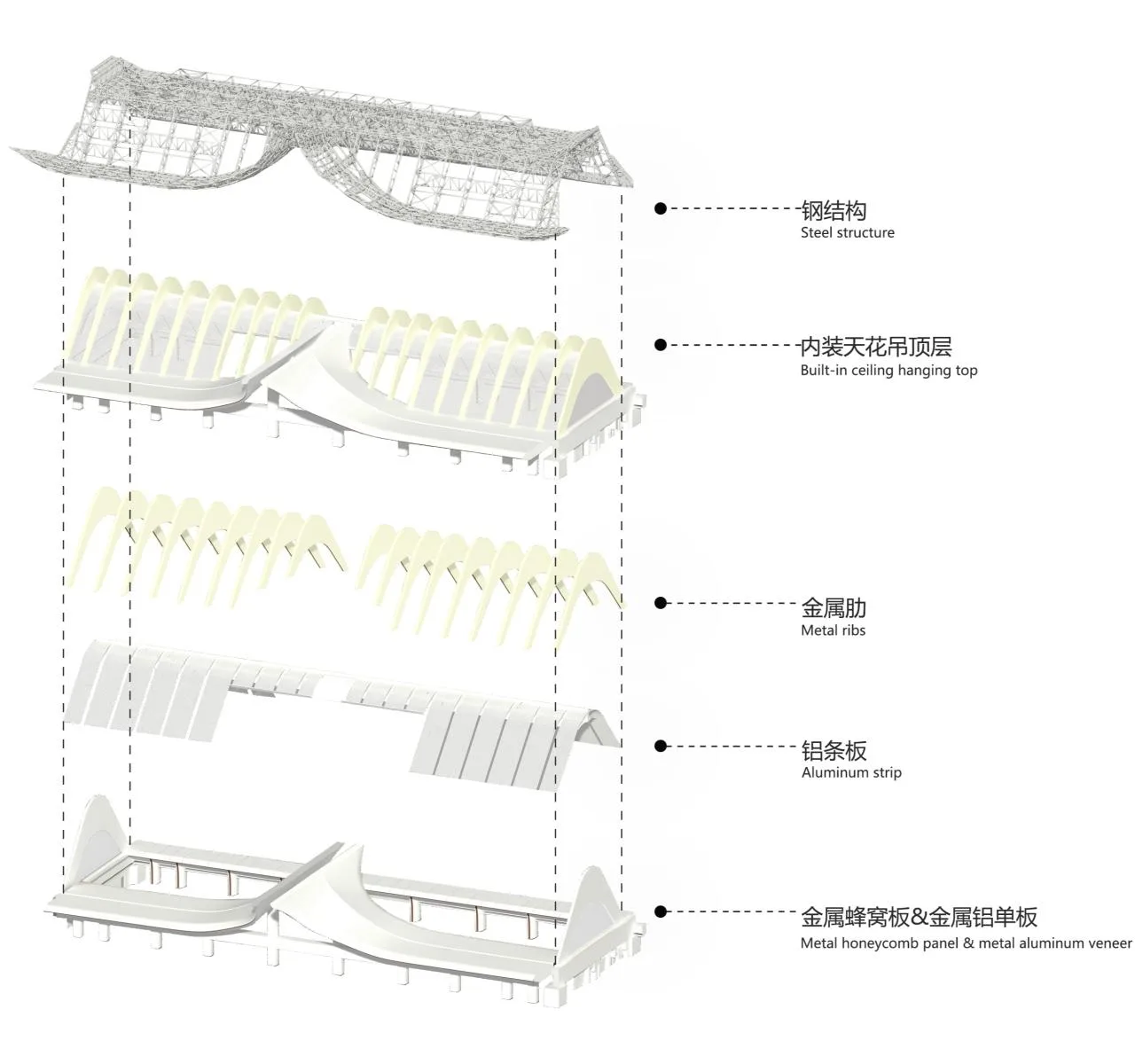
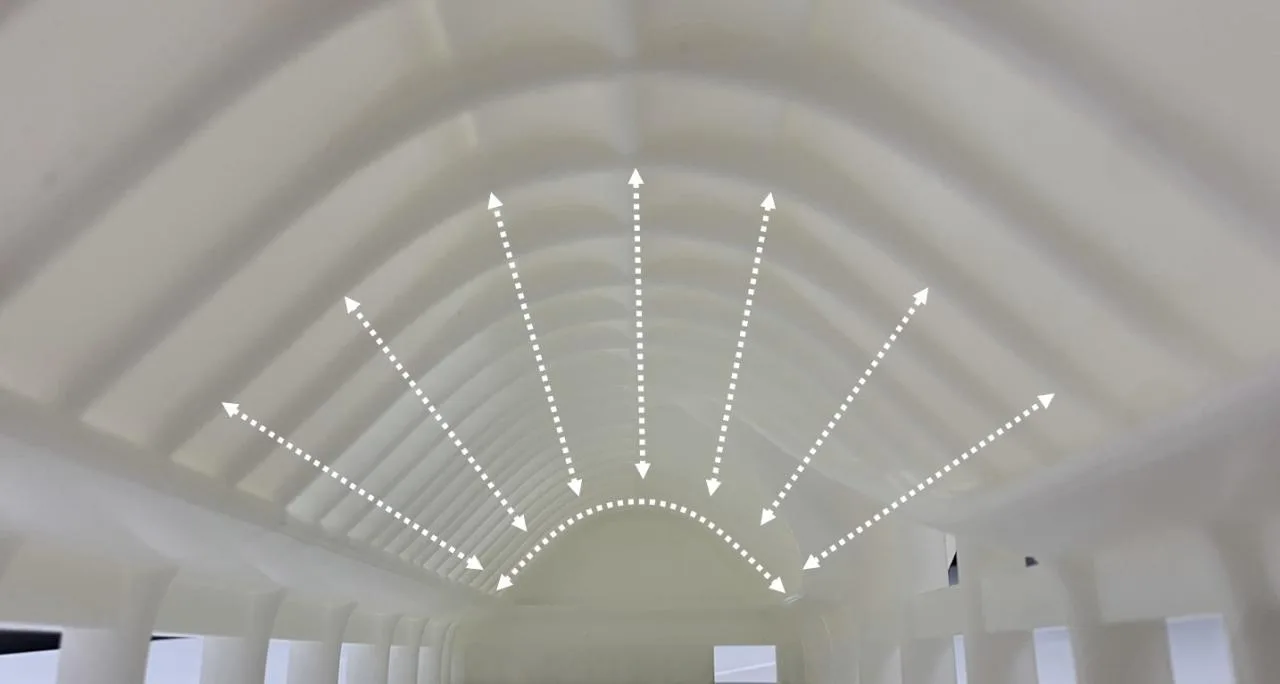
△ Station hall indoor ceiling deduction analysis diagram
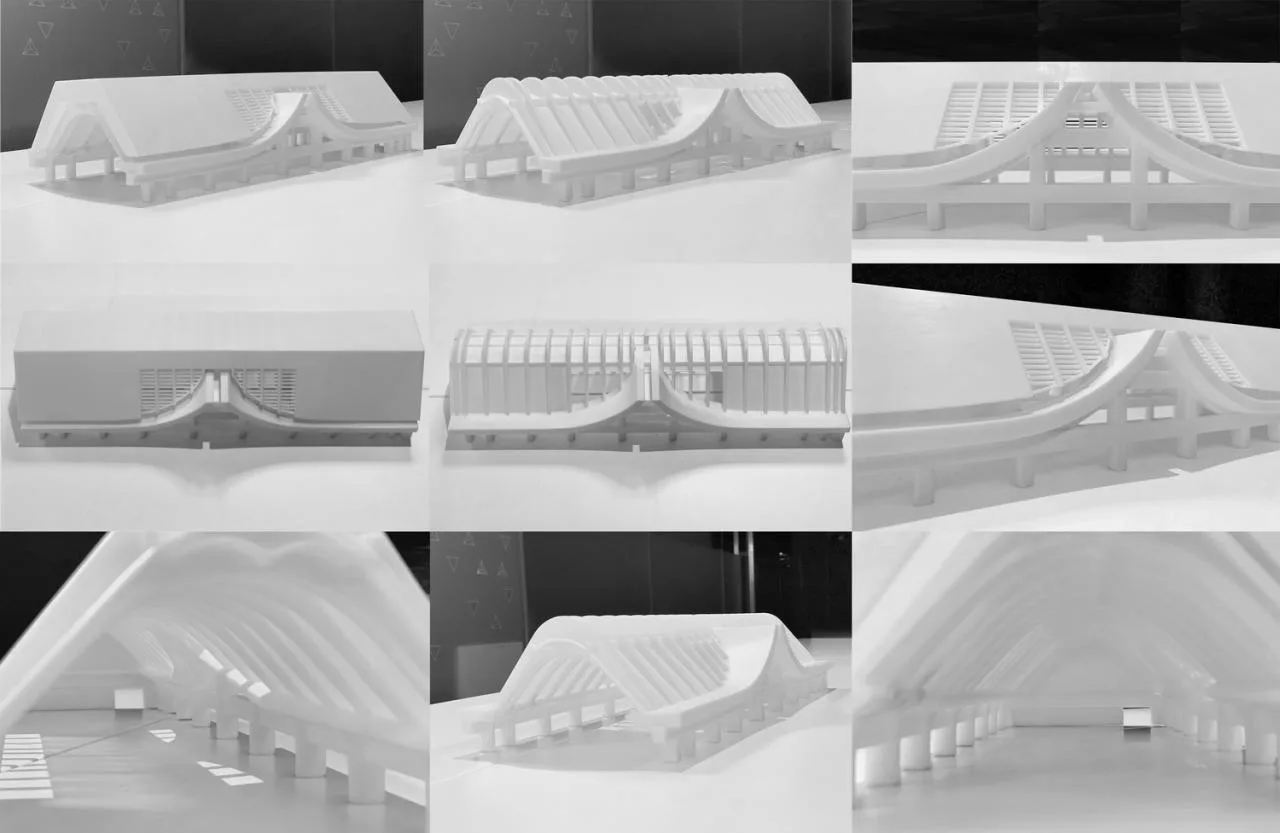
△ Station hall space deduction model
The waiting hall’s ceiling features eight steel ribs shaped like an eight-character symbol, arranged in parallel to align with the building’s truss system. Their simple shuttle-shaped design adds a strong sense of rhythm and hierarchy. The ceiling ribs incorporate “Banna Gold,” a local cultural color, which resonates internally and externally with the station’s main color scheme. This breaks the visual monotony of the white surfaces and accommodates lighting, HVAC, and other systems.
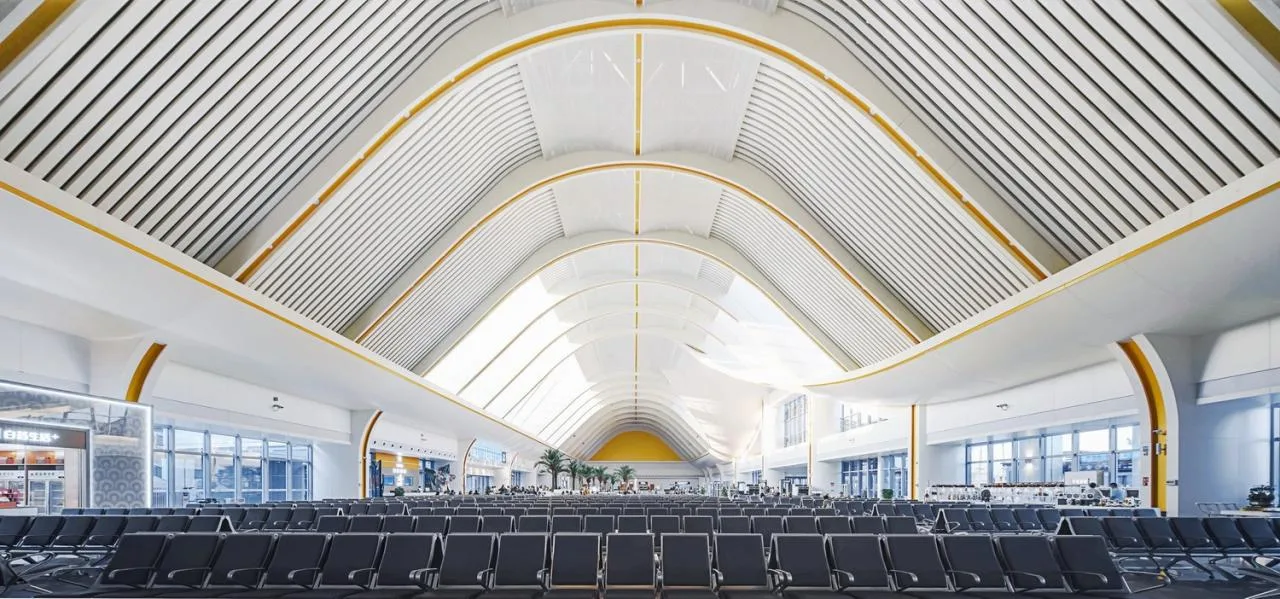
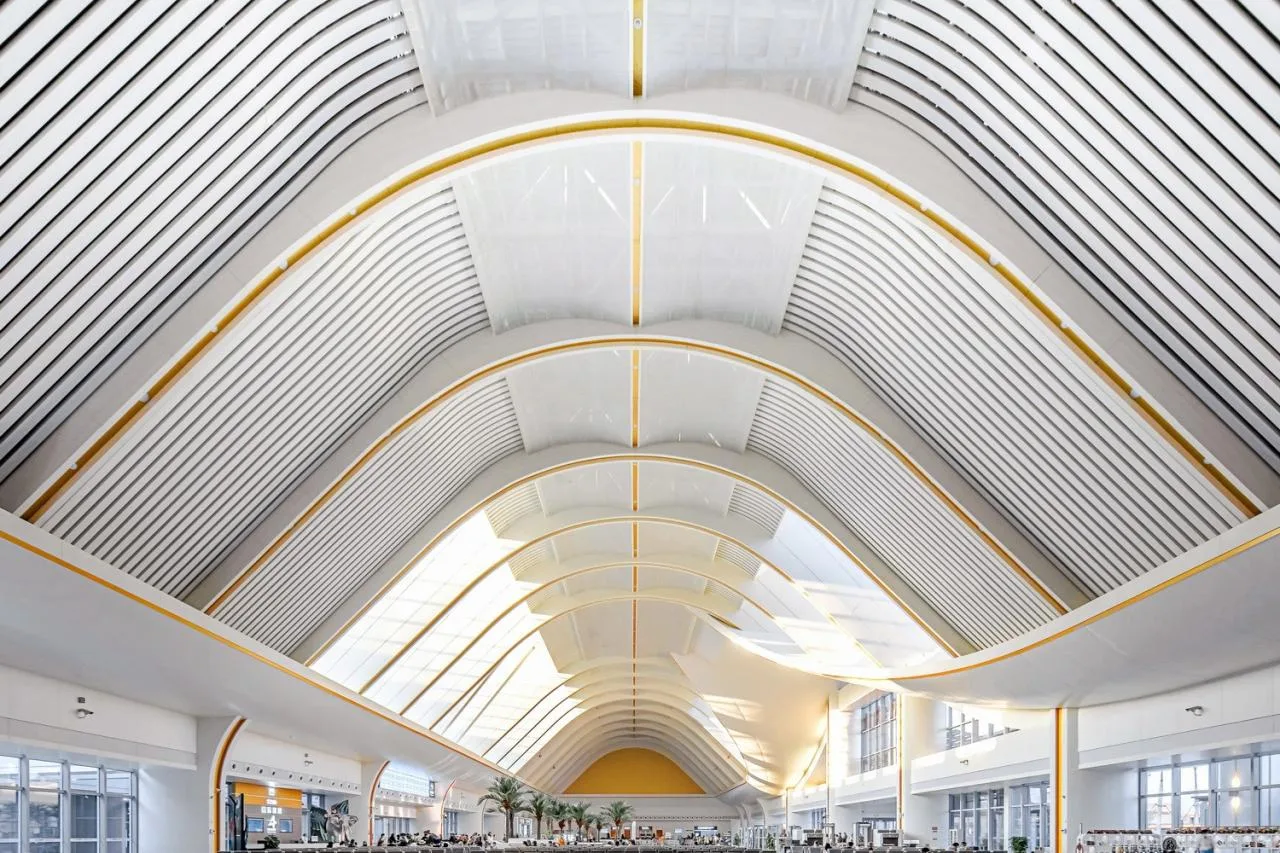
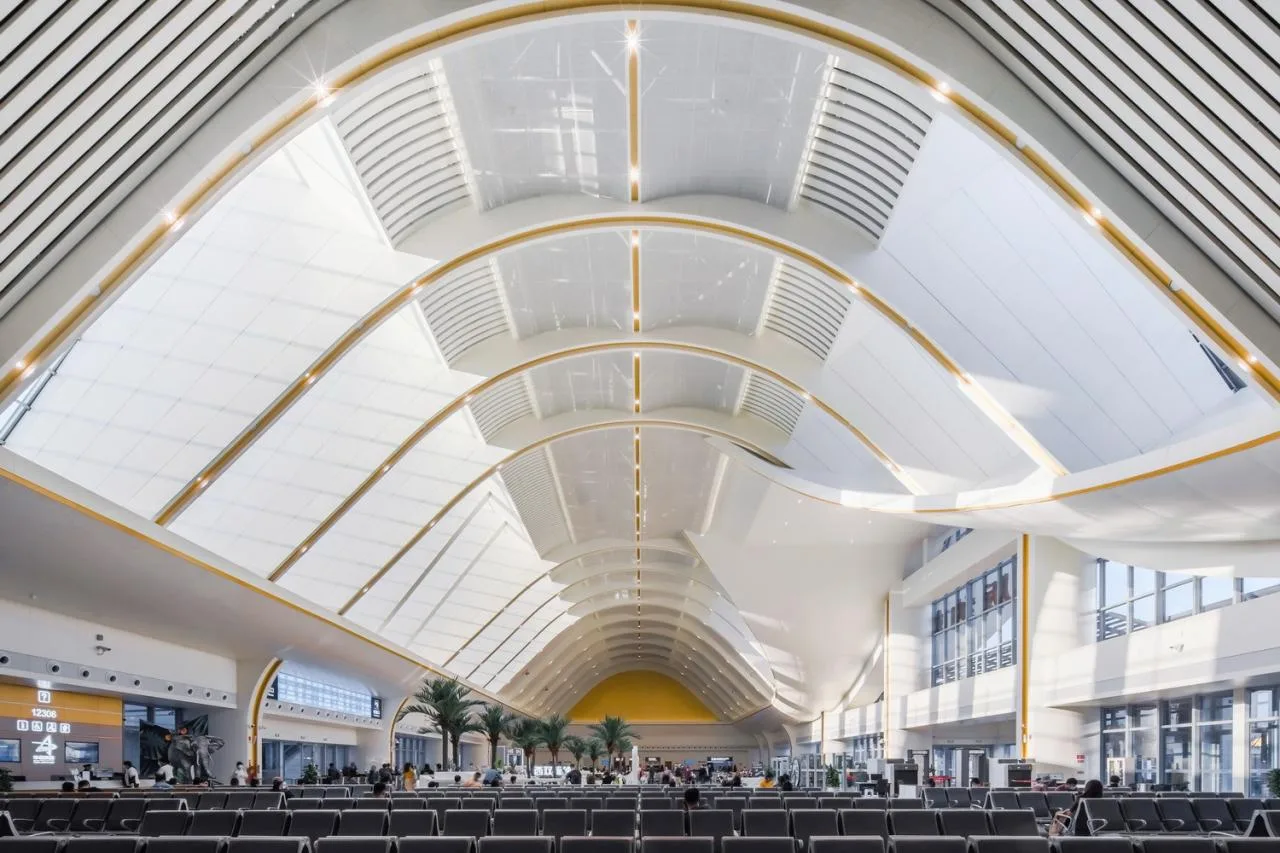
△ Station hall interior
The entrance hall benefits from abundant natural light, supplemented by linear LED lighting along the roof trusses to meet illumination needs. The warm “Banna Gold” hue is reflected in both artificial and natural light, creating a streamlined, inviting atmosphere.
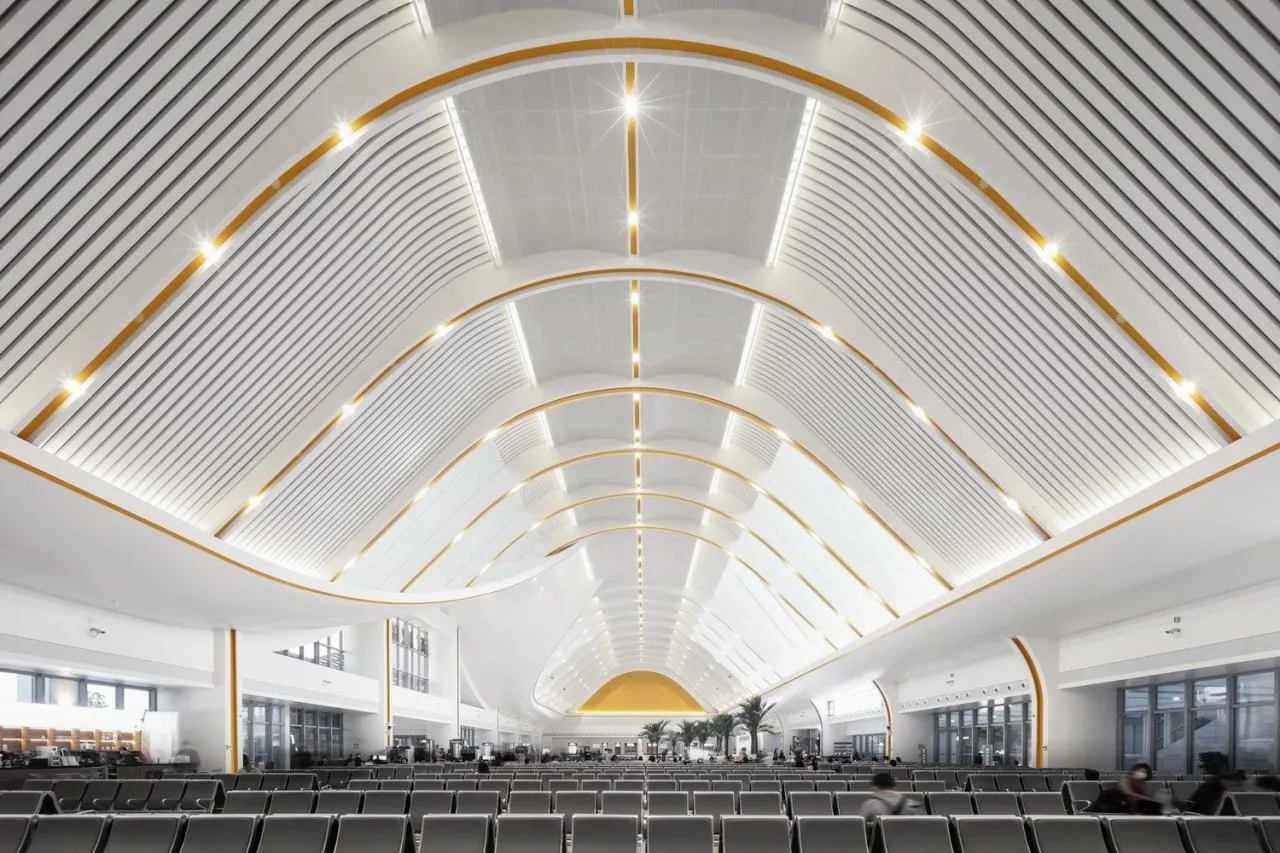
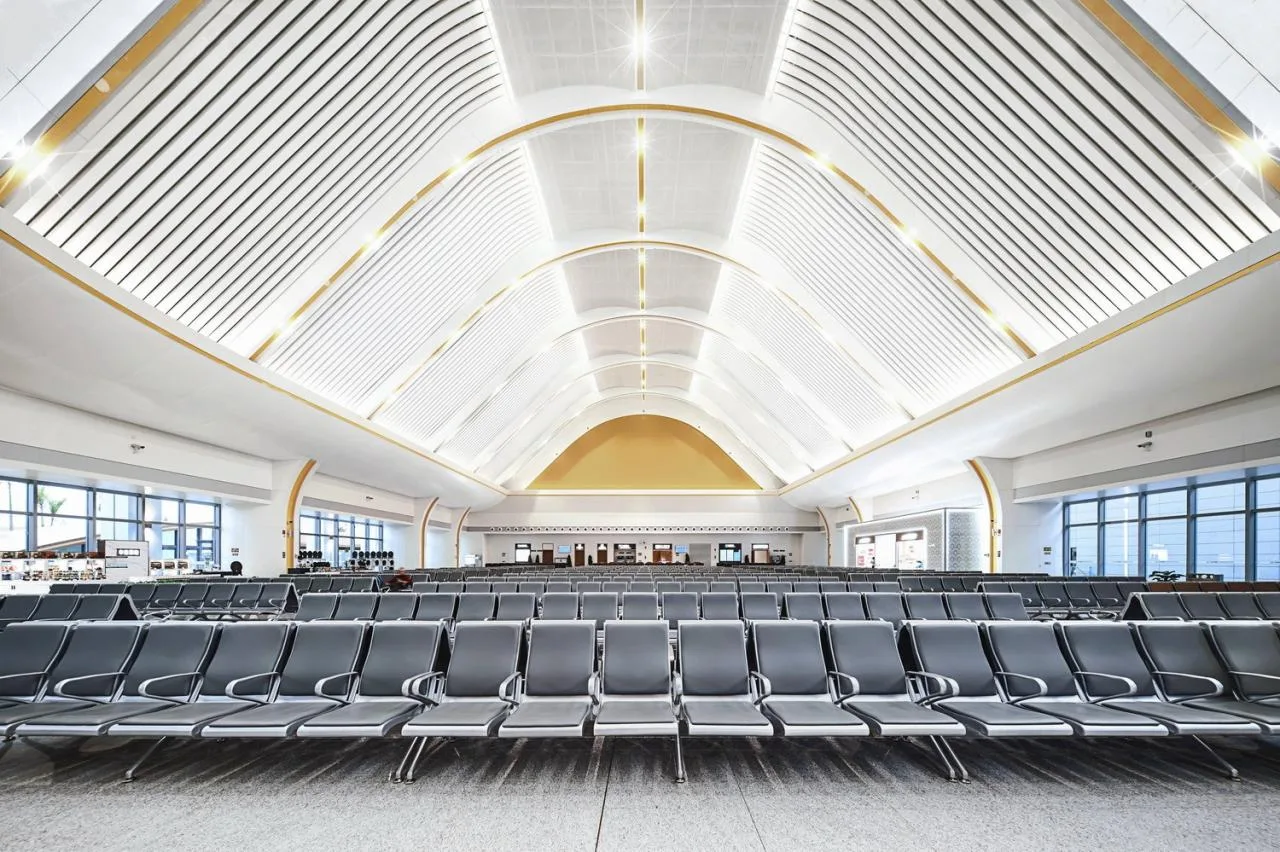
△ Station hall ceiling axis
The symmetrical ceiling axis draws the eye to a radiating arc resembling a “peacock opening its tail,” symbolizing the dynamic spirit of Xishuangbanna. This design reflects a balance between modernity and local ethnic culture within the station’s interior.
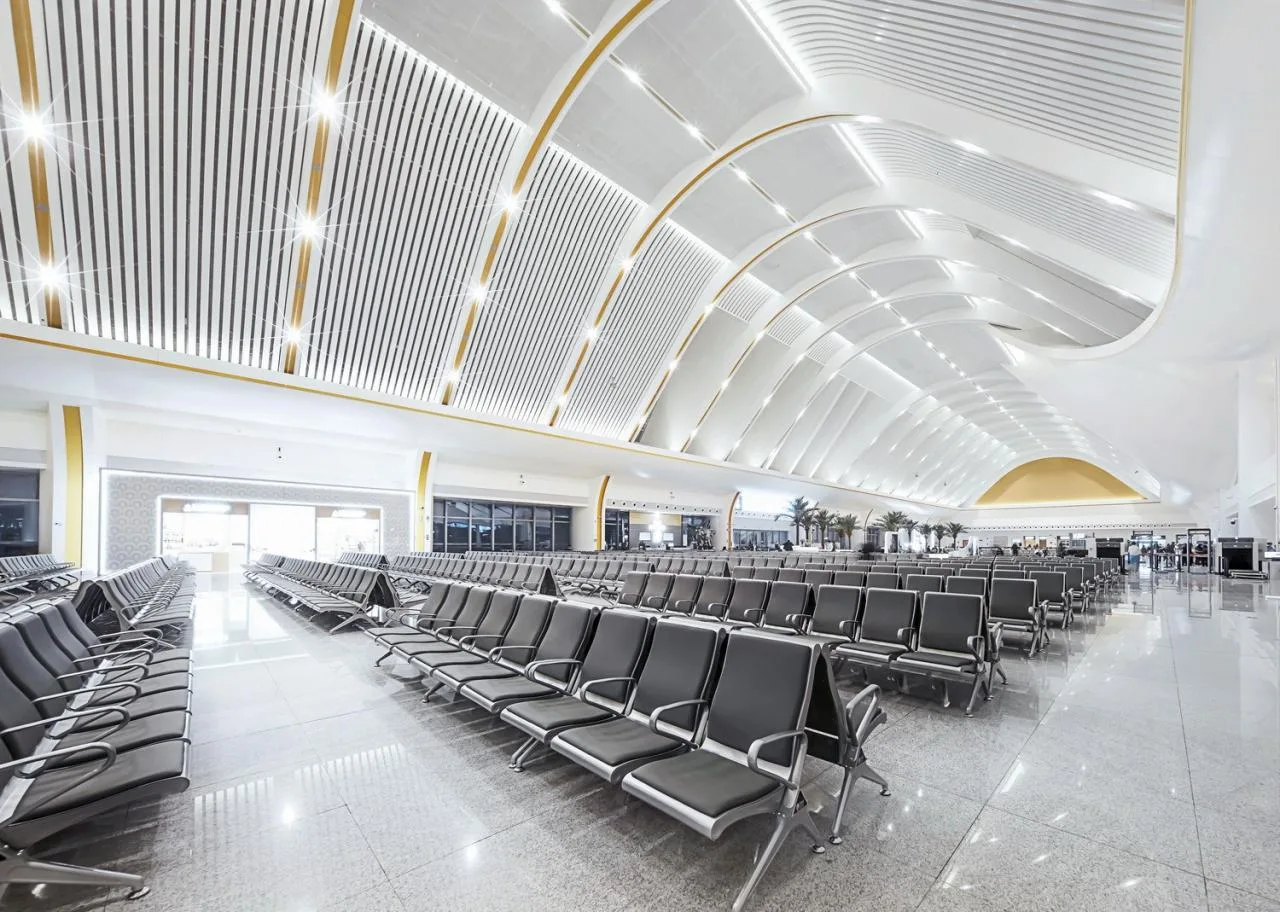
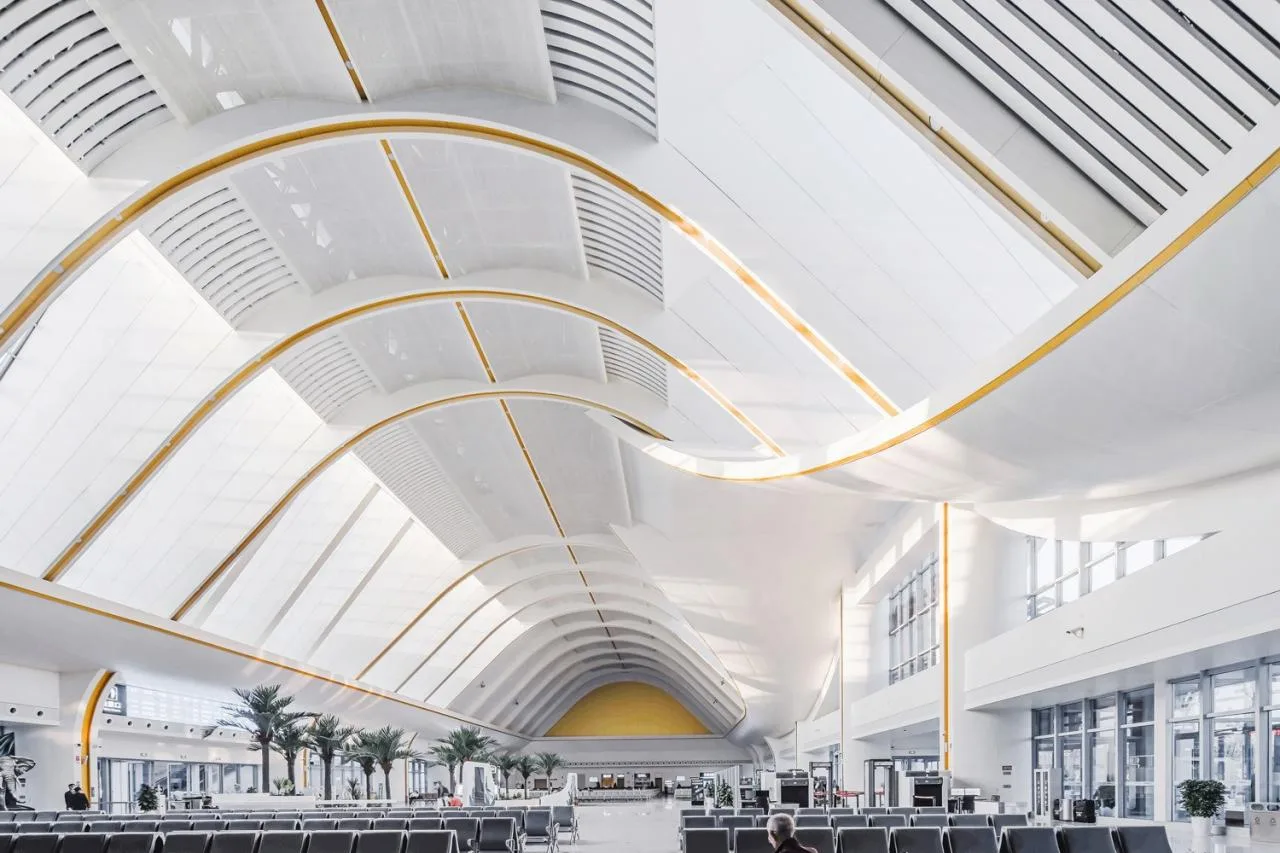
△ Detailed color matching design of the station hall
To minimize noise from crowds in busy areas, perforated sound-absorbing aluminum panels are incorporated into the ceiling design, effectively reducing echo and improving acoustic comfort.
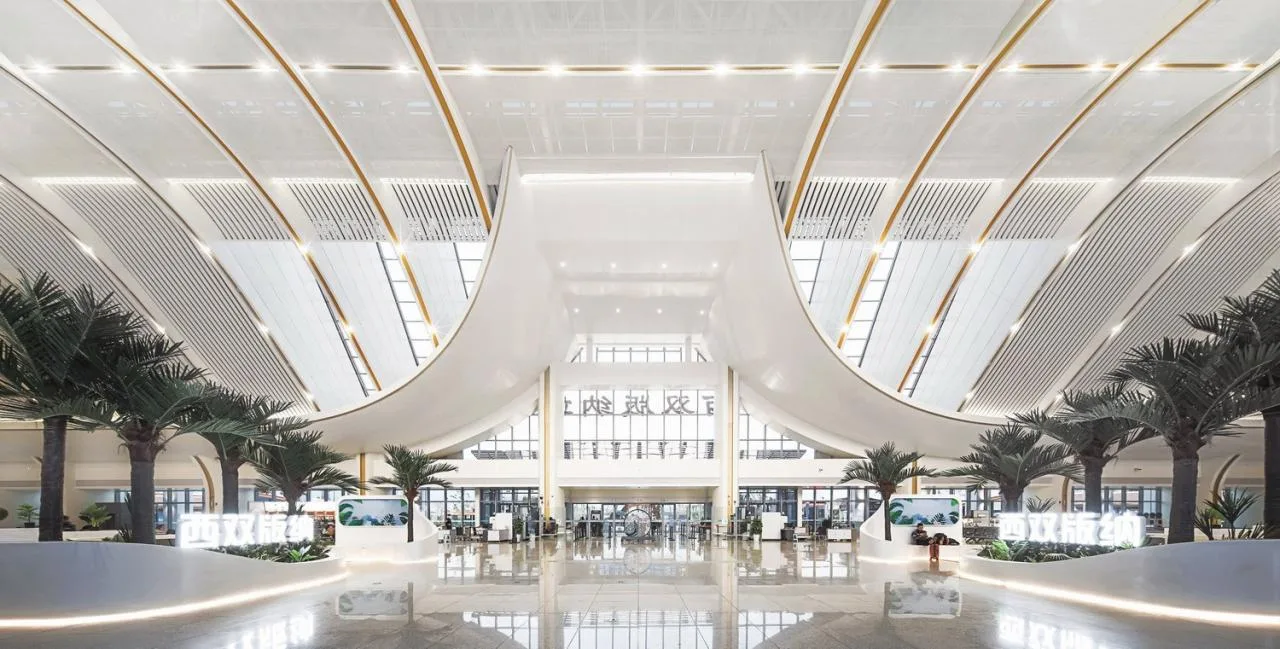
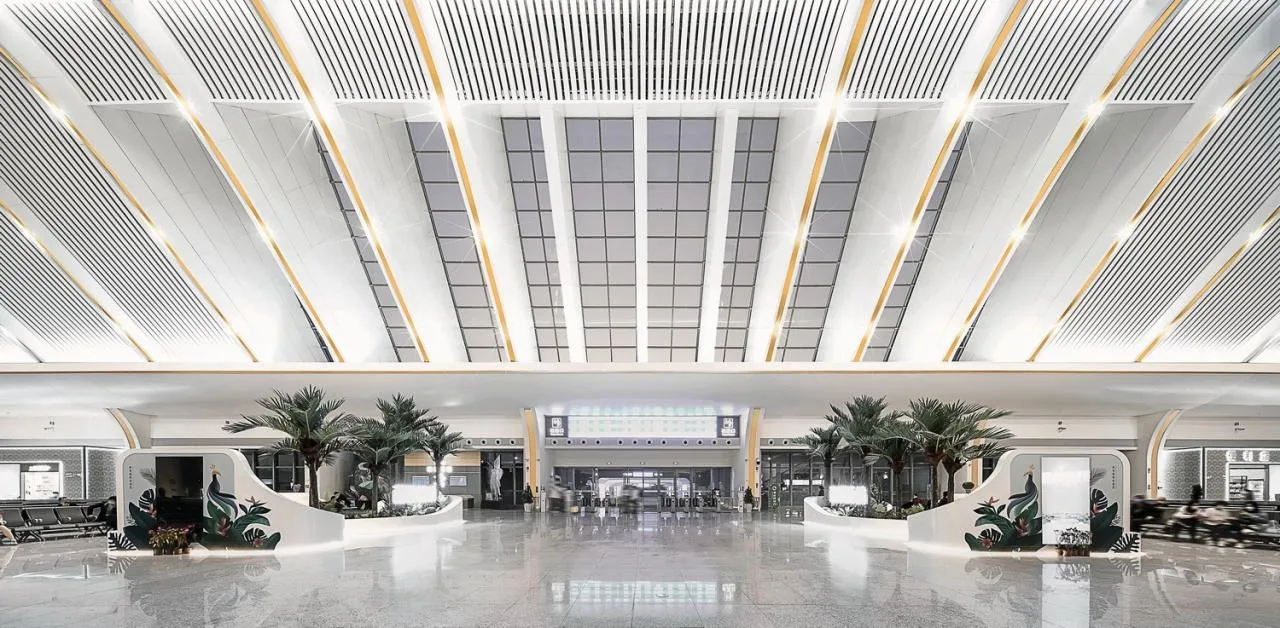
△ Station lobby entrance and distant view of boarding security check area
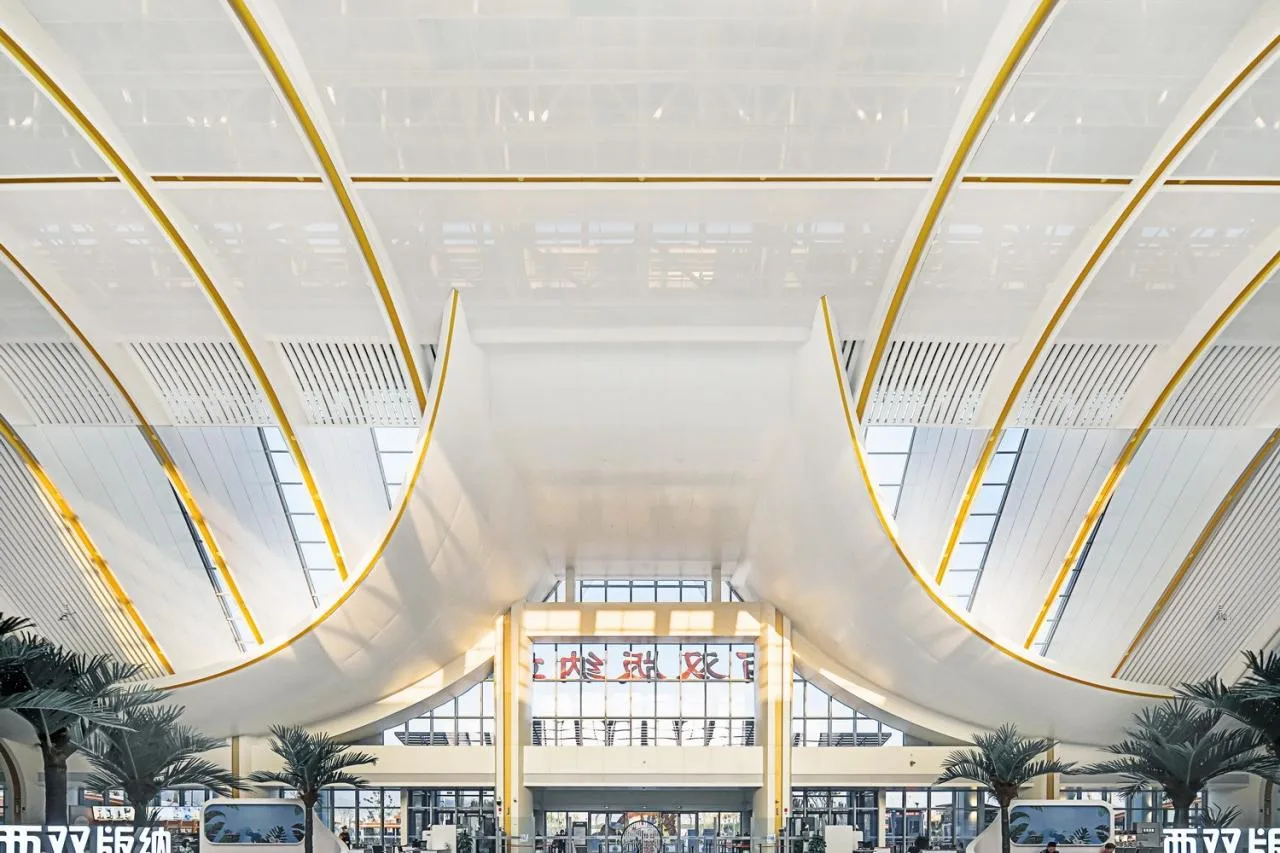
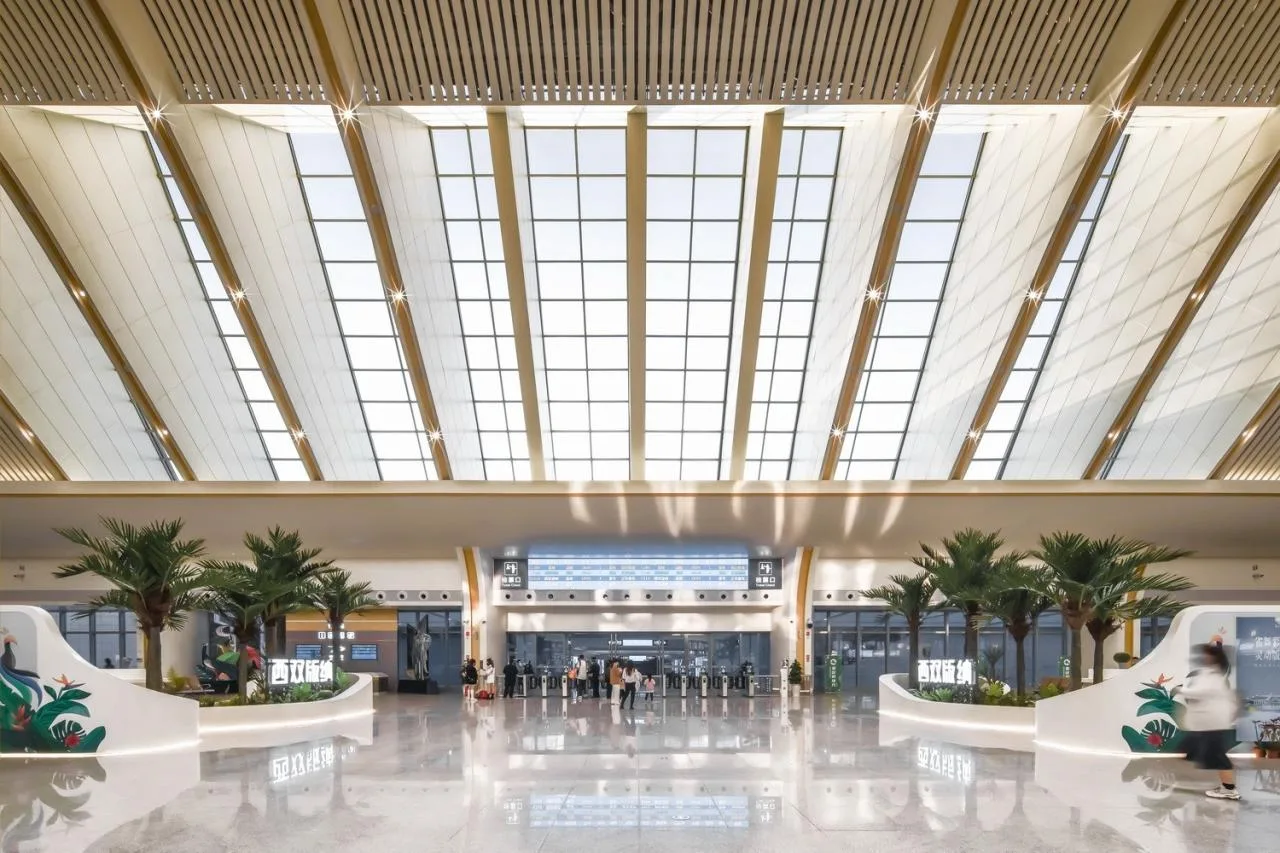
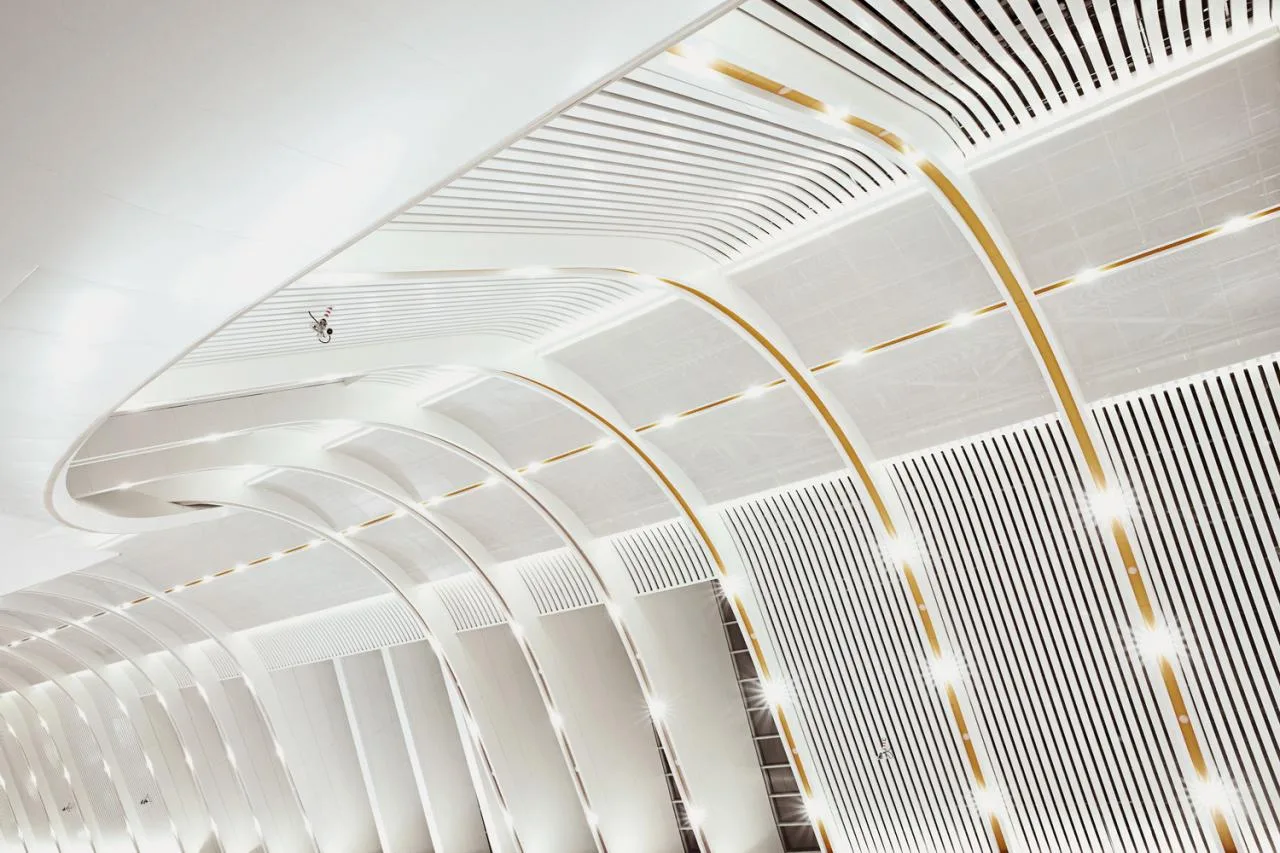
△ Close-up of the entrance and boarding security check area inside the station hall
The exit hall leverages abundant natural light to create a transparent, bright, and inviting atmosphere. The underground passage is visually guided by “Banna Gold” color lines, integrating ethnic design elements into the spatial details to provide visitors with a memorable experience.
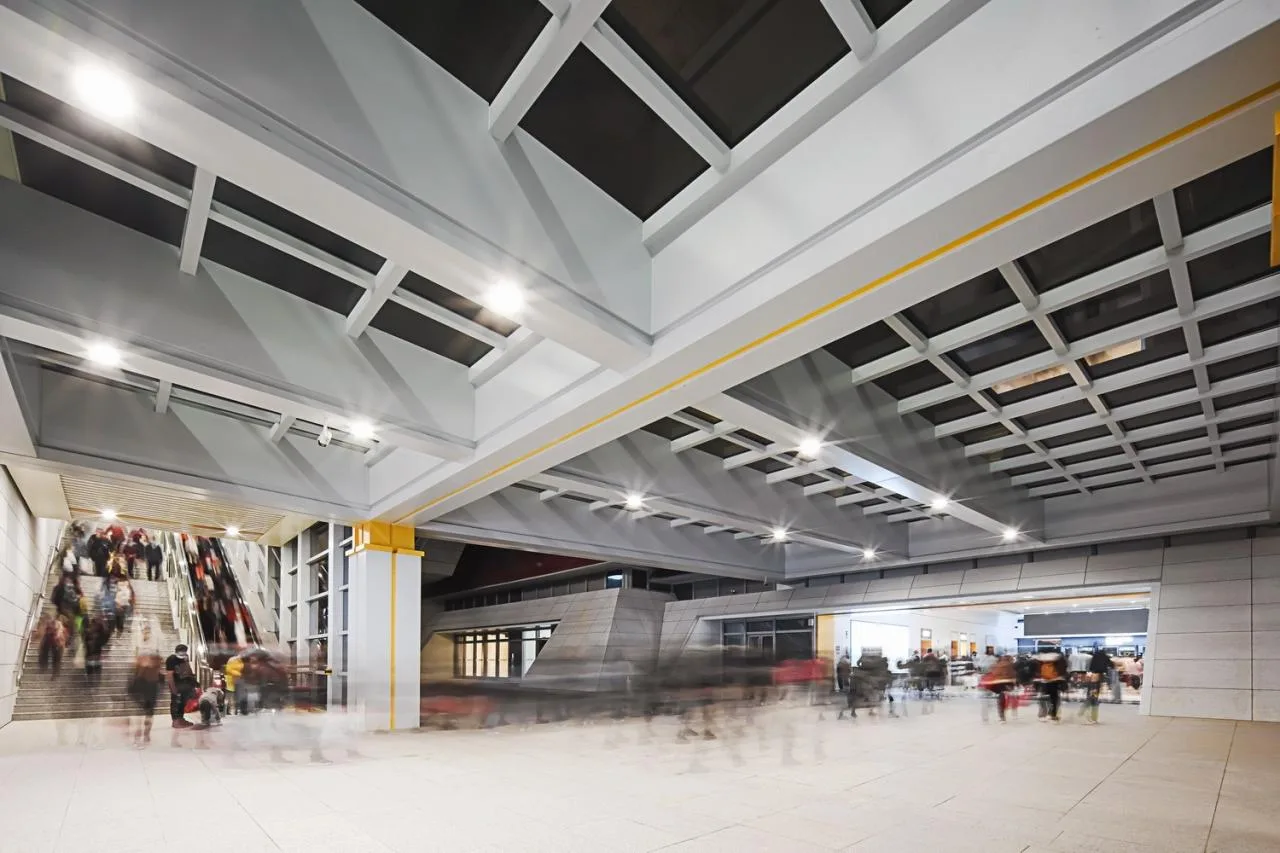
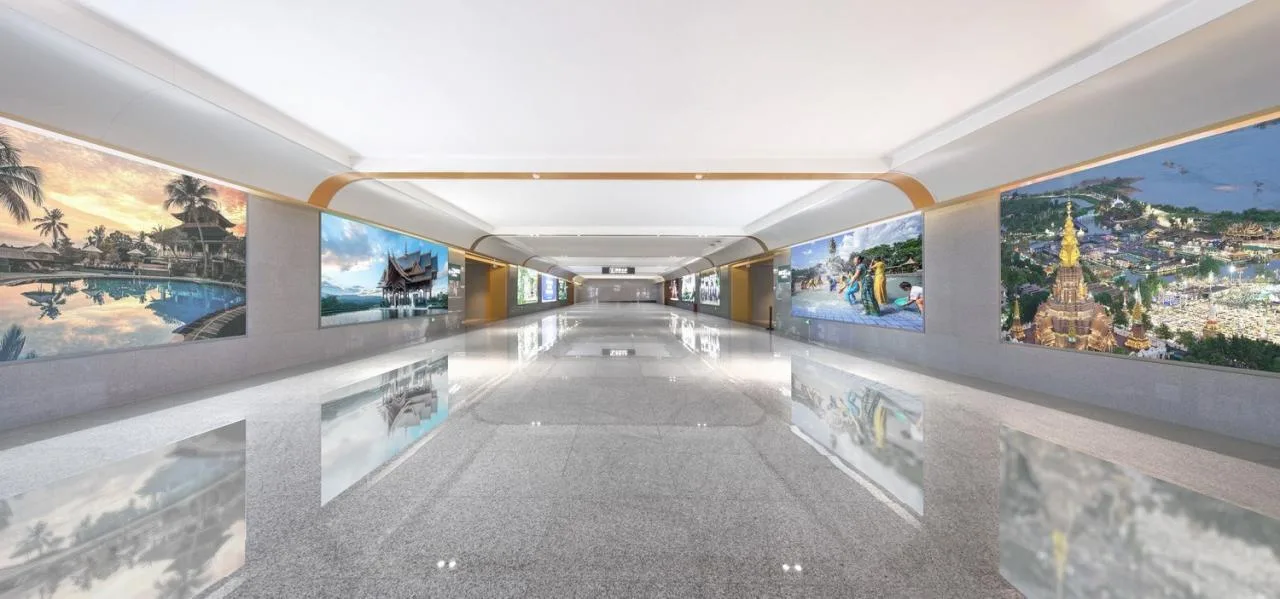
△ Underground passage
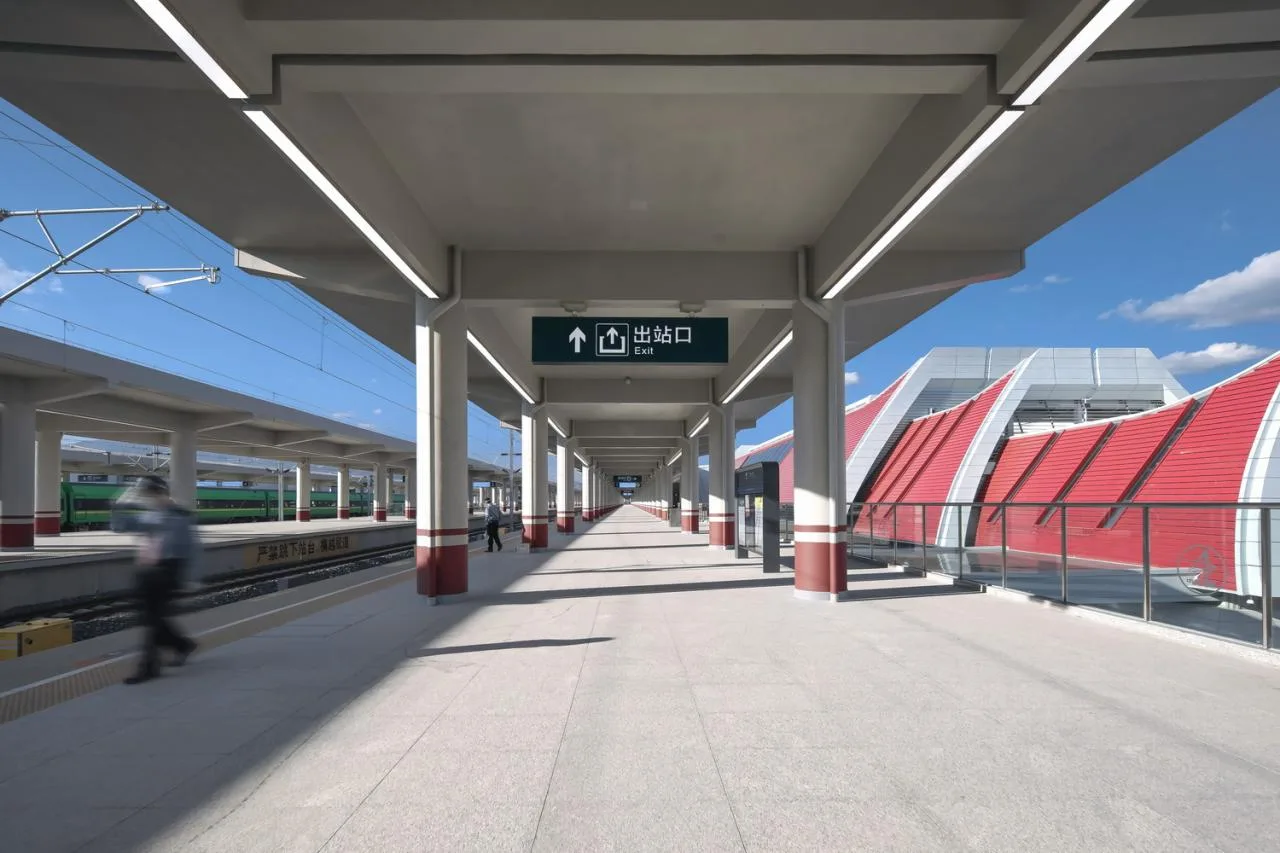
△ Platform canopy
The completion of Xishuangbanna Station and the China-Laos Railway embodies the bright vision of the “Belt and Road” initiative. It carries immense significance for the rapid economic development along the railway corridor and is poised to become a critical segment of the future Trans-Asian Railway, establishing a new gateway for China’s outreach to East and Southeast Asia and its connection with ASEAN.
Transportation acts as a powerful catalyst for urban development. In the era of high-speed rail, the construction of modern station buildings greatly influences population mobility, industrial distribution, and tourism economic growth along the railway route.
As the designer of Xishuangbanna Station and a key contributor to the China-Laos Railway, the successful completion and opening of this high-speed railway station marks another milestone for the CCDI interior design team and paves the way for expanded possibilities in future indoor transportation projects.
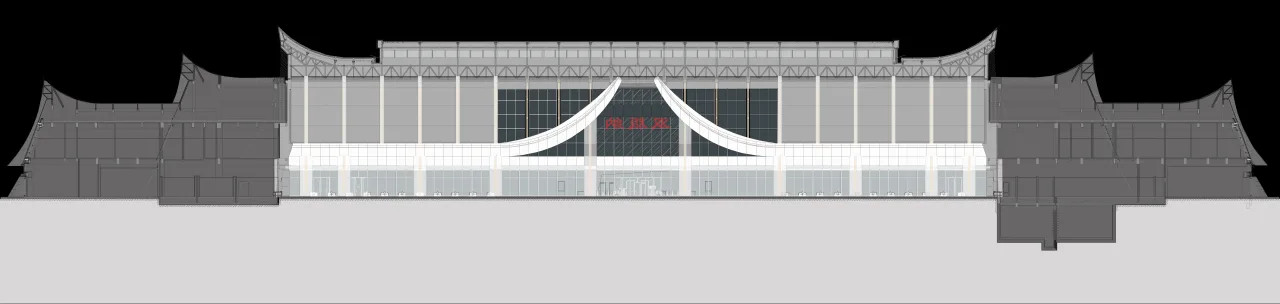
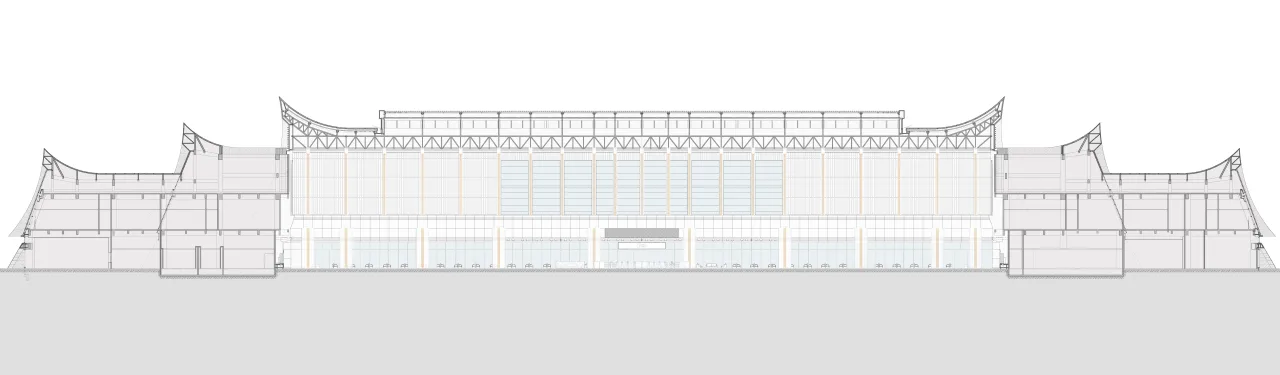
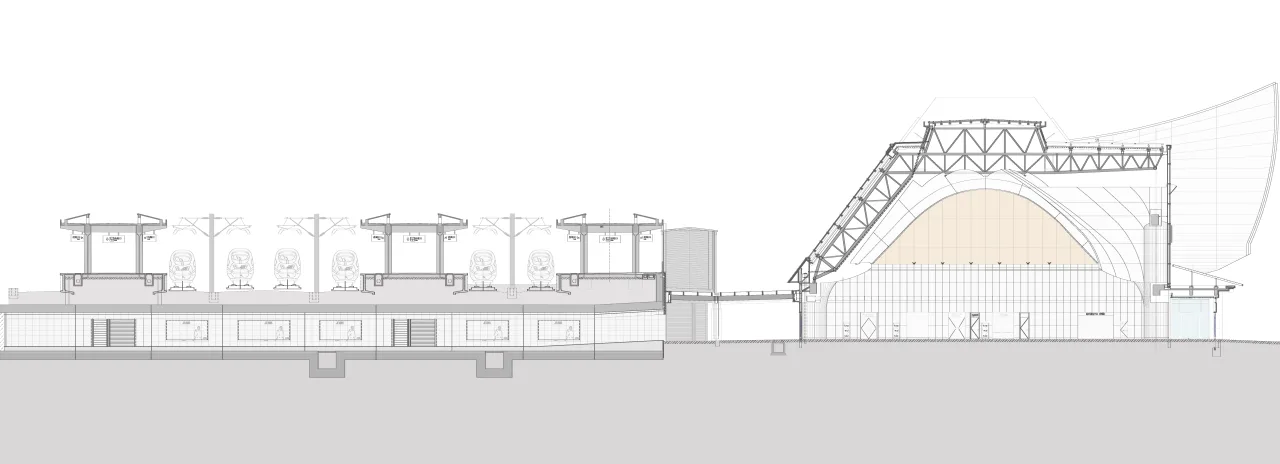
△ Project elevation and section views
Project Information
Project Name: Interior Design of China-Laos Railway Xishuangbanna Station
Architectural Design Team: CCDI International Rail Transit Product Direct Architectural Team
Structural Design Team: CCDI International Beijing Structural Design Center
Interior Design Team: CCDI International Smart Interior Design Center
Design and Completion Period: May 2021 – December 2021
Interior Design Director: Li Zhiyu
Interior Design Team Members: Dong Yuxi, Zhang Zhouwen, Wang Huan, Zhuang Xufeng
Project Location: Jinghong City, Xishuangbanna Dai Autonomous Prefecture, Yunnan Province
Design Area: Building – 10,000 ㎡ / Interior – 8,000 ㎡
Photography Team: Zhang Yang
Owner: China Railway Group Co., Ltd. (Kunming Bureau)
Main Interior Materials: Honeycomb aluminum panels, aluminum strip plates, granite















Must log in before commenting!
Sign Up