
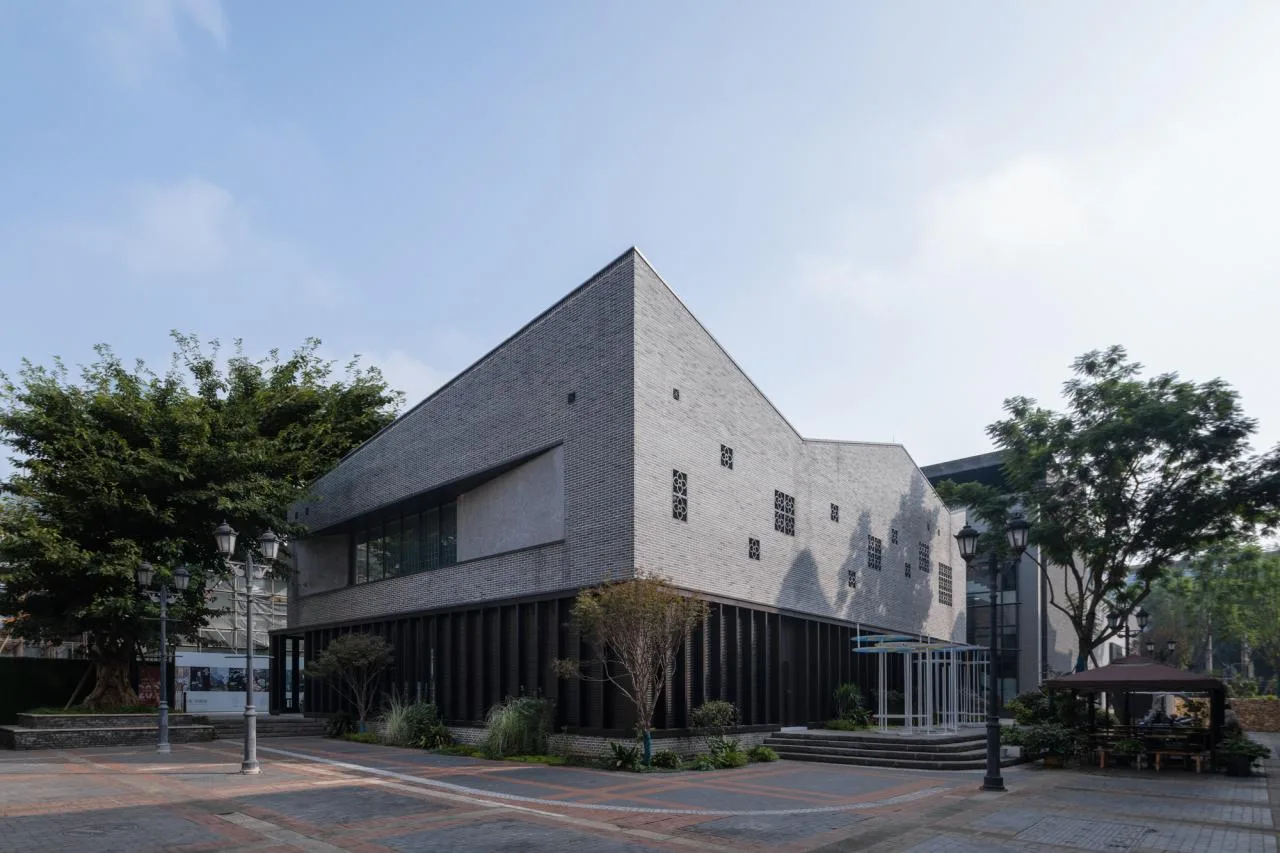
Qionglai, part of Chengdu City, is one of the four ancient cities of Bashu. With a history spanning over 2,300 years, the city’s site has remained intact, its culture preserved and thriving. Recently, the city has embraced a district development model, using the Wenhua Lane Revitalization Project as a showcase to vigorously promote urban renewal initiatives.
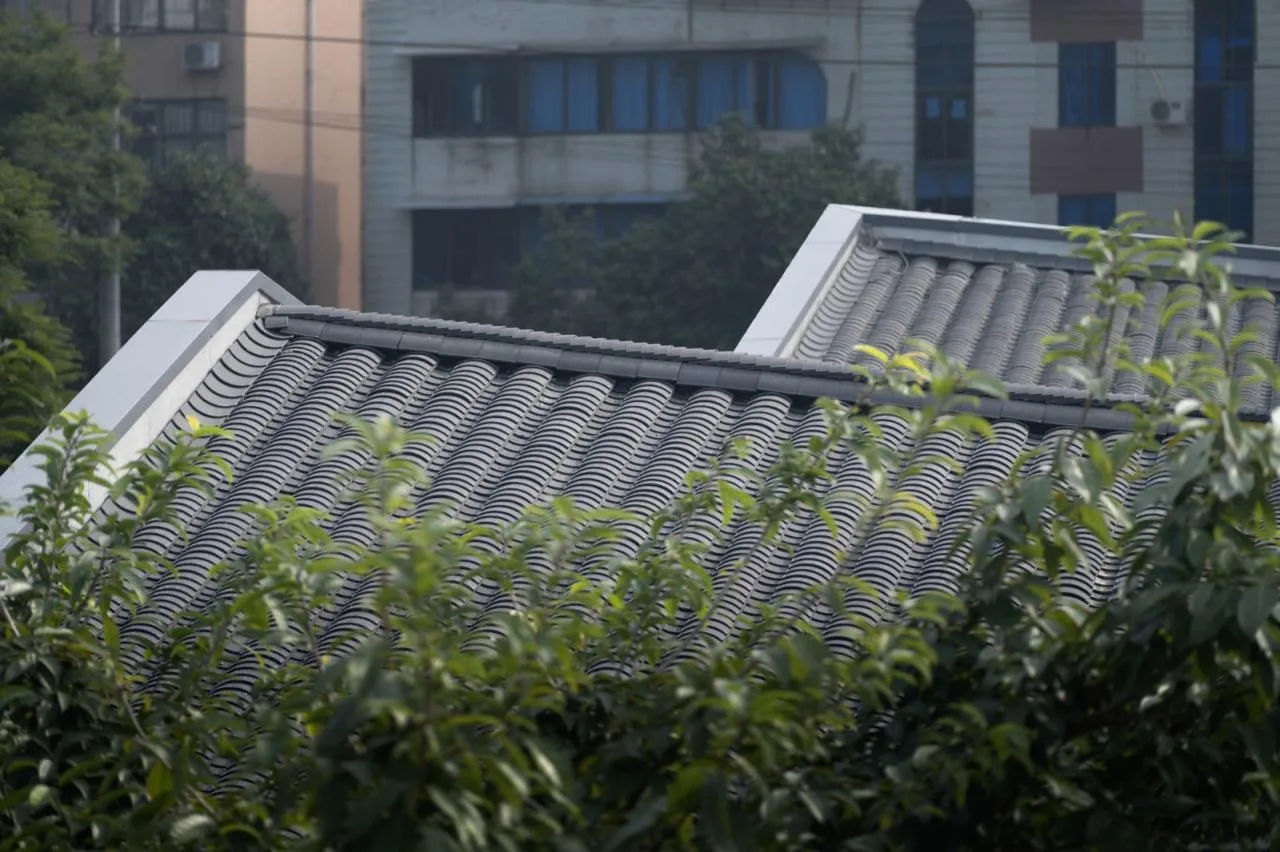
At the same time, to preserve the cultural charm and heritage of Linqiong Ancient City, while integrating foreign art and culture to elevate the artistic experience for the people of Qionglai, the city’s first art museum, Qionglai Art Museum, was established within the cultural heritage area of Linqiong Ancient City. Its distinctive roof design has earned it the nickname “Chongluan Garden,” symbolizing “Mountains flying in all directions.” From afar, the architecture is framed by majestic mountains, and as visitors approach, they experience a serene atmosphere that invites reflection. Once inside, visitors can immerse themselves in a rich cultural and artistic environment.
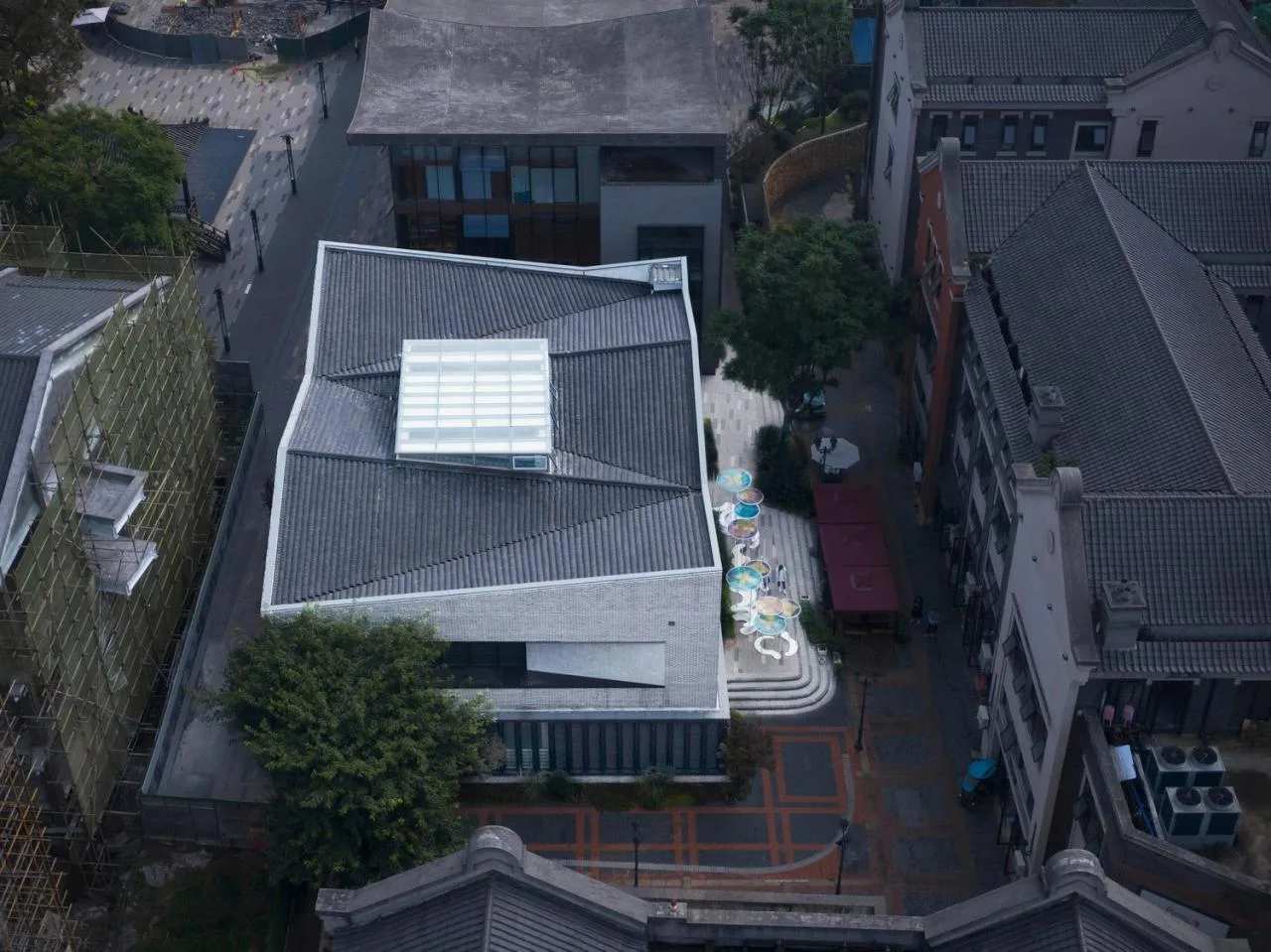
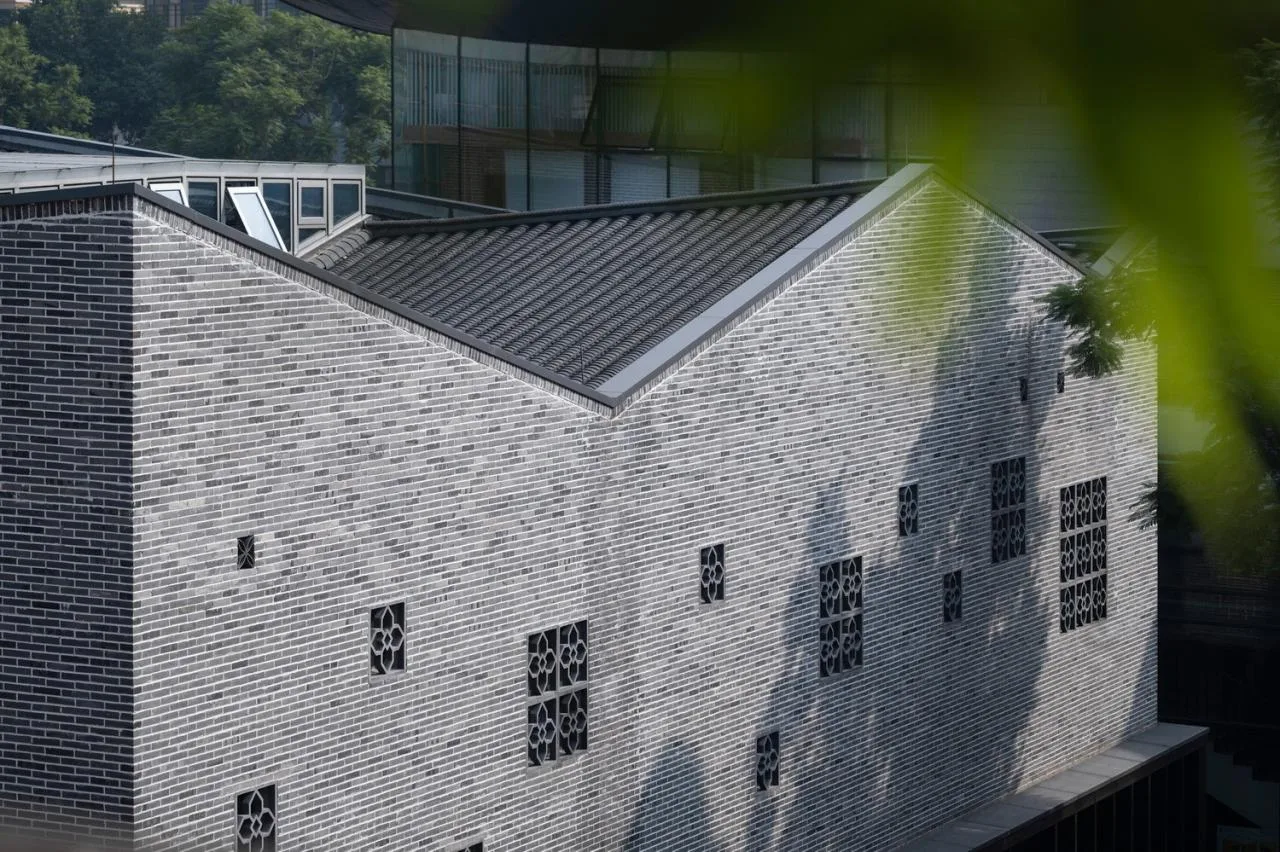
The design draws inspiration from the local residential architecture, abstracting a two-slope roof form. By overlapping and connecting these roof structures symmetrically, the surrounding “mountains” are folded inward, forming a “heavy mountain” roof shape that echoes the texture of local homes. The building’s modest size ensures that no single roof dominates, creating a balanced and concise overall form.
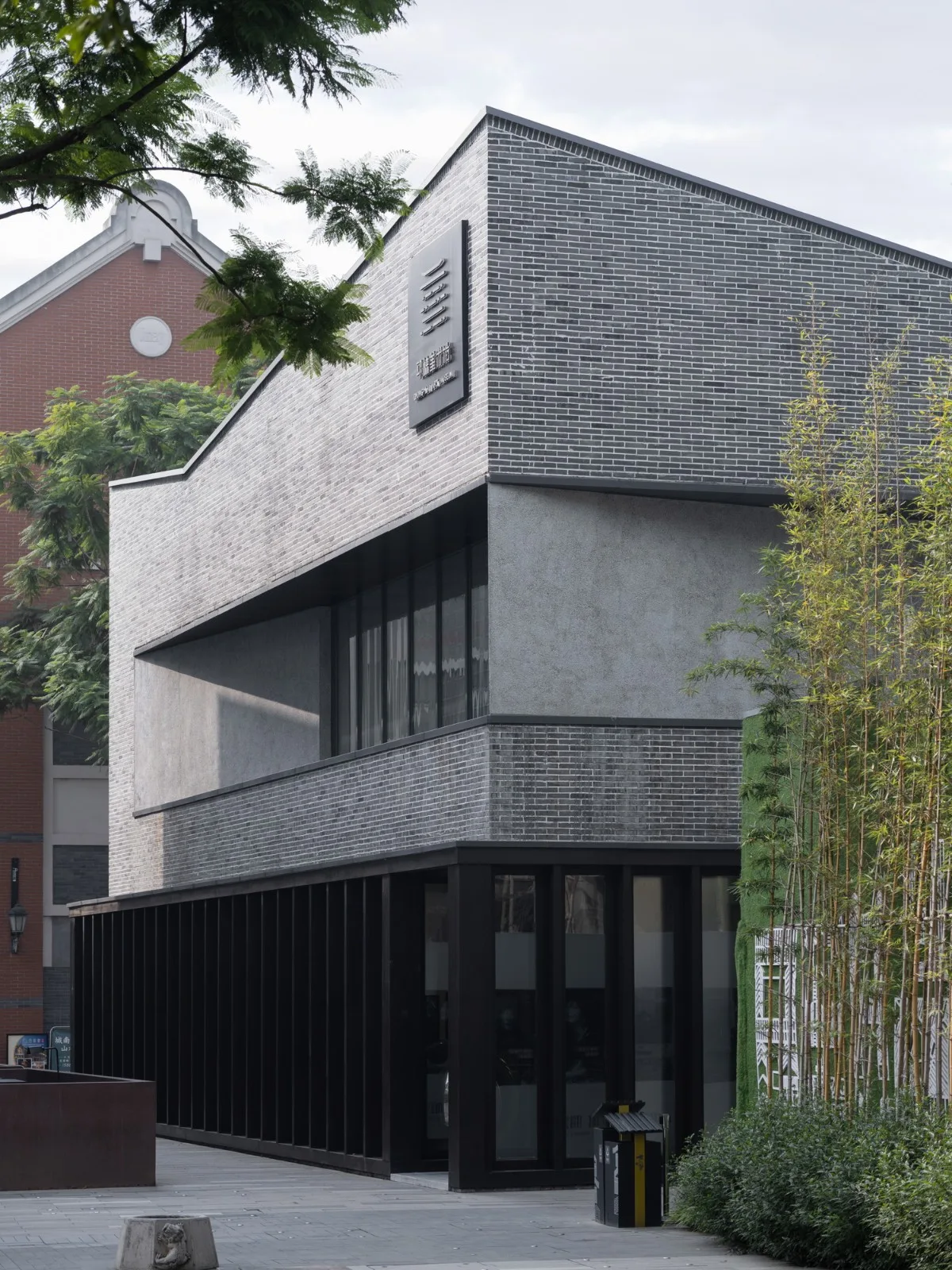
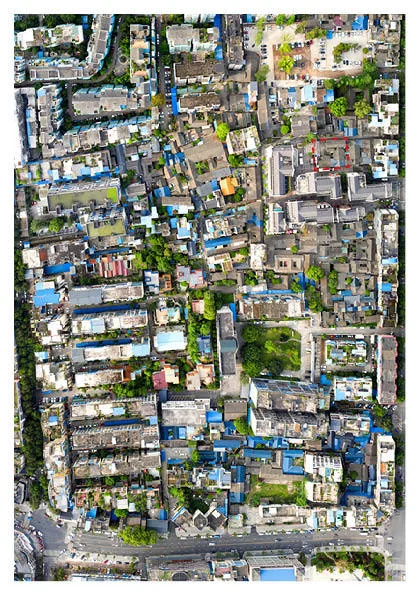
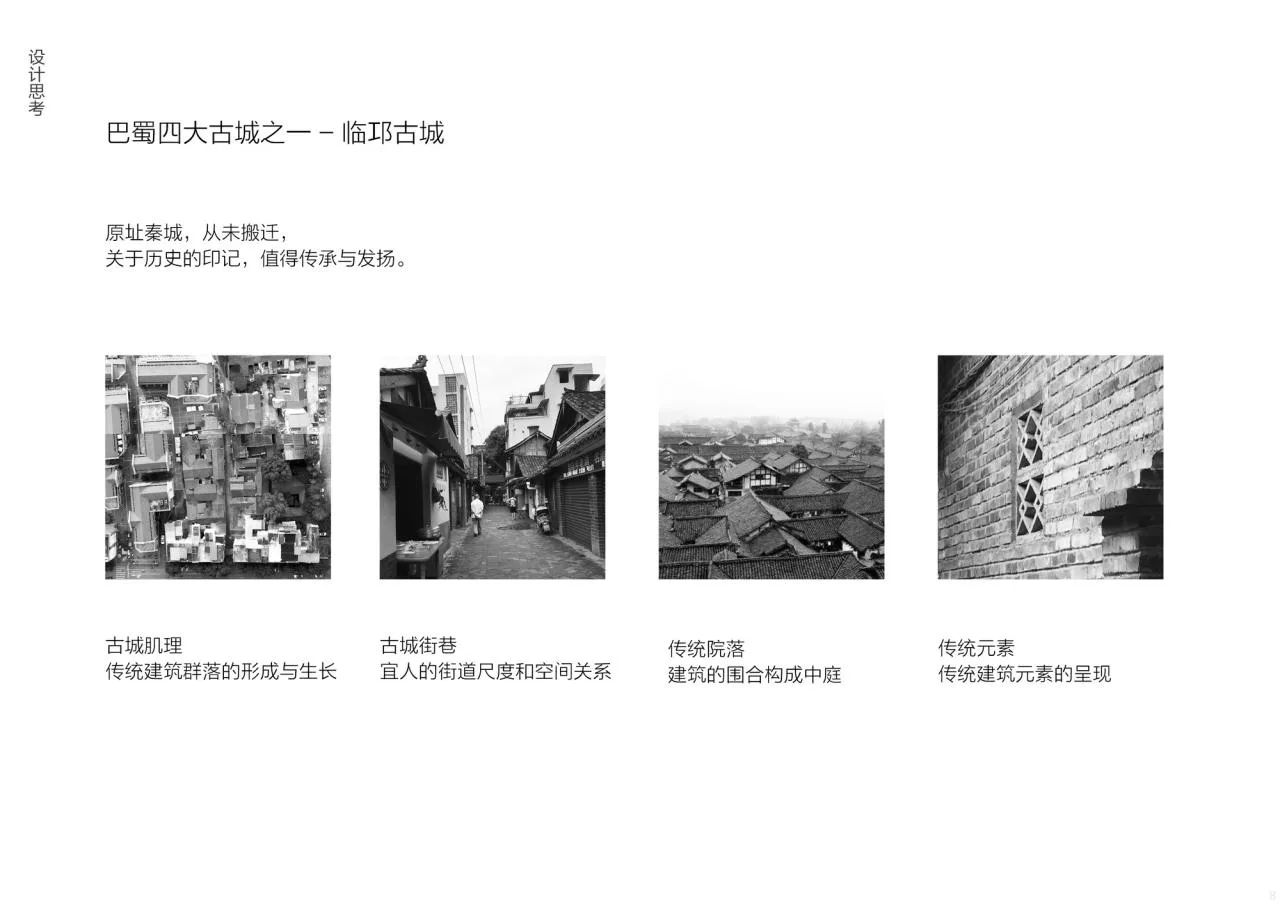
Our approach continues the vision of “preserving the texture of streets and alleys, restoring architectural style, and reviving the lively scenes of Linqiong.” Starting with the traditional enclosed courtyard as a prototype, the building blocks are elevated to create a one-story raised space. This expands the courtyard, addressing the issues of narrowness and limited scale, making it more comfortable and welcoming.
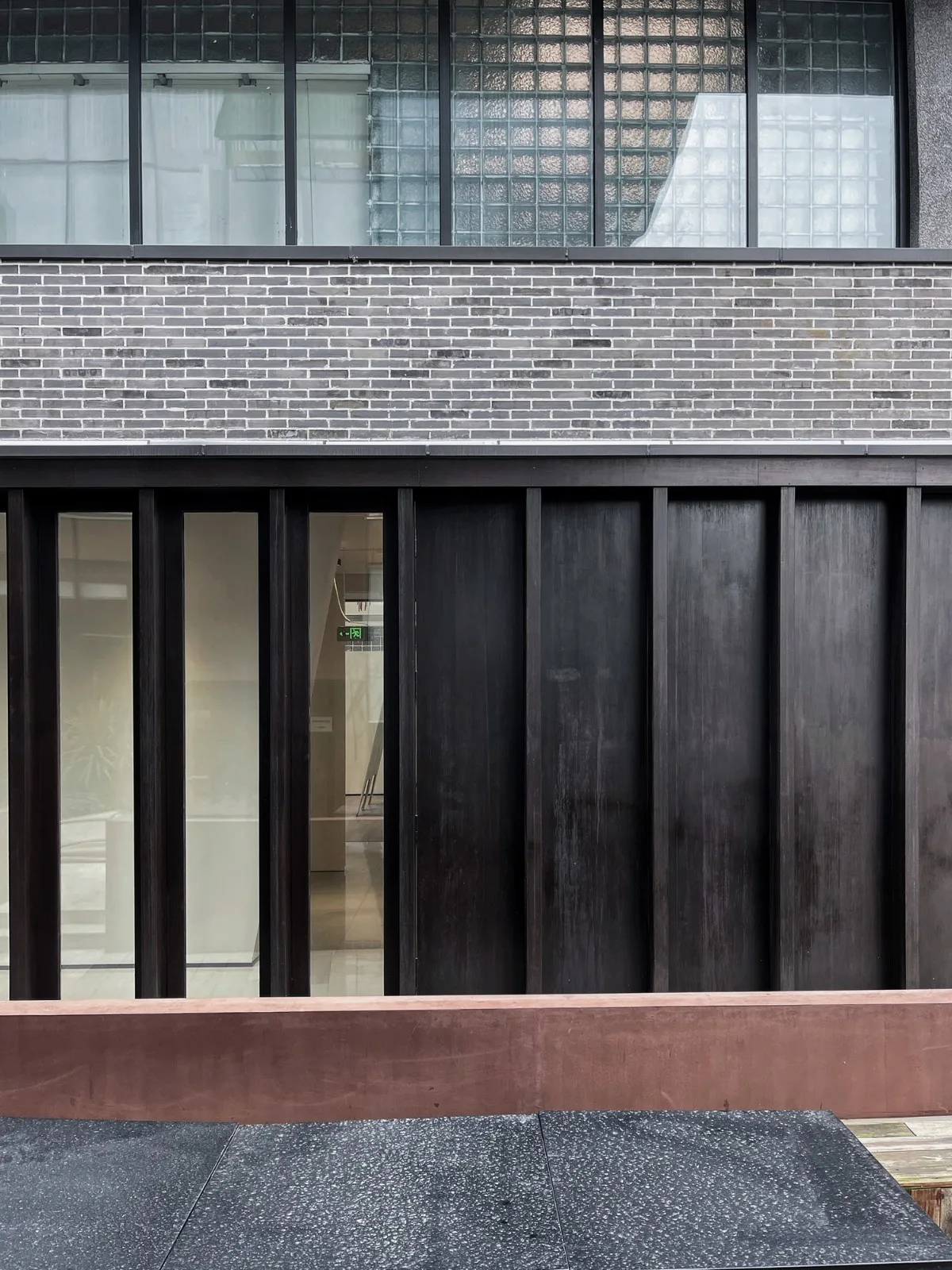
The facade incorporates traditional wooden residential doors that open and close, serving as a transition between the public street and the private courtyard, enriching the spatial experience. Finally, the combined “Chongluan Roof” covers the structure, aiming to evoke an artistic and cultural ambiance reminiscent of urban mountain living.
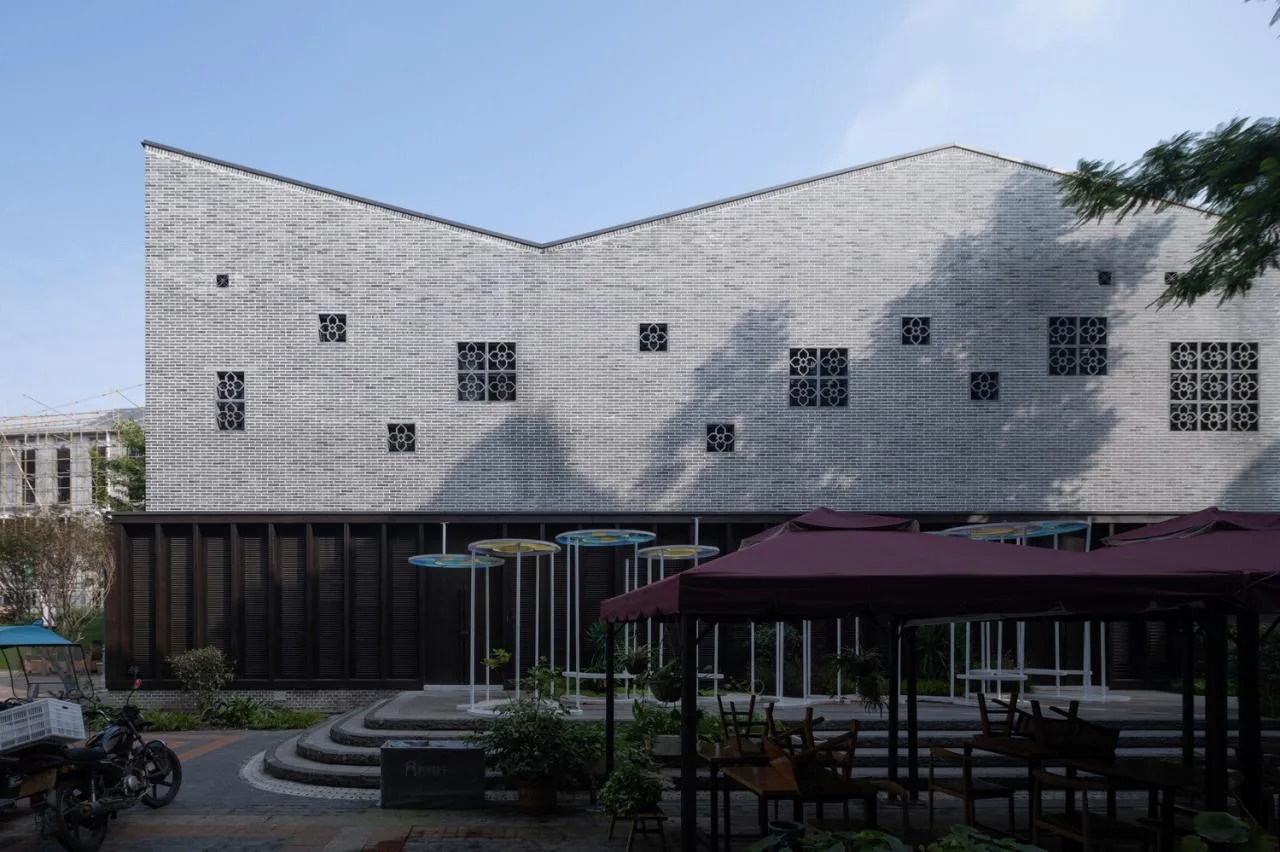
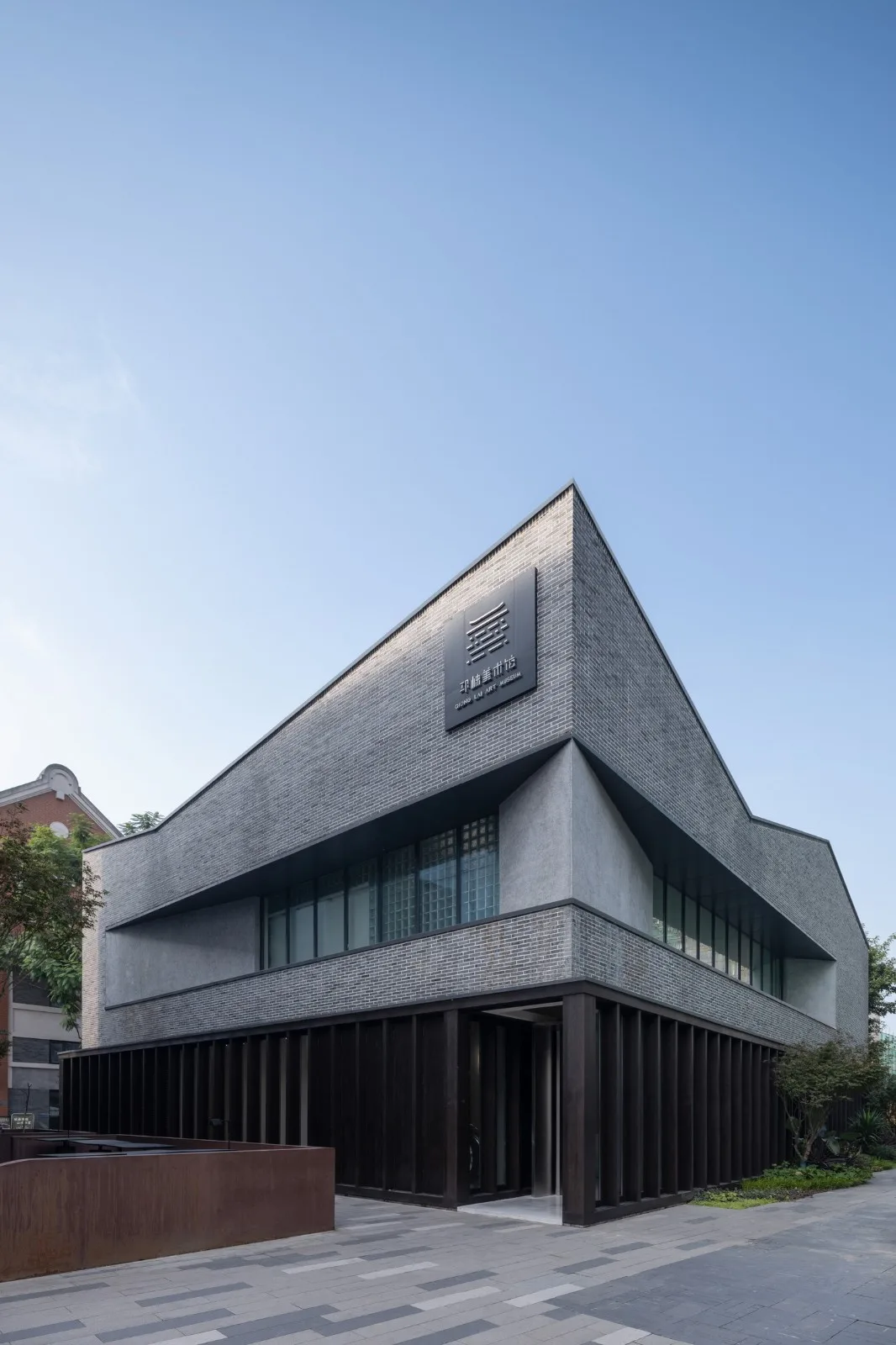
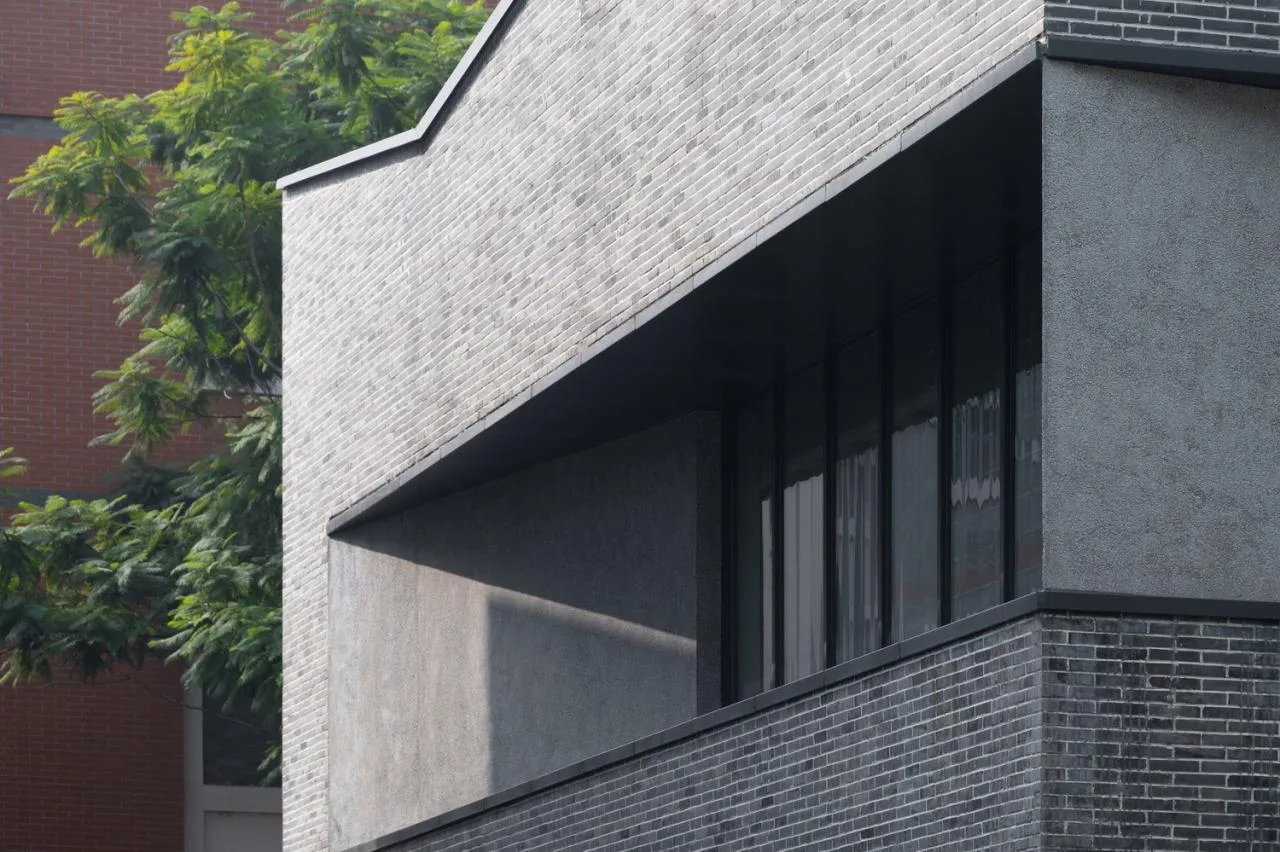
Due to construction constraints, the exterior facade features a double-layer wall structure, while the roof uses a folded beam system. This design achieves a solid, heavy wall presence and a layered, undulating roof, paying homage to the traditional aesthetics of ancient architecture.
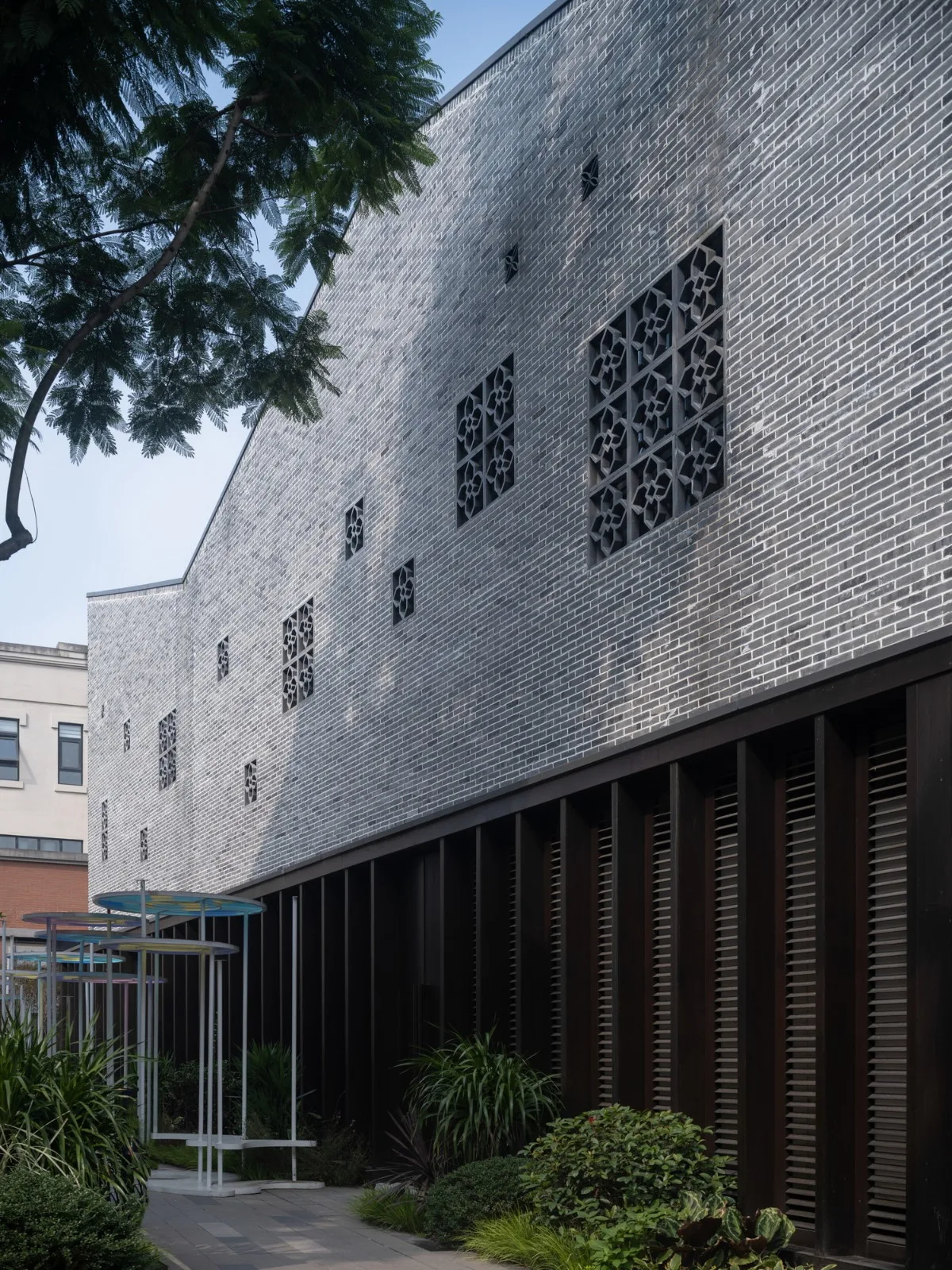
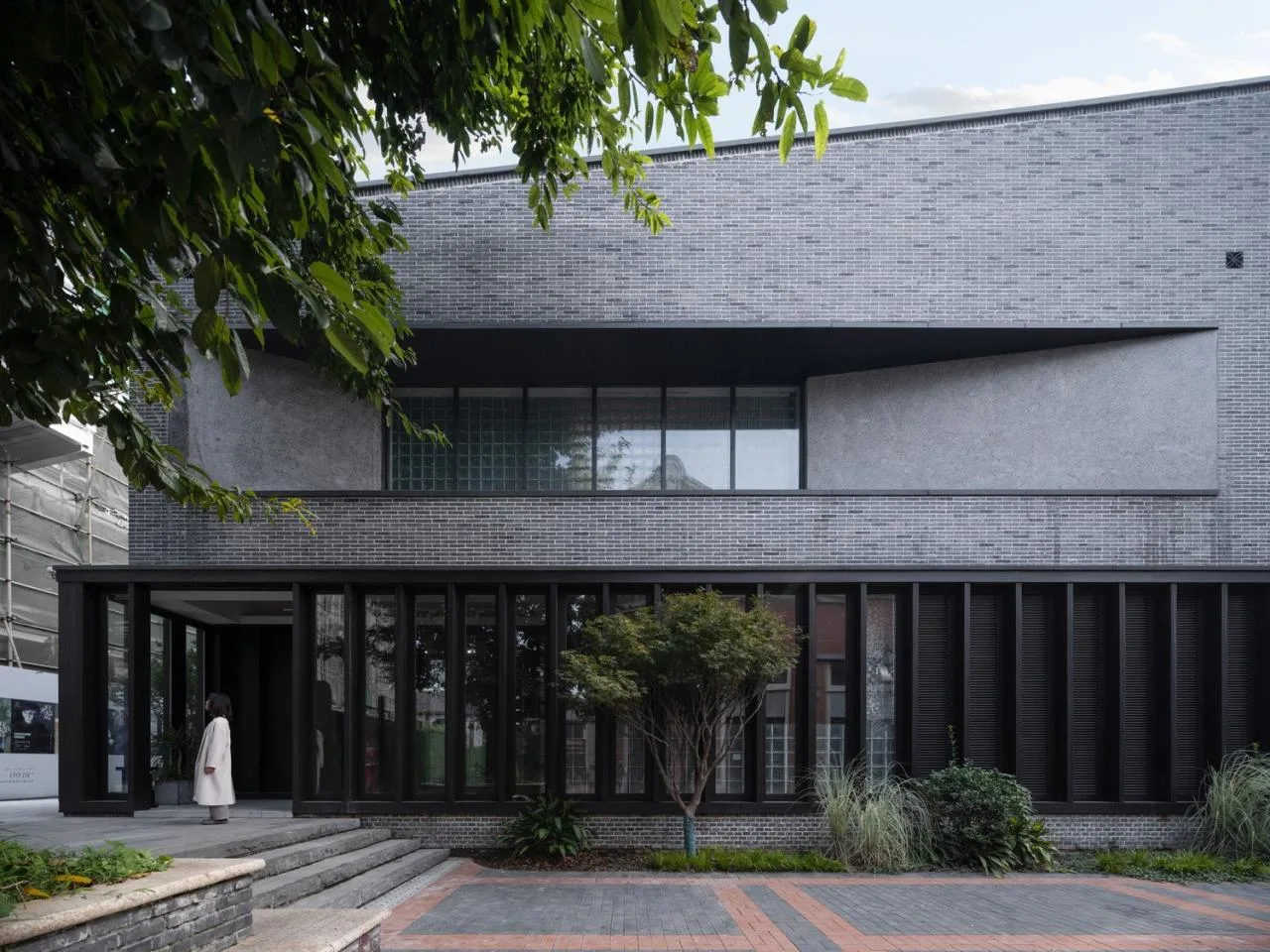
The facade blends modern materials with traditional elements, creating a striking contrast between old and new that reflects the passage of time. The first floor features operable heavy bamboo screens, echoing traditional wooden doors while connecting with nature. These screens filter natural light, creating a warm interior atmosphere.
The two-story exterior walls incorporate recycled green bricks, continuing the traditional aesthetic. Three glass curtain walls face the alley and the east-west square, complemented by recessed water-brushed stone walls that focus sightlines. Given the close proximity of northern neighboring buildings, concrete window panels are added to enhance the facade’s character. The roof is covered with small green tiles arranged in layered, undulating patterns. Together, the green brick texture, bamboo lattices, and green tiles preserve the cultural and ancient charm of the old city.
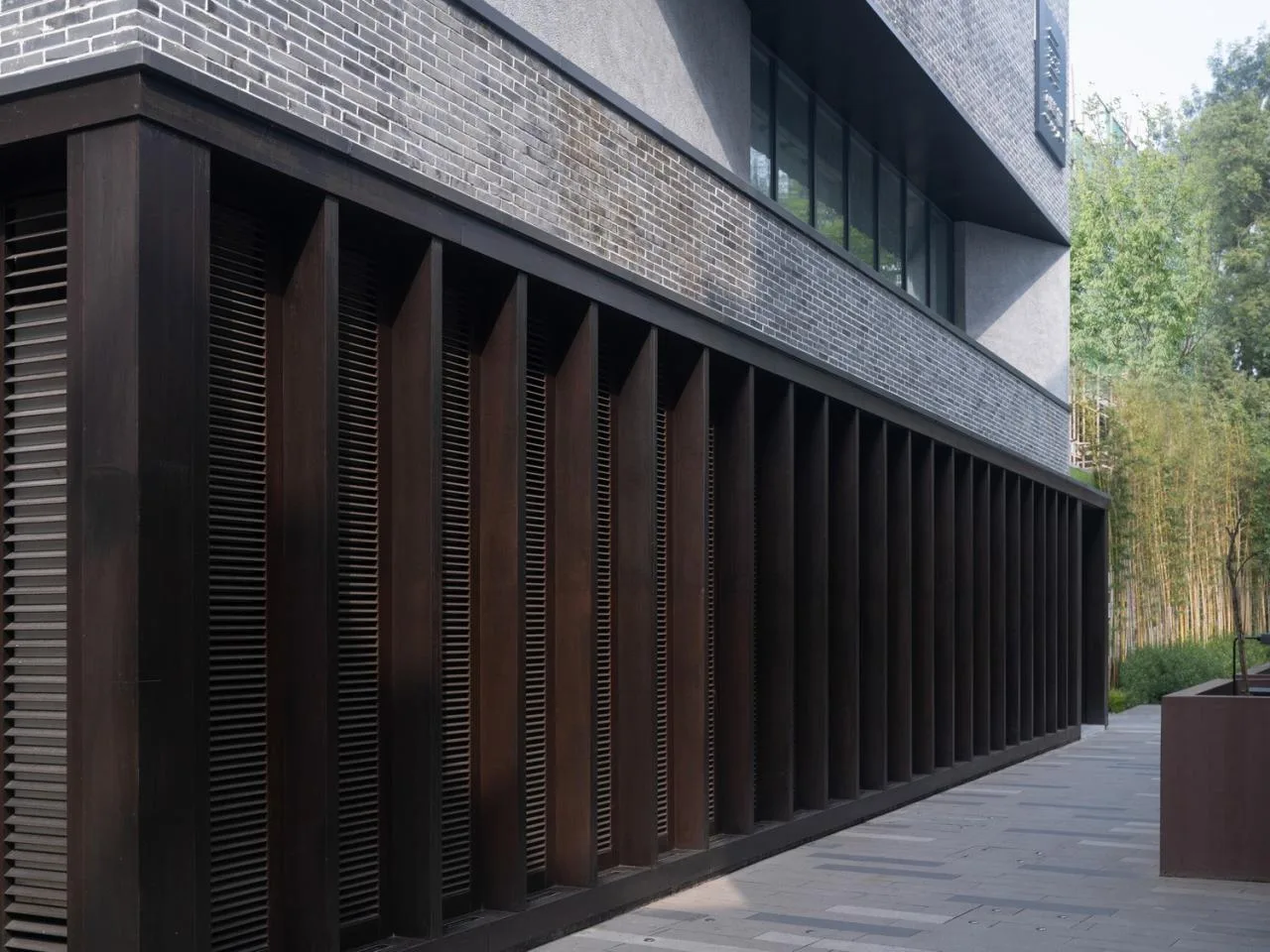
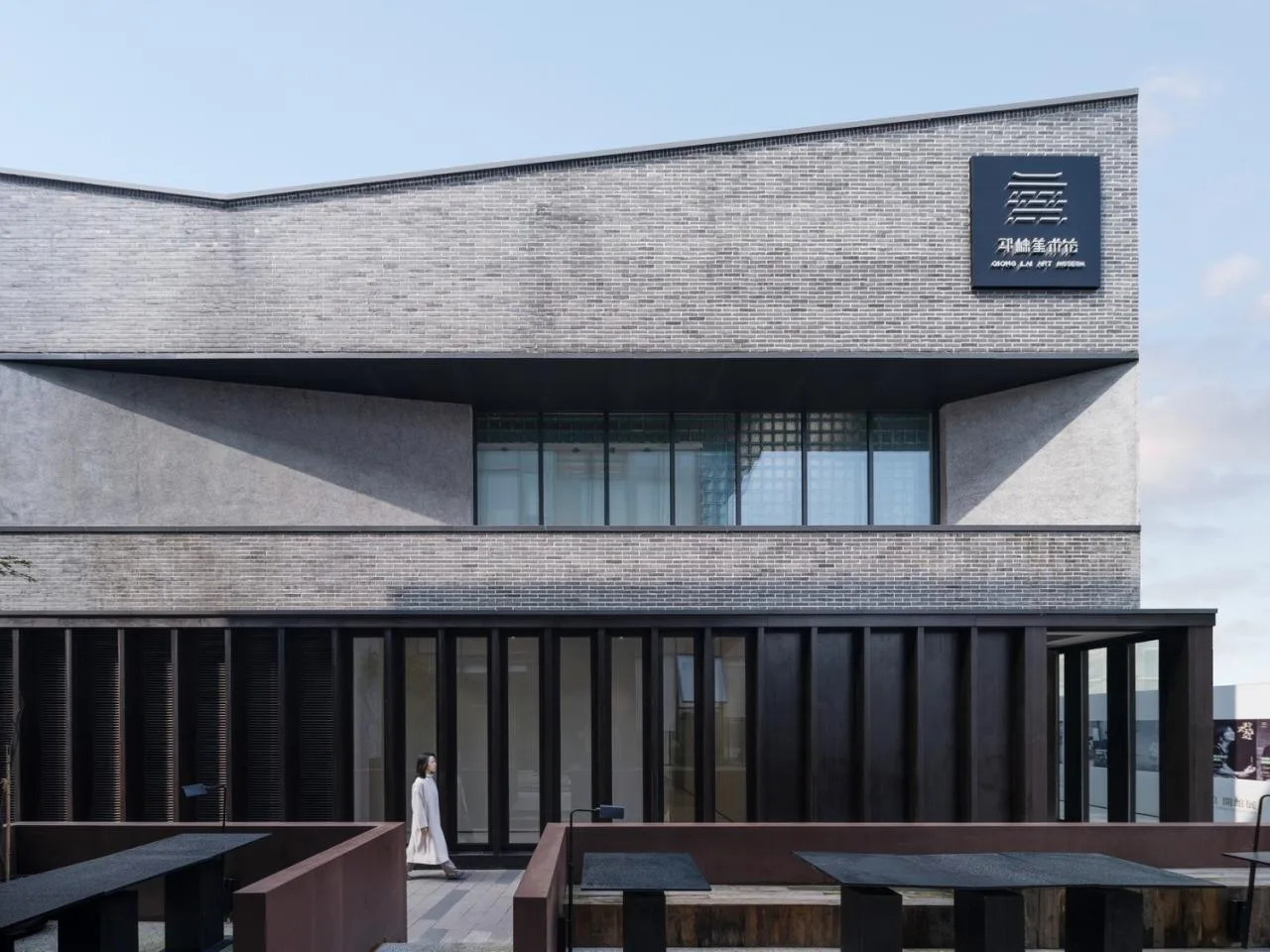
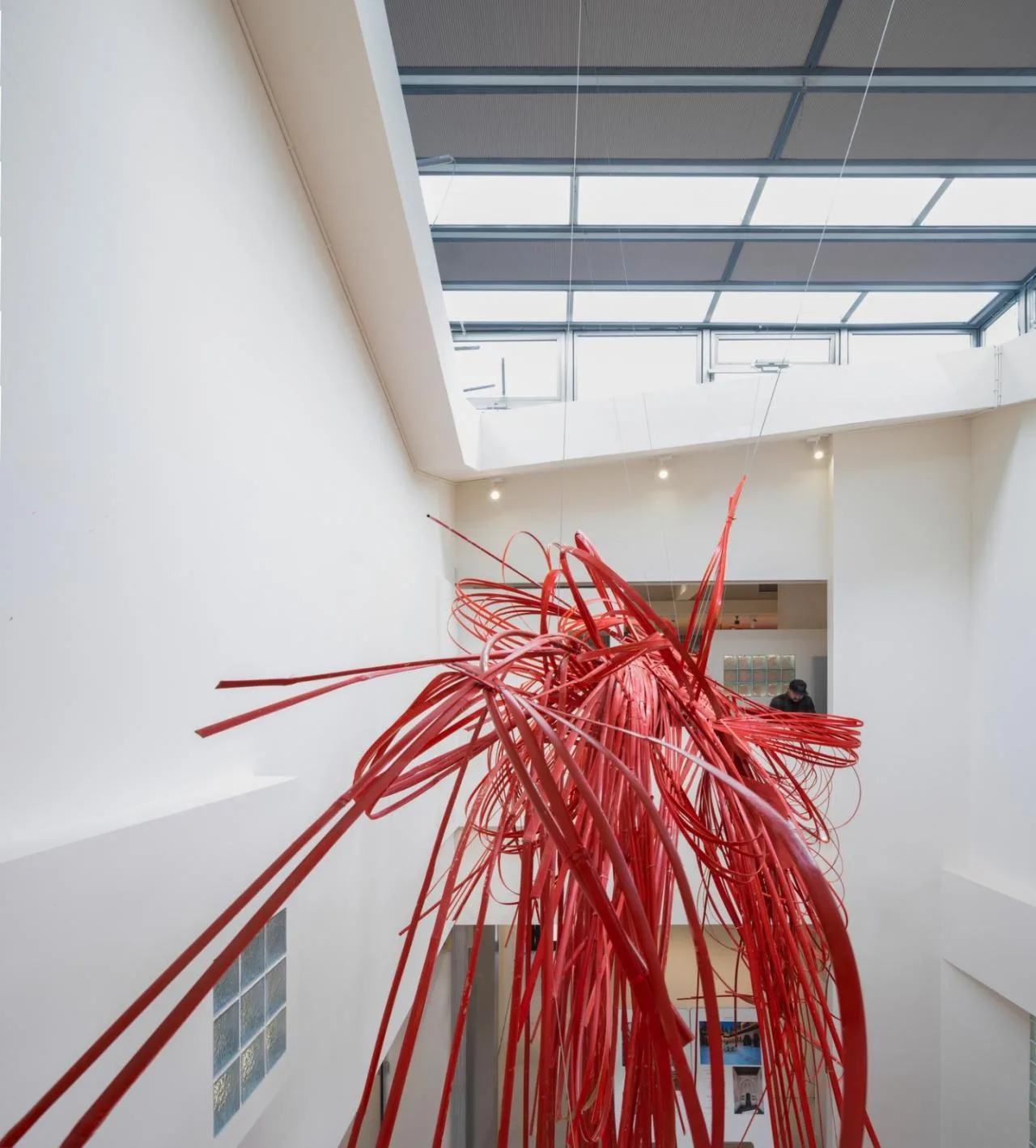
Inside, the courtyard serves as the focal point around which functional spaces are organized. The inner side of the first floor houses logistics and support rooms, while other key areas and the second floor provide spacious exhibition spaces for the art museum, allowing for rich artistic expression.
The interior design embraces the concept of “mountain shapes and water motifs,” aligning with the architectural plan to create harmony between interior and exterior spaces. Modern materials are extensively used indoors, fostering an exchange between historical and contemporary cultural imprints, generating a dynamic and innovative atmosphere.
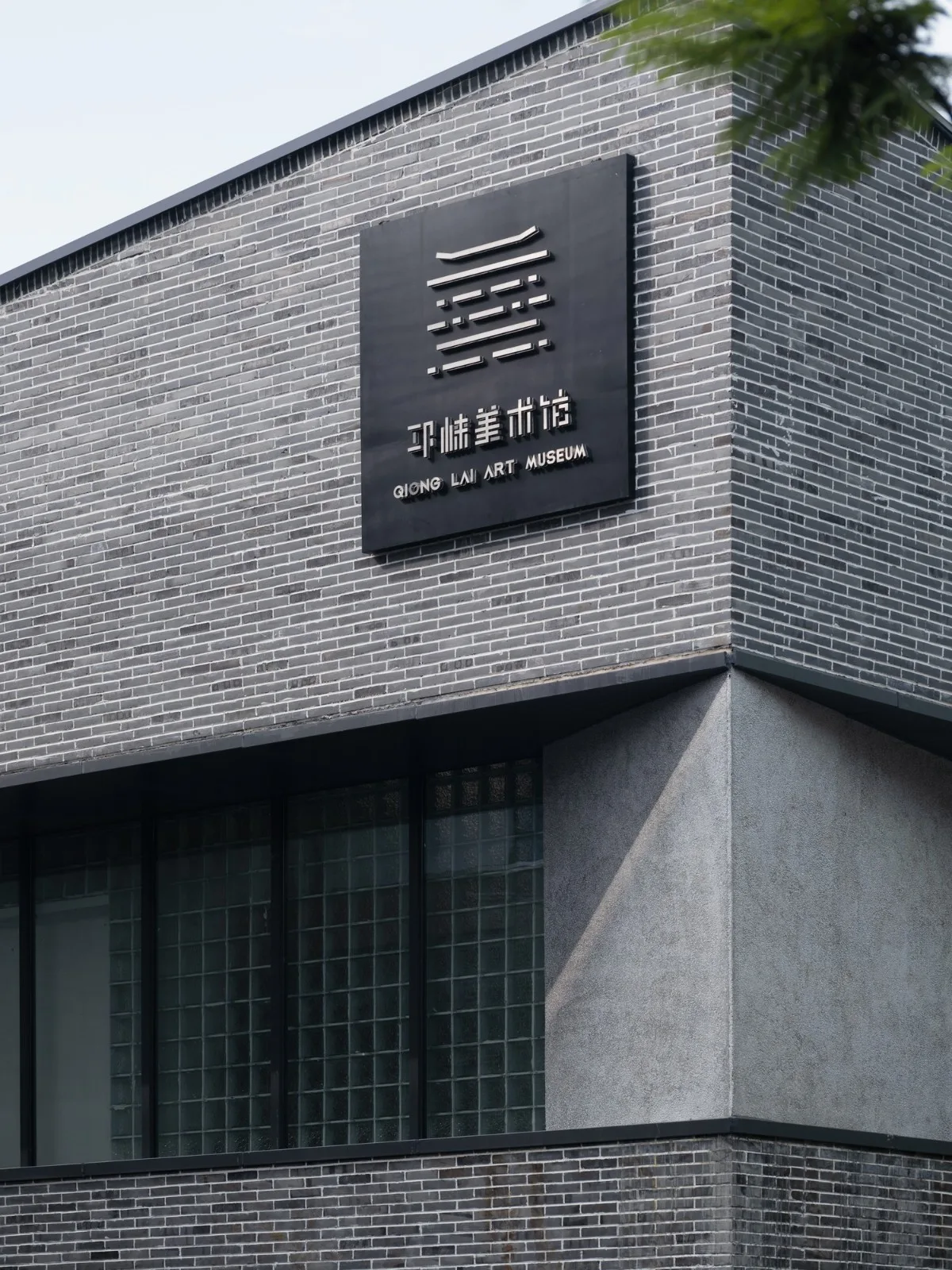
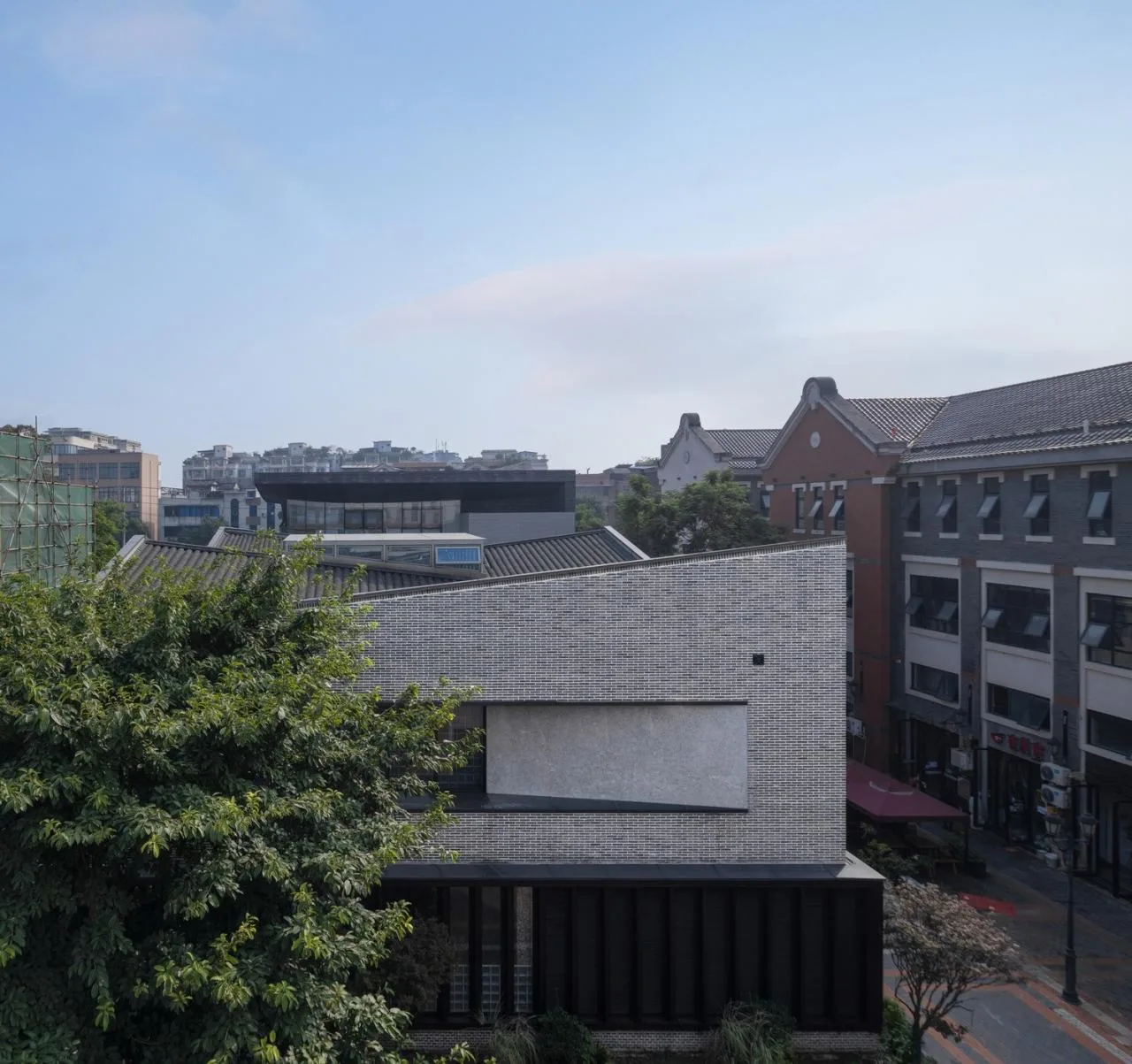
The completion of the Qionglai Art Museum introduces new urban functions to the city, acting as a vessel for historical memory and a platform for art and culture dissemination. We hope that Wenwenfang will preserve and develop the spatial beauty of traditional streets and alleys, guiding and enriching the future lives of local residents.
This approach aims to revitalize historic districts within the old city, welcoming external cultural influences while nurturing local heritage. Over time, this will cultivate a unique culture that harmoniously blends the ancient with the modern.
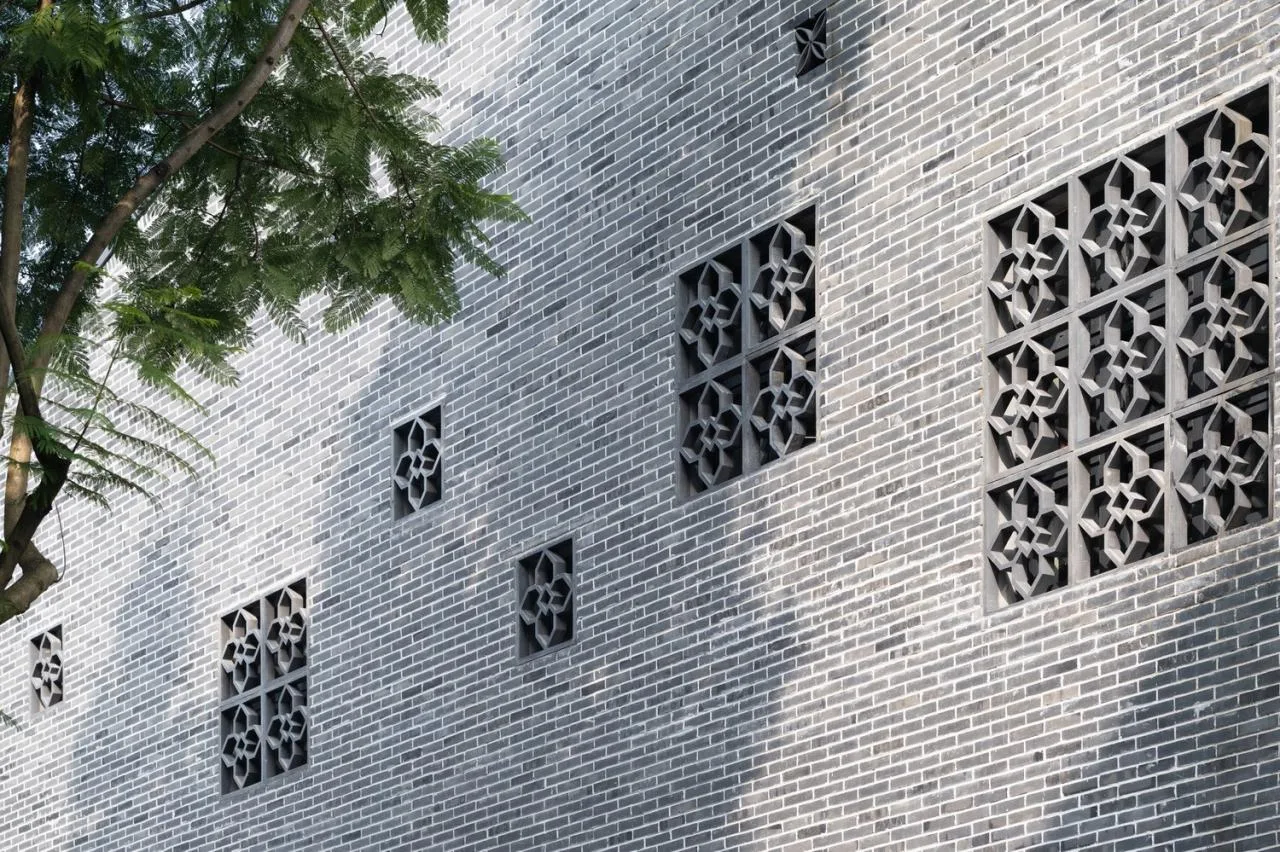
Project Drawings
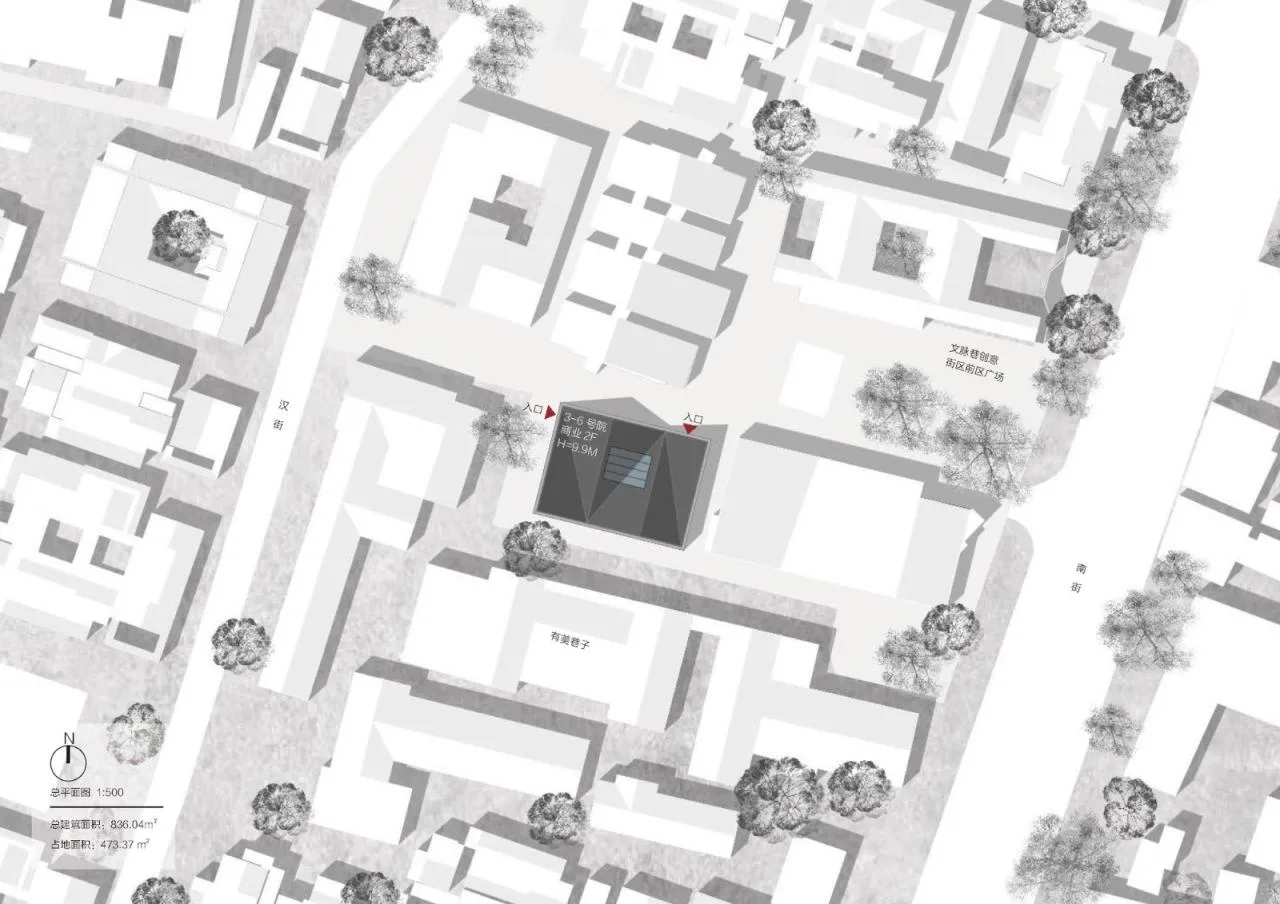
△ General Layout Plan
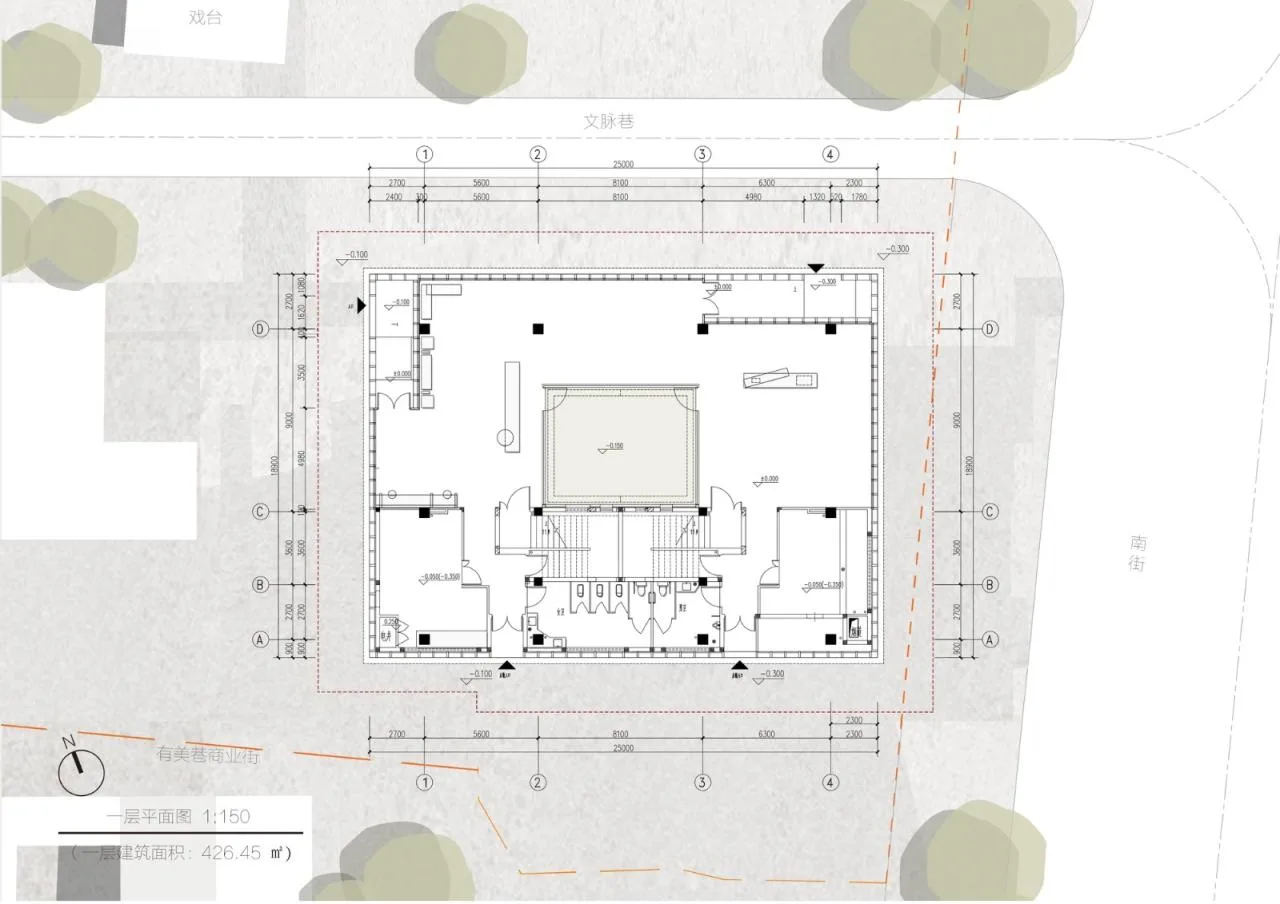
△ First Floor Plan
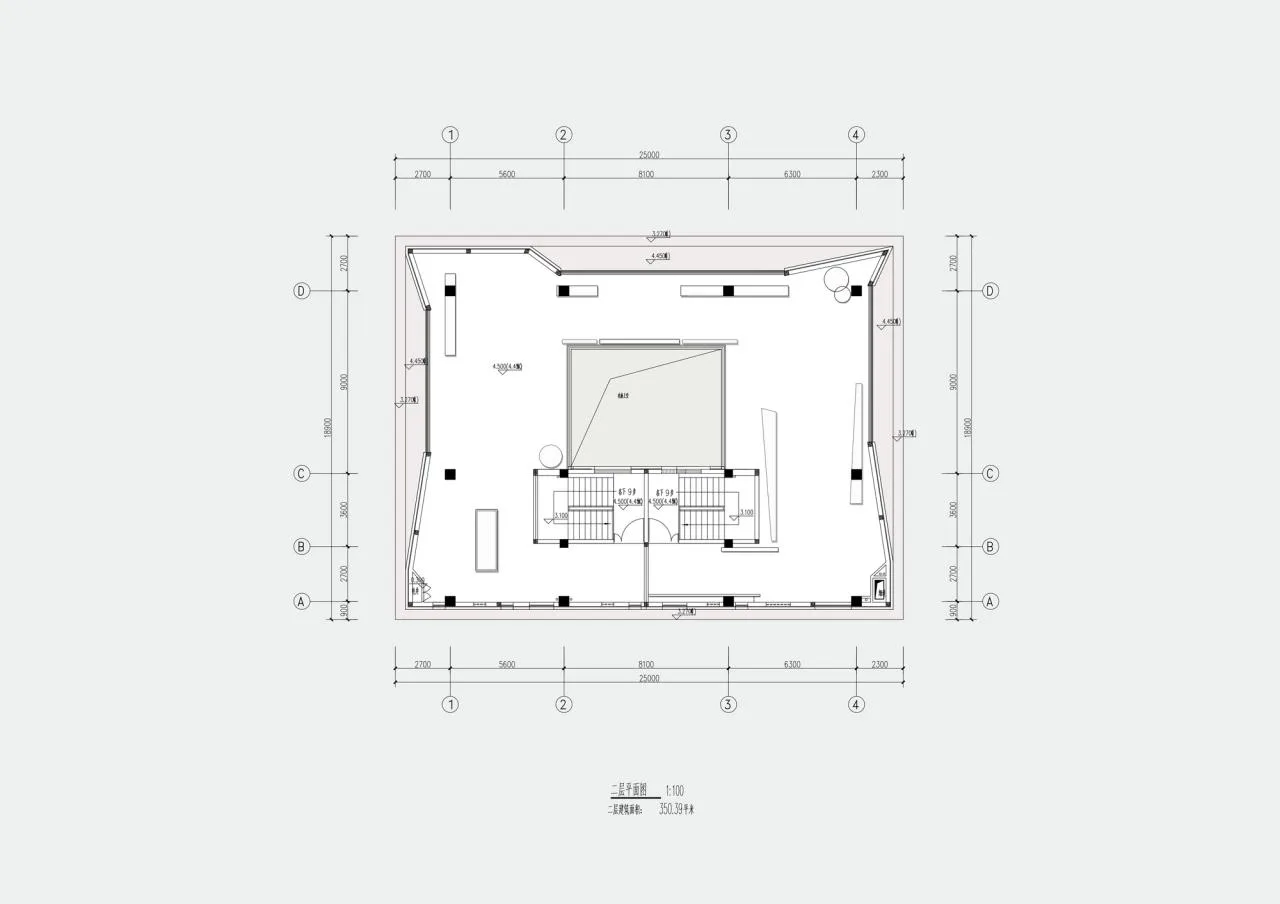
△ Second Floor Plan
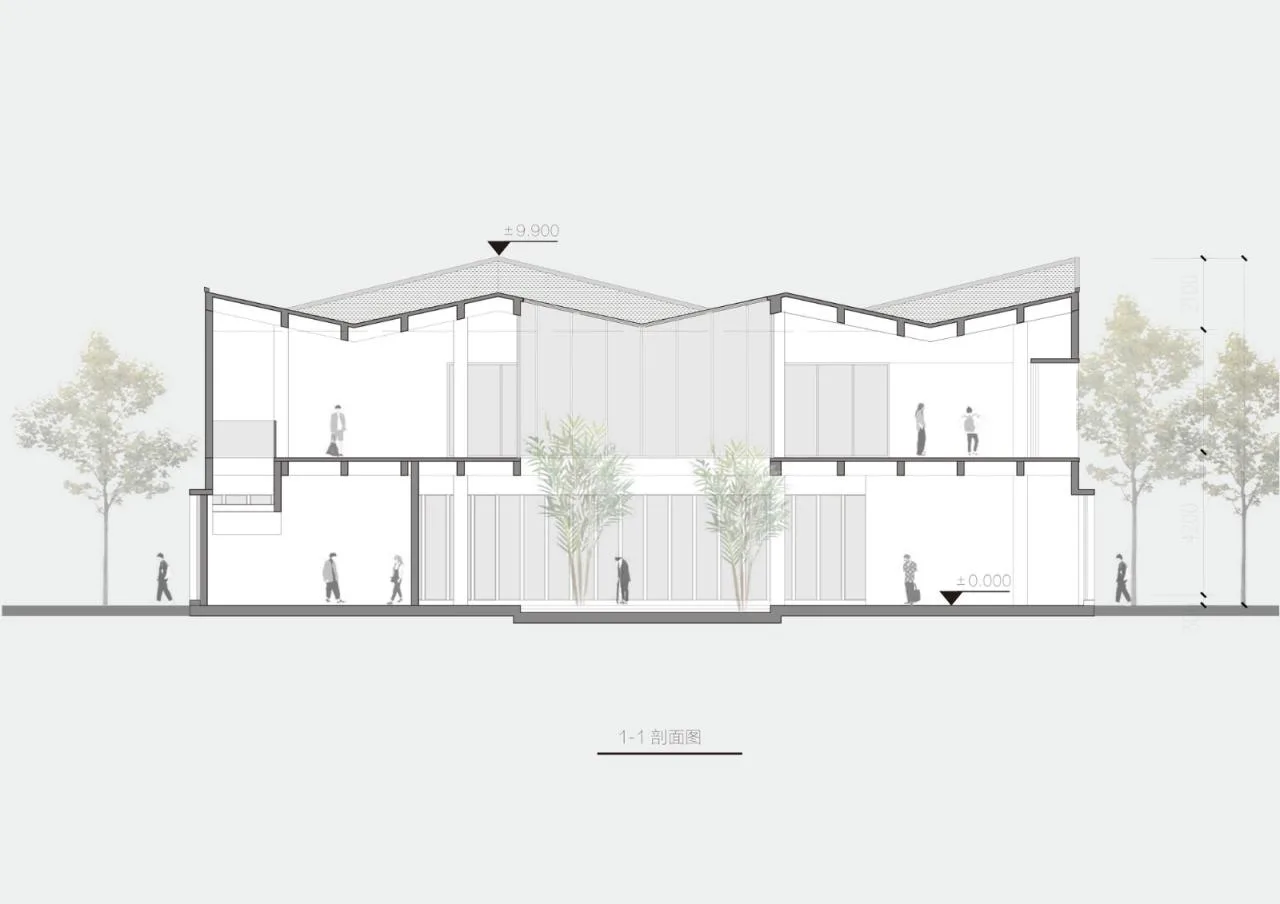
△ Section Diagram
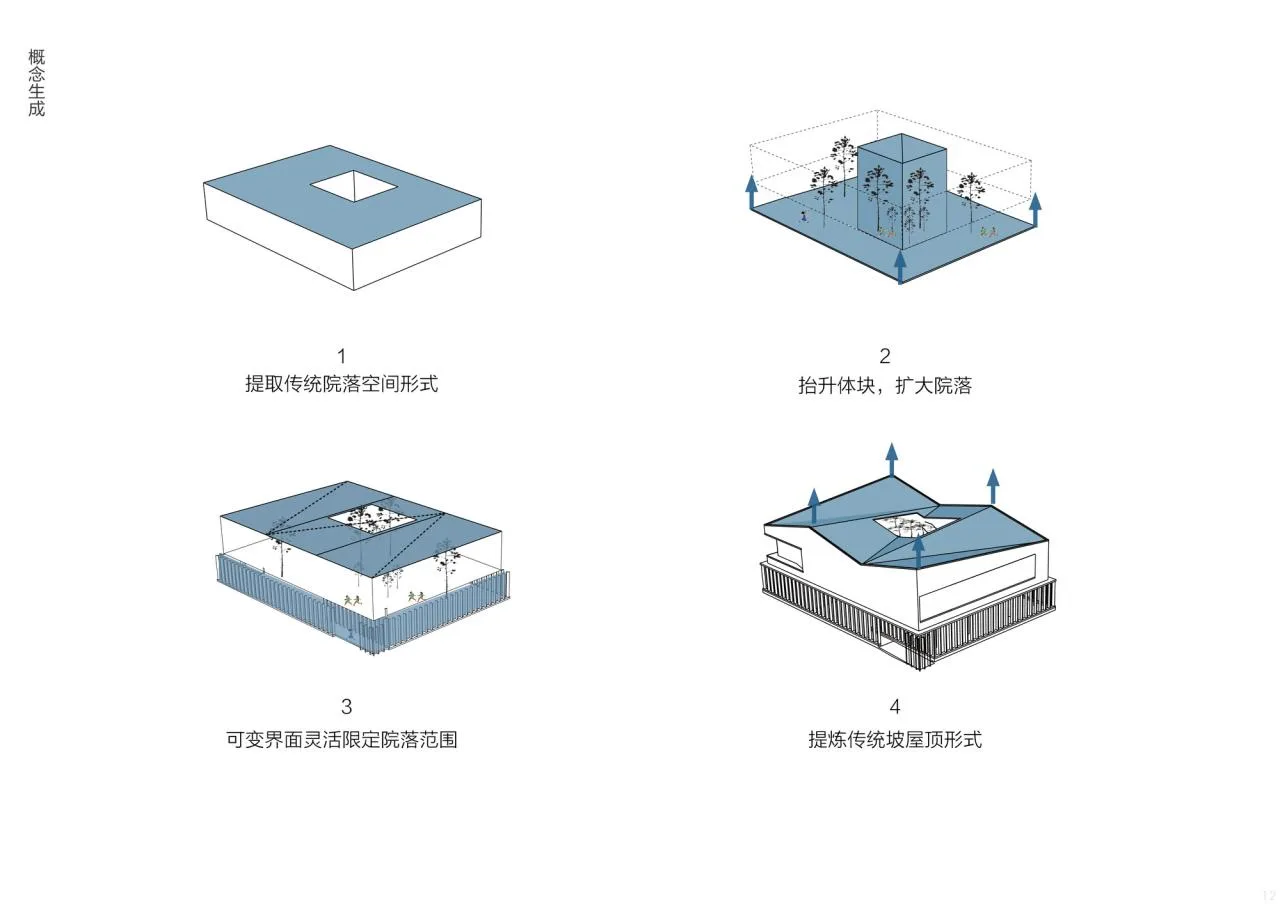
△ Concept Generation Diagram
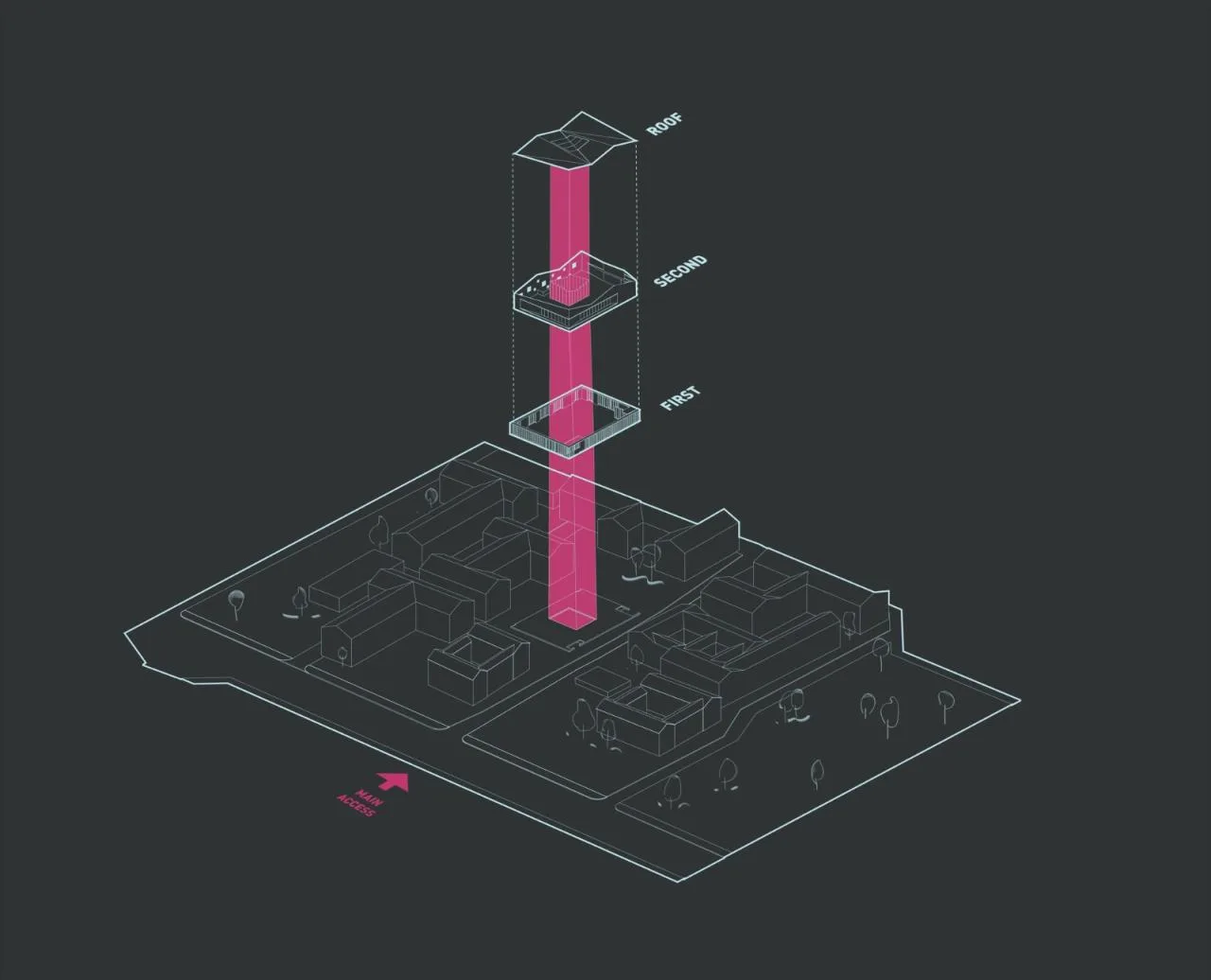
△ Spatial Integration
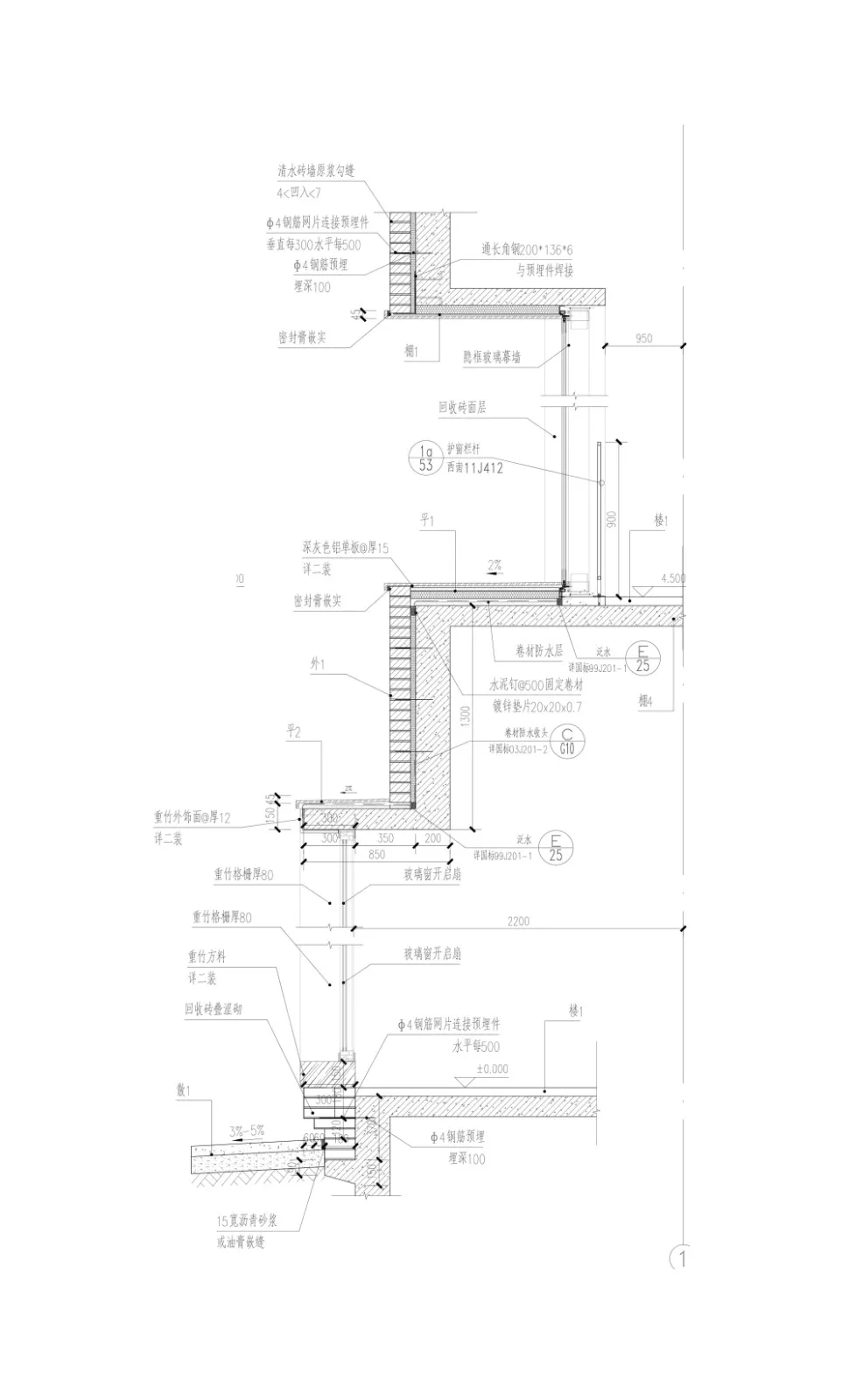
△ Detailed Drawing
Project Information
Architectural Design: REL Architects
Area: 776 square meters
Project Year: 2021
Photographer: Existence of Architecture
Manufacturer: Xuancheng Hongyu Bamboo Industry Co., LTD
Structural Design: Chen Bing
Client: Chengdu Wenhua Tourism Development Co., Ltd
Interior Design: Yanqi (Beijing) Interior Architecture Design Co., Ltd
Landscape Design: Chengdu Inheritance Landscape Planning and Design Co., Ltd
Construction: China 19th Metallurgical Group Corporation (Construction) / Sichuan Xinqiong Construction Co., Ltd. (Interior Construction)
Location: Chengdu, China












Must log in before commenting!
Sign Up