
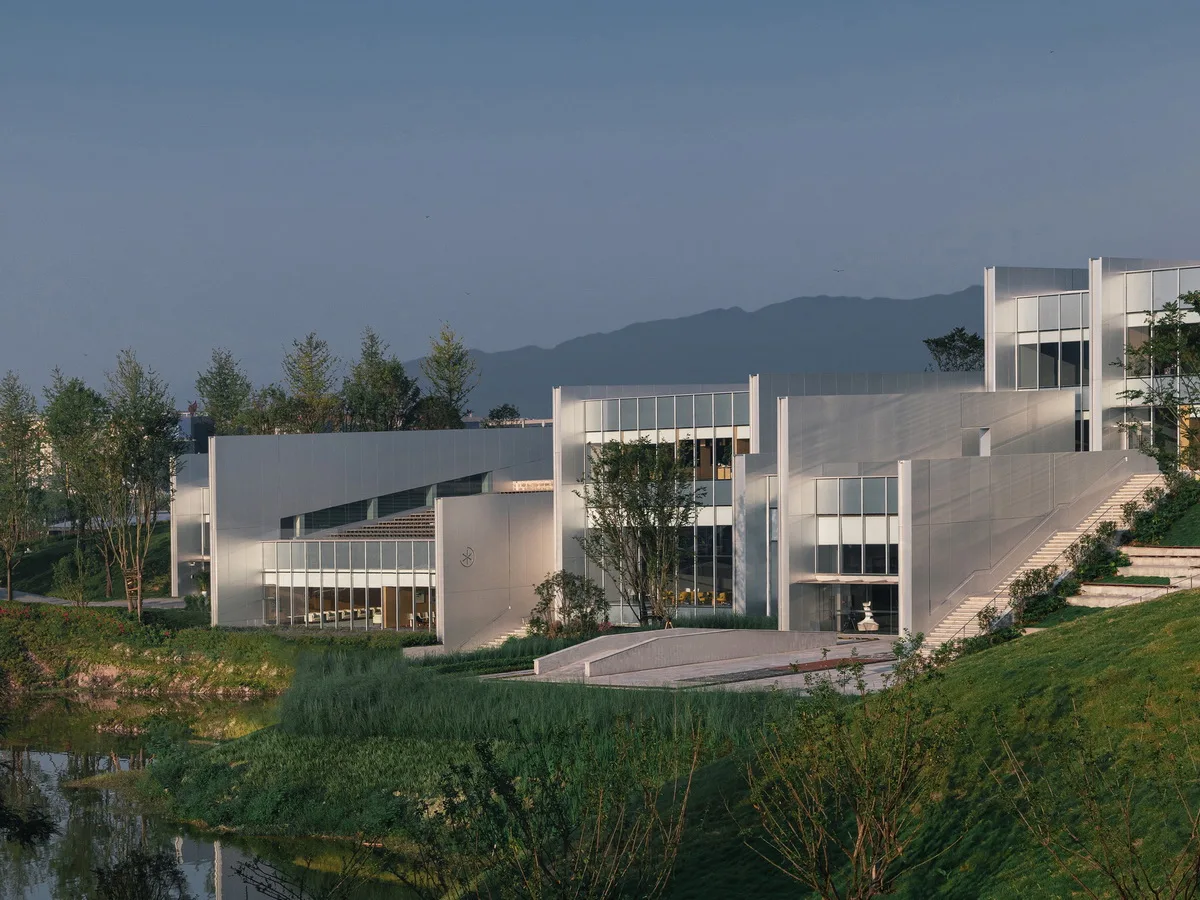
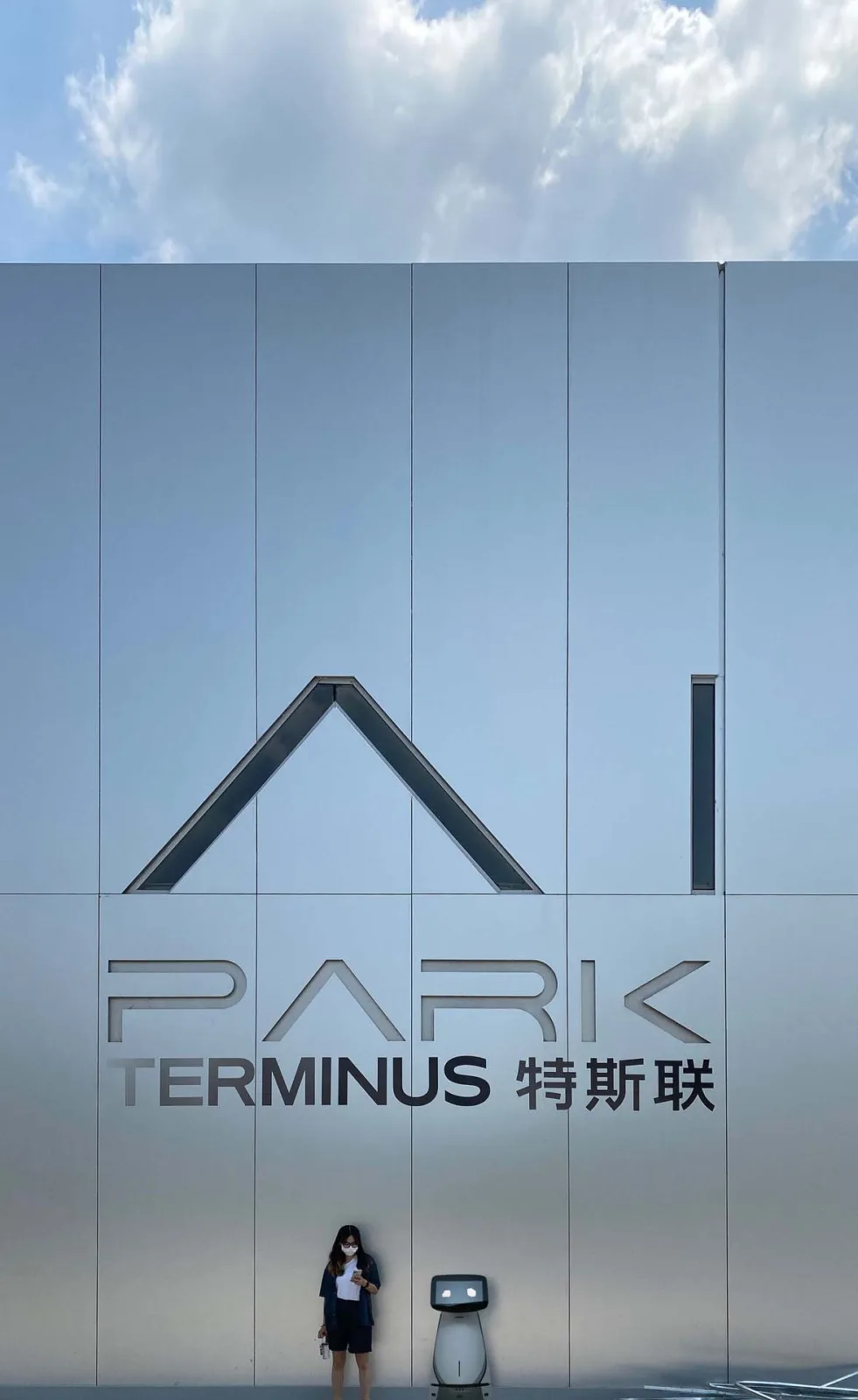
AI PARK is an artificial intelligence city pilot zone developed by XINGDESIGN Architecture for TERMINUS GROUP. As a unicorn in China’s technology sector, Tesla is dedicated to advancing urban intelligence and aims to become a leading global provider of smart scene services. Serving as the “prologue” to Tesla Future City’s AI CITY, AI PARK functions as an experimental base for future city experiences, research and development testing, and human-robot interaction.
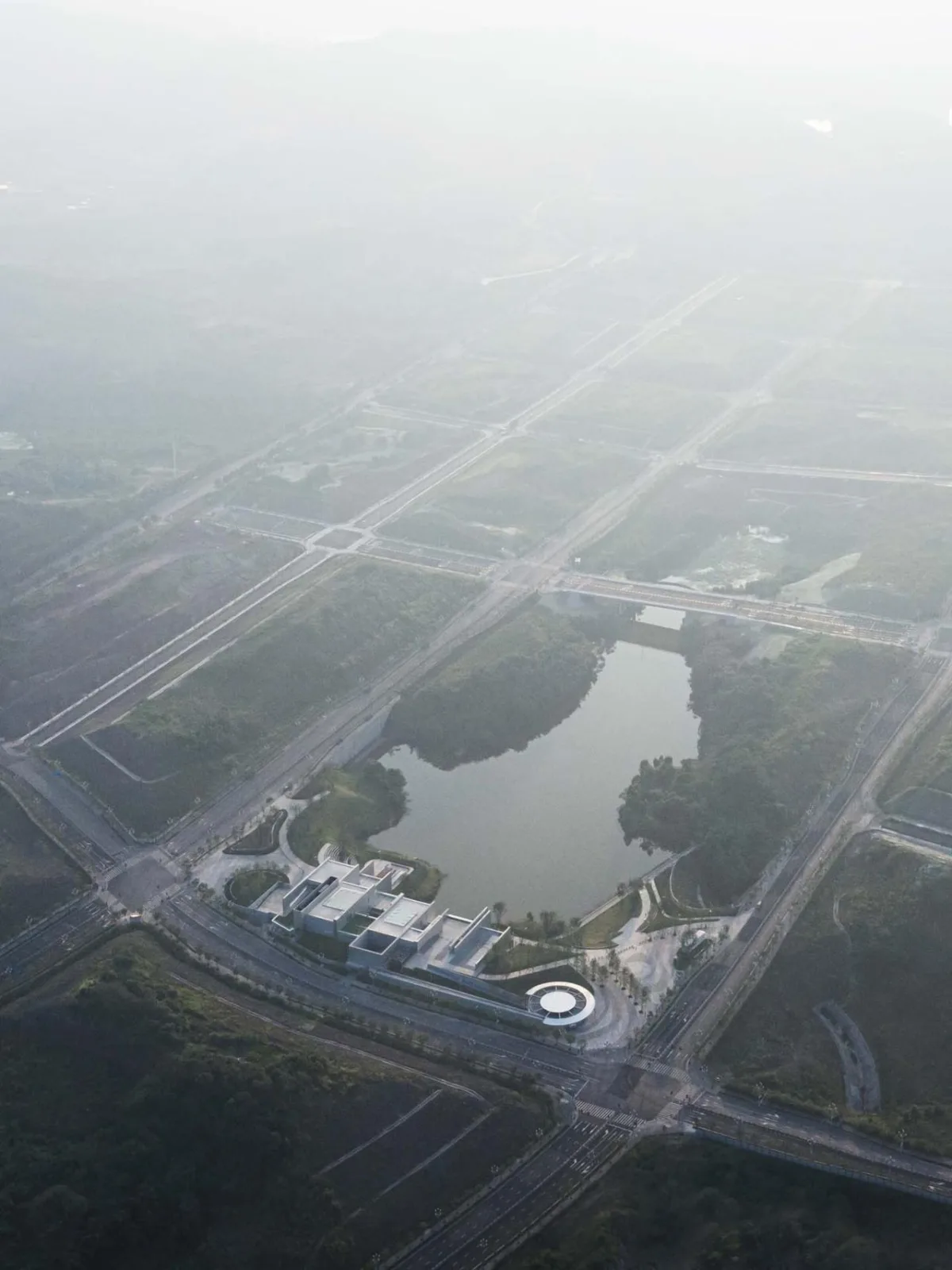
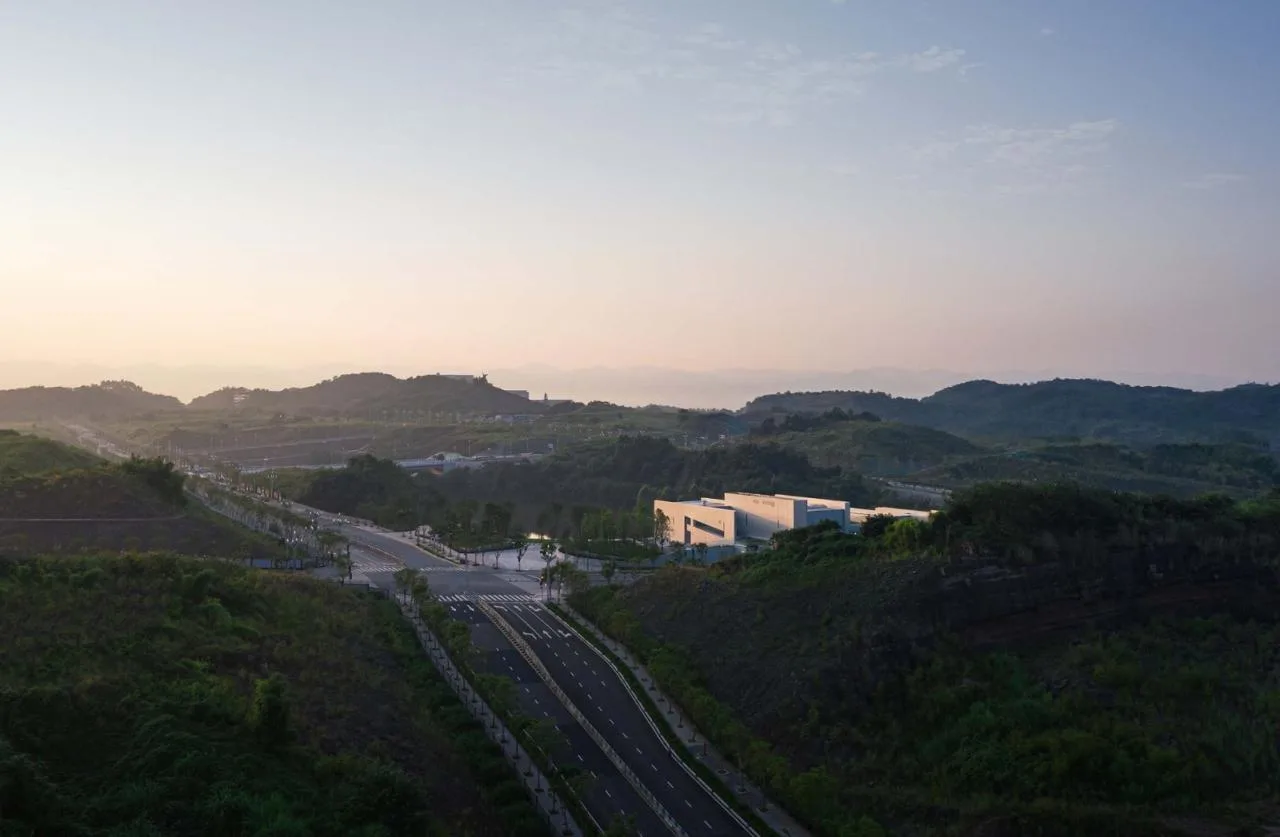
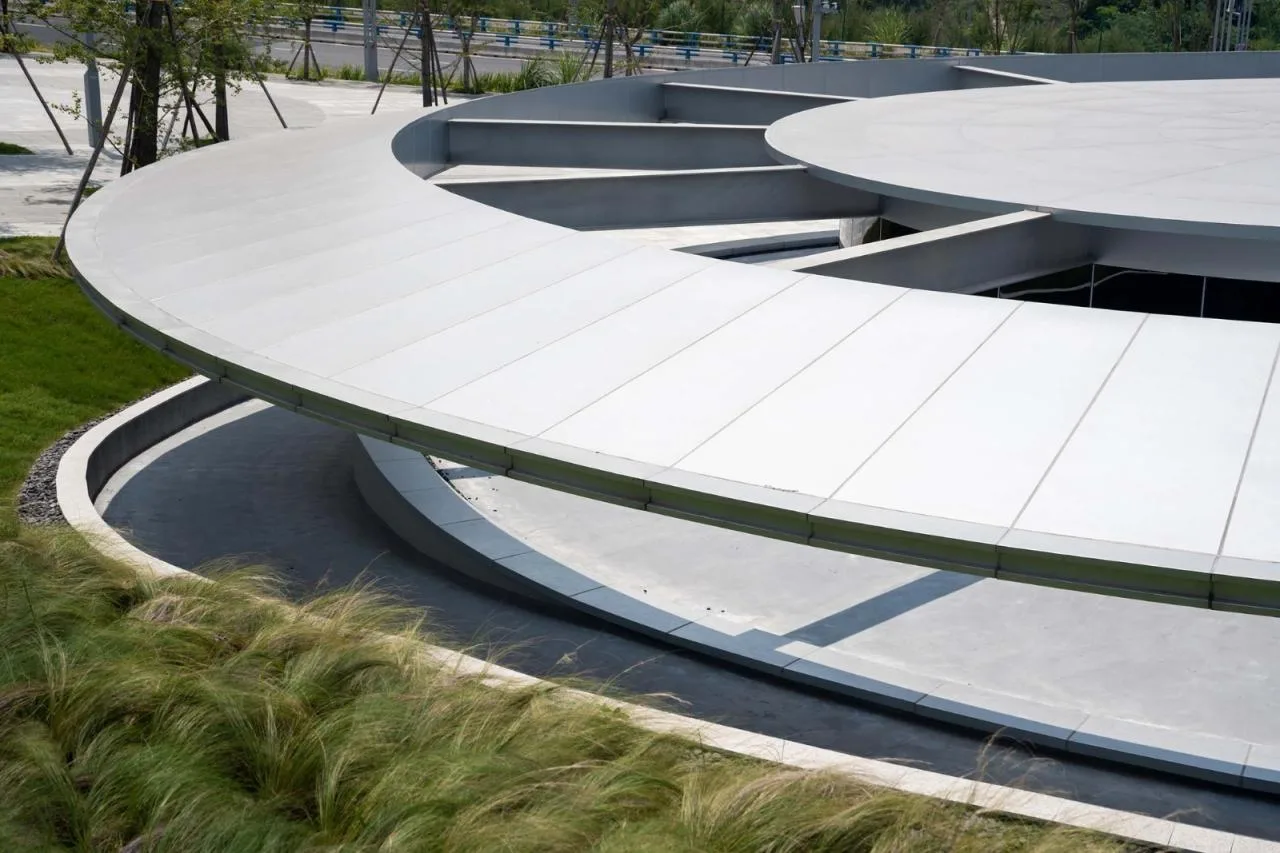
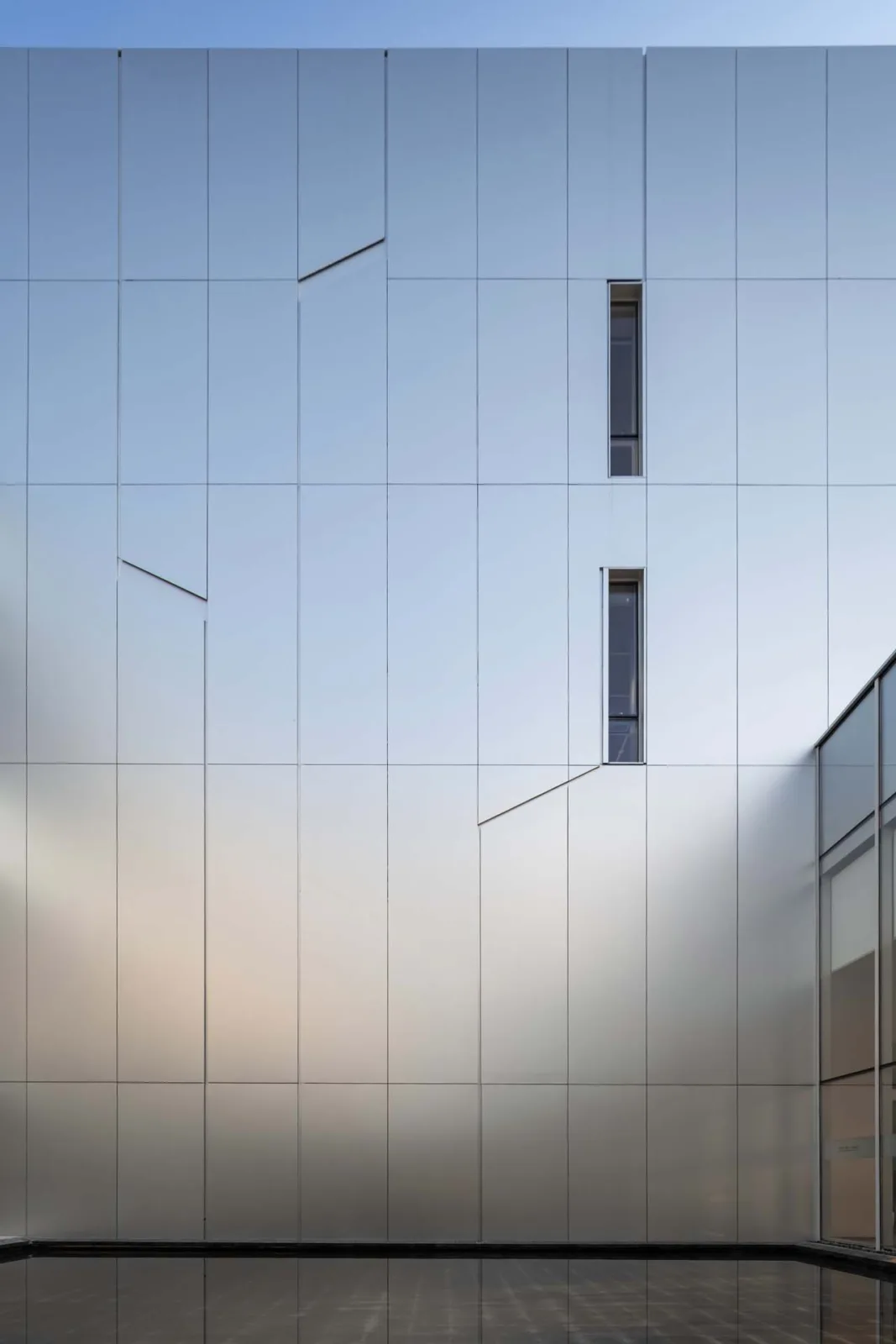
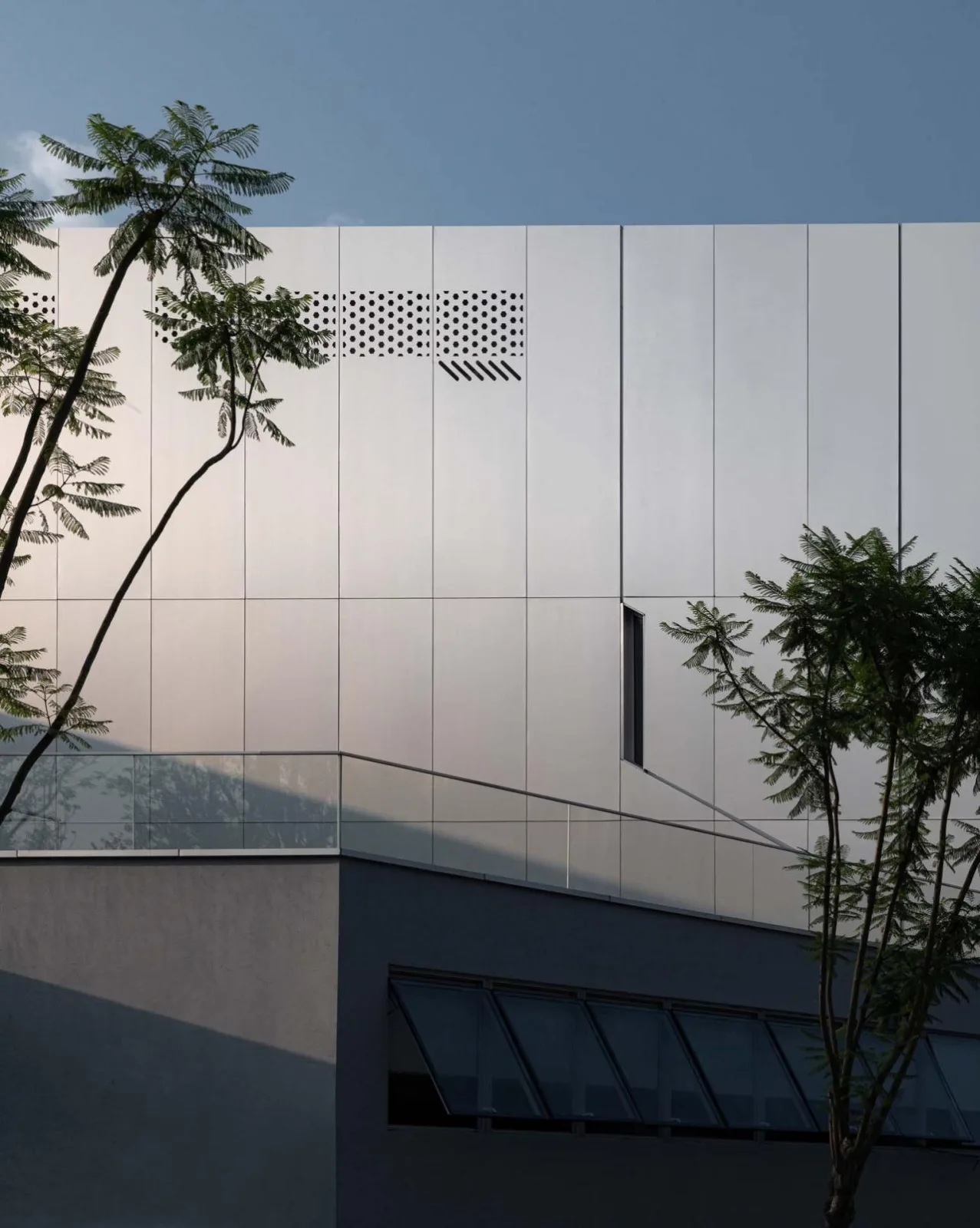
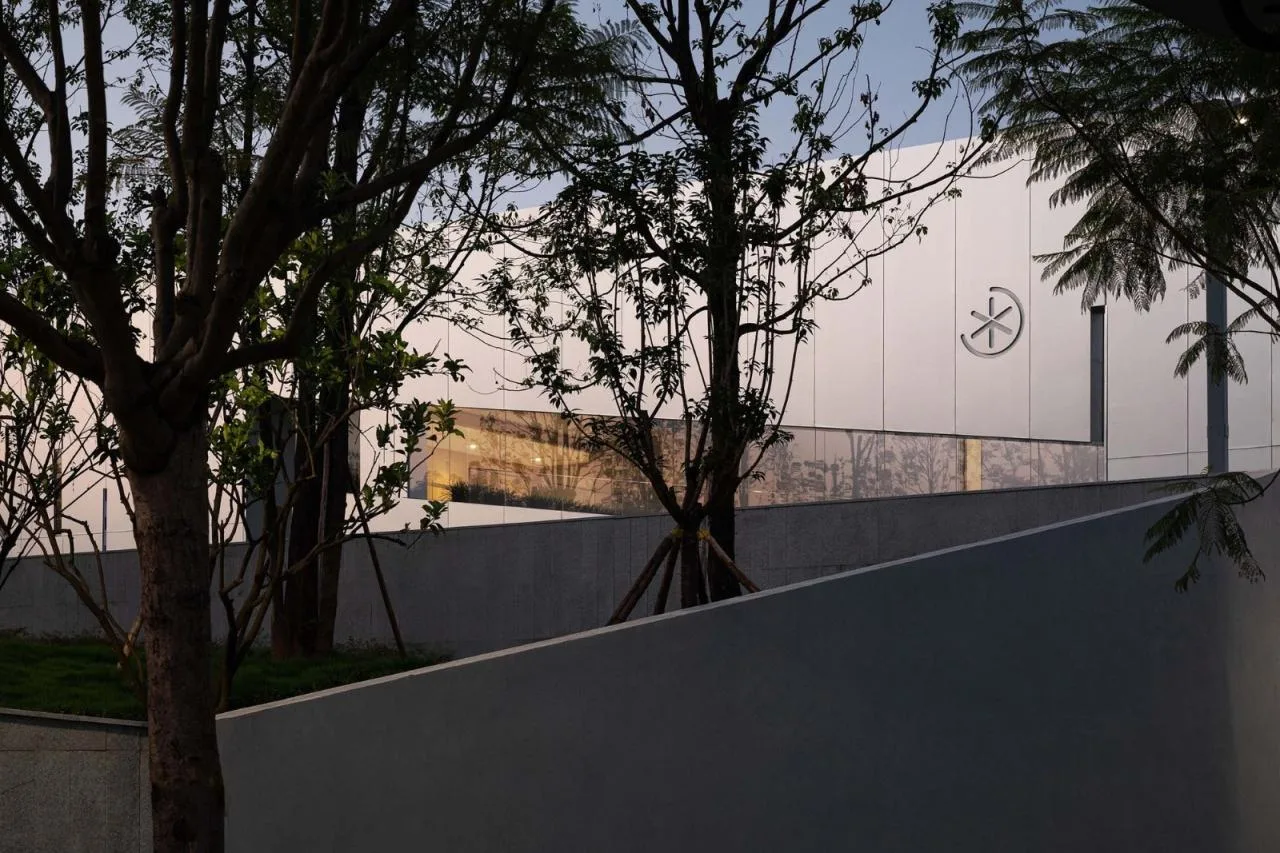
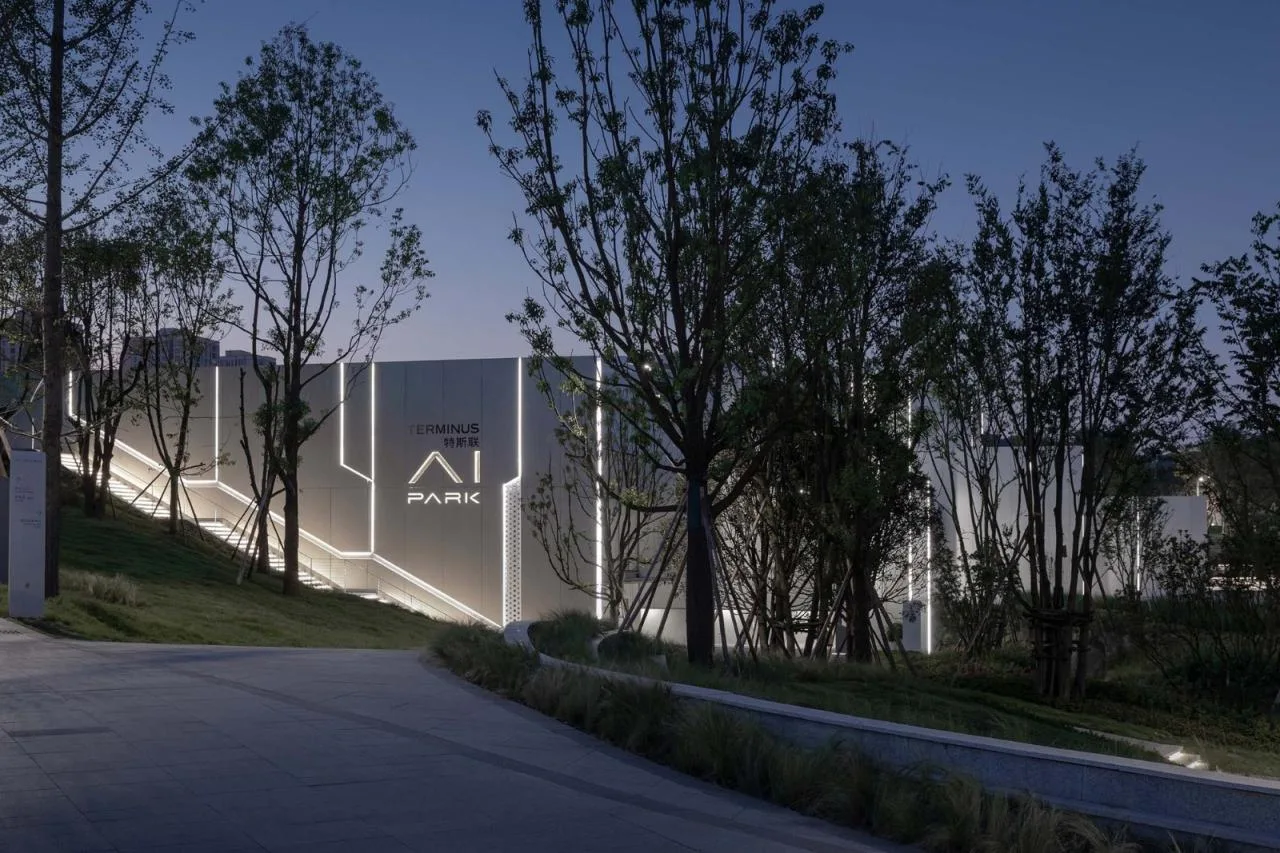
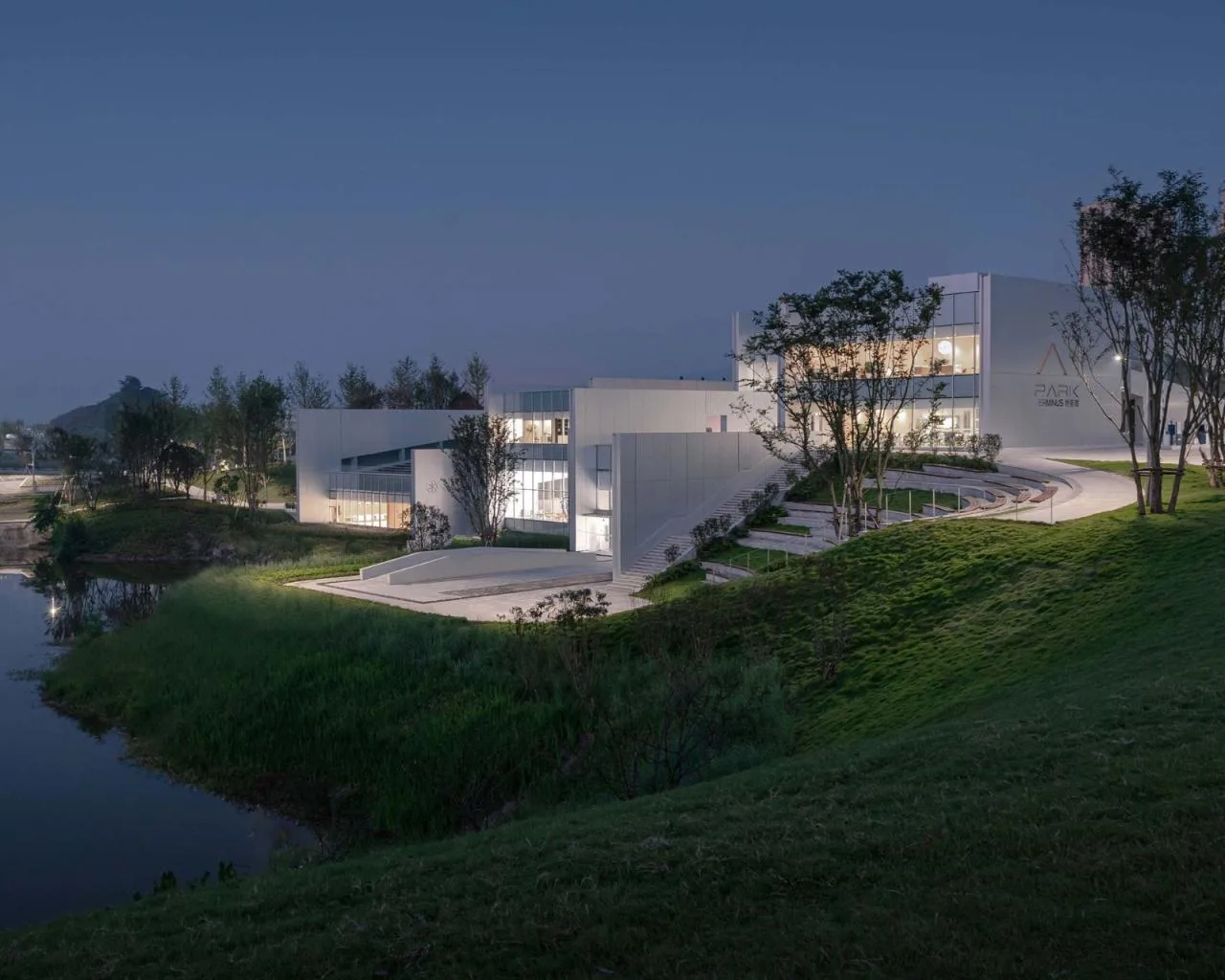
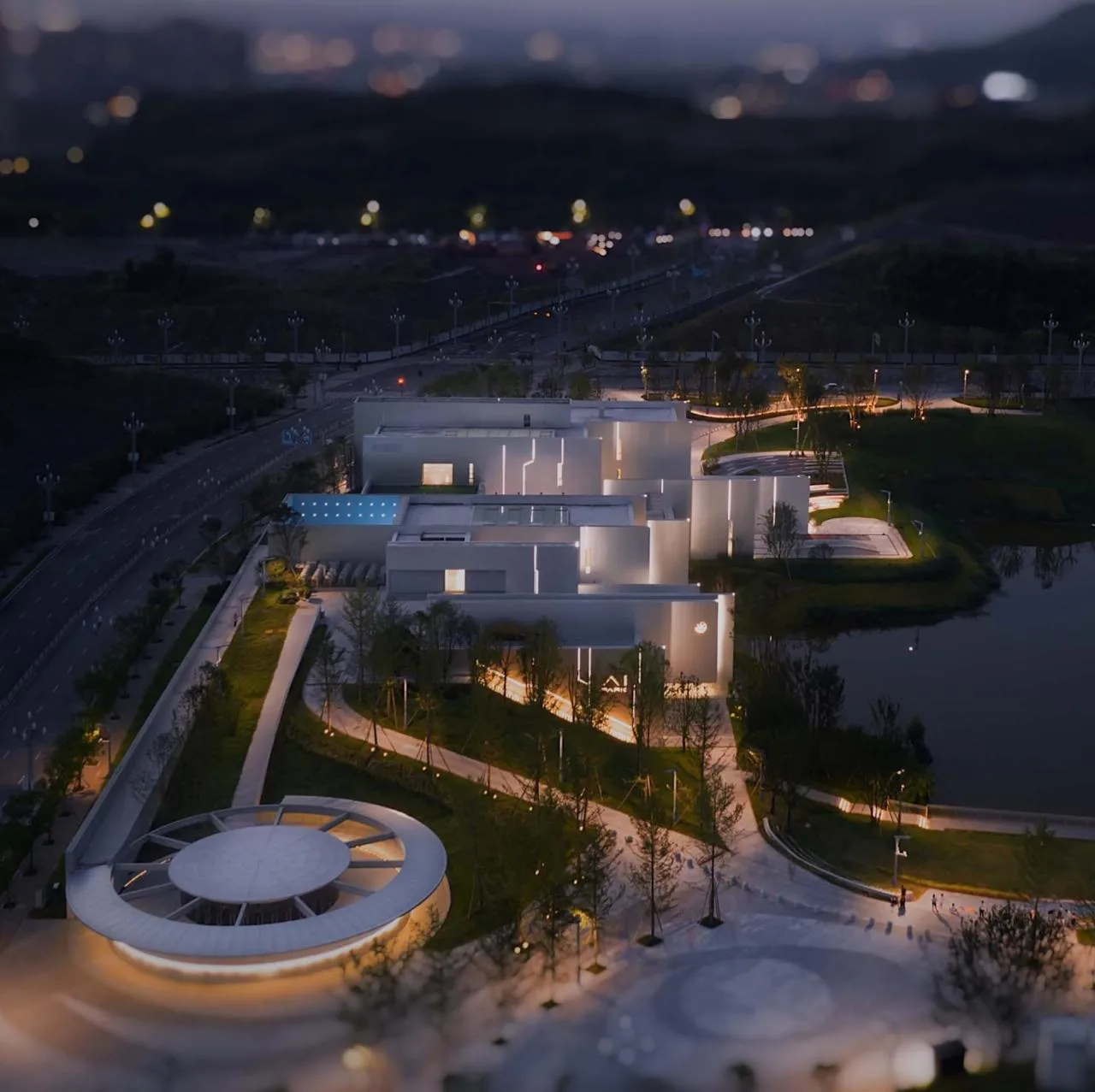
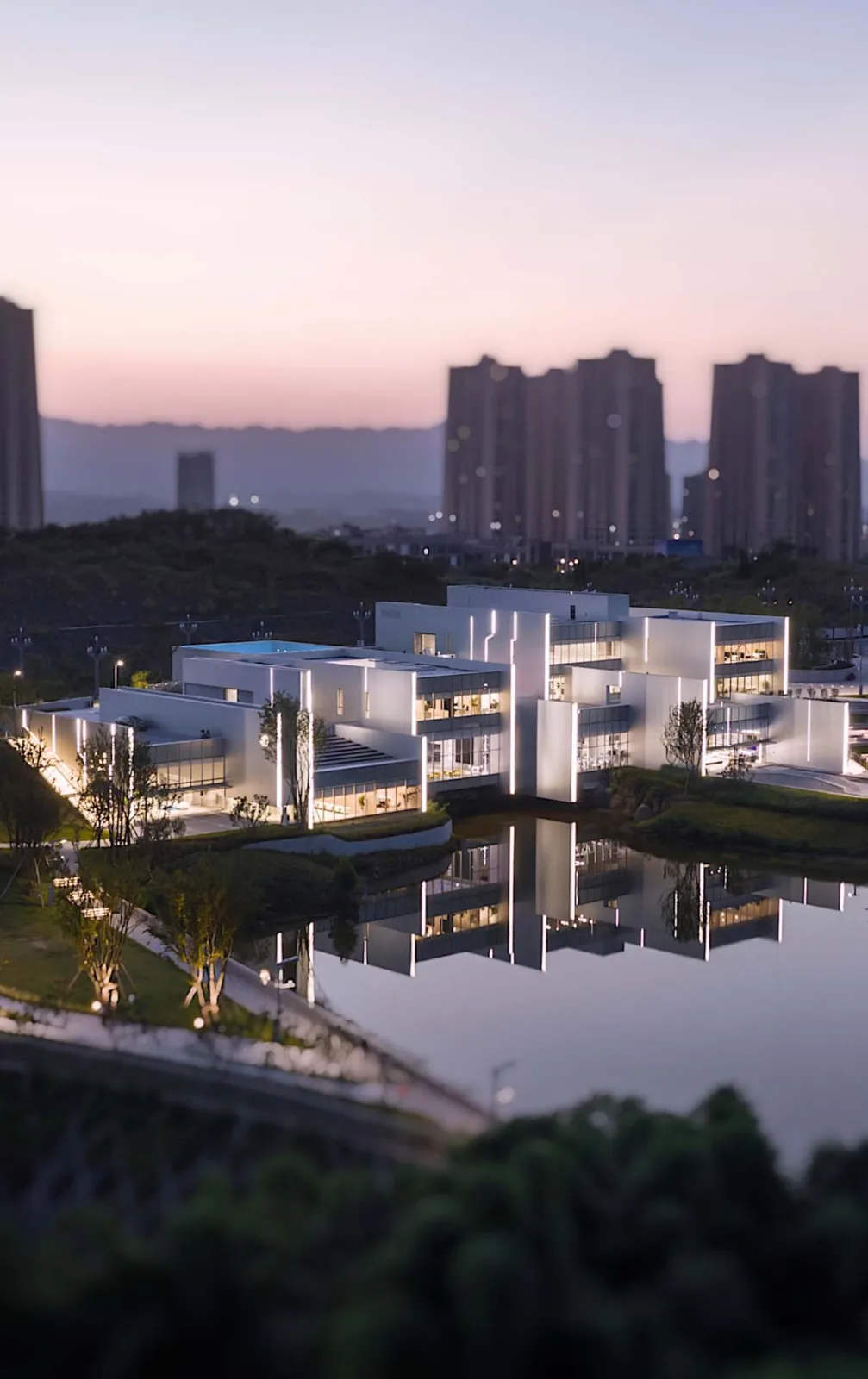
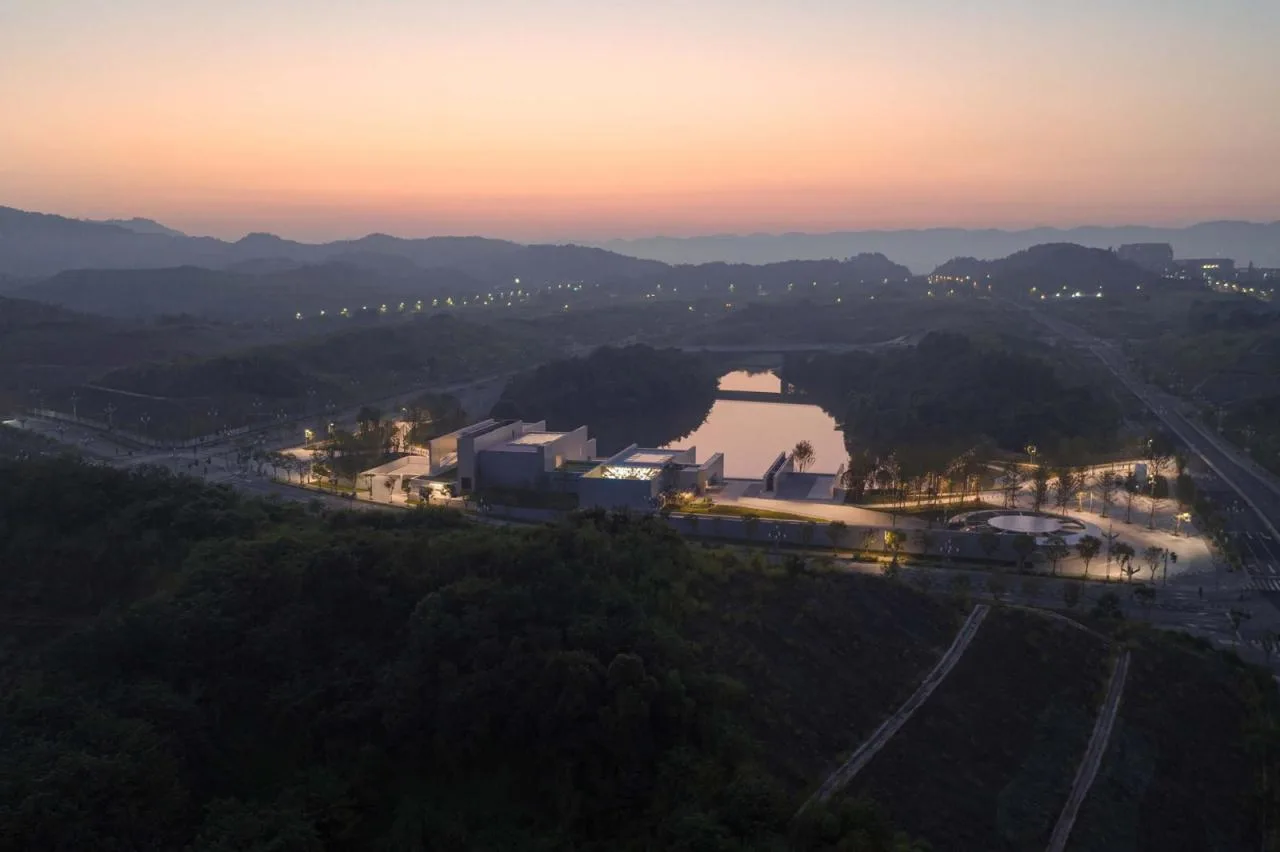
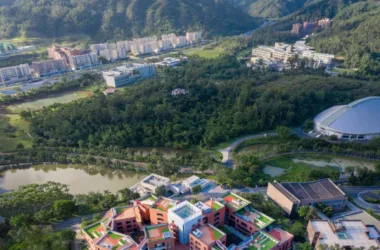
Known as the “chip,” AI PARK is embedded into the earth, situated alongside Fengming Lake in Chongqing High-tech Zone. The design features a series of metal walls that blend into the undulating terrain like a microchip. These walls incorporate robot ramps, hardware equipment, servers, ventilation pipes, and supporting structures. The laboratory space is flexibly constructed between these walls, which run perpendicular to the waterfront and adapt to the natural landscape.
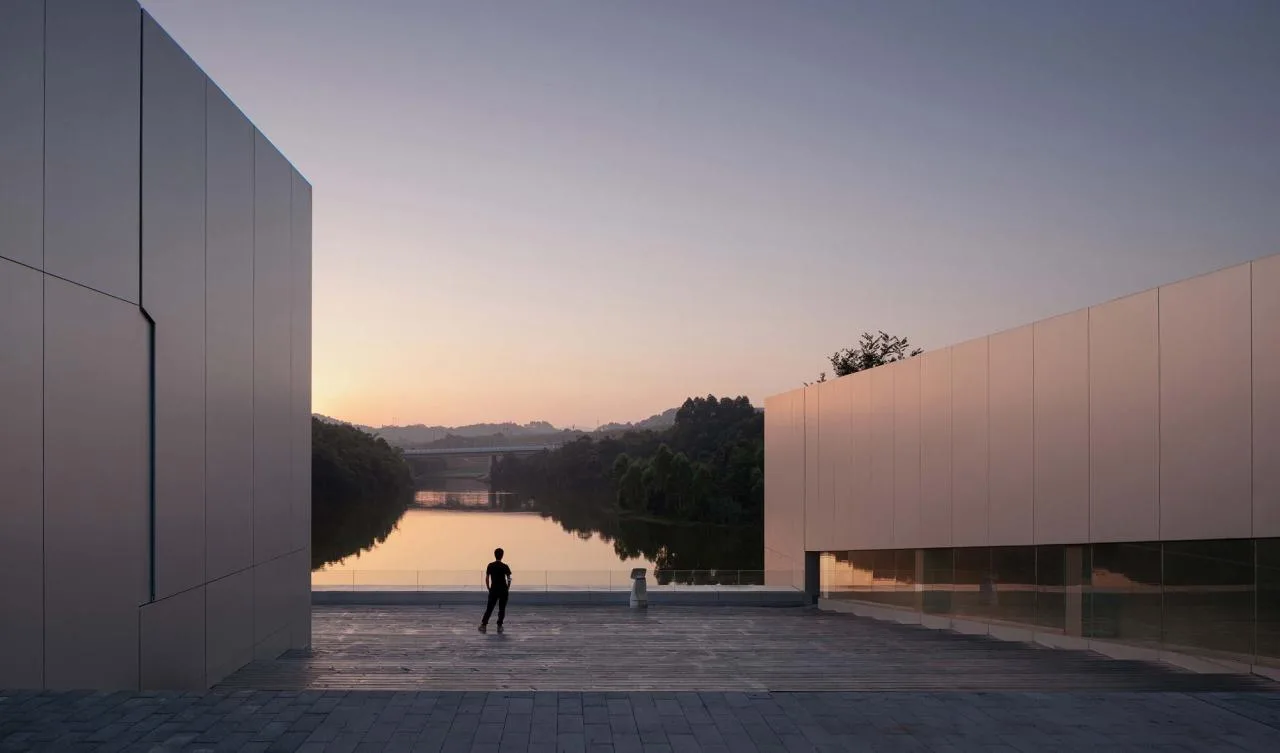
The courtyard and laboratory are nestled between the walls, interconnected and offering transparent views toward the water. The concept of a “chip embedded in the earth” symbolizes Tesla’s mission to connect everything and build an intelligent system for urban physical spaces—this is Tesla’s AI City. This vision is not merely conceptual; it is already being realized.
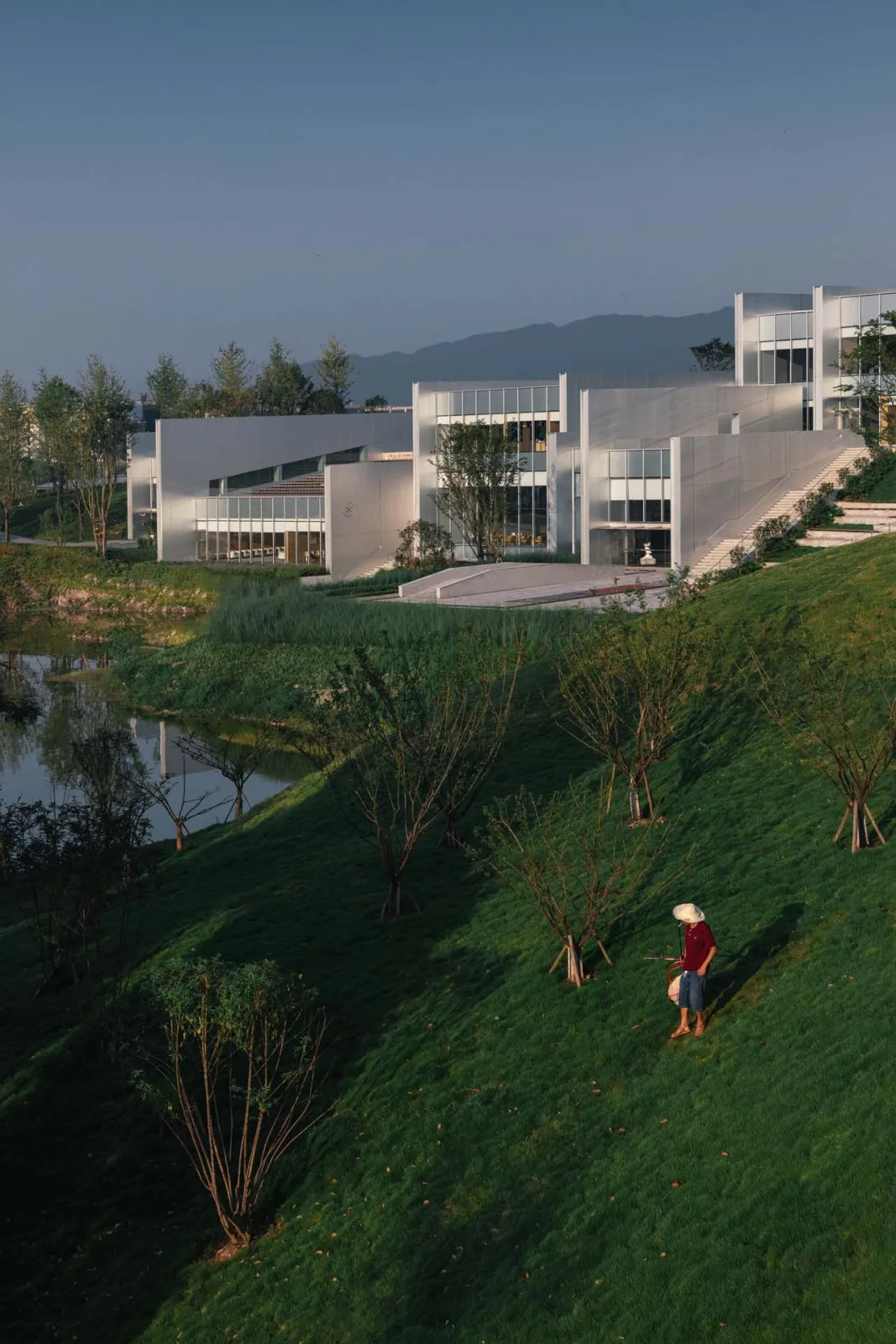
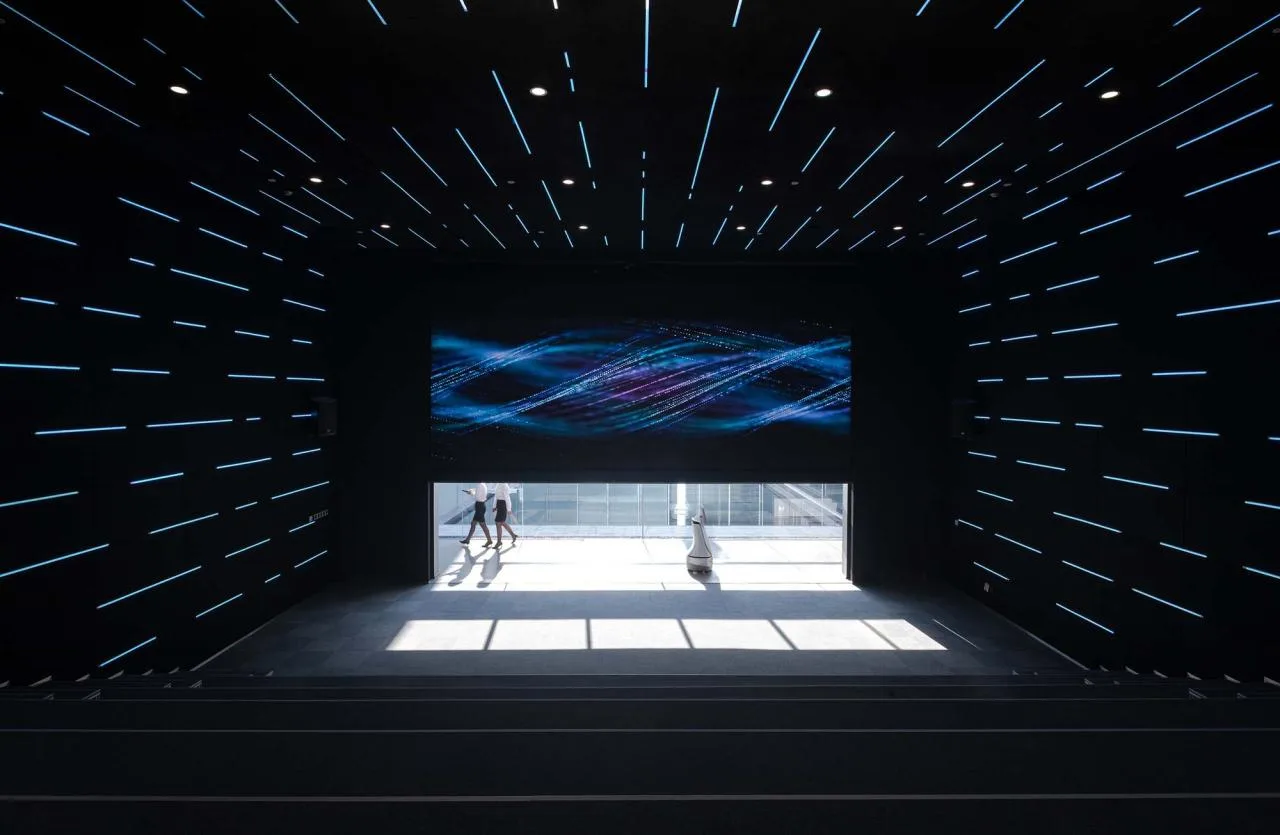
The TACOS (Terminus AI CITY Operating System), developed and refined within AI PARK, serves as the operating system for AI CITY. It simultaneously builds a digital twin of AI PARK, enabling continuous iteration and evolution. Spatial intelligence, however, is not a standalone technology; it depends on a comprehensive ecosystem of intelligent software and hardware industries, innovation in traditional sectors like construction engineering, and advancements in fields such as architecture and social management. As architects, we actively participate in this interdisciplinary collaboration.
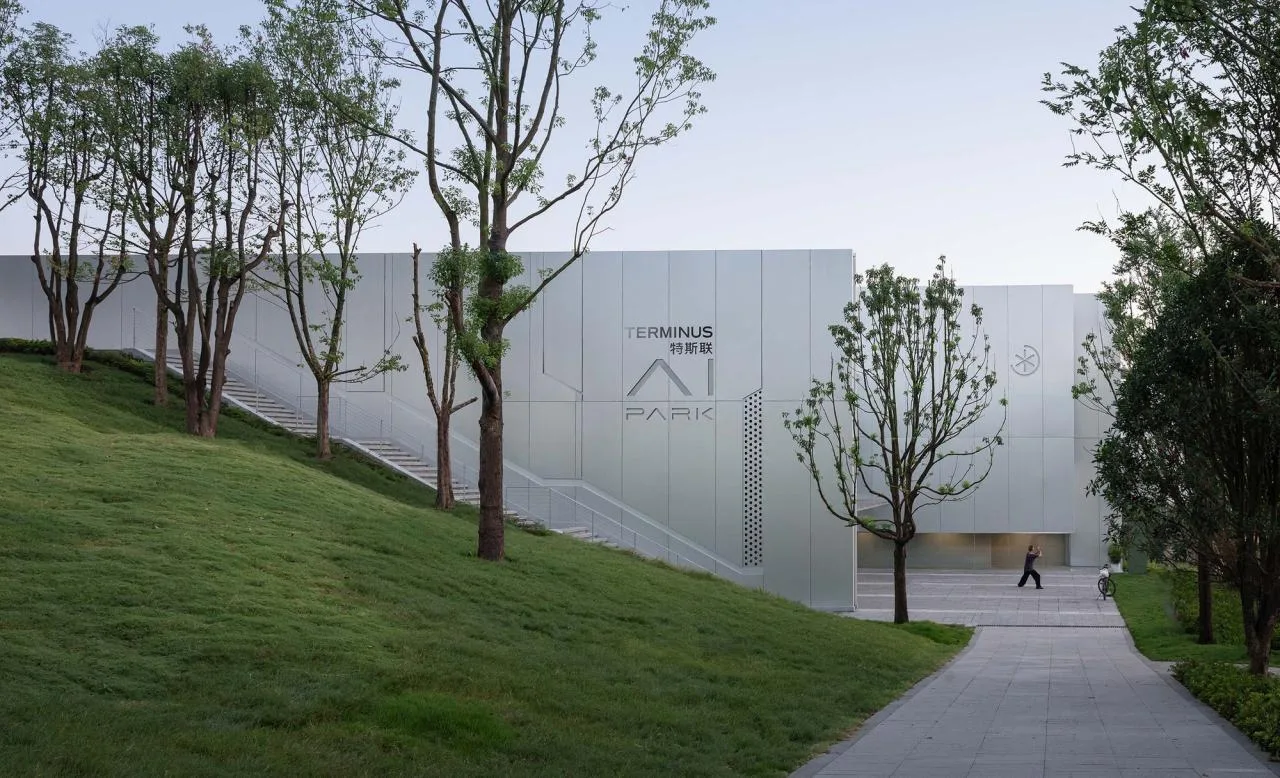
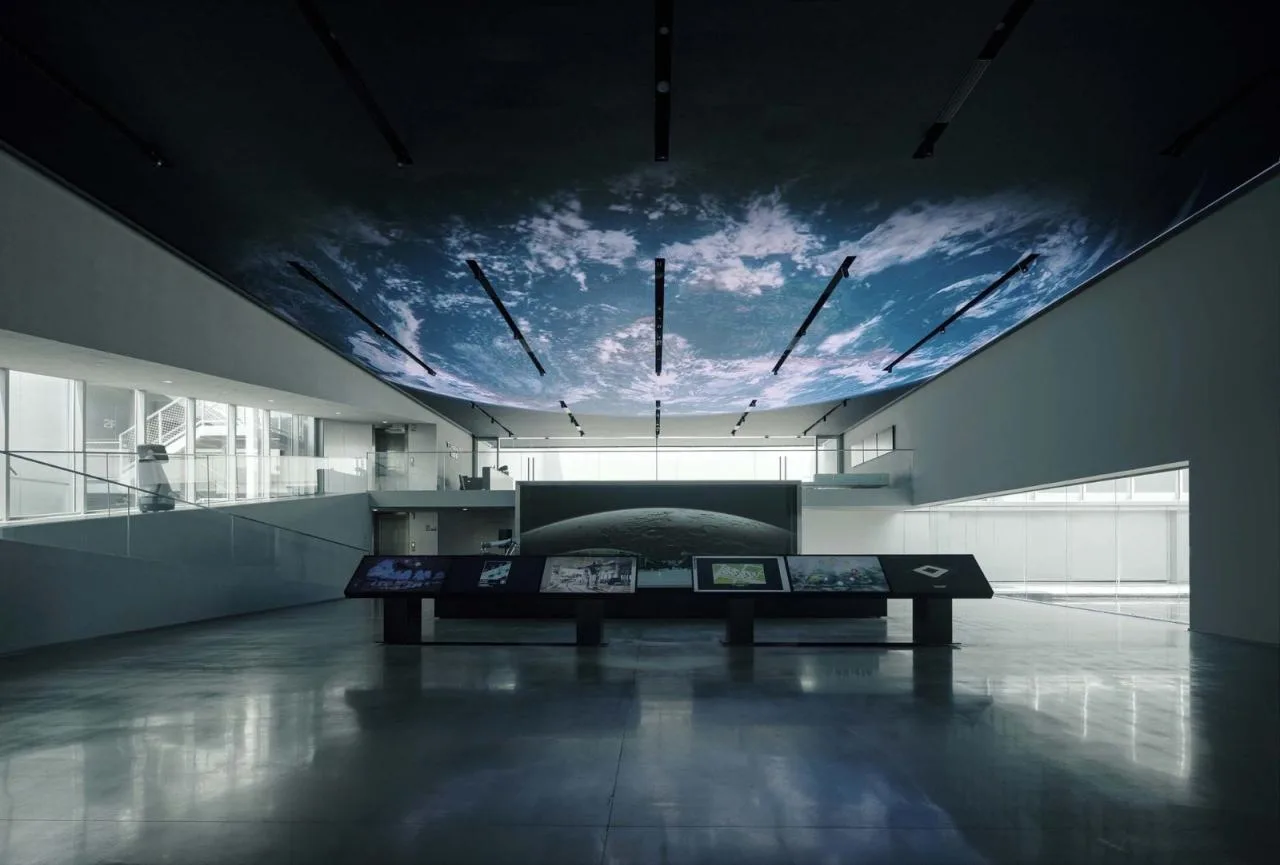
AI PARK is designed as a progressive, experimental building in an intentionally “unfinished” state. It offers flexible spatial elasticity and can be renovated or expanded as needs evolve.
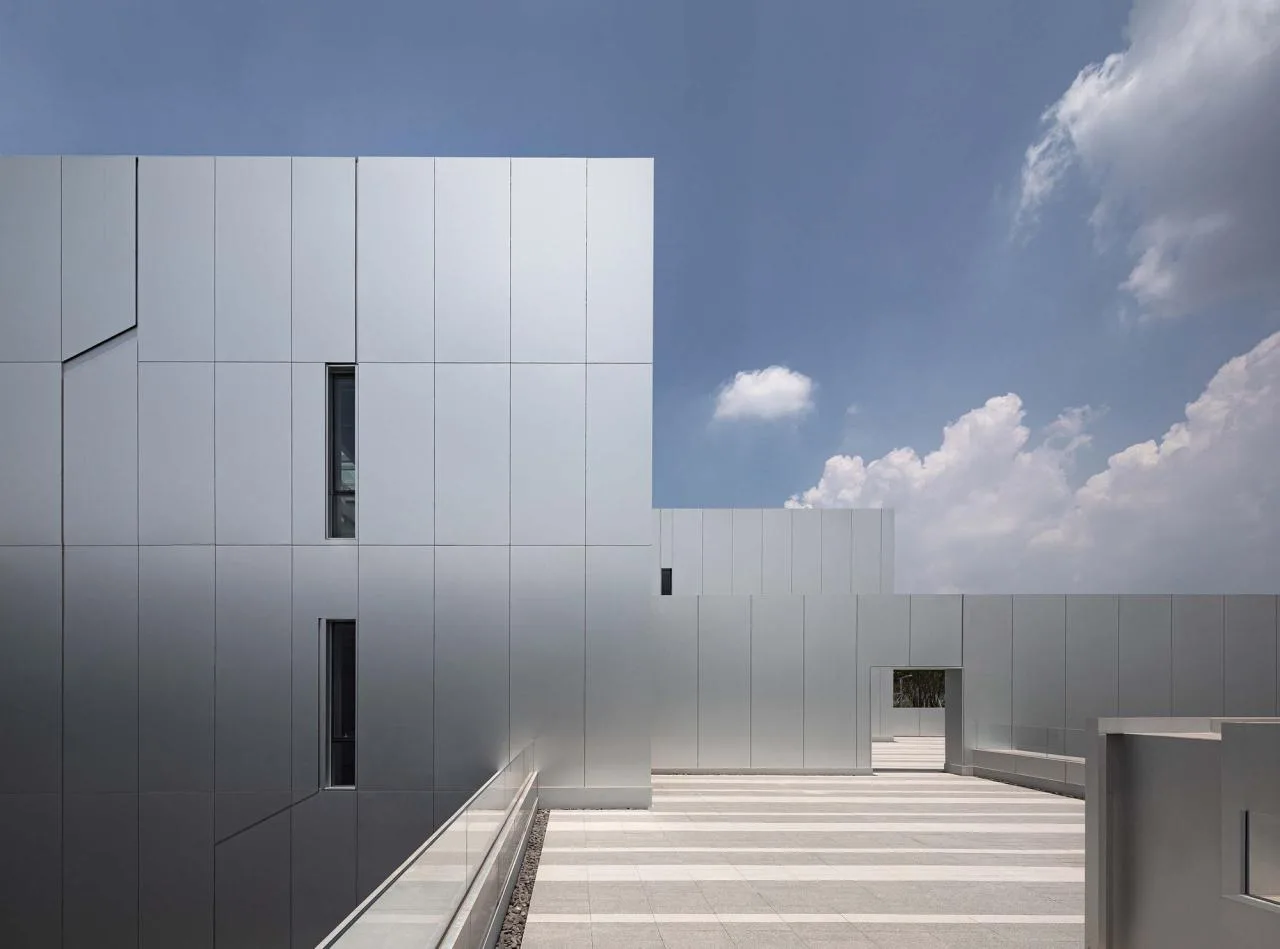
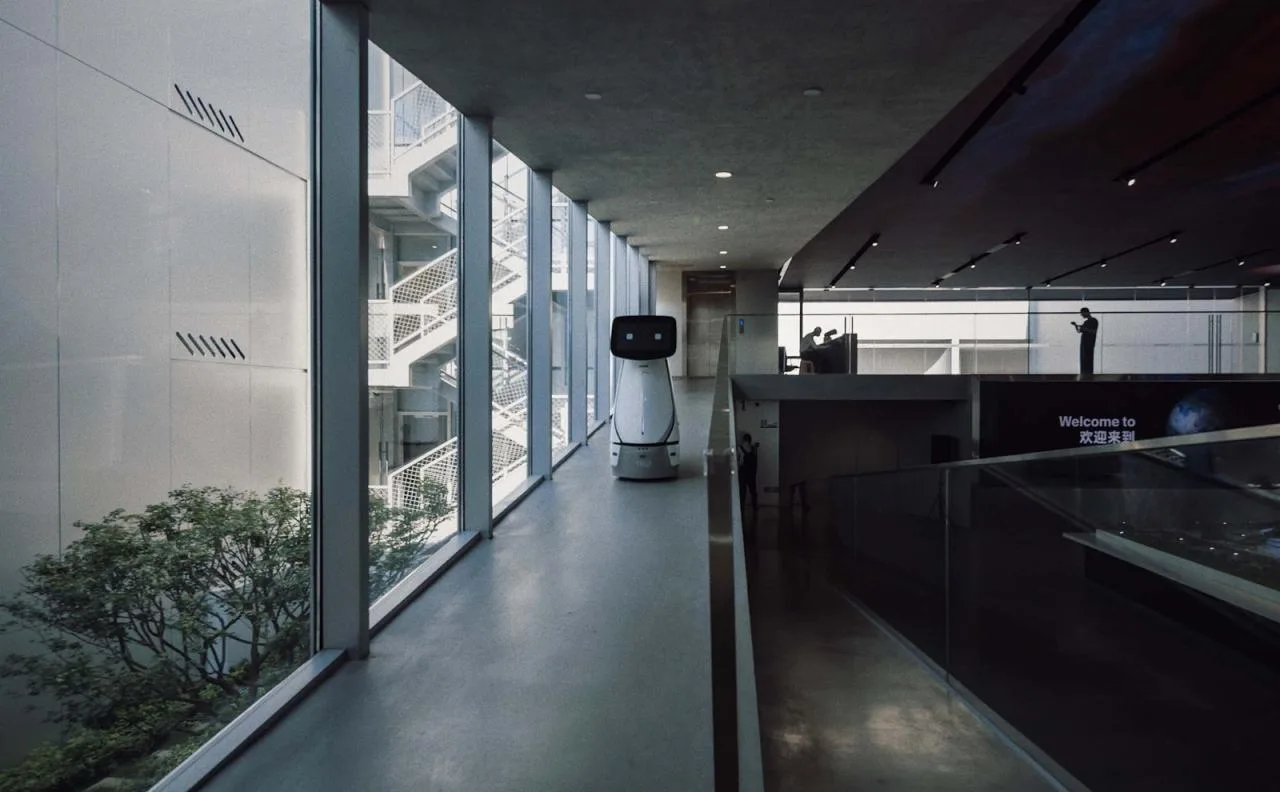
Just as human upright walking necessitates stairs in buildings, the presence of robots as co-users of space influences architectural forms. Currently, Tesla’s robots utilize wheeled chassis, so AI PARK integrates robot ramps into the walls, ensuring that robots can access all floor areas smoothly.
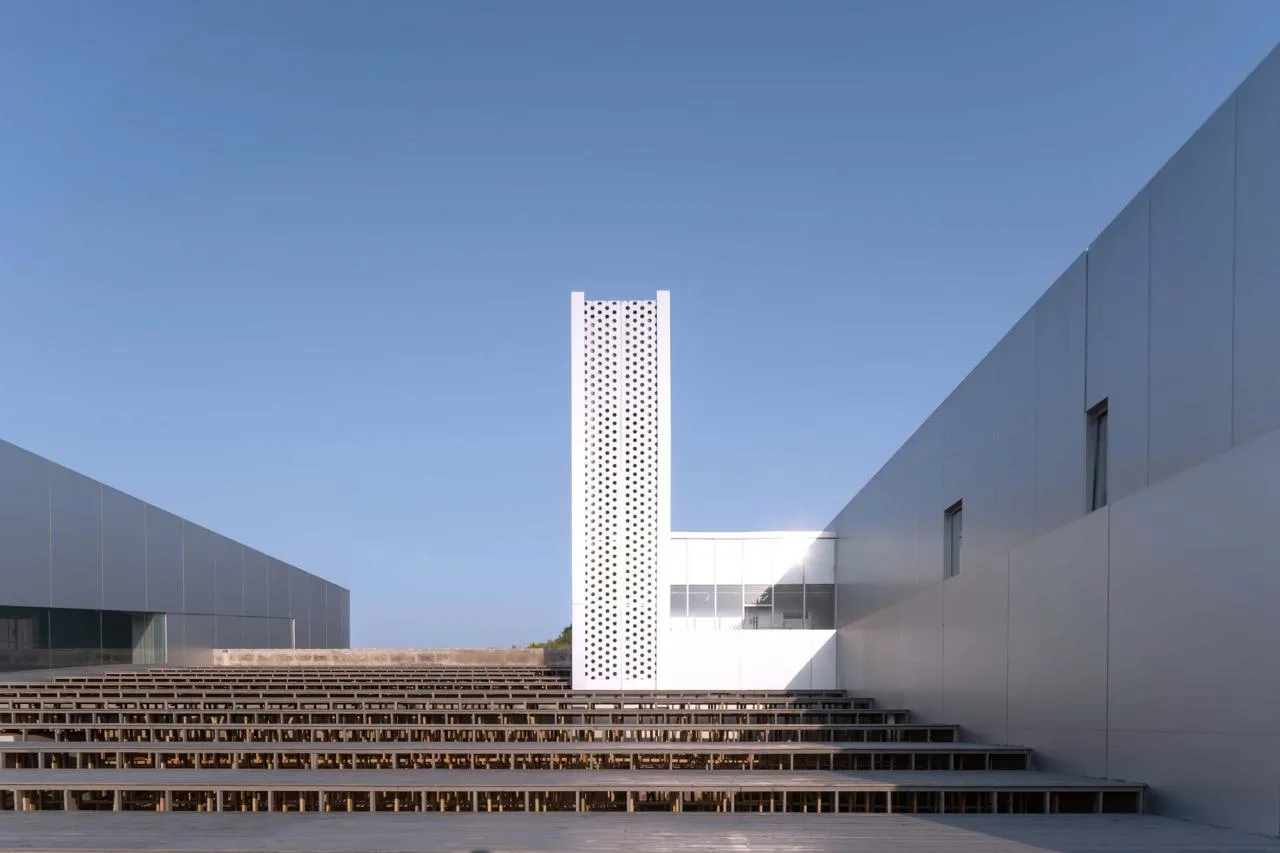
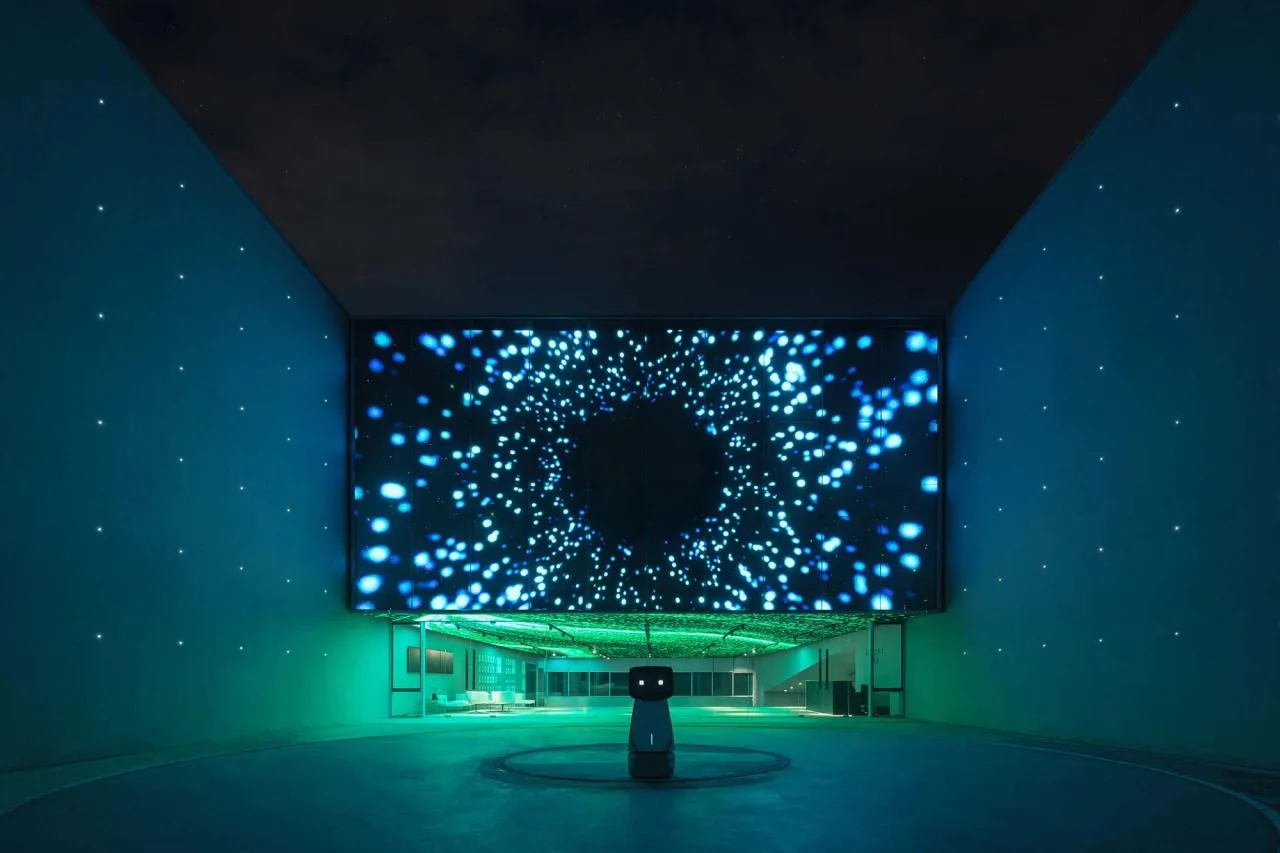
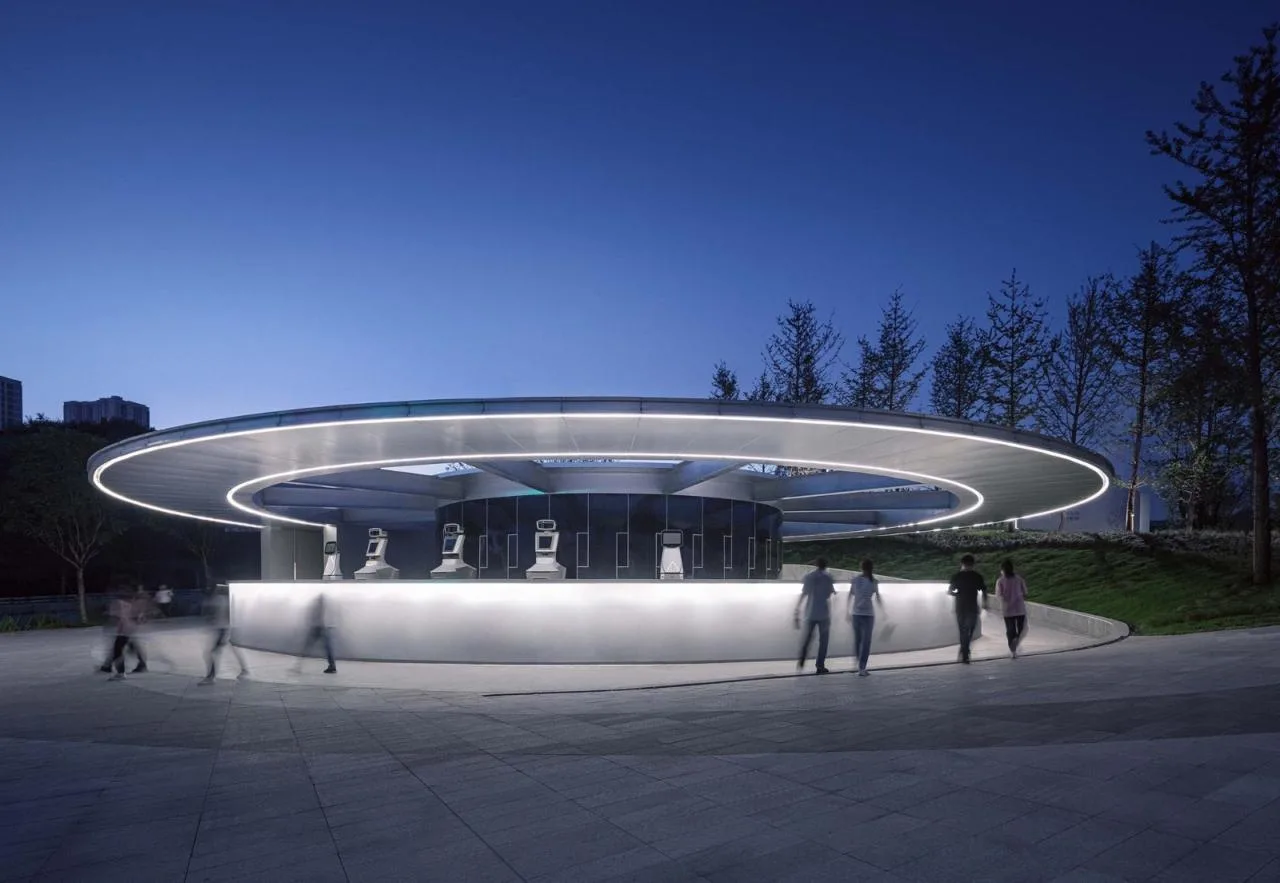
At the entrance of AI PARK, a robot charging station houses various models on standby. Visitors are guided by robots through corridors and arrive at a courtyard surrounding the entrance, creating the sensation of stepping into another time and space. From there, they explore AI PARK alongside the robots.
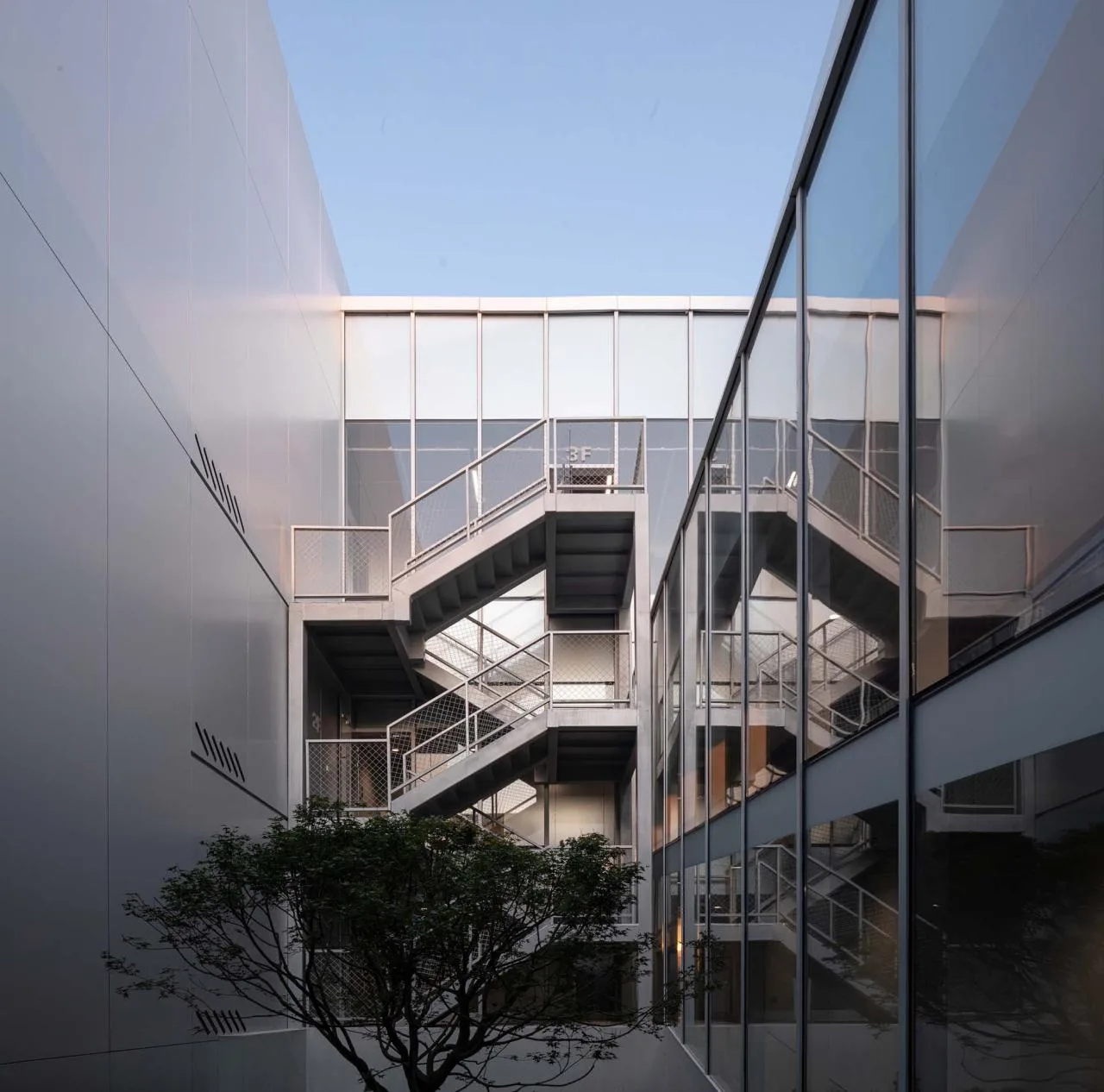
Reflecting on the future of architecture, machines, and robots, Le Corbusier challenged traditional architectural ethics in 1923 by declaring, “Architecture is a living machine.” The relationship between machines and architecture goes far beyond mere formal style or aesthetic preference. Architecture continuously integrates technology.
The future expansion of architecture will likely be driven by both humans and machines. Robots, as co-users of space, may profoundly influence buildings—not just by interacting within them, but by becoming integral components. Just as it is hard to imagine a building today without air conditioning, elevators, plumbing, or internet connectivity, future technologies like software-driven physical spaces, robots navigating buildings, and robotic building components will become commonplace. These innovations will be as fundamental as stone polishing, brick firing, reinforced concrete, Low-e glass, and escalators once were.
The story of architecture, machines, and humans has only just begun and is far from reaching its conclusion.
Project Drawings
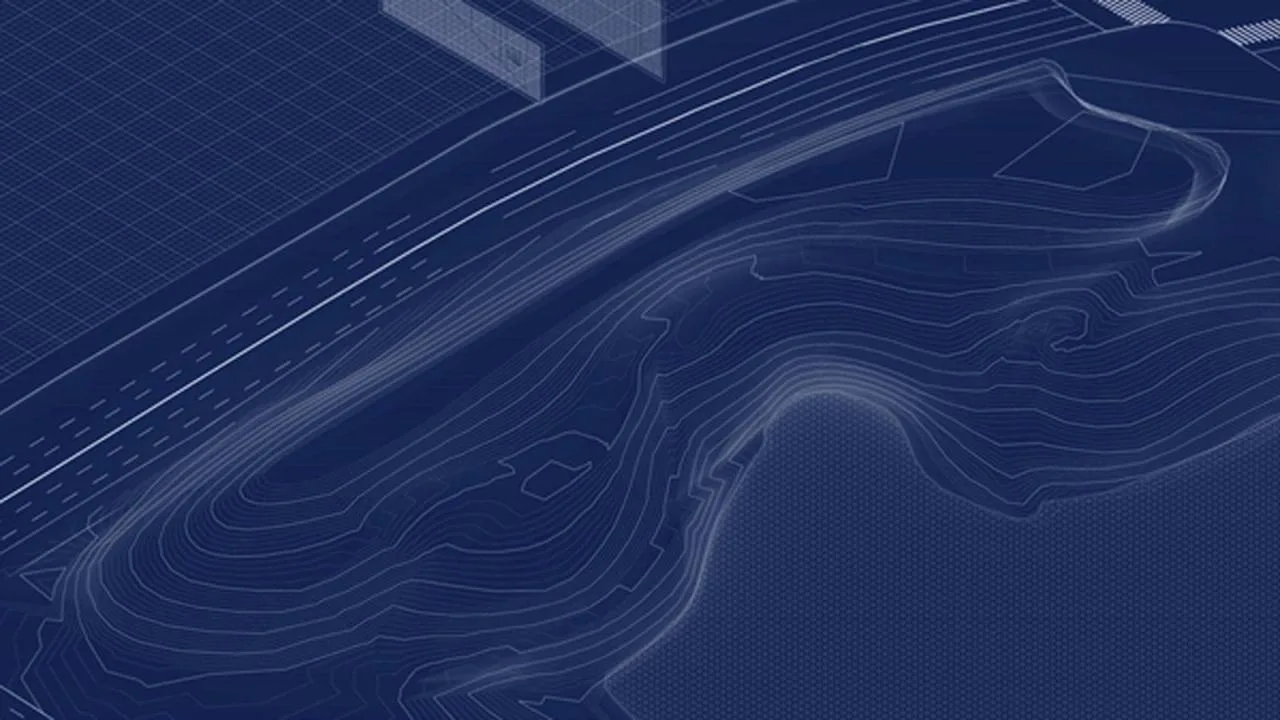
△ Analysis Chart
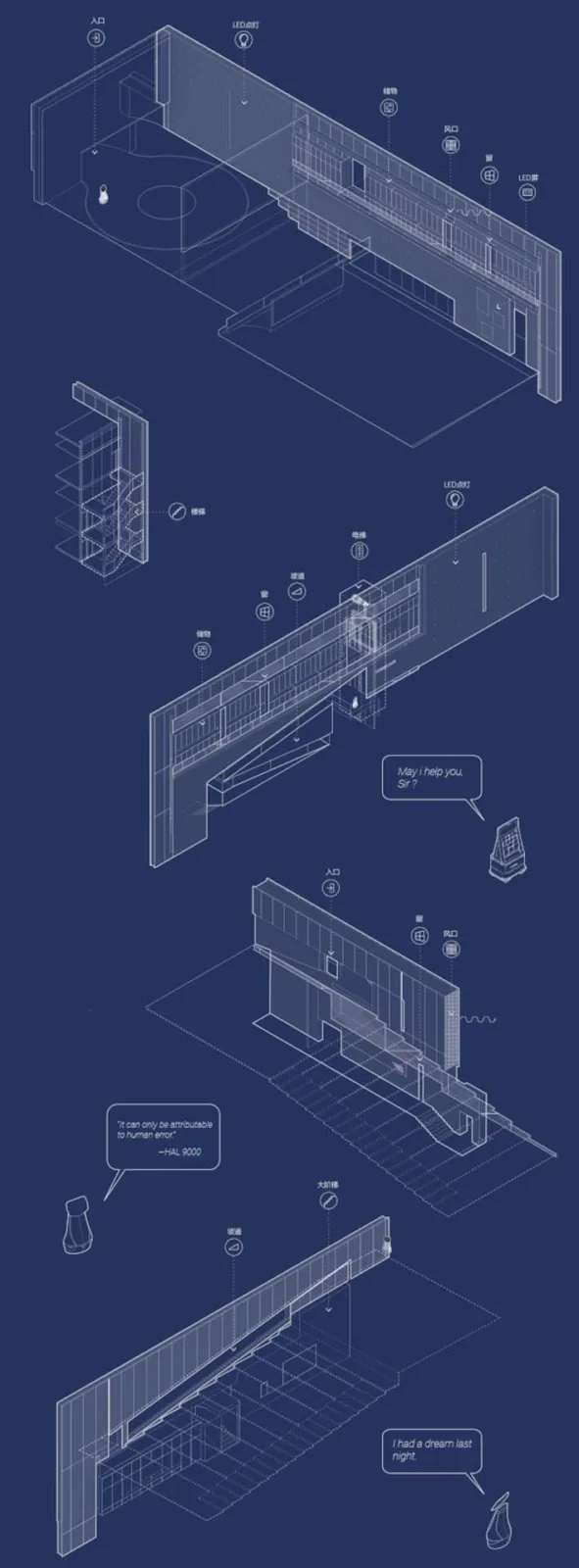
△ Analysis Chart
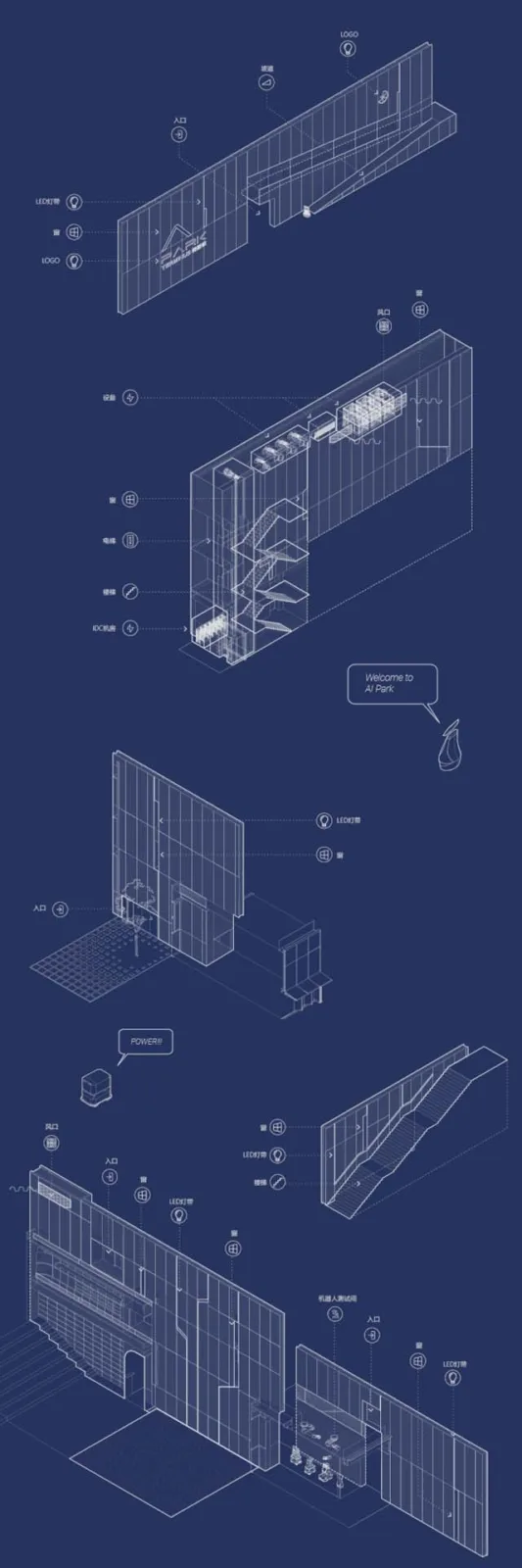
△ Analysis Chart
△ Analysis Chart
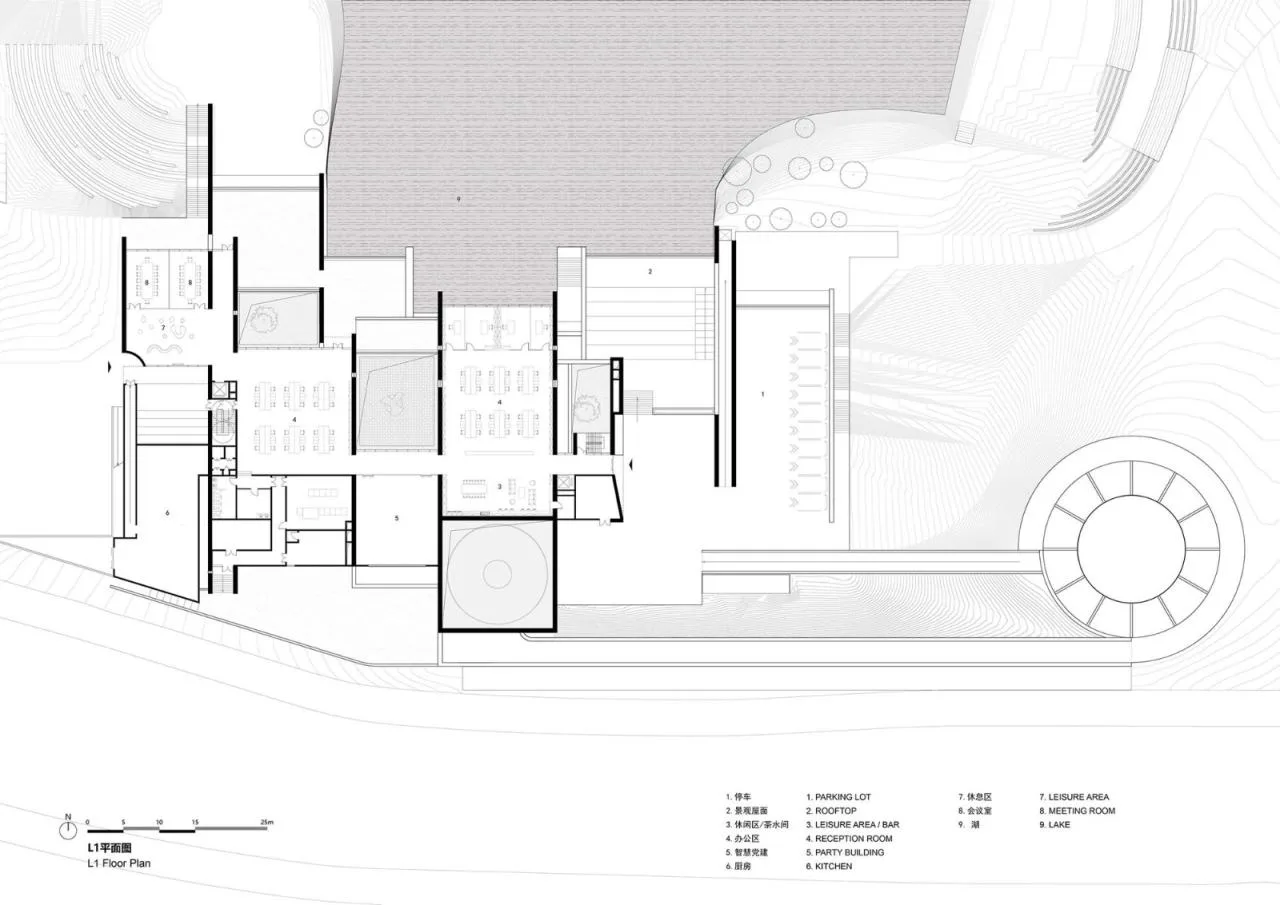
△ First Floor Plan
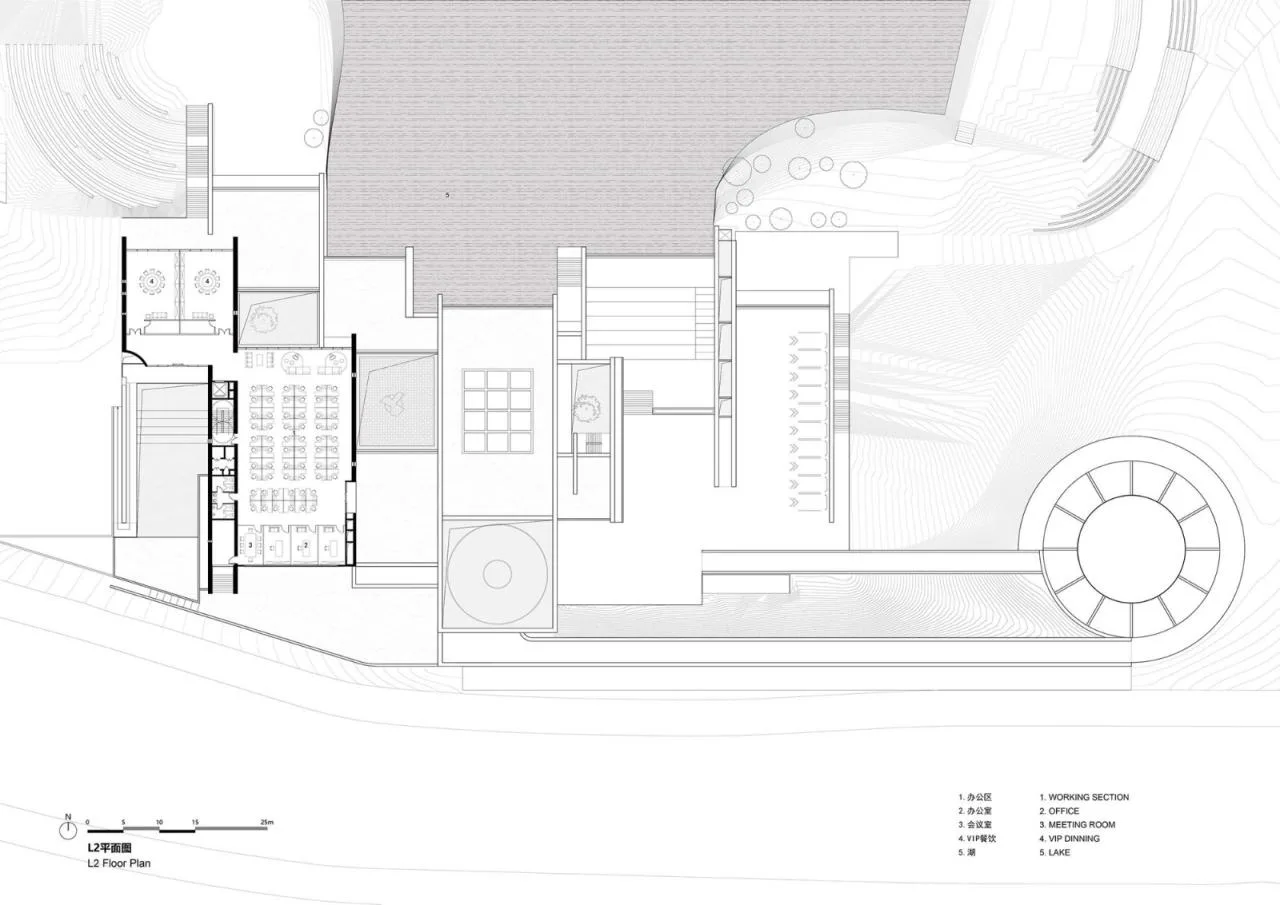
△ Second Floor Plan
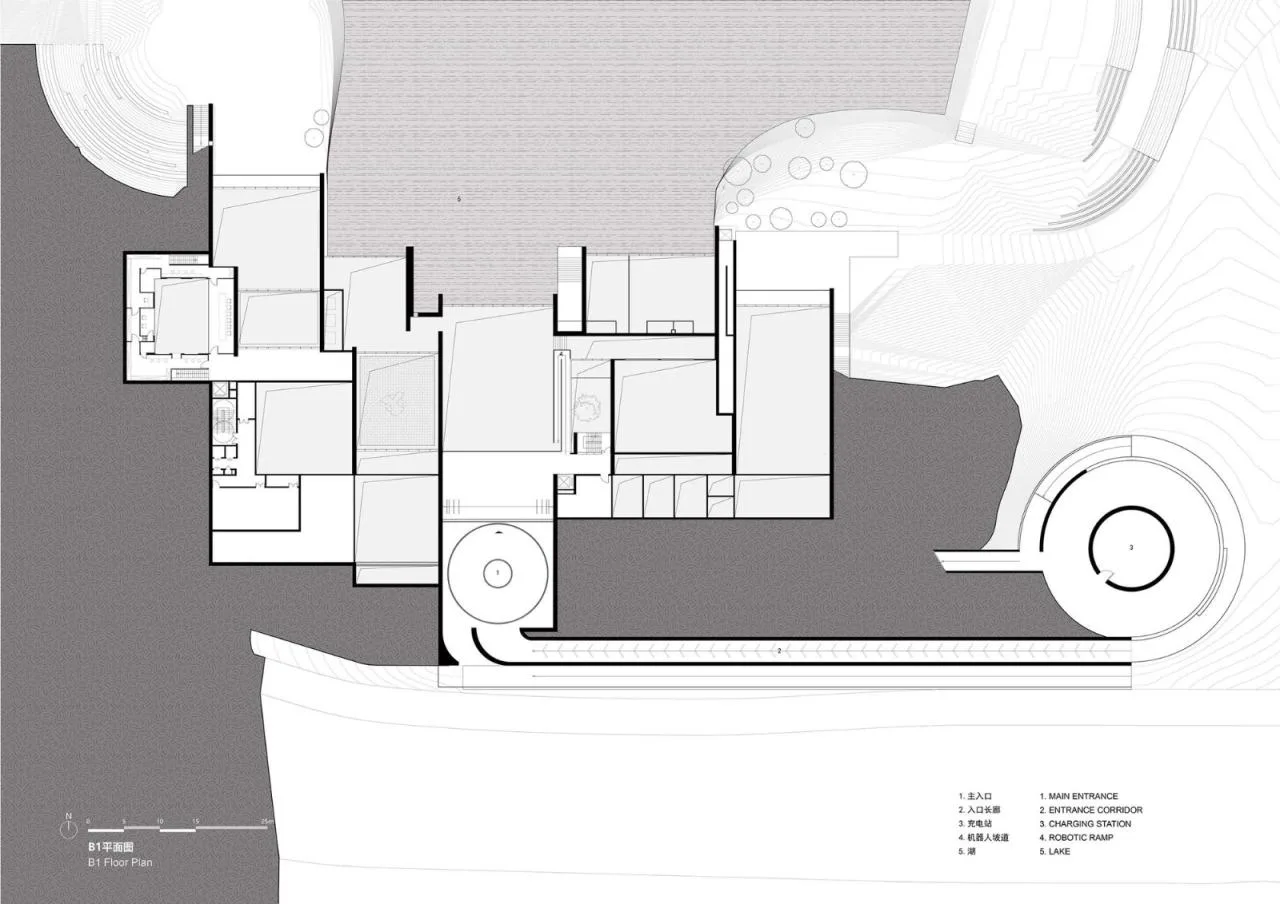
△ Underground Floor Plan
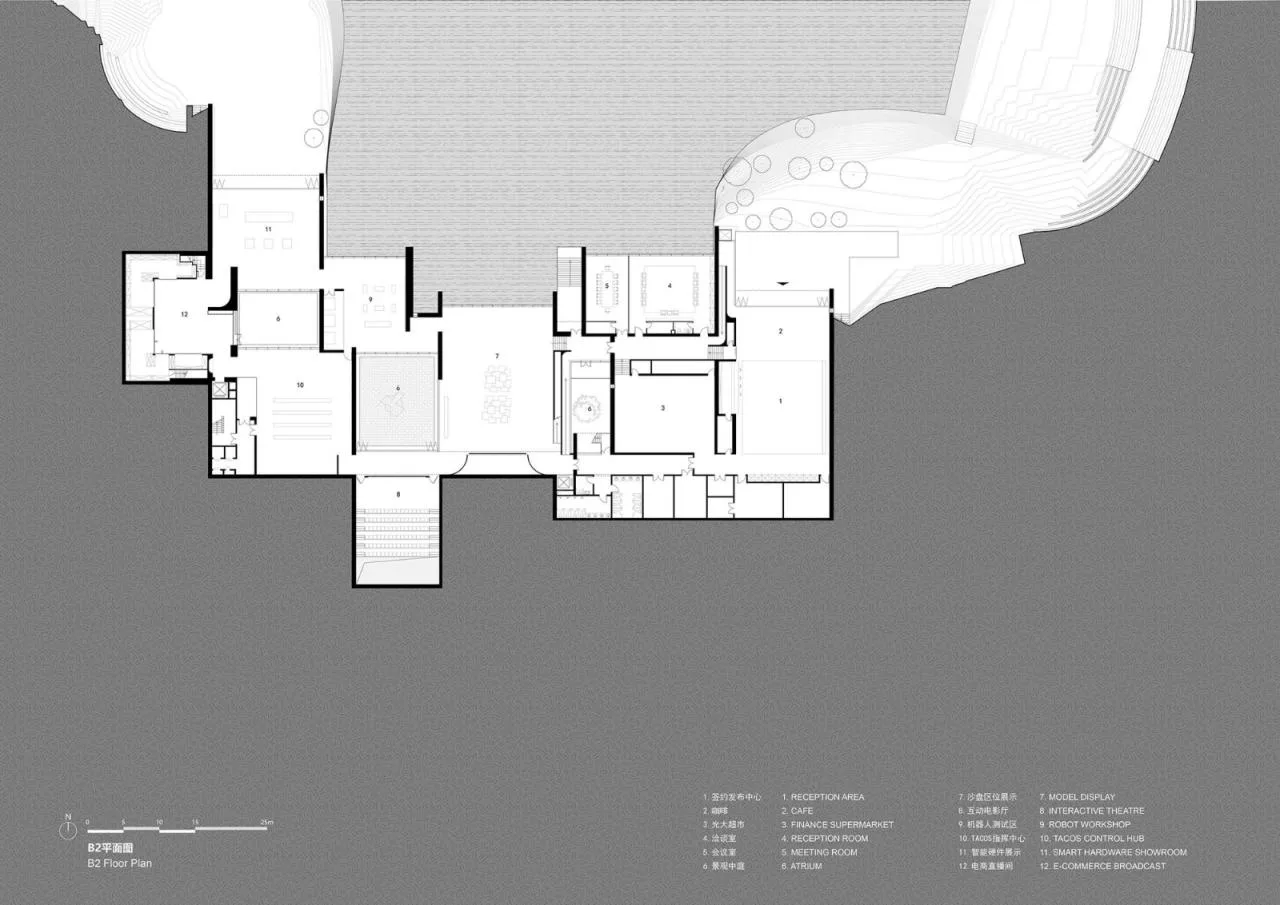
△ Underground Second Floor Plan
Project Information
Architectural Design: Xingzhi Architectural Design Studio
Area: 5,500 square meters
Project Year: 2021
Photographers: Su Shengliang, Arch Nango
Manufacturers: Nanjing Lop, Jiangsu Huameite Metal
Lead Architect: Xiong Xing
Design Team: Chen Boliang, Tang Fanyi, Ren Meizi, Lin Weiqiao, Zhan Jia, Zhao Jinru, Wu Dao, Li Shaoyu, He Shuangzhi, Chen Yong, Wang Yuchu, Wu Chuchu
Principal: Teslian Technology Group Co., Ltd
Construction Drawing Design: Chongqing University Architectural Design and Research Institute
Landscape Design: Saikensi Landscape Design Co., Ltd
Location: Chongqing, China















Must log in before commenting!
Sign Up