
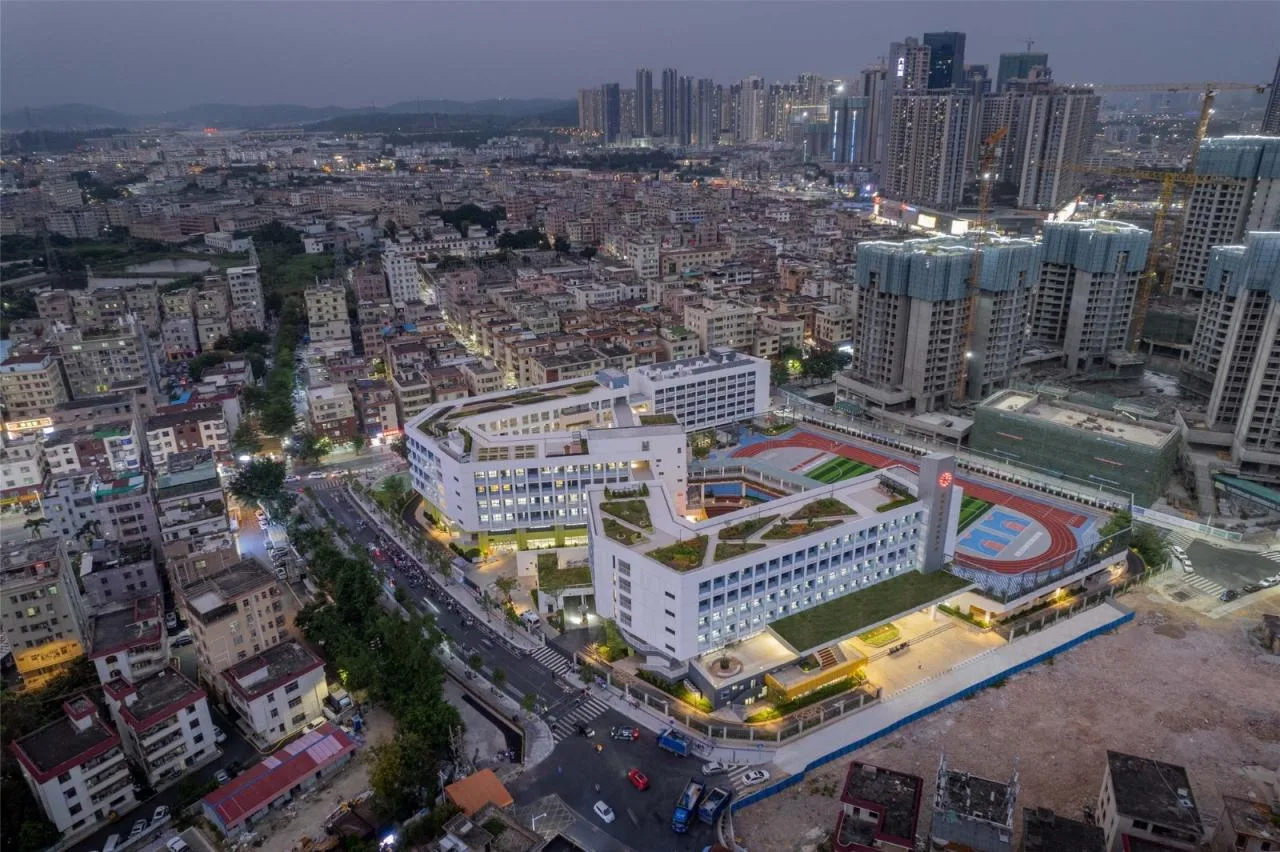
Project Overview: Rixin Primary School, located in the Pingshan District of Shenzhen, spans 17,000 square meters with a building area of 49,000 square meters. The campus features a simple yet organized design that brings new vitality to the surrounding urban village. Beyond orderly teaching spaces, a series of lively areas connect in a circular sequence, creating a vibrant, paradise-like environment where local students can learn and grow together.
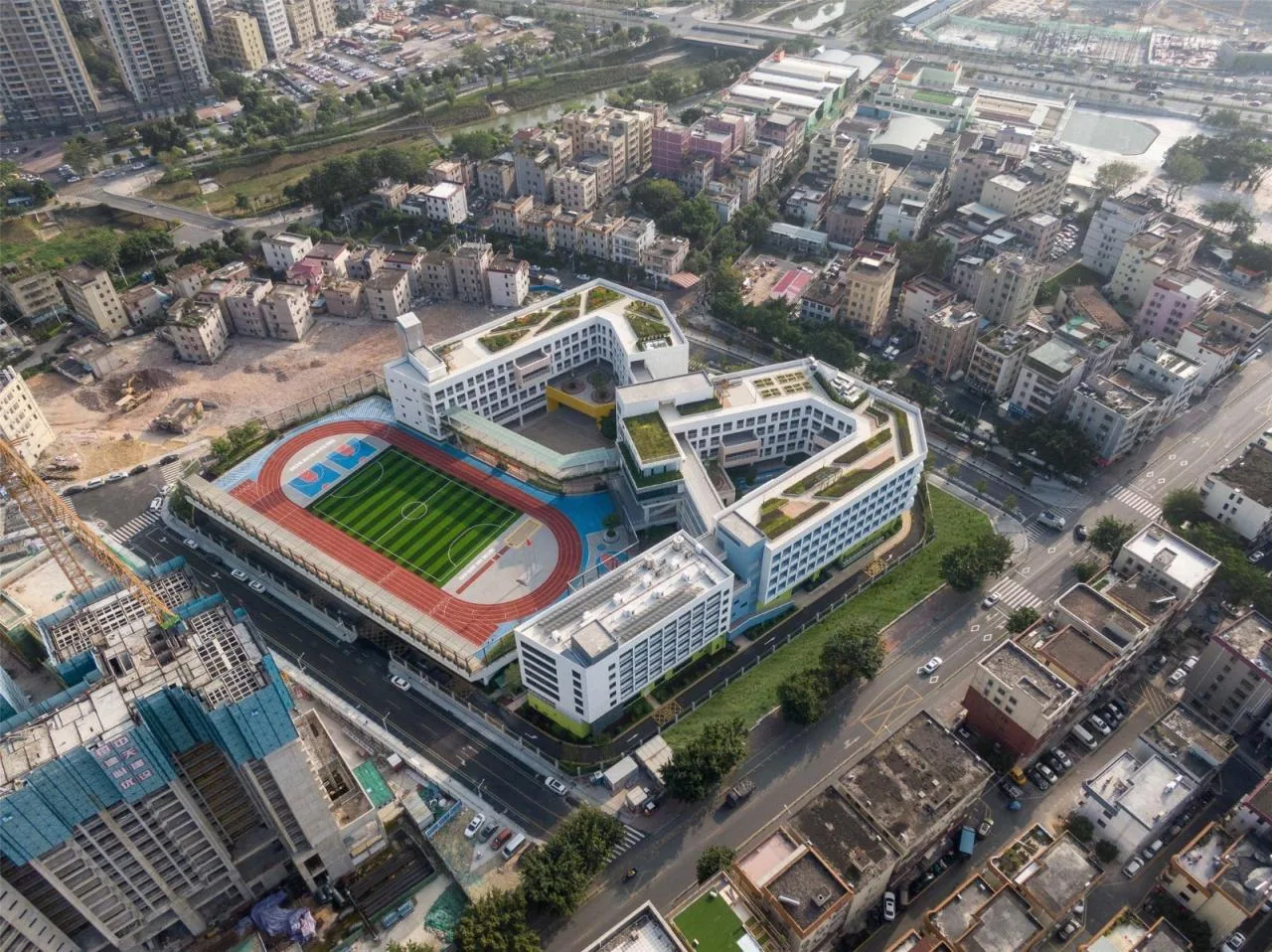
The design’s core intention is to rethink informal campus spaces and discover an architectural language that supports students’ growth and learning. Campus architecture today closely relates to students’ daily lives. As educational reforms demand more from campus spaces, it becomes essential to thoughtfully organize both formal and informal architectural forms.
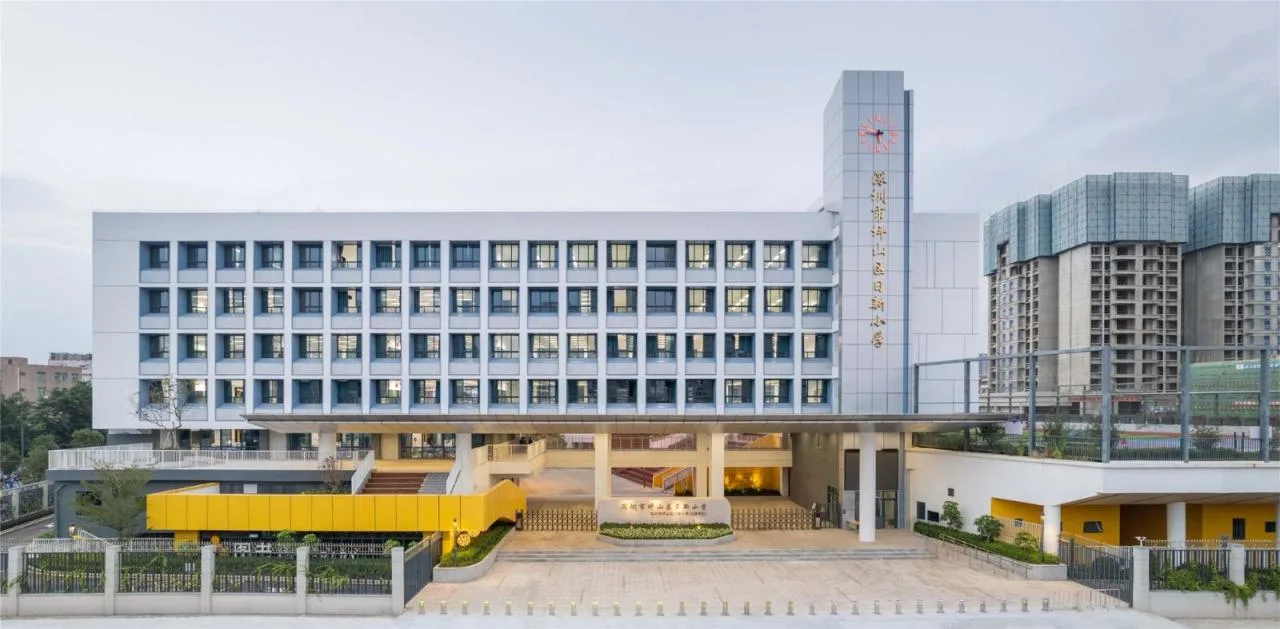
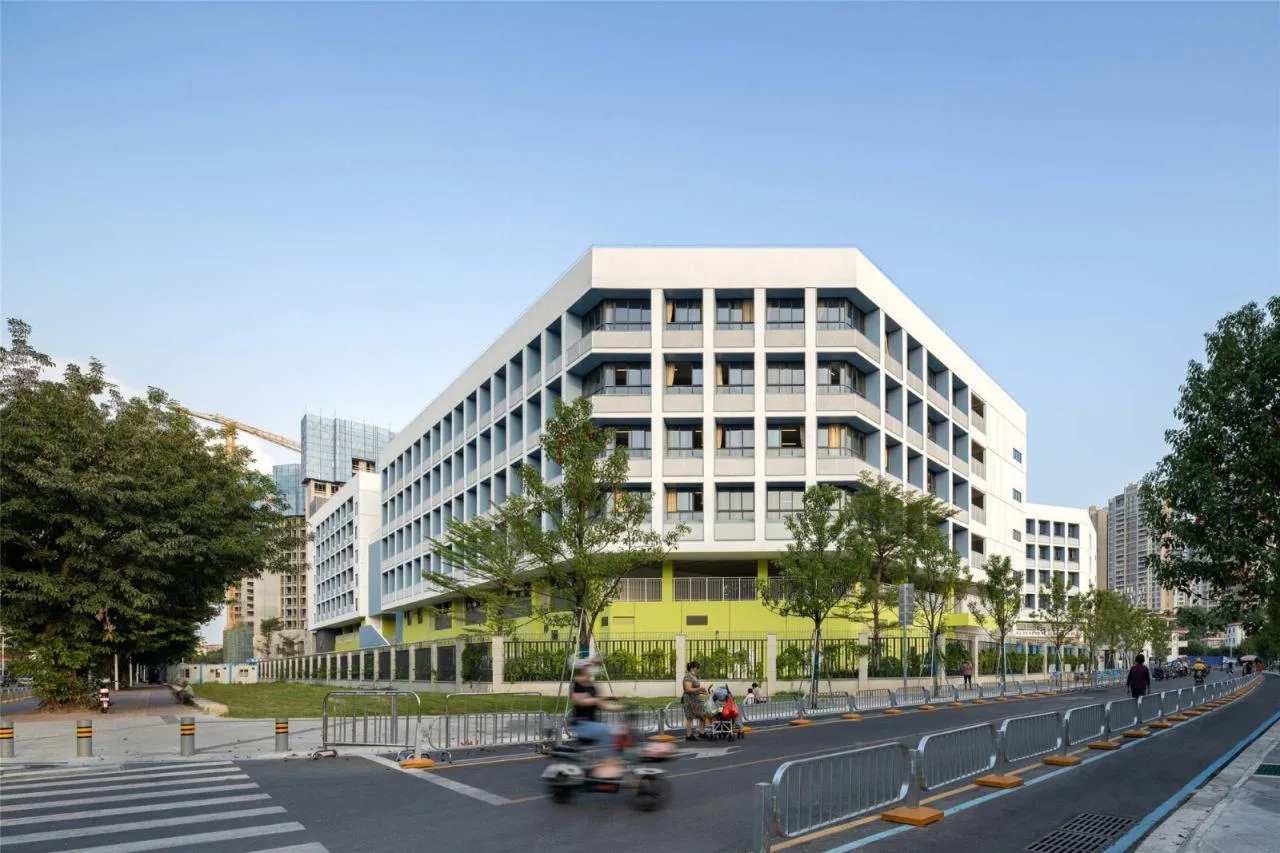
Environment and Site: Every campus functions as a small city. Situated within a densely populated urban residential area, this campus required the architects to make strategic design choices from the outset. They carefully considered the relationships between various building volumes within the site boundaries, as well as how the campus interacts with its surrounding urban block. By observing and reflecting on the dynamic qualities of space and time, the design fully leverages the site to create an environment where learning and life are intertwined at every level and moment.
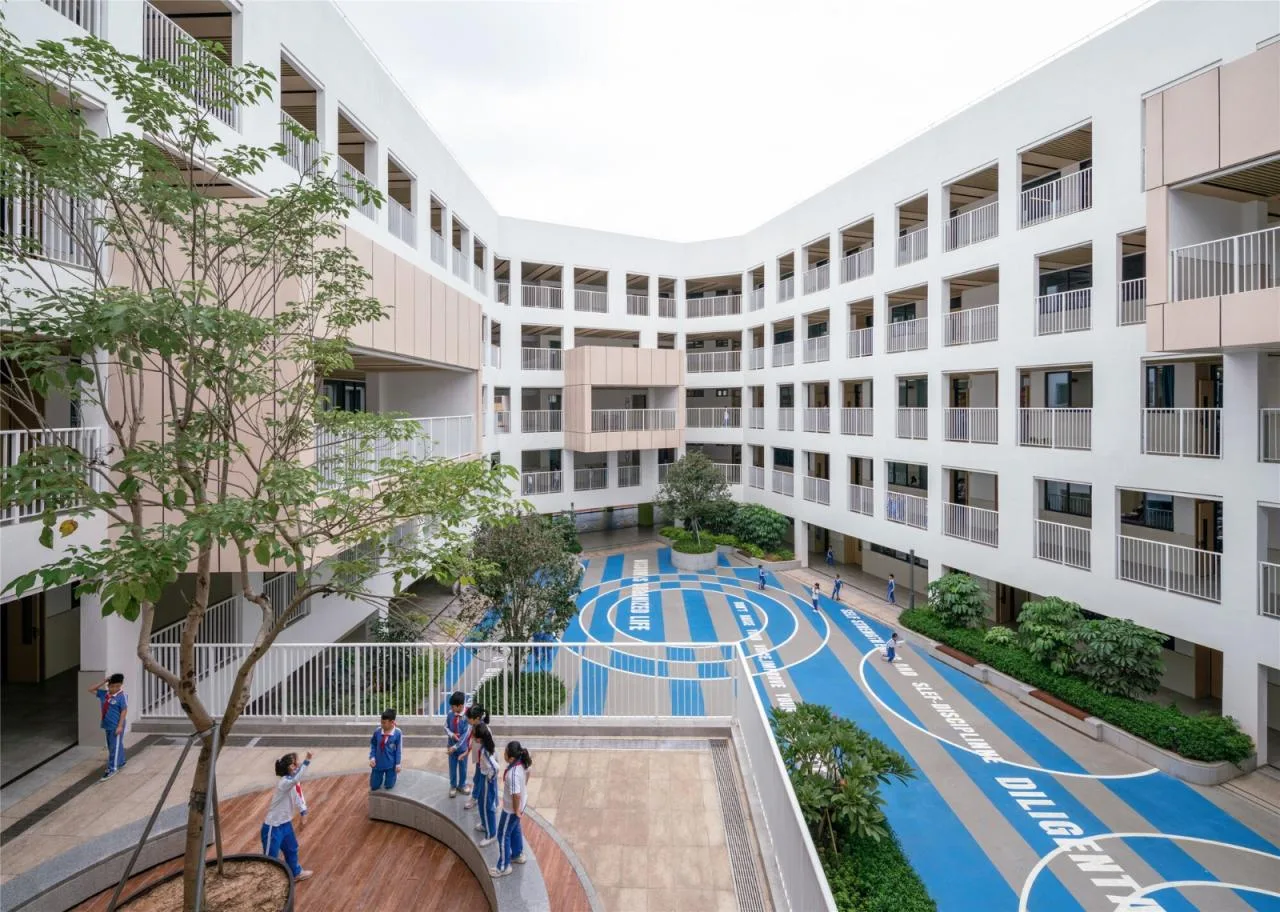
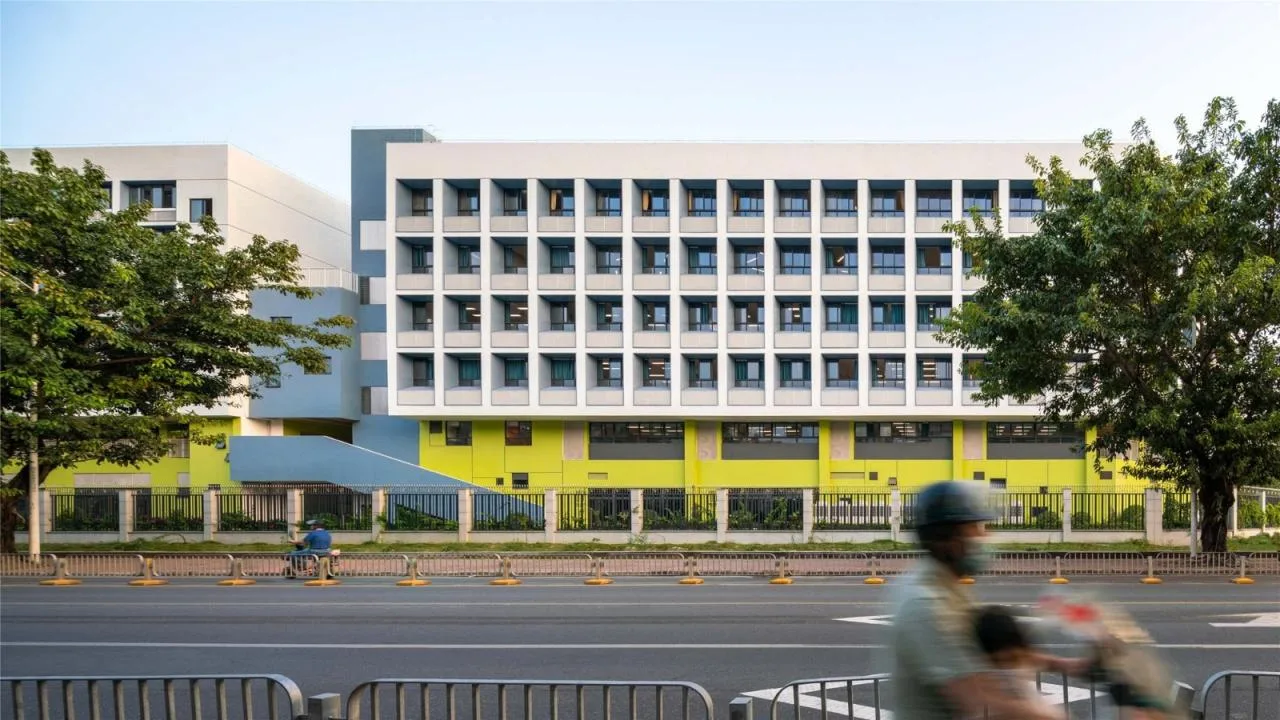
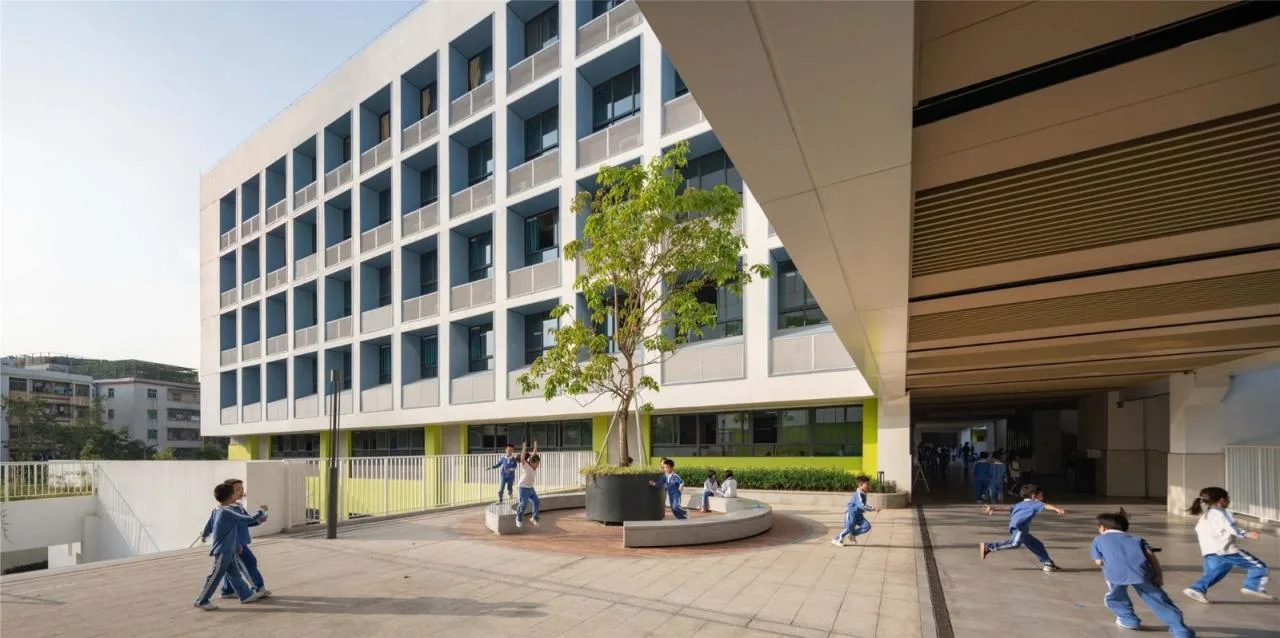
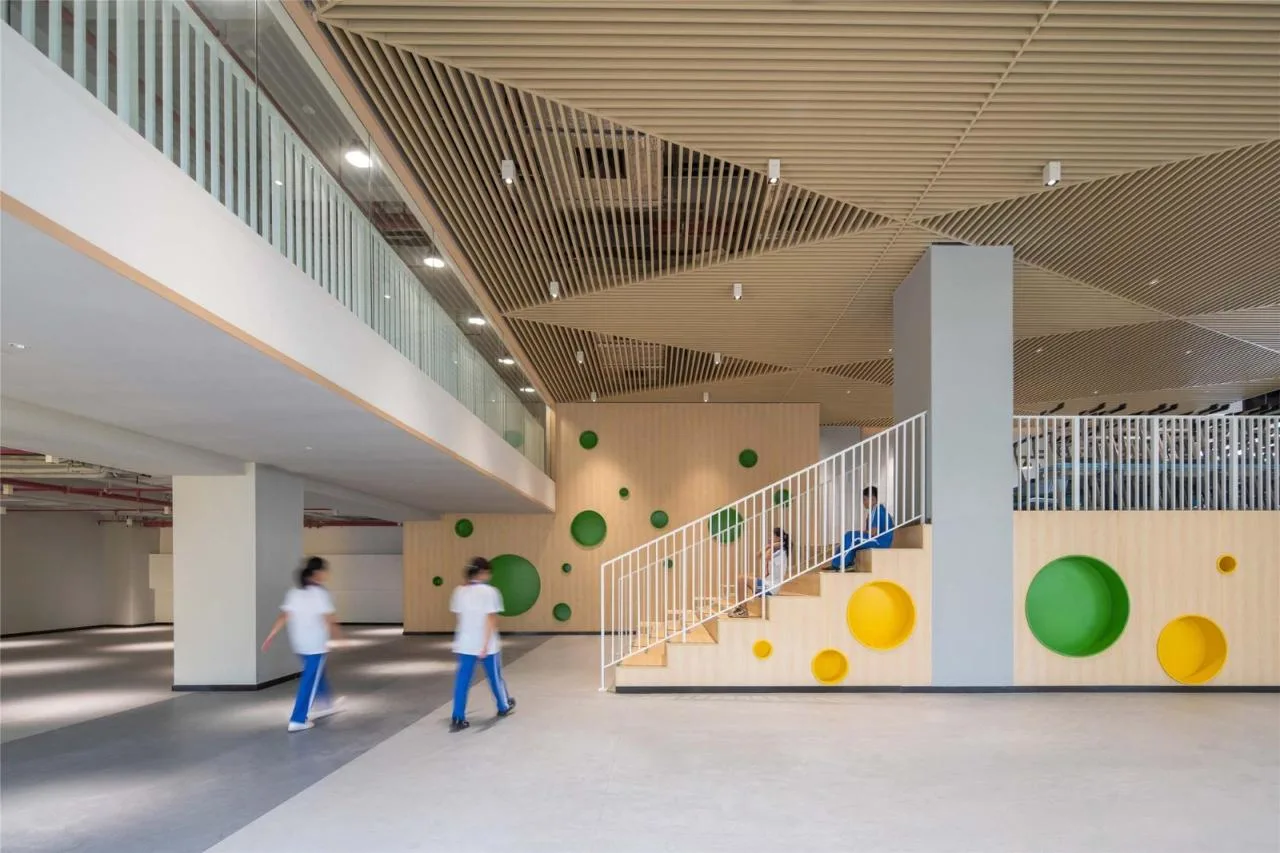
Design Concept – “Circular Order”: This concept combines multiple circular spatial forms—such as steps, courtyards, bridges, and levels—to create an informal campus space reminiscent of an amusement park. The “Vitality Ring” fosters an organic integration of learning and daily life, infusing campus culture with warmth and humanity. Children’s everyday activities—reading, thinking, running, playing, debating, and imagining—are supported by open, complex, and multi-layered spatial experiences.
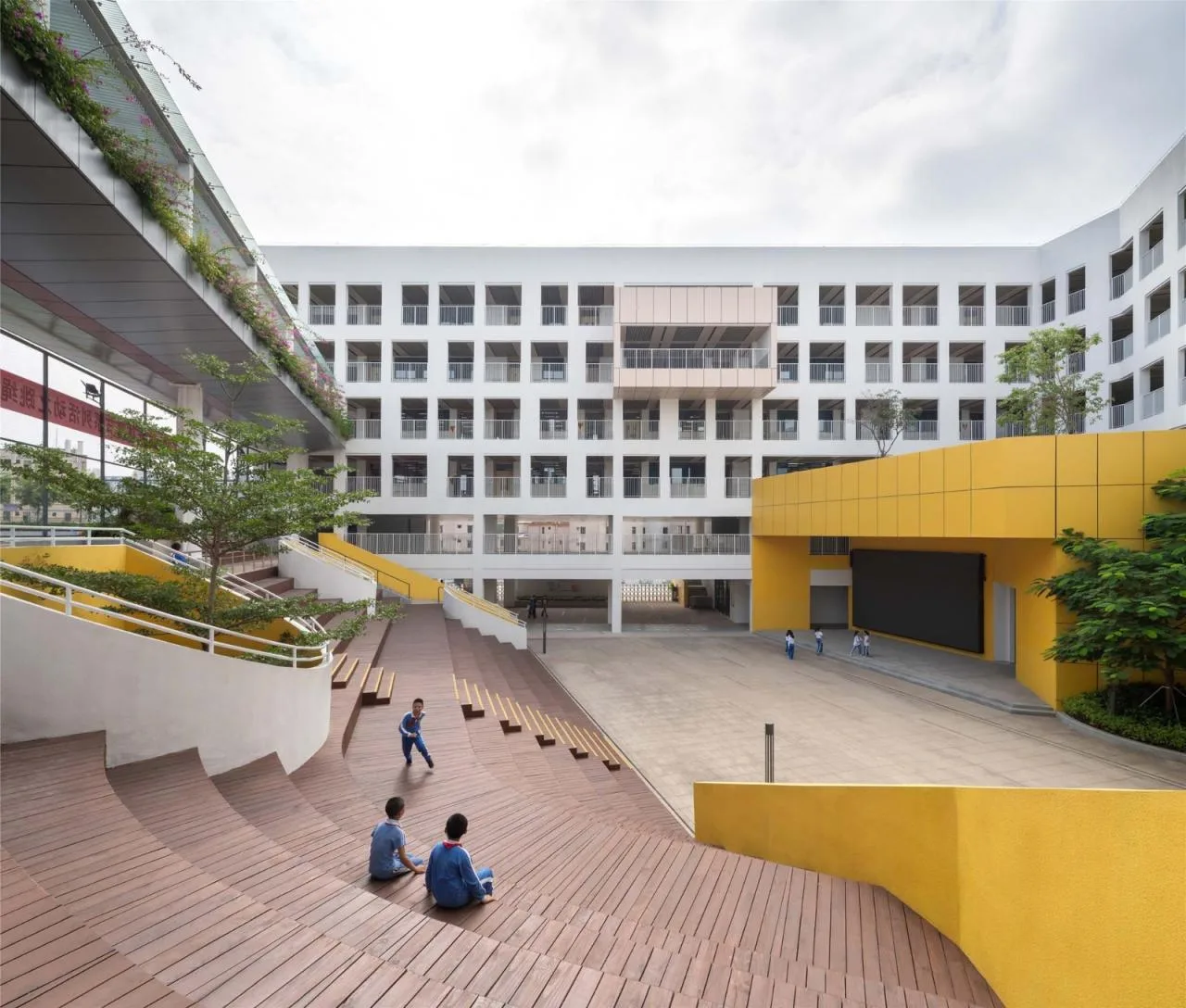
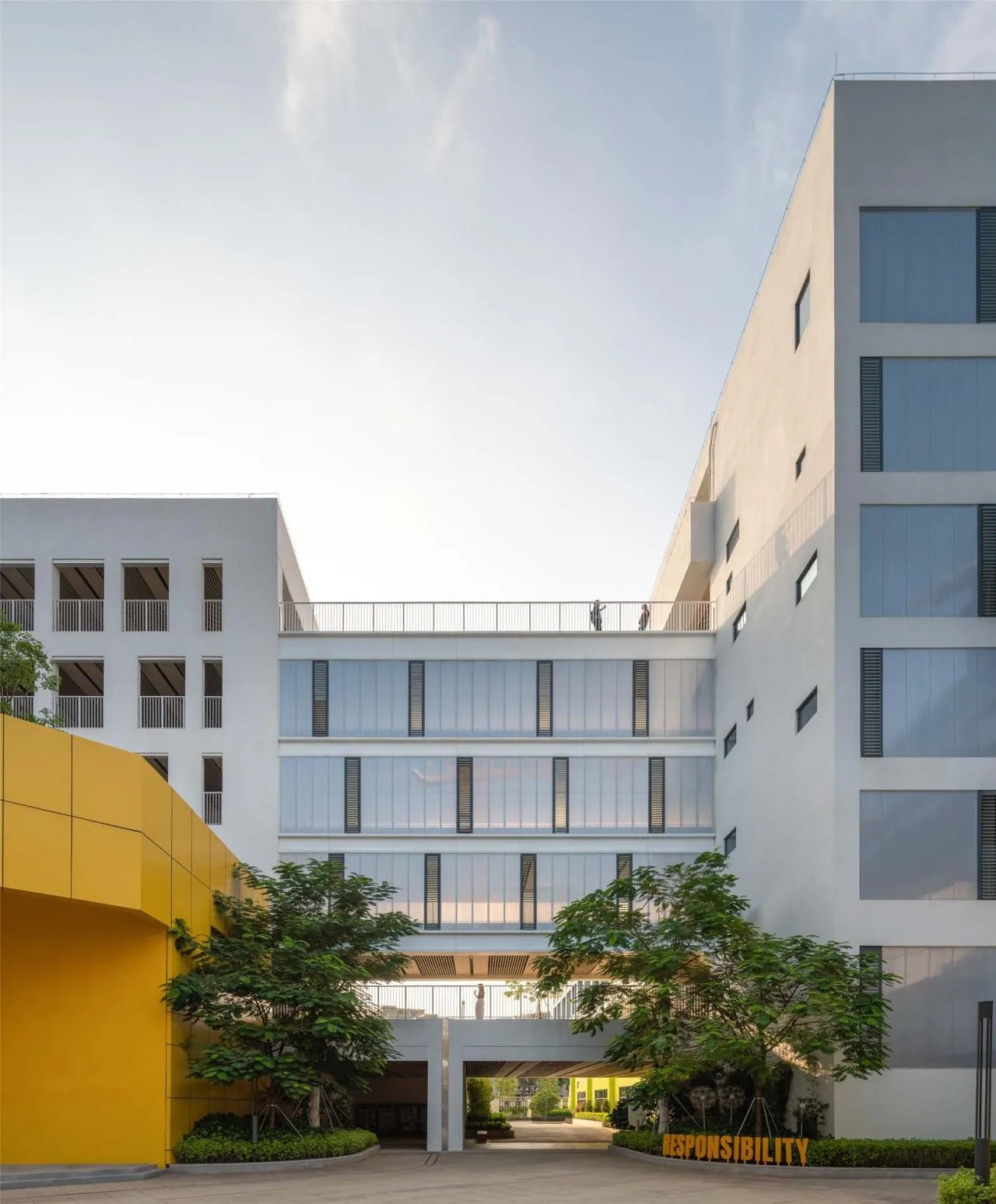
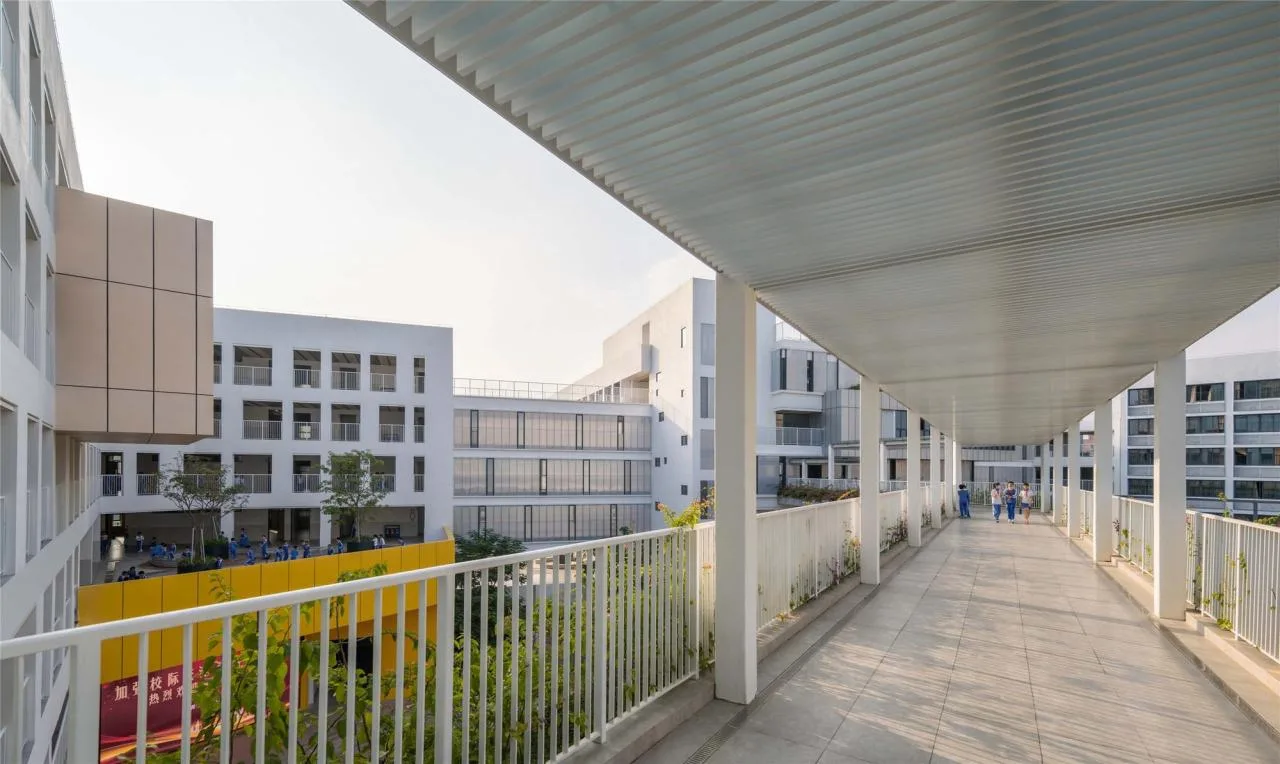
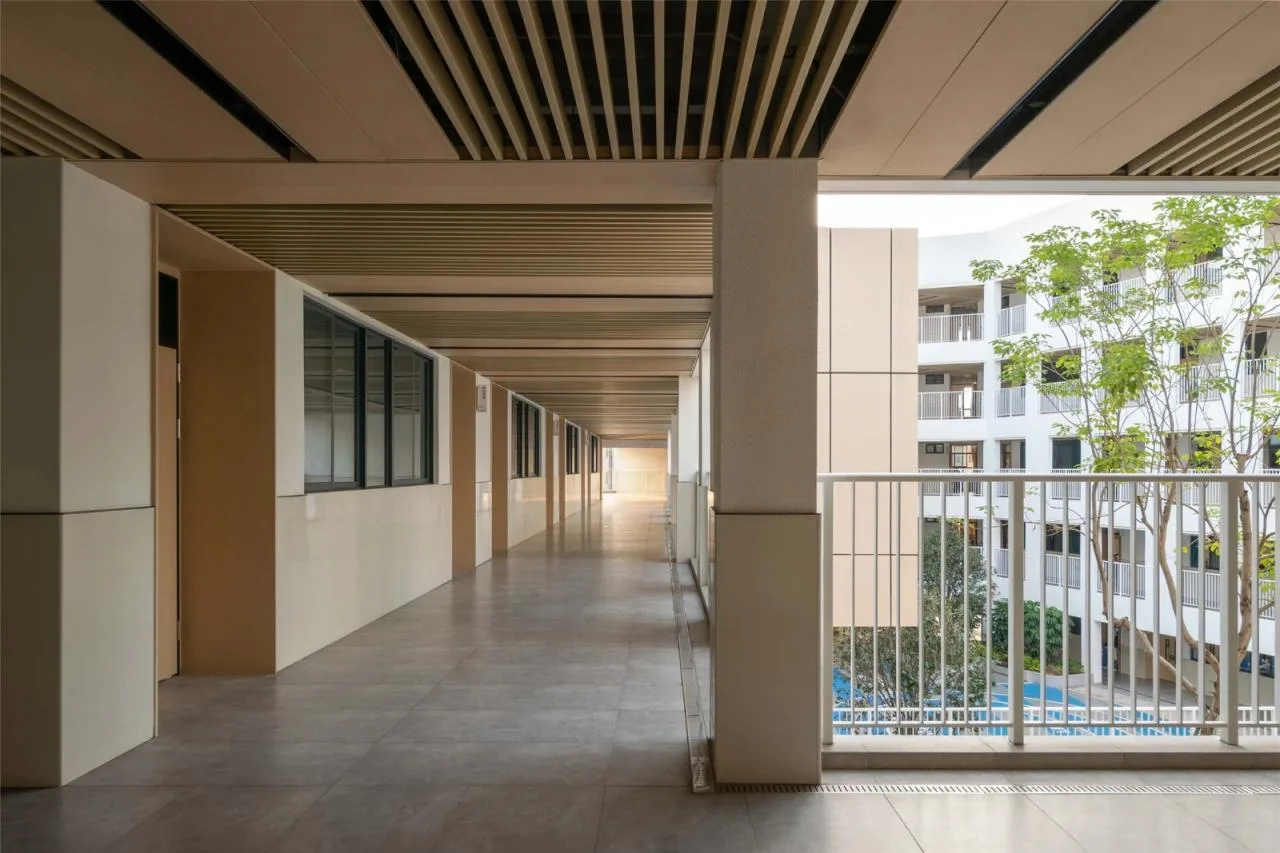
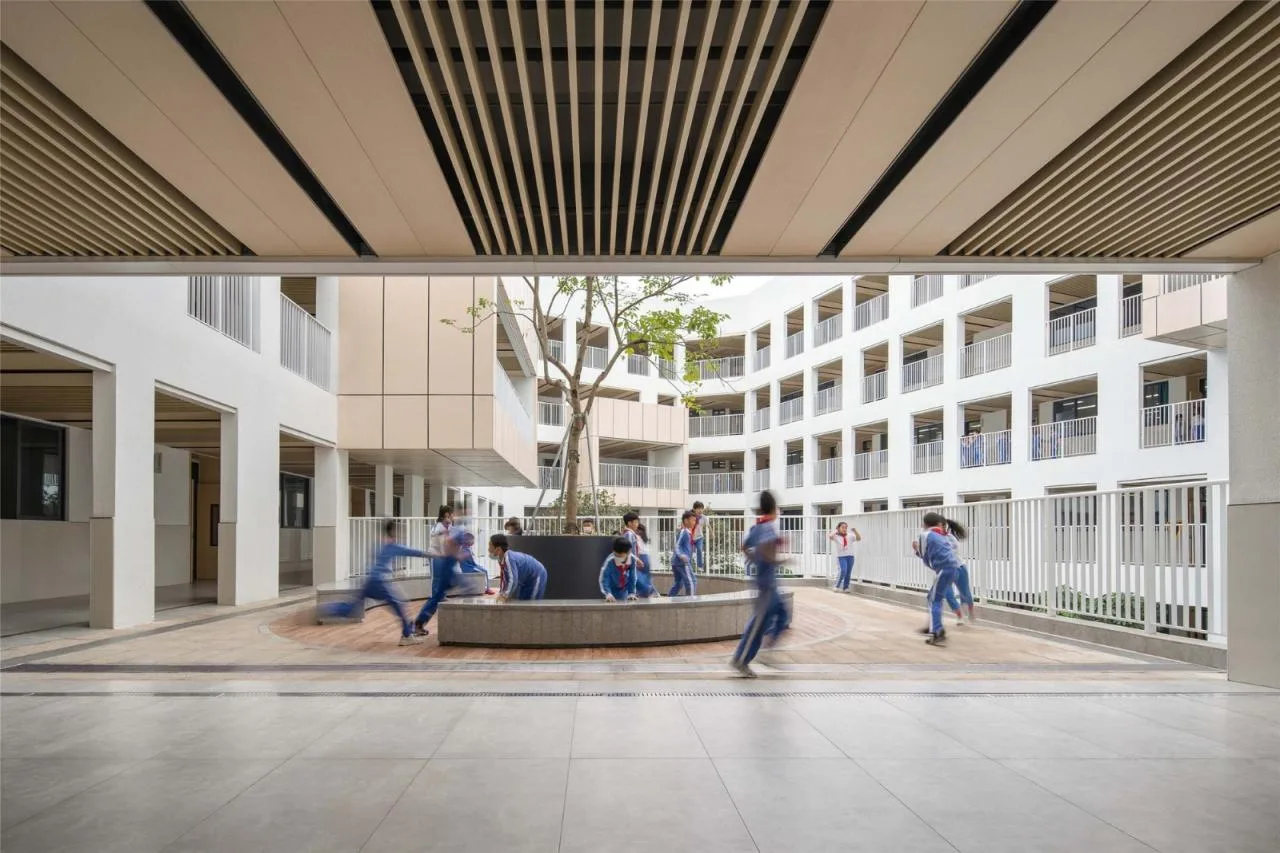
Campus Layout: The design internalizes campus order by creating semi-enclosed teaching spaces that promote an efficient and focused academic atmosphere. The layout connects recess areas with classrooms through inward-facing courtyards, enhancing comfort and scale to better suit children. Beyond two quiet inner courtyards, numerous outdoor platforms, corridors, and bridges encourage children’s movement sheltered from adverse weather while softening building volumes that might otherwise feel overwhelming.
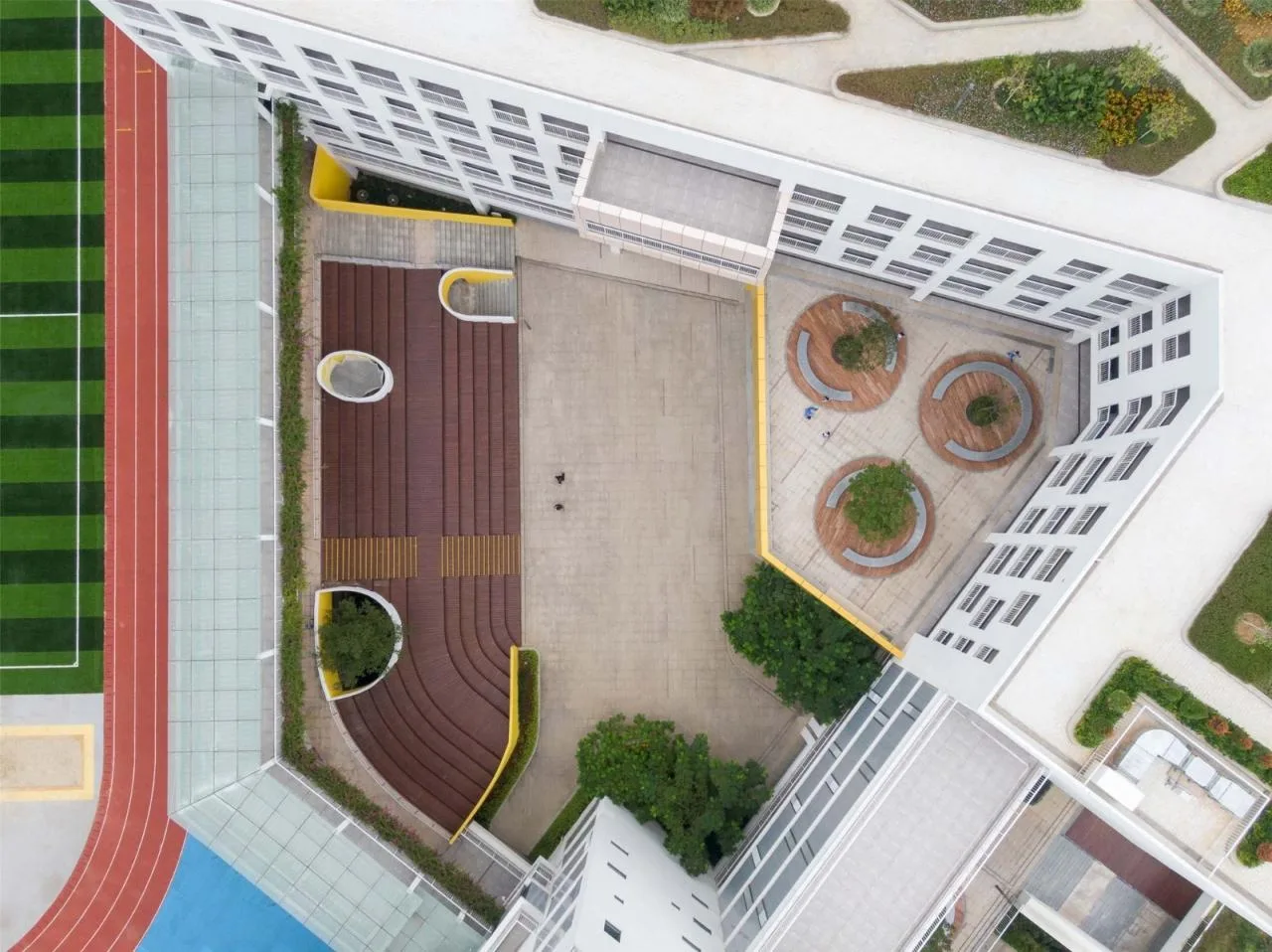
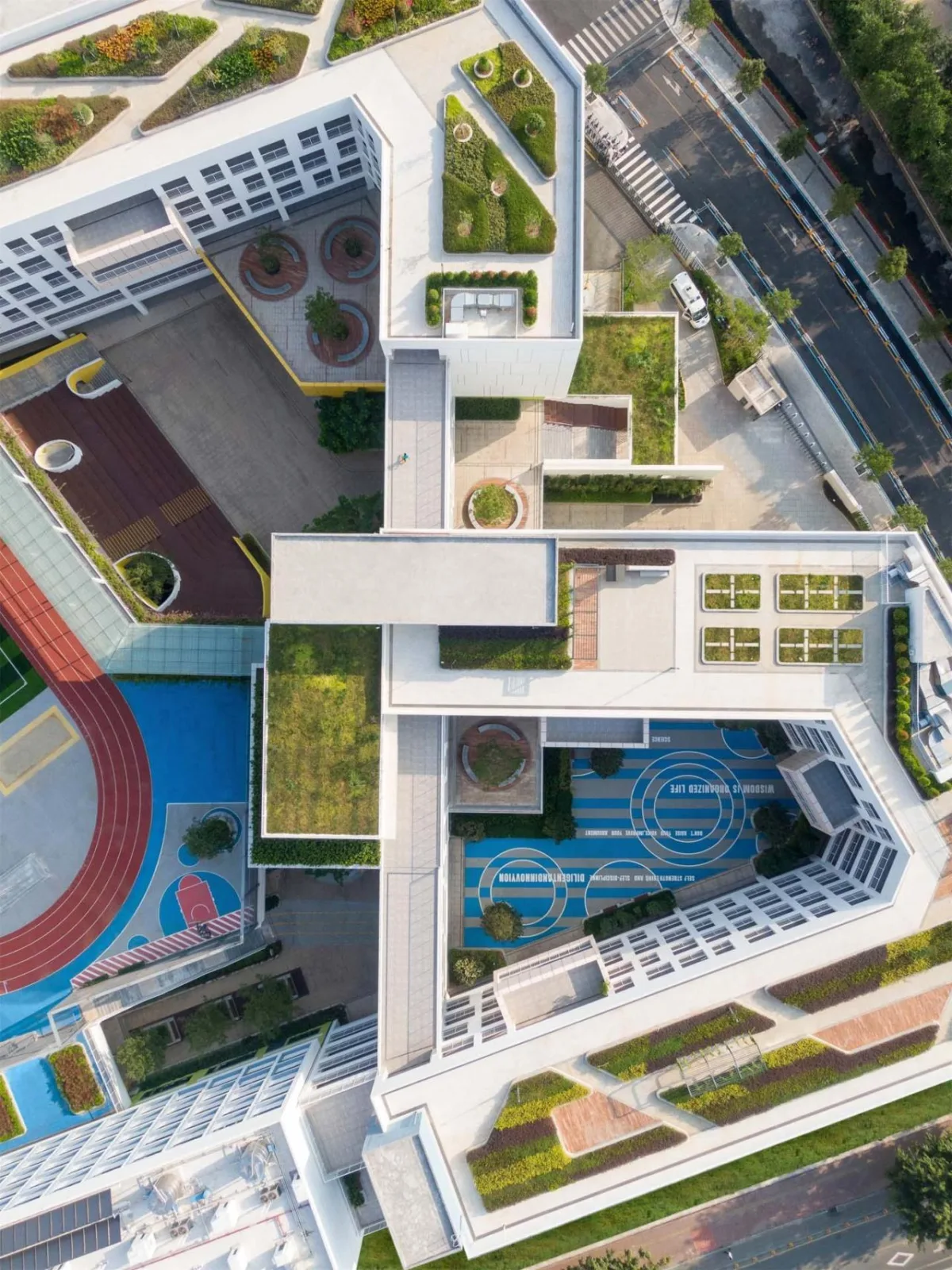
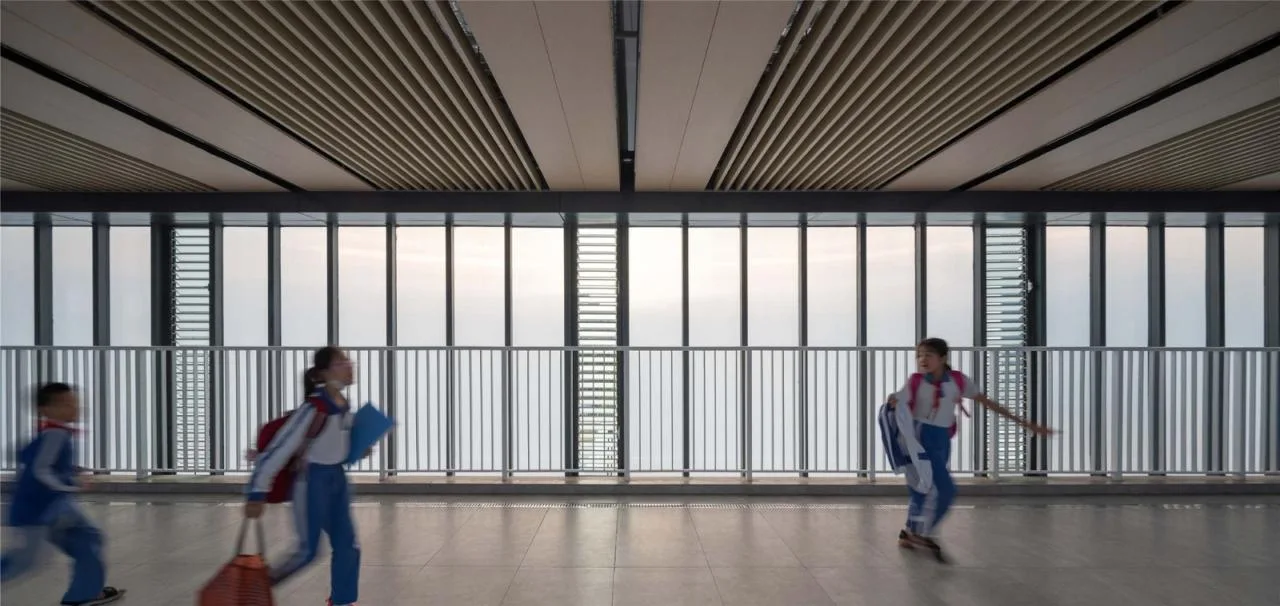
Bridge: The bridge serves as a linear focal point—an elevated corridor linking separate groups of linear spaces. As children move between teaching buildings, they enjoy a sense of physical and mental delight. Looking down from this height intensifies that feeling and establishes the bridge as a visual landmark within the campus.
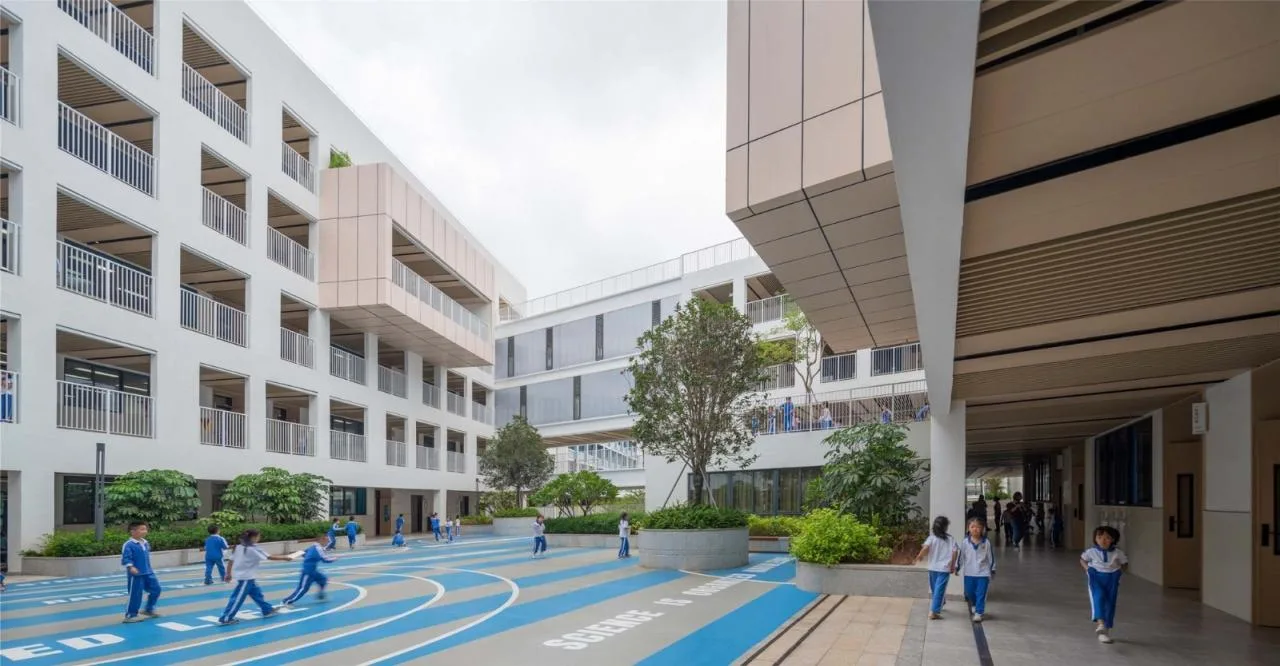
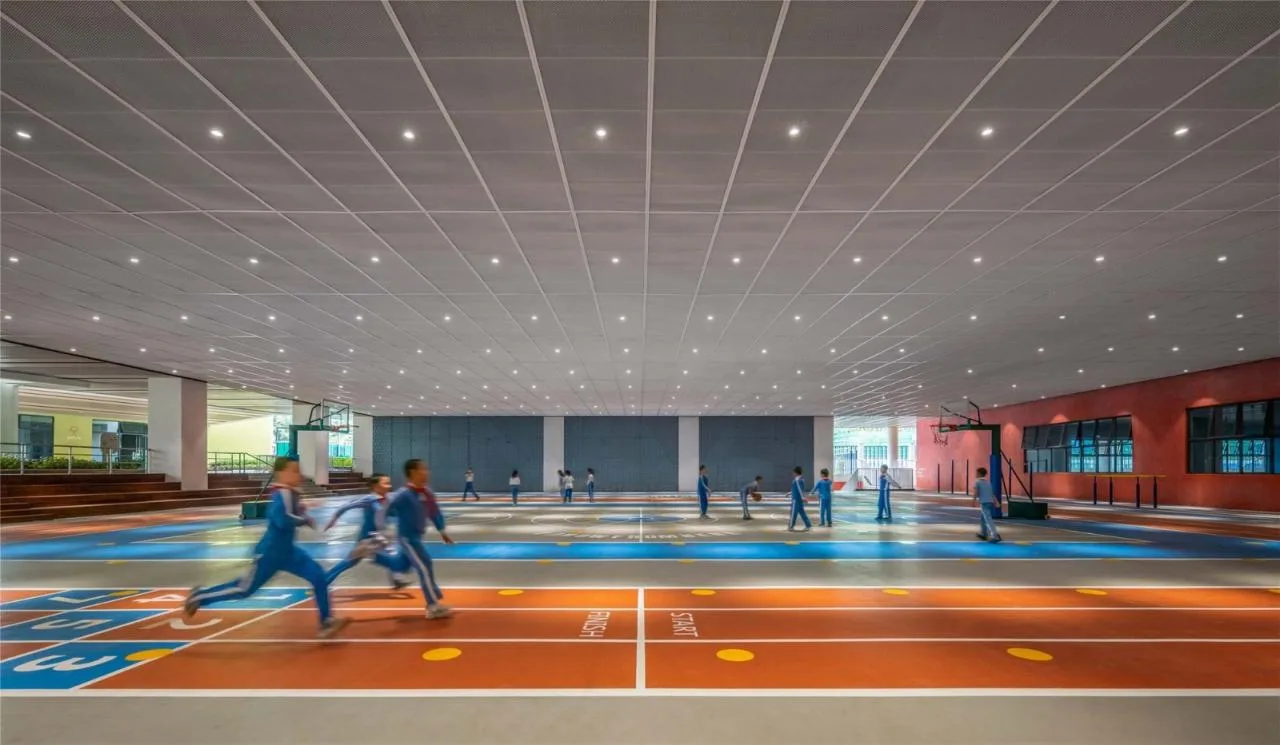
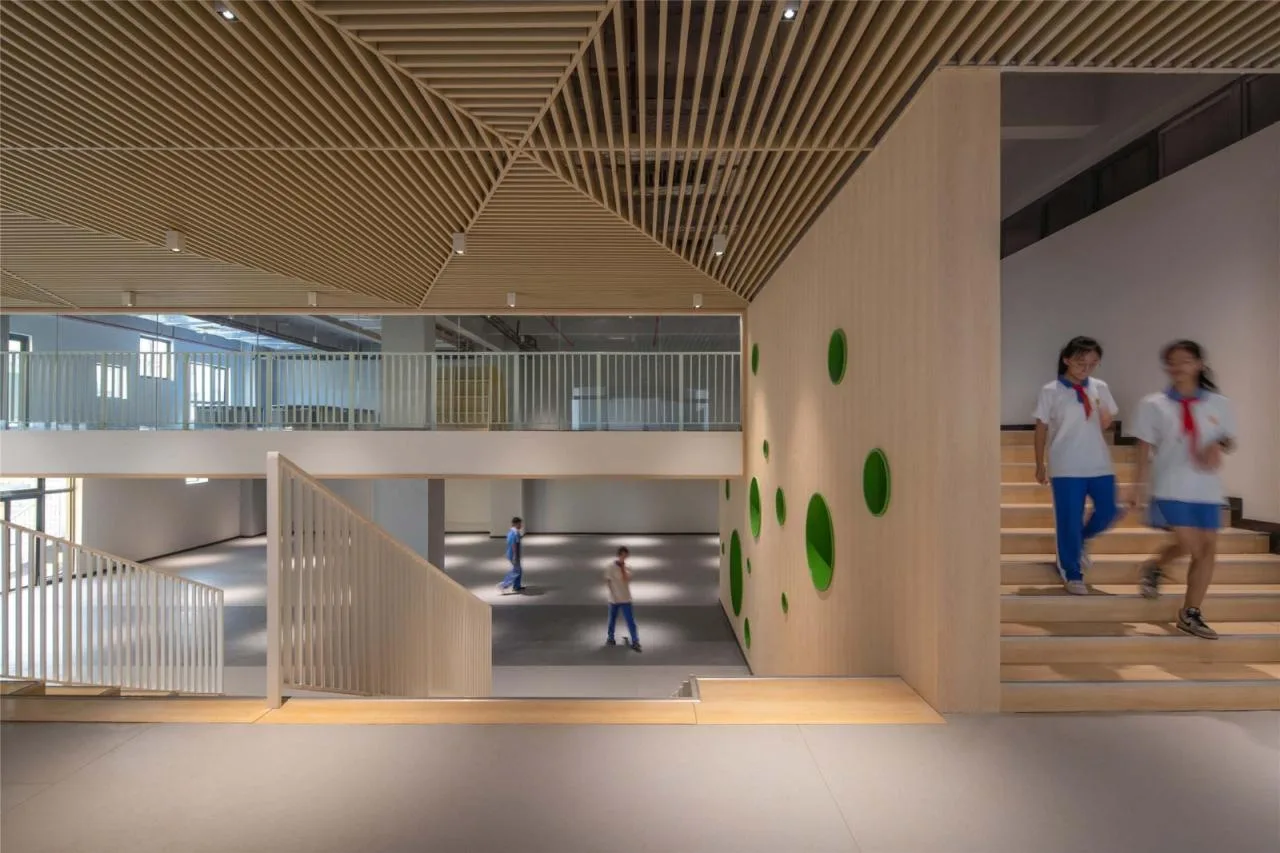
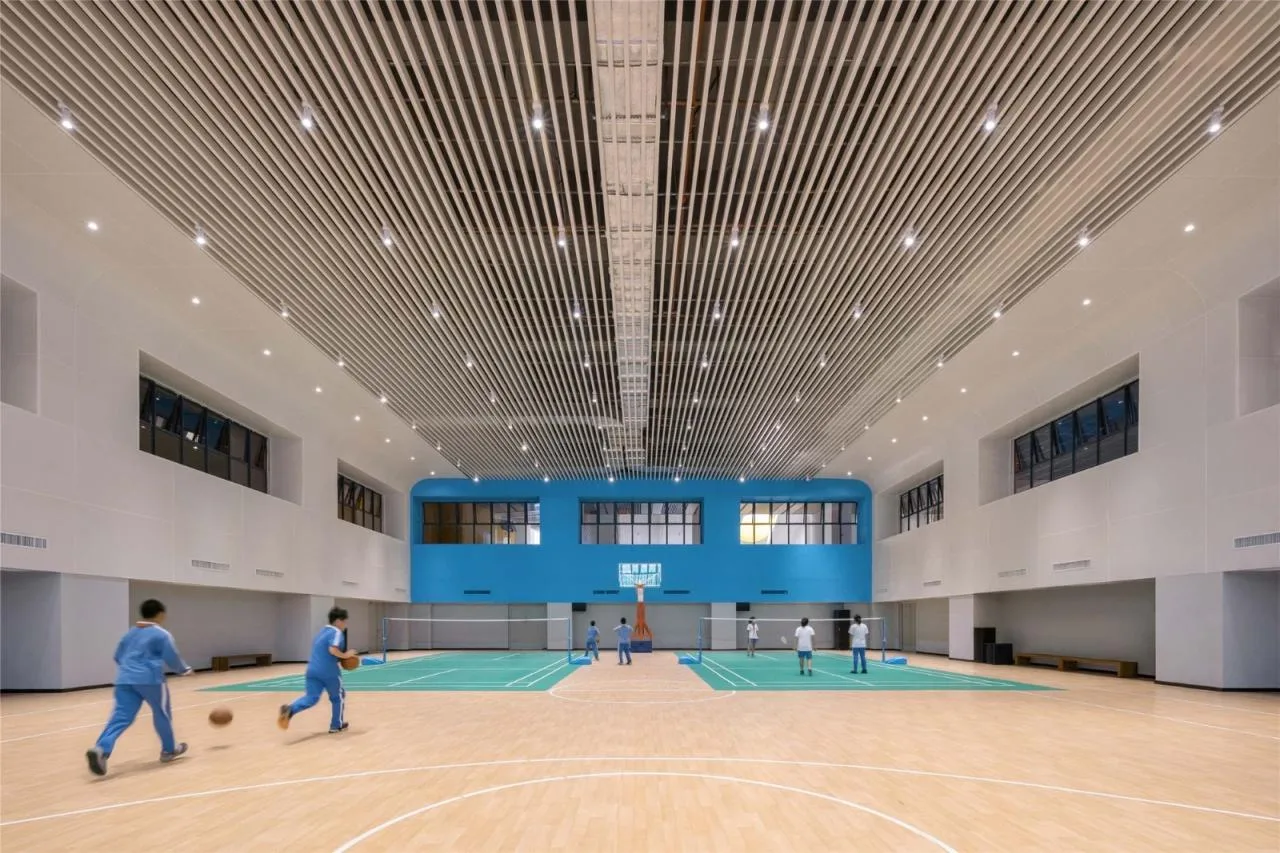
Layer: The “motion layer” is an intensive, floating level that integrates diverse, lively leisure spaces below and connects upward to elevated classroom areas. The raised sports field forms a three-dimensional composite sports zone, extending to the podium of the teaching building. This vertical integration creates a spatial order that encourages children to develop from the ground up and learn from above.
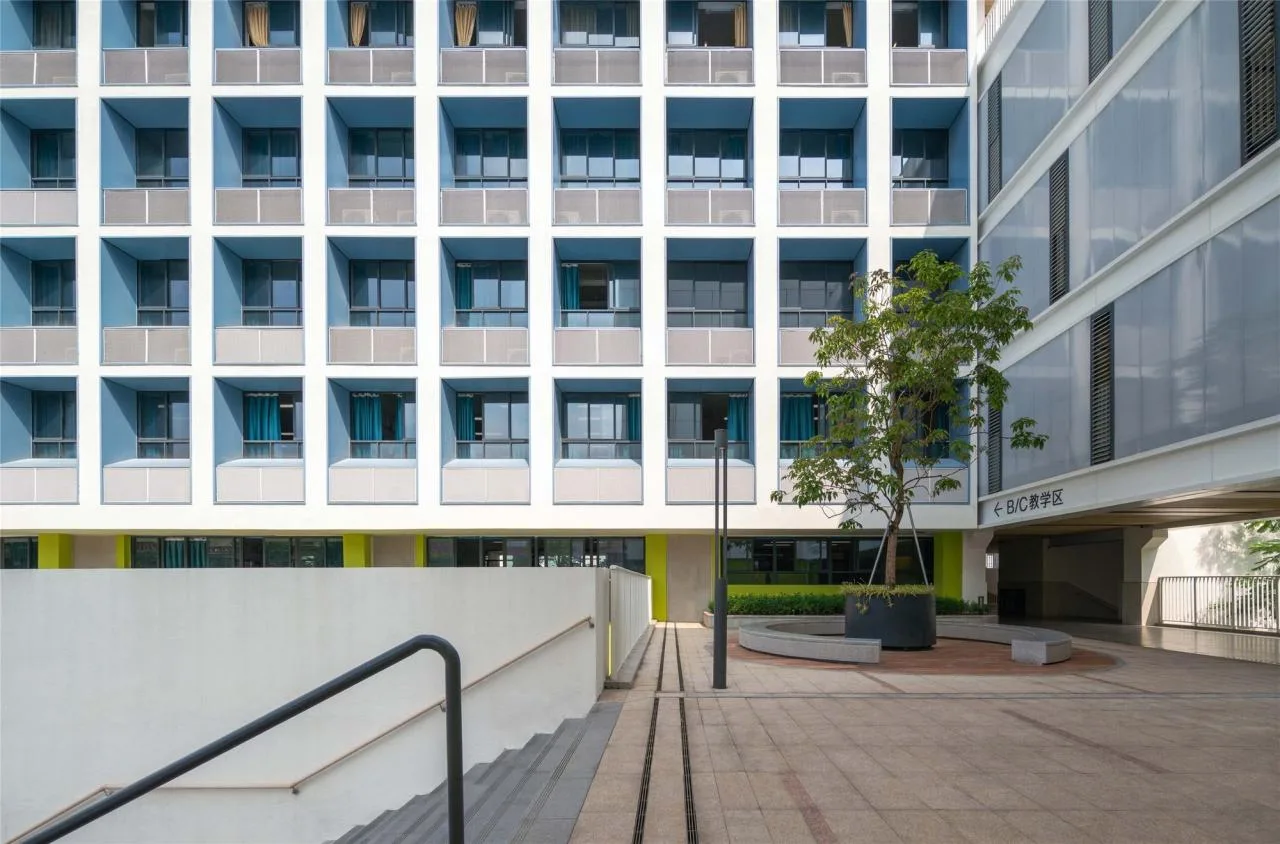
Considering the anticipated urban skyline—higher buildings to the east and lower to the west—the athletic track and field are positioned to the east, with main buildings along the west side. This layout reduces feelings of confinement from taller eastern structures and provides shade and comfort for the playground. The gray space beneath the northeast playground serves as a waiting area for parents, easing traffic congestion around the school.
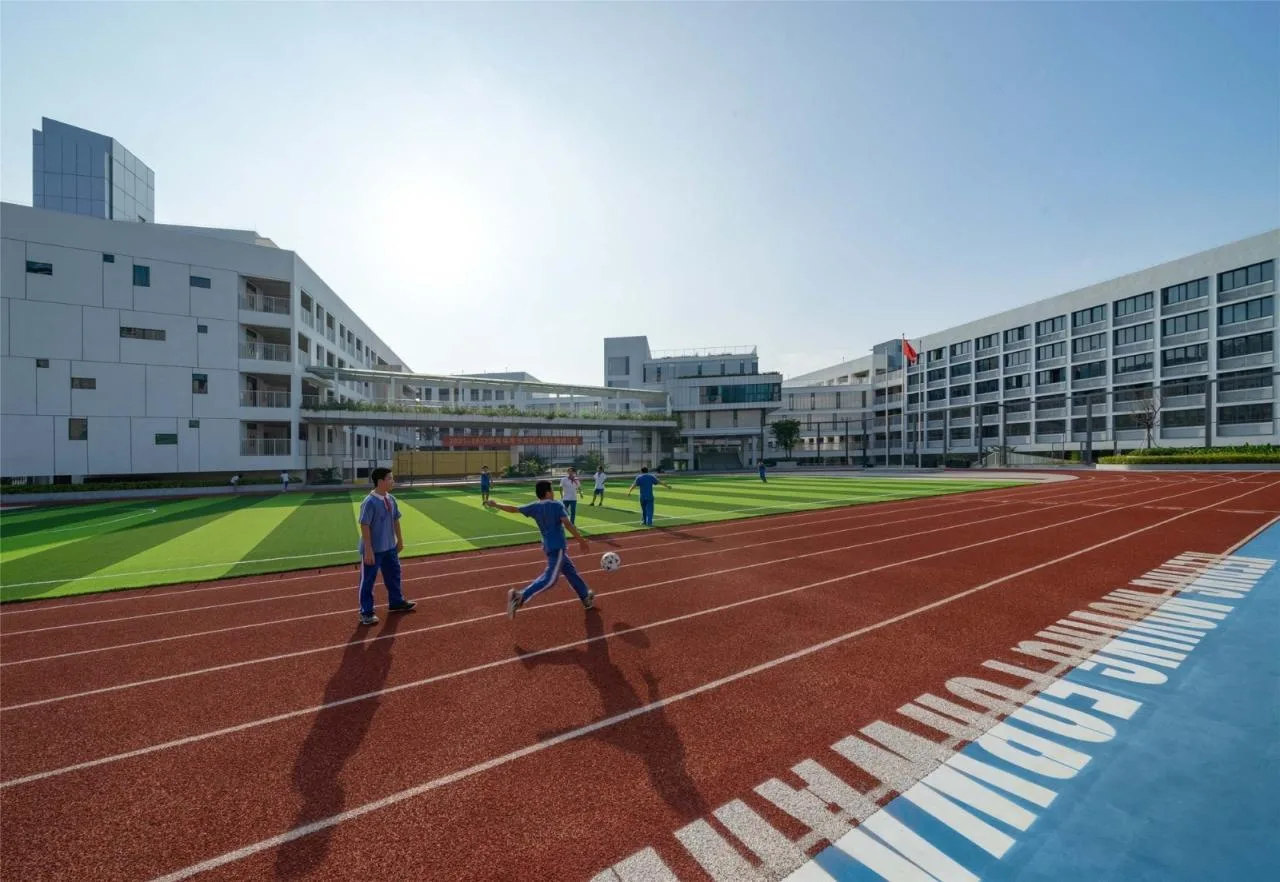
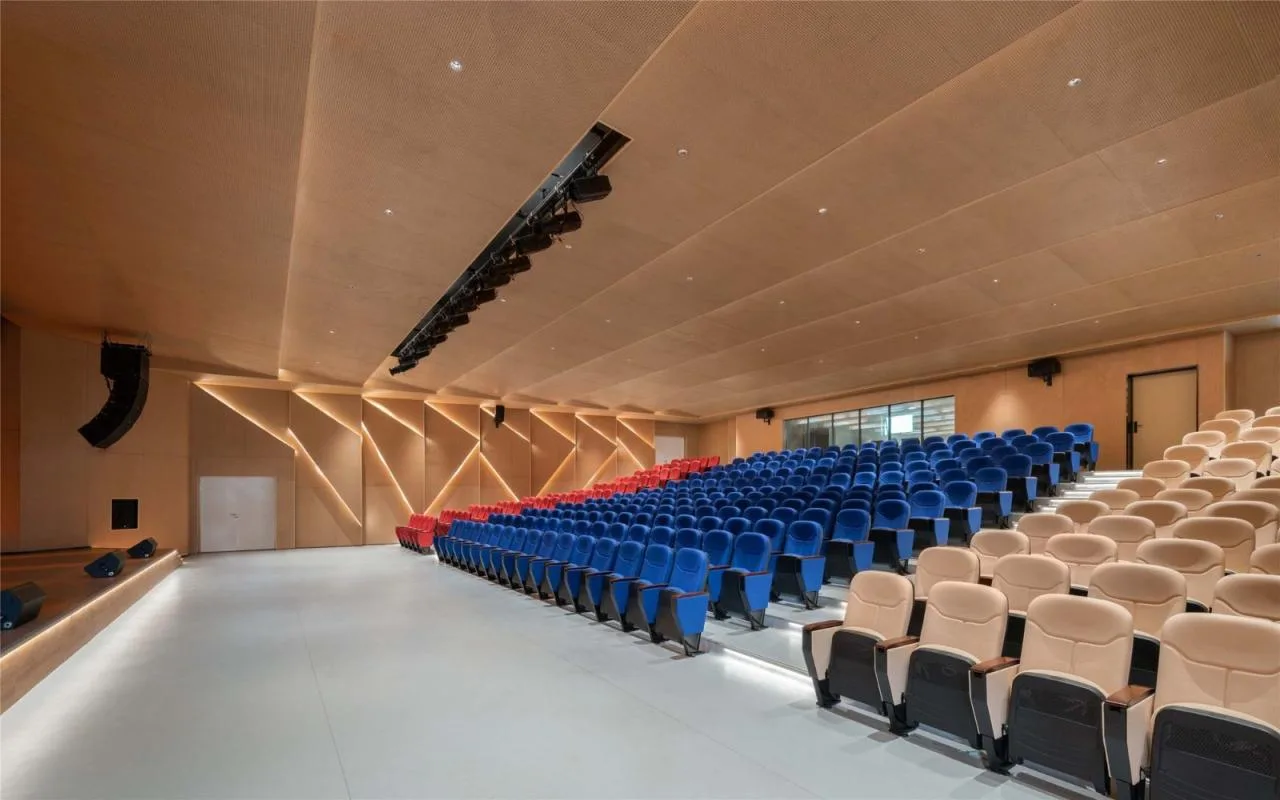
Step: The “Step” acts as an informal space for fun and freedom, unlocking childhood’s potential. Recognized by numerous studies and Nobel laureates, fostering childhood creativity is vital. A small theater on campus sparks student interest and serves as a ceremonial, memorable space. Vertical transitions offer multiple growth opportunities, with the theater becoming a spiritual hub where students, parents, and teachers share memories and experiences.
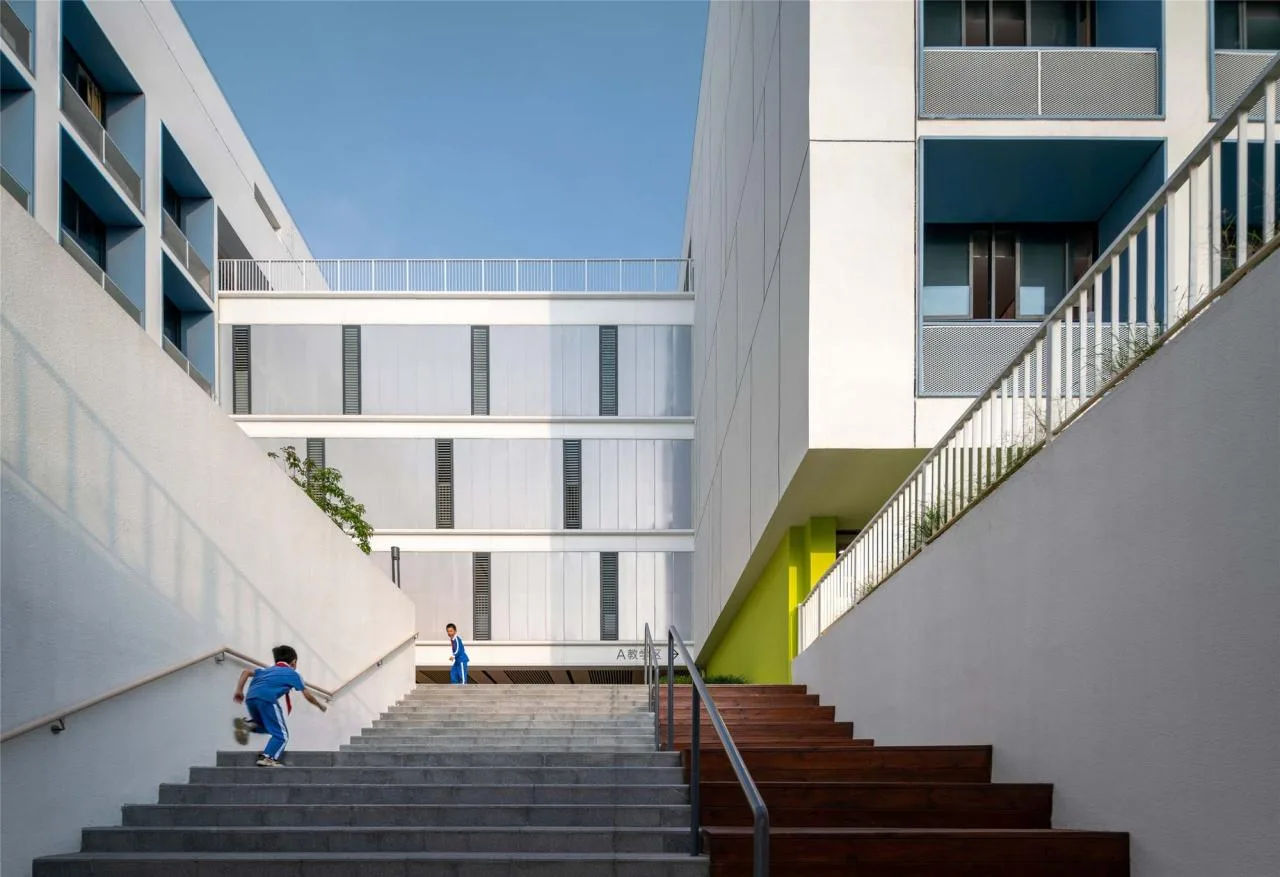
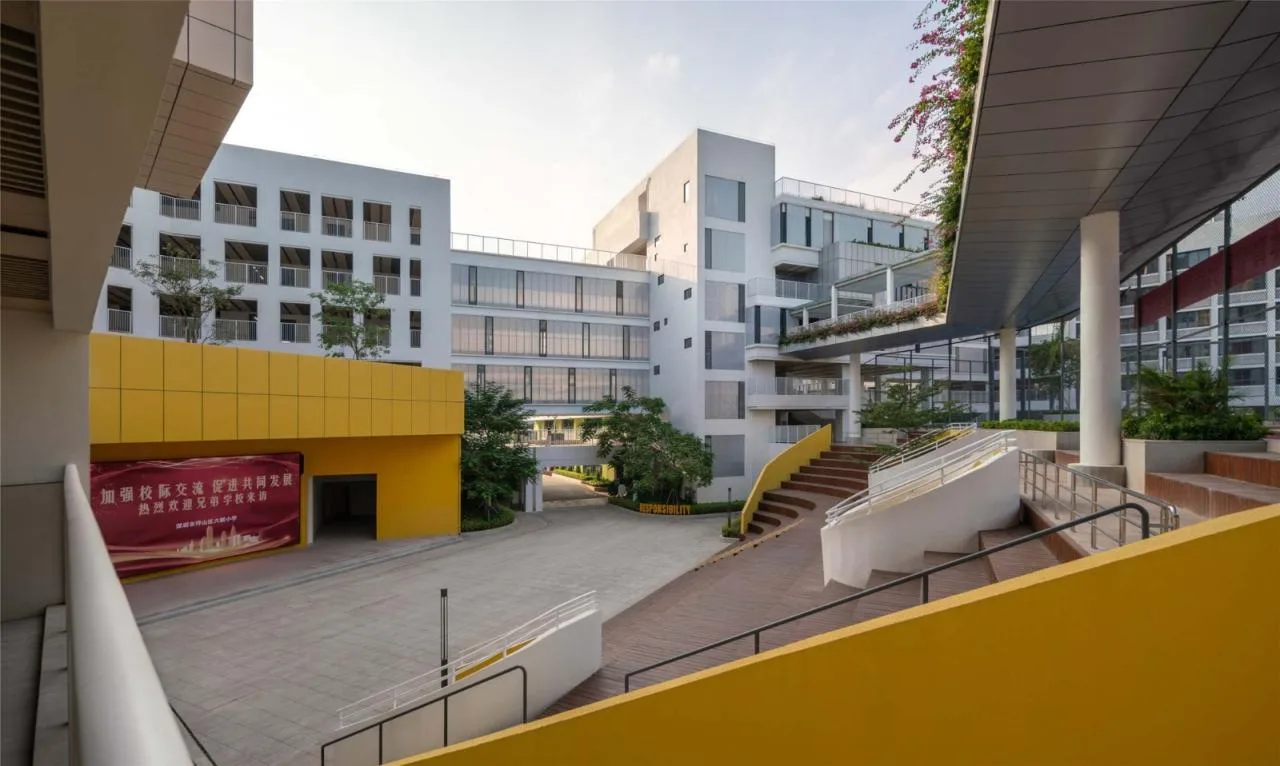
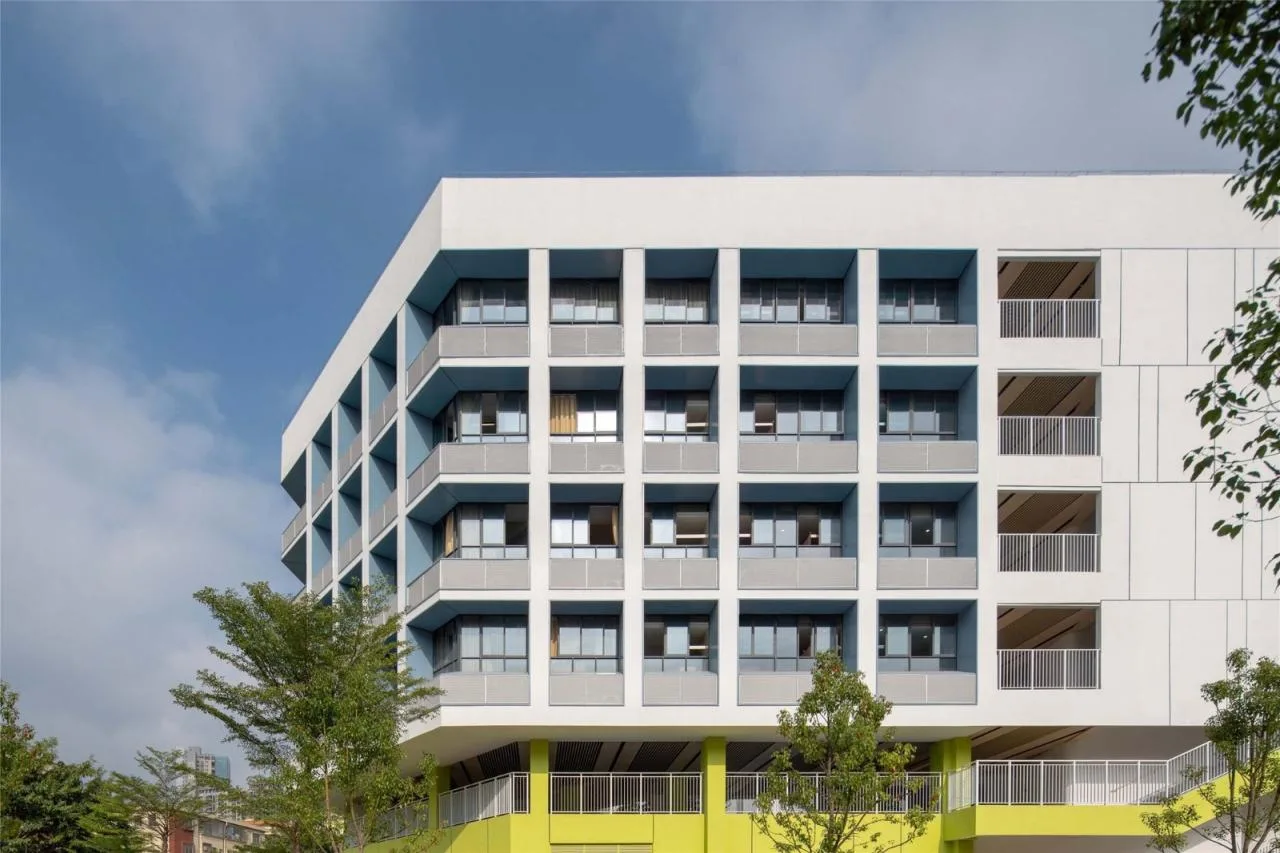
Window: The self-cleaning building façade “window” bridges indoor and outdoor environments. Besides providing light and ventilation, the tilted metal panels maintain cleanliness through rainwater runoff. This simple facade language enhances the campus’s overall texture, impression, and sense of order.
Conclusion: A school is not only a place for education but also a repository of childhood memories. Rixin Primary School was designed with this in mind—shaping a campus that resonates not just in form but also in the hearts of children. We hope students will discover and grow within the campus’s circular order, embracing their past, present, and future.
Project Drawings
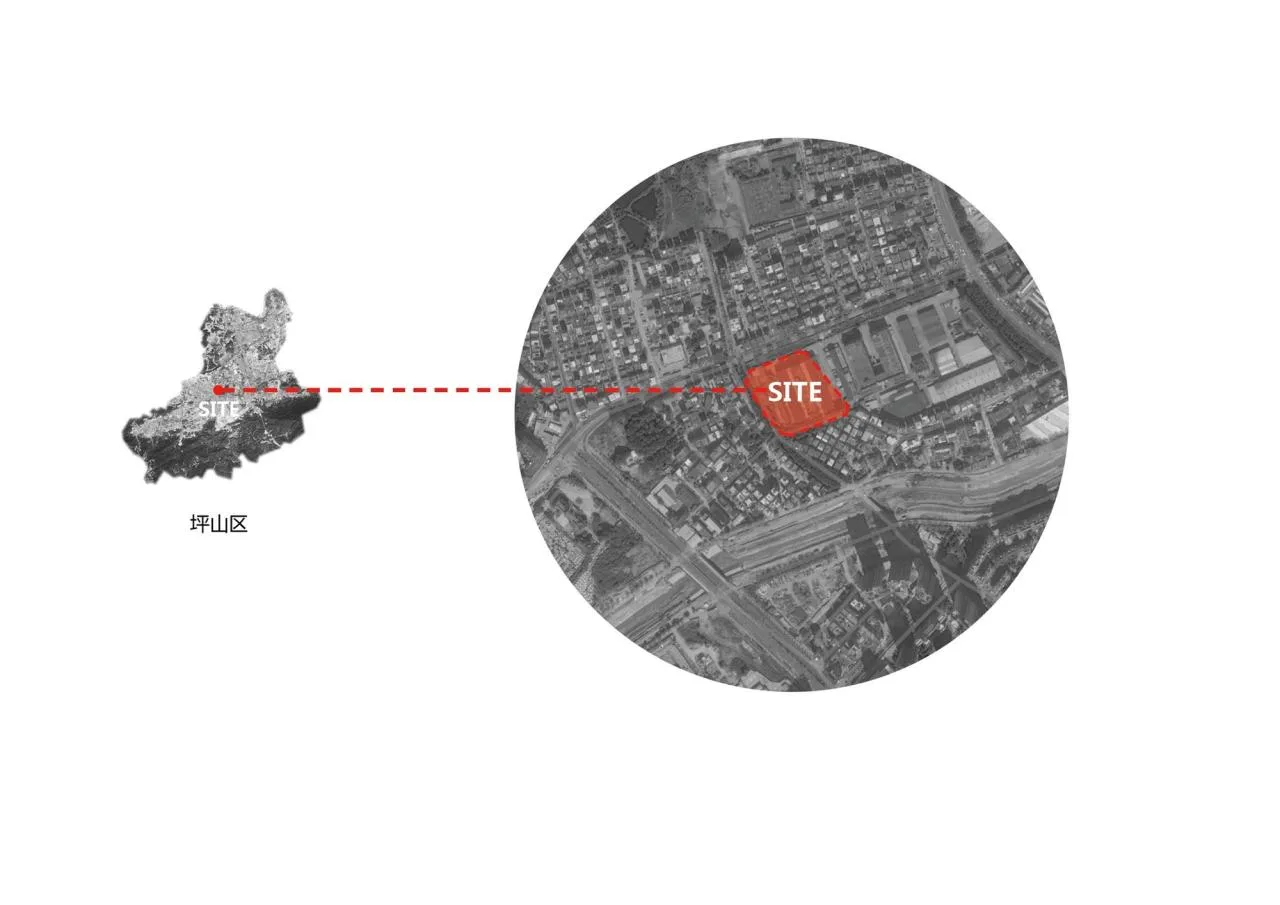
△ Location Analysis
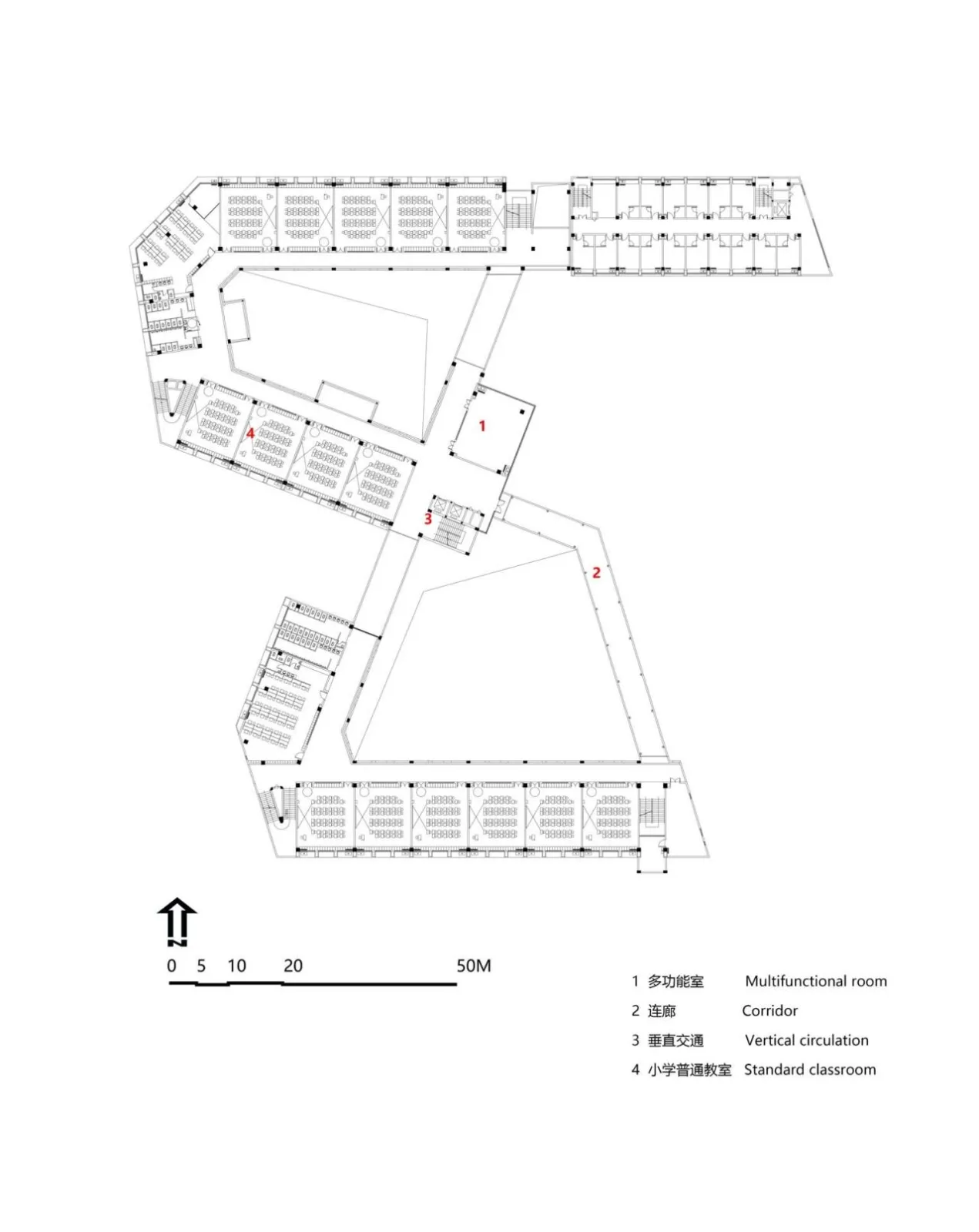
△ First Floor Plan
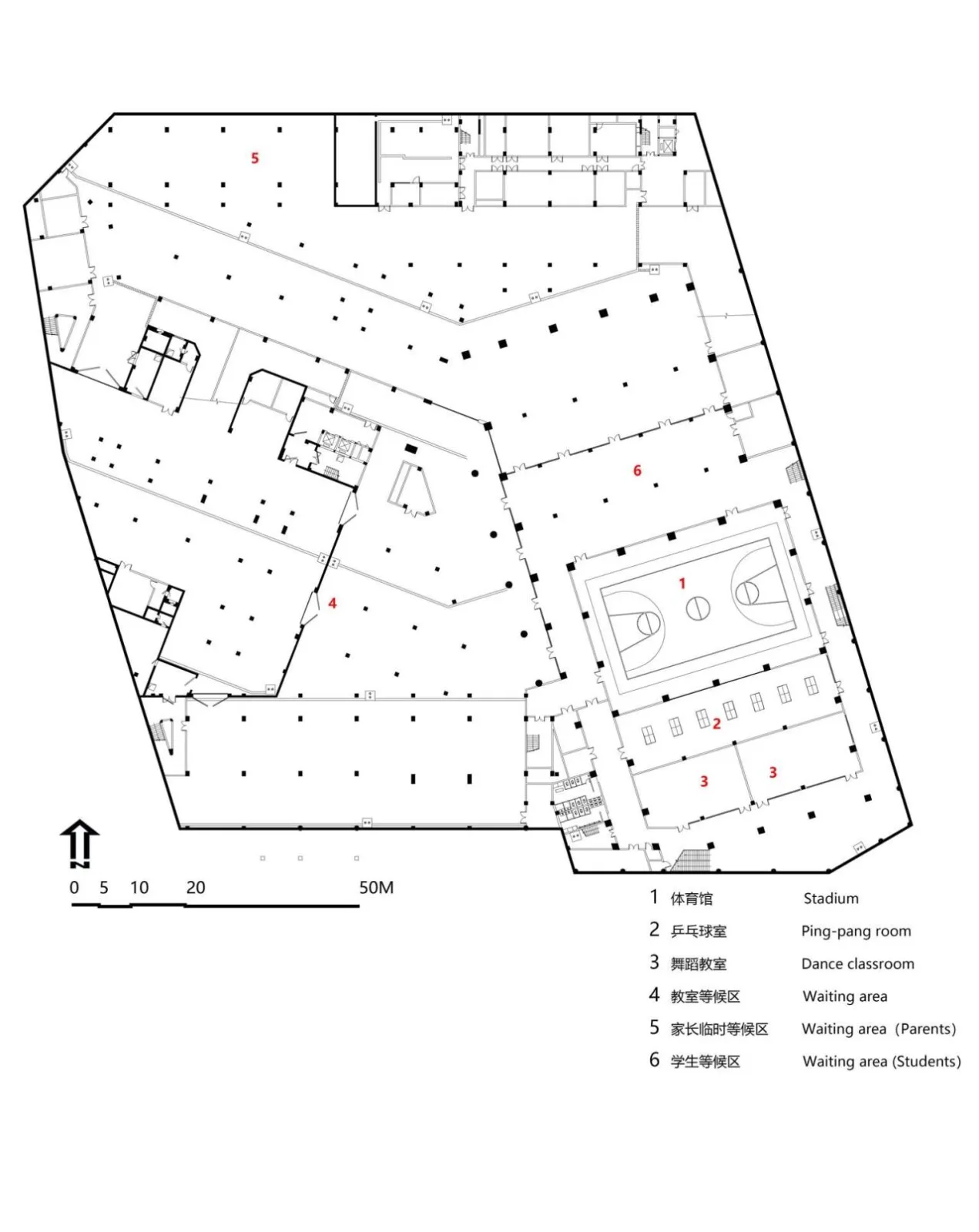
△ Second Floor Plan
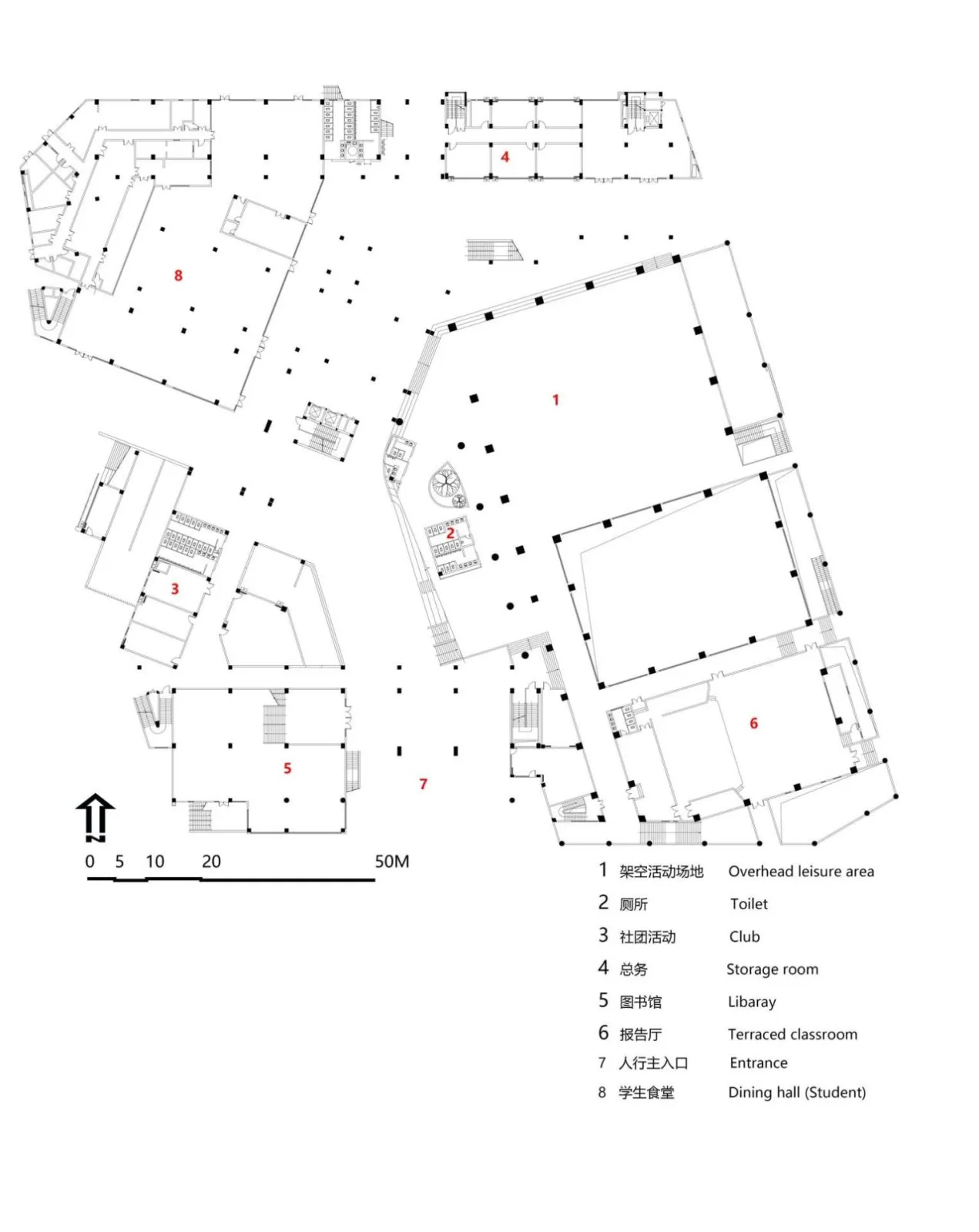
△ Third Floor Plan
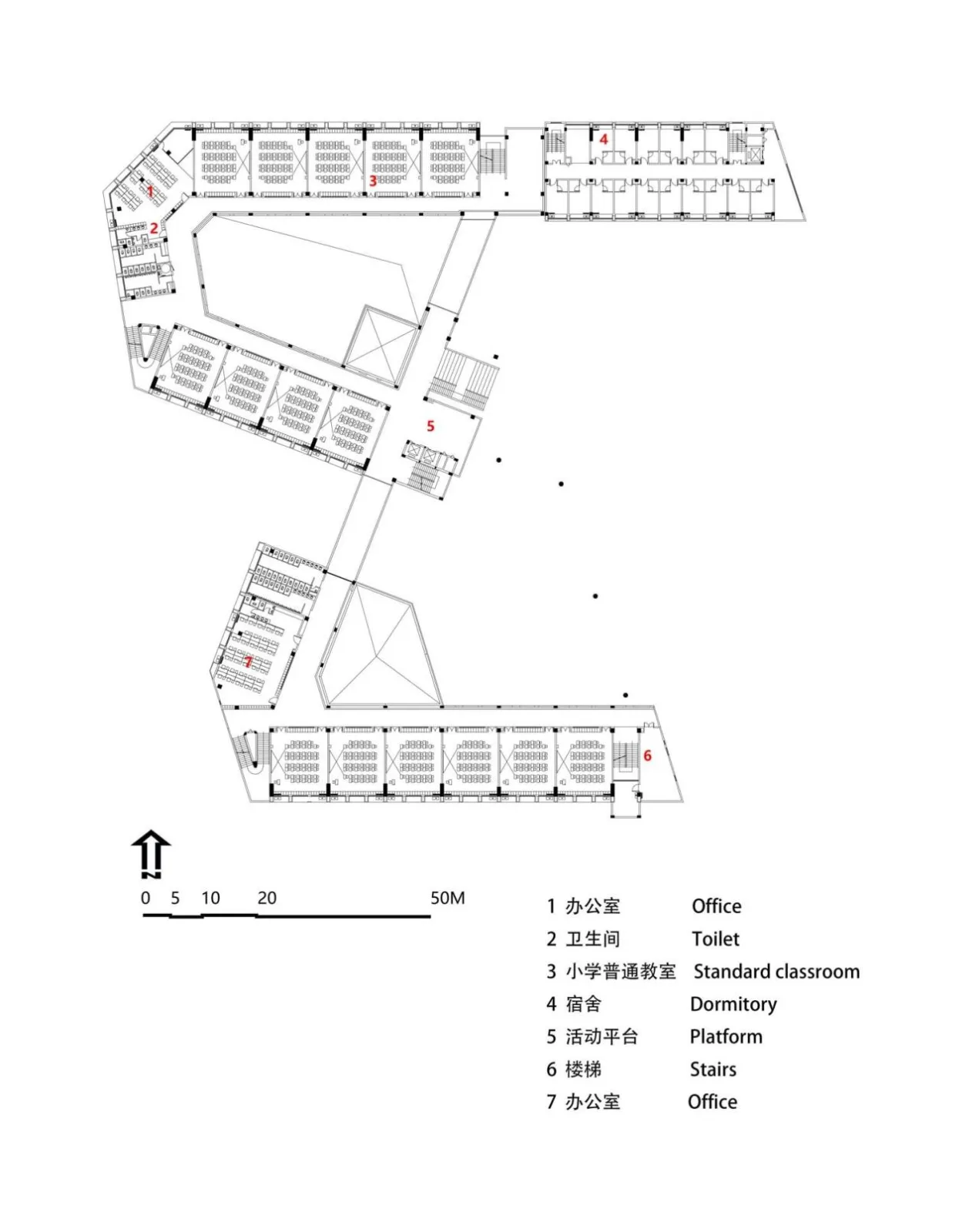
△ Fourth Floor Plan
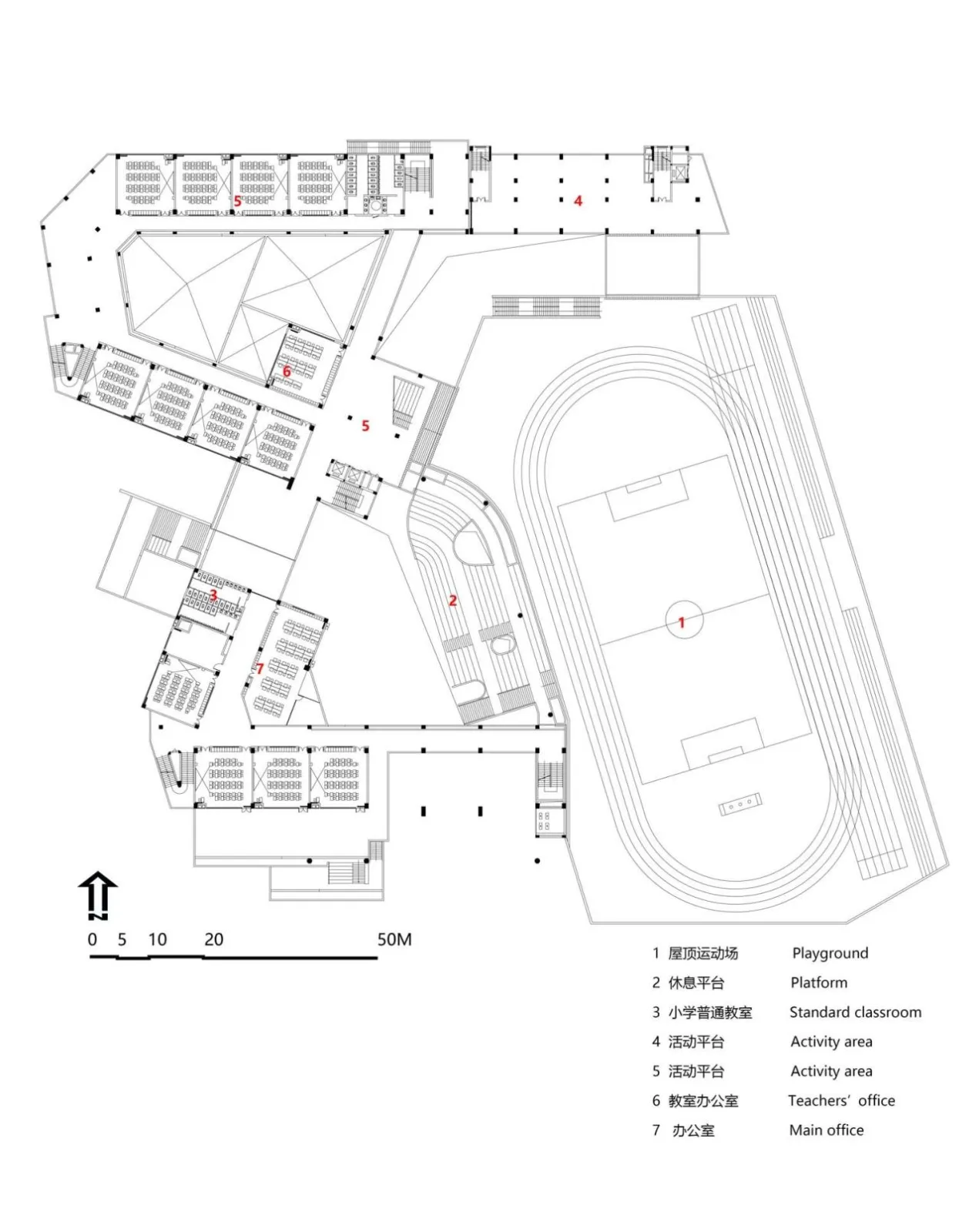
△ Fifth Floor Plan
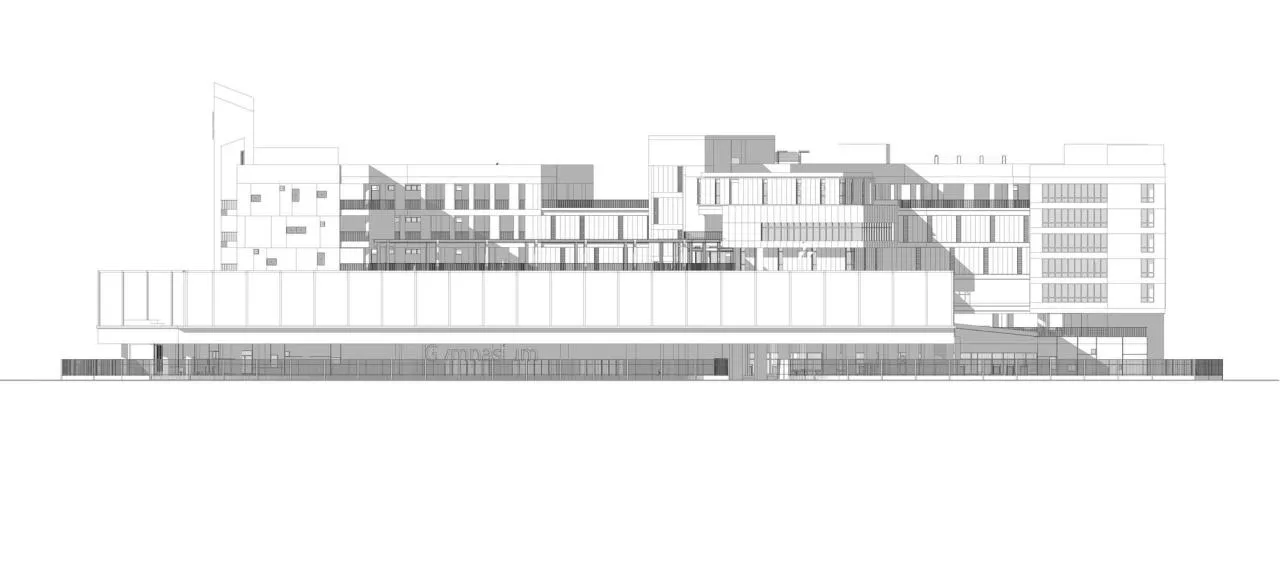
△ Elevation Drawing
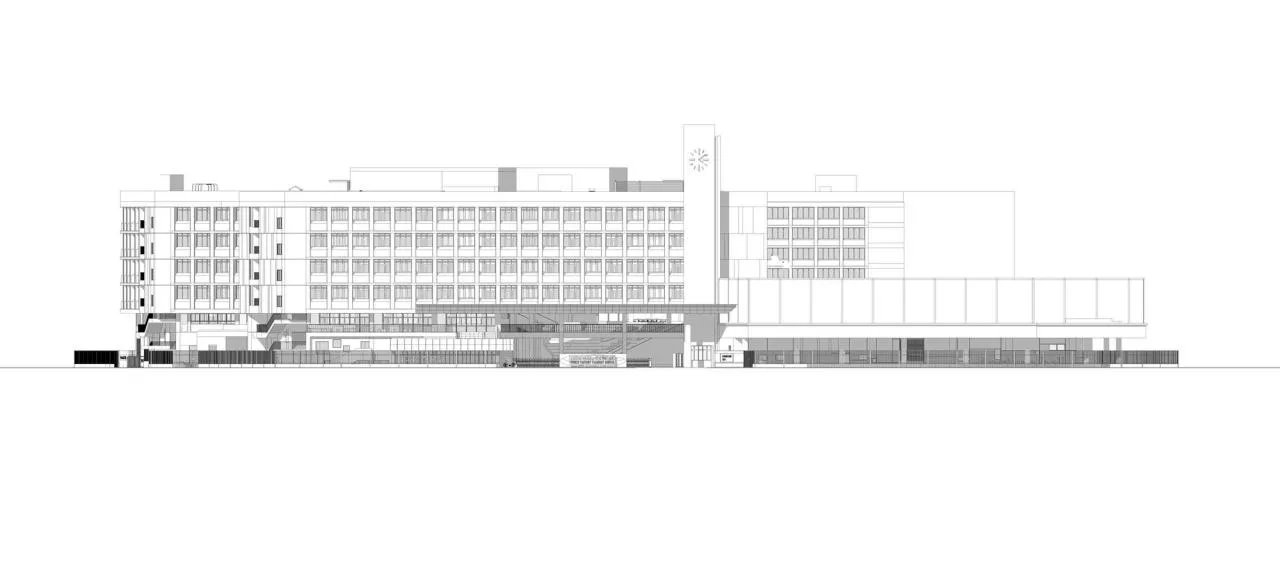
△ Elevation Drawing
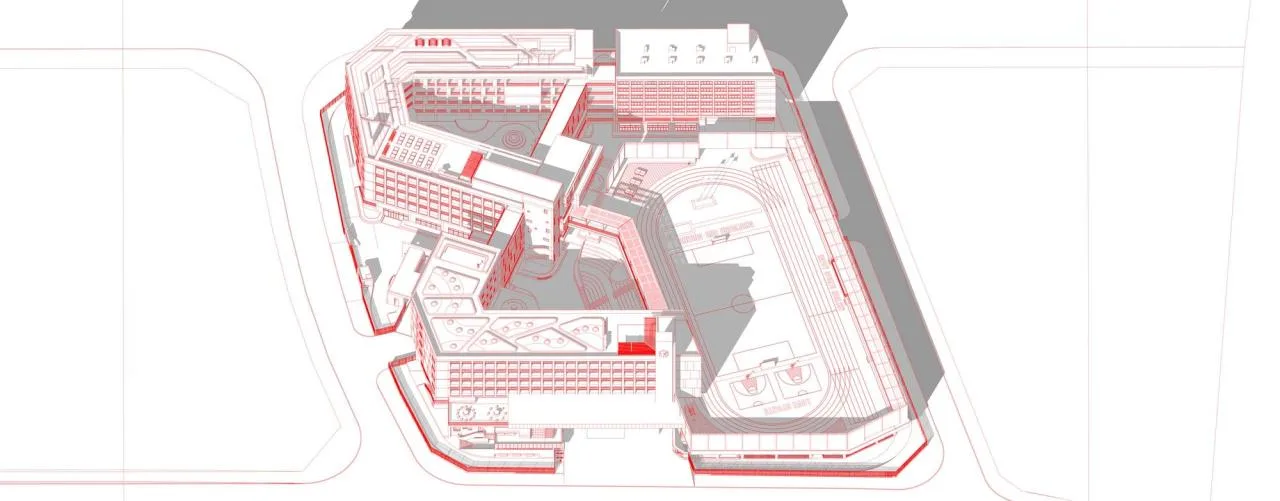
△ Axial Side View
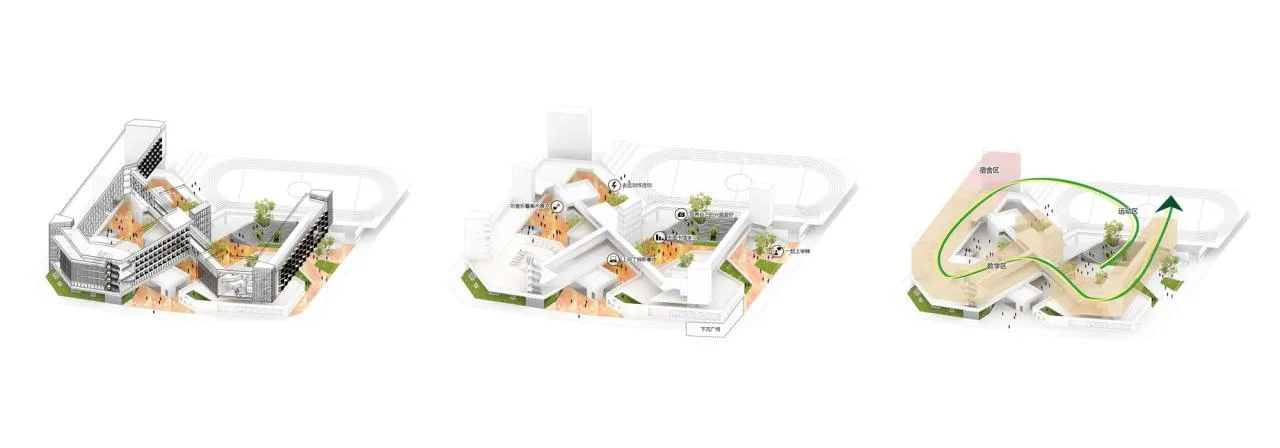
△ Schematic Diagram of Ground Level Activity Space
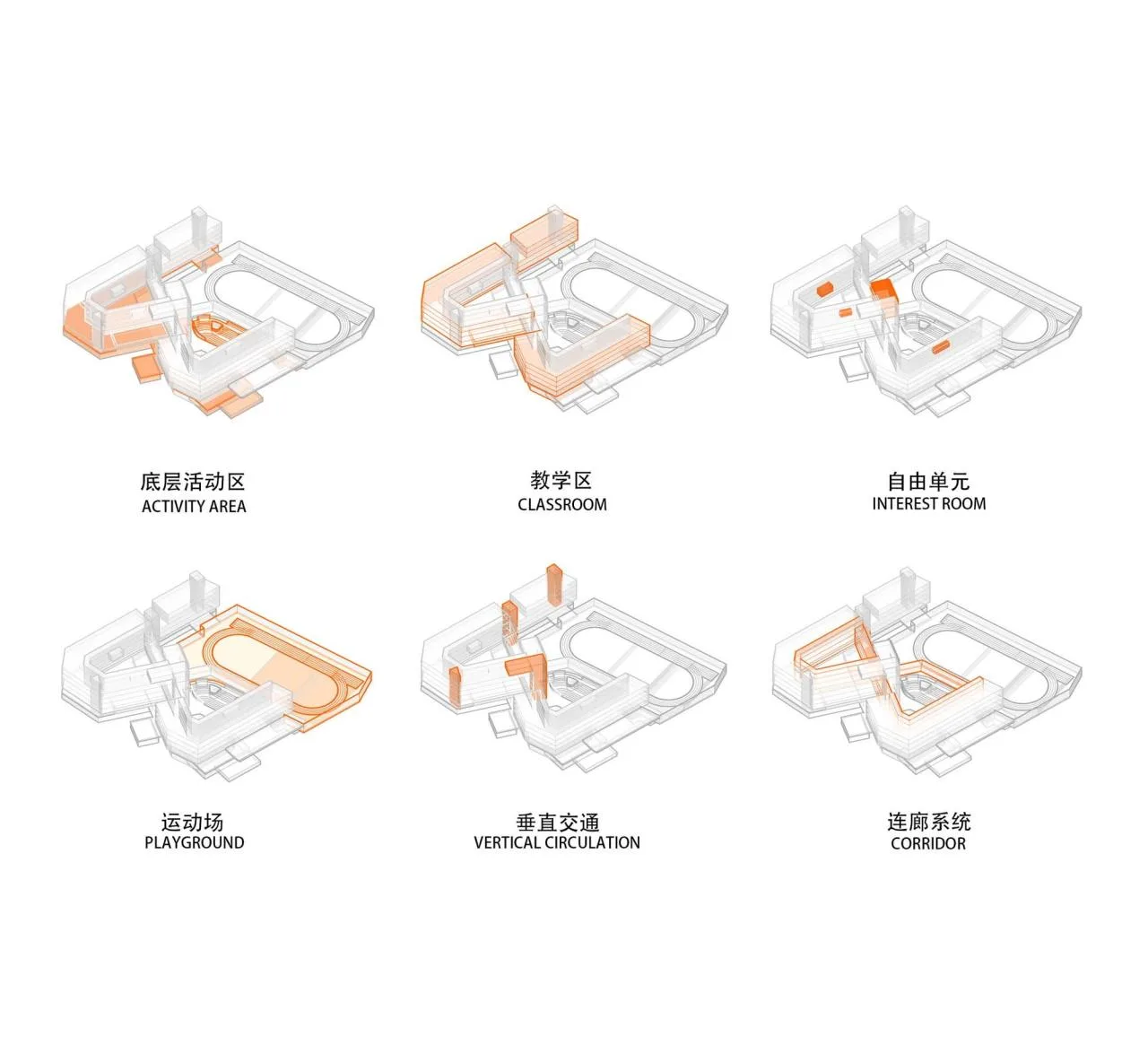
△ Functional Zoning Diagram
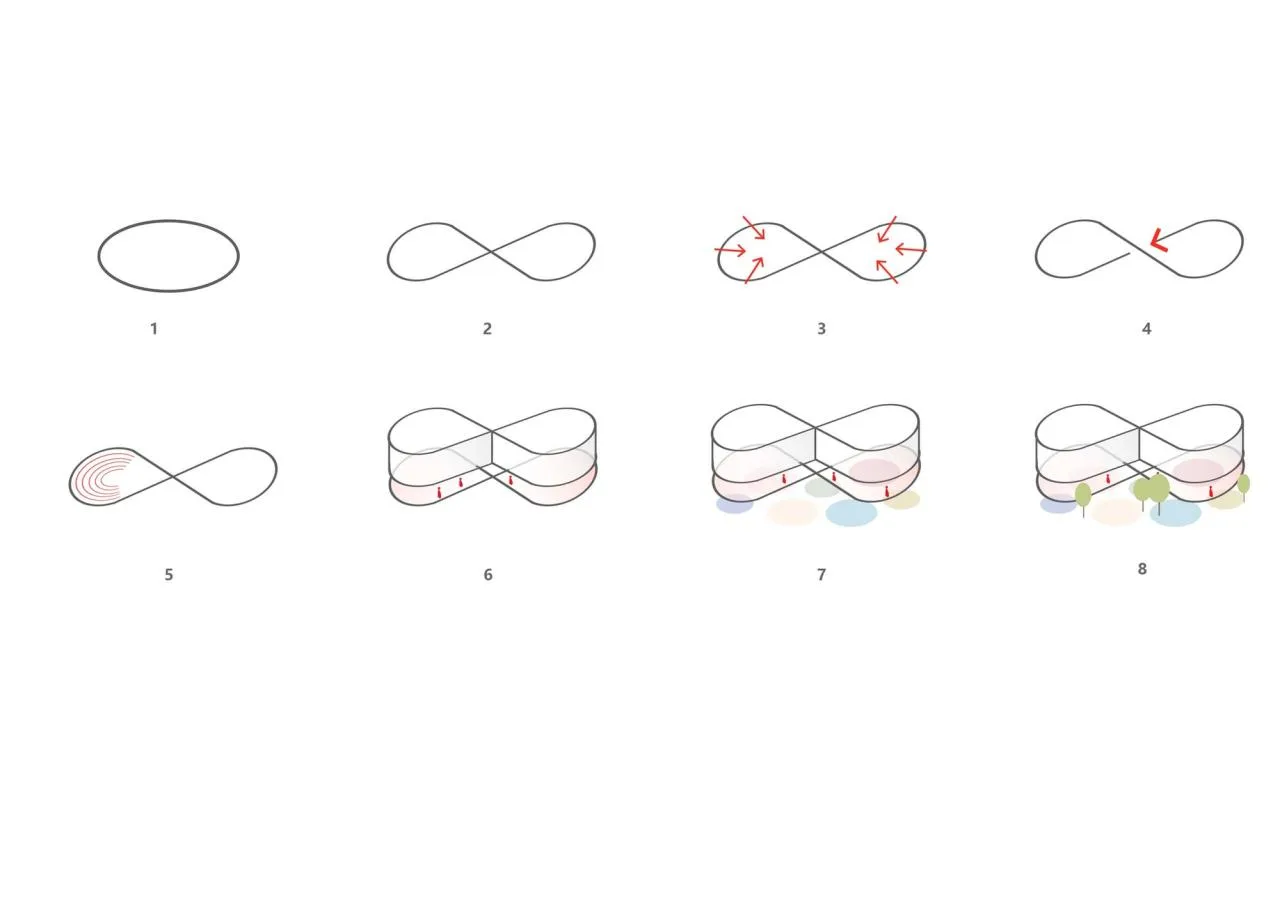
△ Shape Generation Diagram
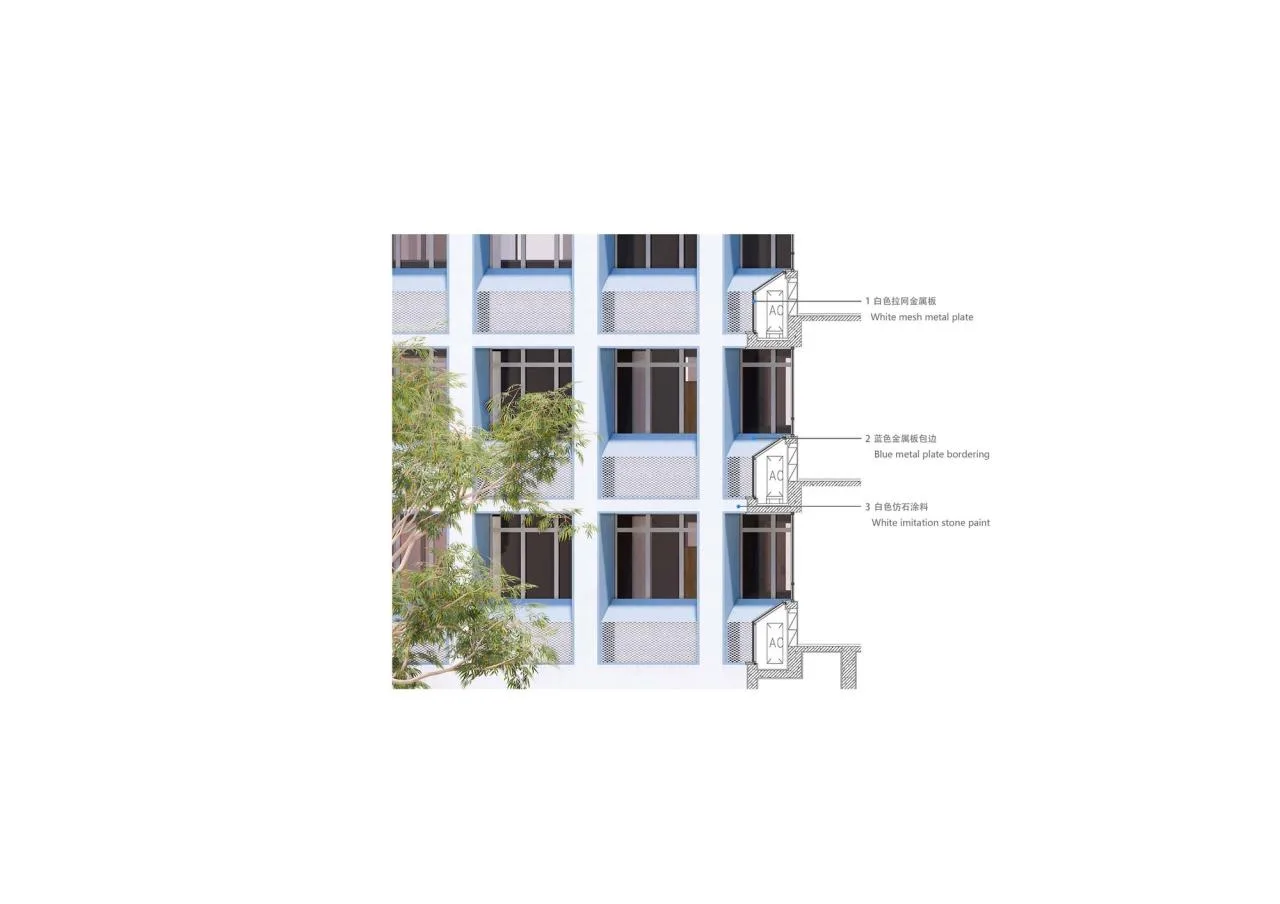
△ Window Detail Diagram
Project Information
Architectural Design: CMAD Architects
Area: 49,000 m²
Project Year: 2021
Photographer: ZC Studio
Manufacturers: DNP, Dulux Professional, Continental
Lead Architects: Zou Xiuhong, Chen Zhuo
Design Team: Chen Qing, Zhang Yawen, Chen Guodong, Chen Guojun, Bai Ronggang, Xu Wenbiao, Ji Xiaoyu
Client: Pingshan District Construction and Engineering Bureau, Shenzhen
Construction Agency: Shenzhen Vanke Urban Construction Management Co., Ltd
Landscape Design: Shenzhen Pai’er Landscape Planning and Design Consulting Co., Ltd
Interior Design: Shenzhen Jiudu Space Interior Design Co., Ltd
Location: Shenzhen, China















Must log in before commenting!
Sign Up