
Background
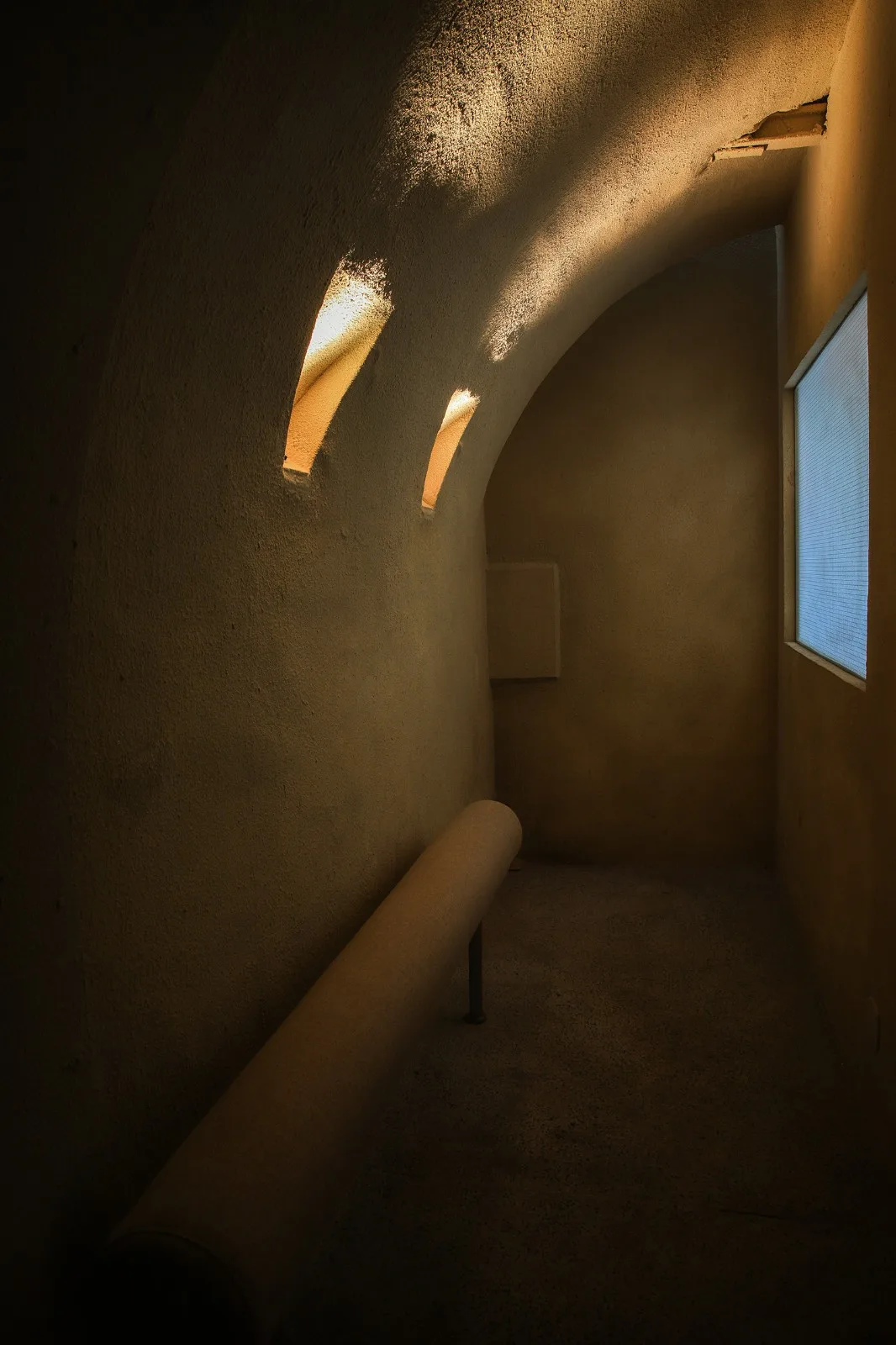
Chongqing’s revolutionary history spans a long timeline, leaving behind many unique landmarks, among which the air raid shelters stand out as a remarkable hidden world. During wartime, Chongqing featured numerous narrow roads and many air raid shelters built into the mountainside. This exclusive underground city is characterized by a cold, humid environment and dark, seemingly endless caves, embodying the inherent “maze aesthetics” of these subterranean spaces.
Spatial Concept
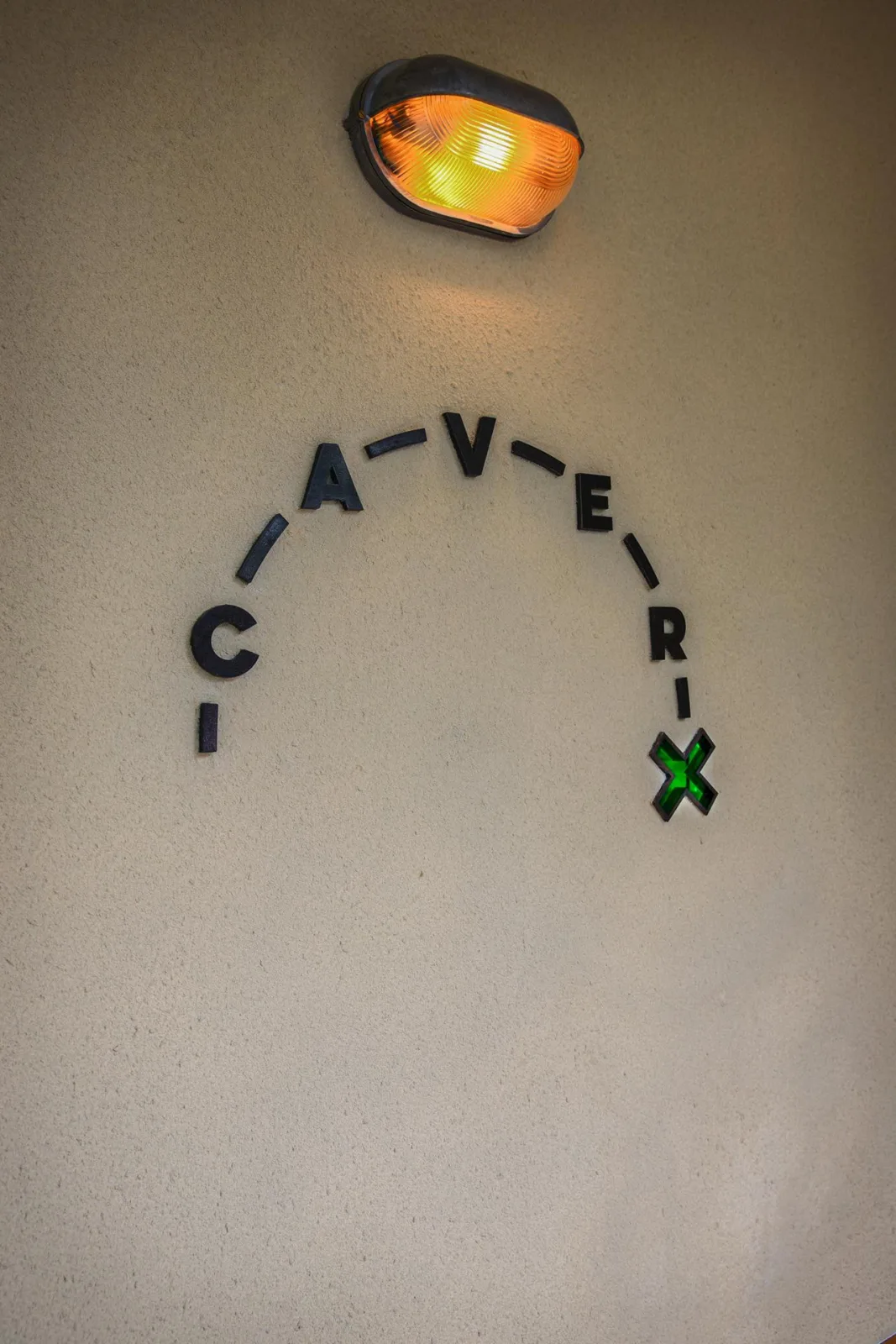
The name Caver stems from the word “cave,” symbolizing explorers who bravely venture deep into caves—not simply cave dwellers. This concept aligns with the spatial experience of the site, representing an invitation to embark on a fantastic exploration of mountain space.
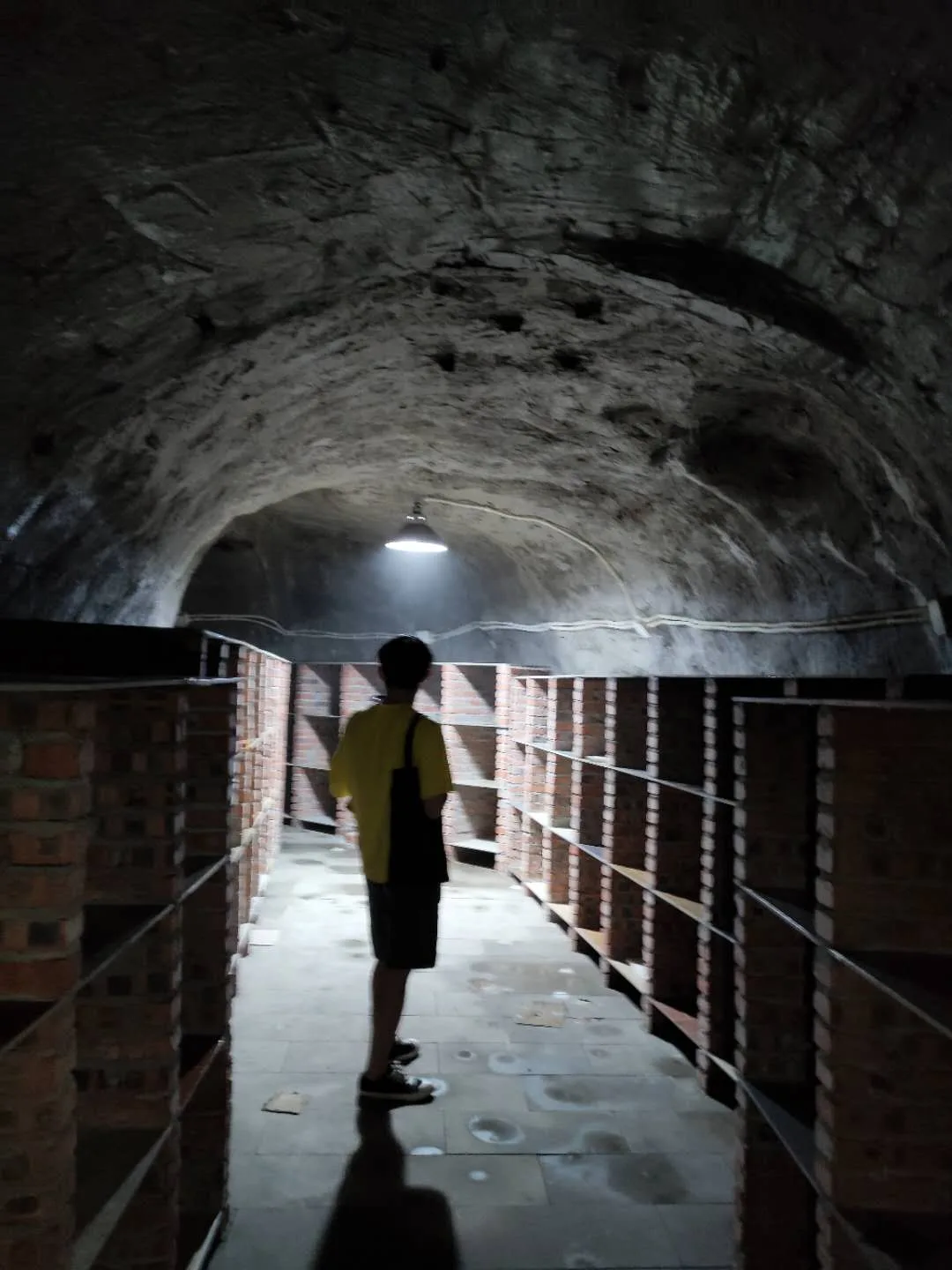
△ Original photos of the venue
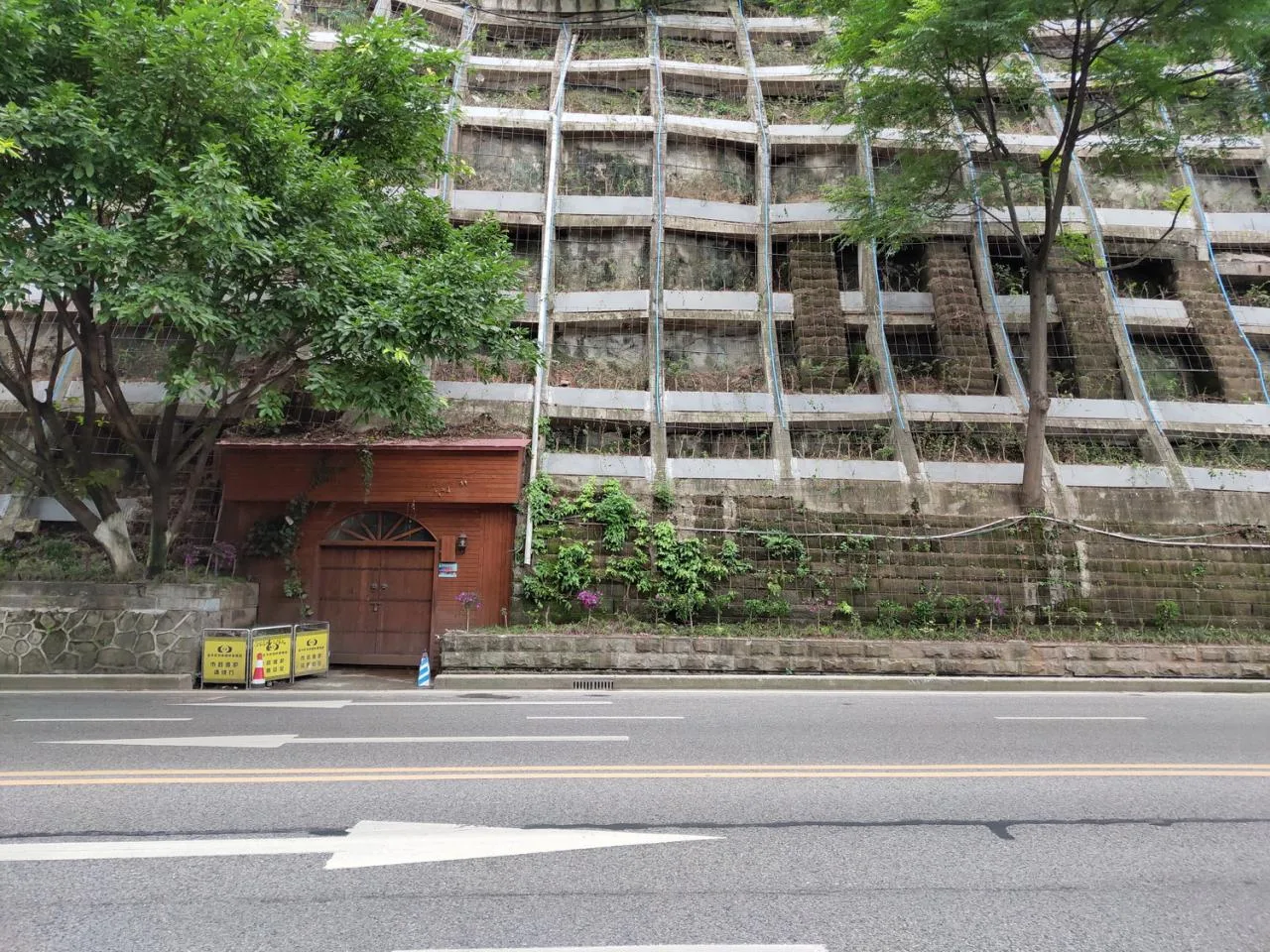
△ Original photos of the venue
Preliminary Exploration
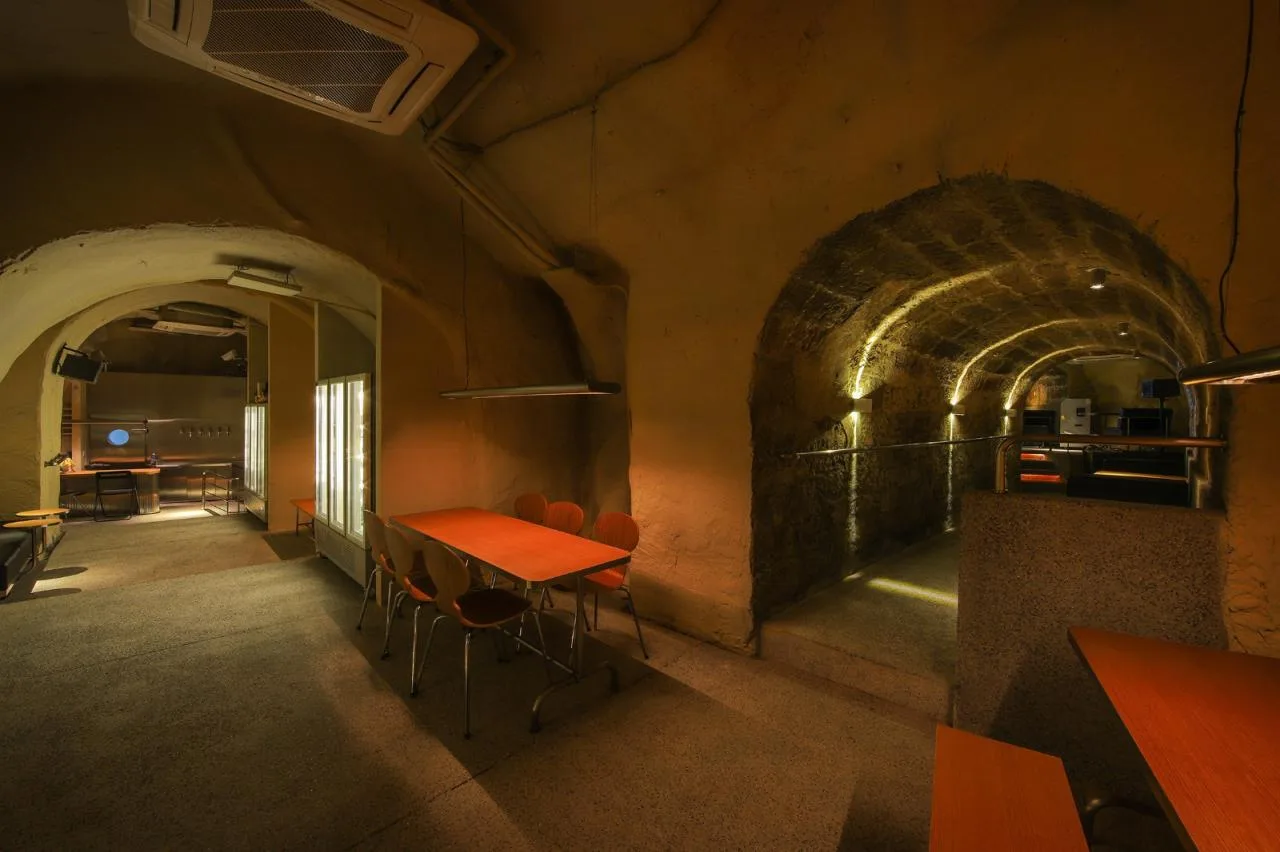
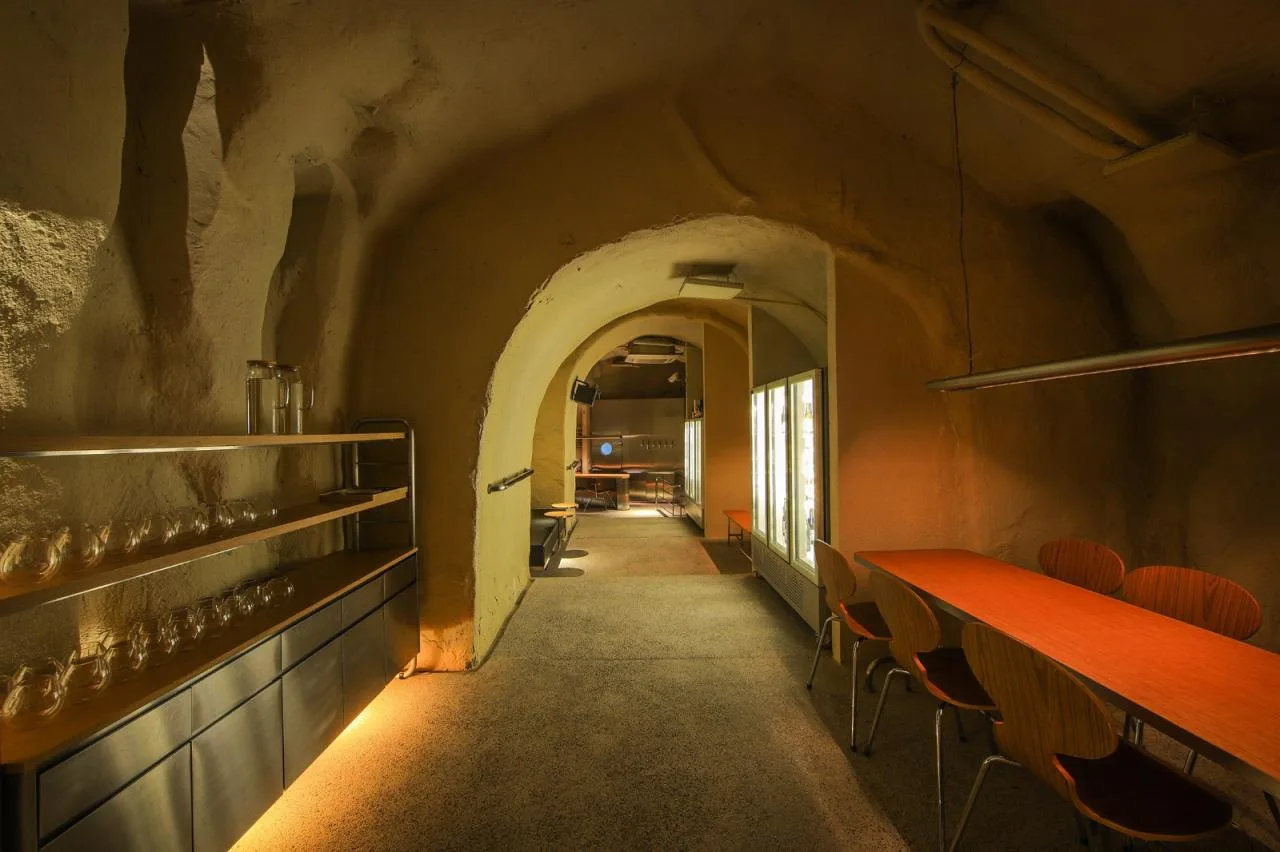
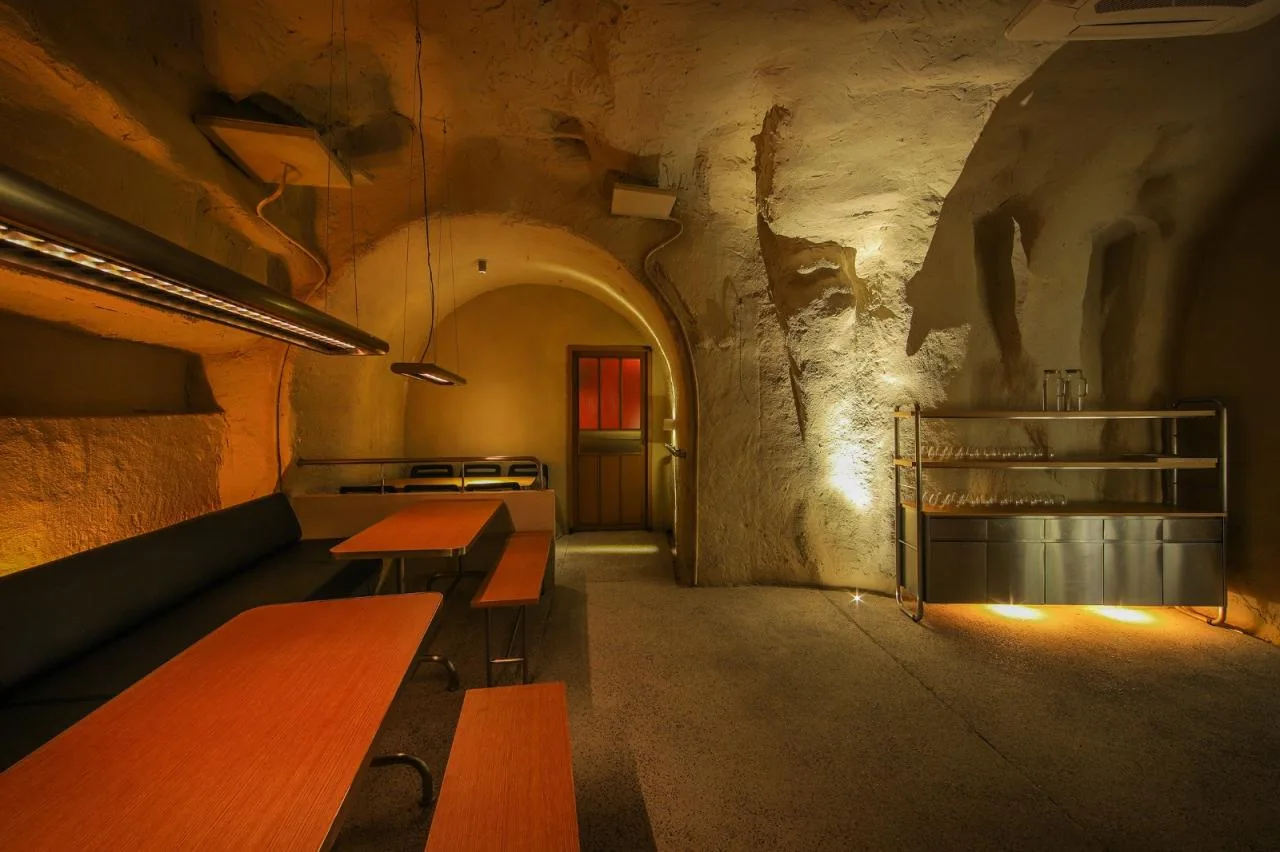
During the initial design phase of Caver, we focused on expressing the spatial qualities of the air raid shelter. After various trials and design experiments, we decided to preserve the cave-like nature of the space. Embracing the shelter’s unique characteristics, we utilized the natural elevation changes within the cave to conceal all pipelines underground. These elevation differences naturally formed steps during construction, offering visitors a progressive and layered exploration experience.
Entrance Space
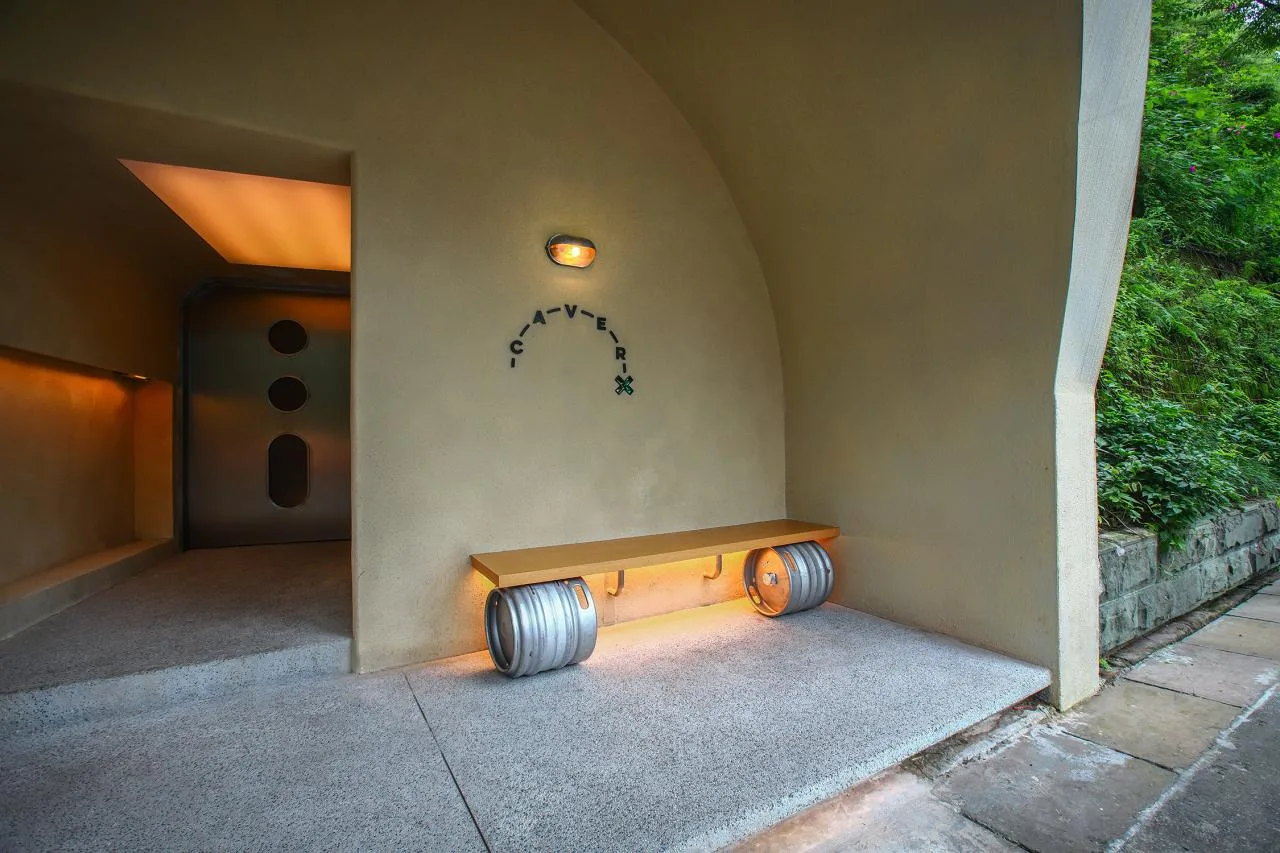
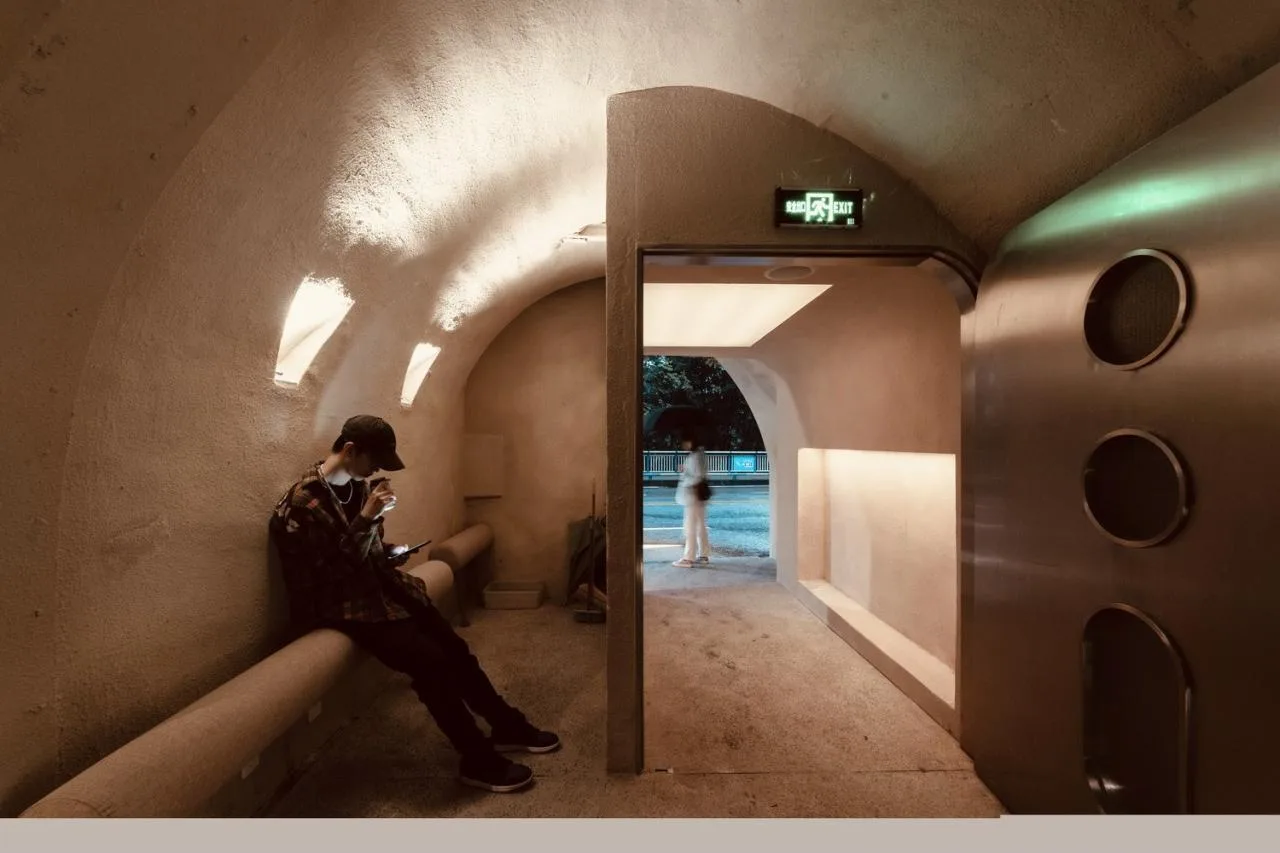
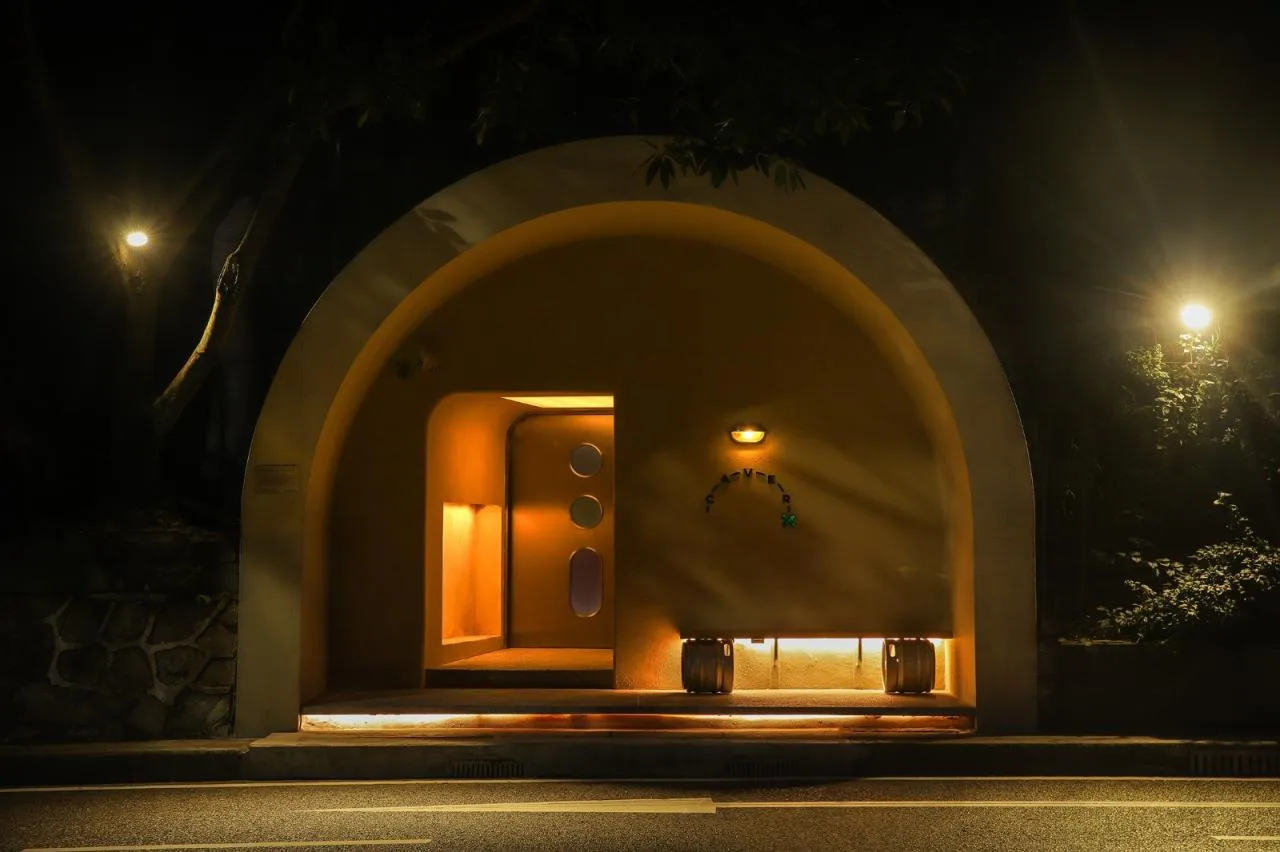
To enhance the entrance experience and create a sense of ritual for guests entering the cave, a single small door was designed as the main entrance, accompanied by a window connecting the interior and exterior beside it. Many modifications were made based on the original storefront to find the best balance between appearance and proportion.
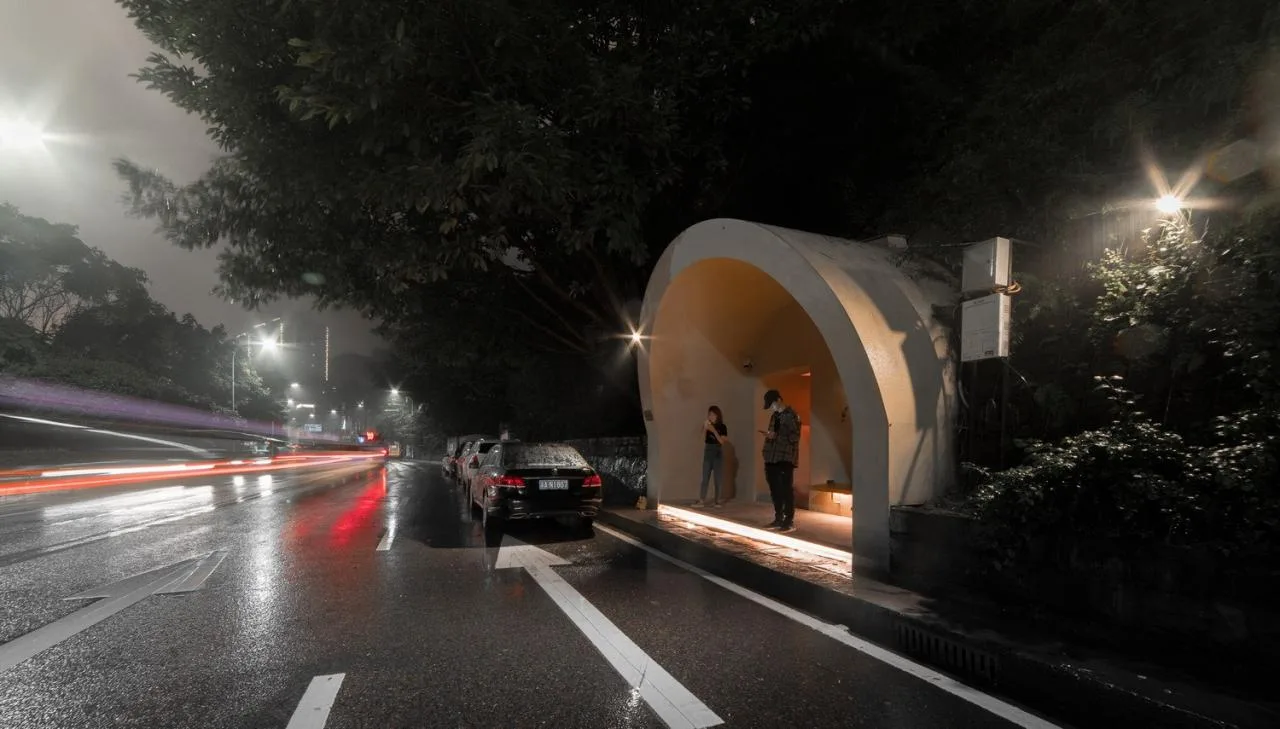
An “X” was added next to the word CAVER at the entrance, symbolizing treasure. The final letter “X” features a mirrored reflection, creating an infinite loop design. Looking through this “X” evokes the feeling of exploring a fantastic planet. This transitional space softens the shift from the noisy city environment to the quiet mountain setting. Additionally, the recessed left entrance and staggered door layout form a waiting area, where a skylight above and wall lightings create a mysterious allure.

Indoor Overview
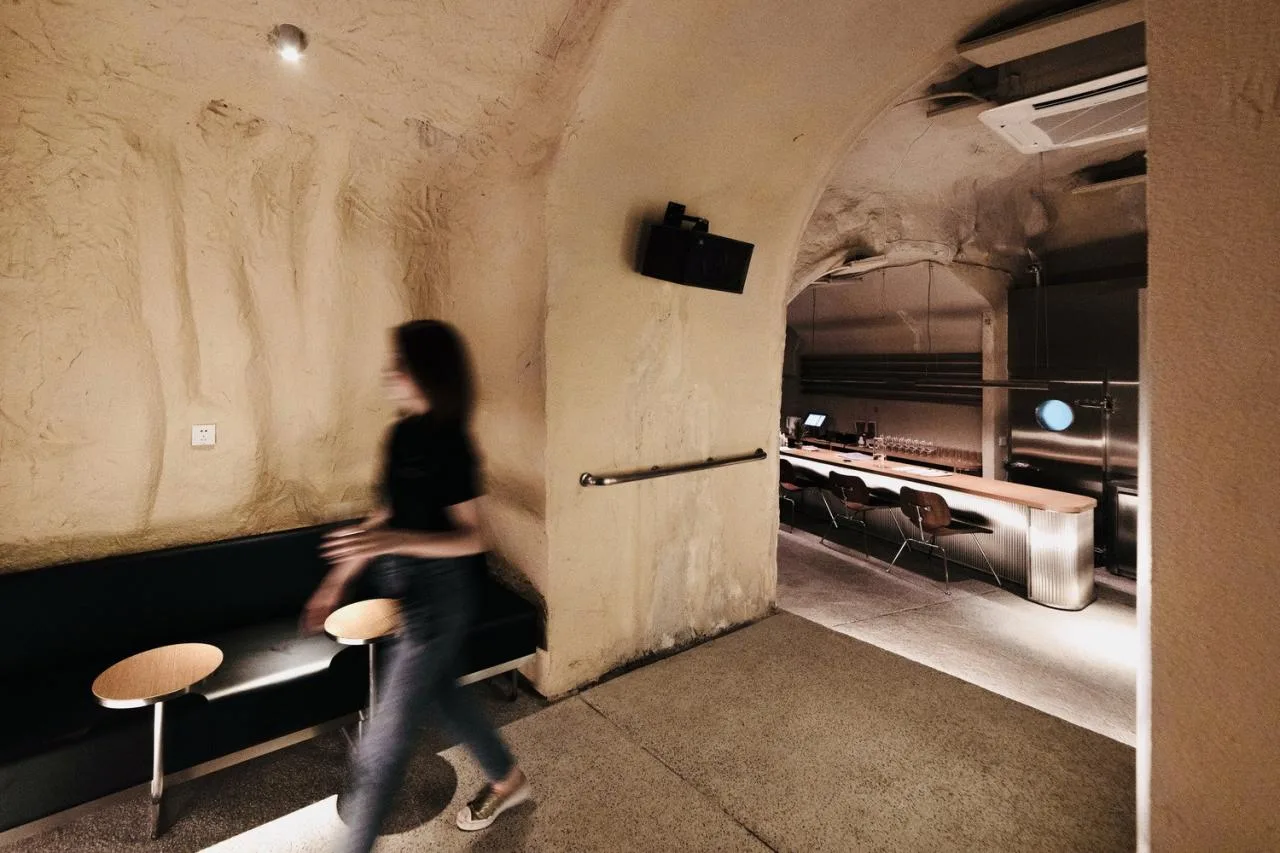
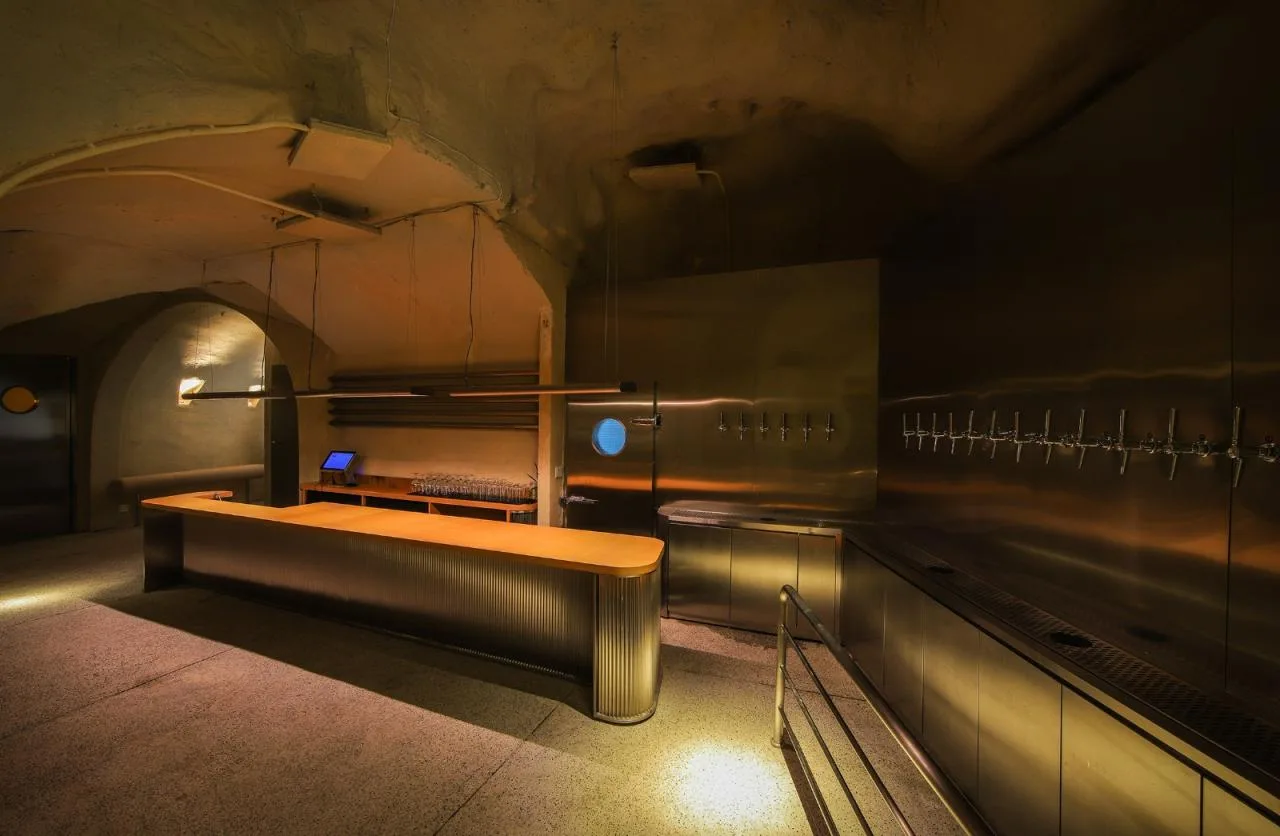
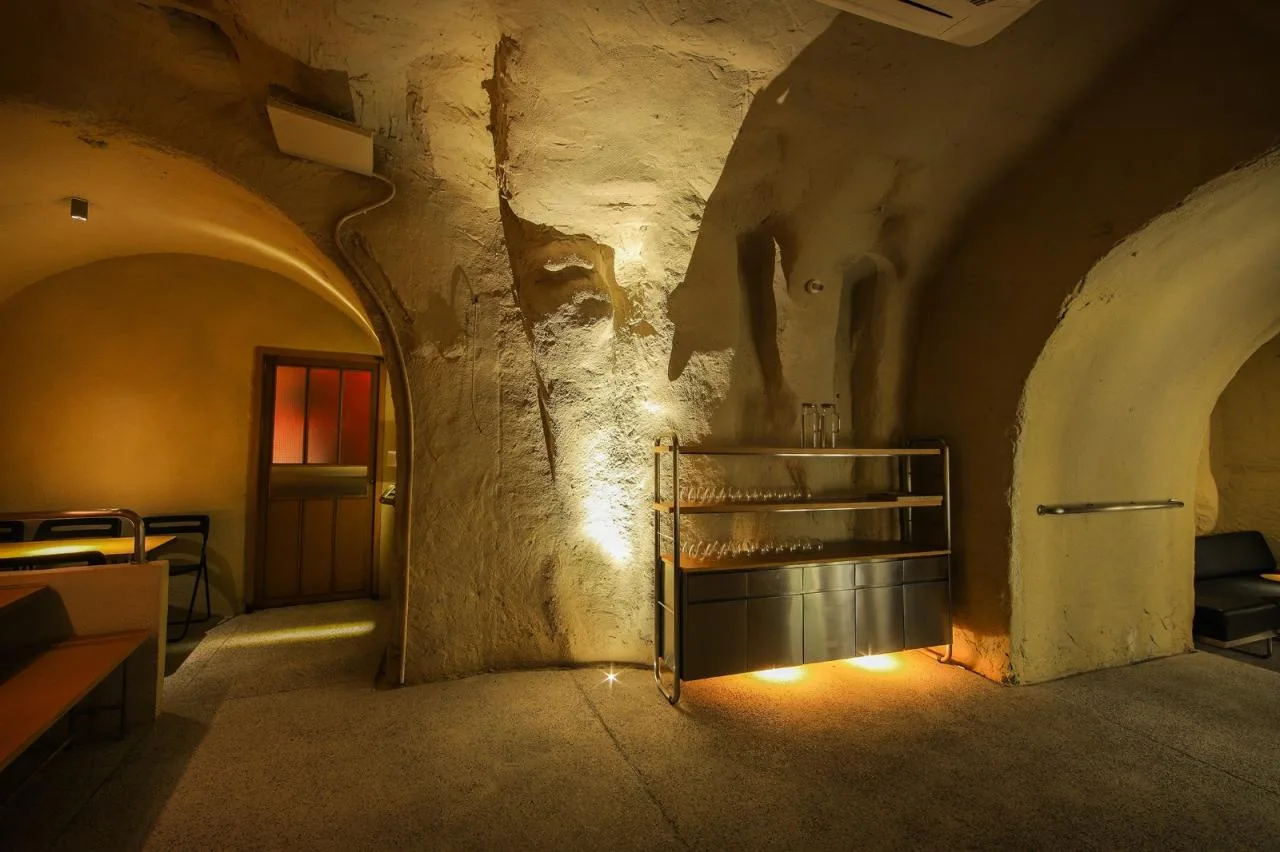
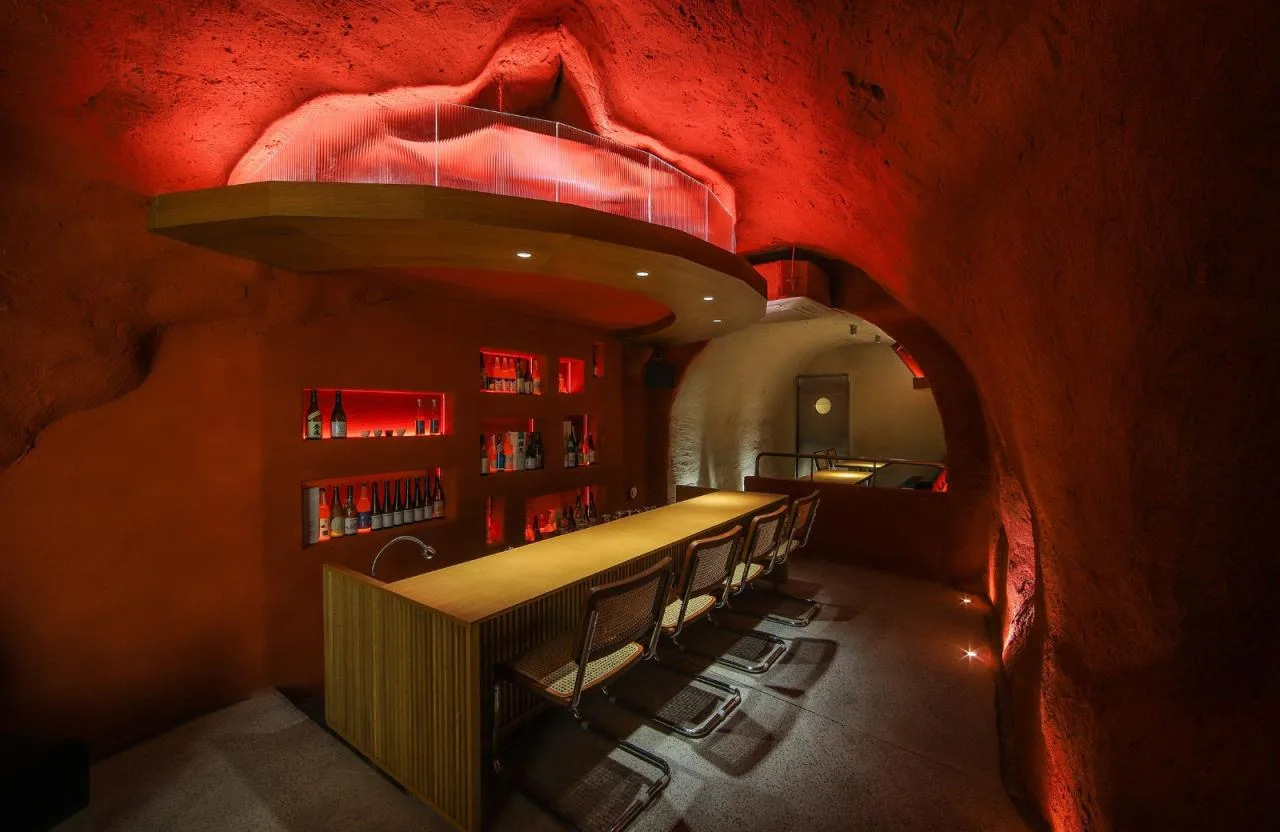
Above the sake display area is a curved ceiling made of Changhong glass, designed to blur its edges and emphasize the continuity of the cave while maintaining ample space. Since digging deeper into the mountain was not possible, the Qingba Bar’s liquor cabinet was designed with thicker walls and carved openings to maintain the natural cave feel. This design serves both functional and aesthetic purposes, adding a vintage atmosphere. For the furniture, Bauhaus-style pieces were chosen to complement the air raid shelter environment. Seating areas are clearly defined to soften the shelter’s structural rigidity and facilitate functional zoning. Wall-mounted booths are softly upholstered to counteract the cave’s inherent coldness.
Lighting Design
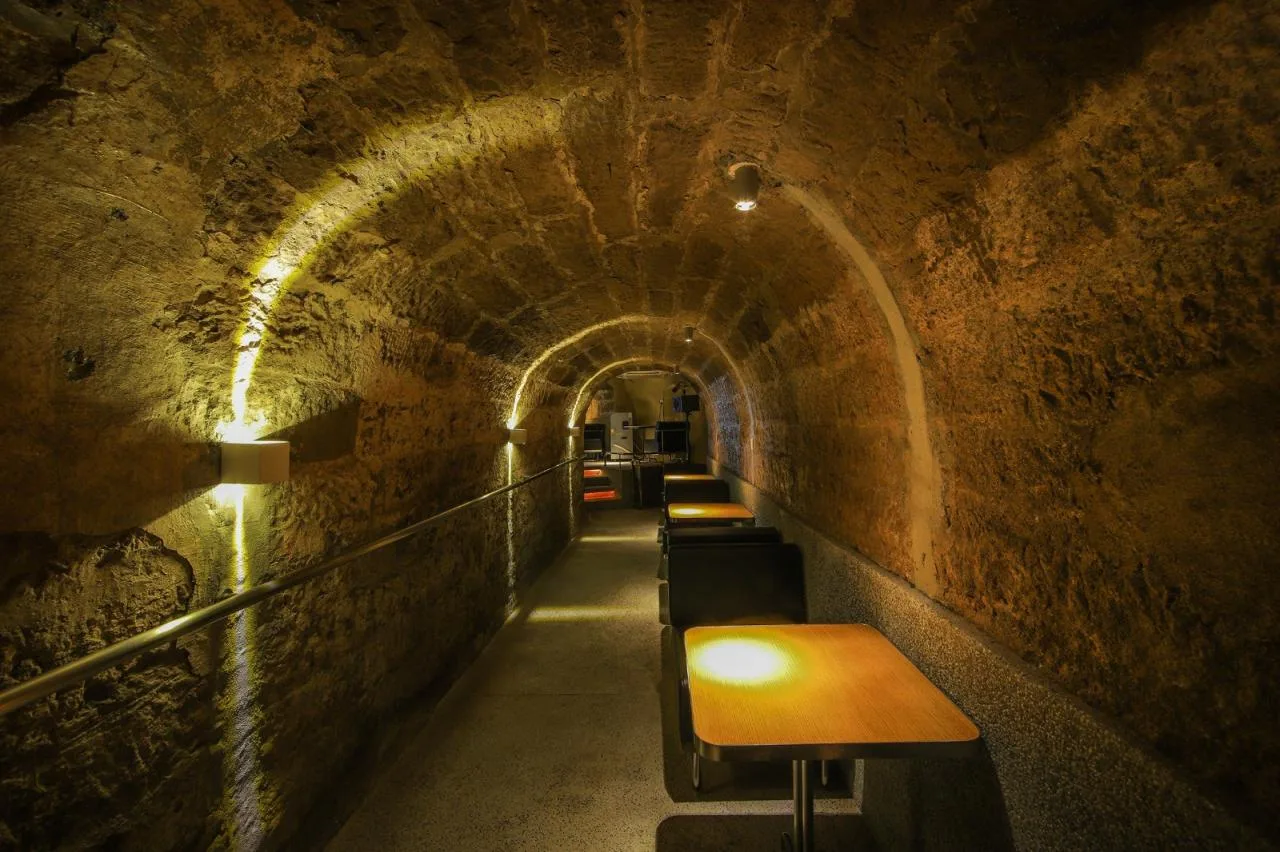
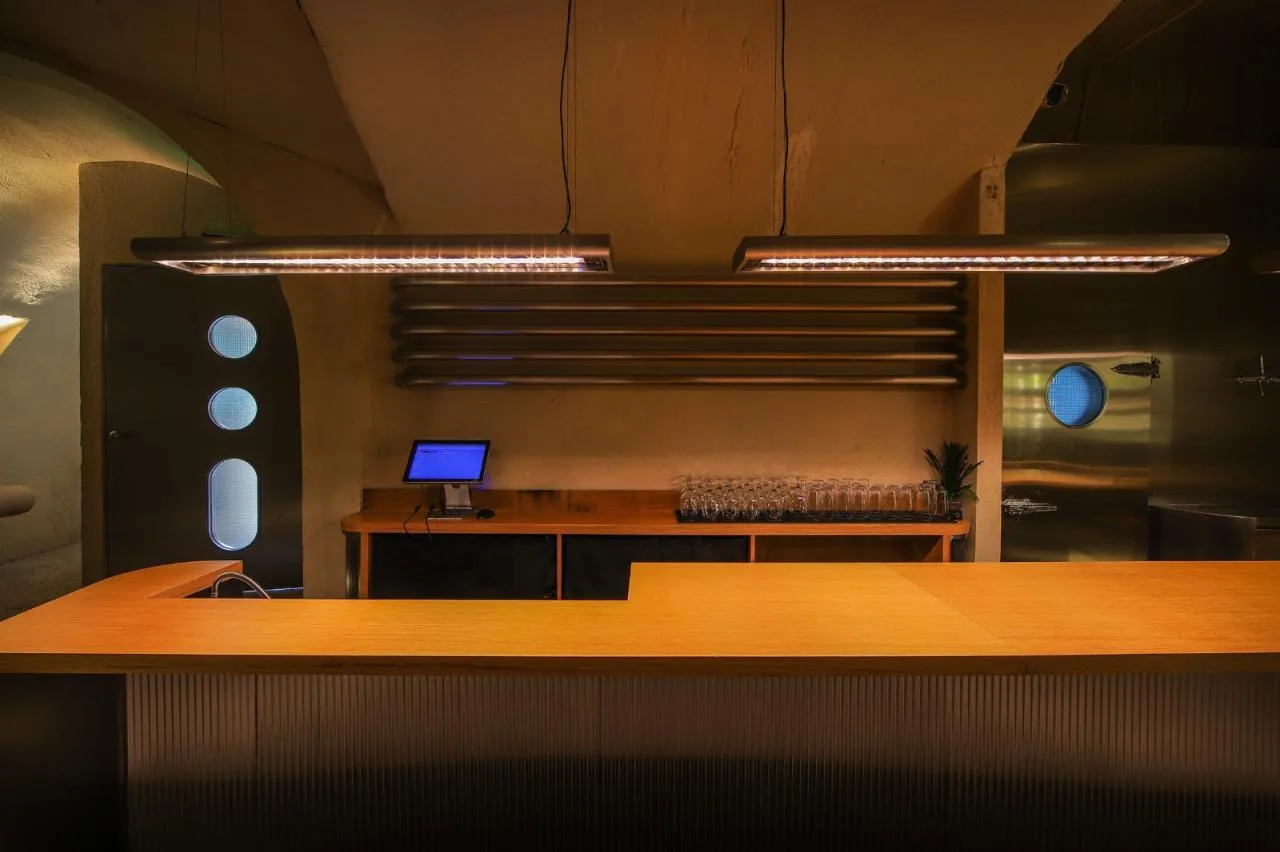
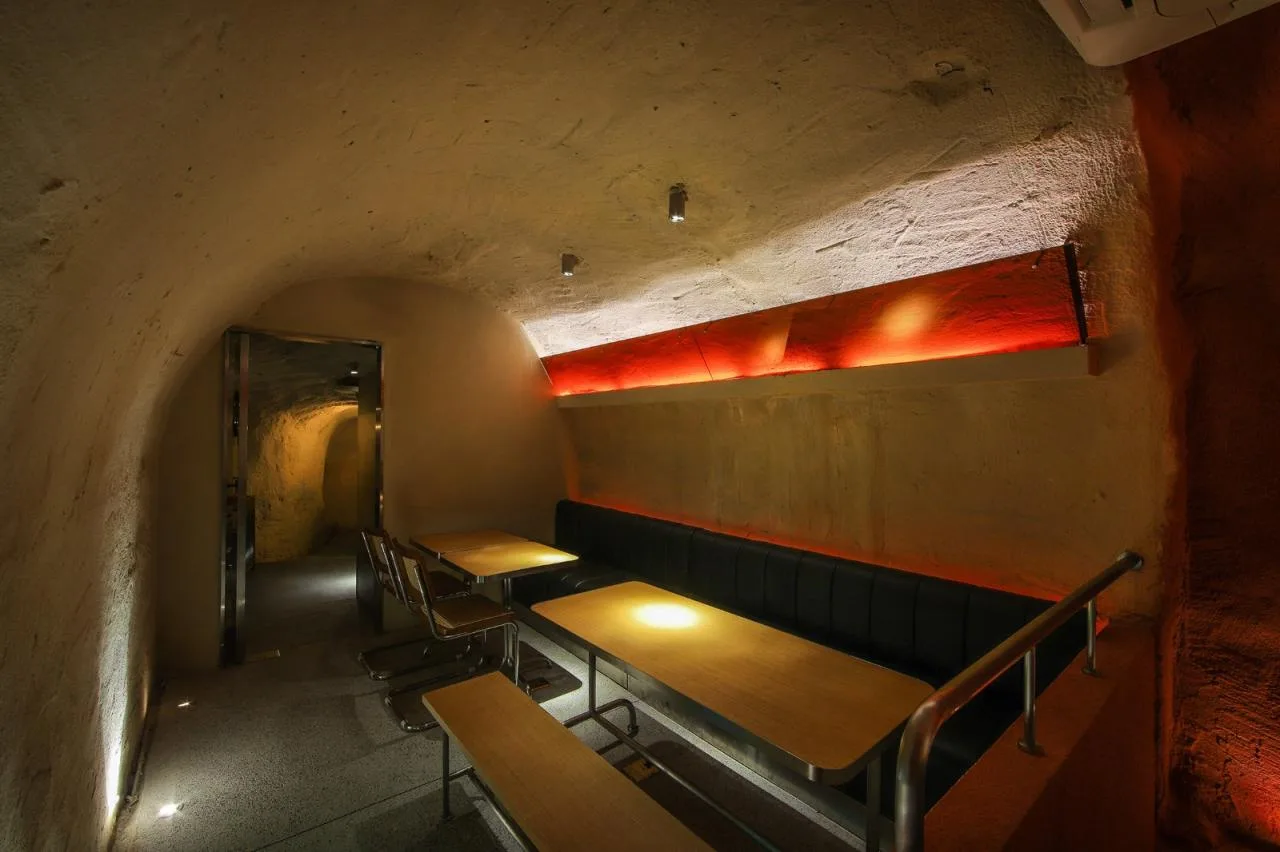
To amplify the uniqueness of the space, the lighting inside CAVER was designed not only to offer guests a distinct lighting experience but also to create a layered, progressive relationship between light and space. Special lights are installed at every seat, guiding visitors through the space. Visually, circles of light wrap around one area after another, inviting exploration and providing a unique experience both visually and emotionally.
Spatial Characteristics
- Place Spirit: The spatial structure of the air raid shelter is preserved, along with its historical memory and significance.
- Material Selection: The floor is terrazzo, while the walls retain Chongqing’s unique clear slate material and textured paint to showcase the natural cave essence.
- Space Interaction: The bar is sunken, with all seating at the same level to facilitate communication between staff and guests, creating a relaxed and comfortable atmosphere.
- Site Preservation: Original wall and floor materials are retained and reinforced, with wall thickness increased to provide wine storage functions without damaging the structure.
- Light and Shadow: The shelter’s interior is narrow and windowless, extending up to 26 meters. Dim lighting makes the interplay of light and shadow the primary method of spatial expression.
Conclusion
The air raid shelter maintains its original character. Inside, the boundary between nature and art blurs. Caver’s purpose is to inhabit, experience, and feel this space, filtering out the outside world’s distractions. Our goal is to create a mental state that offers visitors both an immersive experience and emotional resonance. People gather here, beginning with curiosity and ending with a glass of wine. Time’s passage and the world’s noise are left outside this cave sanctuary.
Project Drawings
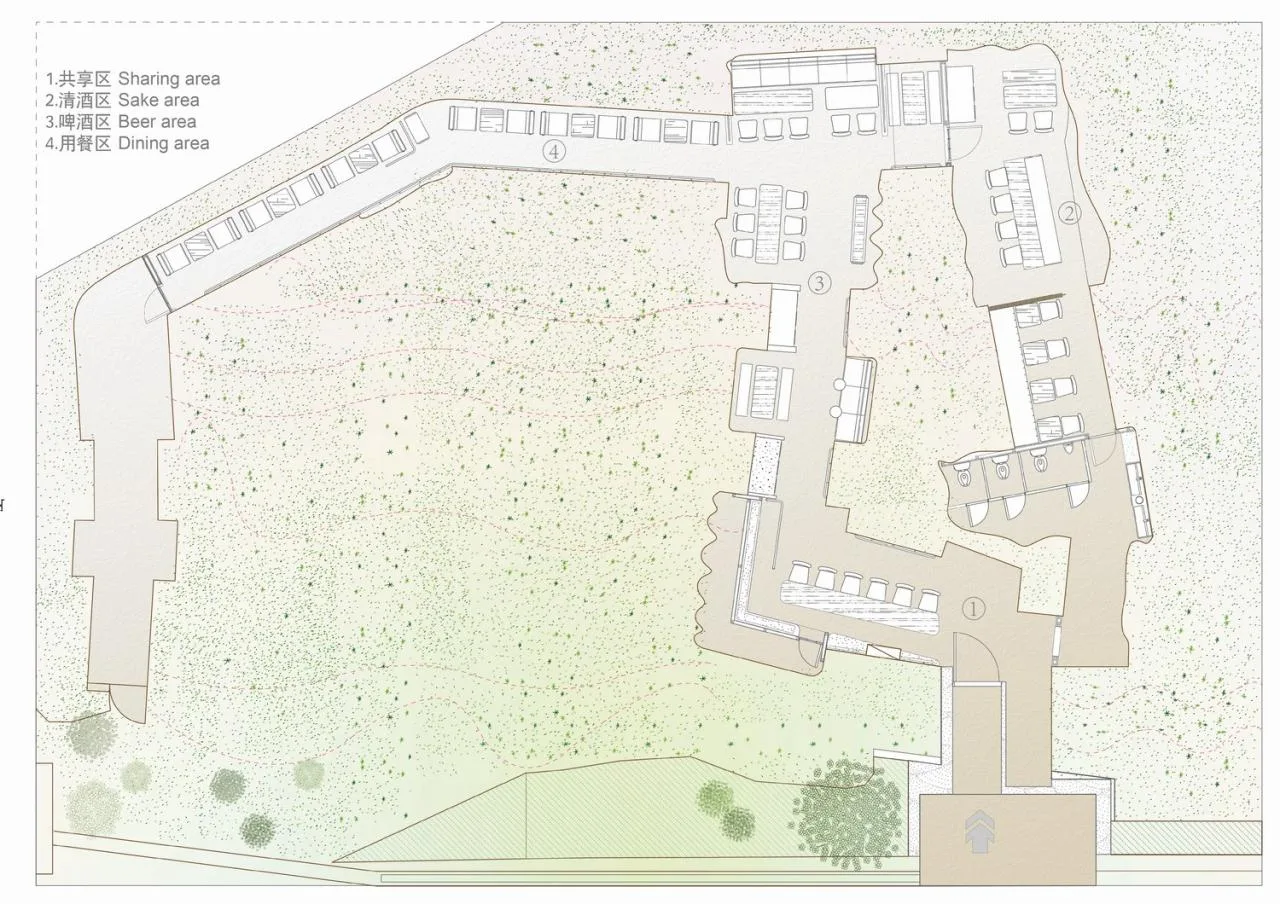
△ Field map
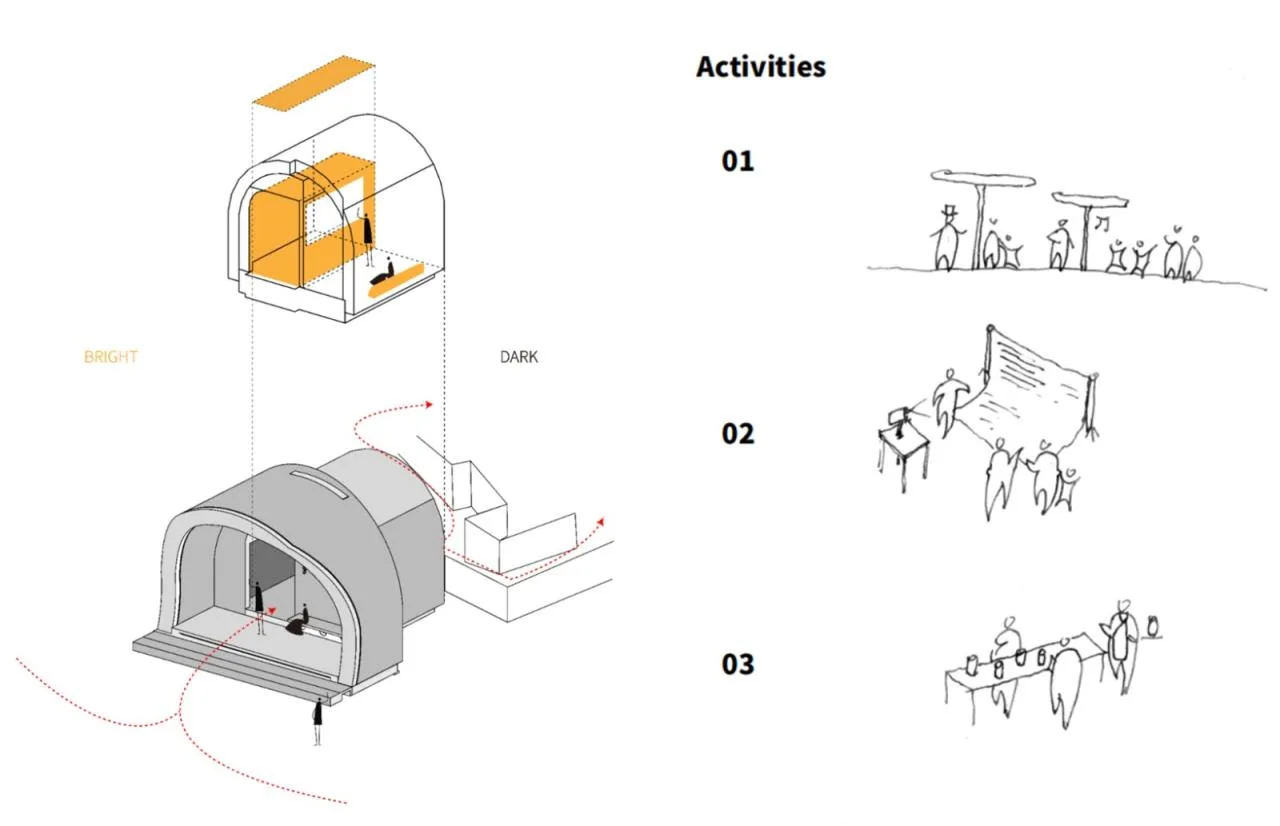
Concept Sketch
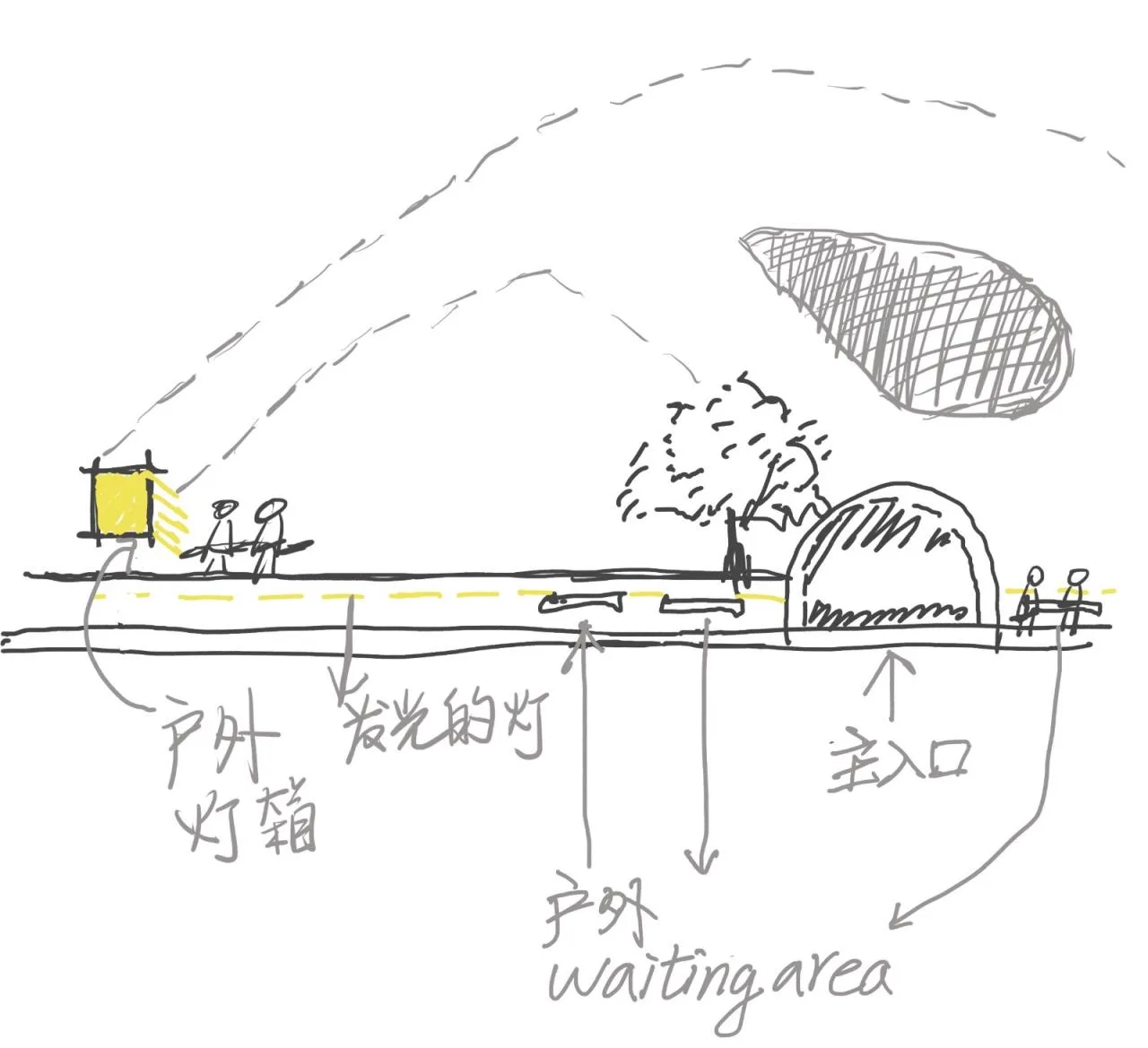
△ Design sketch
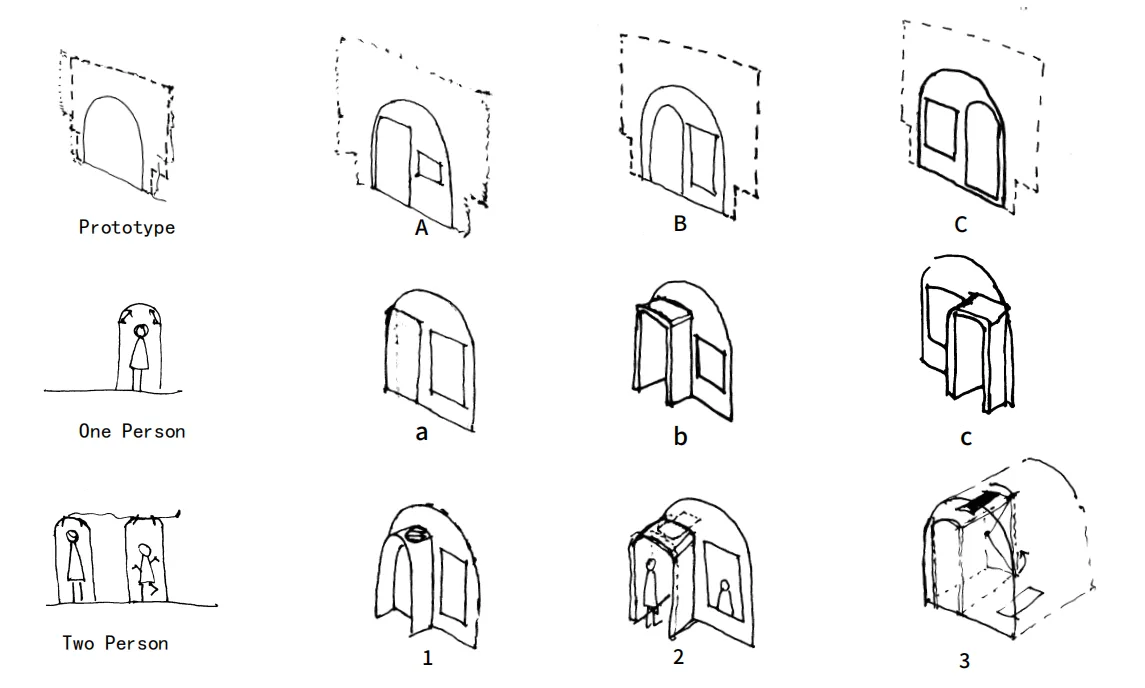
△ Design sketch
Project Information
Project Name: Caver Craft Bar
Designer: itD Studio / Luo Peiqi
Year of Completion: October 2020
Principal Creators and Design Team: Luo Peiqi / Su Zhizhan / itD Studio
Location: 67 Liziba Street, Yuzhong District, Chongqing
Building Area: 190 square meters
Photography Copyright: 17
Lighting Design: Yuan Youwu / 9024 Studio
Brand Visual Planning: HOUTH (Taipei, Taiwan)
Furniture Design and Layout: LZ Levin
Client: HopsCraft Beer Craft Beer Tavern
















Must log in before commenting!
Sign Up